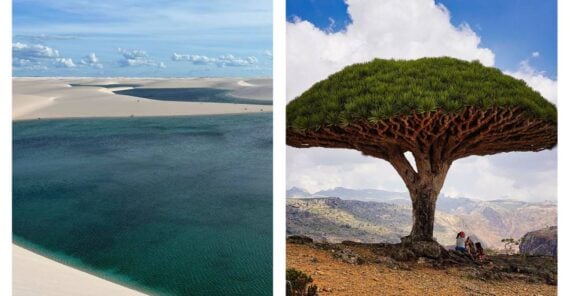
Some places on Earth look so strange they seem to belong to another planet. From colorful lakes to giant rock formations, the following destinations look nothing like Earth.
Many of these places are far away, hidden from big cities. Some are difficult to reach, while others can be visited by travelers looking for something different. Whether you love nature or simply want to see something astonishing, these 15 destinations will show you just how strange our world can be.
1. Dallol, Ethiopia
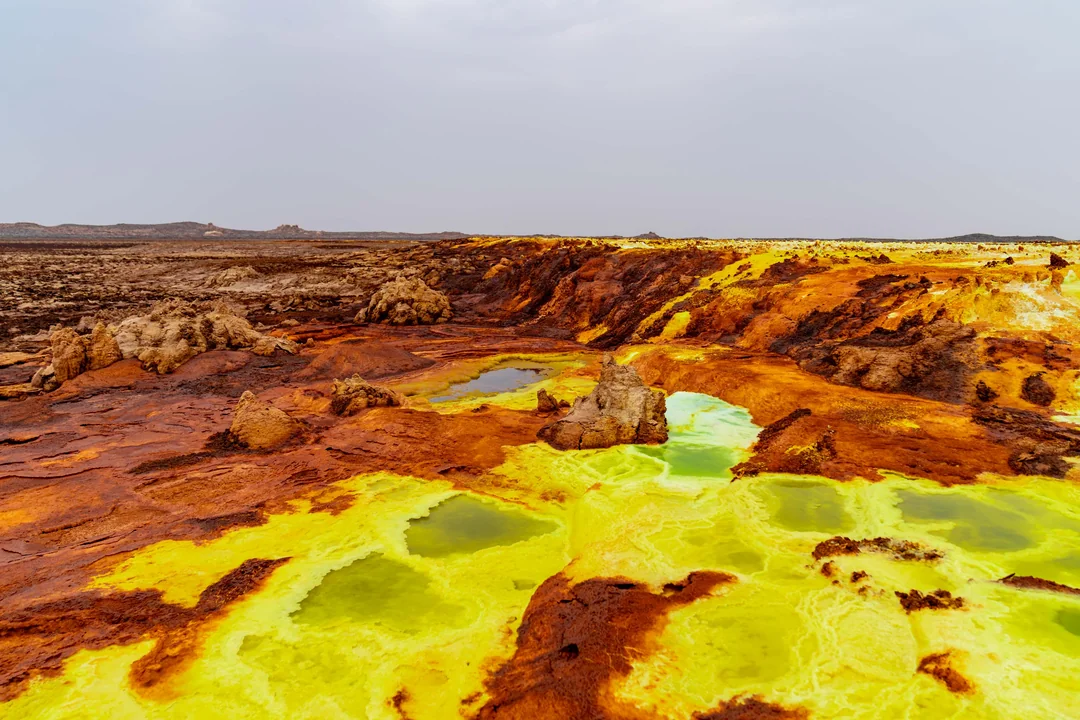
Dallol, in Ethiopia, looks like a colorful world from a science-fiction movie. The ground is covered in yellow and orange, with bubbling pools and rock formations. These colors come from hot water, volcanic activity, and minerals found in the ground. This area is also one of the hottest on Earth, making it fascinating and very dangerous to visit.
2. Socotra Island, Yemen
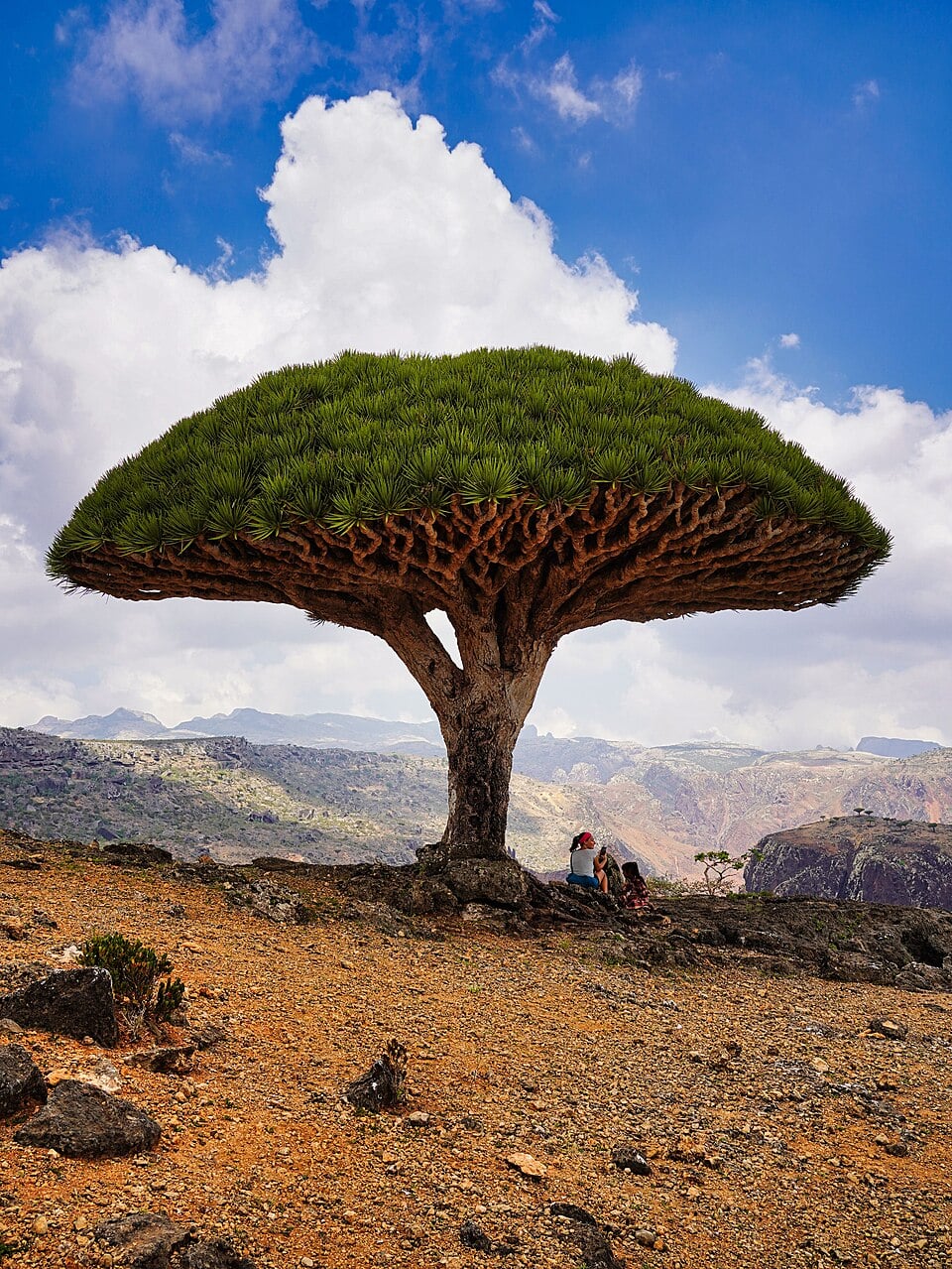
Socotra Island, located in the Arabian Sea, is famous for its trees and unusual plants. One of its most famous sights is the dragon blood tree, which has a thick trunk and branches that spread out like an umbrella. Because Socotra has been separated from other land for millions of years, many of its plants and animals are found nowhere else.
3. Salar de Uyuni, Bolivia
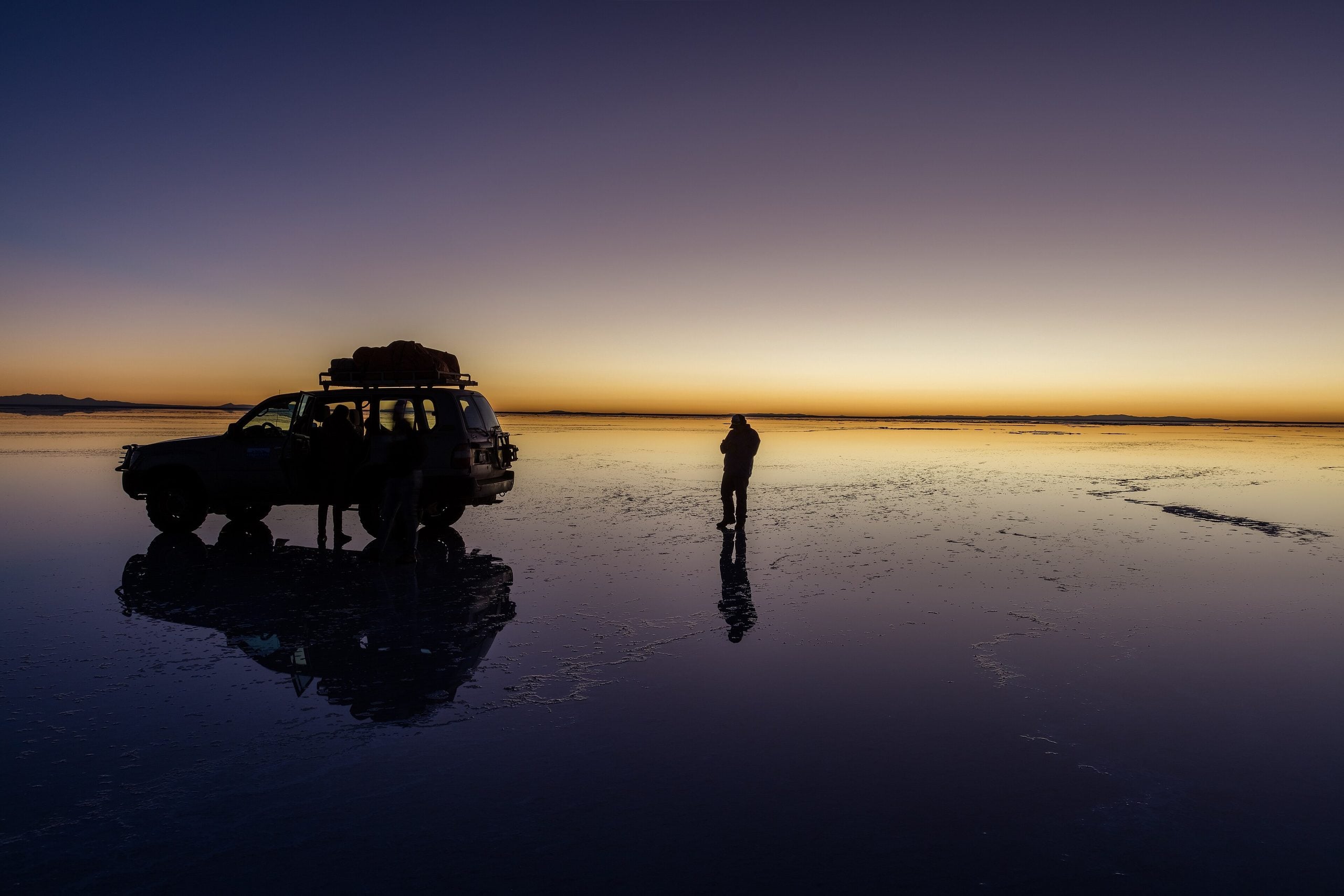
Salar de Uyuni is the largest salt flat in the world, covering more than 4,000 square miles in Bolivia. During the dry season, the ground looks like an endless white desert. After rain, a thin layer of water covers the salt and reflects the sky like a giant mirror. Clouds seem to float beneath your feet…
4. The Spotted Lake, Canada
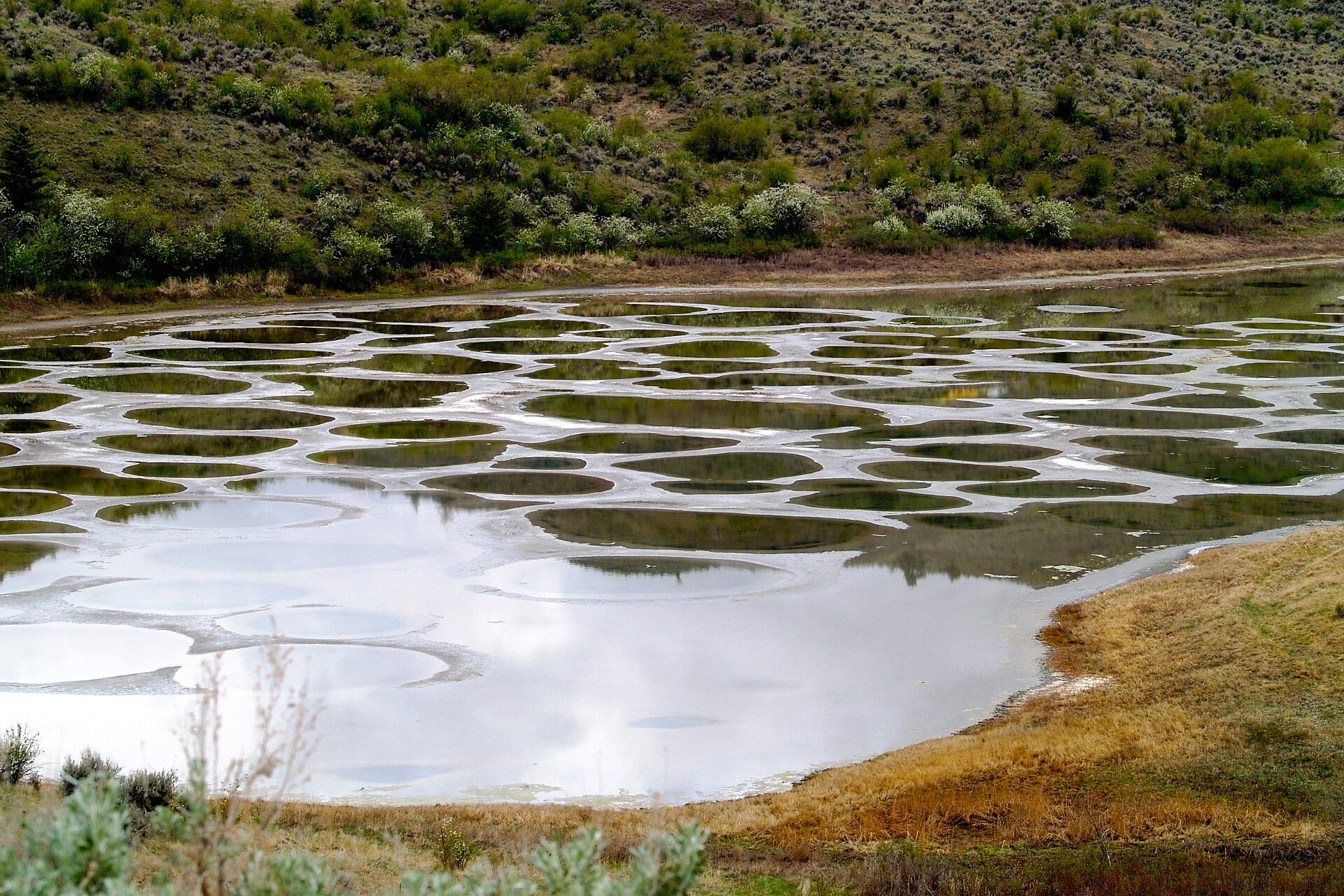
Spotted Lake, in British Columbia, Canada, looks like a giant area covered in colorful circles. The spots change in size and color depending on the weather and water levels. The lake contains large amounts of minerals. It is also home to the local Syilx Okanagan people, so visitors have to respect the area and view the lake from allowed locations.
5. Pinnacles Desert, Australia
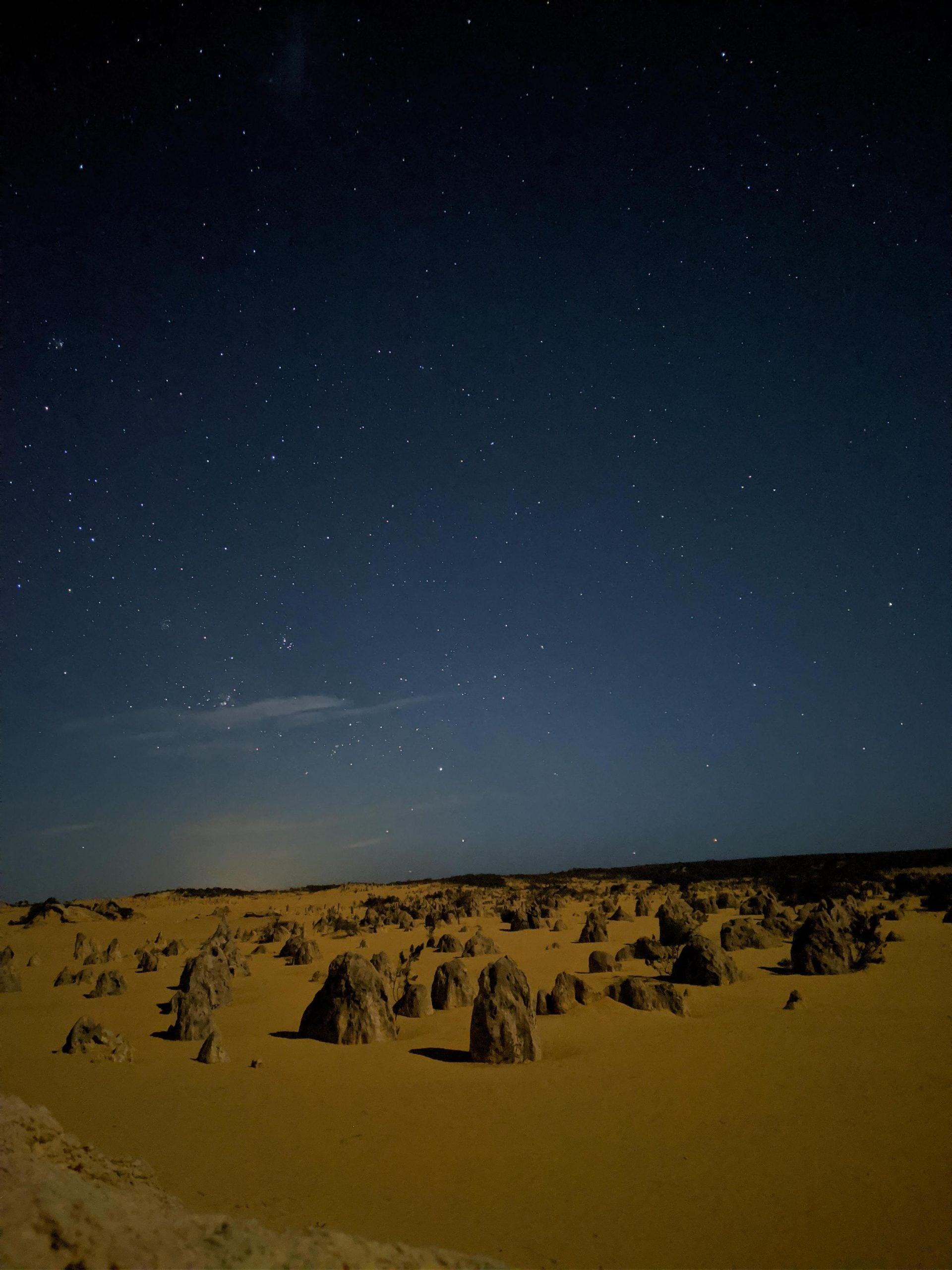
The Pinnacles Desert in Australia is filled with thousands of tall limestone rocks rising from the sand. Together, they look like the remains of an ancient city built by an unknown civilization. The rocks formed over a long period through natural changes in the ground and the effects of wind and weather.
Trending on Wealth Gang


6. Lençóis Maranhenses National Park, Brazil
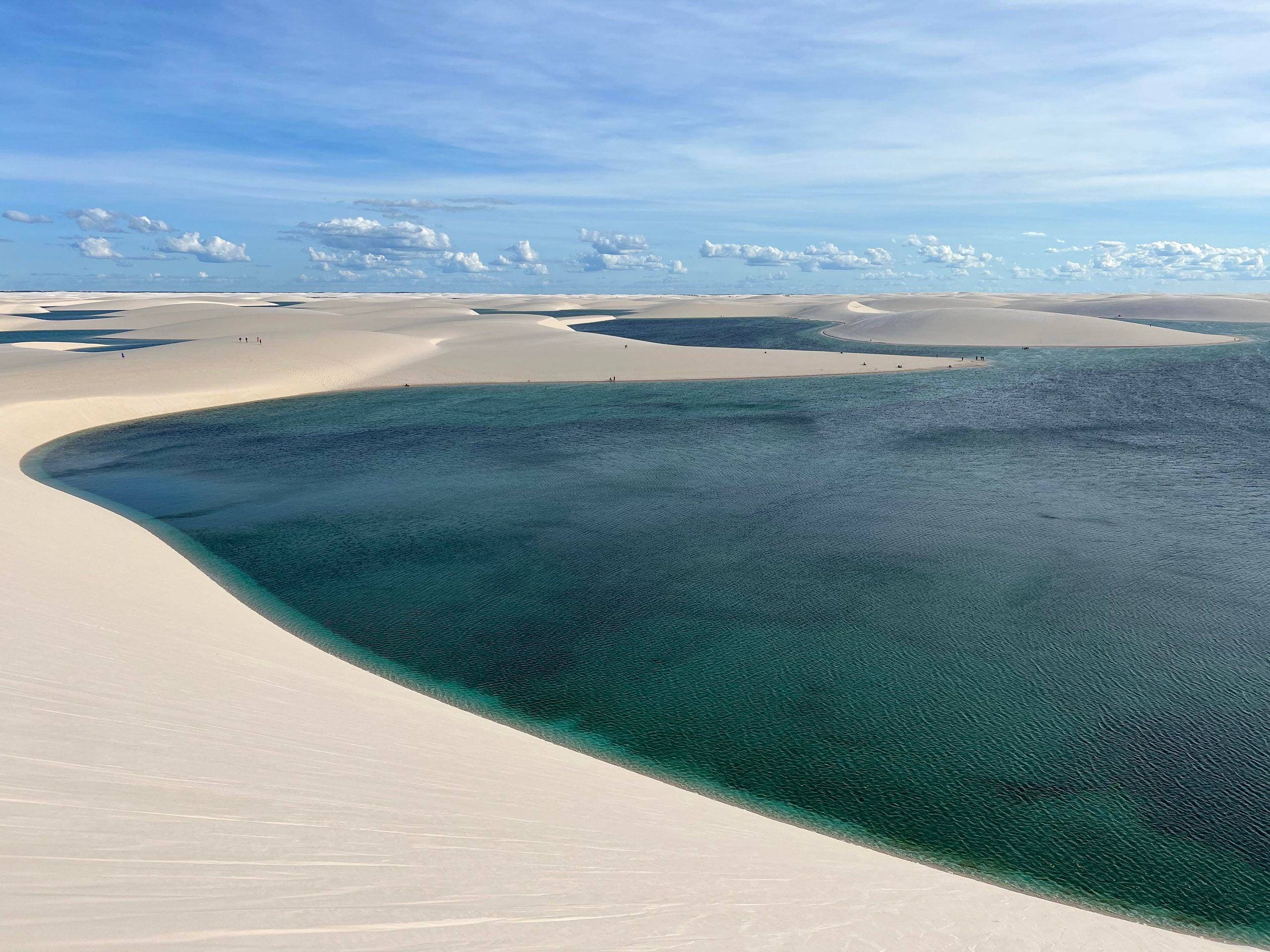
Lençóis Maranhenses National Park in Brazil looks like a giant desert filled with white dunes and clear blue lagoons. What makes it unusual is that the area receives enough rain during certain months for water to collect between the dunes. These pools create a beautiful mix of white sand and bright water.
7. The Valley of the Moon, Chile
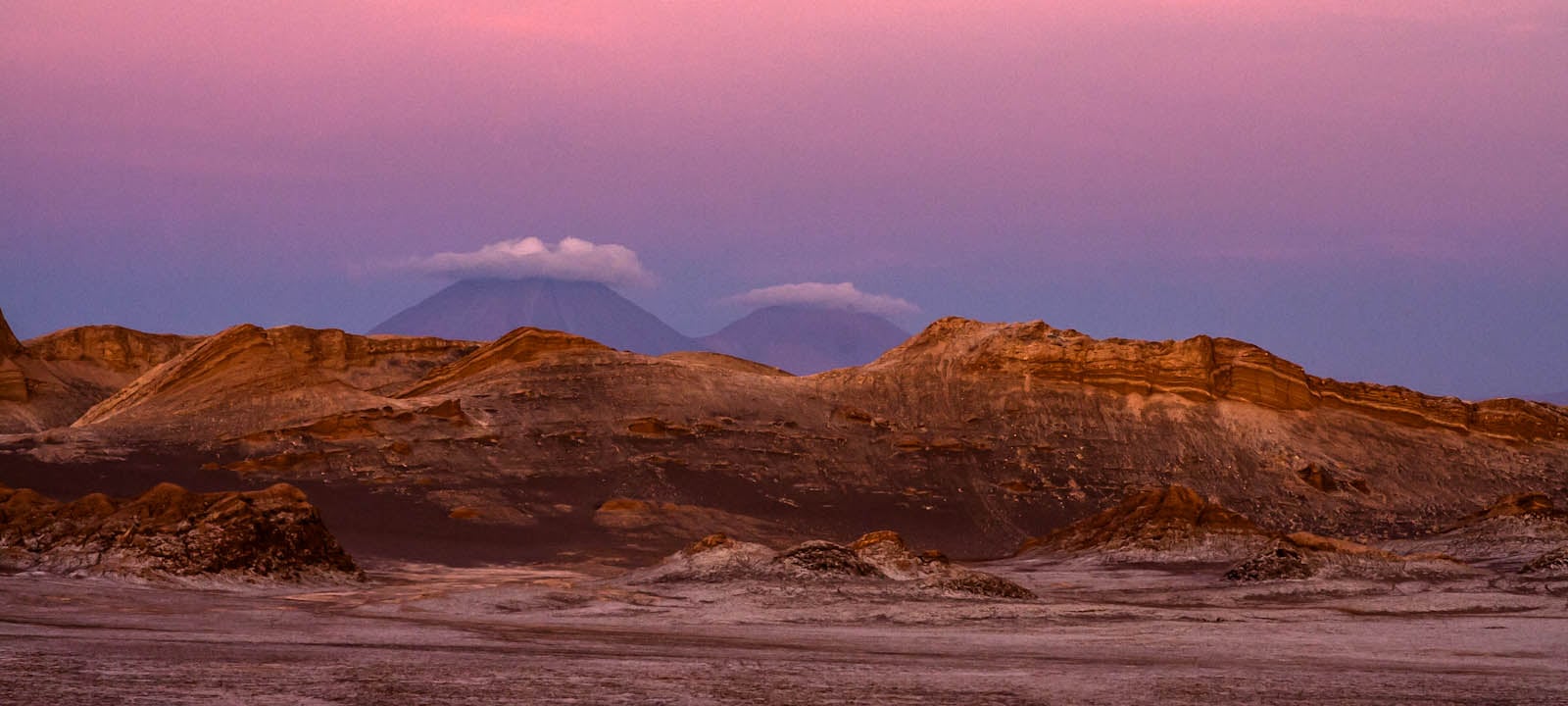
The Valley of the Moon, located in Chile’s Atacama Desert, looks like a place where humans would land on Mars. The landscape is filled with hills, deep cracks, strange rock shapes, and large areas covered in salt. At sunset, the hills change color from brown to bright orange, pink, and purple.
8. Chocolate Hills, Philippines
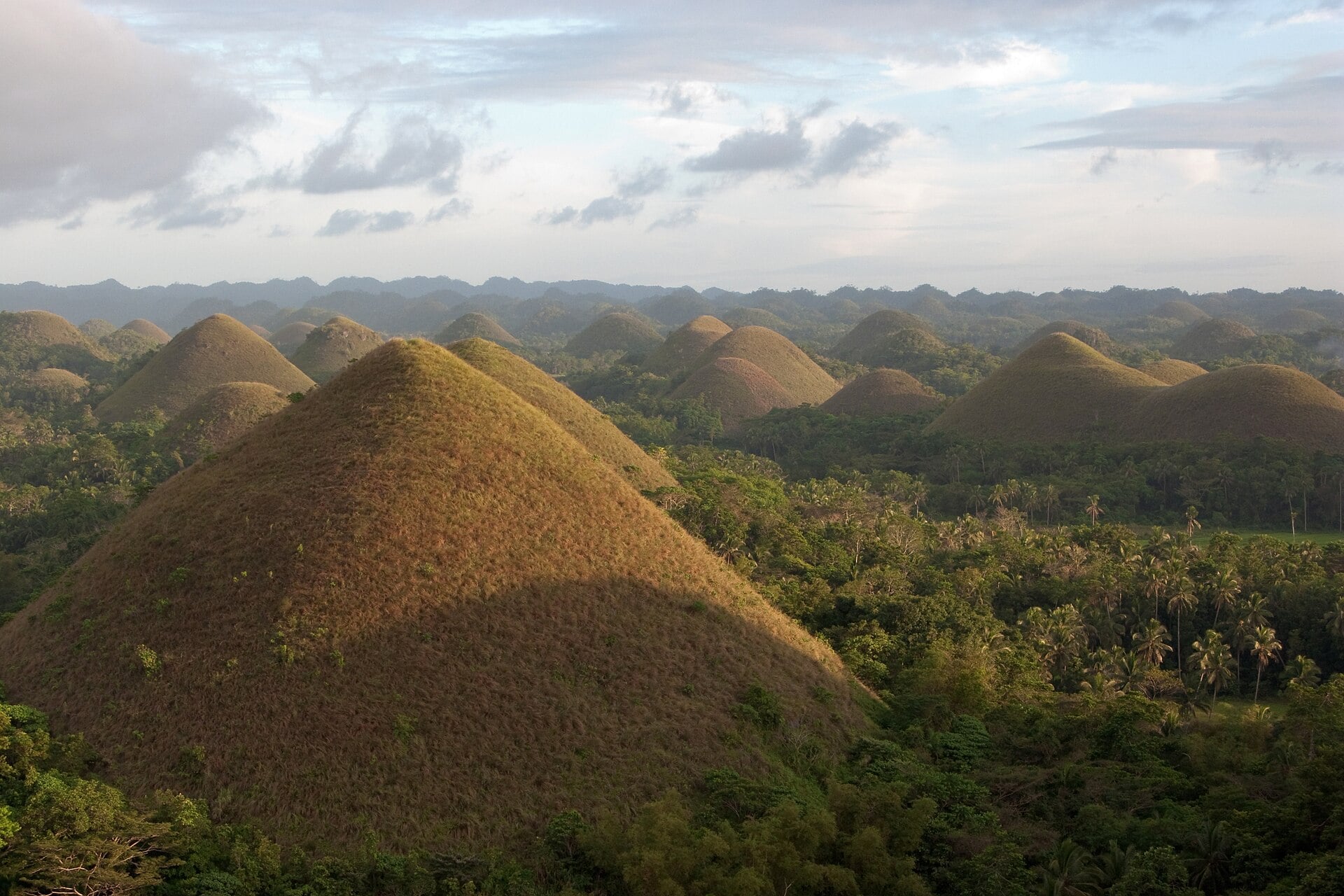
The Chocolate Hills in the Philippines are made up of more than a thousand rounded hills across the island of Bohol. During the rainy season, the hills are covered in green grass, but during the dry season, they turn brown. This makes them look like enormous chocolate mounds.
Sign up for our newsletter
9. The Door to Hell, Turkmenistan
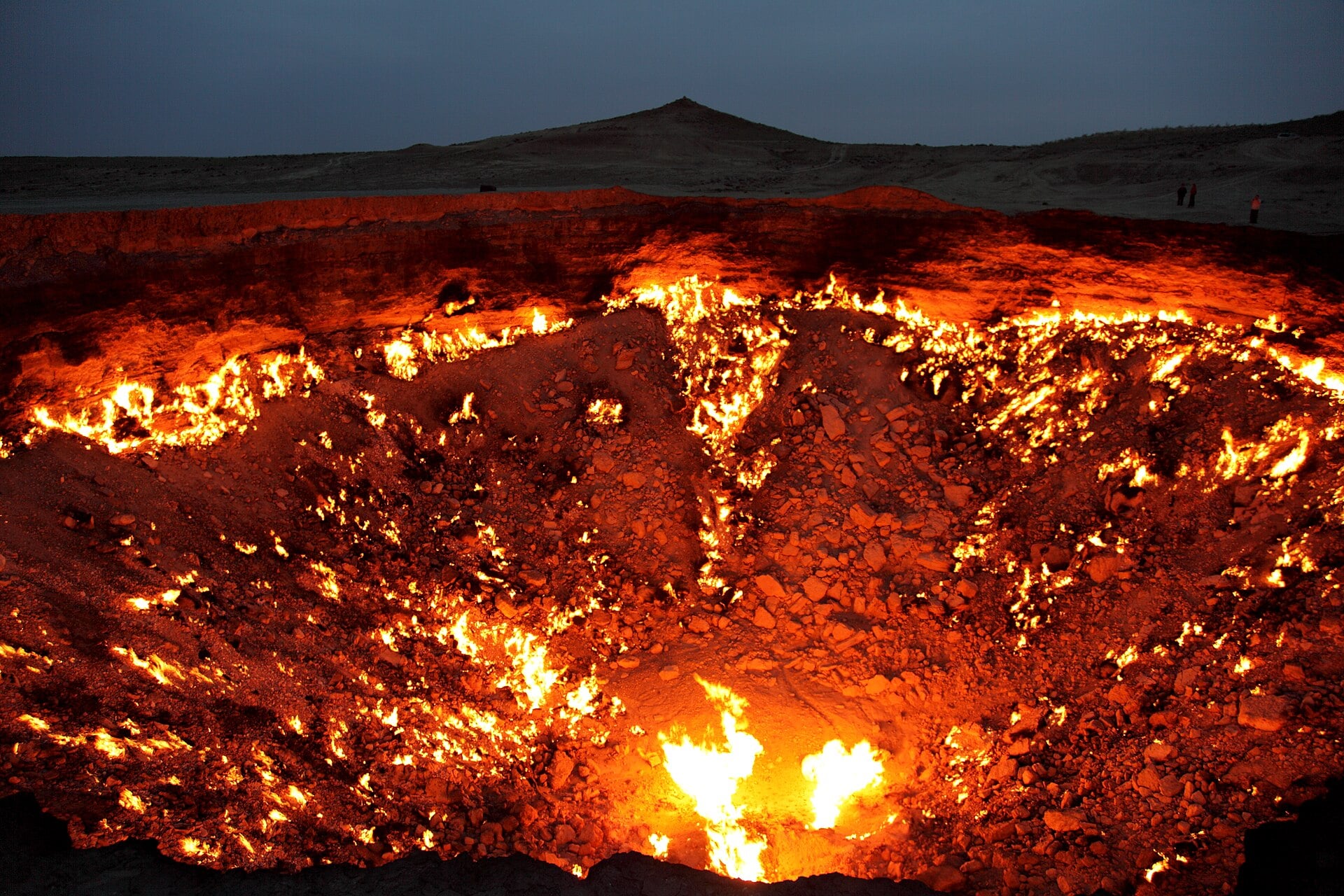
Door to Hell is a large crater in the Karakum Desert of Turkmenistan that has been burning for decades. Flames rise from the ground, lighting up the dark desert and creating the appearance of a giant hole full of fire. The crater is believed to have formed in 1971 when the ground collapsed during a gas drilling operation.
10. Fly Geyser, Nevada, U.S.A
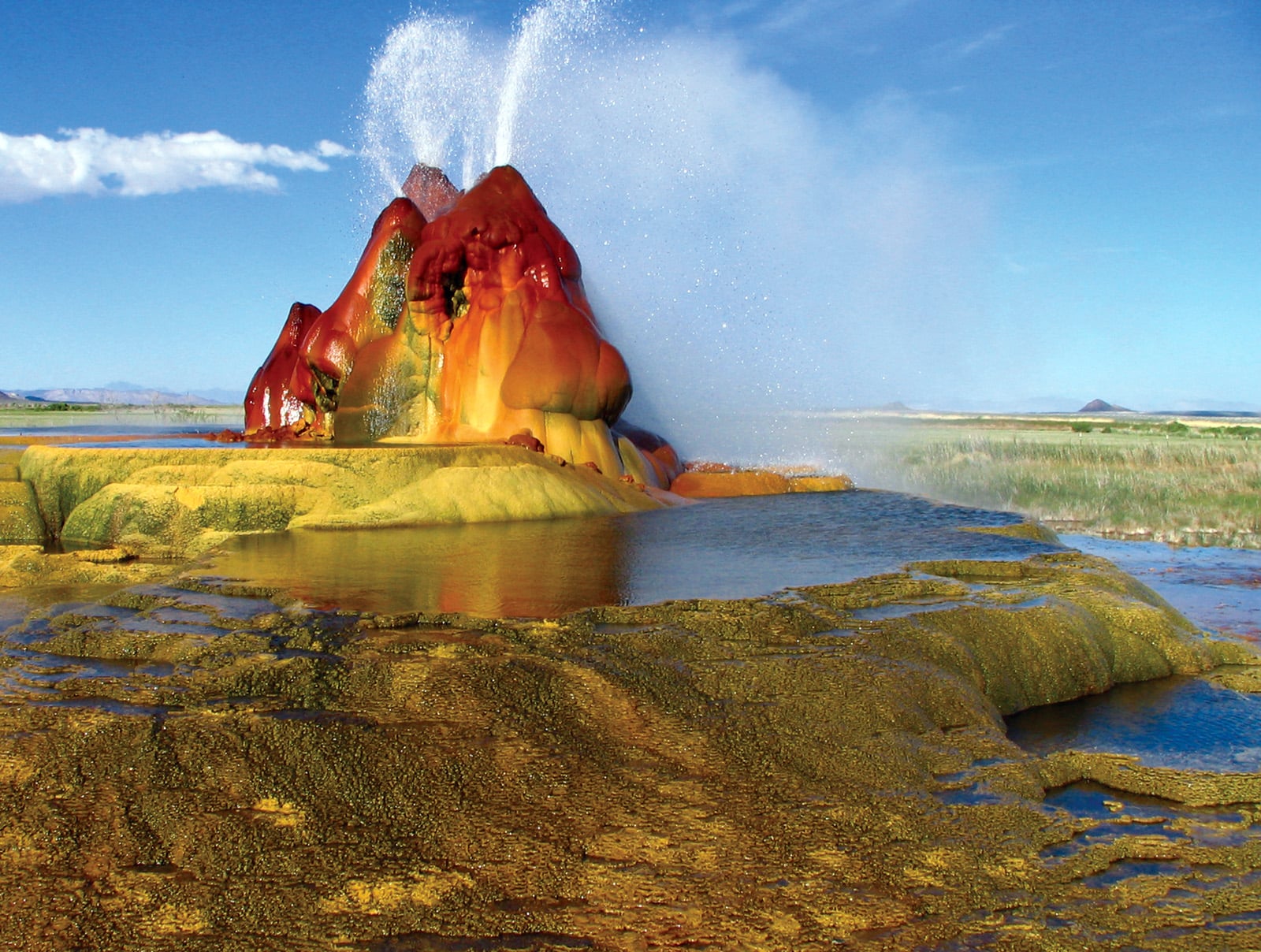
Fly Geyser in Nevada looks like a rock sculpture surrounded by an empty desert. Its strange shape was created by human activity after geothermal drilling. The hot water and minerals slowly formed the unusual mounds that visitors see today. Tiny organisms that live in warm conditions also help create some of its colors.
11. The Eye of the Sahara, Mauritania
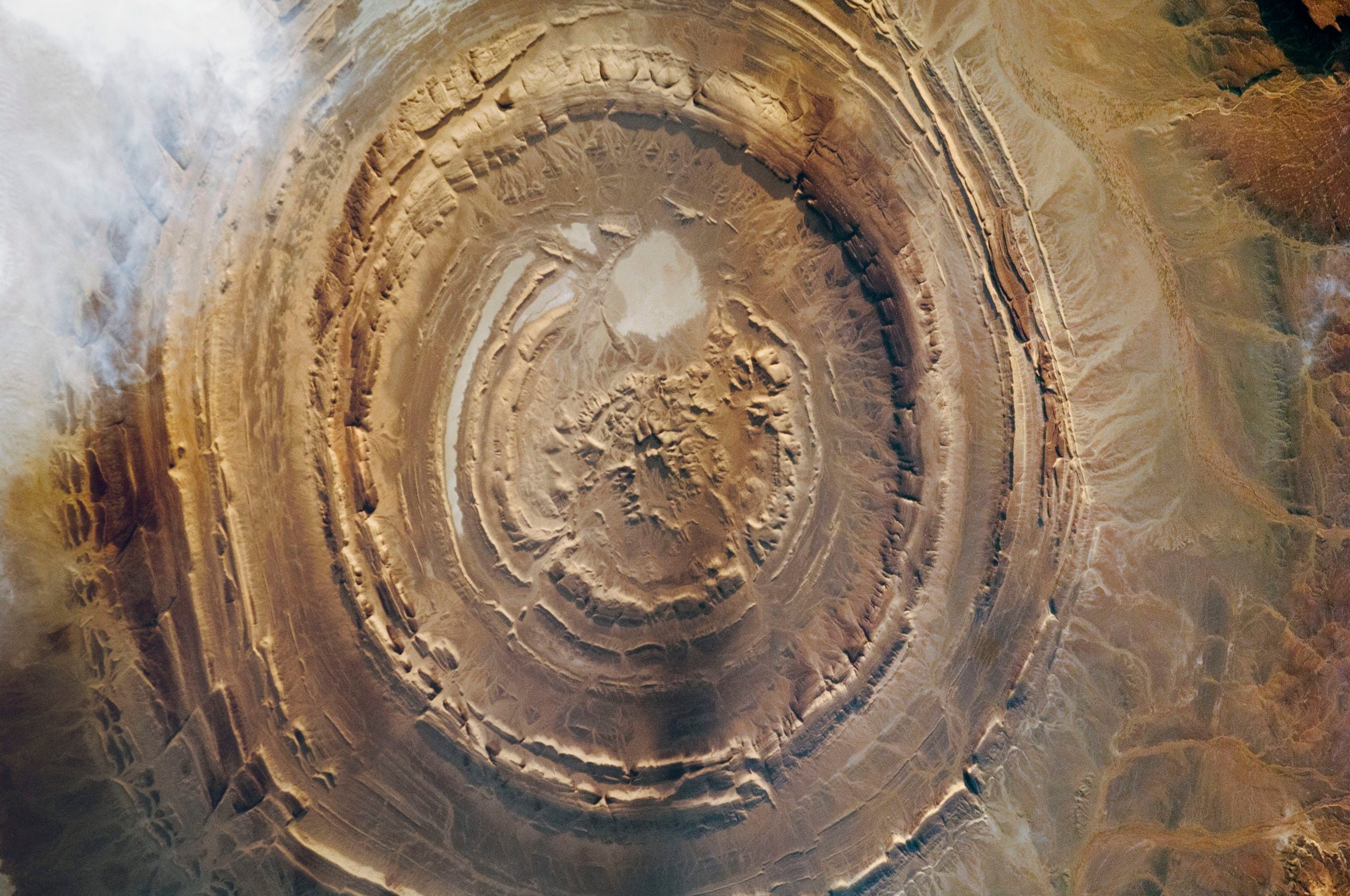
The Eye of the Sahara is a circular formation in the Sahara Desert. It looks like a giant eye made of several rings of rock. Scientists believe it formed when layers of rock were pushed upward and were slowly worn away by wind and water. Its strange shape once led people to wonder whether it was created by a meteor, but scientists believe it is a natural rock formation.
12. Mount Roraima, Venezuela, Guyana & Brazil
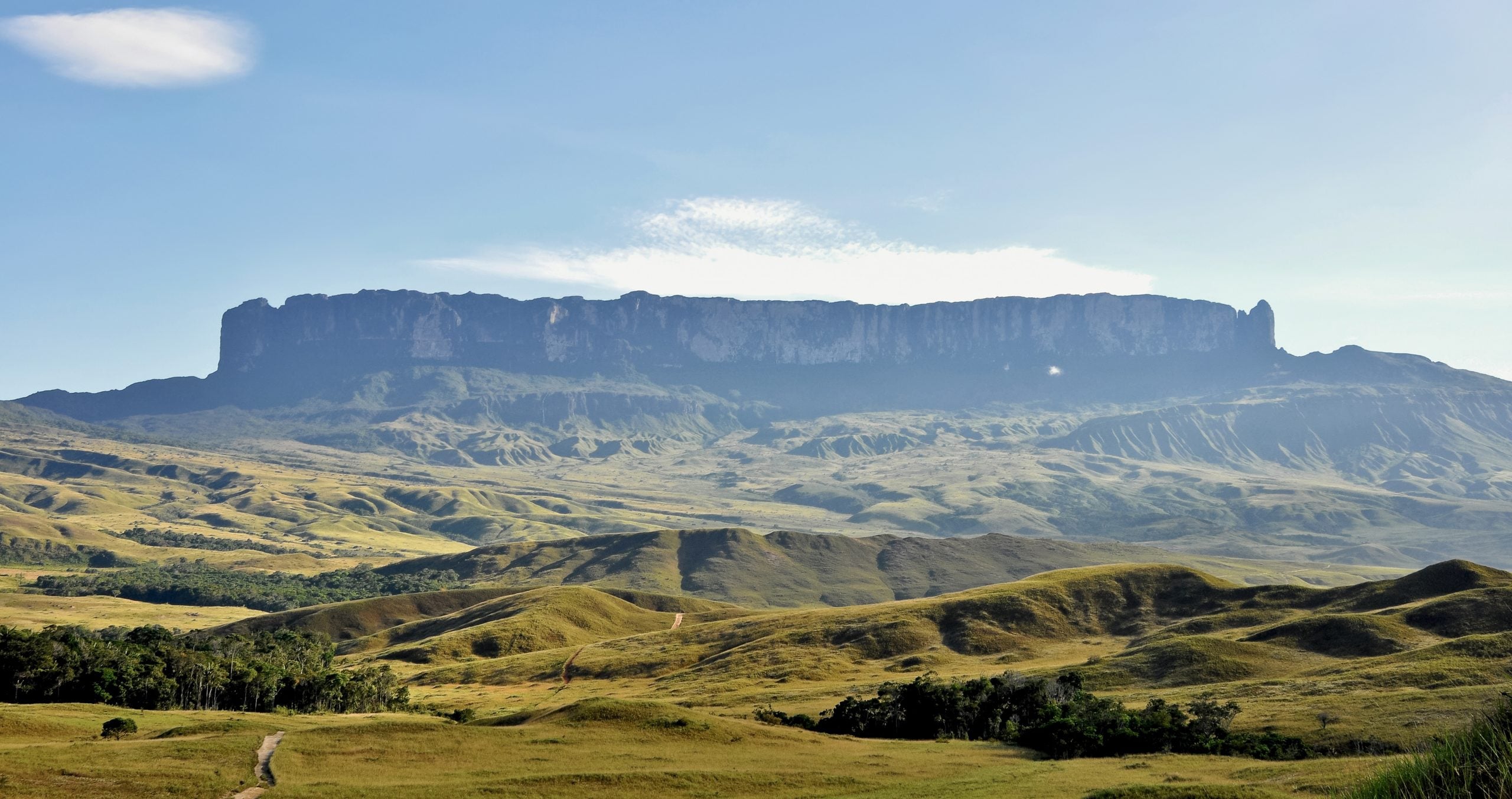
Mount Roraima is a giant mountain located near the borders of Venezuela, Guyana, and Brazil. Its cliffs rise high above the surrounding land, while its flat summit is often covered in clouds and mist. The mountain is home to unusual plants and small animals that have adapted to its environment. Rainwater has also shaped its rocky surface into strange patterns and pools.
13. Lake Natron, Tanzania
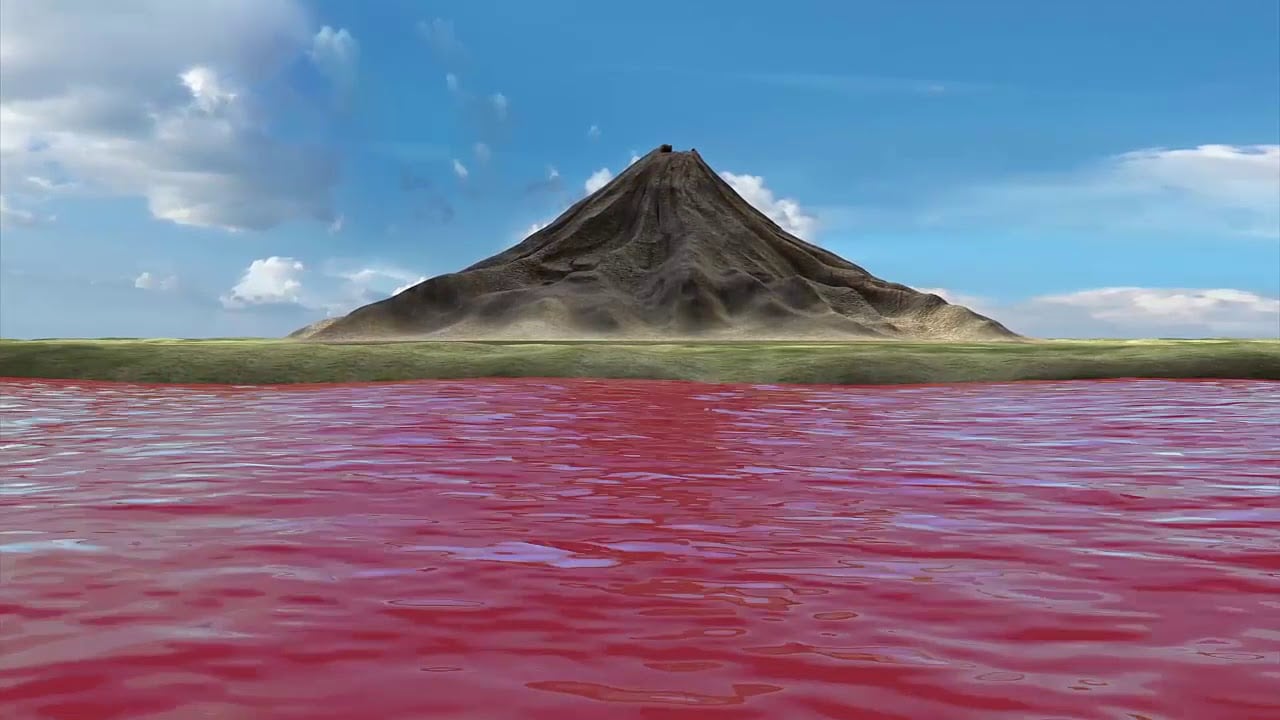
Lake Natron is known for its red and orange colors, which can make the water look like something from another world. The colors come from tiny organisms that live in the lake’s hot and salty water. Some “stories” claim that the lake turns animals into stone.
14. The Wave, Arizona, U.S.A
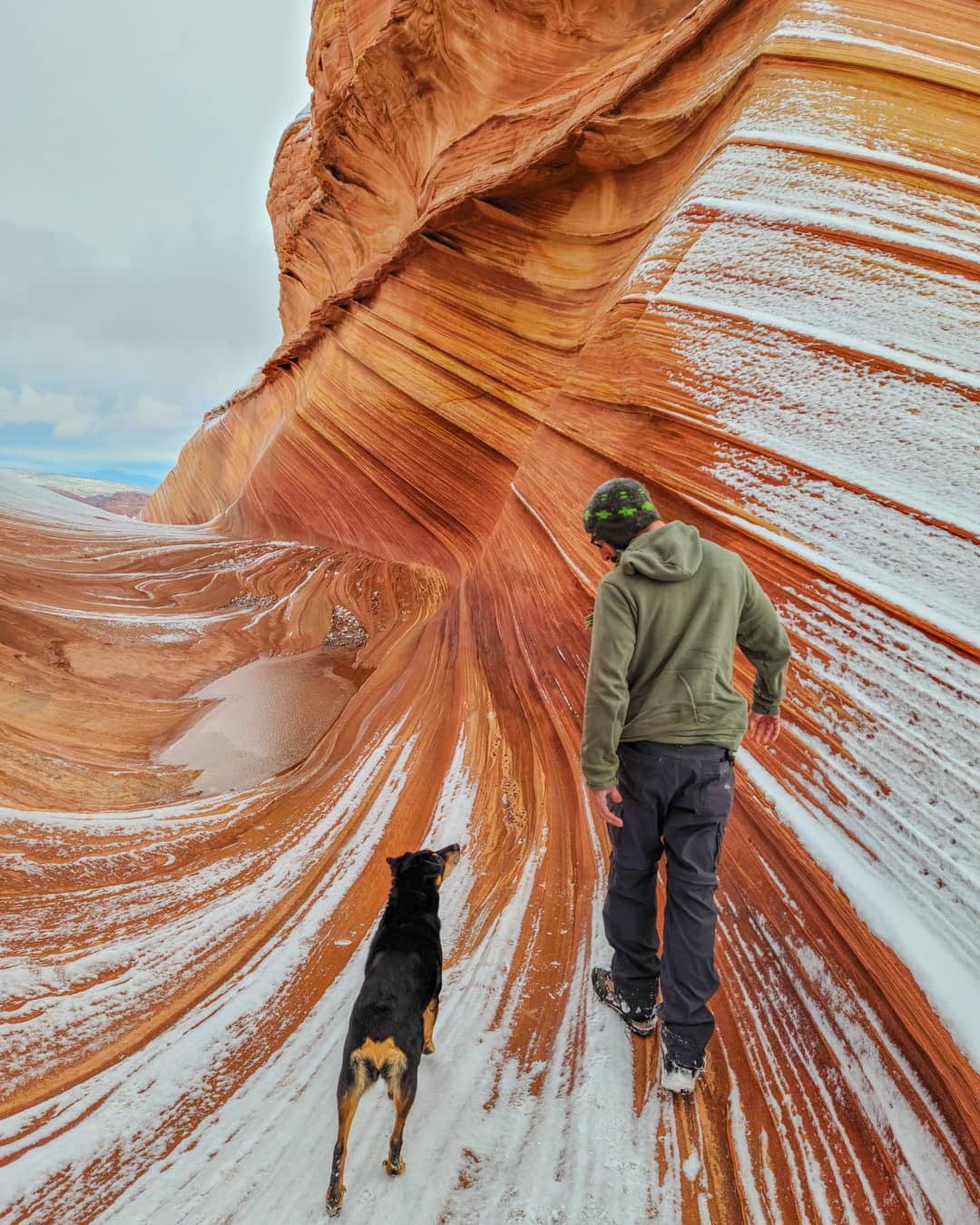
The Wave is a sandstone formation near the border of Arizona and Utah. Its curves and colorful lines of red, orange, and yellow make the rock look like a frozen ocean. Walking through the area feels like exploring a natural painting, and only a limited number of people can visit it each day. This helps protect the area from damage and keeps its unusual beauty intact.
15. The Tsingy de Bemaraha, Madagascar
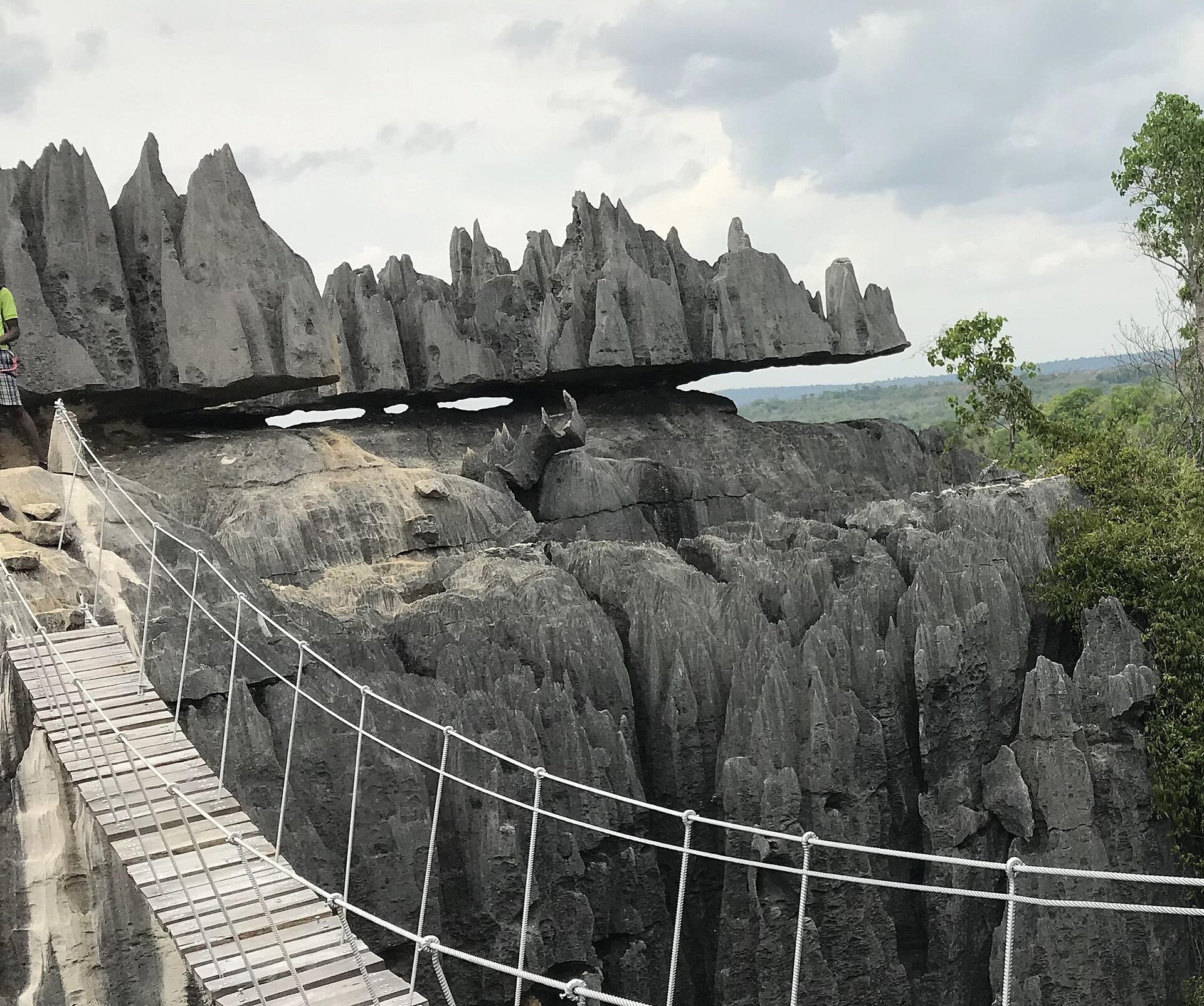
The Tsingy de Bemaraha National Park is filled with sharp rocks that rise from the ground like giant stone spikes. Some areas contain narrow paths between the rocks, while others have deep cracks and hidden caves. The park is home to particular plants and animals, species found nowhere else in the world. With its strange stone towers and forests, it looks like an alien maze.