
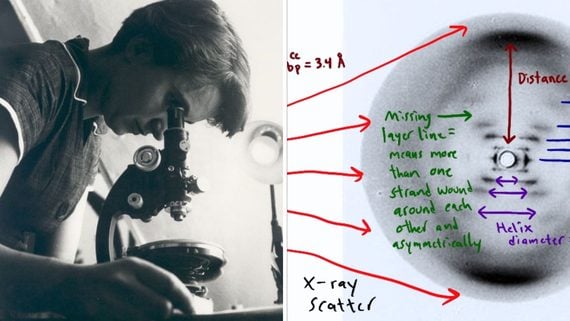
Some of the biggest breakthroughs in science didn’t start with a brilliant theory. They started with someone building a better gadget. From bacteria wiggling in a drop of water to galaxies far beyond our own, the right tools turned the invisible into something humans could finally see, measure, and argue about at dinner parties.
Galileo’s telescope shook centuries of astronomical thinking, X-ray diffraction helped reveal the shape of DNA, and later technologies let researchers pick out single atoms and read the human genome. These 16 scientific instruments rewrote what humans could observe, and a few of these instruments are still rewriting it today.
1. Telescope: Revealing Moons Beyond Earth
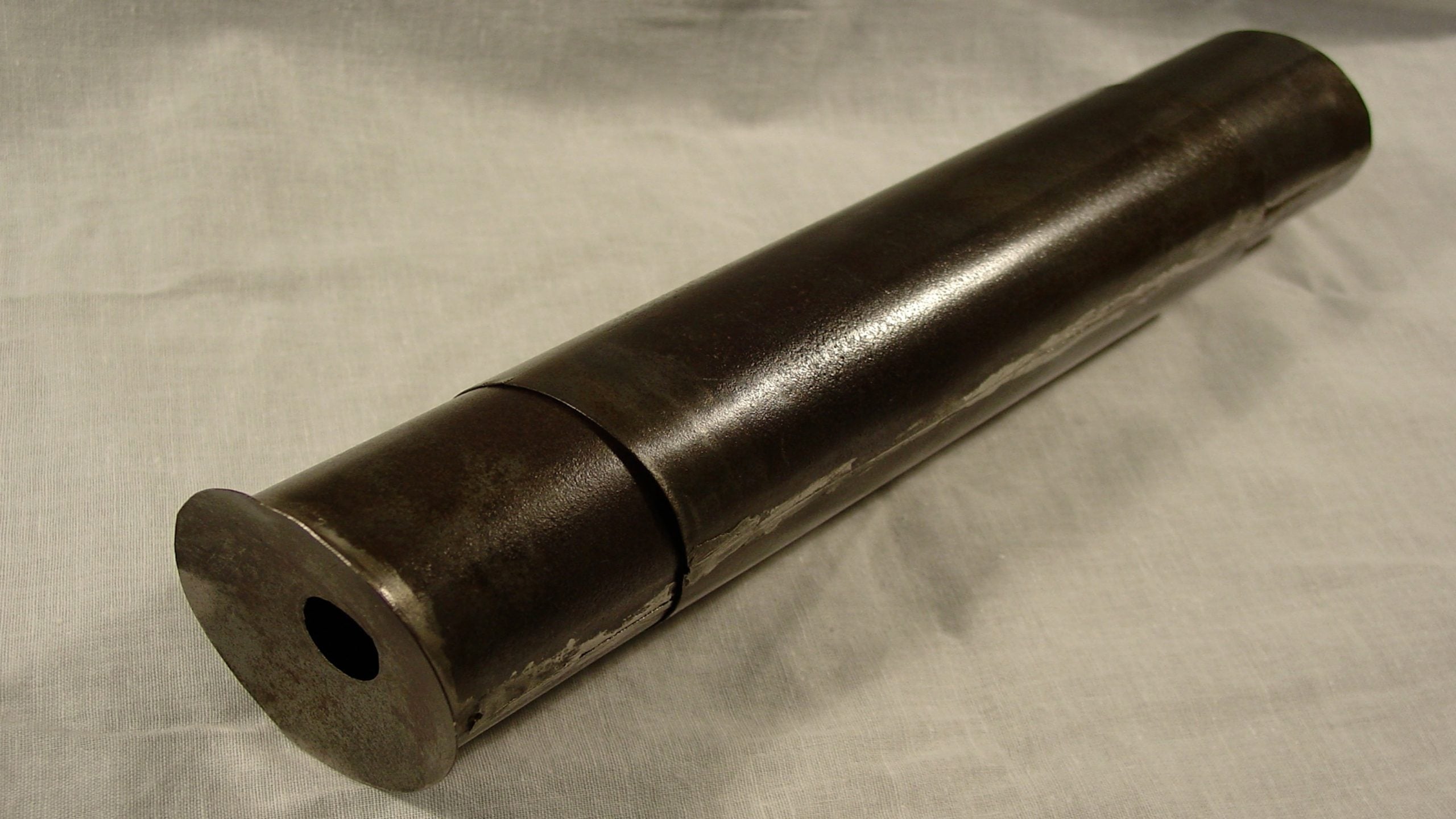
On January 7, 1610, Galileo Galilei pointed an improved telescope at Jupiter and noticed three tiny points of light sitting nearby. After a few more nights of staring, he realized there were four objects circling the planet, now known as the Galilean moons. That was a big problem for anyone insisting everything revolved around Earth, and it gave the Copernican model some serious backup. According to NASA, Galileo didn’t invent the telescope, but he showed that among all scientific instruments, this one could rewrite humanity’s map of the universe.
2. Microscope: Revealing Life Invisible to the Human Eye
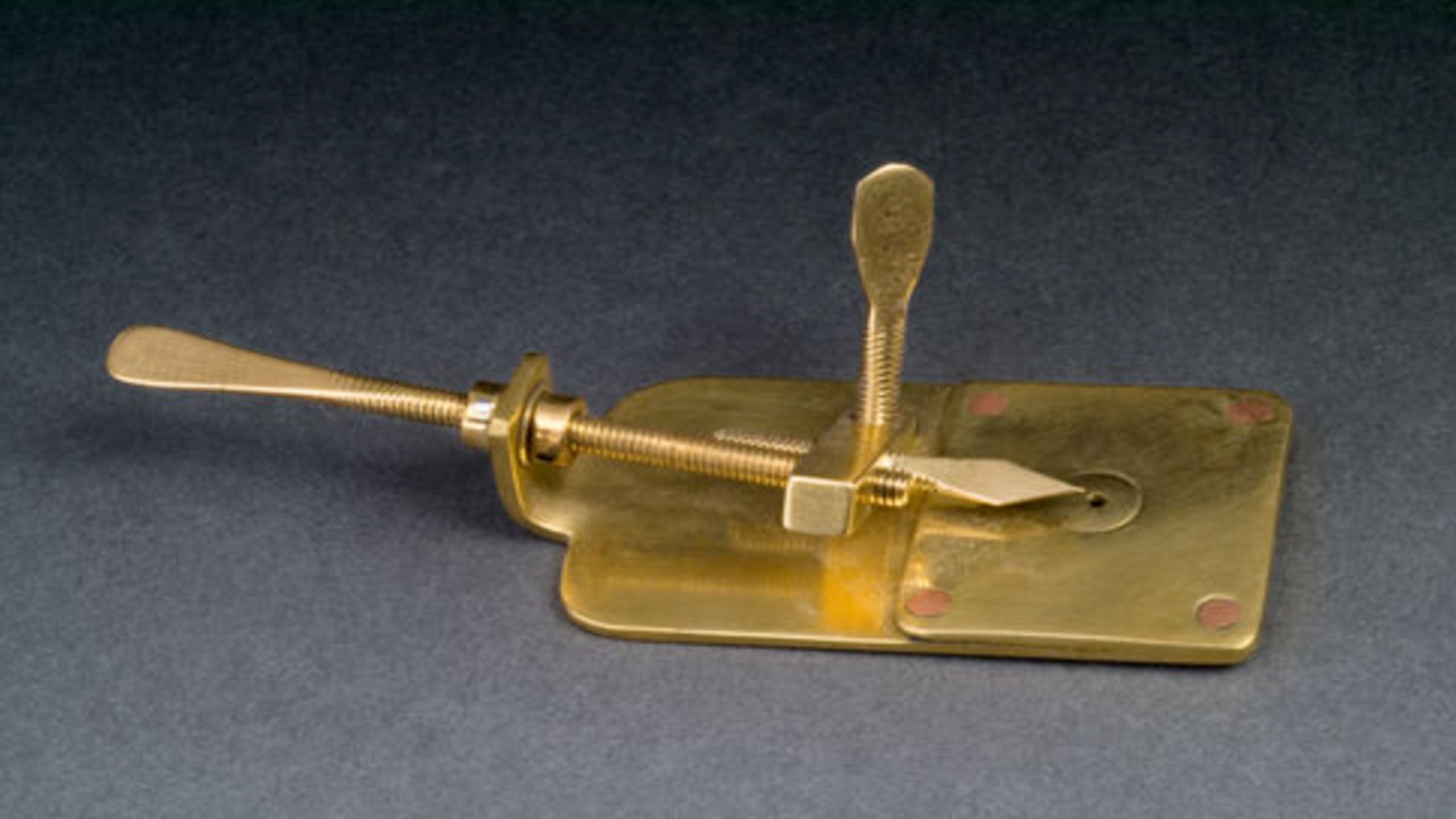
Then the microscope took things in the opposite direction. During the 1670s, Dutch researcher Antonie van Leeuwenhoek used powerful single-lens microscopes to peek into water and other samples, and what he saw was wiggling life nobody had knowingly spotted before, including bacteria and other single-celled organisms. Robert Hooke had already published Micrographia in 1665, introducing the word “cell” after studying a slice of cork, as Encyclopaedia Britannica notes. Together, the two men turned microscopy into a serious scientific method and set the stage for microbiology. Imagine discovering tiny creatures in a drop of pond water and then trying to convince the skeptics they were real.
3. Barometer: Proving That Air Exerts Pressure
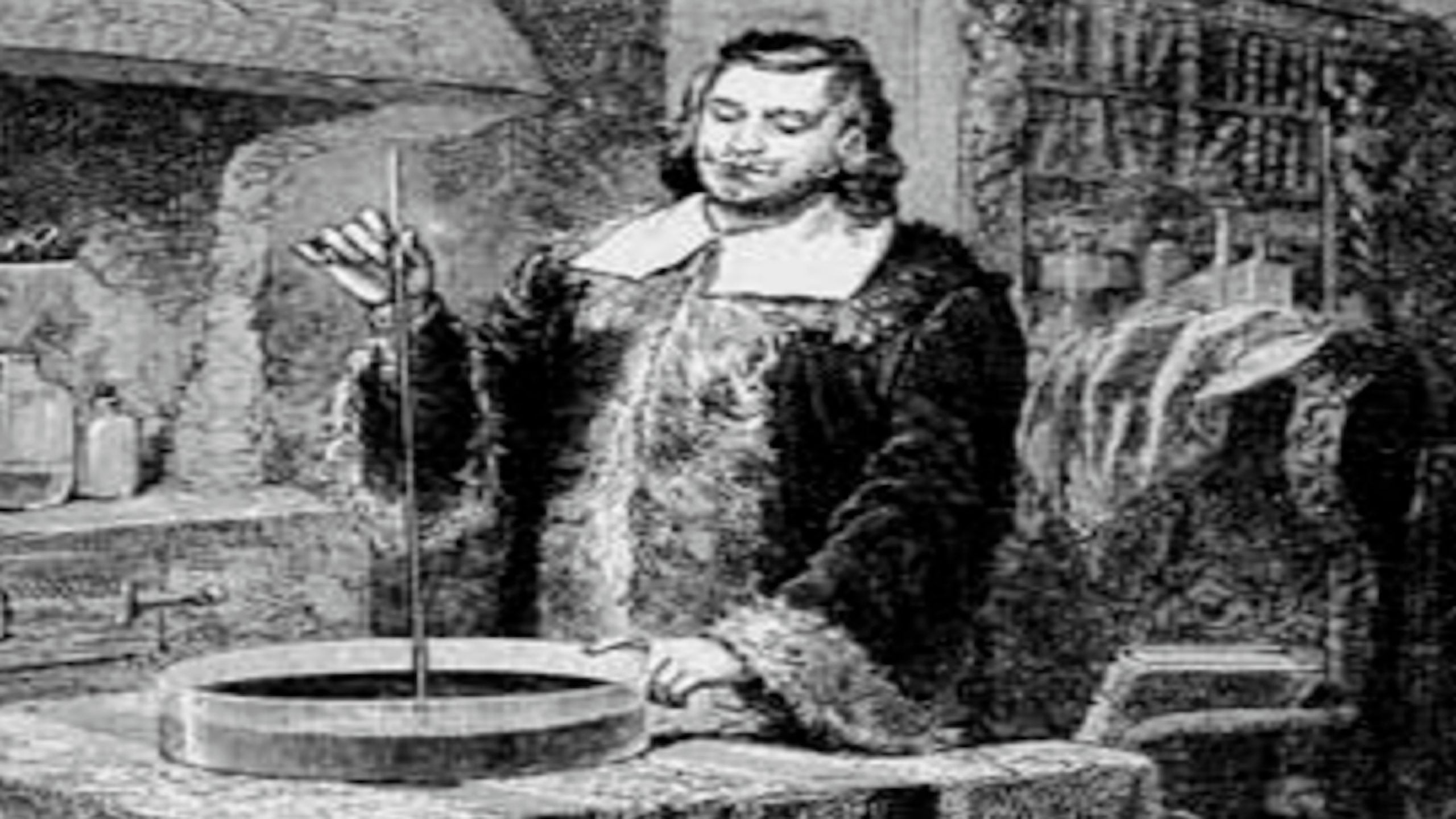
In 1643, Italian physicist Evangelista Torricelli built the mercury barometer and showed that atmospheric pressure could hold up a column of liquid. In plain English, the air around us has weight, which was a shocking idea at a time when many thinkers believed nature simply couldn’t tolerate a vacuum, as Encyclopaedia Britannica explains. Later researchers used barometers to track how pressure changes with altitude and weather. It was one of those scientific instruments that made an invisible force measurable, and every meteorologist since owes it a big favor.
4. Thermometer: Turning Heat Into Reliable Measurements
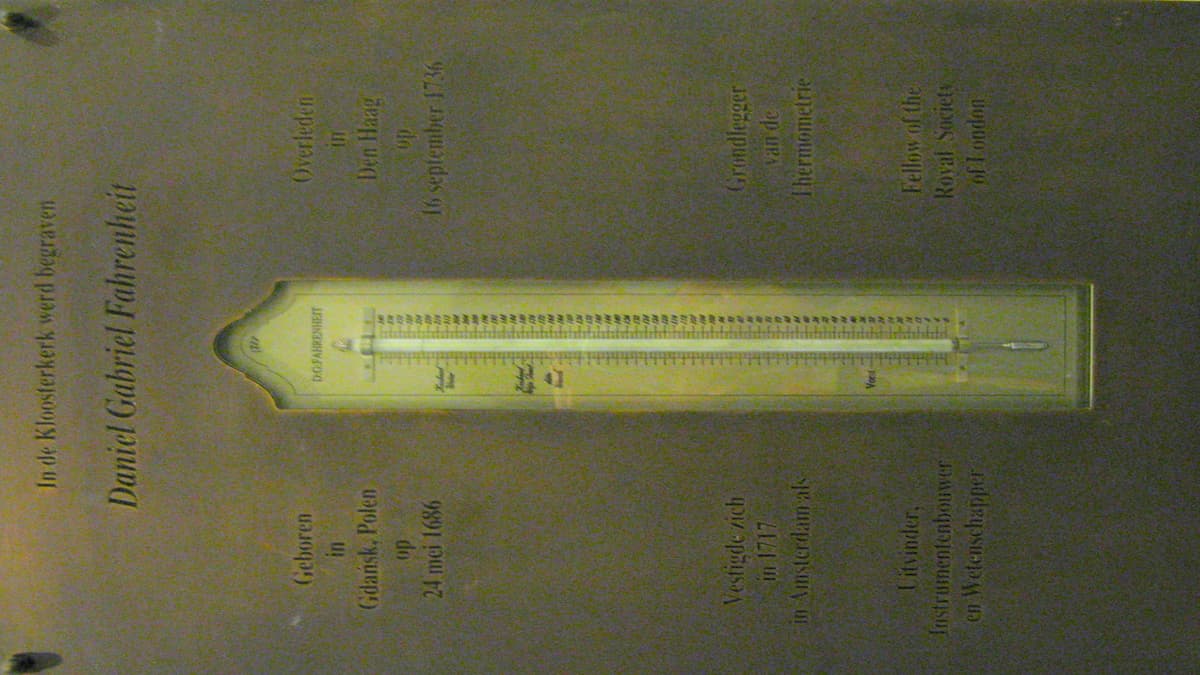
Early thermoscopes could show that something was getting warmer or colder, but without standardized scales, comparing results was a mess. Over the 17th and 18th centuries, better thermometers finally let scientists take consistent measurements. Daniel Gabriel Fahrenheit built a practical mercury-in-glass thermometer in the early 1700s and introduced his temperature scale in 1724, the one Americans still check the weather with today. Encyclopaedia Britannica explains that he first set zero at an ice-and-salt mixture, then settled on 32° for freezing and 212° for boiling. Reliable temperature readings became essential for studying weather, chemistry, materials, and the behavior of gases and liquids.
5. Spectroscope: Discovering Elements Through Their Light
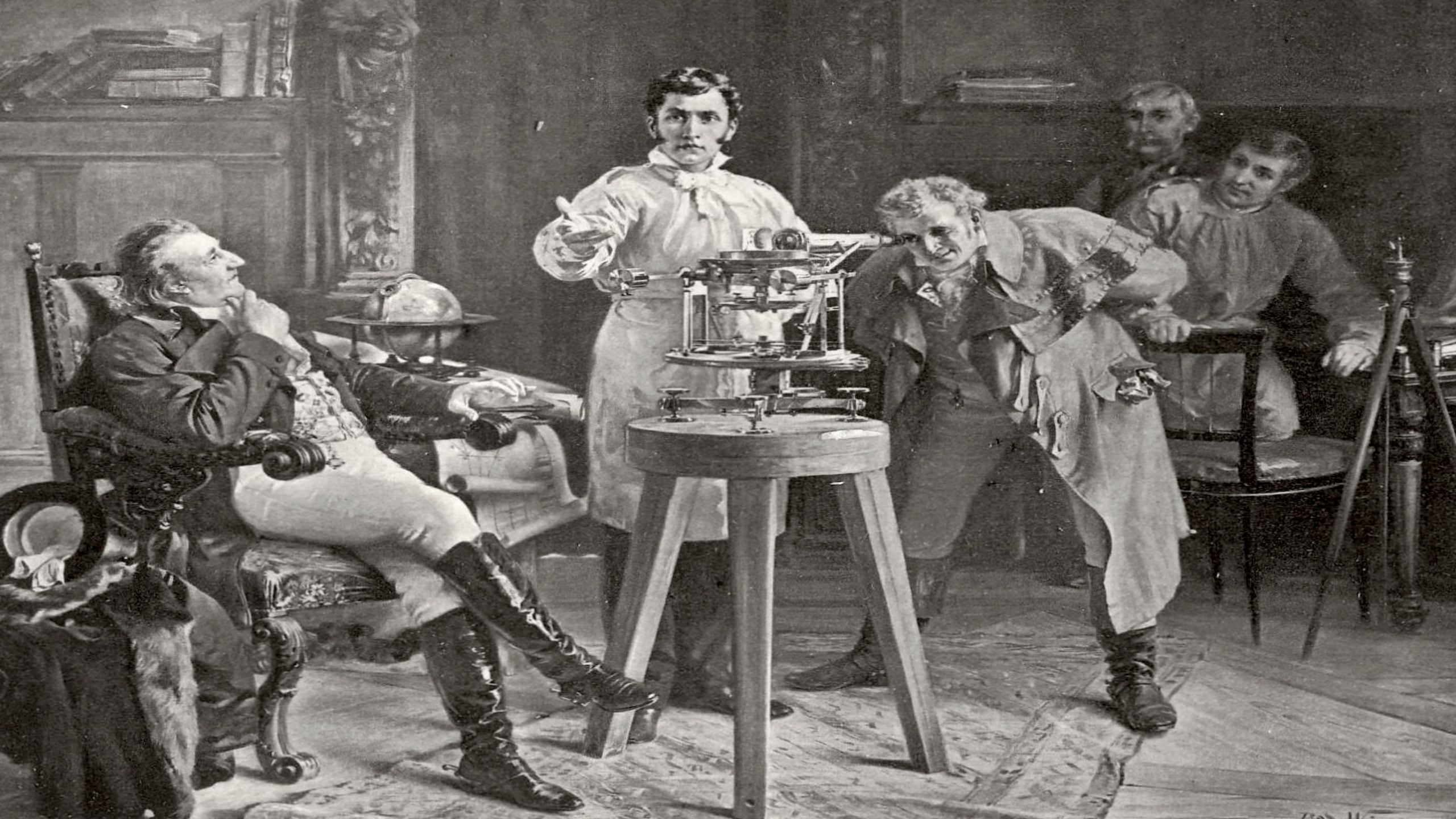
In 1859, Robert Bunsen and Gustav Kirchhoff developed a spectroscope that let scientists identify chemical elements by the distinct patterns of light they give off. The Science History Institute notes that the technique led to the discovery of cesium in 1860 and rubidium shortly afterward, proving that unknown elements could be spotted through light alone. Even better, spectroscopy made it possible to study what the Sun and other stars are made of without collecting a single sample. Of all the instruments on this list, few feel as close to magic: scientists figured out the makeup of stars by reading their colors.
Trending on Wealth Gang
6. Seismograph: Revealing the Earth’s Hidden Interior
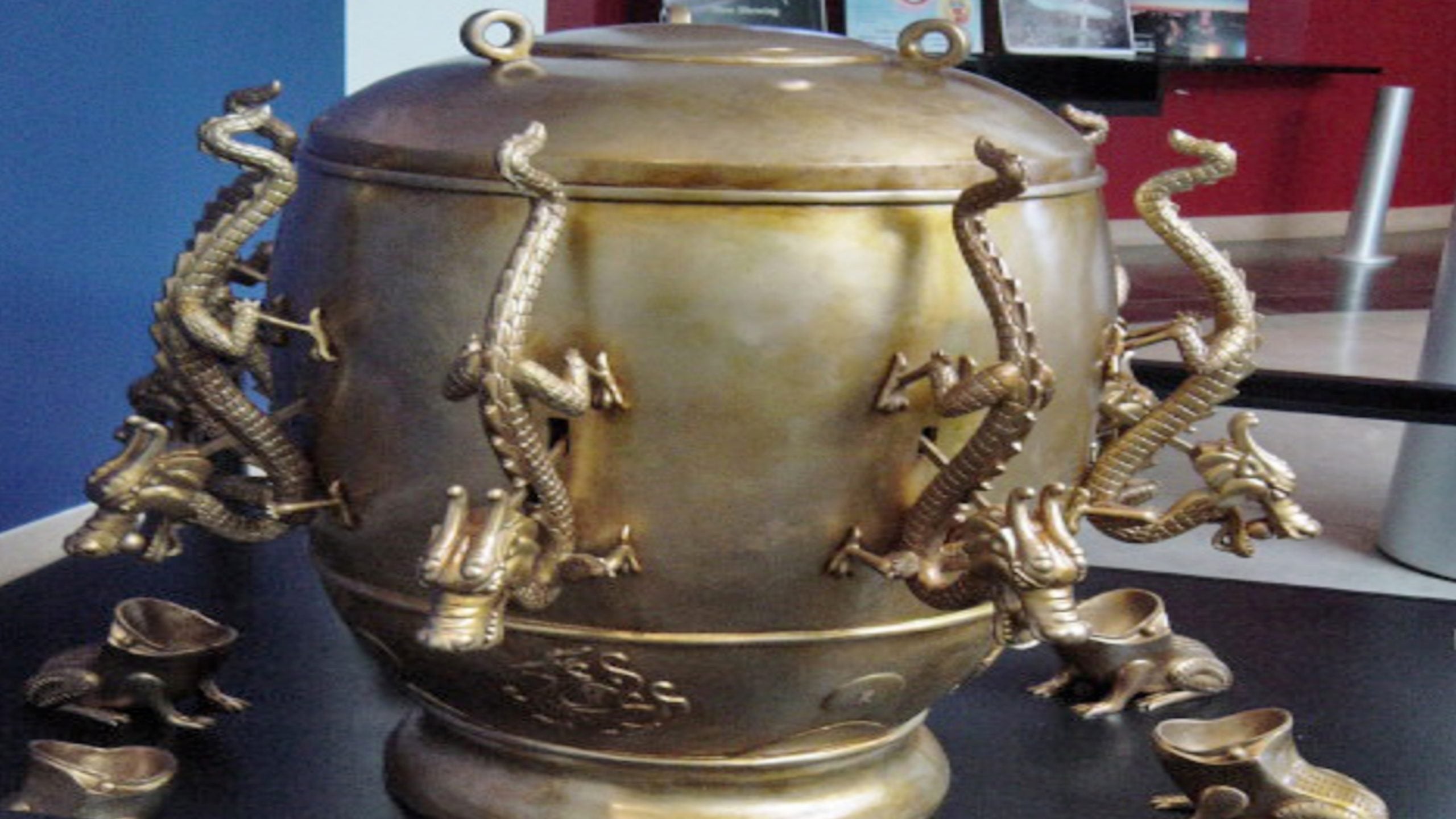
The earliest known seismoscope came from Chinese inventor Zhang Heng in 132 CE, although it indicated that an earthquake had happened rather than recording the shaking. Modern recording seismographs came much later and let scientists measure seismic waves moving through the planet. By studying how different waves travel, researchers eventually identified major internal boundaries and built a detailed picture of Earth’s crust, mantle, and core, as the U.S. Geological Survey explains. Basically, earthquakes became a flashlight for exploring places no human could ever visit.
7. X-Ray Diffraction Equipment: Revealing DNA’s Double Helix
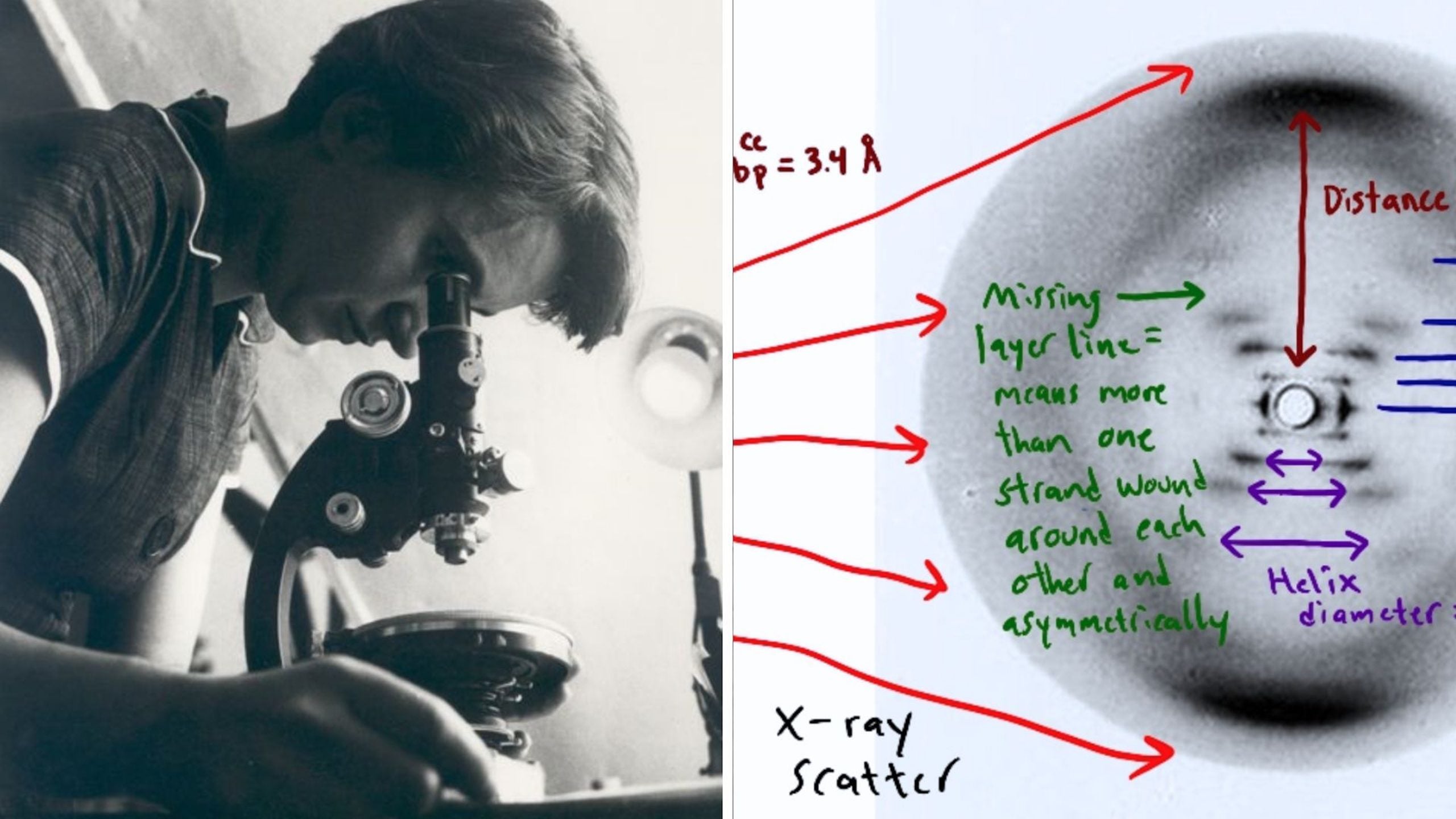
X-ray diffraction lets scientists study molecular structures by watching how X-rays scatter through ordered materials. In 1952, Rosalind Franklin and her graduate student Raymond Gosling produced the DNA diffraction pattern known as Photo 51 at King’s College London. That fuzzy, cross-shaped image gave crucial evidence of DNA’s helical structure and fed into the double-helix model proposed in 1953, according to the Science History Institute. X-ray crystallography later became central to structural biology, helping researchers work out the 3D shapes of proteins, and it remains one of the most celebrated scientific instruments in biology.
8. Cloud Chamber: Making Subatomic Particle Tracks Visible
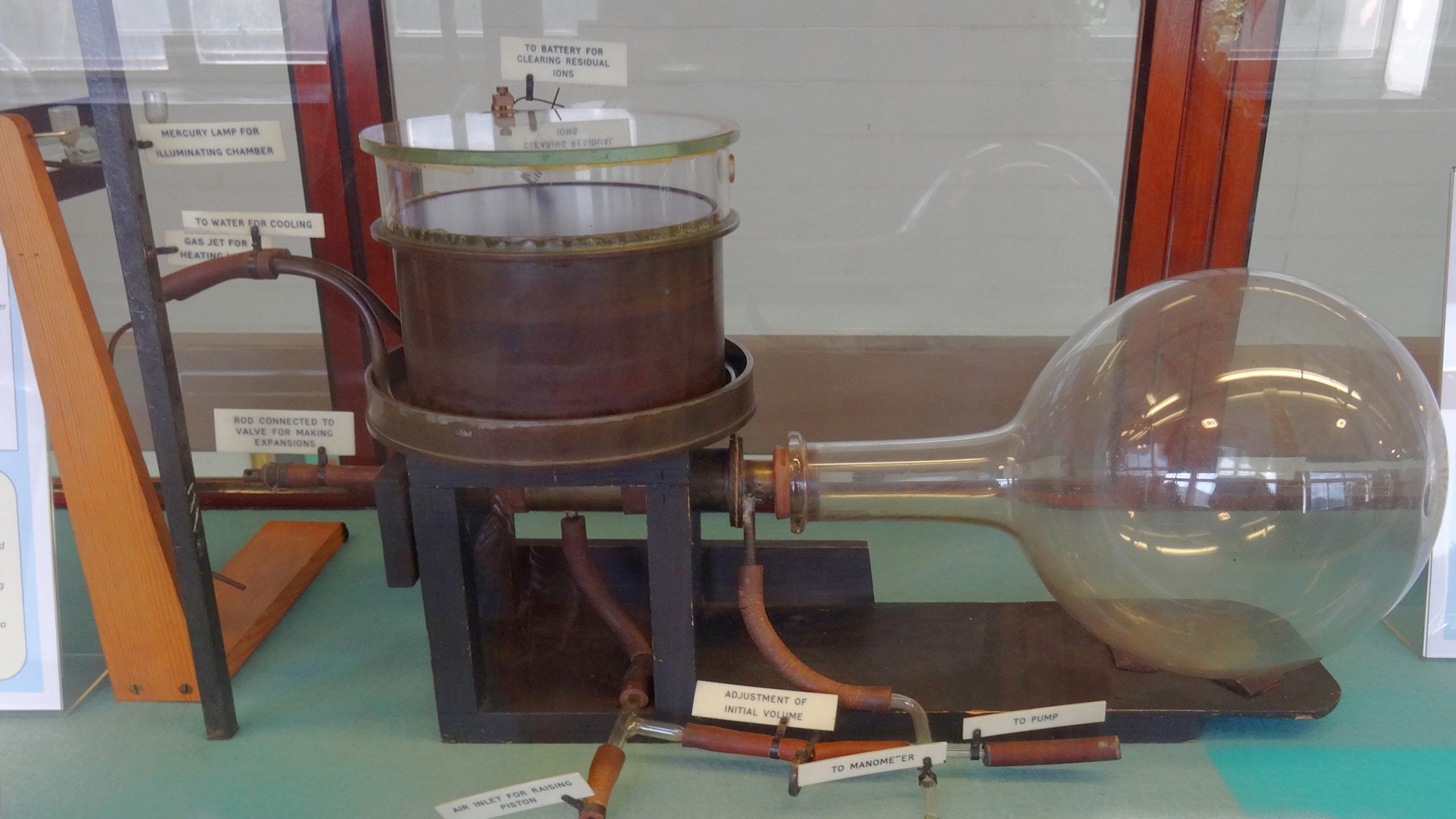
In 1911, Scottish physicist Charles Thomson Rees Wilson developed a cloud chamber that made the paths of charged particles visible. It worked by forming tiny droplets along the tracks of particles zipping through supersaturated vapor, a bit like the trails jets leave in the sky. Cloud chambers helped scientists investigate cosmic rays and contributed to Carl Anderson’s identification of the positron in 1932. Wilson received part of the 1927 Nobel Prize in Physics for the invention, according to the Nobel Prize organization.
Sign up for our newsletter
9. Mass Spectrograph: Revealing Different Versions of Elements
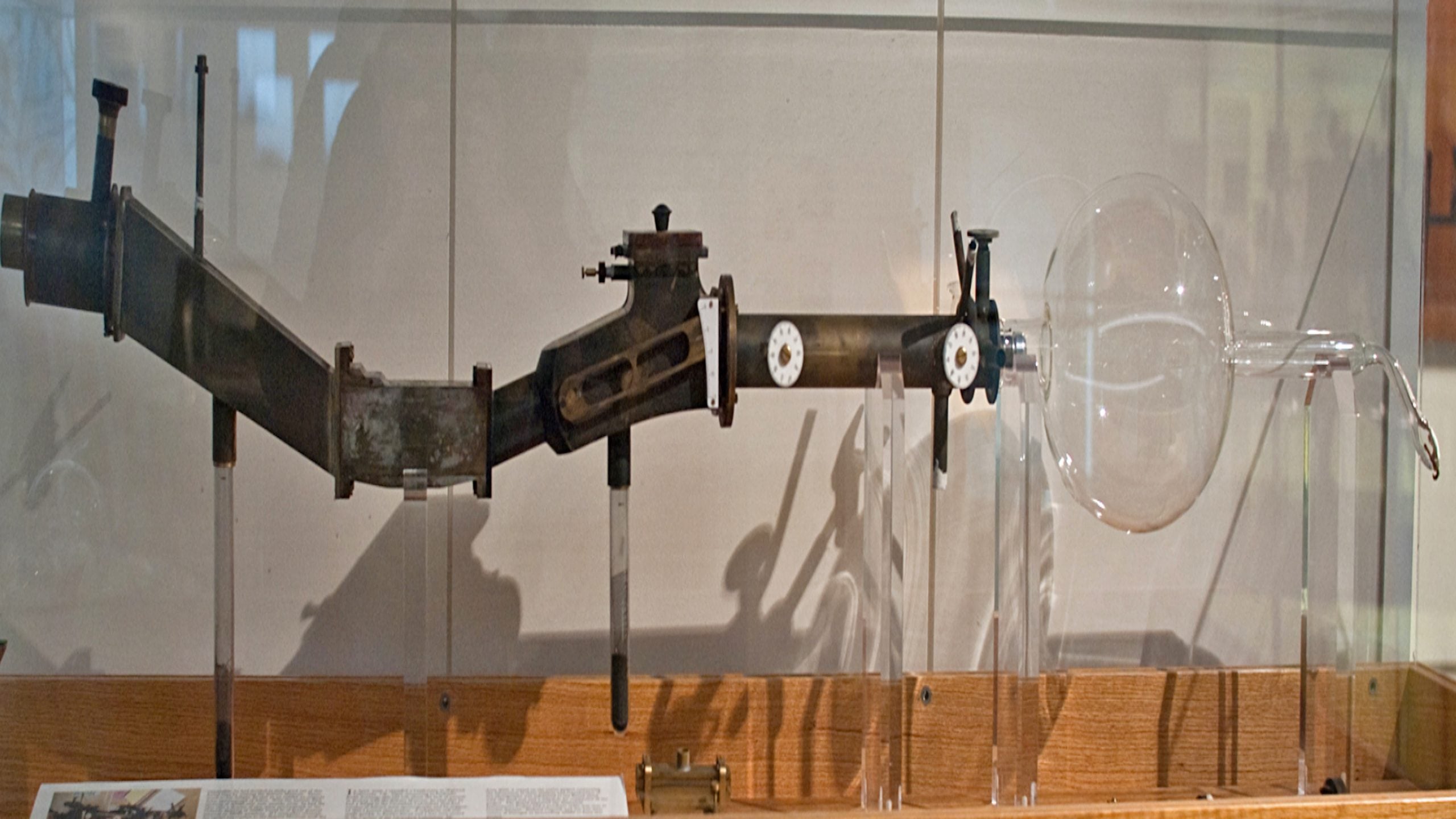
In 1919, British scientist Francis William Aston built a mass spectrograph that sorted ions by their mass-to-charge ratios. With it, he identified isotopes of many nonradioactive elements, proving that atoms of the same element can have different masses. That changed how scientists understood atomic makeup and earned him the 1922 Nobel Prize in Chemistry, according to the Nobel Prize organization. Today, mass spectrometry helps identify substances in medicine, environmental science, and forensic investigations, which is not bad for one of the great scientific instruments of the early 20th century.
10. Electron Microscope: Seeing Structures Smaller Than Light Can Resolve
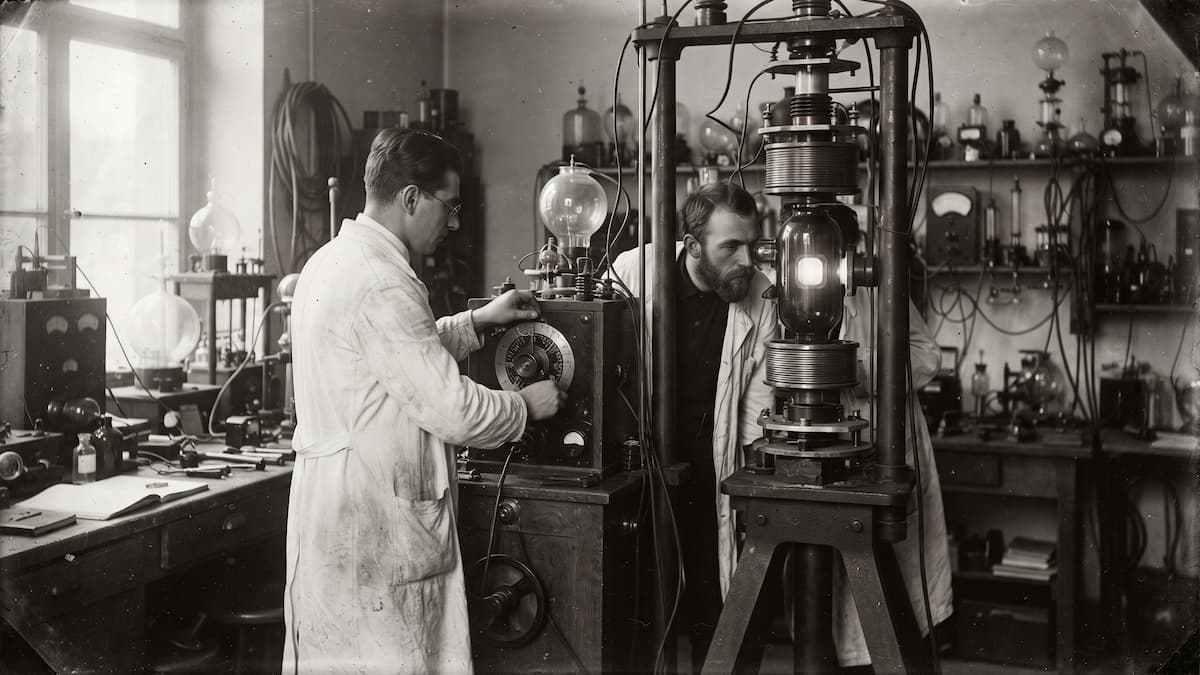
In 1931, Ernst Ruska and Max Knoll developed an early electron microscope that used beams of electrons and electromagnetic lenses instead of visible light. The first prototype offered only modest magnification, but later improvements blew past the limits of ordinary optical microscopes. Eventually, researchers could examine viruses, cell structures, and materials at scales that had been out of reach. Ruska received half of the 1986 Nobel Prize in Physics for his work on electron optics and the invention of the electron microscope, as his Nobel Lecture recounts.
11. Radio Telescope: Discovering an Invisible Universe
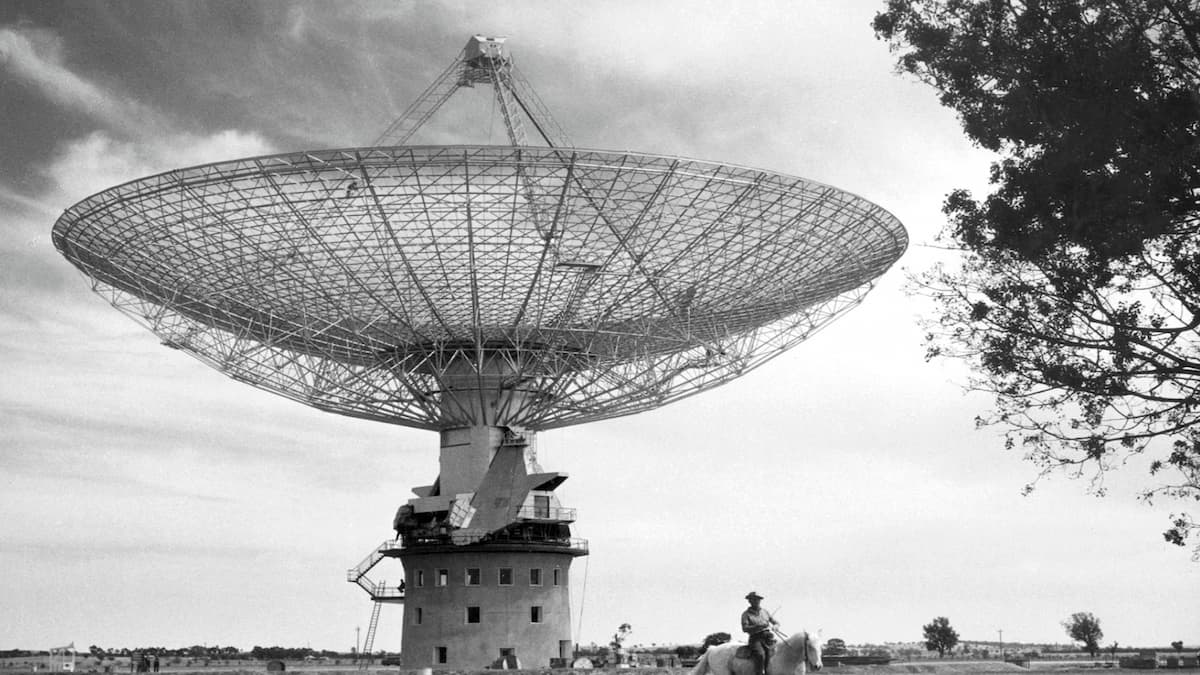
In the early 1930s, Bell Labs engineer Karl Jansky was simply trying to track down static interfering with radio communications when he picked up emissions coming from the direction of the Milky Way’s center. He announced the finding in 1933, revealing that space was broadcasting signals invisible to ordinary telescopes. In 1937, Grote Reber built a purpose-made radio telescope in Illinois and began studying those emissions systematically, according to the National Radio Astronomy Observatory. Radio astronomy later led to major discoveries involving pulsars, distant galaxies, and the cosmic microwave background, proving that scientific instruments can pay off even when someone is only chasing annoying static.
12. Sonar: Mapping the Hidden Ocean Floor
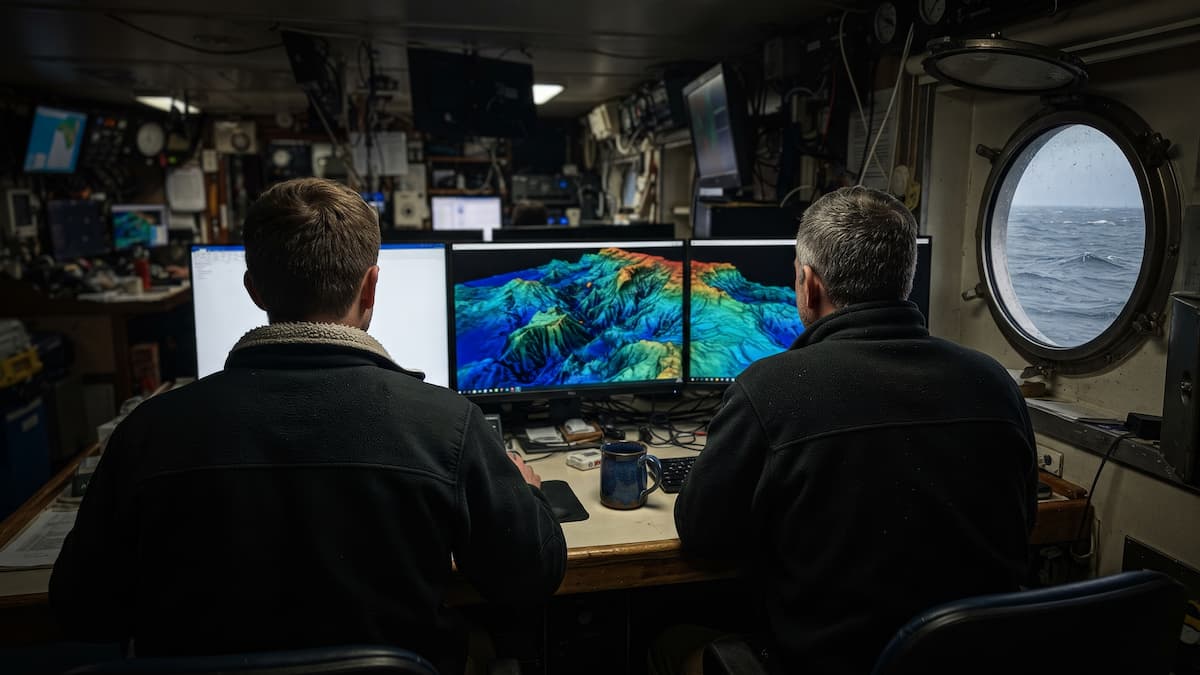
Sonar uses sound waves to detect underwater objects and measure distances beneath the surface. Modern multibeam sonar systems can survey wide stretches of seafloor, revealing underwater mountains, deep valleys, and geological features nobody can see from a boat. The technology transformed oceanography, marine geology, and the hunt for shipwrecks. According to NOAA Ocean Exploration, only 28.7% of the global seafloor had been mapped to modern high-resolution standards as of April 2026, so there is still plenty of ocean left to surprise us.
13. Particle Accelerator: Discovering the Higgs Boson
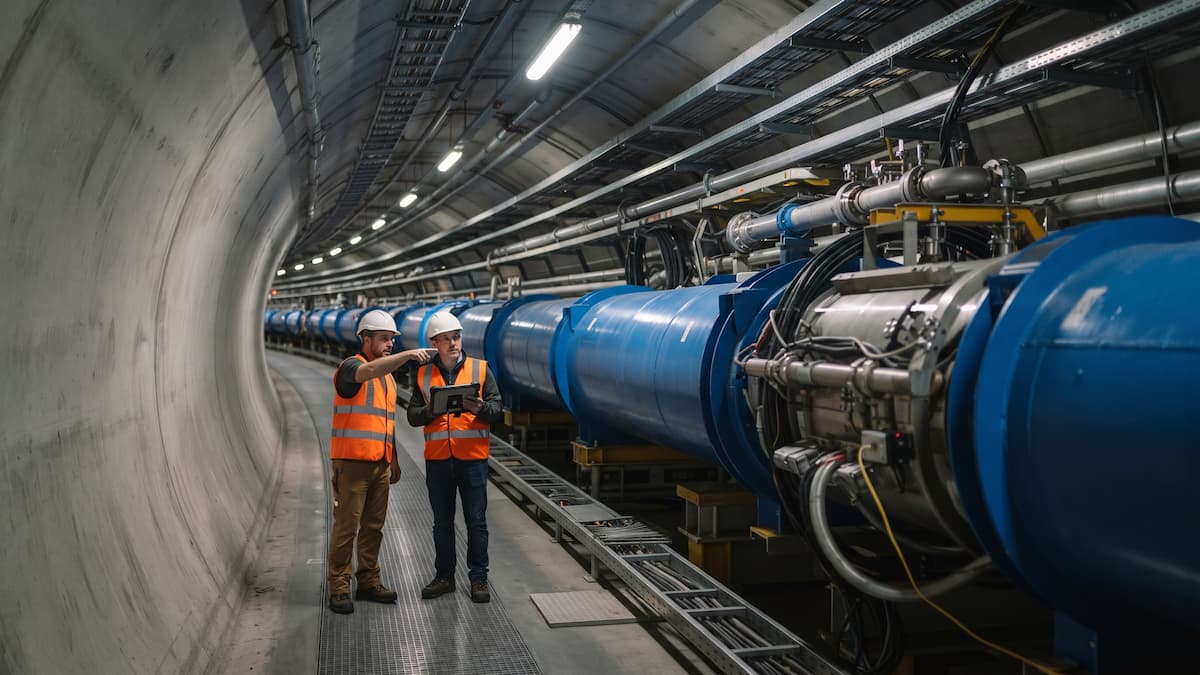
Particle accelerators push charged particles to extreme energies so researchers can study fundamental matter through collisions. CERN’s Large Hadron Collider began its high-energy collision program in 2010, and on July 4, 2012, the ATLAS and CMS collaborations announced the discovery of a new particle consistent with the long-sought Higgs boson, with further measurements confirming its identity. It was a dramatic payoff for one of the biggest scientific instruments ever built, a 27-kilometer ring that can uncover particles which never show up under ordinary conditions.
14. MRI Scanner: Seeing Inside the Human Body Without Surgery
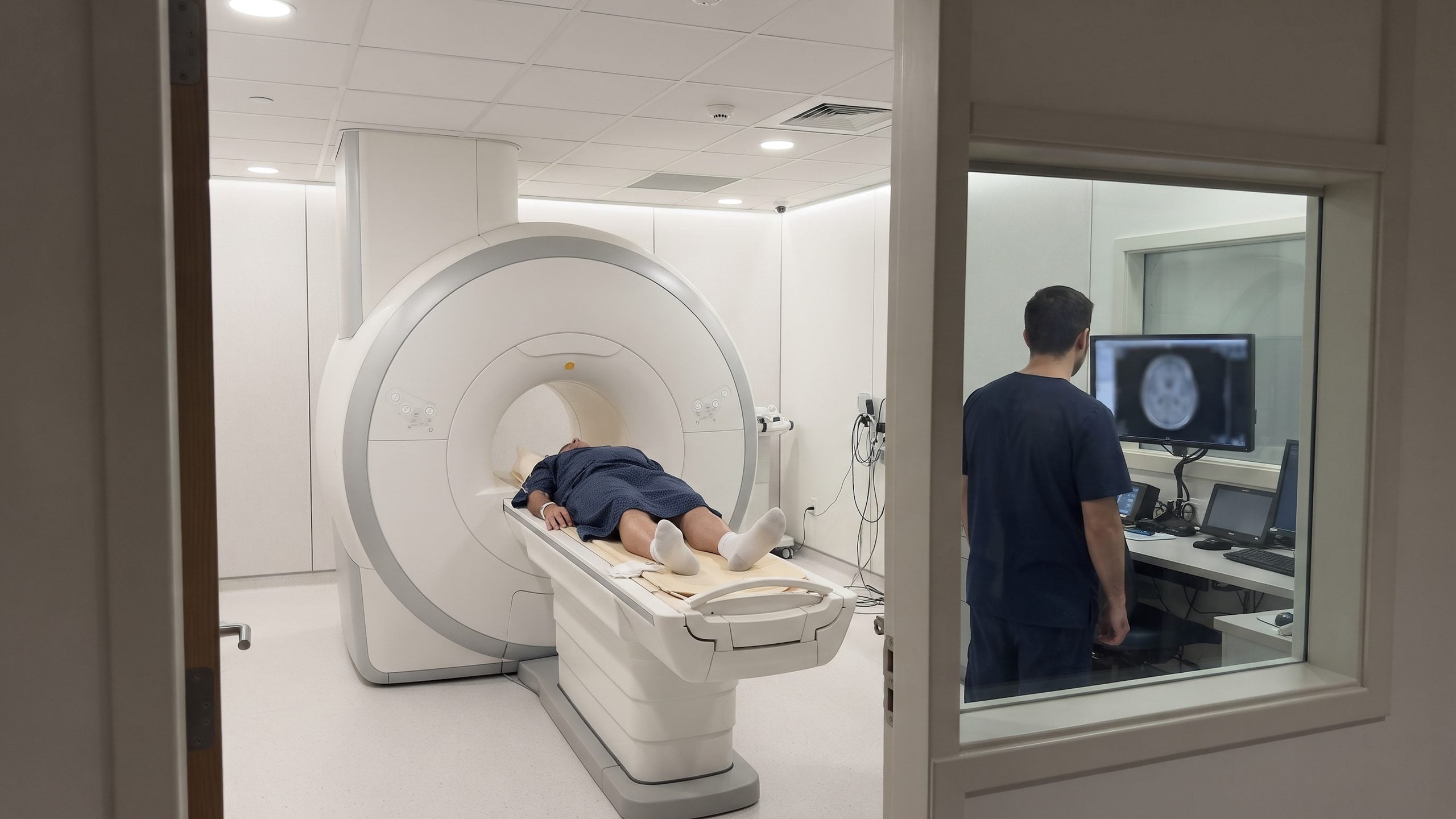
Magnetic resonance imaging emerged in the 1970s and became a practical medical technology over the following decade. MRI scanners use strong magnetic fields and radiofrequency signals to produce detailed pictures of internal tissues without ionizing radiation. That let doctors and researchers examine the brain, spinal cord, muscles, and other soft tissues in living patients, no surgery required. Paul Lauterbur and Peter Mansfield received the 2003 Nobel Prize in Physiology or Medicine for discoveries that helped establish MRI as an imaging technique.
15. Scanning Tunneling Microscope: Distinguishing Individual Atoms
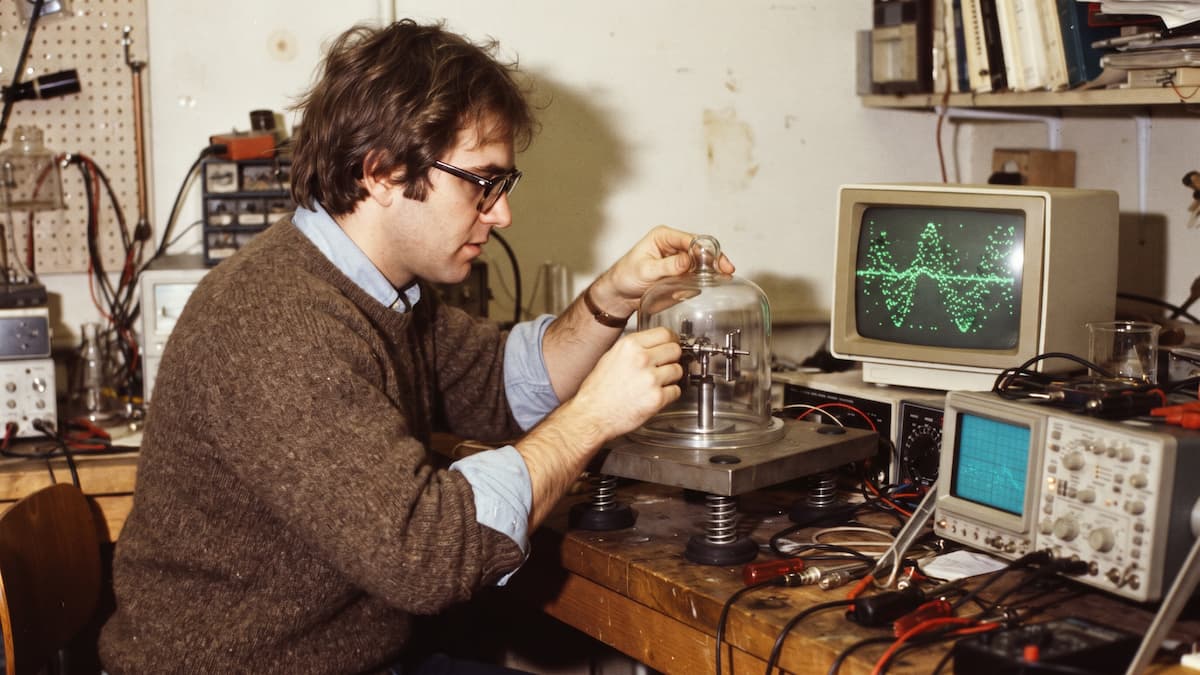
In 1981, Gerd Binnig and Heinrich Rohrer developed the scanning tunneling microscope at IBM’s Zurich Research Laboratory. It works by positioning an ultra-sharp conductive tip extremely close to a surface and measuring a tiny electrical current created by quantum tunneling. Under the right conditions, those readings let researchers distinguish individual atoms. The invention opened new doors in surface science and nanotechnology and earned its creators a share of the 1986 Nobel Prize in Physics, according to the Nobel Prize organization. Among modern scientific instruments, it is one of the few that let researchers literally push atoms around: in 1989, IBM scientists spelled out their company’s three-letter name with 35 xenon atoms.
16. Automated DNA Sequencer: Reading the Human Genome
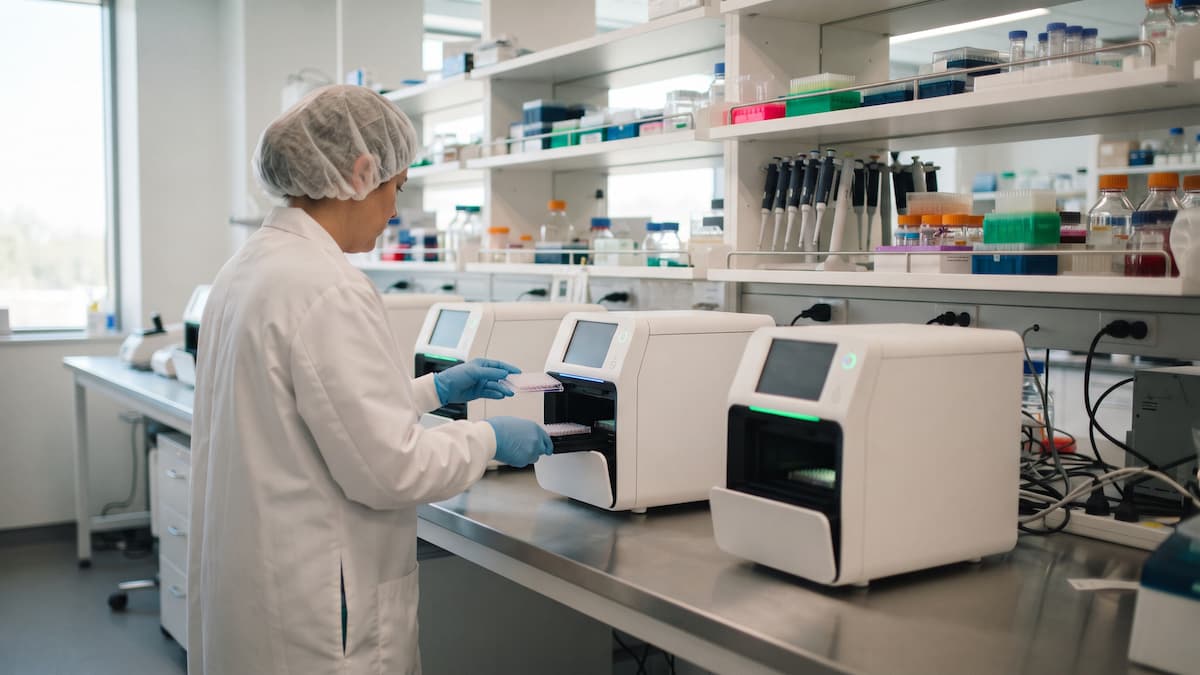
DNA sequencing methods from the 1970s let researchers read the order of nucleotide bases, but early procedures were painfully slow. Semi-automated sequencing technology arrived in the mid-1980s, followed by machines able to process far more genetic material. Those advances became essential to the Human Genome Project, which announced a draft sequence in June 2000 and completed its original goals in April 2003. According to the National Human Genome Research Institute, that reference covered roughly 92% of the human genome, and newer technologies filled in the remaining gaps in 2022.
These instruments changed science by making the previously invisible observable, from microscopic organisms and atoms to distant galaxies and structures deep inside the Earth. Their stories show that major discoveries often start with new ways of collecting evidence, not just new theories. Which of these inventions changed the world the most? Tell us in the comments!