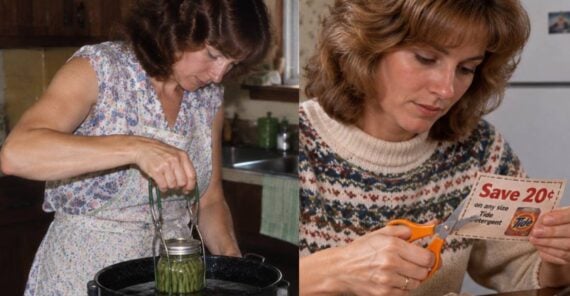
Before coupon apps and online price comparisons, families had to find their own ways to save money at the grocery store. Shopping took more planning, and people learned habits that helped them stretch every dollar. From making shopping lists to buying food in bulk, many of these methods were passed down from grandparents.
Although grocery stores and shopping habits have changed over the years, many old-fashioned ways of saving money still work today. People found ways to waste less food, spend intelligently, and make the most of what they already had. Here are 15 ways people kept grocery bills low before coupon apps existed.
1. Making a Shopping List
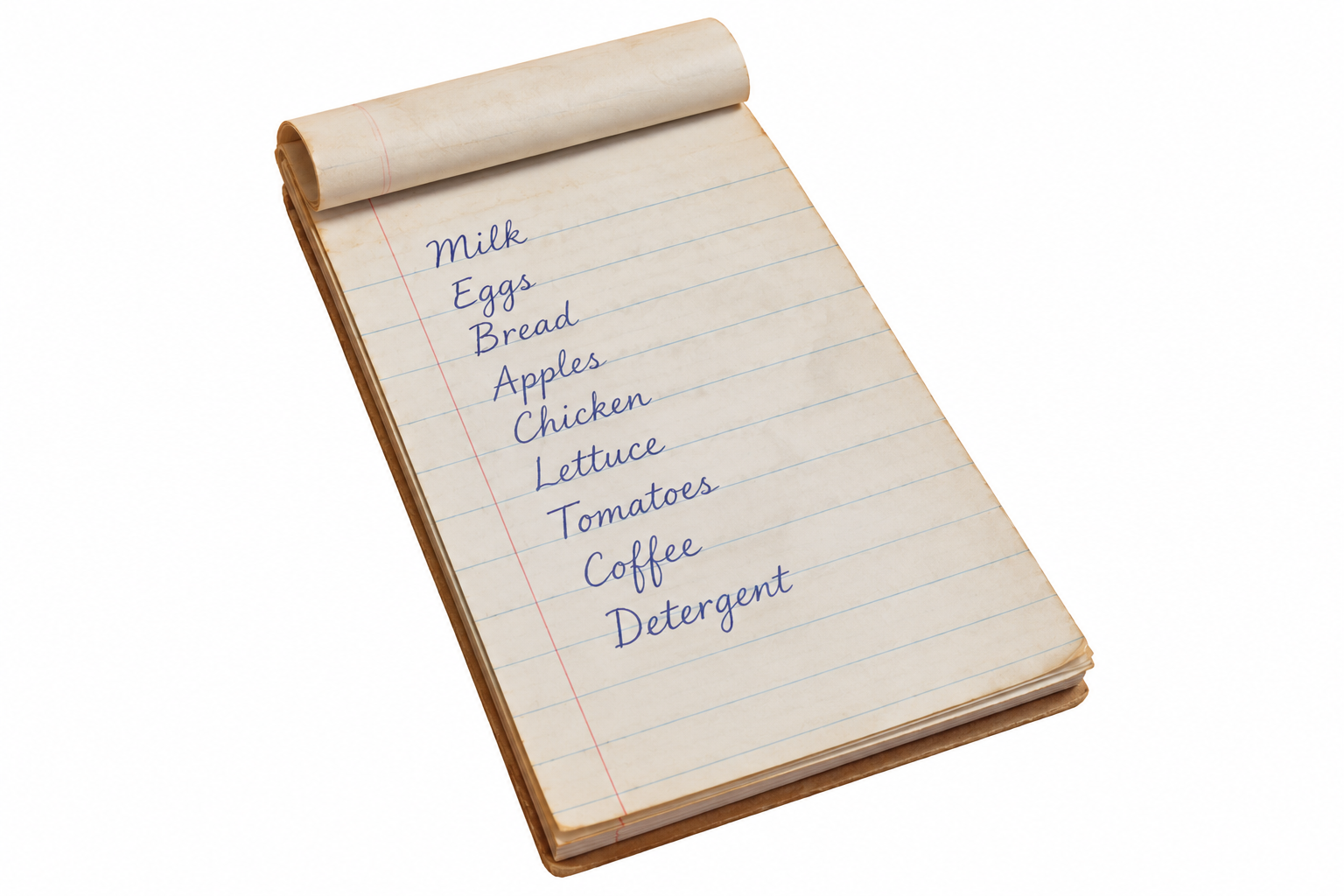
One of the easiest ways people saved money was by making a shopping list before leaving home. They checked their kitchens, wrote down what they needed, and tried to stick to the list while shopping. This helped them avoid buying extra items just because they looked good or were on sale.
2. Planning Meals for the Whole Week
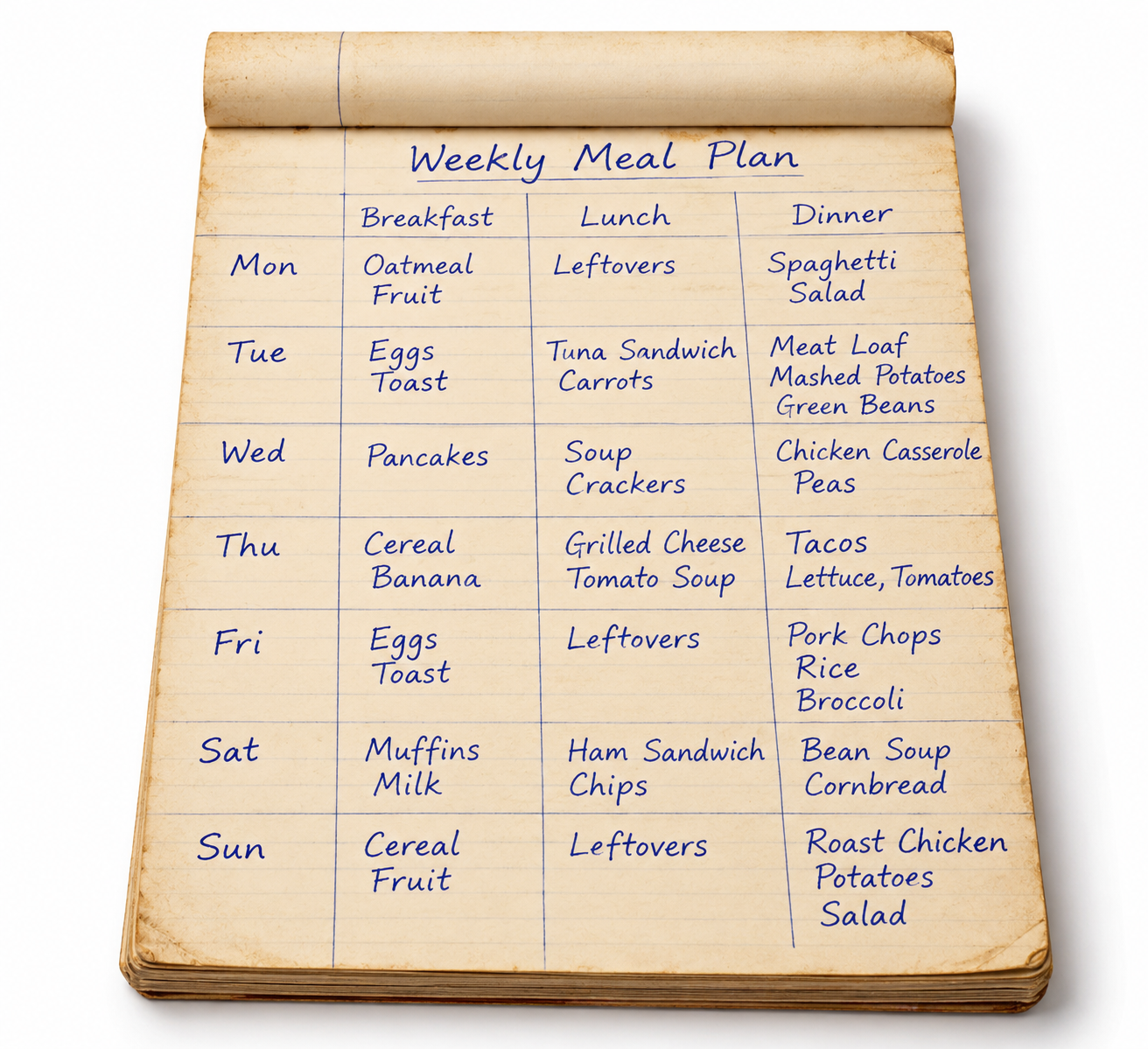
Many families planned their meals before going grocery shopping. They decided what they would cook for breakfast, lunch, and dinner, then bought only the ingredients they needed. This made it easier to control spending and avoid last-minute trips to the store.
3. Comparing Prices
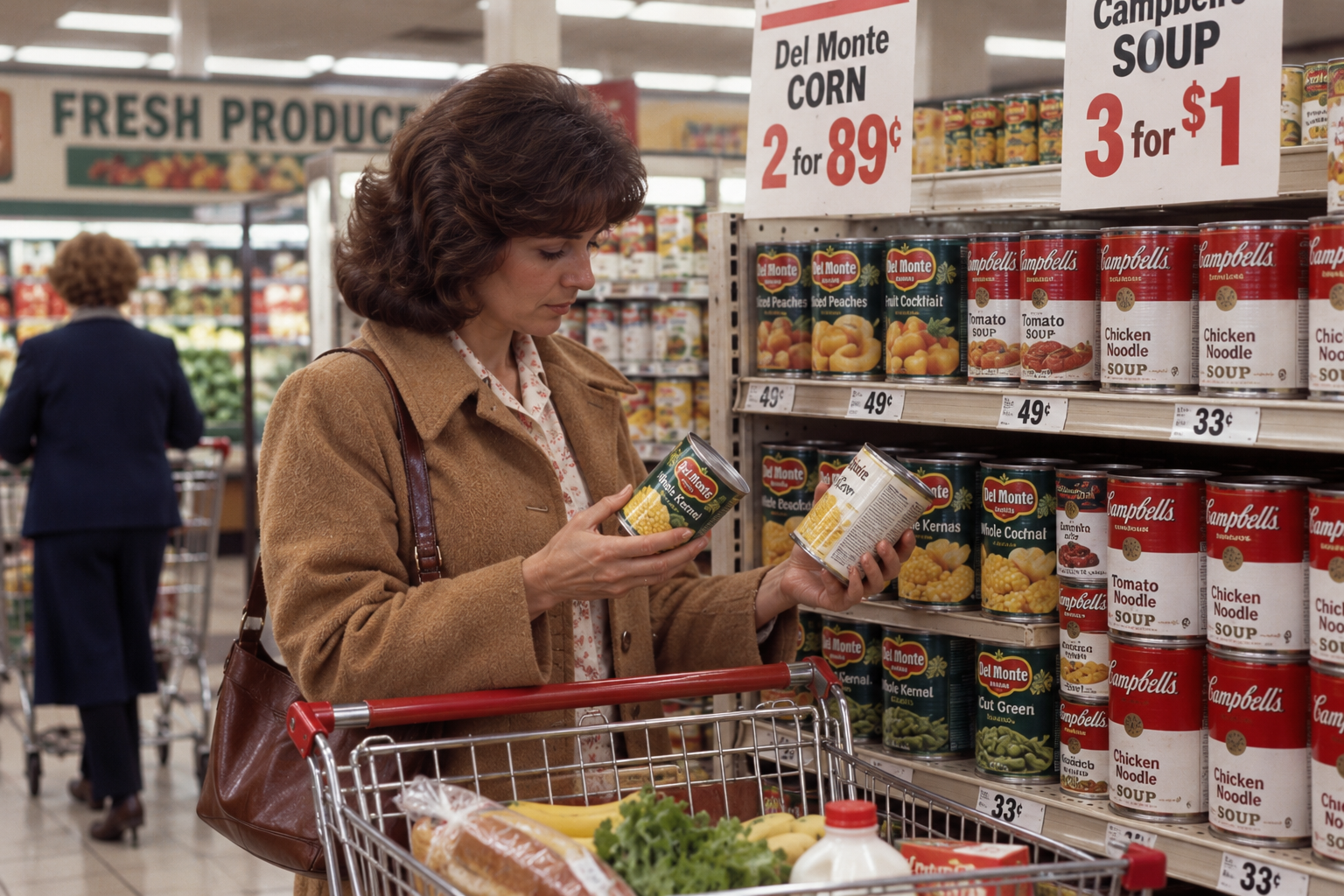
Before shopping apps made price comparisons easy, people often checked prices by visiting different stores or looking through printed store ads. Although comparing prices took more time, it could help families save money over several weeks.
4. Reading Newspaper Grocery Ads
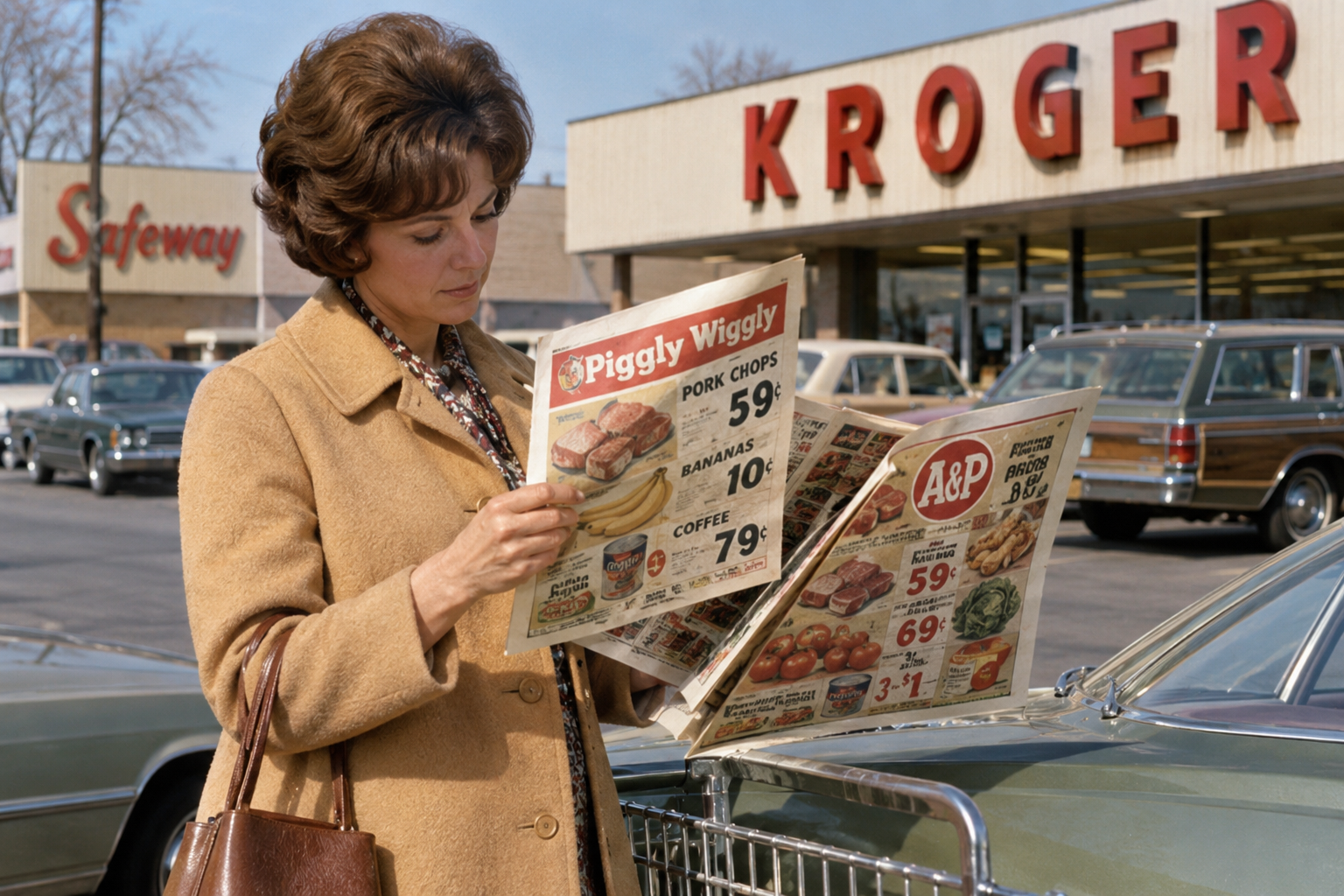
Newspapers were an important source of grocery deals for many people. Stores printed weekly ads showing special prices on meat, vegetables, cereal, coffee, and other daily products. Families looked through these ads before deciding where to shop. This was one of the main ways shoppers learned about discounts before digital coupons.
5. Using Paper Coupons
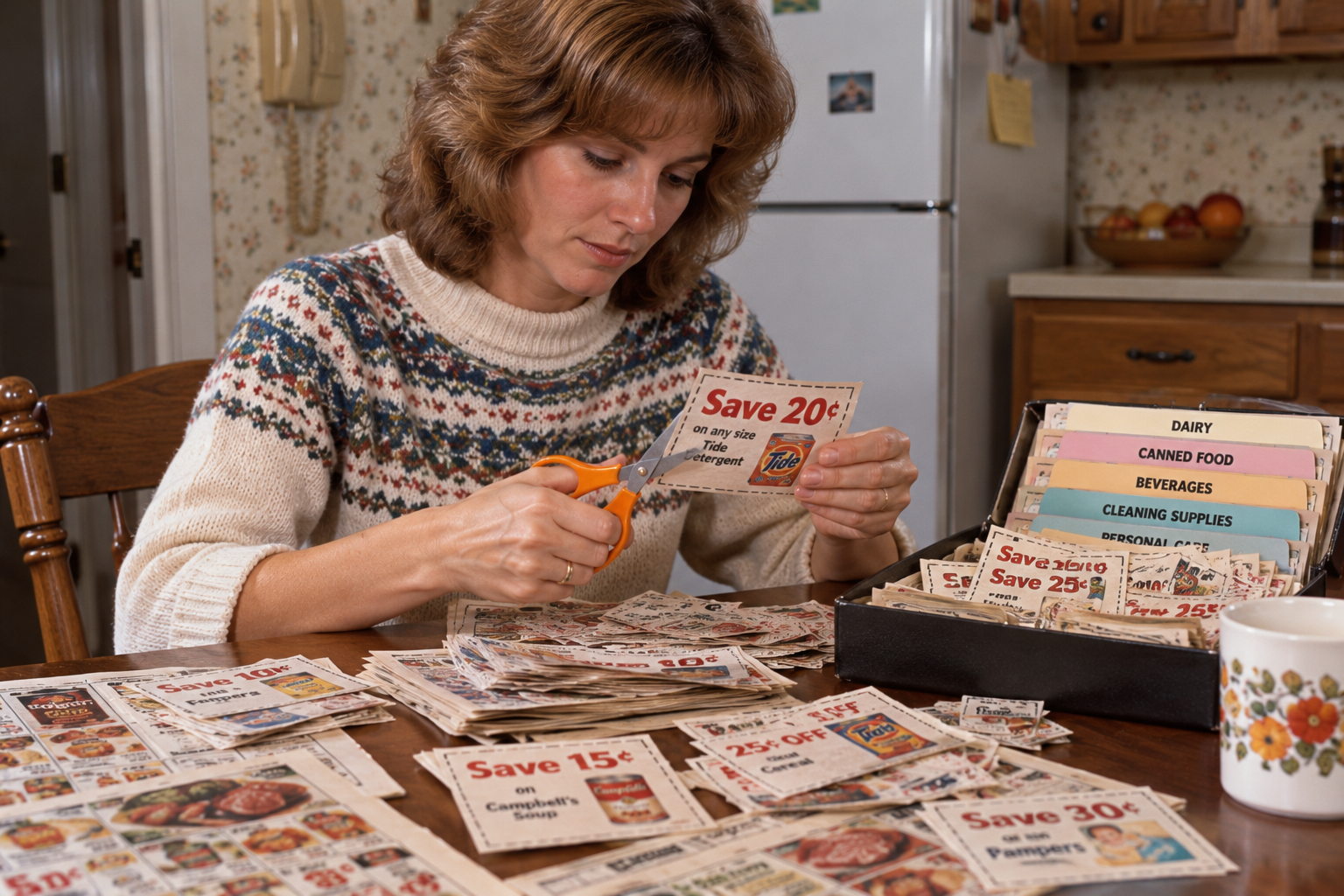
Paper coupons were a popular way to lower grocery bills long before coupon apps existed. People found them in magazines, store flyers, and product packages. They clipped the coupons they needed and kept them in envelopes or small organizers. Some shoppers sorted them by category, such as canned food or cleaning supplies. Savings could add up when people used them for products they already planned to buy.
Trending on Wealth Gang


6. Buying Store Brands
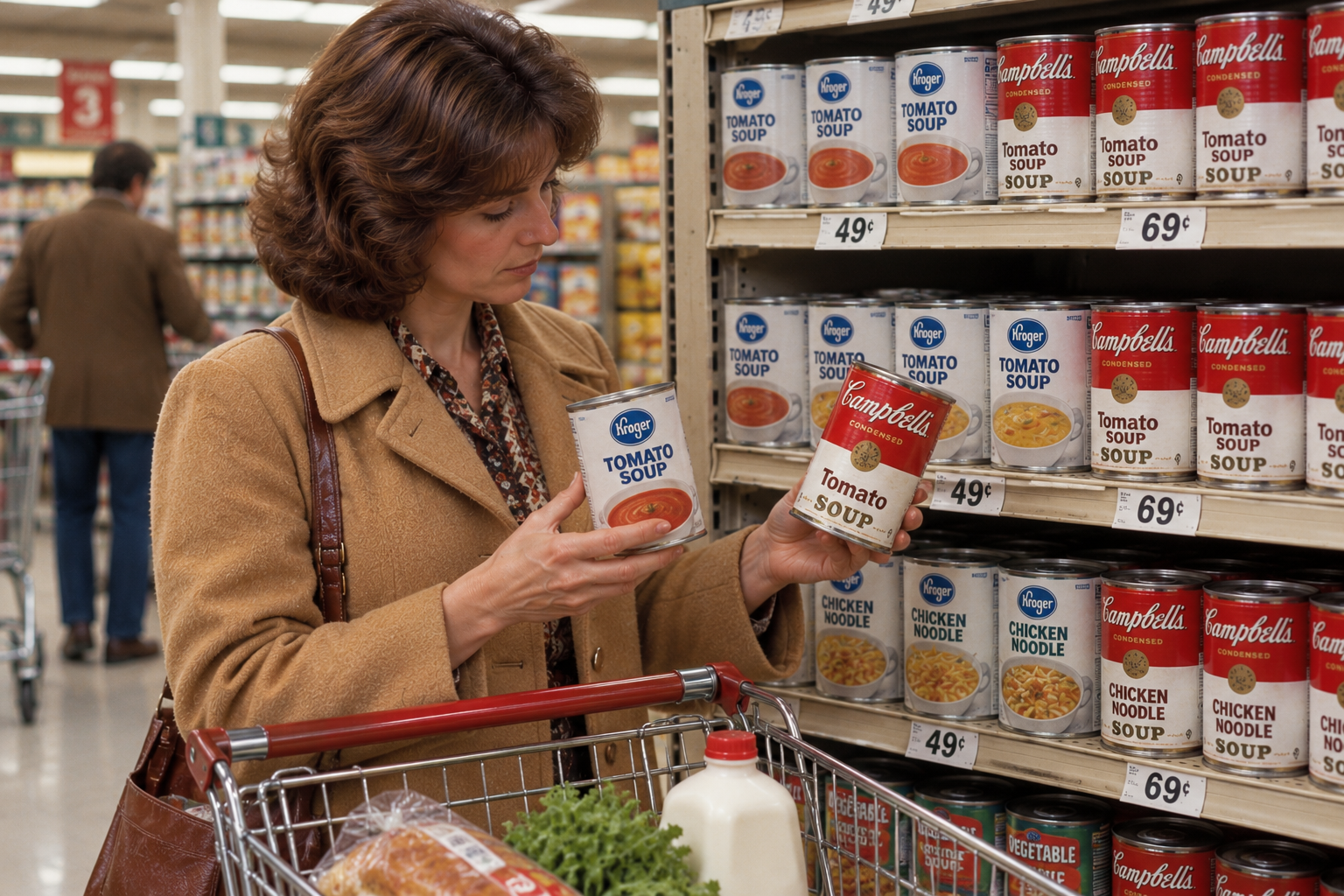
Many families saved money by choosing store-brand products instead of well-known national brands. Items such as flour, sugar, vegetables, pasta, and cereal were often available at lower prices under a supermarket’s own label. Shoppers learned that paying more for a familiar name did not always mean getting a better product, so they chose cheaper options.
7. Buying Food in Bulk
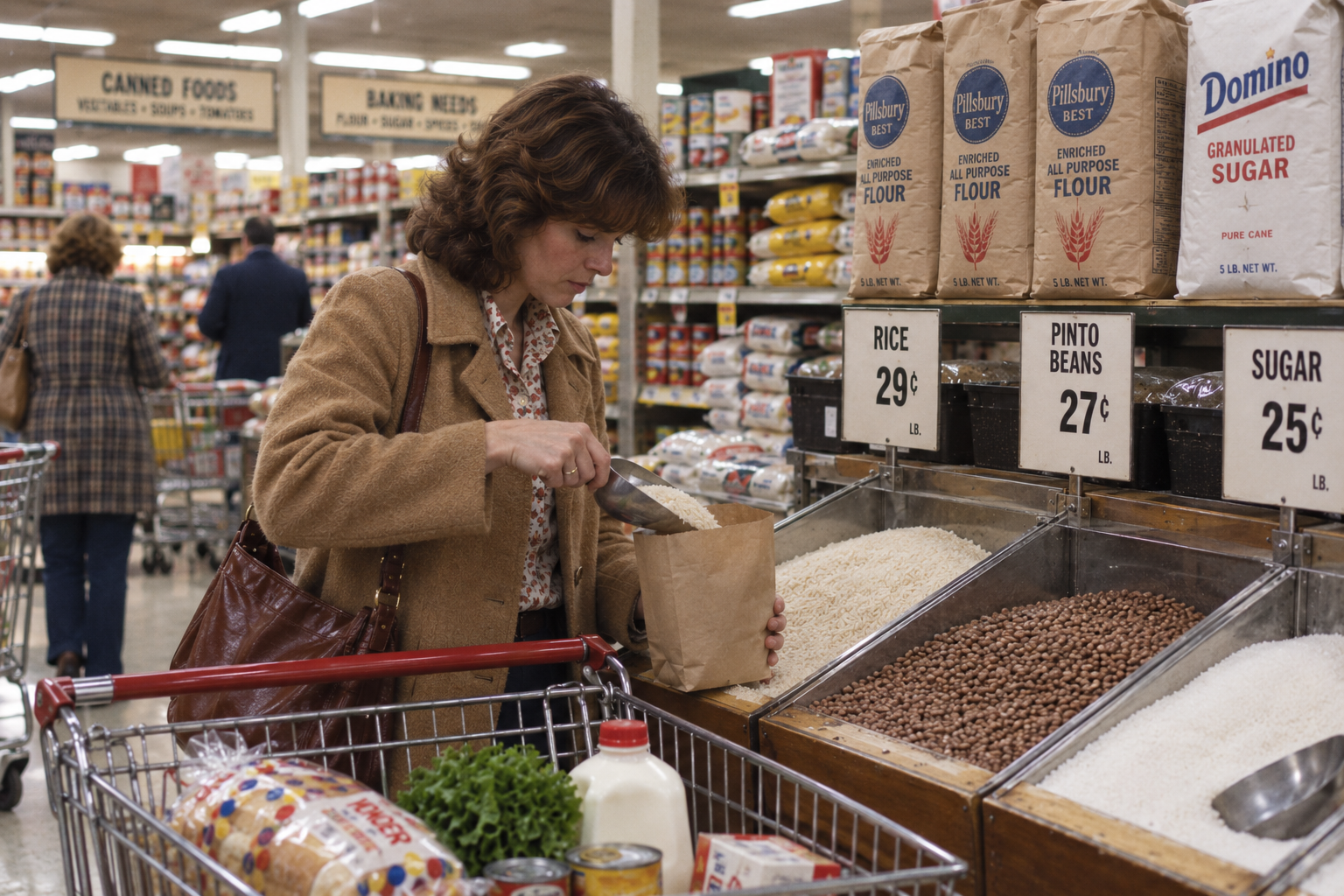
Buying larger amounts of food was another common way to save money. Families often purchased big bags of rice, flour, beans, and sugar that could last for weeks or months. The price per pound was sometimes lower when buying a larger package. This method worked best for foods that could be stored safely and used before they expired.
8. Cooking at Home
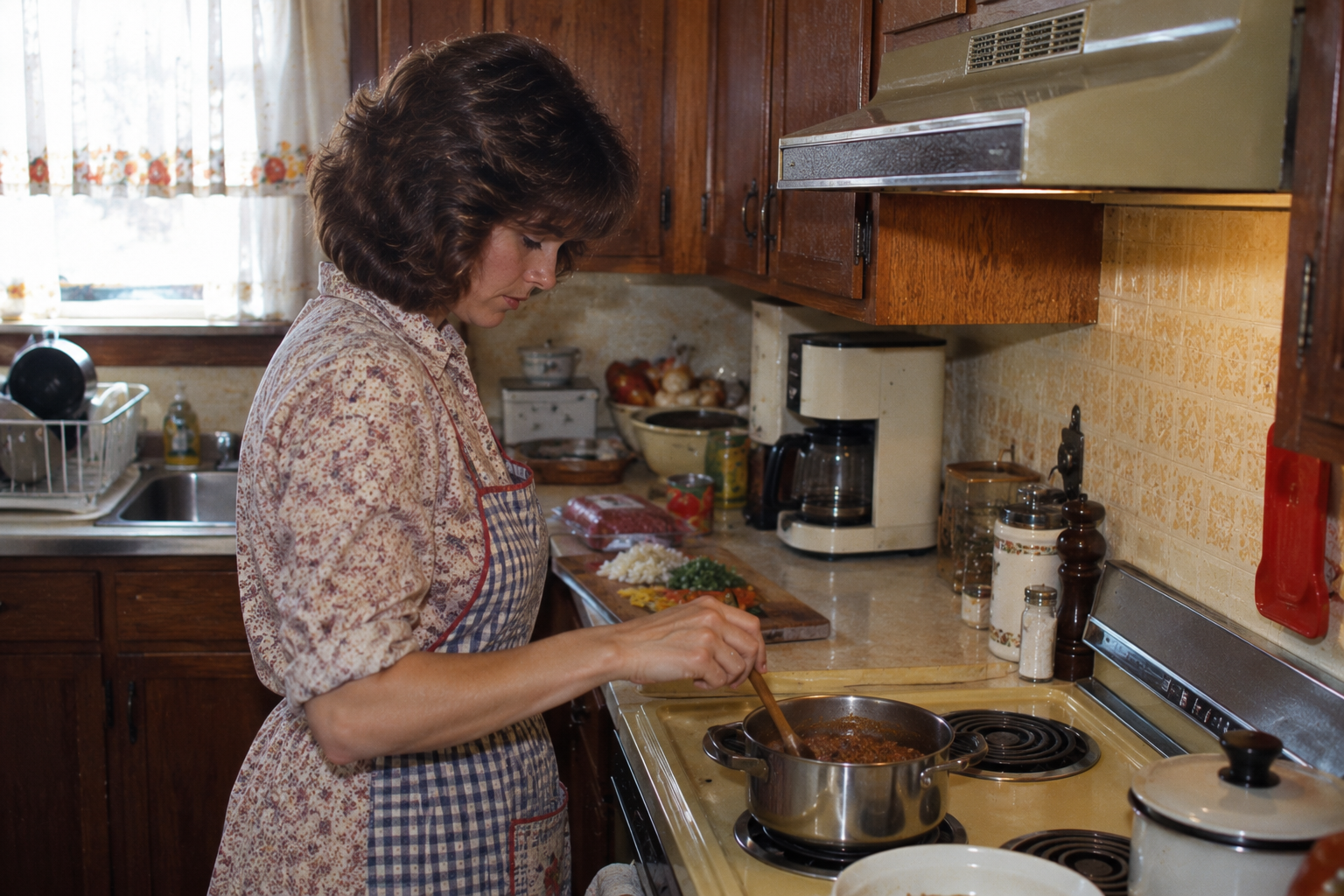
Cooking from scratch was a part of life for many families. Instead of buying ready-made meals, they prepared dishes using basic ingredients such as potatoes, rice, flour, vegetables, and meat. Homemade food was often cheaper than packaged meals, and one recipe could feed several people.
Sign up for our newsletter
9. Using Leftovers
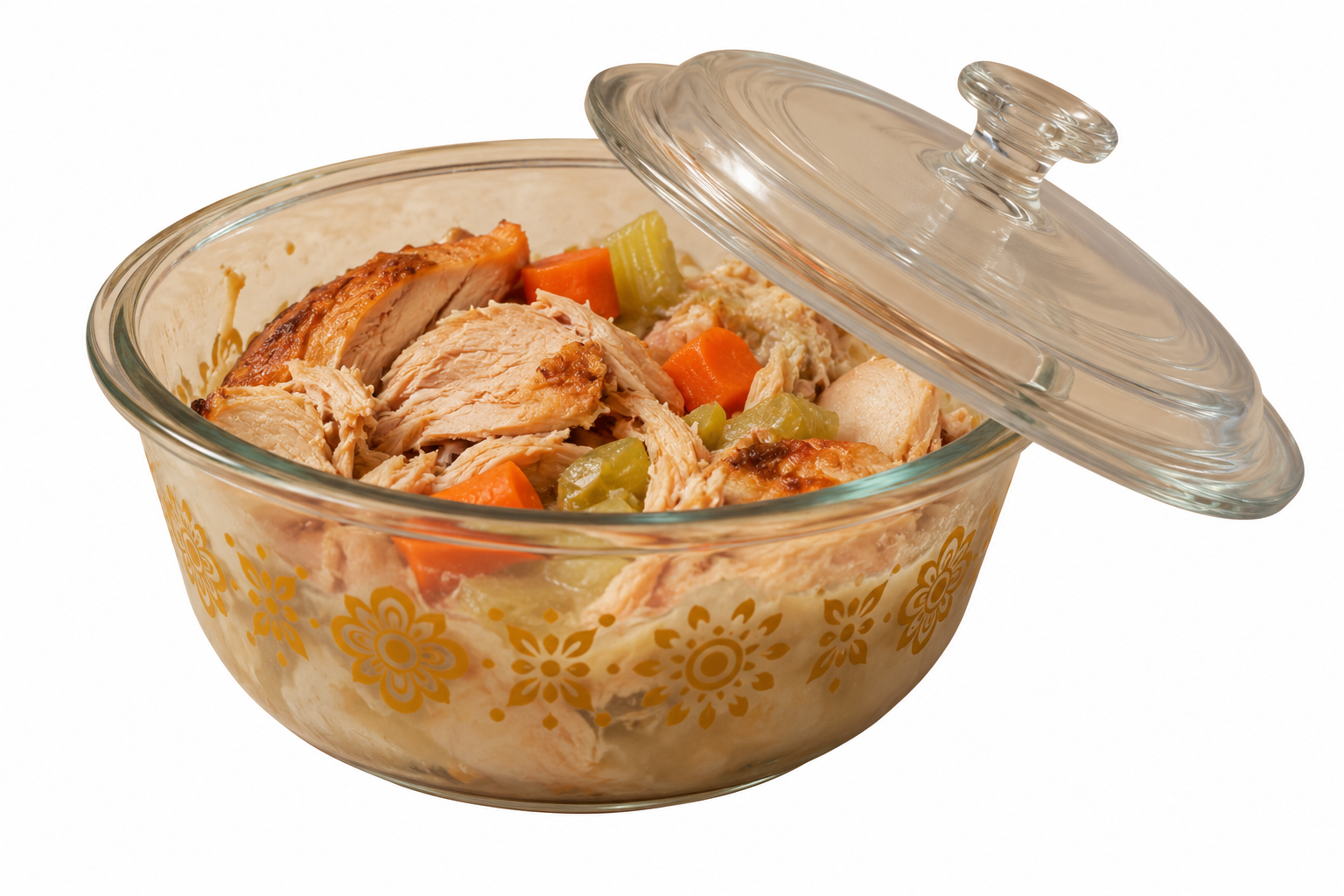
Throwing away food meant throwing away money, so many homes found creative ways to use leftovers. Roast chicken could become chicken soup, leftover vegetables could go into a casserole, and extra rice could be turned into fried rice.
10. Buying Seasonal Fruits & Veggies
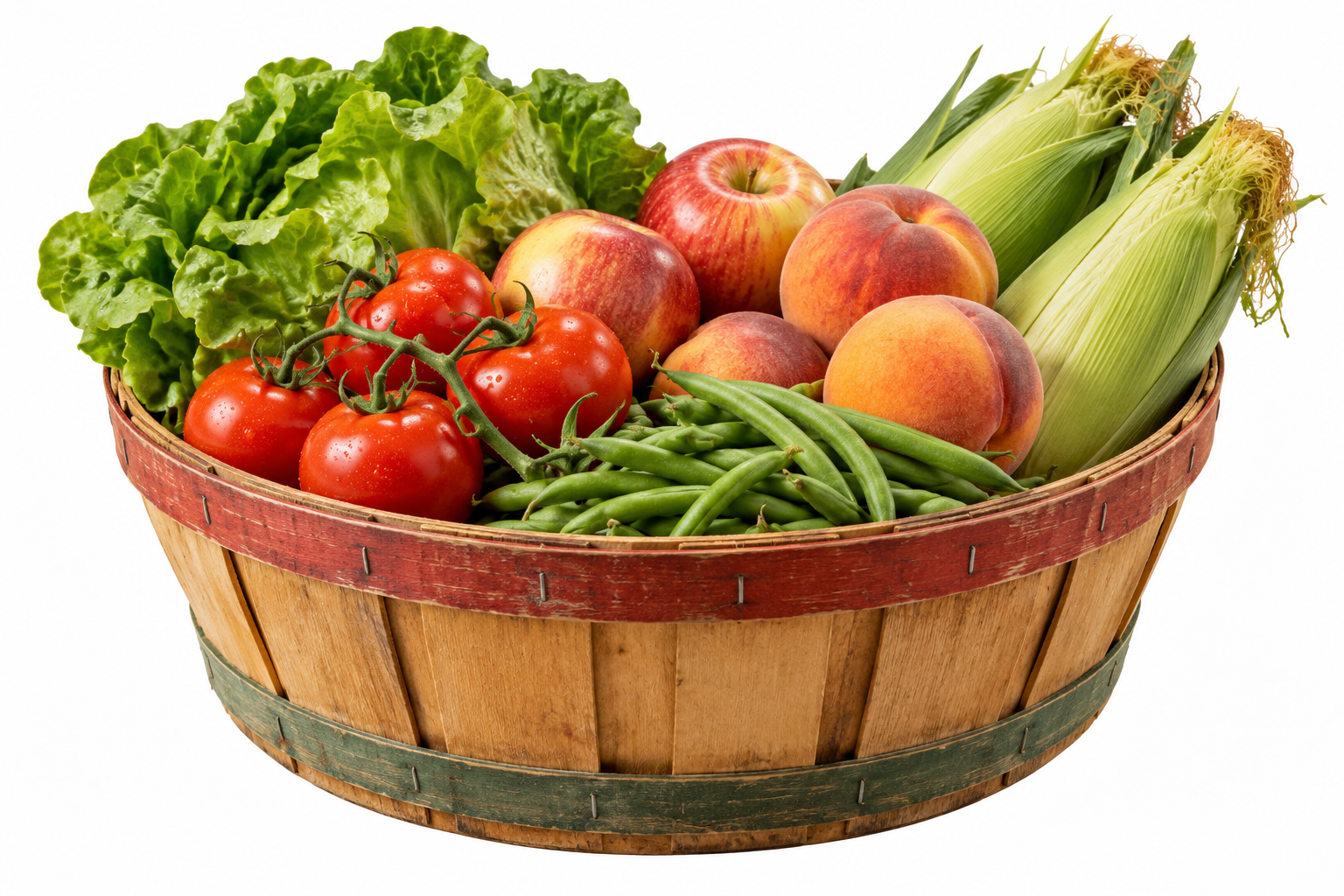
People often saved money by buying fruits and vegetables when they were in season. Apples, peaches, tomatoes, and others could be cheaper when they were widely available. Families planned their meals around the fruits and vegetables that cost less at different times of the year.
11. Choosing Cheaper Cuts of Meat
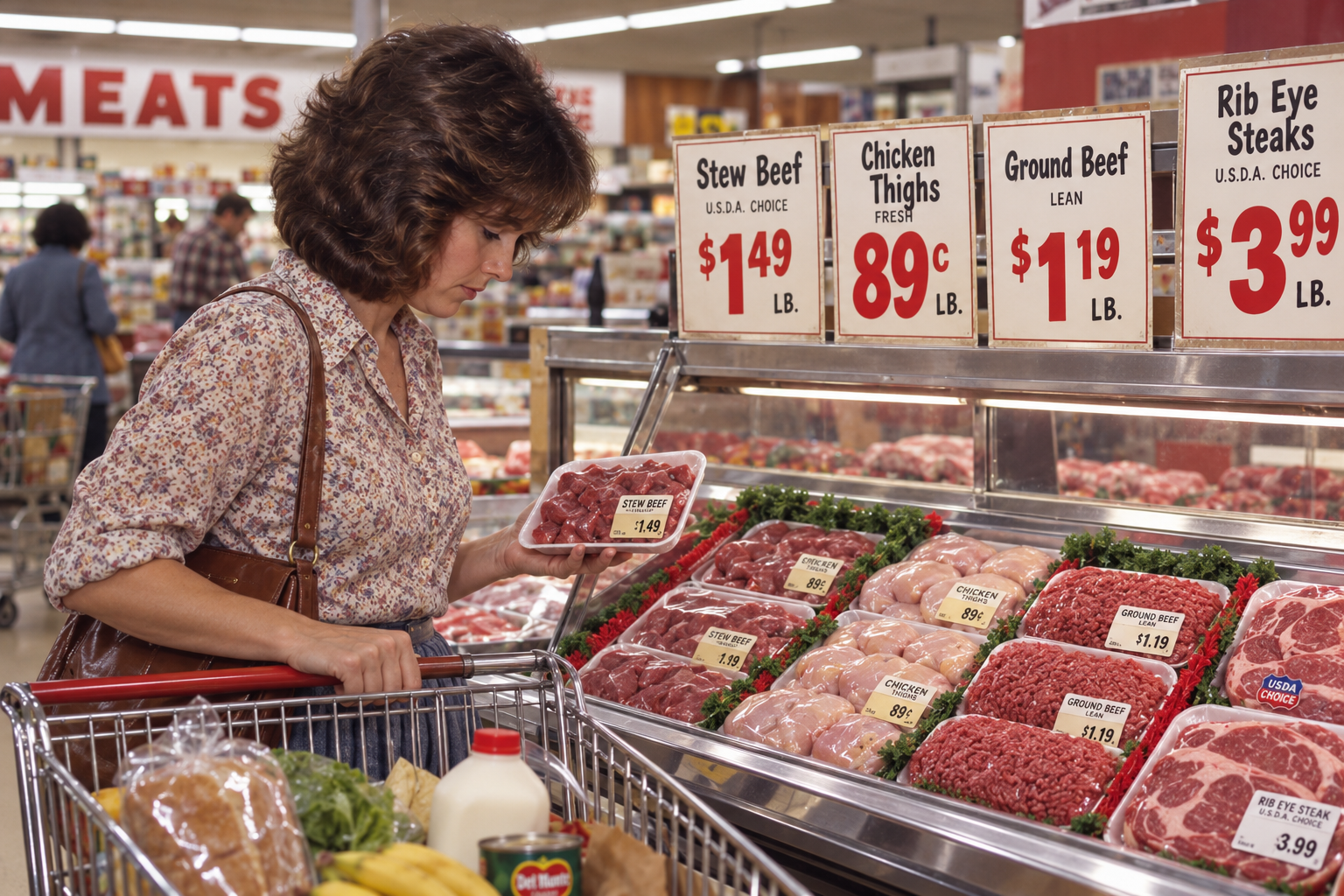
Meat could take up a large part of a family’s grocery budget, so shoppers often chose less expensive cuts. Instead of buying steaks or premium cuts, they used beef for stews, chicken thighs for family dinners, or tougher cuts that became tender after slow cooking. Ground meat could also be mixed with beans, rice, or vegetables to make a meal go further.
12. Serving More Beans, Rice & Potatoes
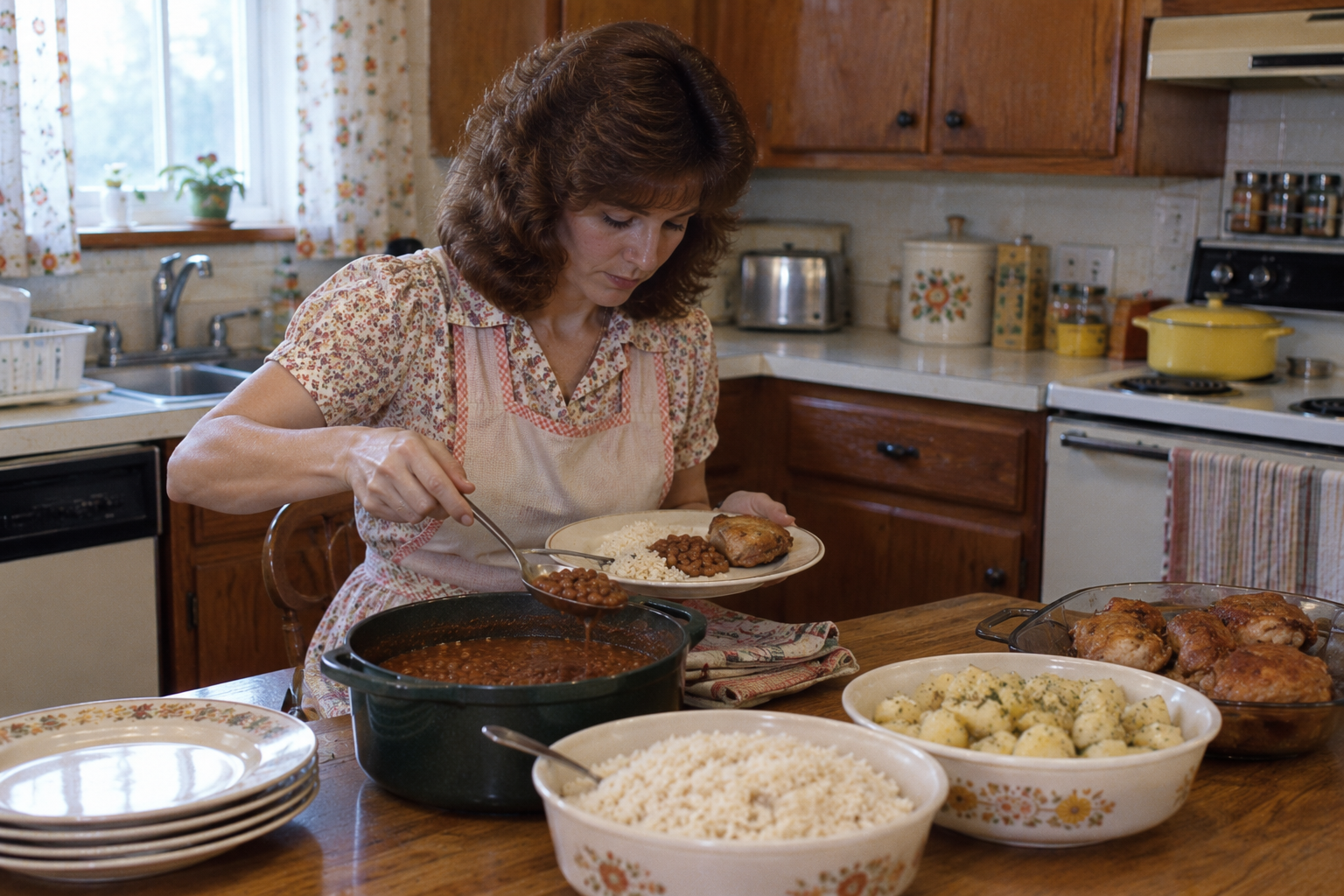
Affordable foods such as beans, rice, and potatoes were important parts of many meals. They were filling, easy to prepare, and could be used in many different recipes. A small amount of meat could be served with rice and vegetables, while beans could become soup, chili, or a main dish on their own. Families used these basic foods to feed several people without buying expensive ingredients for every meal.
13. Growing Vegetables at Home
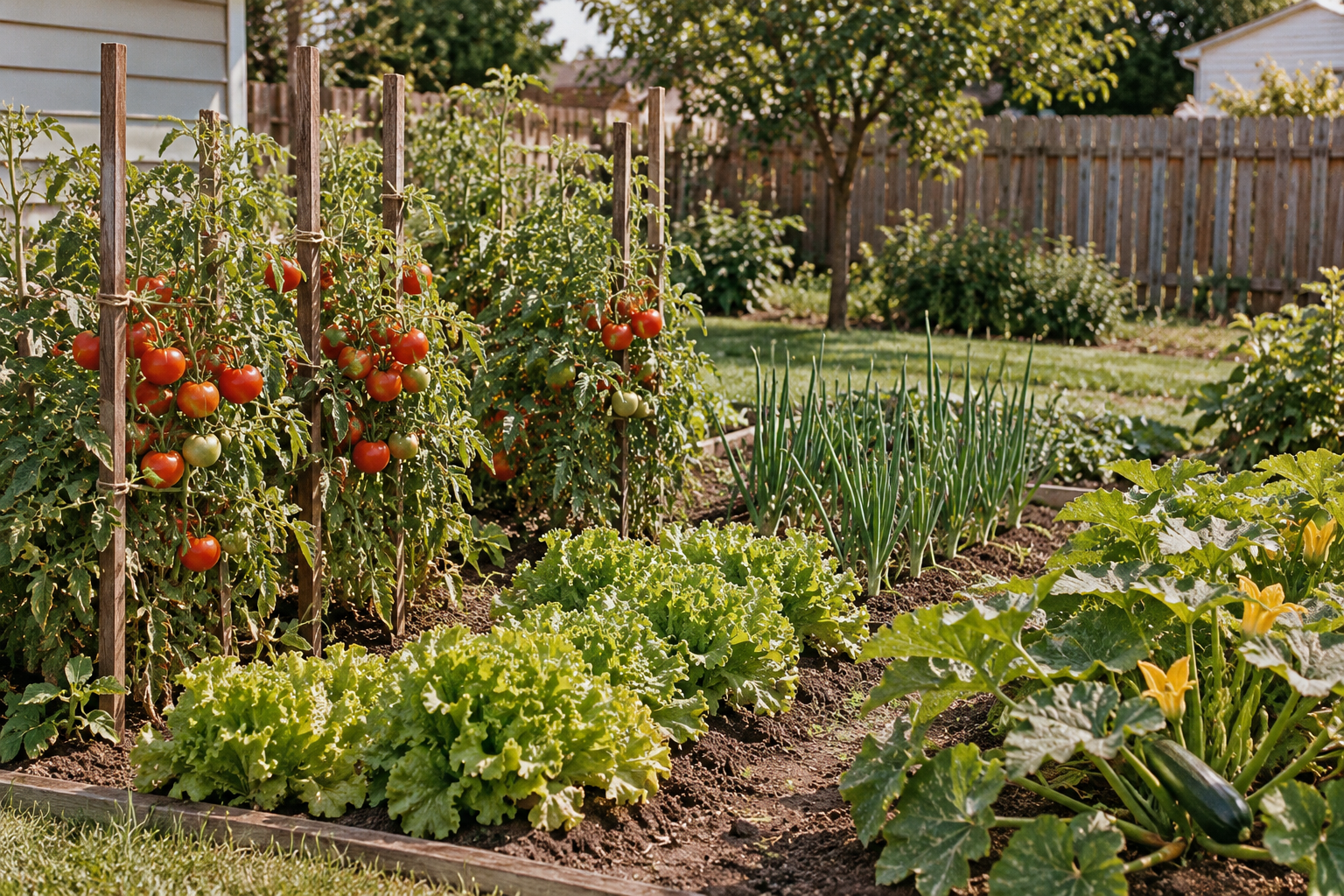
Some families grew their own vegetables in backyards or small gardens. Tomatoes, lettuce, onions, and herbs could provide fresh ingredients without requiring a trip to the store every time they were needed. A garden required work, water, and space, but it could lower the cost of many foods during the growing season.
14. Preserving Food for Later
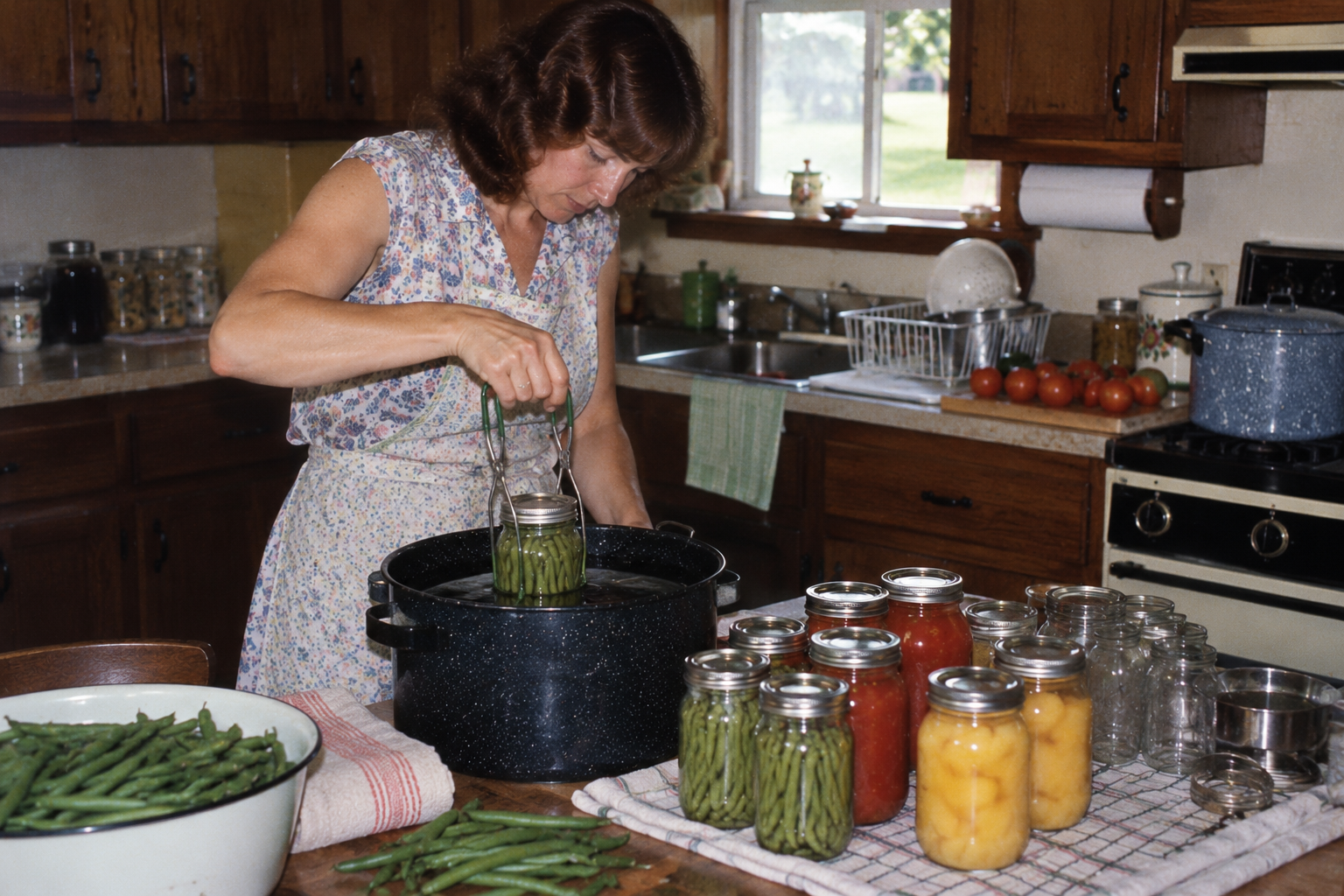
Before modern food-saving habits became widespread, many people preserved food to make it last longer. Canning fruits and vegetables, freezing produce, drying herbs, and storing vegetables in cool places helped families keep food for future meals. People often preserved extra food when it was cheap, rather than paying higher prices later.
15. Shopping With a Set Cash Budget
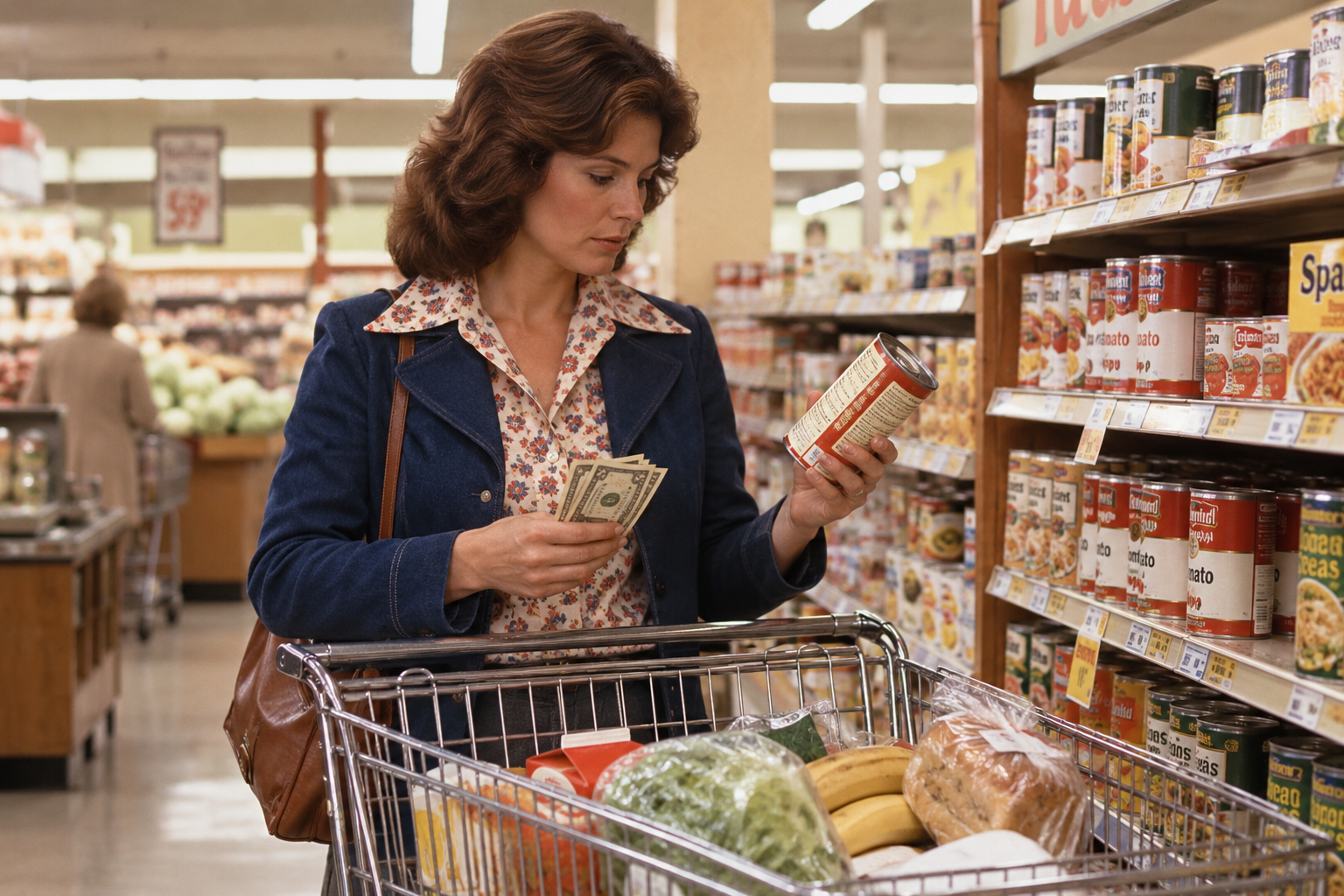
Some shoppers took only a limited amount of cash to the grocery store. If their basket became too expensive, they put back items that were not essential. This method made spending easier to control because there was a clear limit to how much money they could use.
You might also like:
Check out 24 Rare Photos of Neighborhood Grocery Stores Through the Years, which takes readers back to the corner stores that dominated before big chains took over. 21 Vintage Images of Seventies Grocery Stores focuses on one decade, with glass soda bottles and checkout lanes straight out of the ’70s. Last but not least, 12 Ways Grocery Shopping Has Changed in the Last Ten Years breaks down the shift to delivery apps and self-checkout.