The cost of living has changed dramatically over the last few decades. While technology has made many products cheaper and more accessible, some of the things that once seemed attainable for middle-class families have become significantly more expensive relative to income. In 1980, many households could comfortably afford expenses that now require years of saving, larger loans, or major financial sacrifices. Here are 15 things that the average family could afford more easily in 1980 than today.
1. Buying a Home
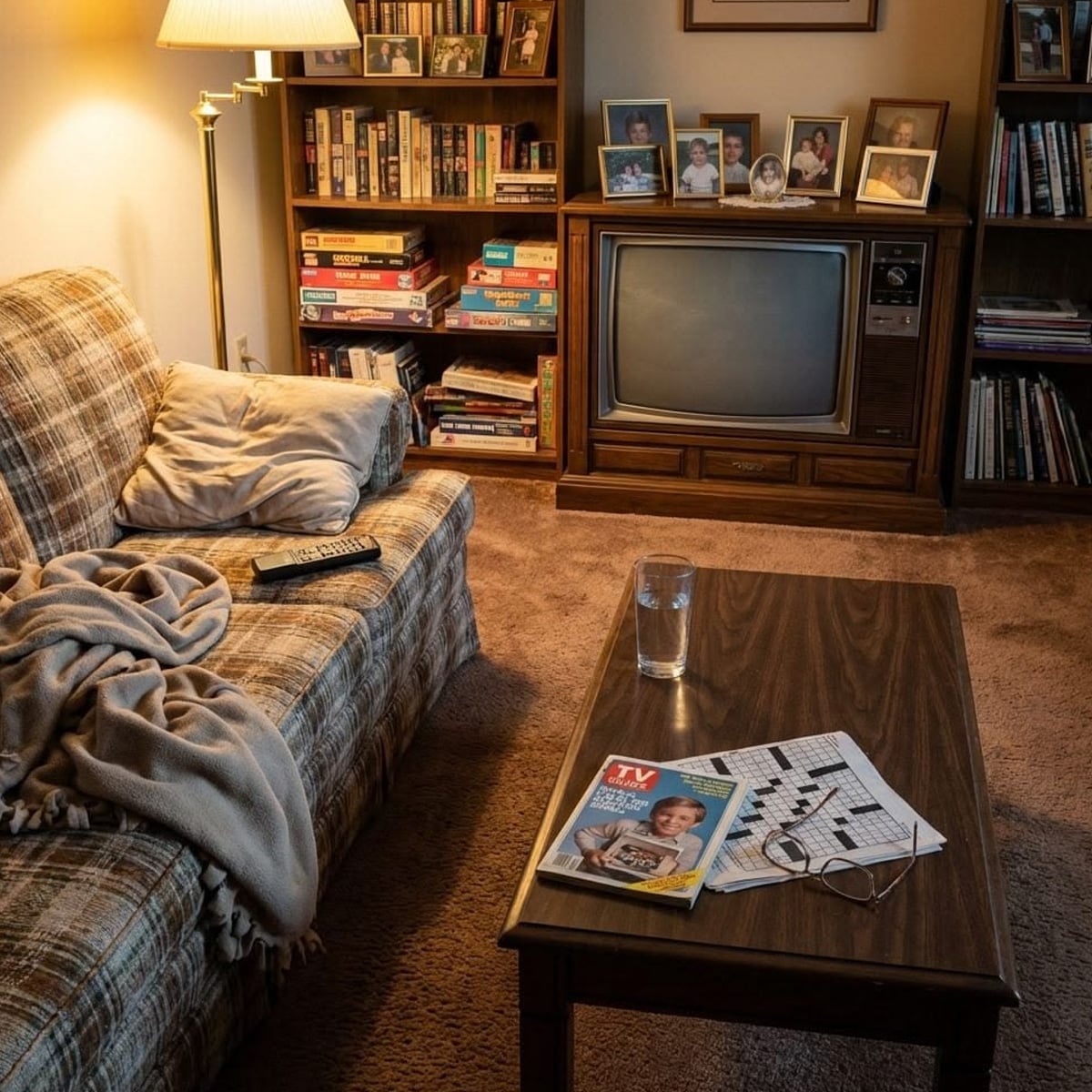
In 1980, home prices were far lower compared to average household income. While mortgage rates were high at times, homes themselves typically cost only a few times a family’s annual salary. Today, in many cities, home prices have risen much faster than wages, making homeownership increasingly difficult for younger generations.
2. Raising Multiple Children on One Income

Many families in 1980 could support several children with a single full-time income. Housing, healthcare, and education costs consumed a smaller percentage of household budgets. Today, dual incomes are often necessary just to maintain a middle-class lifestyle.
3. A Family Vacation Every Year

Annual road trips, beach vacations, and visits to theme parks were common family traditions. Although vacations are still possible today, rising transportation, lodging, and entertainment costs have made regular family travel more expensive.
4. College Tuition Without Massive Debt
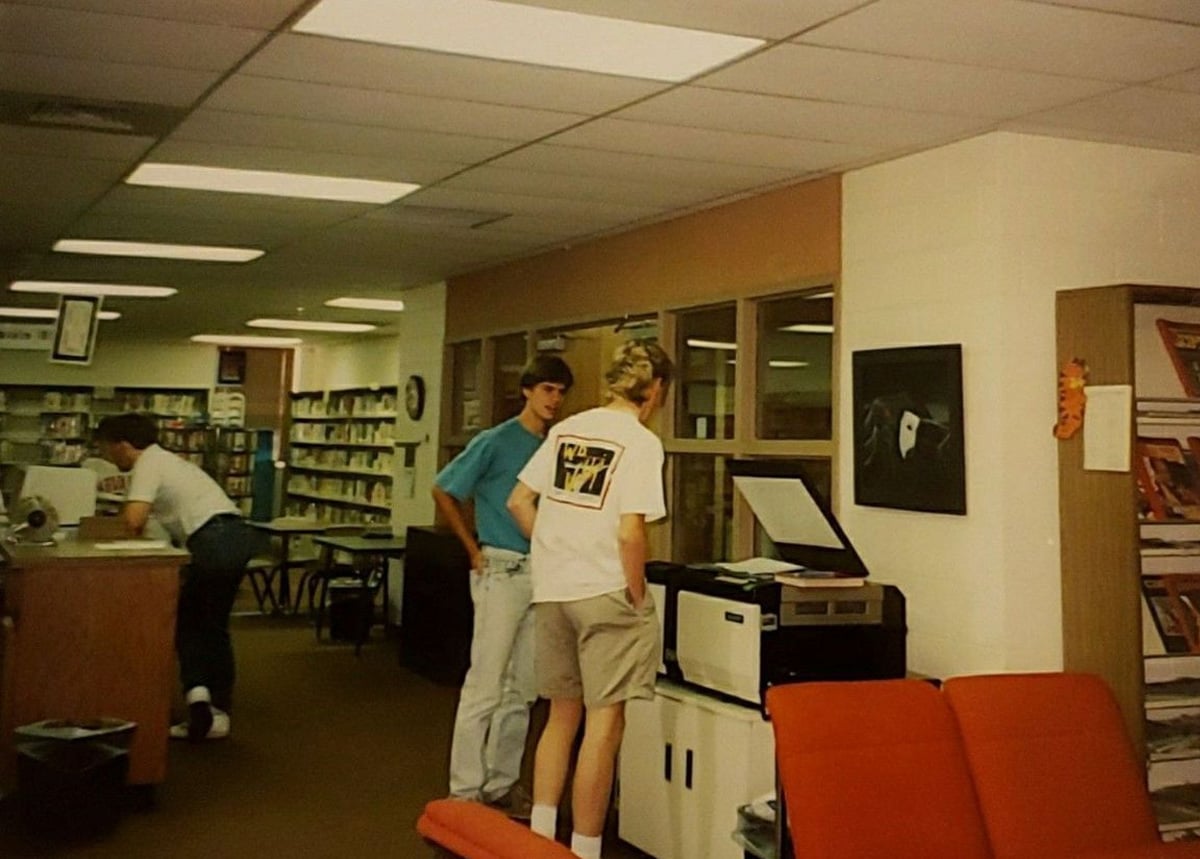
Public universities were far more affordable in 1980. Many students could pay tuition through part-time jobs, family support, or modest loans. Today, student debt has become a major financial burden for millions of graduates.
5. Buying a New Car With Cash
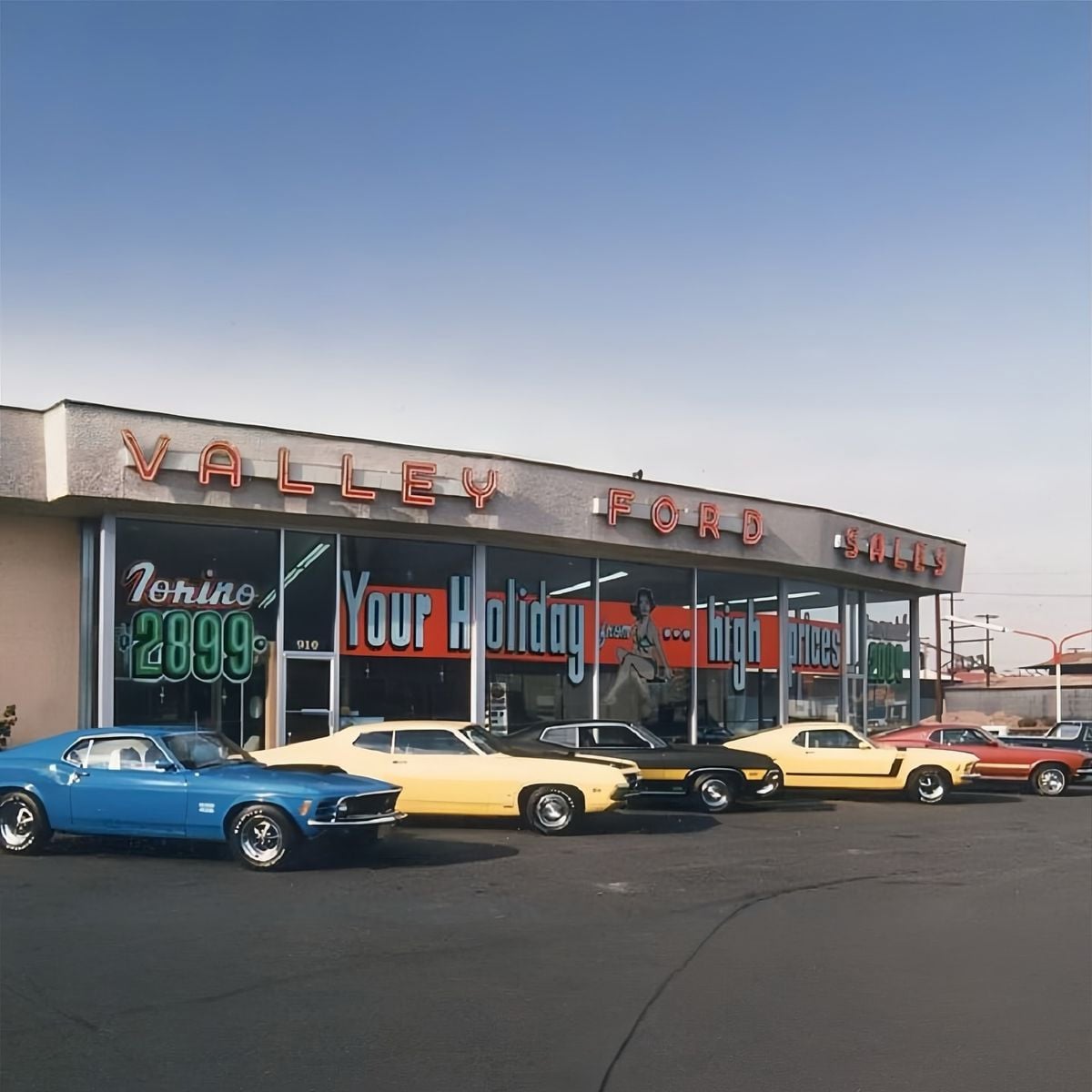
Many families could save enough money to purchase a new car outright or finance it over a relatively short period. Modern vehicles offer more features and safety technology, but their prices have increased significantly compared to average earnings.
Trending on Wealth Gang

6. Owning a Starter Home in Your Twenties
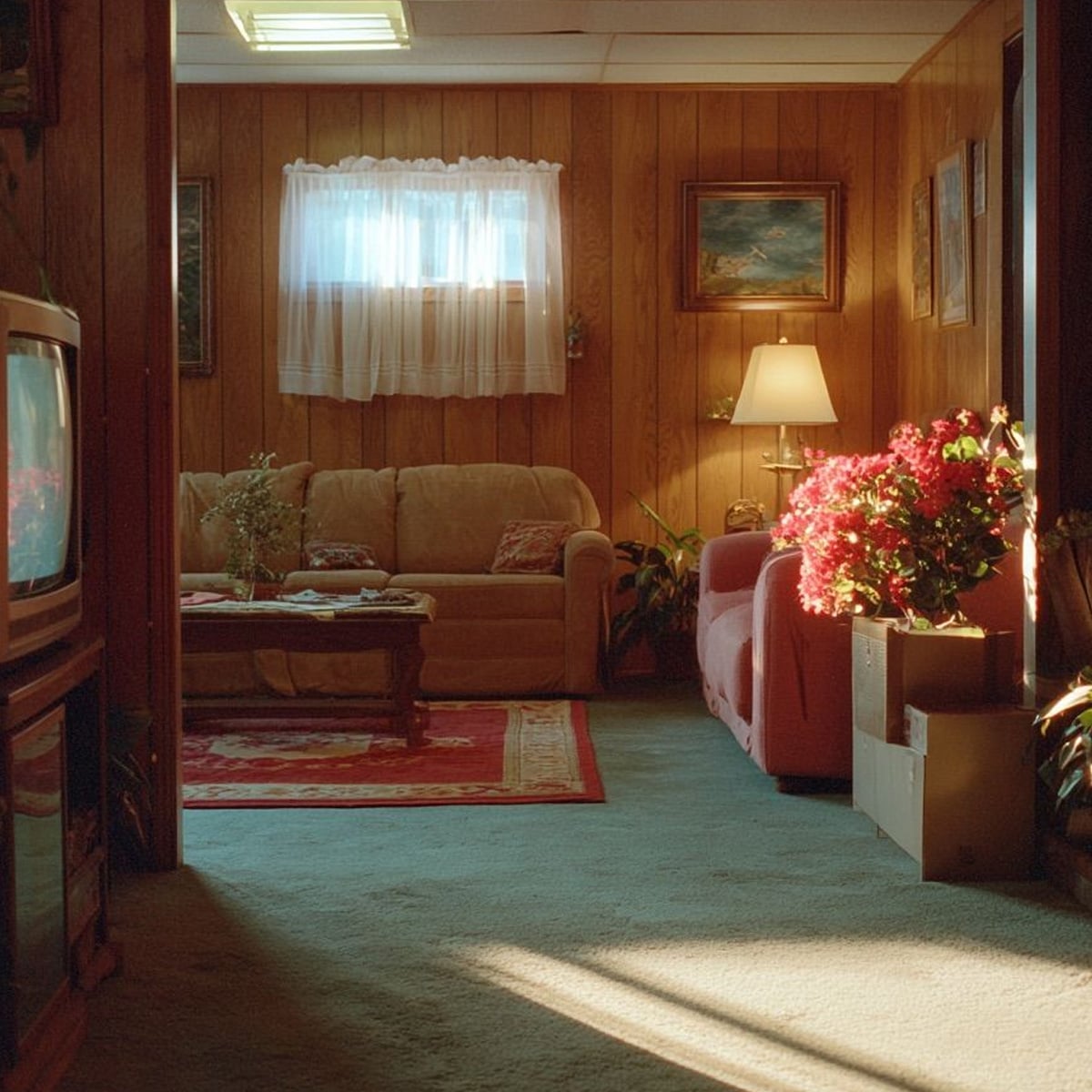
Young adults entering the workforce often had realistic opportunities to purchase their first home within a few years of starting a career. Today, higher housing costs and larger down payment requirements have delayed homeownership for many people.
7. A Stay-at-Home Parent

One parent remaining at home to care for children was financially achievable for many households. While some families still choose this arrangement today, rising living expenses have made it much harder to sustain on a single income.
8. Comprehensive Health Insurance

Healthcare costs have risen dramatically over the years. Families in 1980 generally spent a smaller portion of their income on medical expenses and insurance premiums than many households do today.
Sign up for our newsletter
9. Large Family Gatherings at Restaurants

Taking the entire family out to dinner was often considered an affordable treat. Today, restaurant meals, tips, and additional fees can make dining out with a large group a significant expense.
10. A House With a Large Yard
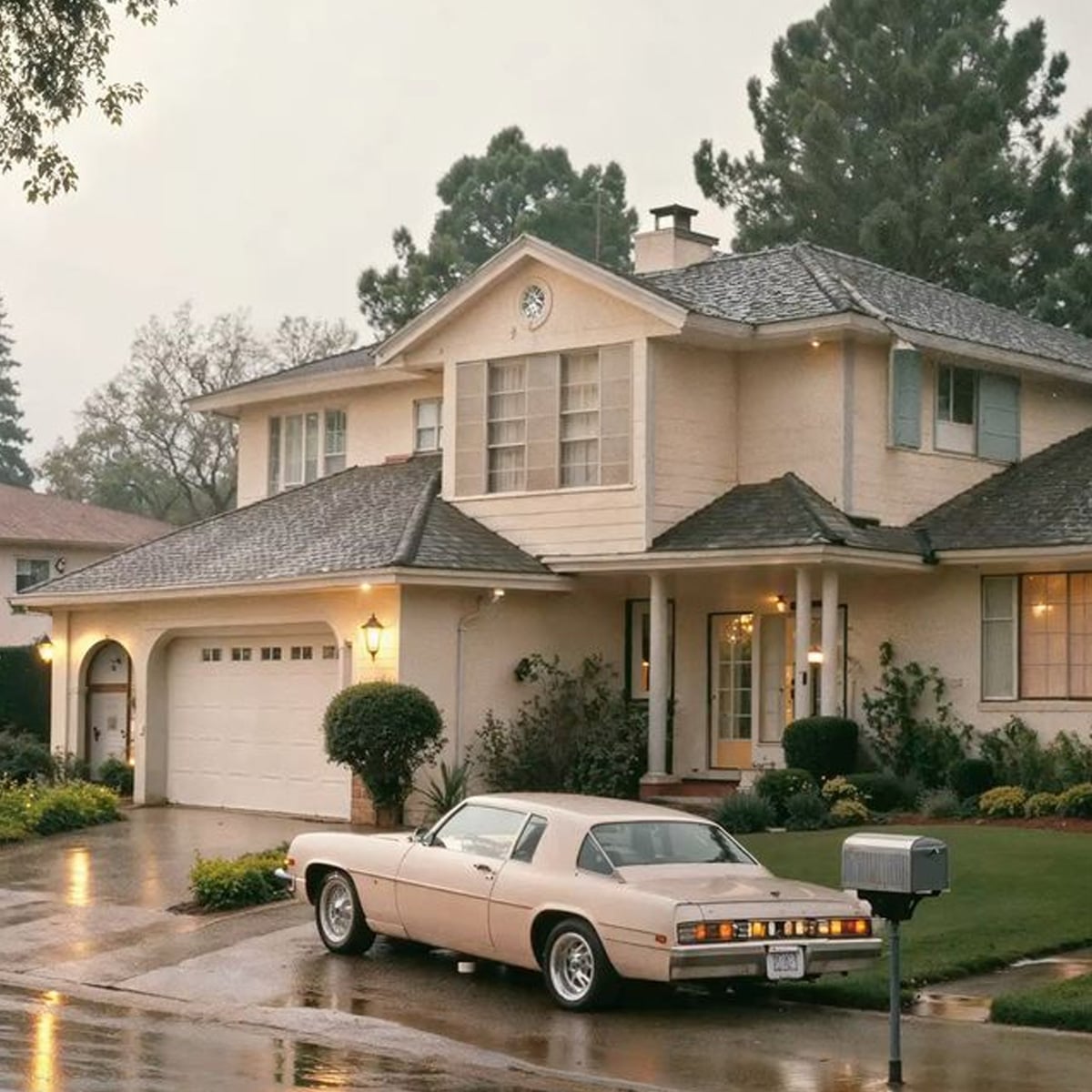
Suburban homes with spacious yards were more accessible to average-income families in many areas. As property values and land costs have risen, larger lots have become increasingly expensive.
11. Summer Camps for Children

Many parents could afford to send children to sleepaway camps or specialized summer programs without major financial strain. Modern camp fees have increased substantially, putting many programs out of reach for some families.
12. Household Help
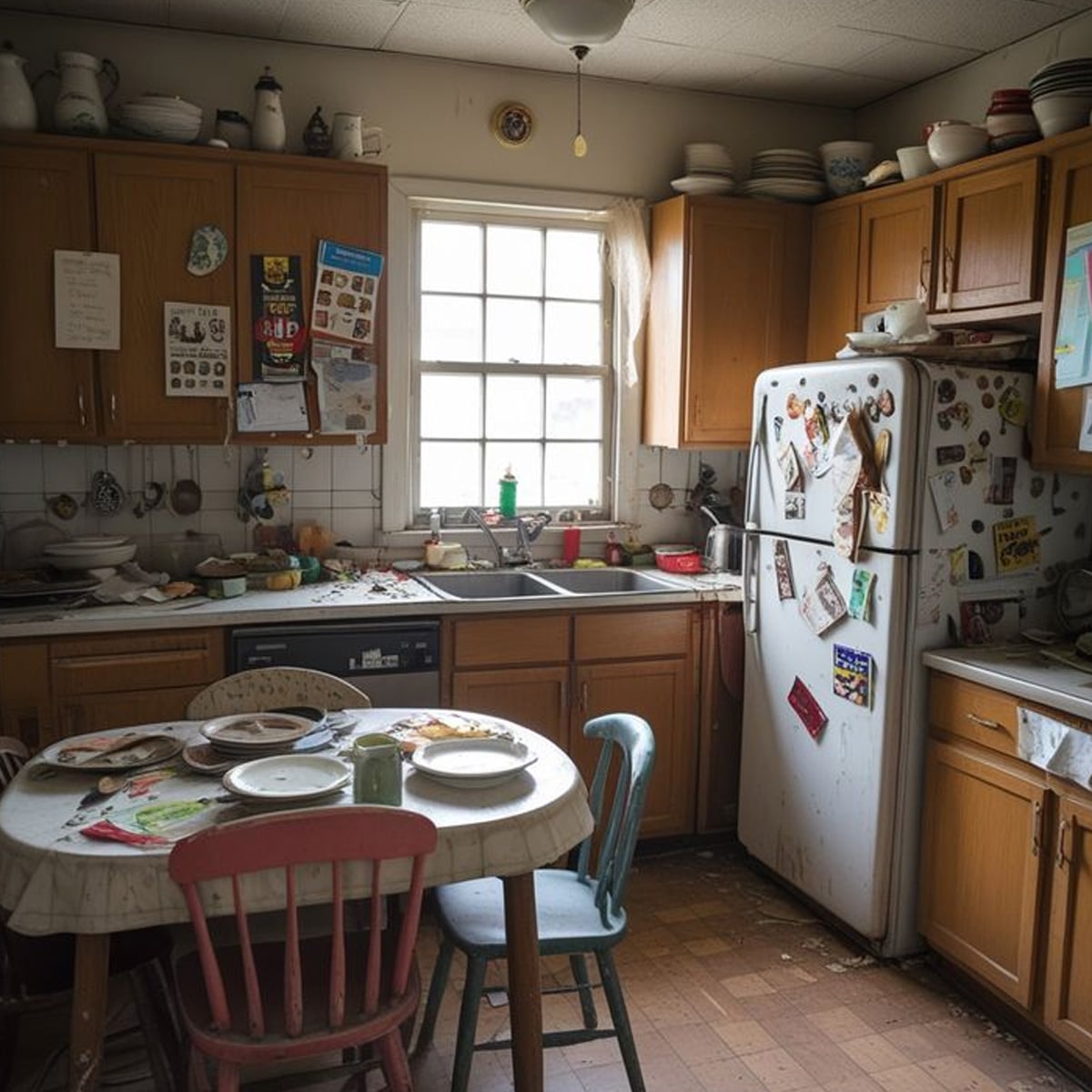
Hiring a babysitter, house cleaner, or part-time domestic help was more attainable for middle-class households than many people realize. Today, labor costs often make these services feel like luxury expenses.
13. Private Music or Art Lessons
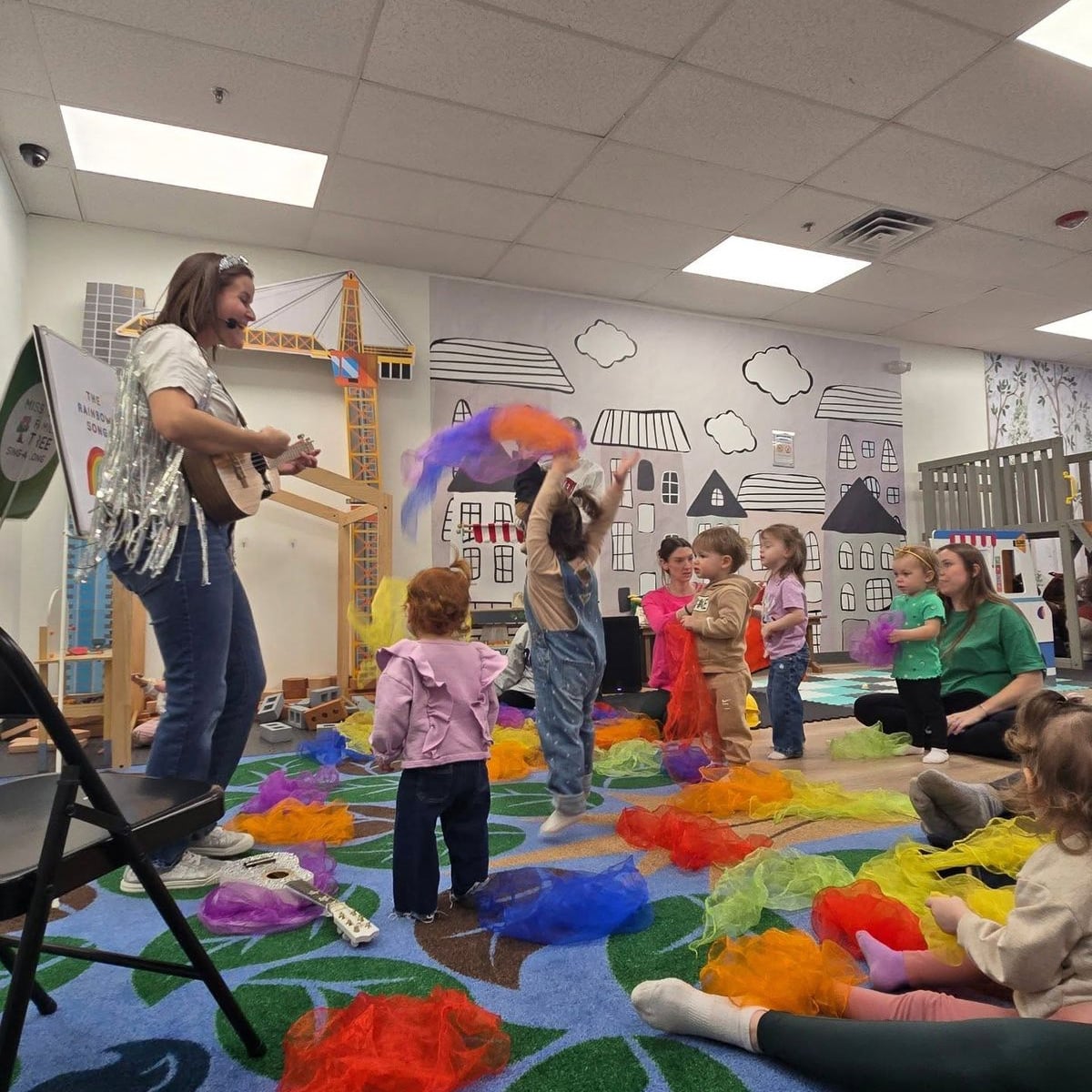
Extracurricular activities such as piano lessons, dance classes, or art instruction were common additions to a family budget. While still available today, many of these programs have become considerably more expensive.
14. Retirement on a Modest Savings Plan
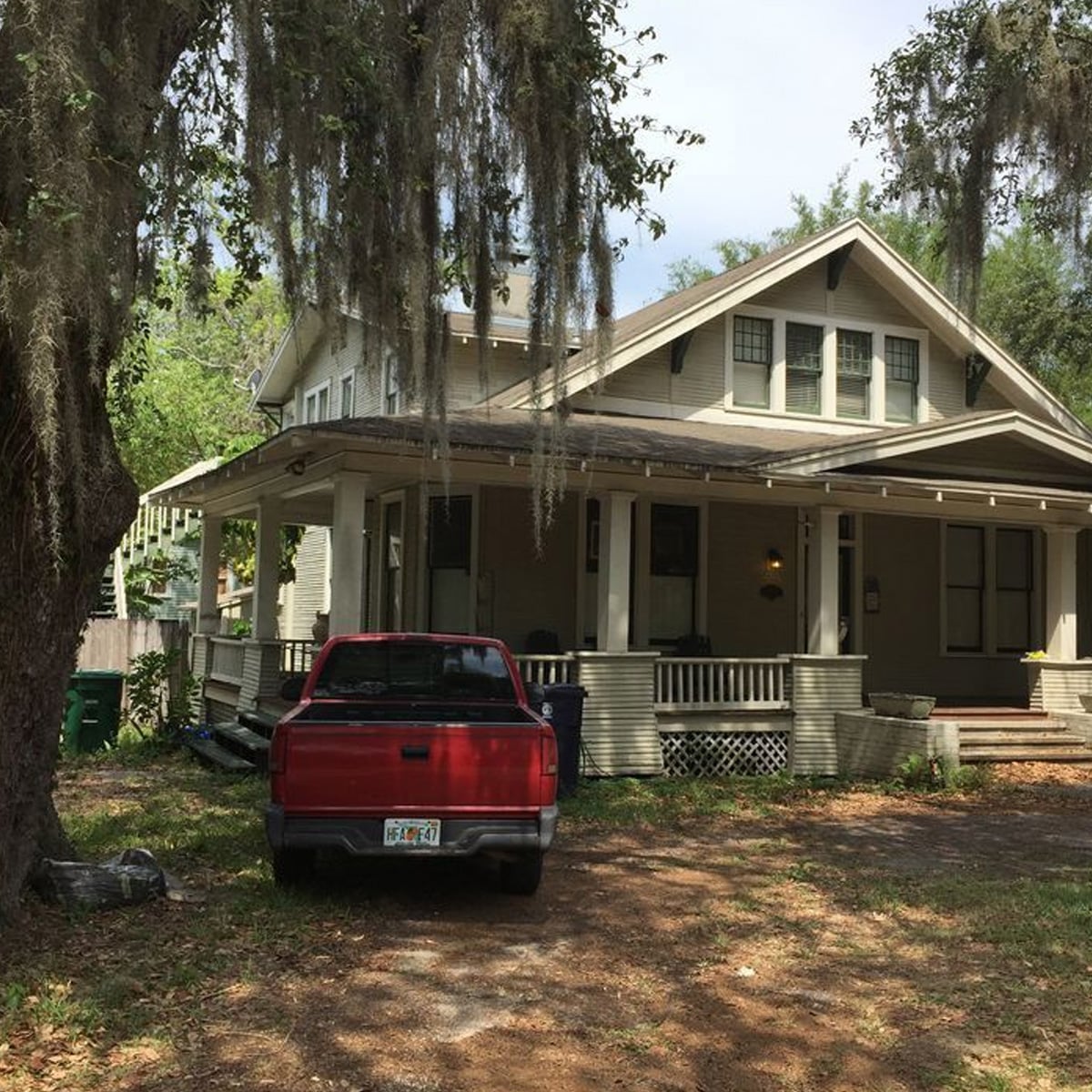
Pensions and lower living costs allowed many workers to retire comfortably with less personal savings than would typically be required today. Modern retirees often face greater financial uncertainty and longer retirement periods.
15. A Cabin, Cottage, or Second Property
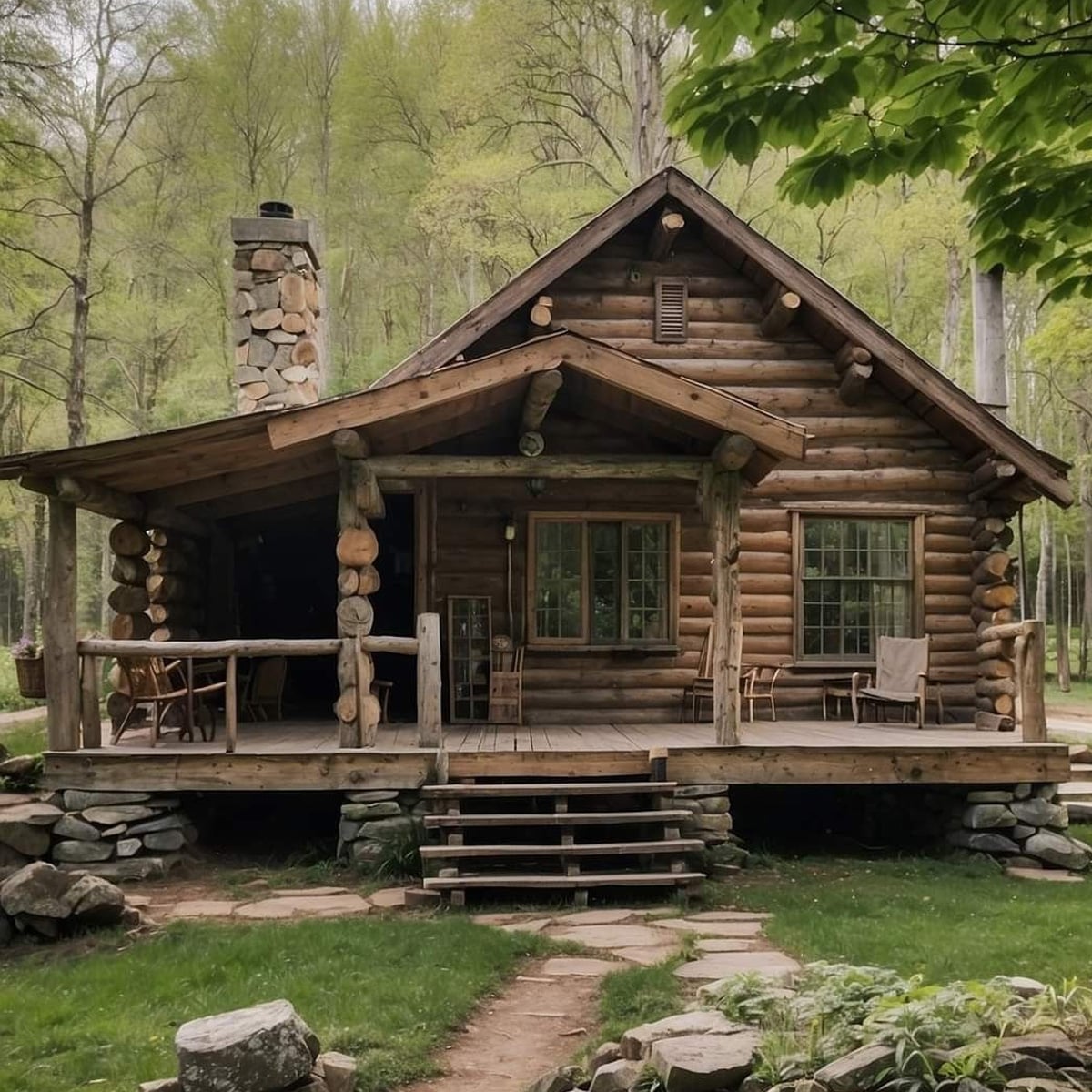
Owning a small vacation home was once a realistic goal for many middle-class families. Rising real estate prices and maintenance costs have made second-home ownership far less attainable for the average household.
More Related Notes
• 11 Reasons Why You Are Not Able to Save Money
A closer look at the financial pressures and spending challenges that make it harder for many households to build savings today.
• 10 Objects No One Thought to Invest In That Are Now Worth a Fortune
This article explores how the value of everyday items has changed over time, reflecting broader economic shifts and changing consumer markets.
• 10 Things Millionaires Do That Seem Strange Until You Understand Why
A complementary read about financial habits and long-term planning strategies that have become increasingly important in today’s economic environment.