
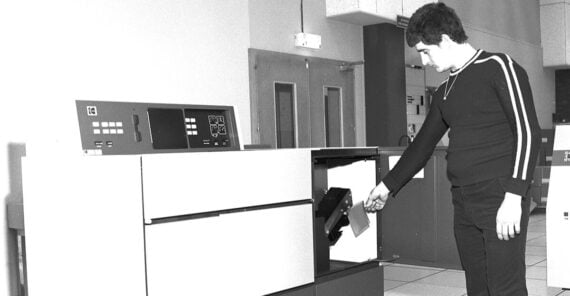
The 1990s were a fascinating decade of transition. Technology was advancing fast, globalization was reshaping industries, and the internet was beginning to change how people lived and worked. Many jobs that were once common in everyday life have since disappeared, replaced by digital tools, or simply become obsolete by changing consumer habits. Looking back at these 11 roles offers a glimpse into how quickly the world of work has evolved and how entire professions have vanished.
1. Traditional Travel Agent

Before online booking platforms, travel agents were essential for planning vacations, booking flights, and arranging hotels. While some agents still exist for luxury or complex trips, the majority of the profession disappeared as consumers turned to Booking.com and airline websites for independent travel planning.
2. Switchboard Operator

Switchboard operators connected phone calls manually, a job that was still around in the early 90s. As telecommunications advanced, automated systems replaced human operators, making this once critical role obsolete.
3. Newspaper Typesetter

Typesetters arranged text and images for print newspapers and magazines. By the 90s, desktop publishing software began to replace this craft, and as print media declined in the digital age, this profession largely disappeared.
4. Film Projectionist

Projectionists operated reels of film in movie theaters, ensuring smooth playback. With the shift to digital projection systems in the 2000s, the need for skilled reel operators vanished, leaving only a handful of specialists in specific theaters.
5. Encyclopedia Salesperson

Door-to-door encyclopedia sales were common in the 90s, with companies like Britannica thriving. The internet, and later Wikipedia, made printed encyclopedias obsolete, eliminating the need for this profession, which once pitched knowledge as a product.
Trending on Wealth Gang


6. Bank Teller

In the 90s, bank tellers handled most transactions face-to-face. ATMs, online banking, and mobile apps have drastically reduced the need for human tellers, transforming the role into something far less common.
7. Photo Lab Technician
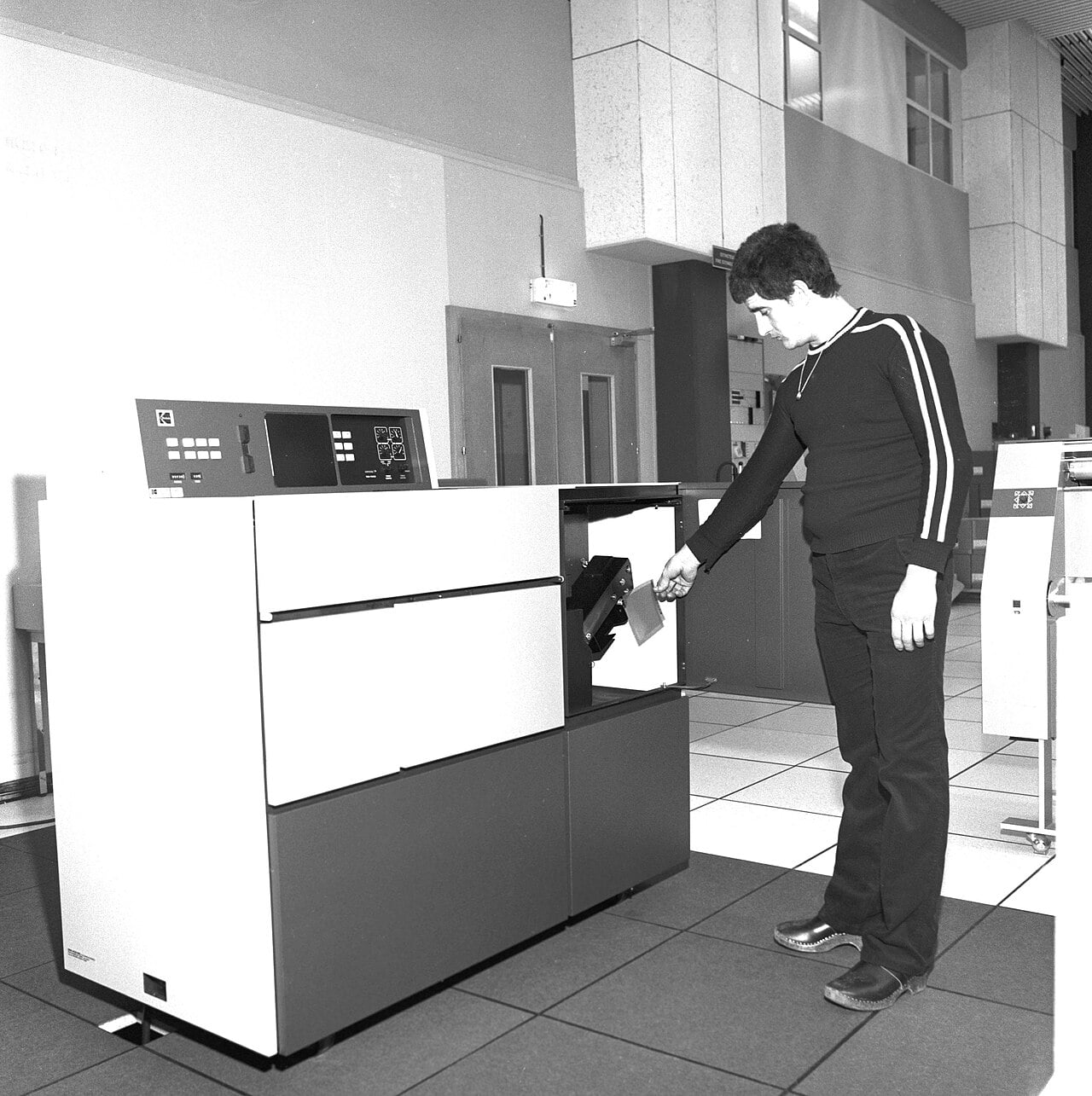
Developing film was a specialized skill, and photo labs were everywhere in the 1990s. With the rise of digital cameras and smartphones, film development became less common, and most photo labs closed.
8. Pager Technician
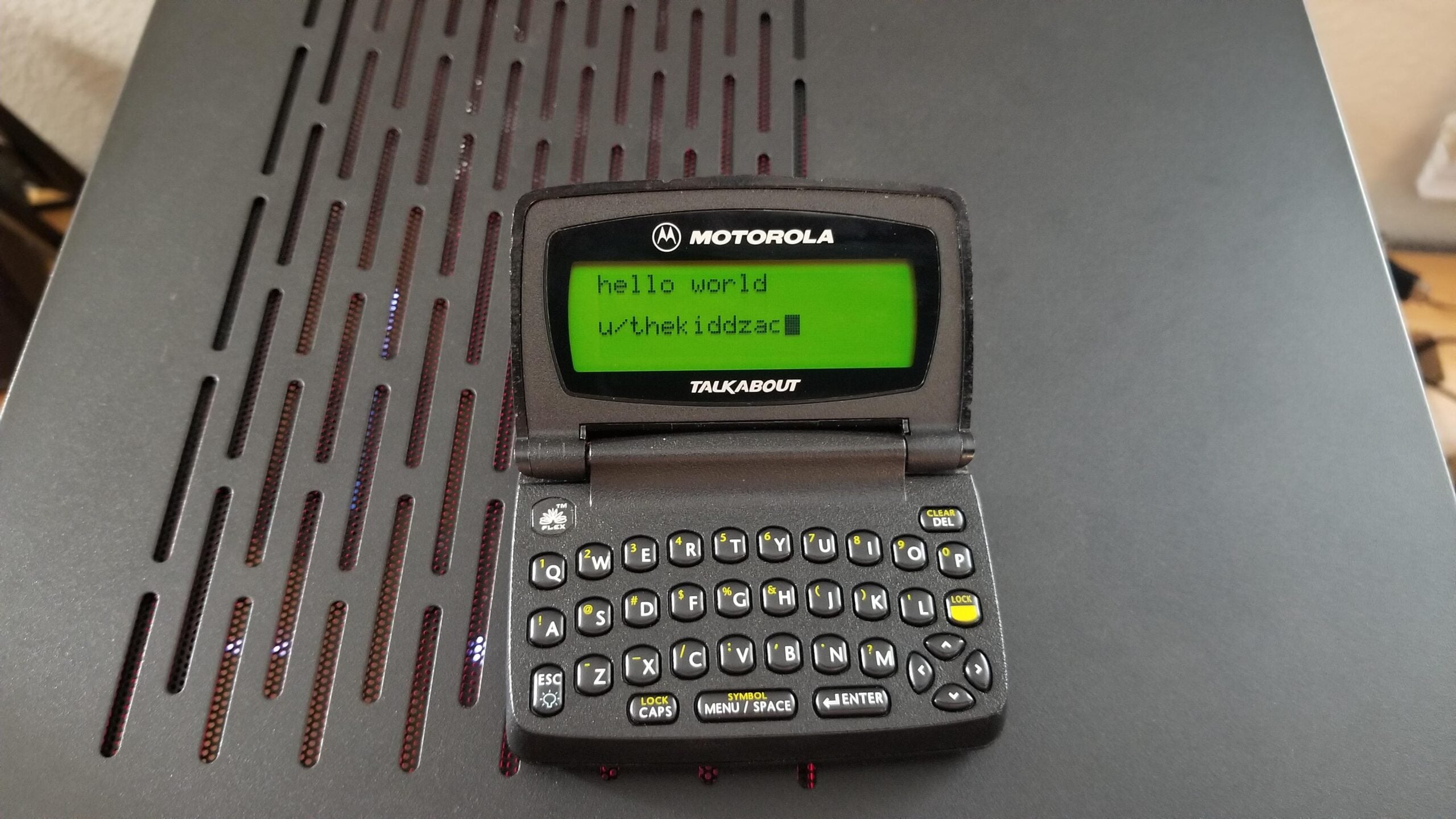
Pagers were a huge communication tool in the 90s, especially for professionals like doctors. Once cell phones became affordable and widespread, pagers disappeared, along with the jobs tied to selling and repairing them.
Sign up for our newsletter
9. Video Game Arcade Attendant

Arcades were booming in the 90s, with attendants managing machines and prizes. As home gaming consoles became more powerful and affordable, arcades declined, and the attendant role faded into nostalgia.
10. Data Entry Clerk

In the 90s, many companies relied on clerks to manually input data from paper forms into computers. Advances in scanning technology, automation, and digital record-keeping drastically reduced the need for this repetitive job.
11. Video Rental Store Clerk

In the 90s, Friday nights often meant a trip to Blockbuster or a local video rental shop. Clerks managed VHS tapes, later DVDs, and helped customers find the latest releases. With the rise of streaming services like Netflix and digital downloads, the video rental industry collapsed, taking this job with it.
Discover More Interesting Content from this Decade:
- 15 Advertisements from the 1990s That Generated Massive Success: A look at iconic Ad campaigns from brands like Nike, Apple, and Coca-Cola that shaped pop culture.
- 17 Photos That Prove 1990s Nightclubs Were Unforgettable: Vintage snapshots of legendary clubs like The Viper Room, Limelight, and The Tunnel that capture the fashion, celebrity sightings, and neon-soaked nightlife of this decade.
- 20 Things in Every House in the 1990s That Completely Disappeared: Household staples from the ’90s like VHS tapes, landline phones, and desktop computers that have vanished from modern homes.