Animals like sharks, dragonflies, and turtles belong to deep lineages that stretch back hundreds of millions of years, having survived multiple mass extinctions and dramatic shifts in Earth’s climate.
While these survivors are known as “living fossils,” that label can be misleading. Those ancient timelines trace the origins of extense evolutionary groups rather than the exact species living today, and even the most seemingly unchanged creatures have continued to adapt and evolve over millions of years.
1. Sea Sponges Have Existed for More Than 600 Million Years
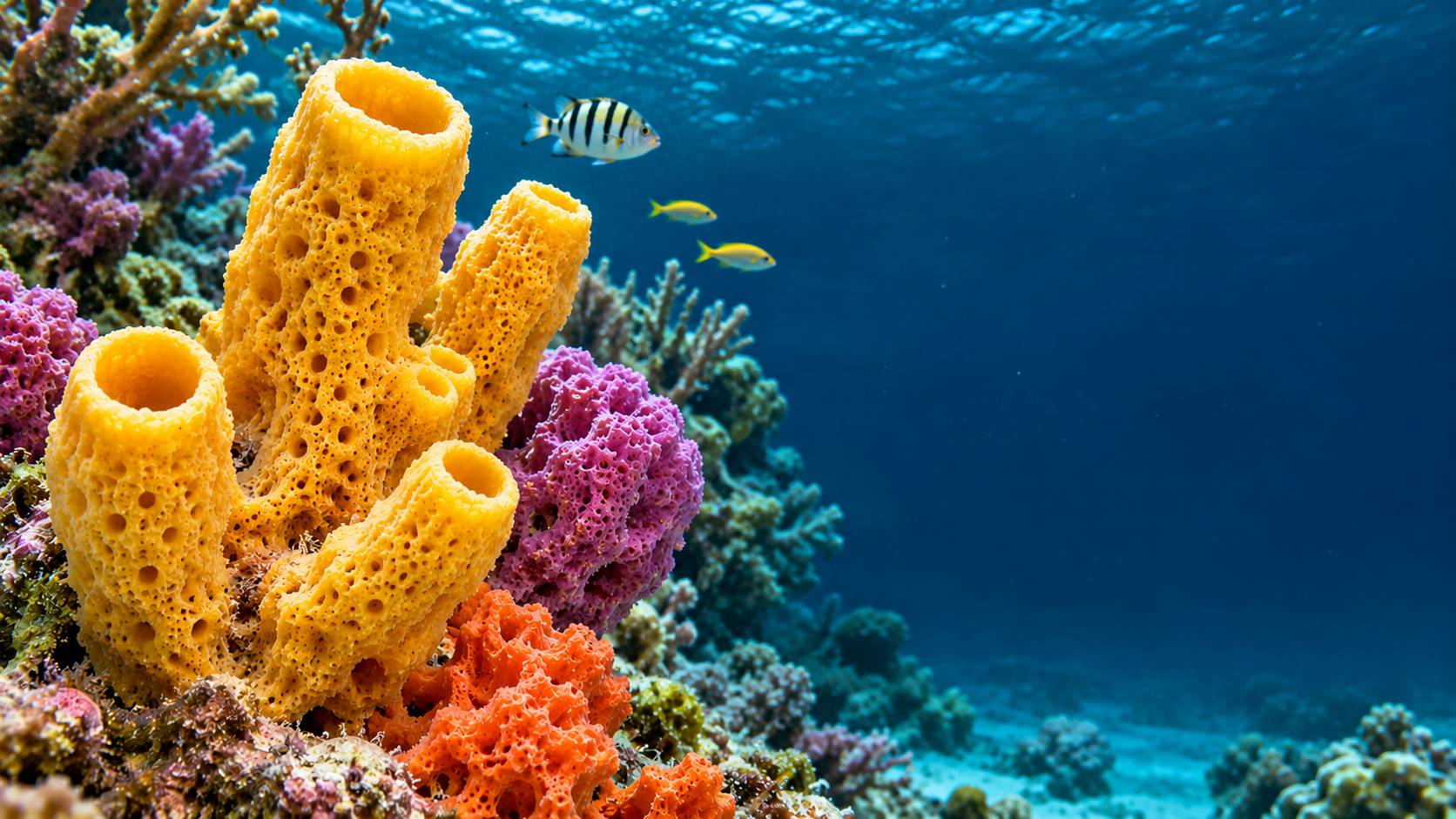
Sea sponges might look like underwater plants, but they’re animals with an evolutionary history stretching back more than 600 million years. They were among Earth’s earliest animals, appearing long before fish, dinosaurs, or forests.
2. Jellyfish Were Swimming Around More Than 500 Million Years Ago
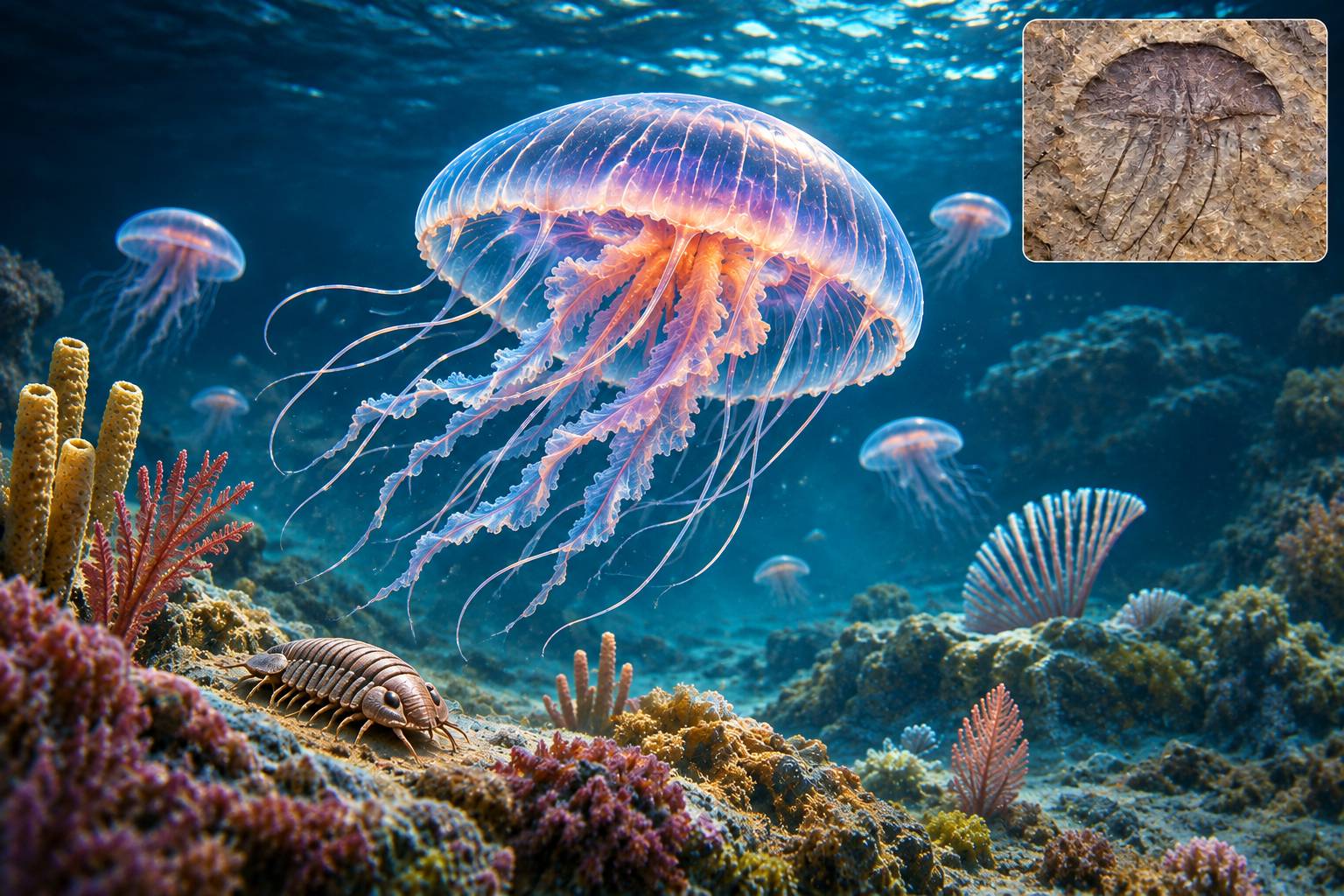
Jellyfish were drifting through ancient oceans hundreds of millions of years before the first dinosaurs appeared. Scientists have identified remarkably preserved jellyfish fossils dating back roughly 505 million years, even though their soft bodies rarely fossilize. Their ancient relatives were among the earliest animals with organized tissues, nervous systems, and muscle-powered swimming.
3. Sea Lilies Have Lived in the Ocean for 500 Million Years
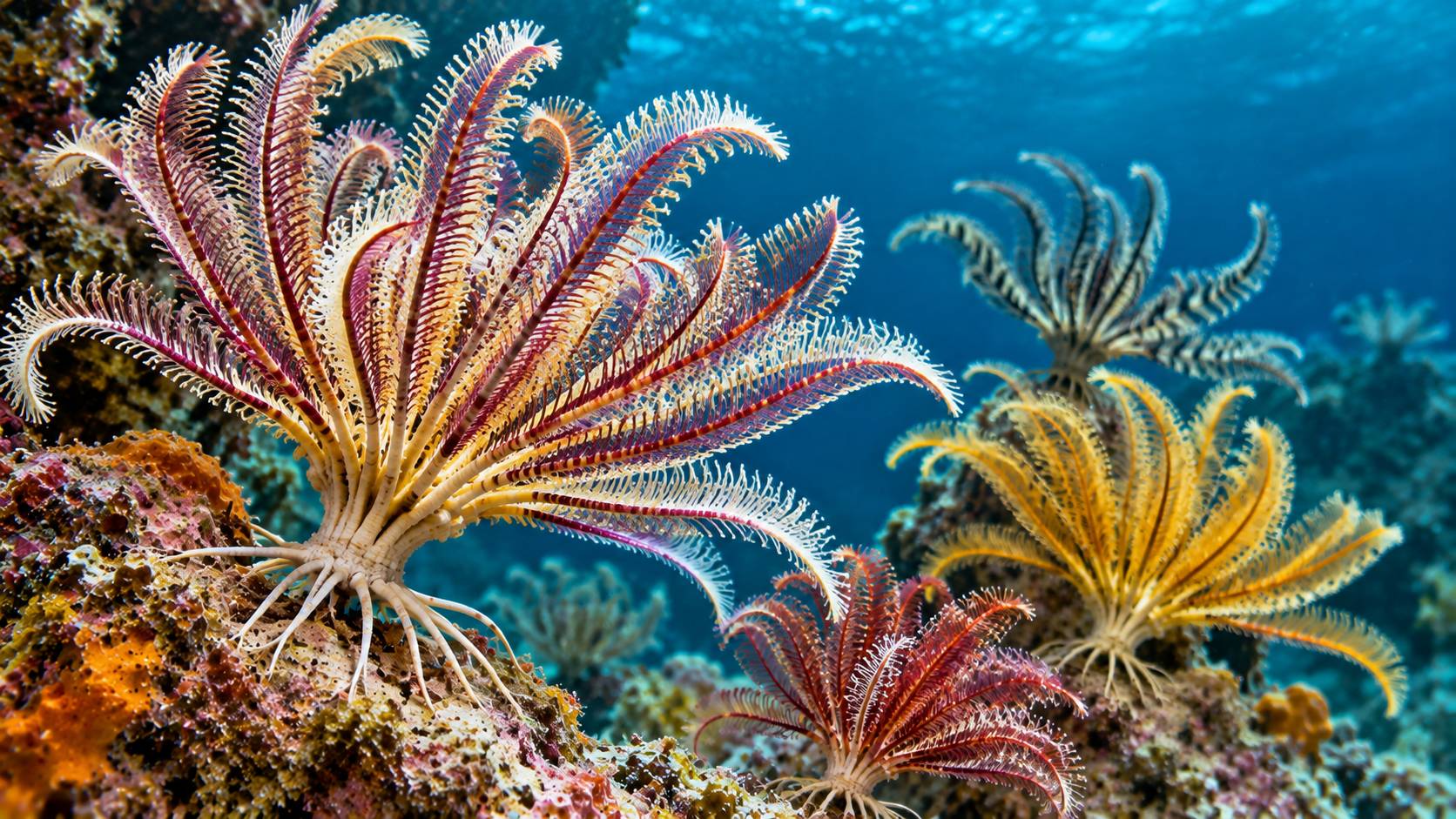
Sea lilies look so much like underwater flowers that it’s easy to mistake them for plants. They’re actually marine animals called crinoids, part of a group with a fossil history stretching back more than 500 million years. Their feathery arms capture tiny food particles from the water, and some living species still resemble the ancient marine creatures preserved in limestone.
4. Nautiluses Have Relatives Dating Back About 500 Million Years
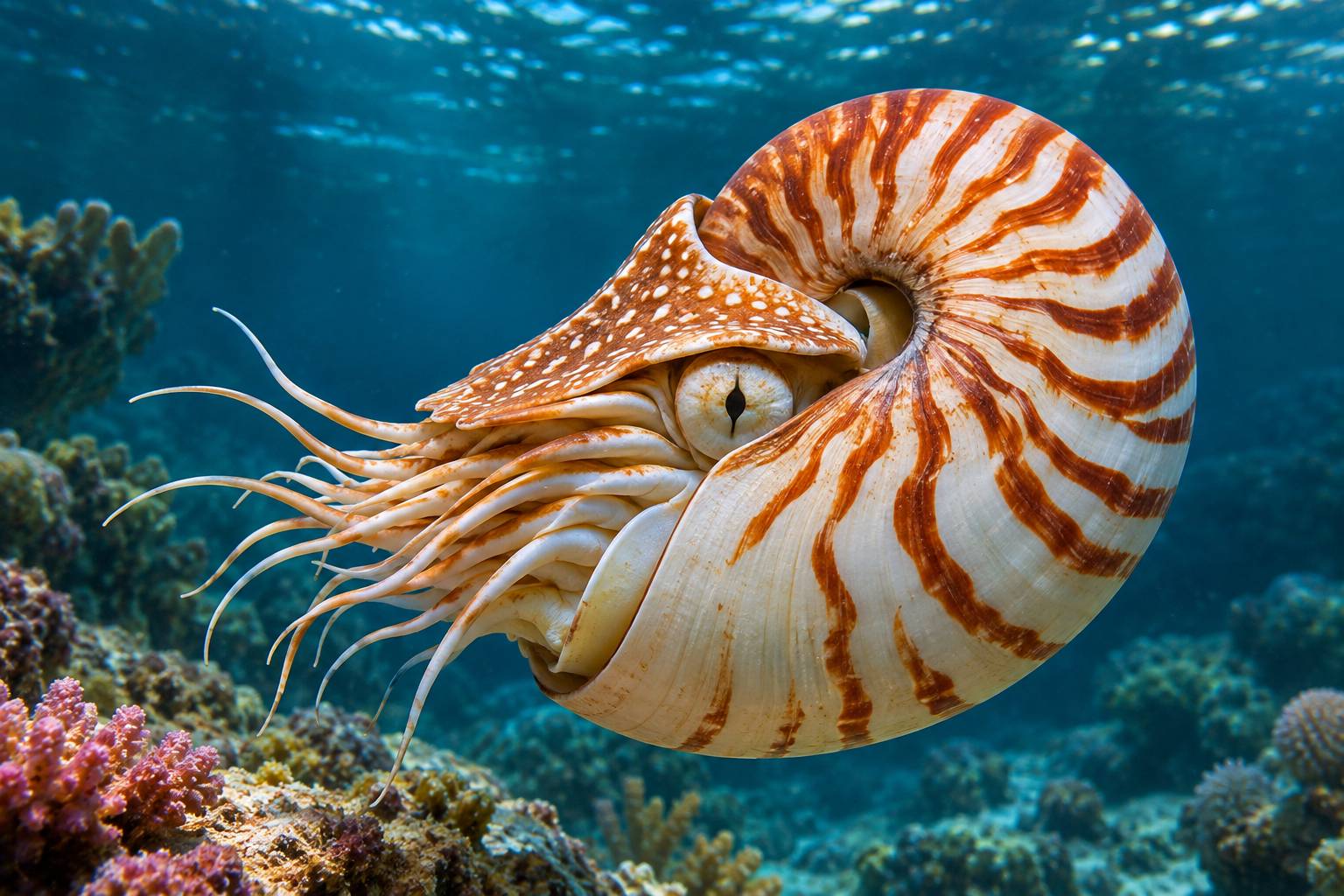
The chambered nautilus belongs to an ancient group of marine mollusks with relatives dating back approximately 500 million years. Unlike most modern cephalopods, it carries a distinctive external shell divided into chambers that help regulate buoyancy. As the animal grows, it constructs additional chambers, creating the striking spiral structure that has fascinated people for centuries.
5. Velvet Worms Belong to a Lineage 500 Million Years Old
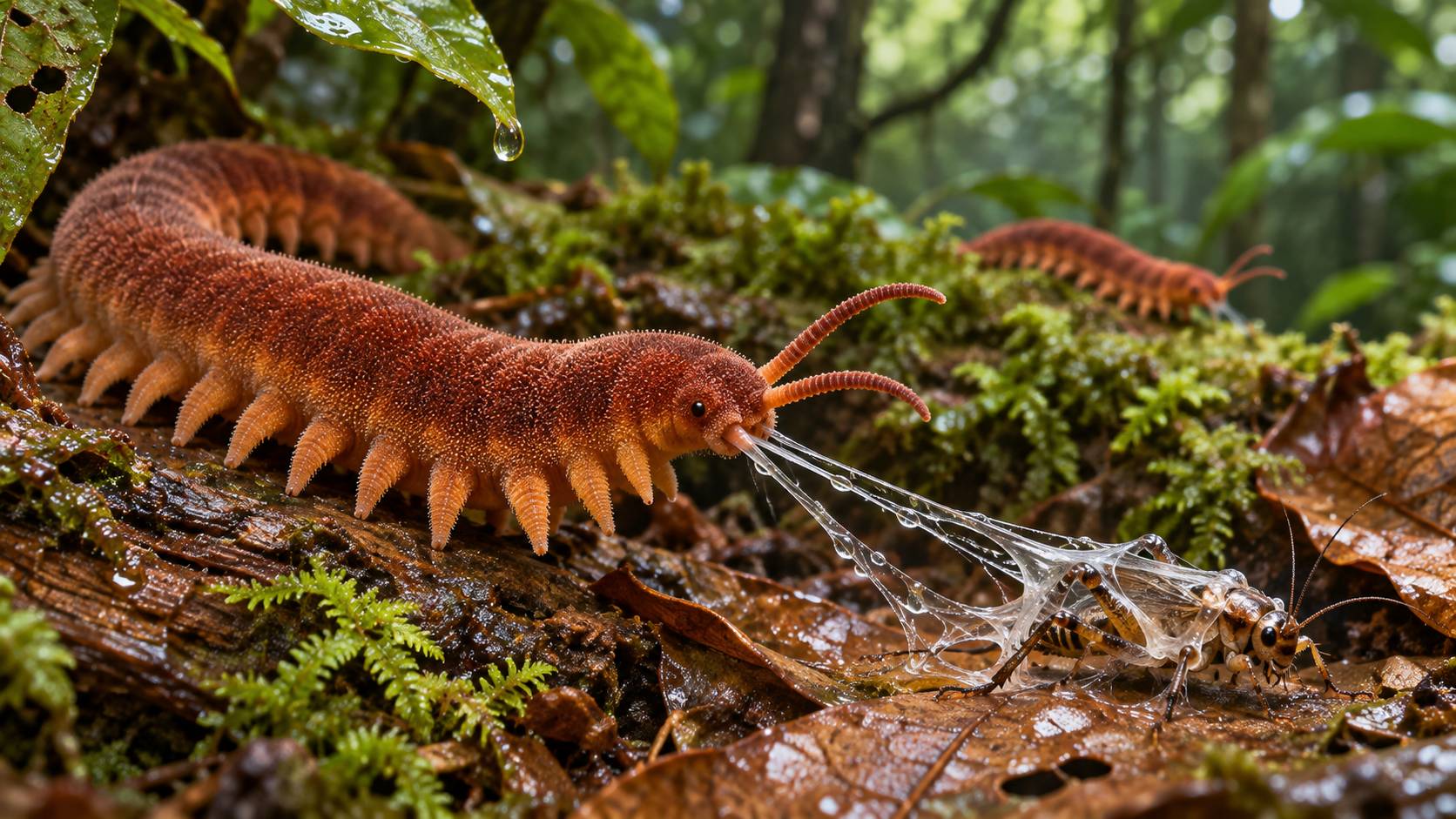
Velvet worms resemble a strange combination of a caterpillar and a slug, but they belong to their own ancient animal group. Their basic body structure has persisted for roughly 500 million years, with evolutionary roots tracing back to marine ancestors. Despite their soft appearance, these predators can capture insects and other small animals by spraying a sticky substance that traps their prey.
Trending on Wealth Gang

6. Horseshoe Crabs Predate Dinosaurs by About 200 Million Years
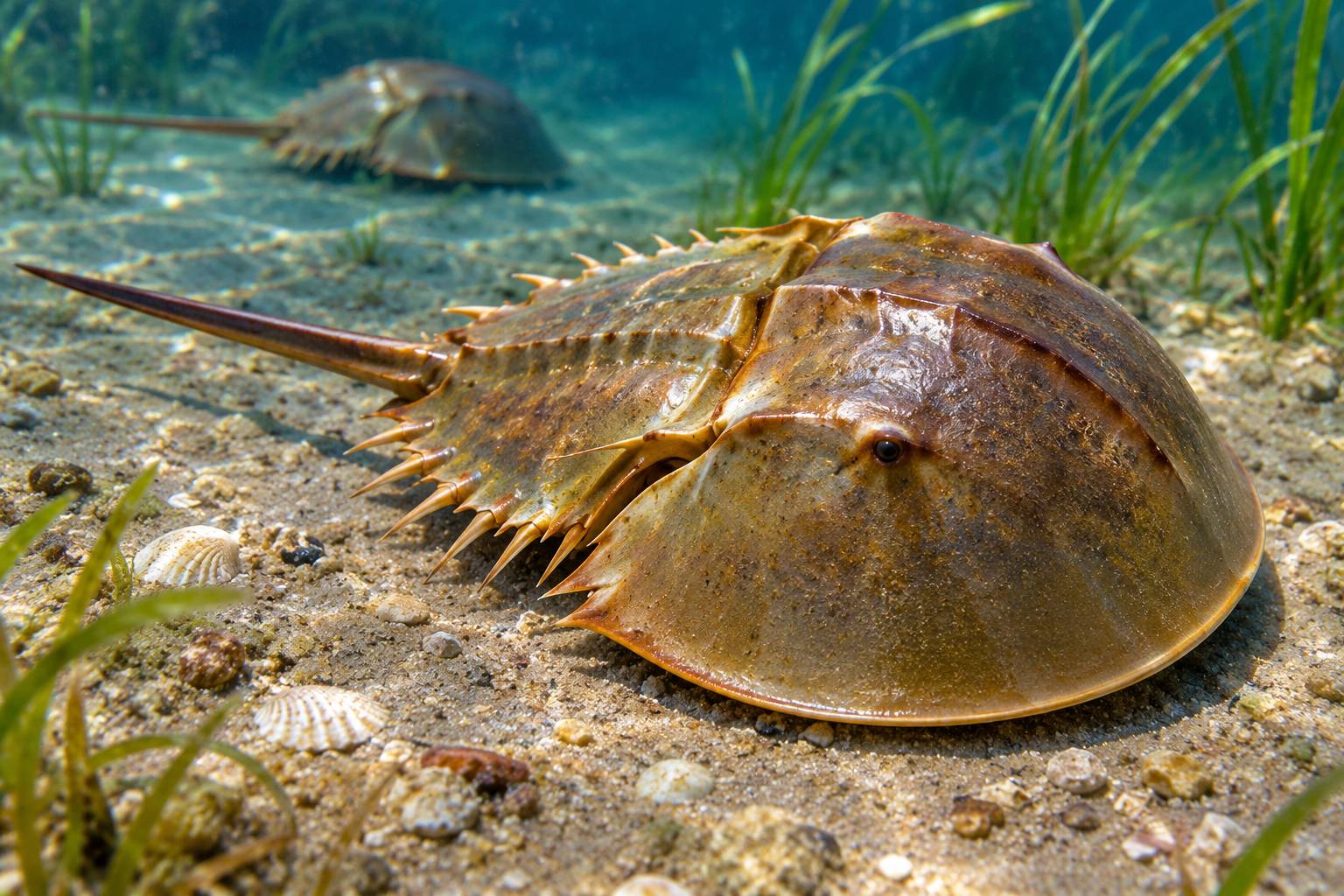
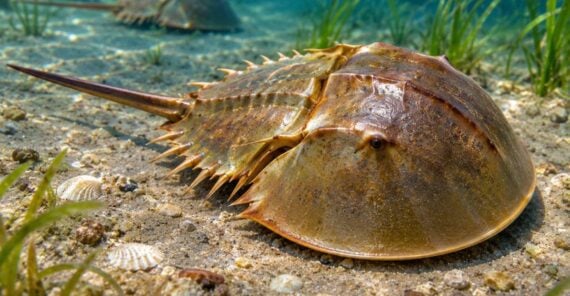
Horseshoe crabs belong to a lineage that dates back approximately 450 million years, making them much older than dinosaurs. Despite their name, they aren’t true crabs and are more closely related to spiders and scorpions. Their blood is also blue, and substances derived from it have played an important role in testing medical products for bacterial contamination.
7. Scorpions Were Around More Than 430 Million Years Ago
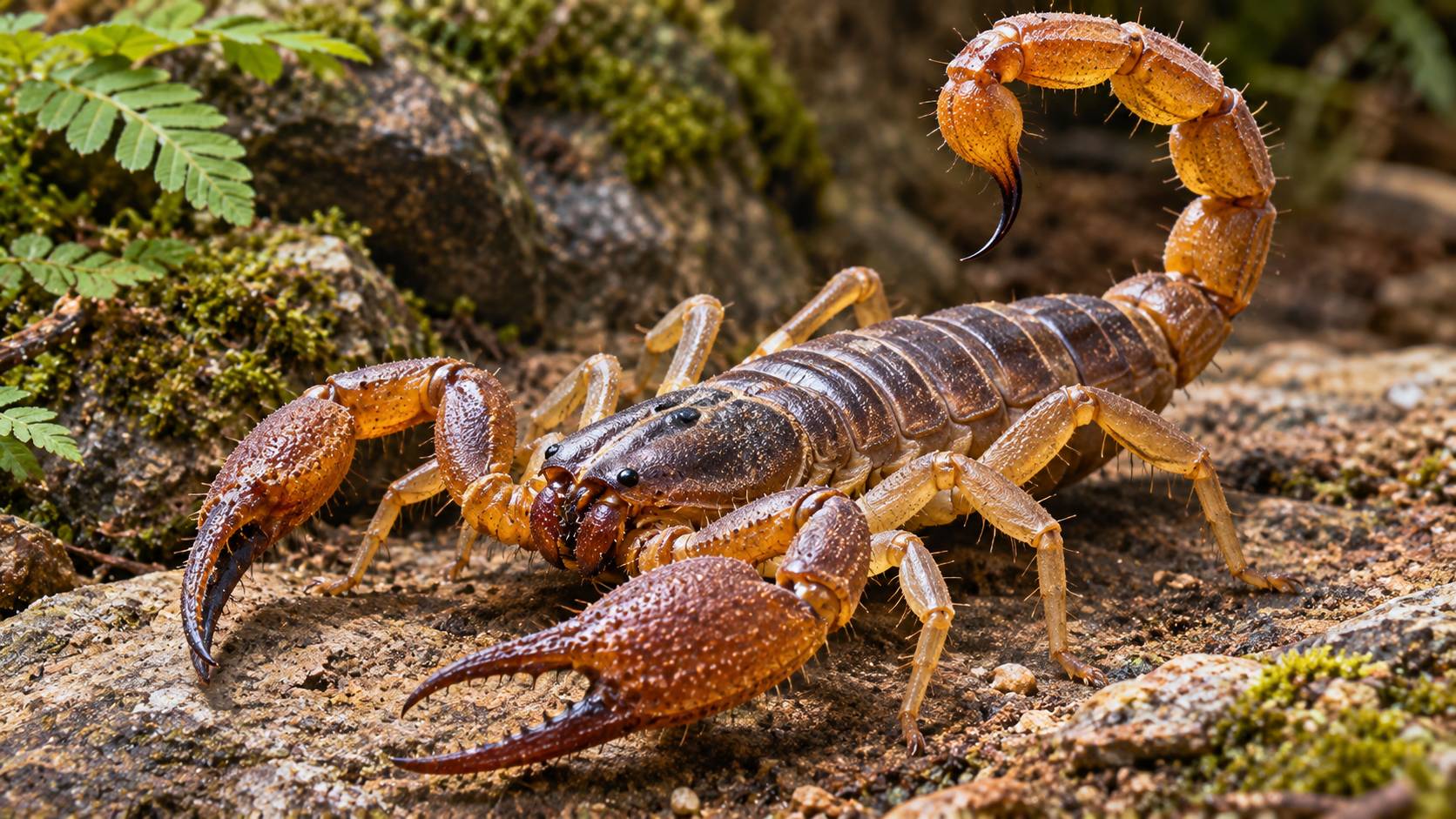
Scorpions were already living on Earth more than 430 million years ago, when terrestrial ecosystems were developing. Their ancient relatives included species much larger than most modern scorpions, including one from roughly 415 million years ago that may have reached a meter in length.
8. Sharks Have an Evolutionary History of More Than 400 Million Years
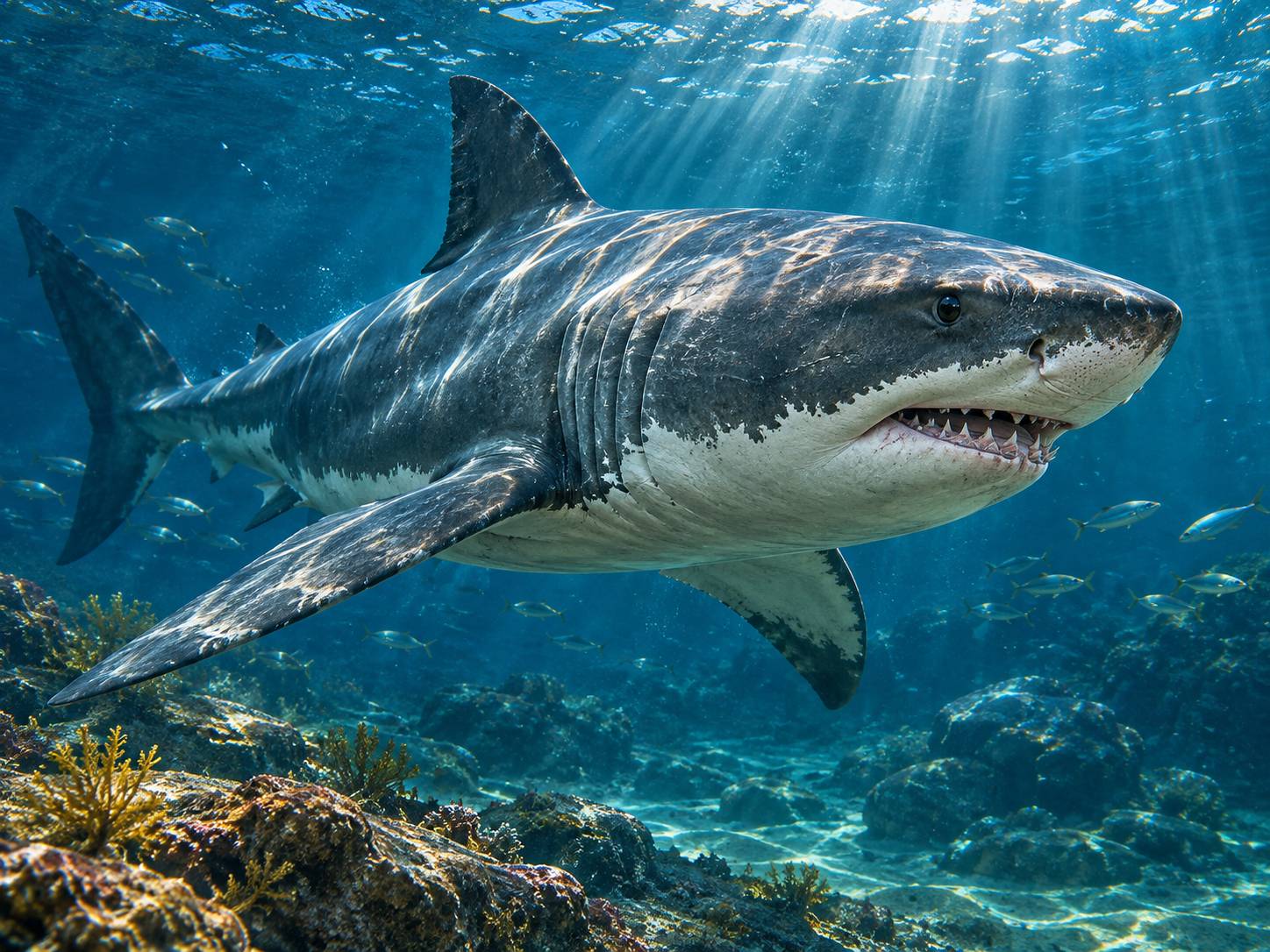
Sharks belong to an evolutionary lineage that stretches back more than 400 million years, before the first dinosaurs and even before the earliest forests. Ancient shark fossils include scales and teeth that reveal how these predators developed over time. Modern species aren’t identical to their distant ancestors, but sharks have remained a successful group through enormous changes in the planet’s oceans.
Sign up for our newsletter
9. Coelacanths Have a 420-Million-Year History
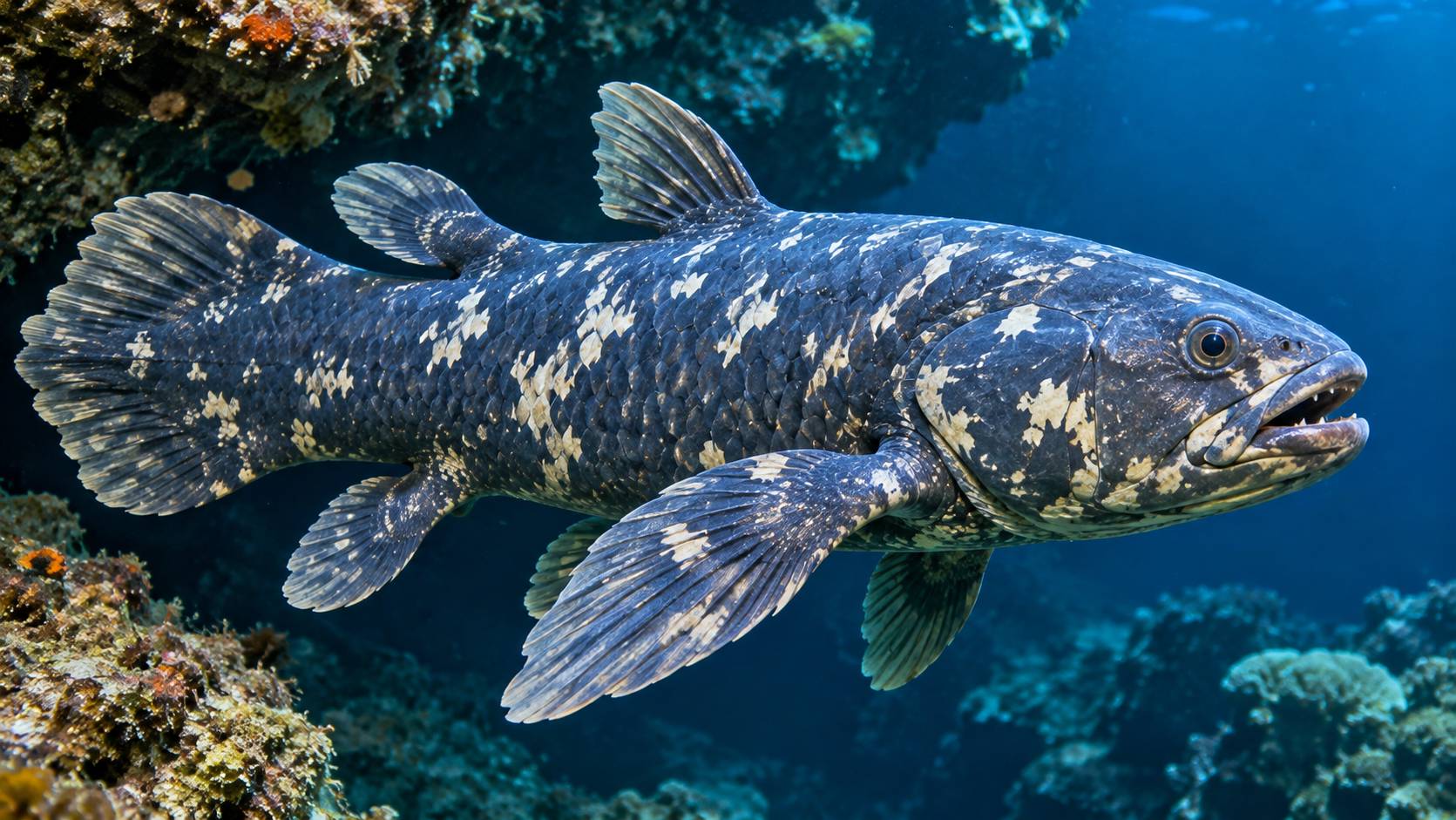
Coelacanths were known from fossils dating back 420 million years, but scientists believed the group had disappeared around the time dinosaurs went extinct. That assumption changed dramatically in 1938 when a living coelacanth was discovered off the coast of South Africa.
10. Lungfish Have Been Around for 380 Million Years
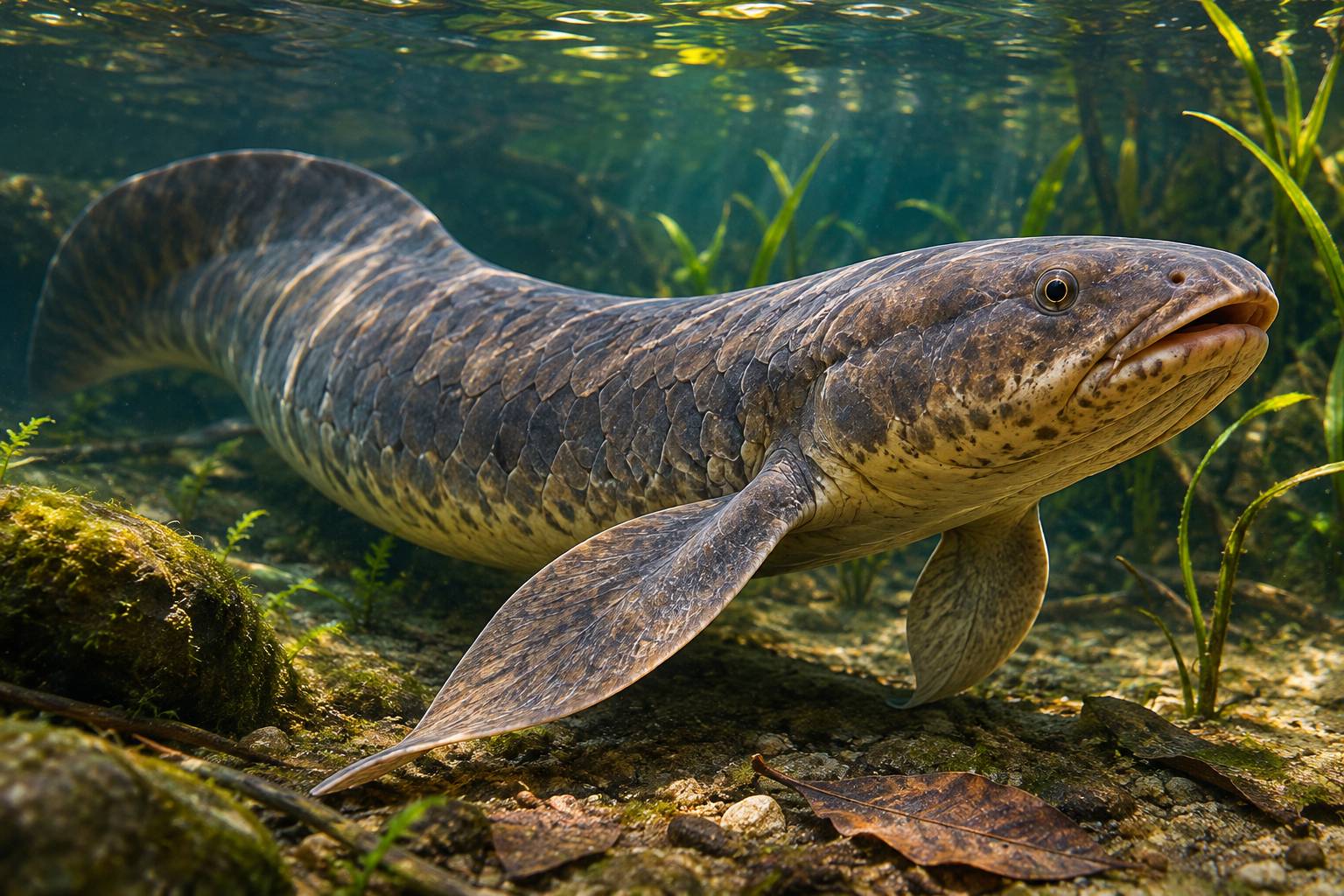
Lungfish first appeared in the fossil record around 380 million years ago, when vertebrate life on land was still in its early stages. Unlike ordinary fish, they possess lungs that allow them to breathe air when necessary. Some African lungfish can even survive dry periods by burying themselves in mud and entering a dormant state, an adaptation that makes their ancient lineage especially remarkable.
11. Dragonfly Relatives Were Flying Around 300 Million Years Ago
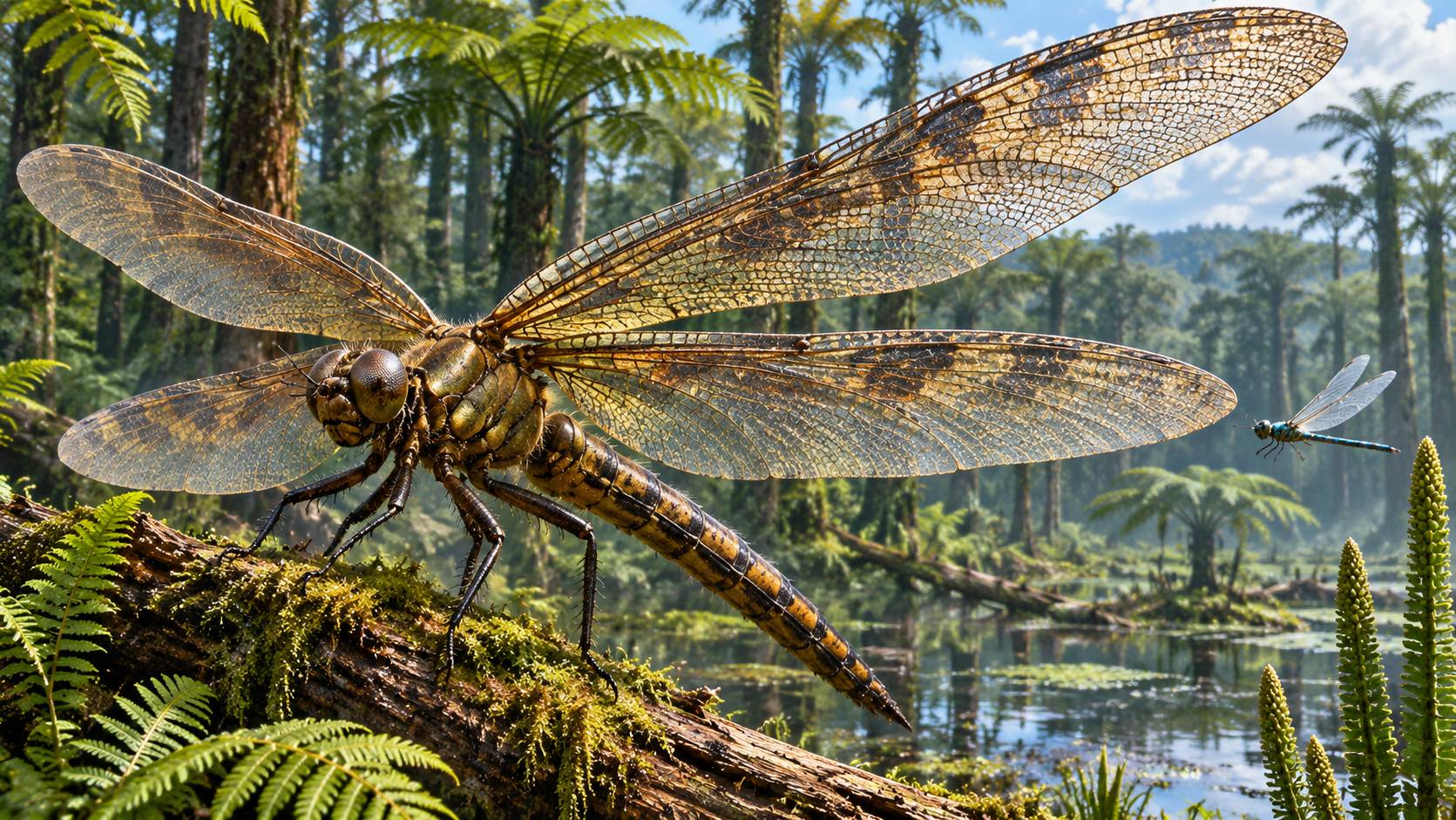
Dragonflies have evolutionary relatives dating back about 300 million years, roughly 100 million years before dinosaurs appeared. Some prehistoric dragonfly-like insects, known as griffinflies, had wingspans reaching 28 inches, making today’s dragonflies look tiny by comparison.
12. Tuataras Are the Last Survivors of a 250-Million-Year-Old Reptile Lineage
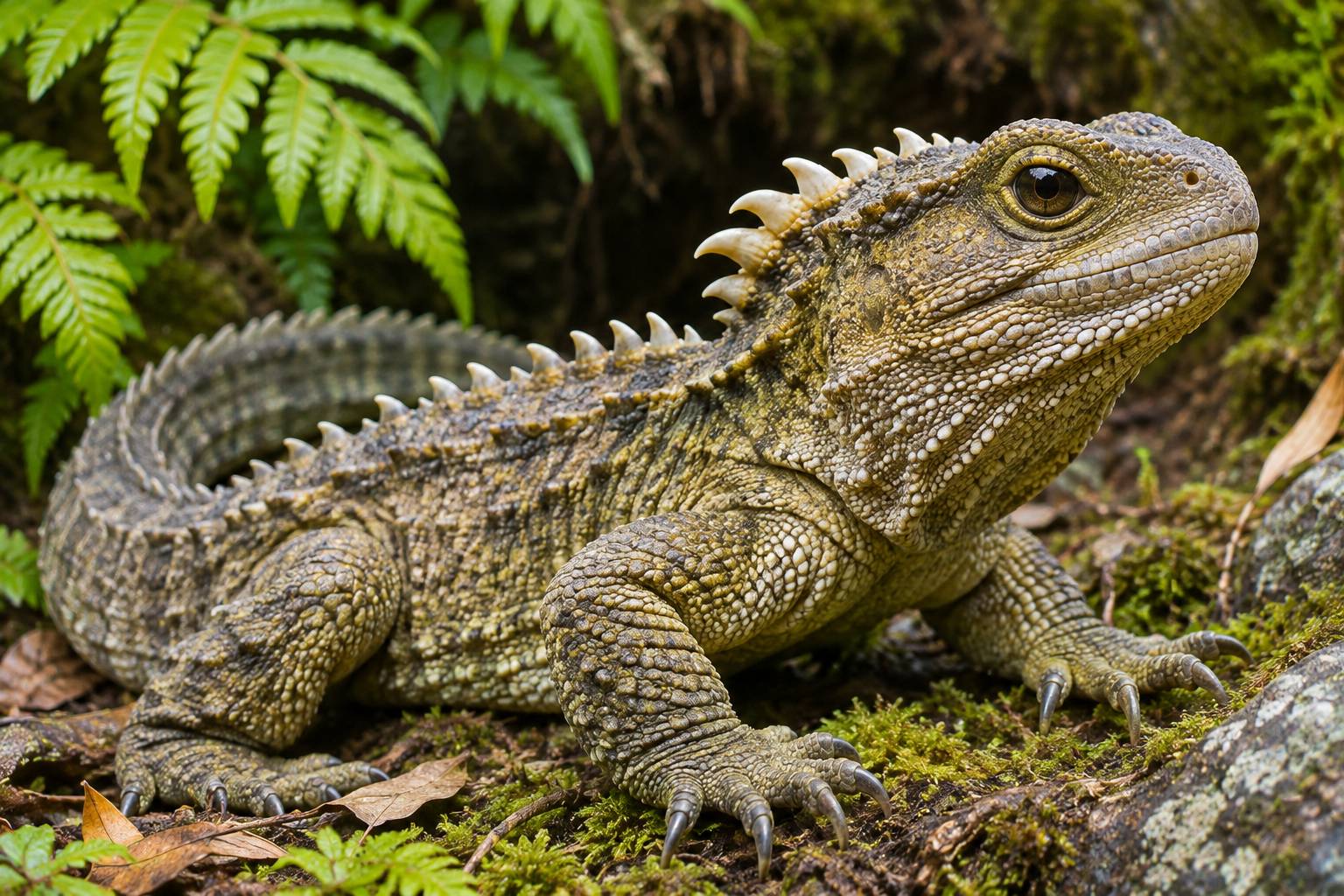
The tuatara looks like an ordinary lizard, but it represents an entirely separate branch of reptile evolution. Genetic research suggests its lineage split from the ancestors of modern lizards and snakes around 250 million years ago. Once part of a much more widespread reptile group, tuataras now survive only in New Zealand, making them the last living representatives of a remarkable evolutionary family.
Want more? Keep Reading:
- The World’s 15 Priciest Pets: A showcase of animals whose staggering price tags turn them into living luxury symbols, from million-dollar racehorses to rare parrots.
- 15 Exotic Animals That the Wealthy Love to Have as Pets: Lavish companions, from Savannah cats to cheetahs, that embody status, rarity, and extravagance in the lives of the millionaires.
- 9 Timeless Animal Photos from the Past: A gallery of vintage snapshots capturing bonds and encounters between humans and animals across decades.