
The size of the universe is almost impossible for the human mind to comprehend. Even the fastest spacecraft humanity has ever built would struggle to reach our closest neighboring star within thousands of years. Distances that seem enormous on Earth barely register when measured against the scale of the cosmos.
Beyond our solar system lies a vast collection of stars, galaxies, black holes, and cosmic structures stretching across billions of light-years. And everything astronomers have discovered so far may represent only a fraction of what actually exists. These 18 extraordinary facts offer a glimpse into just how enormous the universe really is.
1. A Single Light-Year Equals Nearly 6 Trillion Miles
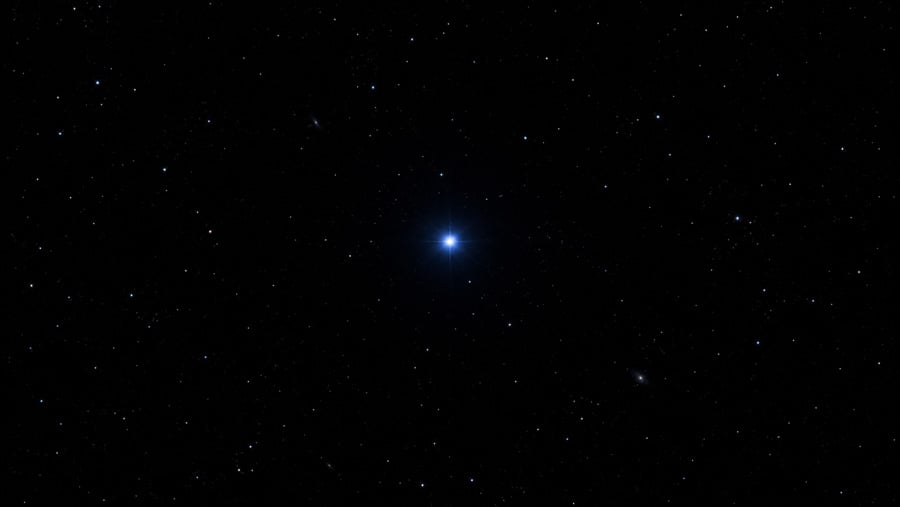
Light travels at approximately 186,000 miles per second, a speed that makes even our fastest spacecraft seem practically stationary. Over the course of a single year, light covers nearly 6 trillion miles. Astronomers use this distance, known as a light-year, because measuring the separation between stars and galaxies in ordinary miles would produce overwhelmingly large numbers. What sounds like an enormous distance is actually one of the basic units used to describe our cosmic neighborhood.
2. Sunlight Takes More Than 8 Minutes to Reach Earth
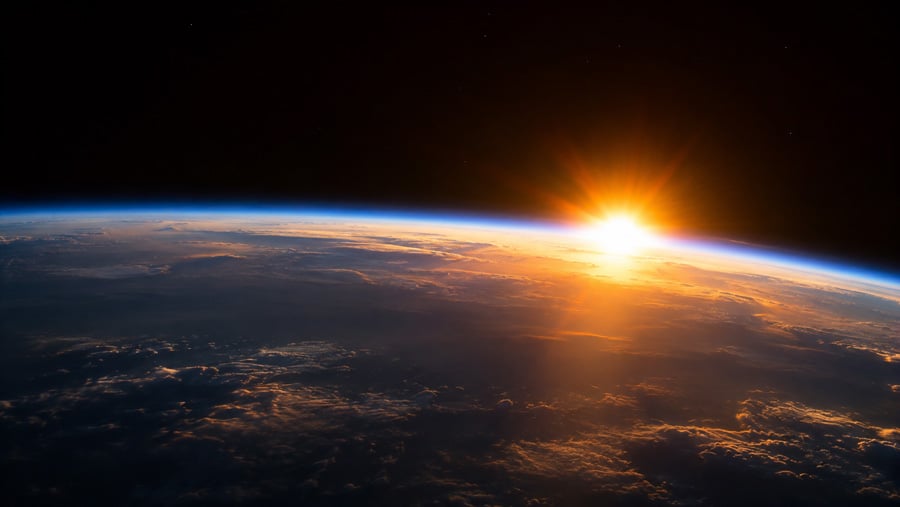
Every sunrise is technically a glimpse into the past. Although the Sun appears relatively close in our sky, it sits approximately 93 million miles from Earth. Its light takes around eight minutes and 20 seconds to reach our planet, meaning the sunlight illuminating a backyard or city street has already traveled an extraordinary distance. Yet on the scale of the universe, the separation between Earth and the Sun is remarkably small.
3. Sunlight Takes About 5½ Hours to Reach Pluto
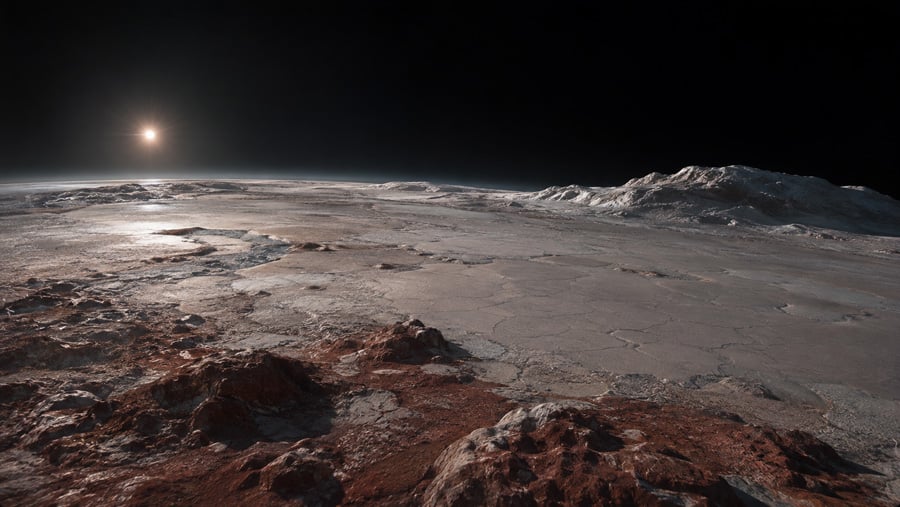
The sunlight that reaches Earth in just over eight minutes needs approximately five and a half hours to reach Pluto at its average distance from the Sun. Located roughly 3.7 billion miles away, the dwarf planet occupies a remote and deeply cold region of our solar system. From its surface, the Sun would appear considerably smaller and less intense than it does from Earth. Even within our own planetary neighborhood, distances quickly become difficult to imagine.
4. Our Solar System May Extend More Than 3 Light-Years Across
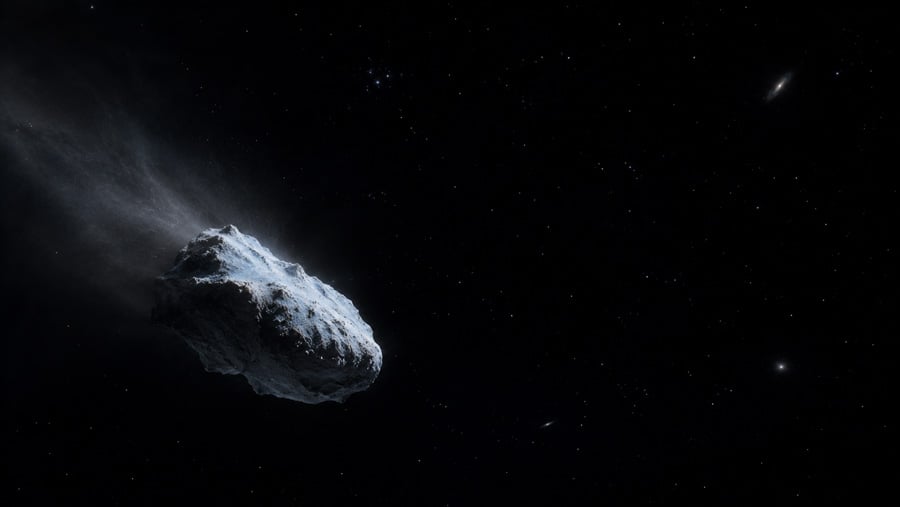
The familiar planets occupy only a small fraction of the territory influenced by our Sun. Far beyond Pluto lies the theorized Oort Cloud, a distant shell of icy objects that NASA estimates could extend approximately 1.6 light-years in every direction. If those estimates are correct, the cloud could measure more than three light-years across. Astronomers have not directly observed this mysterious region, making the outermost reaches of our solar system one of its least understood features.
5. The Nearest Star Beyond the Sun Is More Than 4 Light-Years Away
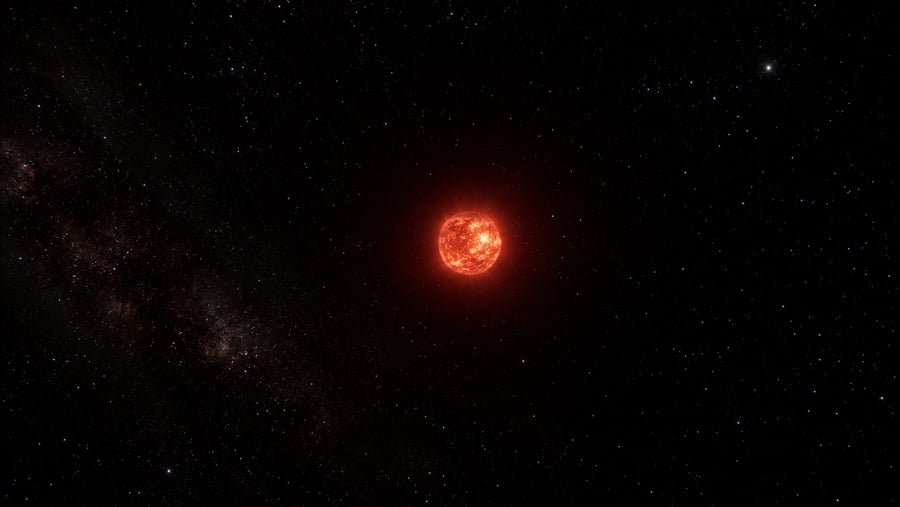
Proxima Centauri is our closest known stellar neighbor, yet it lies approximately 4.25 light-years from Earth. That translates to roughly 25 trillion miles of intervening space. Even a message transmitted at the speed of light would take more than four years to arrive. The fact that our nearest neighboring star is separated from us by such an enormous distance reveals how remarkably spread out the universe really is.
Trending on Wealth Gang


6. More Than 1 Million Earths Could Fit Inside the Sun
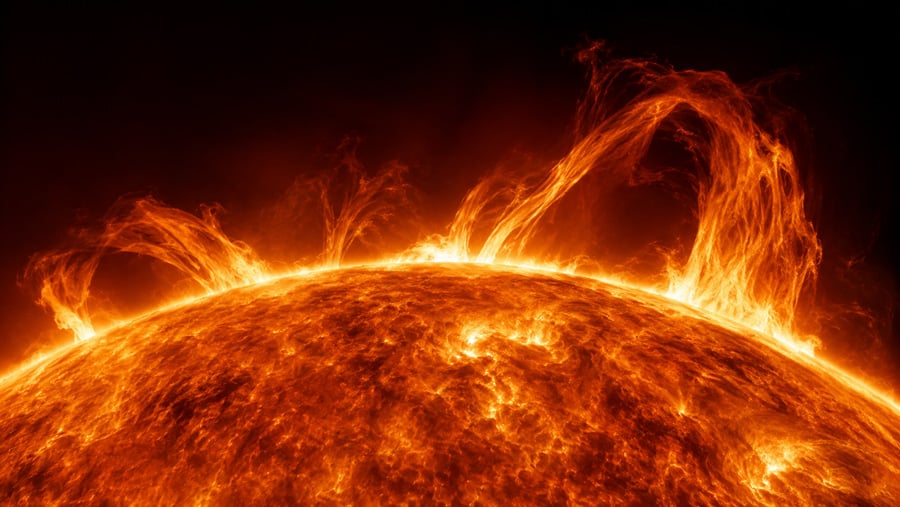
Earth may feel enormous from the perspective of someone standing on its surface, but beside the Sun, our planet is remarkably small. Measuring roughly 865,000 miles across, the Sun has enough volume to accommodate approximately 1.3 million Earth-sized spheres in terms of volume. Its immense size makes it the dominant object in our solar system. Yet among the billions of stars scattered throughout the Milky Way, the Sun is far from being one of the largest.
7. The Milky Way Galaxy Is About 100,000 Light-Years Across
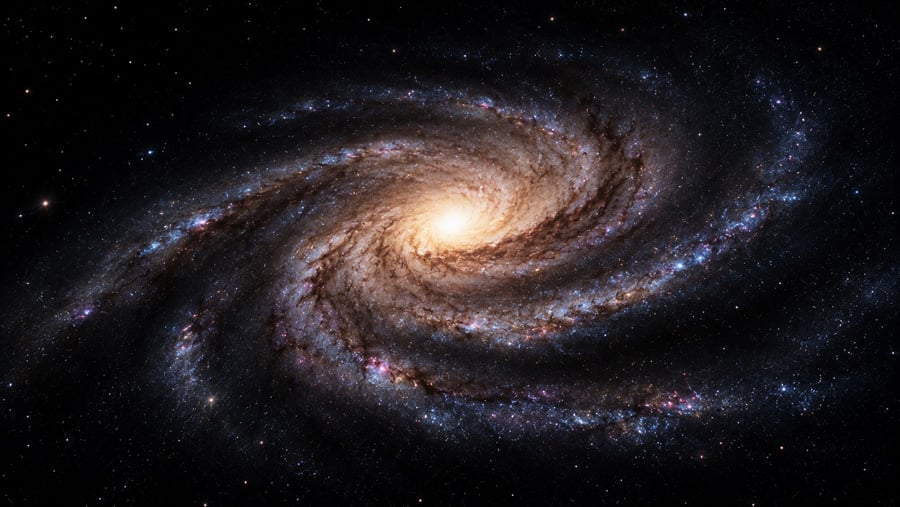
Our home galaxy is an enormous spiral containing stars, gas, dust, and mysterious dark matter. Its stellar disk stretches approximately 100,000 light-years from one side to the other. Even traveling at the speed of light, crossing that distance would take longer than the entire span of recorded human history many times over. Our solar system occupies just one small region within this immense galactic landscape.
8. Our Galaxy Contains an Estimated 100 Billion to 400 Billion Stars
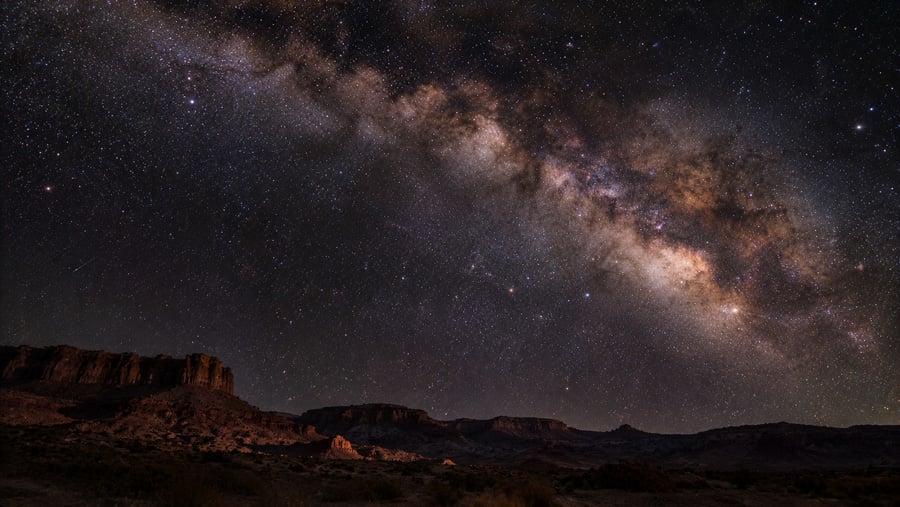
On a clear night far from city lights, thousands of stars may be visible to the naked eye. That impressive sight represents only a minute fraction of the stars within our own galaxy. NASA estimates that the Milky Way contains somewhere between 100 billion and 400 billion stars, with planets believed to be common around them. Our Sun, despite being the center of our entire planetary system, is simply one member of this extraordinary stellar population.
Sign up for our newsletter
9. Our Solar System Needs About 240 Million Years to Orbit the Galaxy
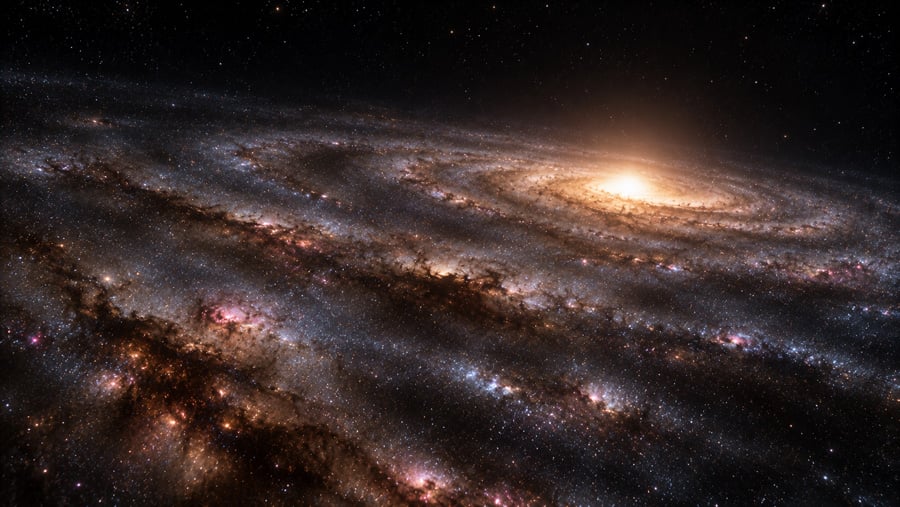
Earth completes its journey around the Sun every year, but our entire solar system is also traveling around the center of the Milky Way. A single galactic orbit takes approximately 240 million years. The last time the Sun occupied roughly its present position in this cycle, dinosaurs were beginning to appear on Earth. Despite having existed for around 4.6 billion years, our solar system has completed only about 19 journeys around the galaxy.
10. The Andromeda Galaxy Is 2.5 Million Light-Years Away
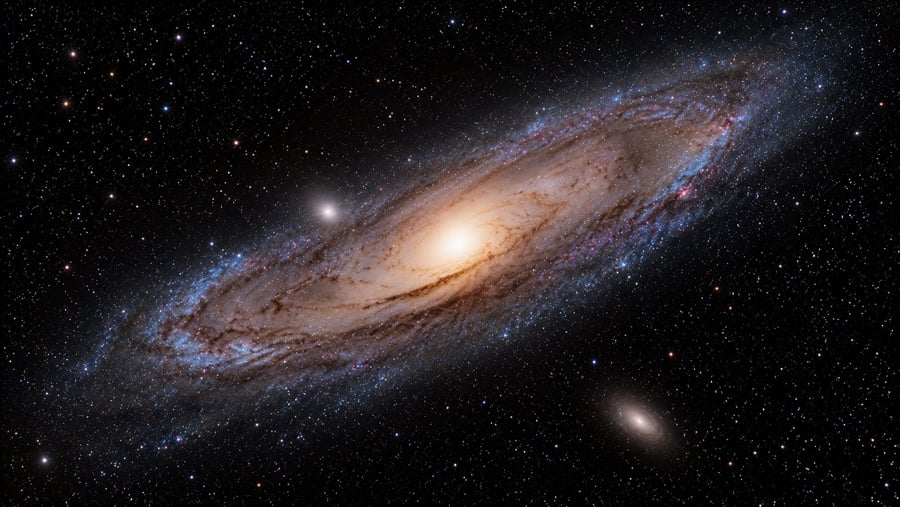
Andromeda is the nearest major galaxy to the Milky Way, but calling it a neighbor is somewhat misleading. Located approximately 2.5 million light-years away, it is visible because of light that began traveling toward Earth long before modern humans appeared. Under exceptionally dark skies, it can even be seen without a telescope as a faint, hazy patch. Observing Andromeda means looking millions of years into the distant past.
11. One Black Hole Has an Estimated Mass of 66 Billion Suns
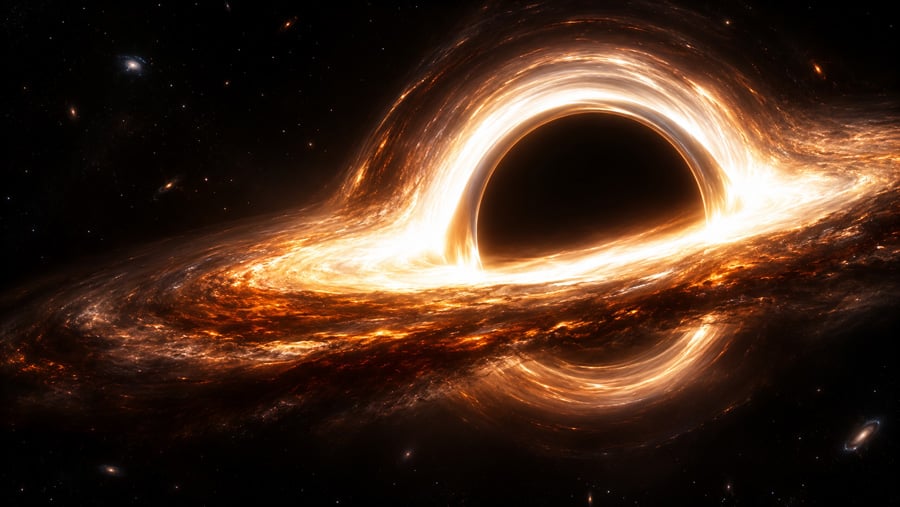
The supermassive black hole known as TON 618 exists on a scale that makes even enormous stars seem insignificant. NASA estimates its mass at approximately 66 billion times that of our Sun, placing it among the most extreme black holes astronomers have studied. Its estimated shadow is so enormous that light would take weeks to cross its width. Objects of this magnitude challenge nearly every familiar reference point humans use to understand size.
12. Our Galaxy Belongs to a Group of More Than 50 Galaxies
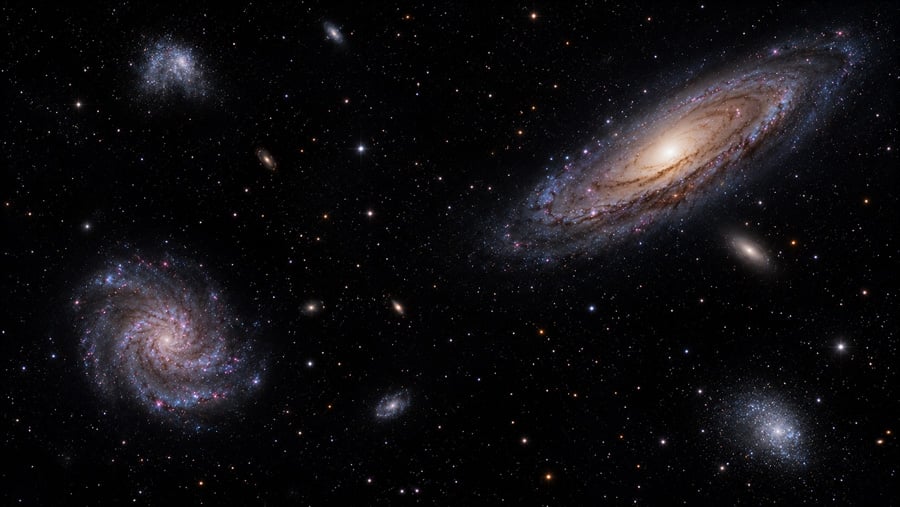
The Milky Way is not drifting through the universe entirely alone. It belongs to a gravitationally connected collection of galaxies known as the Local Group, which includes Andromeda and more than 50 other galaxies. Some are magnificent spirals, while others are considerably smaller dwarf galaxies containing far fewer stars. As enormous as this collection may sound, it represents only a tiny neighborhood within the universe’s larger arrangement of matter.
13. Some Galaxy Clusters Contain Thousands of Galaxies
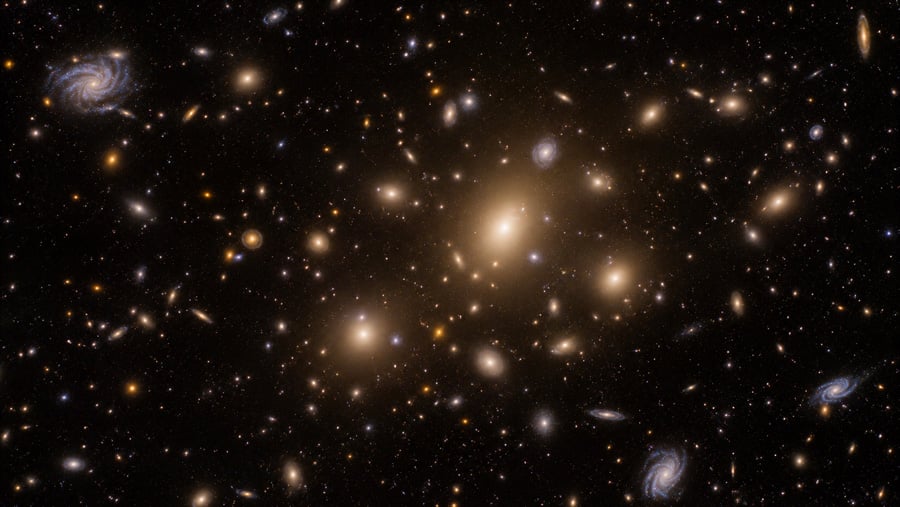
An individual galaxy can contain billions of stars, but gravity also brings entire galaxies together into colossal structures. The Coma Cluster, for example, contains more than 1,000 galaxies and extends across more than 20 million light-years. Within that single cluster are enormous populations of stars, planetary systems, and black holes. The sheer number of astronomical objects concentrated in one region reveals how dramatically the scale of the universe increases beyond our local neighborhood.
14. One Cosmic Structure Stretches 1.4 Billion Light-Years
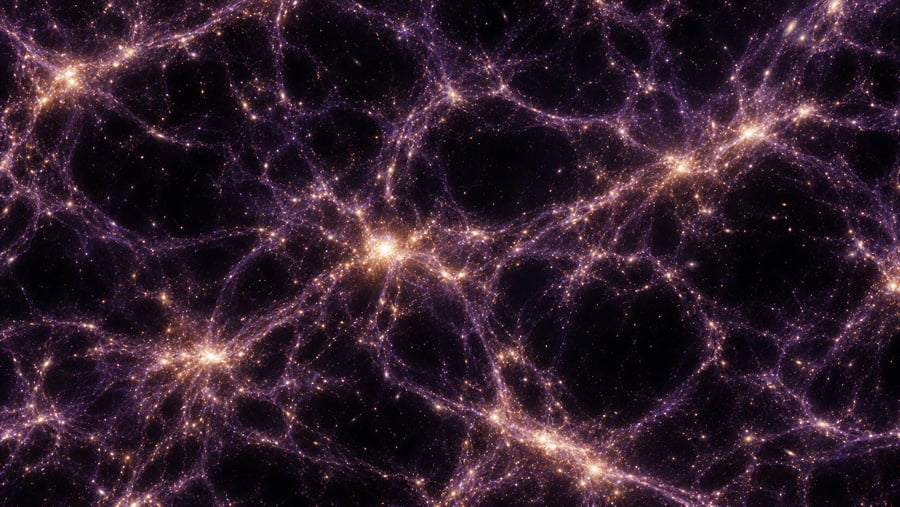
When viewed on an enormous scale, galaxies form patterns resembling a vast interconnected web. One particularly remarkable structure, known as the Sloan Great Wall, stretches approximately 1.4 billion light-years across. It forms part of the cosmic web, a network of galactic concentrations separated by immense regions of relatively empty space. Even structures containing thousands of galaxies can appear comparatively small when considered alongside these extraordinary formations.
15. One Tiny Patch of Sky Contains Nearly 10,000 Galaxies
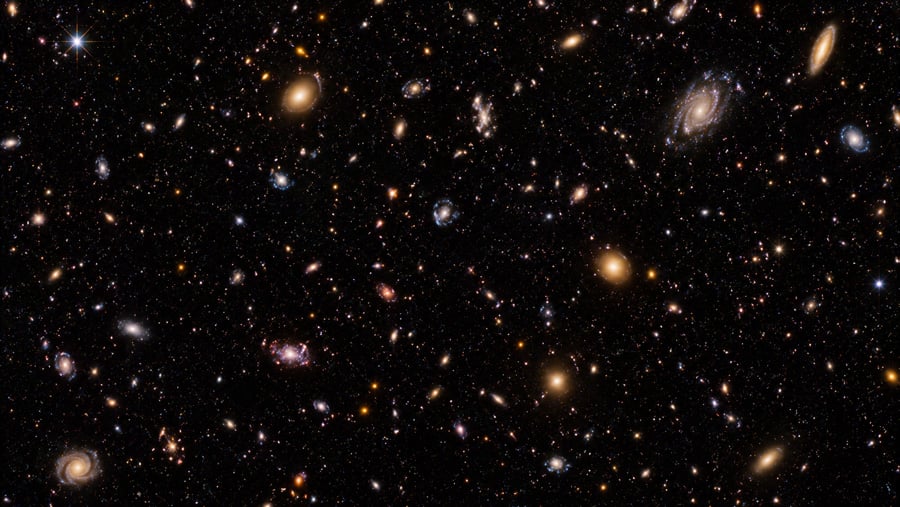
In 2004, the Hubble Space Telescope revealed something extraordinary hidden within an apparently insignificant patch of sky. The resulting image, known as the Hubble Ultra Deep Field, contained approximately 10,000 galaxies. Many of those faint specks of light represent entire galaxies with their own populations of stars. The observation transformed a seemingly empty region of darkness into a remarkable demonstration of how much exists beyond human vision.
16. The Observable Universe Contains Hundreds of Billions of Galaxies
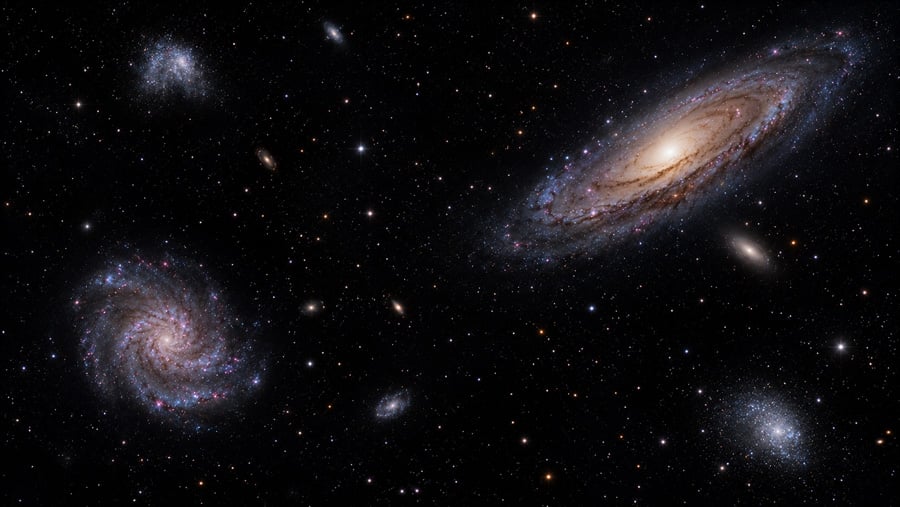
The Milky Way is only one member of an almost incomprehensibly large galactic population. Astronomical observations suggest that the observable universe contains hundreds of billions of galaxies, with some estimates reaching around a trillion. The exact number remains uncertain because many galaxies are exceptionally faint or distant. Considering that individual galaxies can contain billions of stars, the number of astronomical objects within the observable universe becomes nearly impossible to grasp.
17. Telescopes Can See Galaxies From Just 280 Million Years After the Big Bang
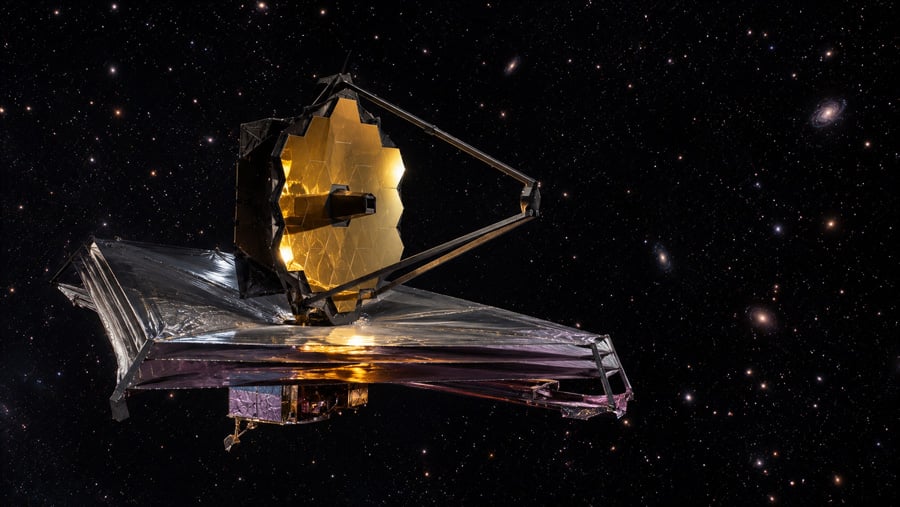
The James Webb Space Telescope has allowed astronomers to look further into cosmic history than ever before. In observations reported in 2026, researchers confirmed a galaxy known as MoM-z14 that existed approximately 280 million years after the Big Bang. Its light traveled for roughly 13.5 billion years before reaching us. Observations like these offer scientists a rare opportunity to study the universe when its earliest galaxies were still taking shape.
18. The Observable Universe Is About 92 Billion Light-Years Across
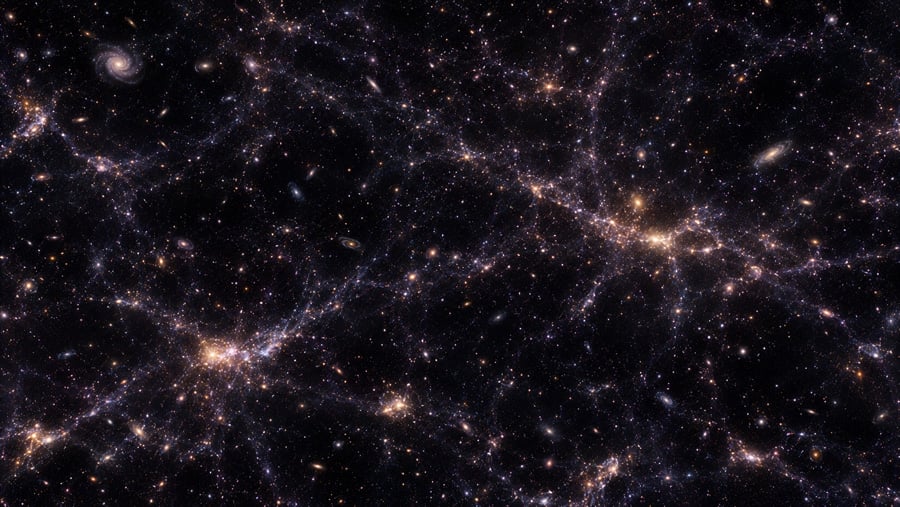
Although the universe is approximately 13.8 billion years old, its observable portion measures an estimated 92 billion light-years across. This apparent contradiction exists because space itself has expanded while light from distant galaxies has traveled toward Earth. Perhaps the most astonishing detail is that this measurement describes only the part of the universe we can observe. Beyond that boundary, the cosmos may extend unimaginably further, and scientists still do not know whether the entire universe is finite or infinite.
More Related Notes
14 Vintage Photos of Construction Workers Who Left Their Dent in the Universe
These remarkable vintage photographs capture the fearless workers who helped shape the modern world, often working at extraordinary heights without today’s safety equipment.
15 Discoveries That Changed How Humans Understand Earth
From ancient fossils to the movement of continents, these groundbreaking discoveries transformed our understanding of Earth and its extraordinary history.
15 Fun Facts Scientists Just Found Out in 2026
From mysterious planetary formations to surprising biological findings, these recent scientific discoveries reveal how much remains to be explored.