Some products were once common in American homes, stores, and playgrounds. People bought them without thinking twice. But over time, safety concerns, health warnings, and public pressure changed the way consumers perceived them.
In some cases, companies had to redesign their products or stop selling them altogether. Others were banned by government agencies after serious injuries or health risks. These 12 once-popular products show how something that was once considered normal could become too controversial to keep on store shelves.
1. Lawn Darts
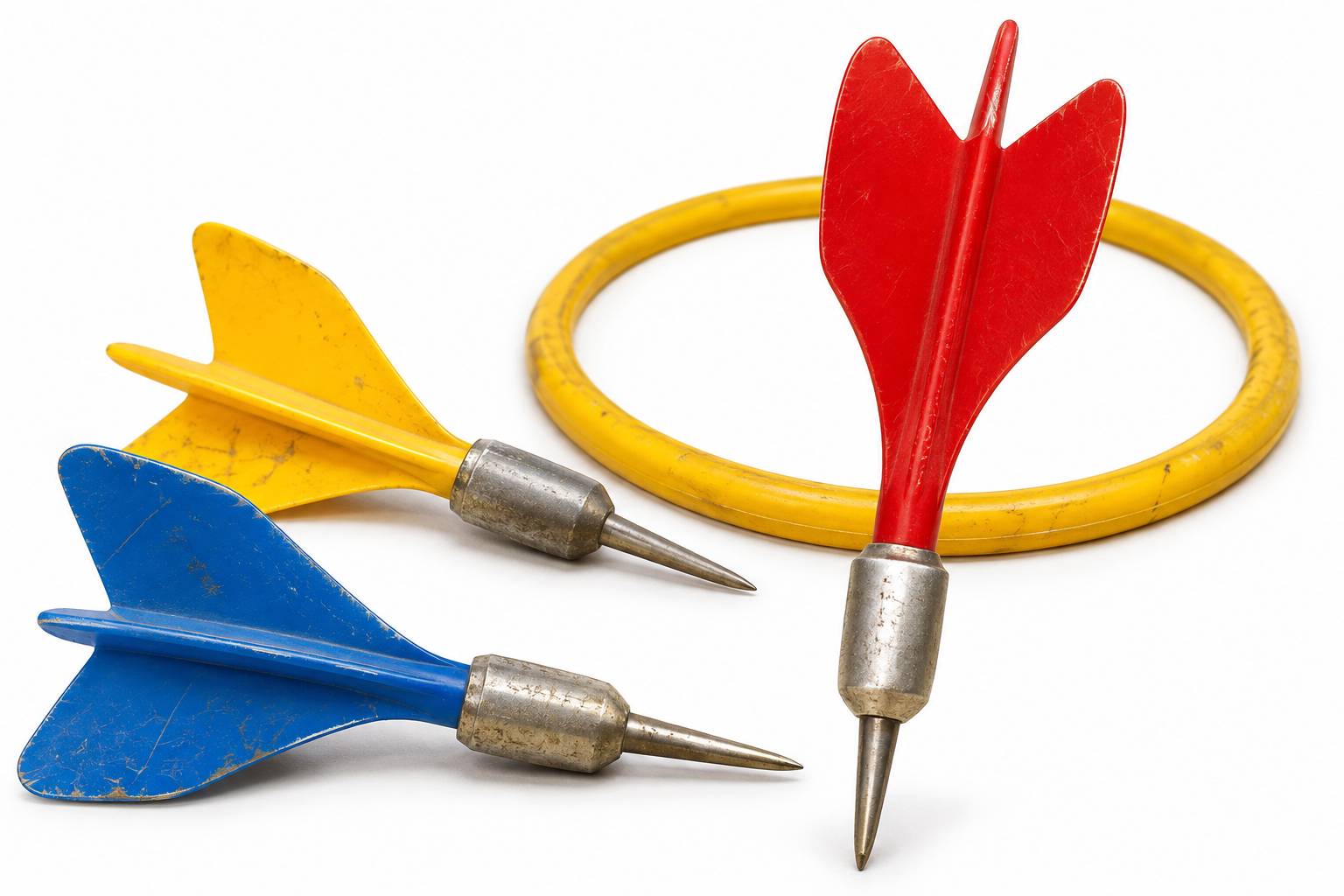
Lawn darts were a popular backyard game in the 1970s and 1980s. They had heavy metal tips that could cause serious injuries, especially to children. After several deadly accidents, the U.S. banned their sale in 1988.
2. Olestra Potato Chips
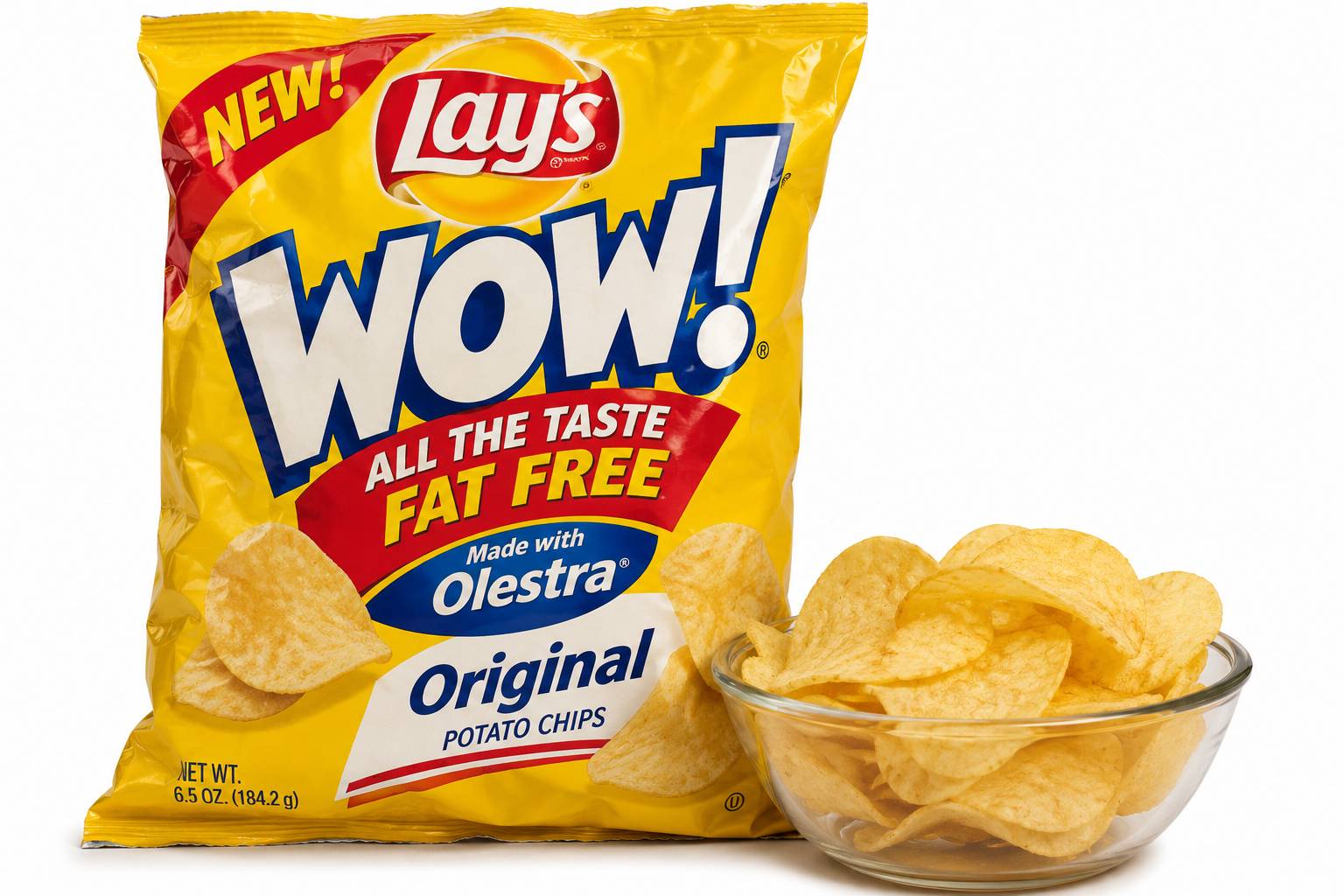
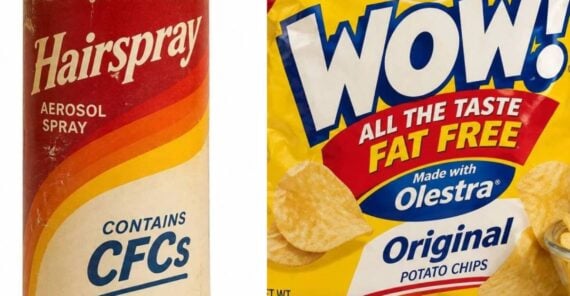
In the 1990s, fat-free chips made with Olestra promised a healthier way to enjoy snacks. However, many people reported stomach cramps and digestive problems after eating them. Warning labels hurt their popularity, and products such as WOW! chips disappeared from stores.
3. DDT Insecticide
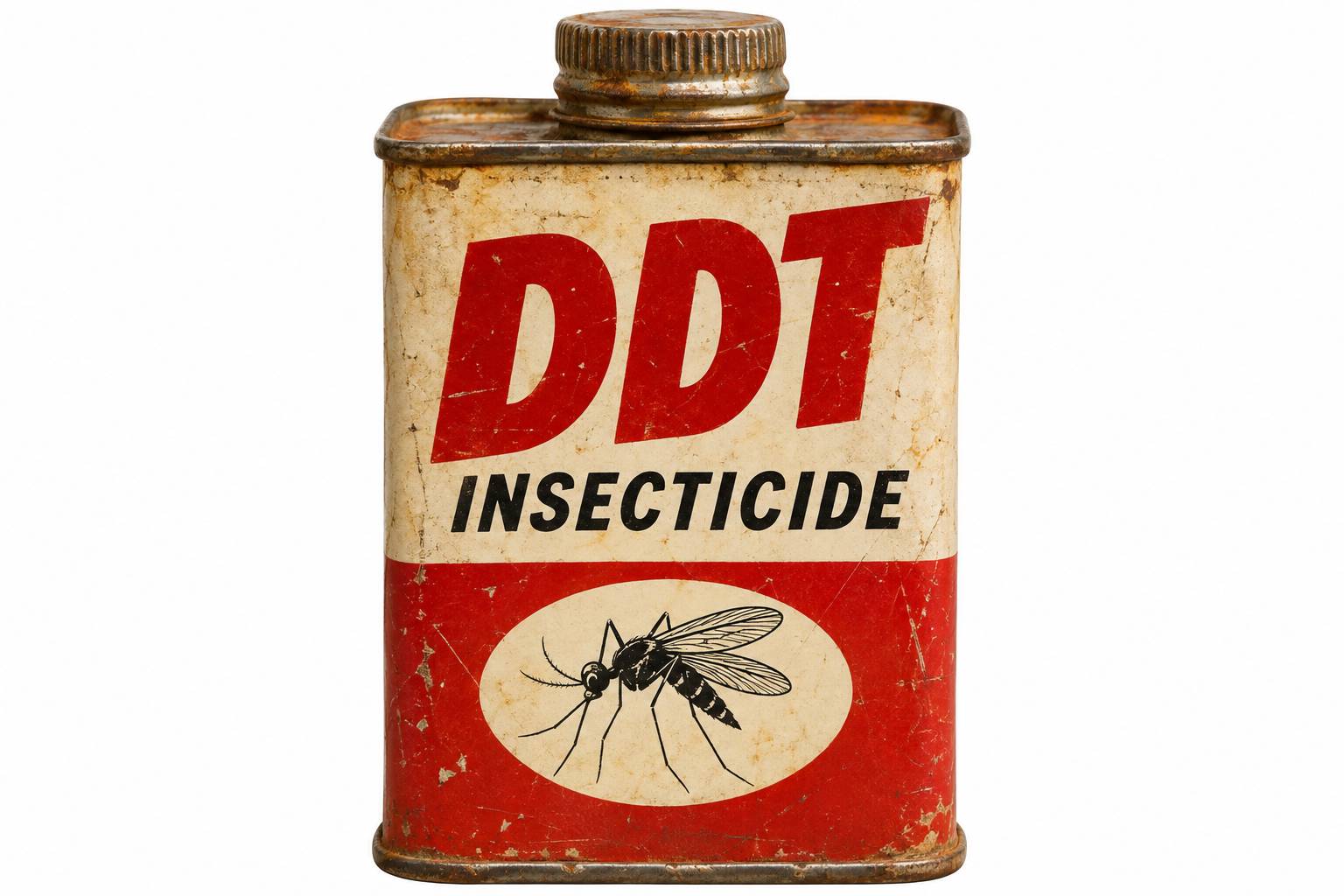
DDT was once widely used to kill insects on farms and around homes. Over time, scientists found that it harmed wildlife and damaged the environment. After growing public concern, the United States banned most uses of DDT in 1972.
4. CFC Aerosol Sprays
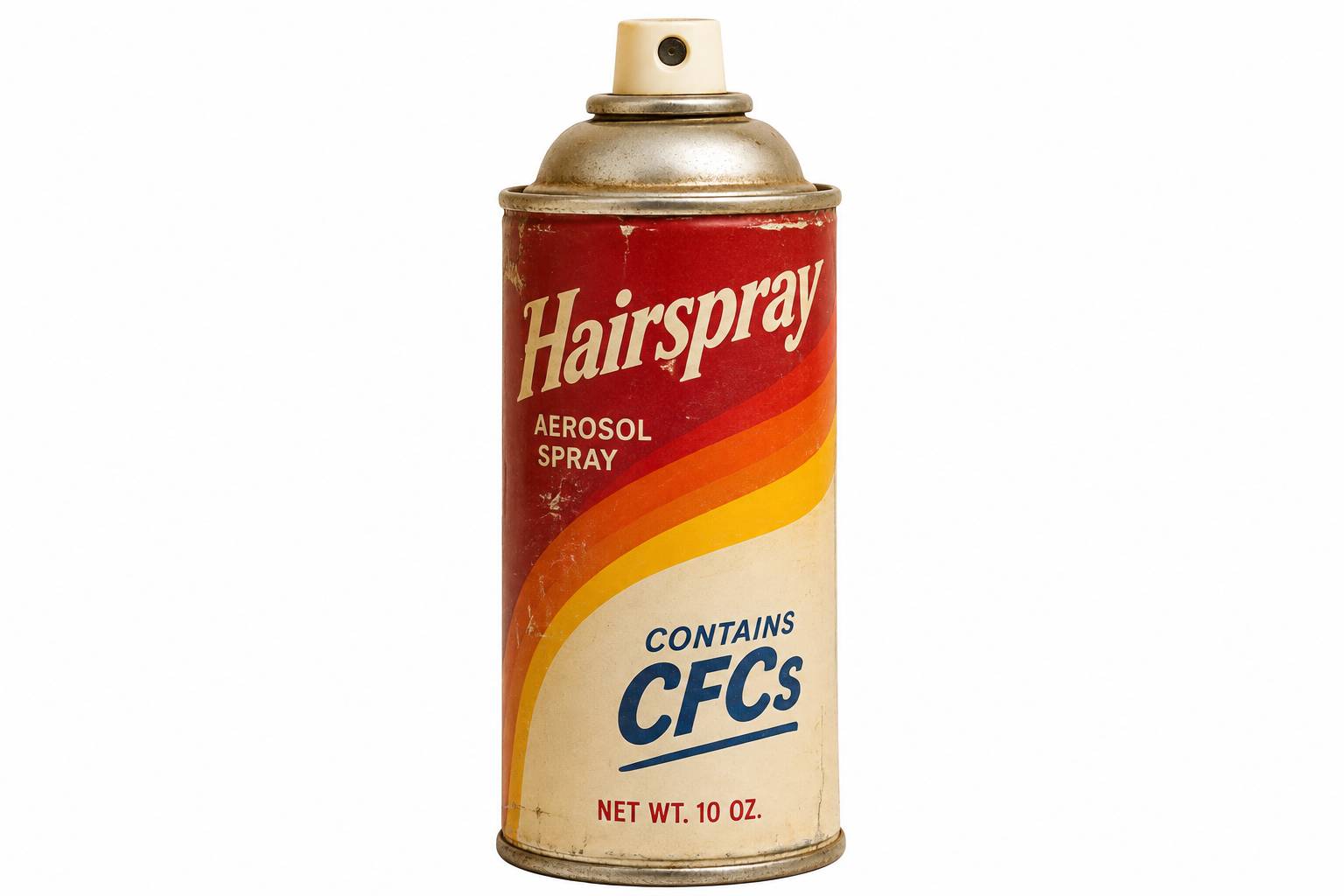
Old aerosol sprays used chemicals called CFCs to push products out of their cans. Scientists discovered that these chemicals damaged the Earth’s ozone layer. Governments began restricting their use, and manufacturers had to find safer alternatives.
5. Fen-Phen Diet Pills
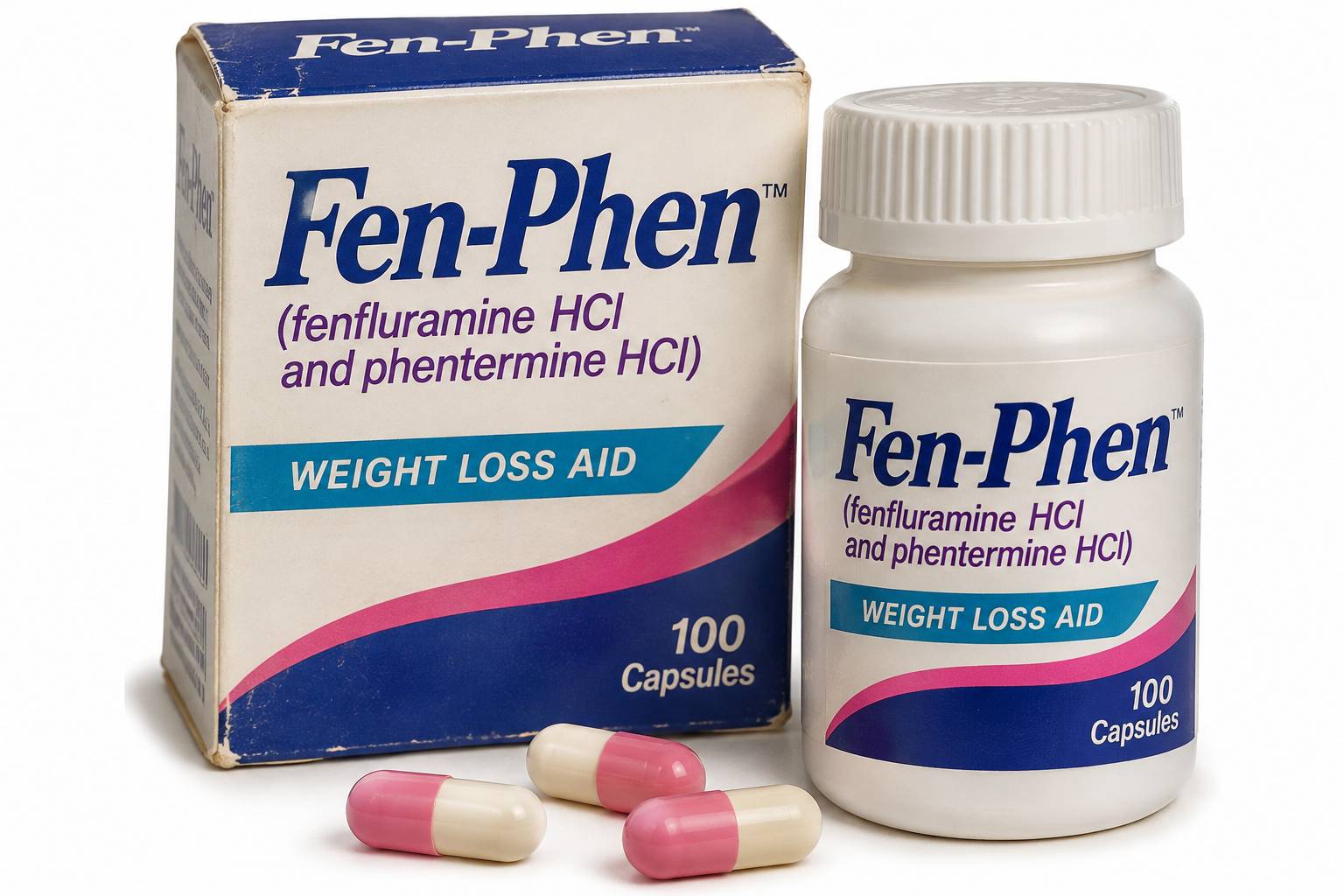
Fen-Phen became a popular weight-loss treatment during the 1990s. However, reports linked the drug combination to serious heart problems. In 1997, the FDA asked manufacturers to remove one of its main ingredients, fenfluramine, from the market.
Trending on Wealth Gang
6. Buckyballs Magnetic Toys
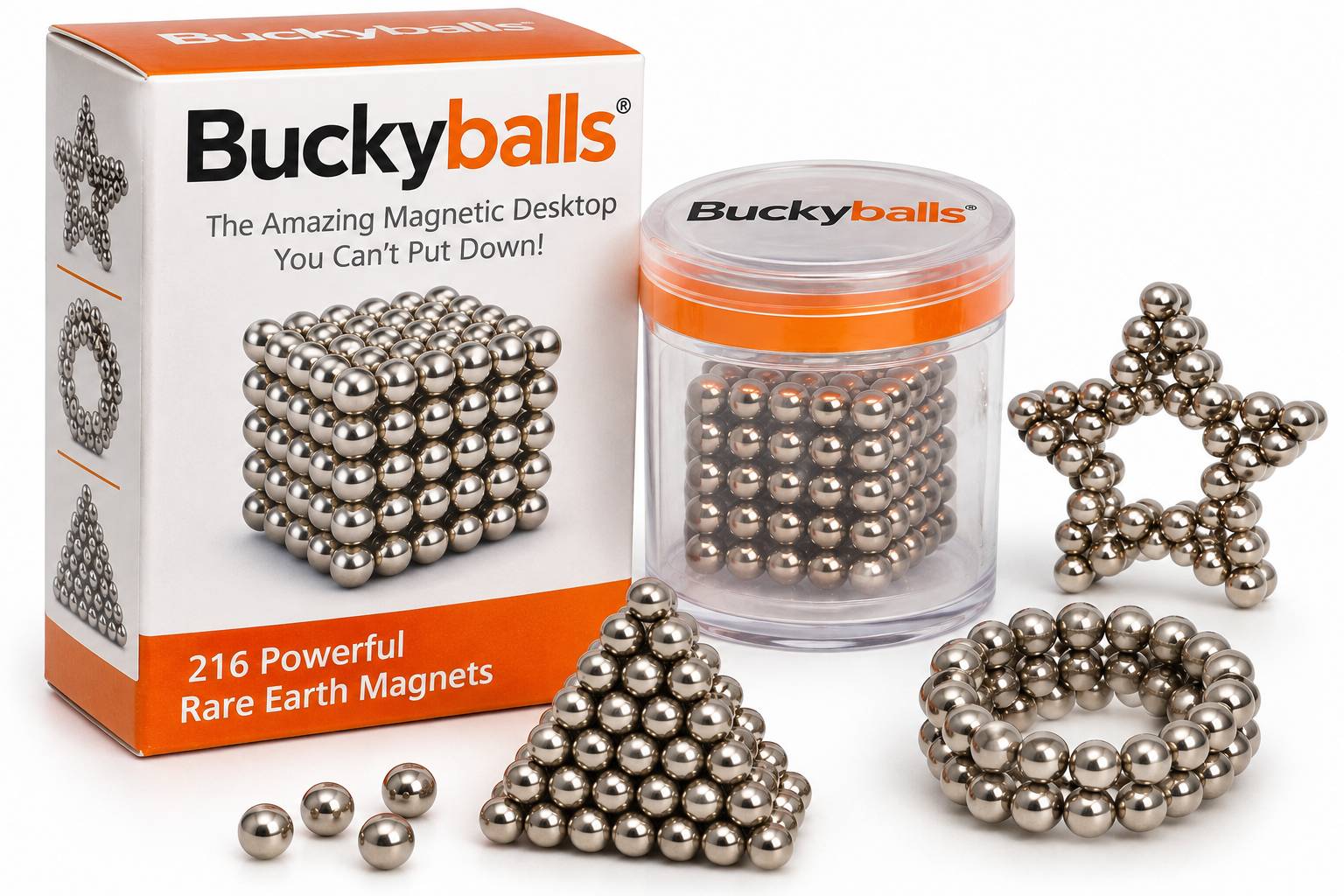
Buckyballs were tiny, powerful magnets that people used to build shapes and small sculptures. They became popular desk toys, but swallowing them could cause serious internal injuries. The original product was withdrawn from the market in 2012.
7. Four Loko
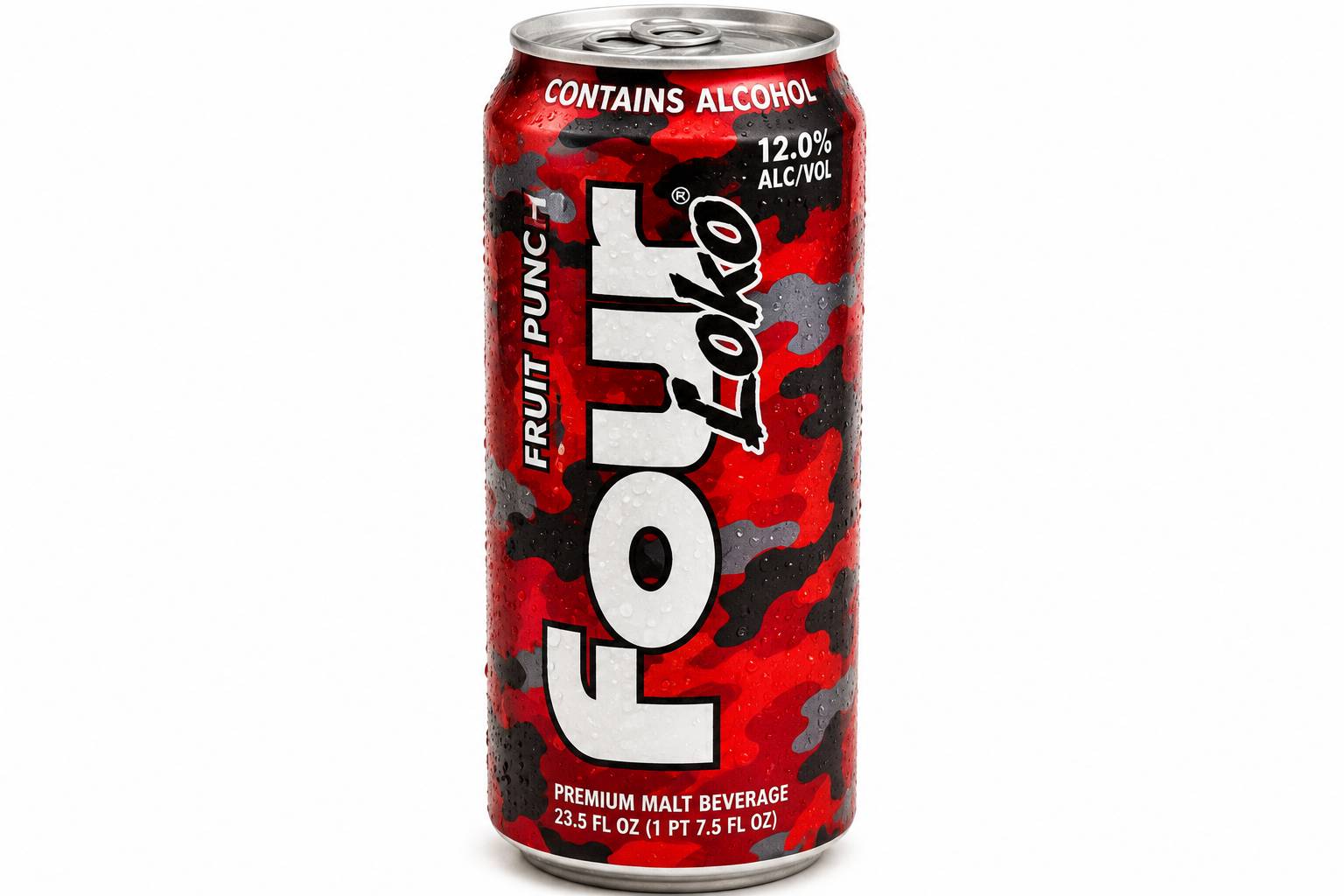
Four Loko became popular at parties and college gatherings in the late 2000s. Its original recipe mixed alcohol with caffeine, raising concerns about dangerous drinking habits. In 2010, the company removed caffeine and other stimulants from the drink.
8. Plastic Microbead Products
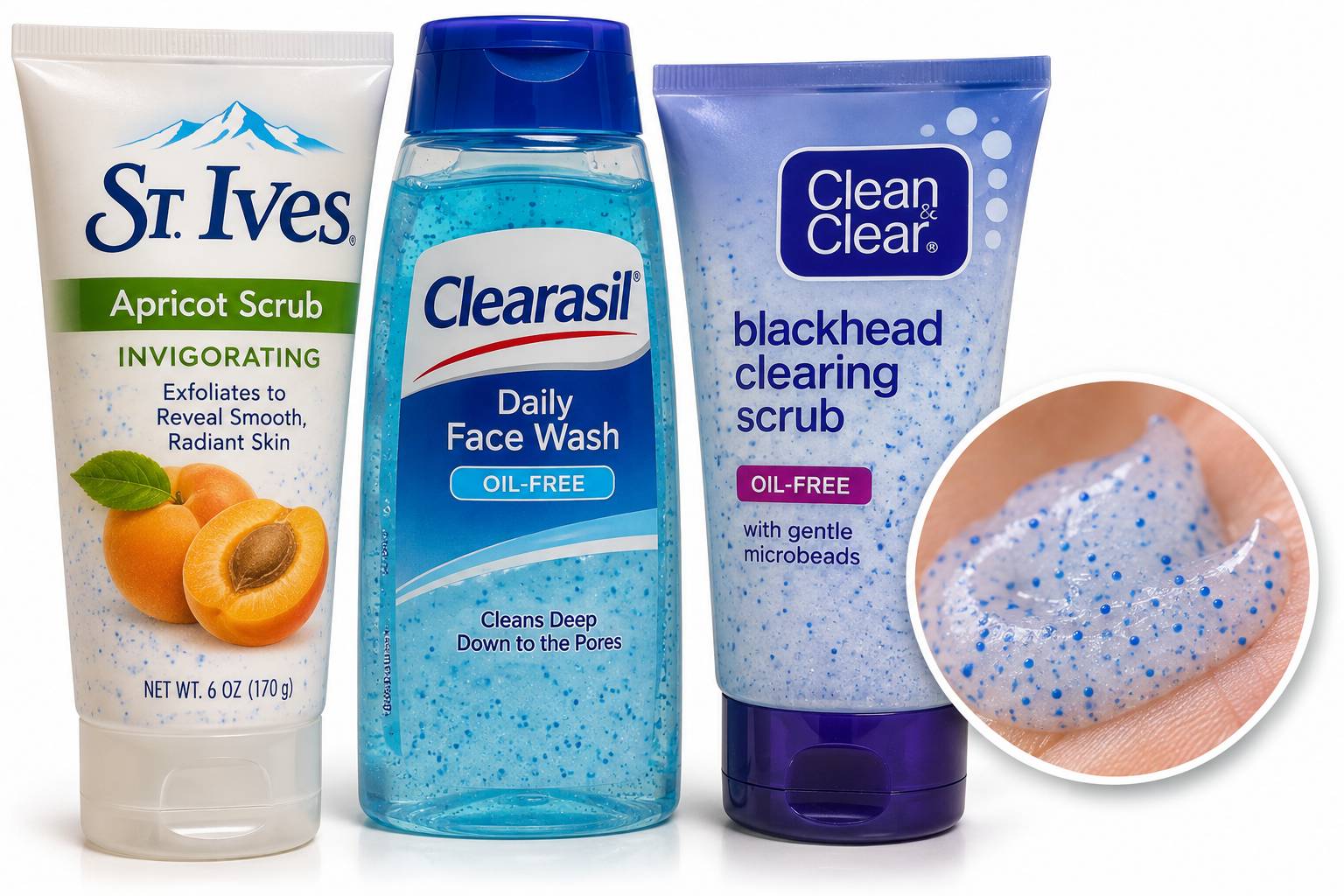
Many facial scrubs and body washes once contained tiny plastic beads. They helped clean and exfoliate skin, but they also created pollution when they washed into rivers and oceans. A 2015 U.S. law phased out plastic microbeads in rinse-off cosmetics.
Sign up for our newsletter
9. Lead-Based Paint
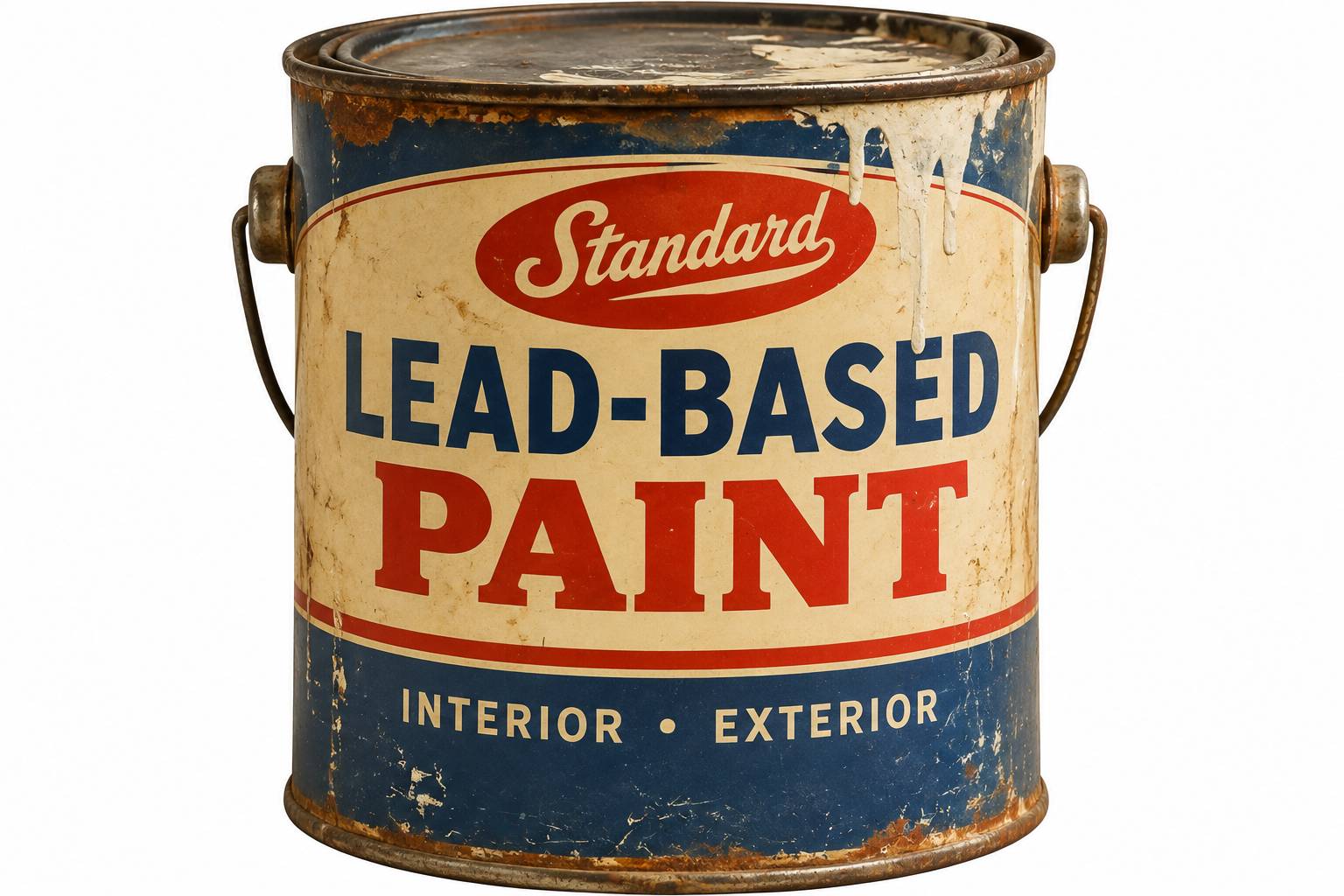
Lead-based paint was once common in American homes because it was durable and covered surfaces well. However, lead exposure can cause serious health problems, especially in children. The United States banned lead-based paint in 1978.
10. Clackers Toys
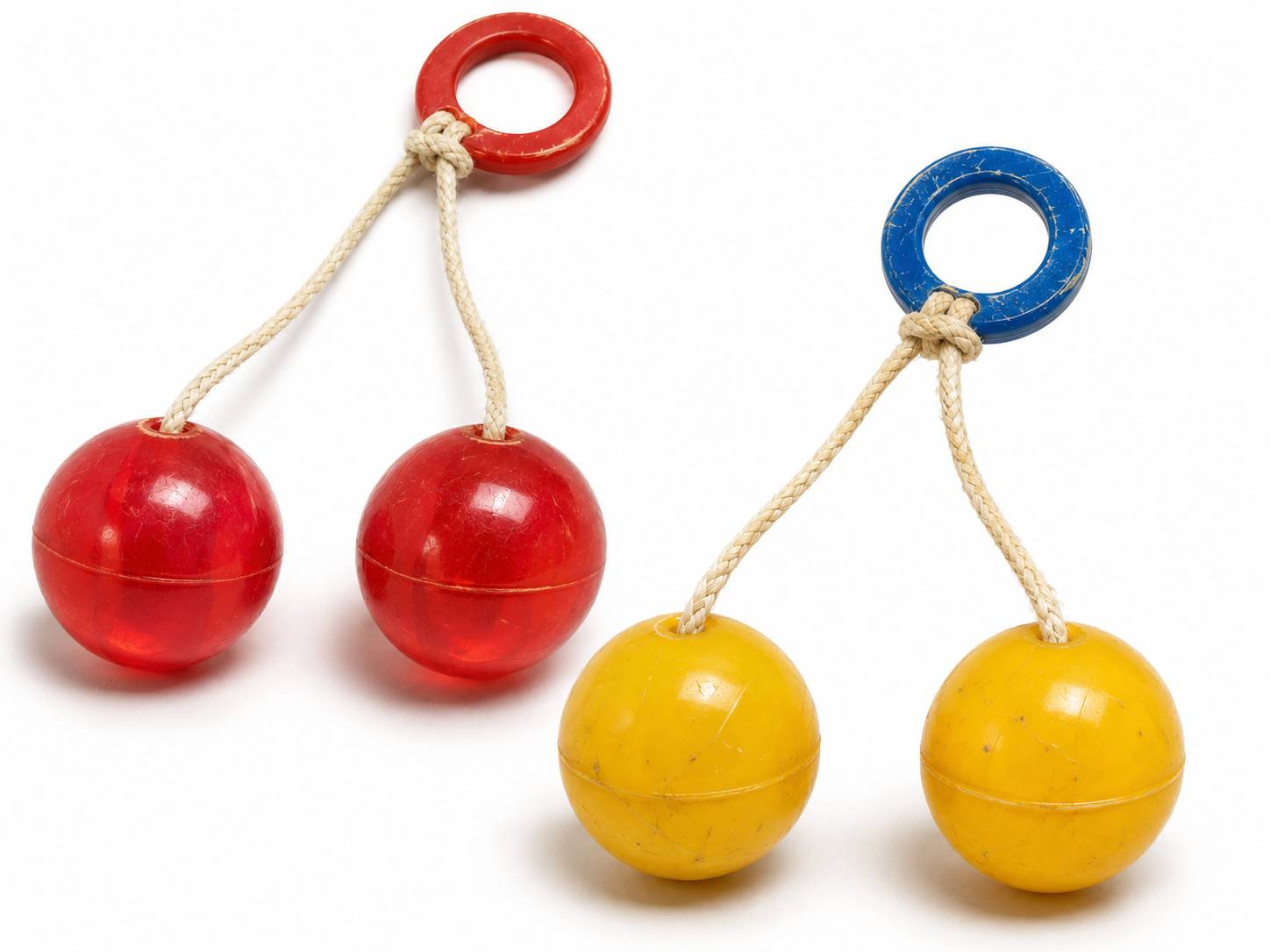
Clackers were popular toys in the late 1960s and early 1970s. They had two hard plastic balls connected by a string that made a loud clicking sound when swung. Some versions could break during play and send sharp pieces flying, leading to injuries and safety concerns.
11. Google Glass
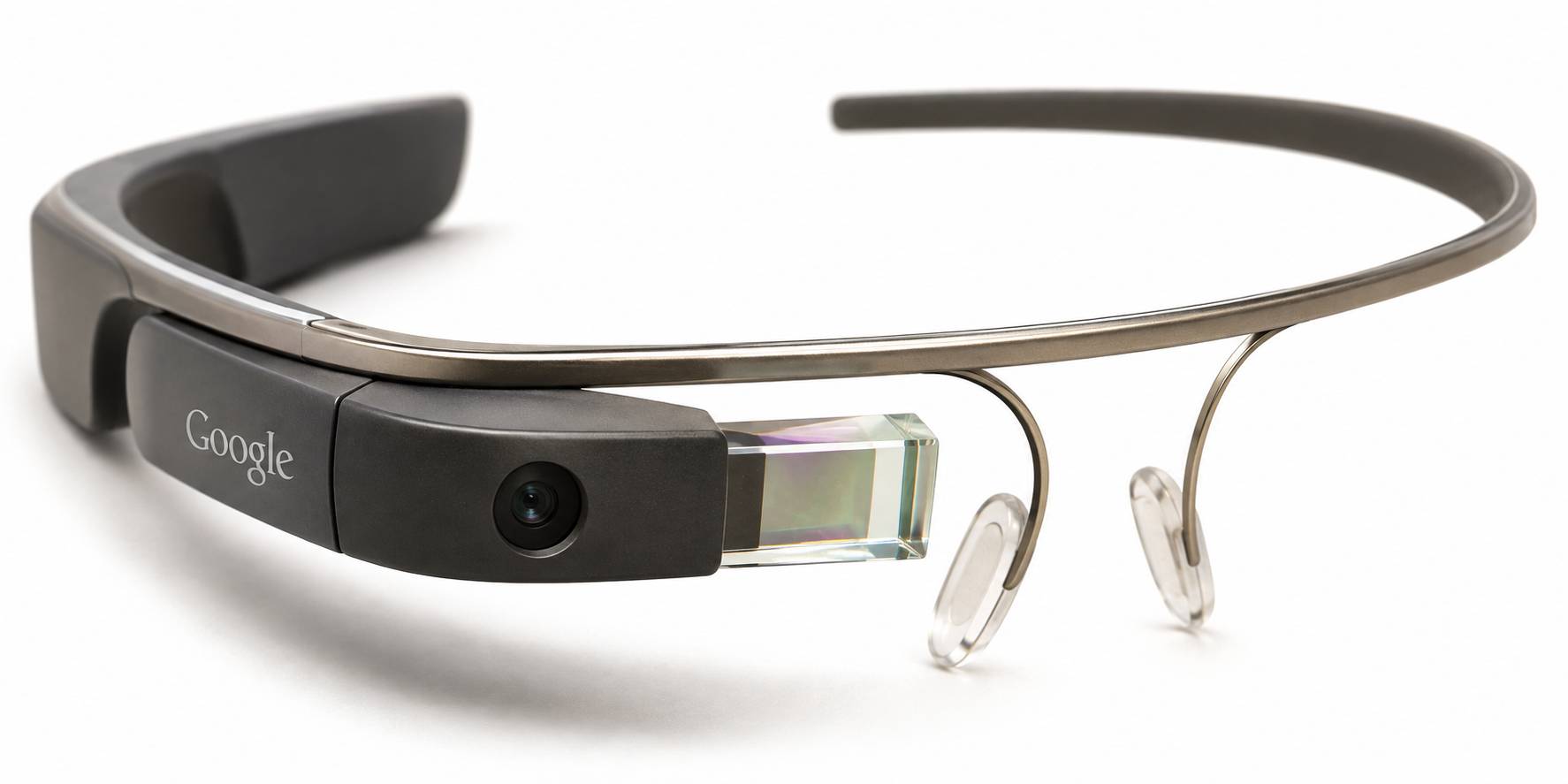
Google Glass arrived in 2013 as a new way to take pictures, record videos, and check information. Many people worried that users could record them without permission. The product also faced criticism over its high price and unusual design.
12. Silicone Breast Implants
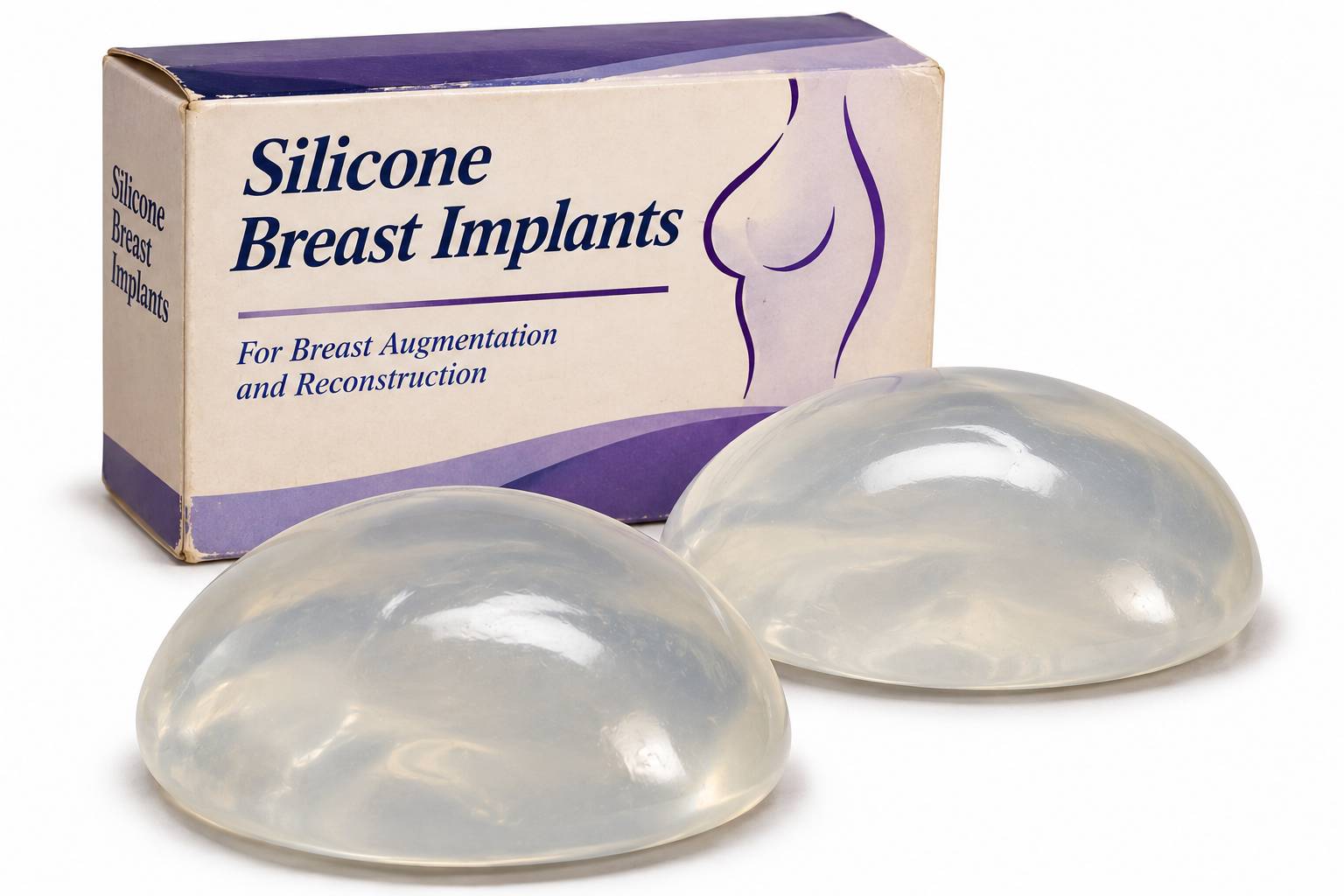
Silicone breast implants became popular during the 1980s and early 1990s. Concerns about leaks, ruptures, and possible health risks led the FDA to restrict their use for most cosmetic procedures in 1992. They later returned to the U.S. market in 2006 under specific safety rules.