Free time looks completely different today than it did a century ago. We can stream a movie in seconds, listen to thousands of songs while walking down the street, or play video games with people living halfway around the world. Not so long ago, enjoying those same activities required planning, special equipment, or gathering in a particular place at a particular time.
Some inventions introduced entirely new ways to have fun, while others made familiar pastimes more affordable and accessible. From the first recorded sounds to the rise of smartphones, these 15 technologies changed how Americans entertained themselves, connected with others, and filled the hours outside of work.
1. The Phonograph Turned Music Into Something People Could Replay
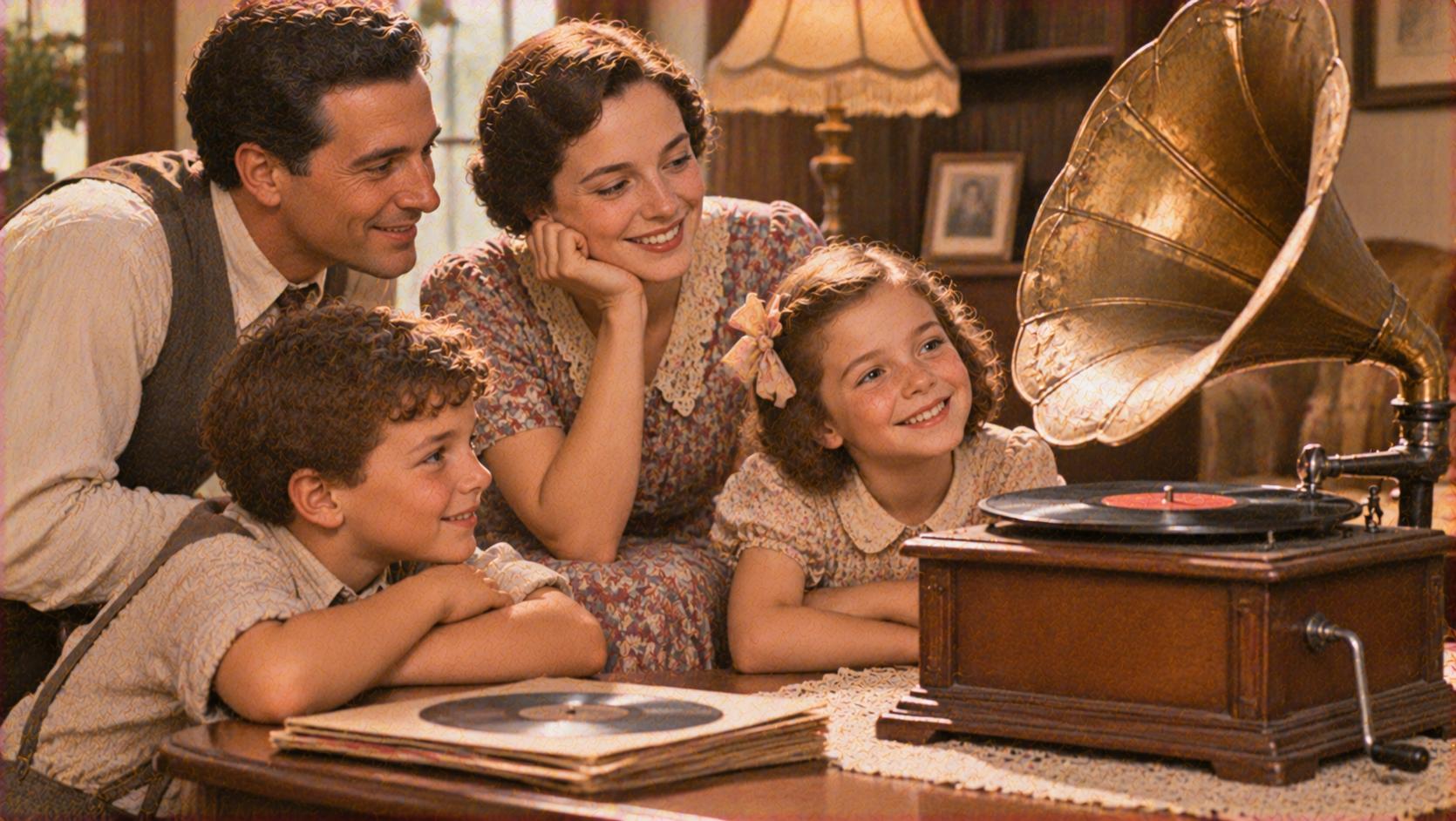
Imagine living in a world where hearing your favorite song meant waiting for someone to perform it again. That began to change in 1877 when Thomas Edison demonstrated the phonograph, a machine capable of recording and reproducing sound. Although Edison initially imagined practical uses such as office dictation, recorded entertainment soon became one of its biggest attractions. By the late 1890s, his company was producing recordings of popular songs, comedy routines, and theatrical performances. For the first time, families could enjoy music and familiar voices at home without needing a musician in the room.
2. The $1 Camera Made Photography a Family Hobby
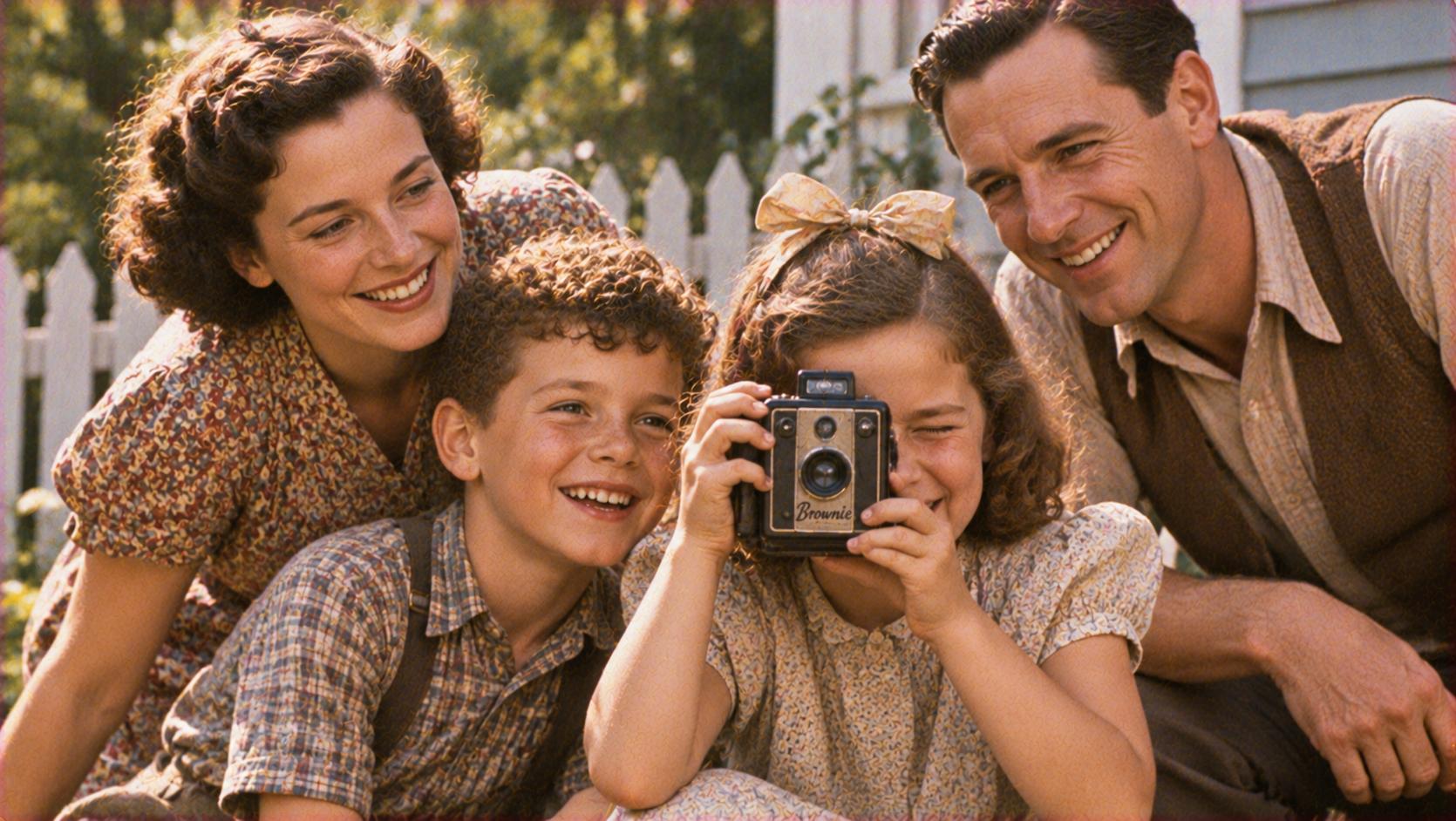
There was a time when having your picture taken was a special occasion that often involved visiting a professional photographer. Kodak helped change that in 1900 with the introduction of the Brownie camera, which sold for just $1. Its simple design made photography accessible to people who had never handled a camera before, and more than 150,000 units sold during its first year. Suddenly, ordinary families could capture birthday celebrations, vacations, pets, and everyday moments themselves. Photography was no longer reserved for formal portraits. It became a hobby that encouraged people to document their own lives.
3. Portable Transistor Radios Gave Teenagers Their Own Soundtracks
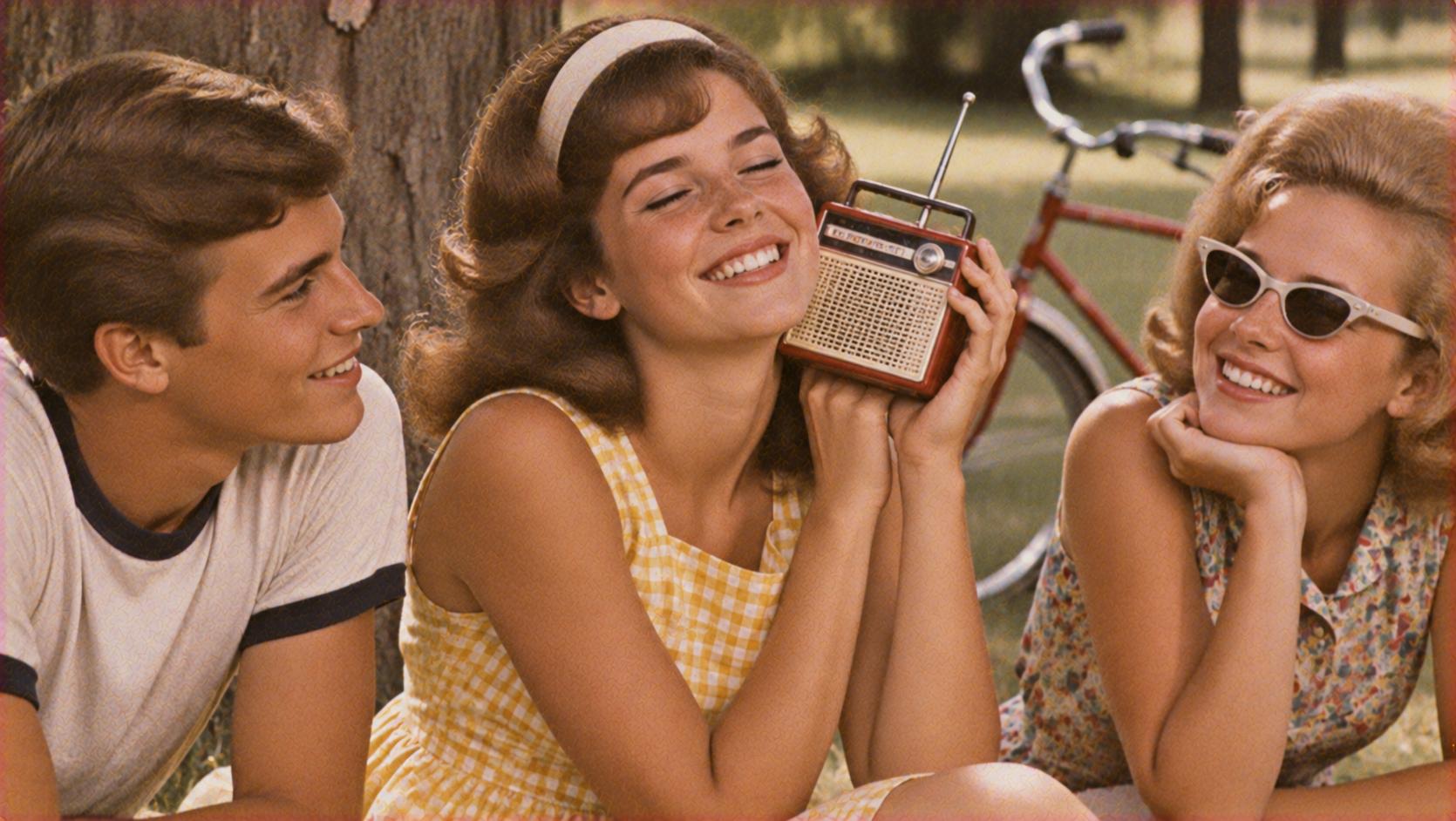
Before portable radios became popular, listening to music often meant sitting near a large radio in the family living room. The Regency TR-1, introduced in 1954, showed that transistor technology could shrink a radio enough to fit inside a pocket. At approximately $50, the first model was hardly inexpensive, but it helped launch a new era of personal listening. As smaller radios became more affordable, teenagers could take their favorite stations to the beach, the park, or a friend’s house. Music no longer had to be a shared family decision, giving young listeners a little more freedom over what they heard.
4. Arcade Video Games Turned Restaurants and Bars Into Gaming Destinations
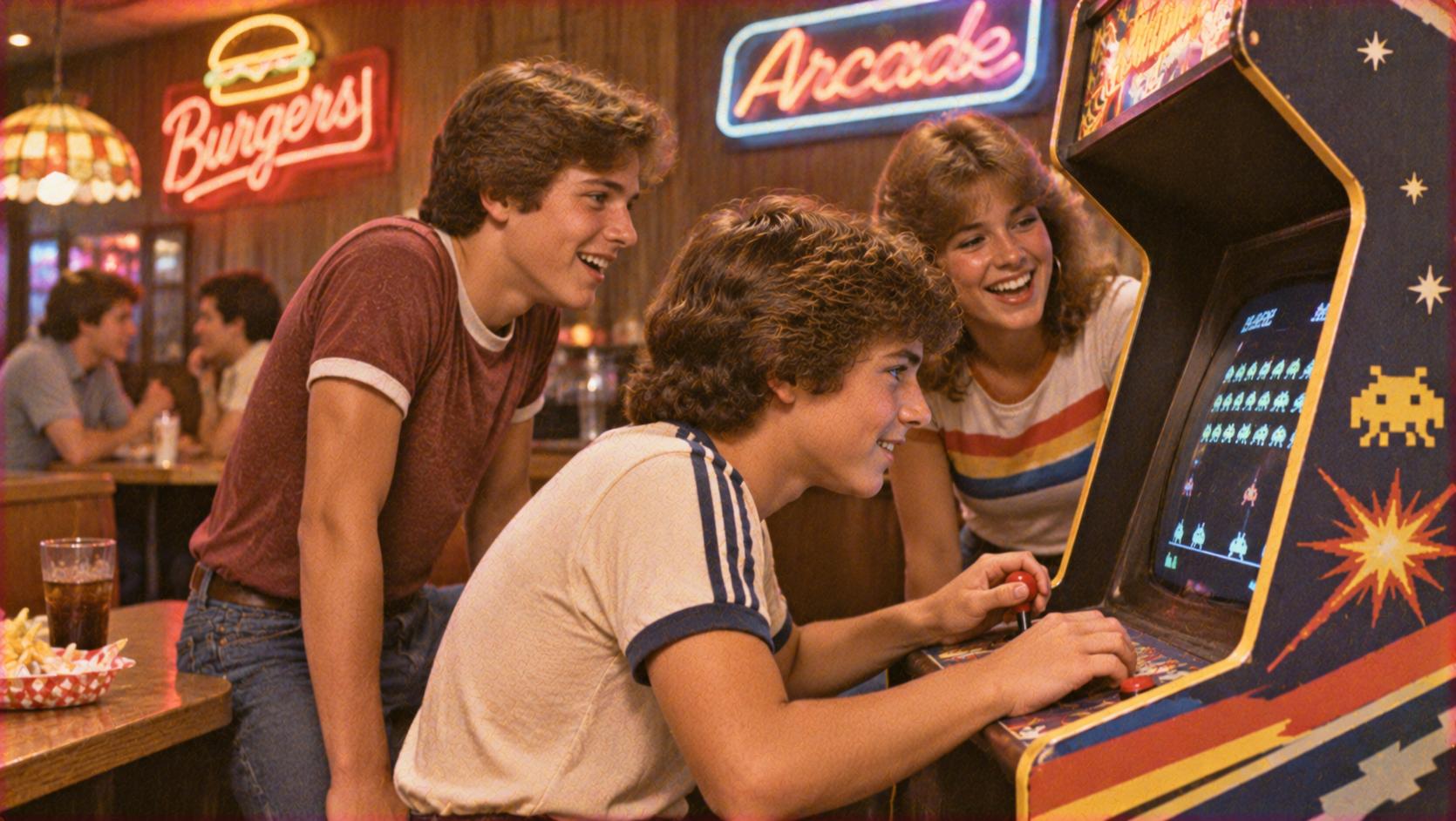
In 1972, Atari introduced Pong, a simple electronic game that simulated table tennis using two paddles and a moving dot. The concept sounds basic today, but it was exciting enough to attract crowds of curious players. An early test machine placed in a California bar reportedly became so popular that its coin box overflowed. Before long, video game cabinets were appearing in bars, restaurants, and dedicated arcades across America. Playing games became a reason to leave the house, meet friends, and compete for high scores. Those flashing screens and rows of machines would eventually become defining memories for an entire generation.
5. The Walkman Made Listening to Music a Private Experience
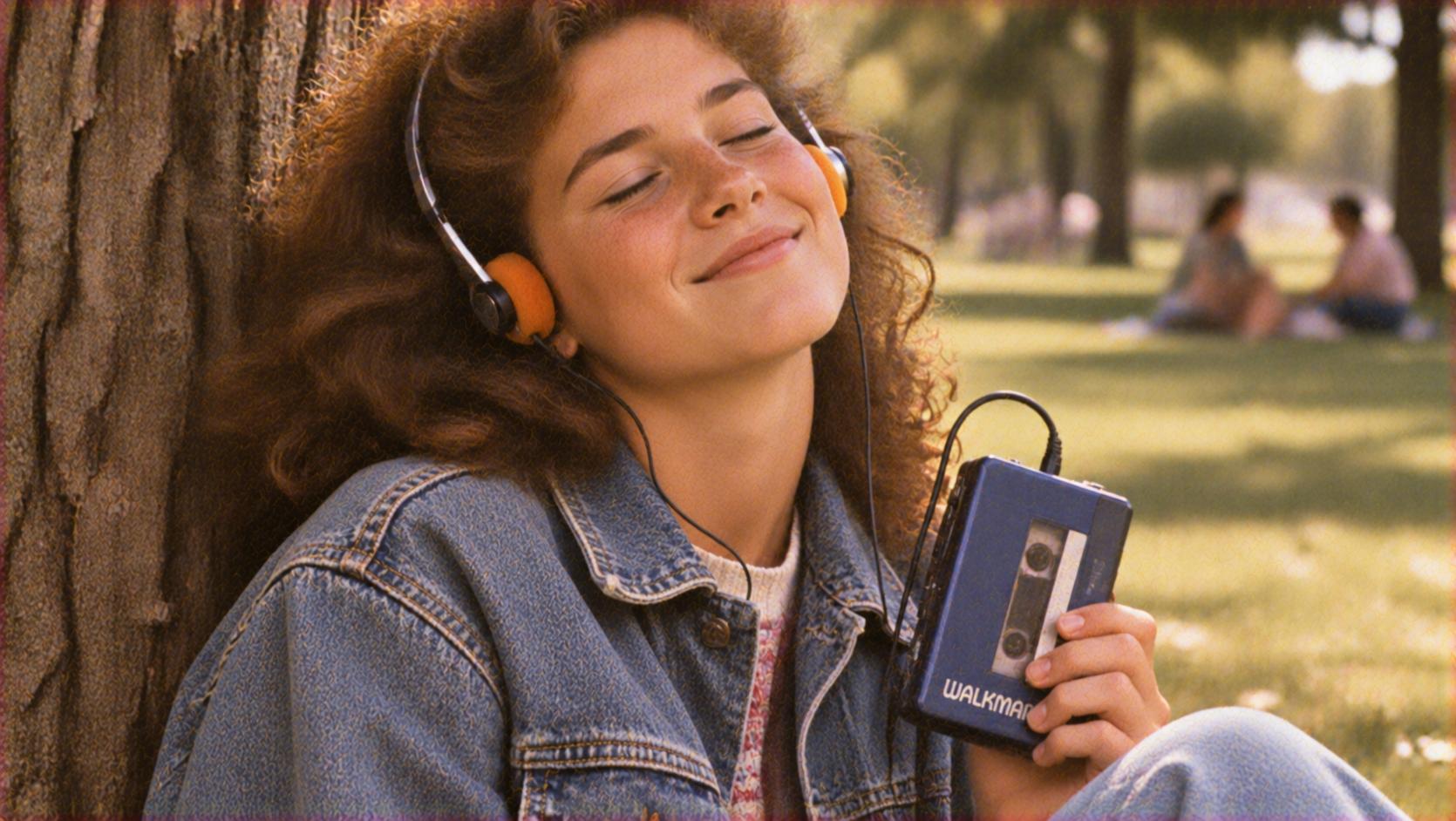
When Sony released its first Walkman in 1979, the idea of carrying a cassette player specifically for listening through headphones seemed unusual. Some people within the company reportedly questioned whether customers would want a device that could play music but not record it. The product proved them wrong. With lightweight headphones and a portable design, the Walkman allowed people to enjoy their favorite albums while jogging, commuting, or walking through the city. Music became a personal experience that could accompany almost any activity. Instead of adapting their schedules to listen to music, people could bring their music along.
Trending on Wealth Gang


6. Television Turned the Living Room Into an Entertainment Center
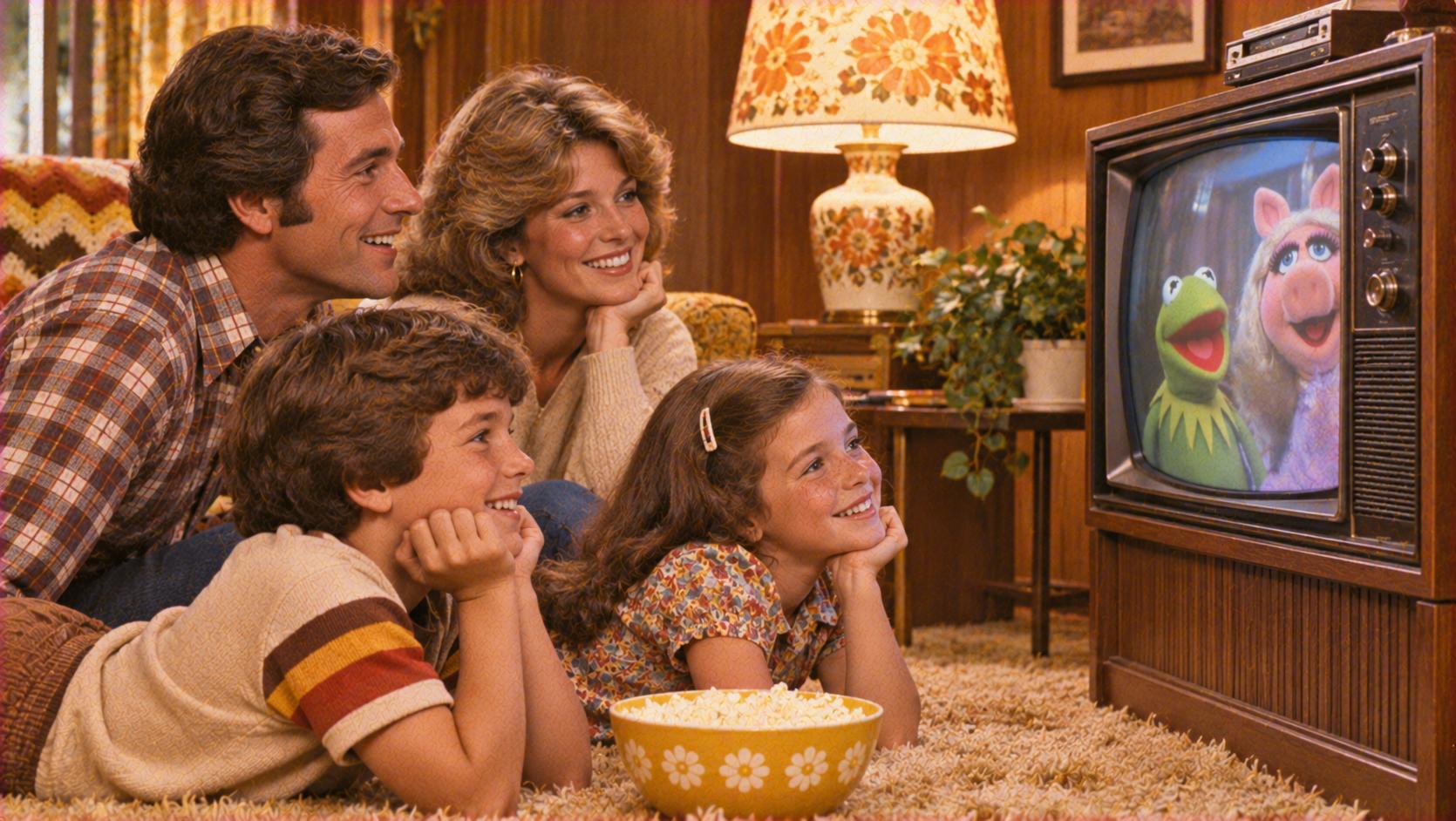
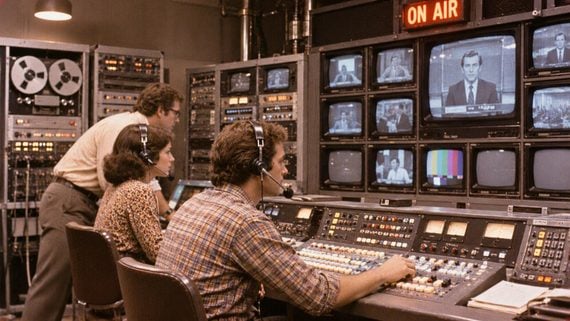
By 1960, nearly 90% of American households owned a television, making the glowing screen a central part of family life. Evenings that might once have involved reading, listening to radio programs, or visiting neighbors increasingly revolved around favorite television shows. The influence extended into dinner routines. Swanson introduced its frozen TV dinner in 1954, offering a convenient meal served in a disposable aluminum tray. Special folding television trays also became popular, allowing families to eat without leaving the screen. Television did more than introduce another entertainment option. It changed how people arranged their living rooms, planned their evenings, and spent time together.
7. Super 8 Cameras Let Ordinary Families Make Their Own Movies
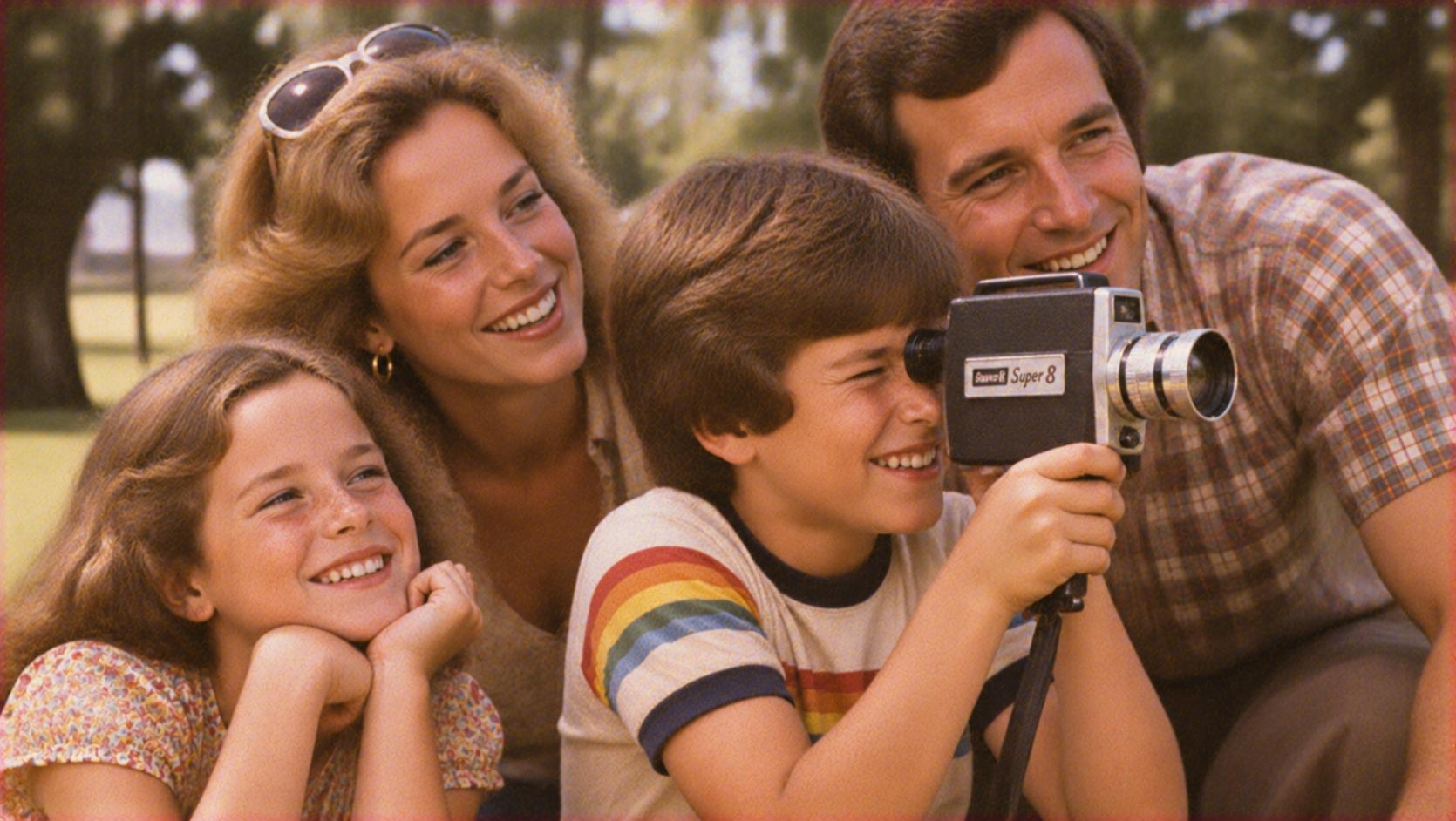
Before smartphones made recording videos effortless, capturing moving images at home required film, specialized cameras, and a projector. Kodak simplified the process in 1965 with the introduction of Super 8 film, which used easy-loading cartridges instead of complicated manual threading. Families could record vacations, birthday parties, weddings, and children playing in the backyard. Watching those recordings later became an event of its own, often involving a darkened living room and the familiar sound of a projector. Early Super 8 films were silent, but a sound version arrived in 1973. Home movies gave families a new way to preserve memories that photographs alone could not capture.
8. VCRs Meant Missing a TV Show No Longer Had to Be Permanent
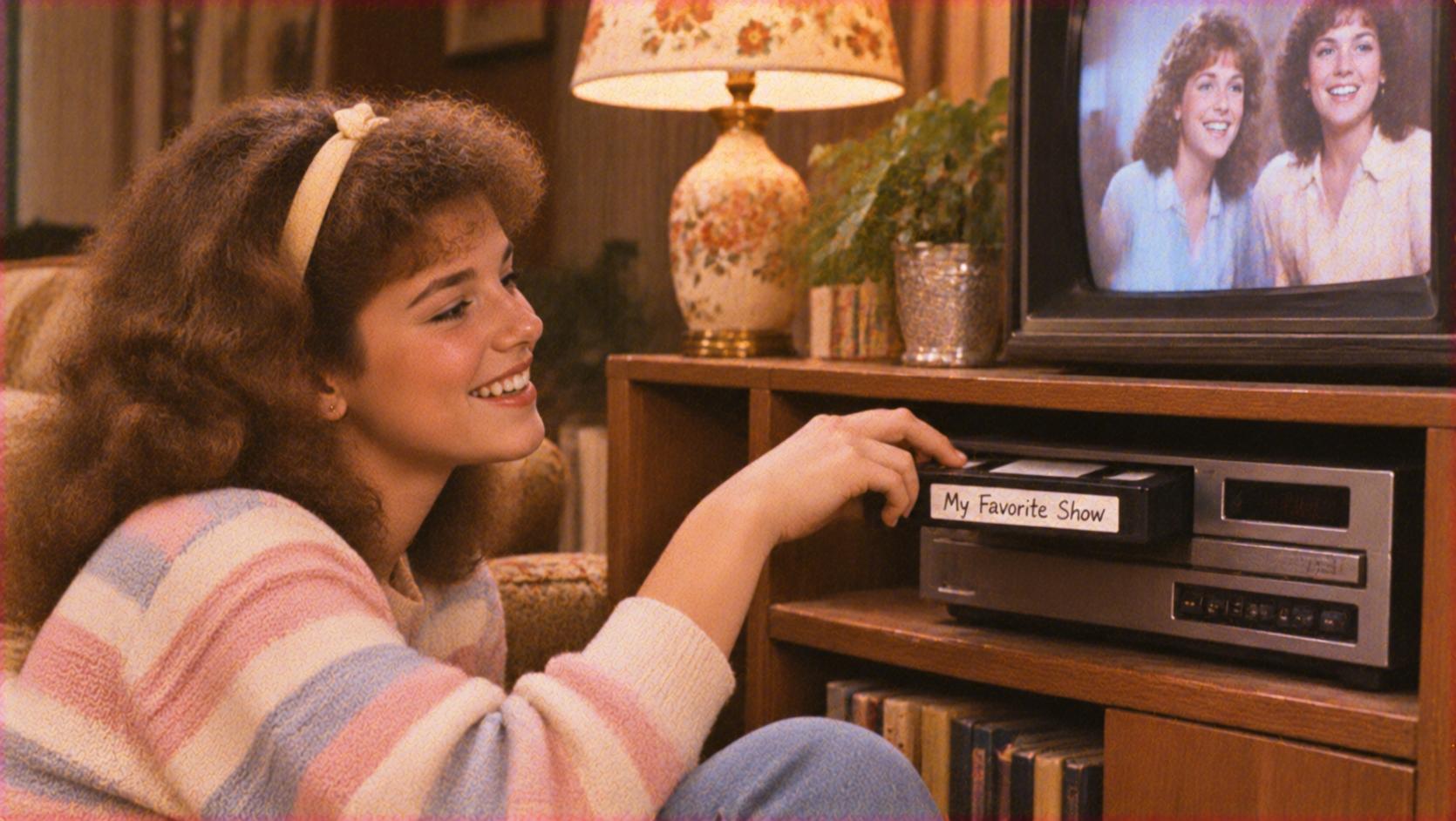
For decades, television viewers had little control over when they watched their favorite programs. If they missed an episode, they usually had to hope for a rerun. Sony’s Betamax system, introduced in 1975, helped change that by allowing people to record television broadcasts for later viewing. VHS eventually became the dominant home video format, bringing recording and playback into millions of households. The technology also fueled the popularity of movie rental stores, where families could browse shelves of films before choosing something for the weekend. Friday nights increasingly meant picking up a videotape, making popcorn, and watching a movie without leaving the house.
Sign up for our newsletter
9. MTV Made Watching Music Almost as Important as Listening to It
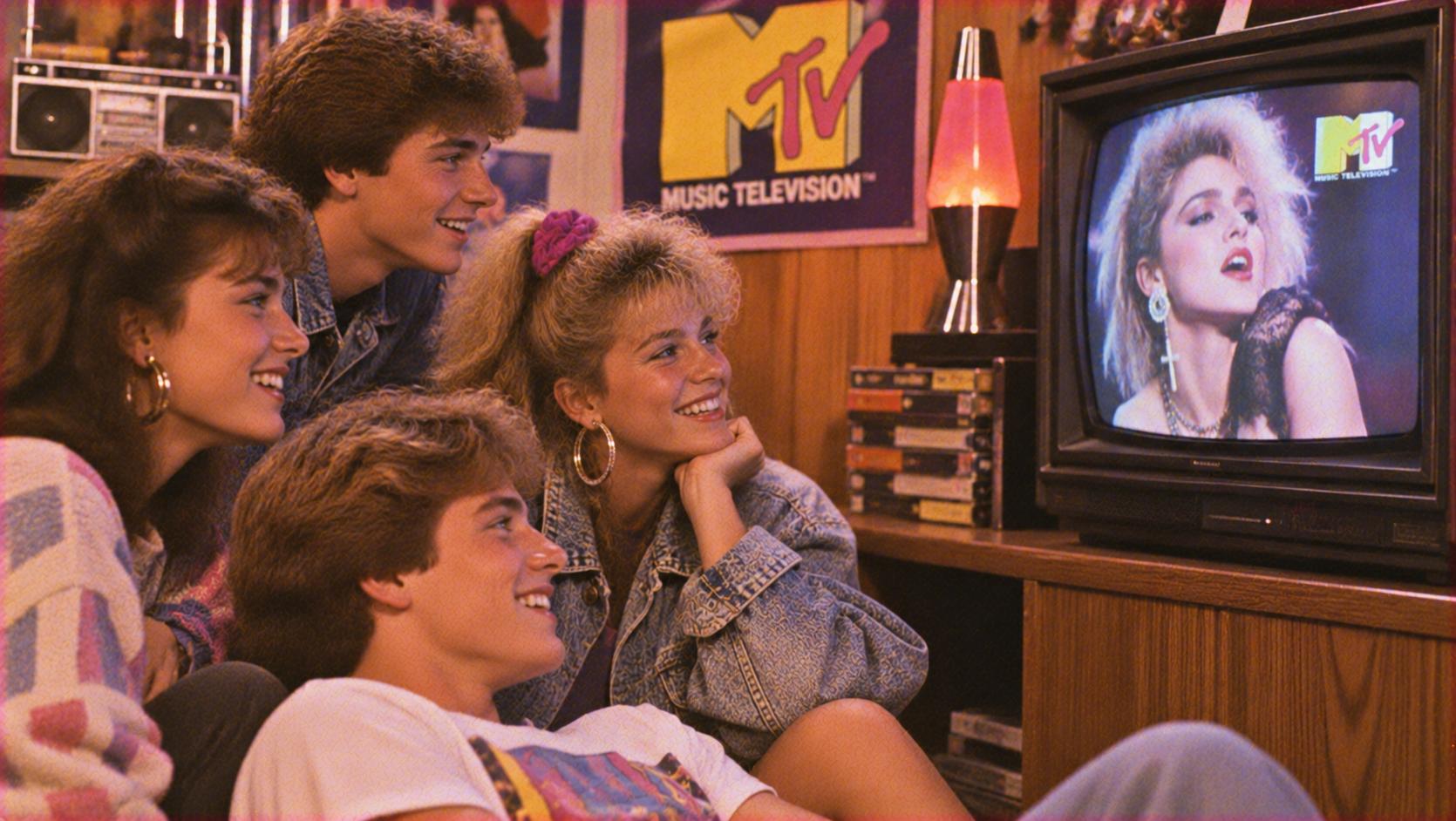
On August 1, 1981, MTV began broadcasting with the Buggles’ “Video Killed the Radio Star,” a fitting introduction to a channel that would transform popular music. Instead of simply hearing their favorite performers on the radio, viewers could watch music videos featuring elaborate costumes, choreography, and visual storytelling. For teenagers, spending an afternoon watching MTV became an activity in itself. Artists increasingly relied on memorable appearances and creative videos to attract attention, while music fans began associating songs with specific images and performances. The relationship between music and television had changed, and visual presentation became a major part of pop culture.
10. The Game Boy Made Video Games a Travel Activity
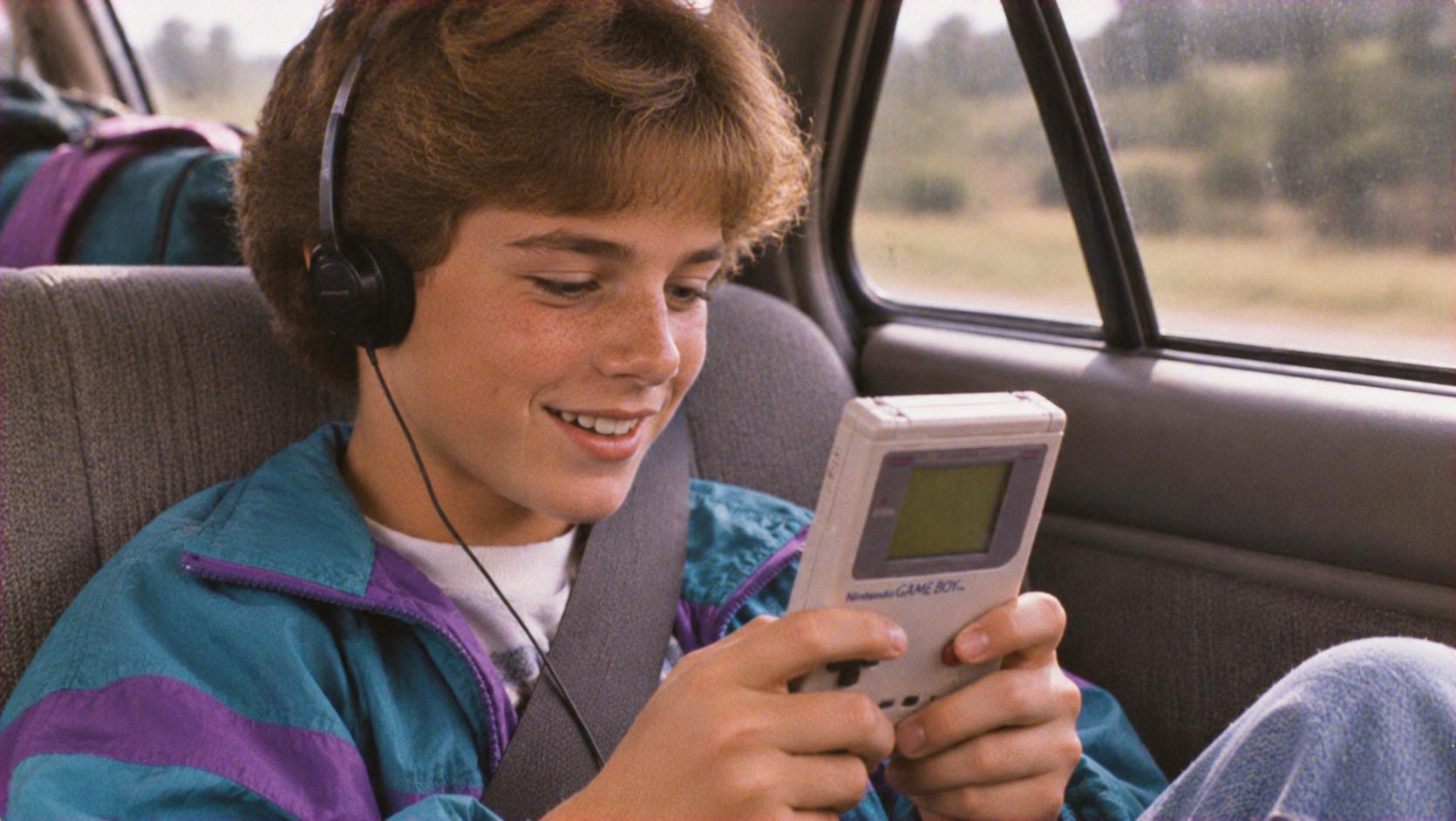
Before handheld gaming became widespread, playing video games usually meant sitting in front of a television or visiting an arcade. Nintendo’s Game Boy, released in 1989, helped bring that experience almost anywhere. Although other portable gaming systems existed, the Game Boy combined interchangeable cartridges, practical battery life, and a library of engaging games in a relatively compact device. Tetris, included with the original North American package, became particularly popular. Suddenly, long car rides, waiting rooms, and family vacations offered opportunities to play another round. Gaming no longer required a dedicated space, and entertainment could fit inside a backpack.
11. The Internet Turned Hobbies Into Communities That Could Span the World
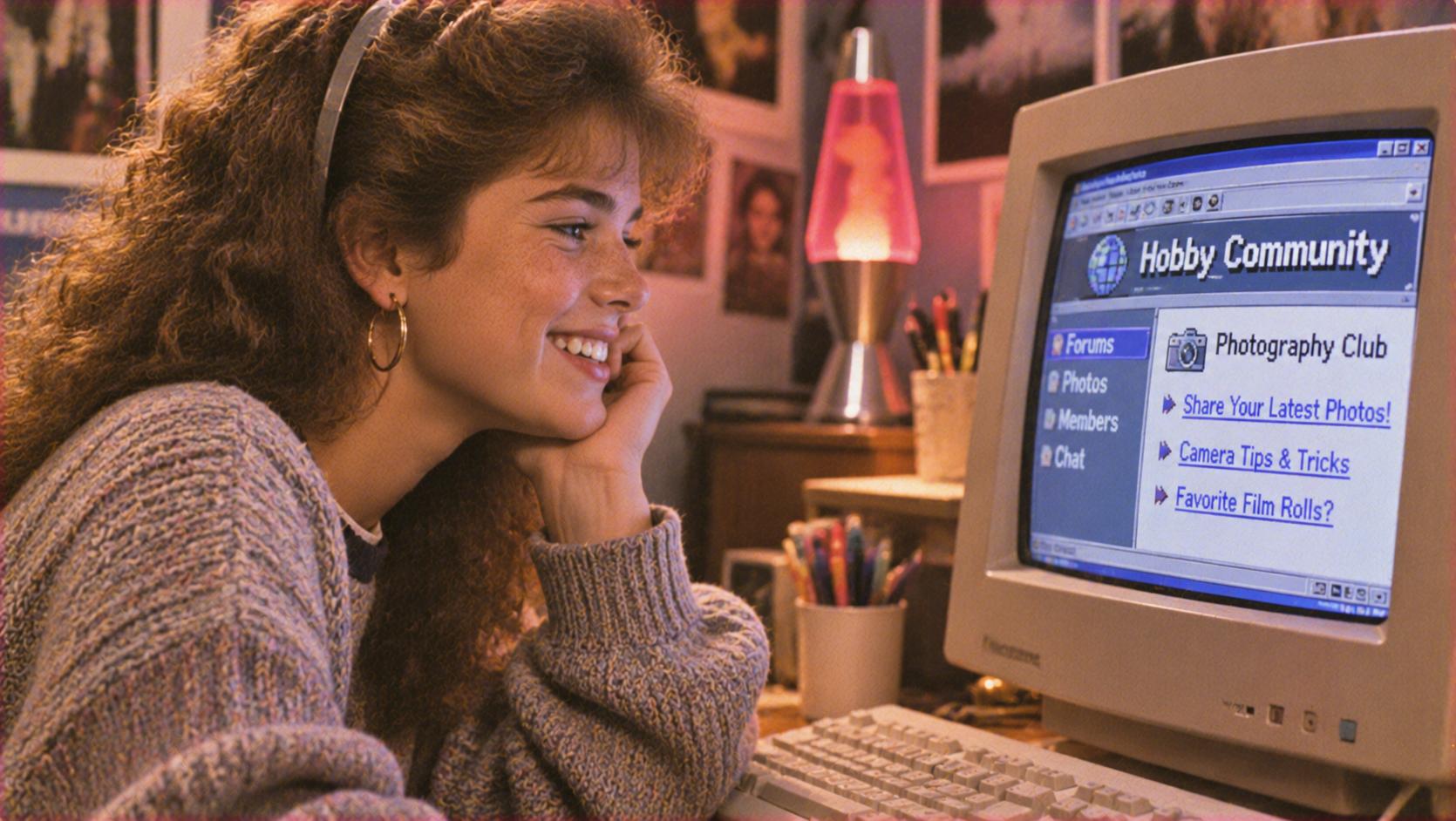
Before online communities became part of everyday life, finding people who shared an unusual hobby often depended on local clubs, magazines, or personal connections. Early computer networks and online services began changing that long before modern social media appeared. By 1990, more than two million North Americans were already using online services for activities such as discussions, email, and chatting. The development of the World Wide Web made connecting even easier over the following decade. Whether someone collected stamps, restored vintage cars, or enjoyed a particular video game, the internet made it possible to exchange ideas with enthusiasts living thousands of miles away.
12. The iPod Made Carrying Hundreds of Albums Practical
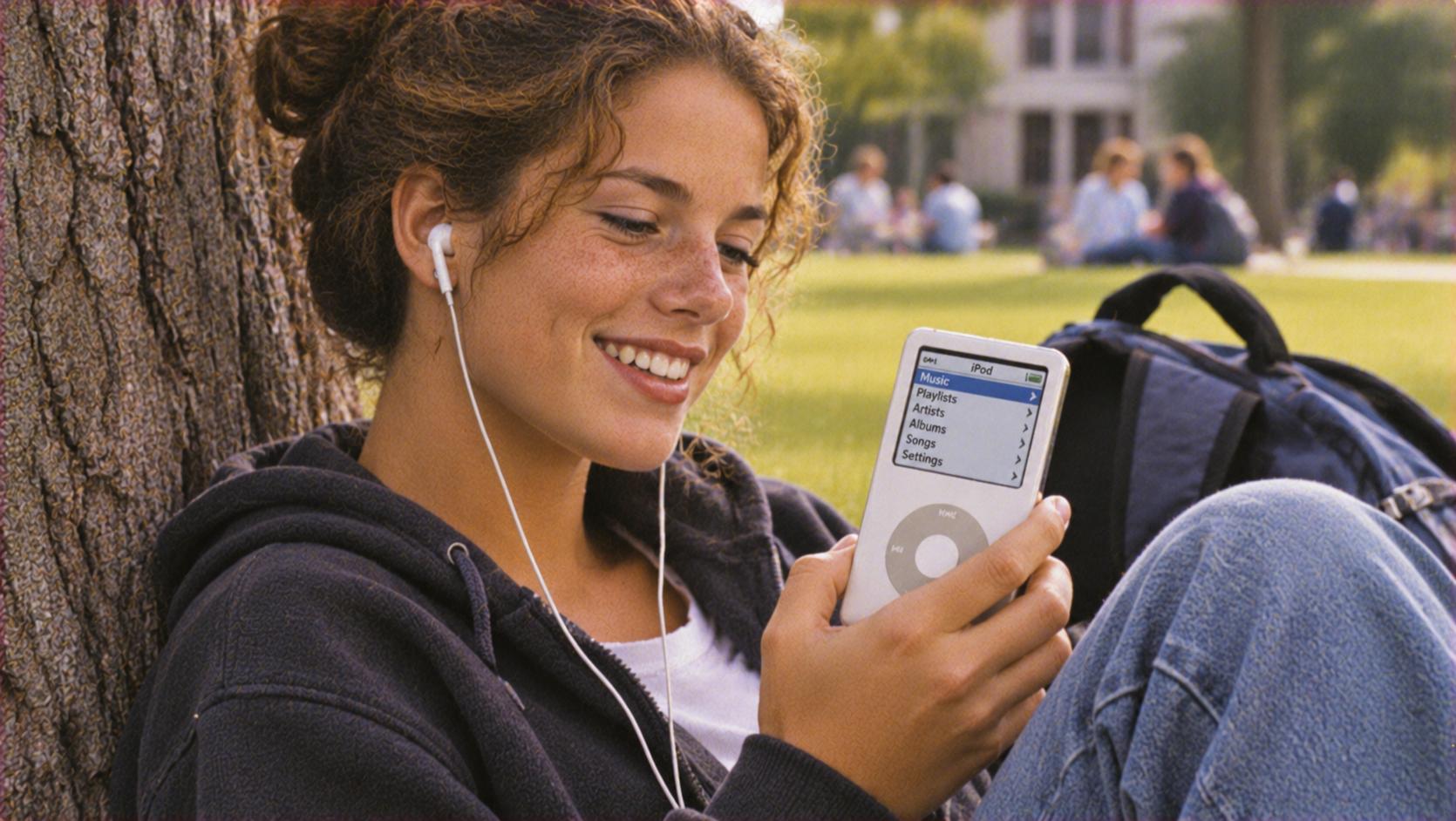
In October 2001, Apple introduced the original iPod with a memorable promise: 1,000 songs in your pocket. The device offered 5GB of storage and weighed just 6.5 ounces, making it remarkably convenient compared with carrying a portable CD player and a collection of discs. Music lovers no longer had to decide which single album to bring before leaving home. They could build playlists, shuffle between artists, and keep a substantial portion of their music collection available throughout the day. The iPod helped establish the expectation that personal entertainment should be portable, customizable, and instantly accessible.
13. Streaming Eliminated the Need to Plan Around Movie Rentals
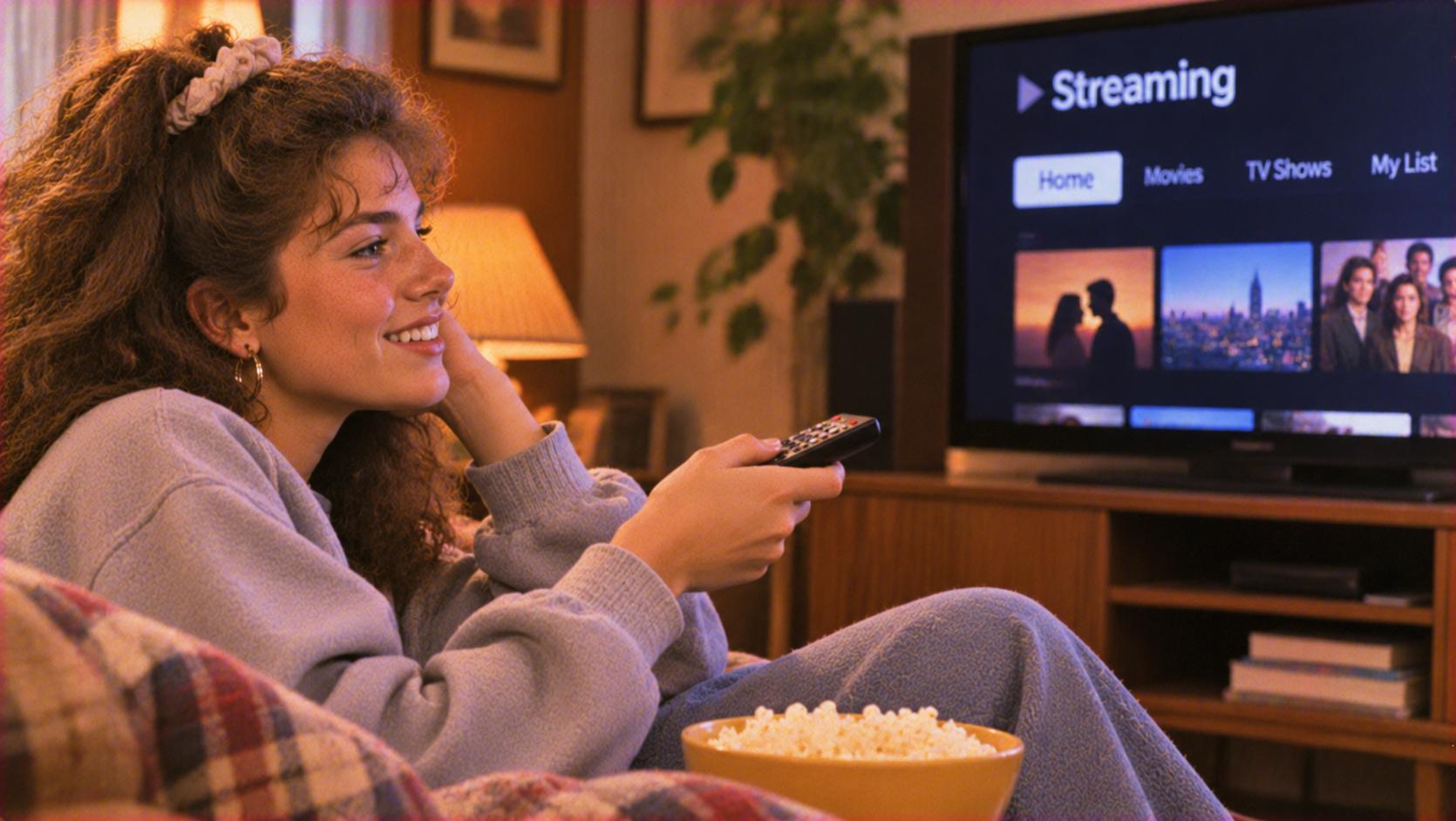
When Netflix launched its DVD rental service in 1998, customers could order movies online and receive them through the mail. That was already a major convenience compared with visiting a rental store, but an even bigger change arrived in January 2007 when the company introduced streaming. Initially, subscribers could instantly watch approximately 1,000 movies and television programs on their computers, a much smaller selection than its DVD catalog. Still, the ability to begin watching without waiting for a disc represented a new kind of freedom. As streaming expanded to televisions and other devices, browsing an online library gradually replaced the familiar ritual of visiting a video store.
14. Smartphones Turned Almost Every Spare Minute Into Potential Screen Time
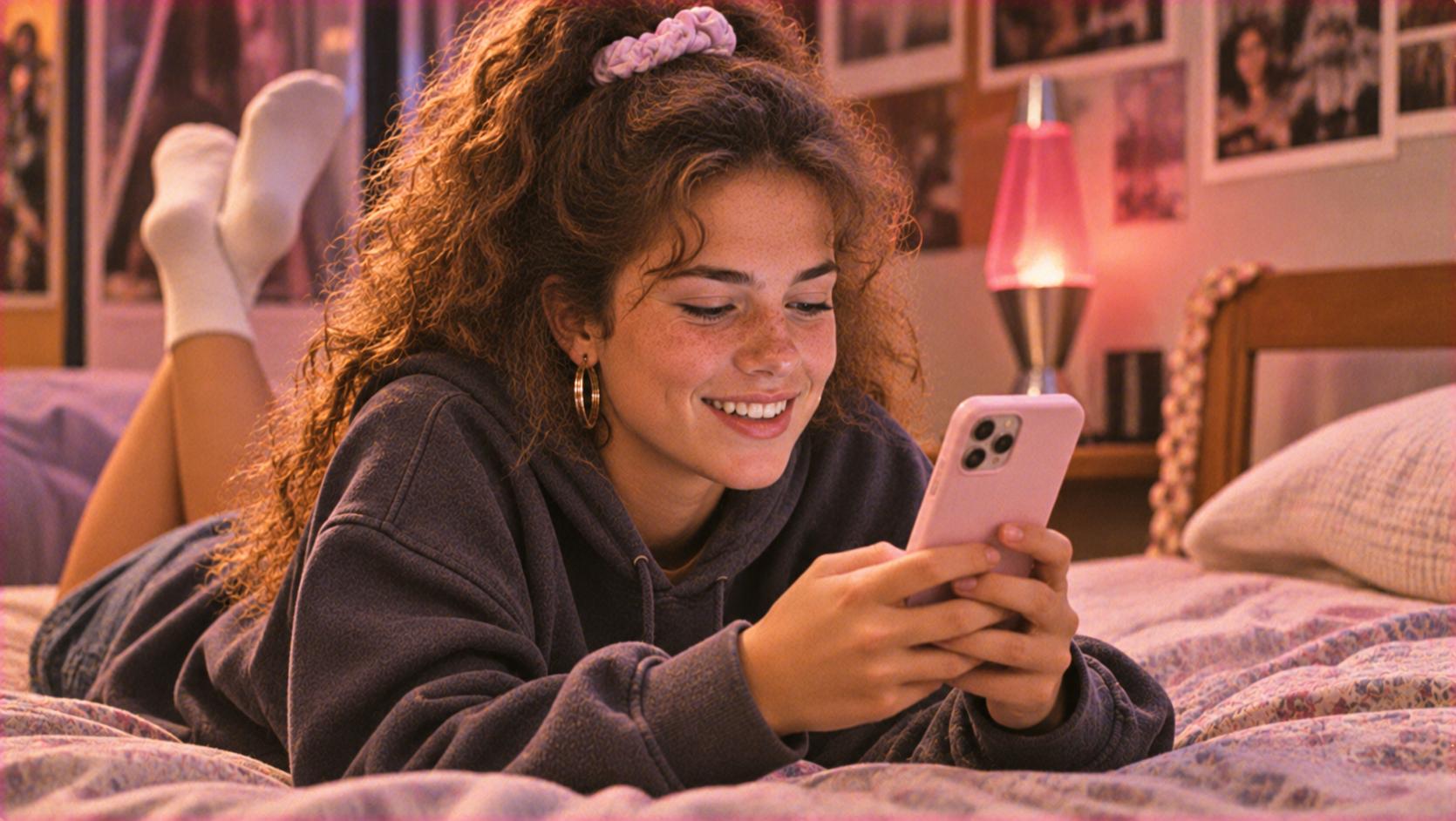
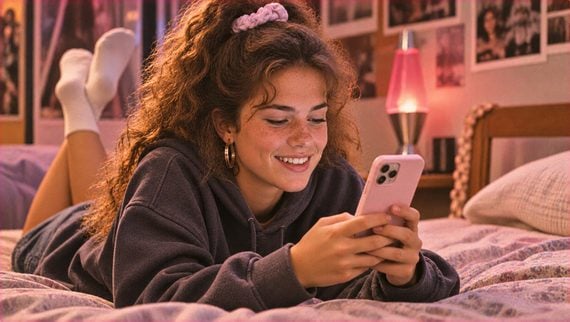
Not long ago, listening to music, taking photographs, playing games, and browsing the internet often required separate devices. Smartphones brought all those activities together in something small enough to carry everywhere. According to Pew Research Center, smartphone ownership among American adults increased from 35% in 2011 to 91% in 2026. That widespread adoption transformed how people fill ordinary gaps in their schedules. Waiting for a bus, standing in line, or sitting in a doctor’s office can now mean watching videos, messaging friends, playing games, or scrolling through social media. Entertainment is no longer something people necessarily set aside time for. It can occupy nearly any spare moment.
15. The Safety Bicycle Helped Turn Exercise Into a Popular Leisure Activity
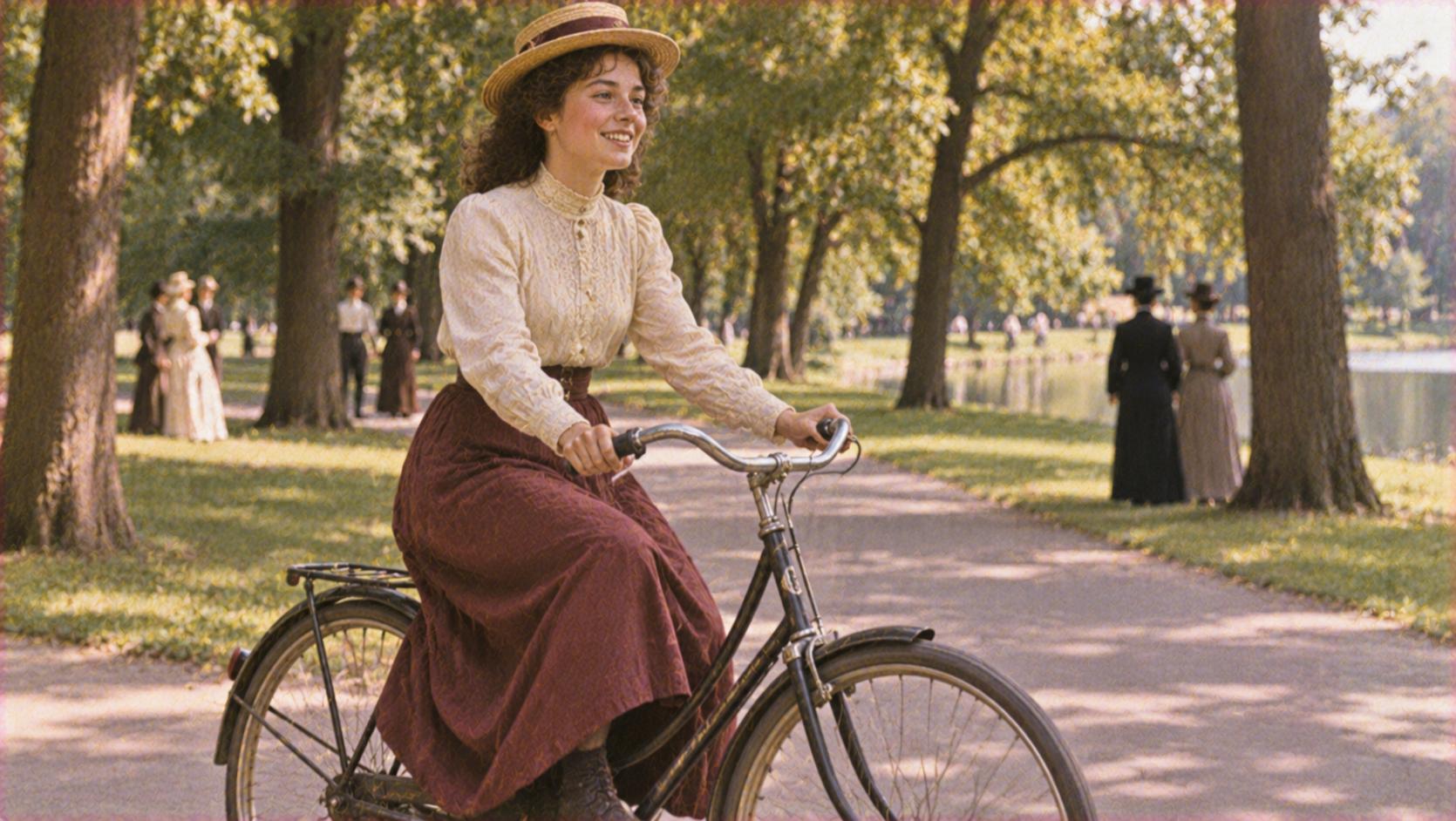
Long before electronic entertainment dominated free time, a different invention helped Americans discover a new recreational pastime. During the 1890s, bicycles with similarly sized wheels and inflatable tires became safer and easier to ride than earlier high-wheel models. The improvements helped fuel a nationwide cycling craze, with people taking recreational rides, joining cycling clubs, and exploring areas beyond their immediate neighborhoods. Bicycles also offered women greater independence and influenced clothing styles as traditional long skirts proved impractical for riding. What had once been a difficult and sometimes dangerous activity became an enjoyable way to exercise, socialize, and explore the outdoors
More Related Notes
• 15 Tech Inventions That Revolutionized Daily Life
Explore the technological breakthroughs that transformed everyday entertainment, from video game consoles and digital cameras to home computers. These inventions introduced entirely new ways for families to relax, play, and connect.
• 18 Everyday Objects That Smartphones Replaced
Discover how smartphones combined music players, portable gaming devices, cameras, and radios into a single pocket-sized device. These changes reshaped how people enjoy entertainment during their free time.
• 15 Retro Tech Items Making a Financial Comeback
Take a nostalgic look at the vintage gaming consoles, record players, and digital cameras that once defined leisure activities. Many of these devices are finding new audiences as people rediscover older ways of enjoying music, games, and photography.