

Cartoons weren’t just colorful escapes filled with slapstick humor and adventures, many of them quietly slipped in lessons about money, responsibility, and the value of hard work. Whether through characters learning the pitfalls of greed or showing how teamwork could be more profitable than selfishness, these shows planted seeds of financial wisdom in young viewers. Looking back, it is clear that Saturday mornings were also classrooms in disguise. Dive into 12 Times well-known cartoons have taught kids about money.
1. DuckTales
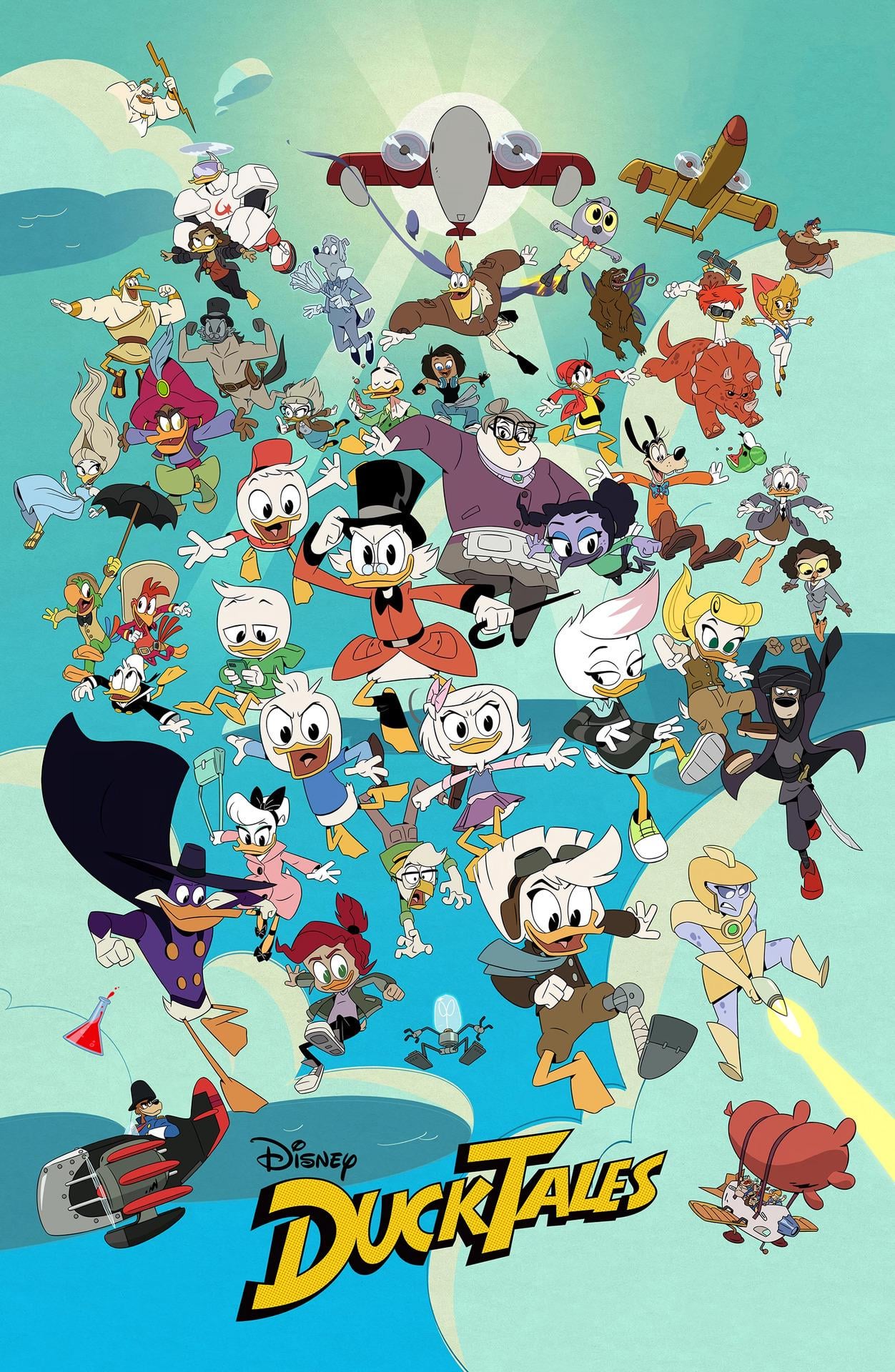
Scrooge McDuck’s vault of gold coins wasn’t just a running gag, it symbolized the rewards of saving and investing. The show often highlighted Scrooge’s obsession with protecting his fortune, and the dangers of reckless spending. Kids absorbed the idea that wealth comes from discipline and smart choices, not luck alone.
2. The Flintstones
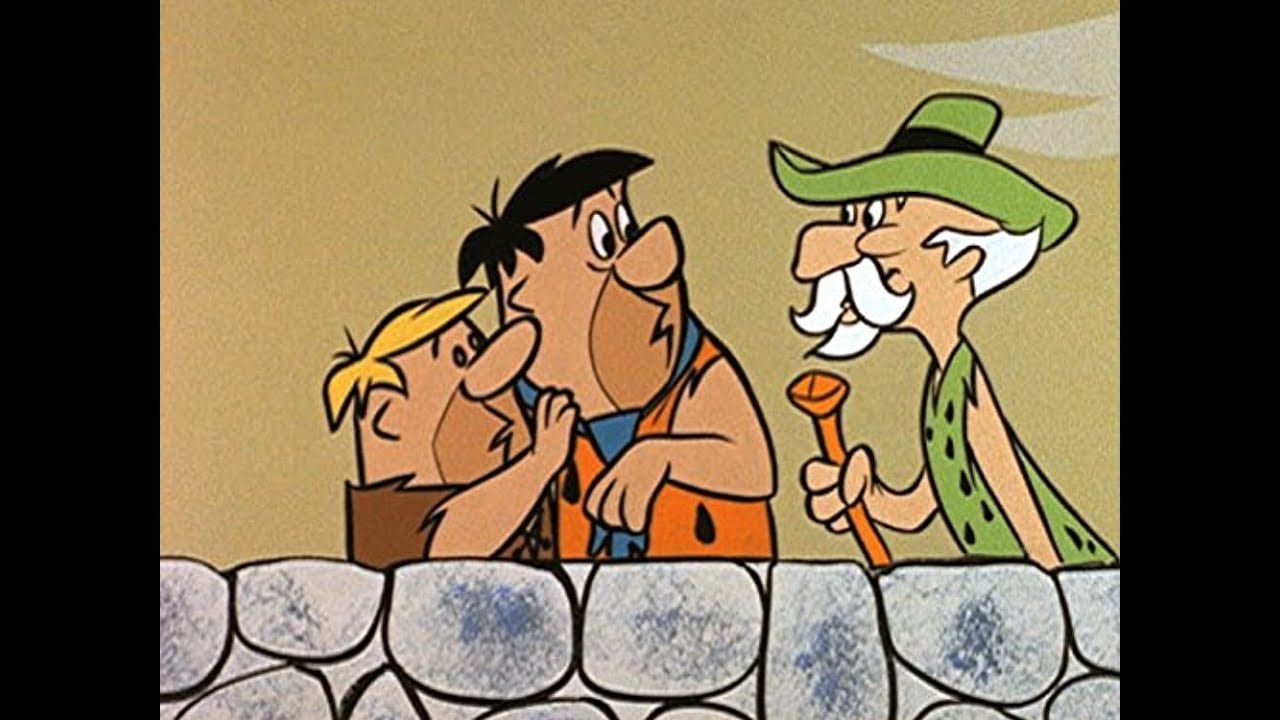
Fred Flintstone’s constant scheming for quick riches, from gambling at the Water Buffalo lodge to chasing get-rich-quick inventions, showed the risks of shortcuts. Episodes often ended with Fred realizing that hard work and family mattered more than chasing easy money.
3. The Jetsons

Set in a futuristic world, The Jetsons explored consumerism and the allure of gadgets. George Jetson’s paycheck struggles and Jane’s shopping sprees reflected real household budgeting issues, teaching kids that even in an advanced future, managing expenses is key.
4. Richie Rich
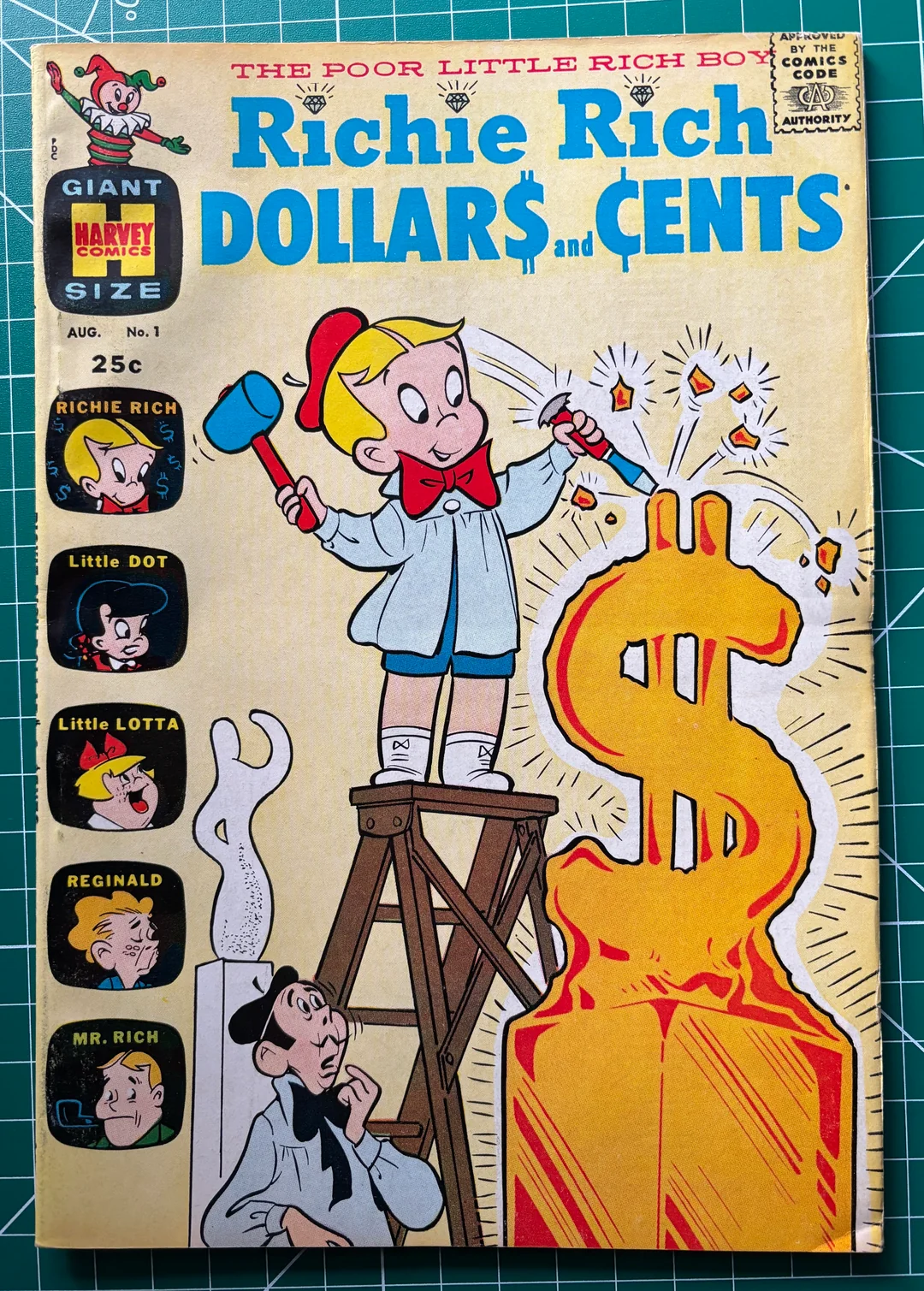
This cartoon revolved around the “poor little rich boy” who had everything money could buy but still faced challenges money could not solve. It taught that wealth doesn’t guarantee happiness or friendship, and generosity often matters more than possessions.
5. Garfield
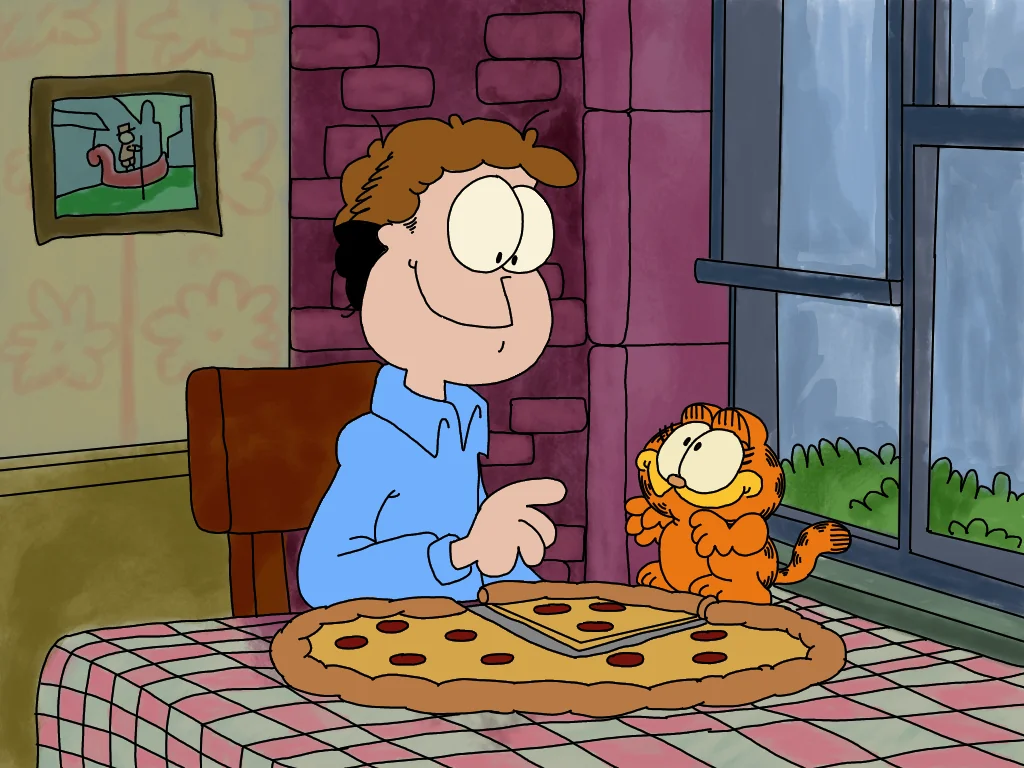
Garfield’s obsession with food, especially lasagna, often led to humorous lessons about greed and overindulgence. While not directly about money, the cartoon reflected how unchecked desires can drain resources, a metaphor for overspending.
Trending on Wealth Gang


6. Scooby-Doo

The gang’s adventures often revealed villains motivated by greed, disguising themselves to chase treasure or profit. These stories taught kids that dishonesty and shortcuts to wealth always backfire, highlighting the importance of teamwork and integrity.
7. Animaniacs

Through satire and parody, Animaniacs poked fun at Hollywood excess and consumer culture. By exaggerating the absurdity of fame and fortune, it showed kids that chasing money and status could be ridiculous and empty.
8. The Simpsons

Bart and Homer’s endless businesses, from selling lemonade to betting on races, highlighted the pitfalls of poor financial planning. Meanwhile, Lisa often represented the voice of reason, teaching viewers about responsibility and long-term thinking.
Sign up for our newsletter
9. Recess

The playground economy in Recess was a brilliant metaphor for real-world markets. Kids traded snacks, favors, and even playground privileges, showing how supply, demand, and negotiation shaped value.
10. SpongeBob SquarePants

Mr. Krabs embodied the dangers of greed, constantly looking to maximize profits at the Krusty Krab. SpongeBob’s loyalty and work ethic contrast with Mr. Krabs’ obsession, teaching that passion and dedication matter more than money alone.
11. Tom and Jerry

Tom and Jerry´s episodes involving treasure hunts or contests often showed how greed led to chaos. The endless chase for reward mirrored how selfish pursuit of wealth can destroy cooperation.
12. Arthur

Arthur and his friends often tackled everyday issues like allowance, saving for toys, or fundraising. These relatable stories gave kids practical lessons about budgeting, sharing, and the value of money in daily life.
From Scrooge McDuck’s depository in DuckTales to the playground economy in Recess, these stories have shown kids that saving, budgeting, and teamwork mattered just as much as chasing treasure or winning contests. Whether it was Fred Flintstone learning that shortcuts don’t pay off, or Mr. Krabs proving that greed can backfire, cartoons planted seeds of financial literacy in ways that stuck. Looking back, Saturday mornings were not just about laughs, they were classrooms in disguise, teaching values of responsibility and the idea that true wealth comes from effort, integrity, and community.