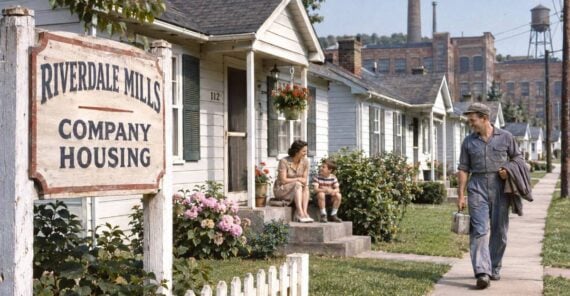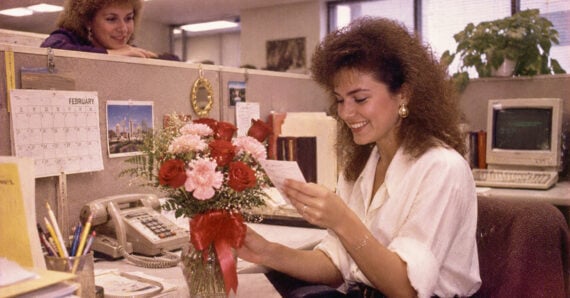
There was a time when common tasks could take up an entire afternoon. Paying a bill, renting a movie, or buying concert tickets often meant getting dressed, grabbing the car keys, finding parking, and standing in line. Even the smallest errand could turn into a surprisingly complicated outing, especially when several stops had to be squeezed into one day.
Of course, some things could already be handled by telephone or mail, but the internet changed how Americans manage everyday responsibilities. Today, a few taps can replace trips that once required careful planning. These 20 familiar errands show just how much time people used to spend getting things done outside the house.
1. Paying Utility Bills at a Payment Counter
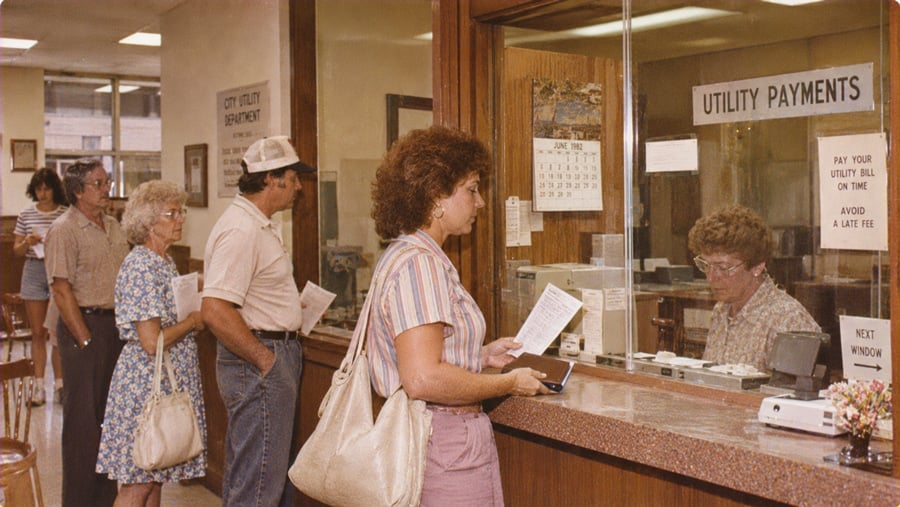
Before online payments and automatic withdrawals became common, paying the electric or gas bill could mean visiting a local utility office. Customers arrived with folded paper statements, cash, or checkbooks, then waited for a clerk to process the payment and stamp a receipt. Some people made these stops during lunch breaks or combined them with other errands around town. Mailing a check was another option, but anyone who preferred paying in person had to plan around office hours. Today, the same bill can often be paid in seconds without leaving the couch.
2. Depositing a Paper Check at the Bank
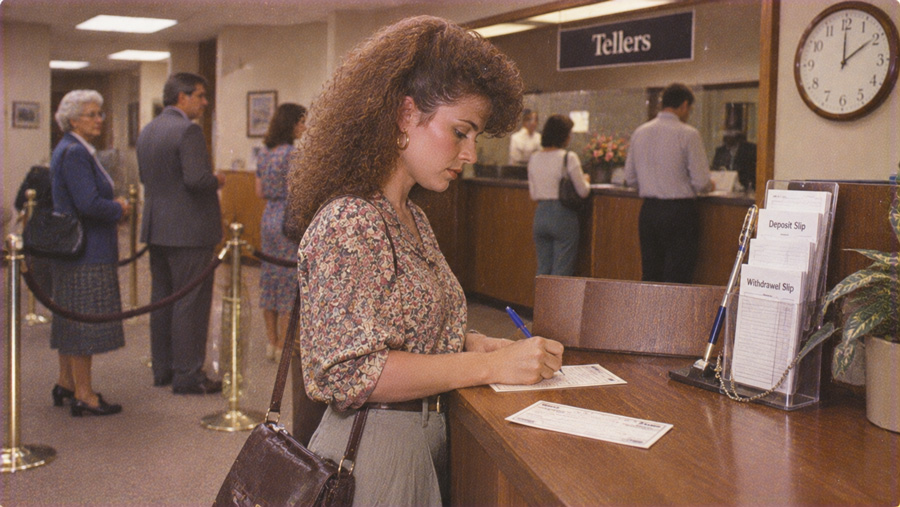
Getting paid by check once came with an extra step: taking it to the bank. Employees might stop by a branch after work, fill out a deposit slip, and wait for a teller to handle the transaction. If the bank closed before they arrived, the check might have to wait until another day. ATMs eventually made deposits more convenient, but the process still involved physically transporting the check. Mobile deposit has since turned what was once a routine bank visit into something many people can handle with a phone camera.
3. Sending Money to Someone in Another City
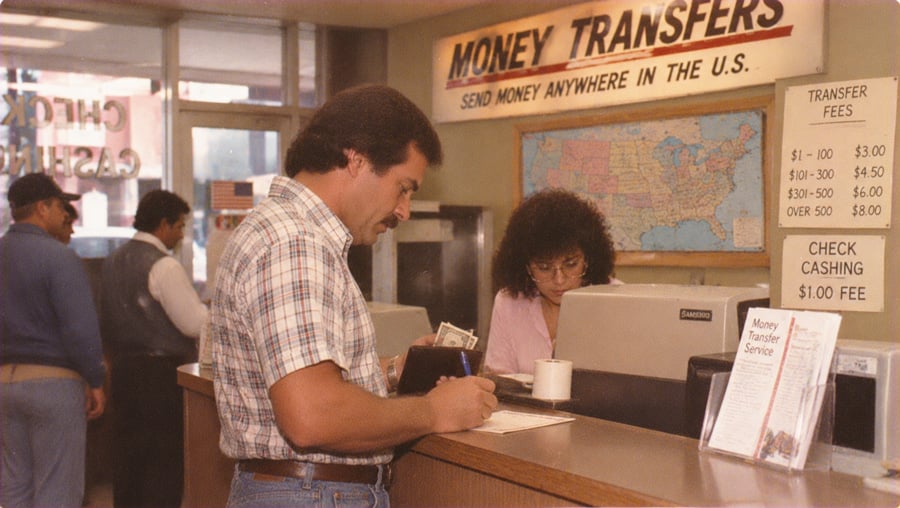
Sending money to a relative or friend who lived far away wasn’t always a quick transaction. Depending on the situation, people visited banks, purchased money orders, or went to money-transfer counters to arrange the payment. They needed the recipient’s information and sometimes had to explain the process to a clerk. The person receiving the money might then have to visit another location to collect it. Digital banking and payment apps have made many of these transfers possible without either person leaving home.
4. Buying Postage Stamps at the Post Office
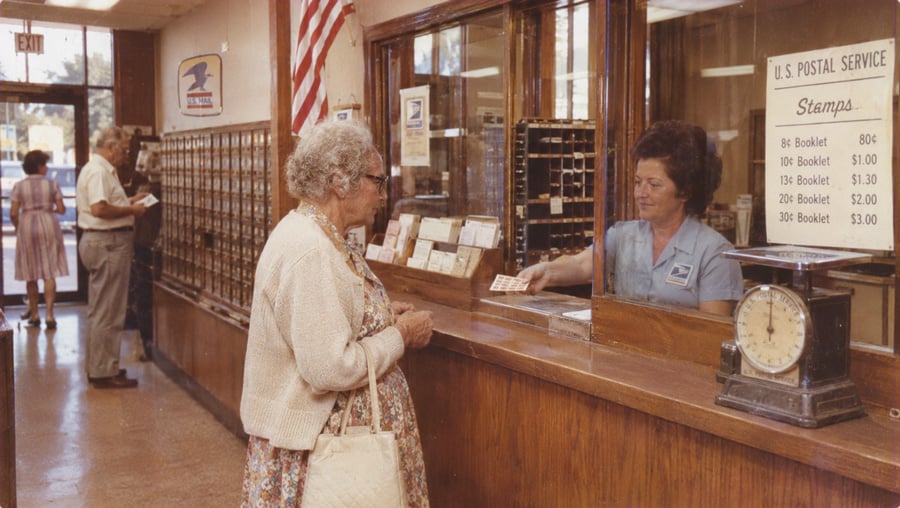
Running out of stamps could turn a simple letter into another item on the day’s to-do list. People often stopped at the post office, waited in line, and purchased a book of stamps to keep in a kitchen drawer or desk. Buying extras was a practical way to avoid repeating the trip. Stamps are still used today, but they can be ordered online and delivered to the door. For many households, the familiar errand of stopping at the post office counter just to mail a birthday card has largely disappeared.
5. Taking a Package to the Shipping Counter
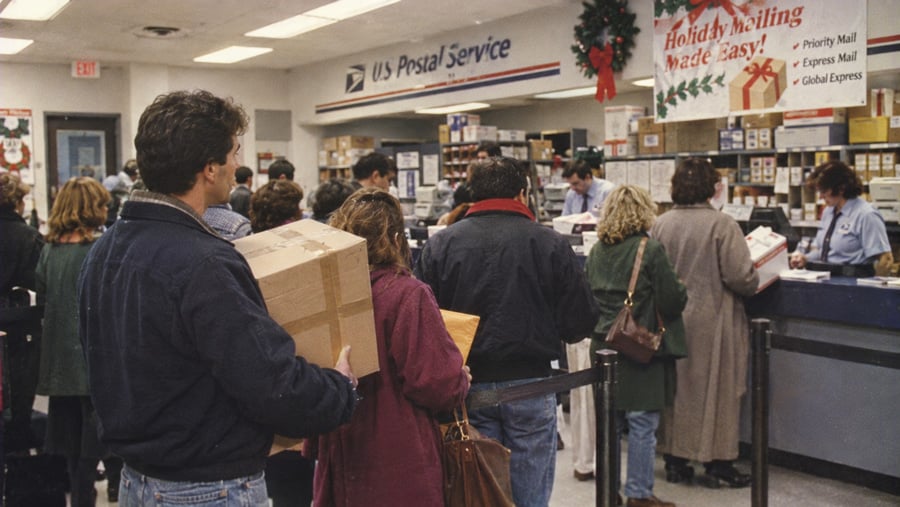
Sending a birthday present or returning an item by mail once usually meant carrying a cardboard box to the post office or shipping store. Customers stood in line while employees weighed packages, calculated postage, and prepared shipping labels. During the holidays, the wait could stretch much longer than expected. Today, many people print labels at home and schedule pickups for eligible prepaid packages. Some shipments still require a counter visit, but the ordinary task of mailing a box no longer always involves a separate trip.
Trending on Wealth Gang

6. Visiting a Tax Preparer to File a Return
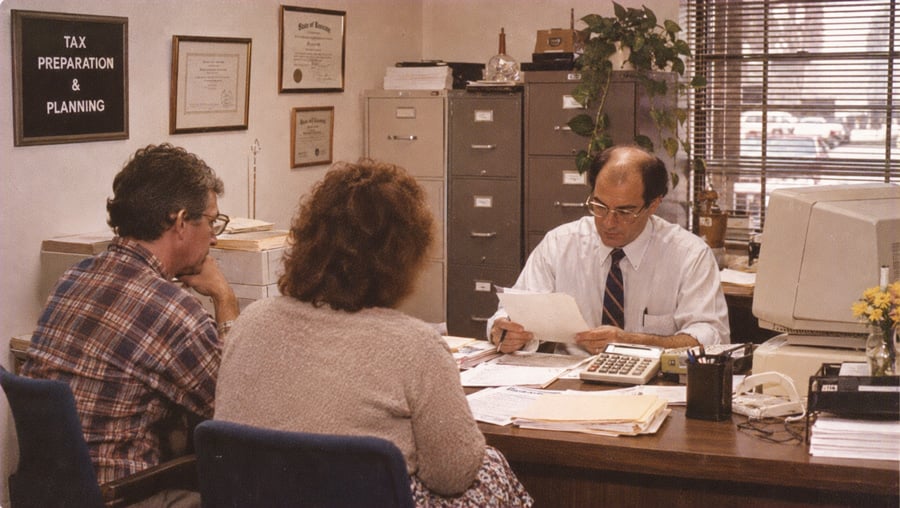
Tax season once meant gathering W-2 forms, receipts, and folders of paperwork before heading to an accountant’s office. People who wanted professional assistance made appointments, sat across a desk, and answered questions while someone worked through their return. Others completed paper forms at home and mailed them to the IRS. Electronic filing began expanding in the late 1980s and early 1990s, and online tax software eventually allowed many Americans to prepare and submit returns from home. The annual trip to a tax office became optional for plenty of taxpayers.
7. Renewing a Vehicle Registration at the DMV
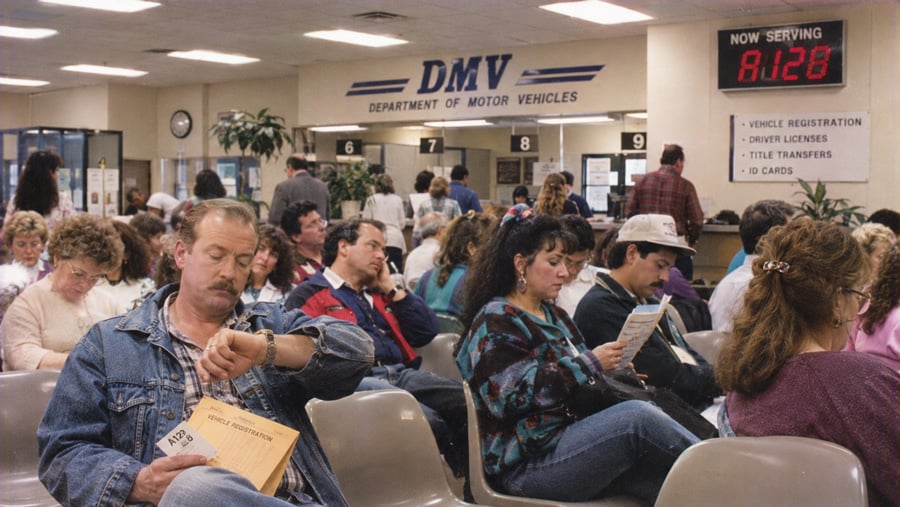
A trip to the DMV was once a familiar part of keeping a car legally on the road, although mail renewals were also available in many places. Drivers brought registration paperwork, identification details, and payment, sometimes taking a number before settling into a crowded waiting area. The visit could consume a lunch break or an entire morning. Online renewal systems now let eligible vehicle owners in many states handle the process electronically, avoiding the chairs, ticket numbers, and repeated glances at the clock.
8. Renewing a Passport With Paperwork and a Trip to the Mailbox
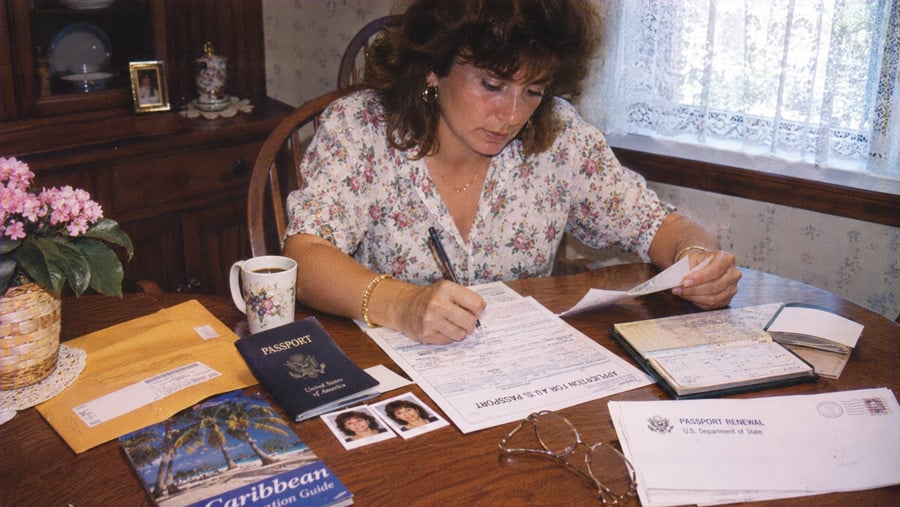
Renewing a passport used to involve printed applications, passport photographs, and a trip to mail the required documents. People who weren’t eligible for renewal by mail generally had to visit an acceptance facility in person. Even routine renewals could involve collecting paperwork, finding a suitable photo, and making sure everything was packaged correctly. Eligible American adults can now complete certain routine passport renewals online using digital forms and photographs. Not everyone qualifies, but for many travelers, the process has become considerably less dependent on physical errands.
Sign up for our newsletter
9. Registering to Vote at a Government Office
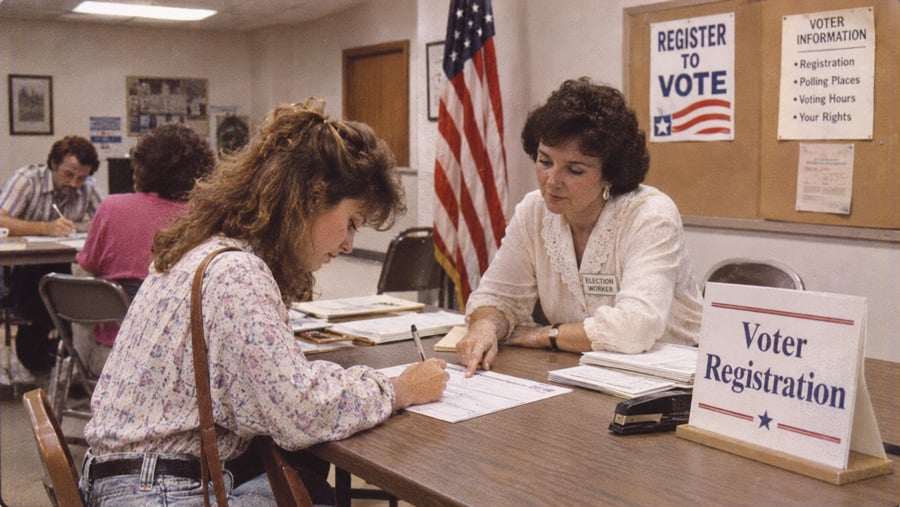
Registering to vote often meant completing a paper form at a local election office, motor vehicle department, or another designated location. Depending on the state, applicants might visit an office to provide their information or obtain the necessary paperwork. Registration drives also brought forms directly into communities. Today, most states offer online registration or updates for eligible voters, although rules and deadlines still vary. What once involved a special stop at a government building can often be completed from a personal computer.
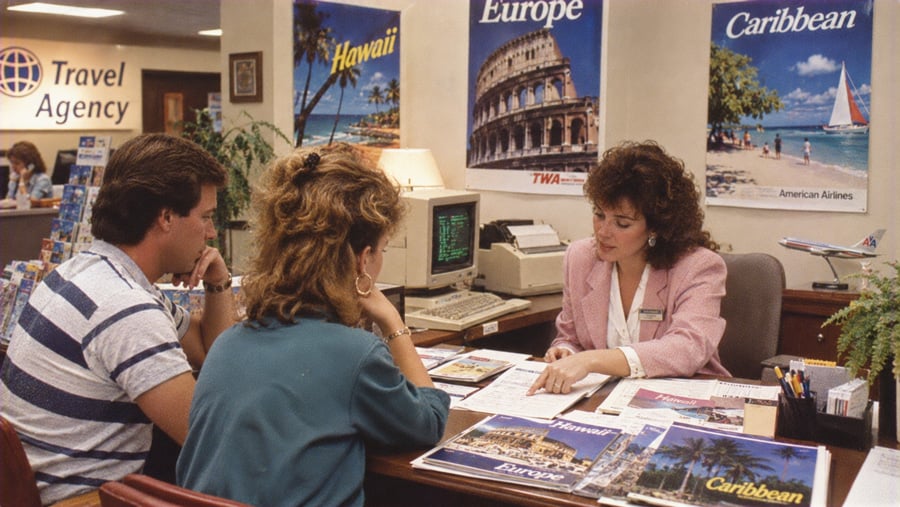
10. Visiting a Travel Agency to Buy Plane Tickets
Wealthgang
Planning a flight once frequently involved sitting across from a travel agent surrounded by brochures, airline schedules, and printed fare information. The agent compared routes, checked reservations, and arranged tickets, sometimes issuing physical documents travelers had to keep safe until departure. Calling an airline directly was another option, but visiting an agency was a common way to organize more complicated journeys. Today, travelers can compare flights, select seats, and receive electronic tickets without ever entering a travel office.
11. Comparing Hotels With a Travel Agent
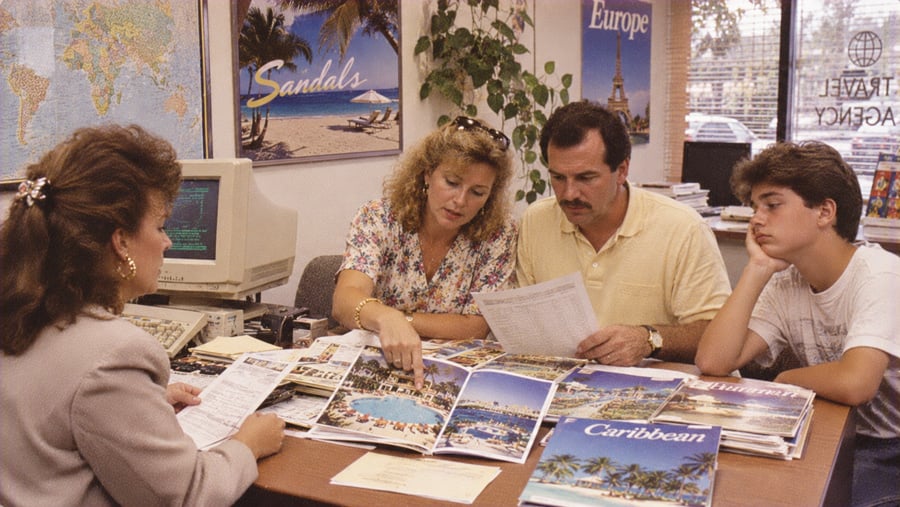
Choosing a hotel before online booking platforms could involve a surprising amount of research. Travelers called properties directly, studied brochures, or visited a travel agency to compare room prices, locations, and amenities. Photographs were limited, and there were no endless galleries of guest reviews to scroll through. A travel agent might spread several brochures across a desk while helping a family decide where to stay. Hotel websites and booking platforms eventually made that comparison process possible from home, often with far more information available.
12. Standing in Line to Buy Concert Tickets
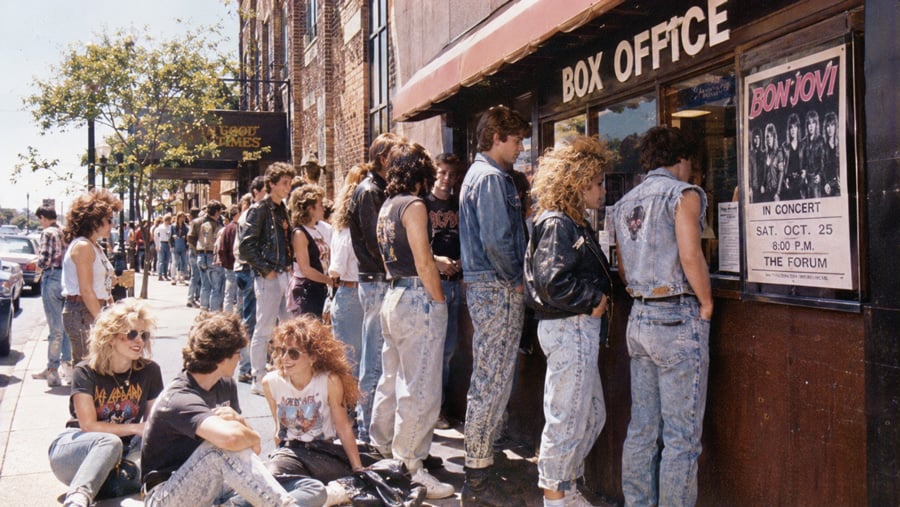
Before online ticket sales became the norm, getting seats for a popular concert could require showing up at a venue box office or authorized ticket outlet. Dedicated fans sometimes arrived hours early, hoping the best seats wouldn’t sell out before they reached the window. There was excitement in the line, but also plenty of anxiety as everyone wondered what would still be available. Today, tickets can be purchased electronically and often stored on a phone, replacing the physical trip with a different kind of waiting.
13. Driving to a Video Store to Rent a Movie
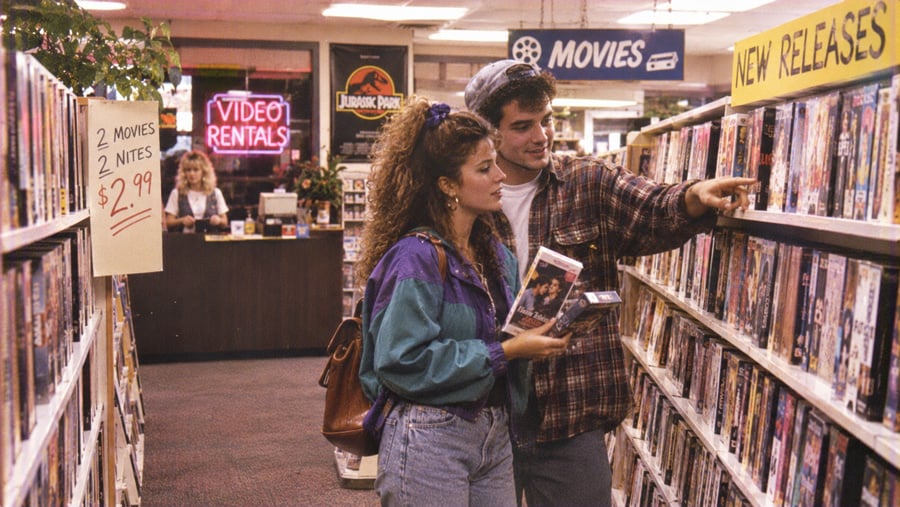
Friday night entertainment once began with a trip to the neighborhood video store. Families and couples wandered through aisles of VHS tapes, debated which movie to rent, and hoped their first choice wasn’t already checked out. The plastic cases, handwritten staff recommendations, and occasional late fees were all part of the experience. Renting a movie also meant remembering to return it before the deadline. Streaming services eventually eliminated the need to drive somewhere just to watch a film, but they also removed the familiar ritual of browsing shelves together.
14. Dropping Off Camera Film to Be Developed
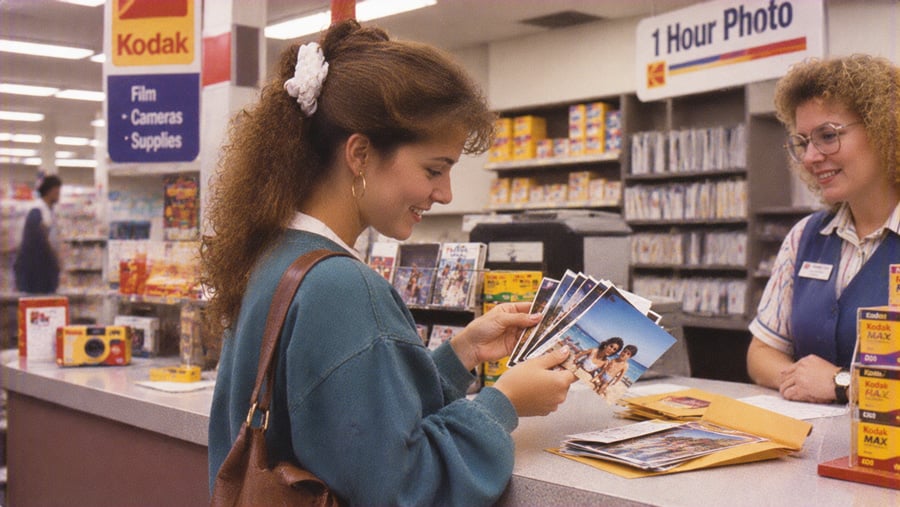
Finishing a roll of film was only the first step toward seeing the photographs. People brought 35mm film cartridges or disposable cameras to pharmacies, camera shops, or photo labs, then waited for the pictures to be processed. Returning to collect the envelope of prints was often the exciting part, especially after a vacation or family celebration. Some photos turned out blurry, dark, or completely different from what the photographer expected. Digital cameras and smartphones eventually made that waiting period unnecessary for most everyday pictures.
15. Going to the Library to Borrow a Book
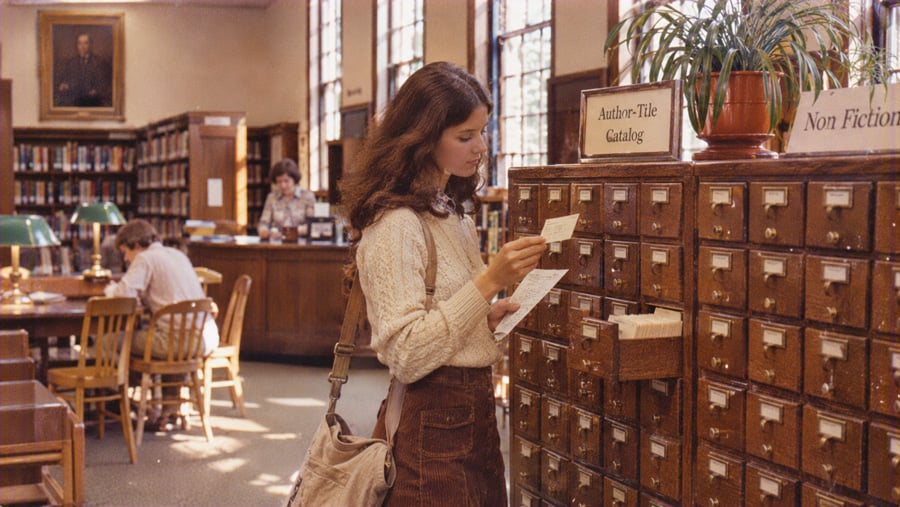
Borrowing a book once meant physically visiting the library, searching the shelves, and bringing a selected title to the circulation desk. Readers sometimes checked the card catalog first or asked a librarian to help locate something specific. Returning the book before its due date was another trip to remember, unless a renewal could be arranged. Digital lending services now allow participating library members to borrow e-books and audiobooks remotely. Libraries still serve important community roles, but reading a borrowed book no longer always requires entering the building.
16. Making a Grocery Run for Household Essentials
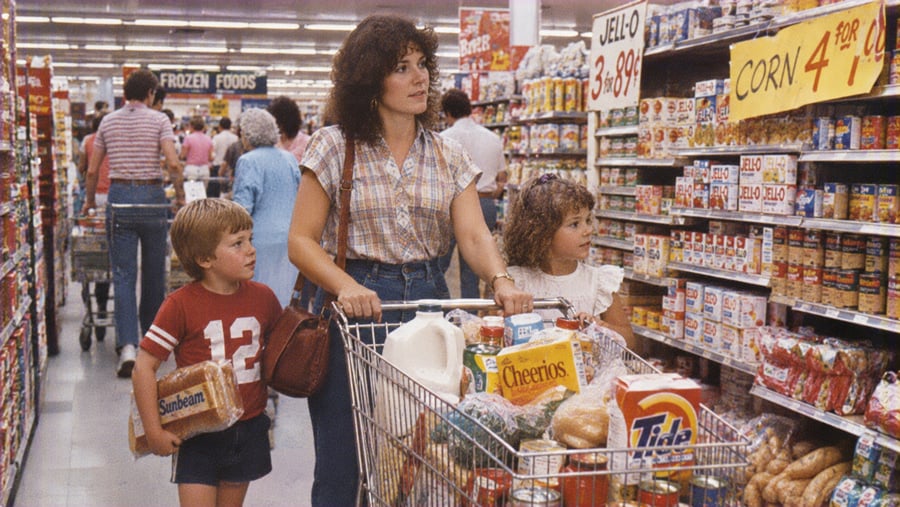
Running out of milk, bread, or laundry detergent once meant adding another stop to the day’s schedule. Families drove to supermarkets, pushed carts through crowded aisles, waited at checkout counters, and carried everything back home. For people with limited transportation or busy schedules, even a short grocery list could be inconvenient. Grocery delivery existed in some places long before the internet, but online ordering has made home delivery accessible to many more shoppers. Today, ordinary household essentials can often arrive without anyone stepping inside a store.
17. Picking Up Routine Prescription Refills
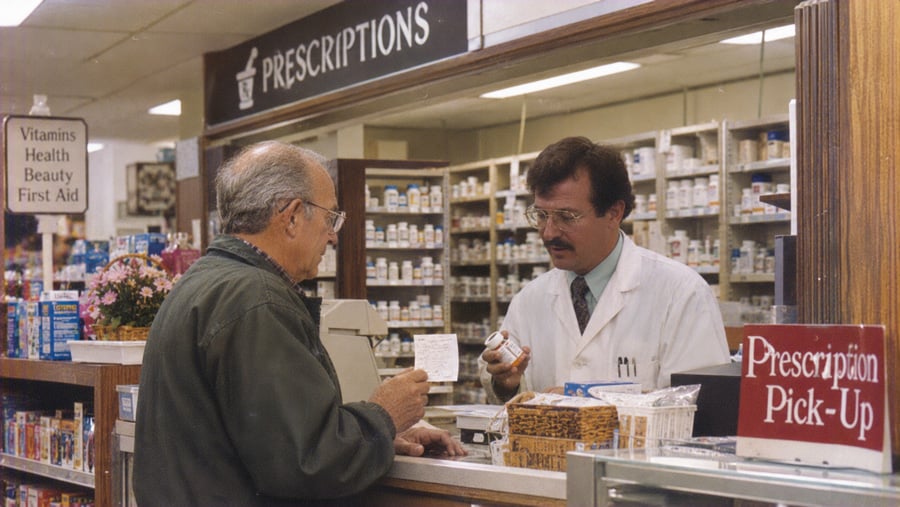
For people taking medication regularly, visiting the pharmacy could become a monthly routine. Customers dropped off prescriptions, waited for them to be filled, or returned later to collect their medication. A busy pharmacy or inconvenient opening hours could make a simple refill more time-consuming than expected. Mail-order pharmacy programs now allow eligible patients to receive certain prescriptions at home, sometimes in larger supplies. In-person pharmacy visits remain important, but many routine refills no longer require a dedicated trip.
18. Visiting a Doctor’s Office for Every Routine Consultation
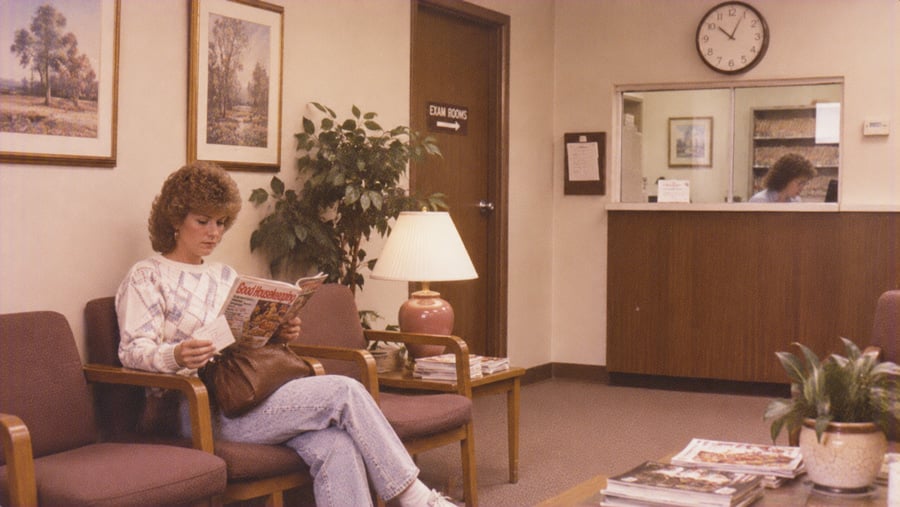
Even a relatively simple medical question once often required an appointment, transportation, and time in a waiting room. Patients traveled to clinics for follow-up conversations, discussions about symptoms, or questions about ongoing treatment. A short consultation could take up a significant part of the day once the commute and waiting time were included. Telehealth now allows some medical conversations to happen through video or telephone appointments. Physical examinations and certain treatments still require in-person care, but not every routine discussion needs a trip to the doctor’s office.
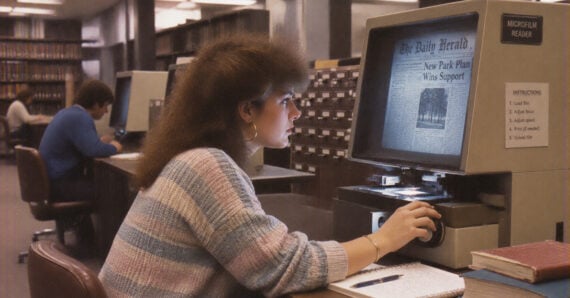
19. Visiting a Library to Research Old Newspaper Articles
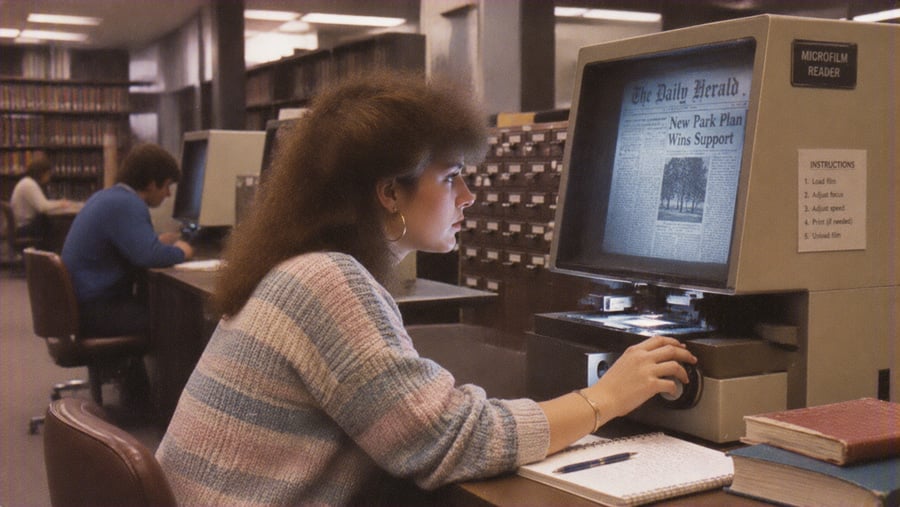
Finding a newspaper story from decades earlier could once require a special trip to a library or historical archive. Researchers searched bound newspaper volumes or loaded reels of microfilm into viewing machines, slowly scanning pages for the right date and headline. The process could take hours, especially when the exact publication date wasn’t known. Digitized newspaper collections now make many historical articles searchable from home. Projects such as the Library of Congress’s Chronicling America have transformed research that once required specialized equipment and plenty of patience.
20. Visiting a Record Store to Buy an Album
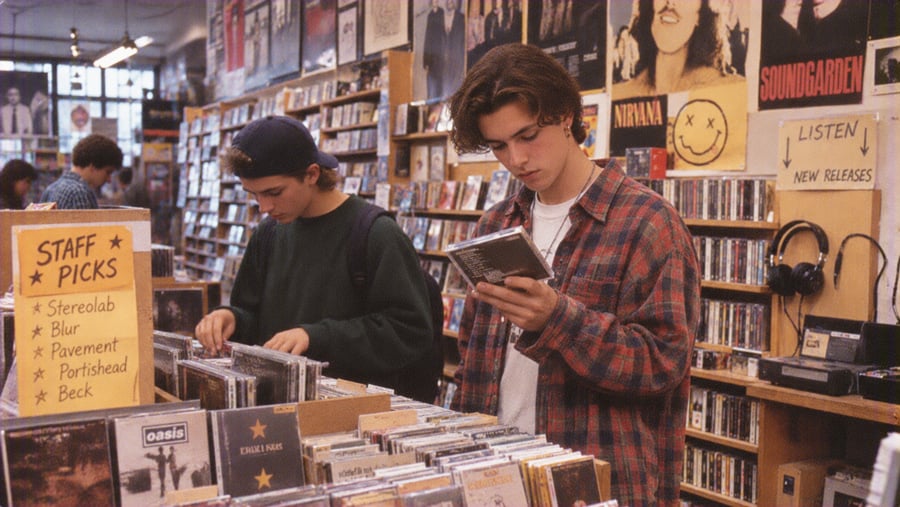
Getting a newly released album once meant making a trip to a record store and hoping it was in stock. Music fans flipped through vinyl records, cassettes, or CDs, sometimes visiting several shops to find a particular artist or release. The experience included studying album covers, reading track lists, and occasionally listening to music at an in-store station. Digital downloads and streaming eventually made enormous music catalogs accessible without a physical purchase. Record stores still have devoted customers, but discovering and hearing a new album no longer requires a trip across town.
More Related Notes
17 Ways Americans Found Jobs Before the Internet
Before online applications and LinkedIn, finding a job meant newspaper classifieds, employment agencies, and plenty of face-to-face conversations. These old-fashioned methods reveal how much the job search has changed.
15 Jobs That Require More Training Than Most People Realize
Some occupations look straightforward from the outside but demand years of training and specialized skills. These surprising examples reveal what it really takes to master certain professions.
Jobs Created by New Technologies
Technology hasn’t just made existing jobs easier. It has also introduced entirely new careers that previous generations could hardly have imagined.