Over the years, companies have introduced products and trends they believed people would love. Many of these trends seemed exciting when they first appeared, but public opinion eventually changed.
Some were seen as impractical, others looked ridiculous, and a few failed to solve a problem people had. Here are 12 strange consumer trends that society eventually rejected.
1. Google Glass
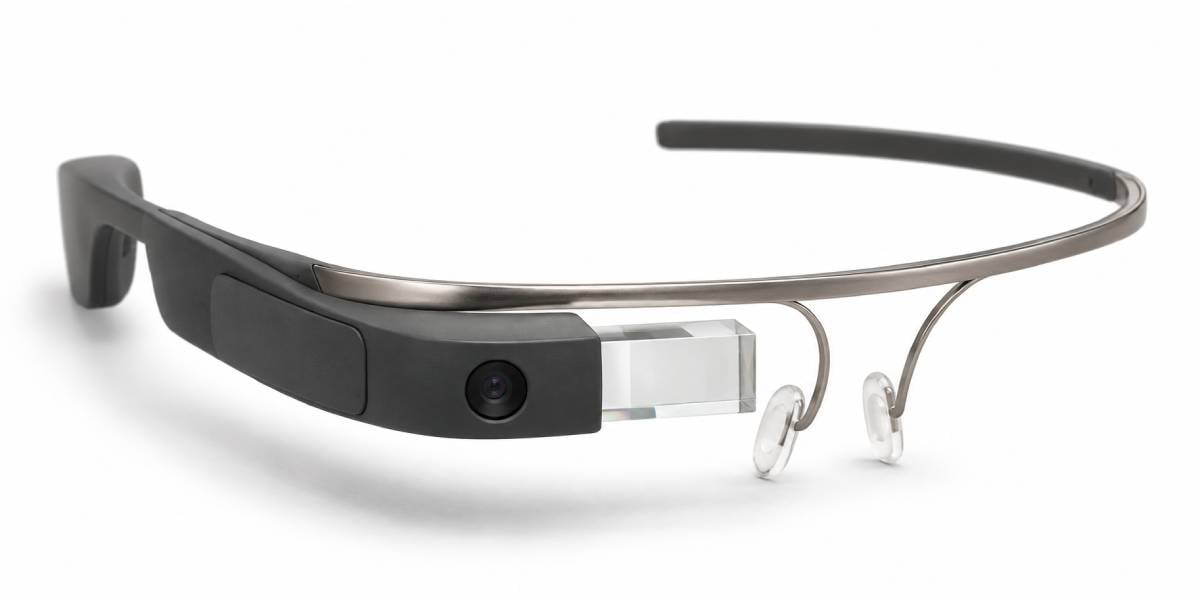
Google Glass promised to change the way people used technology. The small screen sat near the user’s eye and offered directions, photos, and other information. However, its high price, awkward appearance, and privacy concerns made many people uncomfortable.
2. Segway Personal Transporters
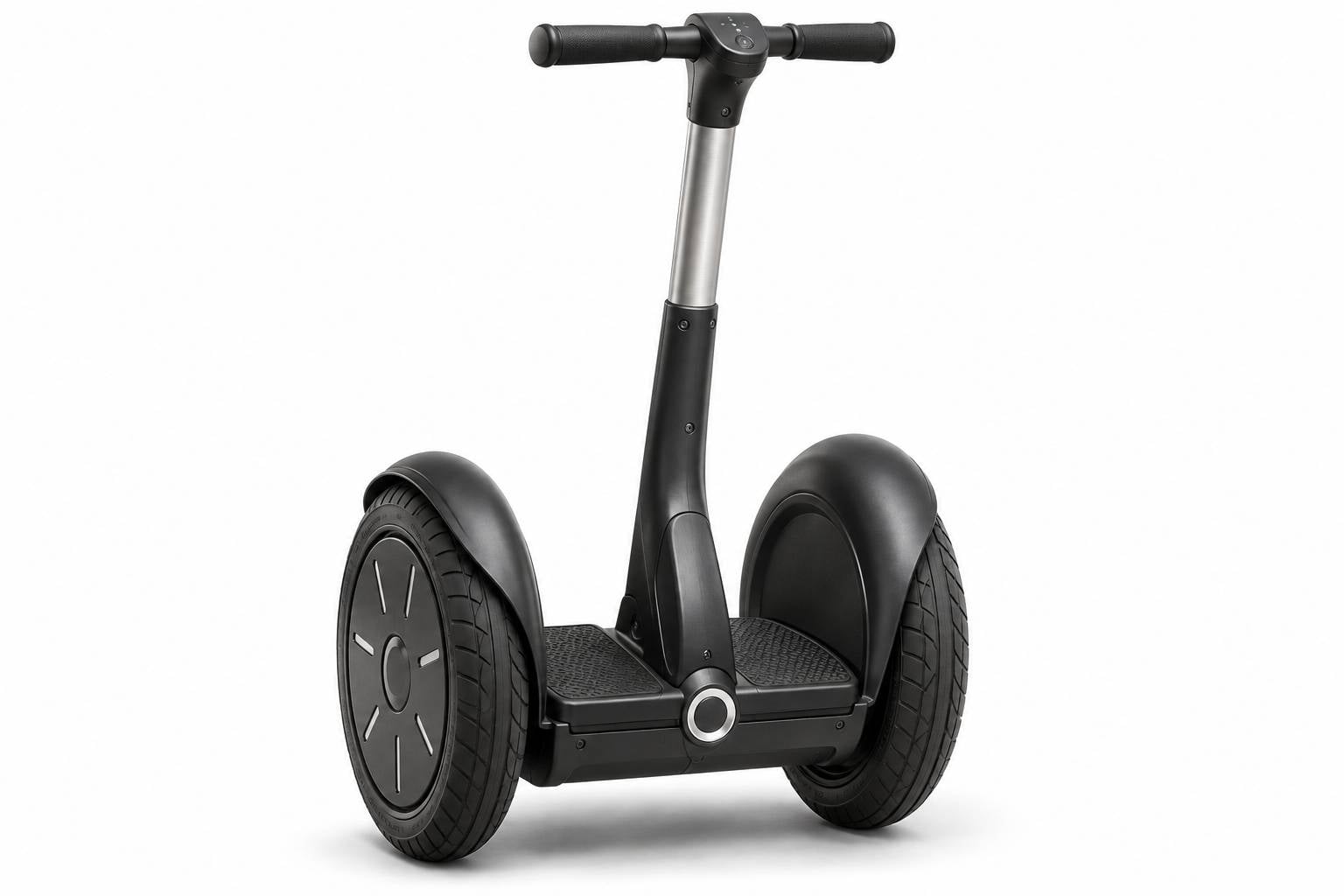
The Segway was introduced as a new way to move around cities without a car. It attracted plenty of attention, but it was expensive and not always practical on crowded sidewalks. Many people also found it unnecessary for short trips. It remained a niche product instead of becoming everyday transportation.
3. Crystal Pepsi
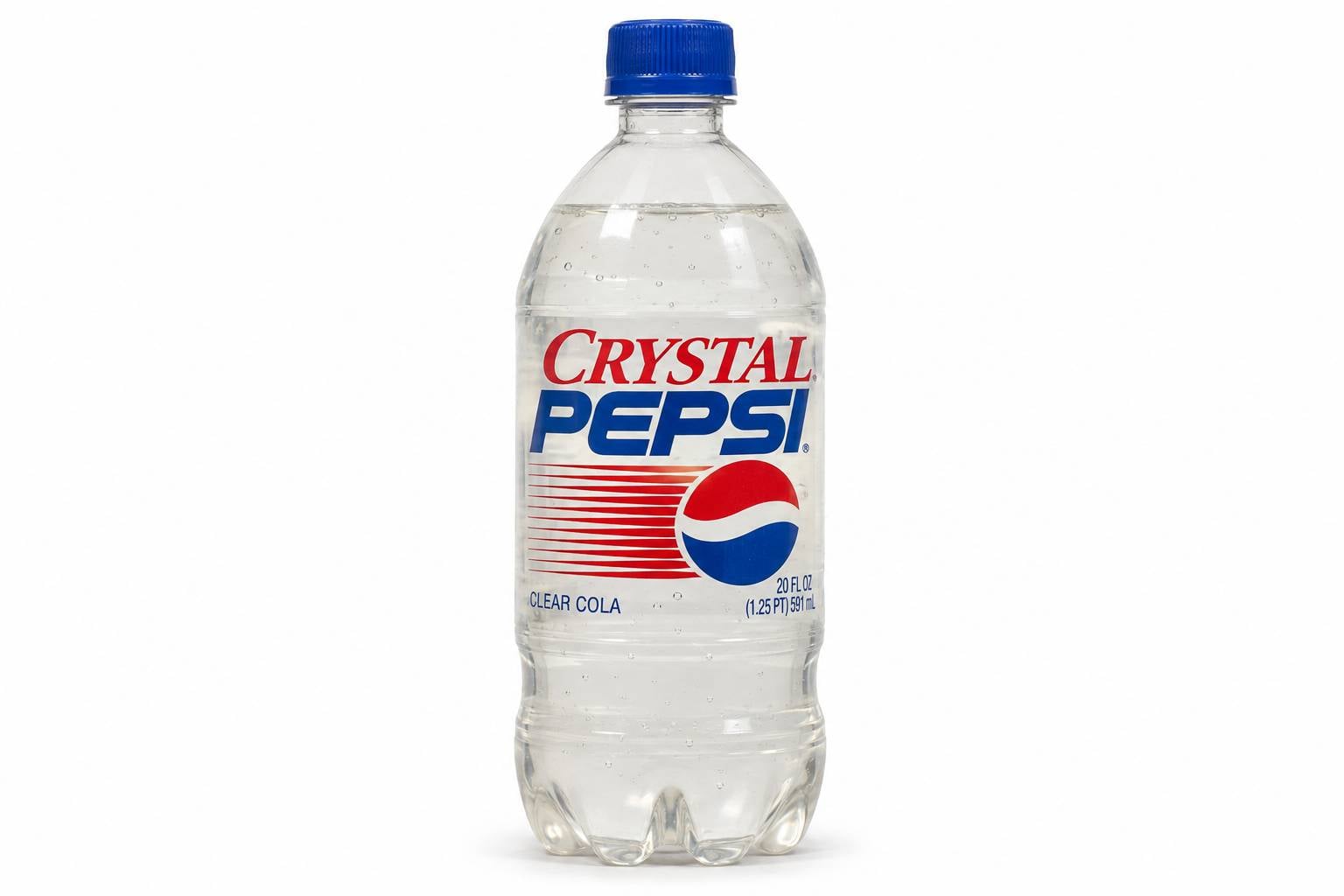
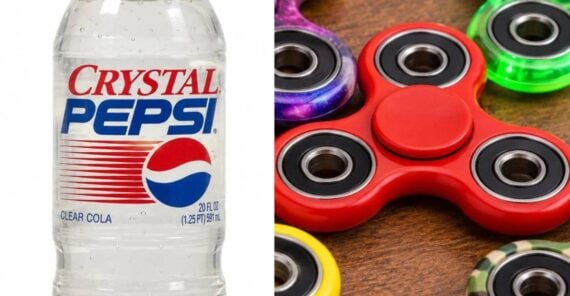
In the early 1990s, Pepsi introduced a clear cola called Crystal Pepsi. The idea was to offer something different while keeping the familiar cola taste. However, consumers did not embrace it as expected. The unusual look created curiosity, but the product struggled to become a lasting success.
4. Low-Rise Jeans

Low-rise jeans became a major fashion trend in the late 1990s and early 2000s. Many people wore them because celebrities and pop stars helped make the style popular. Over time, shoppers grew tired of the uncomfortable fit and limited coverage.
5. Crocs With Jibbitz
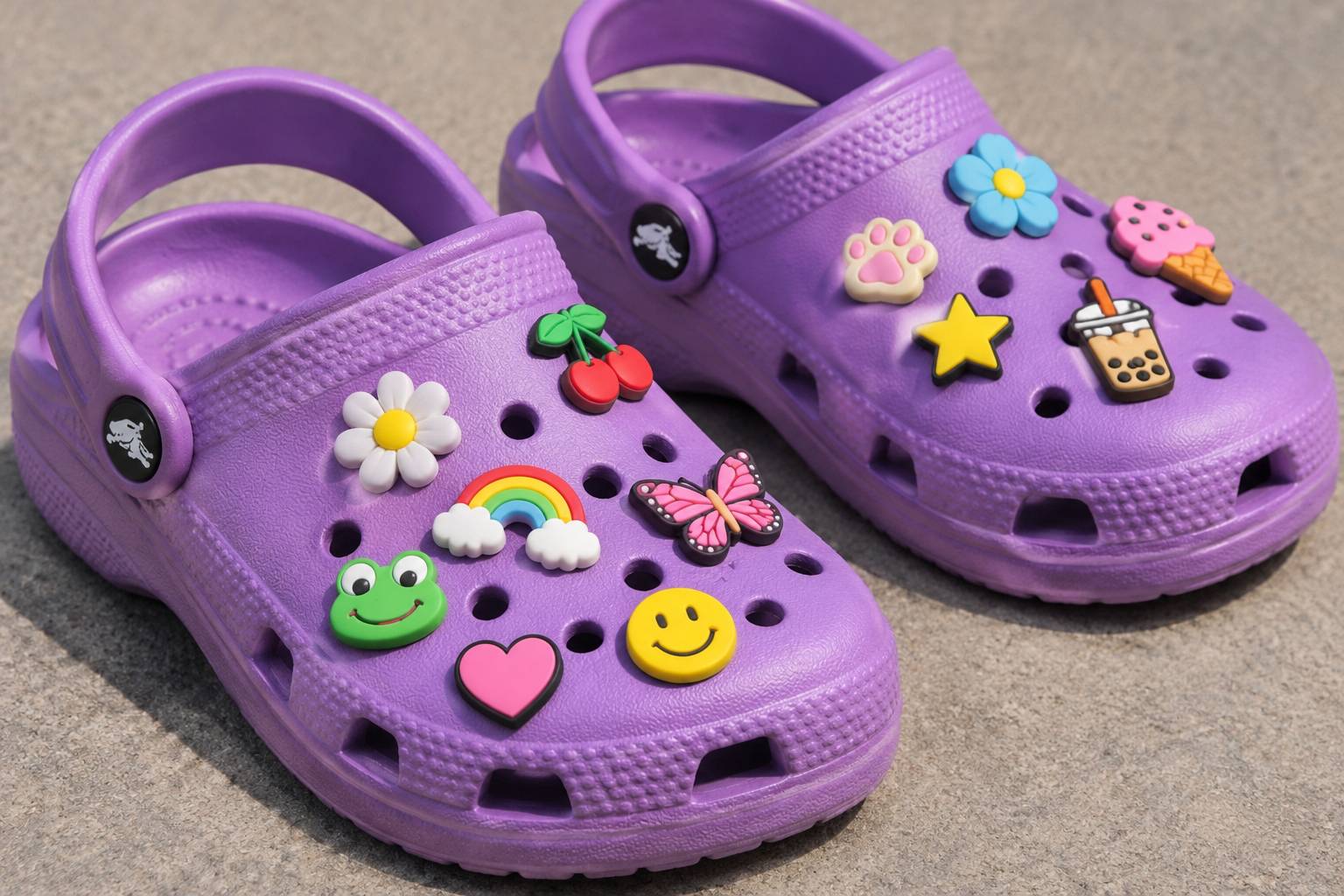
Crocs became popular for their comfort, but their unusual design also made them a target for criticism. Adding colorful charms made the shoes even more personal and playful. While many people still enjoy them, the decorated look has never been universally accepted as fashionable.
Trending on Wealth Gang
6. 3D Televisions
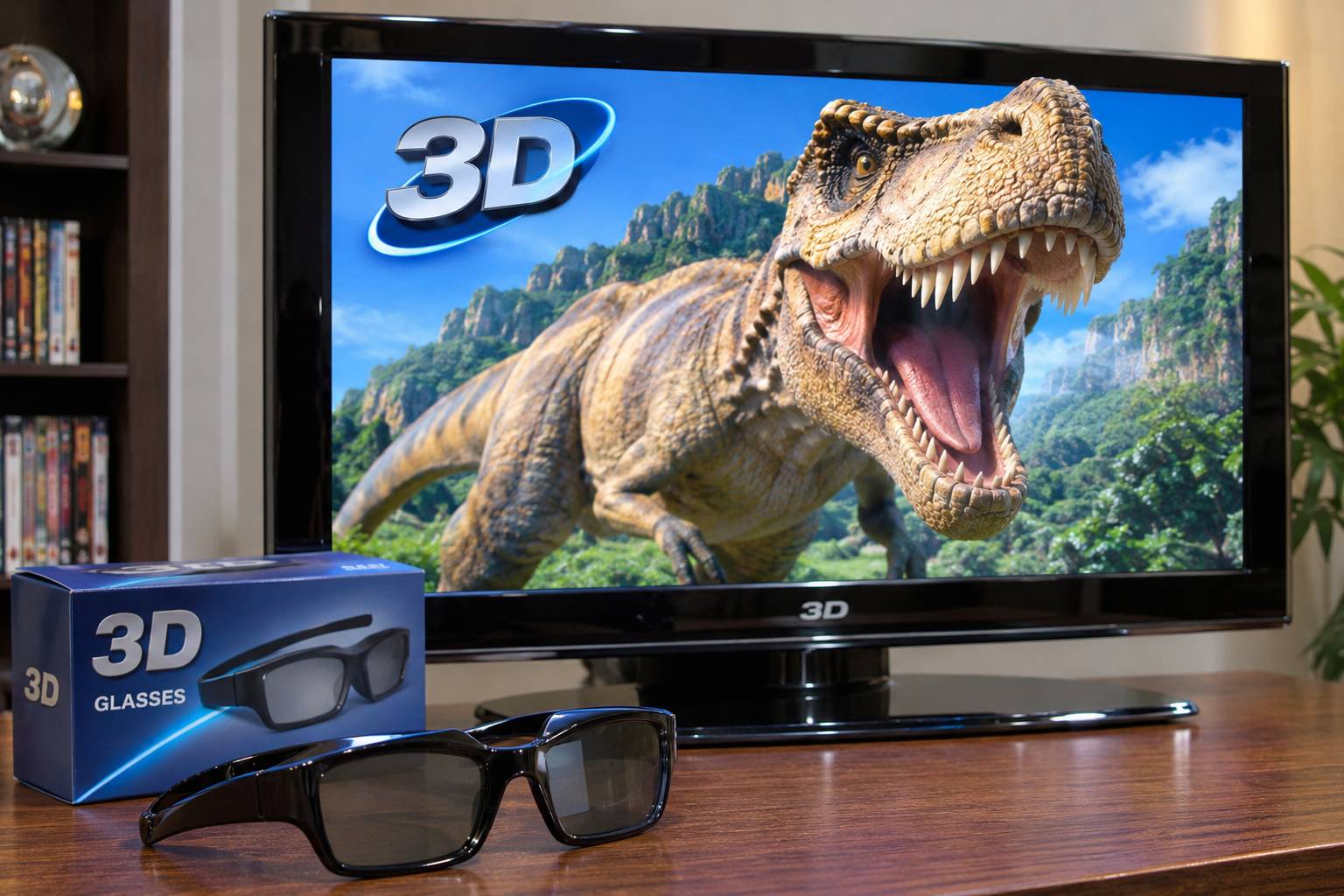
Television companies once believed that 3D viewing would become the future of home entertainment. People bought special TVs and glasses to watch movies with an added sense of depth. However, the glasses were uncomfortable, content was limited, and many viewers did not see enough benefit to justify the extra cost.
7. Fidget Spinners
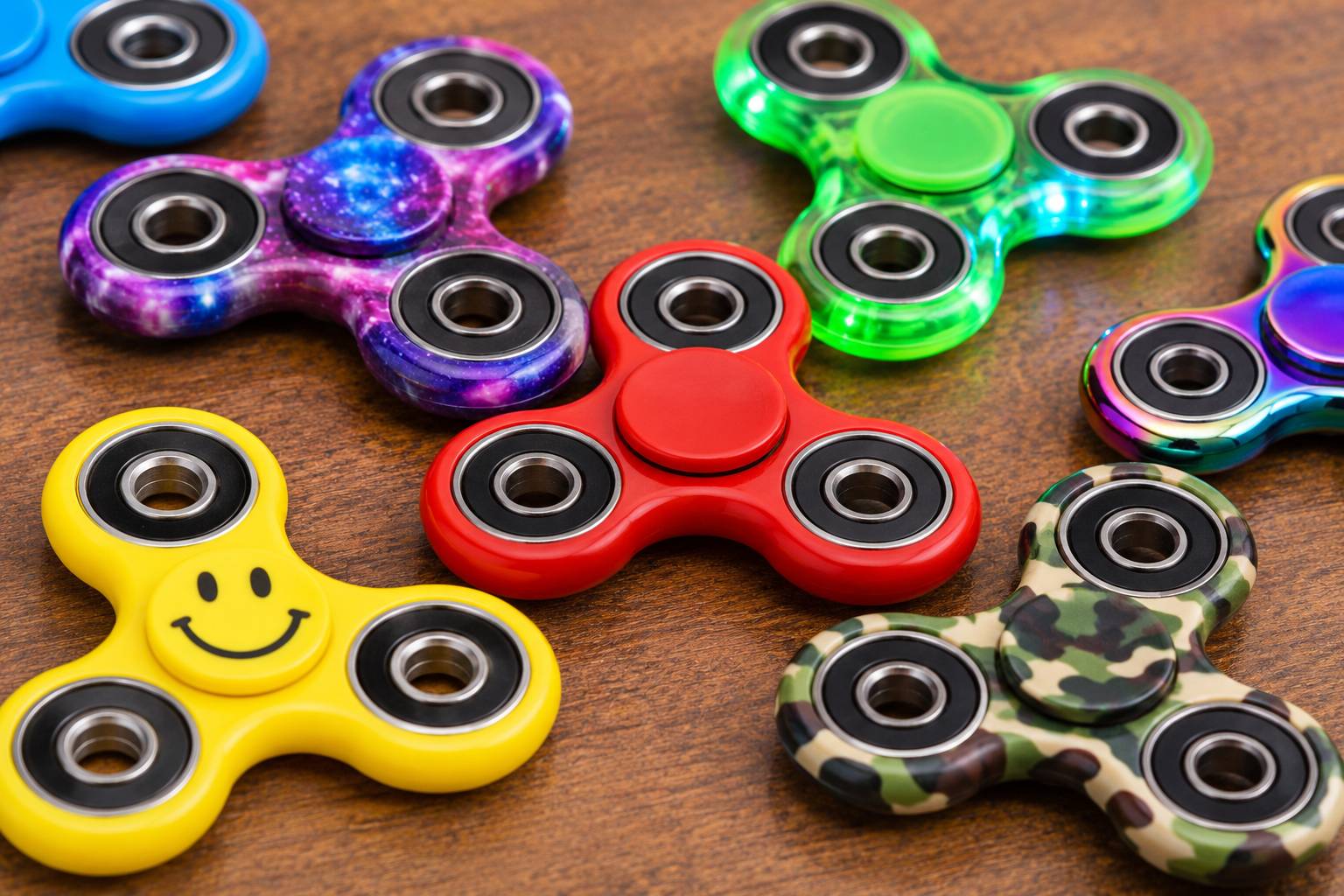
Fidget spinners became a huge trend among children and teenagers around 2017. They were cheap, easy to carry, and available in many colors and designs. For a while, almost every store seemed to sell them. But the excitement faded quickly.
8. Bluetooth Headsets
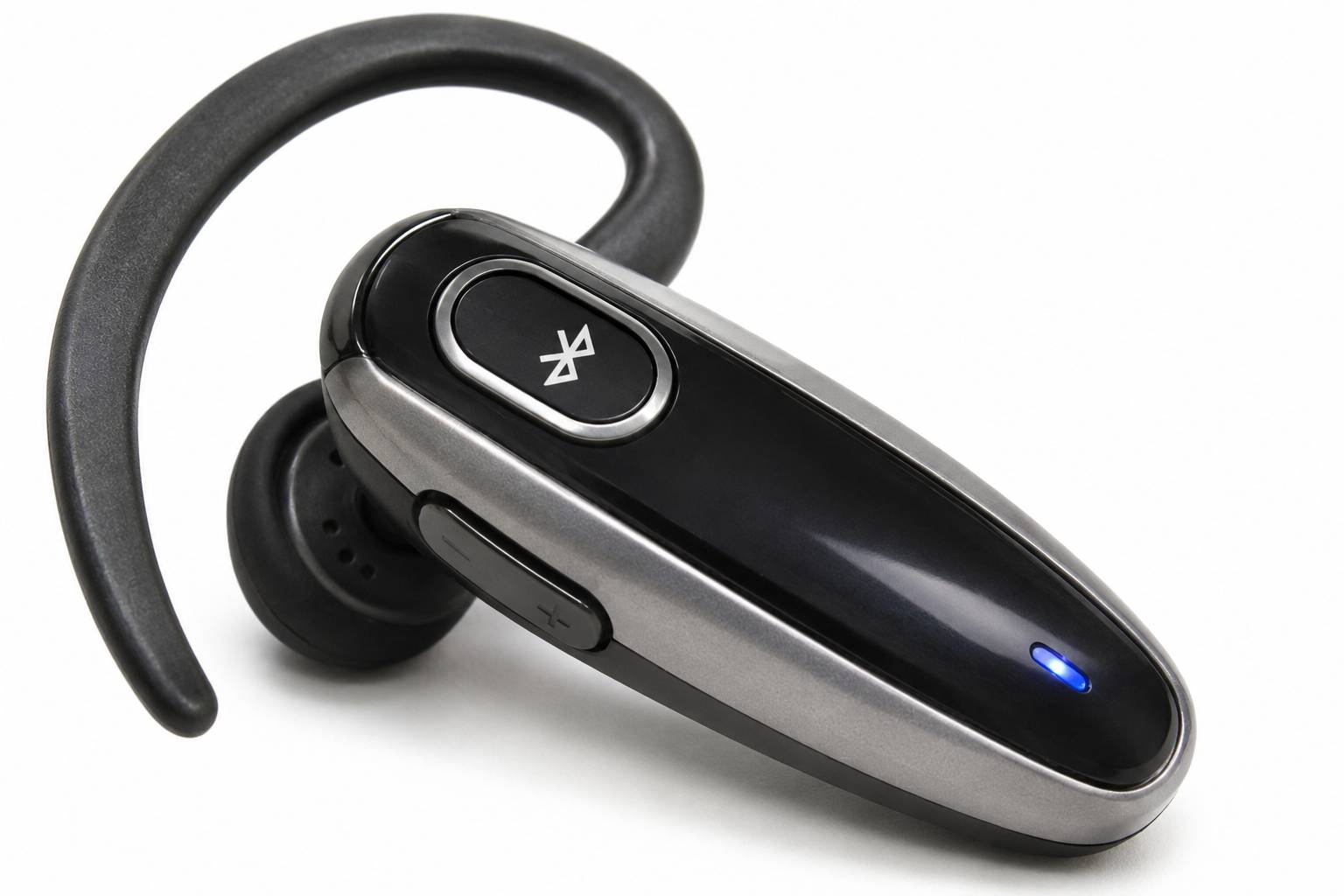
Small Bluetooth headsets became popular with people who wanted to make calls without holding a phone. However, wearing one all day often looked strange, especially when someone appeared to be talking to themselves. As wireless earbuds became more common, the old single-ear design lost much of its appeal.
Sign up for our newsletter
9. Pet Rocks
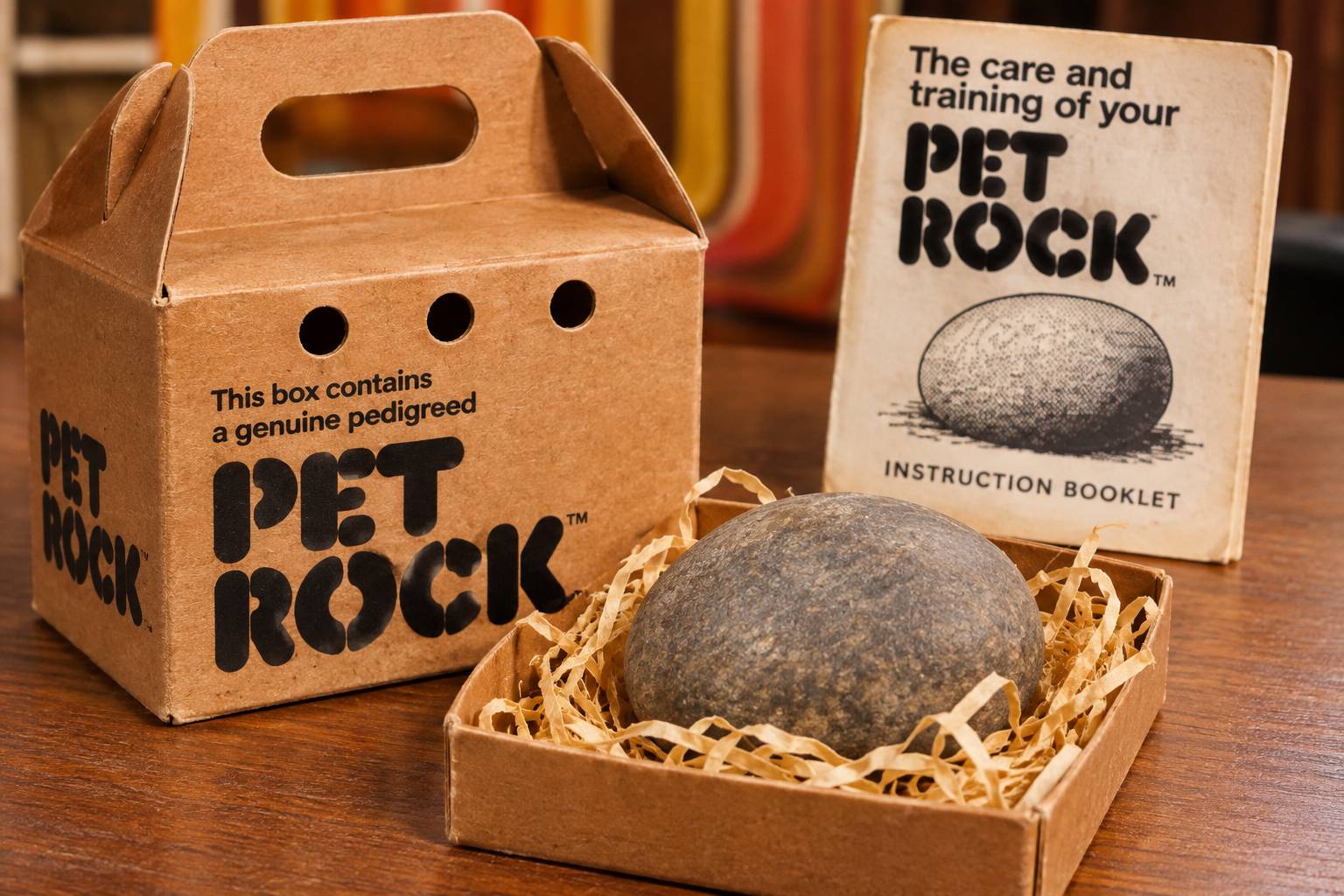
In the 1970s, people paid money for rocks sold as pets. Each one came in a small box with instructions for taking care of it. The joke became a huge commercial success for a short time, but the novelty eventually wore off. Most people saw no reason to buy one again.
10. The Juicero Machine
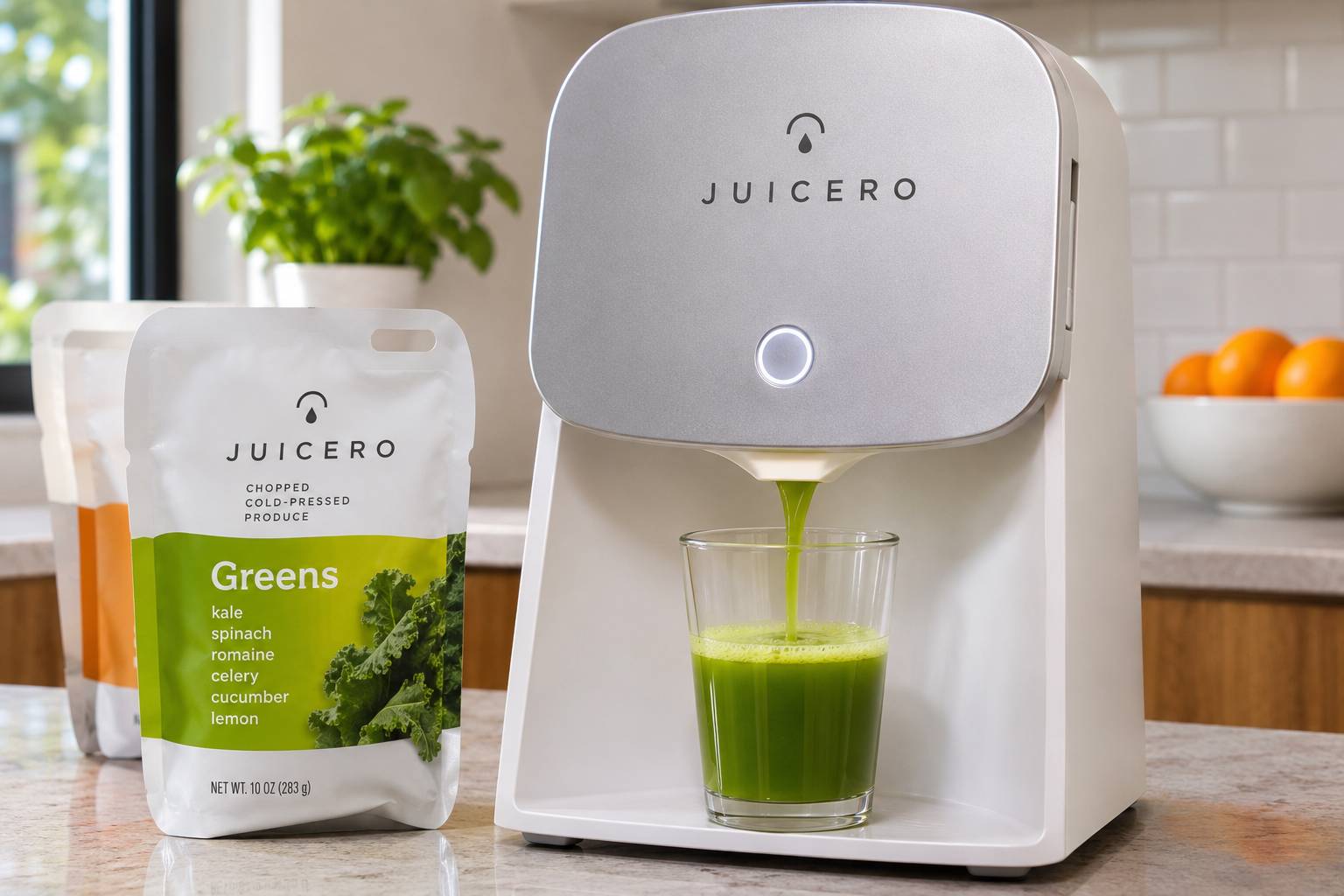
Juicero was a high-priced machine designed to squeeze juice from special packaged bags. It was promoted as a convenient way to enjoy fresh drinks at home. However, people discovered that the bags could be squeezed by hand without the machine. This made the expensive device difficult to justify, and the company shut down.
11. Pogs
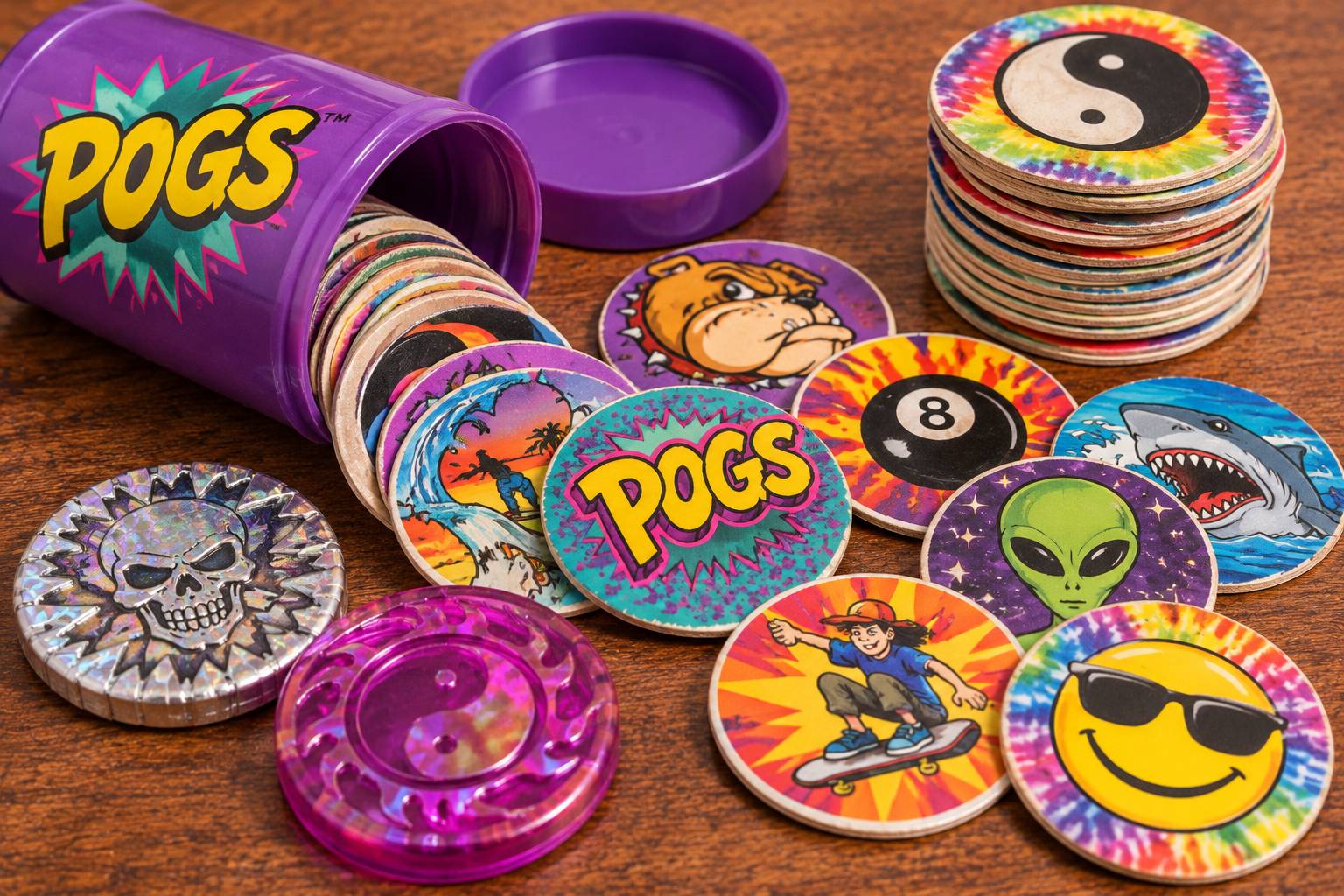
Pogs were small cardboard discs that became popular playground collectibles in the 1990s. Kids collected them, traded them, and played games using heavier discs called slammers. The trend spread quickly through schools, but interest disappeared just as fast. Many collections ended up forgotten in drawers.
12. Google Cardboard VR
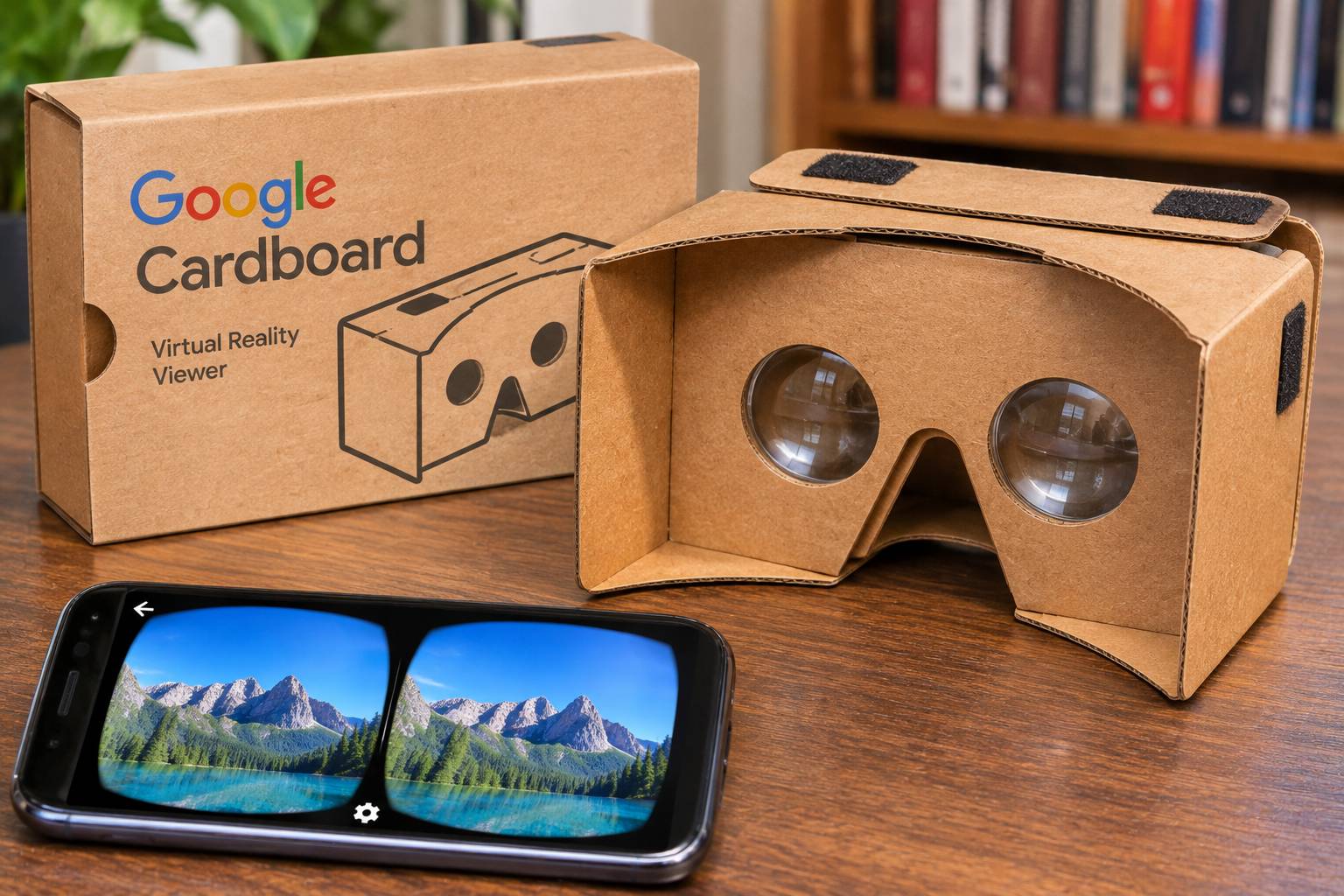
Google Cardboard offered an inexpensive way to experience virtual reality using a smartphone and a cardboard headset. It made the technology more accessible to ordinary consumers. However, the experience was limited, and many people found the headset uncomfortable.