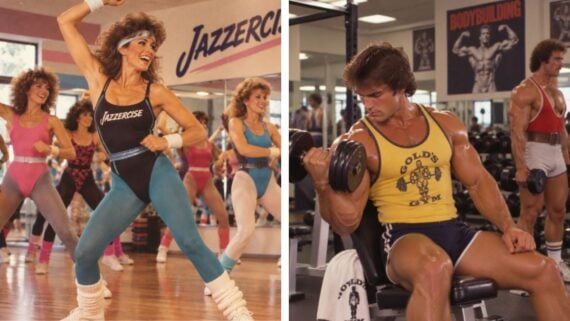
Fitness in the 1970s and 1980s had a personality all its own. There were no apps reminding you to close your rings, no watches counting every heartbeat, and definitely no perfectly curated workout playlists waiting on your phone. Instead, there were living rooms turned into makeshift studios, neighborhood streets filled with joggers, and television personalities convincing millions of people to get up off the couch and move.
Some of these trends became lasting parts of American fitness culture. Others disappeared along with the leg warmers, cassette tapes, and wood-paneled exercise rooms that surrounded them. But for anyone who lived through those decades, just seeing a leotard, a pair of tiny running shorts, or an old stationary bike can bring back an entire era.
1. Jazzercise
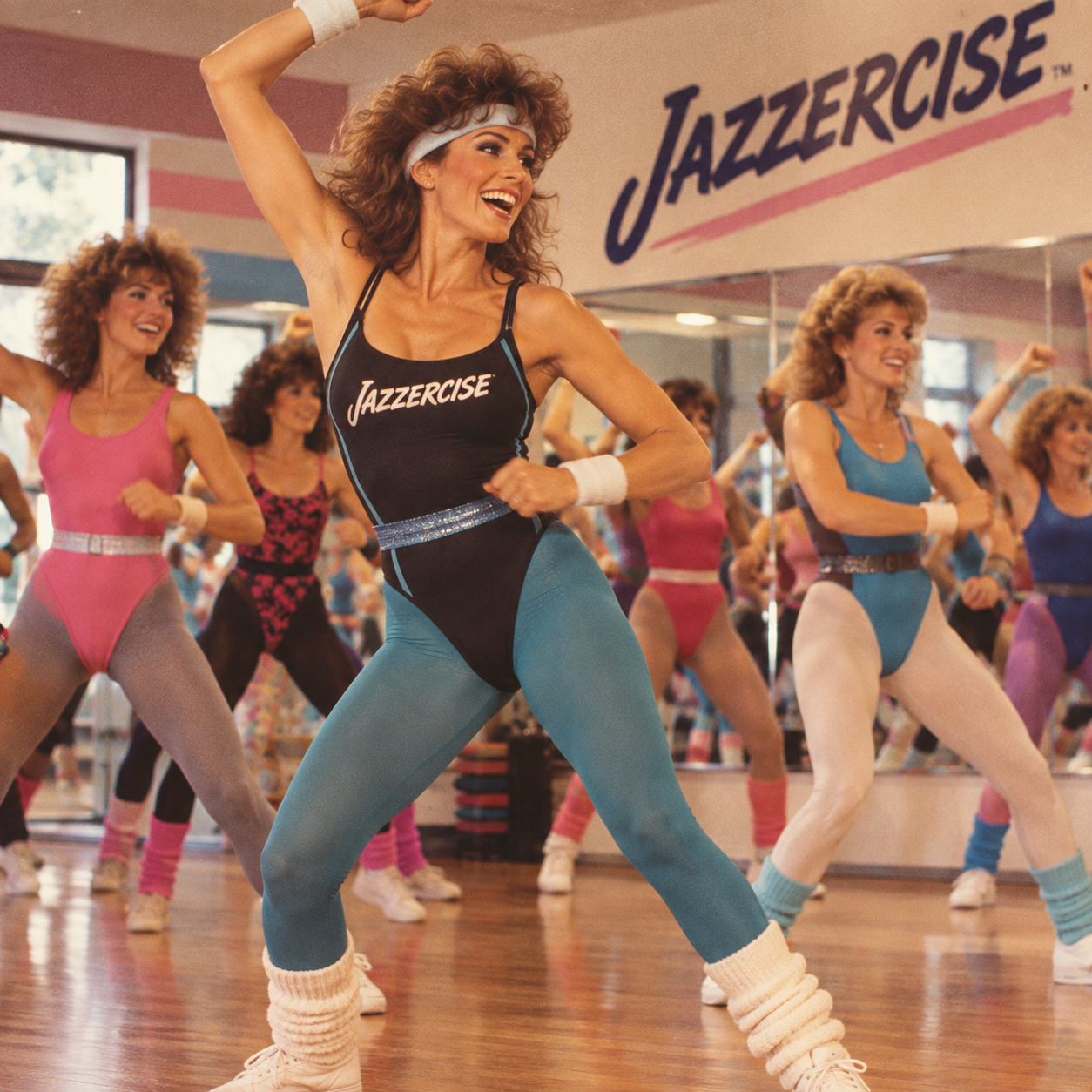
Jazzercise made exercise feel less like something you had to endure and more like a night out with friends. Classes mixed dance moves with aerobic exercise, usually accompanied by upbeat music and plenty of bouncing around. The outfits were almost as memorable as the workouts themselves, with colorful leotards, tights, headbands, and leg warmers becoming part of the experience.
2. Jogging Around the Neighborhood
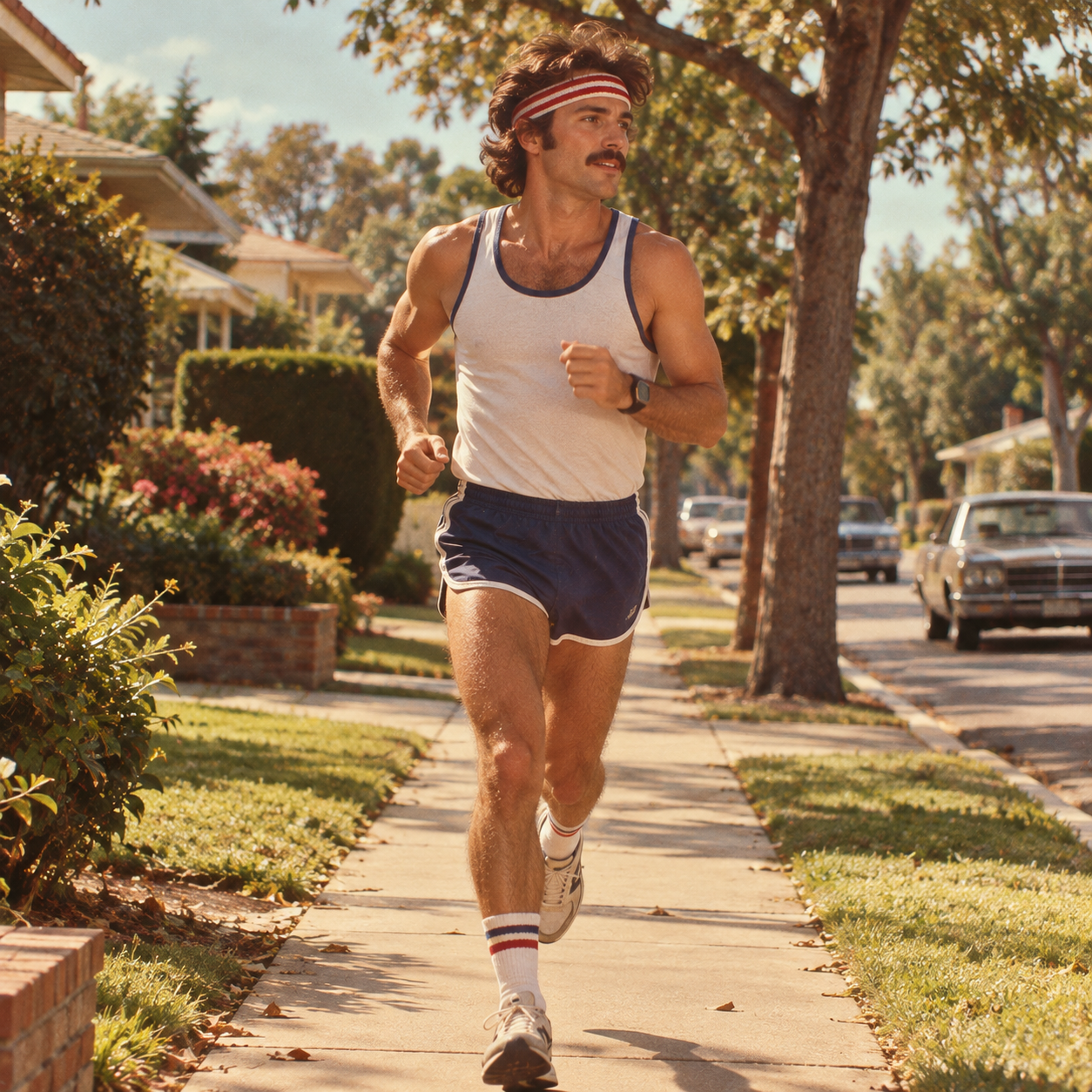
Before running became an industry filled with GPS watches, specialized gear, and organized races for every skill level, Americans simply started jogging. You might see someone making their way around the neighborhood in short shorts, tube socks, and a pair of basic running shoes, often without carrying anything at all. There was something wonderfully uncomplicated about heading out the front door and seeing where your legs took you.
3. Jane Fonda Workout Videos
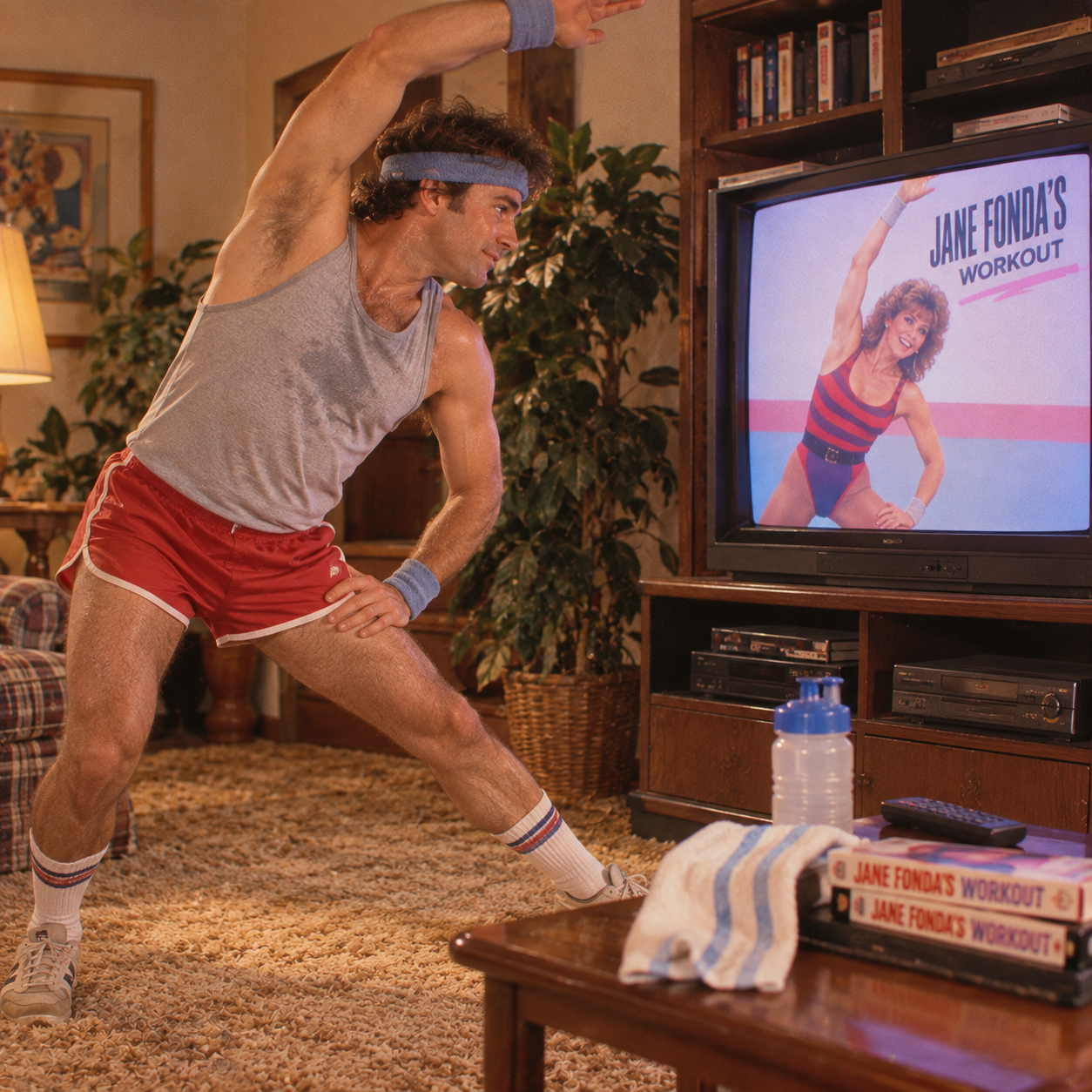
For many people, the living room became the gym once Jane Fonda’s workout videos arrived. Furniture was pushed aside, the television went on, and suddenly people were stretching and sweating alongside an instructor on the screen. Those tapes helped turn home exercise into a cultural phenomenon and made the phrase “workout video” part of everyday life.
4. Aerobics Classes
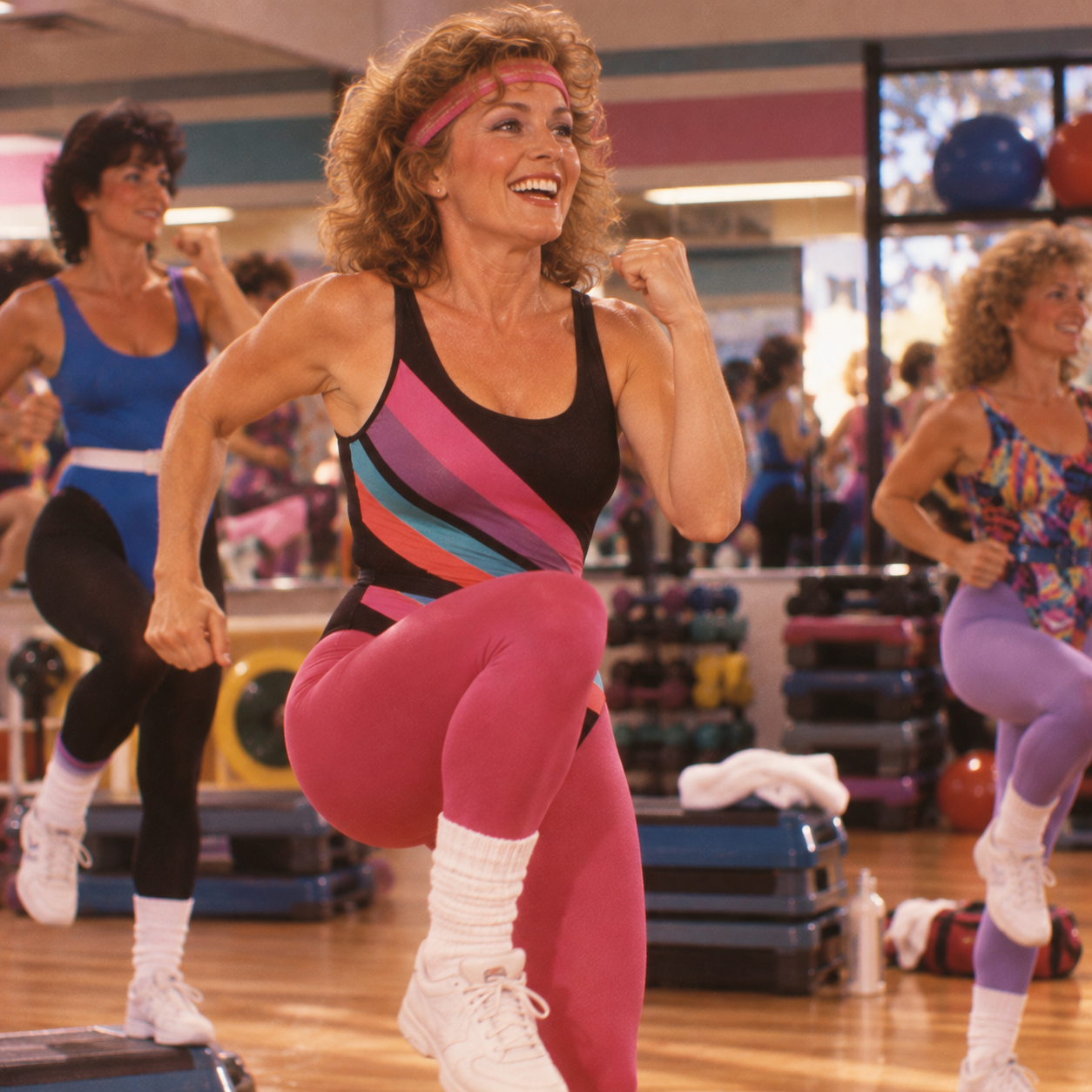
Aerobics classes captured the energy of the 1980s better than almost anything else. Music played loudly while an instructor led rows of people through kicks, steps, jumps, and arm movements in near-unison. The mirrored rooms, bright outfits, and enthusiastic routines made working out feel surprisingly social.
5. Roller Skating for Exercise
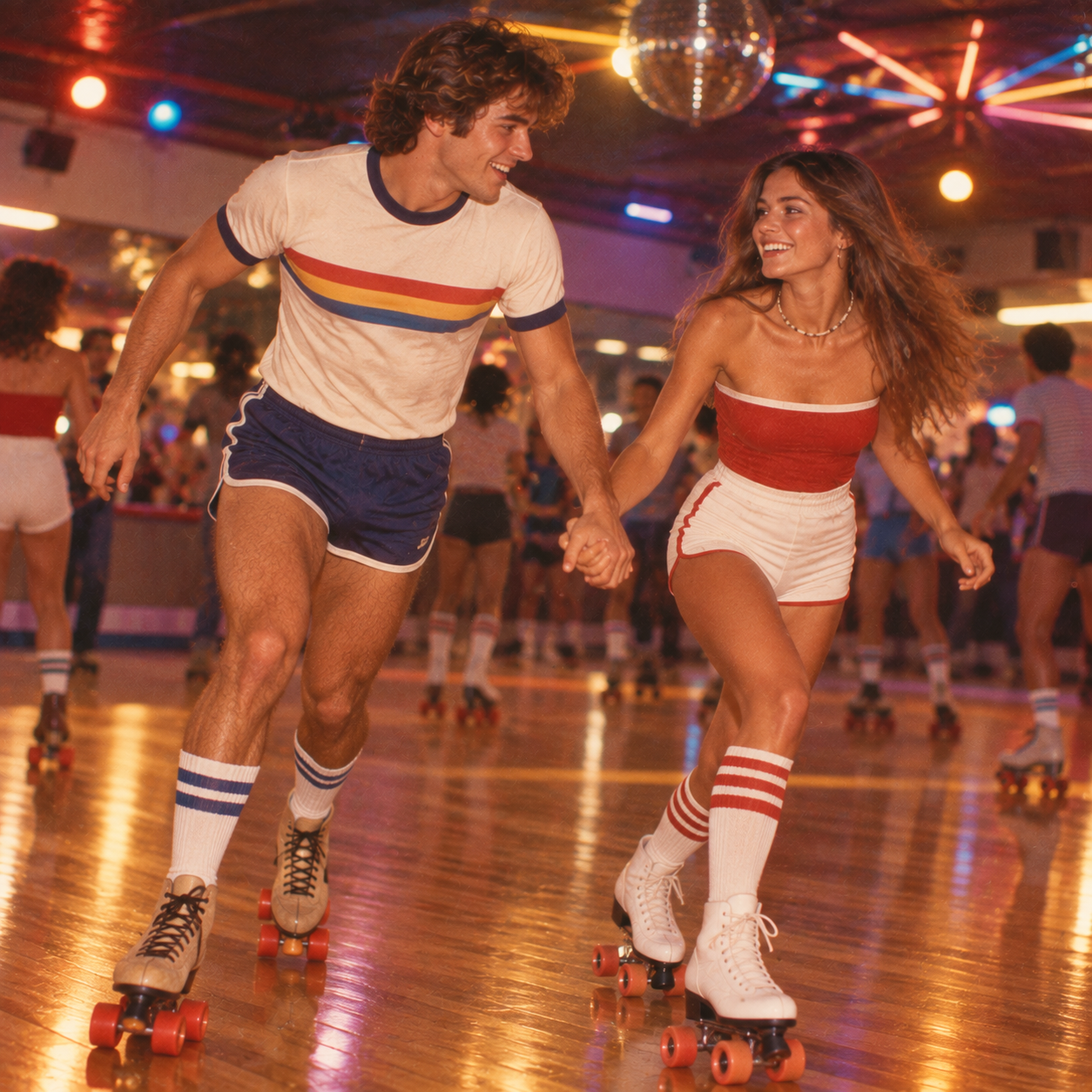
Roller skating wasn’t always treated as a workout, which was probably part of its appeal. People spent hours circling roller rinks beneath flashing lights or skating outdoors with friends while music played nearby. Your legs might have been exhausted by the end of the afternoon, but it rarely felt like you had spent hours exercising.
Trending on Wealth Gang
6. Stationary Exercise Bikes
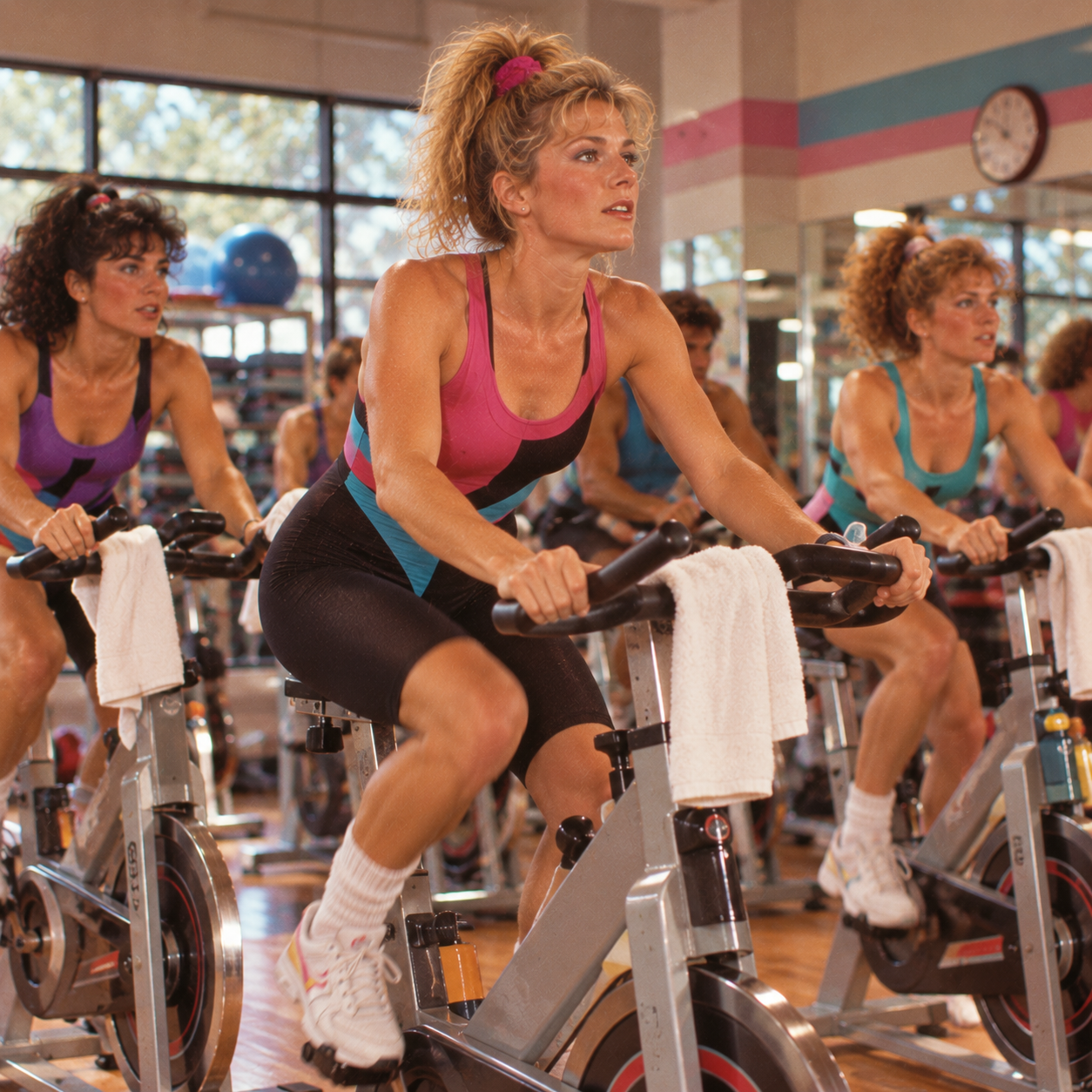
The stationary bike became a familiar sight in American homes, often tucked into a bedroom, basement, or spare room. These machines were wonderfully simple compared with today’s connected bikes: a seat, pedals, handlebars, and maybe a small mechanical dial for resistance. Plenty of people pedaled while watching television, with no screen telling them whether their workout had been good enough.
7. Richard Simmons Workouts
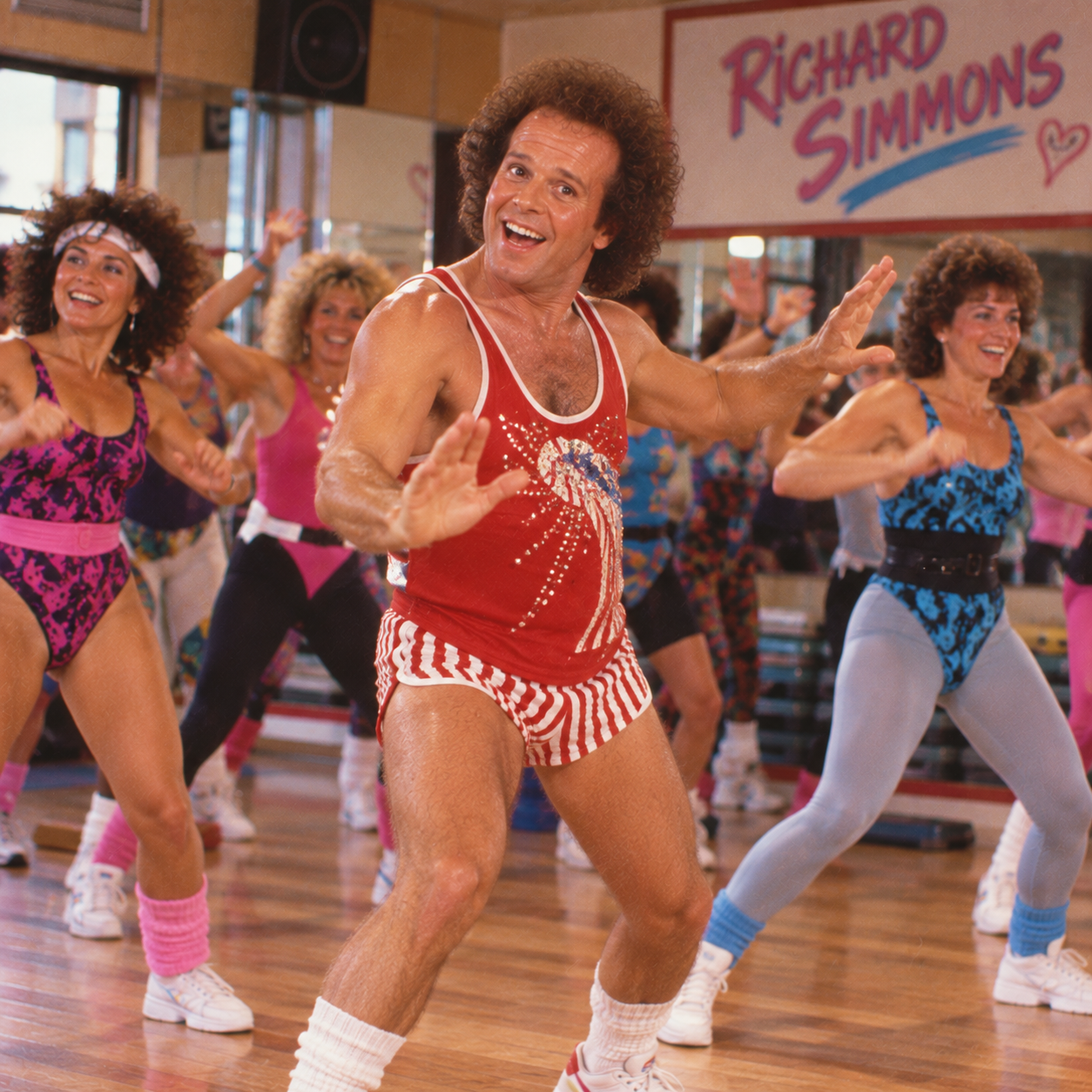
Richard Simmons brought an entirely different energy to home fitness. His routines were cheerful, expressive, and deliberately welcoming, turning exercise into something that felt accessible rather than intimidating. For people who didn’t see themselves reflected in traditional gym culture, working out suddenly looked a lot more fun.
8. Calisthenics
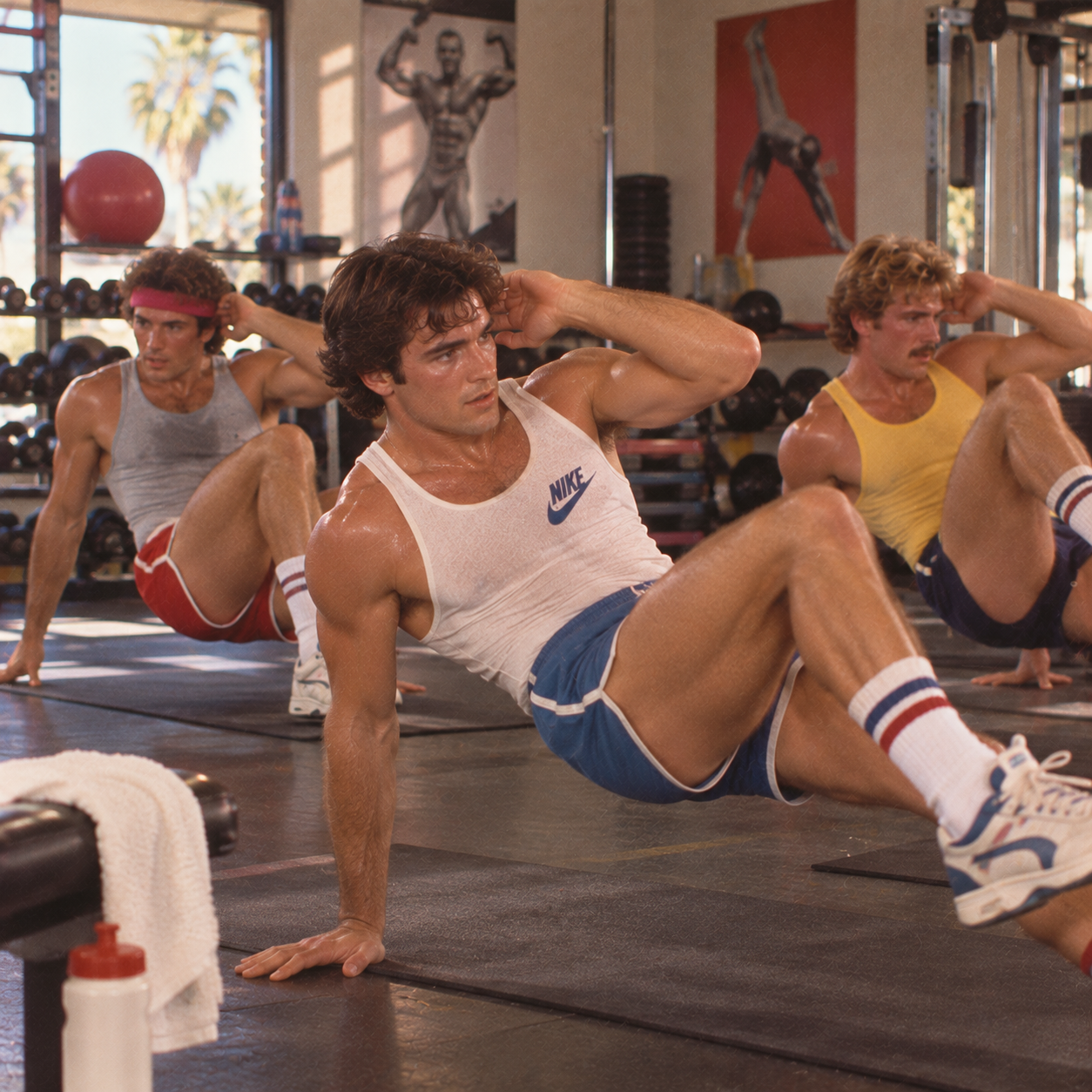
Push-ups, jumping jacks, sit-ups, toe touches, and deep knee bends didn’t require a membership or fancy equipment. Calisthenics were already familiar from school gym classes, military-style workouts, and television exercise programs, so they naturally followed people home. A little open floor space was often all anyone needed.
Sign up for our newsletter
9. Jump Rope Workouts
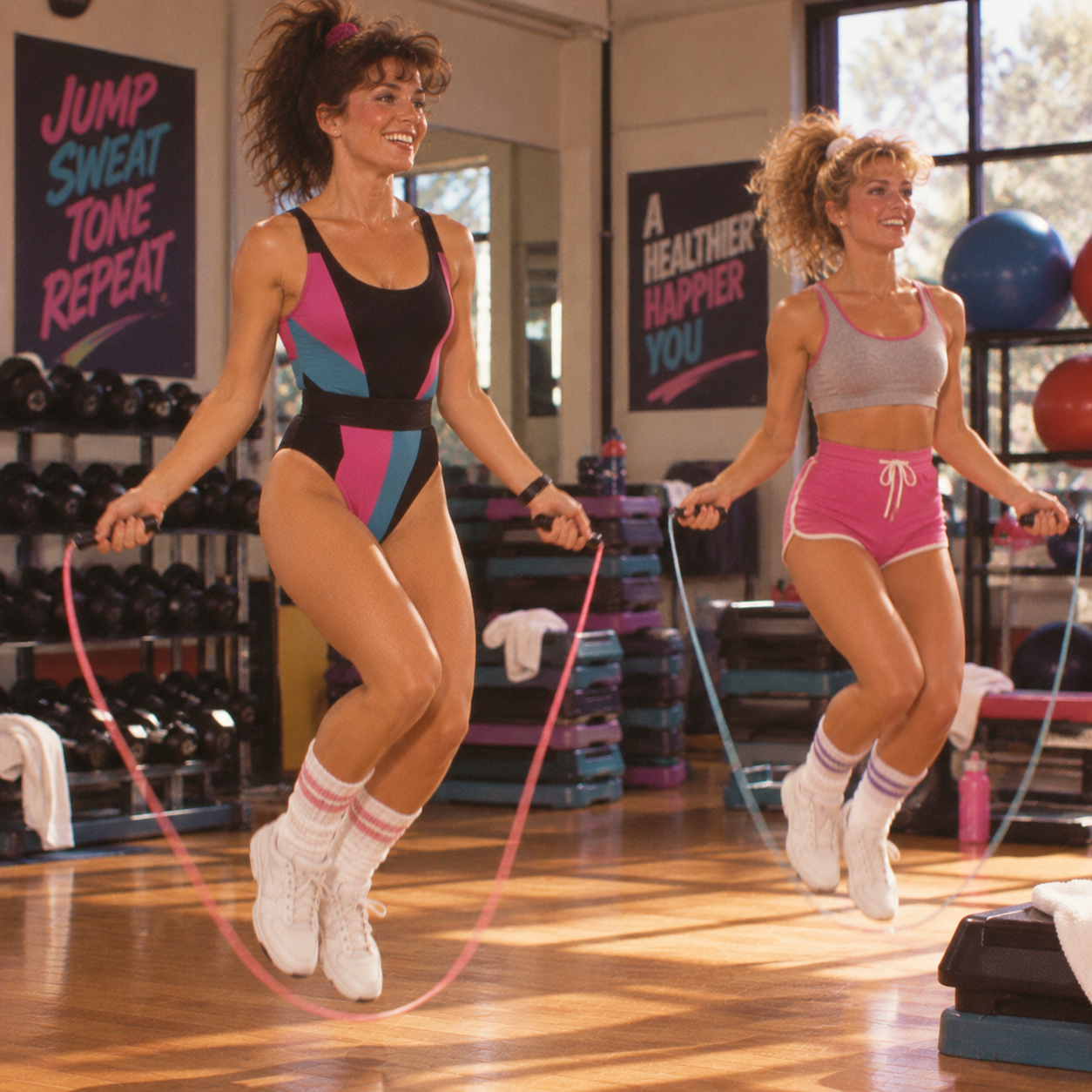
A jump rope was cheap, easy to store, and surprisingly exhausting. What had once seemed like playground equipment became a serious fitness tool for adults looking for a simple way to exercise at home. The familiar slap of the rope against a basement or garage floor could quickly turn into a full workout.
10. Nautilus Machines
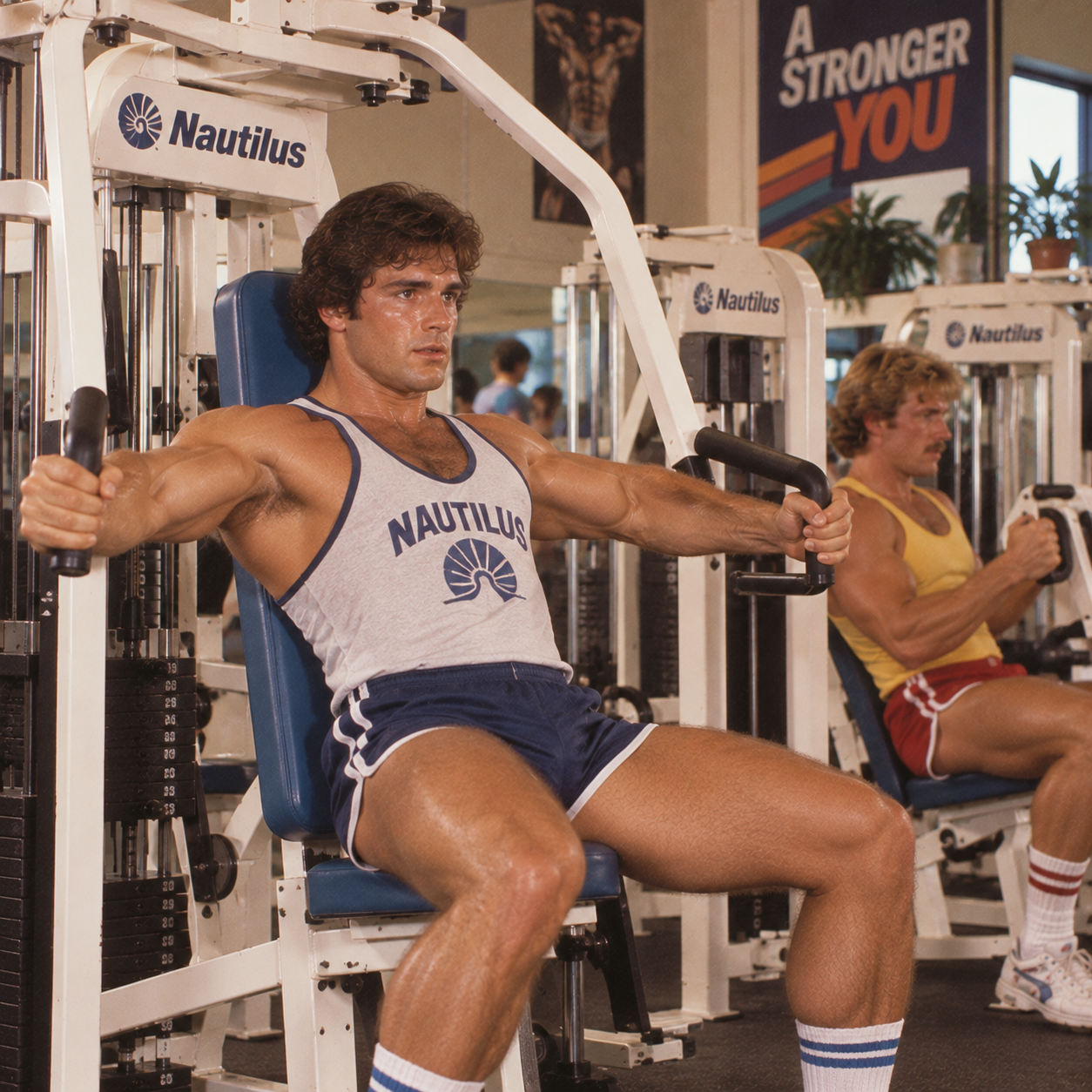
As gyms became more popular, Nautilus machines offered a new way to approach strength training. Their distinctive designs guided users through specific movements and made weight training feel more approachable to people who weren’t comfortable lifting free weights. Walking through a fitness club filled with those large machines could feel almost futuristic at the time.
11. Racquetball
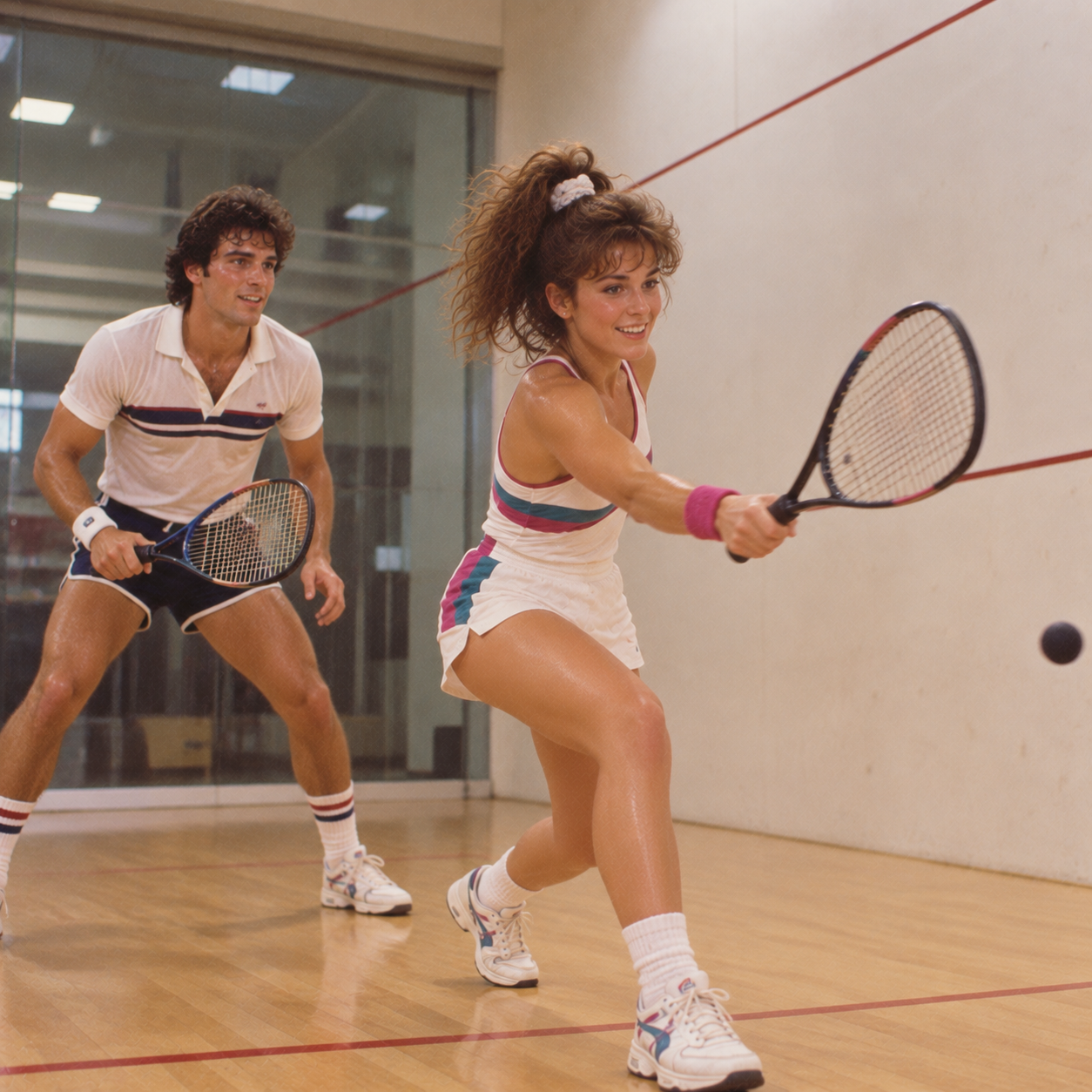
Racquetball had a major moment, especially among adults looking for exercise that didn’t feel repetitive. Courts appeared in health clubs, and games were fast, competitive, and loud, with the ball ricocheting unpredictably off the walls. It was the kind of workout where you could become drenched in sweat without spending much time thinking about fitness.
12. Leg Warmers
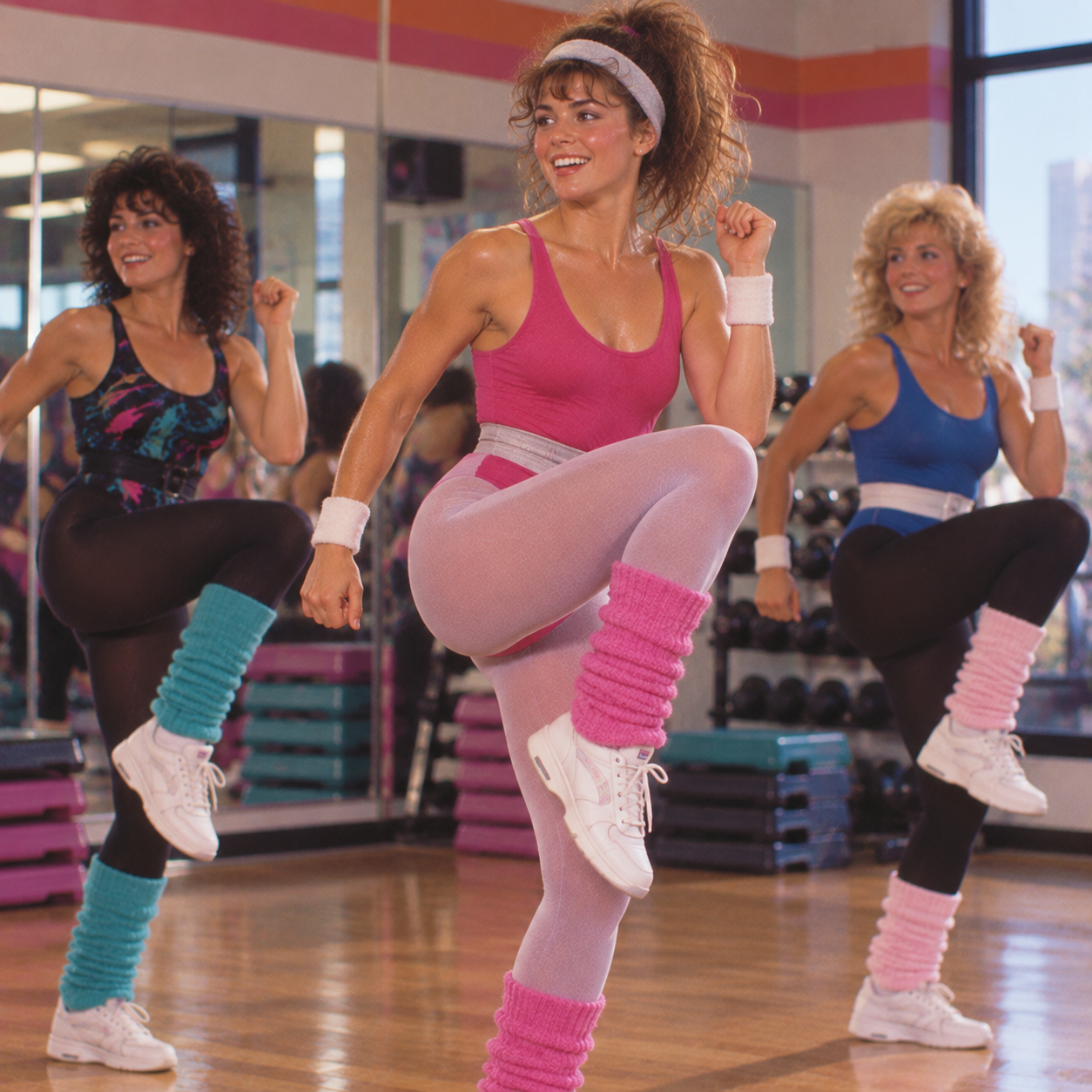
Leg warmers were technically clothing, but during the aerobics boom they became inseparable from exercise culture. Originally associated with dancers, they soon appeared over tights in fitness classes and workout videos everywhere. Eventually people were wearing them outside the gym too, proving that sometimes the accessory becomes bigger than the activity that made it famous.
13. Bodybuilding
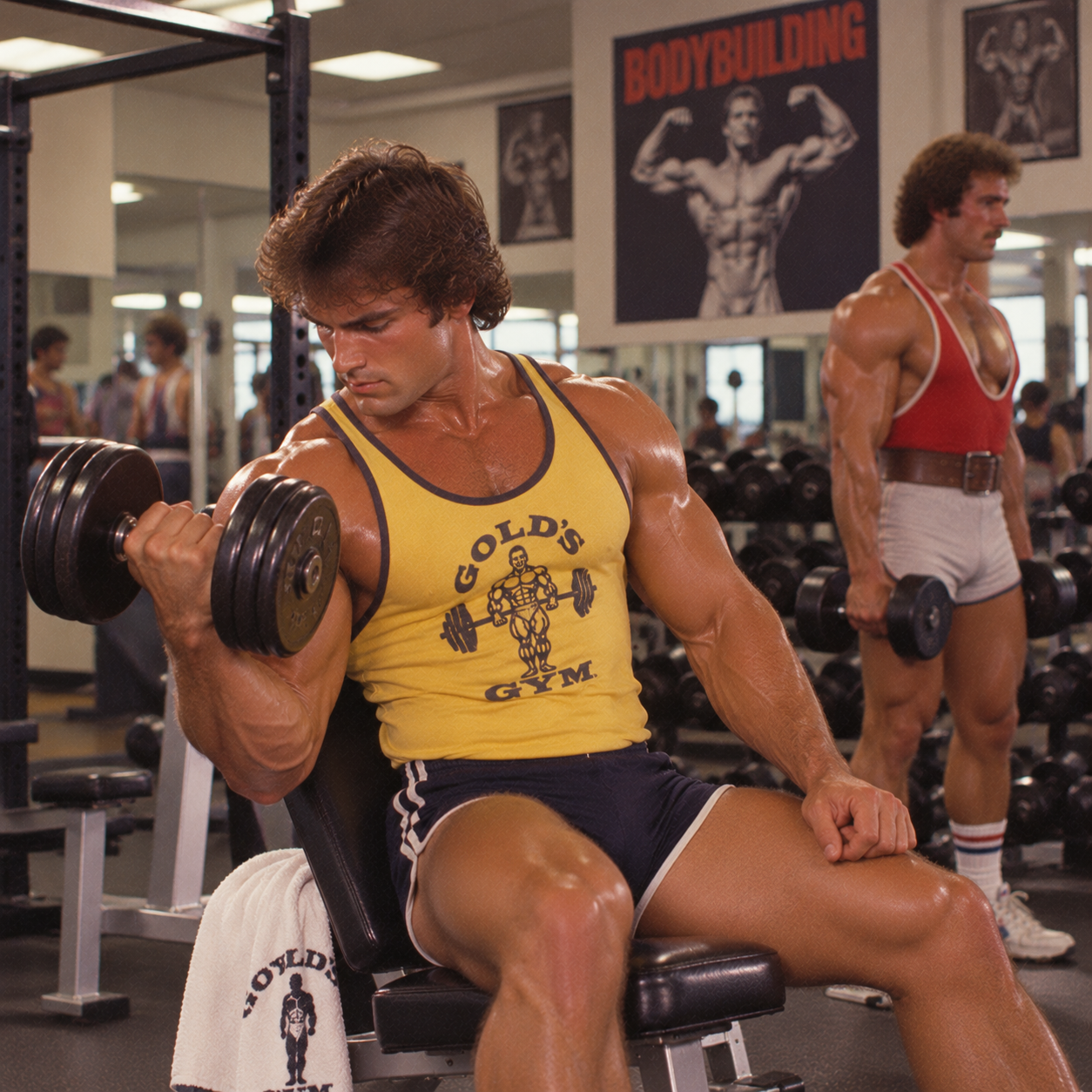
The muscular physique became increasingly visible in American popular culture during these decades. Weight rooms filled with barbells, benches, and stacks of iron plates attracted people who wanted to build strength and dramatically change their appearance. Bodybuilding magazines and famous competitors helped transform lifting weights from a niche pursuit into something far more mainstream.
14. Mall Walking
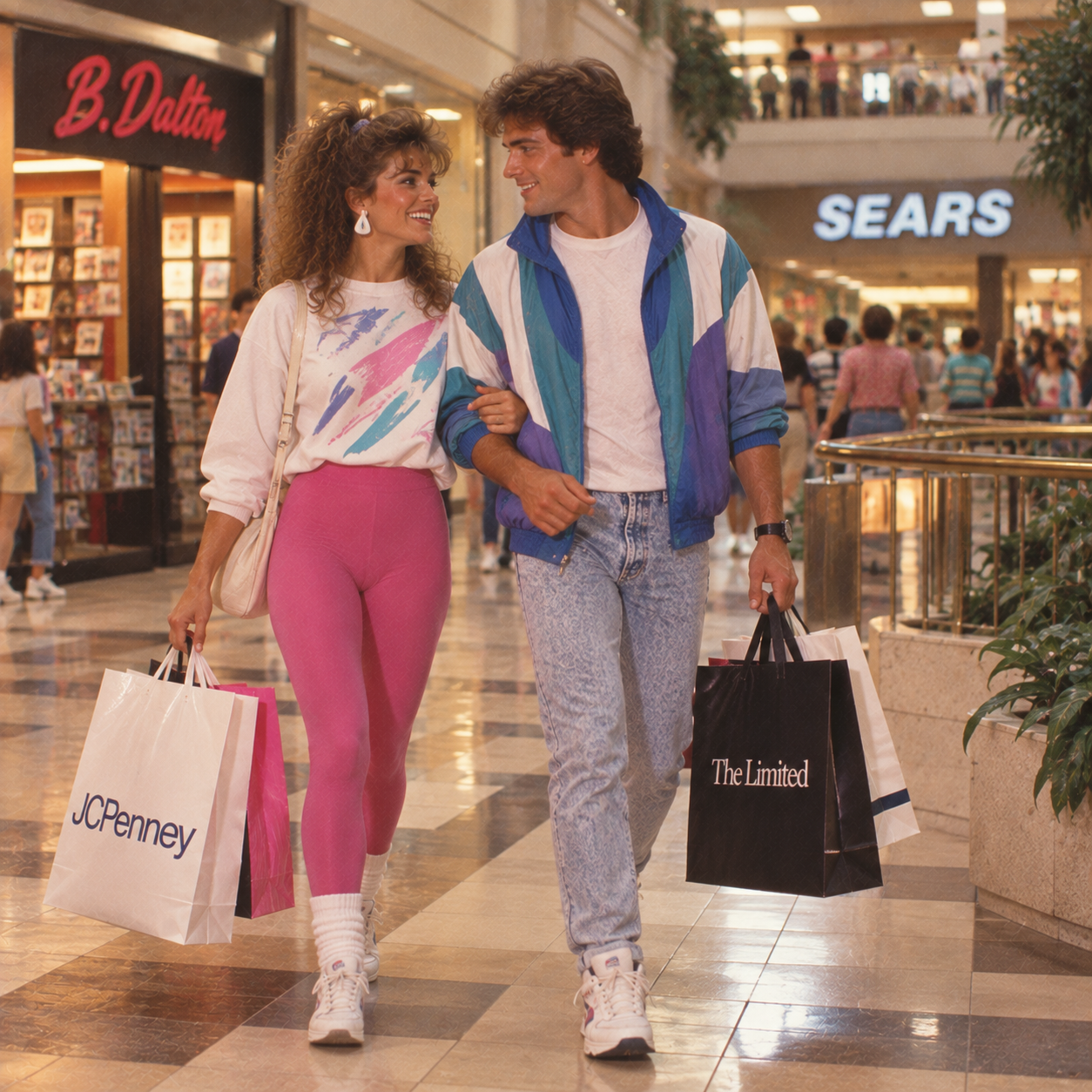
Long before shopping malls began disappearing from many communities, they offered something unexpectedly useful: miles of climate-controlled walking space. Groups of walkers would arrive early and make laps past closed storefronts before the crowds showed up. There was no special equipment involved, just comfortable shoes, familiar faces, and another lap around the food court.
15. Exercise Shows on Television
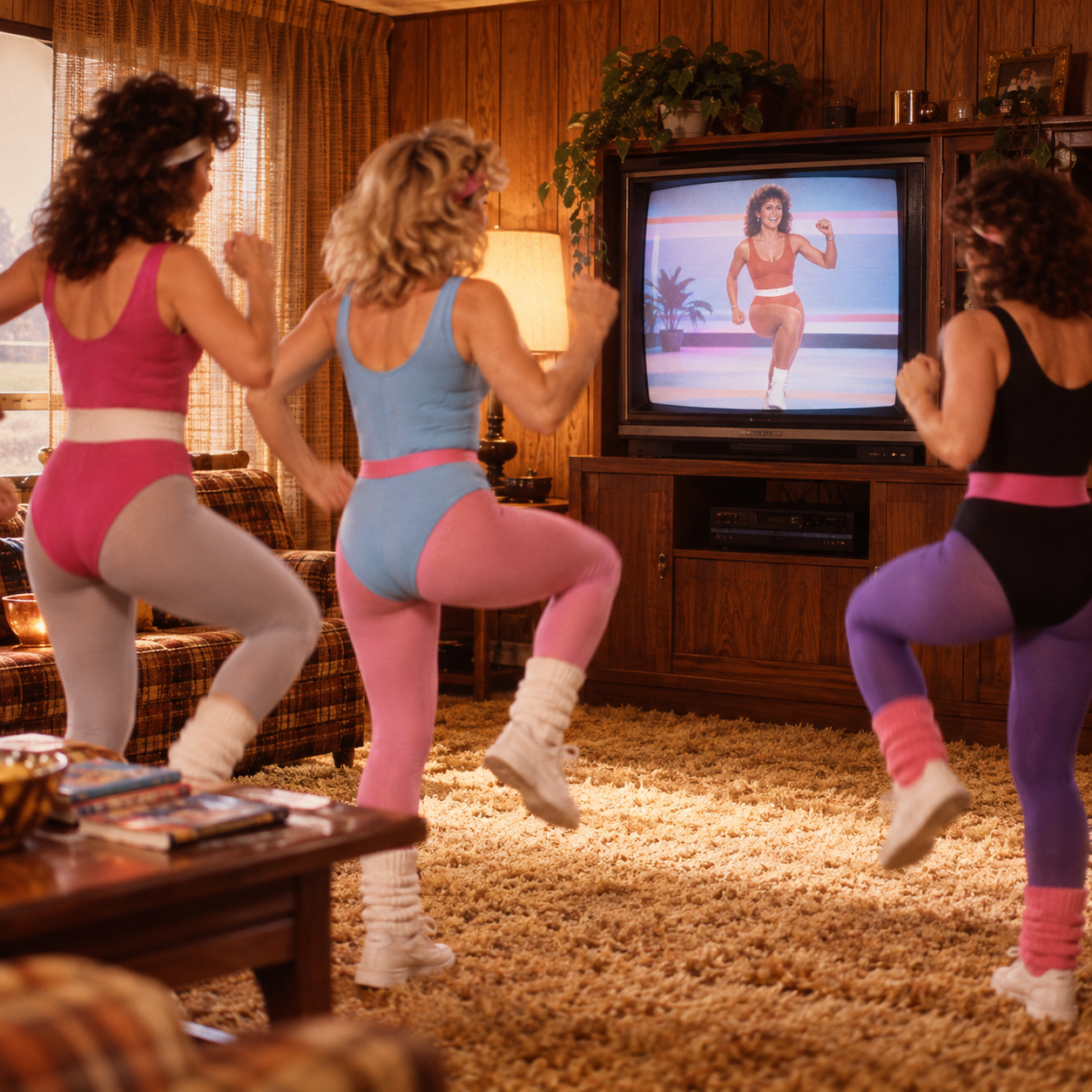
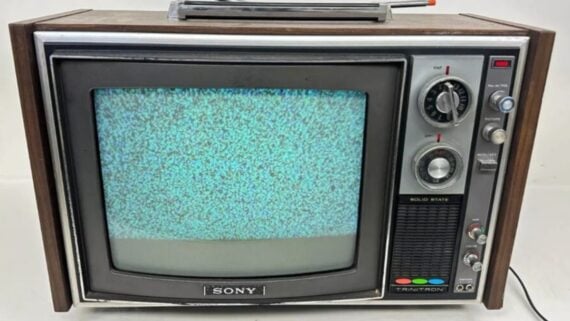
Sometimes fitness started simply because someone on television told you it was time to move. Viewers followed along with stretching, bending, kicking, and simple routines from their own living rooms, often in front of bulky television sets sitting inside wooden cabinets. There was something charmingly low-tech about it: turn on the TV, clear a little space near the coffee table, and try your best to keep up.
More Related Notes
• 18 Ways People Exercised at Home Before Fitness Apps and Smartwatches.
Revisit the simple home workout routines people relied on before fitness apps, wearable trackers, and connected exercise equipment became part of everyday life.
• 15 Ways Americans Stayed in Shape Before Gyms Were Everywhere.
Explore how Americans stayed active before modern gyms became commonplace, from neighborhood bike rides and calisthenics to dancing and everyday physical chores.
• 18 Vintage Photos That Show What Weekends Looked Like in 1970s America.
Take a nostalgic look at 1970s leisure and recreation, when outdoor activities, neighborhood sports, and active hobbies were a familiar part of the American weekend.