City life used to run on a strict schedule. People commuted at the same time, ate lunch near their office, and only saw their neighborhood in the evenings and on weekends. Then remote work changed everything. Millions of people stopped commuting, and cities had to adjust to a new rhythm.
Some changes were small, like busier coffee shops at 10 a.m. Others were bigger, like empty office towers and quieter downtowns. Here are twelve ways remote work has reshaped city living, for better and for worse.
1. Downtown Offices Sit Half Empty
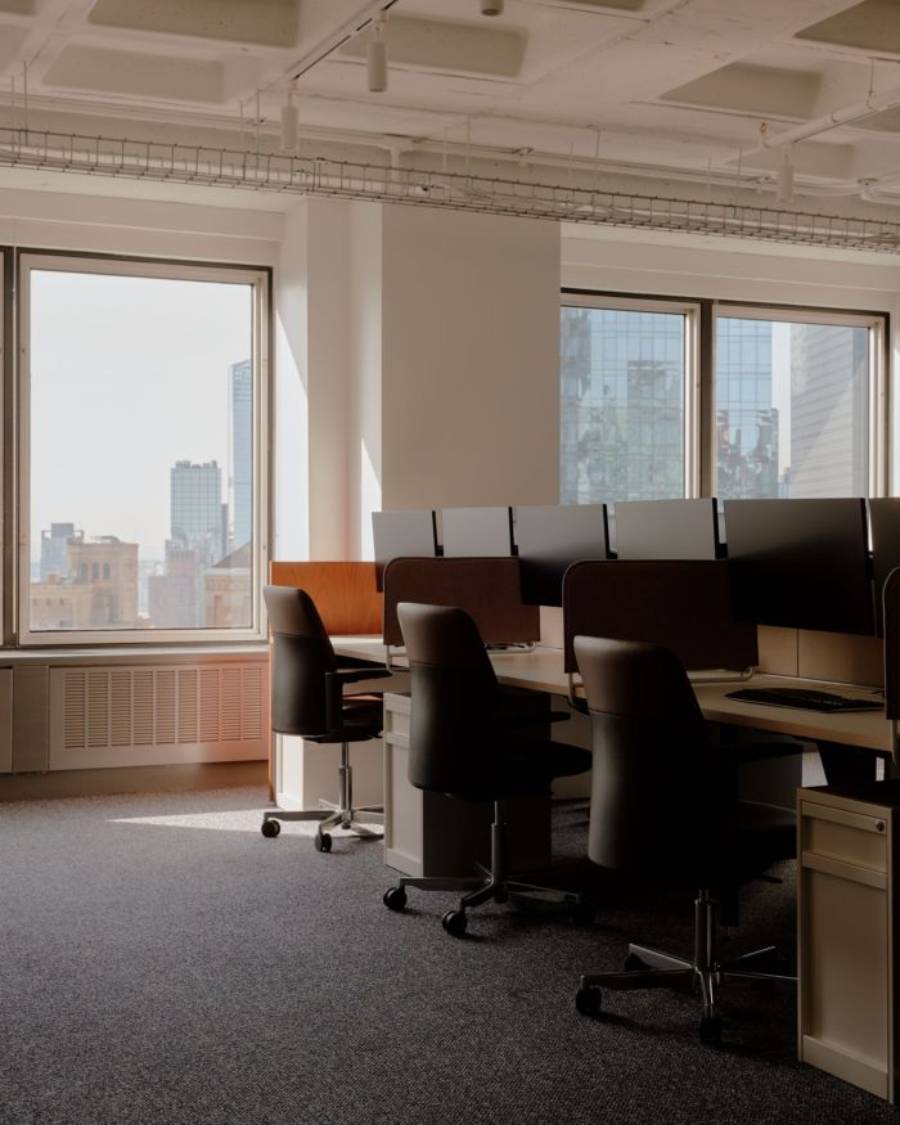
Office towers that once buzzed with workers now have entire floors empty. Many companies diminished their office space once they realized workers could do the job from home.
2. Coffee Shops Became Coworks
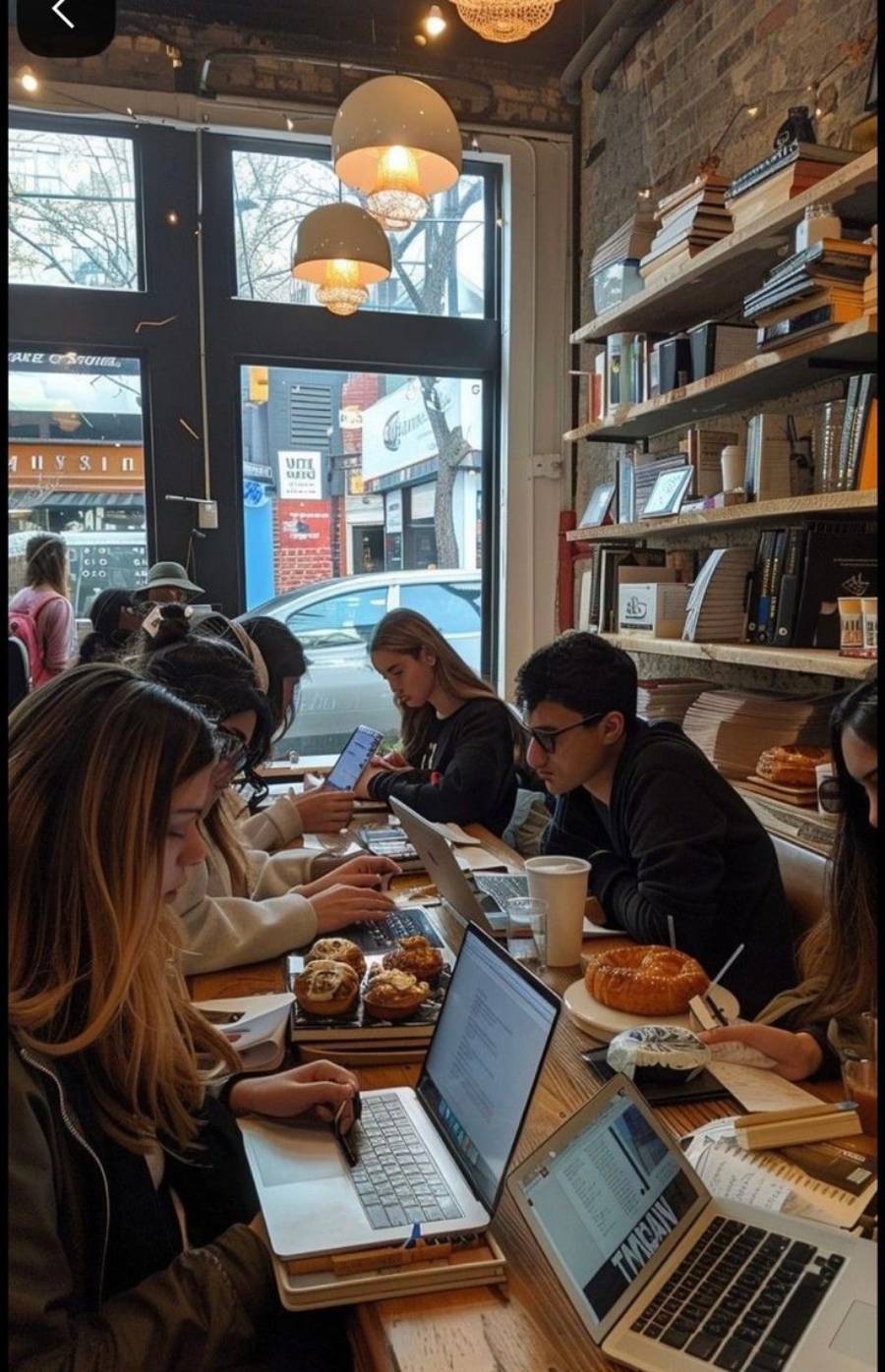
Local coffee shops turned into unofficial coworking places. Remote workers now grab a table for hours, with laptops open. Some cafes added more outlets and faster wifi just to keep up with the demand.
3. Rush Hour Isn’t What It Used To Be
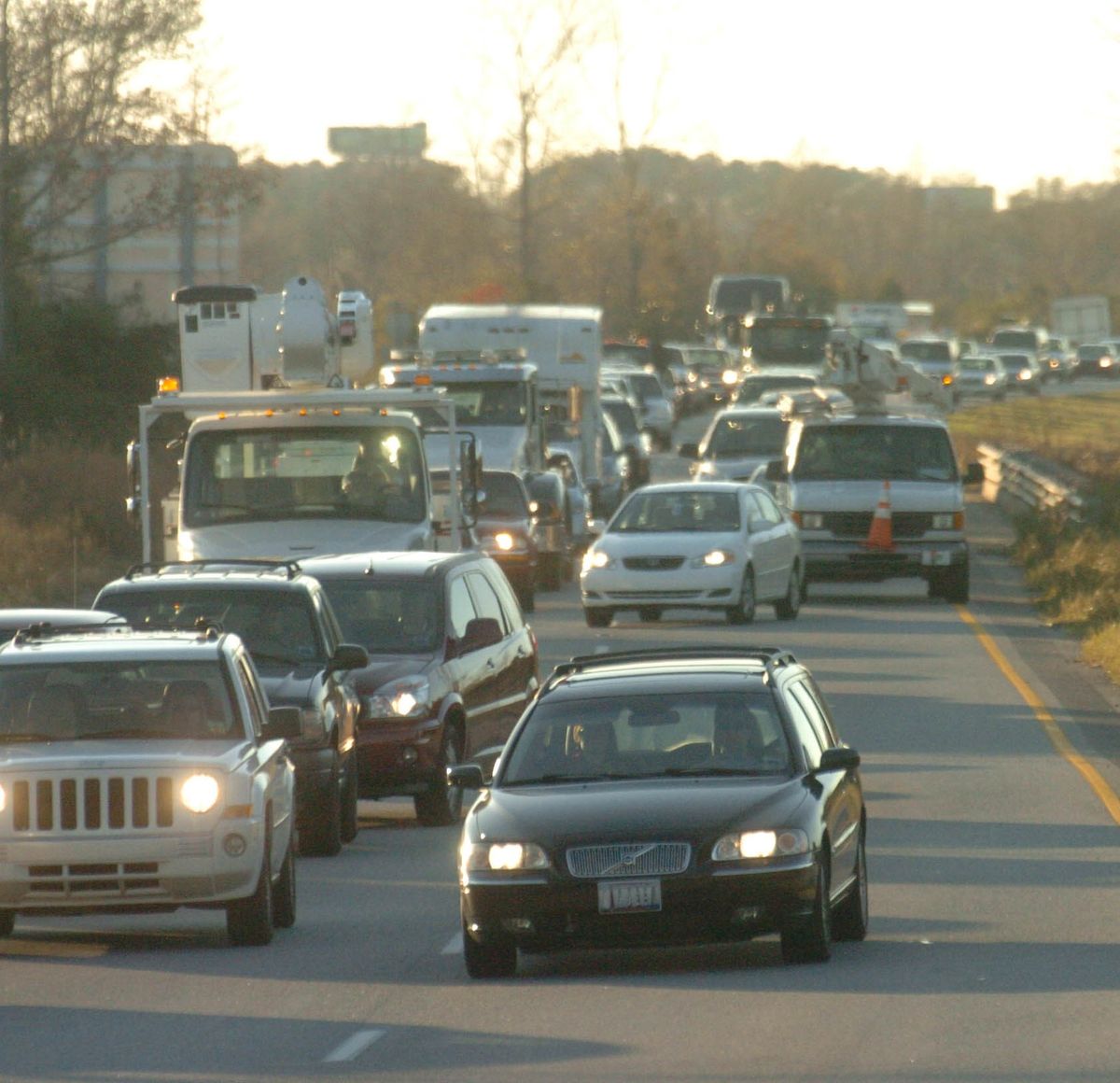
Traffic shifted once fewer people needed to be at their desks by 9 a.m. Subways and highways still get busy, but rush hour has softened in many cities. Some transit systems had to rethink their schedules because of it.
4. People Moved From City Centers
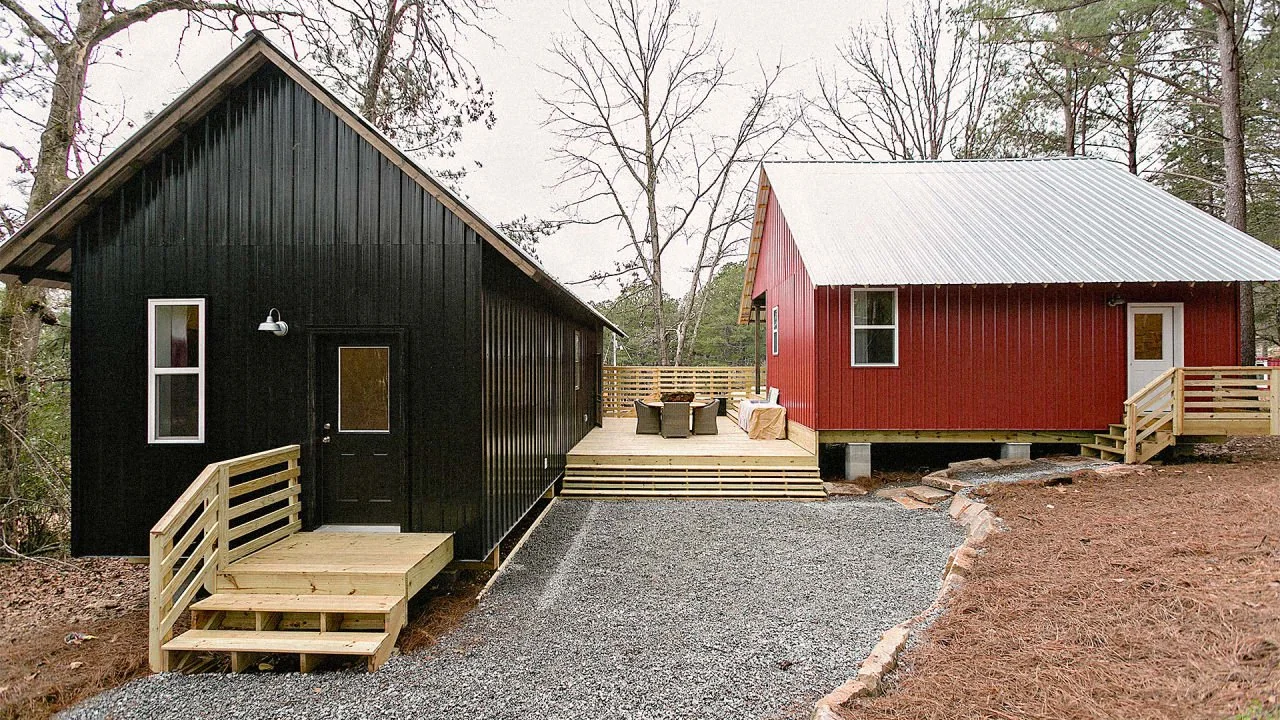
Many workers left expensive downtown apartments for cheaper homes. Suburbs and even small towns saw a wave of new residents who used to live near their offices. This pushed up housing prices in places that were once considered too far.
5. Coworking Spaces
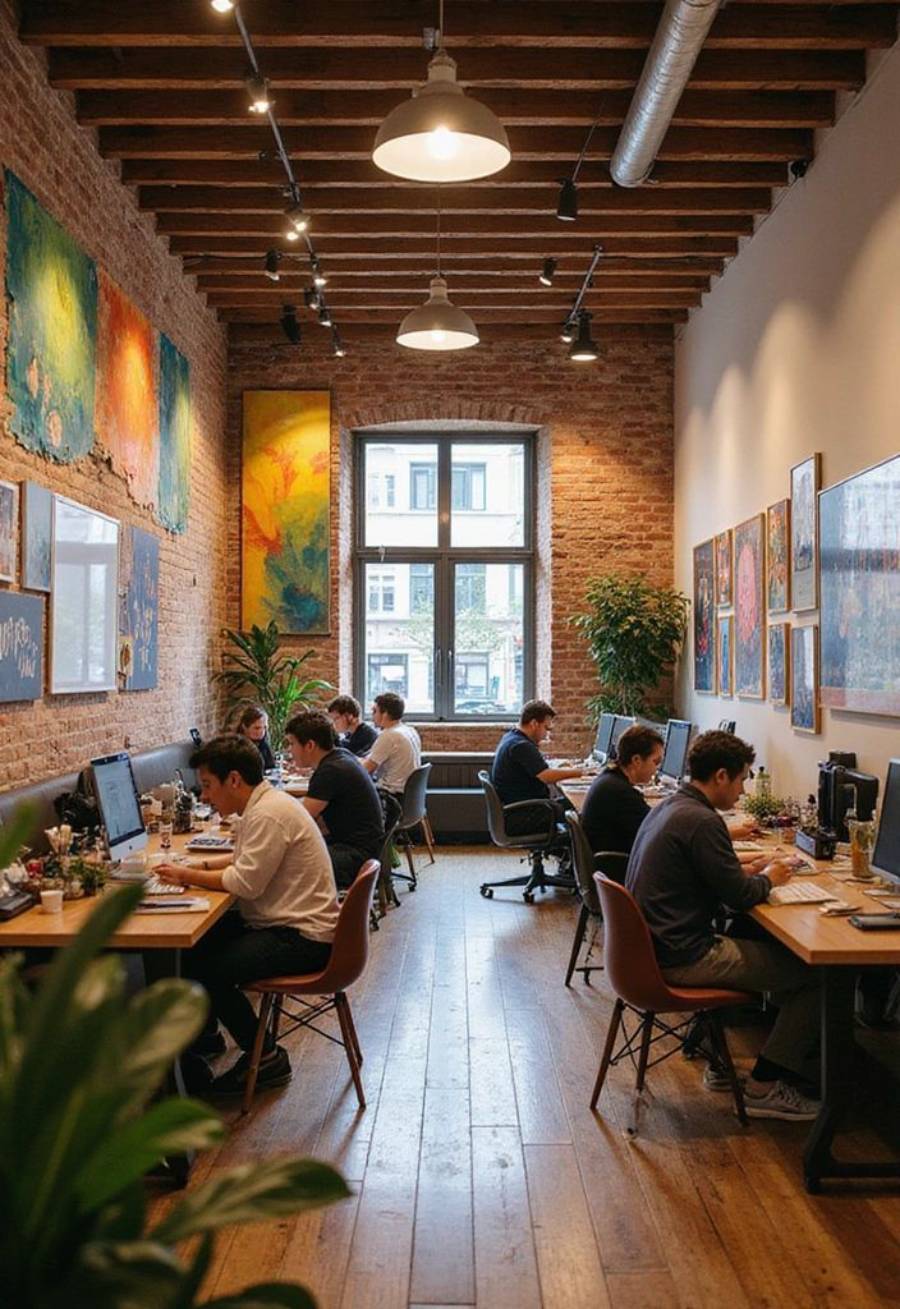
Shared office spaces became popular for remote workers who wanted to leave the house without going all the way downtown. These spaces are often smaller and closer to residential areas, unlike traditional offices. Some even opened inside old retail stores.
Trending on Wealth Gang


6. Lunch Spots Near Offices Struggled
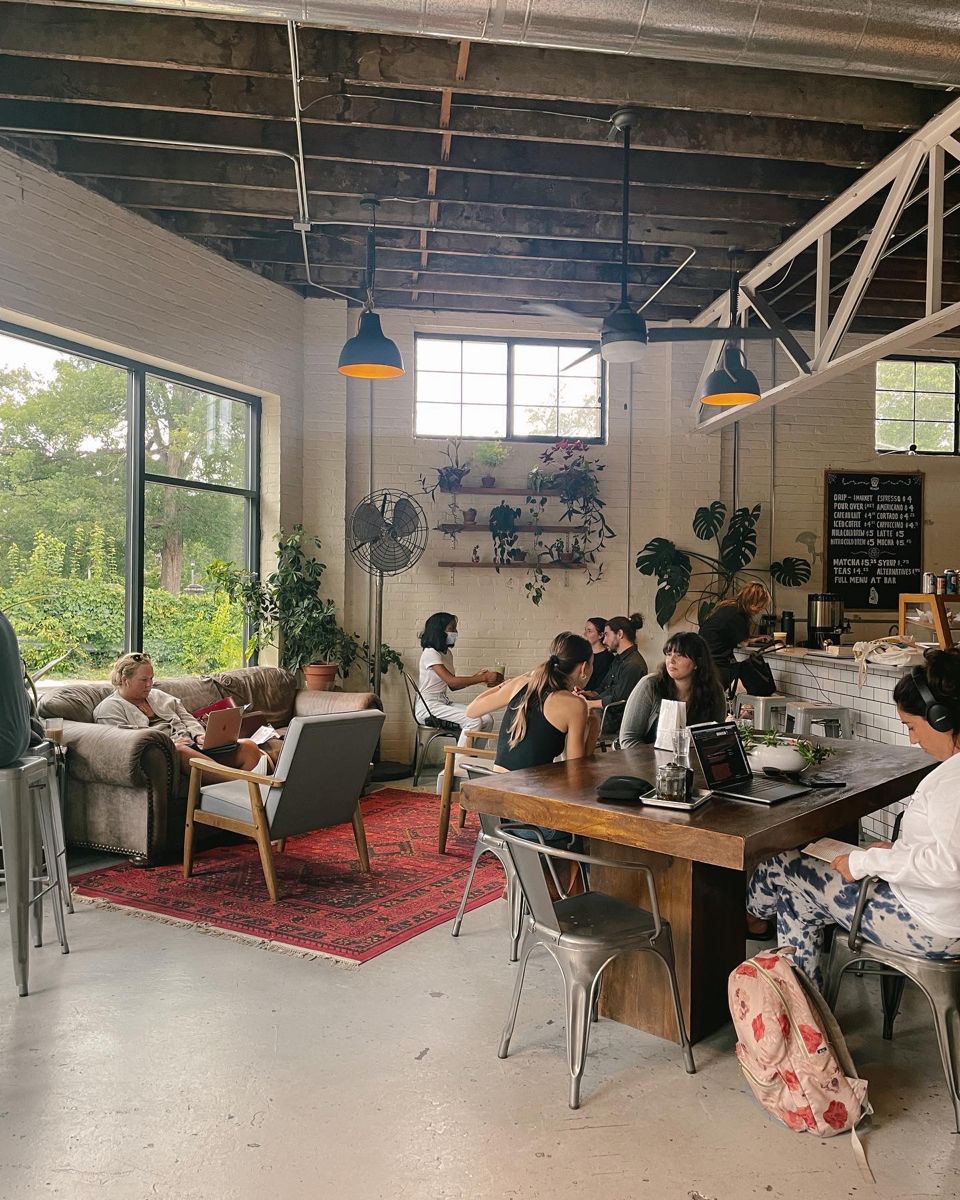
Restaurants that depended on the weekday lunch rush lost a huge amount of activity. Many had to close or move to spots with more foot traffic on weekends. Others switched to serving dinner and brunch instead of banking on office workers.
7. Neighborhoods Feel Livelier
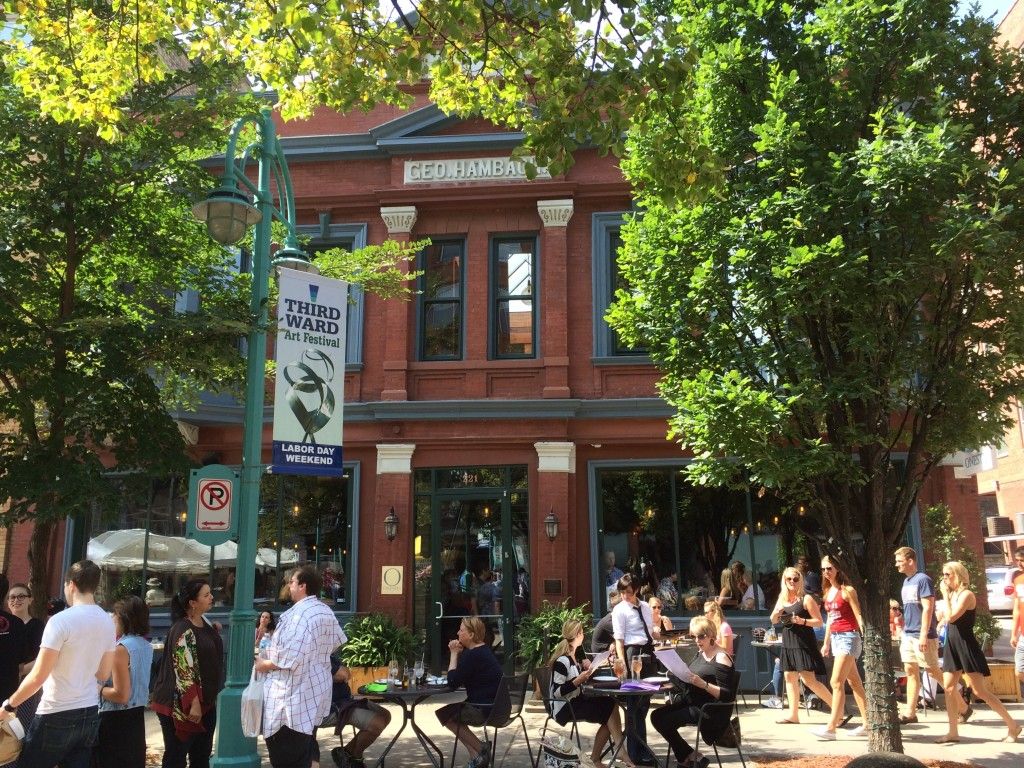
Residential areas that used to be quiet during work hours are now busier all day long. Parks, gyms, and grocery stores see steady traffic from morning to evening instead of just early mornings and nights. It’s changed the feel of many neighborhoods from sleepy by day to active.
8. Public Transit Dropped
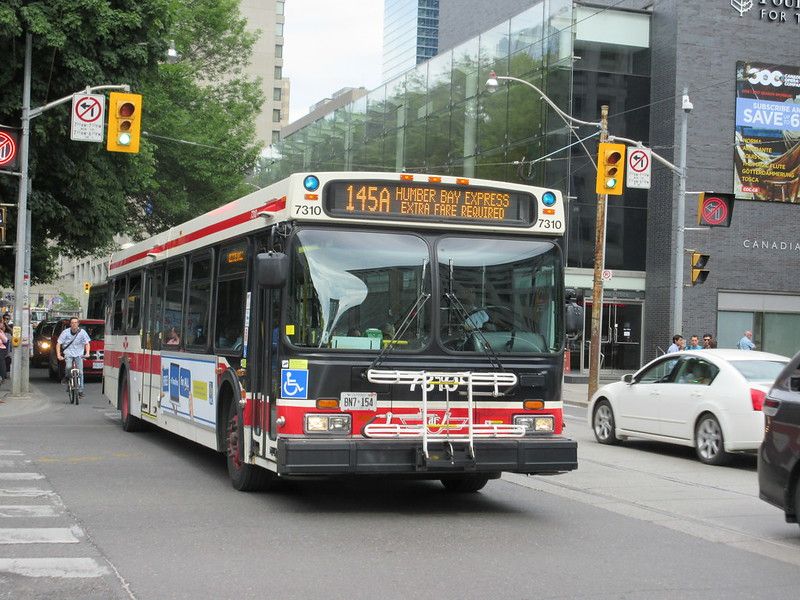
Buses and trains that once relied on commuters running them full during weekdays now carry fewer riders. Some cities cut routes or reduced how often trains run because ridership never fully bounced back. Transit agencies are still figuring out how to adjust their budgets.
Sign up for our newsletter
9. Home Renovations Boomed
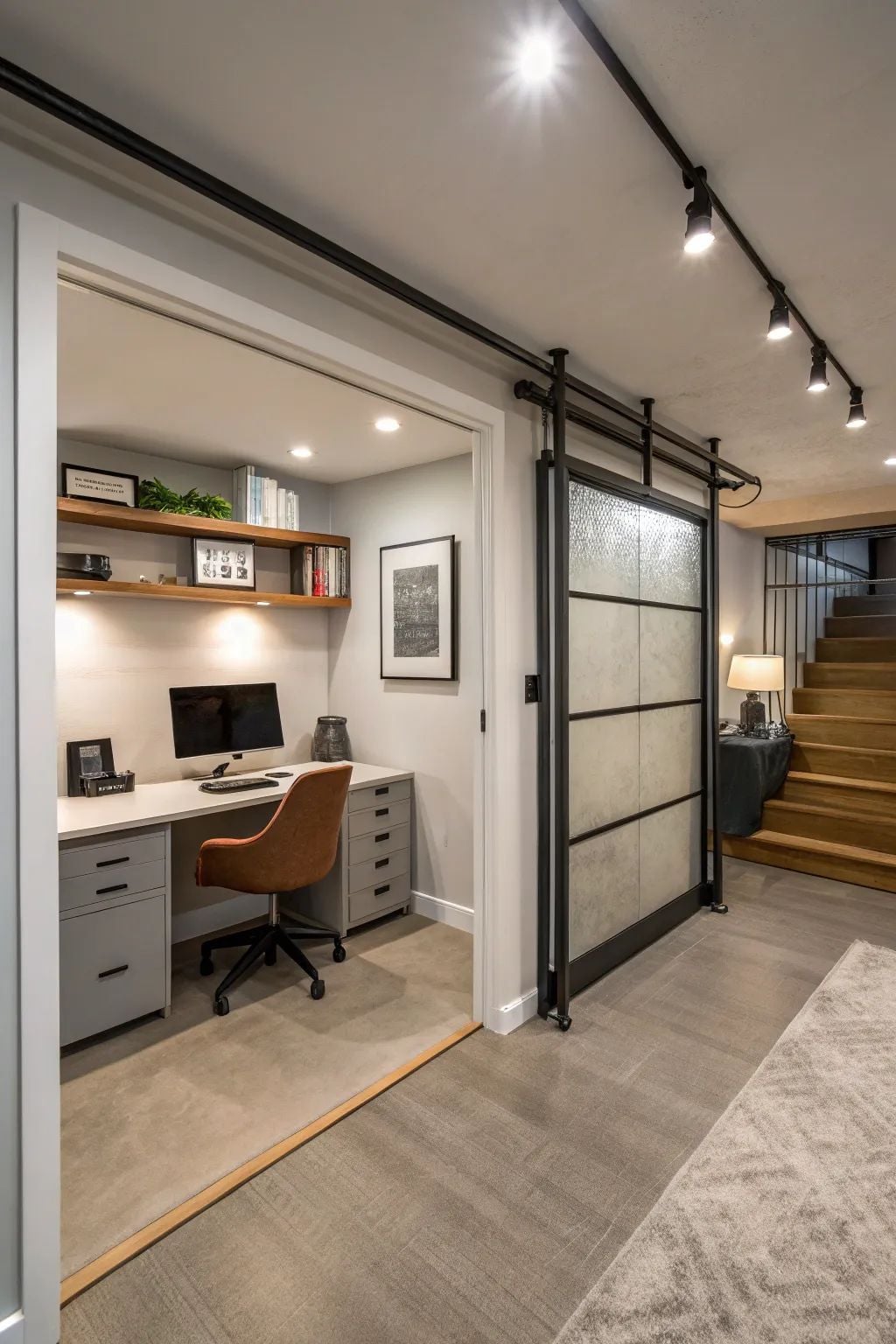
People spending more time at home started investing in home offices, better internet, and more space. Contractors saw a surge in requests for converted garages and finished basements turned into workspaces. Home improvement stores had one of their busiest stretches in years.
10. City Governments Lost Tax Revenue
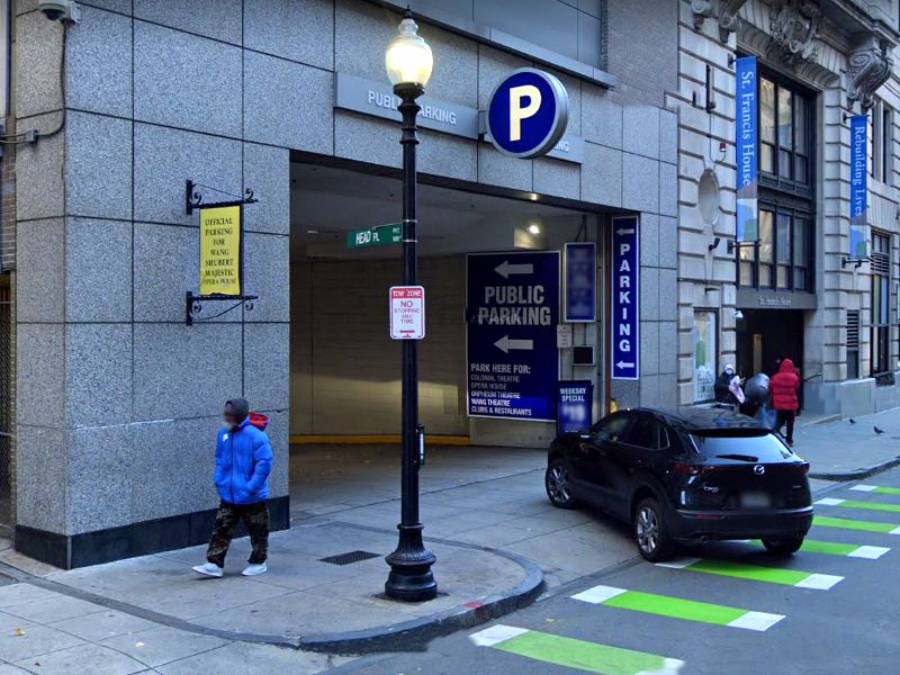
Fewer office workers downtown meant less spending on parking, transit fares, and nearby businesses. Some cities saw a real drop in tax revenue that used to come from all that daily activity.
11. Third Places Became More Important
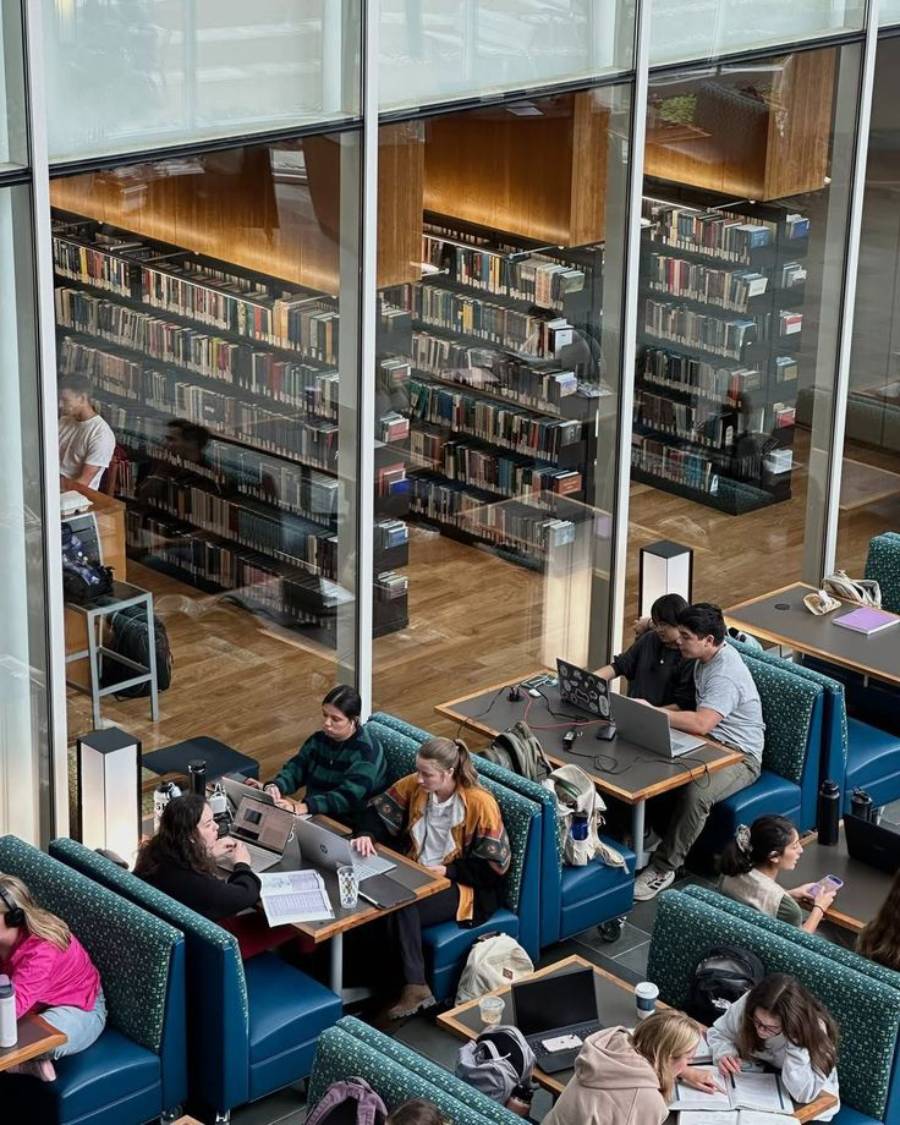
With no office to go to, people started looking for other spots to work, socialize, or just get out of the house. Libraries, parks, and community centers saw more use as people searched for a change of scenery. These “third places” became an important part of everyday life.
12. Cities Are Rethinking What Downtown Is For
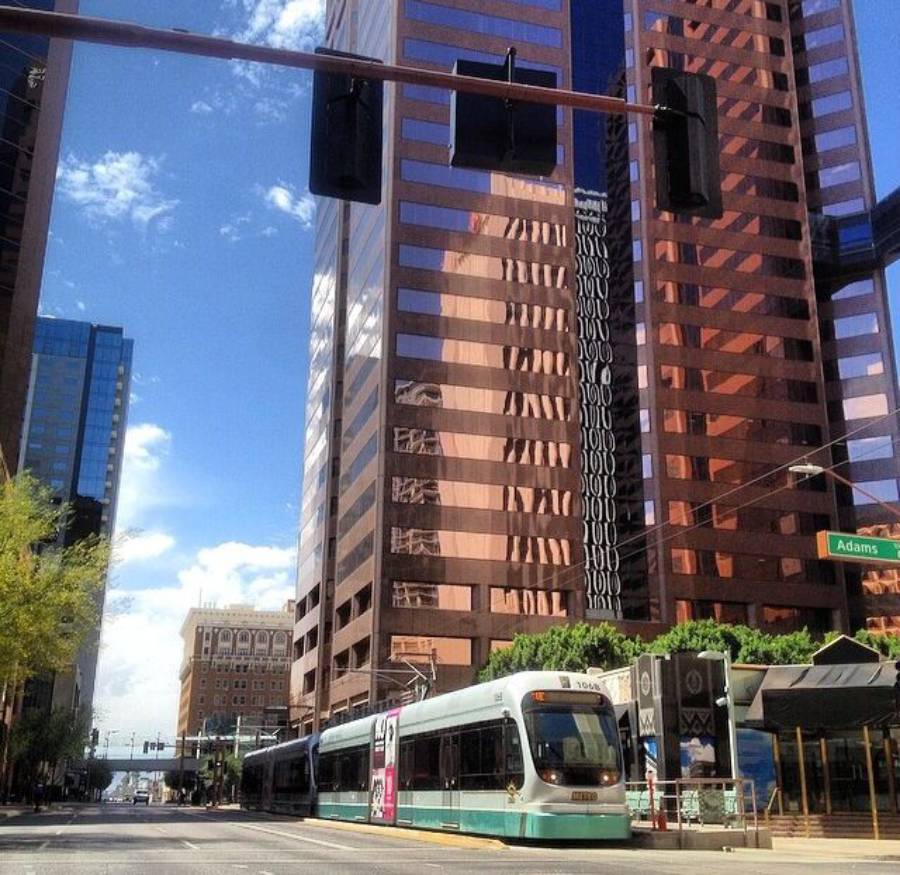
With fewer office workers, some cities are turning old office buildings into apartments or mixed-use spaces. City planners are asking new questions about what downtown should look like if it isn’t just a place to work. It is changing the identity of many downtown areas for the better.
Interested in more?
Check out 20 Throwback Photos That Capture New York City in the ’60s for a visual trip through the era’s grit and style. Then see 12 Habits That Were Normal in 1960s Cities for a look at the daily routines that shaped city life back then. And for a jump to today’s urban landscape, 15 Cities That Became Unexpected Tech Hubs shows how far some cities have come since.