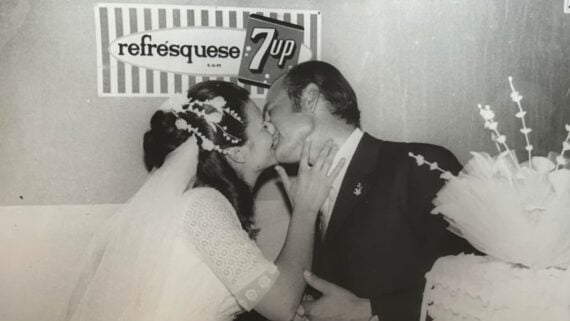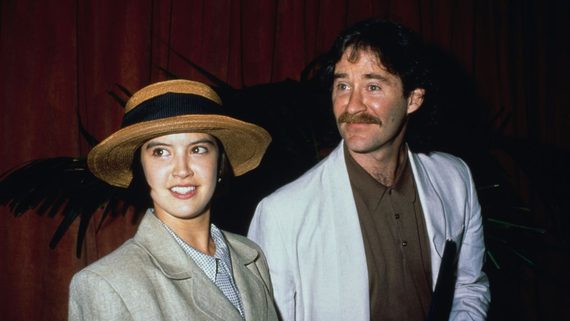
City life in the 1960s ran at a different pace. People walked more, talked more, and relied less on machines to get things done. Neighbors knew each other by name, kids roamed the block without a second thought, and daily errands meant real face-to-face conversations instead of quick taps on a screen. These daily habits shaped a community culture that defined the era.
Looking back, some of these habits seem old-fashioned. Others seem downright unimaginable today. But together, they paint a picture of a slower, more connected way of city living that shaped a generation.
1. Leaving Your Door Unlocked
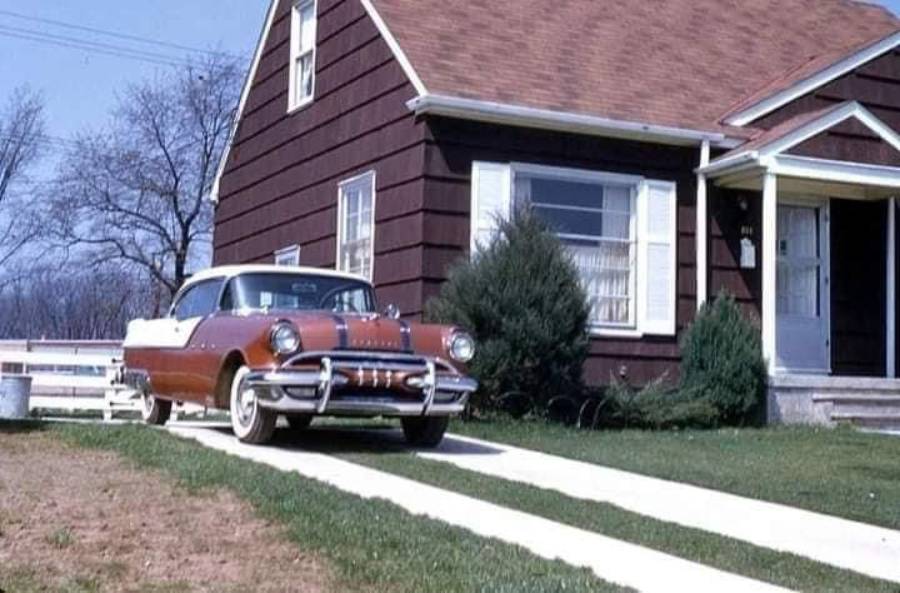
In many city neighborhoods, locking the front door during the day was unusual. Neighbors dropped by unannounced, kids ran in and out to play, and trust in the people next door was part of everyday life.
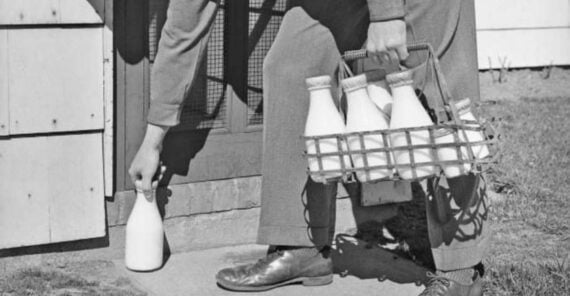
2. Getting Milk Delivered to Your Doorstep
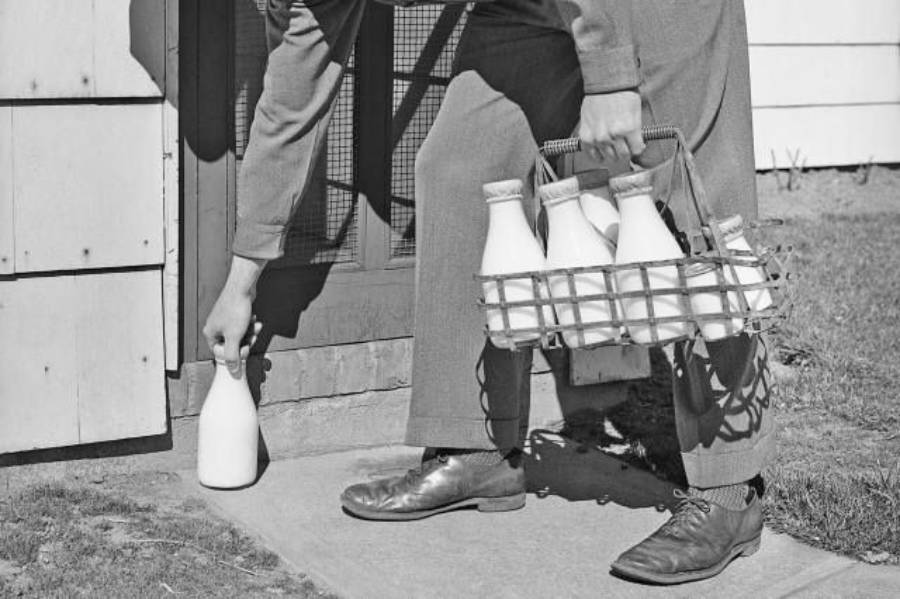
Milkmen still made regular rounds through city blocks in the early 1960s. Families paid the bill once a month rather than shopping for milk every week.
3. Dressing Up to Go Downtown
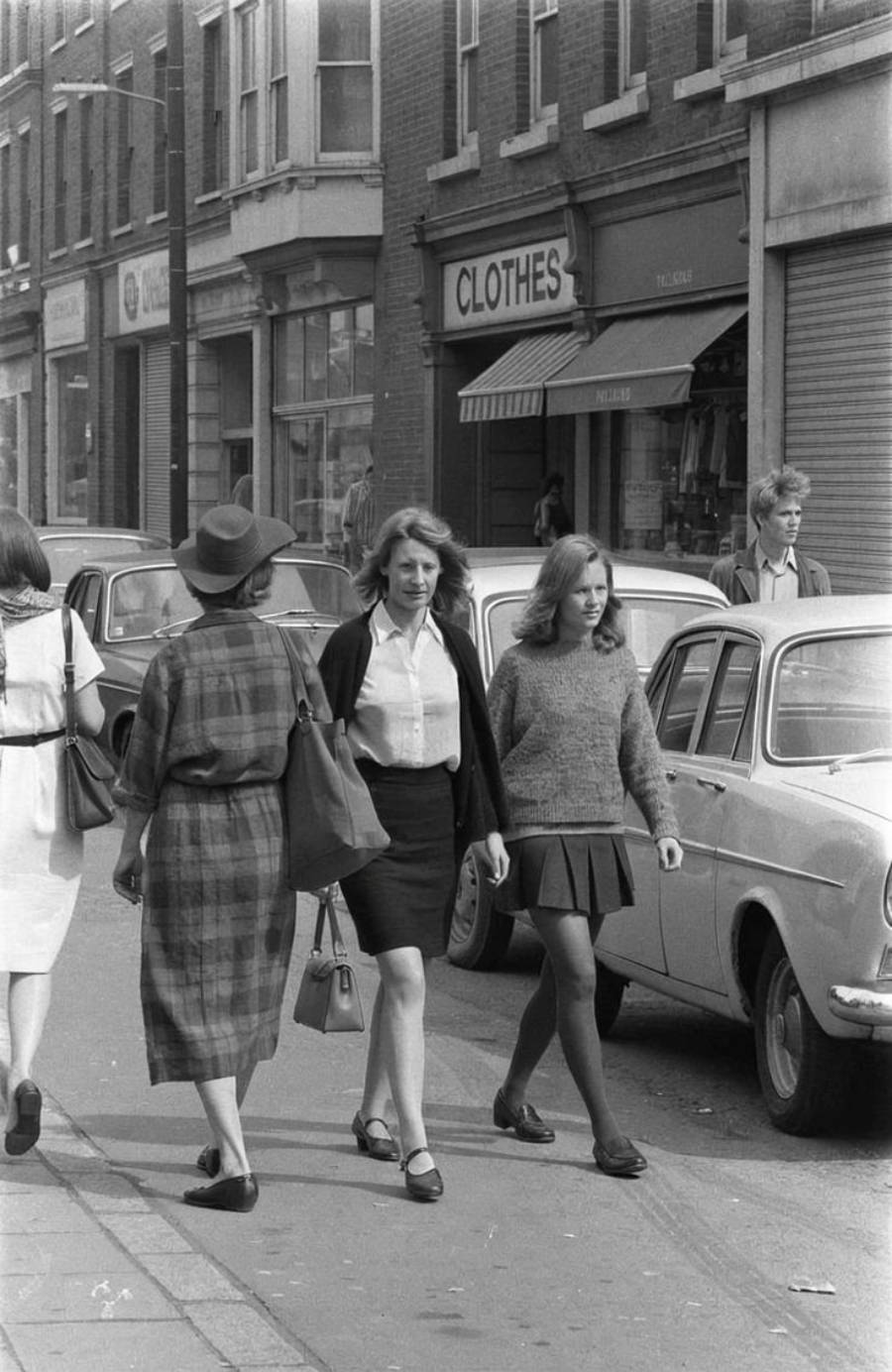
A trip to the department store or a doctor’s appointment meant putting on your best clothes. Hats, gloves, and suits were common, even for simple errands.
4. Smoking Almost Everywhere

Cigarettes were part of everyday city life. People smoked in restaurants, offices, elevators, and even hospital waiting rooms.
5. Reading the Newspaper
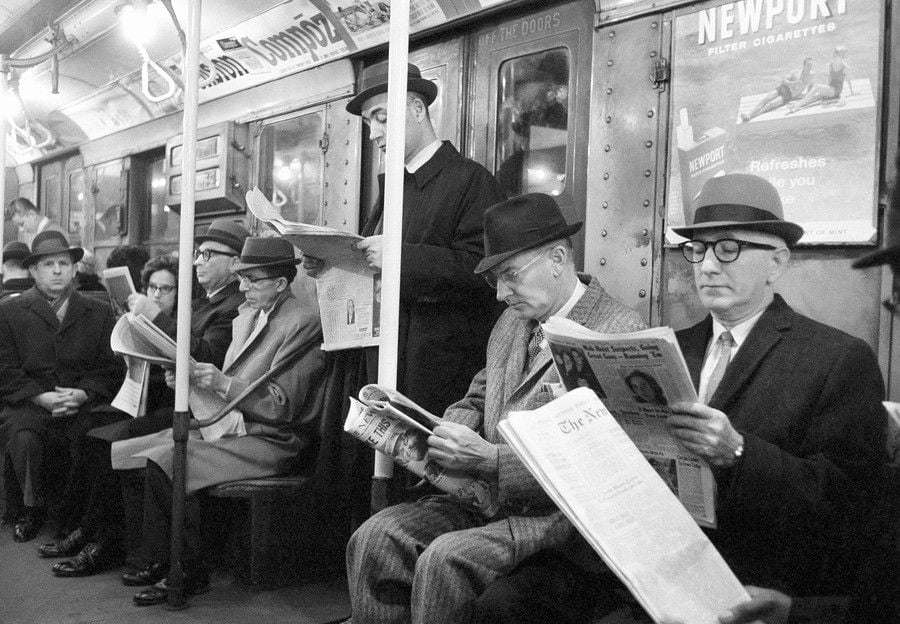
Citizens picked up a paper on the way to work or had one delivered to their doorstep. It was the main way people learned the news, checked the weather, and found out what was playing at the local theater.
Trending on Wealth Gang

6. Using Public Phone Booths
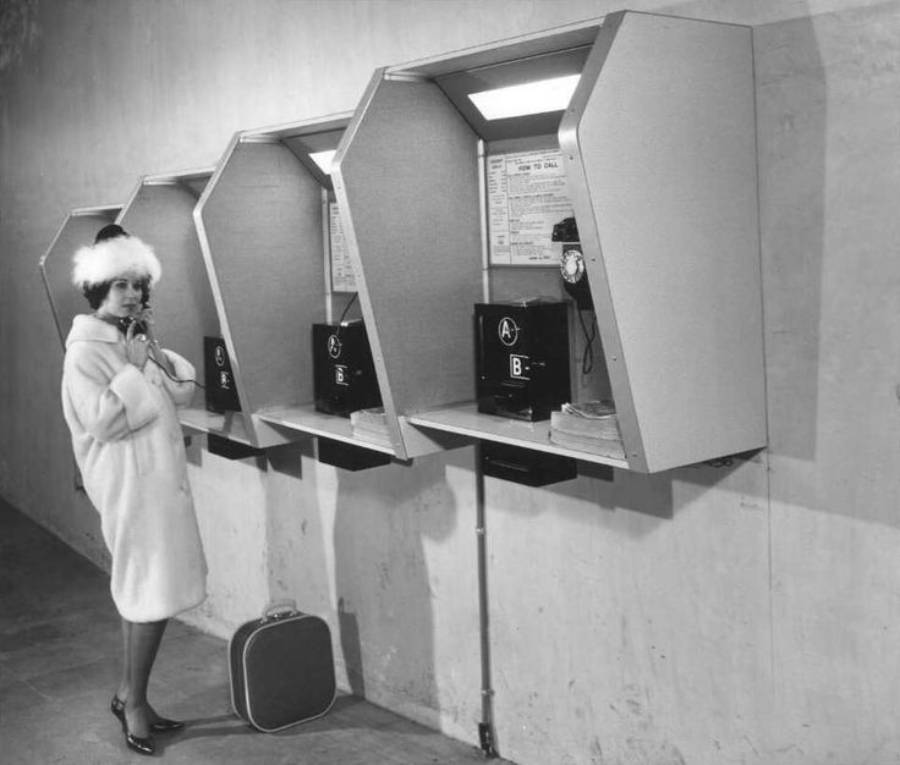
Before cell phones, a quick call meant finding a phone booth on the corner. People carried spare change just for this purpose, and booths were a common sight on nearly every busy street.
7. Kids Walking to School Alone
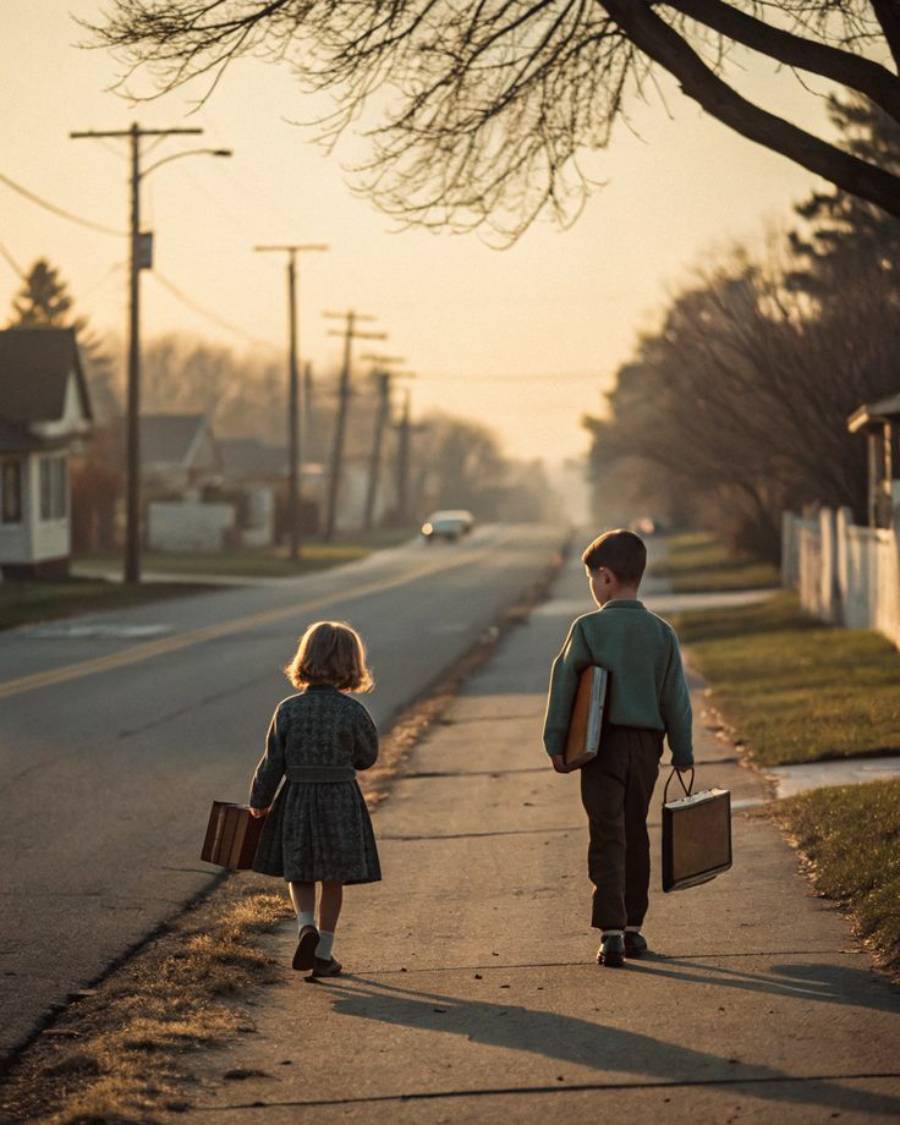
Children in cities often walked or biked to school without an adult in sight. Parents trusted the neighborhood, and it was normal for kids as young as six or seven to make the trip by themselves.
8. Shopping at Local Stores
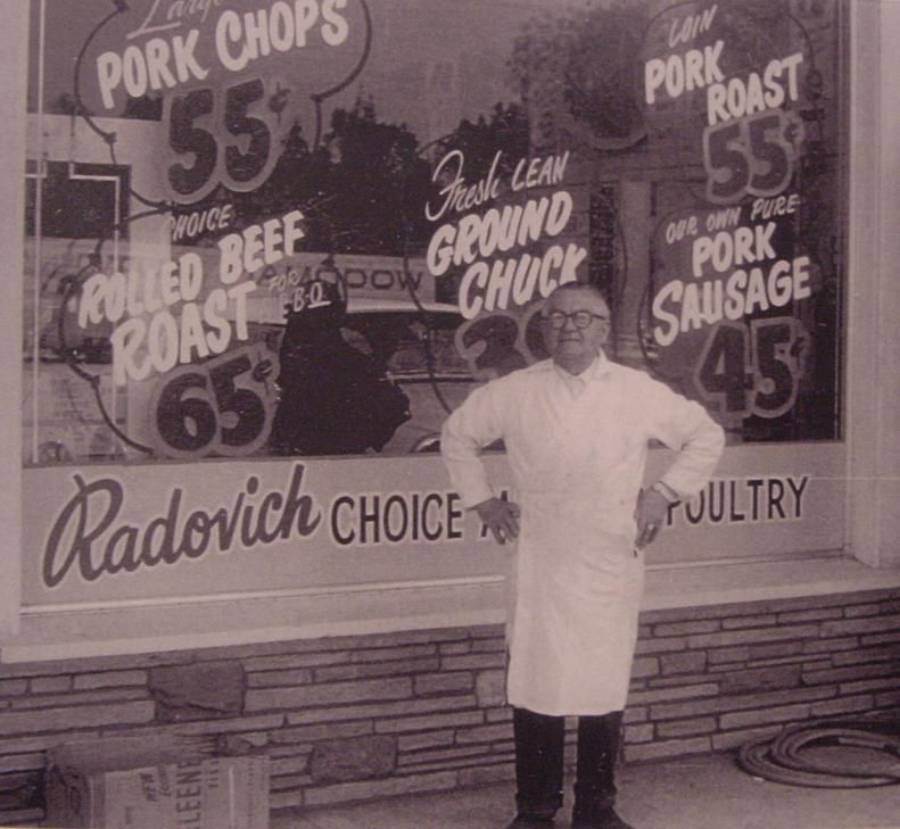
Instead of big supermarkets, people bought groceries from the butcher, the baker, and the corner shop. Shop owners knew their customers by name and often let regulars buy on credit until payday.
Sign up for our newsletter
9. Watching Television as a Family Event
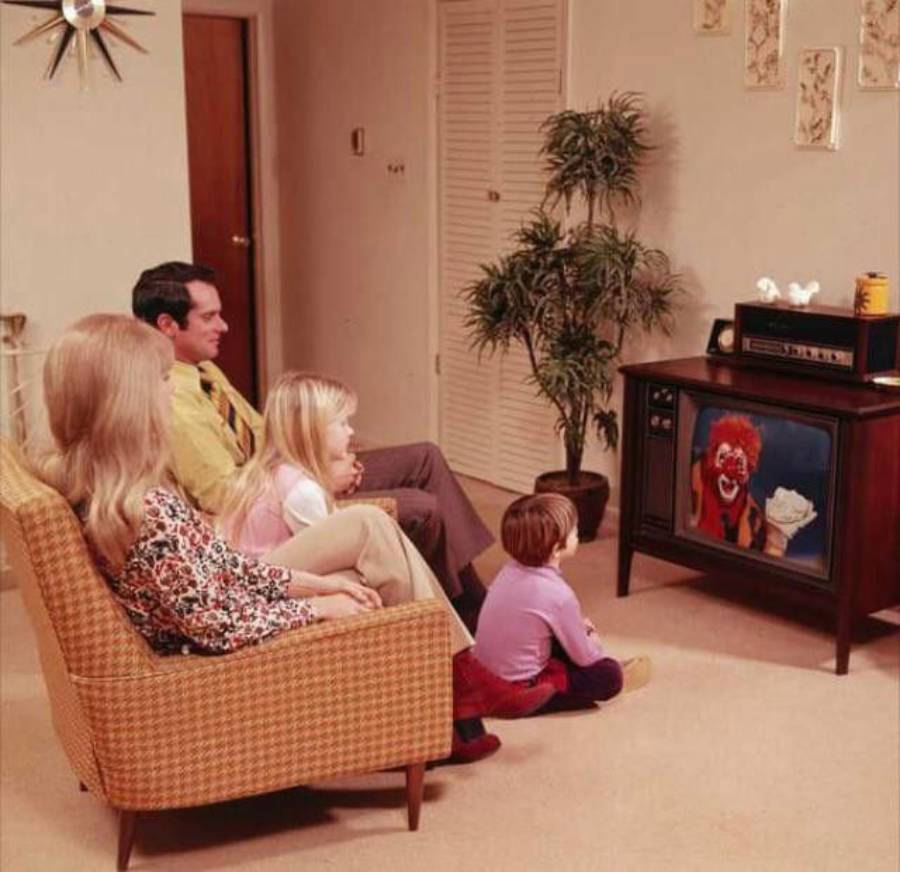
With only a few channels available, families gathered around one television set to watch the same shows together. Choosing what to watch was a group decision, and the TV was often the center of the living room.
10. Getting Your Shoes Shined on the Street
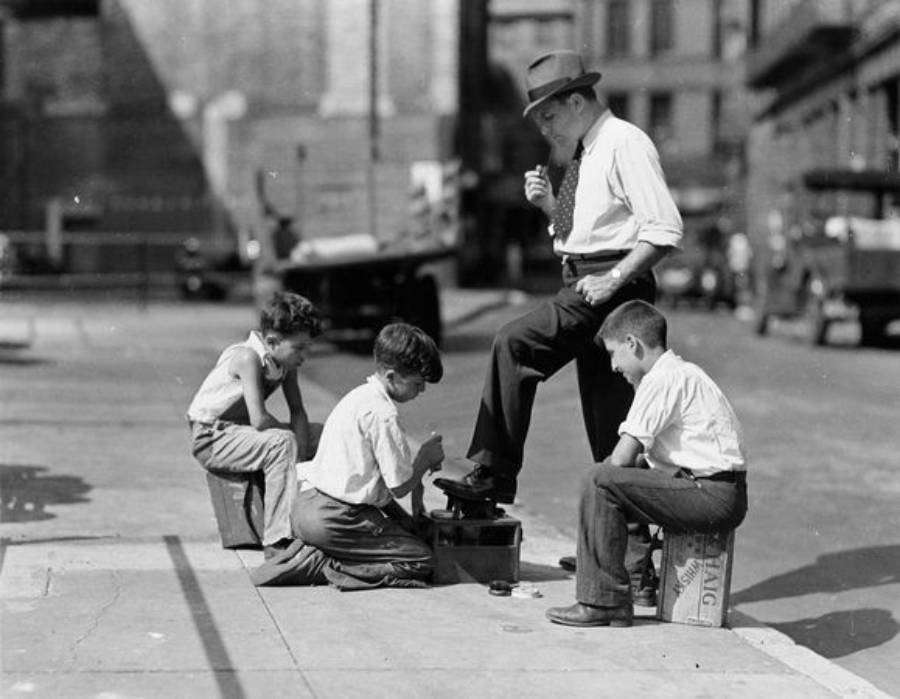
Shoe shine stands were common on busy city corners. Men in suits would stop for a polish on their way to the office, as part of the daily routine.
11. Paying Bills by Mail or in Person
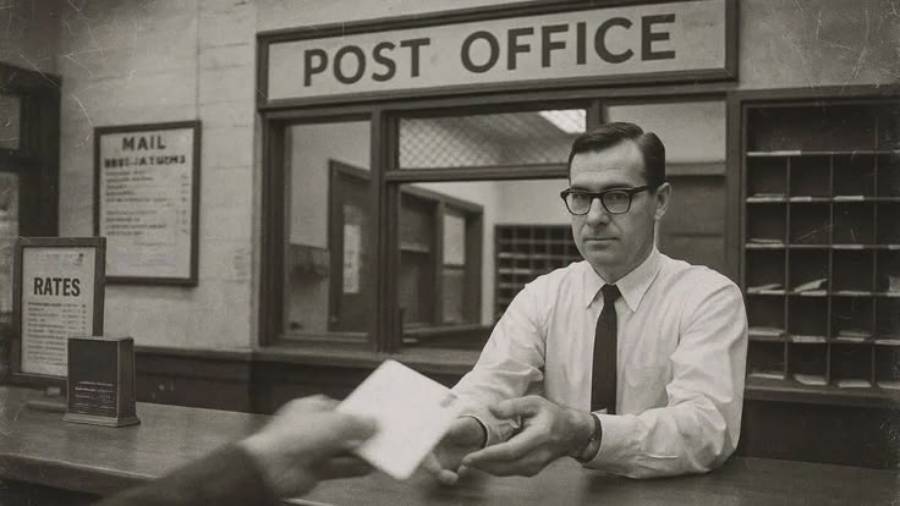
There were no online payments or auto-pay systems. People wrote checks, mailed them in envelopes, or walked into the utility office to pay their bills directly at the counter.
12. Knowing Your Mail Carrier by Name
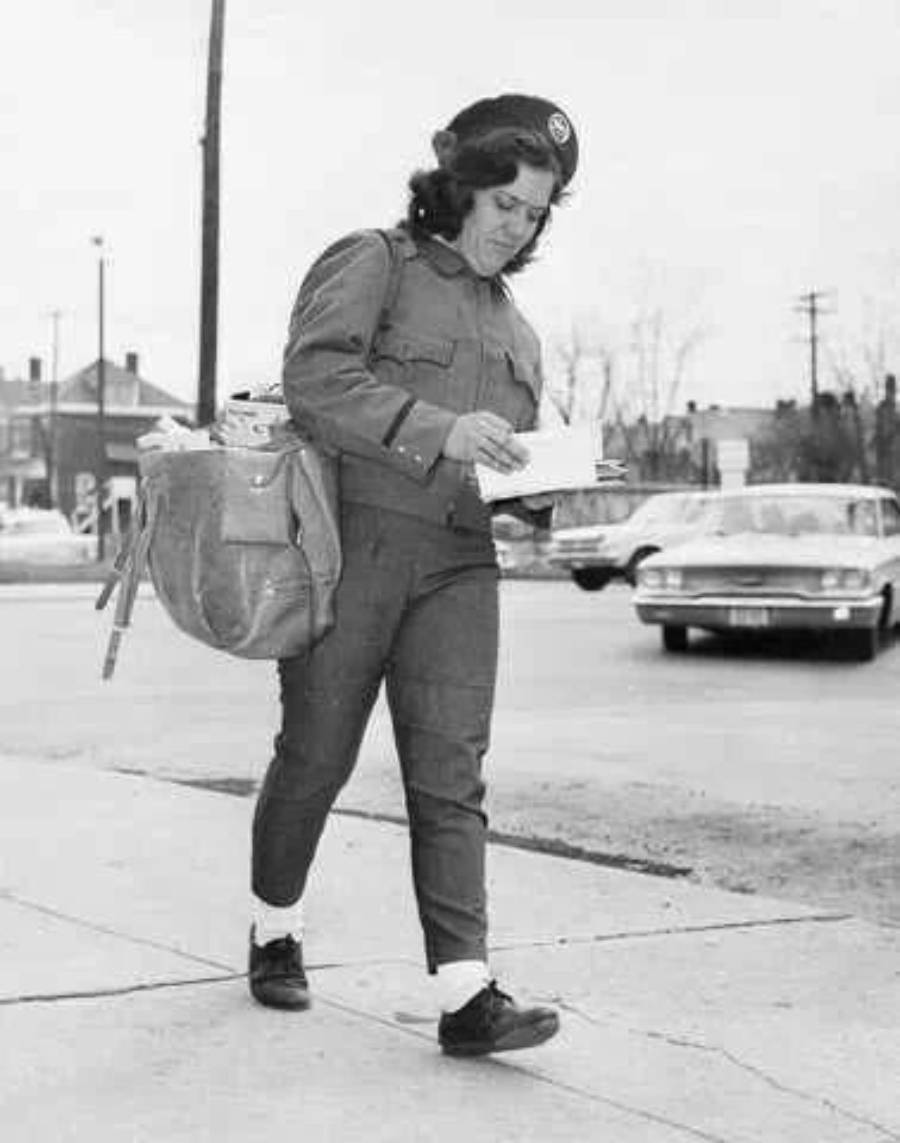
Mail carriers walked the same route every day for years, and city residents often knew them personally.
Interested in more from the Swinging 60´s?
Check out 20 Vintage Photos That Capture Christmas in America in the 1960s for a look at holiday mornings under the tree. Then check out 15 Iconic Foods Invented in the 1960s, from Pop-Tarts to frozen pizza, for a taste of the era’s kitchen innovations. And for a look at the era’s biggest laughs, don’t miss 15 Comedians From the 1960s Who Inspired Many Later Generations.