The 1990s were a time when many everyday purchases felt well within reach for the average household. Rising incomes, lower housing costs, and a different economic landscape allowed families to spend money on things that seemed relatively affordable without requiring years of planning or financing.
Fast forward to today, and many of those same purchases have become significantly more expensive. Whether due to inflation, supply shortages, rising demand, or changing lifestyles, items that once fit comfortably into a middle-class budget now feel like luxury purchases for many people.
1. Buying a Starter Home
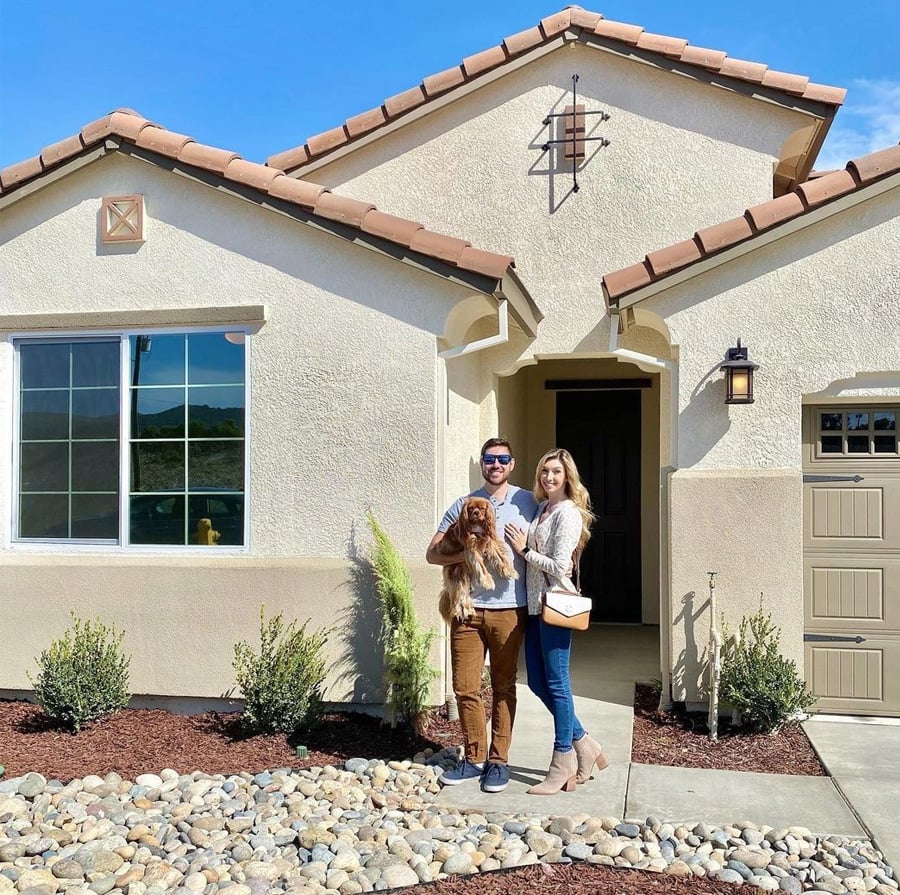
Buying a starter home felt more affordable in the 1990s because many first-time buyers could find smaller houses that fit within a realistic budget, while today high home prices and mortgage costs make this purchase feel like a luxury.
2. Purchasing a New Car

Purchasing a new car in the 1990s was often seen as a normal family expense, but today the price of new vehicles, insurance, repairs, and financing can make buying a car feel much less affordable.
3. Taking a Family Vacation
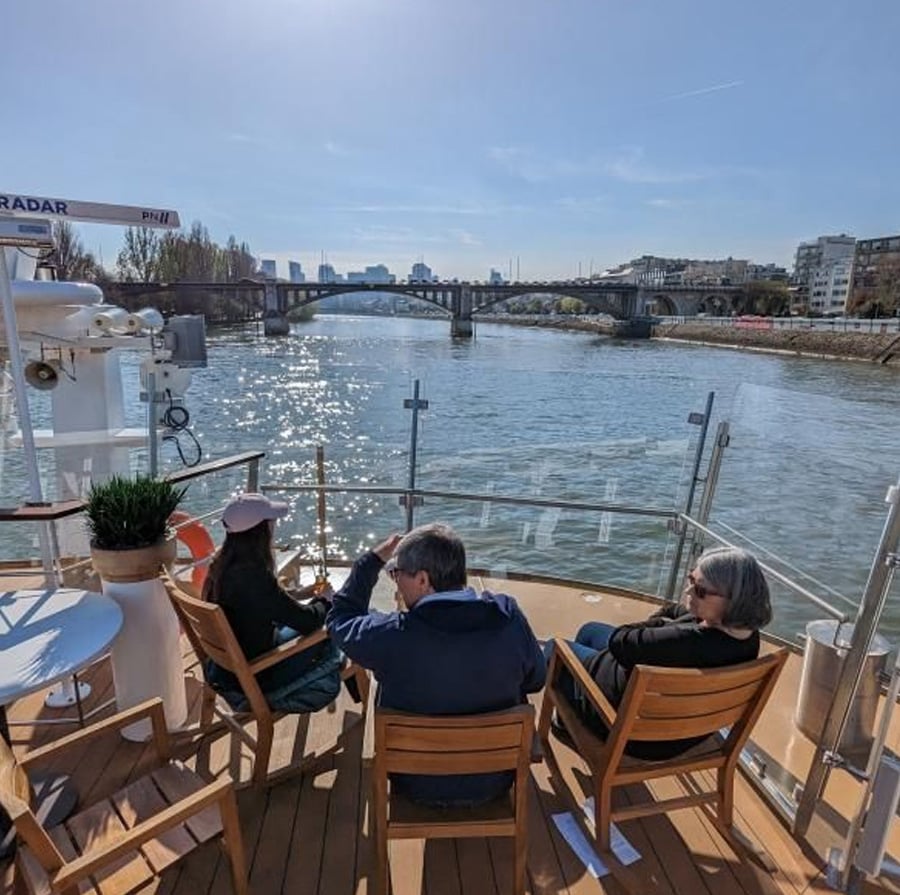
Taking a family vacation felt more manageable in the 1990s because hotels, flights, gas, and attraction tickets were often easier to fit into a yearly budget, while today travel costs can make even a simple trip feel expensive.
4. Going Out to Dinner Regularly

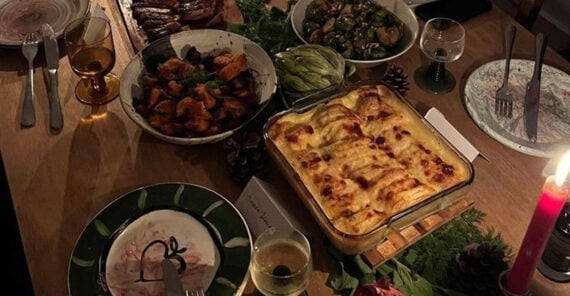
Going out to dinner regularly was a common treat for many families in the 1990s, but today restaurant prices, tips, drinks, and service fees can make dining out feel like a luxury instead of a casual expense.
5. Buying Concert Tickets
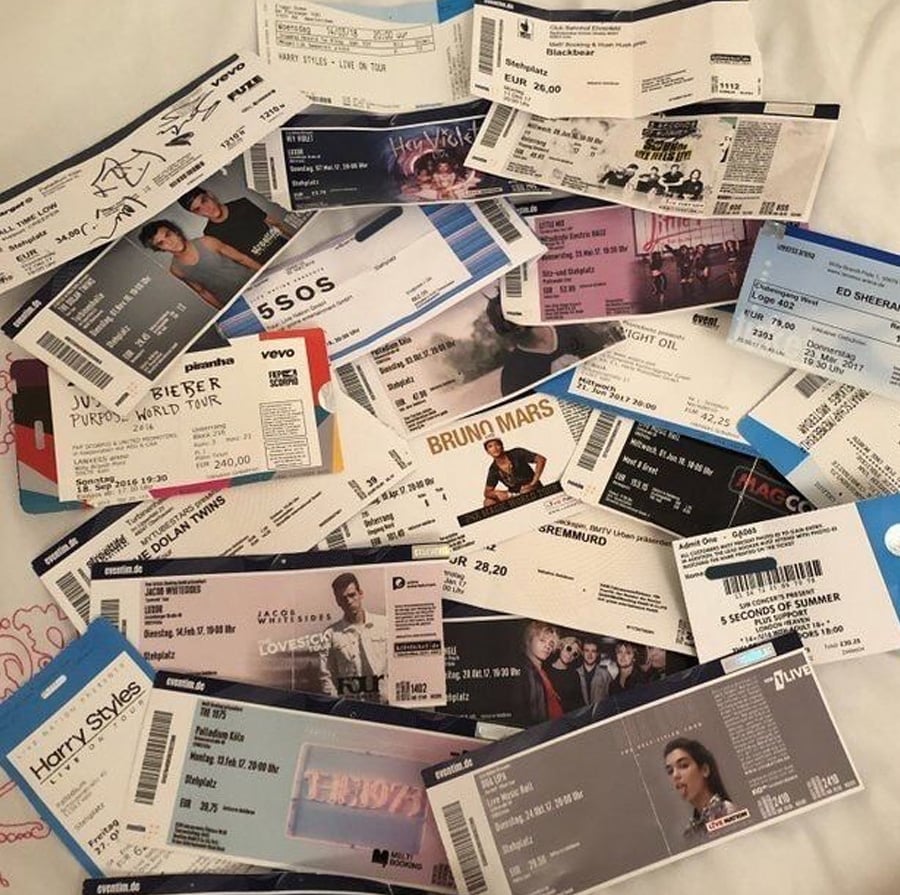
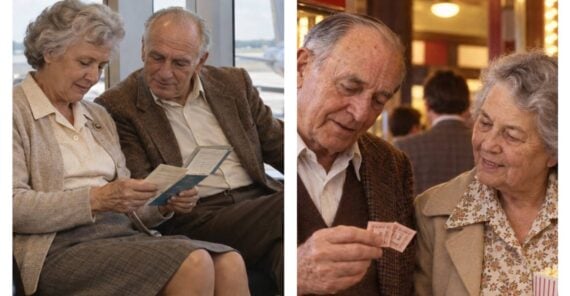
Buying concert tickets in the 1990s could be affordable enough for regular fans, while today ticket prices, resale markups, and extra fees have made live music feel far more expensive.
Trending on Wealth Gang
6. Sending Kids to Summer Camp

Jull.93 / Instagram.com
Sending kids to summer camp was often a reachable purchase in the 1990s, but today camp fees, equipment, transportation, and specialty programs can make summer activities feel like a major luxury expense.
7. Paying for College
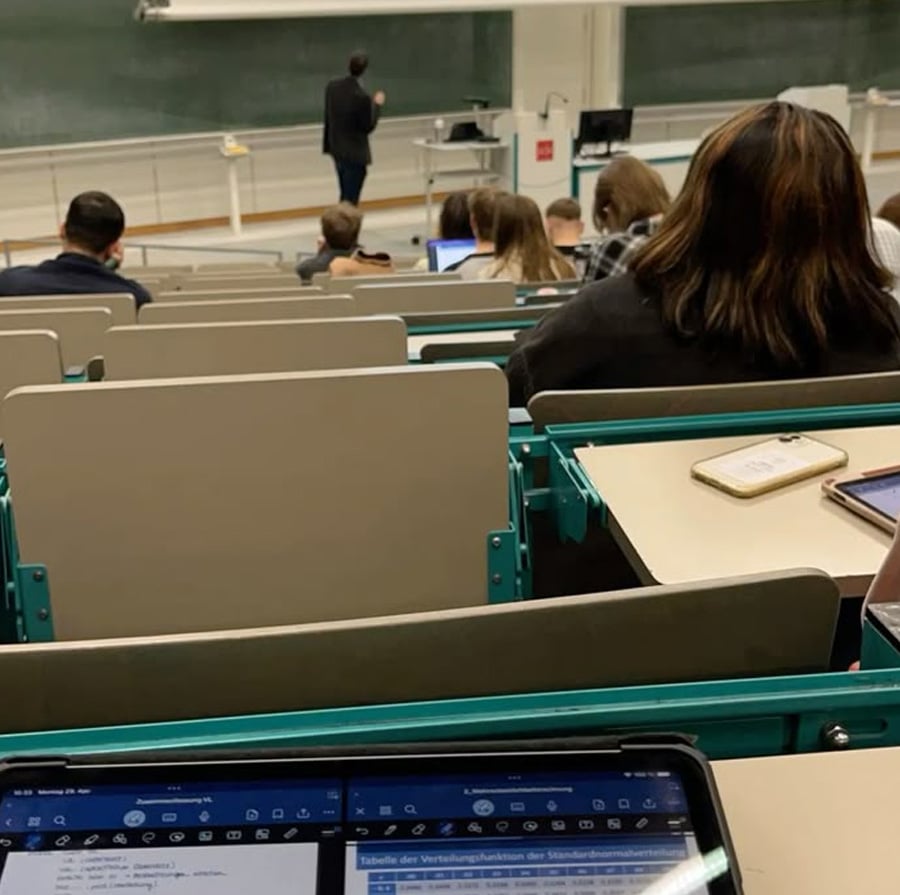
Paying for college was still a serious cost in the 1990s, but tuition was often more manageable compared with today, when higher education can require large loans and long-term financial planning.
8. Buying a Large Family Home
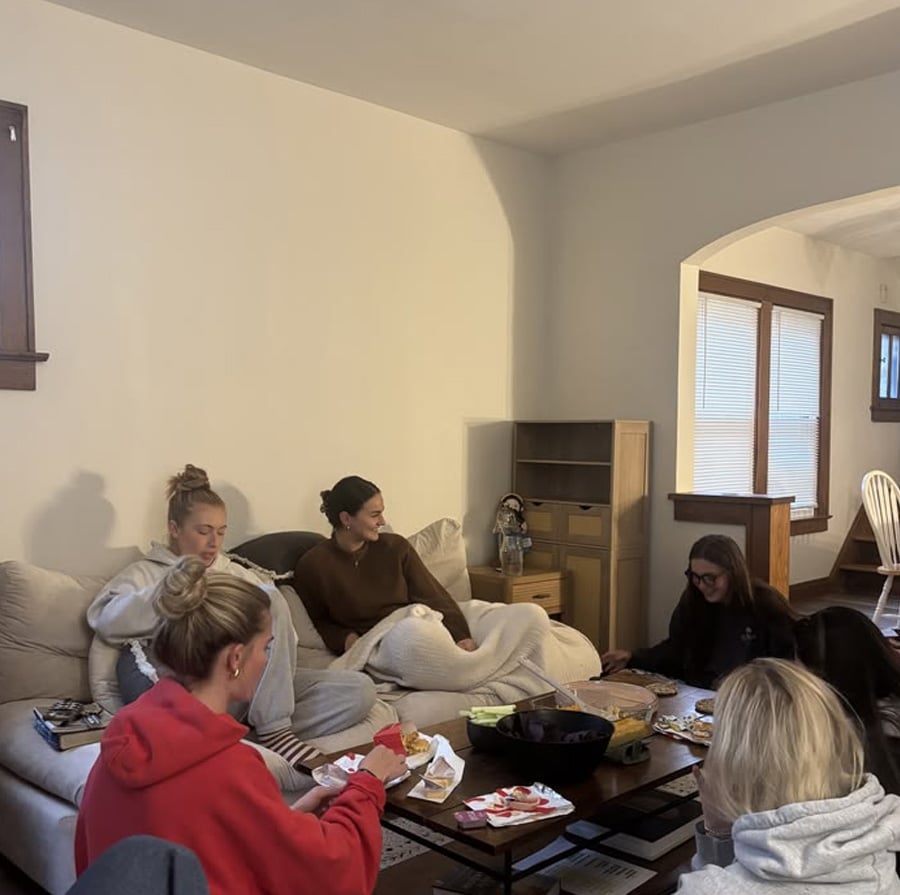
Buying a large family home felt possible for more households in the 1990s, while today bigger houses often come with much higher prices, property taxes, insurance, and maintenance costs.
Sign up for our newsletter
9. Hiring a Cleaning Service

Hiring a cleaning service in the 1990s could be an occasional affordable convenience, but today, professional household help often costs enough to feel like a luxury purchase for many families.
10. Owning a Small Boat

Owning a small boat for weekend recreation felt more realistic in the 1990s, while today the purchase price, fuel, storage, repairs, and insurance can make boat ownership feel much more expensive.
11. Booking a Hotel Room
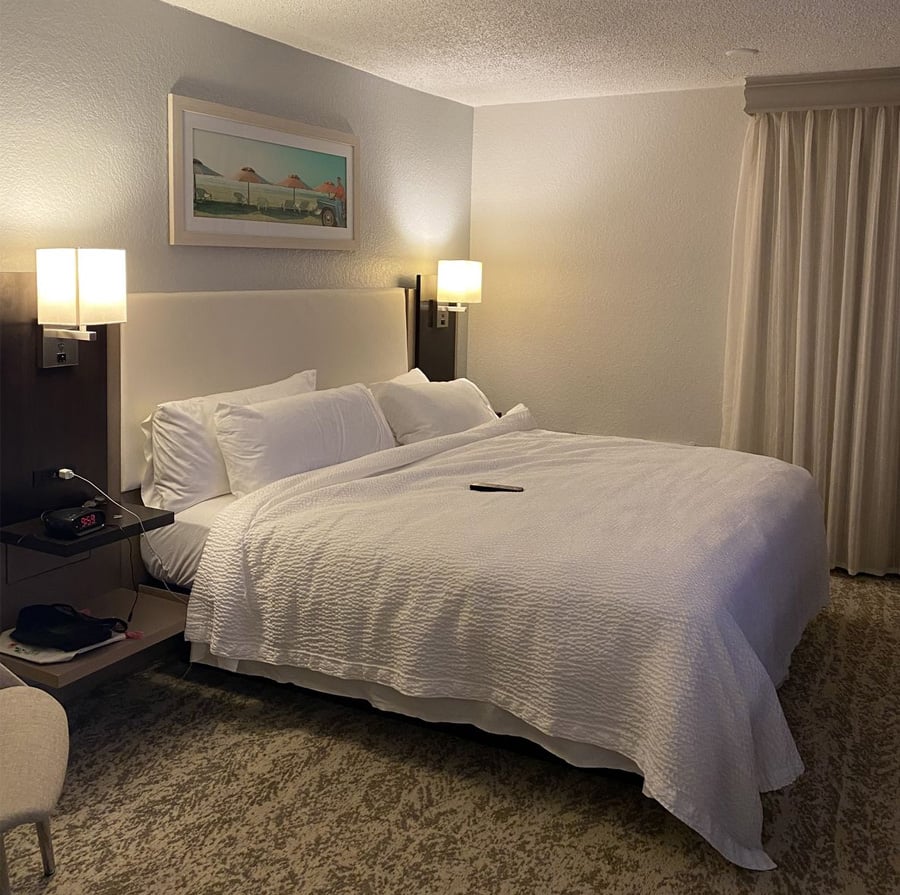
Booking a hotel room was often a reasonable expense in the 1990s, but today nightly rates, resort fees, parking fees, and taxes can make even a short hotel stay feel costly.
12. Buying Name-Brand Groceries
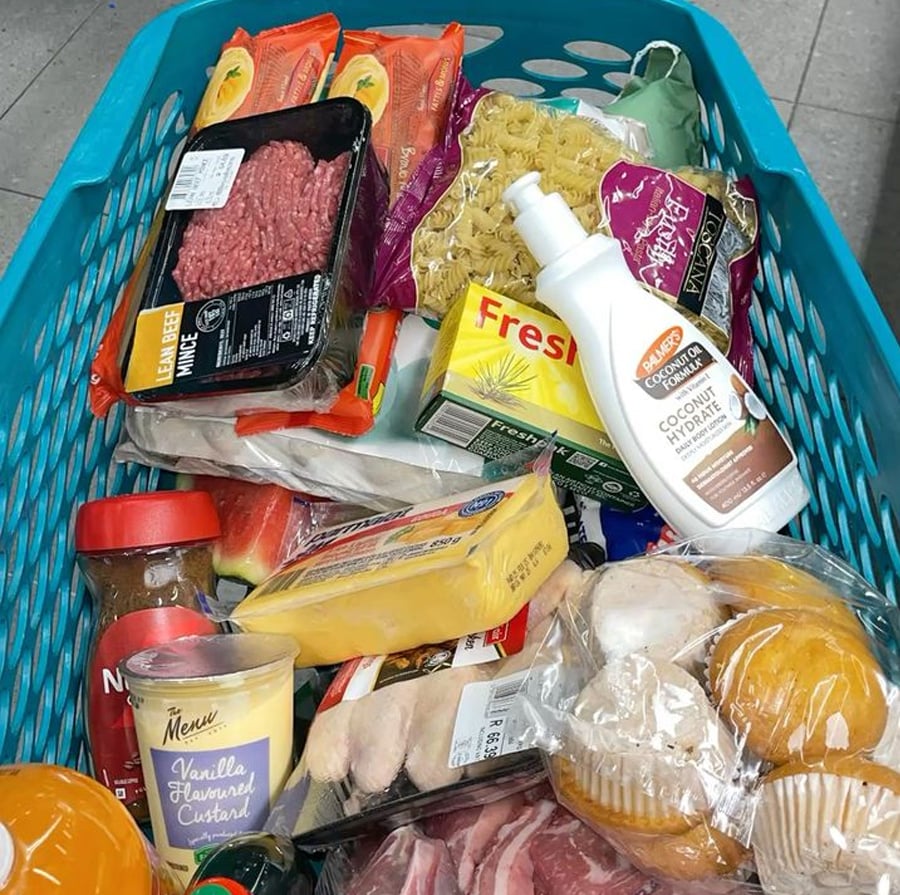
Buying name-brand groceries in the 1990s did not always feel like a major budget decision, but today, higher food prices make many shoppers compare every item and switch to store brands.
13. Purchasing Furniture
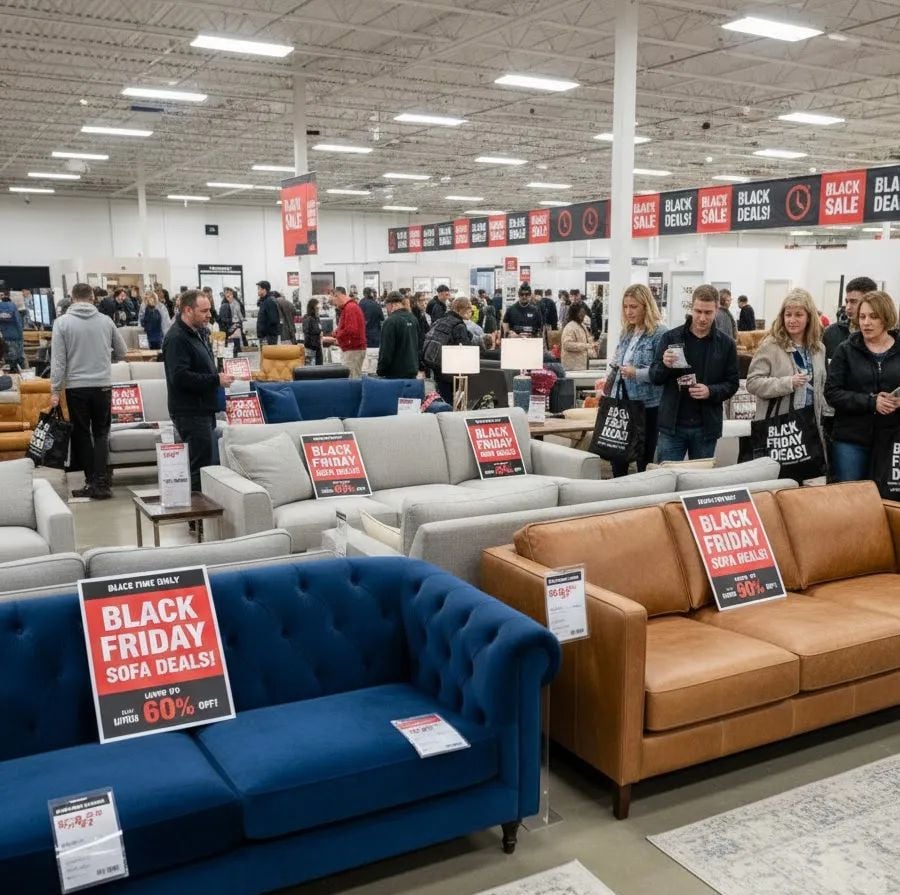
Purchasing furniture felt more affordable in the 1990s when families could furnish a home without relying as heavily on financing, while today quality sofas, tables, and bedroom sets can feel like luxury purchases.
14. Getting Professional Family Photos
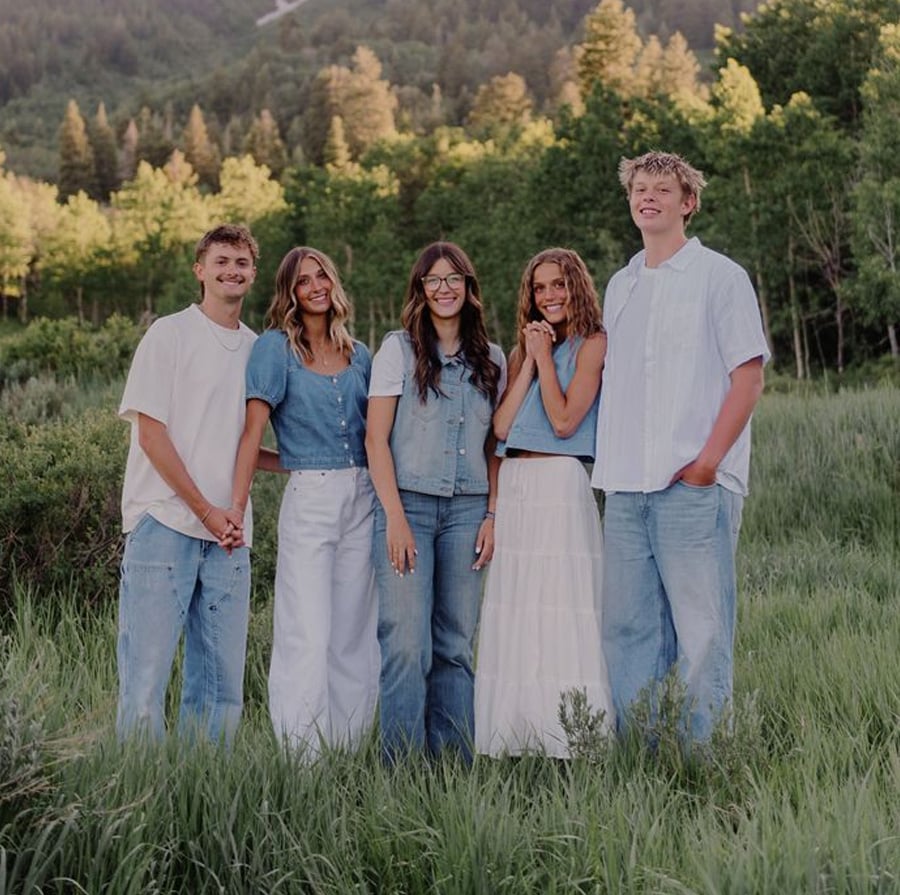
Getting professional family photos was a common purchase in the 1990s, but today photography packages, prints, editing, and session fees can make portraits feel much more expensive.
15. Buying Sports Season Tickets
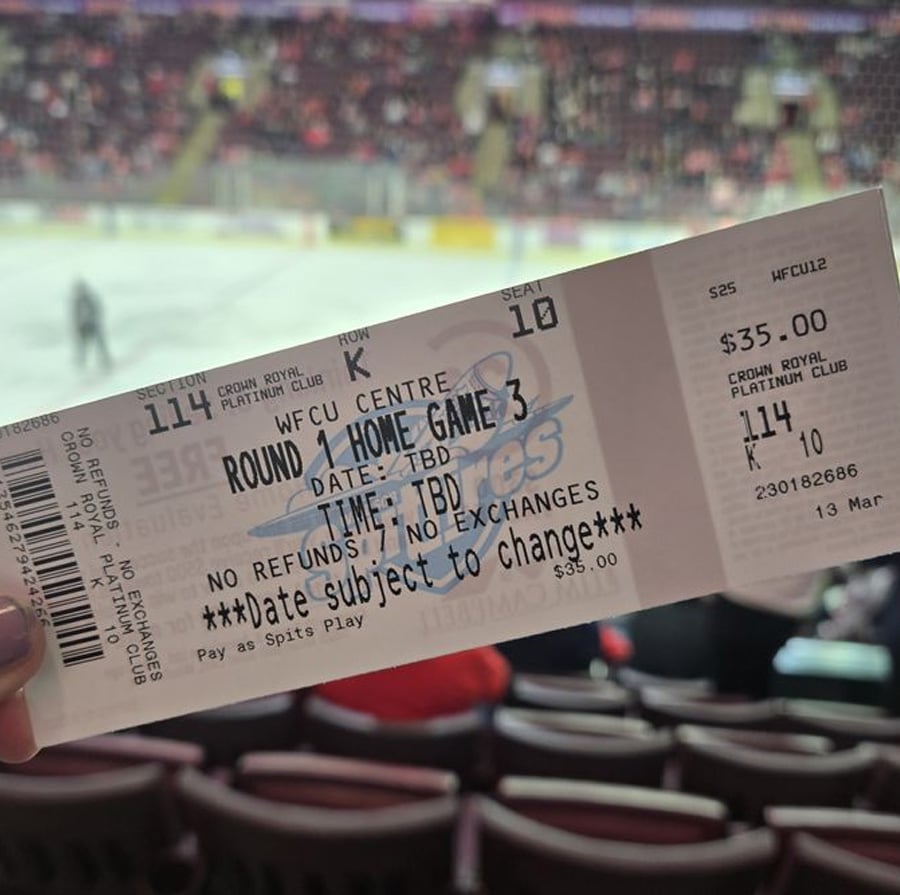
Buying sports season tickets was once a realistic splurge for loyal fans in the 1990s, while today premium seats, parking, concessions, and ticket fees make season tickets feel like a luxury.
16. Planning a Traditional Wedding
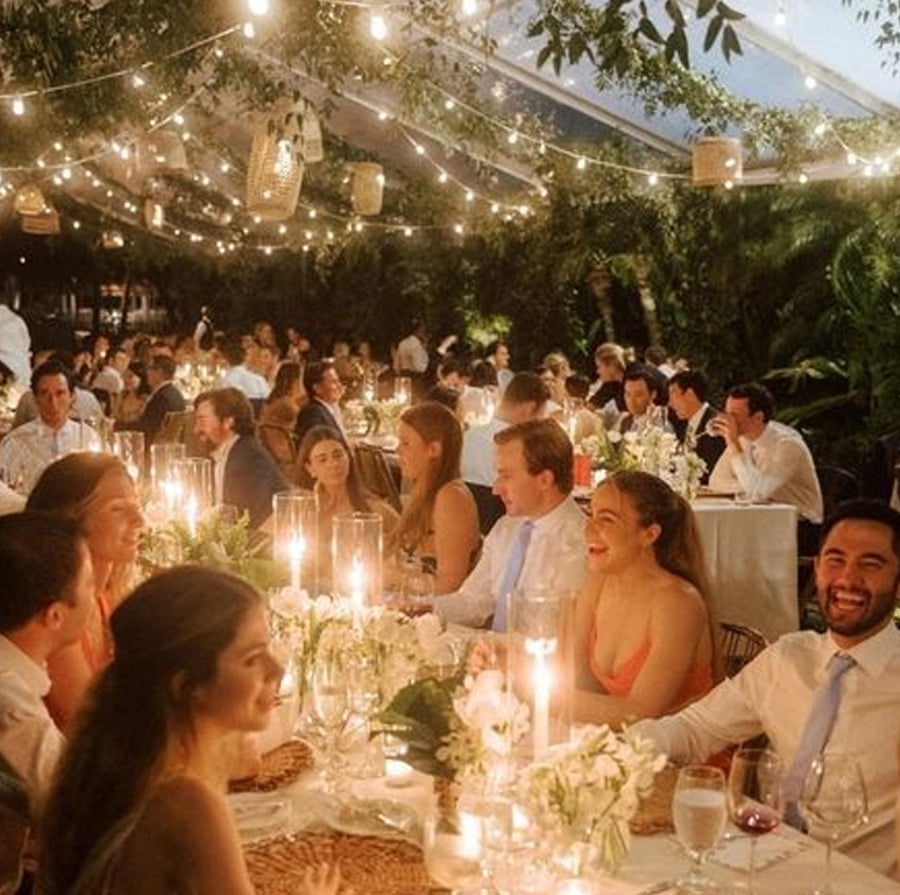
Planning a traditional wedding in the 1990s could still be expensive, but many couples managed it without extreme debt, while today venues, catering, photography, flowers, and entertainment can make weddings feel far less affordable.
More Related Notes
• 15 Things the Average Family Could Afford in 1980 but Struggles With Today
A fascinating comparison of purchasing power across generations, highlighting how many once-common expenses have become far less attainable.
• 10 Everyday Costs That Have Changed the Most Since 2000
This article explores the rising prices of everyday necessities and how inflation has reshaped household budgets over time.
• 15 Things Previous Generations Saved For That People Finance Differently Today
A complementary read examining how changing costs and consumer habits transformed the way people pay for major purchases.