
For generations of American students, riding the school bus was a daily practice. From the long vinyl seats and windows to the unmistakable folding stop sign, these yellow vehicles were a shared part of childhood, carrying millions of kids through suburban streets and busy city neighborhoods.
Some details that once defined the school bus experience have changed or disappeared as safety standards and technology have progressed. Older buses often had simpler interiors, fewer electronic systems, and features that might surprise today´s students. The next 14 things capture what made the traditional American school bus so recognizable.
1. Bright Yellow Paint
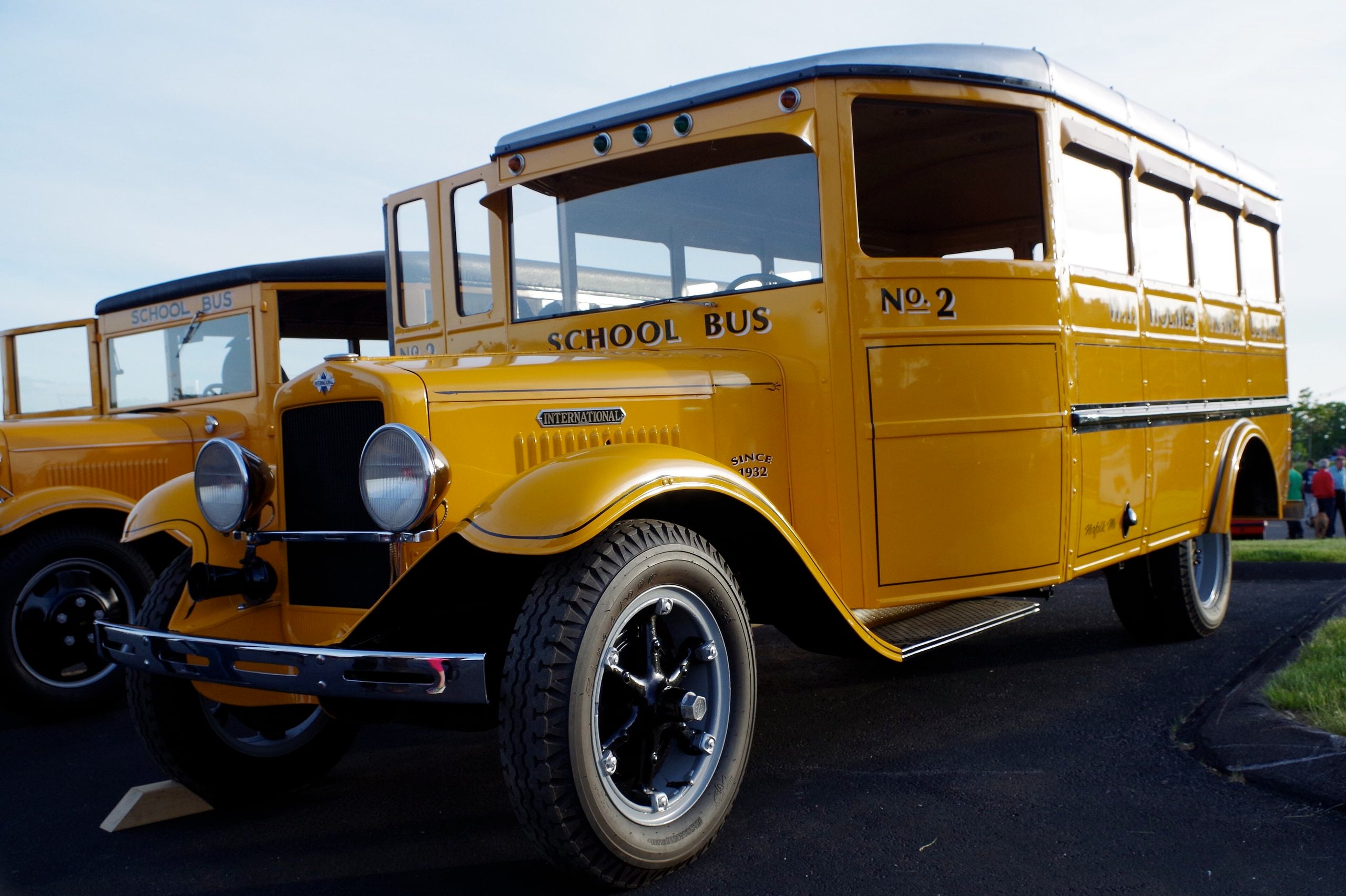
The first thing anyone noticed about an American school bus was its yellow color. Known officially as National School Bus Glossy Yellow, the shade became a defining feature of school transportation in the United States during the 1930s. Educators and transportation experts wanted a color that would make buses easy to recognize when visibility could be challenging, and evident in peripheral vision.
2. Long Vinyl Bench Seats
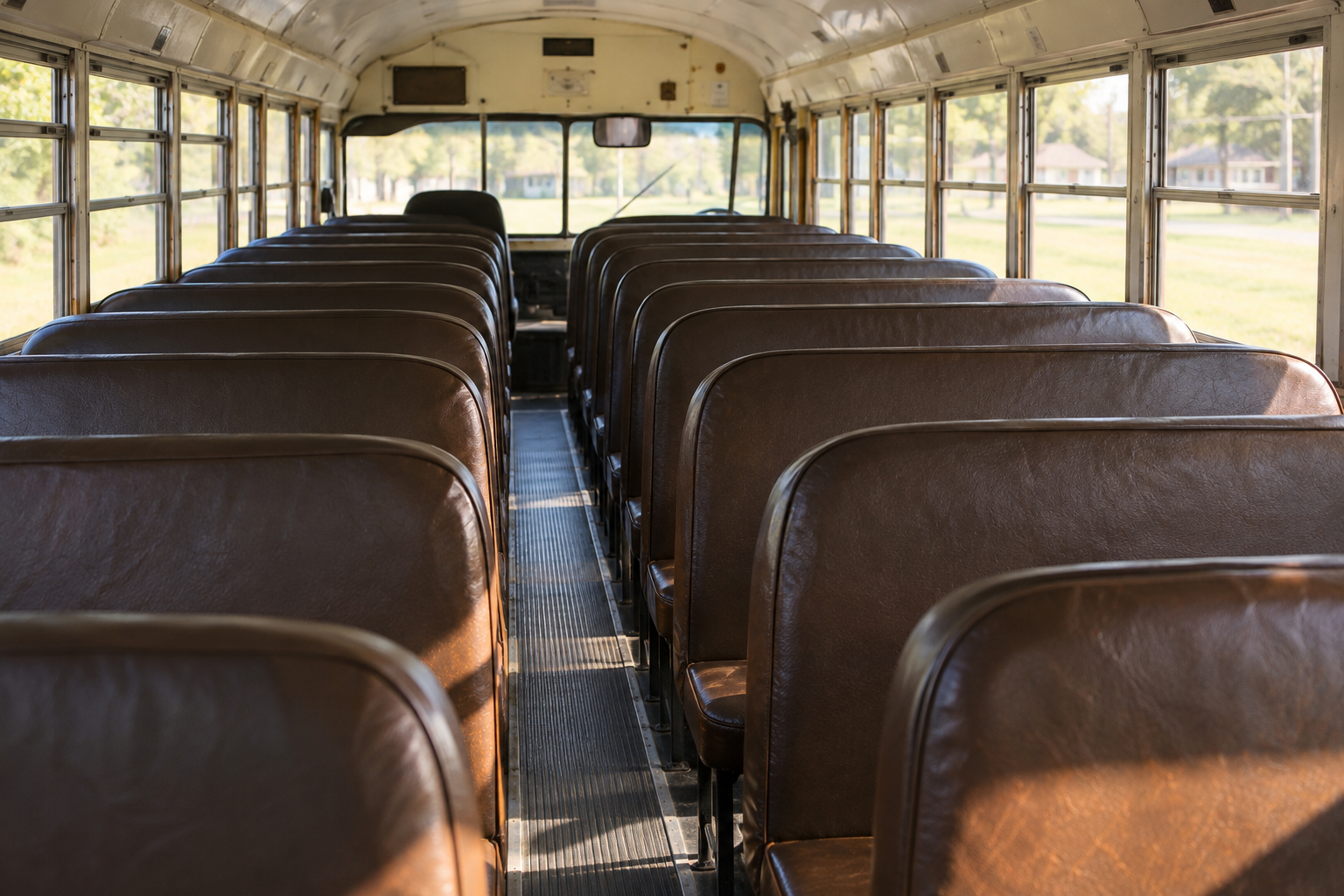
Traditional school buses featured long bench seats covered in vinyl, often in shades of green, brown, or other colors. Unlike modern passenger vehicles, which generally provide individual seats, older buses were designed to accommodate several children side by side. The vinyl surfaces were easy to clean, an important consideration for vehicles carrying hundreds of students. Even though modern buses still use bench-style seating, newer designs incorporate improved padding, stronger seat structures, and safety features.
3. The Folding Stop Sign

The folding stop sign was one of the most recognizable features. On the driver’s side, it swung outward when the bus stopped to pick up or drop off students. Its bright red color, white lettering, and lights warned nearby motorists to stop.
4. Sliding Windows
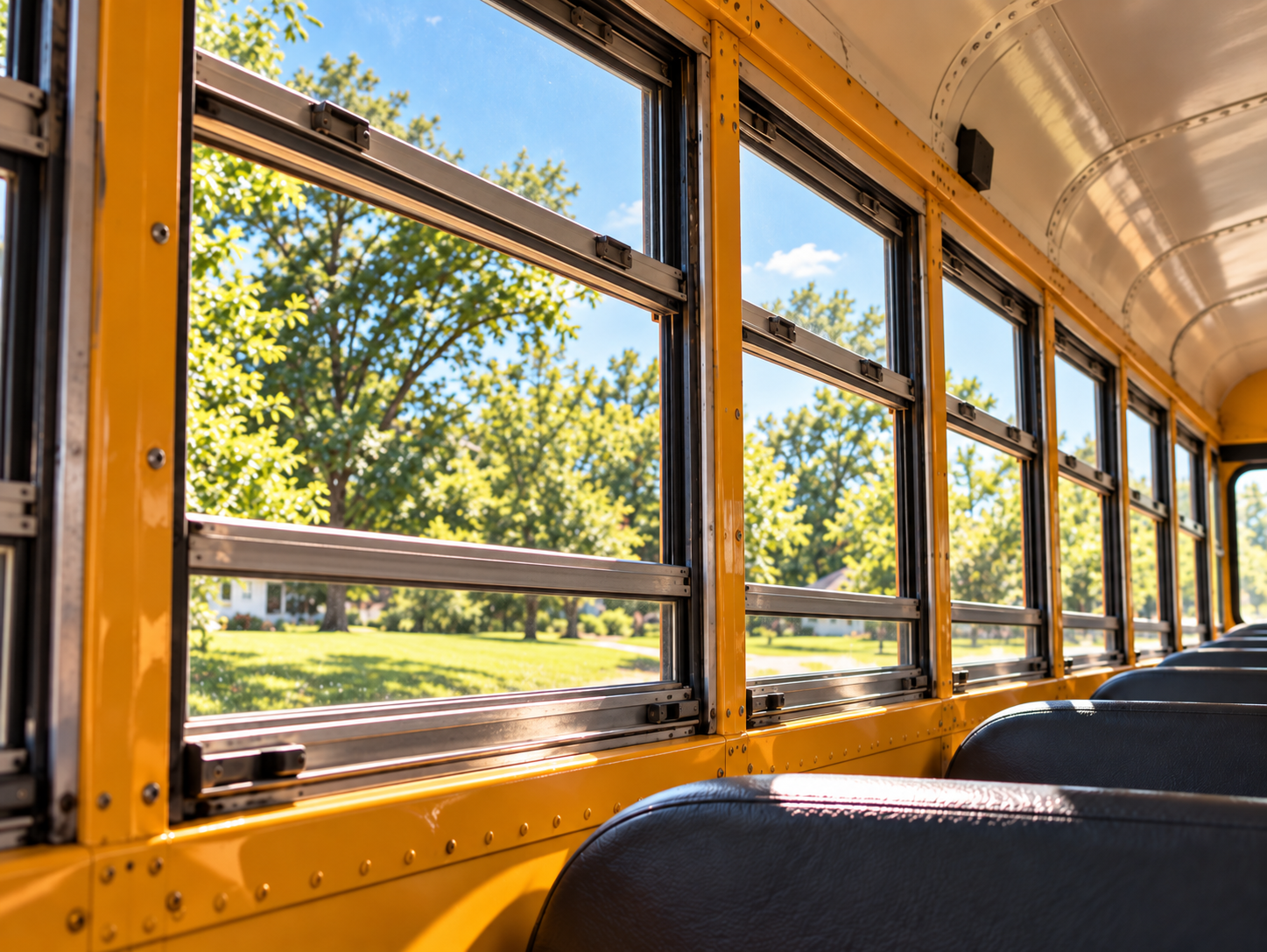
Before air conditioning became more common, opening a window was the easiest way to get some wind on a hot day. Many older buses had windows that slid up or down, so that students could feel the breeze as the vehicle moved along its route.
5. The Driver’s High Seat & Large Steering Wheel
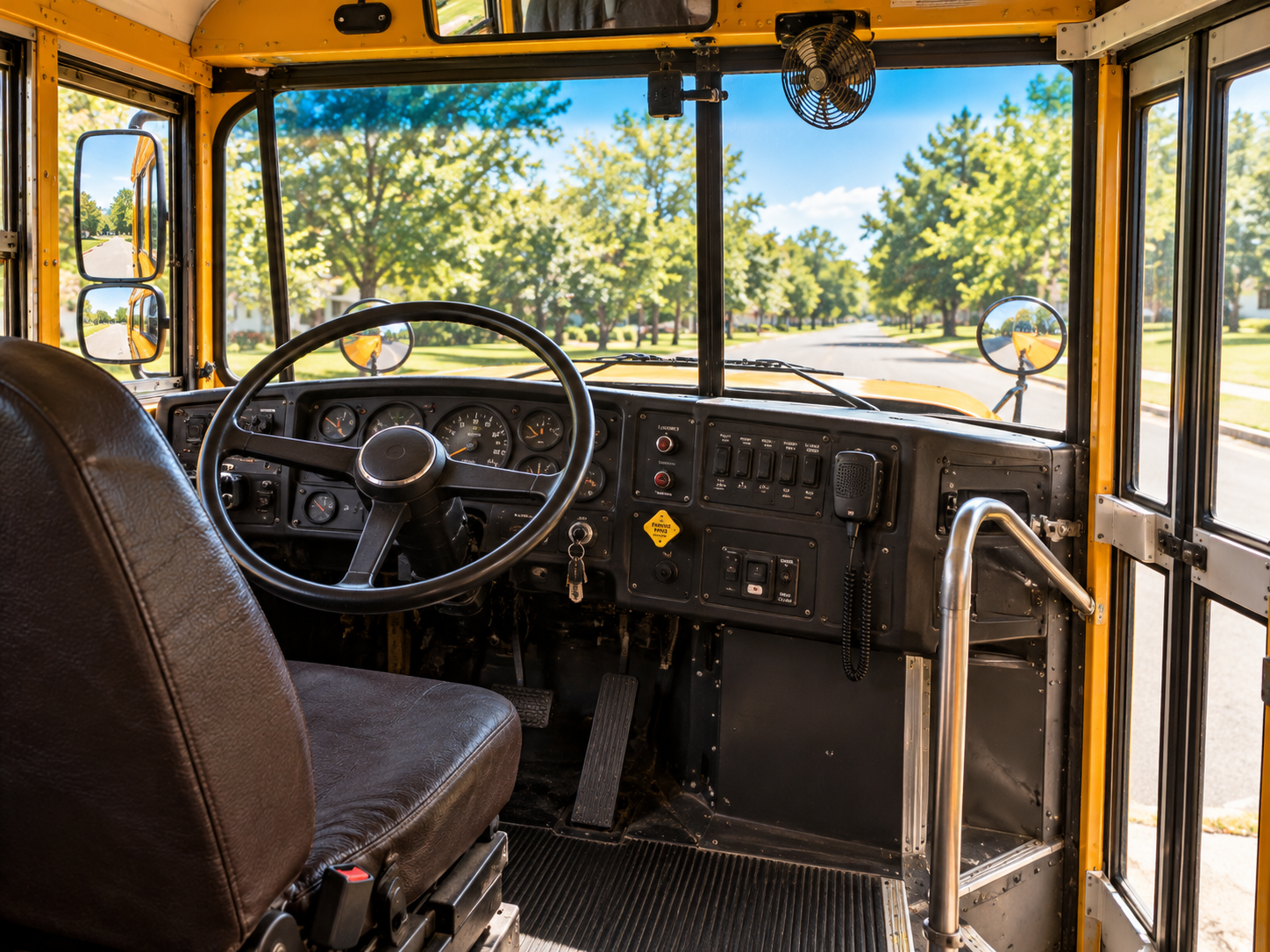
Sitting high above the road, the driver had a view of traffic and a large steering wheel suited to maneuvering a heavy vehicle. The elevated seating position helped drivers see down the road, while the broad windshield provided a wide view of the surroundings. The driver controlled the doors, warning lights, mirrors, and other equipment, keeping the bus moving according to a carefully planned route.
Trending on Wealth Gang


6. A Loud Diesel Engine
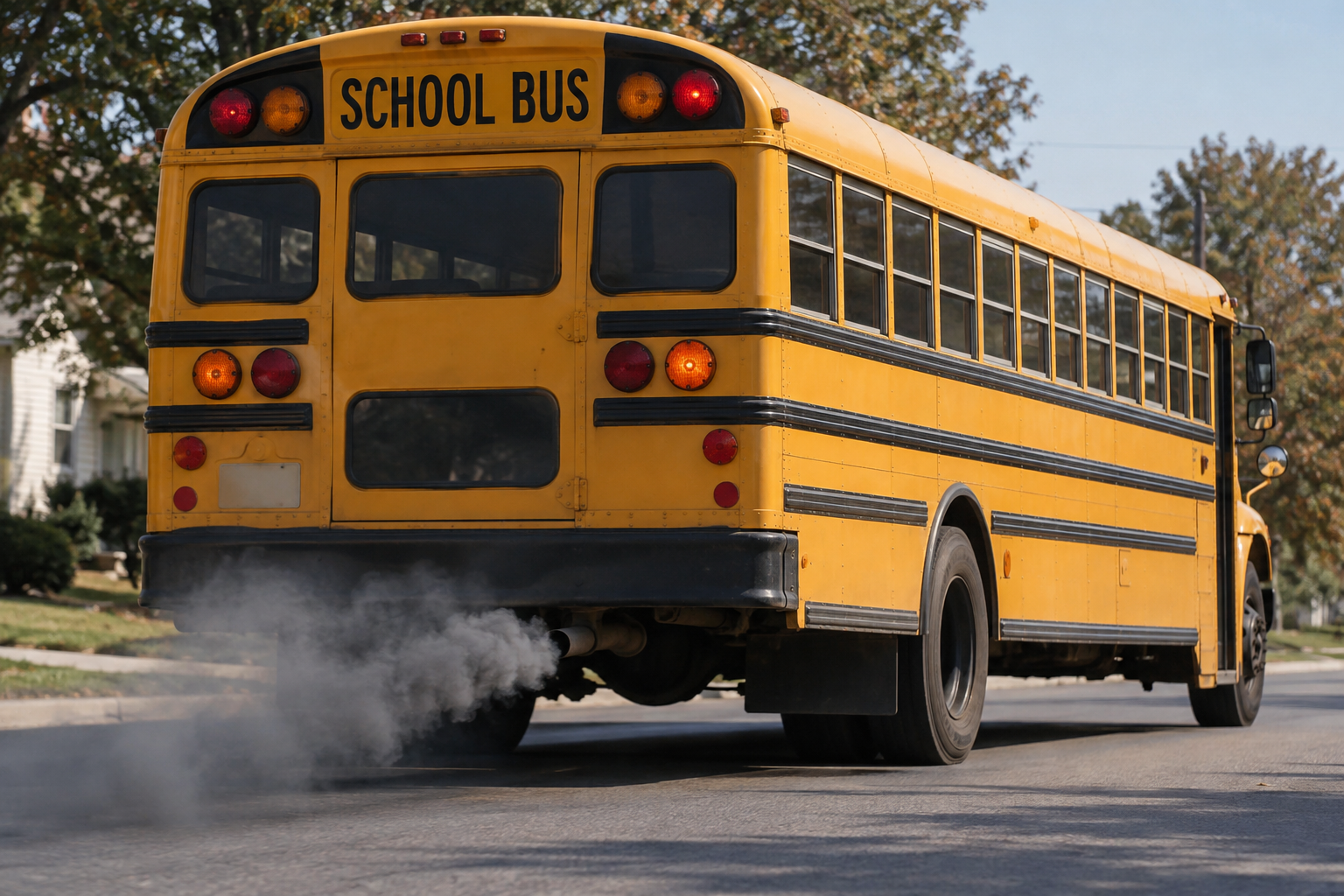
Older diesel-powered buses could be noisy. The engine’s rumble could make conversations difficult, especially toward the back of the bus. Students sometimes learned to recognize their bus by its particular sound before it even turned onto their street. Diesel engines remained popular because they offered the power and durability needed for heavy vehicles that traveled long distances.
7. Simpler Door Controls
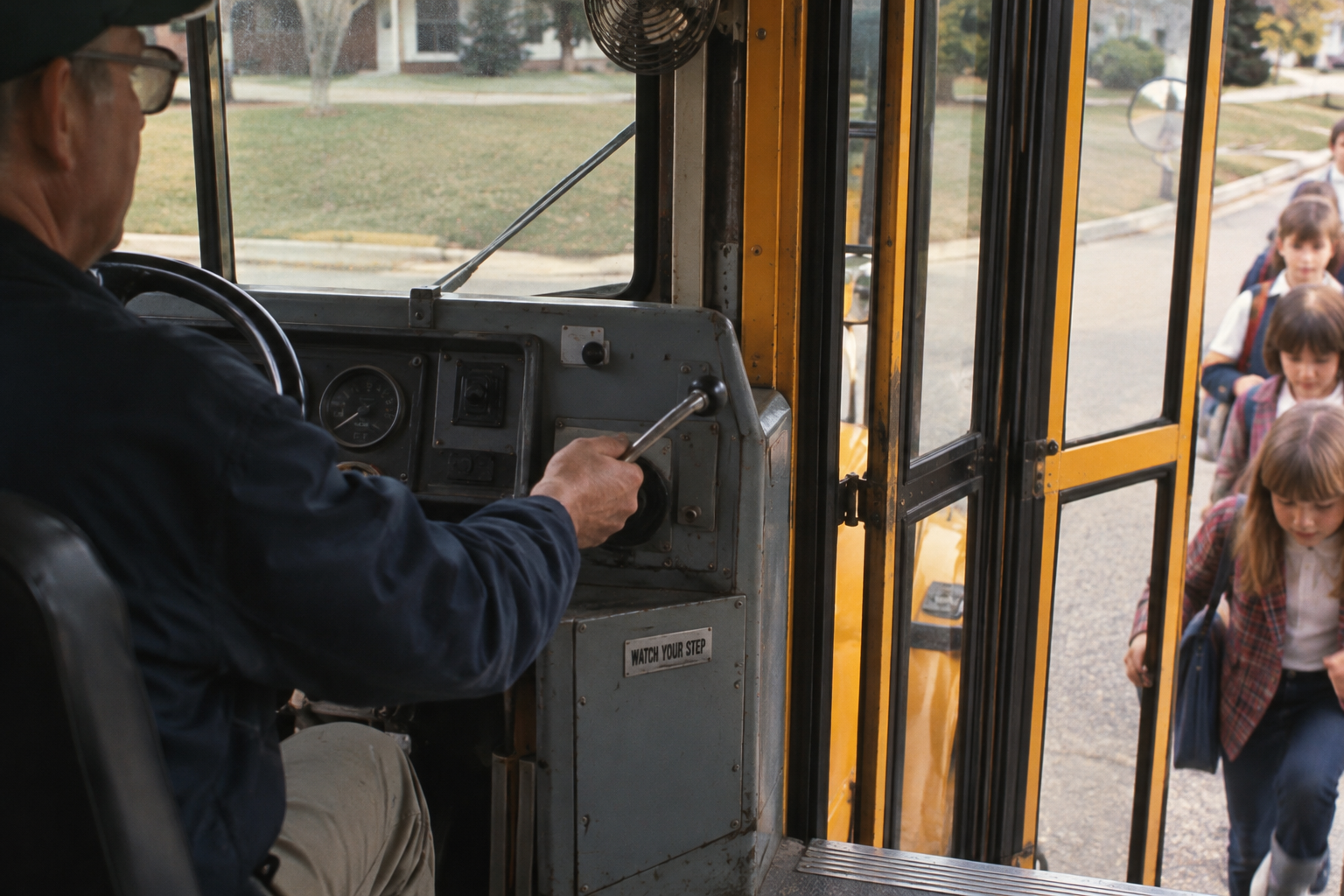
Older school buses often had straightforward door mechanisms operated by the driver through a handle or lever. Opening and closing the entrance door was part of the driver’s routine at every stop. For students waiting, it meant it was time to climb aboard. Drivers were responsible for checking their surroundings and making sure children could board safely before continuing the journey. Over time, door mechanisms and interlocks became sharper, helping prevent certain unsafe movements.
8. Black Rubber Floors
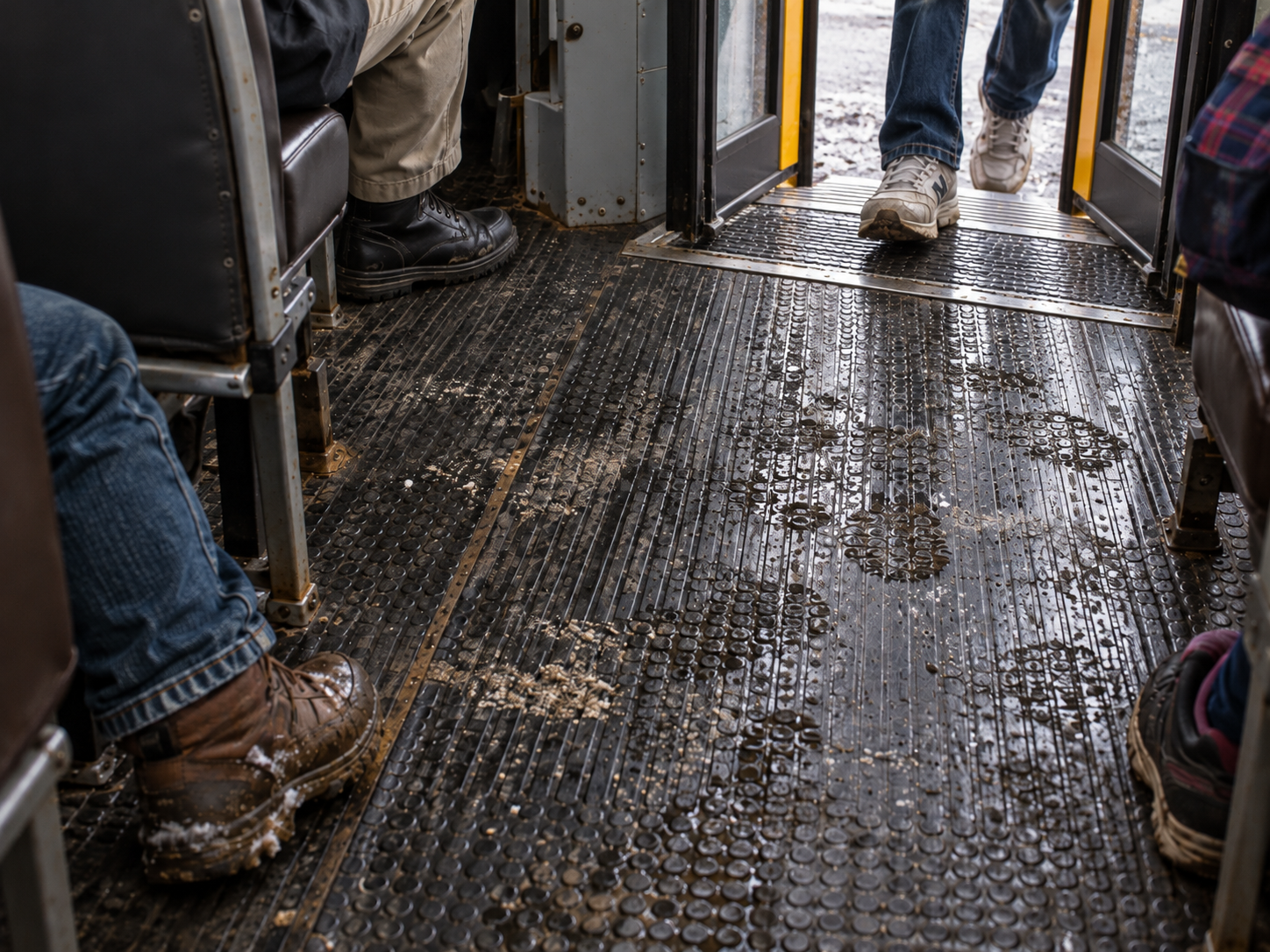
School bus floors were built to withstand years of muddy shoes, spilled drinks, and foot traffic. Many older buses featured dark rubber floors with a textured surface intended to provide traction. The material was practical, durable, and easy to maintain. During rainy weather, the floor became covered in water and dirt. In the winter, melted snow and road salt often added to the mess. Floors have improved over time.
Sign up for our newsletter
9. Overhead Handrails Near the Entrance
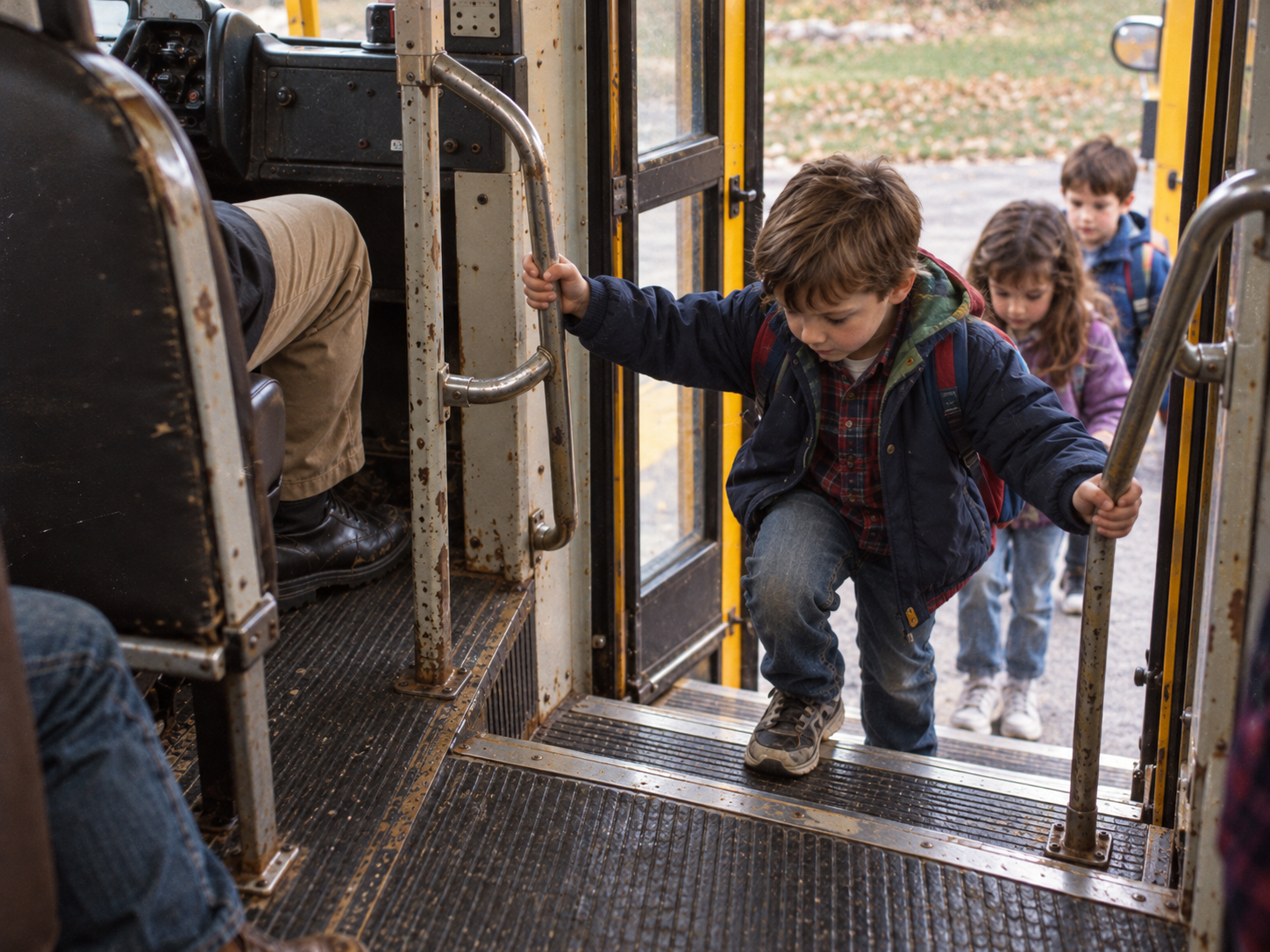
For young students, climbing into a tall school bus could be a challenge. Handrails near the entrance provided something to hold while stepping up. They also helped children maintain their balance while getting on and off the bus. Drivers often reminded students to use the steps carefully rather than rushing or pushing one another.
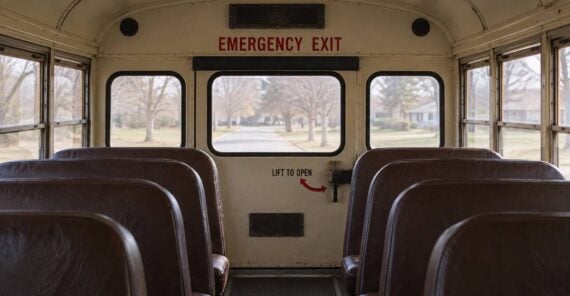
10. The Emergency Exit Door at the Back
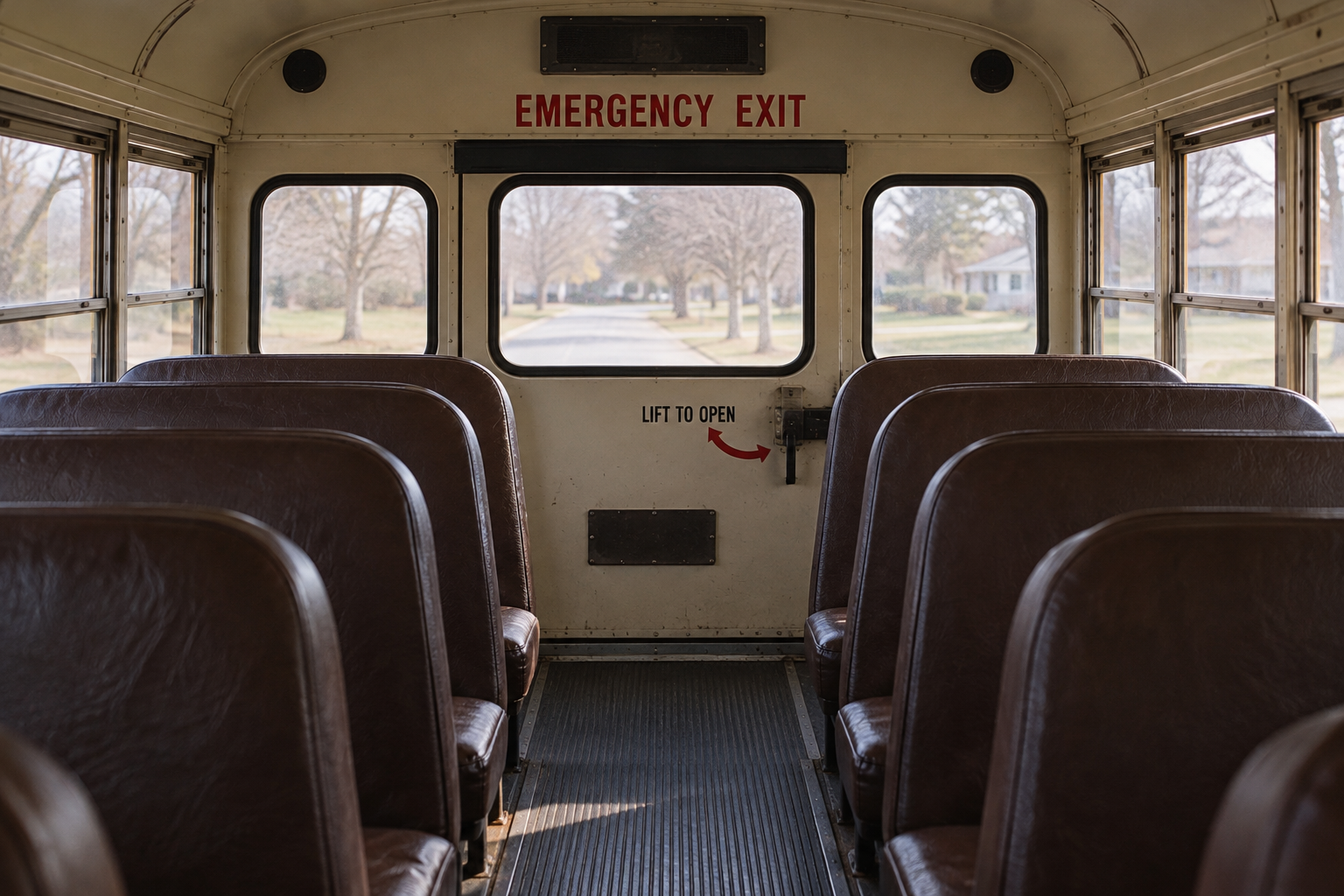
Often marked with bright red lettering and instructions, the door provided an alternative way out if the main entrance became blocked. Schools and transportation departments sometimes conducted drills to familiarize children with emergency procedures.
11. Yellow Safety Lights
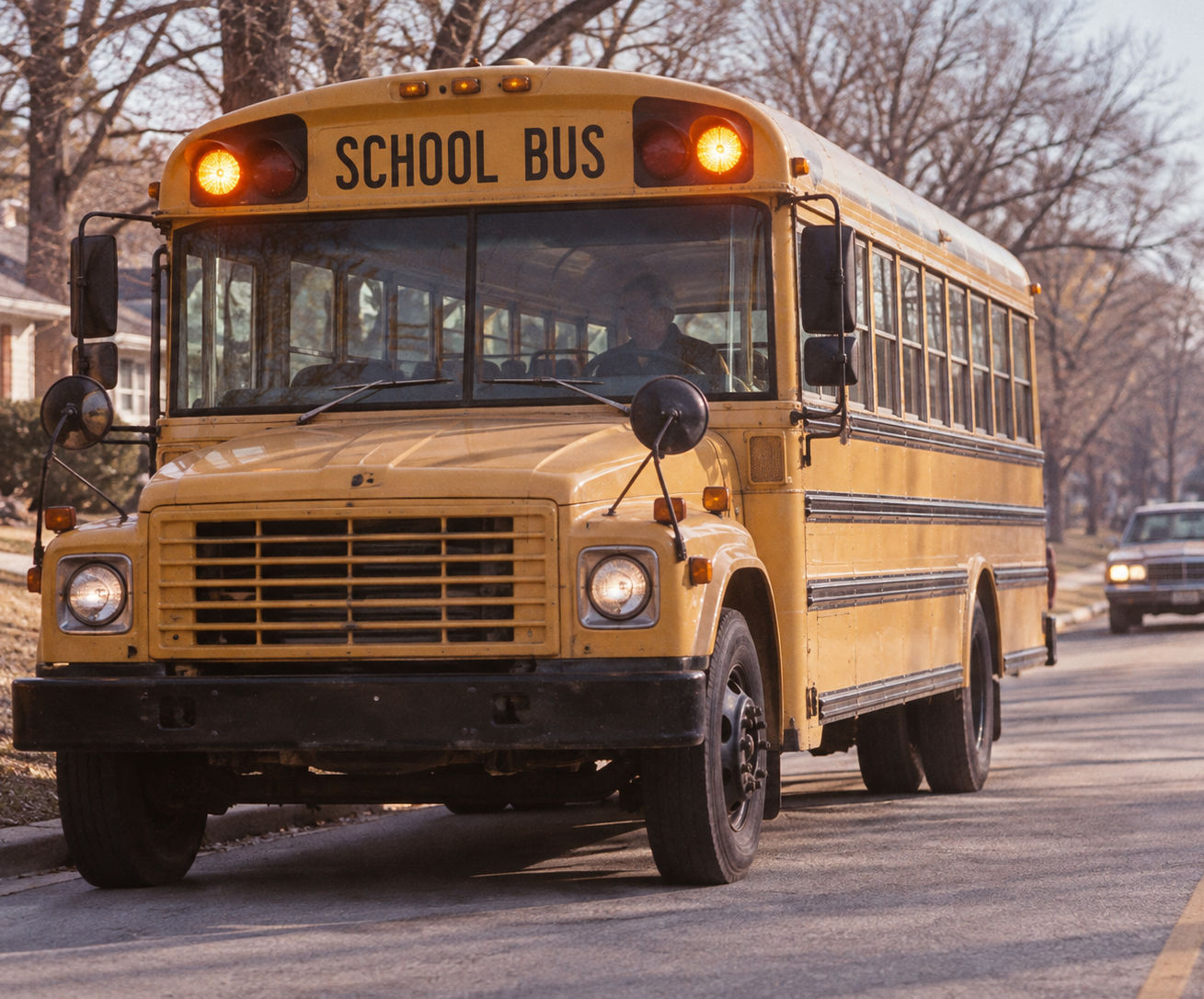
Flashing warning lights became a familiar part of school bus safety. Old buses used simple lighting systems, while later models introduced more standardized arrangements to help motorists recognize when a bus was preparing to stop or was already stopped to load or unload students. The lights were important on busy roads, where drivers approaching from behind needed some time to react. Today’s buses use brighter LED lights.
12. Dashboard Without Screens
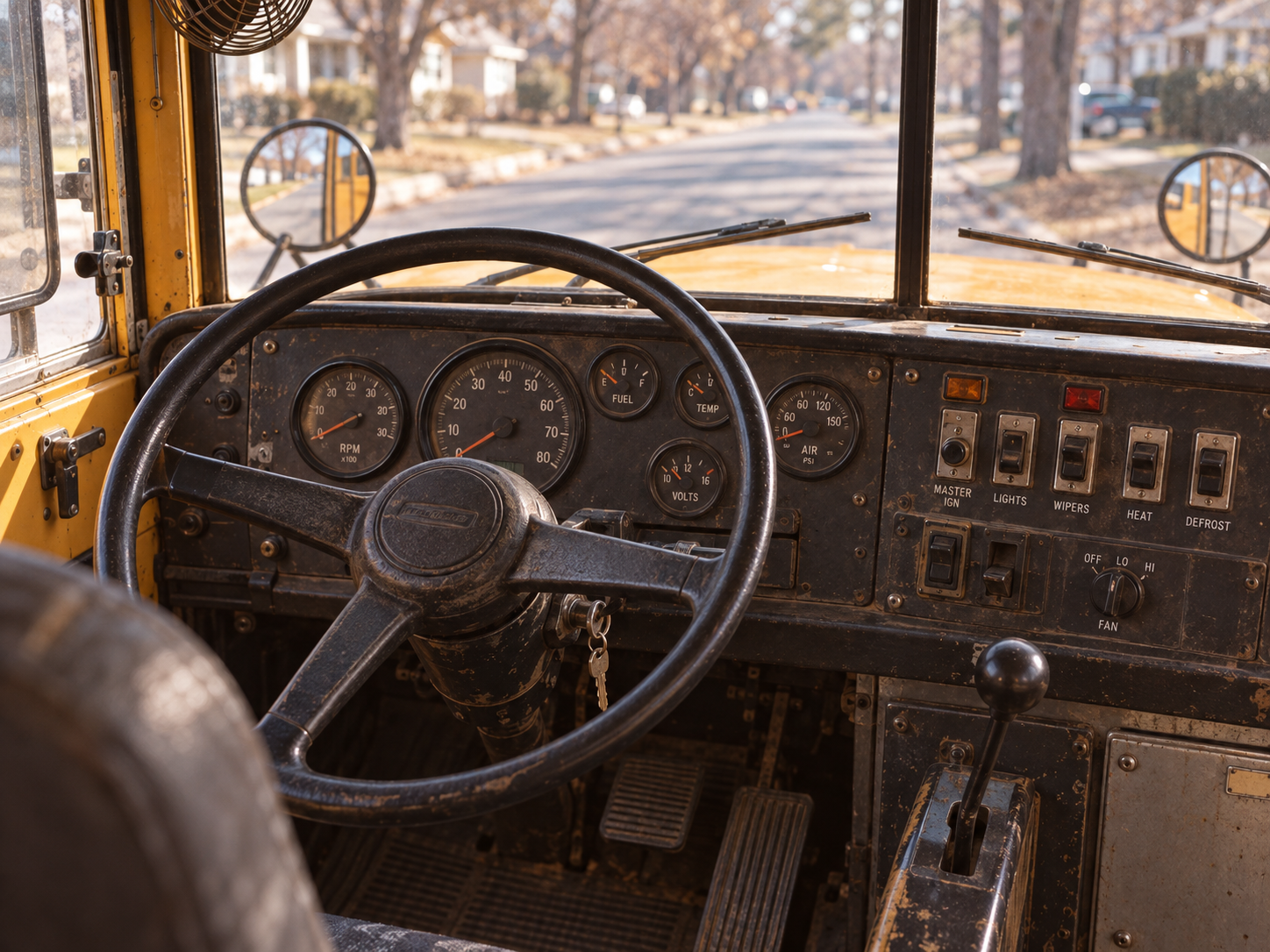
The dashboard was designed around the practical demands of driving a large vehicle rather than providing entertainment or navigation features. Current buses may include GPS, diagnostic alerts, and electronic systems that help transportation departments monitor vehicles.
13. A Built-In Heater
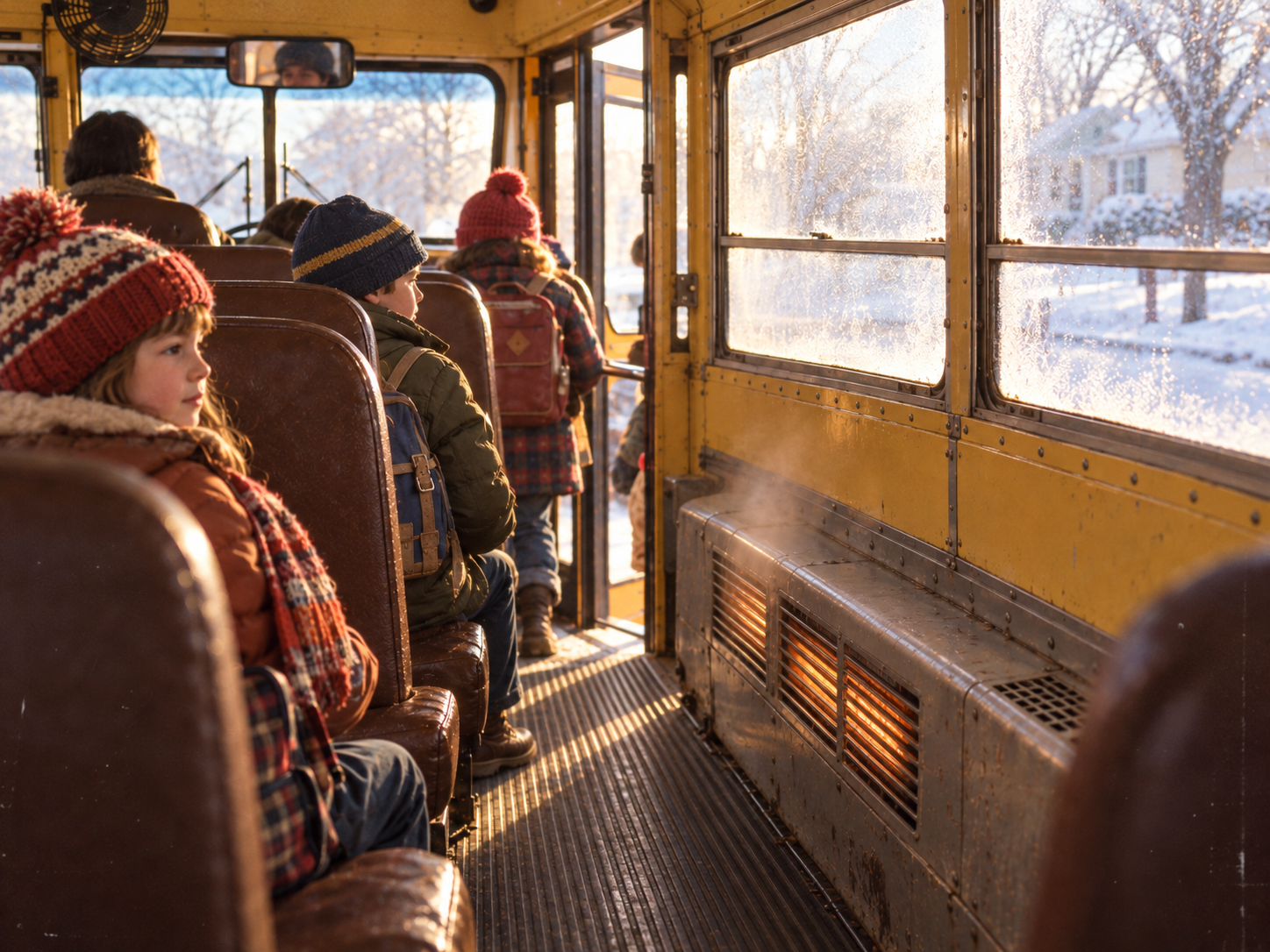
In cold parts of the U.S., a school bus heater could make a major difference during the winter. Old buses often relied on heating systems that used engine heat to warm the interior. The heater was particularly welcome during early morning pickups, when temperatures could be below freezing. Heating systems have improved over time.
14. Simple Mirror System
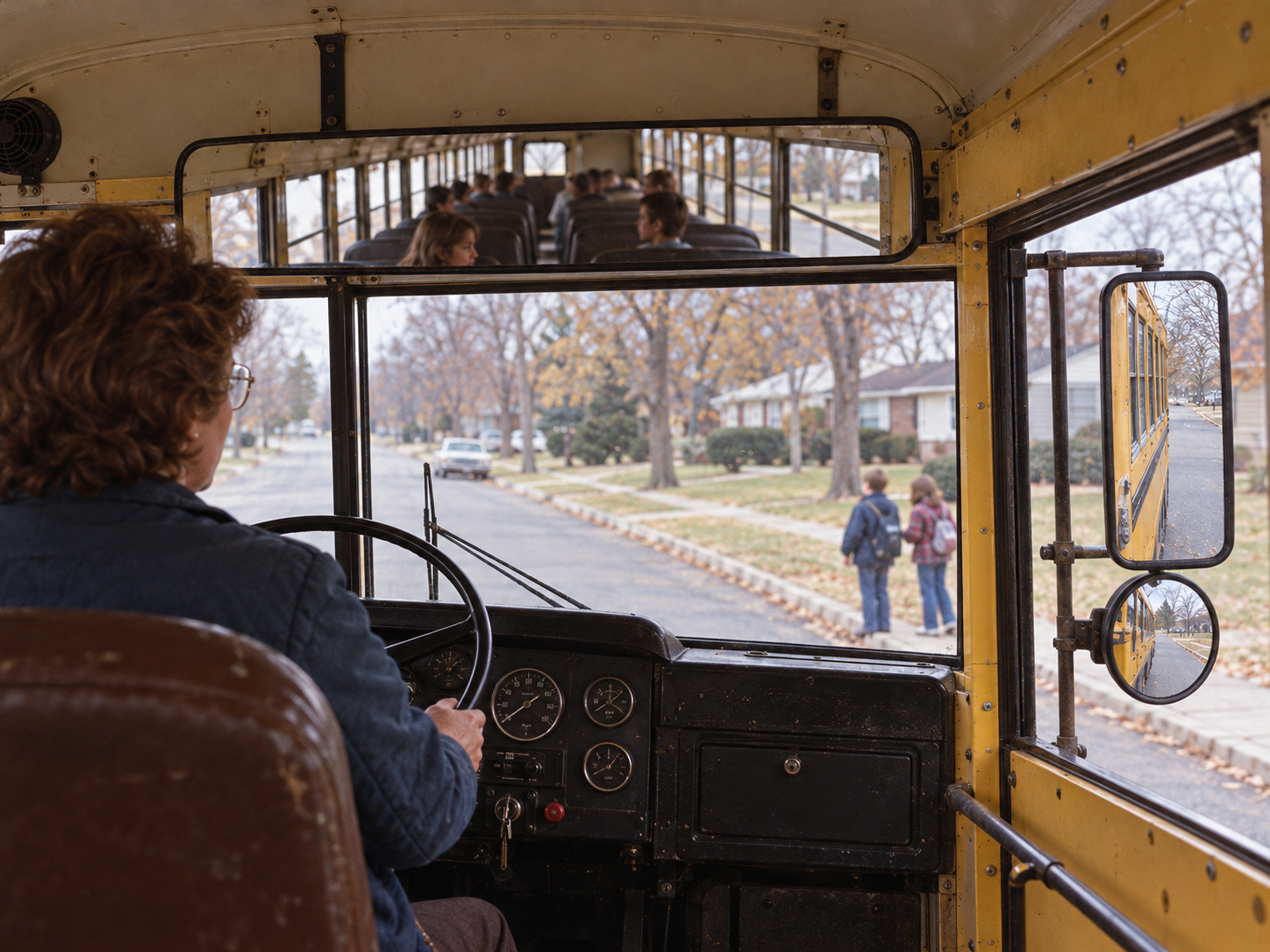
Drivers needed to monitor traffic around the bus and check blind spots. Older models relied on a collection of carefully positioned mirrors, including exterior mirrors and interior mirrors that helped drivers observe students. Exterior mirrors helped compensate for the large blind spots created by the bus’s size and shape.
Want more automotive content?
Check out 15 Cars From the 1960s That Changed Automotive History for a look at some icons that reshaped the industry. If offbeat rides are more your speed, The 15 Weirdest Cars From the 1960s rounds up the era’s strangest experiments. To see how car culture ties into status, The 12 Most Popular Cars Among the Rich and Famous shows what celebrities are driving today.