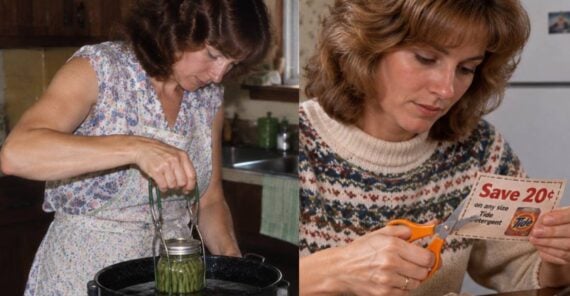
In 1970, $25,000 was enough to buy a house in many parts of the U.S. Today, that amount covers a down payment or a few years of rent, but back then, it purchased an entire home. The difference shows just how much housing prices and the cost of daily life have changed over the past decades.
Not every house cost the same. Prices depended on the location and conditions of the property. All the same, $25,000 represented a serious amount of money that could open the door to homeownership for many American families. Here are 14 things a house in that price range could offer in 1970.
1. Three or Four Bedrooms
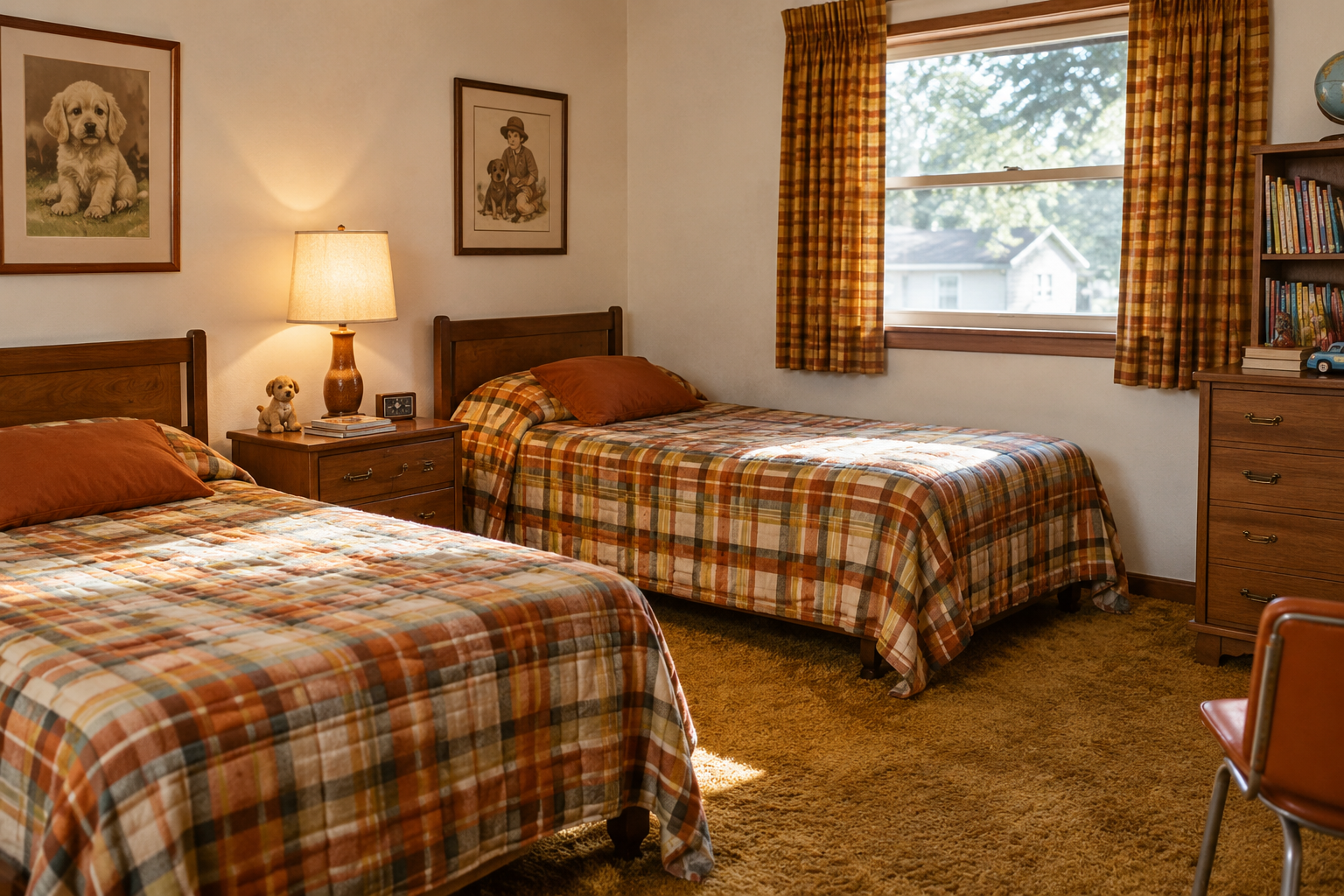
A $25,000 house in 1970 offered enough space for a growing family, including three or four bedrooms. Parents could have their own room while children shared or enjoyed separate bedrooms. In many areas, this kind of space was not limited to wealthy houses.
2. A Backyard for the Kids
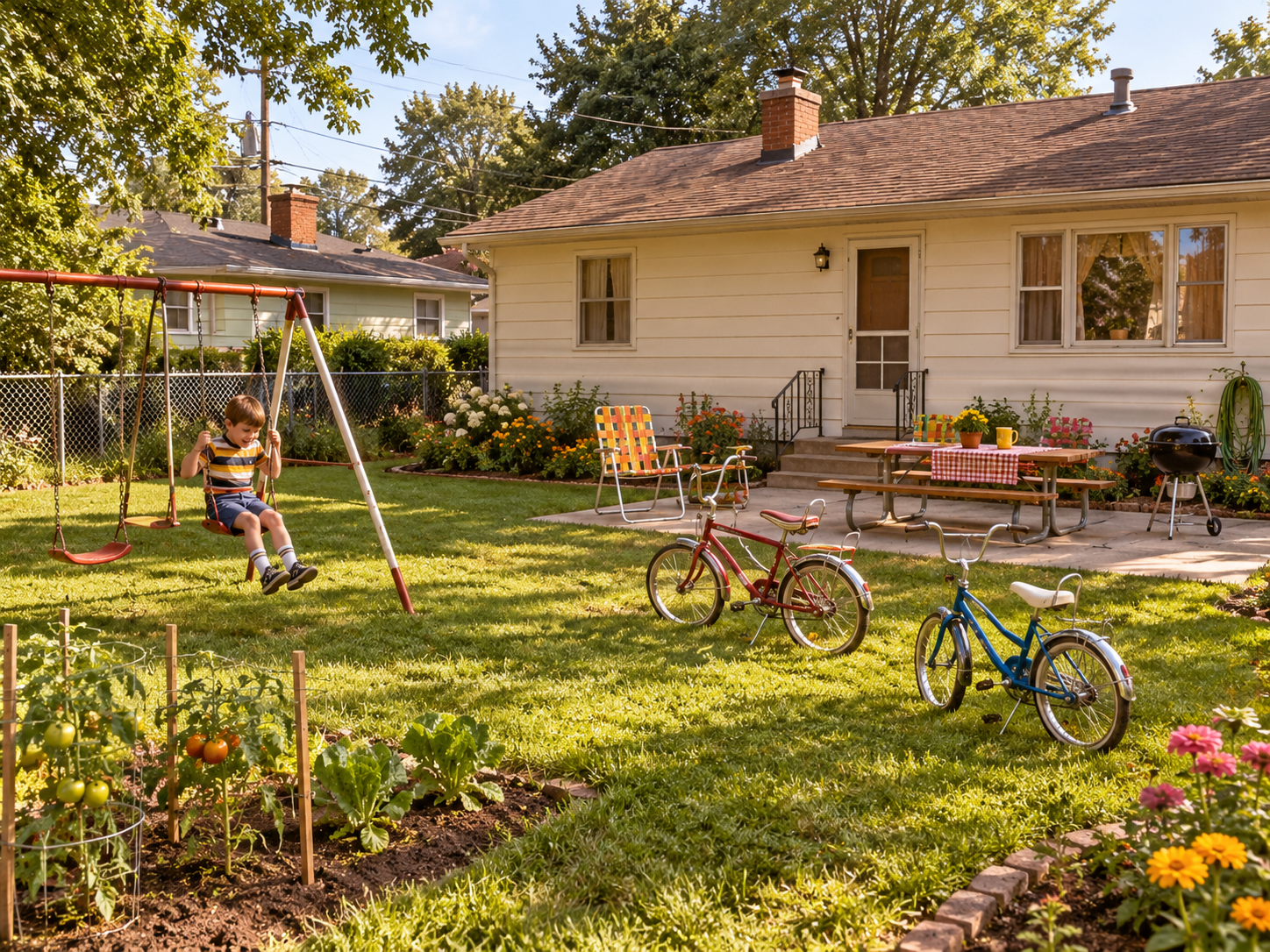
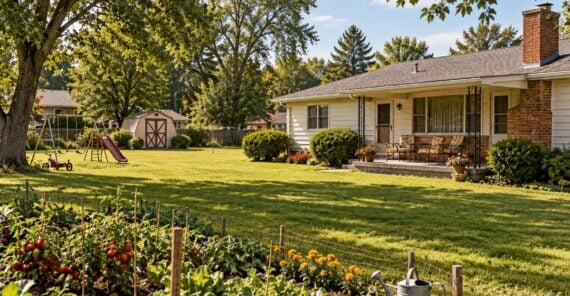
A house at this price could come with a backyard where children played outside, rode bicycles, and invited friends over. Families could set up a swing set, plant flowers, or grow vegetables without paying extra for a separate outdoor space.
3. A Carport
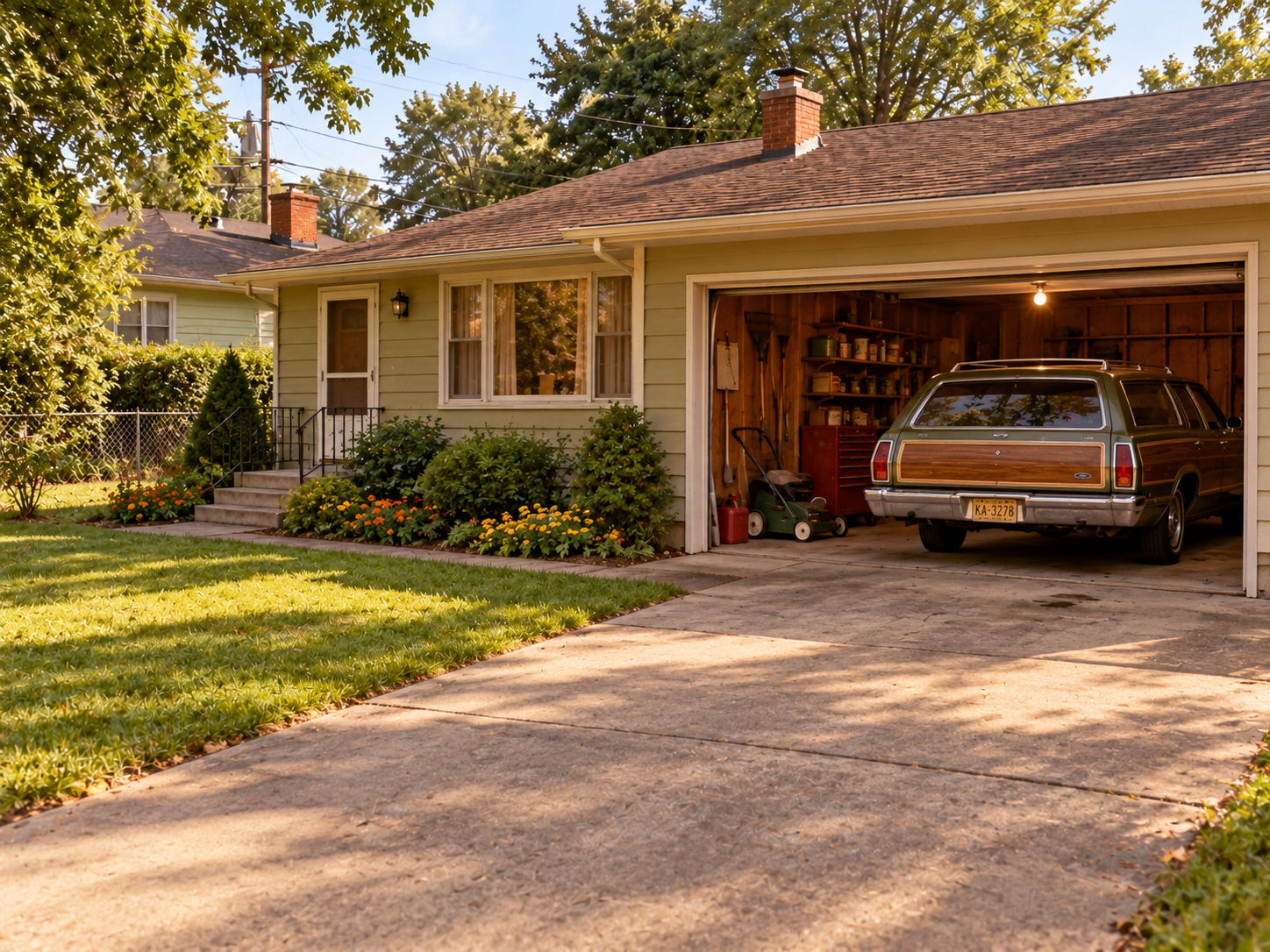
Depending on the property, buyers found a garage or carport included in the price. A garage offered a place to park the family car, store tools, and keep lawn equipment. Some homes had attached garages, while others featured structures behind the house.
4. A Full Kitchen
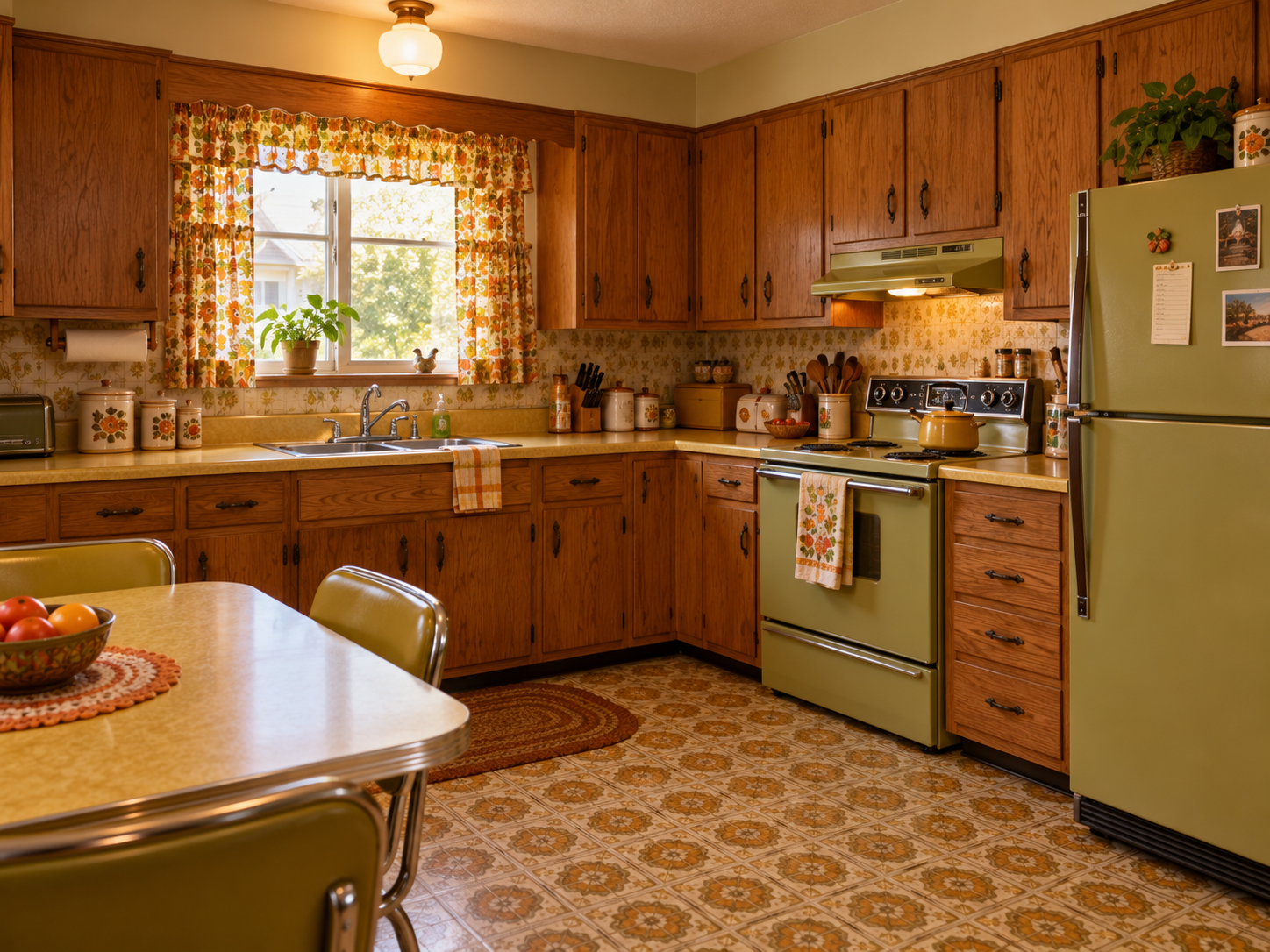
Many homes in this price range had a complete kitchen with cabinets, a stove, a refrigerator, and room for preparing family meals. The design might look old-fashioned by today’s standards, but it offered the basics needed for everyday cooking.
5. A Dining Room
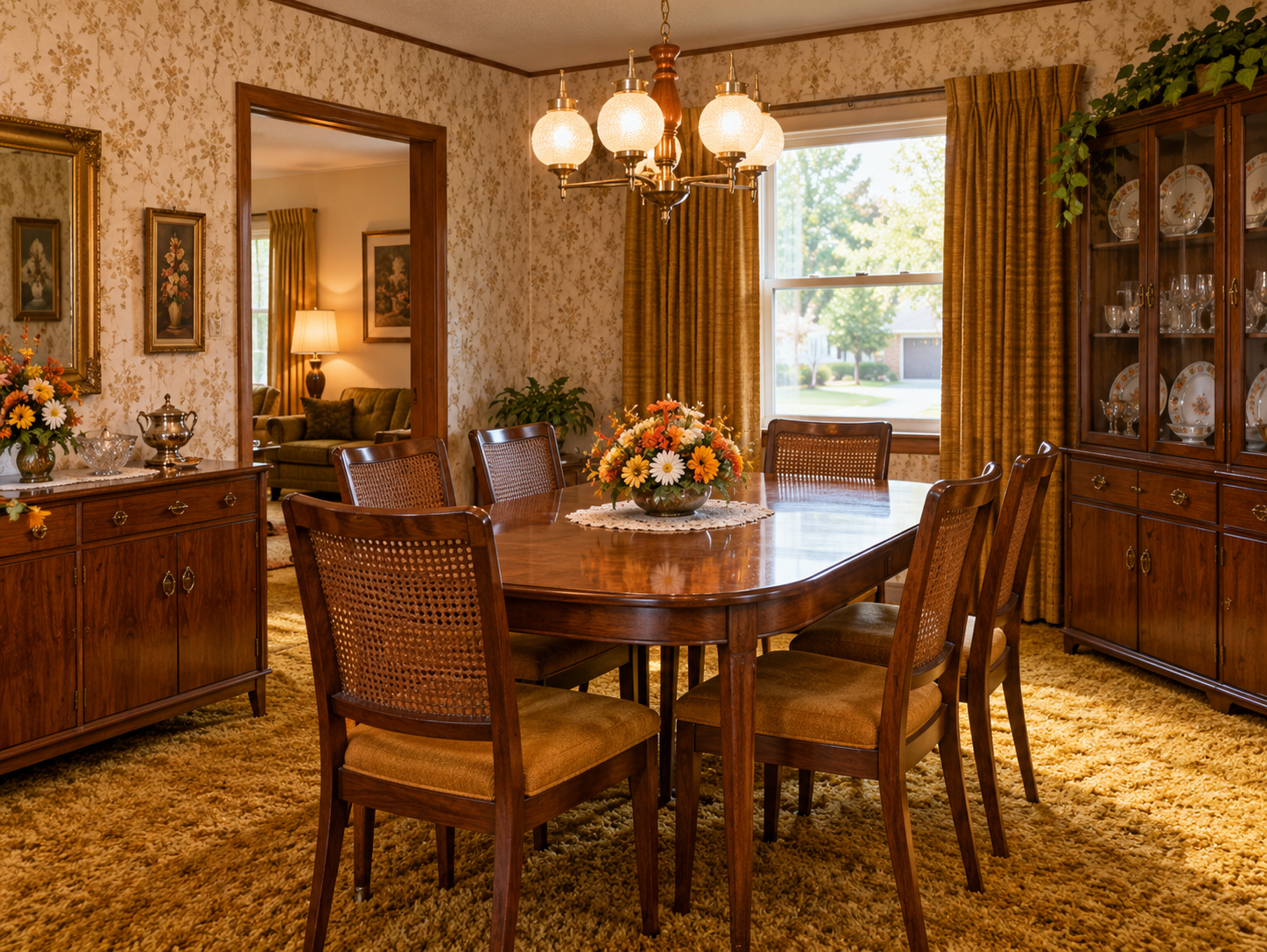
A separate dining room was still a feature of many American houses in 1970. Families gathered around a large table for Sunday dinners, holiday meals, and special occasions.
Trending on Wealth Gang


6. A Spacious Living Room
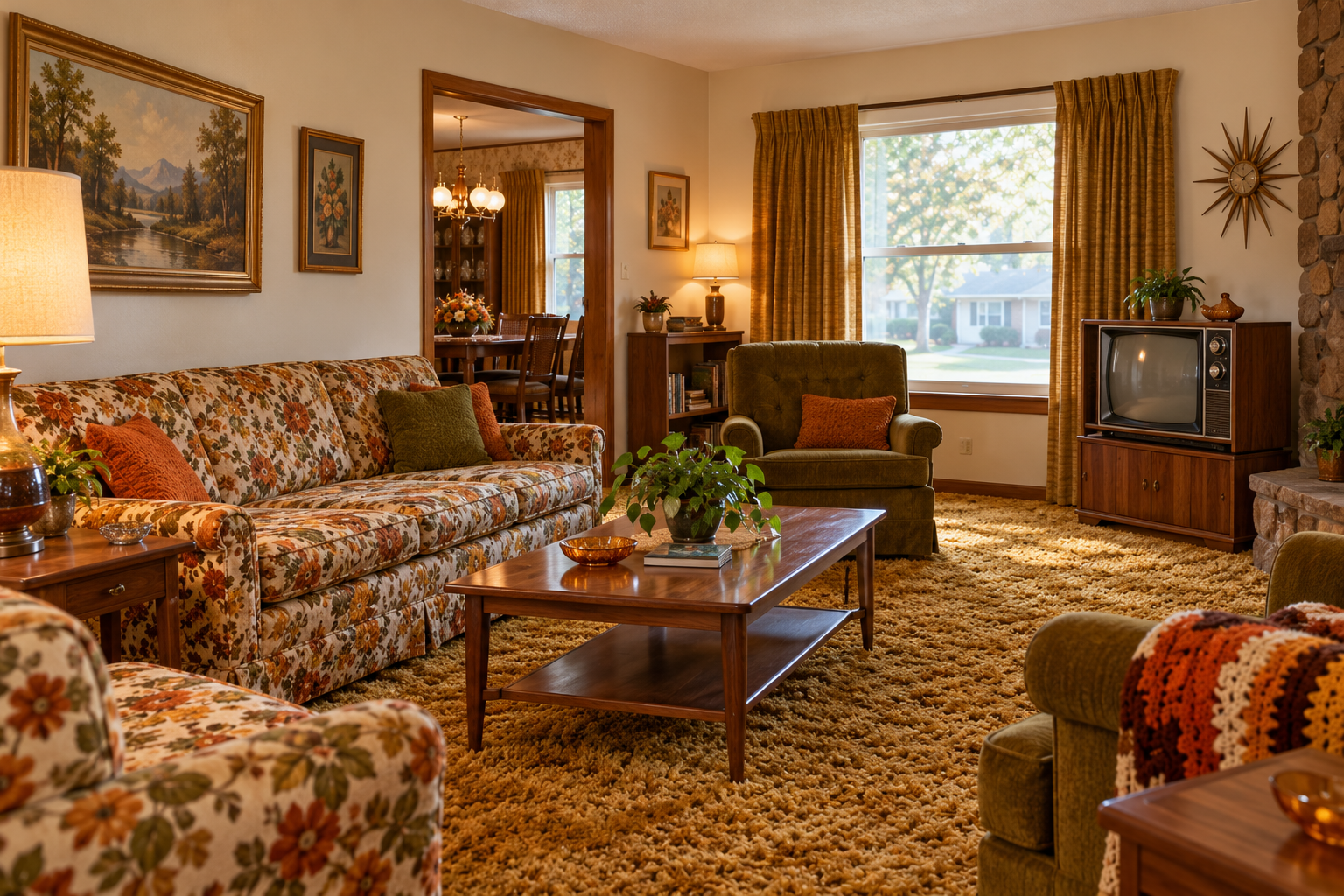
A living room provided space for a sofa, armchairs, a television, and a coffee table. It was the main gathering place for the household, especially in the evenings. Families watched television together, entertained visitors, and spent time talking without needing a separate entertainment room.
7. A Front Porch
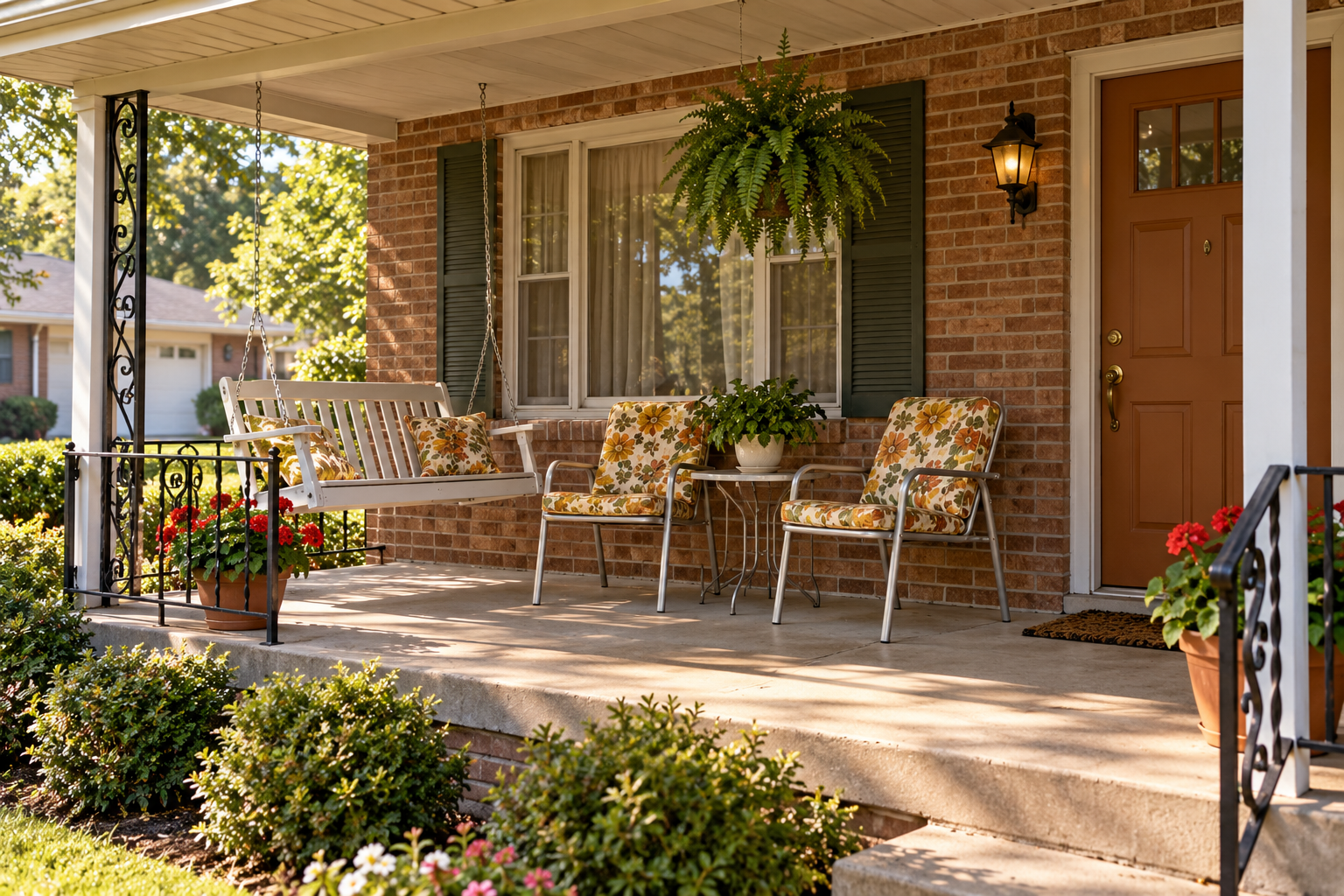
Some houses came with a front porch where the owners sat outside, enjoyed the weather, and talked with neighbors. Depending on the house, it might have space for a couple of chairs or even a porch swing.
8. A Basement
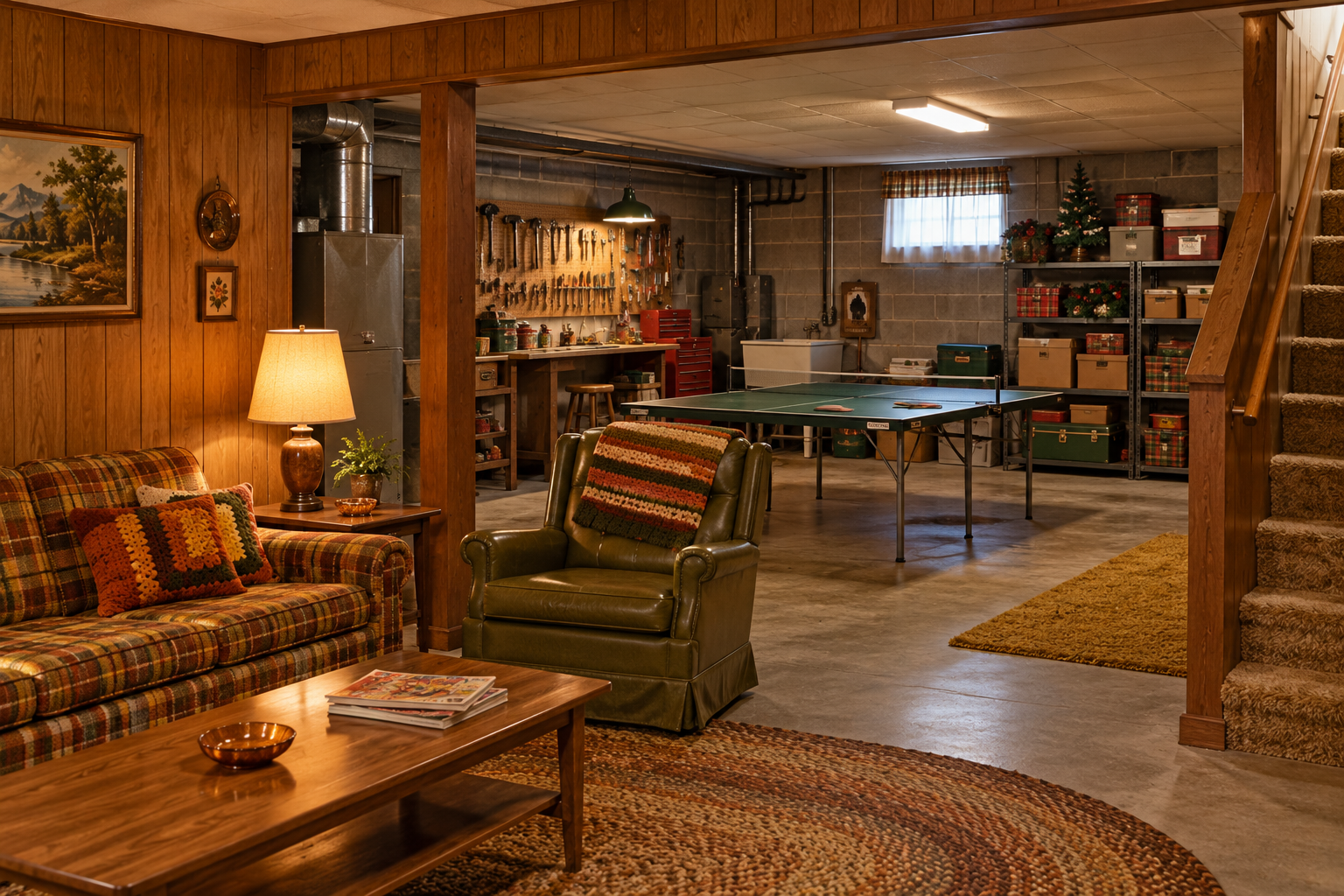
Homeowners used these spaces to store holiday decorations, tools, and old furniture. Some families also turned their basements into playrooms, workshops, or informal recreation areas.
Sign up for our newsletter
9. Hardwood Floors
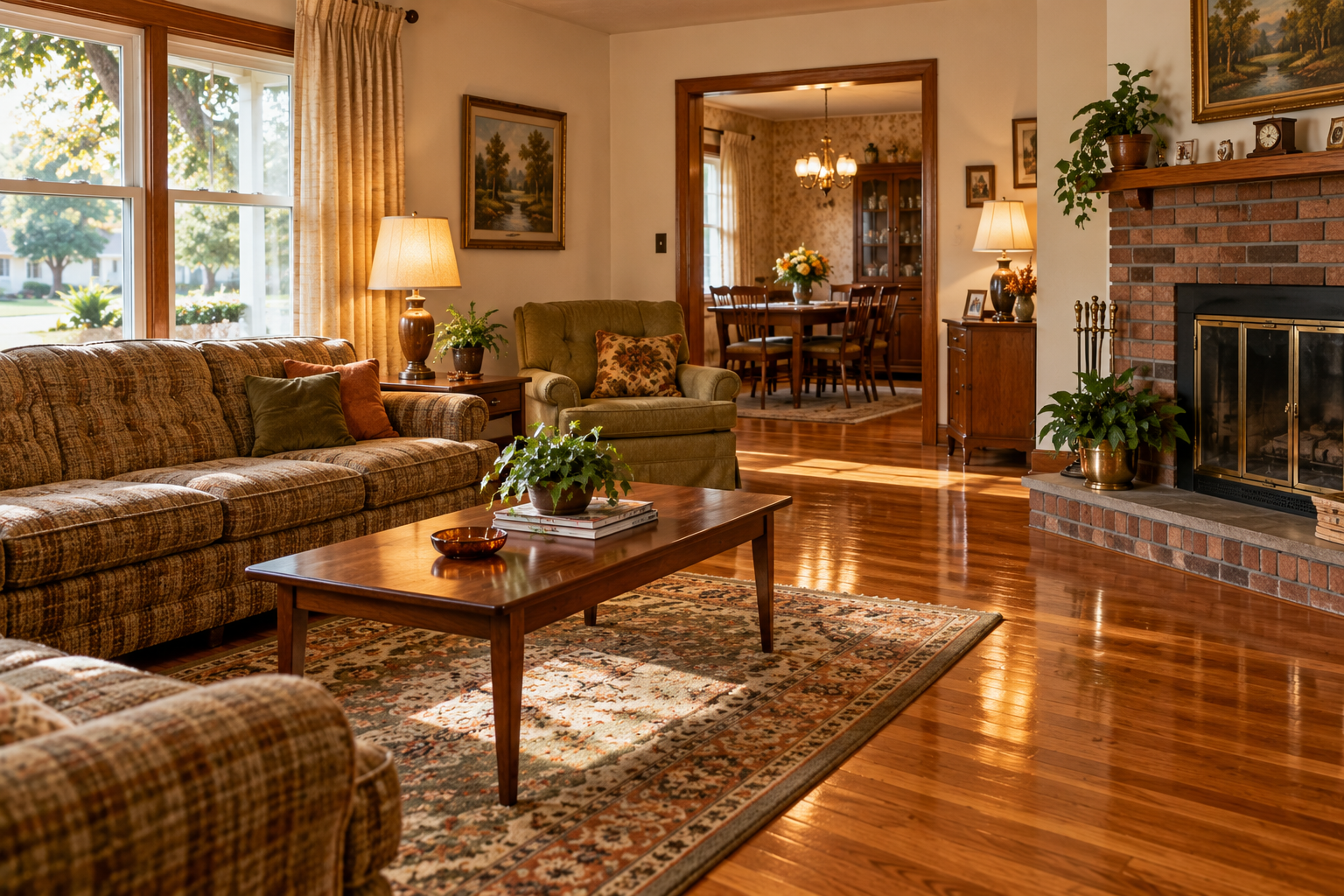
Depending on the home’s age and construction, buyers might find hardwood floors beneath rugs or carpeting. Oak floors were common in many old American houses and lasted for decades with proper care.
10. A Fireplace
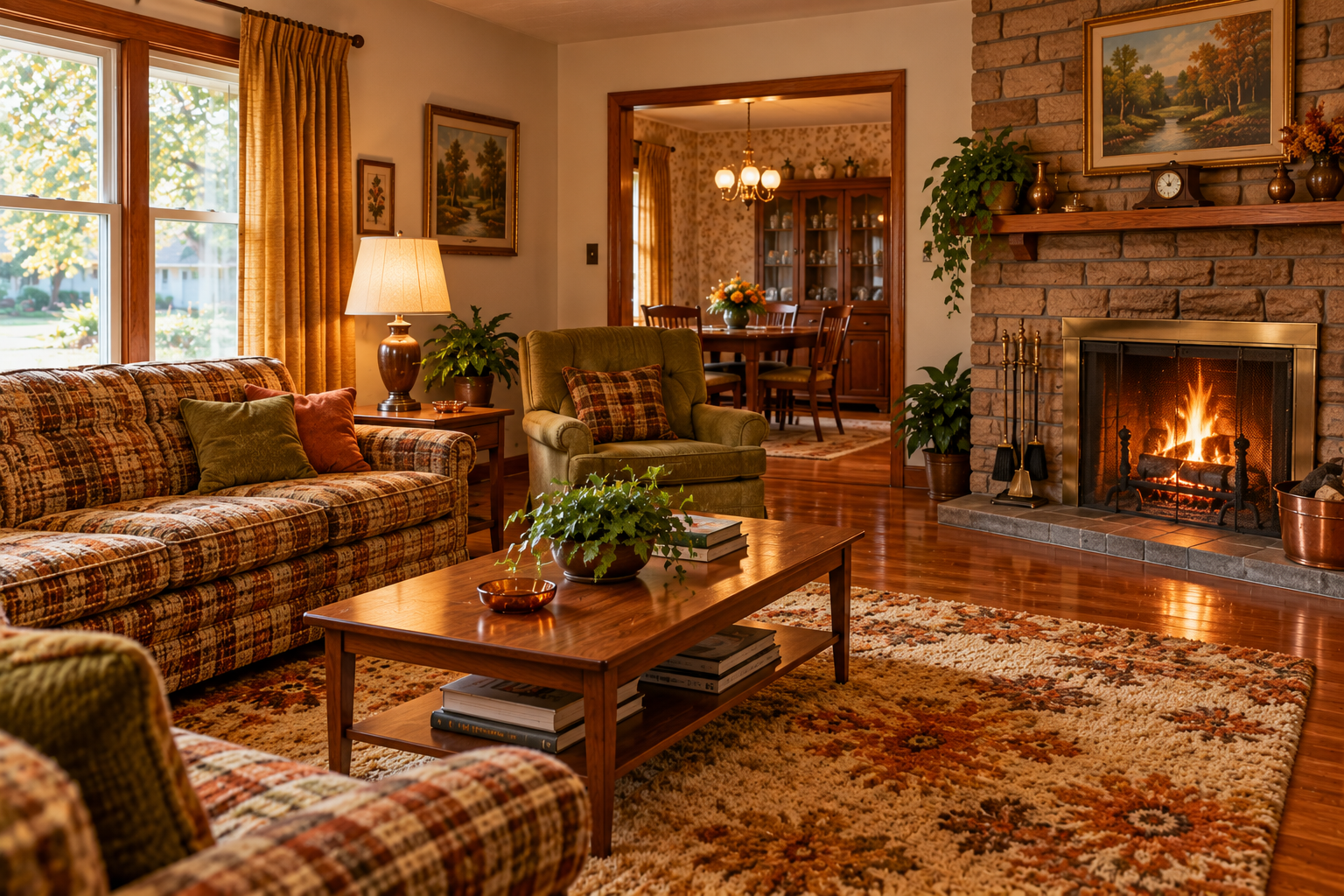
Some homes in this price range featured a fireplace in the living room. It provided extra warmth during colder months, although many houses relied on central heating or other systems.
11. A Large Lot
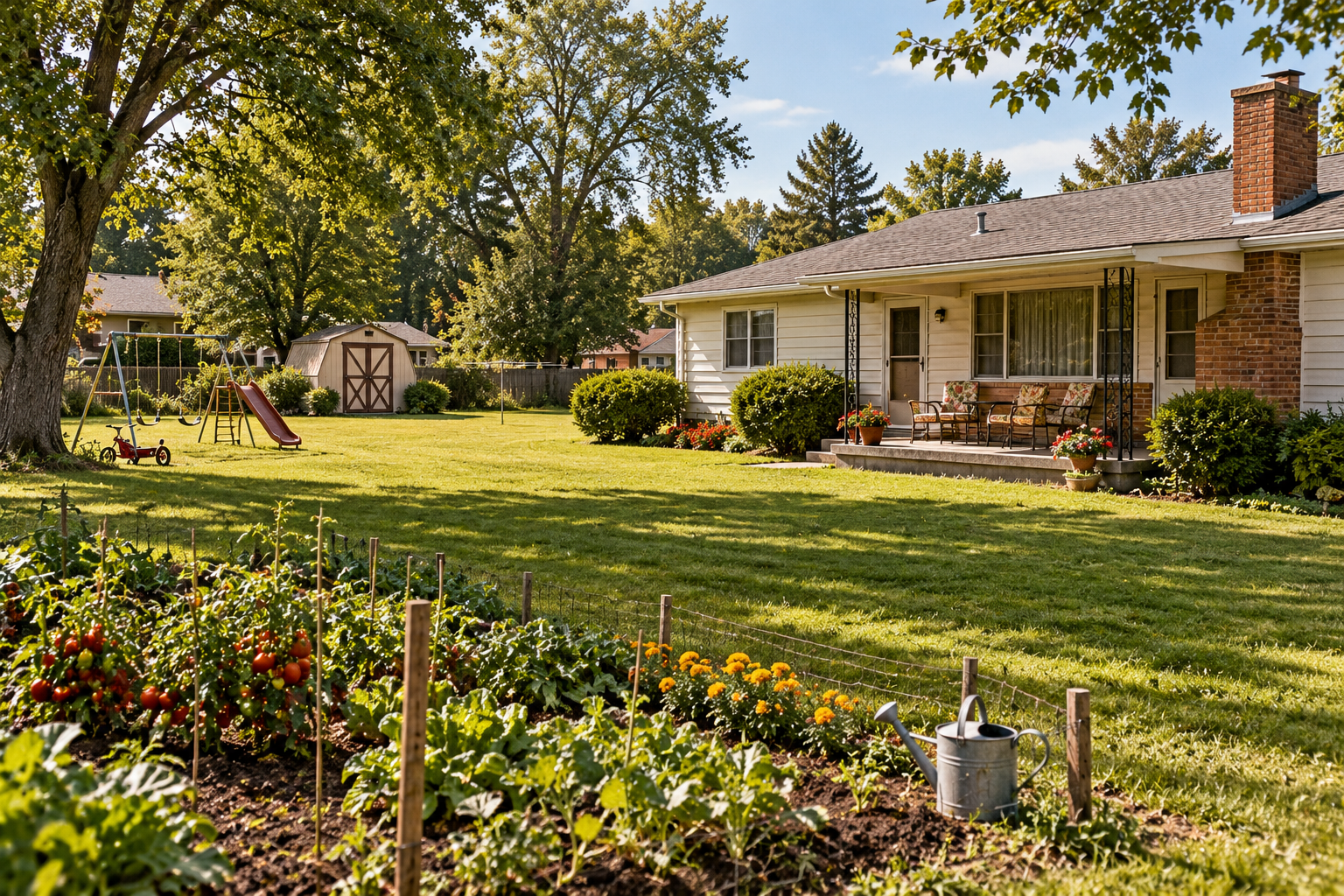
In some suburban and rural communities, $25,000 could buy a house on a generous piece of land. A large lot offered room for a garden, outdoor games, or future home improvements. Buyers often found more space outside cities, where land was less expensive.
12. A Laundry Area
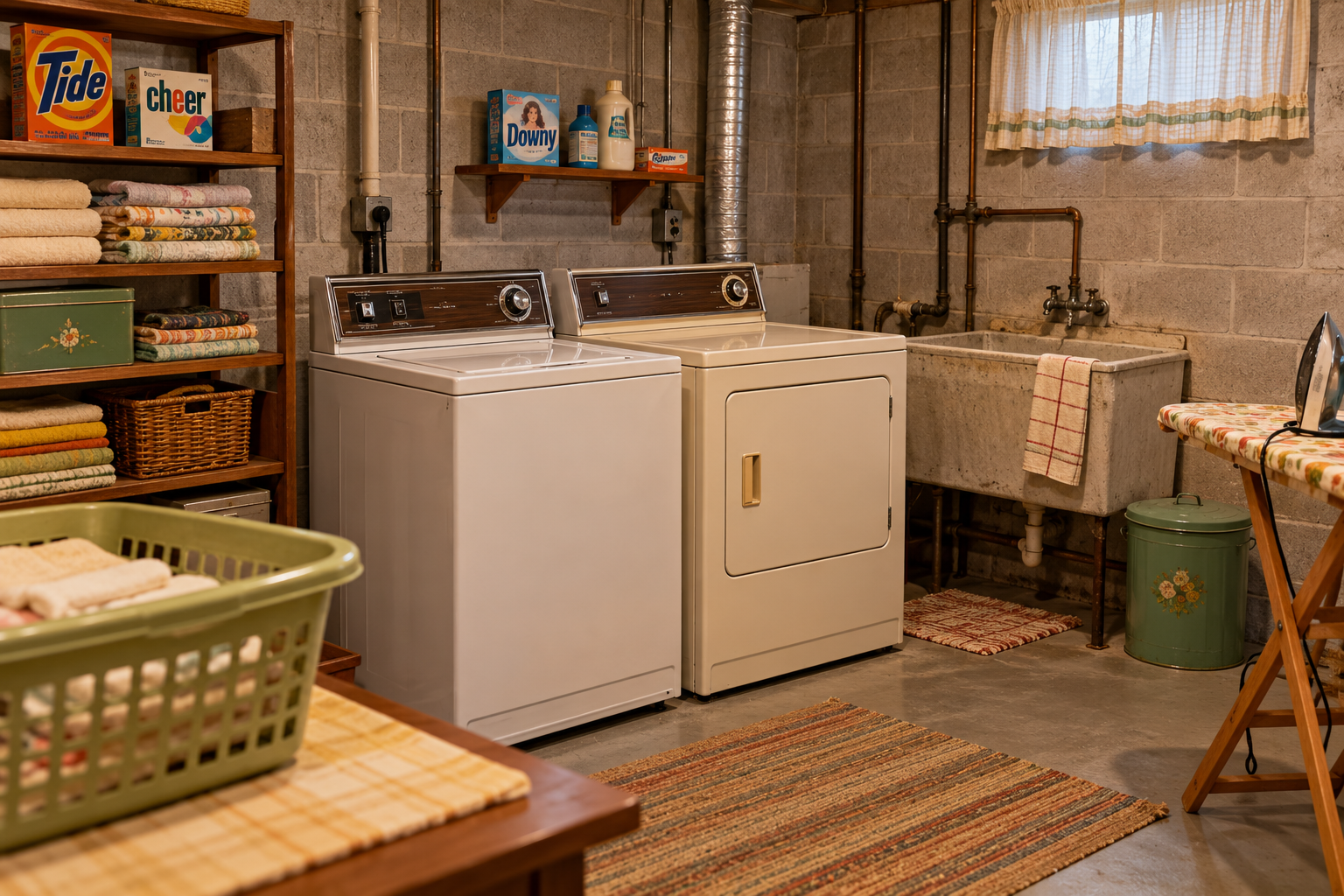
Many homes included a basement laundry area or dedicated space for a washer and dryer. Having laundry equipment at home saved families from making regular trips to a laundromat. Some old houses had only hookups or limited space, so the exact setup depended on the property.
13. A Second Bathroom
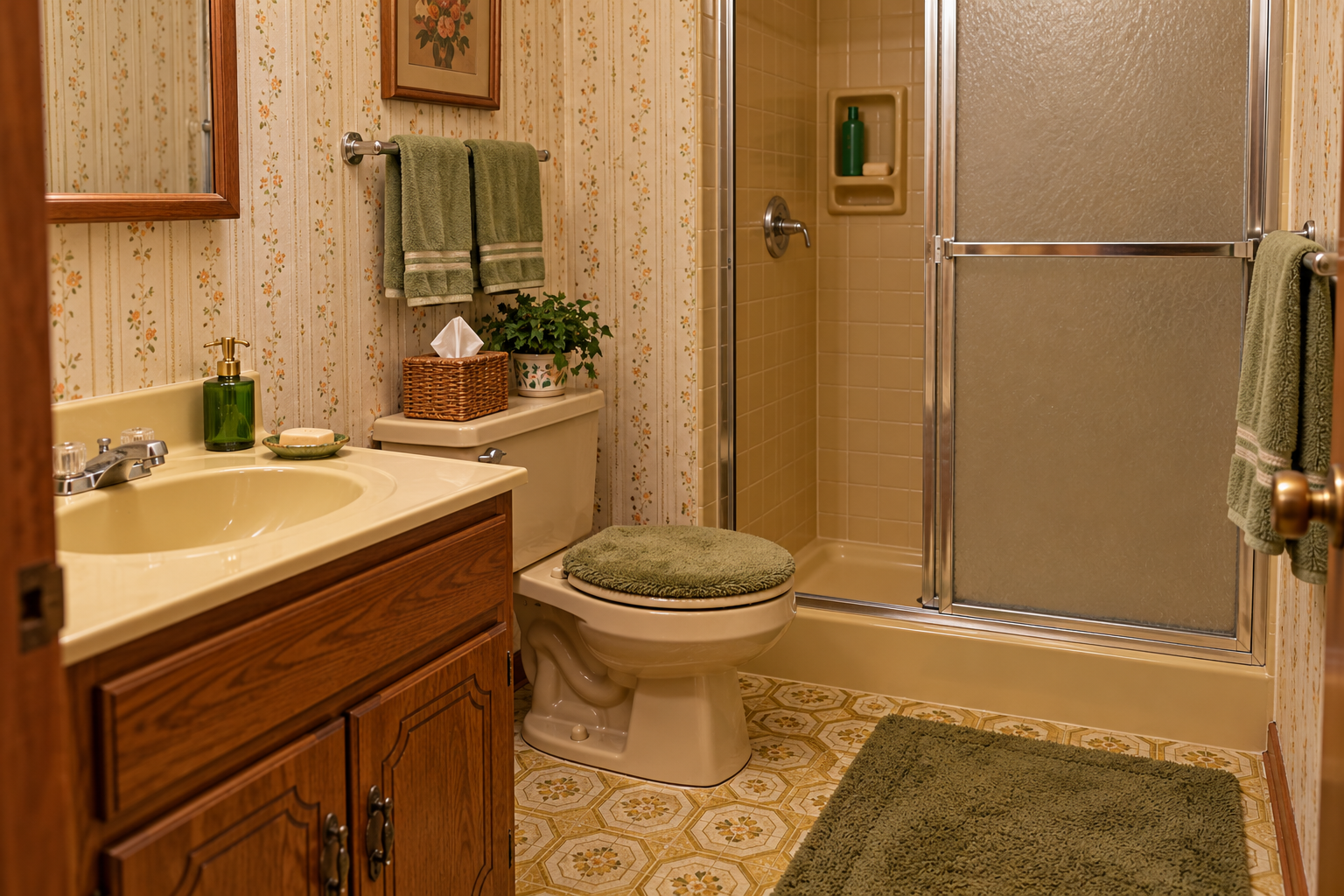
Some properties around the $25,000 mark offered two bathrooms. This was useful for larger families, as it reduced the morning rush before school and work. A second bathroom was a valuable room even if it was smaller than the main one.
14. A Quiet Suburban Neighborhood
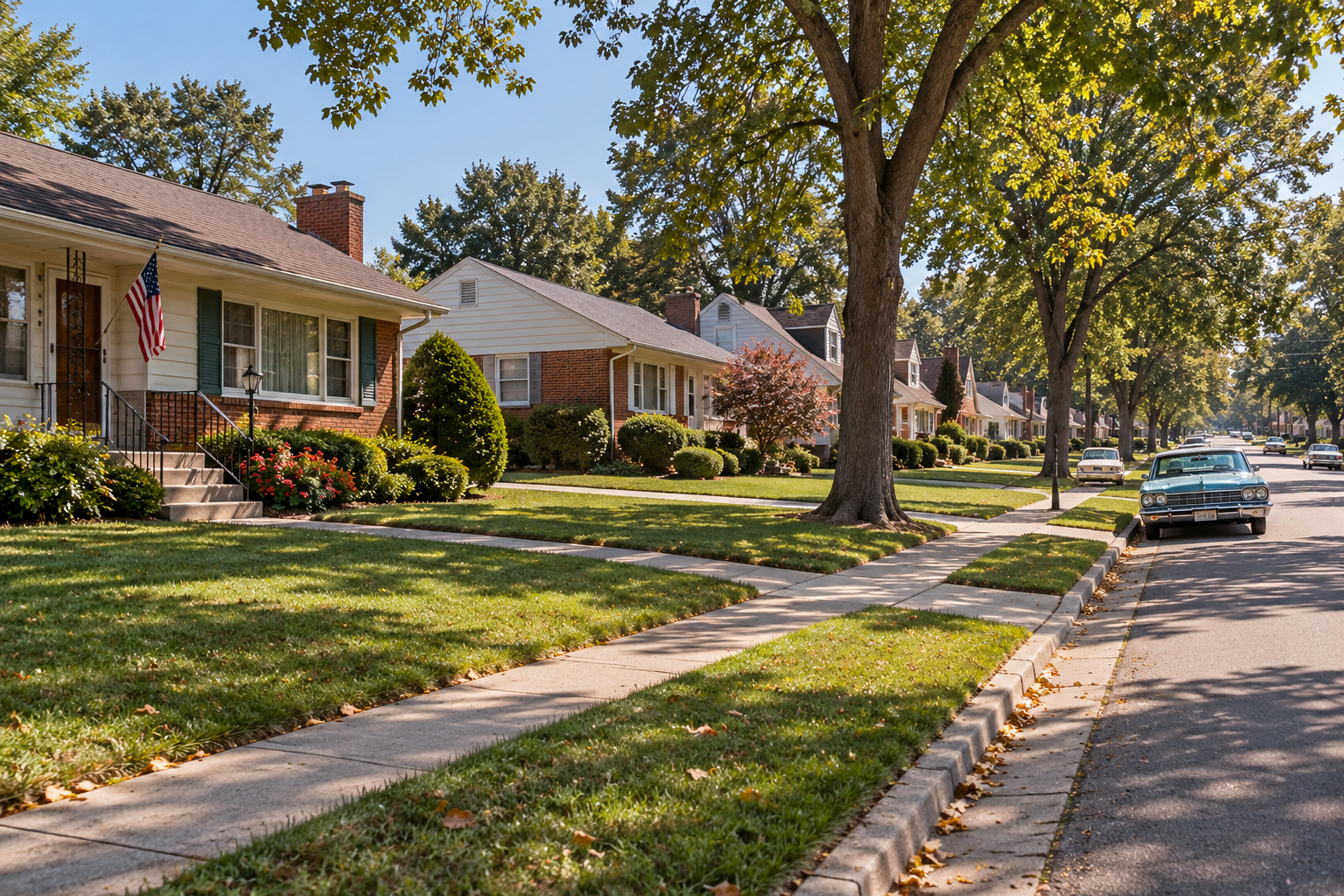
In some communities, $25,000 offered a home on a residential street with a nearby school, parks, local shops, and other families. However, access to these amenities varied.
Interested in more content from the 70´s? Check out:
Revisit the dinner table classics in 18 Foods Americans Commonly Ate for Dinner in the 1970s, see which former child actors turned their paychecks into fortunes in 13 Child Stars From the 1970s Who Actually Grew Their Wealth, and get the full picture of what was popular on grocery shelves with 27 Weird (and Delicious) Food Ads From the 1970s.