In the 1920s, a drugstore was much more than a place to buy medicine. It was a busy part of everyday life, where people bought goods and personal care products. While the shelves were filled with products shoppers bought, the space behind the counter held many interesting items not available to everyone.
Behind those counters, pharmacists kept tools, ingredients, and supplies to prepare medicines and serve customers. Some of these objects would look familiar today, while others belonged to a different era. The next 14 hidden items offer a glimpse into what working in a 1920s drugstore was like.
1. Glass Medicine Bottles
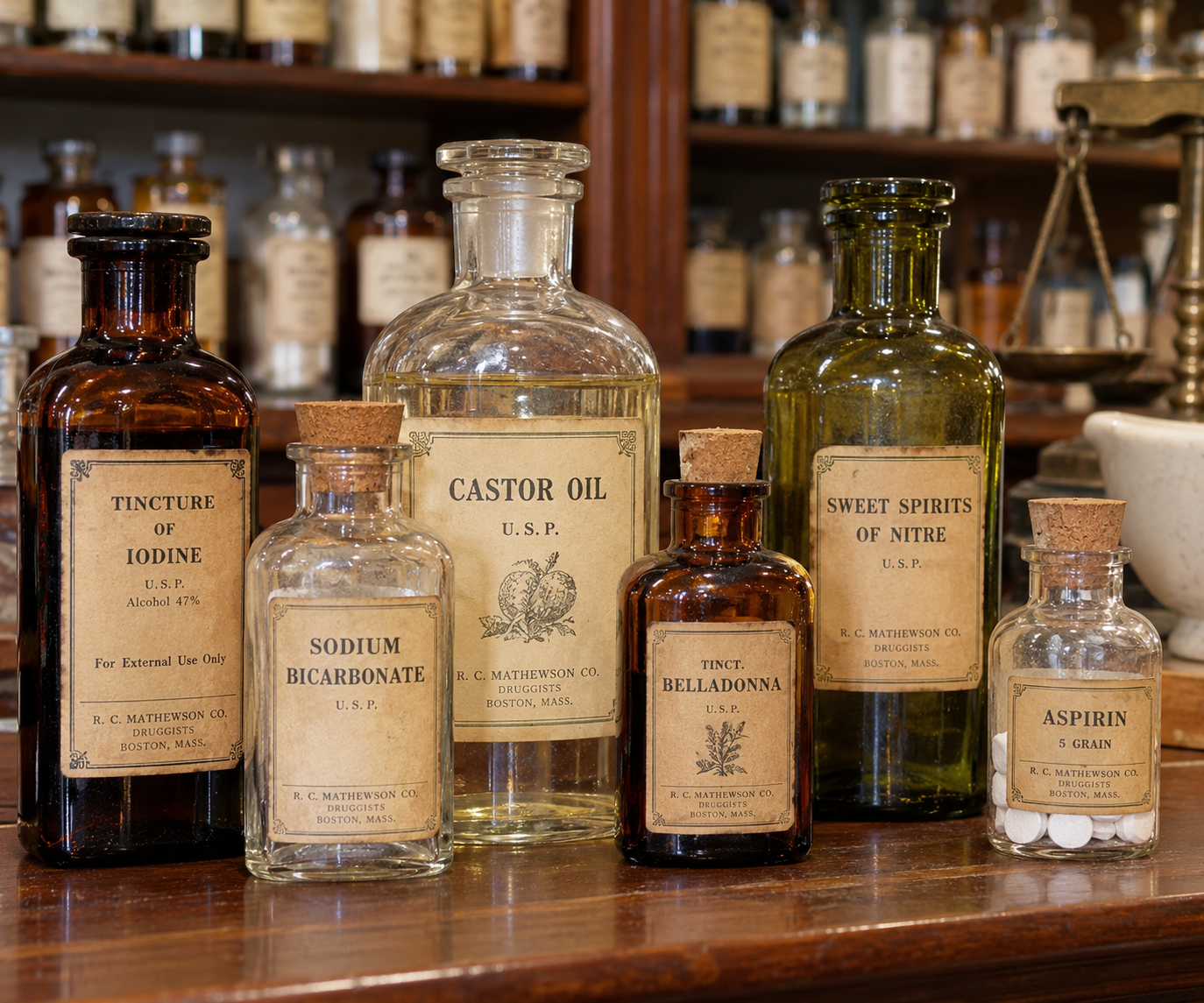
Glass bottles were common in 1920s drugstores. Pharmacists used them to store liquids, fill prescriptions, and sell prepared remedies. Some were clear, while others came in brown or green glass to help protect their contents from light. Before today’s plastic packaging became common, these containers were an important part of how medicine was stored and sold.
2. Mortar and Pestle Sets
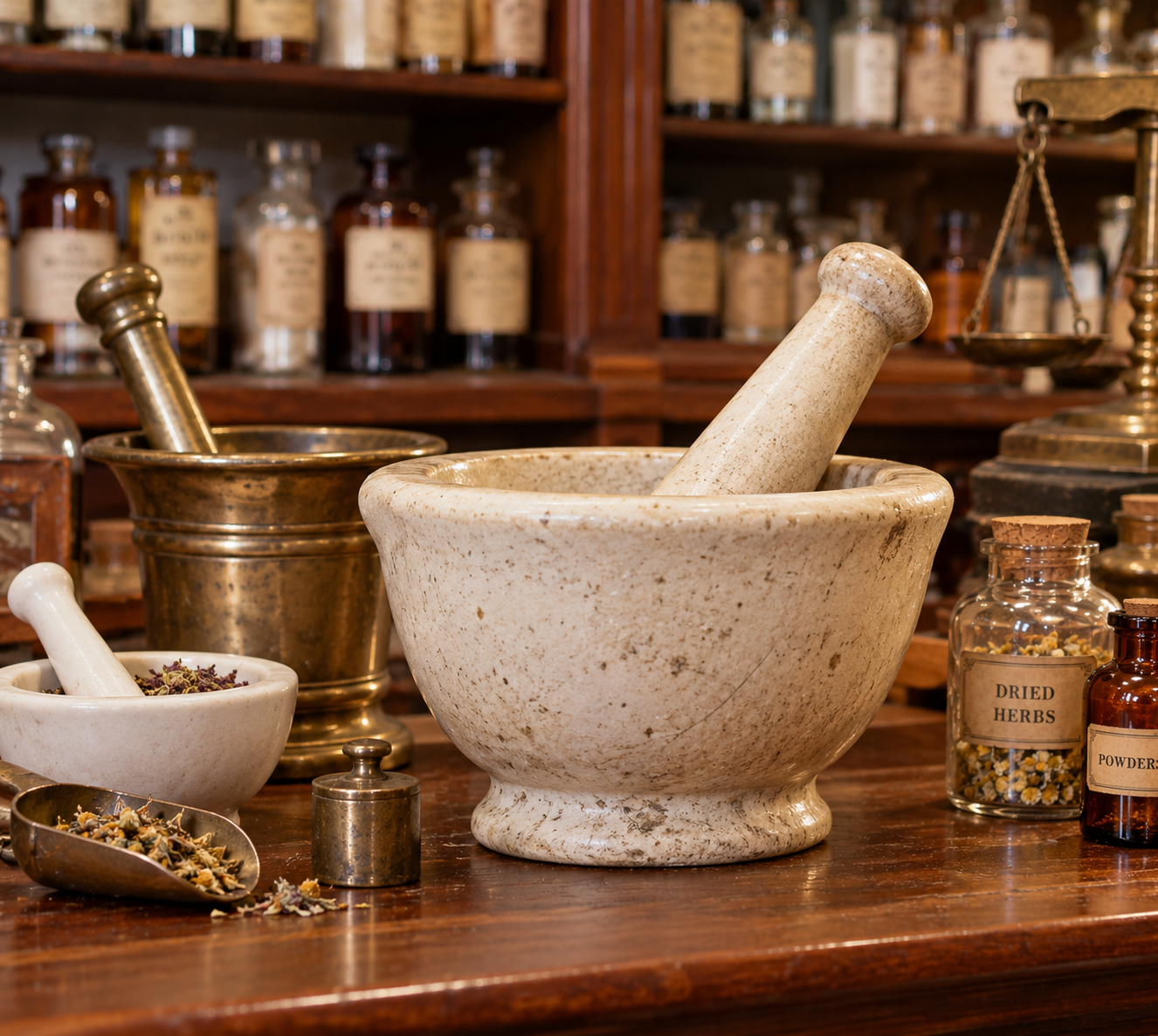
A mortar and pestle was an important tool for many pharmacists. The heavy bowl and small grinding tool helped them crush ingredients and mix medicines by hand. These tools were a reminder that making medicine could involve careful measuring and mixing rather than taking a package from a shelf.
3. Small Weighing Scales
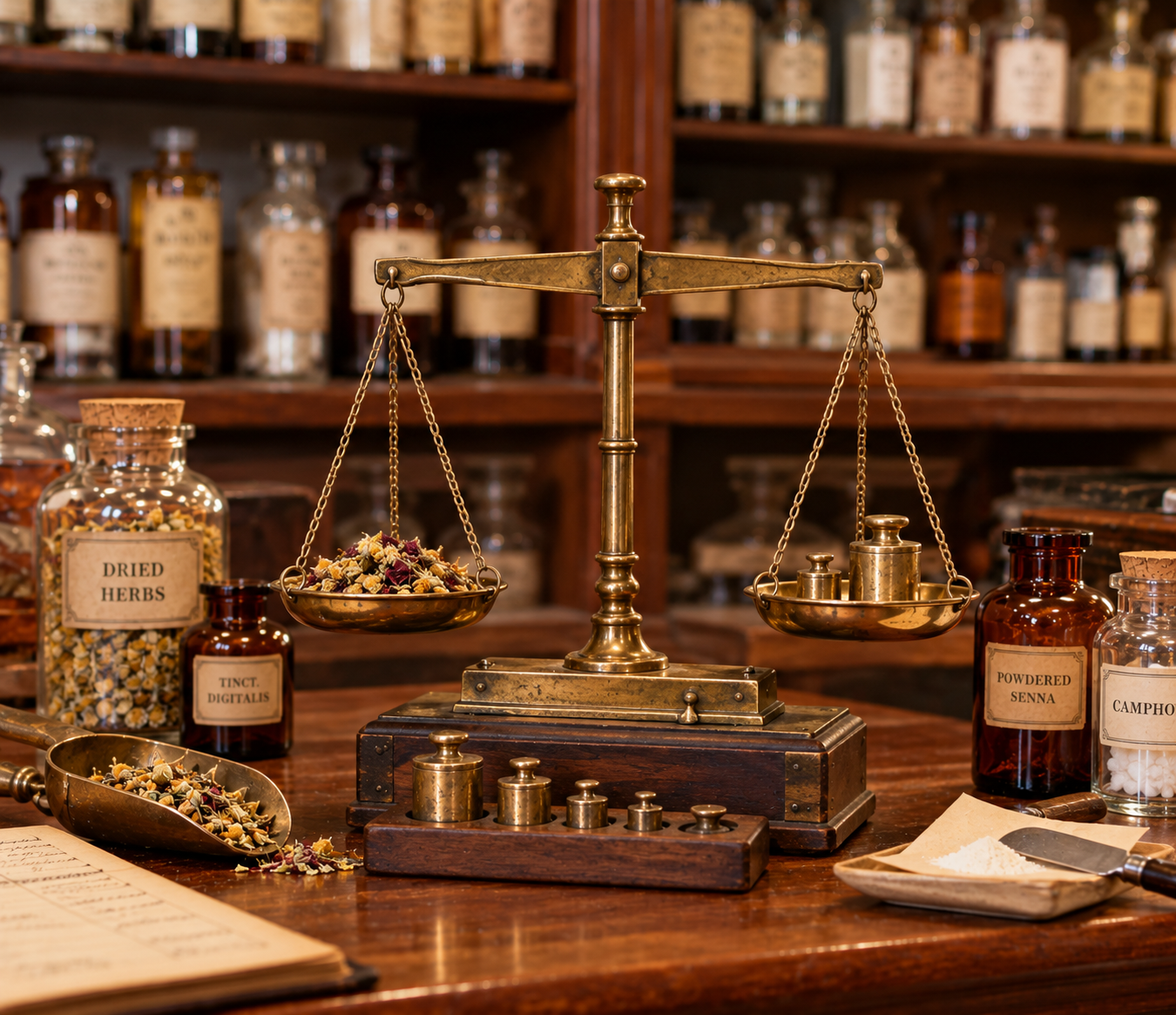
Accurate measurements mattered when preparing medicine, so pharmacists used small scales to weigh ingredients. A pharmacist had to pay close attention to the amount of each ingredient used in a prescription. These scales were practical tools, and they helped make the pharmacy work more precise.
4. Patent Medicines
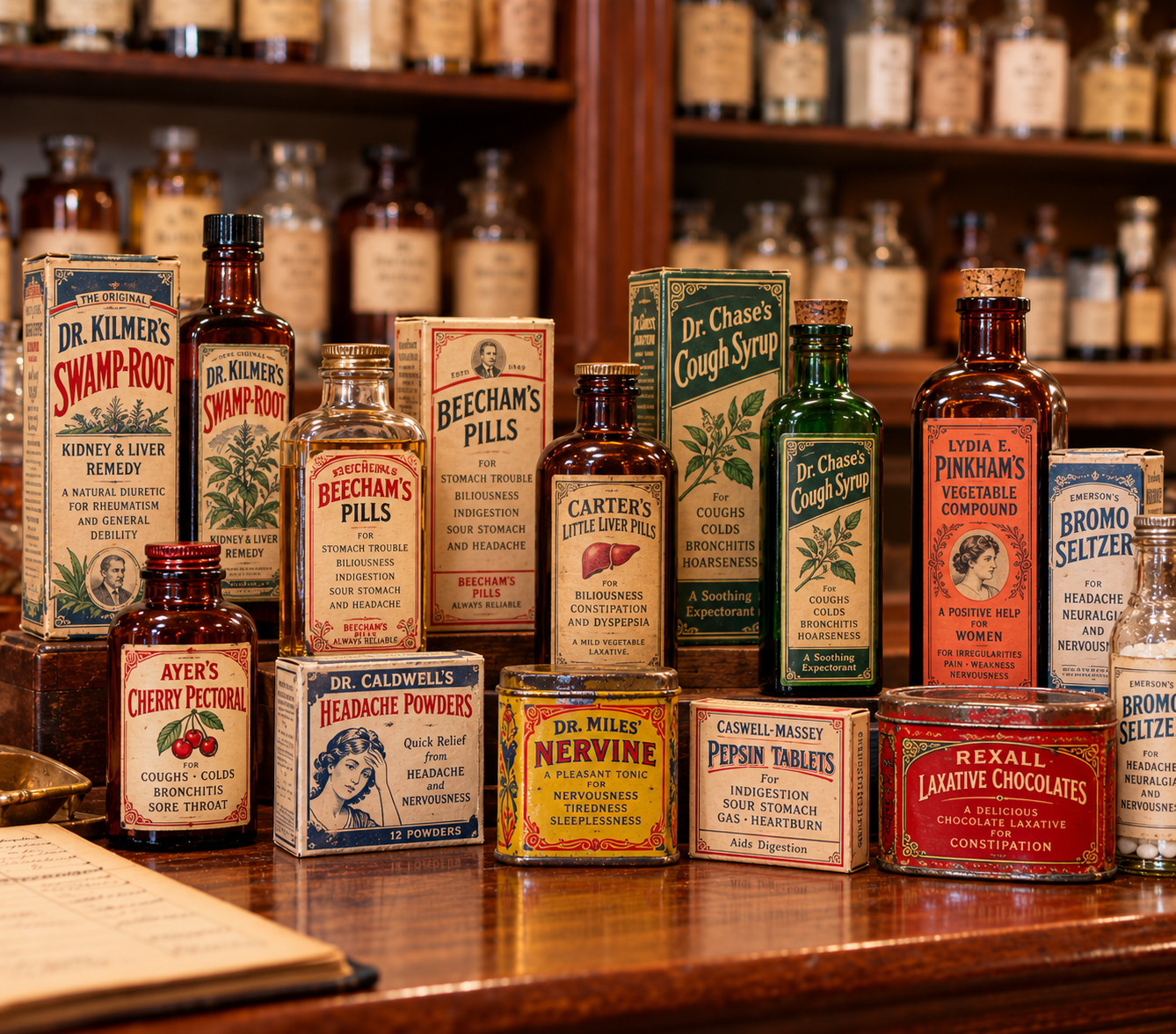
Patent medicines were ready-made products. Their makers often advertised them as answers to problems such as stomach trouble, headaches, and tiredness. Their colorful labels and promises made them easy for customers to notice.
5. Cough Syrups
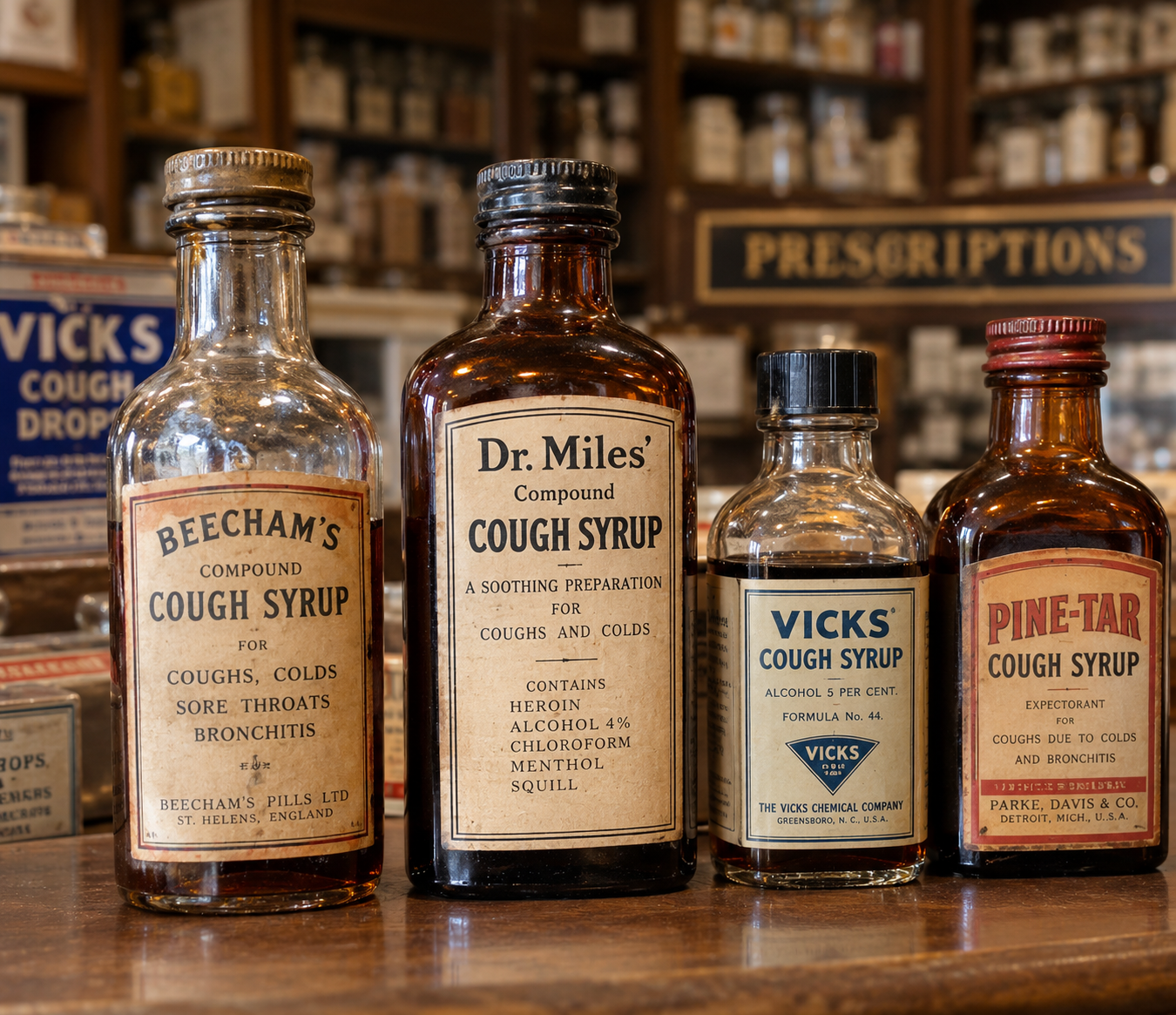
Cough syrups were another familiar product on pharmacy shelves. They were sold to people who wanted relief from coughs, sore throats, and cold symptoms. Some came in small bottles with printed labels, while others were prepared or mixed according to a pharmacist’s instructions.
Trending on Wealth Gang

6. Liniments & Salves
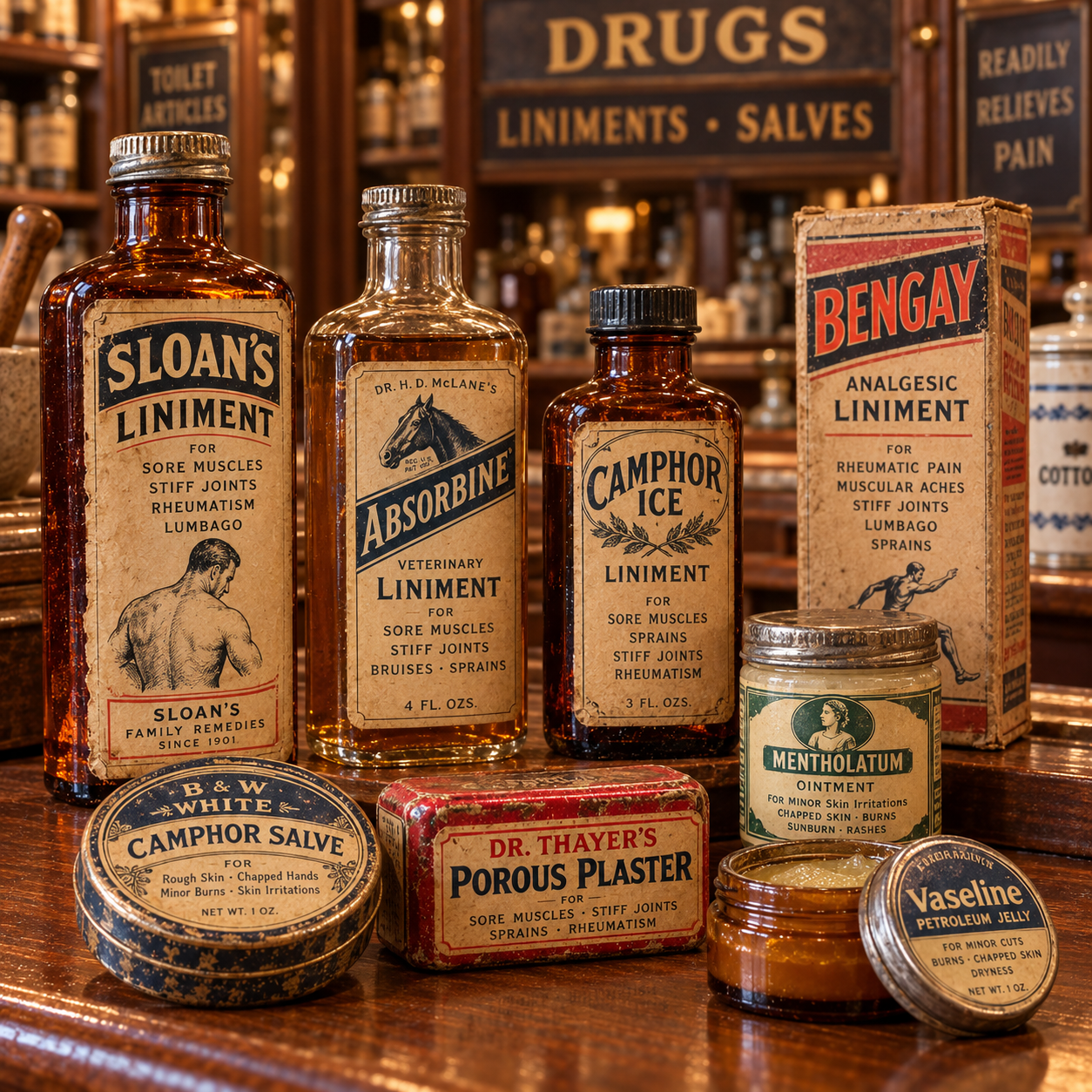
Liniments and salves were sold for sore muscles, stiff joints, and skin problems. Customers often kept these remedies at home for everyday aches.
7. Herbal Tinctures & Liquid Remedies
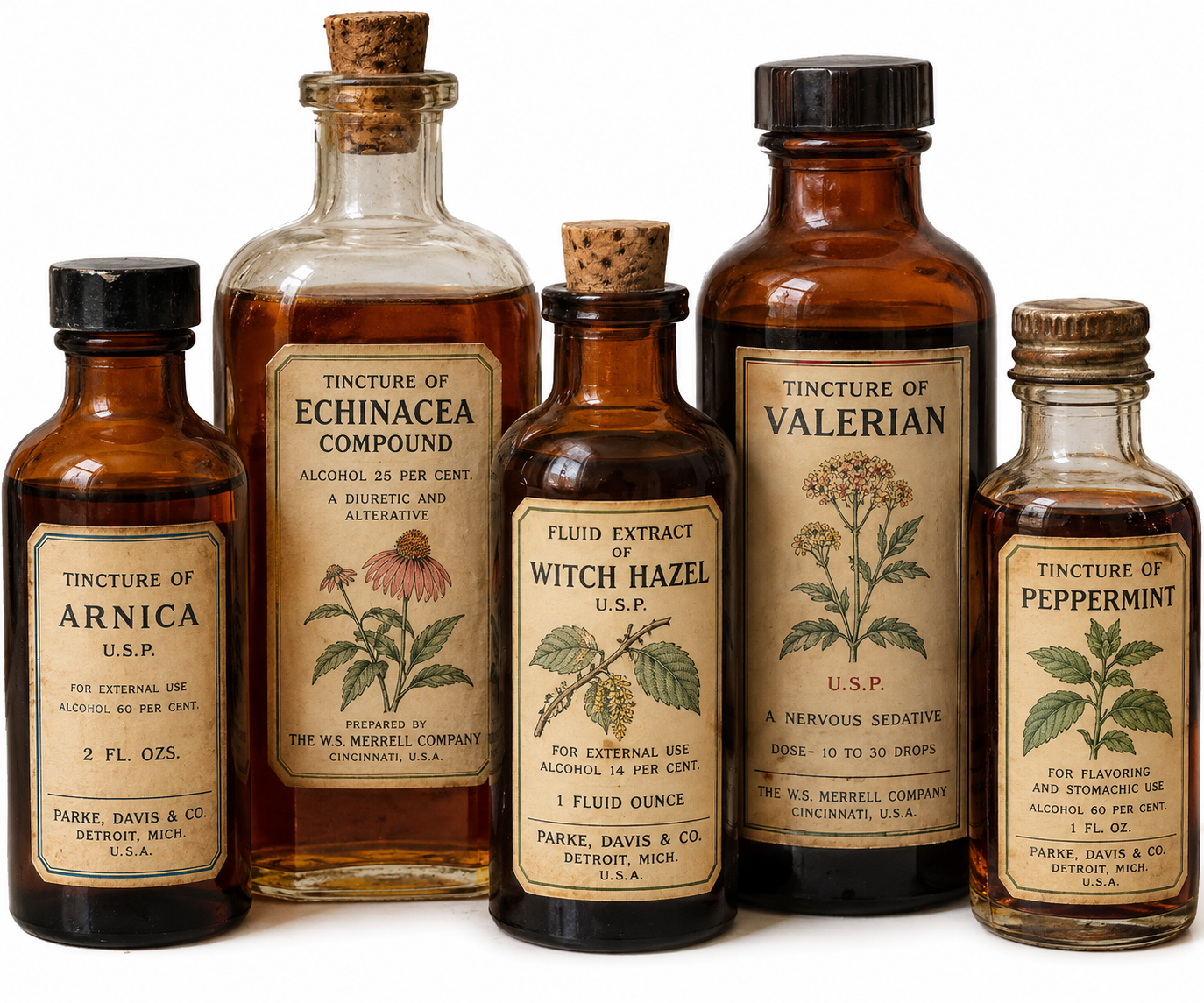
Some pharmacists sold liquid preparations made with herbs and other plant ingredients. These products were called tinctures or herbal remedies and were used for a variety of complaints.
8. Aspirin & Packaged Tablets
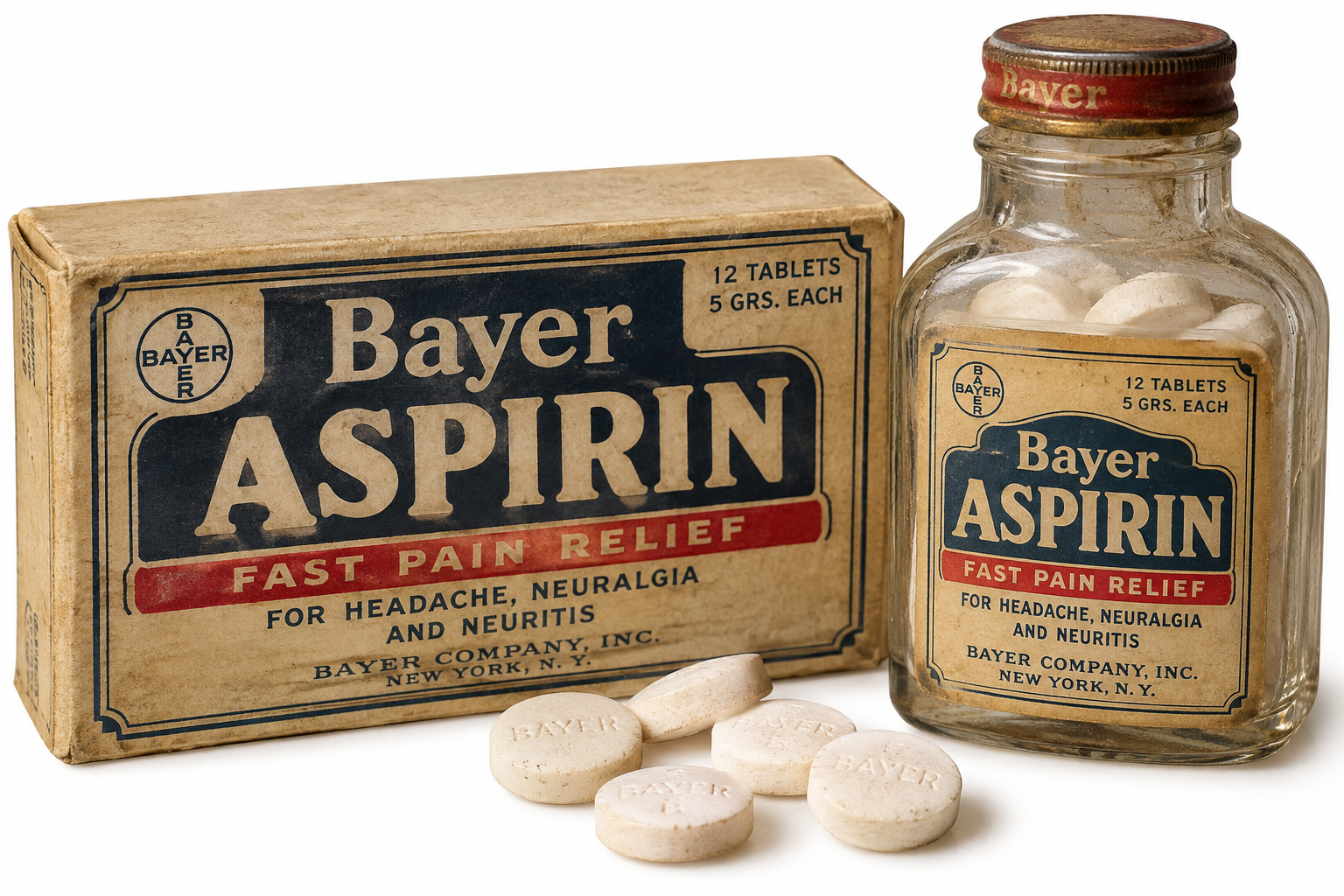
By the 1920s, packaged tablets were becoming a familiar part of medicine shopping. Aspirin was one of the products many customers knew by name, and ready-made medicines made it easier to buy some treatments without waiting for a pharmacist to mix them.
Sign up for our newsletter
9. Pill Capsules & Prescription Supplies
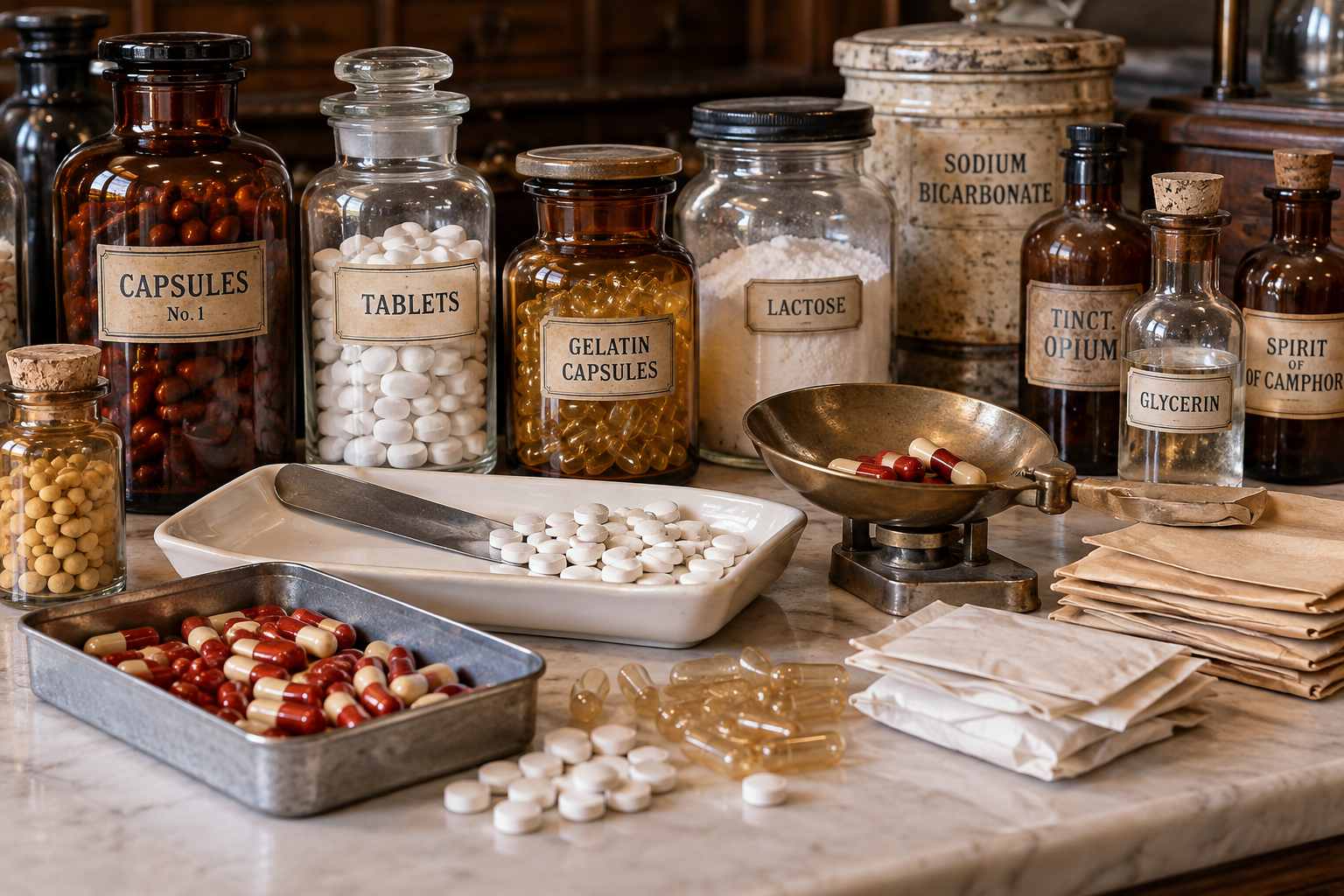
Pharmacists needed more than bottles and powders to prepare prescriptions. They also worked with tablets, capsules, and other supplies used to package medicine. Some prescriptions still had to be prepared by hand, depending on the ingredients and the type of treatment. Compared with today’s prescriptions, the process required more hands-on work.
10. Tooth Powders & Mouth Care Products
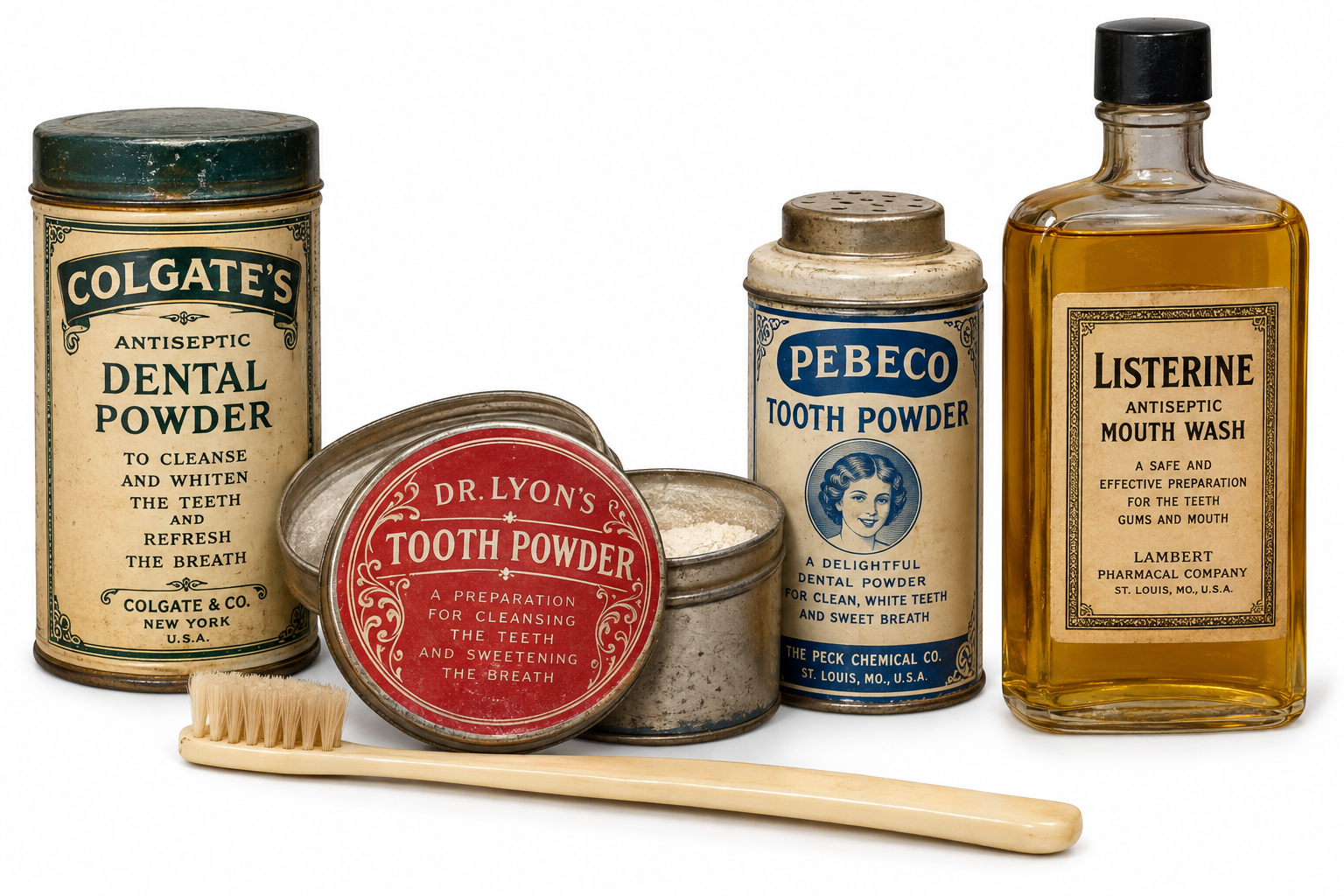
Modern toothpaste tubes were not the only way people cleaned their teeth. Tooth powders were also sold in drugstores, in tins or small containers. Customers sprinkled the powder into a brush and used it to clean their teeth. Mouthwashes and other oral care products were also available.
11. Hair Tonics & Grooming Products
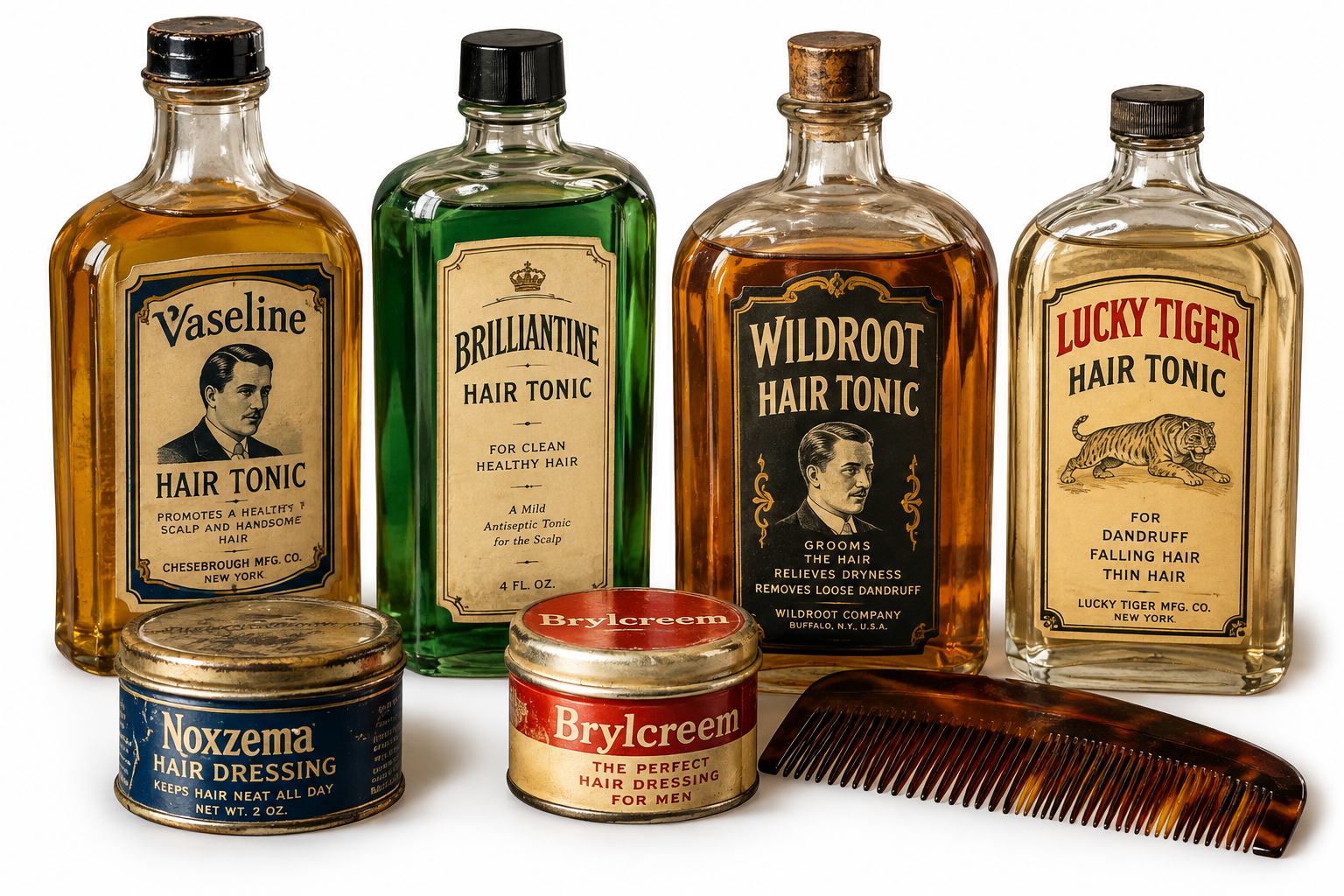
Hair tonics were popular products for customers who wanted to keep their hair neat or make it appear healthier.
12. Cold Creams & Face Powders
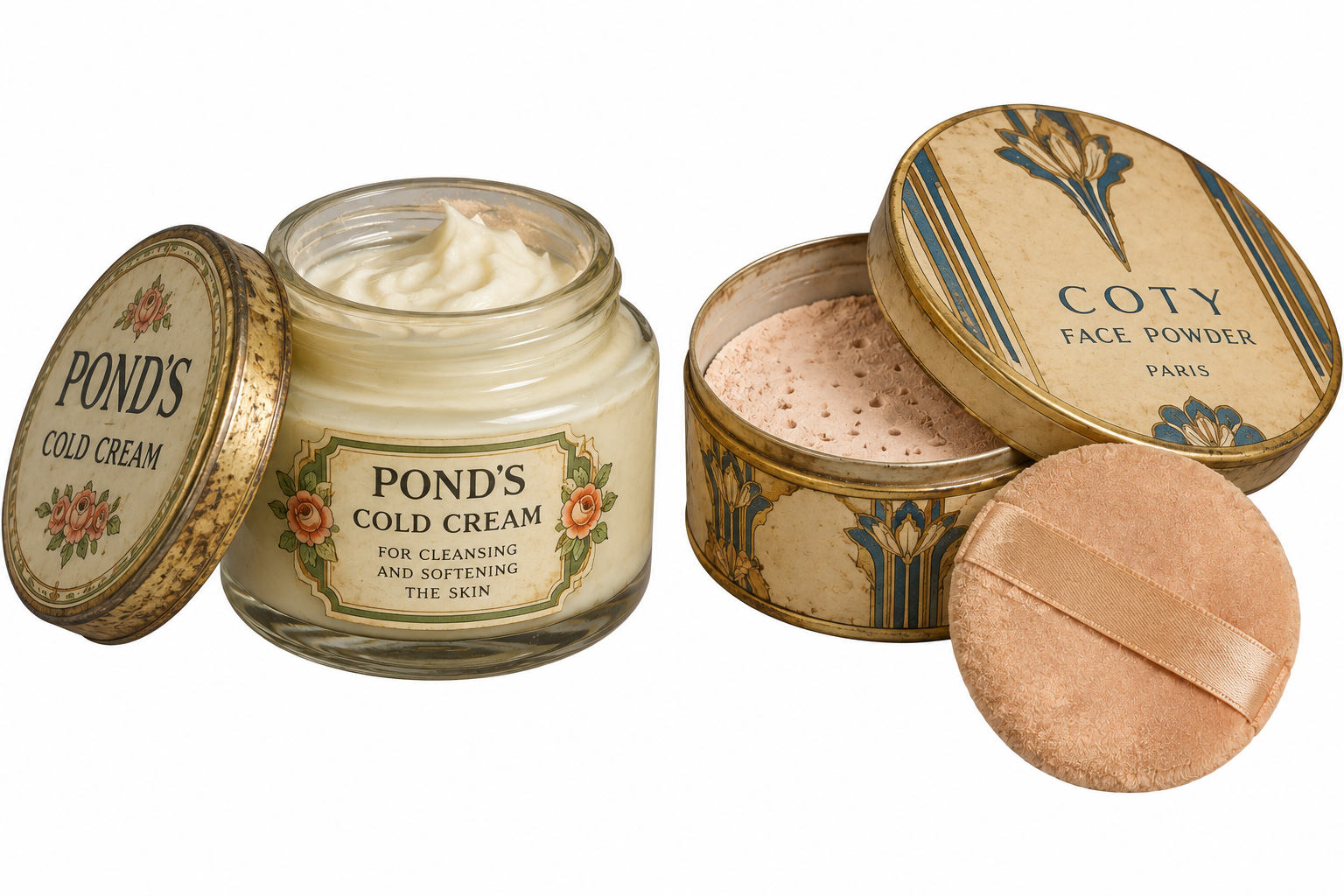
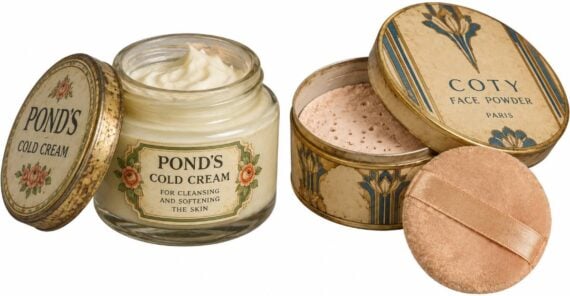
Cold creams and face powders were common beauty products during the early twentieth century. Cold cream was used to clean or soften the skin, while face powder helped create a smooth look. Small jars, tins, and powder containers could be displayed near the counter.
13. Perfumes & Toilet Waters
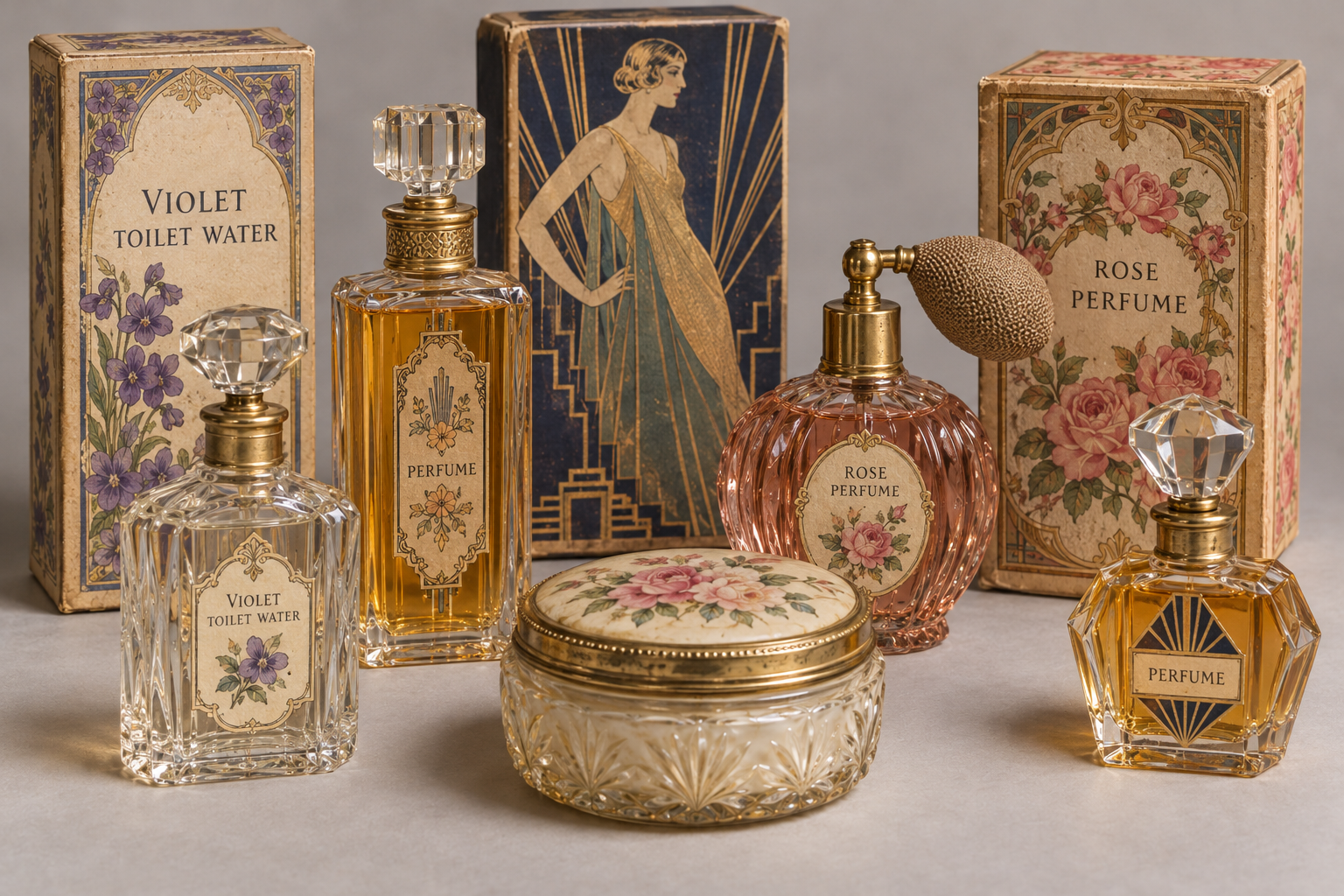
Perfumes and toilet waters gave customers a way to add a pleasant scent to their routine. They were often sold in small glass bottles, and some came in decorative packaging that made them look like gifts.
14. Soda-Fountain Syrups & Drink Supplies
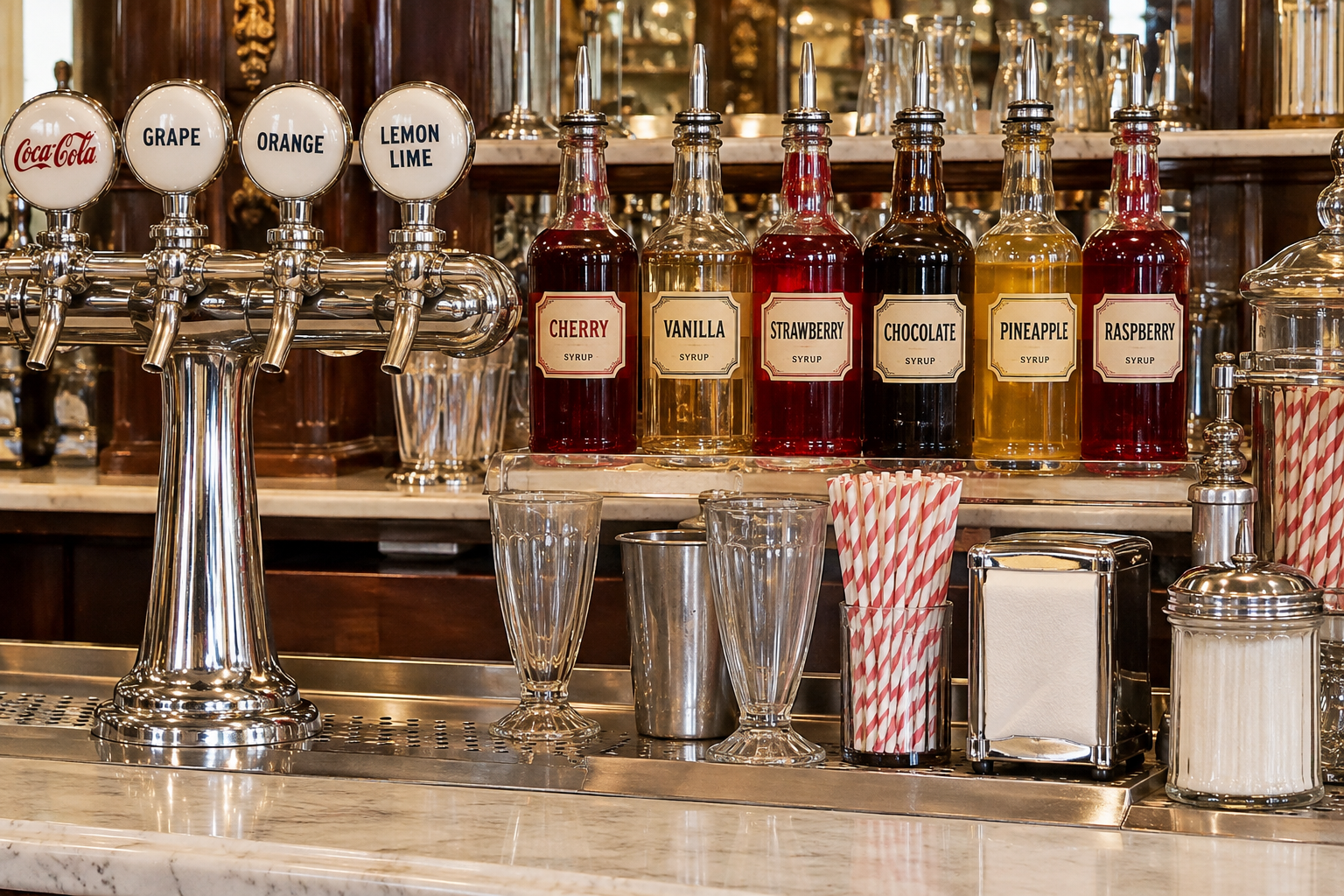
Many drugstores had soda fountains where workers mixed carbonated water with syrups to make drinks. Customers ordered a soda, for instance, while meeting friends or taking a break from shopping. By the 1920s, soda fountains had become familiar community gathering spots, giving drugstores a social role that many modern pharmacies no longer have.