In the 1980s, showing you had money was practically an art form. Americans didn’t always need to mention their salaries or bank accounts because their cars, clothes, homes, and even electronics could do the talking. It was a decade of bold consumption, recognizable designer labels, and expensive purchases that made financial success easy to spot.
Some of these status symbols were genuinely luxurious, while others simply suggested that a family was doing better than its neighbors. A car phone, a backyard pool, or the right designer handbag could make an impression before anyone said a word. These 16 signs of wealth capture the unmistakable ways Americans displayed success during the decade of excess.
1. Driving a Mercedes-Benz Through the Neighborhood
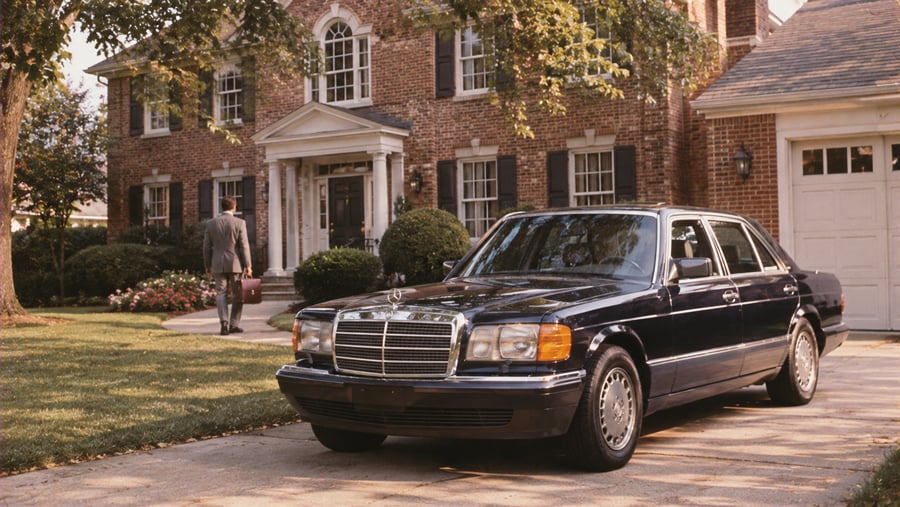
Few things announced financial success in the 1980s quite like pulling into the driveway in a Mercedes-Benz. Models such as the S-Class became recognizable symbols of executives, successful professionals, and families with money to spare. The polished hood ornament, leather interior, and understated European styling suggested a level of wealth that ordinary American sedans couldn’t quite match. Even people who knew nothing about cars understood that a Mercedes parked outside usually meant someone was doing pretty well.
2. Having a Giant Projection Television in the Living Room
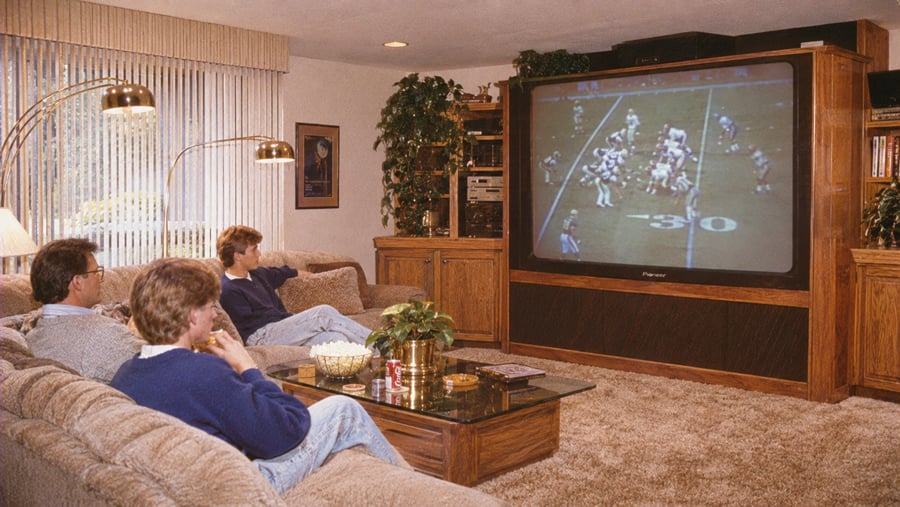
A regular television was something nearly every family owned, but a massive projection TV was another story. During the 1980s, rear-projection televisions offered screens far larger than conventional sets, although they were expensive, bulky, and sometimes had questionable picture quality. Having one in the family room meant there was enough money, and enough space, for a serious entertainment setup. Friends and relatives would gather around it for football games, movies, and special broadcasts, making the television itself almost as impressive as whatever was playing.
3. Carrying a Recognizable Designer Handbag
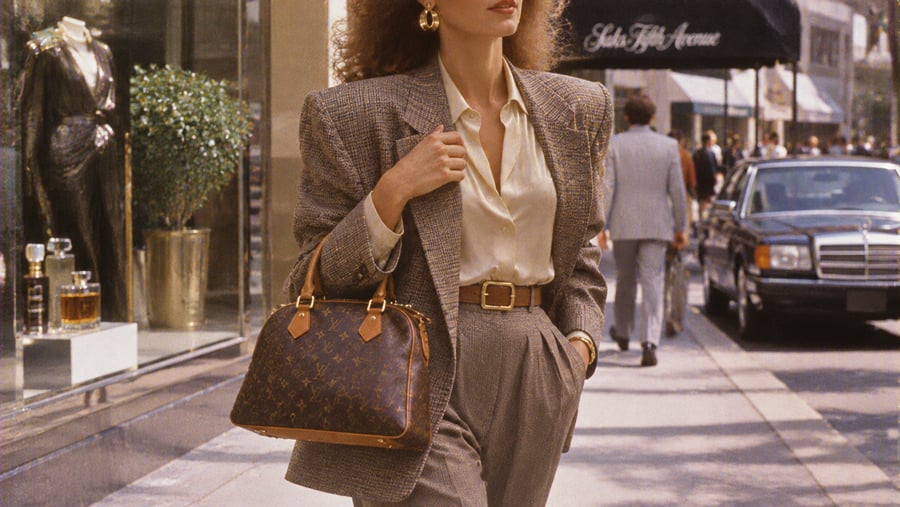
In the 1980s, an expensive handbag could communicate social status faster than an introduction. Luxury brands such as Louis Vuitton and Gucci became increasingly recognizable, and their signature patterns made it easy for others to identify a costly accessory from across the room. A designer bag wasn’t just something to carry personal belongings. It was a visible statement about taste, shopping habits, and disposable income. Whether paired with a tailored suit or a casual weekend outfit, the right handbag could quietly announce that its owner had money.
4. Owning a House With a Grand Two-Story Entrance
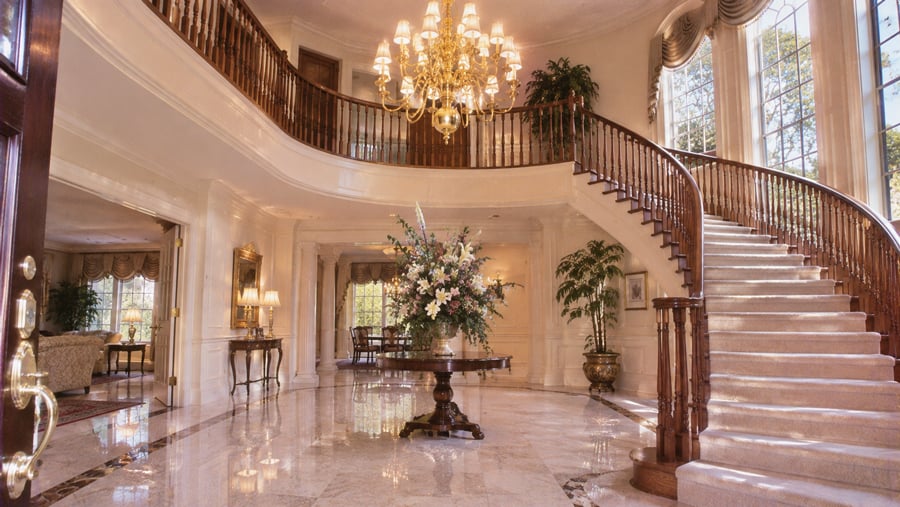
A large home was impressive enough, but in the 1980s, an enormous entryway made sure visitors noticed the moment they walked inside. Upscale suburban houses increasingly featured dramatic foyers, sweeping staircases, chandeliers, and double-height ceilings. These spaces weren’t necessarily practical, but they made a memorable first impression. A visitor didn’t need to see the bedrooms or backyard to understand that the homeowners had invested serious money in the property. The entrance itself was designed to communicate success.
5. Wearing a Rolex That Everyone Could Recognize
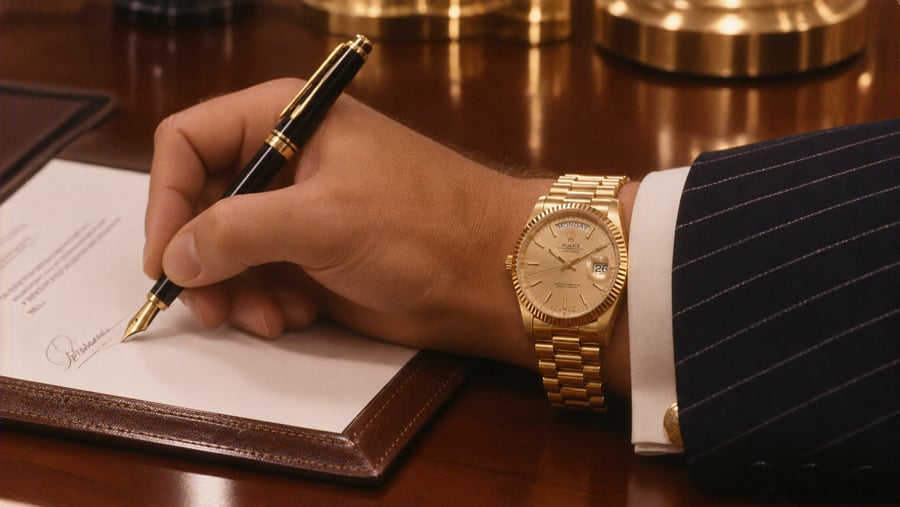
A luxury watch was one of the most discreet ways to make a very expensive statement. Rolex models such as the Datejust and Day-Date had recognizable designs that could be spotted during a handshake or business meeting. The combination of polished metal, distinctive bracelet, and familiar watch face suggested success without requiring an explanation. In a decade when image mattered enormously in corporate America, a prestigious watch could become part of a professional’s personal brand.
Trending on Wealth Gang


6. Having a Backyard Swimming Pool
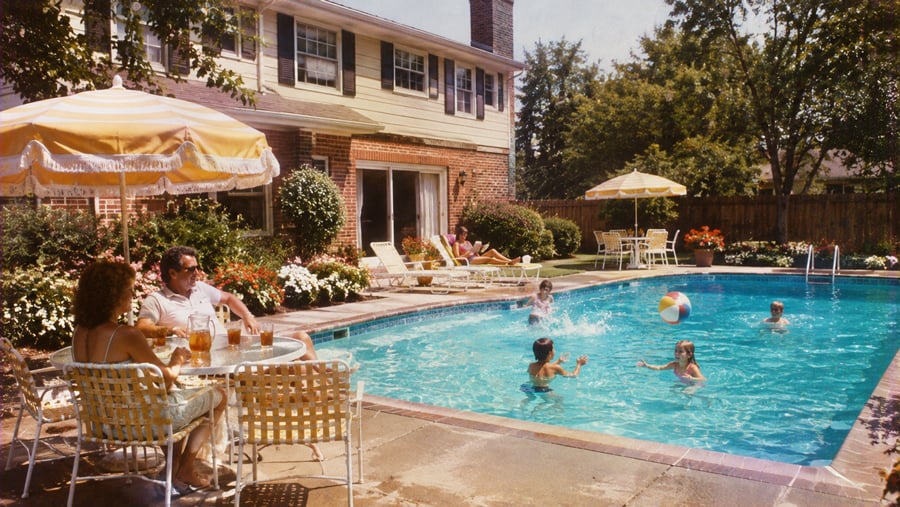
For many American families, having a swimming pool in the backyard was a clear sign that the neighbors were doing well financially. Pools required a sizable property, expensive installation, and ongoing maintenance, making them far more than an ordinary household feature. During the summer, a family with a pool often became the center of neighborhood gatherings. Kids wanted invitations, adults gathered around the patio, and everyone understood that the homeowners had something special.
7. Installing a Car Phone Before Anyone Else Had One
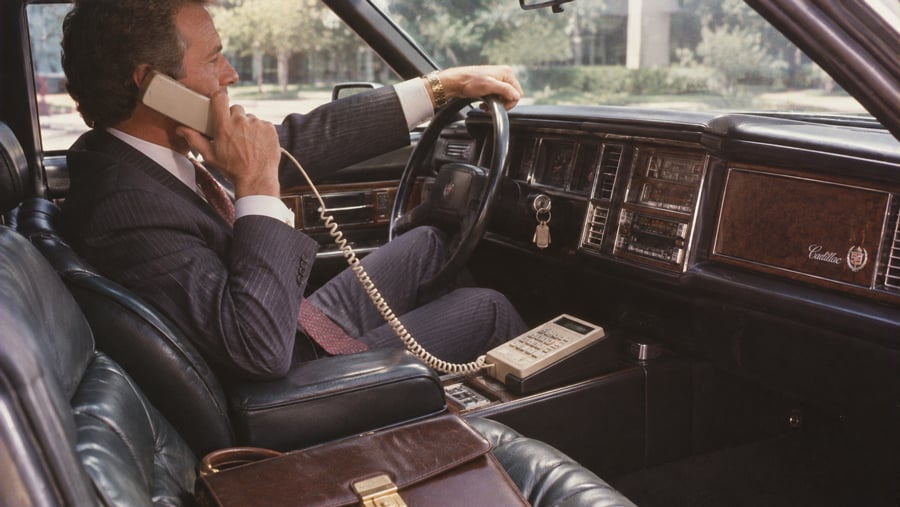
Long before smartphones became essential, having a telephone installed in your car was a serious luxury. Car phones were expensive to purchase and operate, making them especially popular among executives, business owners, and professionals who needed to remain reachable. The handset was often mounted beside the driver’s seat or on the center console, making the technology impossible to miss. Being able to take a business call while sitting in traffic made someone look important, even if the conversation was completely ordinary.
8. Taking the Family on a Ski Vacation
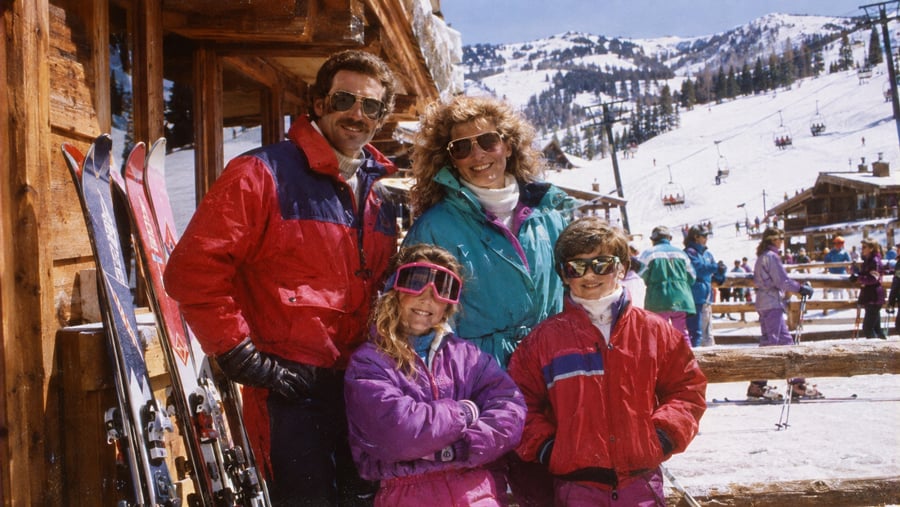
A family ski trip wasn’t simply a winter getaway. It meant paying for travel, accommodations, lift tickets, equipment, and clothing, often for several people at once. Popular destinations such as Aspen and Vail became associated with affluent vacationers who could afford to spend their holidays on the slopes. Back home, vacation photographs featuring snowy mountains and expensive ski gear told their own story. For families who rarely traveled beyond a nearby beach or campground, an annual ski vacation seemed particularly glamorous.
Sign up for our newsletter
9. Having a Kitchen Filled With Expensive Built-In Appliances
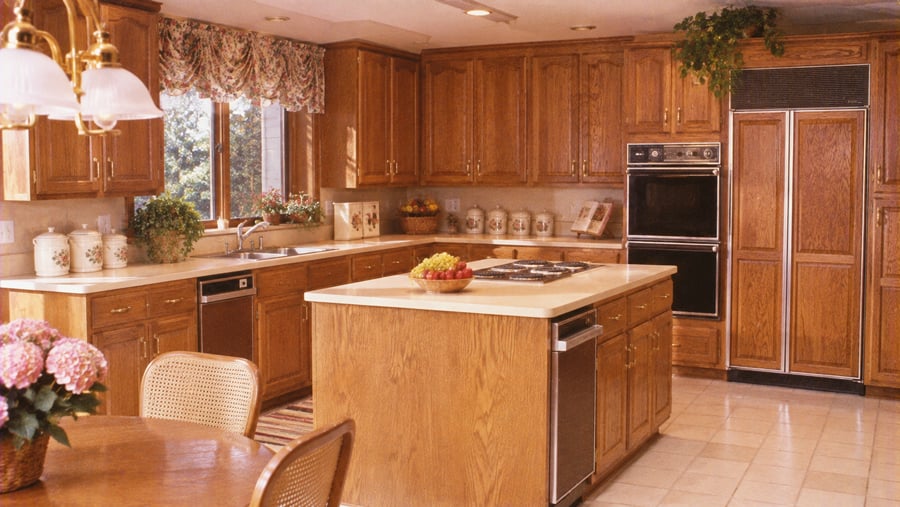
In the 1980s, an upscale kitchen could make a powerful impression on visitors. Built-in double ovens, large refrigerators, trash compactors, and matching appliances suggested that the family had invested heavily in making the home modern and comfortable. A kitchen with an island, generous counter space, and custom cabinetry was especially desirable. While these features are more familiar today, they once distinguished expensive suburban homes from ordinary kitchens with basic appliances and limited storage.
10. Owning a Vacation Home at the Beach or Lake
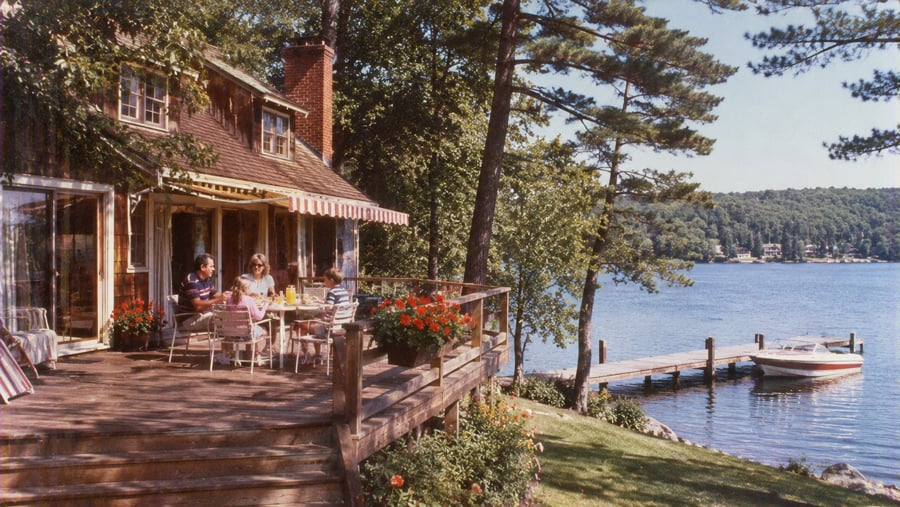
Having one home was an achievement, but having another property just for weekends and holidays suggested a completely different level of financial comfort. Families with lake houses, beach cottages, or mountain cabins could escape the city whenever they wanted. Some properties were modest, but the ability to maintain a second residence was impressive in itself. Mentioning a weekend at the lake might sound casual, but everyone understood what it meant when the family owned the place.
11. Showing Up to the Country Club Every Weekend
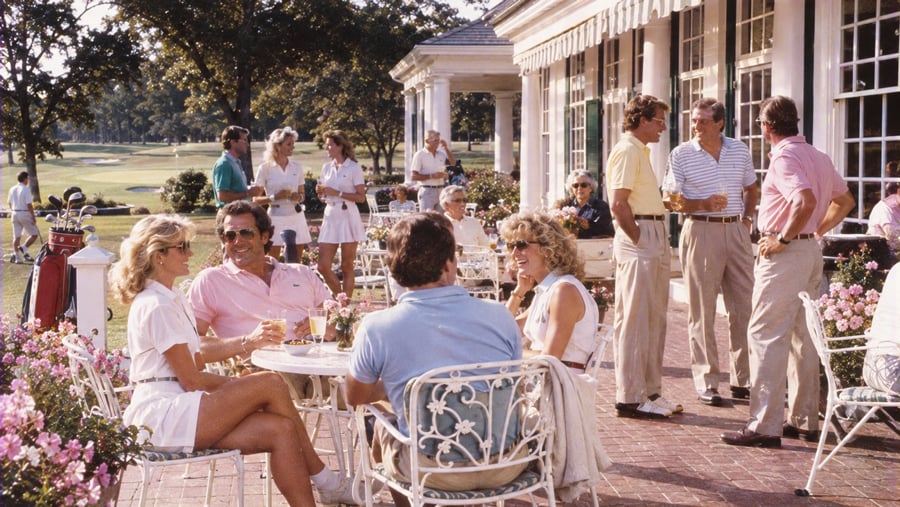
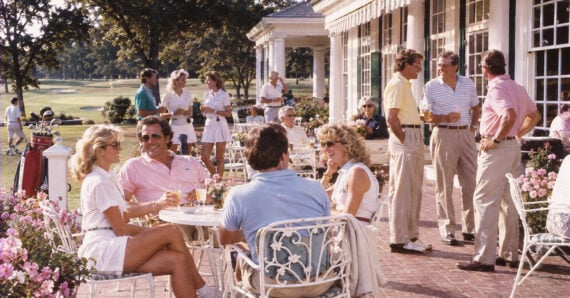
Country club membership carried a particular kind of prestige during the 1980s. Beyond golf and tennis, private clubs offered dining rooms, swimming pools, social events, and opportunities to network with other affluent families. Membership could involve substantial initiation fees and ongoing dues, making it a visible sign of financial comfort and social connections. A family that spent its weekends at the club wasn’t simply enjoying recreational activities. It was participating in a social world that wasn’t open to everyone.
12. Wearing a Real Fur Coat to Formal Events
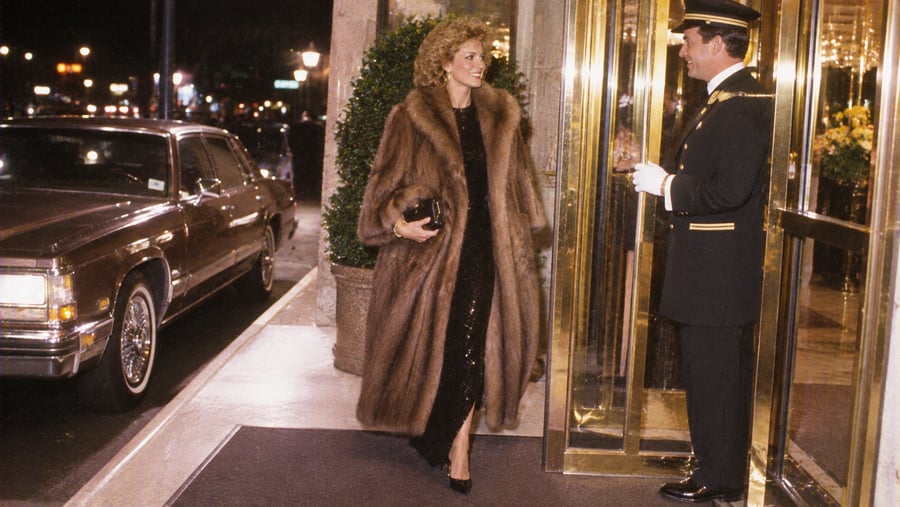
In the 1980s, a real fur coat was widely marketed as an unmistakable symbol of luxury. Expensive mink and other fur garments appeared at formal dinners, holiday parties, and upscale social gatherings. Their dramatic appearance and high prices made them especially effective status symbols. Although attitudes toward fur have changed significantly since then, the sight of someone arriving at an elegant event in a full-length fur coat once communicated wealth immediately.
13. Having a Personal Computer in the Home Office
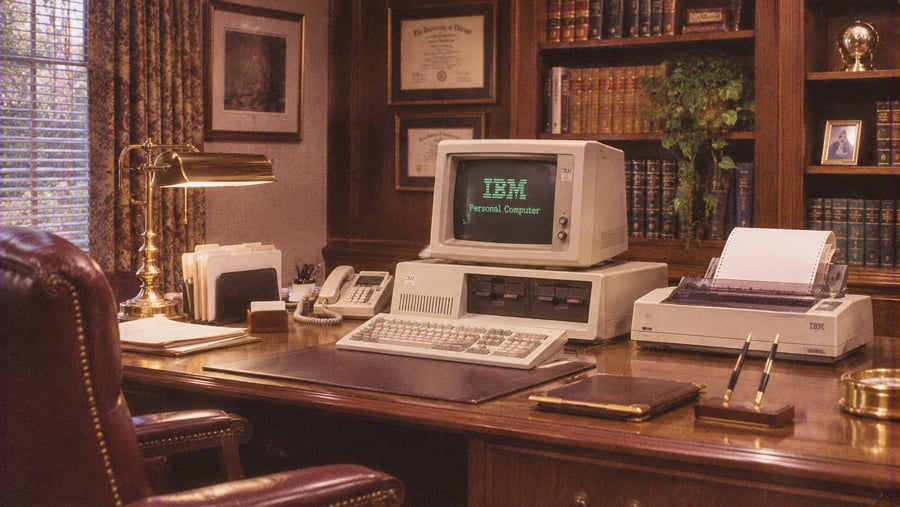
Personal computers were becoming more familiar during the 1980s, but owning a sophisticated setup at home could still make a strong impression. An IBM PC, Apple Macintosh, or similar machine represented a significant purchase, particularly when combined with a printer, software, and dedicated office furniture. For many households, computers were still associated with businesses and universities rather than family homes. Having one in a private study suggested that the owner was successful, technologically advanced, or both.
14. Sending the Kids to an Exclusive Private School
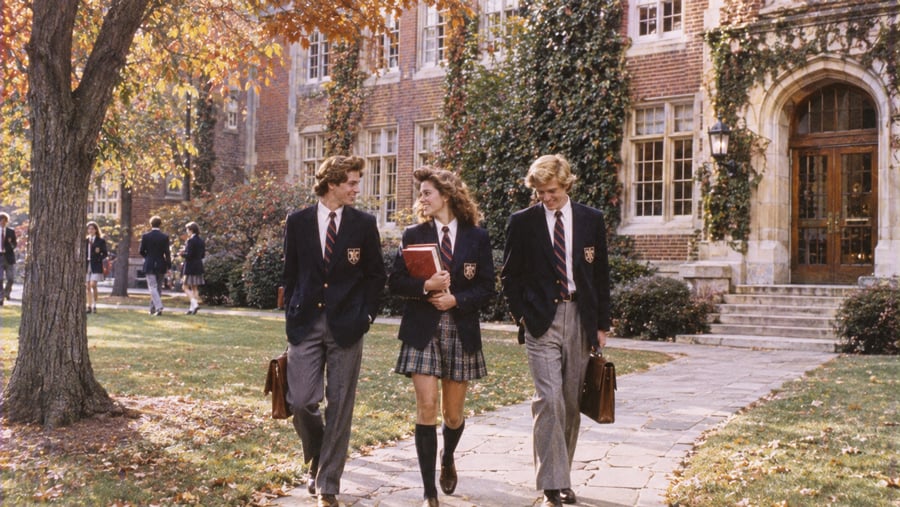
Education was another way affluent families displayed their financial position, even without discussing money. Prestigious private schools often came with substantial tuition fees, distinctive uniforms, impressive campuses, and social networks that extended well beyond the classroom. Parents who could afford these institutions were making a visible investment in their children’s education and future opportunities. A recognizable school blazer or a conversation about the school calendar could reveal plenty about a family’s economic situation.
15. Wearing a Designer Power Suit to the Office
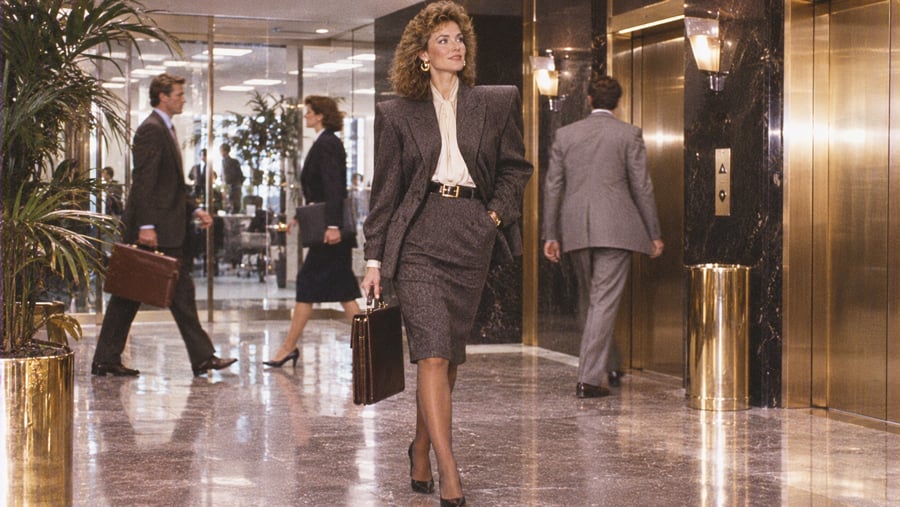
The 1980s turned professional clothing into a highly visible statement of ambition and success. Expensive tailored suits, bold shoulder pads, silk blouses, and designer accessories became associated with powerful executives and upwardly mobile professionals. For women especially, the structured power suit became a defining image of the decade’s corporate culture. A sharply dressed professional stepping into an office building could communicate confidence, status, and financial achievement before saying anything at all.
16. Arriving at Events in a Stretch Limousine
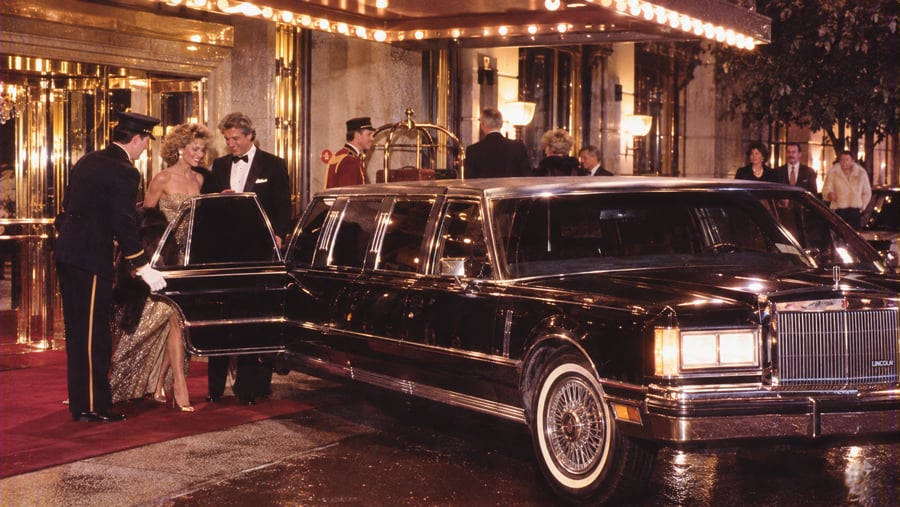
Nothing said “special occasion” quite like arriving in a stretch limousine during the 1980s. These oversized luxury vehicles became associated with celebrities, executives, weddings, proms, and expensive nights out. Even when the limousine was rented rather than owned, stepping out of one created an immediate impression. The long polished body, uniformed chauffeur, and tinted windows turned transportation into a public display of status. In a decade that celebrated visible luxury, few entrances were more dramatic.
More Related Notes
18 Ways the 1980s Were More Expensive Than People Remember
The 1980s are often remembered as a more affordable time, but plenty of everyday expenses told a different story. These surprising costs reveal what life really demanded from American wallets.
1980s Moments That Went Viral on TikTok
From unforgettable fashion trends to everyday scenes, these nostalgic 1980s moments have found a new audience on TikTok, bringing the decade back into the spotlight.
Before online shopping took over, American malls were the ultimate destinations for fashion, entertainment, and socializing. Take a nostalgic look at the stores, food courts, and bustling spaces that defined mall culture in the 1980s.