
Some careers that are common today would have seemed almost impossible a few decades ago. As technology advanced and new industries emerged, businesses began looking for workers with skills that traditional jobs did not provide.
From renewable energy and biotechnology to digital entertainment, these industries have introduced new professions. Some careers require advanced degrees, while others can be pursued through training or special certifications. Here are 15 careers that did not exist a few decades ago.
1. Wind Turbine Technicians
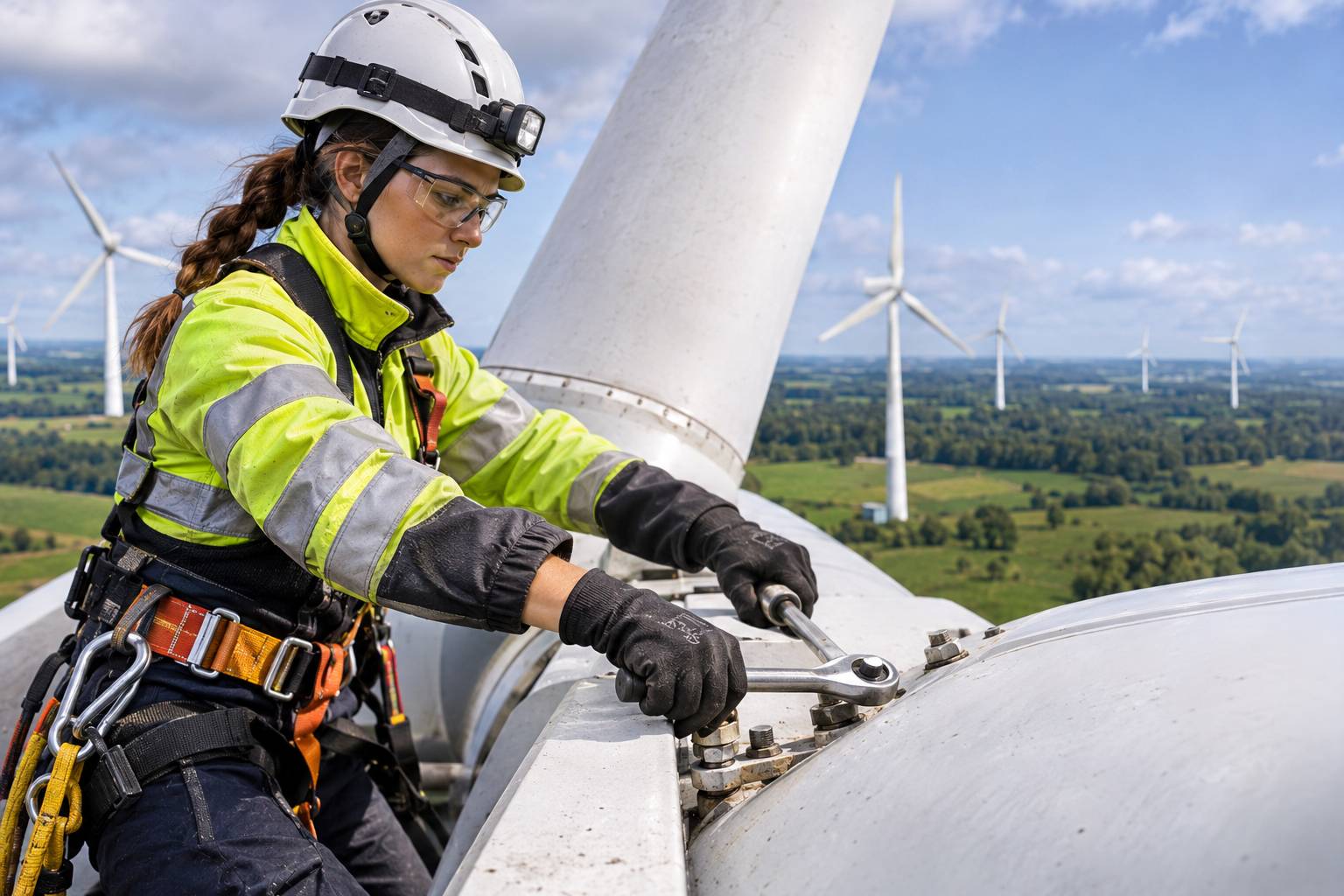
Wind farms need workers who can maintain enormous machines, often hundreds of feet above the ground. The Bureau of Labor Statistics projects employment in this occupation to grow 30% between 2025 and 2035.
2. Solar Panel Installers

The expansion of solar power created a specialized construction trade centered on installing equipment that produces electricity from sunlight. The BLS projects employment growth of 37% from 2025 to 2035.
3. Commercial Drone Pilots
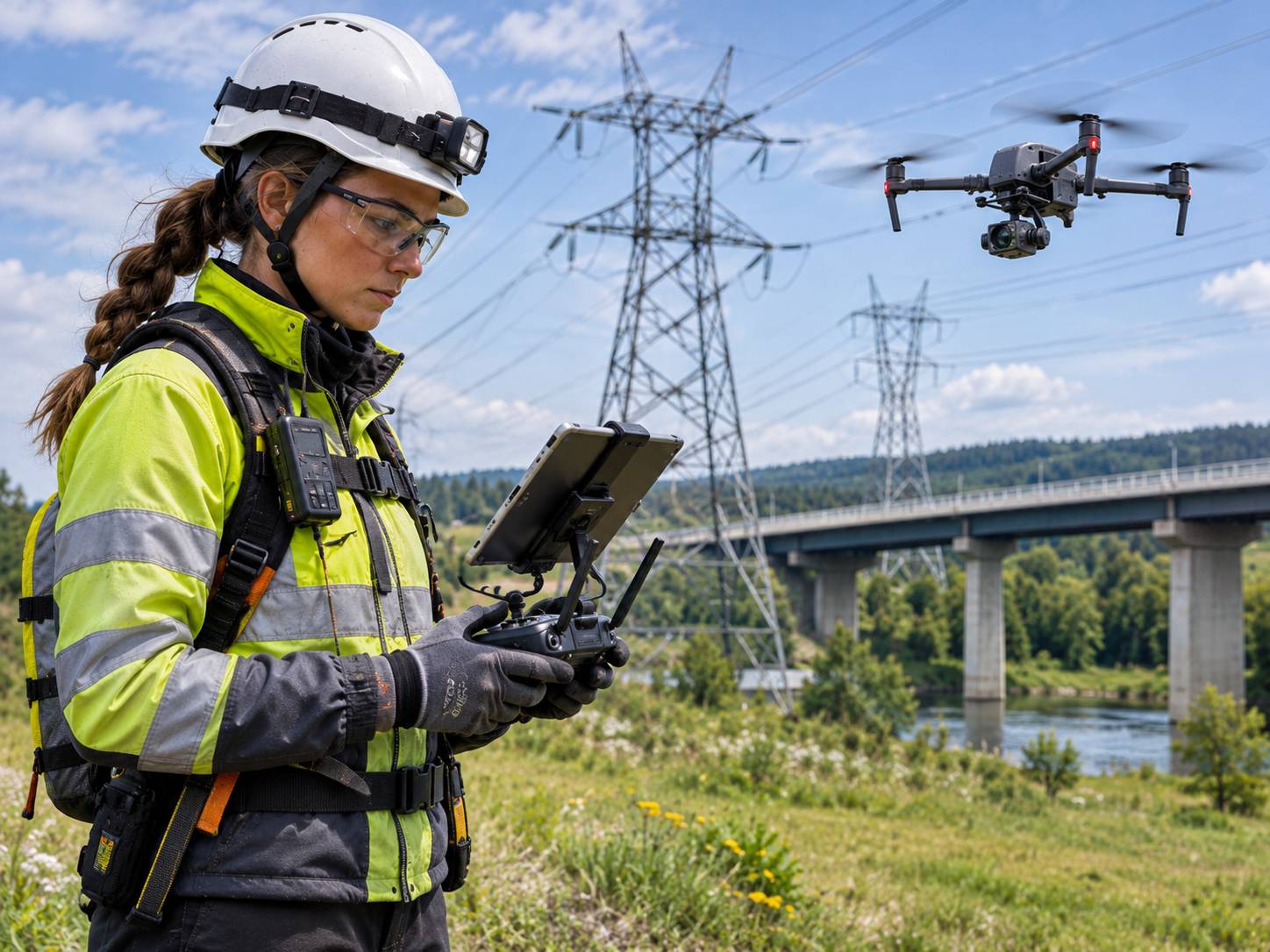
Aerial photography and infrastructure inspections once depended on conventional aircraft or workers reaching difficult locations. Commercial drones created opportunities for operators who can collect images and data without putting a person aboard.
4. Cybersecurity Analysts

Information security analysts monitor networks for suspicious activity and recommend ways to reduce security risks. The BLS projects employment growth of 21% between 2025 and 2035.
5. Data Scientists

Data scientists use statistical techniques, programming, and analytical models to identify patterns and help organizations make decisions. According to the BLS, data scientists earned a median annual wage of $120,230 in May 2025.
Trending on Wealth Gang


6. Genetic Counselors

Genetic counselors help patients and families understand inherited conditions and interpret genetic test results. The profession combines genetics education with counseling skills and requires a specialized master’s degree.
7. Web Developers

The expansion of the World Wide Web during the 1990s gave businesses a reason to hire specialists who could create and maintain websites. Web developers build the technical structures behind online stores and business services.
8. Video Game Designers

The commercial video game industry created creative jobs that traditional film, television, and publishing companies did not need in the same way. The U.S. Department of Labor’s O*NET database recognizes video game design as a distinct career, with responsibilities ranging from developing game concepts to collaborating with programmers and artists.
Sign up for our newsletter
9. Robotics Technicians
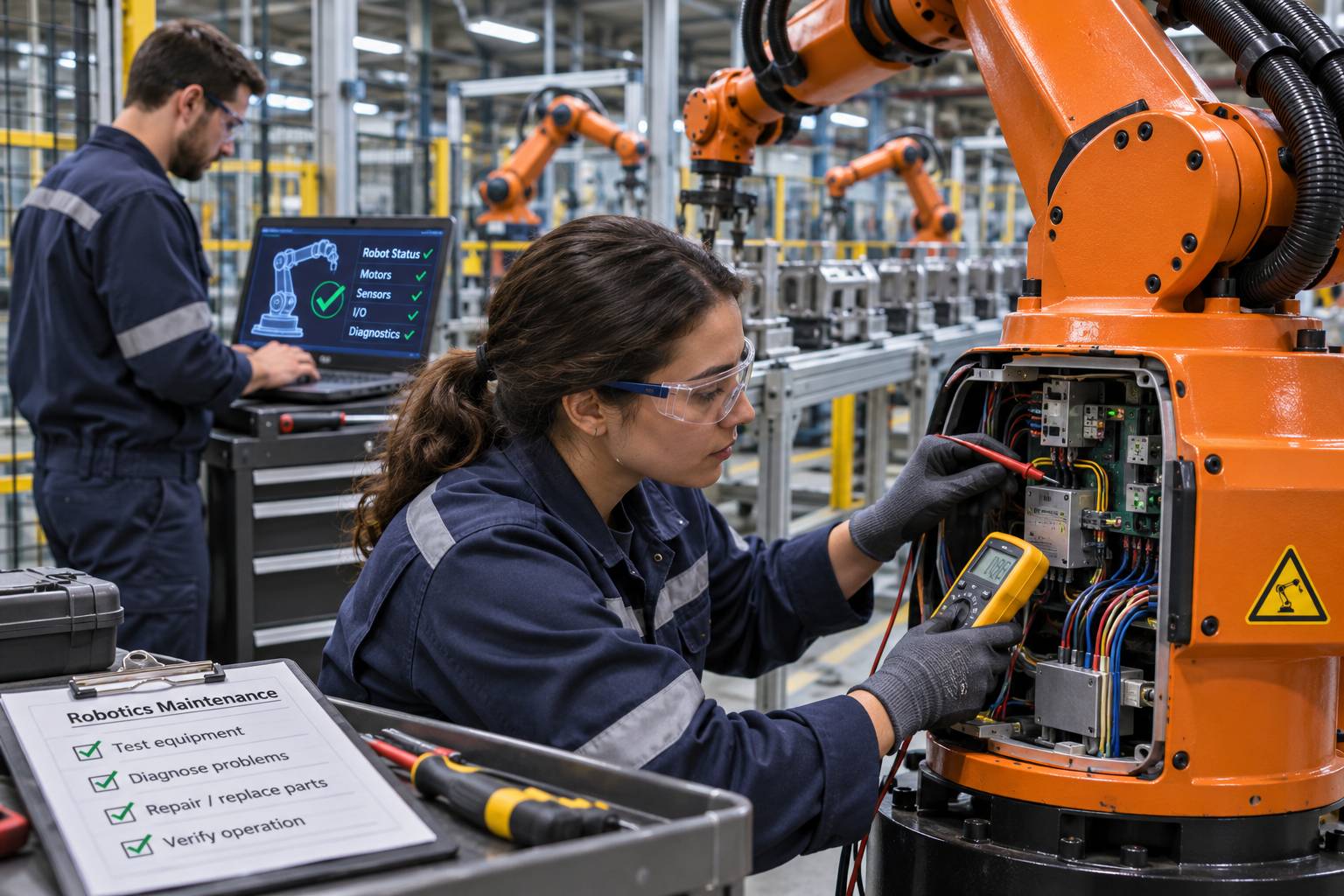
As industrial robots became more common in manufacturing, factories needed workers who could maintain equipment combining mechanical engineering and electronics. Robotics technicians and related mechatronics specialists test equipment, diagnose problems, and help keep automated production systems running.
10. Satellite Engineers
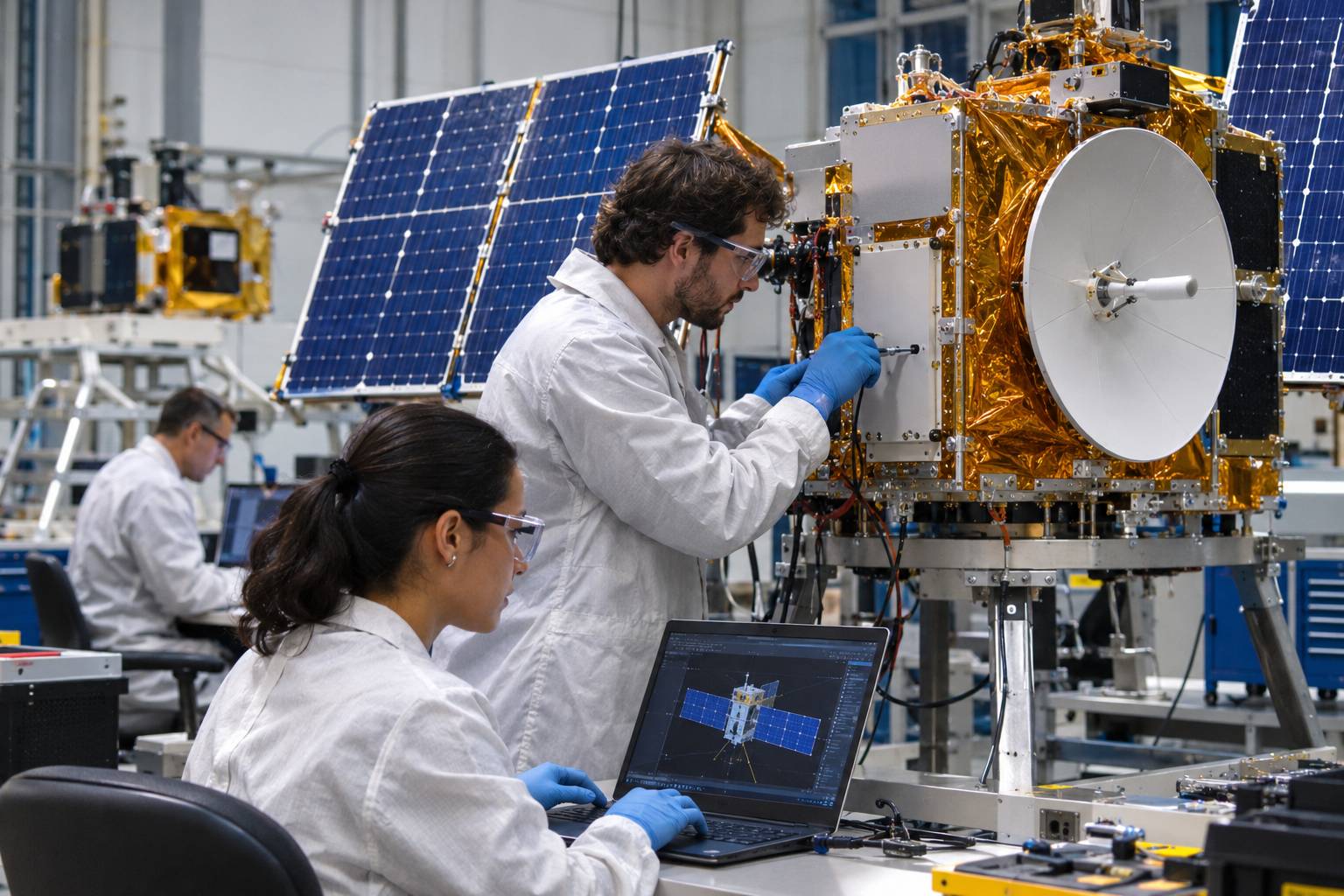
The arrival of artificial satellites opened a field of engineering that went far beyond designing conventional aircraft. Engineers specializing in spacecraft and satellite systems work on equipment used for communications, navigation, and scientific research. Satellite engineering remains a specialty within the aerospace engineering profession.
11. Nuclear Technicians
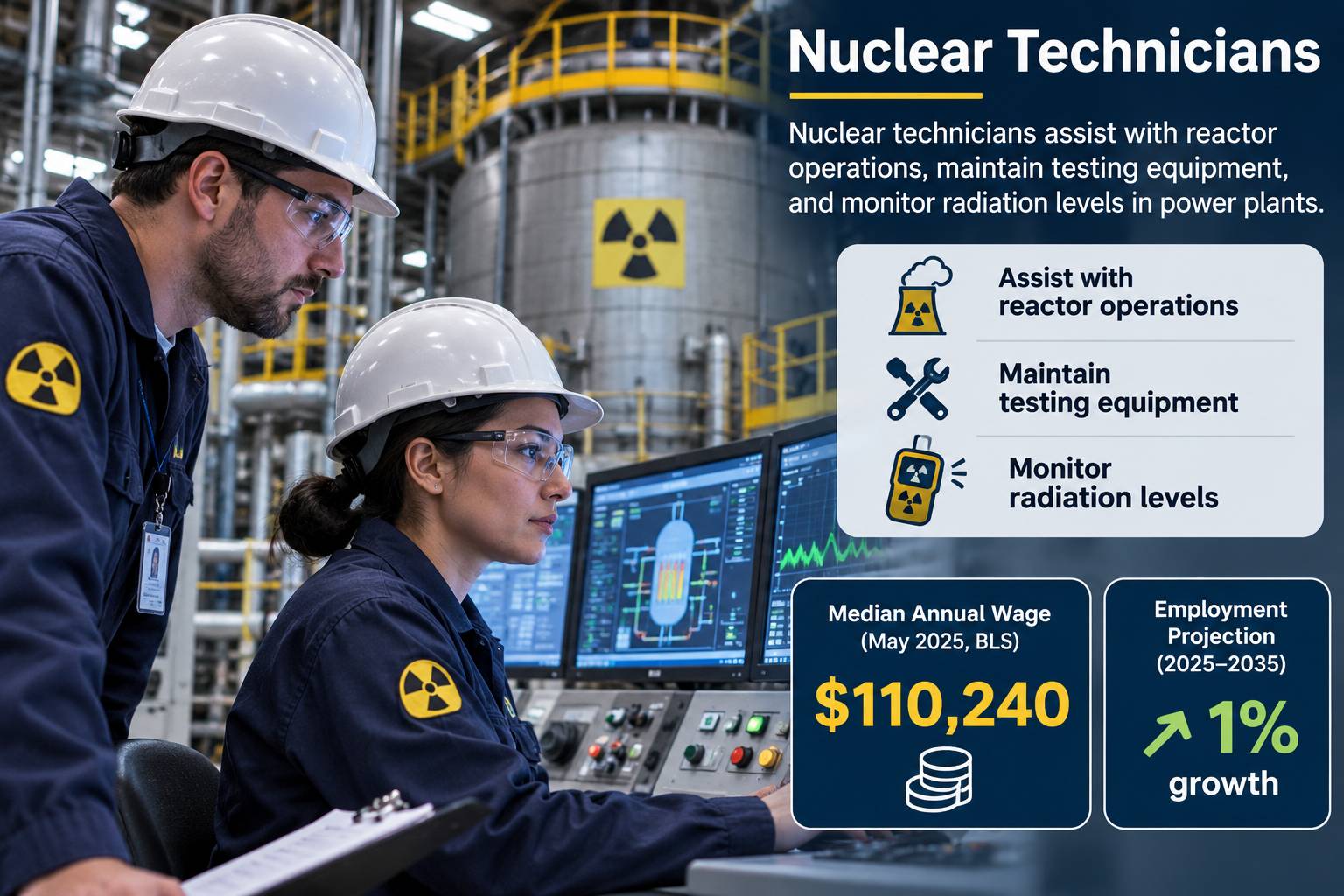
Nuclear technicians assist with reactor operations, maintain testing equipment, and monitor radiation levels in power plants. According to the BLS, the occupation had a median annual wage of $110,240 in May 2025. However, employment is projected to grow just 1% through 2035.
12. Medical Dosimetrists
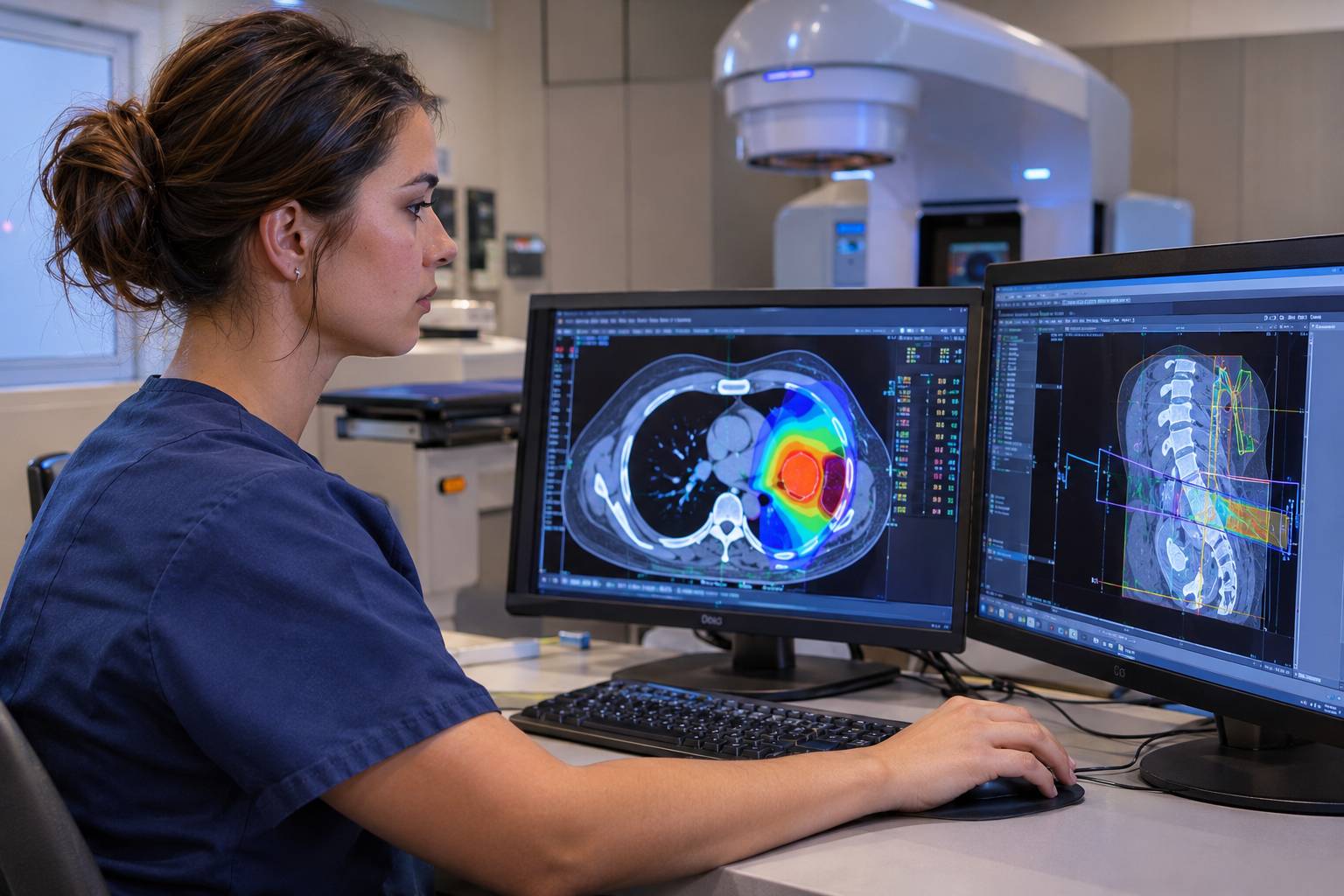
Medical dosimetrists work with radiation oncologists, medical physicists, and other healthcare professionals to develop and evaluate treatment plans. The occupation requires specialized education and technical knowledge, and the BLS reported a median annual wage of $147,470 in May 2025.
13. Cloud Infrastructure Architects

For years, businesses depended on computers and servers located inside their own offices or data centers. Commercial cloud computing introduced different infrastructure requirements, creating opportunities for specialists who design networks connecting organizations with remotely hosted services.
14. E-Commerce Logistics Specialists
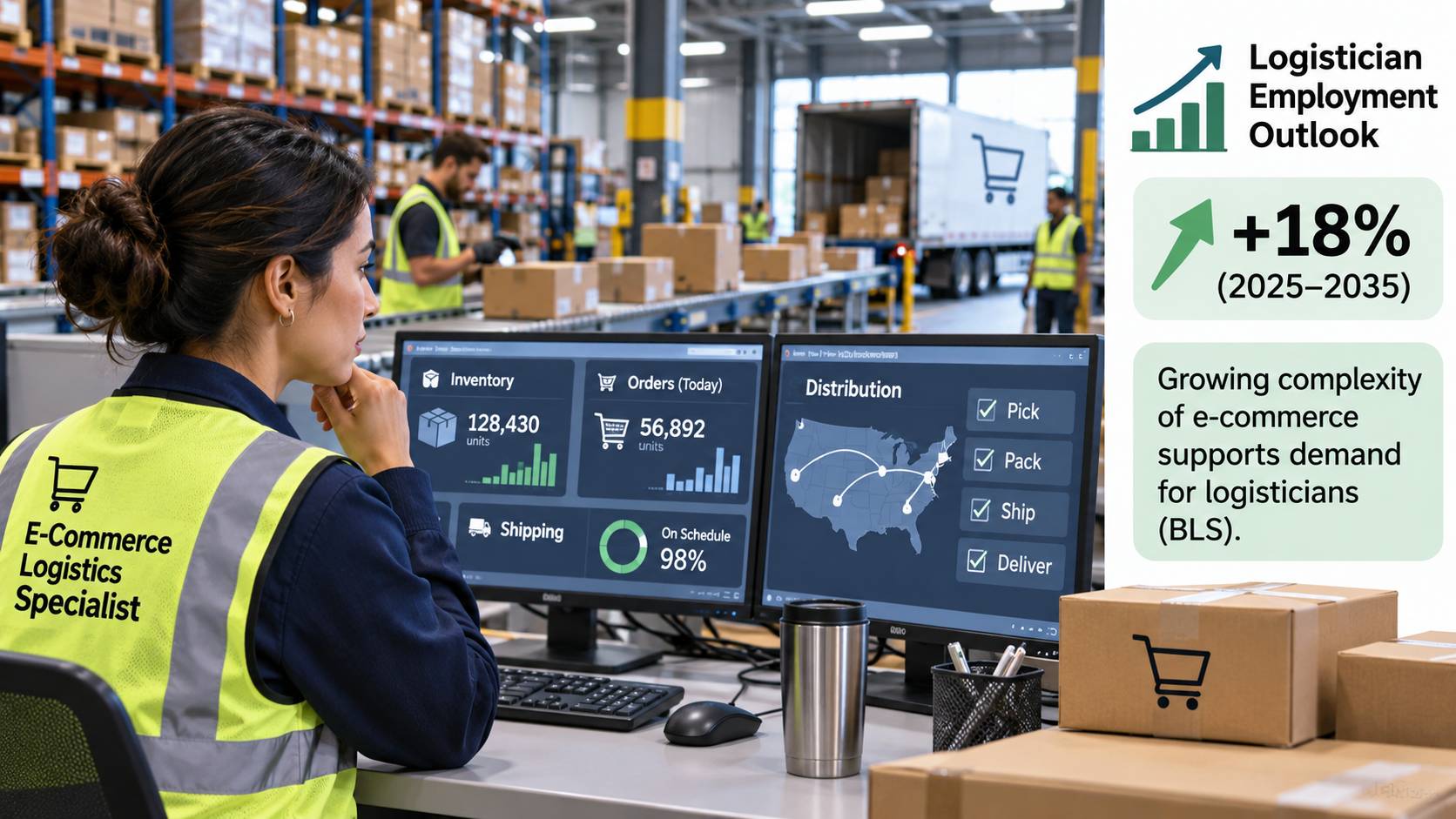
E-commerce logistics specialists coordinate inventory, shipping arrangements, and distribution processes designed to handle large numbers of individual customer orders. The BLS identifies the growing complexity of e-commerce as one factor supporting demand for logisticians, whose employment is projected to increase 18% between 2025 and 2035.
15. Mobile App Developers

Their work ranges from financial applications and shopping services to entertainment and communication tools. Although mobile development belongs to the broader software profession, it became a distinct specialty as smartphones developed into everyday computing devices.
Looking for similar content? Check out:
Some titles look a lot better on paper than they feel in real life, which is the case in 12 Jobs That Sound Glamorous but Aren’t. Go back a few decades, and you will find the everyday roles that held the whole system together in 15 Jobs That Quietly Kept the 1970s Economy Moving. Last but not least, check out 14 Jobs Our Grandparents Had That Still Exist Today.