For much of American history, having a job did not always mean having a safe workplace, fair pay, or enough money. As industries grew, workers from different fields began joining unions to push for better treatment and a stronger voice at work.
Unions brought workers together to negotiate over wages, benefits, and working conditions. Their successes did not happen overnight, and not every worker shared the same experience. Organized labor helped shape the rules and expectations that many American families came to depend on. These 12 jobs show how workers in factories, schools, and public services helped change life in the U.S.
1. Coal Miners
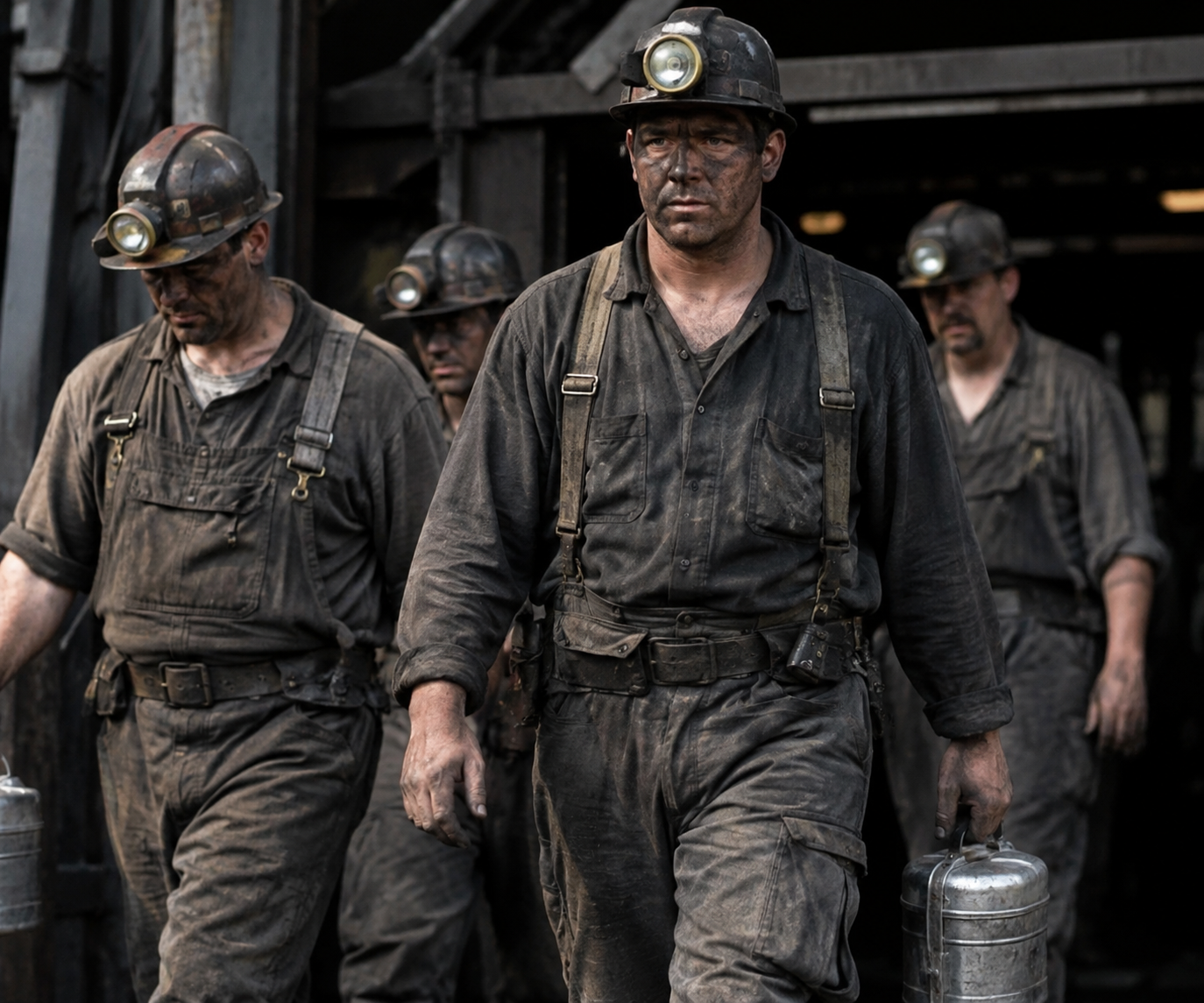
Coal miners worked in dark tunnels where explosions and dangerous gases could put their lives at risk. For many families, losing a miner meant losing the main source of income. Unions such as the United Mine Workers of America fought for better pay, shorter hours, and safer conditions.
2. Auto Workers
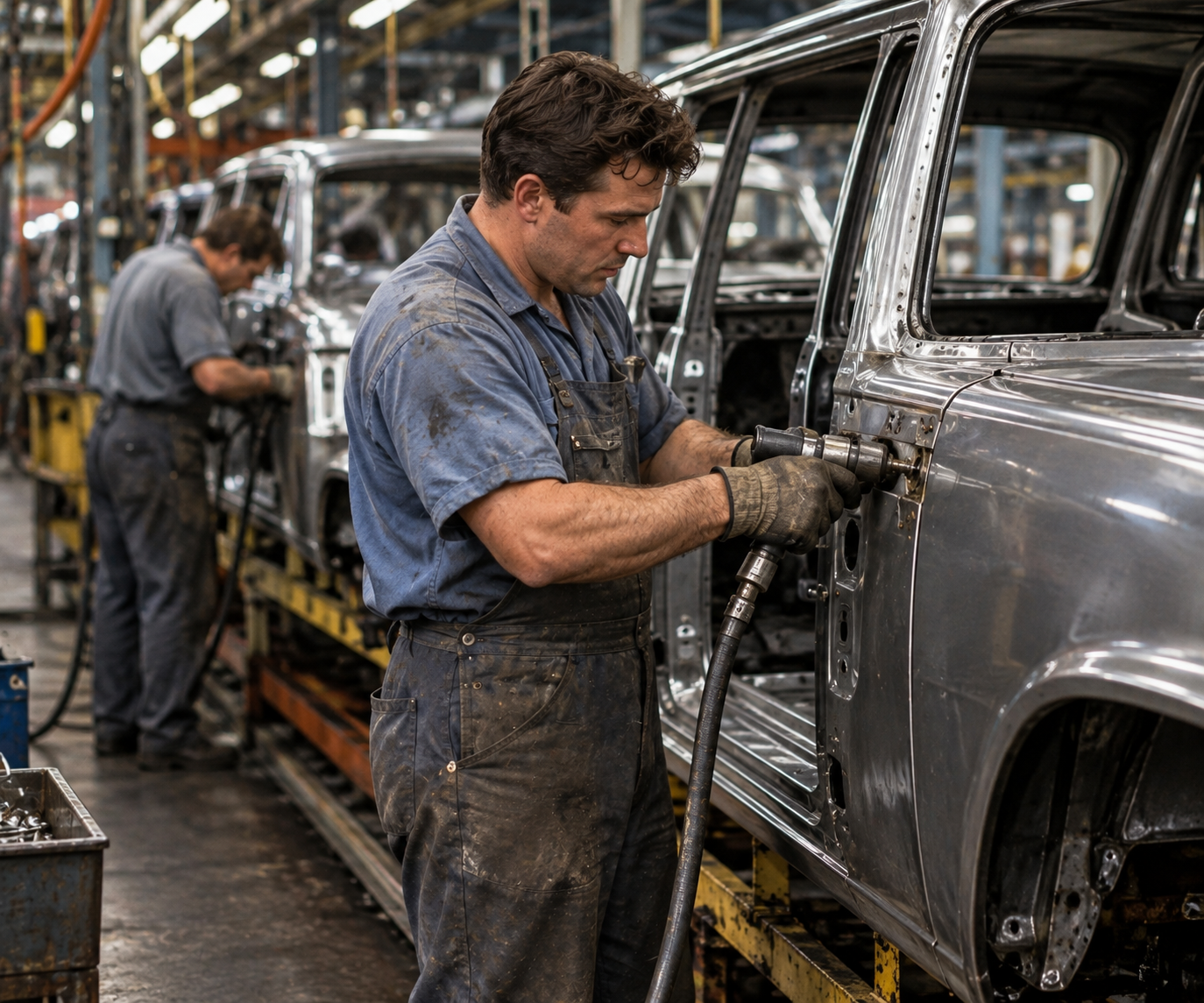
Factory jobs in the automobile industry gave thousands of Americans a path to steady wages during the growth of mass car production. But the work could be repetitive and demanding. Union contracts later helped many auto workers gain better pay and benefits, allowing more families to plan for homes, education, and retirement.
3. Steelworkers
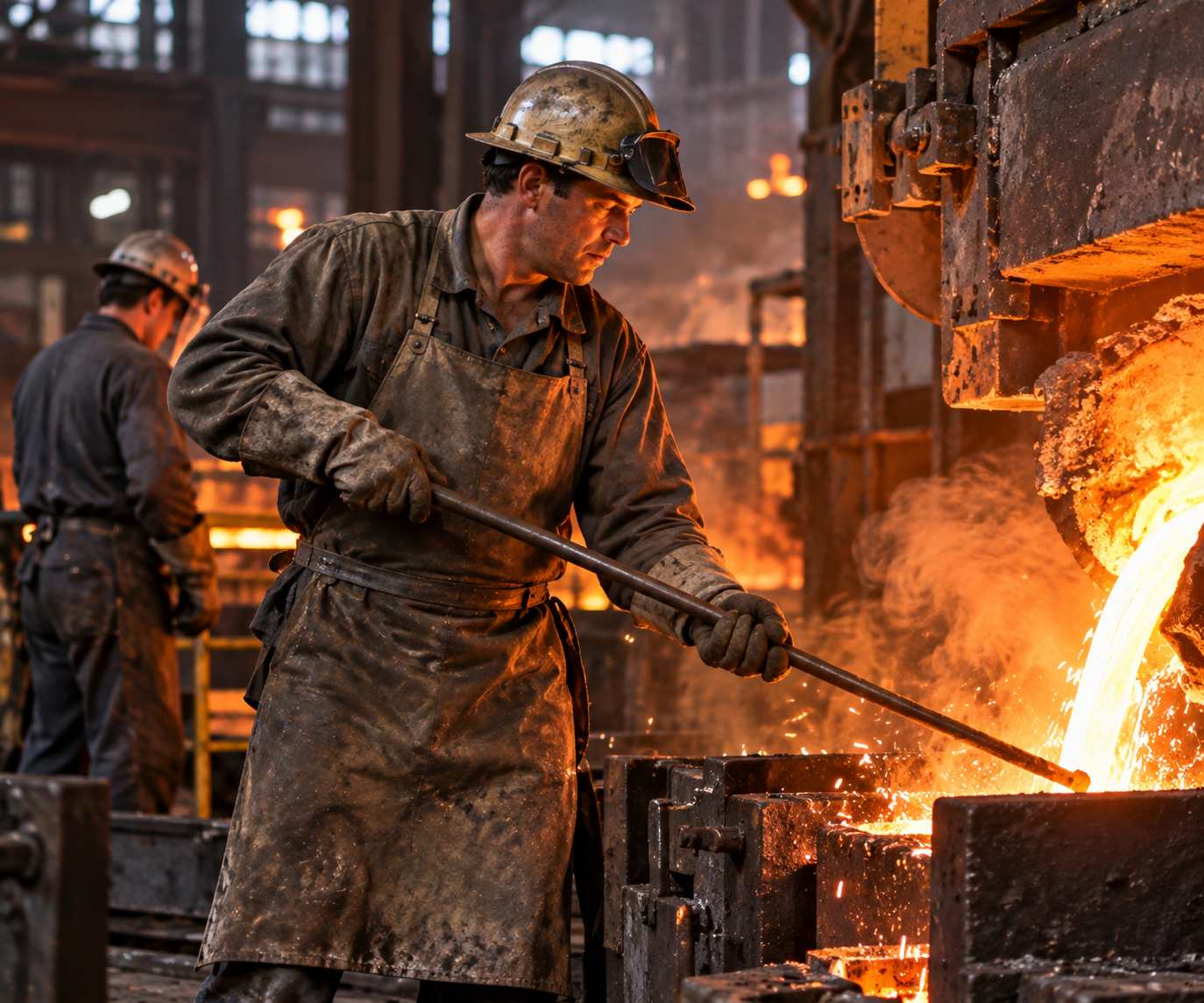
Steelworkers helped build America’s bridges, railways, and cities, but their work often involved high heat and serious risks. Organizing efforts in the steel industry brought workers together to demand better wages and more control over their conditions.
4. Railroad Workers
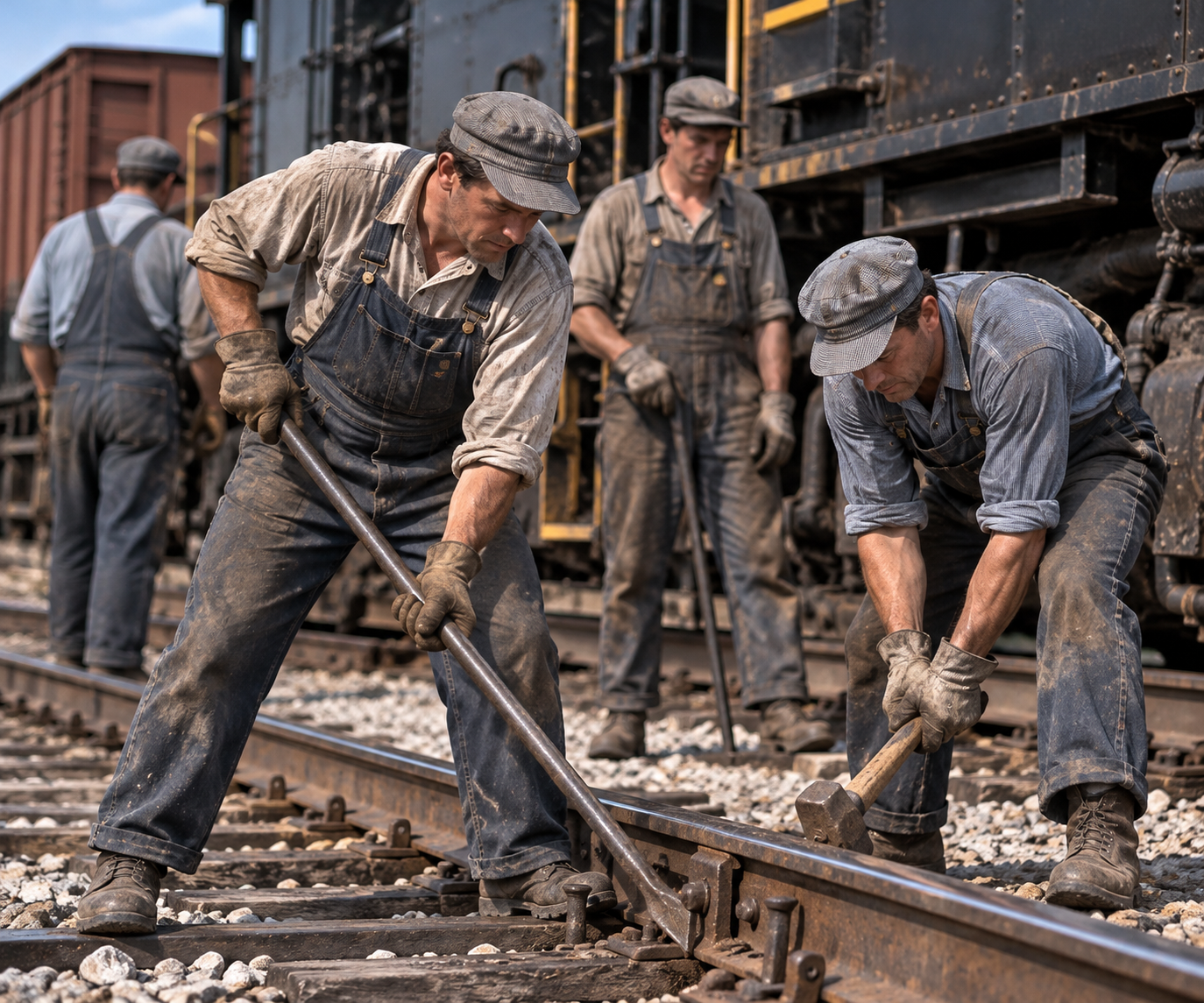
Railroad workers helped connect the country by moving people, food, fuel, and goods across long distances. Train crews and other railroad employees often faced long shifts and demanding schedules. Their unions fought for better wages, safer working conditions, and clearer rules on hours and employment.
5. Garment Workers
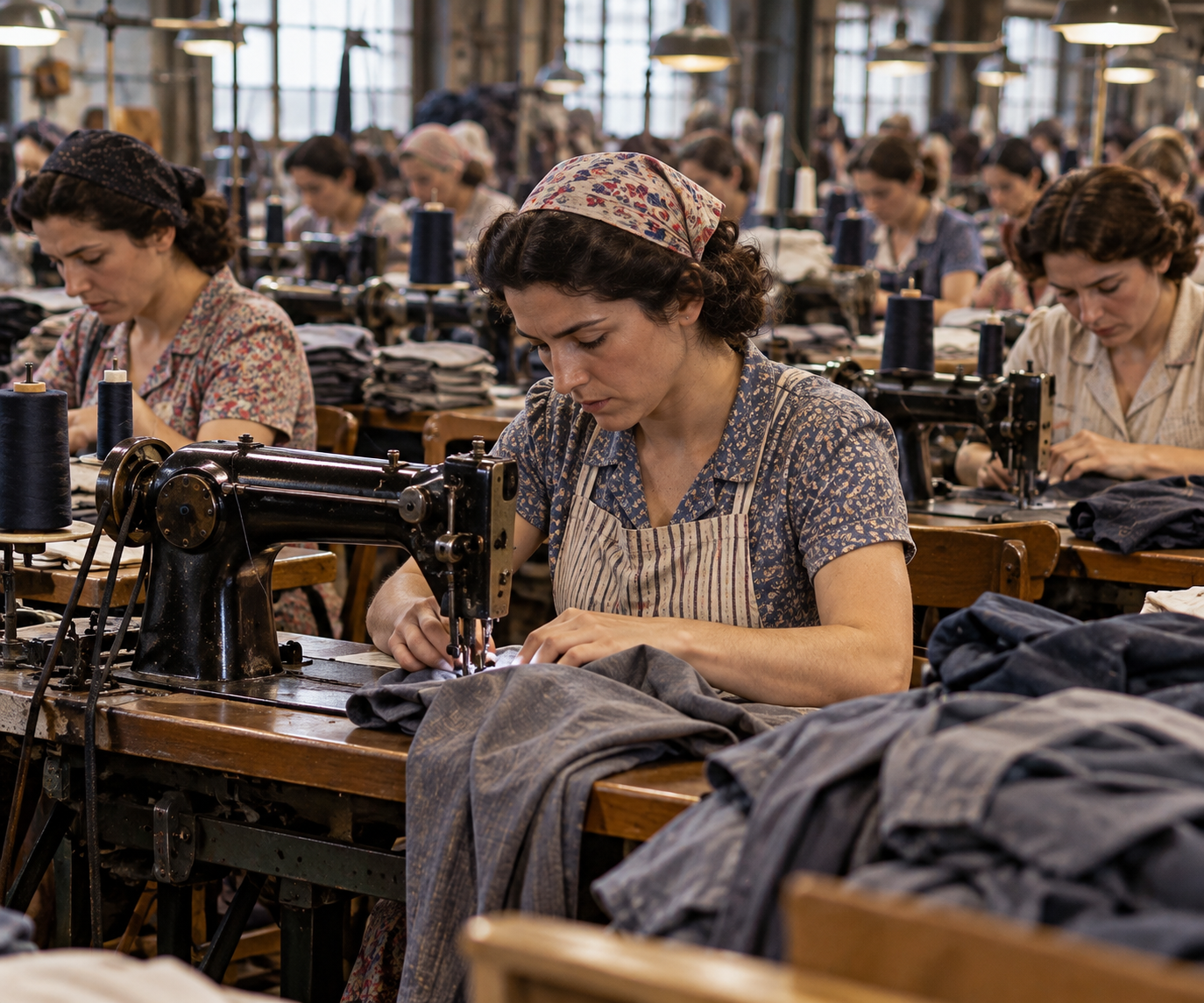
Garment workers made the shirts, dresses, coats, and other clothes that Americans wore. Many worked long hours in factories, and immigrant women played a major role in the industry. Workers organized to demand better pay, shorter hours, and safer workplaces.
Trending on Wealth Gang


6. Longshoremen
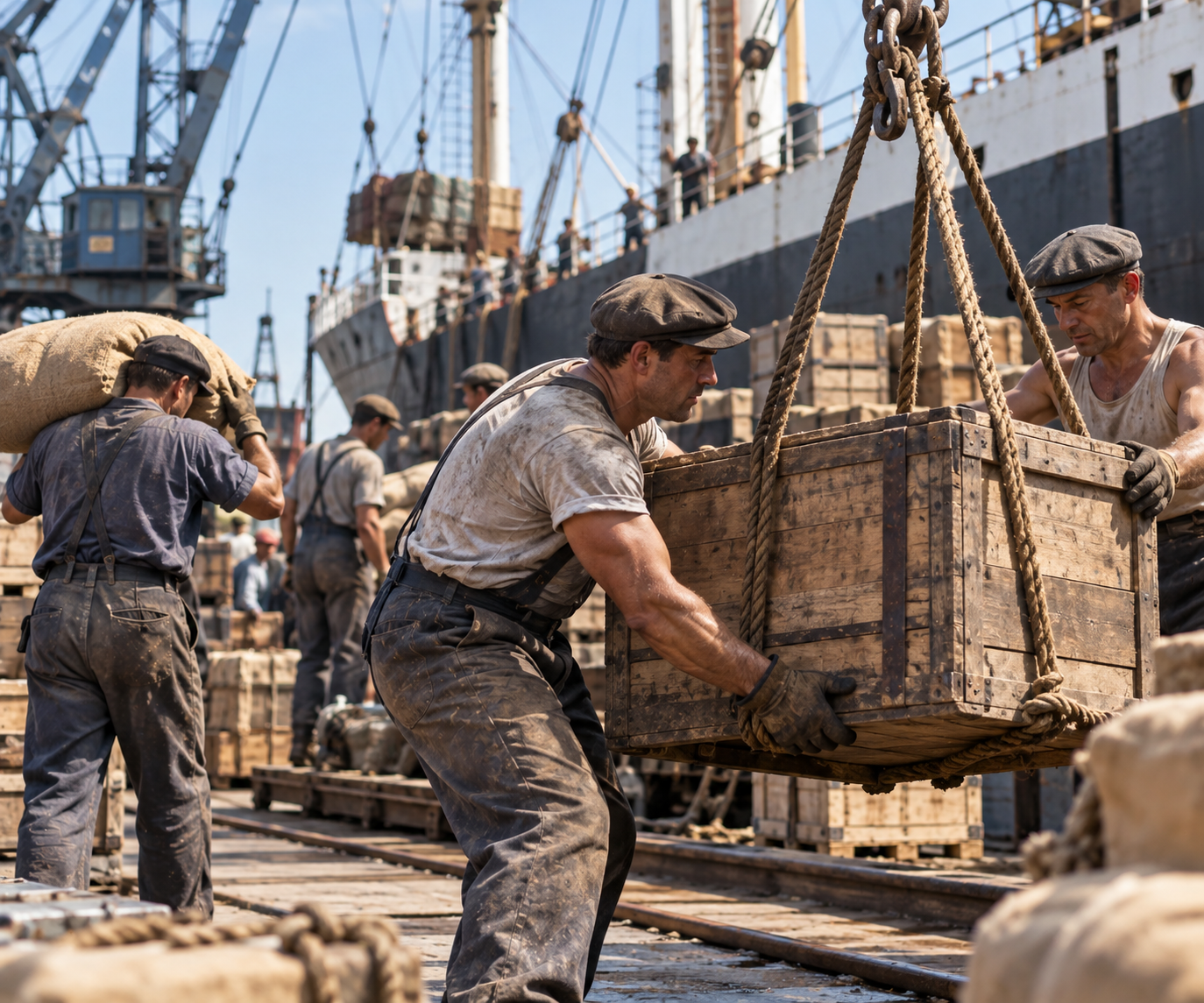
Longshoremen load and unload ships at ports. Their work is demanding, and port jobs have often involved irregular schedules and difficult hiring systems. By organizing, dockworkers fought for better pay, safer conditions, and more reliable rules for getting work. Their efforts also helped shape how major ports operated.
7. Construction Workers
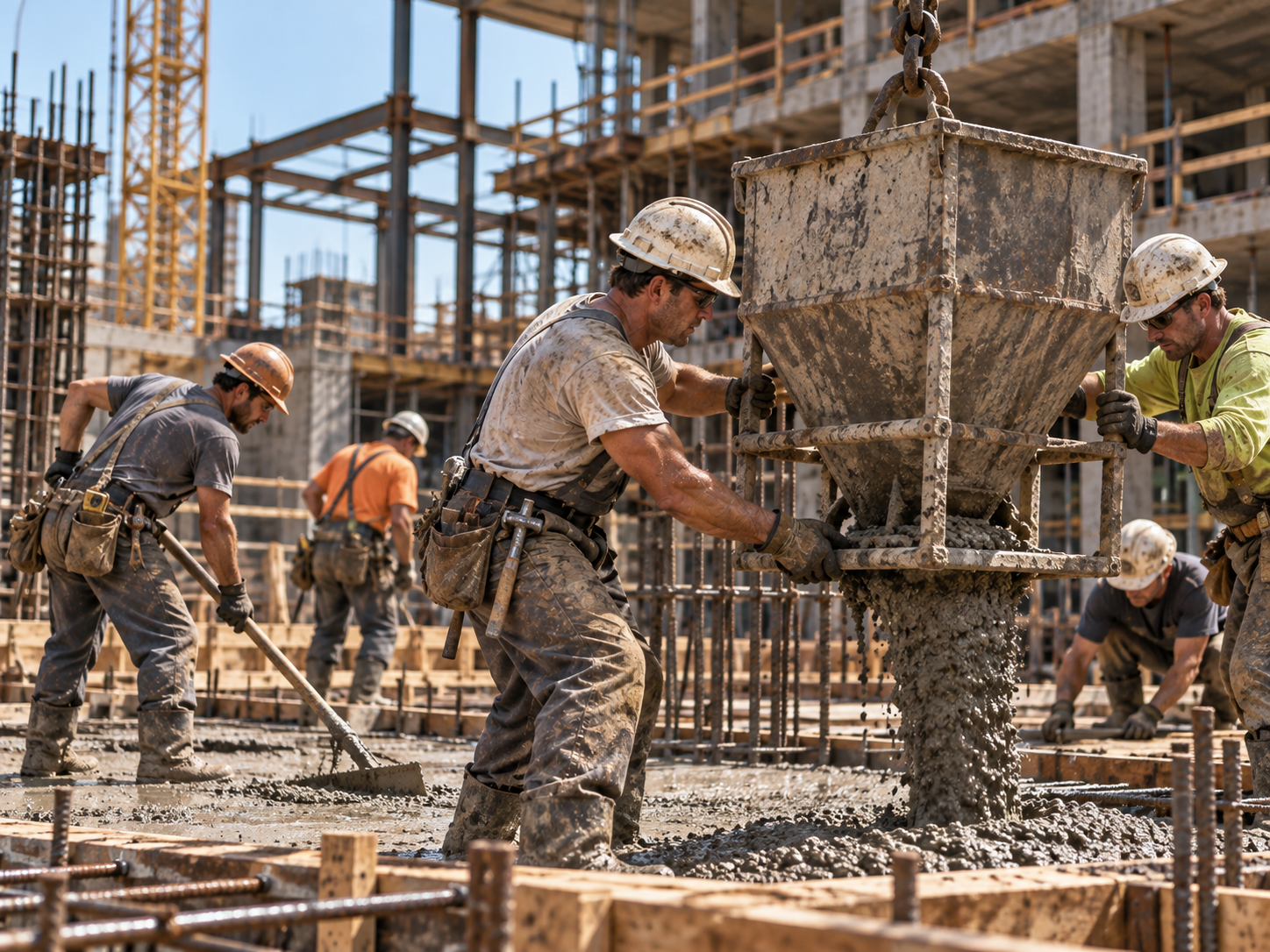
Carpenters, bricklayers, plumbers, and other skilled tradespeople often needed years of training to do their jobs well. Unions pushed for fair wage rates, safer work sites, and training through apprenticeships.
8. Electrical Workers
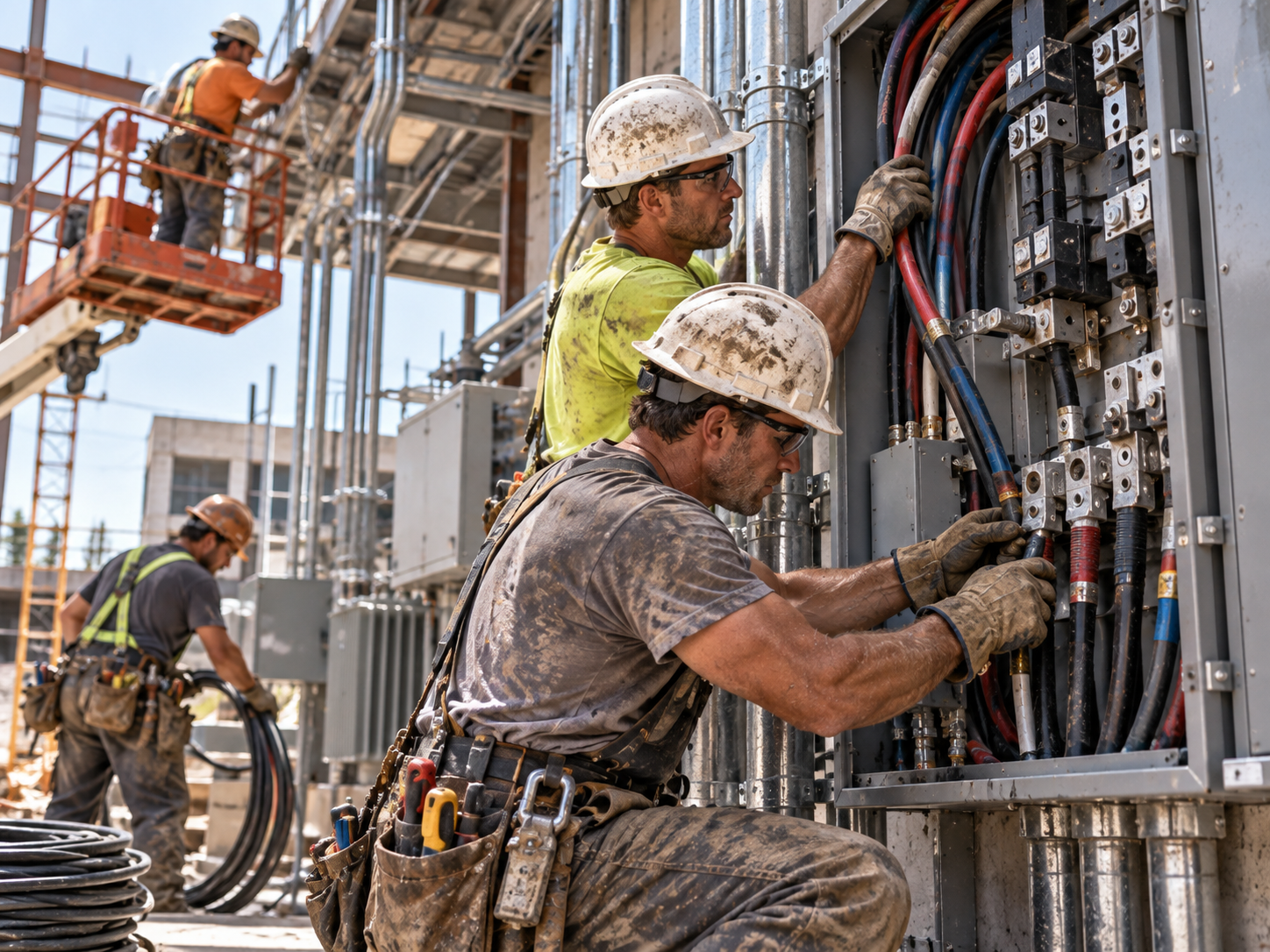
They installed wiring, maintained equipment, and helped keep power systems working. The job required skill, but it also carried serious risks when workers handled live wires or worked at dangerous heights.
Sign up for our newsletter
9. Meatpacking Workers
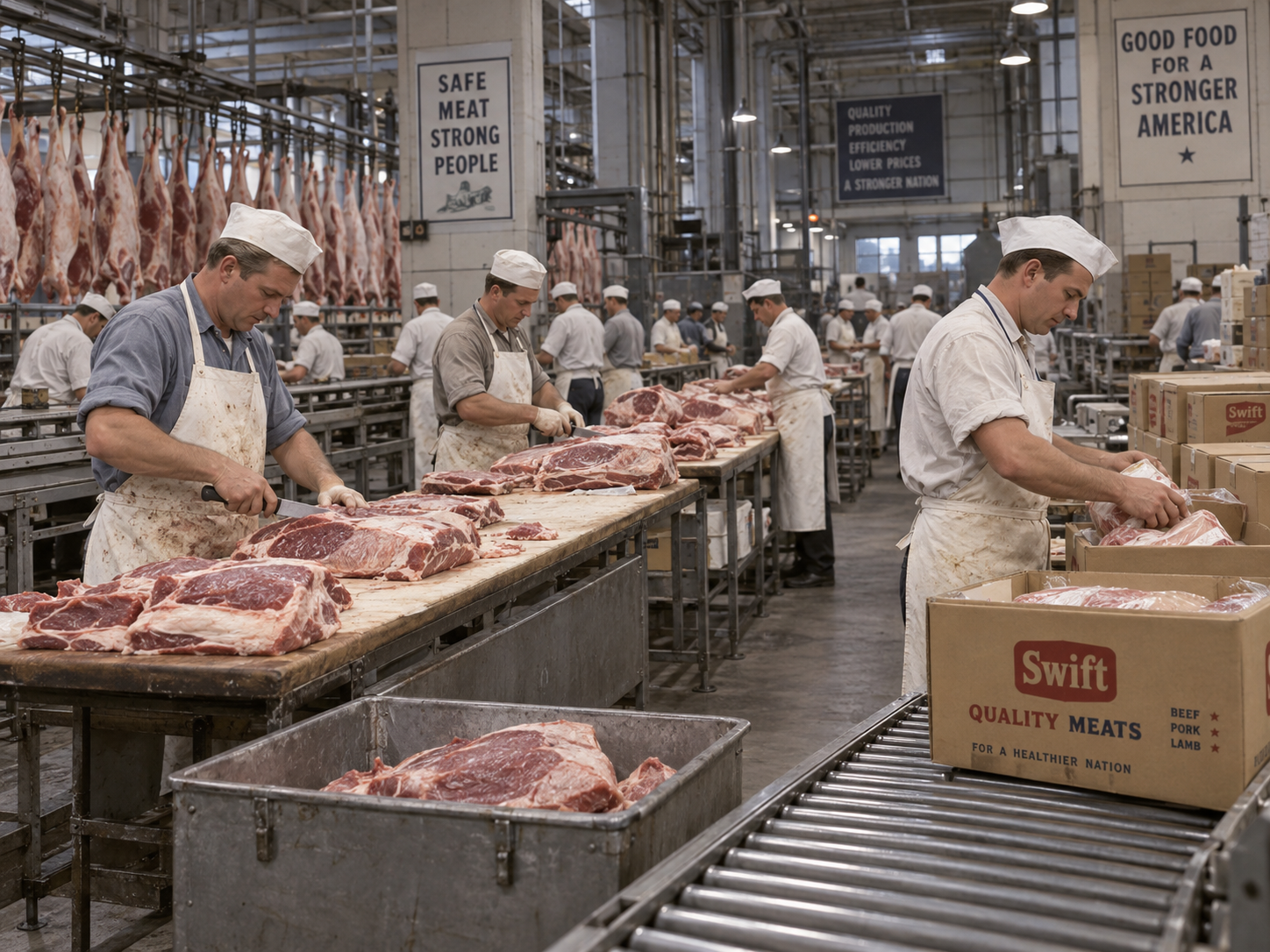
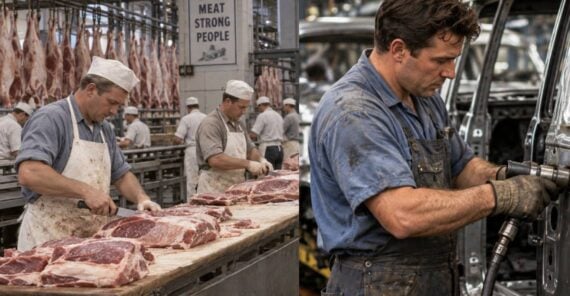
Meatpacking workers helped supply grocery stores and butcher shops. During the twentieth century, workers organized to push for better pay and fairer treatment in large packing plants.
10. Teachers
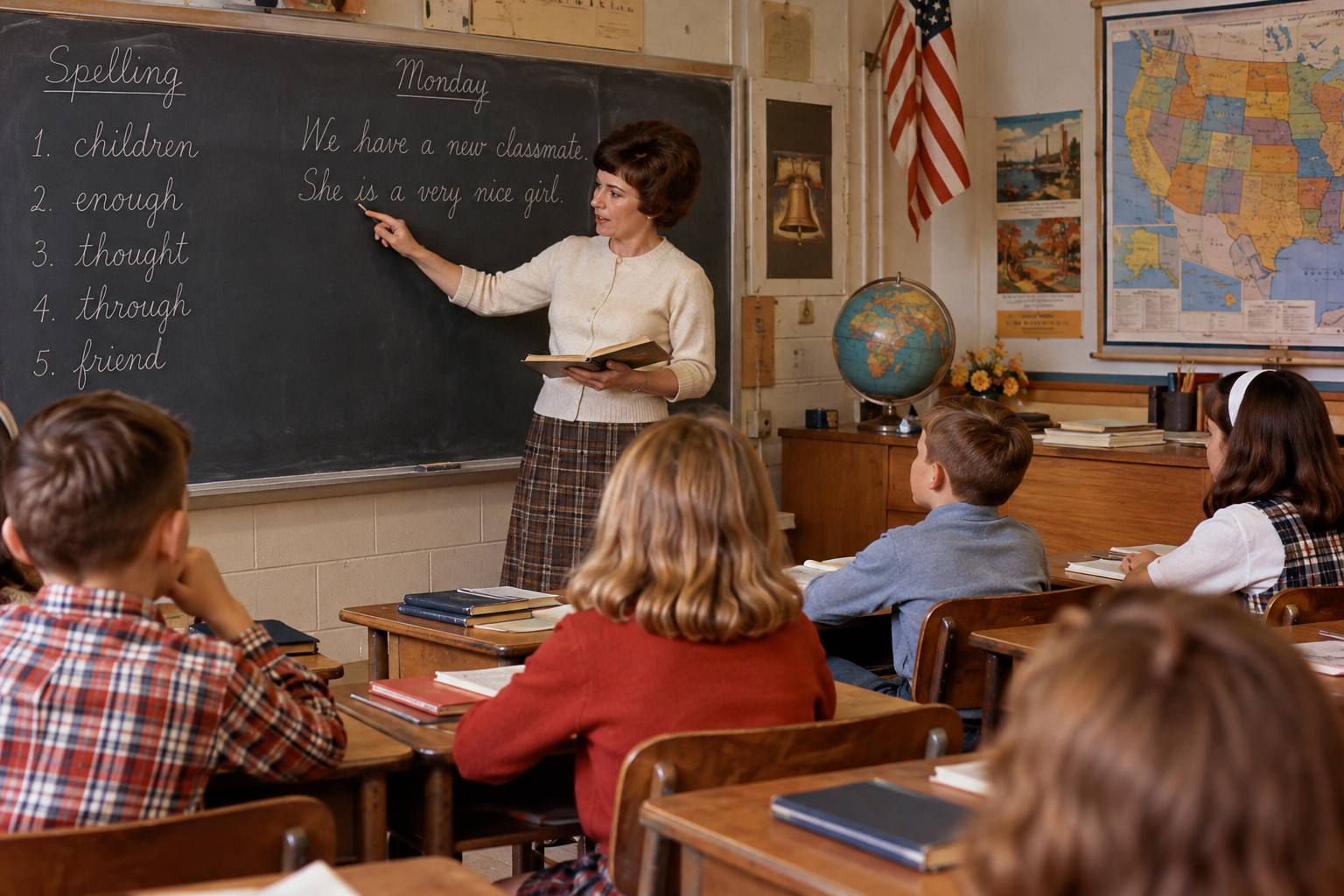
The American Federation of Teachers was founded in 1916. Teaching has long been seen as important work, but teachers have not always received the pay, security, or respect that their responsibilities deserve. Teacher unions formed to speak up for better salaries, fair rules for hiring and dismissal, and a stronger role in school decisions.
11. Nurses

Nurses care for patients through long shifts, demanding schedules, and difficult situations. Over time, nurses have organized to seek fair pay, safer staffing levels, and a stronger voice in decisions about their workplaces. Their efforts have helped highlight the link between nurses’ working conditions and the care patients receive.
12. Postal Workers
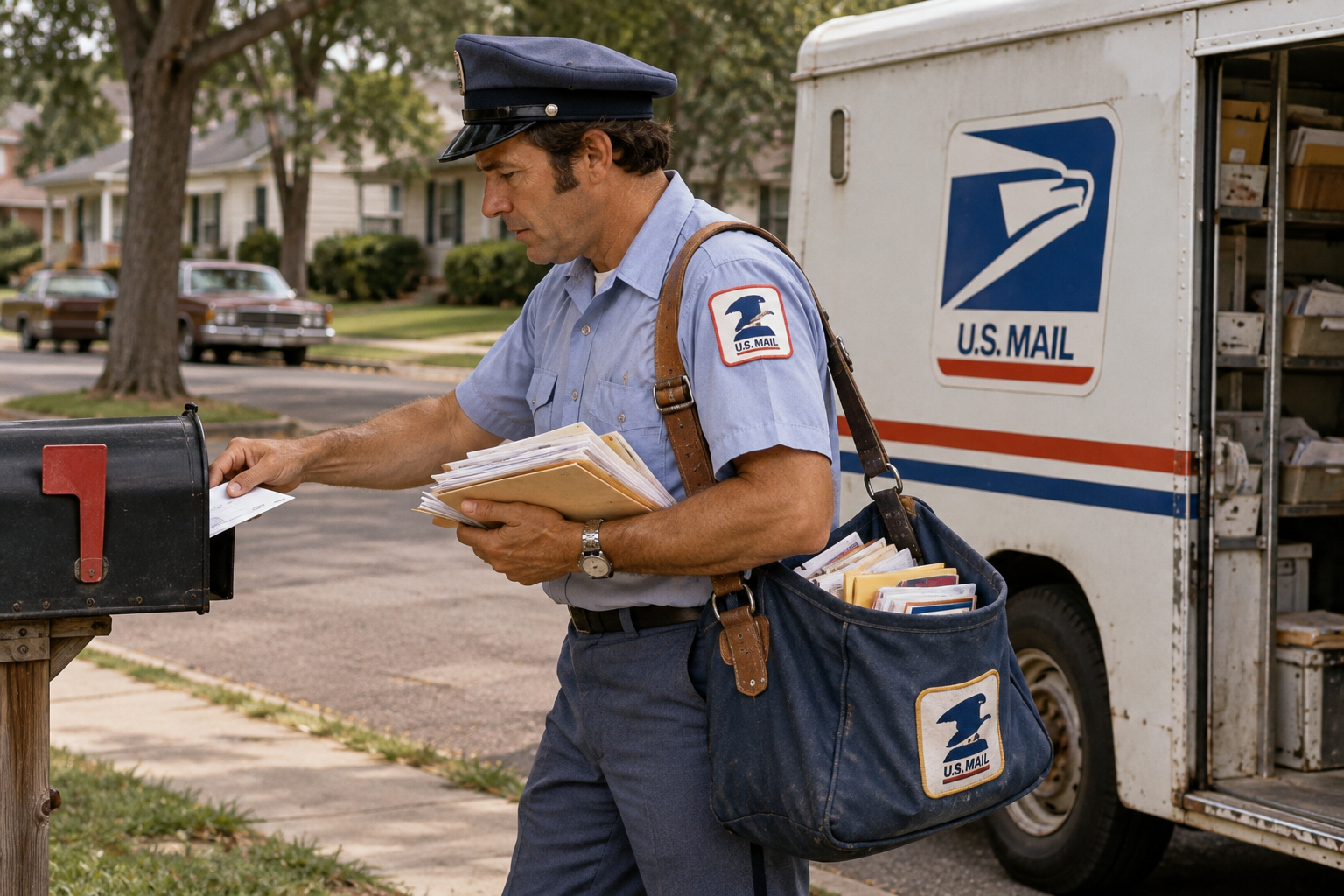
Postal workers have helped Americans stay connected for generations, delivering letters, packages, and documents. Yet for many years, federal postal employees had limited power to bargain over pay and working conditions.
Curious how work has changed over time?
Check out 16 Part-Time Jobs That Pay Surprisingly Well for gigs that beat a typical hourly wage, then take a step back in time with 14 Jobs Our Grandparents Had That Still Exist Today to see which trades never went out of style. And if you are wondering where the next generation is going, 15 Reasons Blue Collar Jobs Are Growing Among Teens breaks down why more young workers are picking up tools.