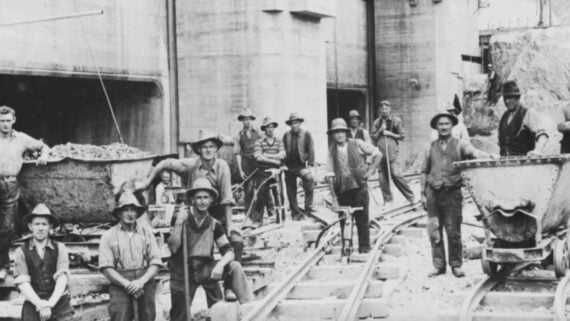

The 1970s economy was quietly kept alive by everyday workers whose careers defined the era. Long before digital automation and remote offices, these men and women built livelihoods in roles that may seem ordinary today but were indispensable then: steelworkers shaping skylines, secretaries organizing the pulse of business, and gas station attendants fueling America through oil shocks.
Their careers weren’t glamorous, yet they carried a dignity and stability that anchored families and communities, reminding us that the heart of progress often lies in the overlooked jobs that keep the world turning.
1. Bank Tellers

Bank tellers were the everyday gatekeepers of money flow. They kept the economy moving by handling paychecks, deposits, and withdrawals with precision. Their careers ensured trust in financial institutions, stabilizing communities during inflation and uncertainty.
2. Steelworkers

Steelworkers forged the backbone of American industry. By producing the steel that built cars, bridges, and factories, they literally kept the 1970s economy standing tall. Their careers symbolized industrial strength and provided union wages that fueled consumer spending.
3. Truck Drivers
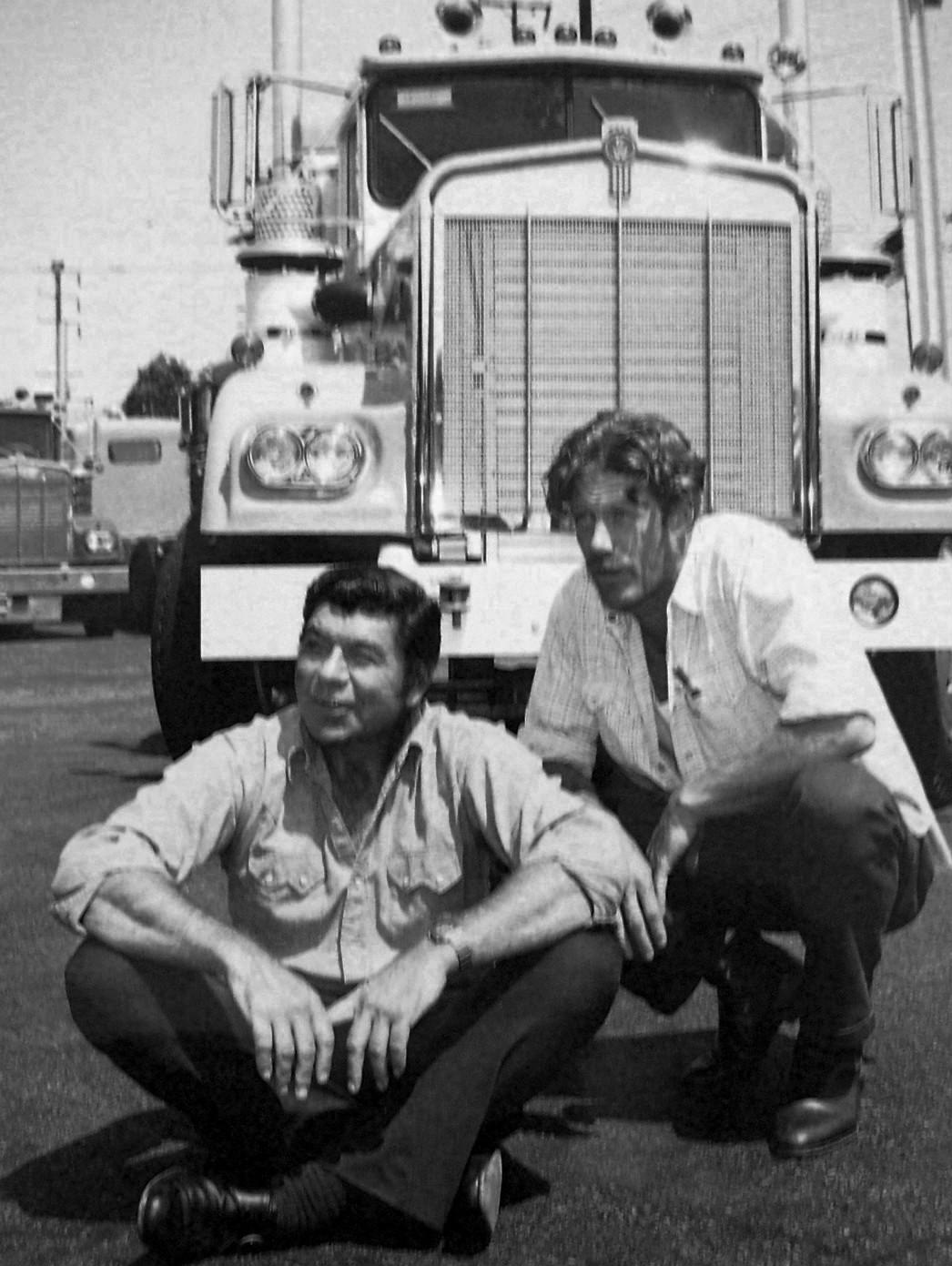
Truck drivers were the arteries of commerce. As interstate highways expanded, they transported goods across the nation, keeping shelves stocked and factories supplied. Even during fuel crises, their careers ensured the economy’s lifeblood kept circulating.
4. Railroad Workers

Railroad workers kept heavy industry alive. Freight trains carried coal, steel, and grain, commodities that powered factories and fed cities. Their careers sustained the industrial economy, bridging rural production with urban demand.
5. Telephone Operators

Operators connected the nation before digital switching. By linking calls for businesses and families, they kept communication and commerce flowing. Their careers were small but vital gears in the machinery of a service‑driven economy.
Trending on Wealth Gang


6. Secretaries & Typists

Secretaries and typists organized the pulse of business. In offices across America, they managed correspondence, schedules, and records, ensuring efficiency. Their careers supported the growing service sector, which became a major driver of the 1970s economy.
7. Assembly Line Workers
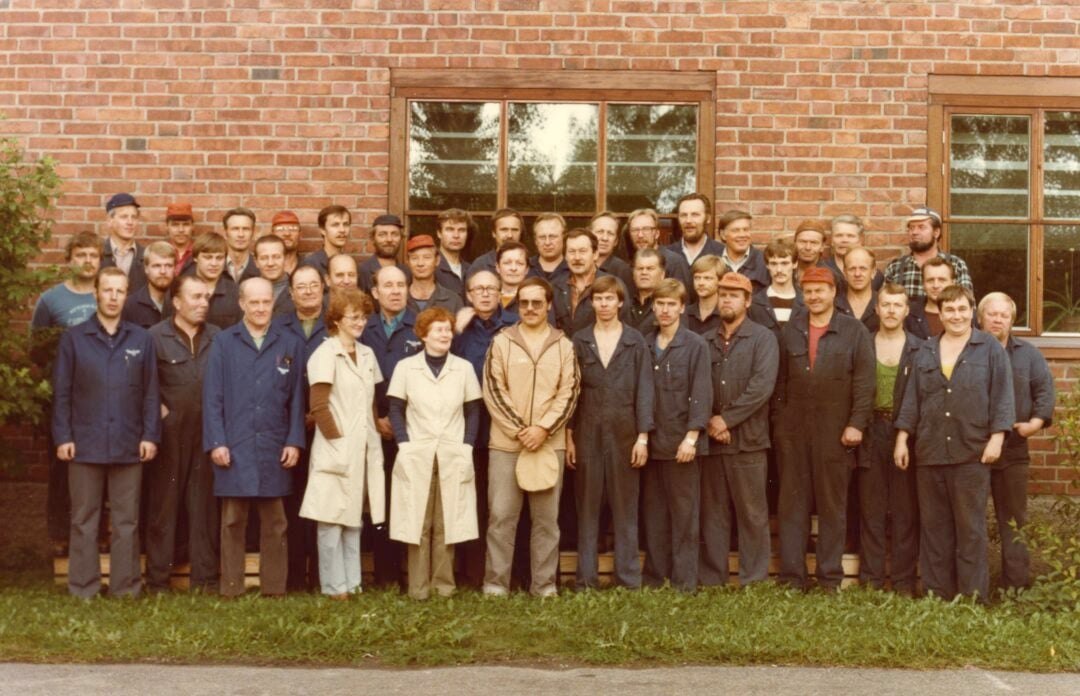
Assembly line workers kept consumer goods affordable and abundant. From cars to appliances, their repetitive yet essential tasks sustained manufacturing output. Their careers anchored the economy’s industrial base, even as global competition grew.
8. Gas Station Attendants

Gas station attendants were frontline workers during the oil crisis. By fueling cars, checking oil, and managing rationing, they kept America mobile. Their careers directly supported transportation, which was critical to economic activity.
Sign up for our newsletter
9. Postal Workers
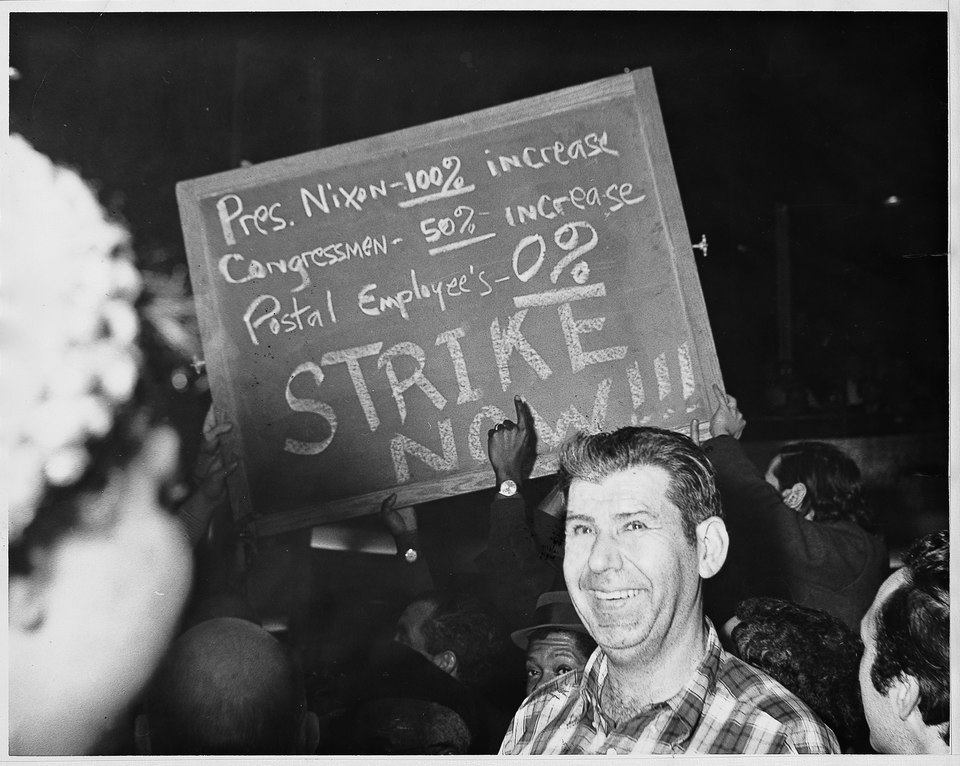
Postal workers delivered the economy’s paperwork: bills, paychecks, catalogs, and correspondence. Long before email, they ensured commerce and communication didn’t stall. Their careers kept households and businesses connected, sustaining everyday transactions.
10. Retail Clerks

Retail clerks powered the consumer economy. By stocking shelves and serving customers in supermarkets and department stores, they kept commerce vivid. Their careers reflected the shift toward consumer spending as a key economic driver.
11. Teachers

Teachers invested in the future economy. With the baby boom generation filling classrooms, they prepared the next workforce. Their careers ensured knowledge and skills flowed into society, sustaining long‑term economic growth.
12. Farm Workers

Farm workers fed the nation and the world. By harvesting crops and tending livestock, they sustained agriculture, a cornerstone of the economy. Their careers tied rural labor to urban consumption, keeping food supply steady.
13. Construction Workers
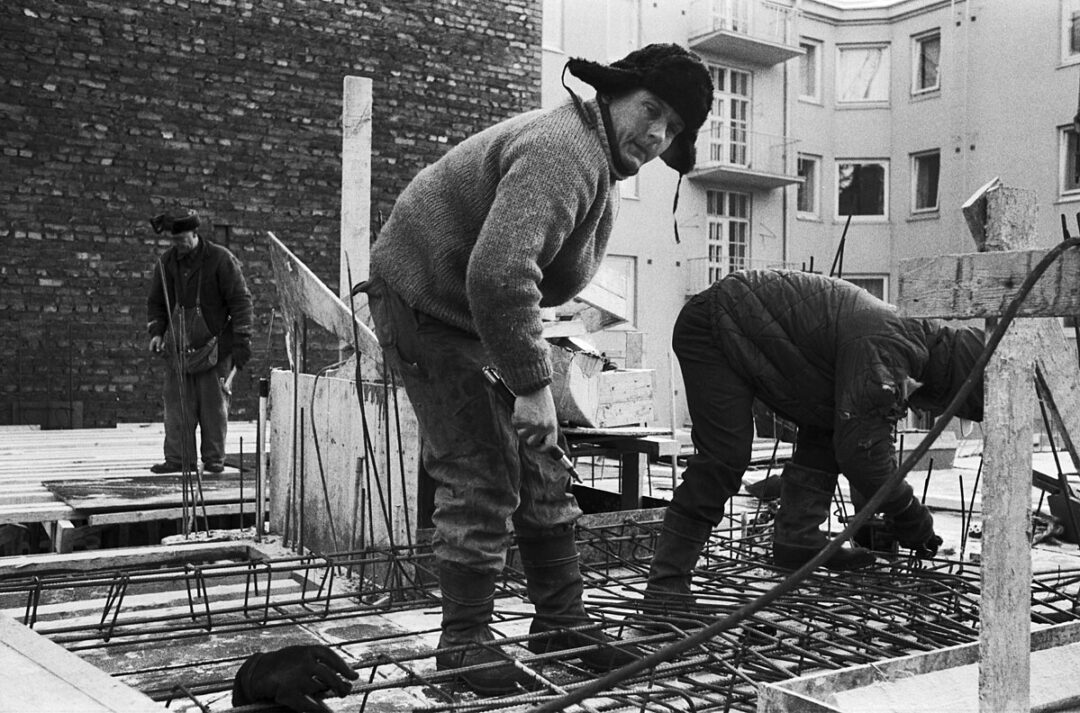
Construction workers built the physical framework of the economy. From suburban homes to highways, their projects fueled growth and employment. Their careers symbolized progress, even during stagflation, by keeping infrastructure expansion alive.
14. Factory Machinists

Machinists kept the industry running smoothly. By maintaining and repairing machines, they ensured factories stayed productive. Their careers were critical to efficiency, sustaining manufacturing output in a decade of economic turbulence.
15. Nurses

Nurses supported the expanding healthcare economy. With Medicare and Medicaid reshaping demand, they provided care that kept communities healthy and productive. Their careers embodied the growing importance of service industries in the 1970s economy.
Discover more career-related content:
- Roaring 1920s Professions: A list of 17 strange and short-lived jobs from the 1920s that sound unbelievable today.
- 1800s Jobs: A look at 13 bizarre and now-extinct professions from the 1800s, ranging from leech collectors to lamplighters.
- Jobs That Used to Exist: A roundup of 12 obsolete jobs once essential to daily life, like switchboard operators, milkmen, and soda jerks.