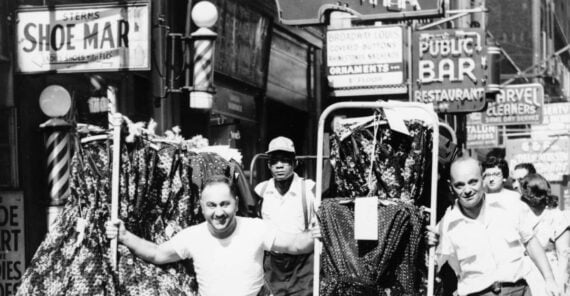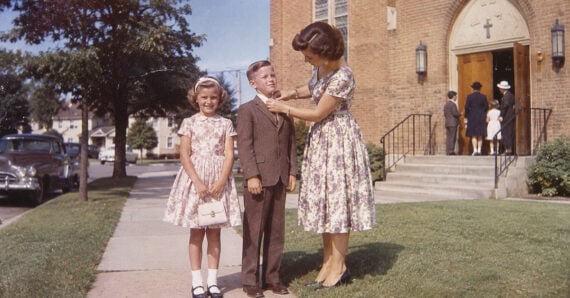

Finding a job before the internet meant doing a lot more than uploading a résumé and clicking Apply. Americans searched newspaper classifieds with a pen in hand, walked into businesses to ask about openings, and sometimes spent entire afternoons driving around town looking for Help Wanted signs. Getting hired often depended on showing up at the right place, knowing the right person, or making a good impression before anyone had even seen your qualifications.
The process could be frustrating, time-consuming, and surprisingly personal. There were no instant application confirmations, no online job alerts, and certainly no way to check whether an employer had viewed your résumé. From crowded job fairs to handwritten recommendations, these 17 ways Americans found work before LinkedIn and the internet bring back a very different era of job hunting.
1. Circling Help Wanted Ads in the Sunday Newspaper

For generations of job seekers, Sunday morning meant spreading the newspaper across the kitchen table and turning straight to the Help Wanted section. Listings were packed into narrow columns, often with barely enough information to understand what the job involved. People circled promising openings in red pen, wrote down phone numbers, and planned their calls for Monday morning. A particularly good listing might already have dozens of applicants by the time someone finally got through to the employer.
2. Walking Into Businesses and Asking If They Were Hiring
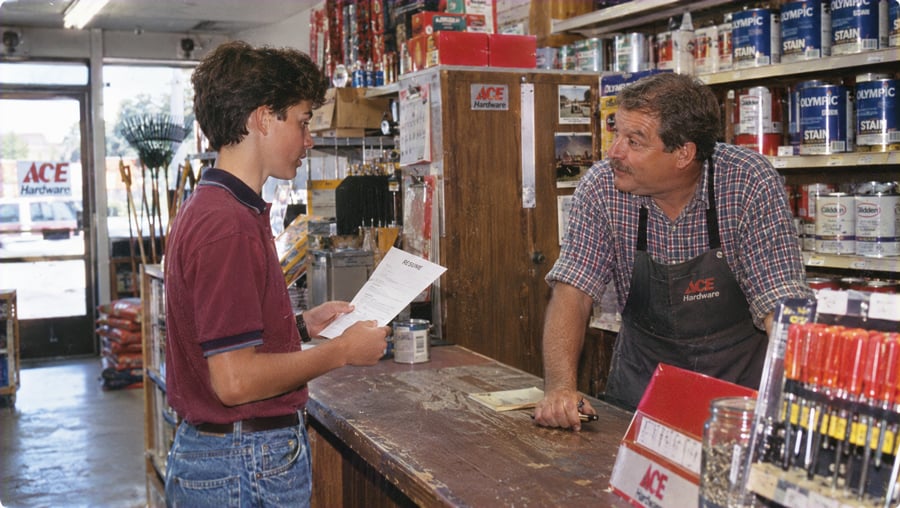
Before online applications became standard, walking into a store or restaurant and asking for the manager was a perfectly normal way to look for work. Applicants dressed neatly, carried a few copies of their résumé, and hoped they had arrived at a convenient moment. Sometimes the manager handed over an application. Other times, a friendly conversation turned into an interview on the spot. For teenagers looking for their first jobs, this approach was practically a rite of passage.
3. Spotting Help Wanted Signs in Store Windows
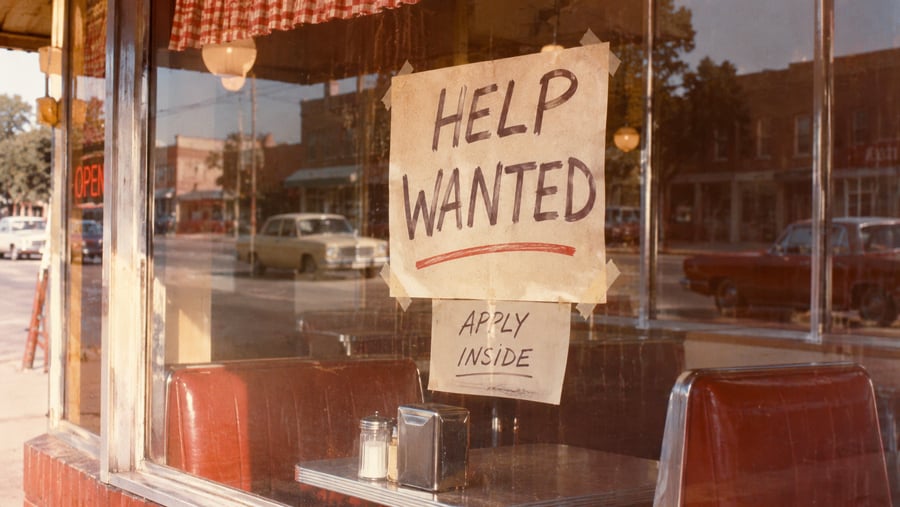
A handwritten Help Wanted sign could change someone’s entire afternoon. These notices appeared in diner windows, grocery stores, gas stations, and small businesses, often with little more than a phone number or instructions to apply inside. People noticed them while running errands, walking home from school, or driving through town. There was something wonderfully direct about the arrangement: the business needed someone, and anyone passing by had a chance to ask.
4. Getting a Job Through a Friend or Relative
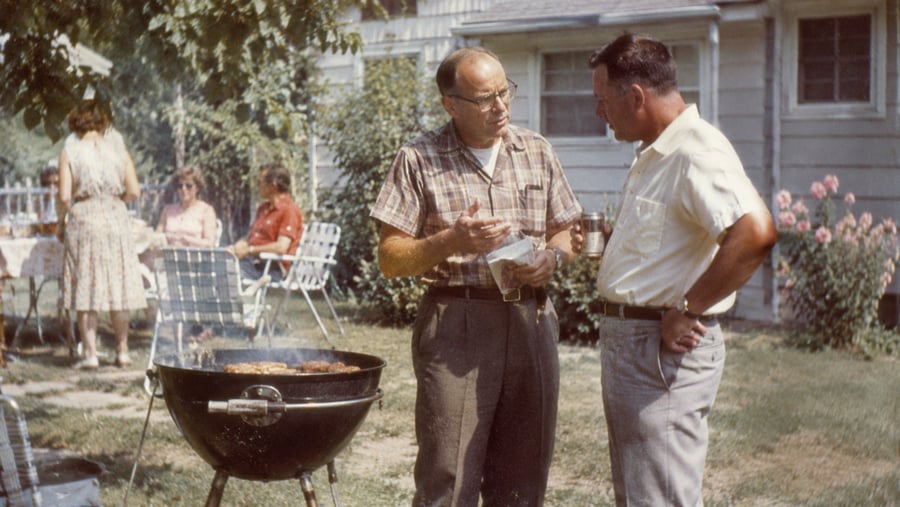
Long before professional networking platforms, the most valuable connection was often someone who already worked where you wanted to work. A cousin might mention an opening at a factory, a neighbor could introduce someone to a store owner, or an uncle might know a manager looking for help. These recommendations didn’t guarantee a job, but they could get an applicant noticed before an opening was widely advertised. In many communities, word of mouth was the original professional network.
5. Visiting an Employment Agency in Person
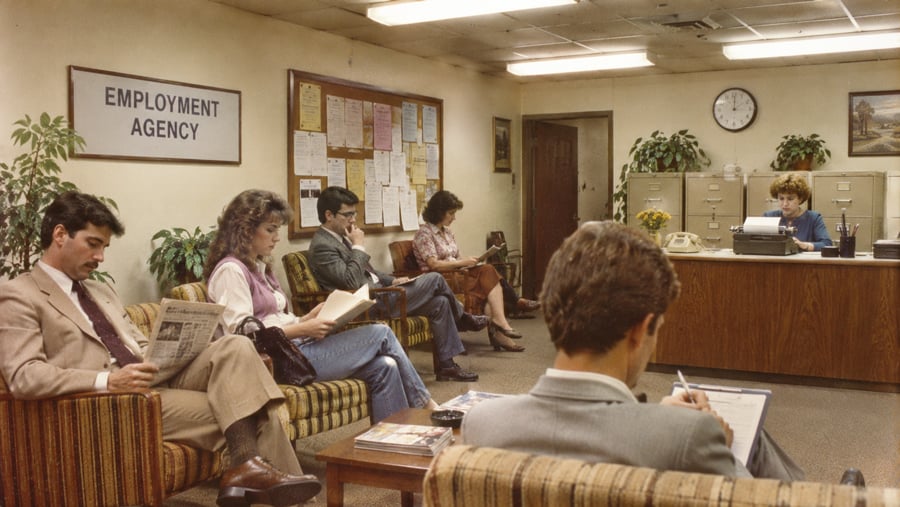
Employment agencies were a familiar stop for people who needed work but weren’t sure where to start. Applicants visited an office, filled out forms, discussed their experience, and sometimes took typing or clerical skills tests. Recruiters matched candidates with businesses looking for employees, especially for office, administrative, and temporary positions. The waiting room might be full of other job seekers, all hoping the next phone call would lead to a promising interview.
Trending on Wealth Gang


6. Checking Job Openings at the Local Library
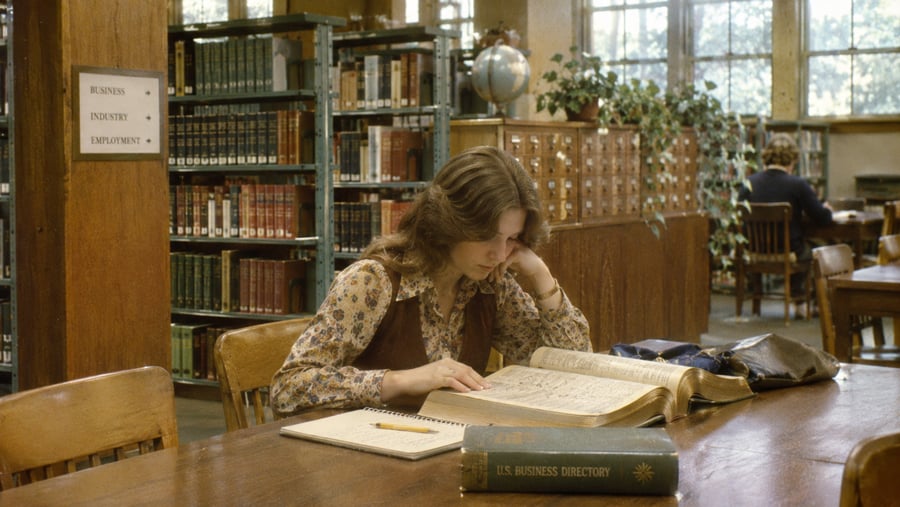
Public libraries weren’t just places to borrow books. For job seekers, they could be valuable sources of career information, employer directories, newspapers, and community announcements. Some libraries maintained bulletin boards with local openings or offered resources for researching companies and preparing résumés. People could spend hours looking through reference materials and taking notes about potential employers. It was a much slower version of the research that now takes a few minutes online.
7. Finding Opportunities on Community Bulletin Boards
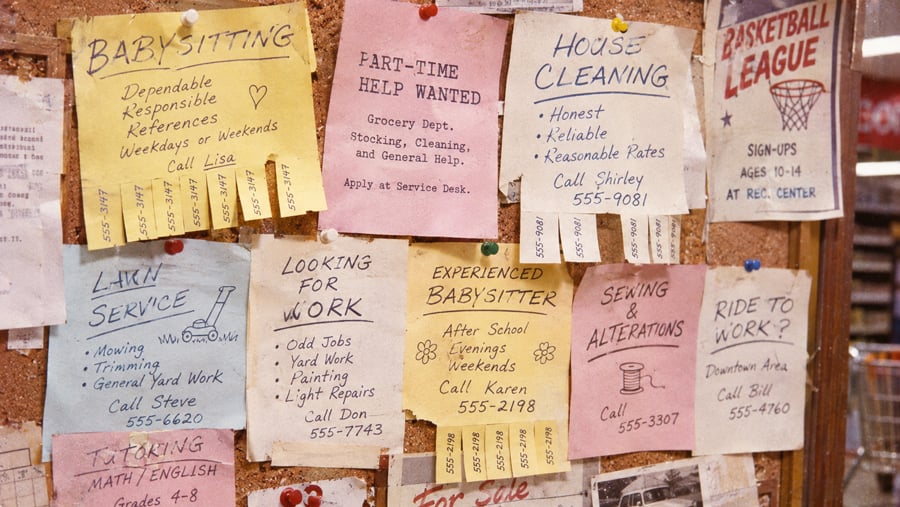
A corkboard covered with overlapping paper notices could be a surprisingly useful place to find work. Community centers, supermarkets, college hallways, and neighborhood businesses often displayed announcements for babysitting, cleaning, tutoring, part-time work, and local hiring opportunities. Some notices had little tear-off phone numbers along the bottom. People would stop, scan the board, and pull off a number before someone else got there first.
8. Calling Companies to Ask About Open Positions
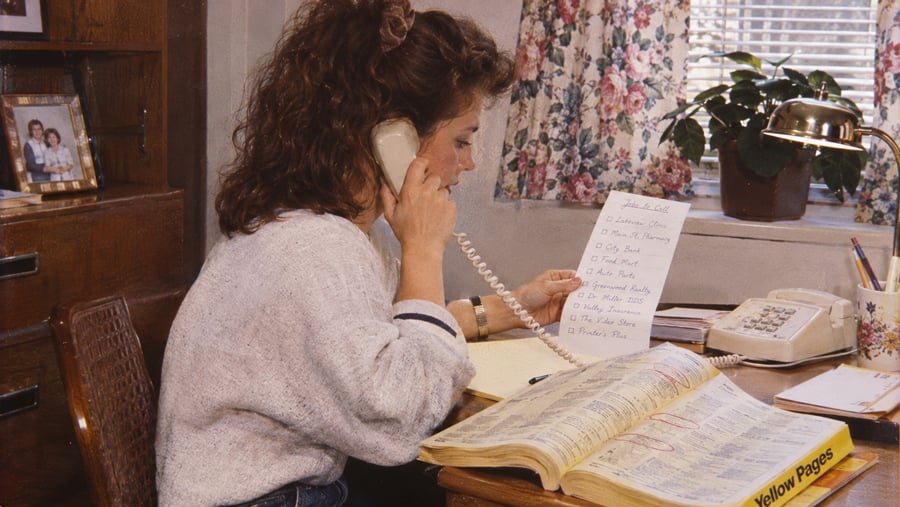
Cold calling wasn’t only for salespeople. Job seekers sometimes picked up the phone and contacted businesses directly to ask whether they had openings. A receptionist might transfer them to personnel, suggest sending a résumé, or simply say there was nothing available. It took persistence and a willingness to hear no repeatedly. Without email or online forms, even getting your name in front of the right person could require several phone calls.
Sign up for our newsletter
9. Searching the Yellow Pages for Potential Employers
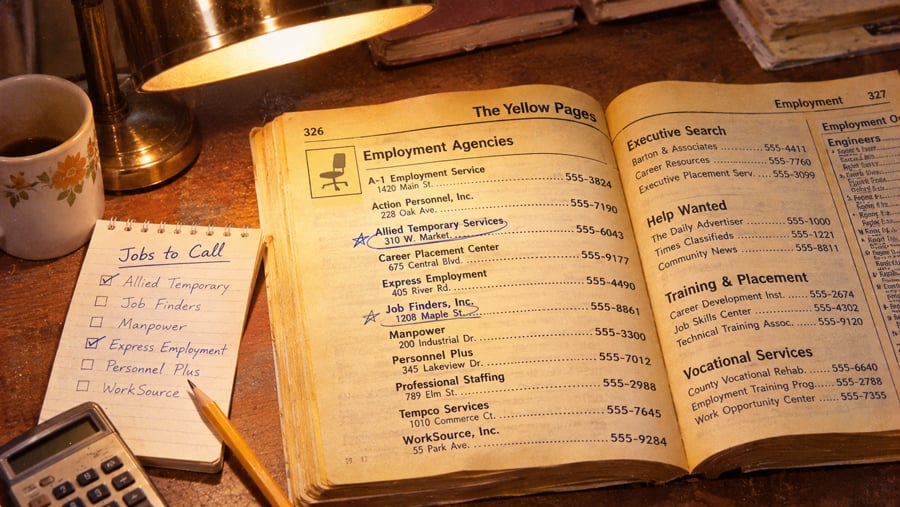
The Yellow Pages could serve as an entire job-search database, even though they weren’t designed for that purpose. Someone interested in working at an auto repair shop, advertising agency, or accounting firm could look up local businesses by category and start contacting them one by one. It was especially useful for people who wanted to work in a particular industry but didn’t know which companies were hiring. The process involved a lot of guessing, phone calls, and crossed-off names.
10. Attending Job Fairs at Schools and Convention Centers
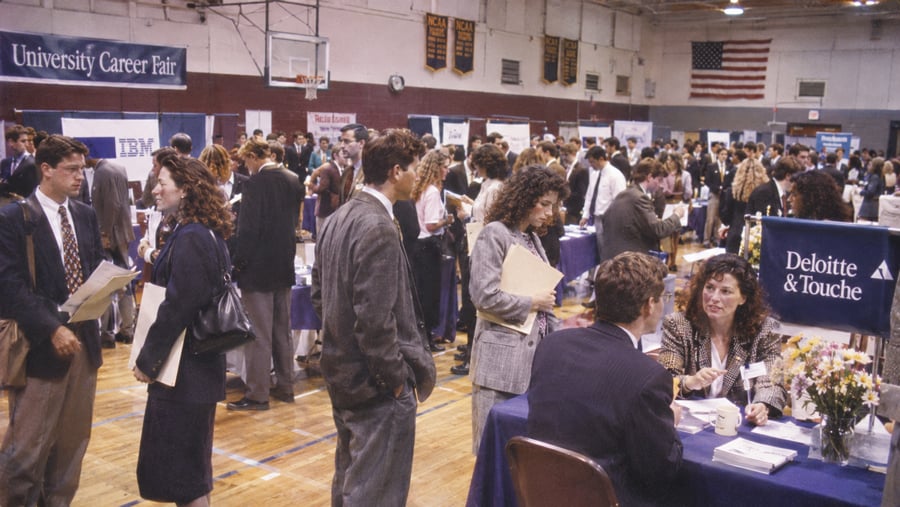
Job fairs offered something that online applications often can’t: a chance to meet employers face-to-face before submitting a résumé. Colleges, community organizations, and local governments hosted events where companies set up tables with brochures, application forms, and representatives ready to answer questions. Applicants moved from booth to booth, sometimes wearing their best interview clothes and carrying folders full of résumés. A short conversation could lead to an interview, or at least a business card worth keeping.
11. Finding Work Through School Guidance Counselors
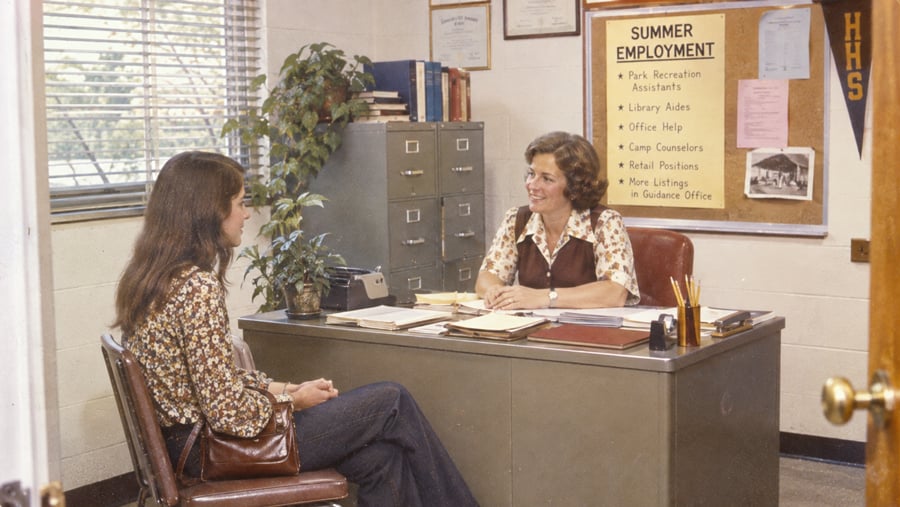
For many teenagers, a school guidance counselor was one of the first adults to help them figure out how to get a job. Counselors sometimes knew about openings at nearby businesses, seasonal opportunities, vocational programs, and employers willing to hire students. A quick visit to the guidance office could lead to a summer job or an introduction to a local company. Before online career portals, these relationships helped connect young people with their first real workplace experiences.
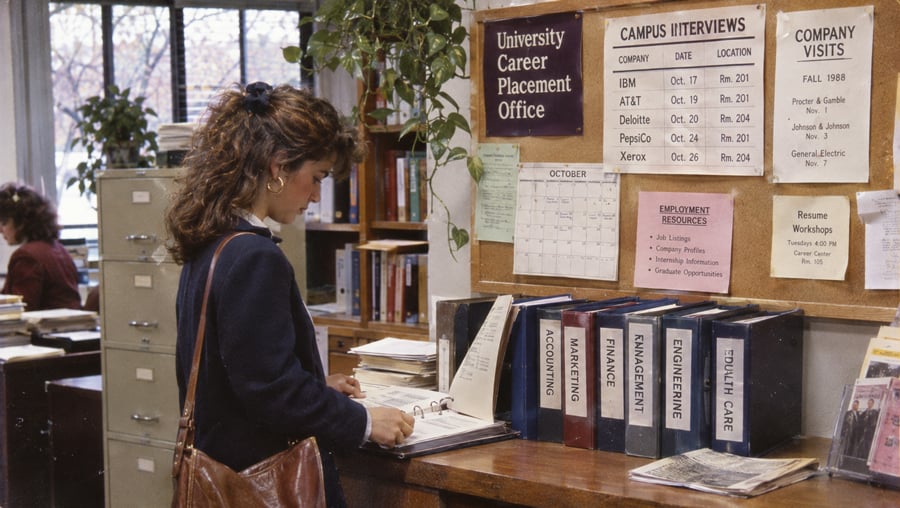
12. Using College Career Placement Offices
Wealthgang
College career offices were important bridges between graduating students and potential employers. Students could browse binders of job openings, sign up for campus interviews, and attend employer presentations. Some companies recruited directly from universities, scheduling interviews in dedicated campus rooms. The process involved paper résumés, appointment books, and plenty of waiting. For students hoping to enter professional careers, the placement office could be one of the most useful buildings on campus.
13. Registering With a Temporary Staffing Agency
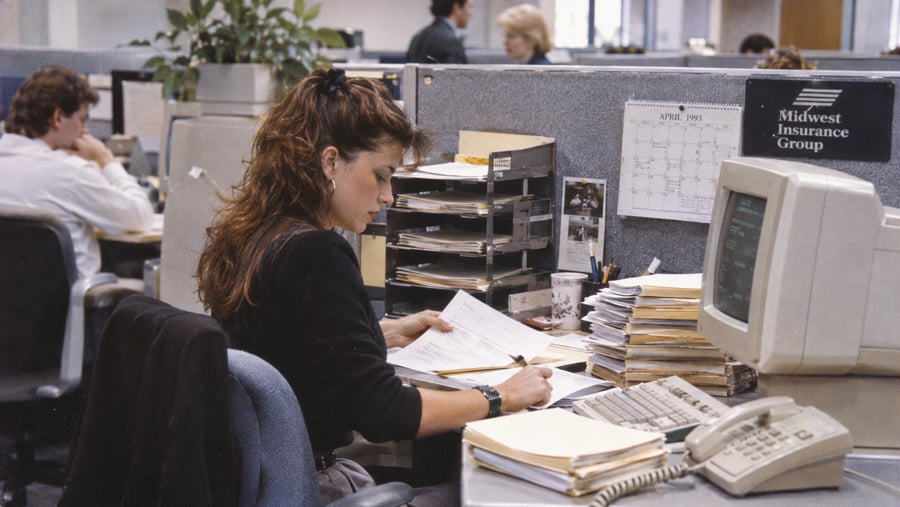
Temporary work was often a practical way to earn money while searching for something permanent. Staffing agencies placed workers in offices, warehouses, factories, and other businesses that needed extra help for a few days, weeks, or months. Some assignments turned into full-time jobs when employers decided to keep a reliable temporary worker. For many Americans, these agencies provided a way to gain experience, make contacts, and keep a paycheck coming in between permanent positions.
14. Applying Through Union Hiring Halls
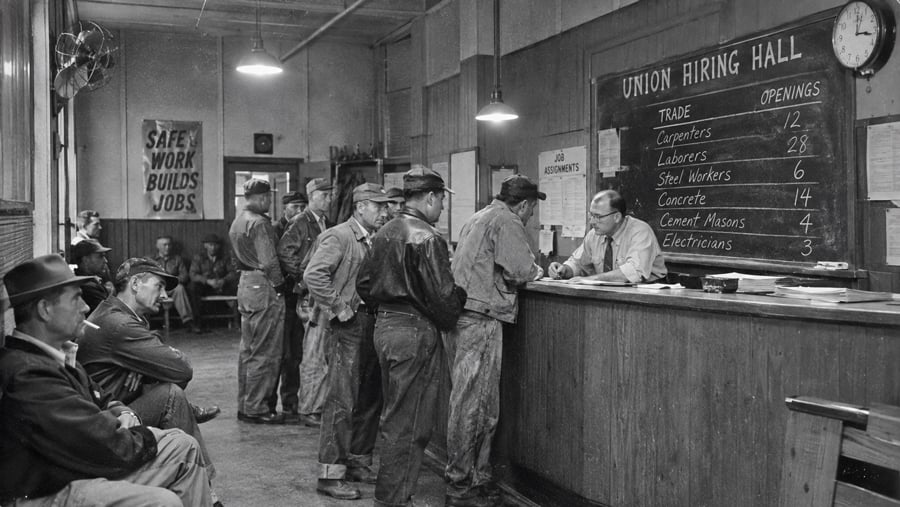
In certain trades, finding work meant checking in with a union hiring hall rather than answering newspaper ads. Workers in industries such as construction and other skilled trades could be referred to available jobs through established dispatch procedures, depending on the union and local agreements. The system helped connect qualified workers with contractors needing specific skills. For people who spent their careers moving between projects, the hiring hall could be a familiar and important part of working life.
15. Mailing Résumés and Cover Letters to Employers
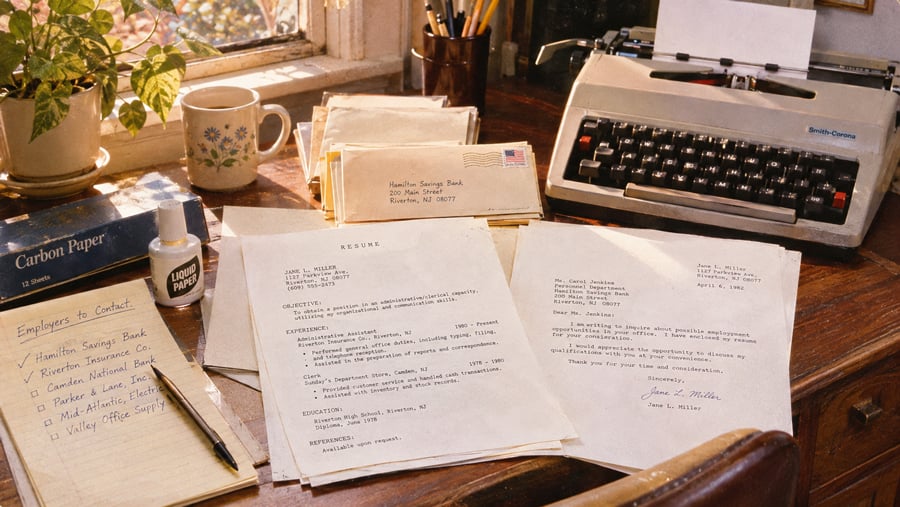
Applying for a professional job once involved envelopes, postage stamps, and a surprising amount of patience. Applicants typed their résumés and cover letters, made copies, and mailed them to companies that advertised openings or seemed like promising employers. Then came the waiting. A response might arrive days or weeks later, and sometimes nothing came at all. There was no application dashboard to refresh, just the hope that the right person would open the envelope and like what they saw.
16. Getting Hired Through Apprenticeships and Trade Programs
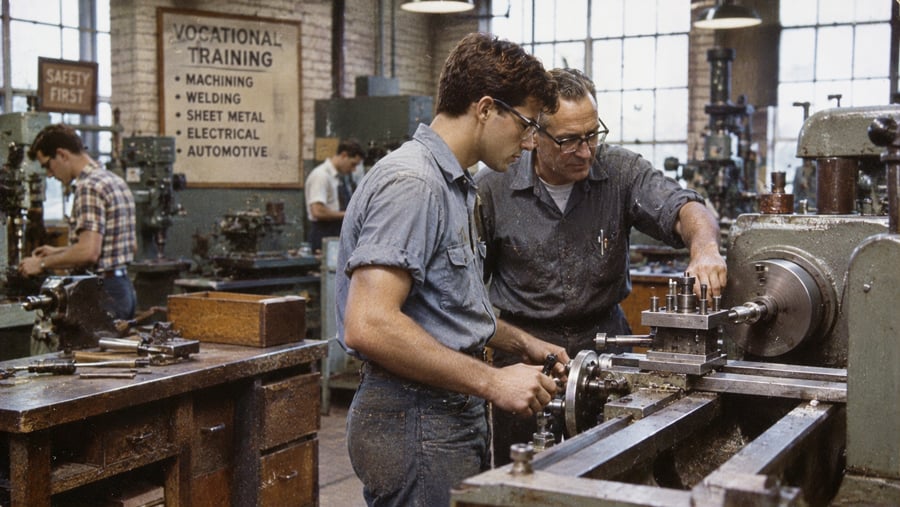
Not every career began with a formal job interview. For people entering skilled trades, apprenticeships and vocational programs offered a chance to learn while gaining practical experience. Young workers trained alongside experienced electricians, carpenters, mechanics, and other tradespeople, sometimes developing relationships that led to long-term employment. Recommendations from instructors or established workers could be just as valuable as a written résumé. In many trades, proving you could do the work mattered more than having an impressive application.
17. Following Up in Person After Submitting an Application
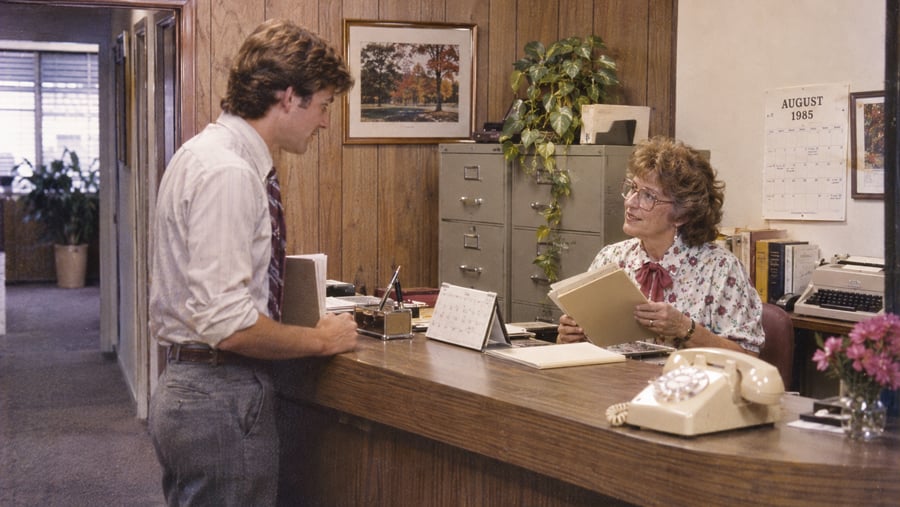
Submitting an application was often only the beginning. Some job seekers returned to a business a few days later, politely asked whether the manager had reviewed their paperwork, and tried to make themselves memorable. Others called the personnel office to check on the hiring process. Persistence could sometimes help, especially at smaller businesses where managers remembered familiar faces. Of course, it could also mean another awkward conversation with someone who had no news. Job hunting required a lot of patience before anyone could simply send a follow-up email.
More Related Notes
Jobs Created by New Technologies
From emerging industries to unexpected career opportunities, these jobs show how technological innovations have transformed the American workforce.
Jobs That Changed Over 50 Years
Take a look at how familiar professions have evolved over the past five decades, from everyday responsibilities to the tools workers use.
15 Old-Fashioned Jobs That Let Americans Make a Good Living Without a College Degree
Before college degrees became a common requirement for many careers, these traditional jobs offered Americans opportunities to earn a comfortable living.