

The 1980s and 1990s were full of diet trends. People were told that living on just a few foods could help them lose weight. Magazines, TV shows, and advertisements turned many of these ideas into huge trends.
Looking back, many of these diets did not teach people healthy habits for the long term. Some removed important foods, while others depended on packaged products or very low amounts of calories. Here are 15 diet fads from the ’80s and ’90s that promised big results but failed.
1. Cabbage Soup Diet

The Cabbage Soup Diet became famous for promising fast weight loss in only a week. People lost weight quickly as they were eating very few calories, but it was difficult to continue.
2. Grapefruit Diet
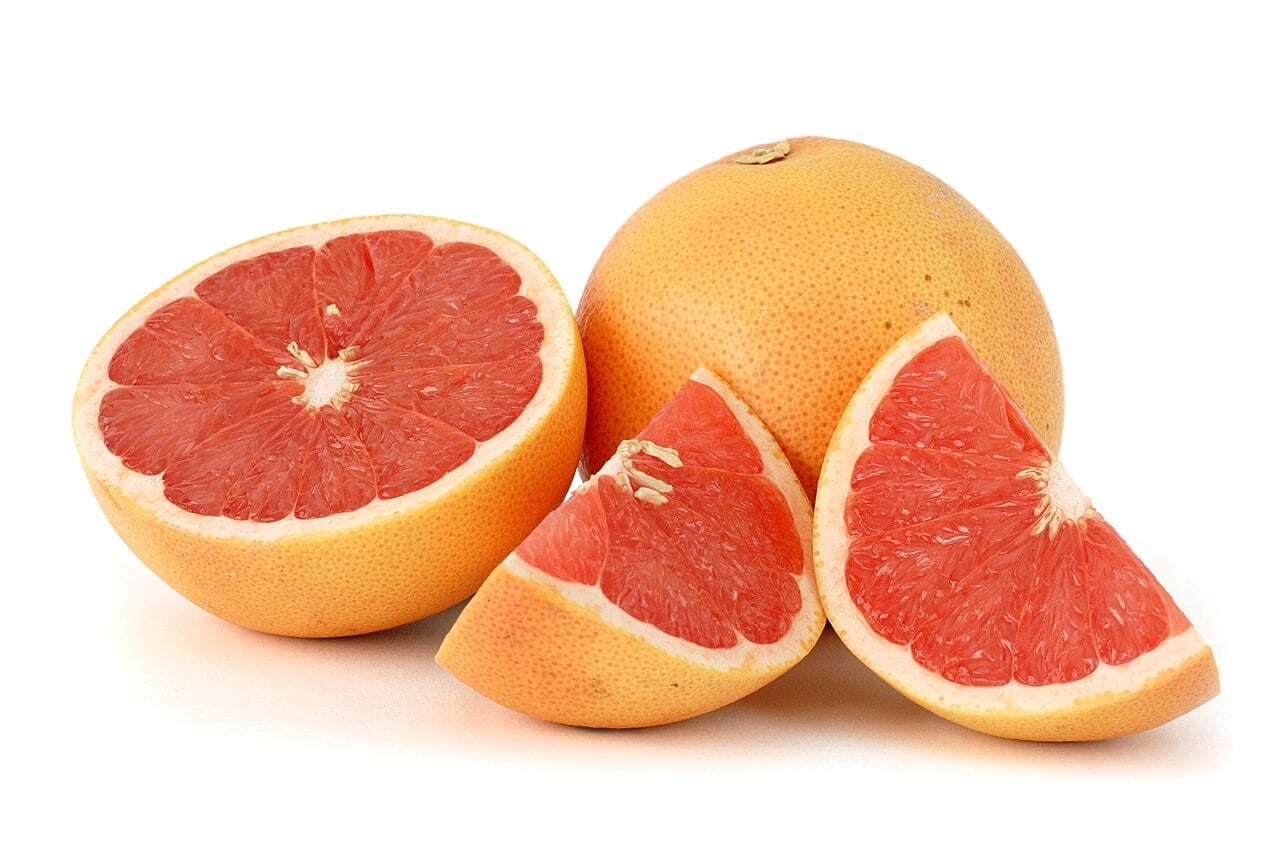
The Grapefruit Diet told people to eat grapefruit or drink grapefruit juice with every meal. Grapefruit had no magic ingredient that could melt away body fat.
3. Beverly Hills Diet
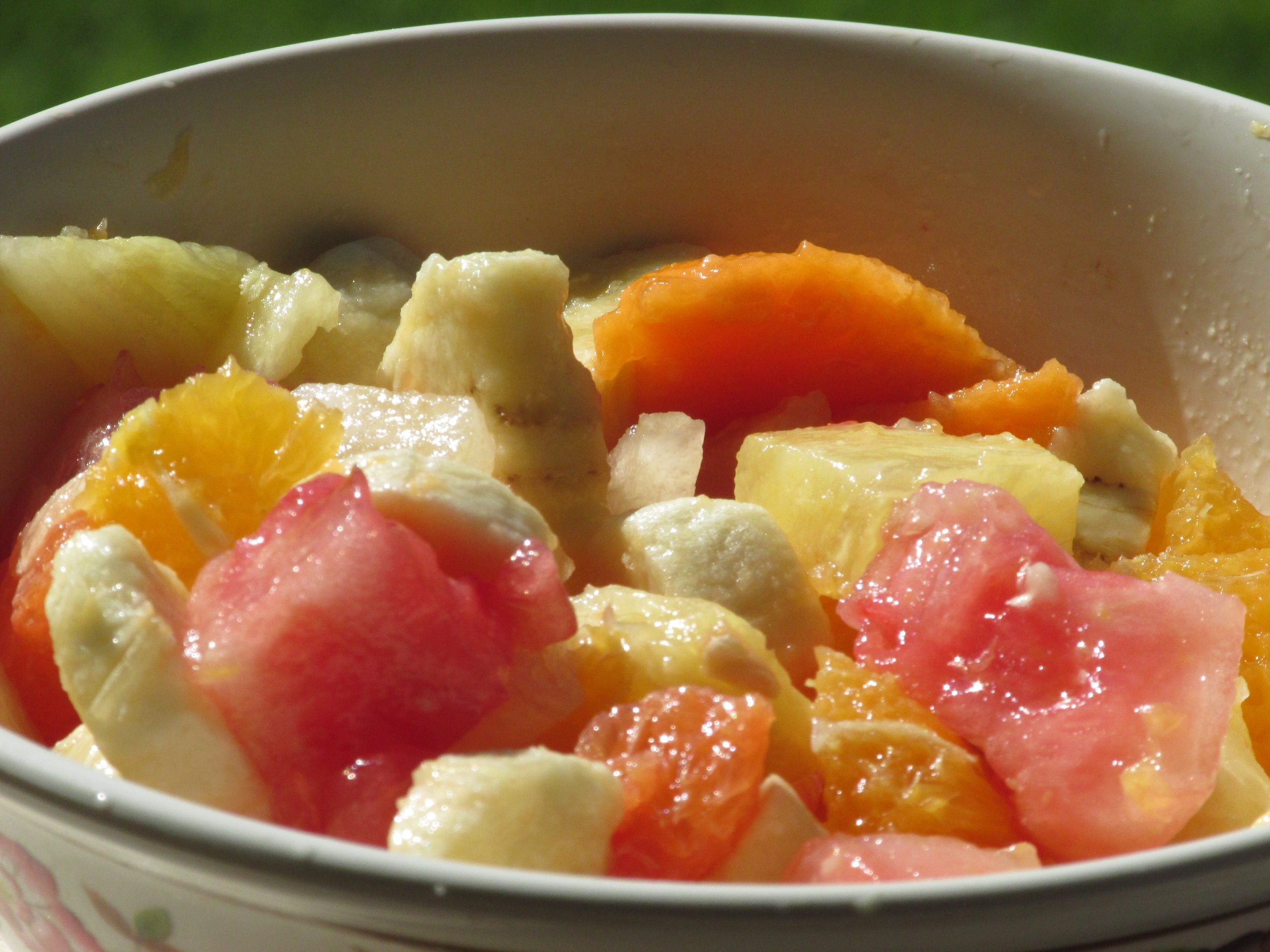
The Beverly Hills Diet became popular in the 1980s and focused on fruit during its early stages. The diet became fashionable, but for followers, it was complicated to follow which foods could be eaten together.
4. Scarsdale Diet
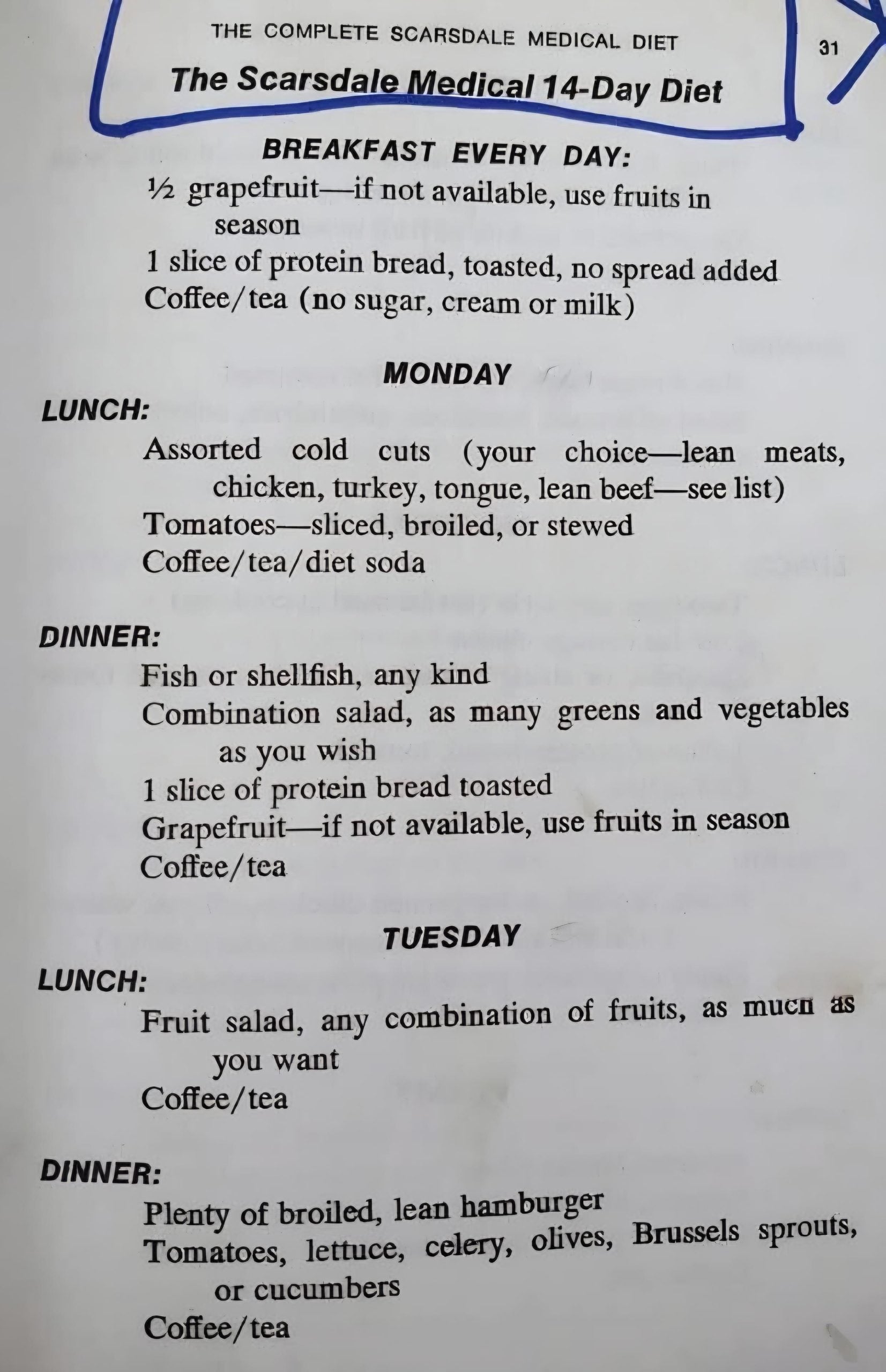
The Scarsdale Diet offered a strict two-week eating plan that was high in protein and very low in calories. The plan was too strict to be long-term.
5. SlimFast
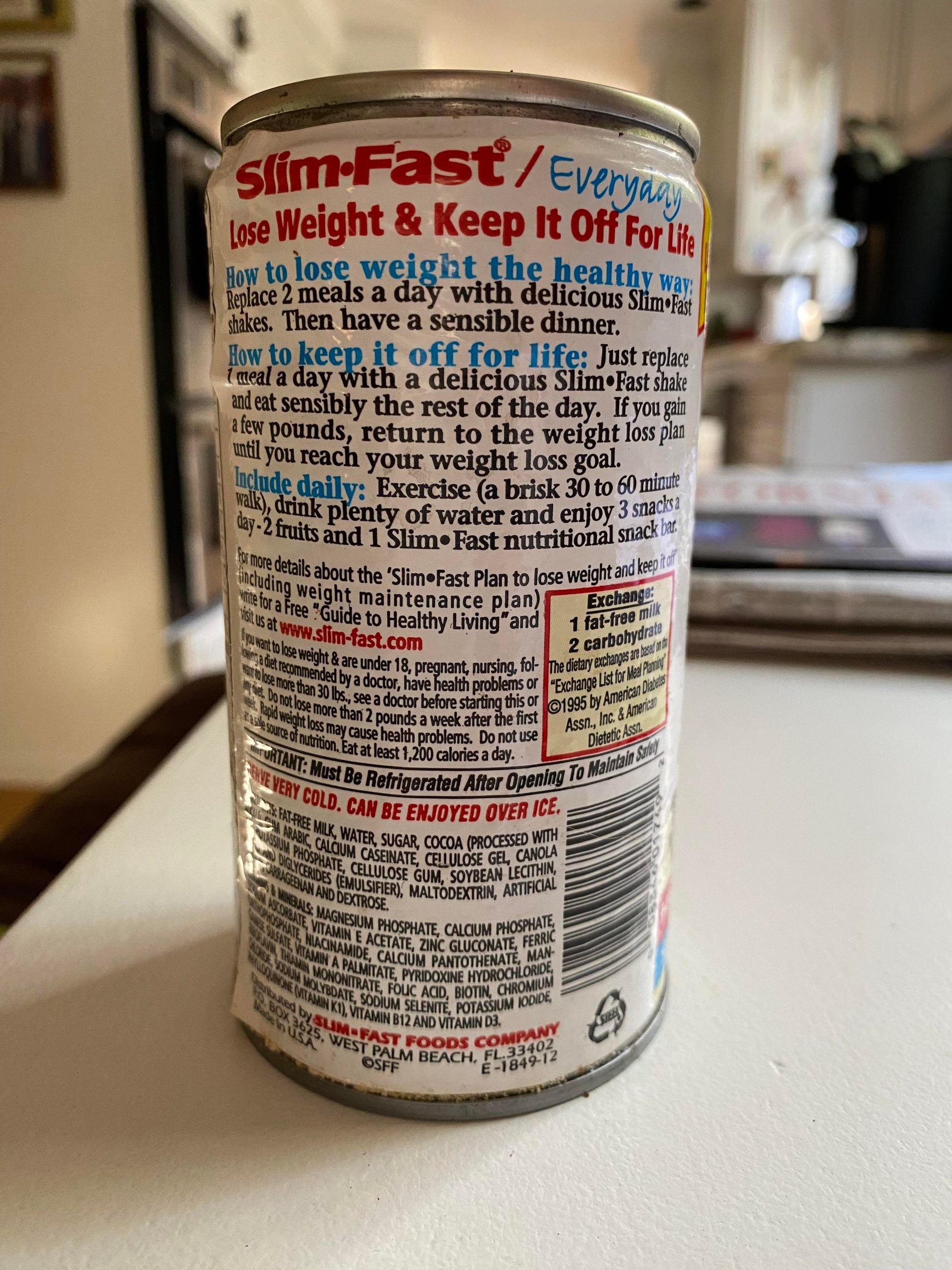
Its famous approach involved replacing breakfast and lunch with shakes and then eating a regular dinner. Shakes made calorie control simple, but they did not teach people how to build balanced meals on their own.
Trending on Wealth Gang


6. Cambridge Diet
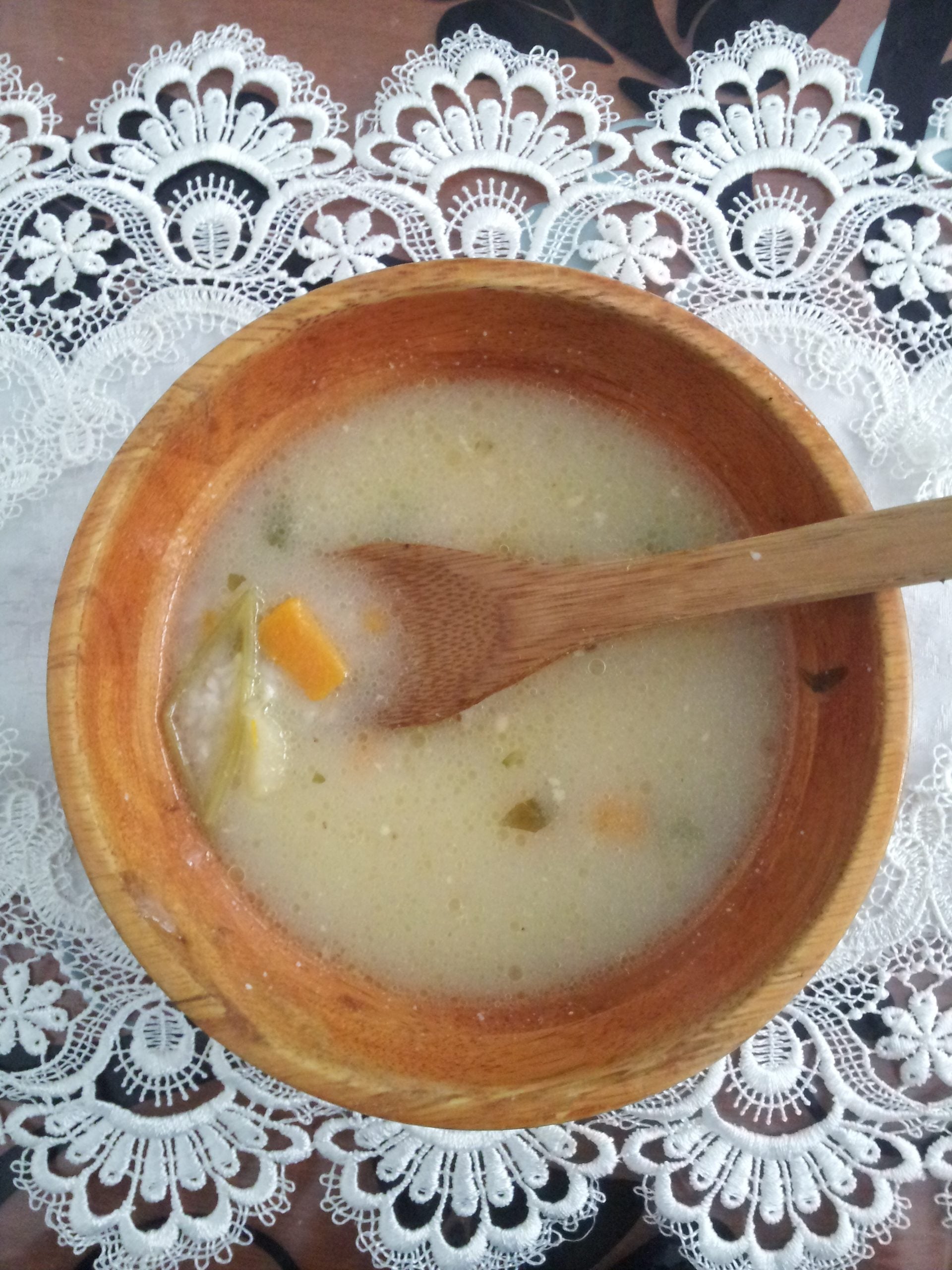
The Cambridge Diet relied heavily on special shakes and soups. Weight loss made the program attractive, but it turned dieting into a very controlled routine.
7. Rotation Diet

The Rotation Diet became popular in the 1980s. Its main idea was to change calorie intake from day to day instead of eating the same amount each day. The complicated calorie schedule made eating feel like a math problem.
8. Deal-A-Meal Diet
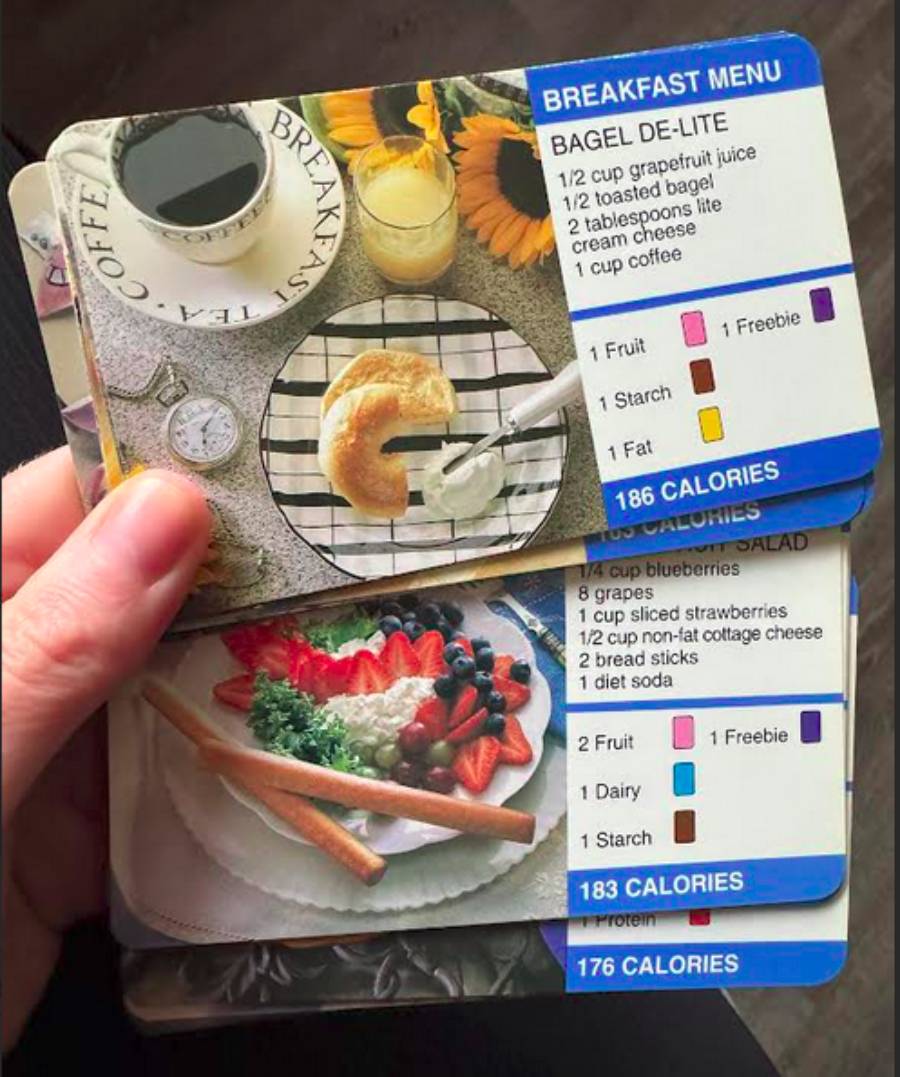
Richard Simmons helped make Deal-A-Meal famous in the 1980s. Dieters used cards representing different food groups and moved the cards as they ate meals throughout the day.
Sign up for our newsletter
9. Low-Fat Craze

By the late 1980s and the 1990s, fat had become the enemy. Supermarket shelves were filled with products labeled “low fat”. The problem was that some products replaced fat with extra sugar or refined carbohydrates.
10. SnackWell’s Cookies
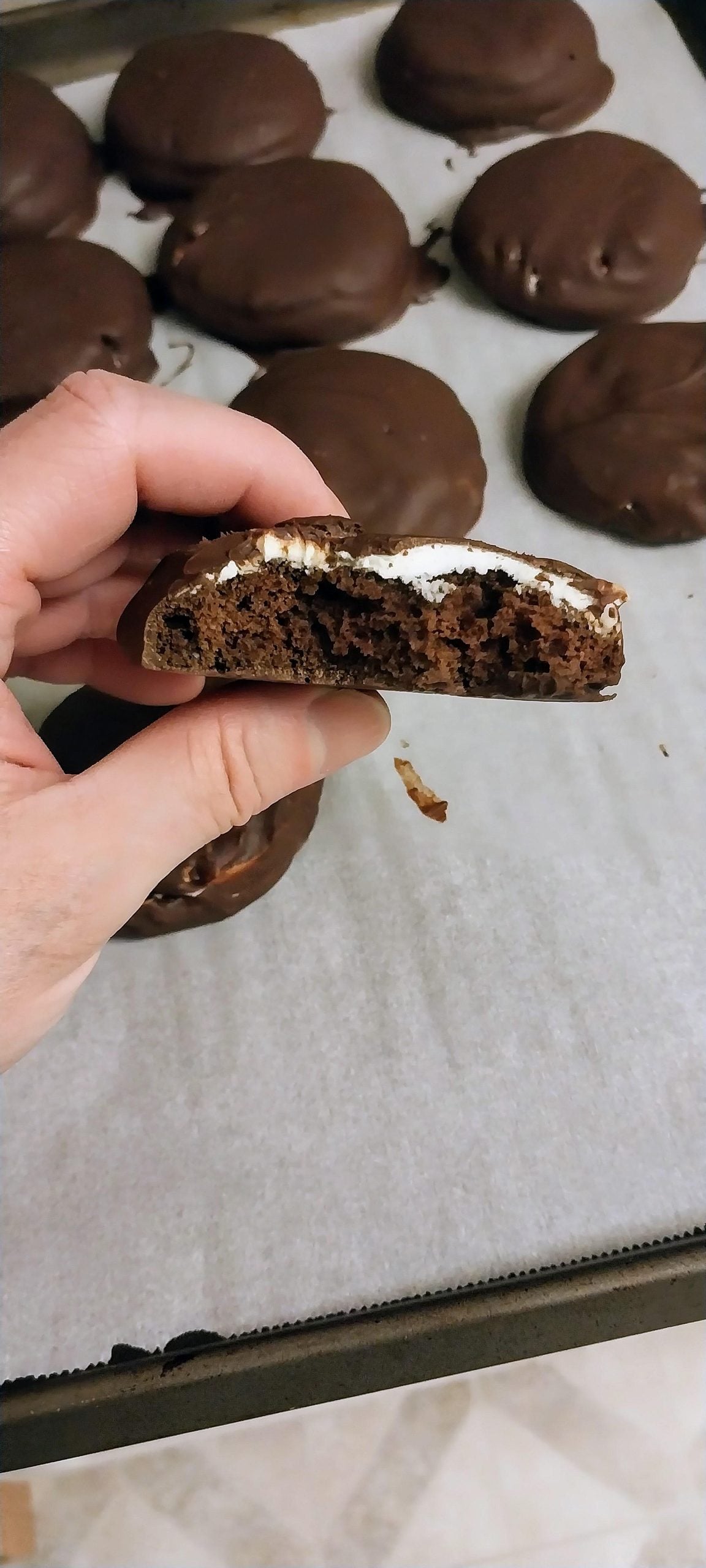
SnackWell’s became one of the biggest symbols of the 1990s low-fat era. But removing fat did not turn cookies into healthy food.
11. Rice Diet
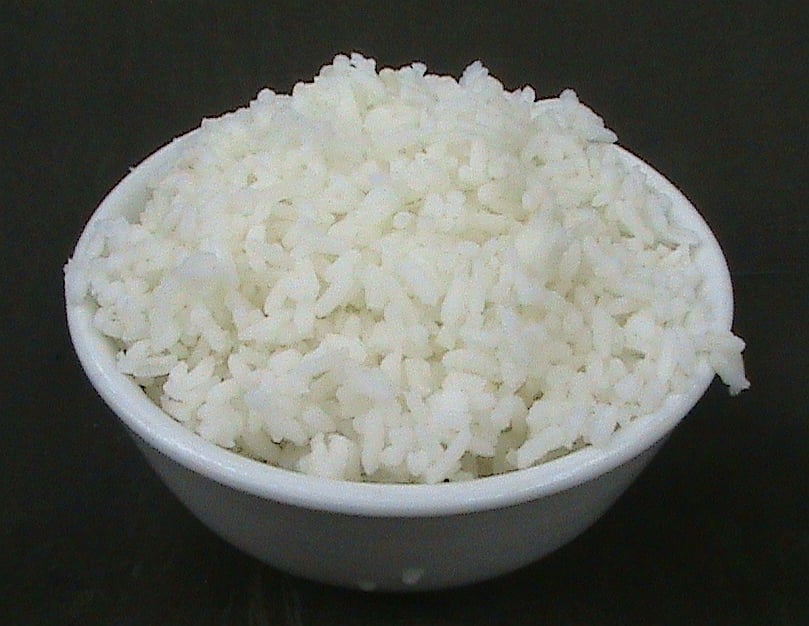
It centered on rice, fruit, and vegetables, while keeping fat and sodium low. Its strict rules could produce weight loss, but the plan became boring for many.
12. Fit for Life Diet

The bestselling “Fit for Life” books helped popularize combination ideas during the 1980s. Followers were told that certain types of foods should not be eaten together and that fruit should be eaten alone.
13. Blood Type Diet

Blood Type Diet became widely known in the late 1990s. It claimed that people should choose foods based on whether they had type O, A, B, or AB blood. However, research has not found good evidence that eating according to blood type provides special health benefits.
14. Sugar Busters Diet
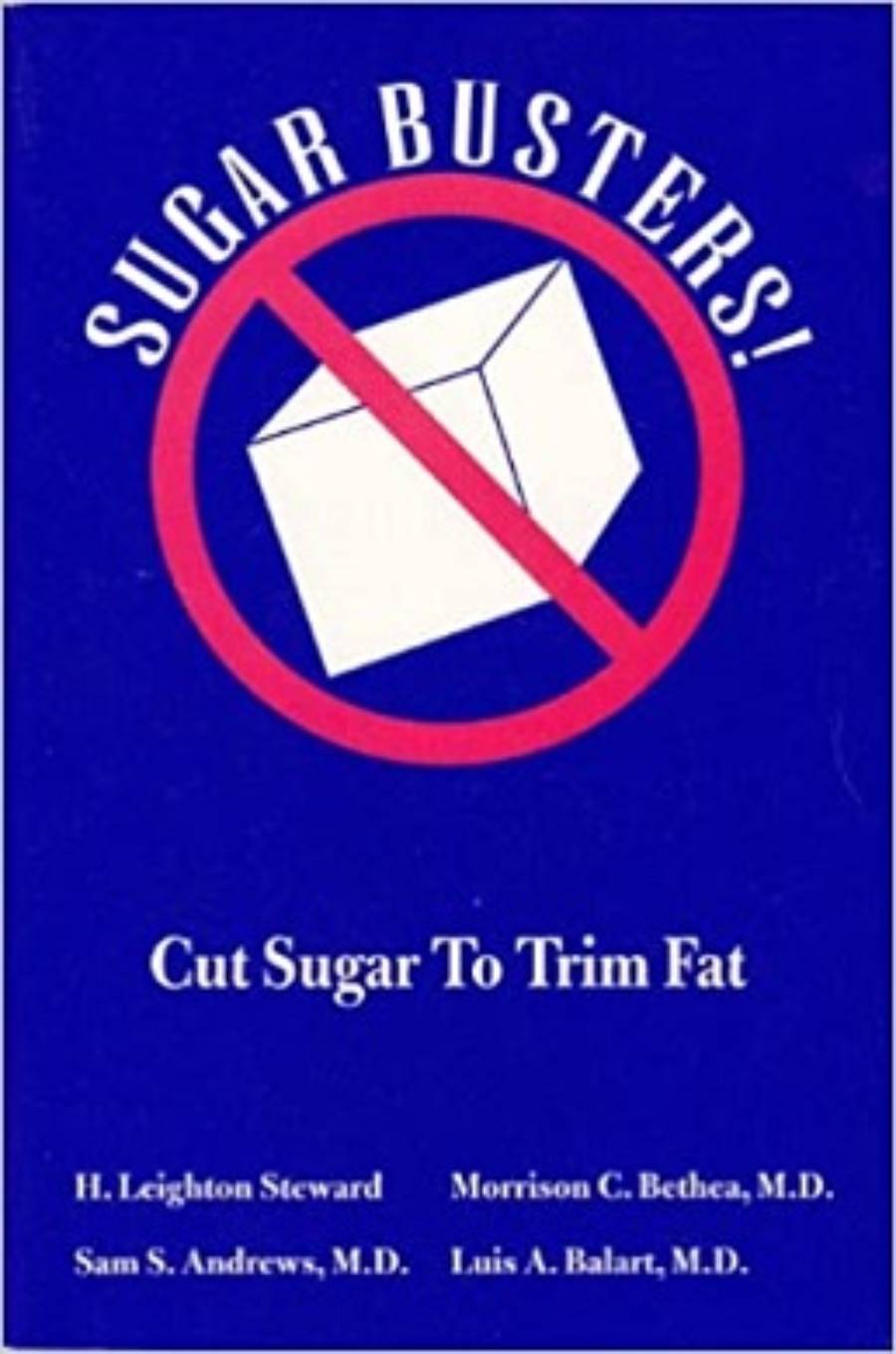
Sugar Busters! became a bestseller in the 1990s. The diet told people to cut back on sugar and certain high-carbohydrate foods. It suggested that one part of the diet was responsible for weight problems.
15. Zone Diet

This one encouraged people to carefully balance carbohydrates, protein, and fat, using a specific ratio at each meal.
Looking for similar content?
17 Retro Drinks Your Grandparents Loved That Nobody Drinks Anymore revisits the beverages that once dominated every fridge before modern trends pushed them aside. If saving money is more your speed, 17 Forgotten Shopping Habits That Saved Families Money focuses on the shopping habits that stretched every dollar long before credit cards existed. Lastly, 17 Vintage Foods That People Don’t Really Eat Anymore takes a look back at the dishes that once ruled family dinner tables.