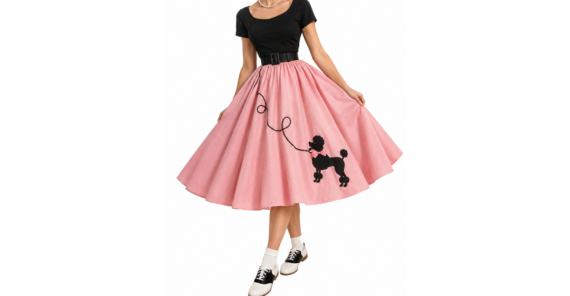
The 1950s were a golden age of women´s fashion, when waists, full skirts, and delicate prints defined a generation’s style. From everyday dresses to elegant evening gowns, women often chose their outfits with an attention to detail that made even ordinary occasions feel special. Fashion was influenced by Hollywood stars, store catalogs, and the postwar enthusiasm.
Not every woman owned the same wardrobe, and fashion varied depending on her budget. Still, certain dress styles became staples of the decade, appearing everywhere from suburban kitchens and church gatherings to school dances and parties. Many of these iconic designs remain recognizable today, evoking the charm and nostalgia of the 1950s. The following 15 dresses capture the spirit of the era and have become classics.
1. Classic Shirtwaist Dress
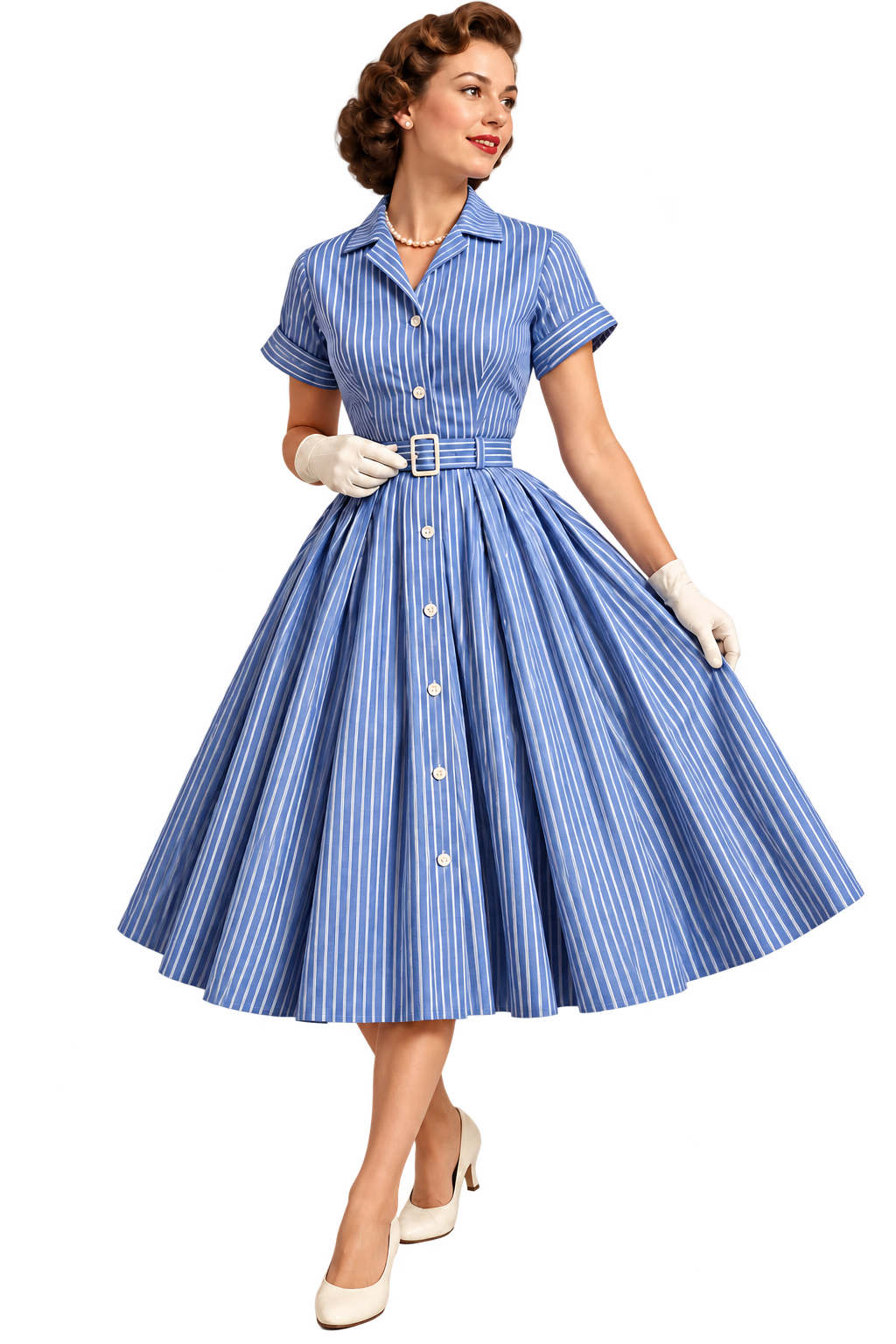
Inspired by men’s button-down shirts, it featured a fitted bodice, a pointed collar, short or three-quarter-length sleeves, and a skirt that flared from the waist. A matching belt completed the look. Women wore shirtwaist dresses for shopping trips, casual visits, errands, and even informal gatherings. This versatile dress was the kind of wardrobe staple that could be dressed up with pearls and heels.
2. Full-Skirt Circle Dress
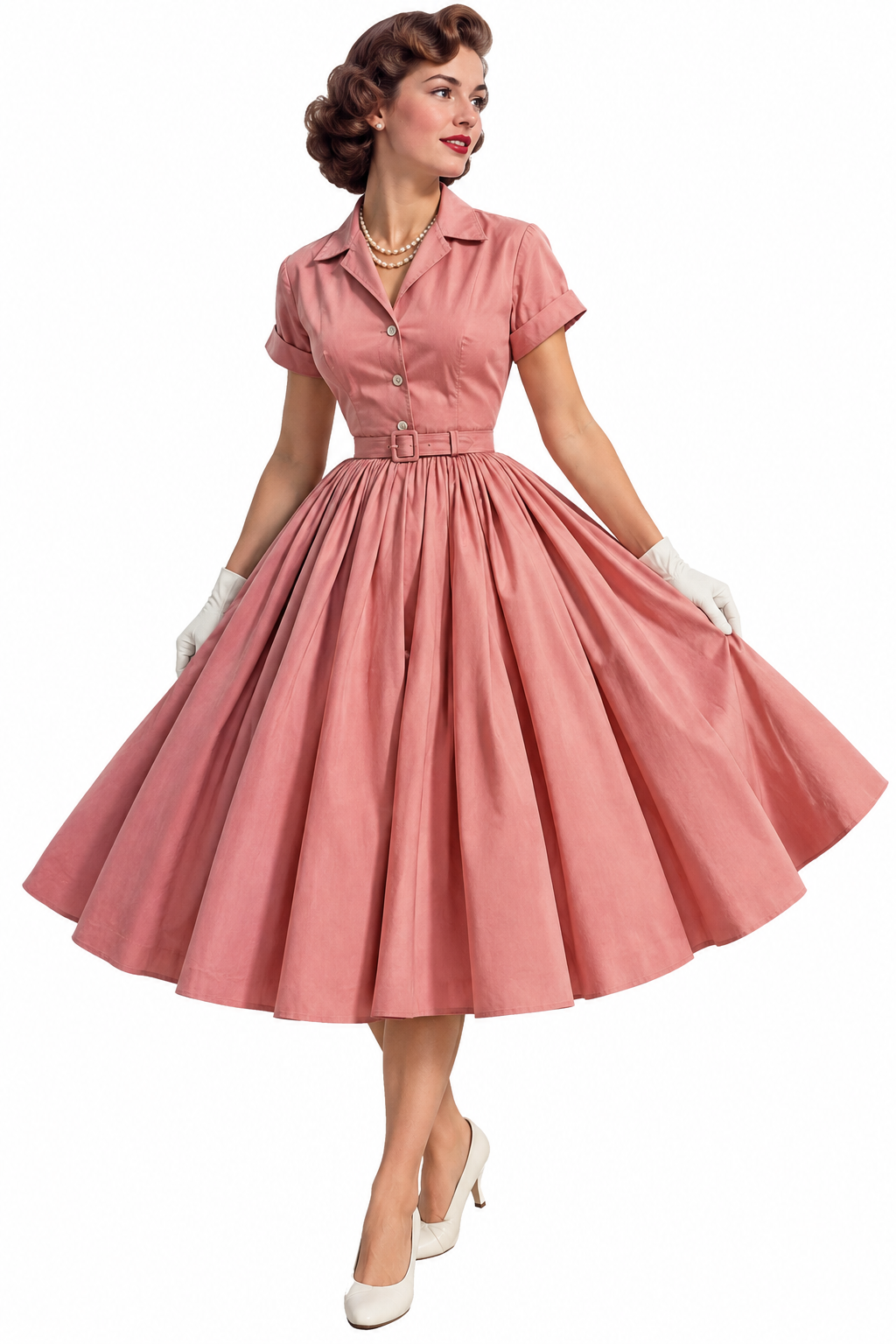
Featuring a fitted waist and a flared skirt, this style created the iconic hourglass silhouette associated with the decade. When worn with a petticoat, the skirt could become voluminous. Circle dresses appeared in everything from bright solids to playful prints and were popular for parties, dances, celebrations, and other occasions when women wanted to look dressed up.
3. Polka-Dot Dress
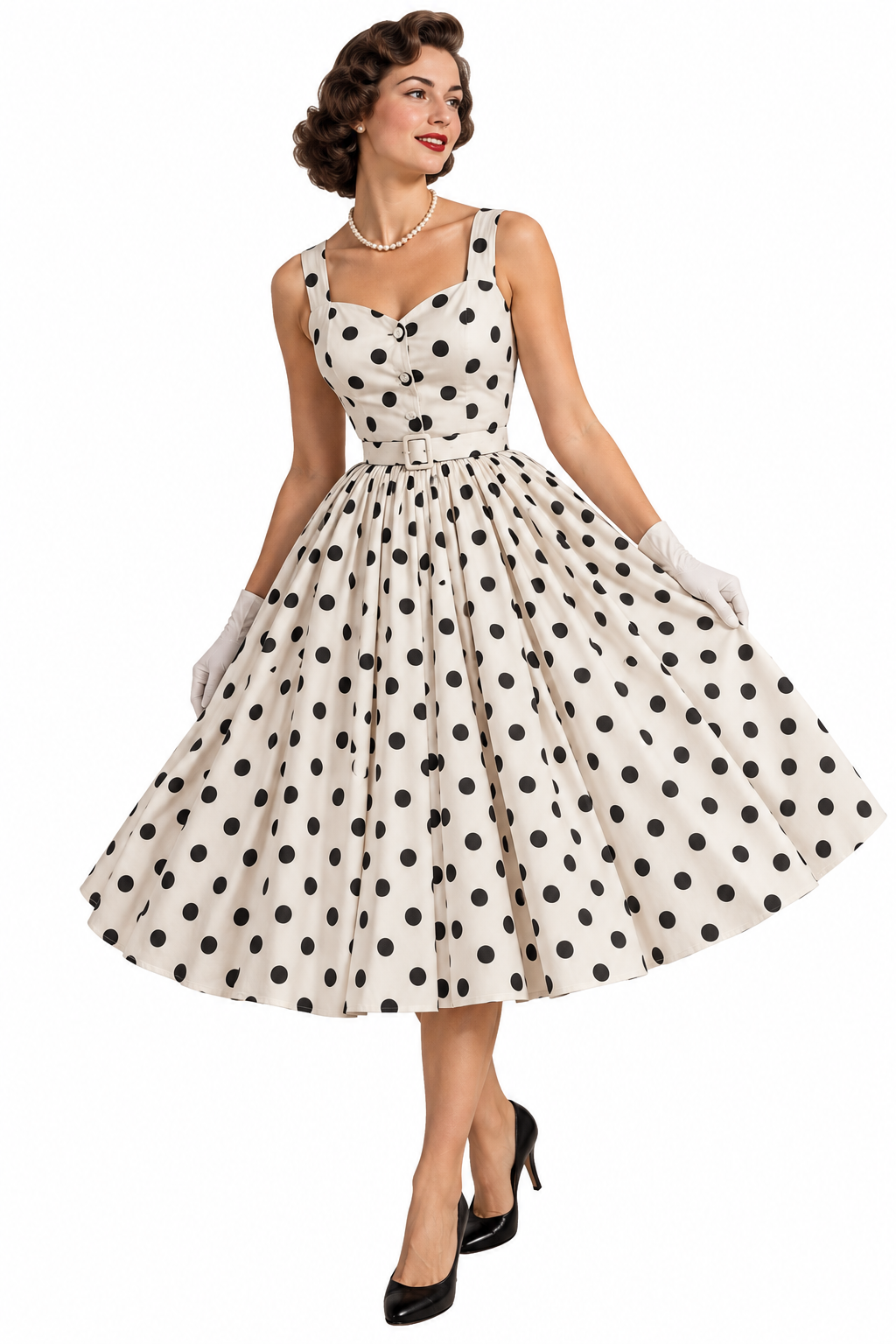
Polka dots were a favorite pattern during the 1950s. Small or oversized dots appeared on fitted bodices, swing skirts, and sleeveless dresses. Black-and-white combinations were especially striking, although red, navy, and pink versions were common.
4. Little Black Dress
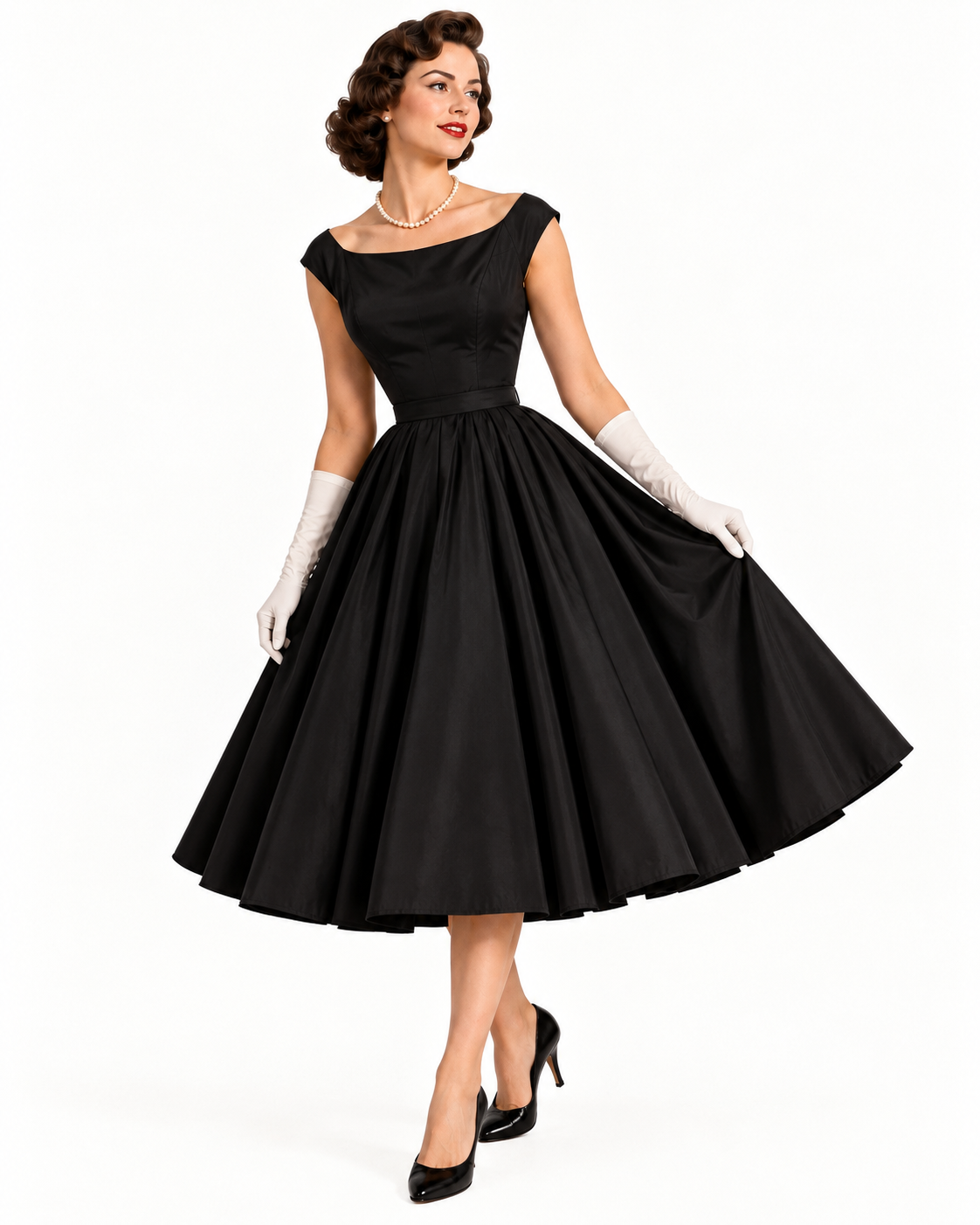
The little black dress had been popularized decades earlier, but it continued to hold an important place in women’s wardrobes throughout the 1950s. Its greatest advantage was its versatility: a change of jewelry, shoes, or handbag could make the same dress appropriate for different occasions.
5. Poodle Skirt-Inspired Party Dress
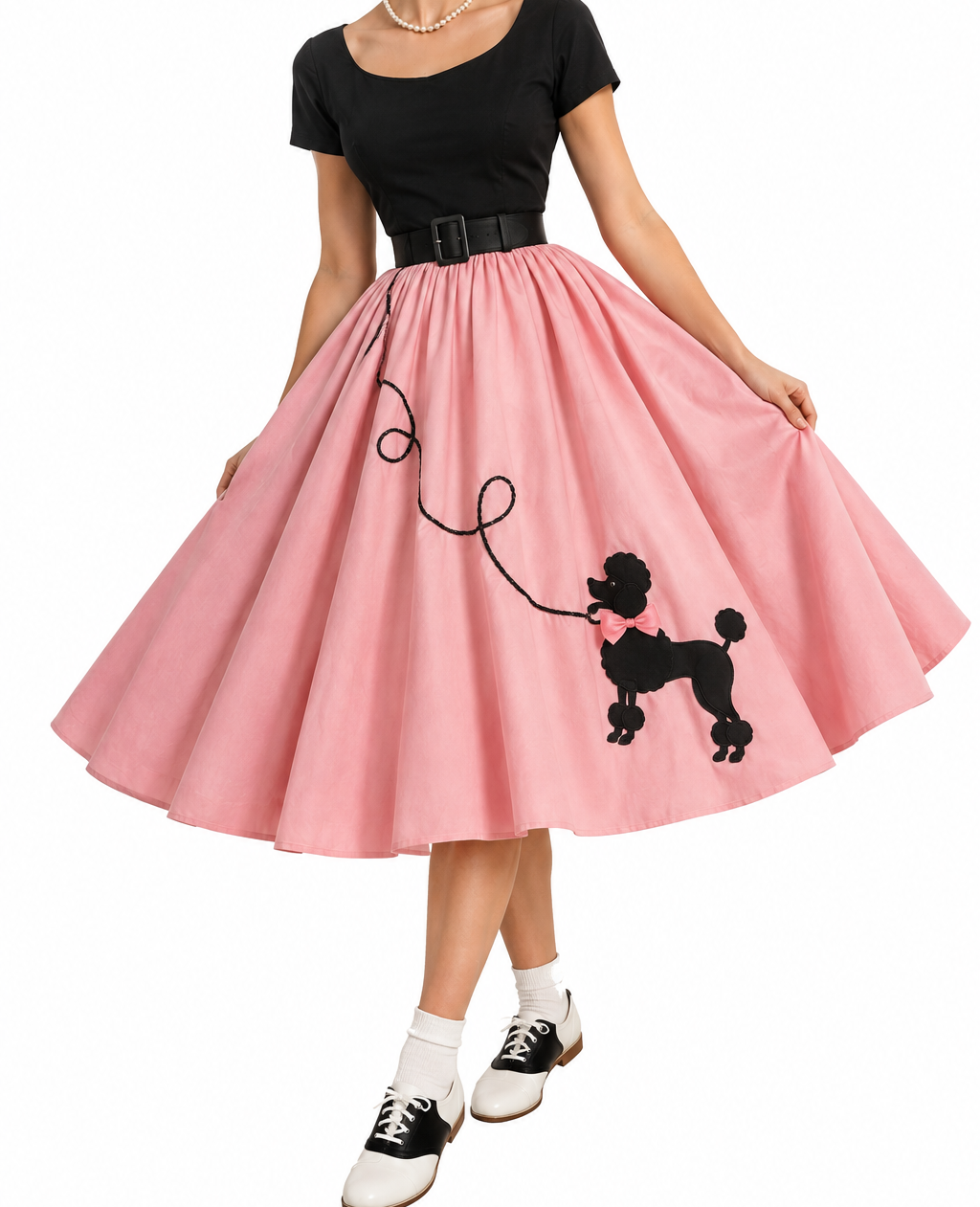
Full-skirted dresses featuring appliqués, motifs, and playful embellishments reflected the decade’s growing teenage culture and the popularity of school dances. Not every girl owned a literal poodle dress, and the poodle skirt itself was often a separate skirt worn with a fitted sweater or blouse. Worn with saddle shoes, simple flats, or low heels, these outfits became part of the familiar image of sock hops, jukeboxes, and high-school social events.
Trending on Wealth Gang
6. Floral Day Dress
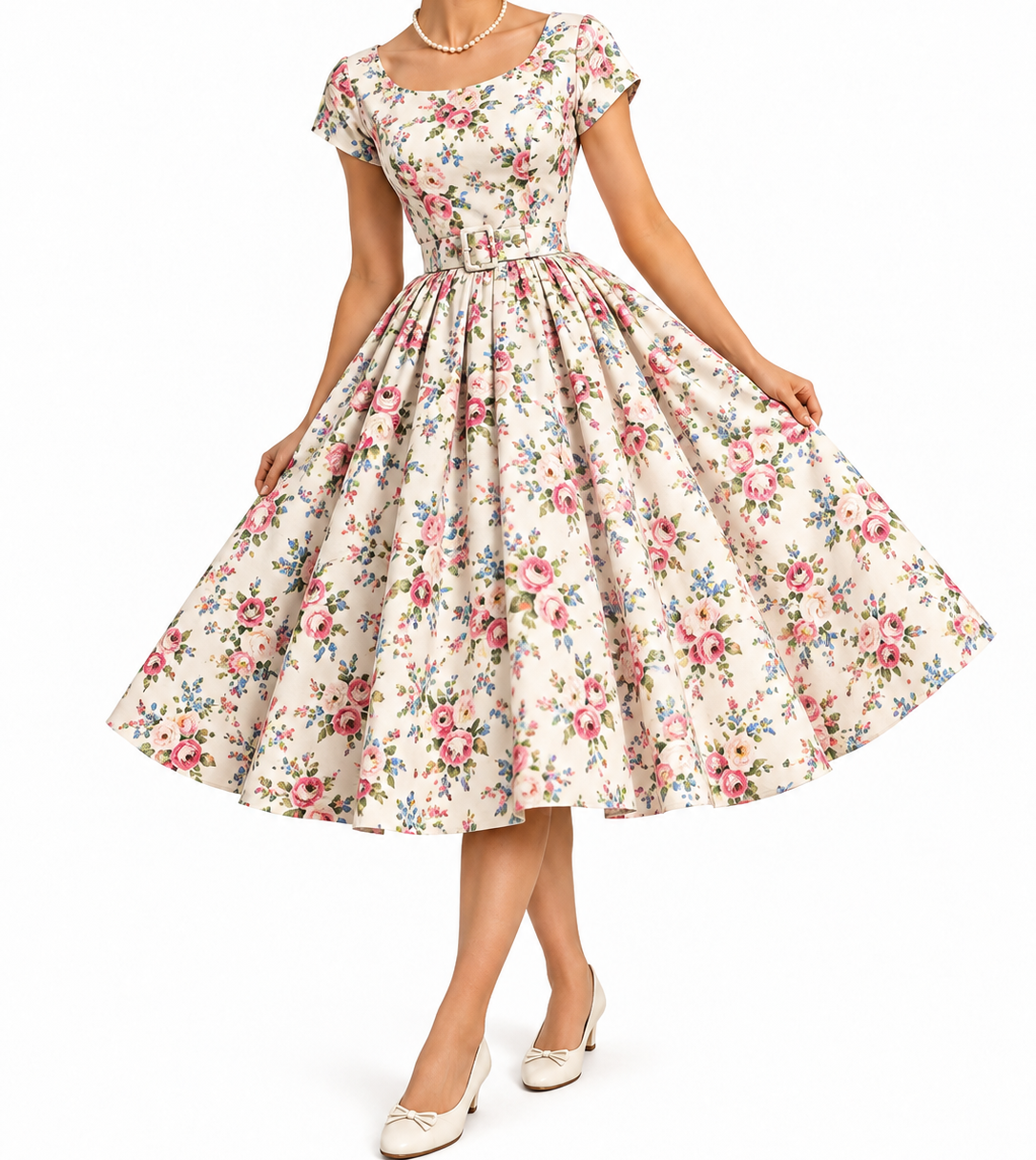
Small roses, scattered daisies, delicate vines, and larger garden-inspired prints appeared on lightweight cotton fabrics, creating a fresh and cheerful look that suited spring and summer. They were practical enough for daytime activities while still looking polished. Women could wear them with simple sandals or flats. Floral cotton dresses also worked well with aprons, making them a familiar sight in domestic settings.
7. Wiggle Dress
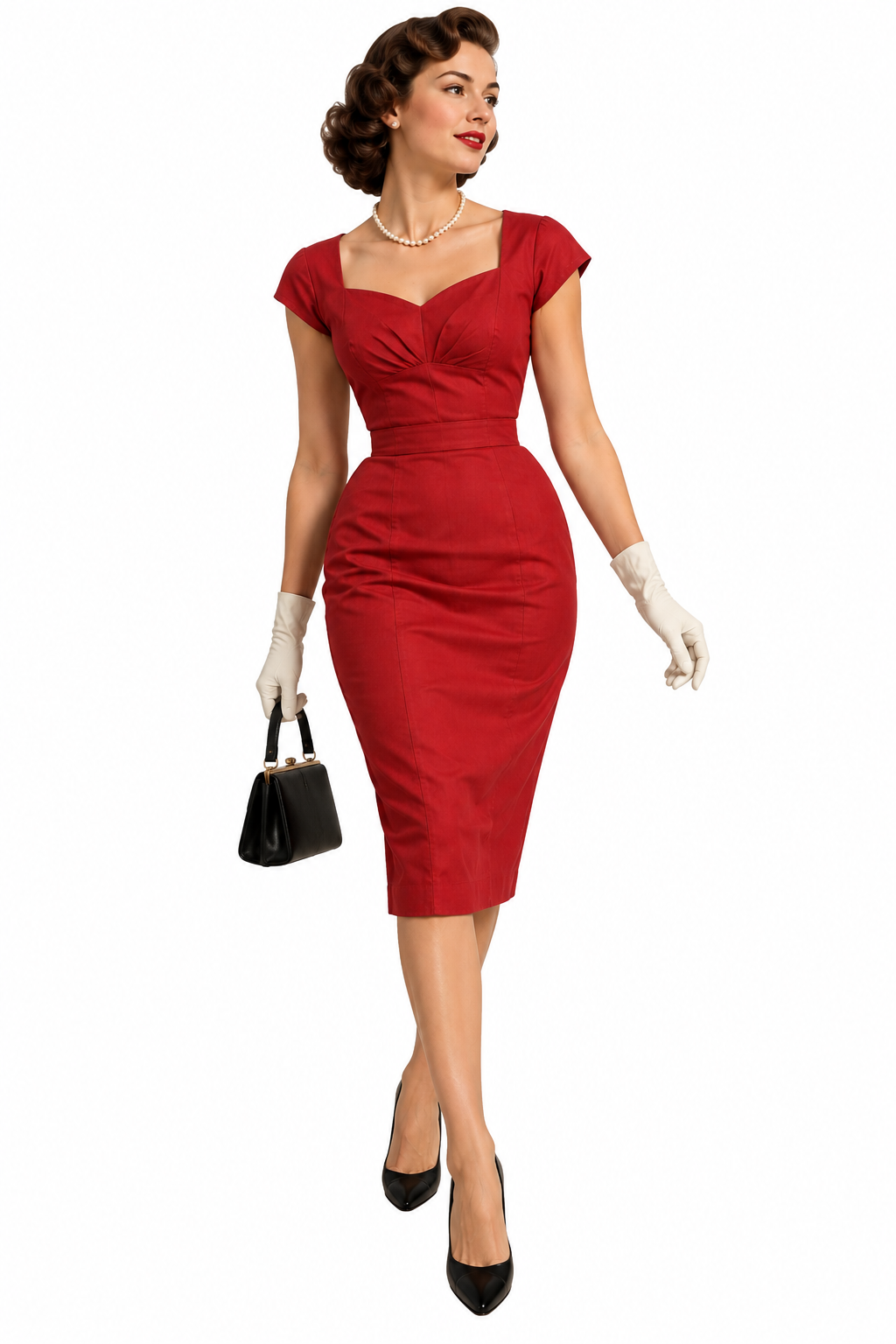
The wiggle dress offered a glamorous alternative to the full-skirted styles that dominated popular images of the decade. It featured a fitted bodice, a narrow skirt, and a shape that tapered toward the knees. Wiggle dresses were often made from structured fabrics that helped maintain their shape. They were suited to cocktail parties, dinners, office settings, and other occasions that called for a more sophisticated appearance. Paired with pointed-toe heels, gloves, or a fitted jacket, the style reflected the confident side of 1950s fashion.
8. Sleeveless Summer Dress
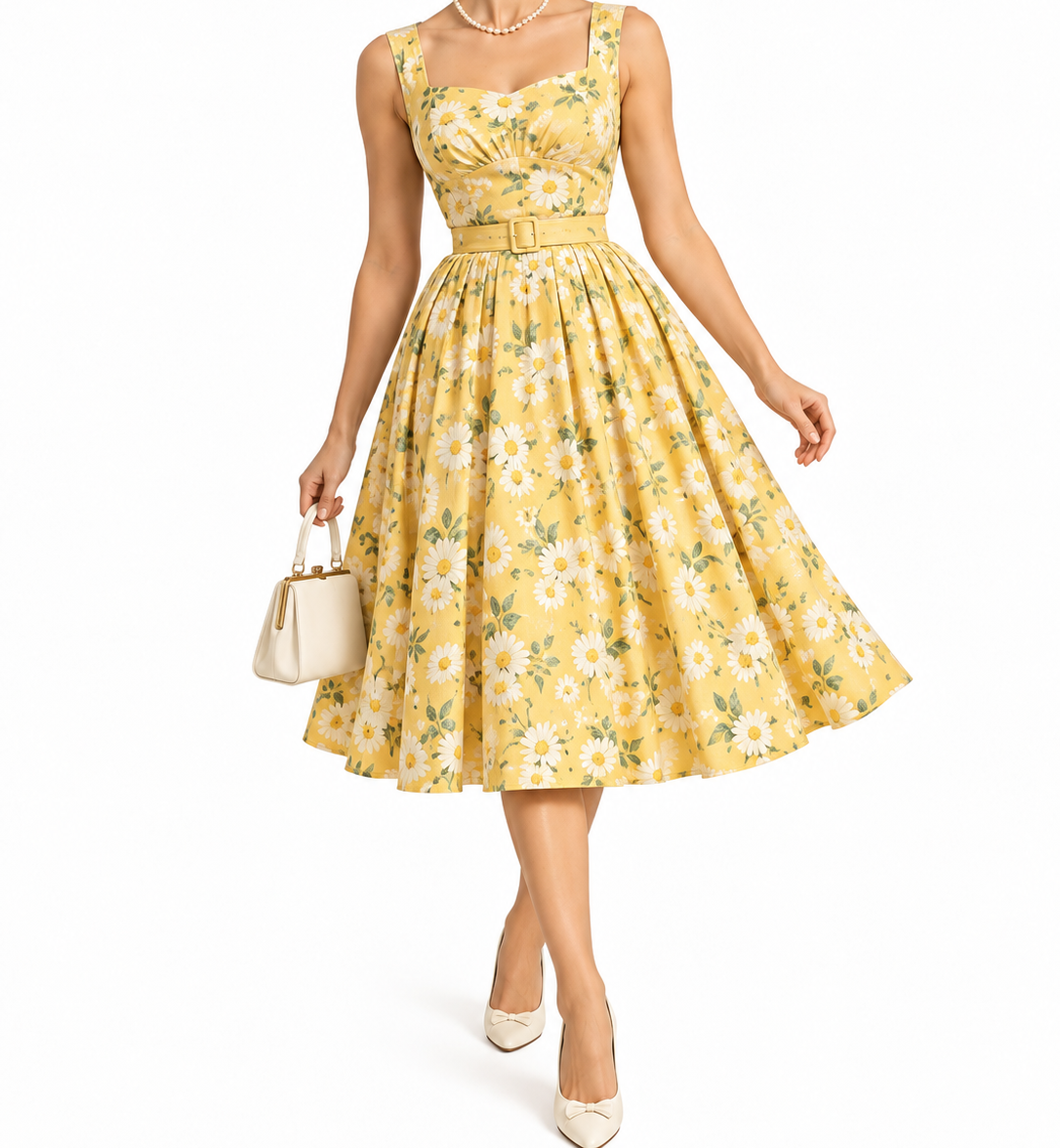
When temperatures rose, sleeveless dresses offered a cooler alternative to more covered styles. Lightweight cotton and linen blends made these dresses practical for warm days. Some women wore them on vacations, while others added a cardigan for shopping trips or visits.
Sign up for our newsletter
9. Apron Dress
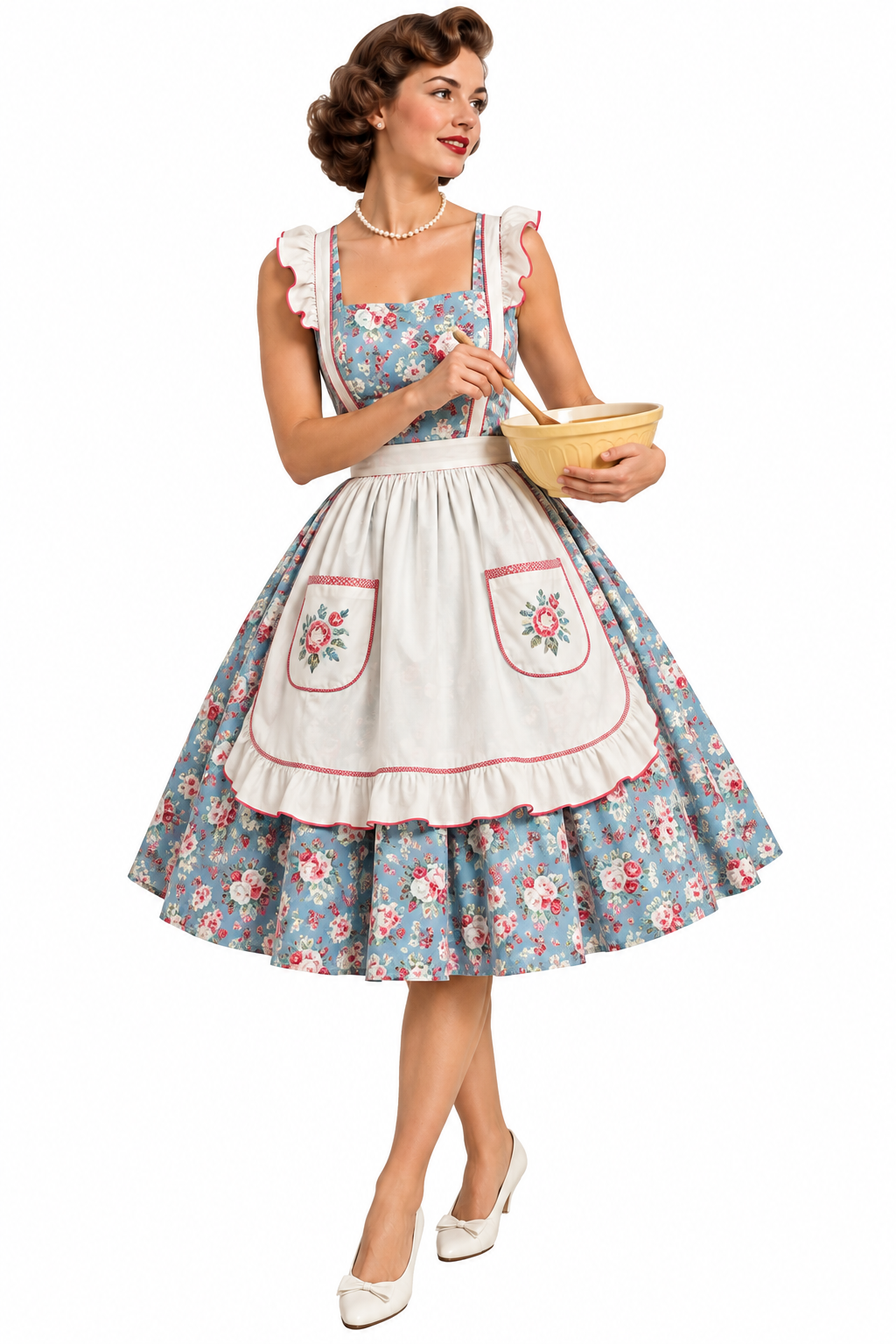
The apron dress reflected the close relationship between fashion and domestic life in the 1950s. Some versions resembled conventional day dresses with decorative apron-like panels, while others were practical house dresses worn with a separate apron to protect clothing during cooking and other house tasks.
10. Cocktail Dress
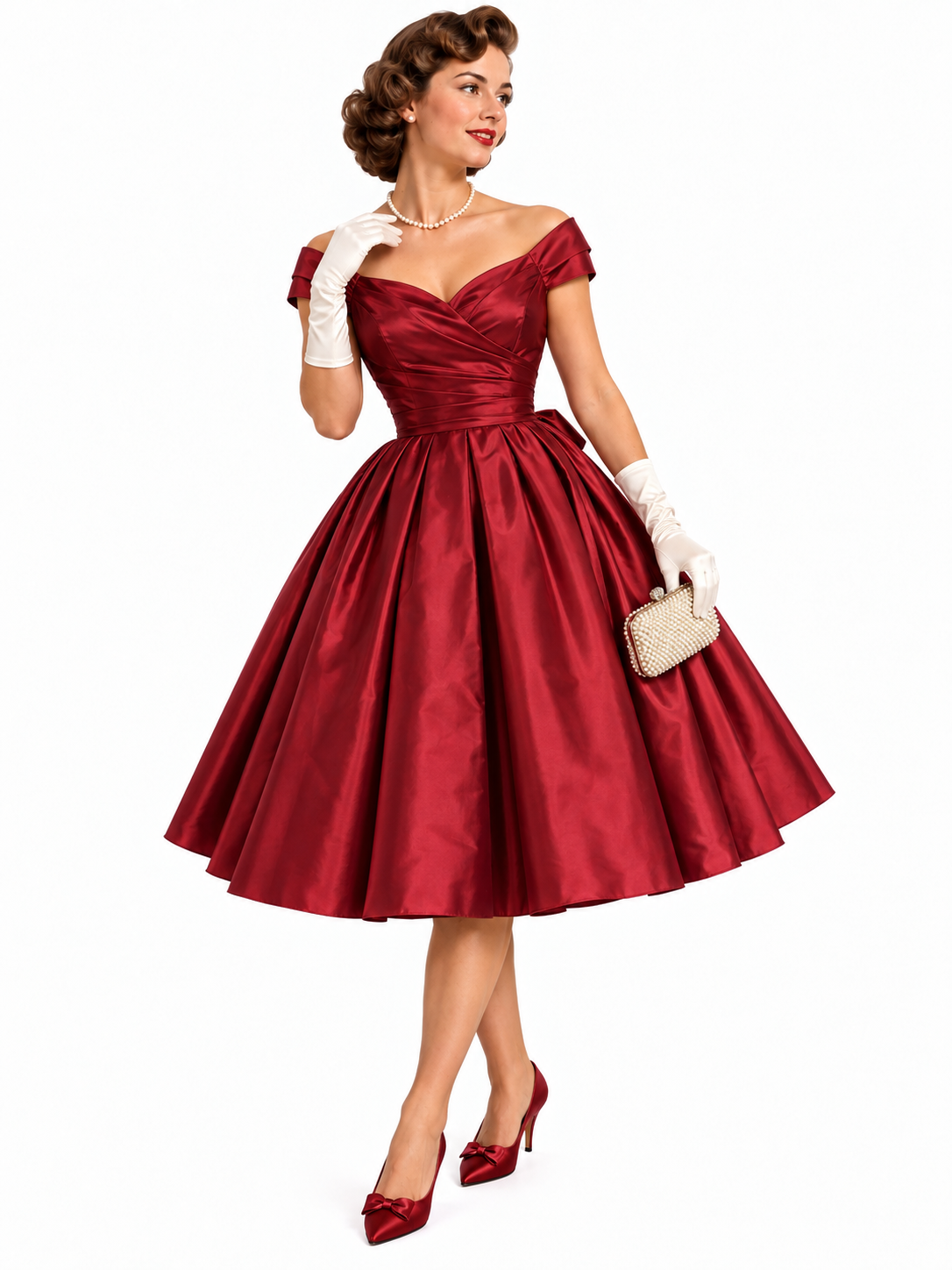
The cocktail dress was a wardrobe essential for women who attended evening parties, dinners, and other social events. Fabrics such as satin, taffeta, lace, and textured synthetics helped create a more luxurious finish. Accessories were often essential to the look, with gloves, jewelry, small handbags, and heels completing the outfit.
11. Shirt Dress With a Matching Belt
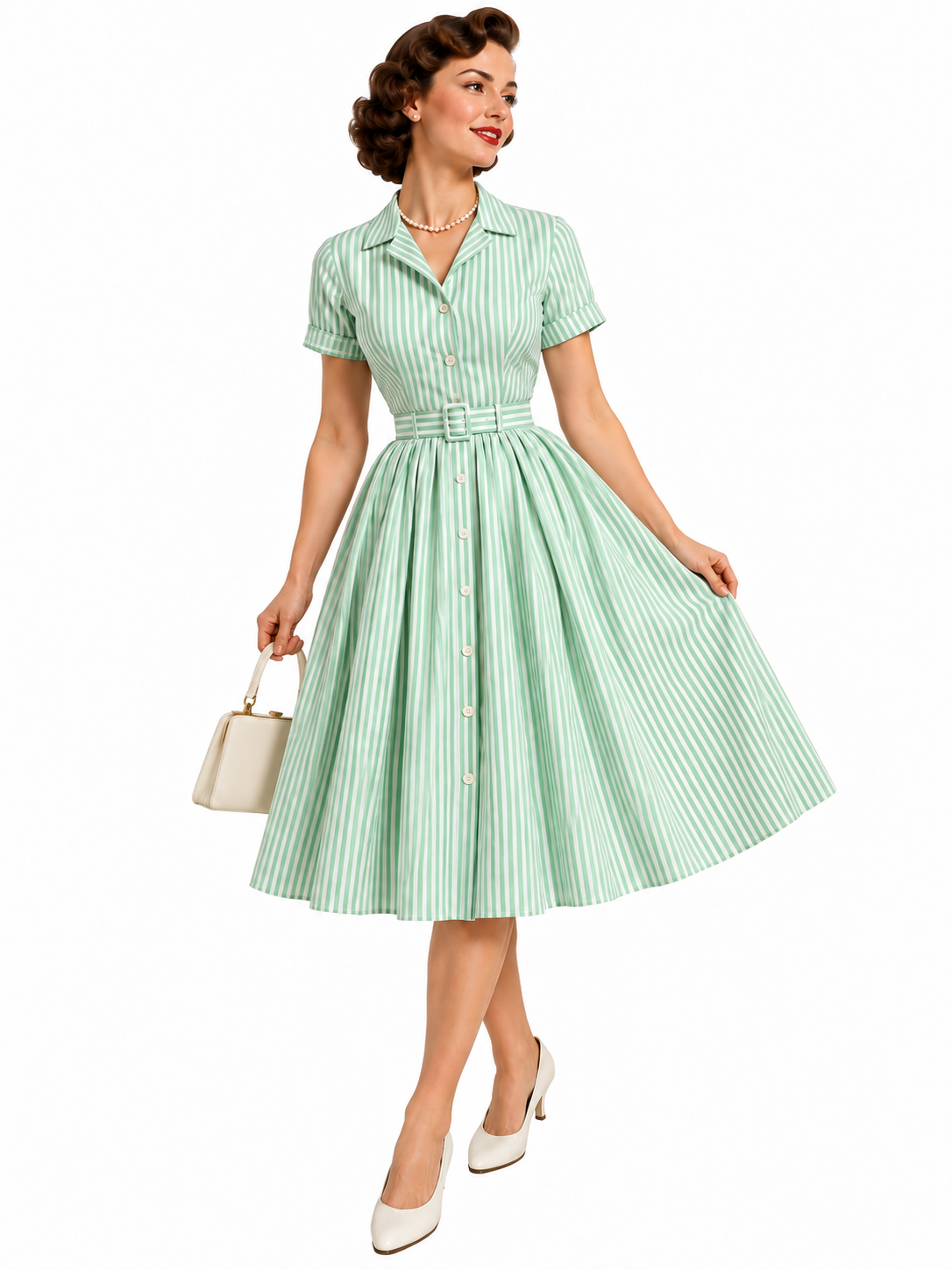
Its defining feature was a clearly marked waist, often emphasized with a fabric belt that matched the dress itself. These dresses could be found in solid colors, stripes, and small geometric patterns. The belt helped create a more tailored appearance, while the button-front design made the dress easy to wear.
12. Lace Party Dress
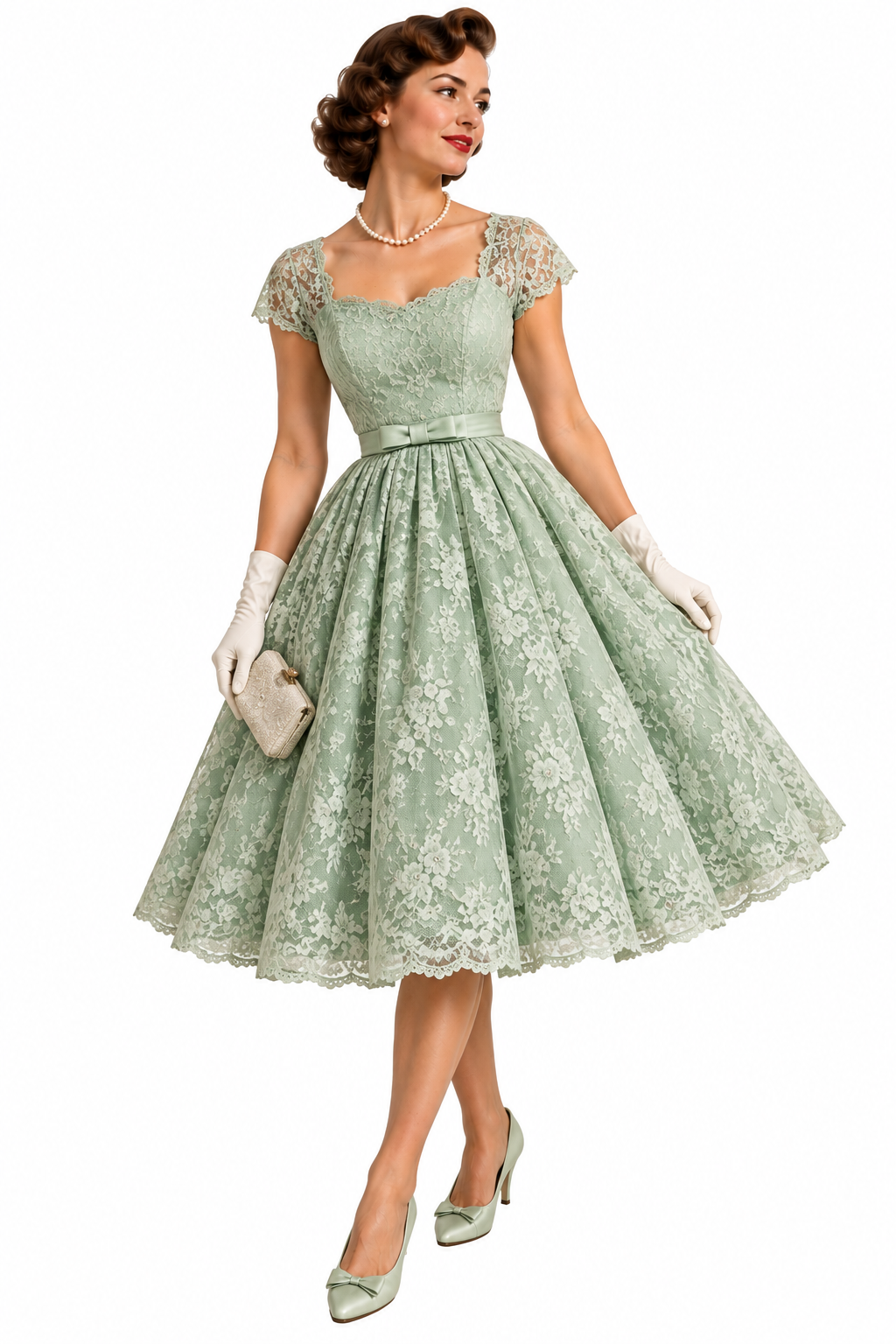
Lace dresses brought romance and delicate detail to the 1950s. They were particularly popular for parties, weddings, special dinners, and other occasions where a more decorative look was appropriate. Pastel pink, pale blue, cream, and white were common choices for daytime, while darker colors offered a more dramatic evening look.
13. Peter Pan Collar Dress
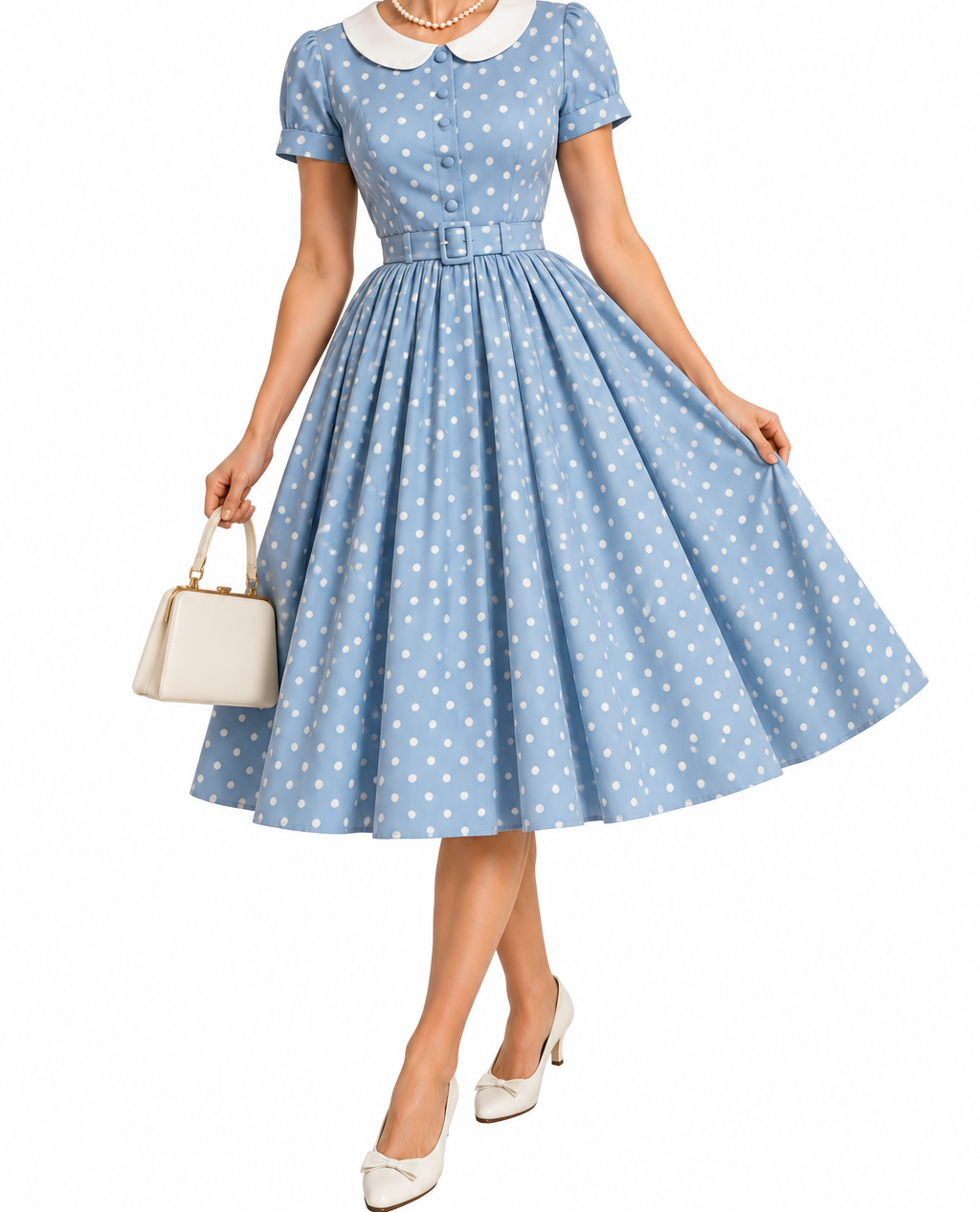
The Peter Pan collar, with its small, rounded edges, added a youthful and charming detail to many dresses of the era. It appeared on both children’s clothing and adult designs. The collar made a simple dress feel distinctive, demonstrating how a small design feature could define an entire look.
14. Formal Evening Gown
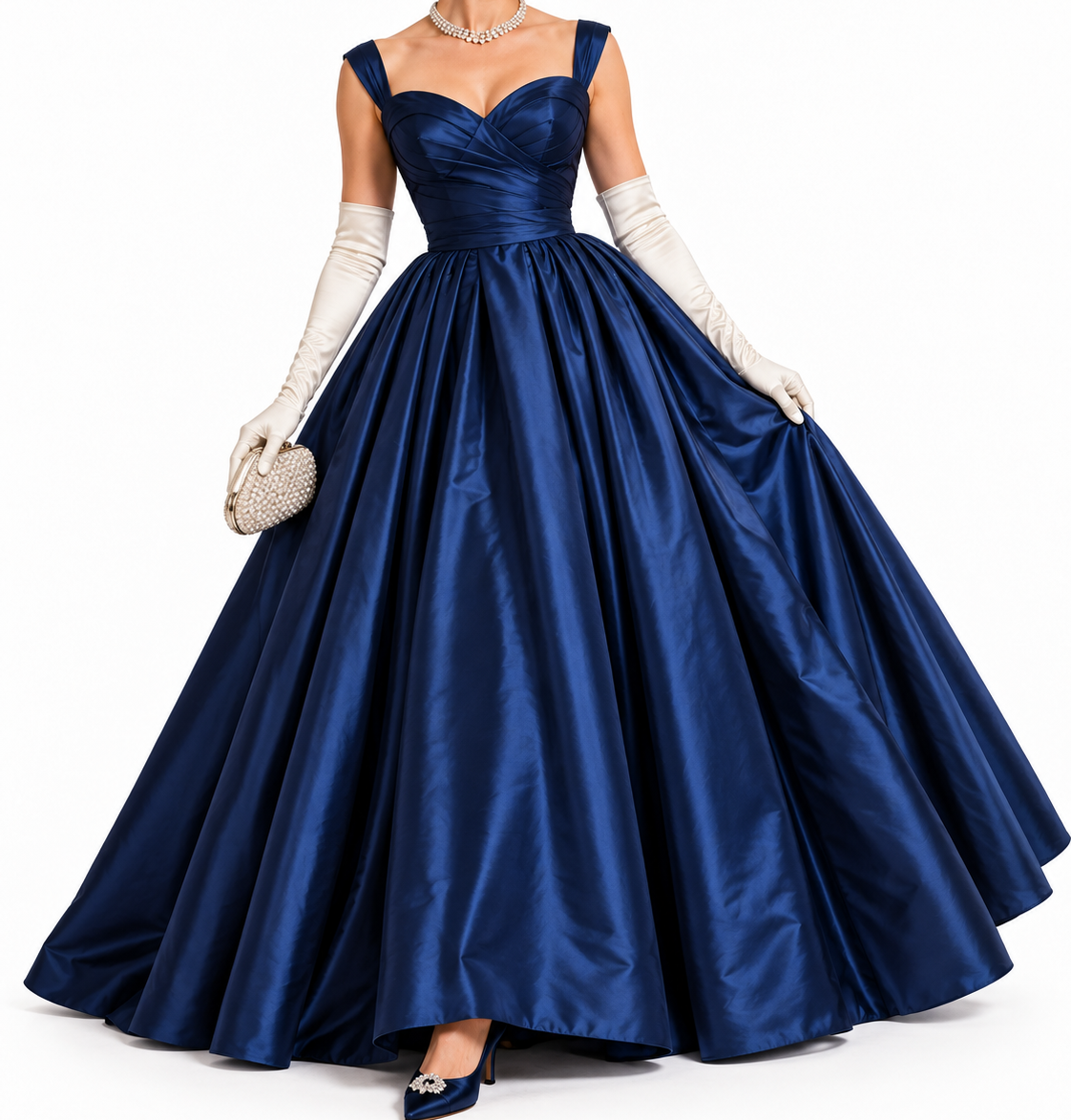
Reserved for weddings, formal dances, galas, and other important occasions, these gowns often featured fabrics, structured bodices, and sweeping skirts. Some designs emphasized the full-skirted silhouette, with layers of tulle or taffeta creating volume. Gloves, jewelry, and styled hair completed the look.
15. Shirtwaist Dress
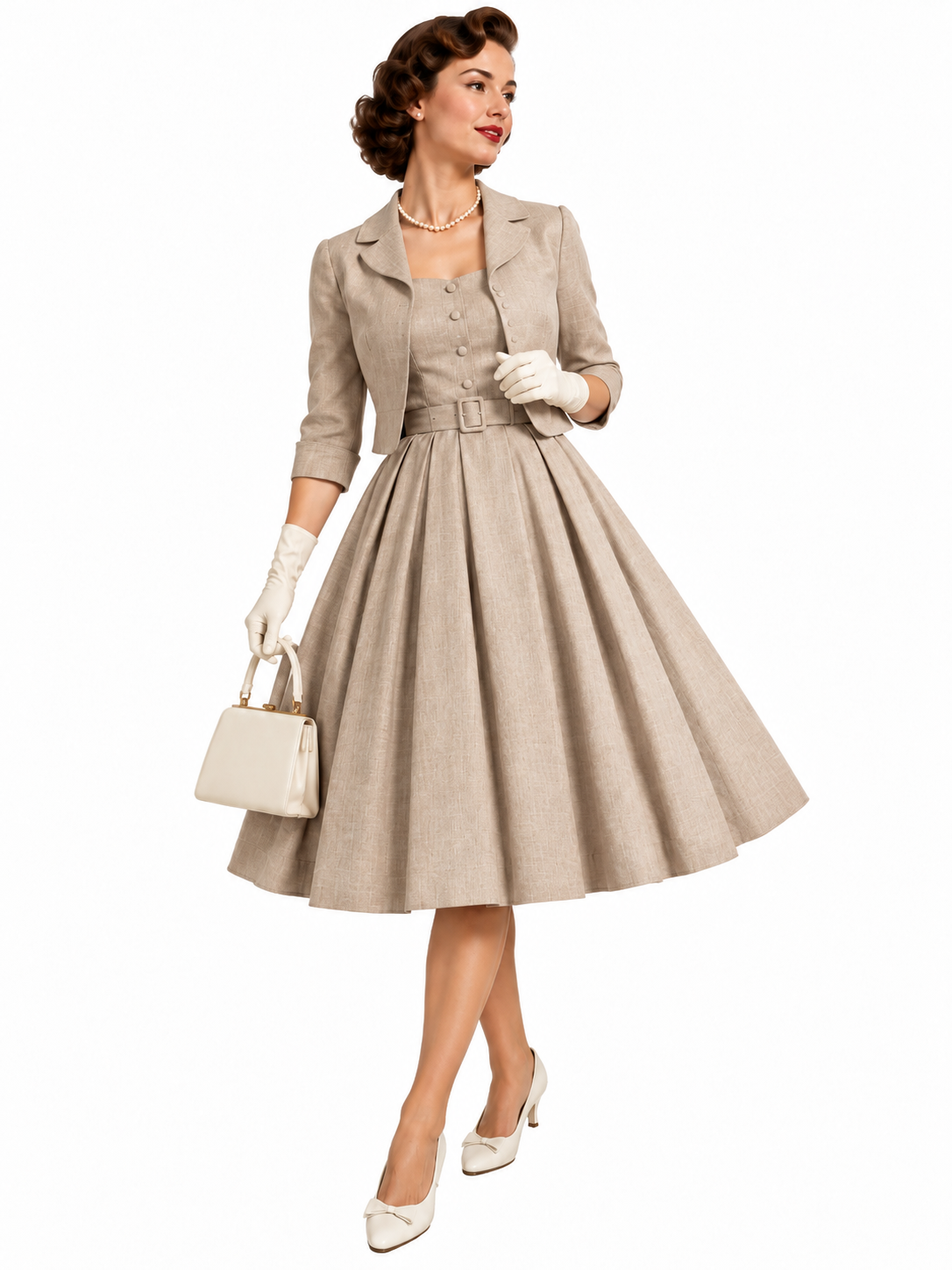
For cooler weather or more formal daytime occasions, a dress paired with a jacket offered a polished alternative to a simple day dress. These sets were often made in matching fabrics and colors, creating the impression of a carefully coordinated outfit. Depending on the fabric and styling, the combination could suit church services, visits, and other occasions that called for a more formal appearance.
Looking for similar content?
15 Things Every Man Wore to Work in the 1950s shows the white shirts, ties, and hats that filled the workday. 15 Household Items From the ’50s We Wish We Kept looks at the cast iron skillets and rotary phones that were built to last. Last but not least, 17 Ads That Reveal How Weird The 1950s Were goes through the funny ads of the decade.