The 1960s were a decade of cultural shifts marked by a new fascination with convenience and novelty in the kitchen. As space-age optimism and suburban lifestyles shaped consumer habits, food companies and chefs leaned into innovation, creating products that were colorful, fun, and often designed for quick preparation. This era gave birth to foods that remain iconic today, defining not only the tastes of a generation but also the way we still eat.
1. Pop-Tarts

Kellogg’s toaster pastries became a breakfast essential, offering sugary convenience in a foil-wrapped package that kids adored. They embodied the rise of quick breakfasts. With endless flavors, they became a cultural symbol of childhood mornings.
2. Doritos

The first mass-market flavored tortilla chips, Doritos, brought a cheesy crunch to American snack culture. They set the stage for decades of experimentation with flavor.
3. Cool Whip

A whipped topping that didn’t require refrigeration before opening, Cool Whip became a dessert shortcut for busy households. It quickly became a fixture in pies, trifles, and holiday treats. Its airy texture made it a versatile kitchen must-have.
4. Gatorade

Developed for the University of Florida football team, this sports drink pioneered hydration science for athletes. Its neon colors and electrolytes promise made it a cultural icon. It became synonymous with sports performance and endurance.
5. Big Mac

McDonald’s signature double-decker burger, created by franchisee Jim Delligatti, quickly became a global fast-food icon. The “special sauce” became legendary in its own right. It embodied the rise of fast food as a cultural force.
Trending on Wealth Gang

6. Sprite

Lemon-lime flavored, Sprite was Coca-Cola’s answer to 7-Up, carving out its own loyal following. Its clean taste made it a refreshing alternative to colas. Marketing campaigns tied it to youth culture and music.
7. Yoplait Yogurt

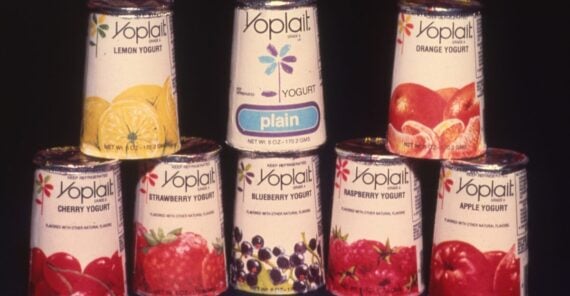
French cooperatives introduced Yoplait, helping yogurt transition from niche health food to mainstream snack. It paved the way for flavored and fruit-on-the-bottom desserts. By the late ’60s, yogurt was no longer just for health enthusiasts.
8. Taco Bell

While tacos weren’t new, Taco Bell’s fast-food model made Mexican-inspired flavors accessible nationwide. It introduced millions to crunchy shells and fast-service burritos. The chain helped popularize Tex-Mex cooking across the U.S.
Sign up for our newsletter
9. Spaghetti-O’s

Campbell’s canned pasta rings, marketed as “the neat round spaghetti you can eat with a spoon” became a kid-friendly classic. Their catchy jingle made them unforgettable. They symbolized the era’s love for convenience foods.
10. Chipwich Ice Cream Sandwich

Though popularized later, the idea of combining cookies and ice cream began circulating in the late ’60s. It hinted at the indulgent dessert mashups that would dominate decades later. The concept captured the playful spirit of the time.
11. Diet Pepsi

One of the first mainstream diet sodas, it reflected growing interest in calorie-conscious consumption. It marked the beginning of the “diet” beverage trend. Its success showed shifting attitudes toward health and indulgence.
12. Tang

Though invented earlier, Tang became iconic when NASA astronauts drank it in space, cementing its futuristic appeal. It symbolized the era’s fascination with science and progress. Its bright orange flavor became a household staple.
13. Frozen Pizza

Brands like Totino’s made pizza night possible straight from the freezer, transforming home dining. It was the ultimate convenience food for suburban families. Frozen pizza became a symbol of modern domestic life.
14. Eggo Waffles

Eggo’s popularity skyrocketed in the ’60s thanks to its “L’eggo my Eggo” campaign and convenience. They became a breakfast ritual for generations. Their frozen format perfectly matched the decade’s love of speed.
15. Pringles

Potato crisps packaged in a tube, Pringles, revolutionized snacking with their playful design and long shelf life. Their slogan “Once you pop, you can’t stop” captured the addictive appeal. They also introduced a new way of branding snacks through shape and packaging.
From toaster pastries and frozen waffles to neon sports drinks and fast-food icons, these innovations reshaped how families ate, entertained, and embraced modern life. They captured the decade’s fascination with speed, novelty, and science, while laying the foundation for today’s global food culture.