

America’s economic story is filled with industries that rose from humble beginnings, generated immense wealth, and then vanished as society progressed. In the 19th and 20th centuries, local businesses and niche industries provided opportunities for ordinary families to become millionaires, often by serving everyday needs like food, entertainment, or household goods. These enterprises thrived on community loyalty and innovation, proving that fortunes could be built outside Wall Street or Silicon Valley.
Many of these industries eventually collapsed under the weight of modernization, corporate competition, or changing consumer habits. What remains are stories of resilience and ingenuity, reminders that wealth can emerge from unexpected places, and that no industry is immune to change. Here are 15 lost American industries that once created thousands of millionaires.
1. Family-owned grocery stores
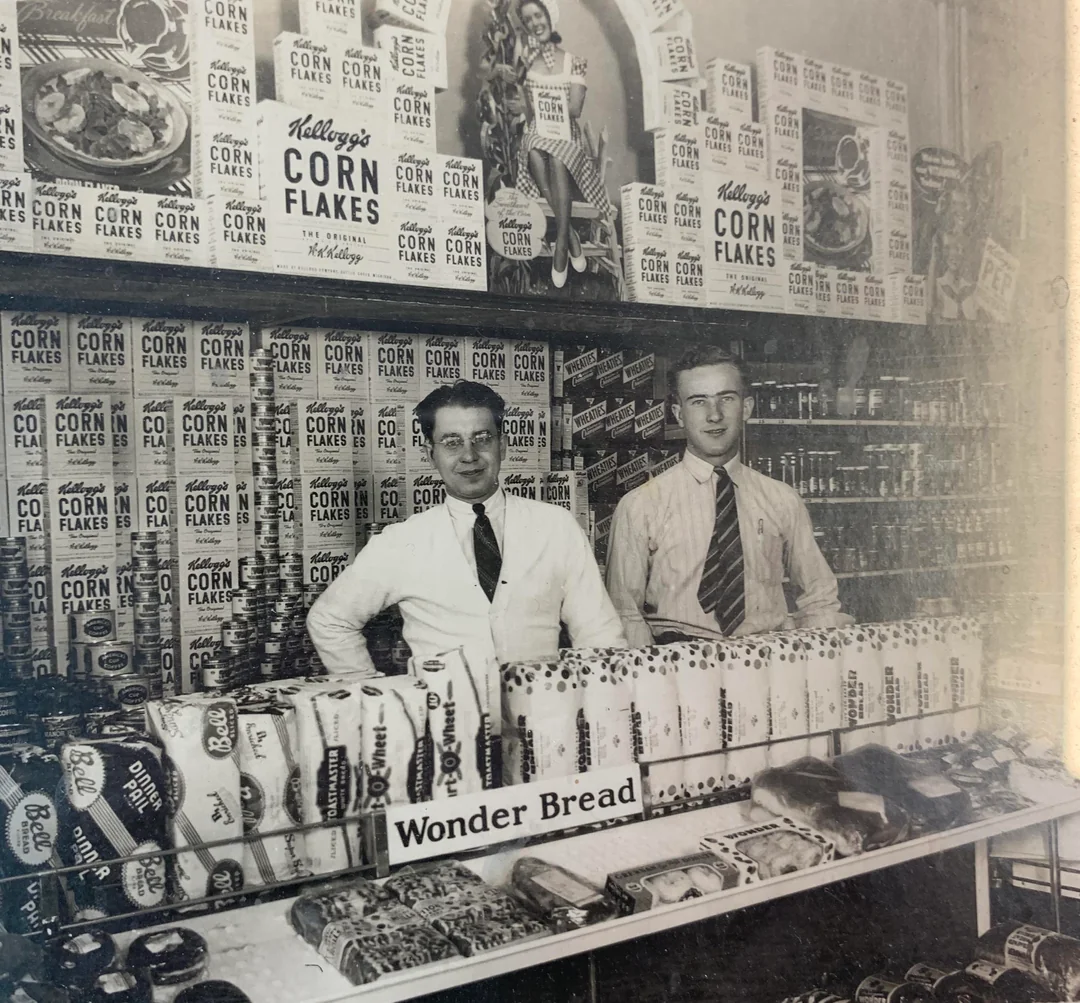
Before supermarket chains, neighborhood groceries thrived by serving loyal customers for decades. Owners often expanded into multiple locations, building fortunes.
2. Milk Delivery Services

Daily home deliveries of fresh milk created dependable revenue streams. Entrepreneurs who managed fleets of delivery trucks often became wealthy before refrigeration and supermarkets ended the practice.
3. Hardware Stores
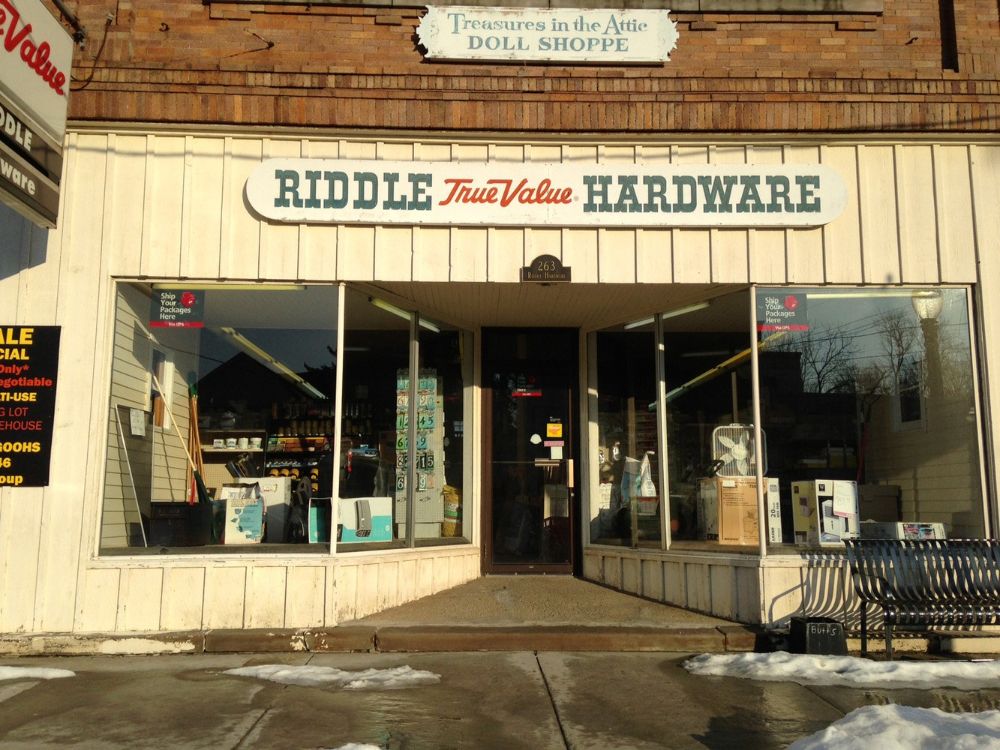
Serving farmers and homeowners, hardware stores built wealth through steady demand for tools and supplies. Many families passed these businesses down for generations.
4. Vacuum Sales
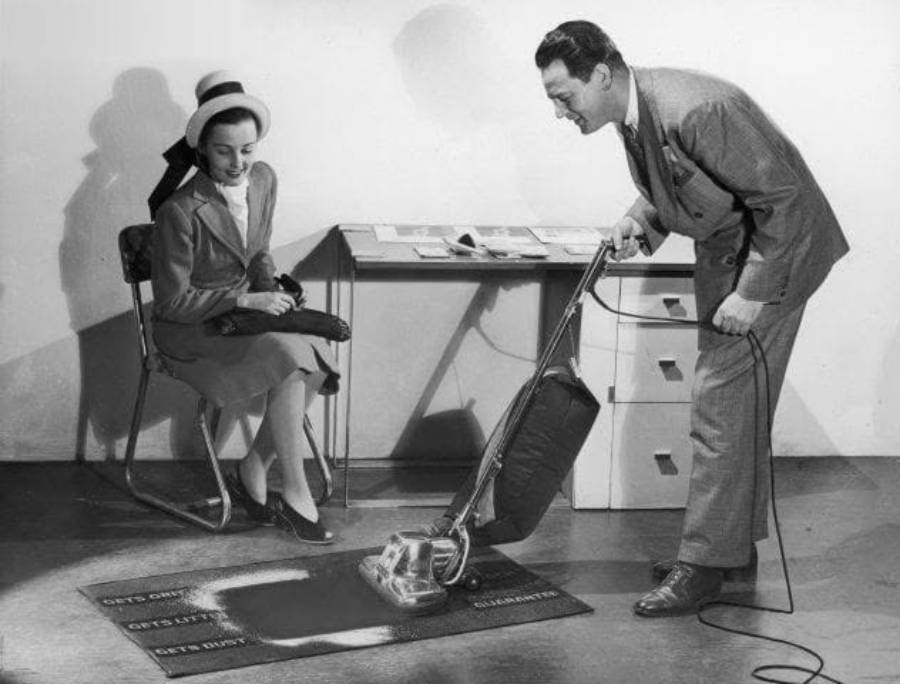
Salesmen earned fortunes by demonstrating new household technology directly in homes. Ambitious entrepreneurs built large networks, turning commissions into millionaire incomes.
5. Small-Town Movie Theaters

Before multiplexes, local theaters were profitable entertainment locations. Owners often became wealthy by attracting families week after week.
Trending on Wealth Gang


6. Feed and Grain Stores

Vital to rural America, these stores supplied farmers with feed and agricultural products, generating steady profits and local wealth.
7. Appliance Repair Shops
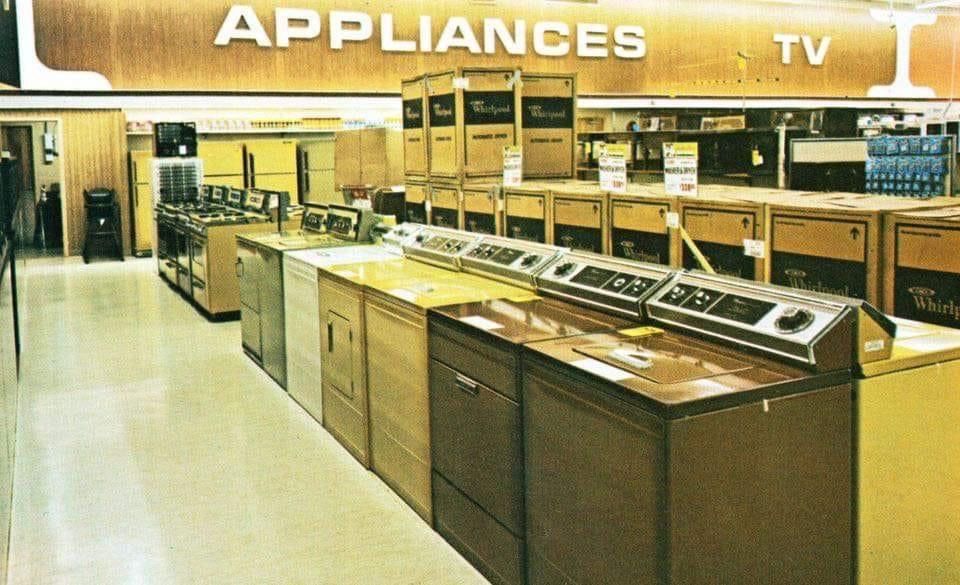
In an era when appliances were repaired instead of replaced, shop owners thrived. Skilled repairmen built prosperous businesses before mass production made replacements cheaper.
8. Independent Gas Stations
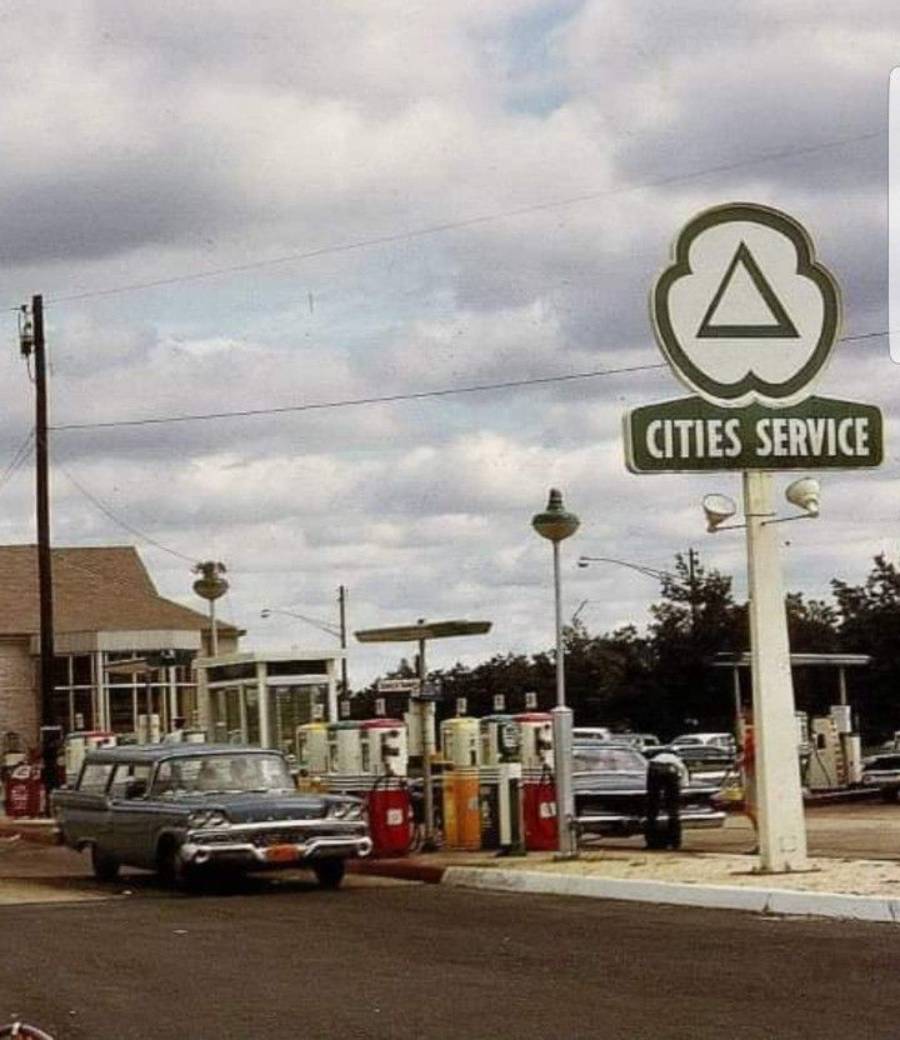
Communications Consultants LLC/via pinterest.com
Combining fuel sales with repair services, independent stations generated multiple income streams. Owners often became wealthy pillars of their communities.
Sign up for our newsletter
9. Local Printing Companies

Producing newspapers, flyers, and promotional materials, printers succedeed before digital communication. Many families built fortunes from steady demand.
10. Fur Trade

In the 19th century, entrepreneurs like John Jacob Astor became millionaires by exporting animal skins to Europe and China. The industry collapsed as fashion trends shifted.
11. Railroads

The first billion-dollar business in America, railroads created countless fortunes for tycoons and investors. Consolidation and modern transport eventually reduced opportunities.
12. Steel Mills
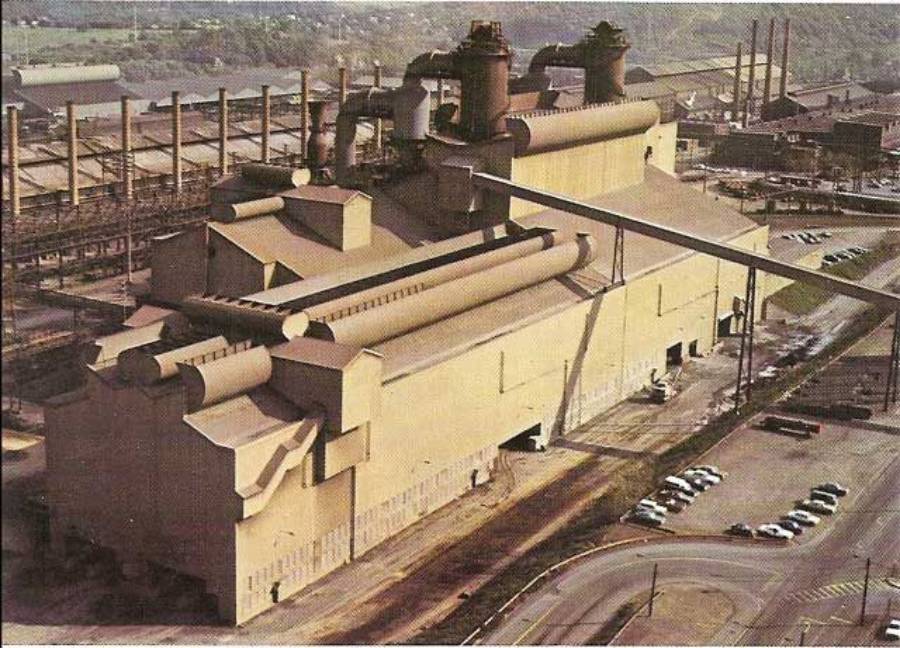
Andrew Carnegie and others built empires in steel, creating thousands of millionaires. Global competition and automation later diminished the industry’s dominance.
13. Textile Mills
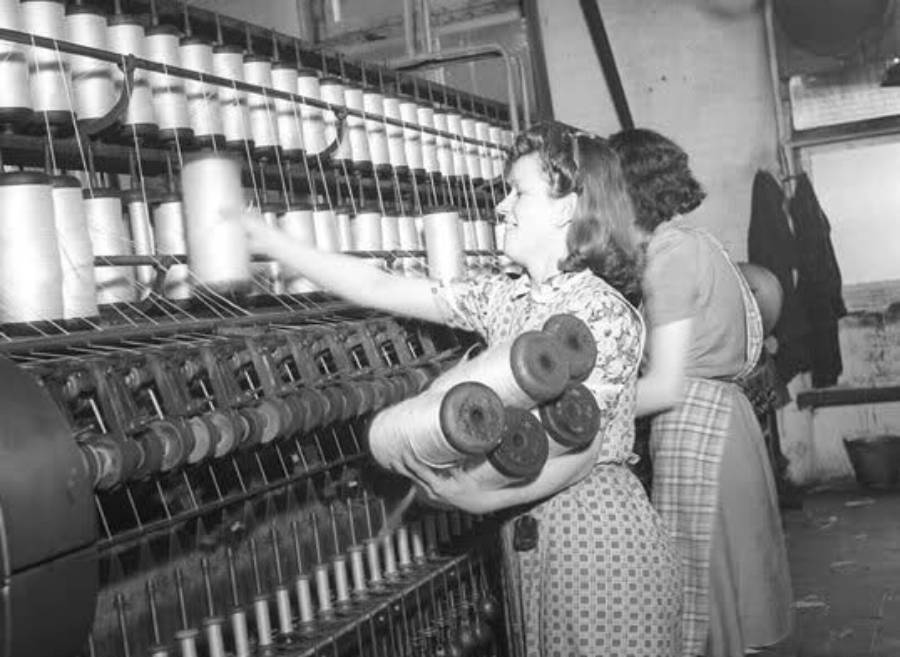
Once the backbone of New England’s economy, textile mills created fortunes through mass production. Outsourcing and cheaper imports led to their decline.
14. Cigar Manufacturing
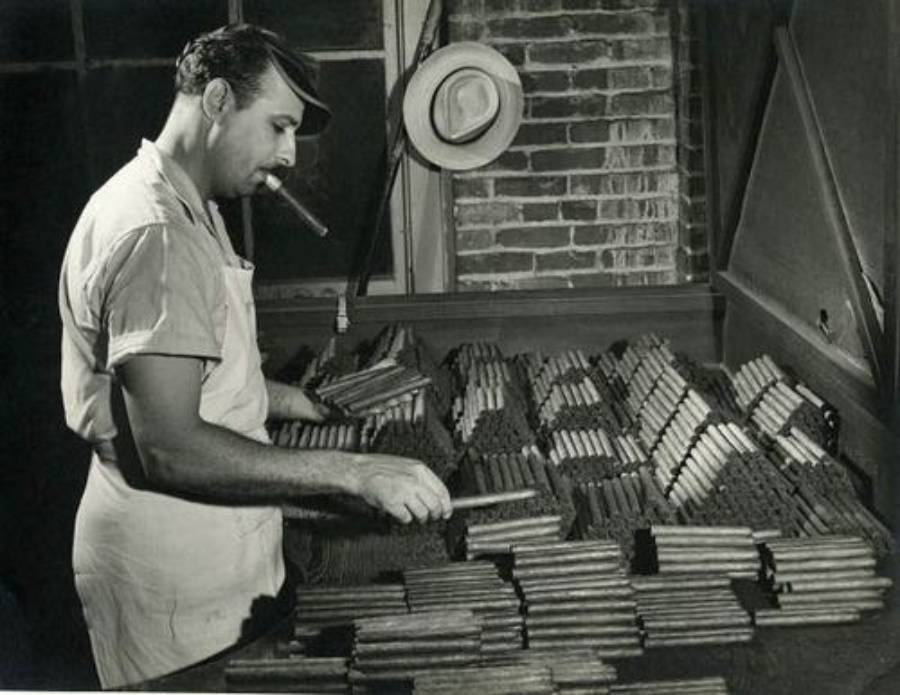
In the early 20th century, cigar factories employed thousands and made owners rich. Changing consumer habits and cigarette popularity ended the boom.
15. Ice Deliveries
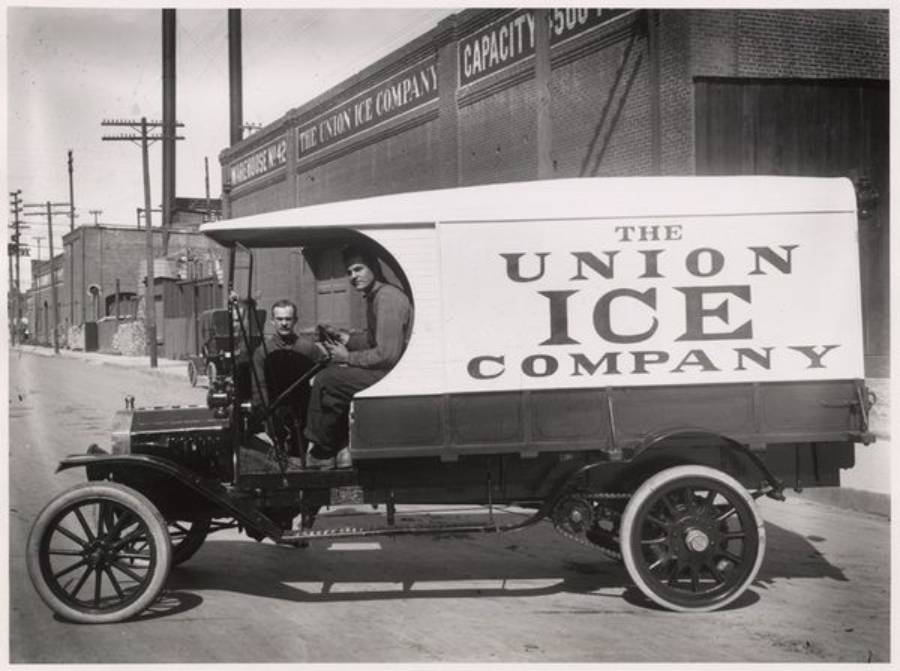
Before refrigeration, ice delivery was essential. Entrepreneurs who managed large distribution networks became wealthy until modern freezers made them obsolete.
Want more?
If you’re in the mood for a mix of history and modern wealth wisdom, check out: Vintage Photos from the 1870s, a fascinating visual journey into a century of change; 16 Everyday Habits That Saved Families Money in the 1800s, which uncovers timeless lessons in thrift and resilience, and 10 Financial Habits Self‑Made Millionaires Have in Common, a practical guide to the disciplined routines that fuel success.