Not every invention gets the recognition it deserves. Throughout history, countless products and technologies arrived years or even decades ahead of what consumers, businesses, or society were ready to embrace. While many quietly disappeared, their ideas often resurfaced later in more successful forms, proving that timing can matter just as much as innovation.
From early electric vehicles and video calling systems to futuristic kitchen gadgets and digital assistants, these forgotten inventions helped shape the modern world despite never becoming mainstream in their own era. Here are 12 remarkable inventions that were simply ahead of their time.
1. The Dynasphere
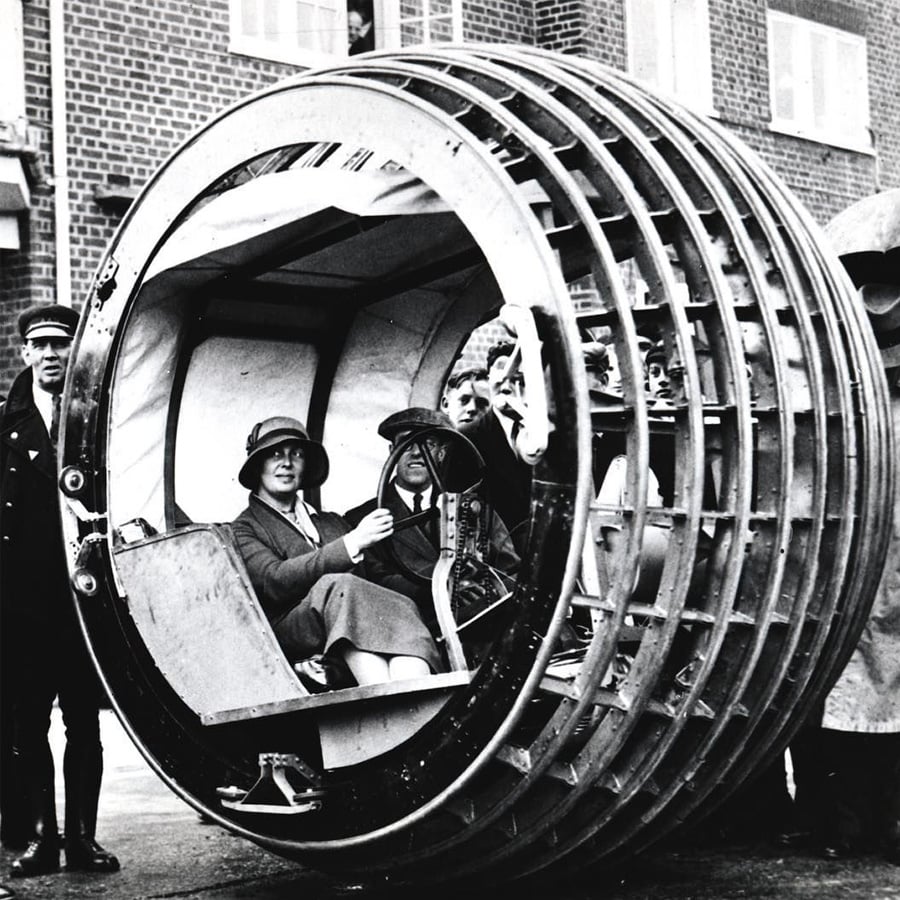
Invented in the 1930s by Dr. J.A. Purves, the Dynasphere was a giant single-wheel vehicle designed to be more efficient than traditional cars. The driver sat inside the wheel while the outer ring rolled across the ground. Although the concept fascinated engineers and spectators, steering proved difficult, and the design was impractical for everyday transportation. Even so, it remains one of history’s most imaginative automotive experiments.
2. Picturephone
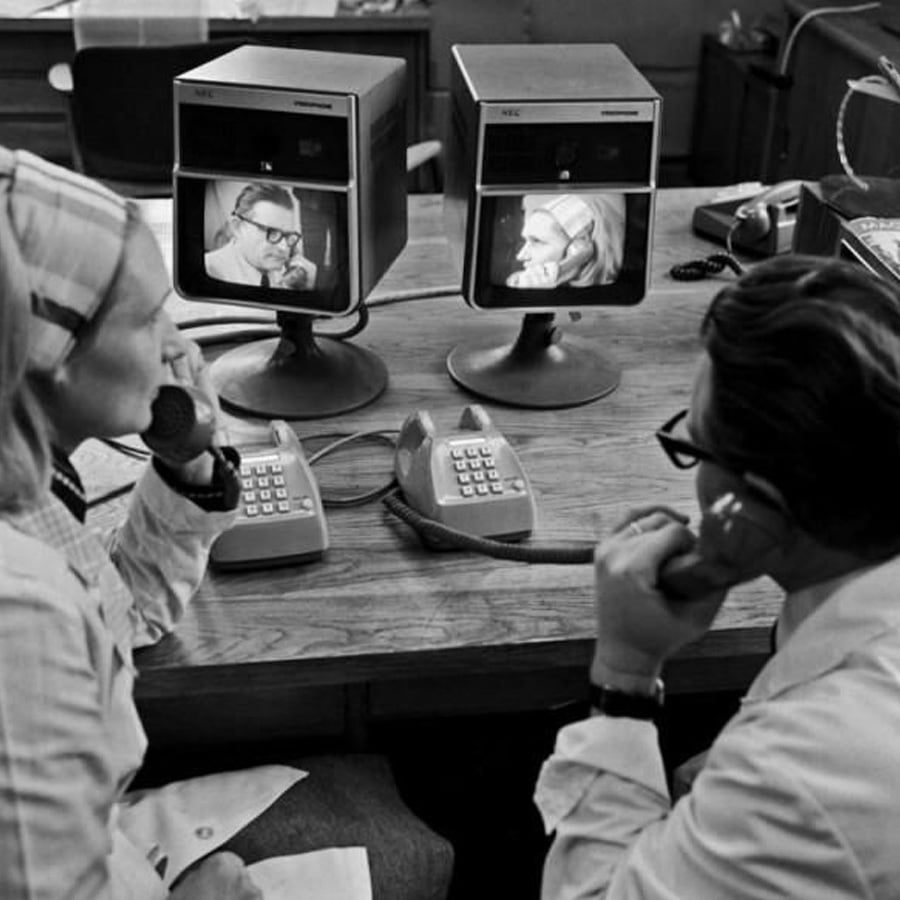
Long before Zoom and FaceTime, AT&T introduced the Picturephone in the 1960s. The device allowed users to see each other during telephone conversations through a built-in screen. While the technology worked surprisingly well for its time, the equipment was expensive, required specialized infrastructure, and few people felt the need for video calls. Decades later, the same concept became an everyday necessity.
3. The Apple Newton
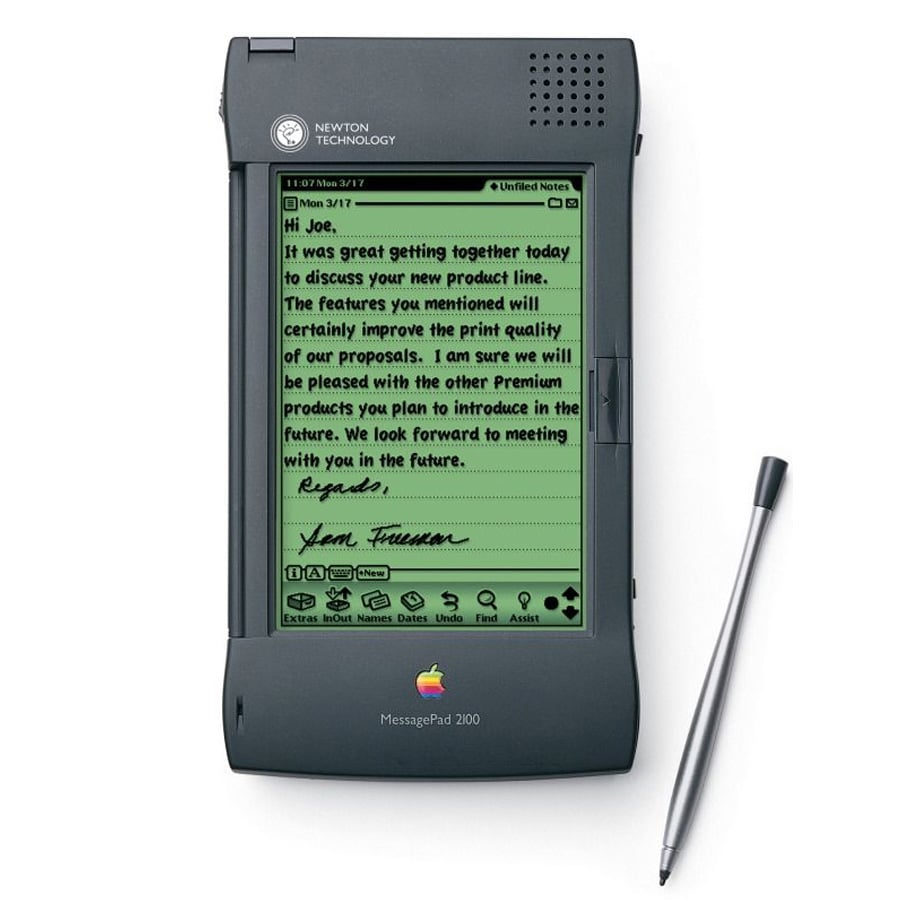
Released in 1993, the Apple Newton was among the first personal digital assistants (PDAs). It featured handwriting recognition, digital note-taking, calendars, and contact management features now common on smartphones. Despite its groundbreaking vision, the hardware was bulky, expensive, and criticized for its imperfect handwriting recognition, preventing widespread adoption.
4. Kodak Digital Camera Prototype
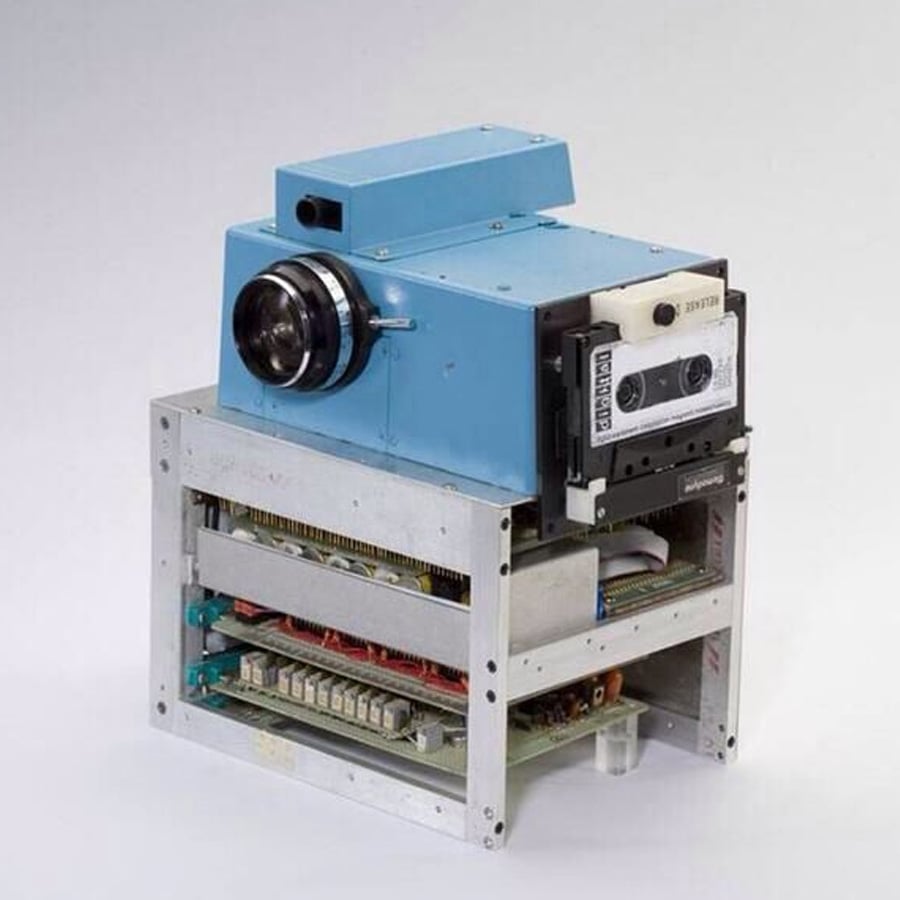
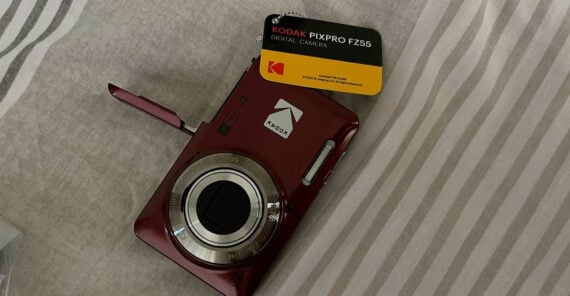
In 1975, Kodak engineer Steven Sasson built the world’s first digital camera prototype. It captured black-and-white images onto cassette tapes, eliminating the need for film entirely. Ironically, Kodak feared digital photography would hurt its profitable film business and never aggressively commercialized the invention. The technology would eventually transform the entire photography industry.
5. The Electrolux L300 Vacuum Robot
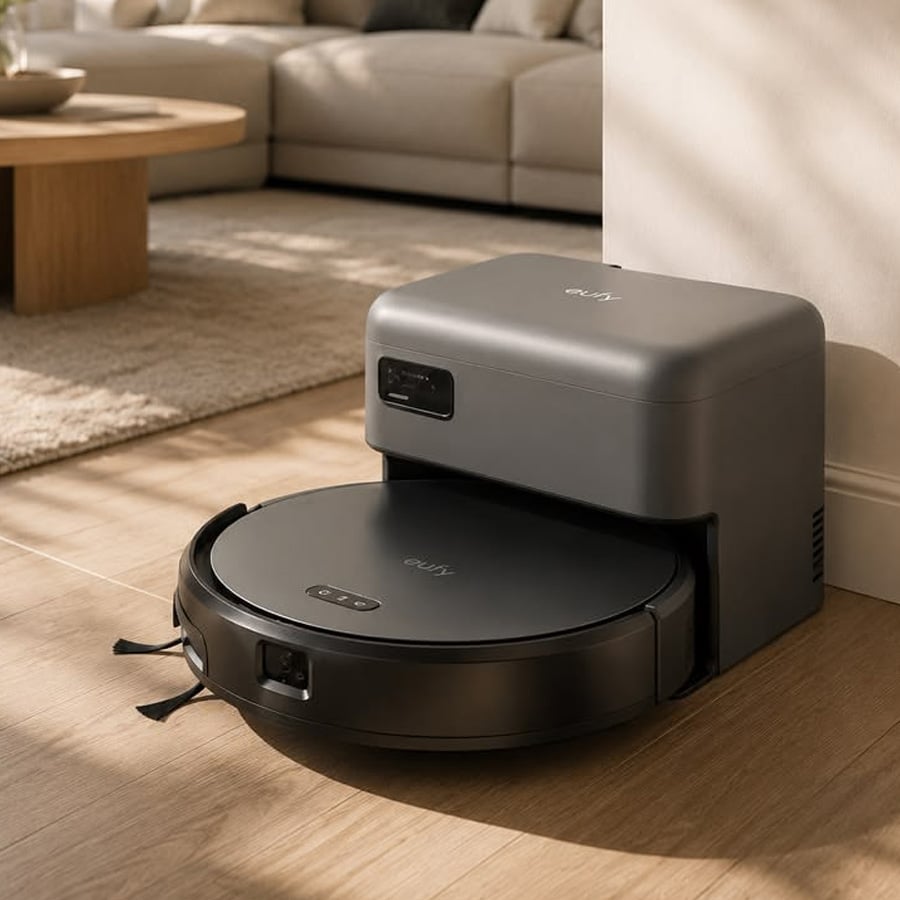
Years before robotic vacuums became common household devices, Electrolux introduced the Trilobite robot vacuum in the late 1990s. It navigated rooms autonomously and cleaned floors without human assistance. While innovative, it was expensive and less capable than today’s models, limiting its commercial success despite introducing concepts that modern robot vacuums now rely on.
Trending on Wealth Gang


6. The Sinclair C5
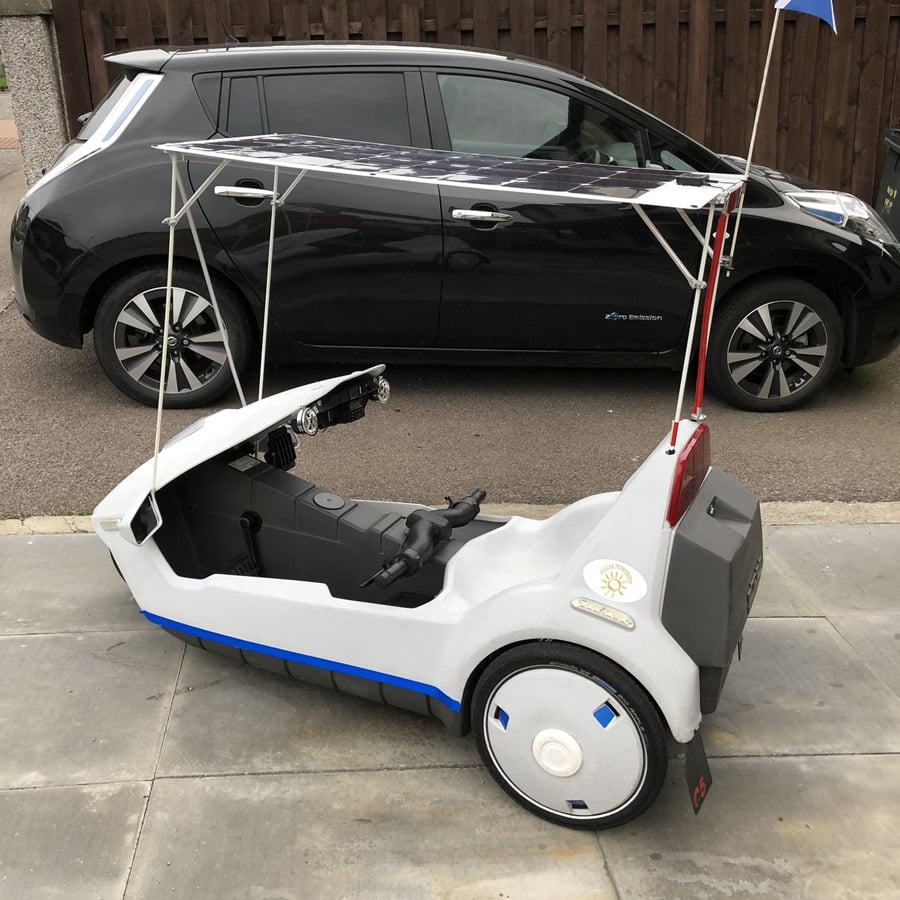
Launched in 1985, the Sinclair C5 was a battery-powered electric tricycle designed for personal transportation. Created by British inventor Sir Clive Sinclair, it promised affordable electric commuting decades before EVs became popular. Limited battery range, safety concerns, and poor weather protection kept it from succeeding, but its vision closely resembles today’s growing micromobility movement.
7. Sony MiniDisc
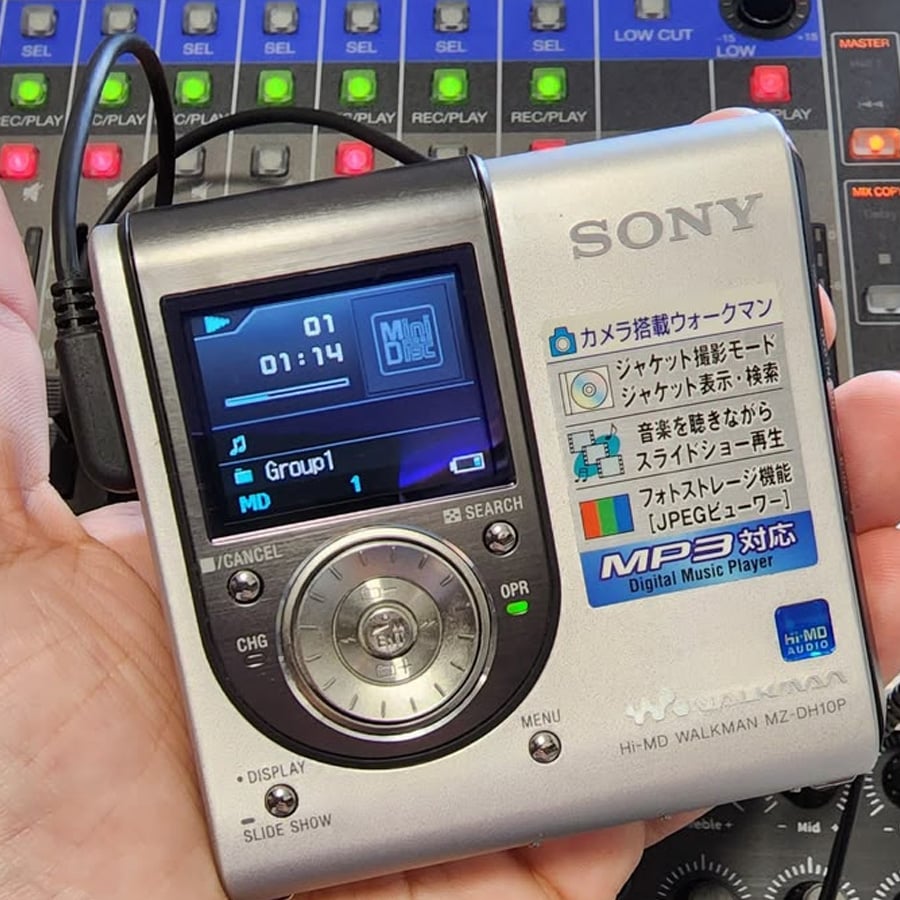
Sony introduced the MiniDisc in the early 1990s as a durable digital audio format combining the portability of cassette tapes with the quality of CDs. Users could easily record and edit music, making it especially popular among musicians and journalists. Unfortunately, MP3 players and digital downloads arrived soon after, making the MiniDisc obsolete before it reached its full potential.
8. General Magic Communicator
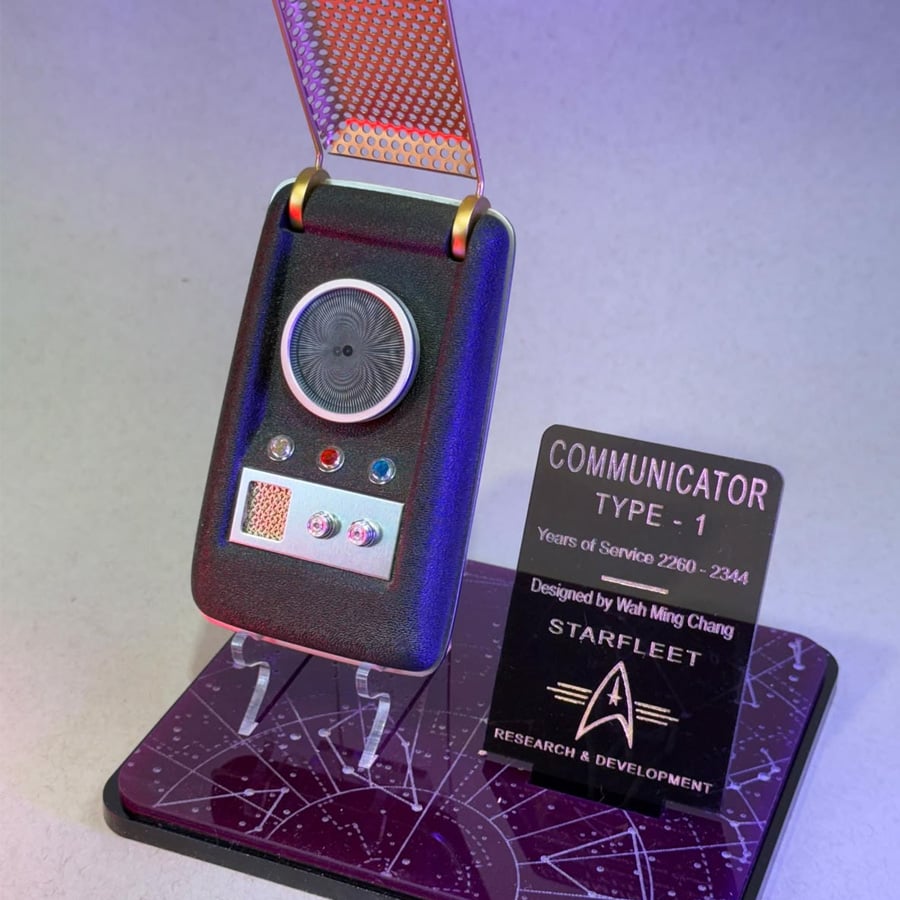
General Magic, founded by former Apple employees, developed one of the earliest concepts for a smartphone in the early 1990s. Its handheld communicator offered messaging, digital calendars, email, and downloadable applications long before modern mobile operating systems existed. The available wireless networks simply weren’t advanced enough to support the ambitious vision.
Sign up for our newsletter
9. The Telharmonium
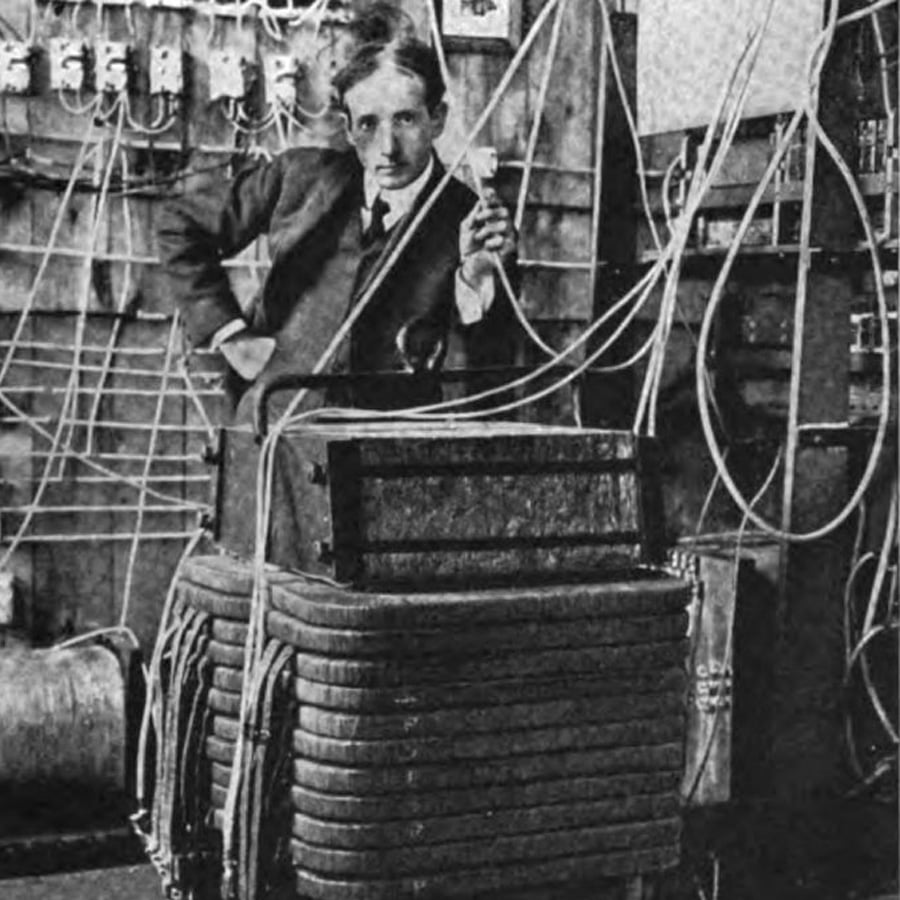
Built in the late 1800s, the Telharmonium generated electronic music and transmitted it over telephone lines to subscribers. Weighing hundreds of tons, it was one of the earliest electronic musical instruments ever created. Although financially unsuccessful due to its enormous size and operating costs, it paved the way for electronic synthesizers decades later.
10. The Minitel Network
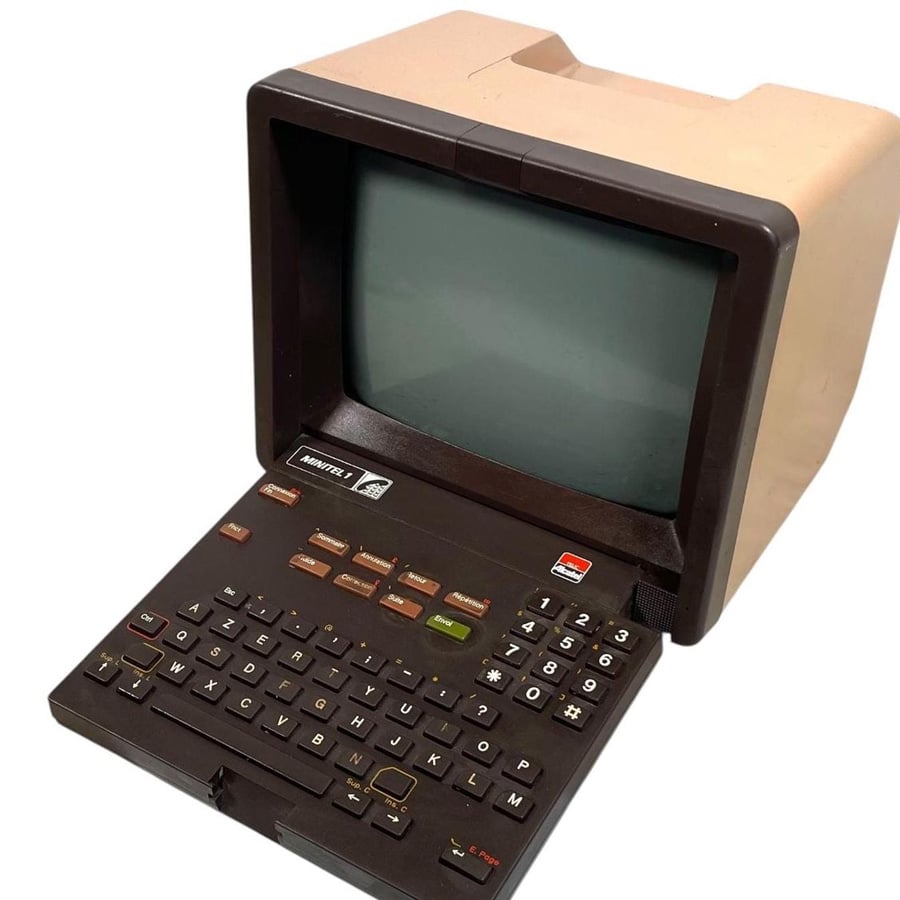
Before the World Wide Web became popular, France developed Minitel, an online service that allowed users to browse directories, shop, send messages, book tickets, and access news through dedicated terminals. Millions of people relied on it throughout the 1980s and 1990s. Many of its services anticipated modern internet usage years before web browsers became common.
11. Electric Cars of the Early 1900s
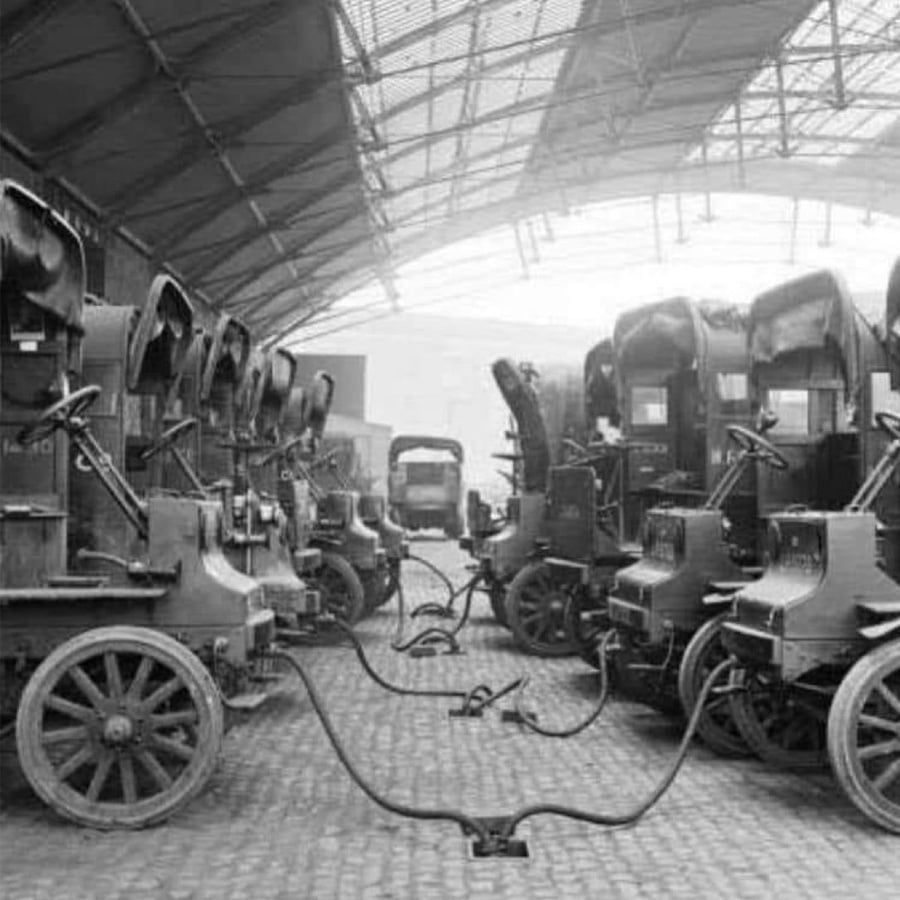
Electric vehicles were surprisingly common during the early twentieth century. They were quiet, clean, and easier to operate than gasoline-powered automobiles. However, improvements in internal combustion engines, cheap gasoline, and mass production eventually pushed electric cars out of the market. More than a century later, they have returned as one of the fastest-growing segments of the automotive industry.
12. The Internet Toaster

One of the most unusual inventions ever created was the internet-connected toaster built by John Romkey in 1990. Demonstrated at a technology conference, it could be turned on and off remotely through the internet. While largely viewed as a novelty at the time, it foreshadowed today’s Internet of Things, where everything from refrigerators to light bulbs can be controlled remotely.
More Related Notes
• 10 Technologies That Changed Everyday Life Faster Than Expected.
Discover breakthrough innovations that transformed the way people live, work, and communicate, often far more quickly than anyone expected.
• 11 Things You Use Every Day but Don’t Know How They Work.
Take a closer look at the fascinating technologies behind everyday products, many of which evolved from groundbreaking ideas introduced decades ago.
• 12 Historical Mistakes That Ended Up Changing the World.
Explore unexpected moments in history that reshaped society, proving that overlooked ideas and surprising breakthroughs can leave a lasting legacy.