
For many retired people in the 70s, everyday costs were lower, and some things that now take years of saving were easier to afford. Buying a house, taking a family vacation, or enjoying a night out could feel more within reach for retirees living on a pension or Social Security benefits.
Today, retirees face rising housing costs, expensive health care, and higher prices for many daily needs. Some things that once seemed like normal purchases now require a much bigger budget. Looking back at the 1970s shows just how much the cost of living has changed. Here are 15 things many retirees could afford back then.
1. House of Their Own

Buying a house was more affordable for many Americans in the 1970s. Those who paid off their mortgages before retirement enjoyed lower expenses. Today, high home prices make it much harder for many retirees to buy or downsize.
2. New Car
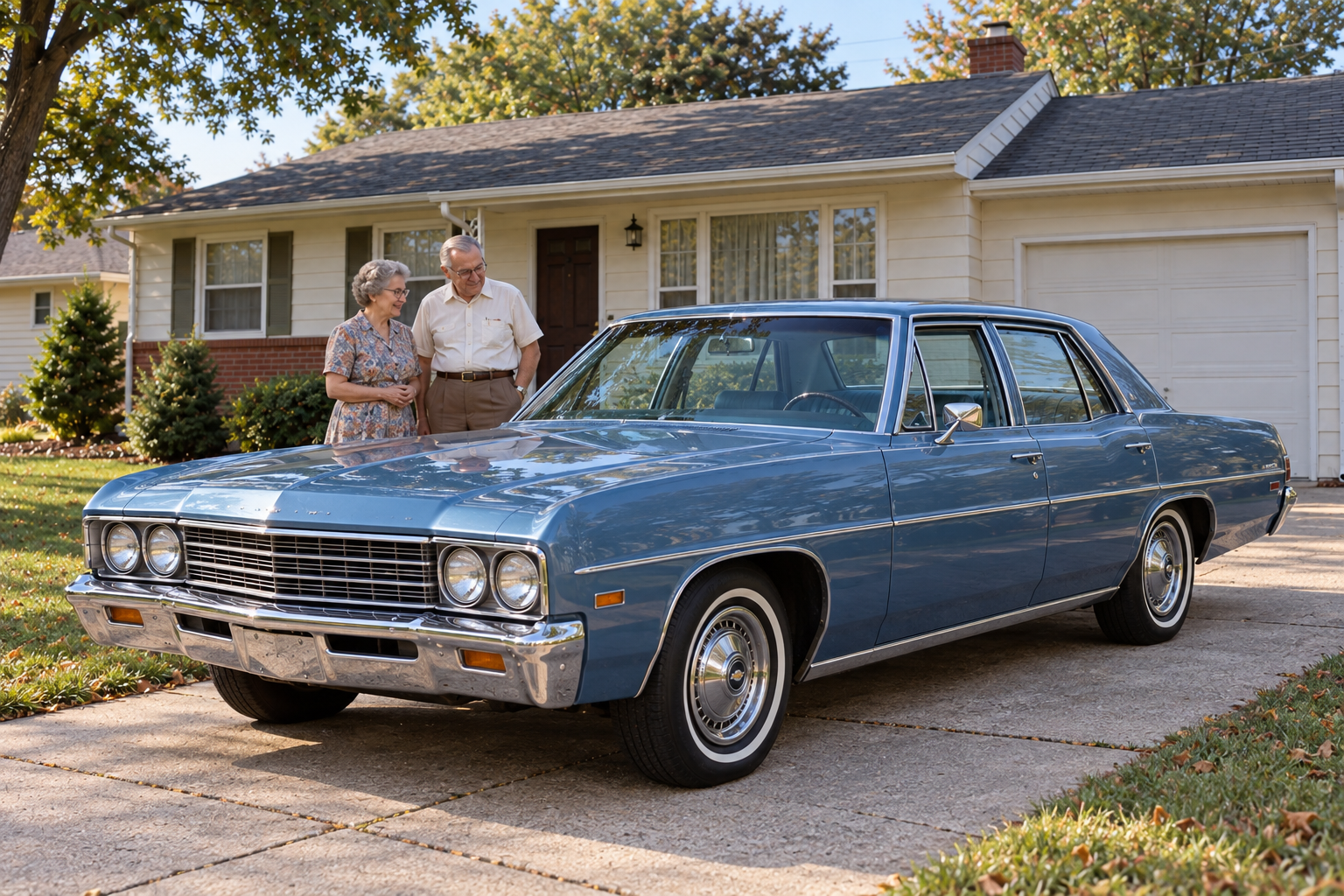
In the 1970s, a new car cost around $3,700. Owning one made it easier for retirees to visit family and run errands. Today, new cars can cost tens of thousands of dollars.
3. Gas for Road Trips
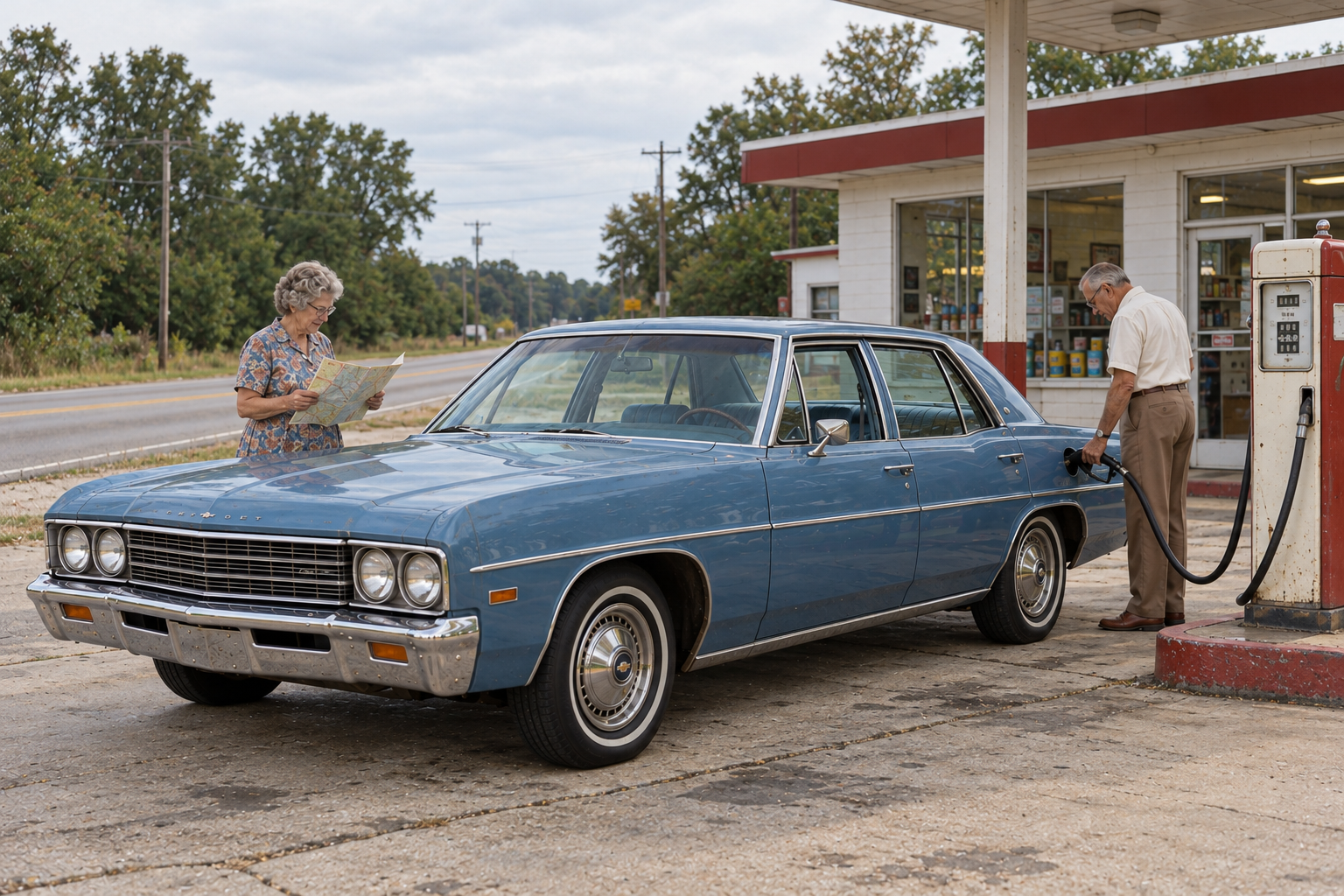
Gas cost about 35 cents per gallon in 1970, making road trips cheaper than they are today. Retired people could drive across the country or visit relatives without spending a fortune on fuel.
4. College Education for the Family
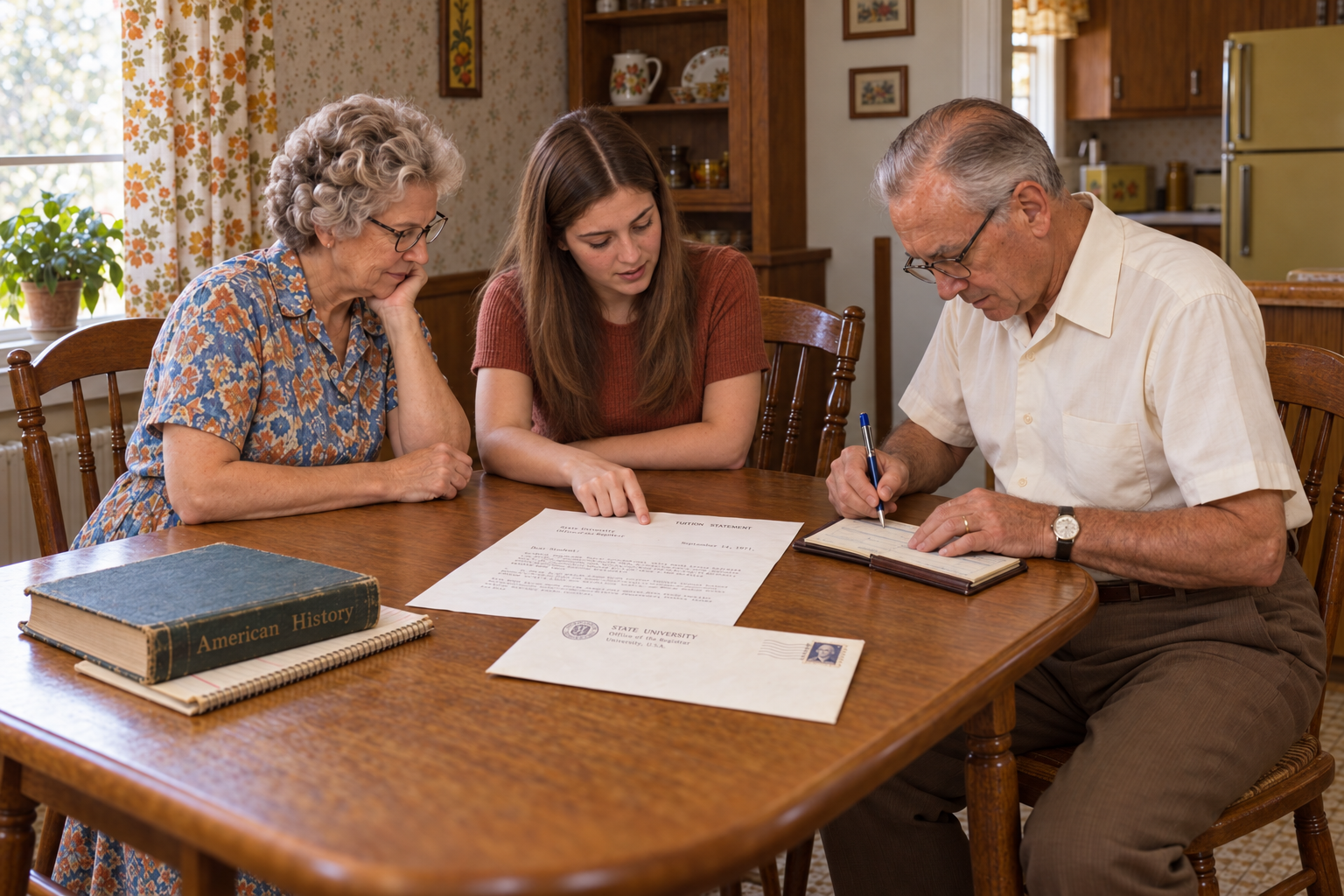
Public college tuition averaged around $394 per year in the years 1970–71. Helping children or grandchildren pay for college was still a big expense, but today’s tuition and living costs can make that support much harder.
5. Comfortable Retirement Home
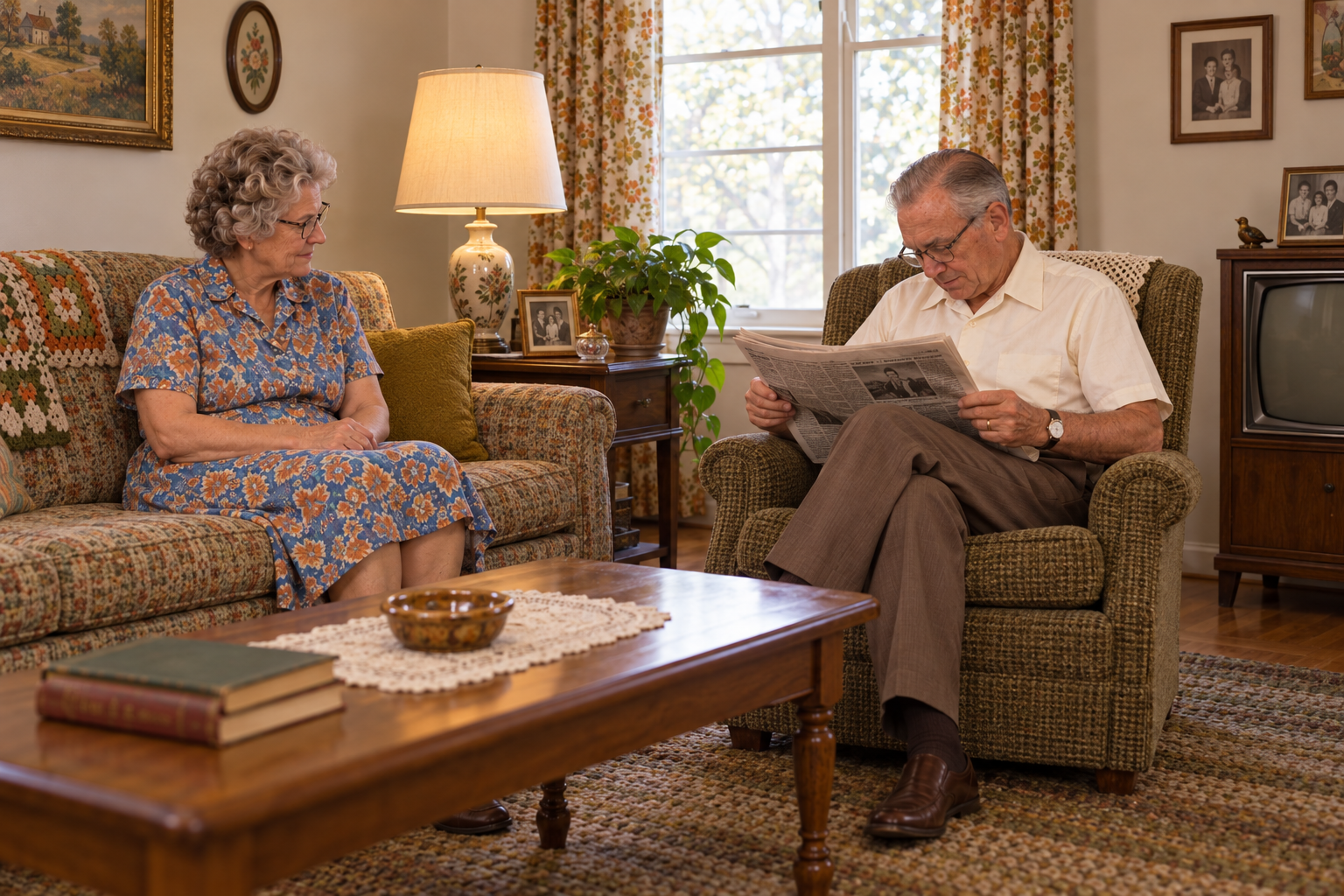
In the 1970s, retirees in many areas could find modest homes at more affordable prices. Today, even smaller houses can be expensive.
Trending on Wealth Gang


6. Family Vacation

A beach trip or a week at a roadside motel could make for an affordable vacation in the 1970s. Today, hotels, meals, and travel costs can make even a short getaway cost a considerable amount of money.
7. A Dinner

A McDonald’s hamburger cost around 18 cents in the early 1970s. Eating out was still a luxury for some, but cheap diners and fast-food restaurants made an occasional meal easier on the budget.
8. Weekly Grocery Shop

In 1970, a loaf of bread cost about 24 cents per pound, and a dozen eggs cost around 61 cents. Grocery prices have changed, making it harder for retirees to stretch their budgets today.
Sign up for our newsletter
9. Color Television
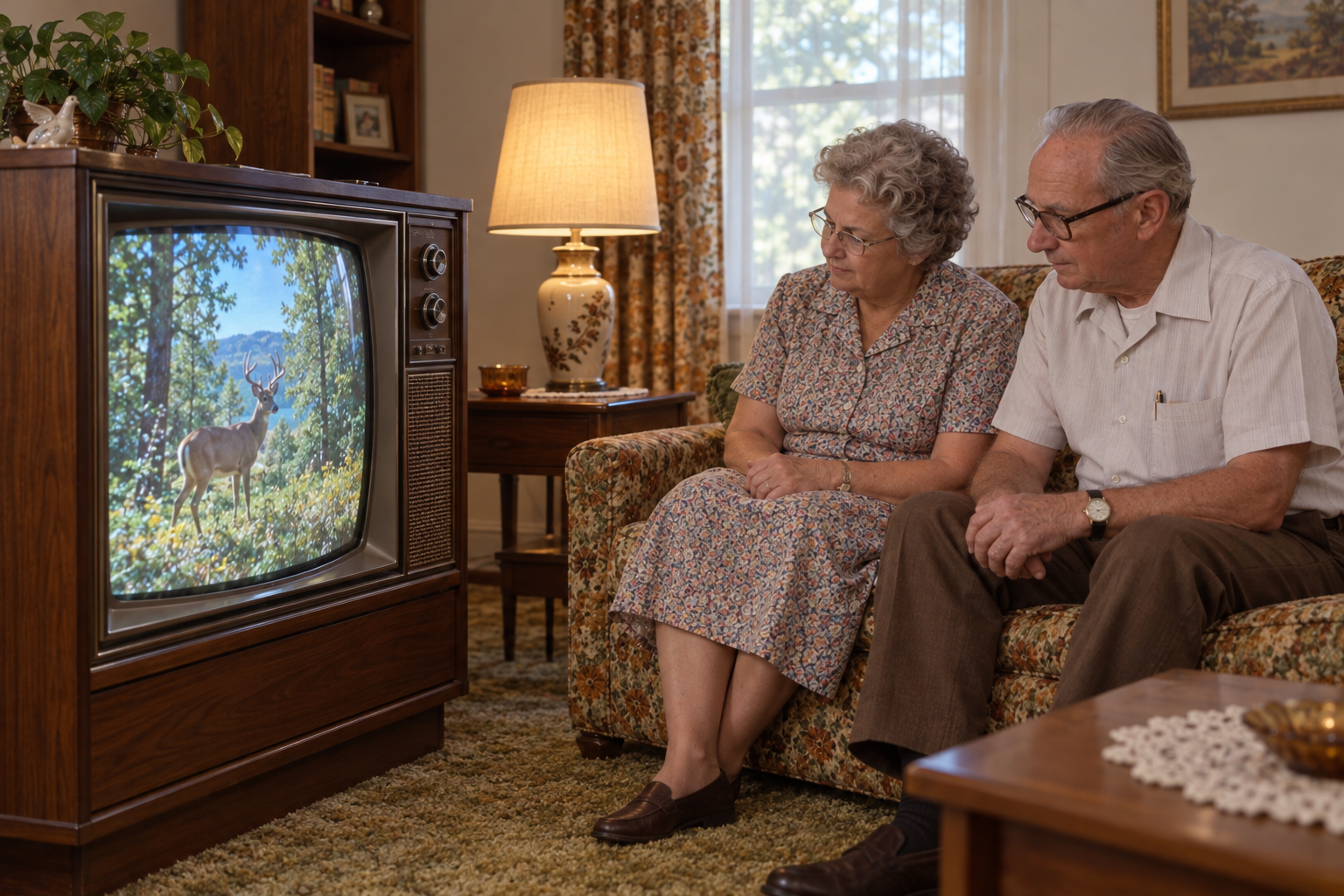
A home color TV was a popular purchase in the 1970s. Once families bought one, they could enjoy years of entertainment without paying for multiple streaming subscriptions like many people do today.
10. Home Repairs & Improvements
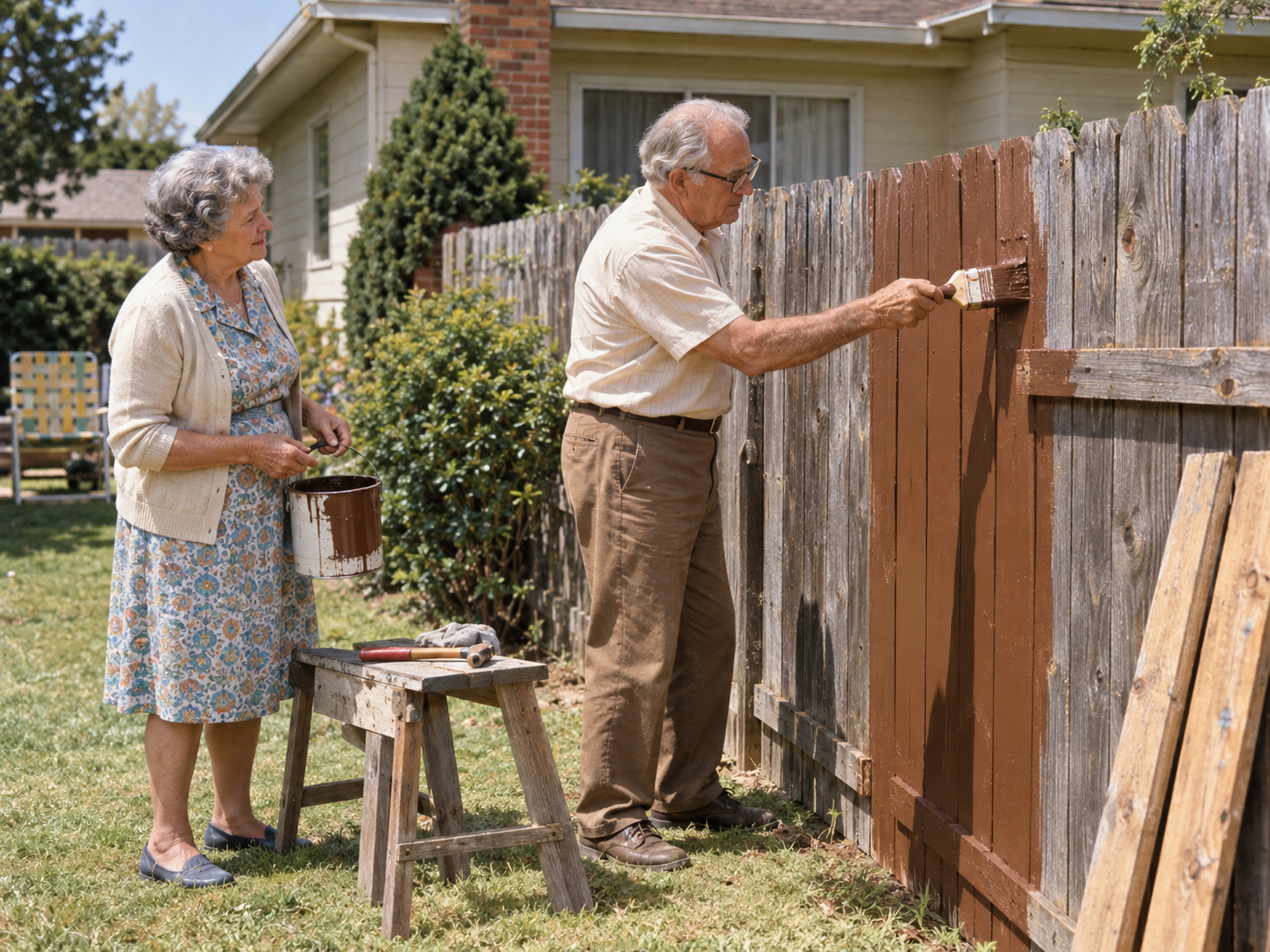
Painting a room or fixing a fence could be an affordable weekend project for homeowners in the 1970s. Today, hiring a contractor or buying basic repair supplies can cost a lot more.
11. Night at the Movies

A movie ticket cost around $1.65 in 1971. Going to the cinema was an easy way to spend an evening without spending much. Today, tickets, snacks, and parking can quickly add up.
12. Airline Tickets

Flying was available in the 1970s, although it was not cheap for everyone. Today, airfare and extra charges for luggage and seats can make visiting family in another state a costly trip.
13. Second Property

Some families could dream of owning a small cabin by a lake or in the countryside. Today, vacation homes in popular areas can cost hundreds of thousands of dollars, before maintenance and taxes.
14. Gold as a Long-Term Investment
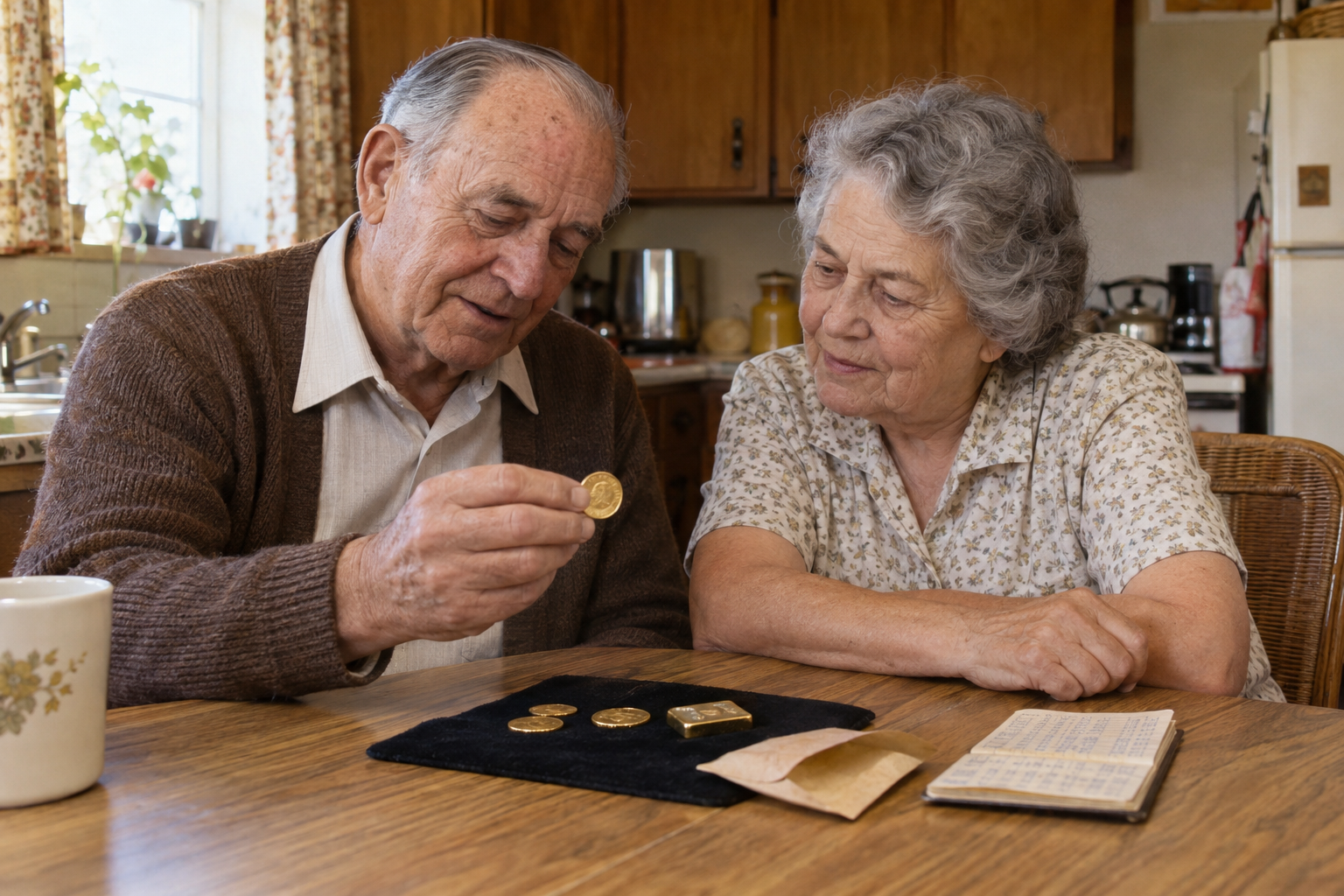
Gold was priced at around $35 per ounce in 1970 under the official U.S. price. Today, it costs thousands of dollars per ounce, making it much more expensive to buy, although its value can still rise and fall.
15. Furniture
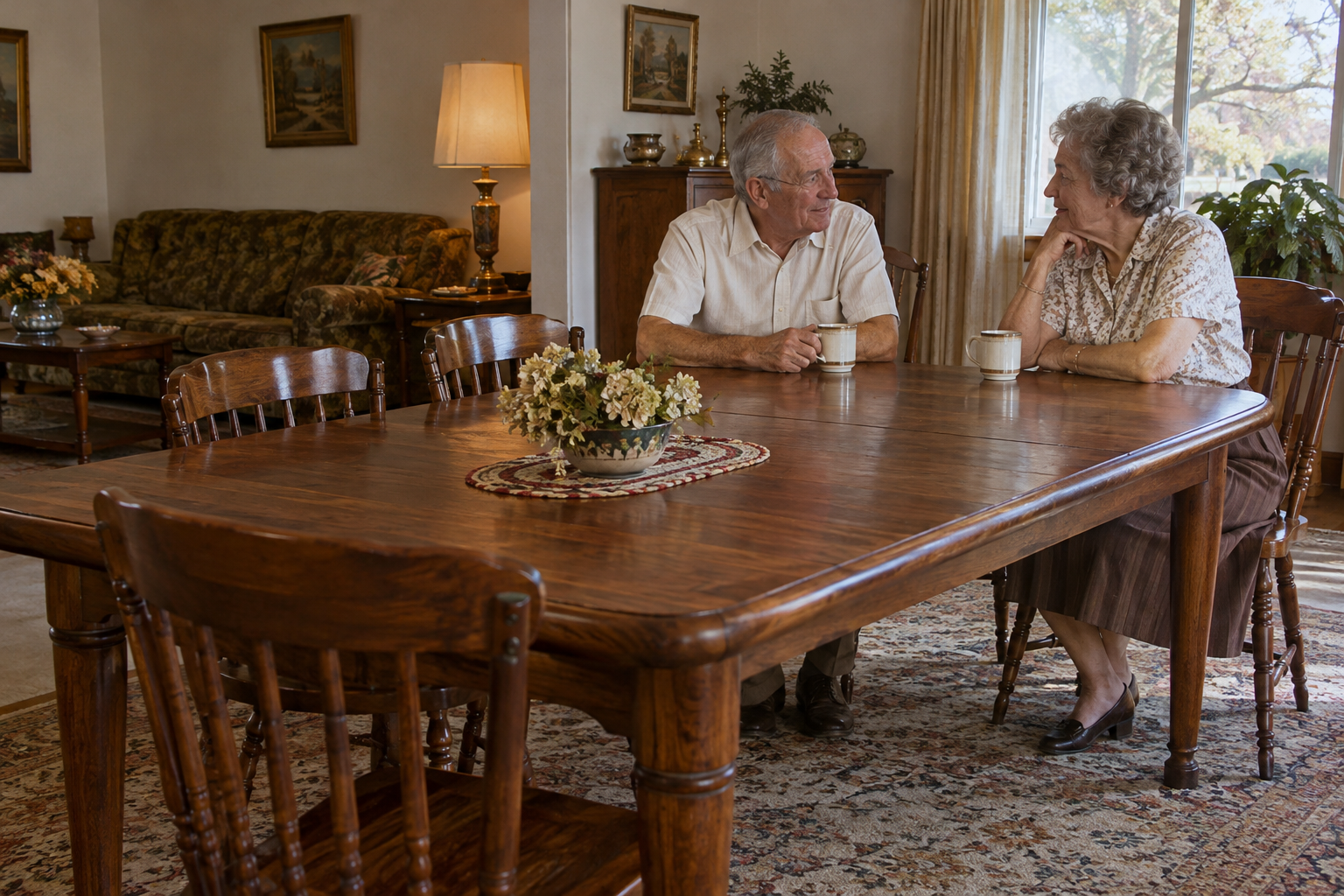
In the 1970s, buying a solid wood dining table, a sofa, or a bedroom set was an investment many families expected to last for decades. Retirees who furnished their homes years earlier could enjoy their furniture well into retirement without needing to replace it frequently. Today, quality furniture can cost hundreds or even thousands of dollars, making it harder for retirees on fixed incomes to furnish or update their homes.