Before smartboards and online assignments became part of education, teachers relied on simple tools. These familiar objects helped educators explain lessons and make learning possible long before laptops and tablets became classroom instruments.
For teachers who worked before the digital age, preparing a lesson often meant writing everything by hand and making sure every classroom supply was ready before the bell rang. Some of these tools have disappeared from modern schools, while many others remain useful despite advances in technology. Here are 15 things teachers used every day that bring back memories of a different era in education.
1. Chalk & Chalkboards
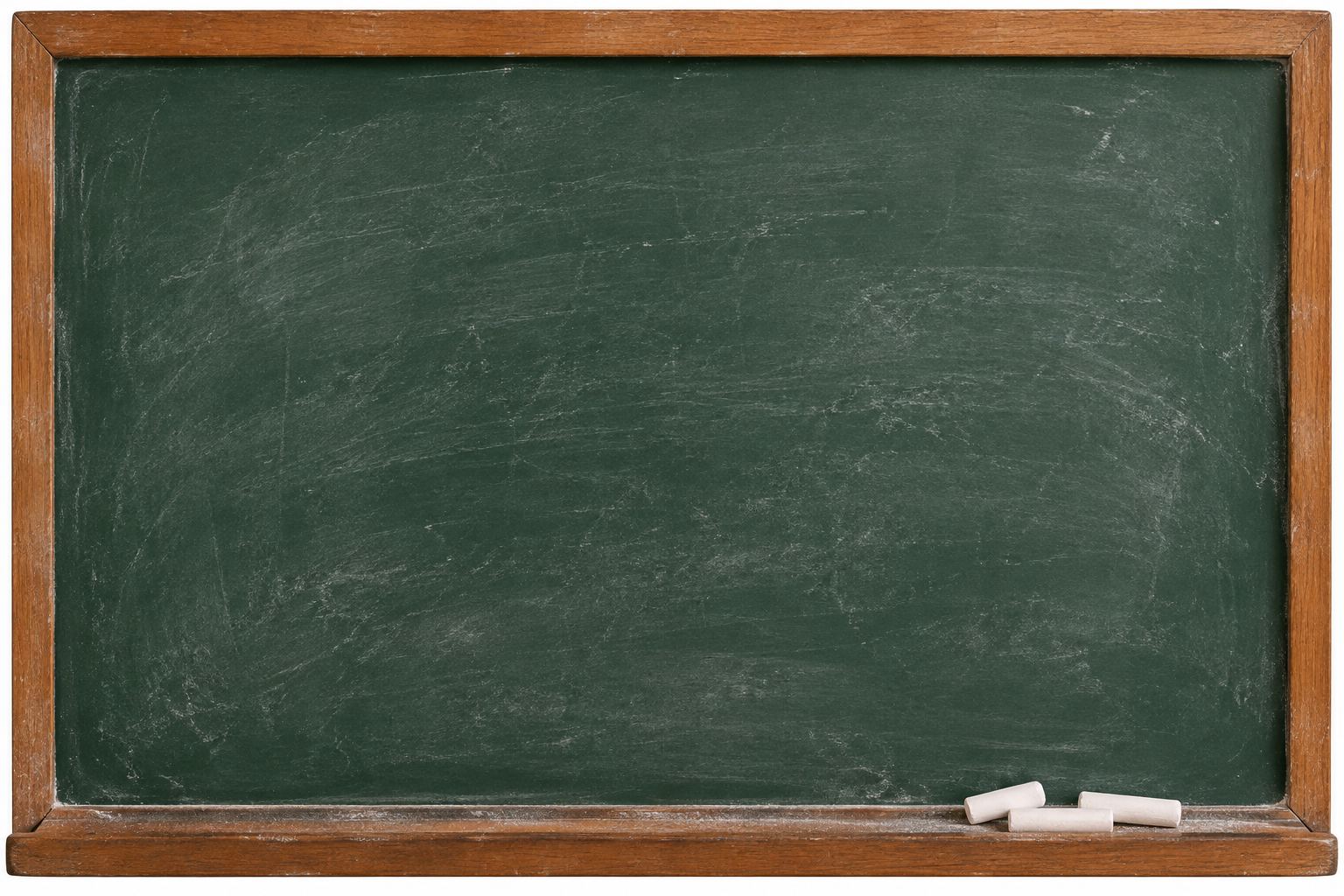
Few classroom objects are as closely associated with traditional teaching as a chalkboard and a piece of white chalk. Teachers used them to write lesson notes, solve math problems, and highlight important information. Many educators dealt with chalk dust on their clothes, hands, and desks. Despite the mess, the chalkboard has remained one of the most practical and low-cost teaching tools.
2. Overhead Projectors
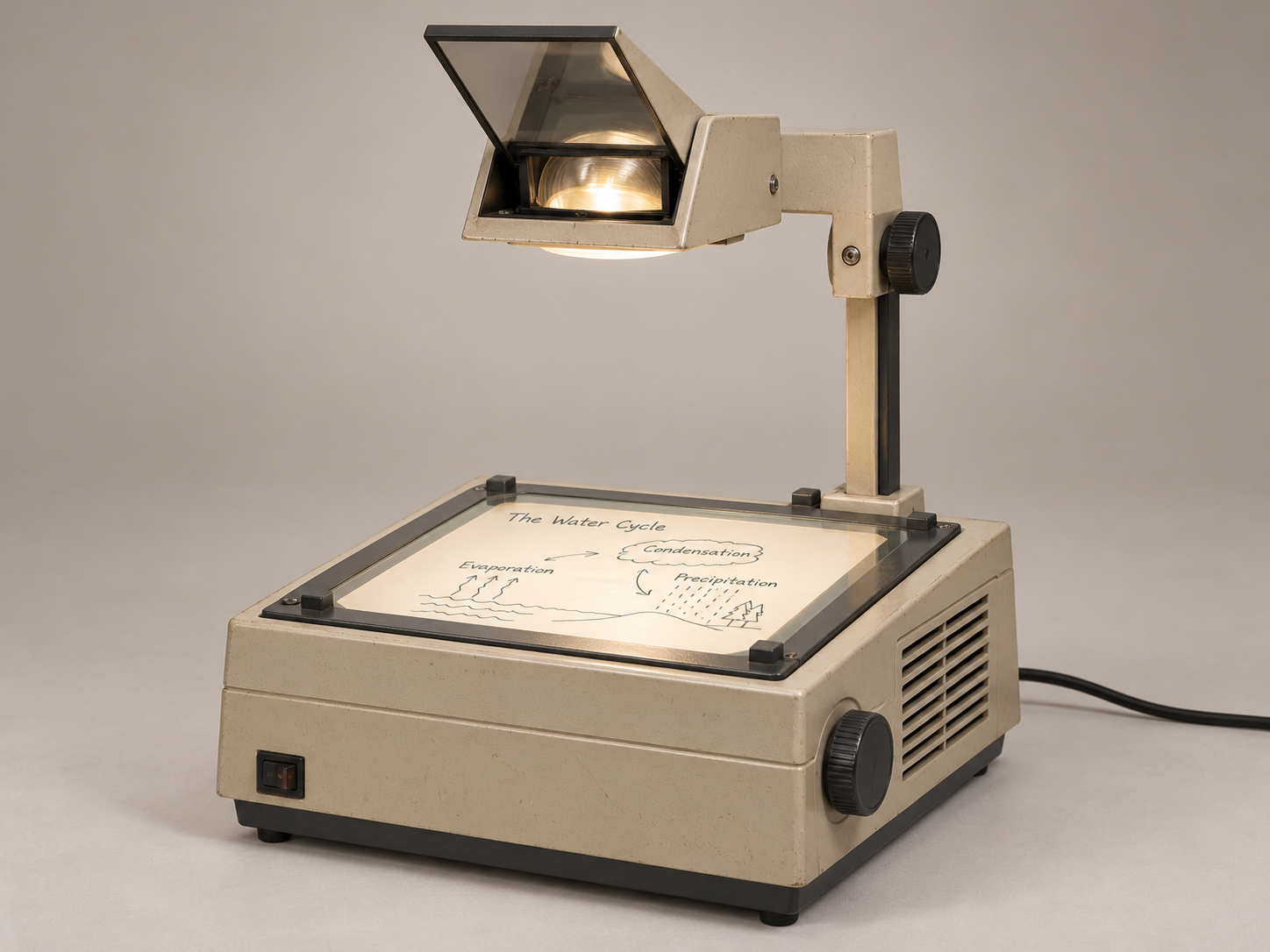
Before PowerPoint presentations and interactive displays, overhead projectors let teachers present information to the whole class. These machines projected images from transparent plastic sheets onto a screen or wall. Teachers often prepared transparencies in advance with special markers or by photocopying materials.
3. Filmstrip Projectors
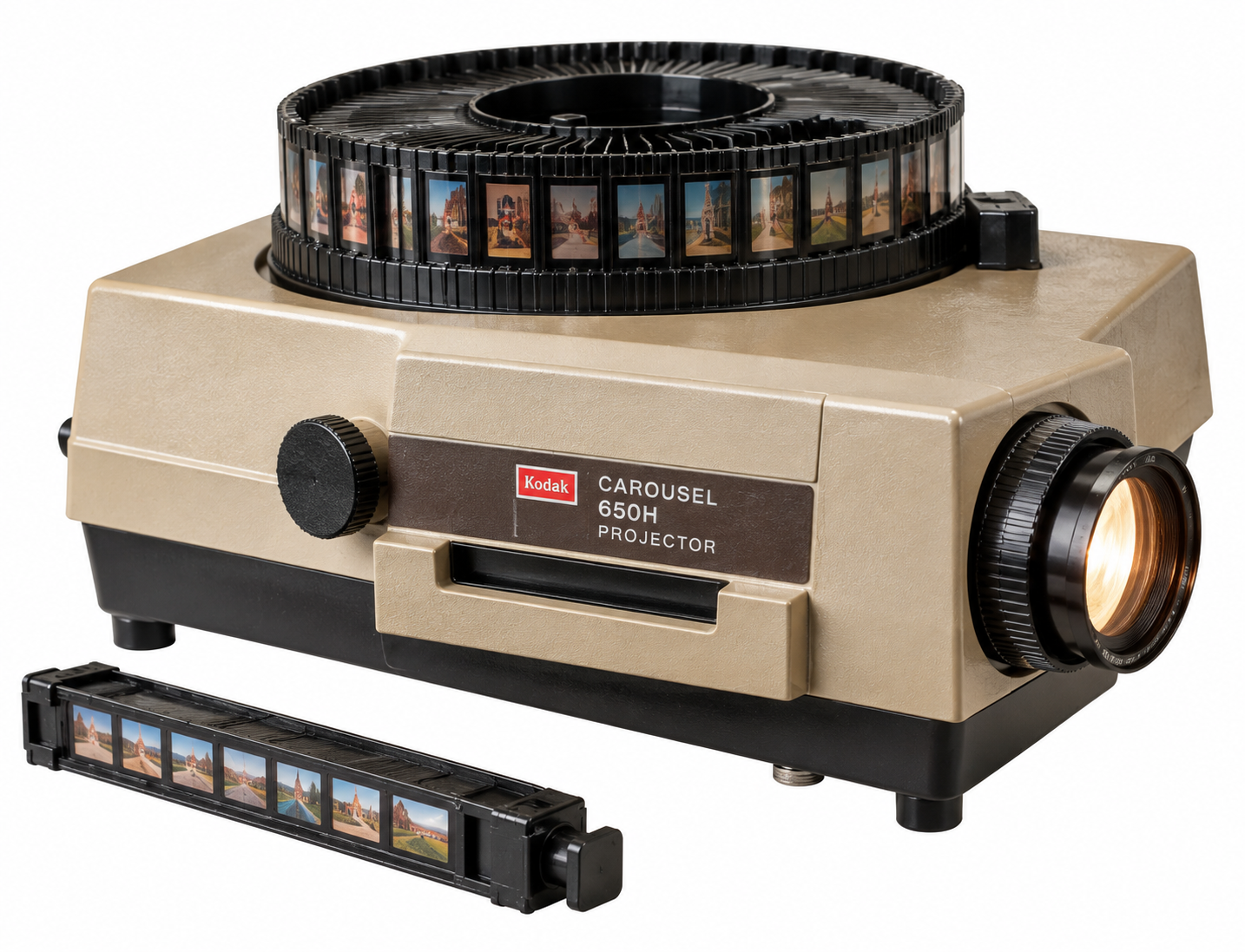
Filmstrip projectors brought visual storytelling into classrooms before streaming videos and online educational platforms existed. They displayed a sequence of still images on a screen, accompanied by a narration or a teacher’s explanation. Teachers advanced the filmstrip manually.
4. Paper Gradebooks
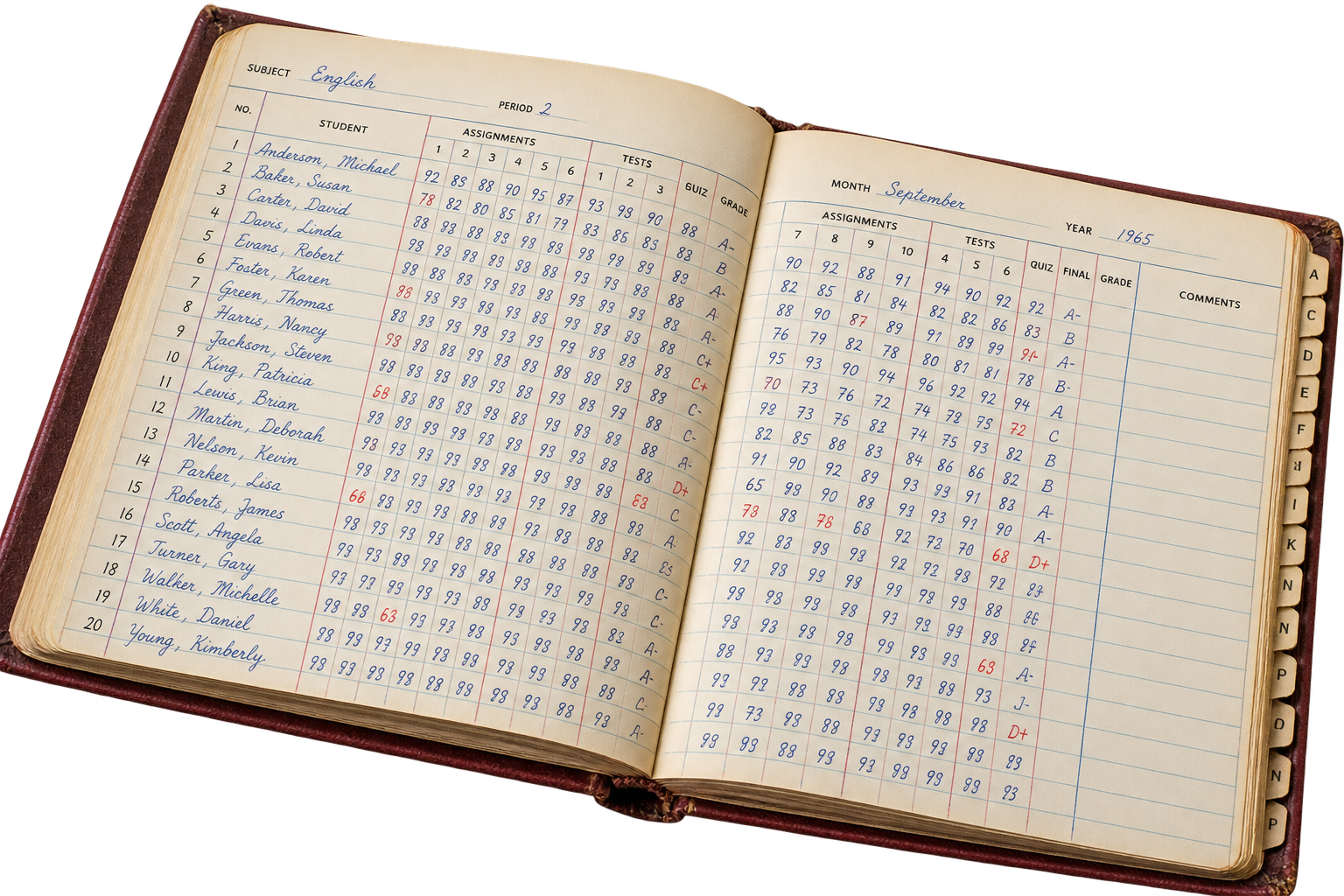
Long before digital gradebooks calculated averages, teachers recorded student performance in large paper registers. These books contained handwritten grades, assignment scores, and other information needed to track academic progress. Many educators carried these heavy books between classrooms and brought them home to finish grading after school.
5. Attendance Sheets
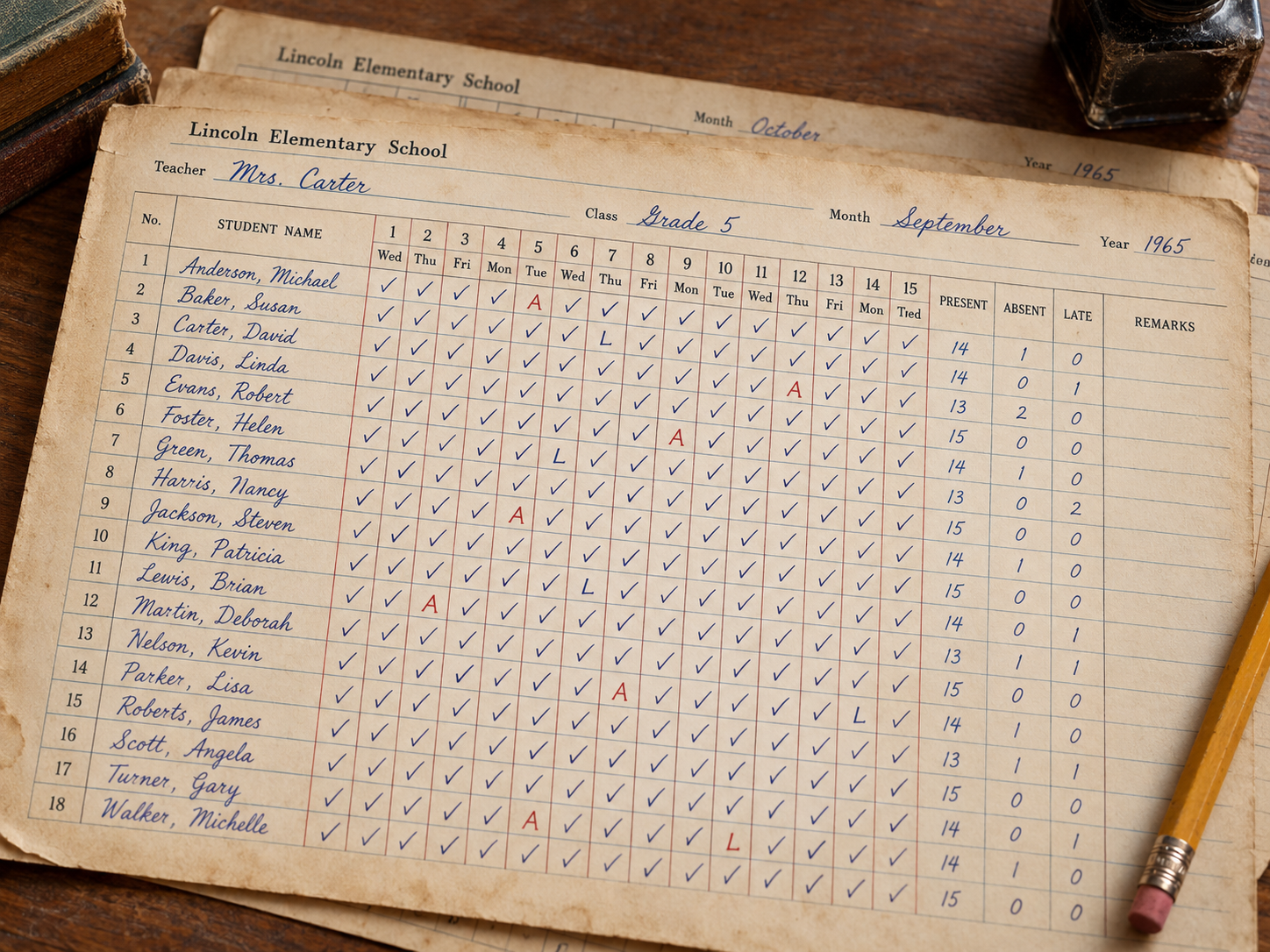
Taking attendance was a daily task, and paper lists made it possible to track which students were present, absent, or late. Teachers called names from a class roster and marked each student’s status with a check, initial, or letter. Although electronic attendance systems have simplified the process, the old-fashioned roll call remains familiar.
Trending on Wealth Gang

6. Red Pens
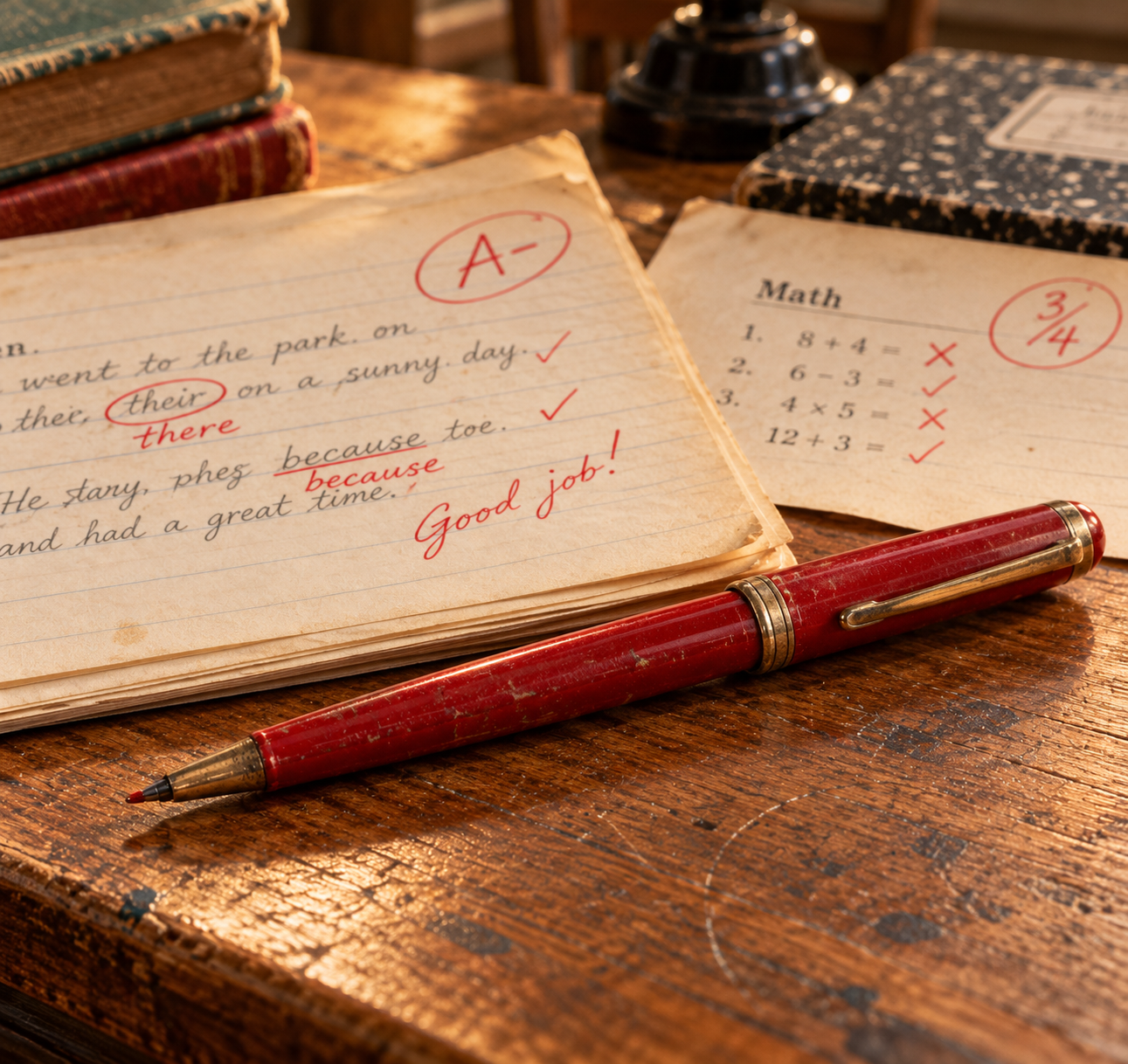
A red pen was one of the most used tools on a teacher’s desk. Educators used it to mark incorrect answers, correct spelling and grammar, write comments, and assign scores.
7. Mimeograph & Ditto Machine Worksheets
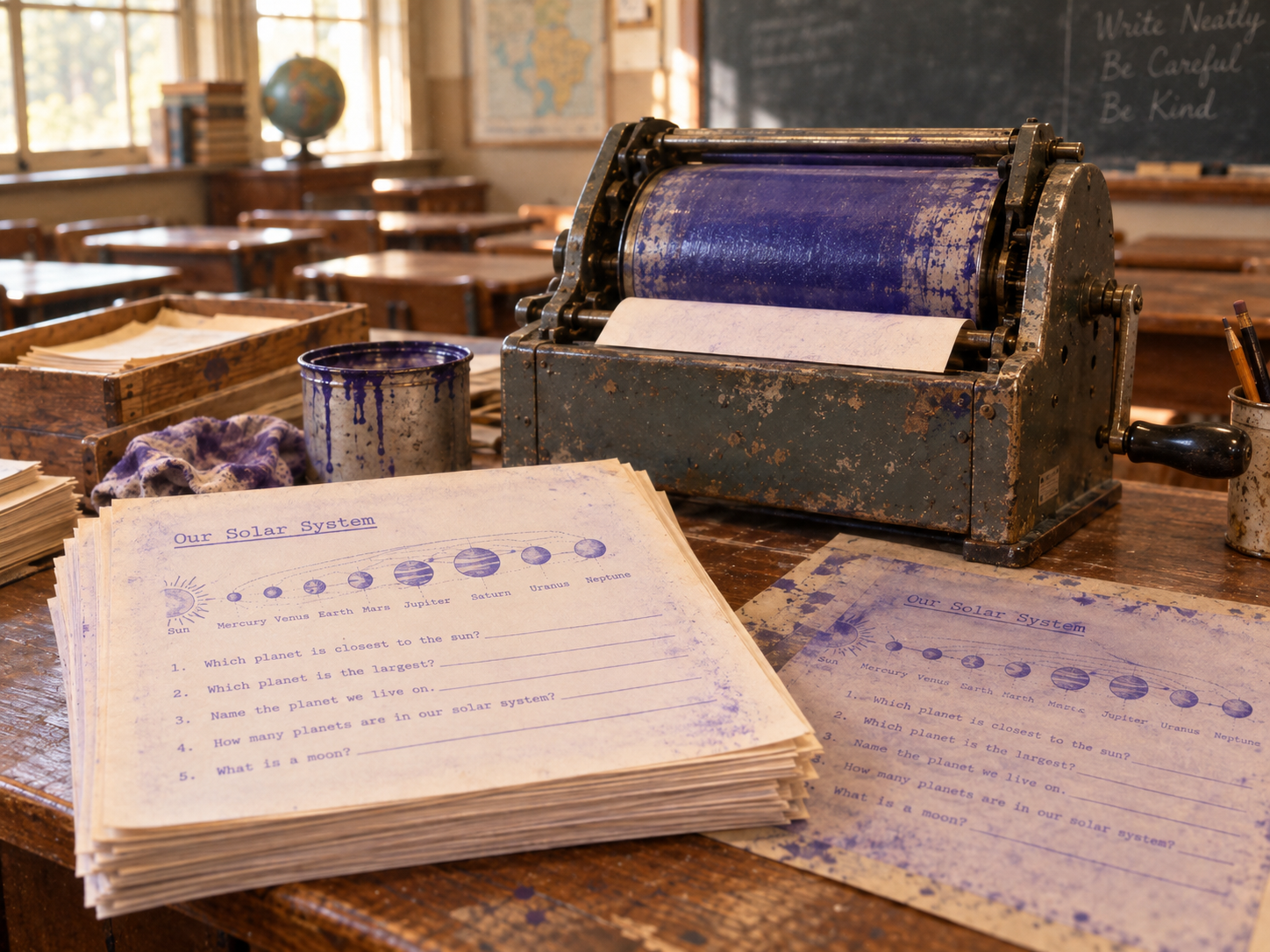
Before photocopiers became widespread in schools, teachers used duplicating machines to produce classroom handouts. One familiar method involved Ditto machines, which created purple or blue copies from specially prepared masters. The process gave worksheets a distinctive appearance and often left them with a recognizable chemical smell.
8. Physical Encyclopedias
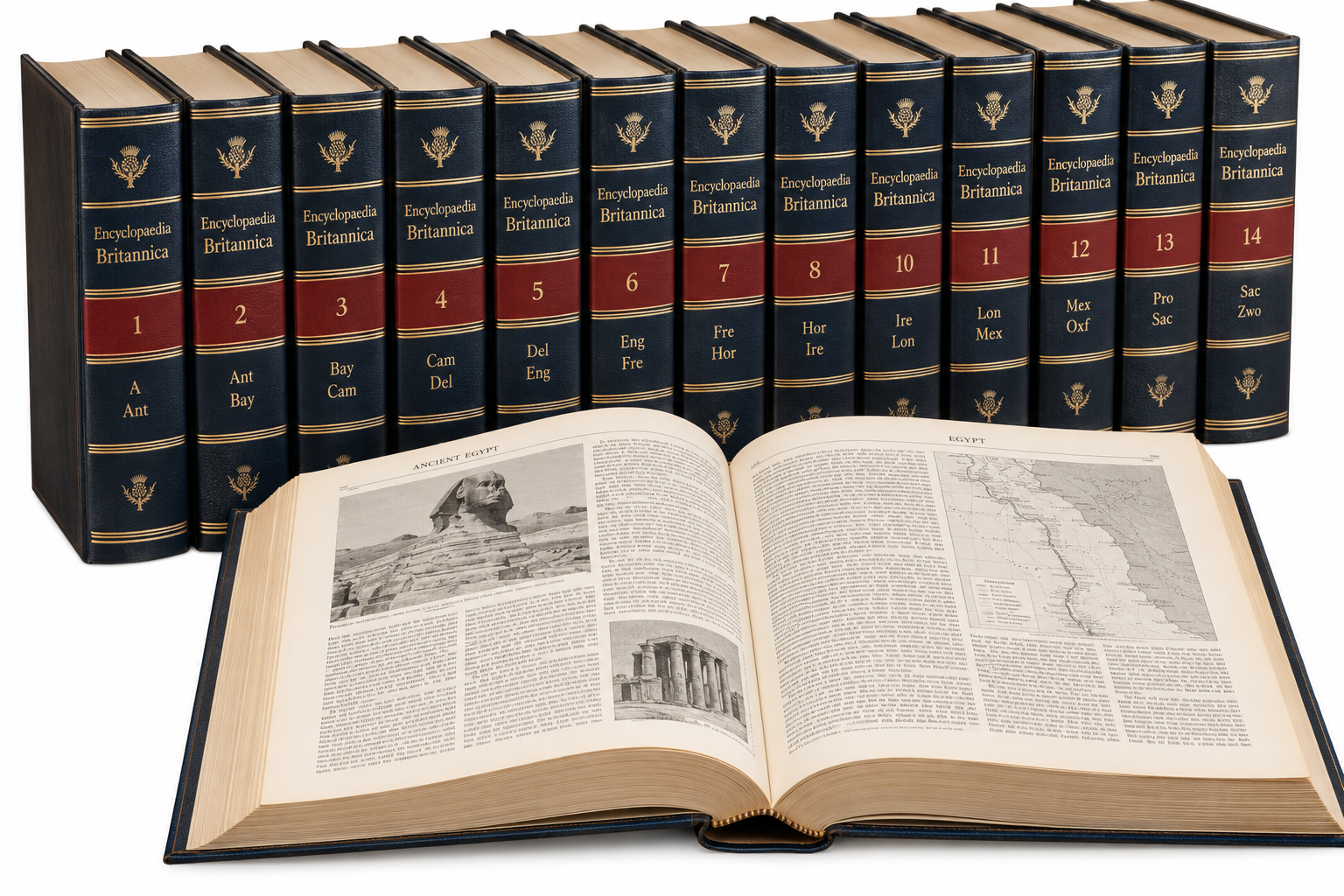
When students needed information for an assignment, they often turned to printed encyclopedias in the classroom or school library. These multivolume books contained articles on history, science, geography, and other subjects. Research took longer than a quick online search nowadays.
Sign up for our newsletter
9. Wall Maps & Globes
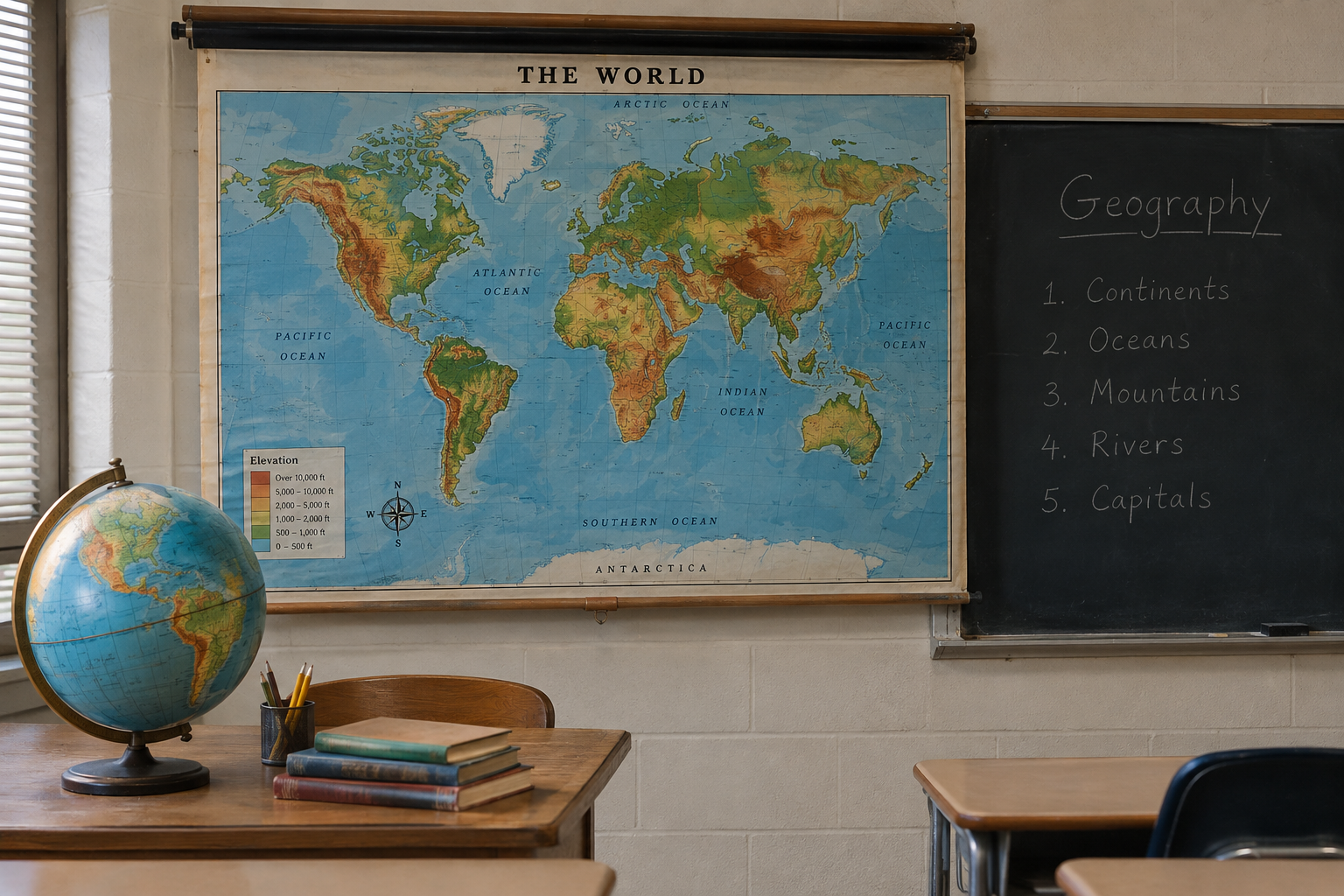
Geography and history lessons once depended on large paper maps and physical globes. Teachers used them to identify countries, explain climate patterns, and show the locations of major rivers and mountains. A teacher might point to a country while students followed along in their textbooks or copied locations into notebooks.
10. Thesauruses
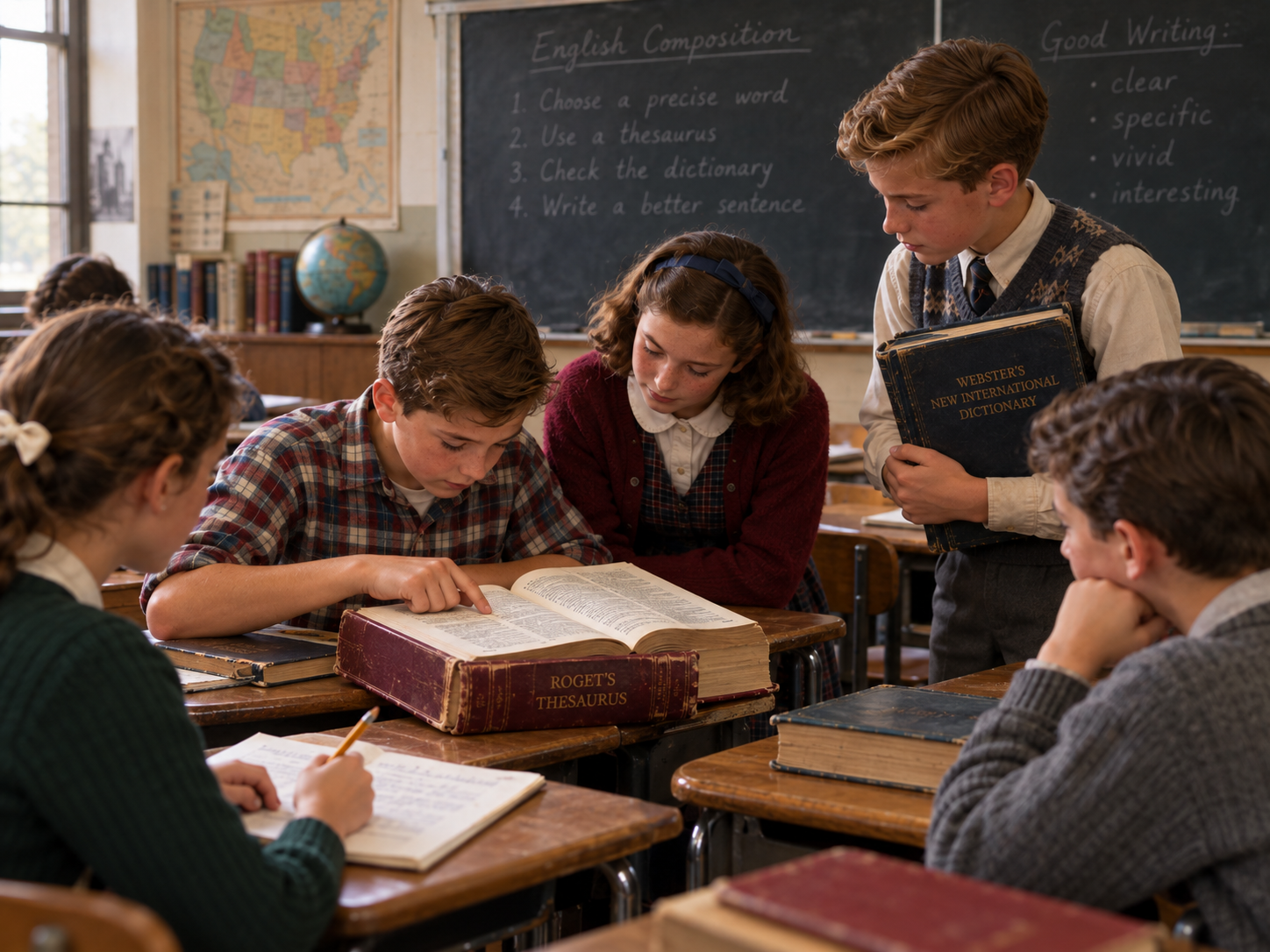
Before online dictionaries and spell-checking tools became everyday resources, students consulted printed dictionaries to check spelling, understand unfamiliar words, and learn correct pronunciation. Teachers encouraged the use of thesauruses to help students expand their vocabulary. They were shared, so students had to wait for their turn to look up words.
11. Teacher’s Edition Textbooks
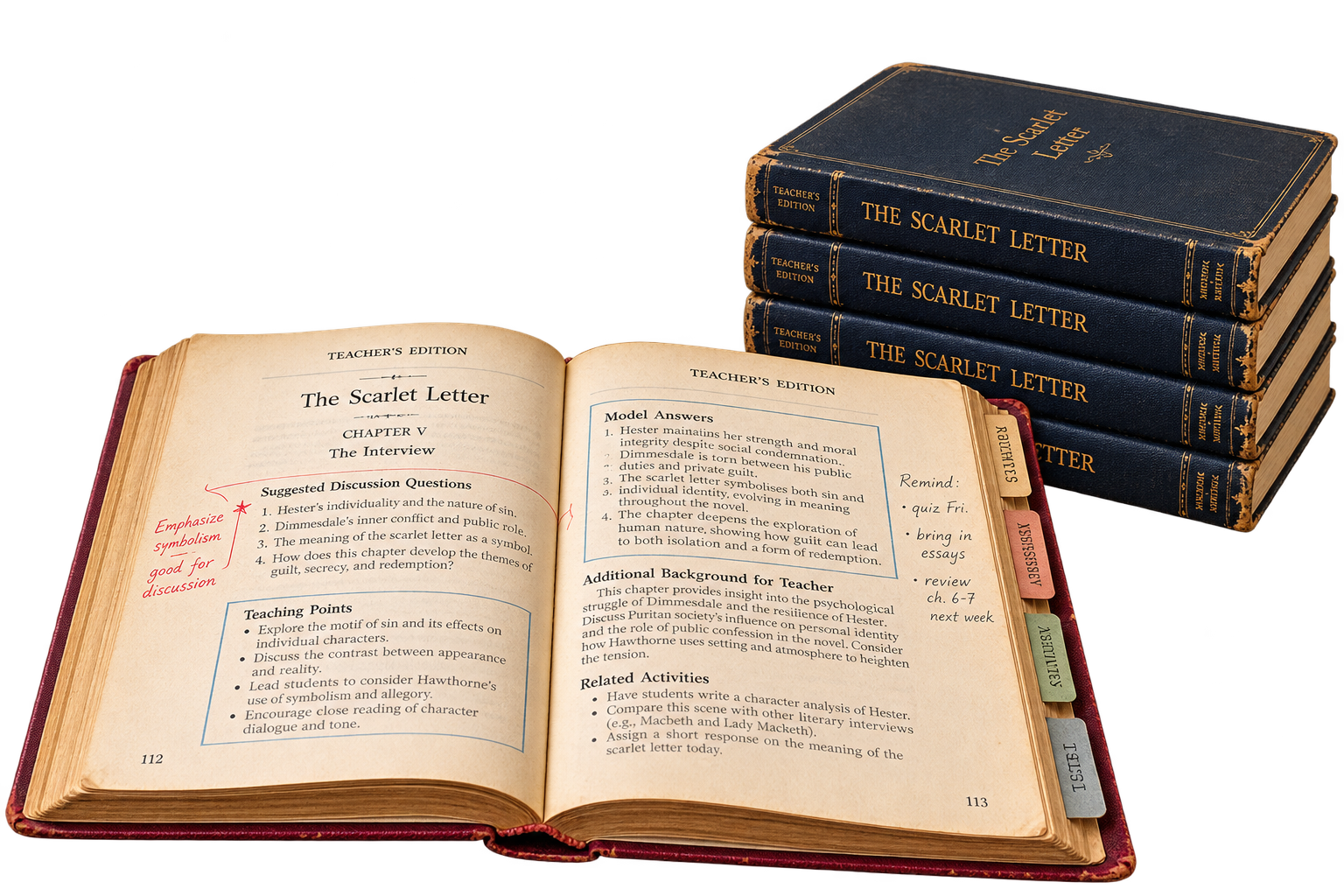
Many teachers used special editions of textbooks that included suggested answers and guidance for class activities. These books helped educators prepare lessons and check student work. Teacher’s editions were often kept separate from student copies and marked with notes, tabs, or handwritten reminders.
12. Index Cards
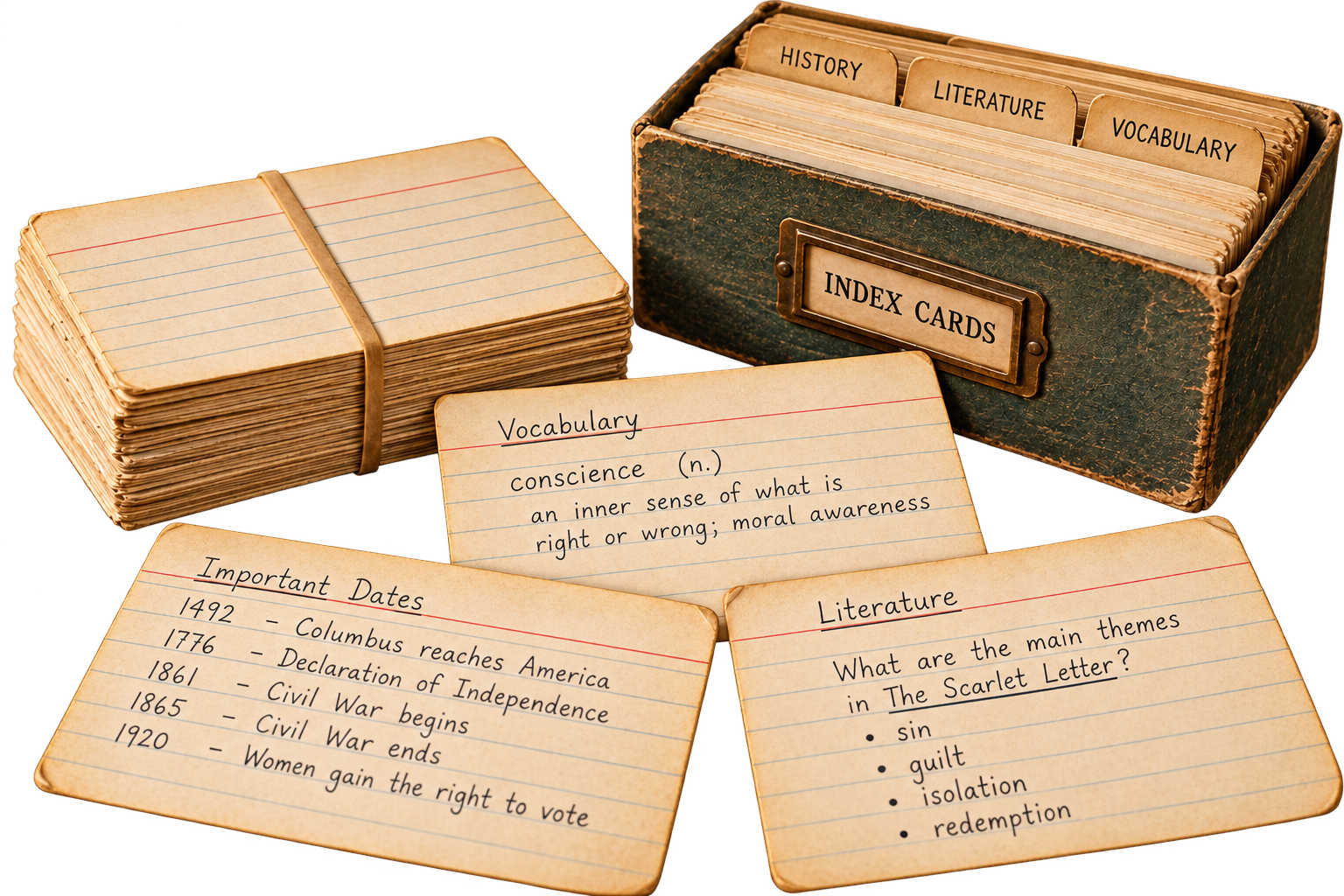
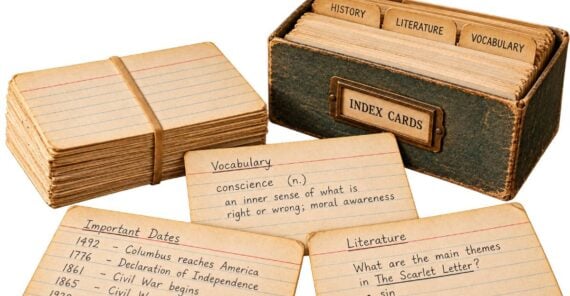
Index cards were versatile tools in the pre-digital classroom. Teachers used them to prepare flashcards, organize lesson notes, and develop review games before exams. Cards could turn memorization into a quick classroom activity or help an educator arrange information into sections.
13. Bulletin Board Pushpins
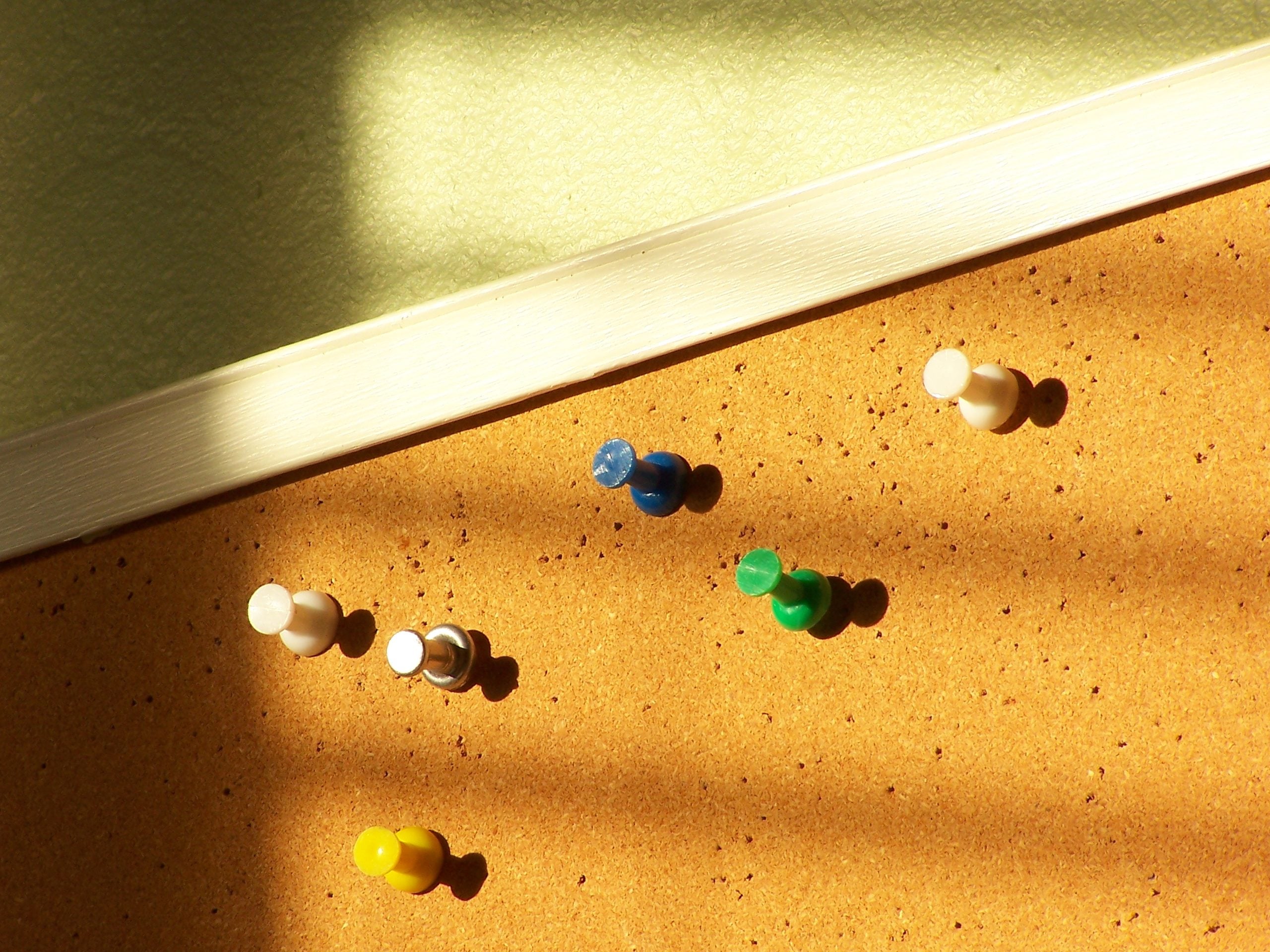
Classroom bulletin boards served as a combination of information center and decoration. Teachers used pushpins, paper letters, borders, and colorful cutouts to display spelling words, classroom rules, and student artwork. Changing a bulletin board often meant cutting out letters by hand and arranging paper decorations.
14. Hand Bells & Timers
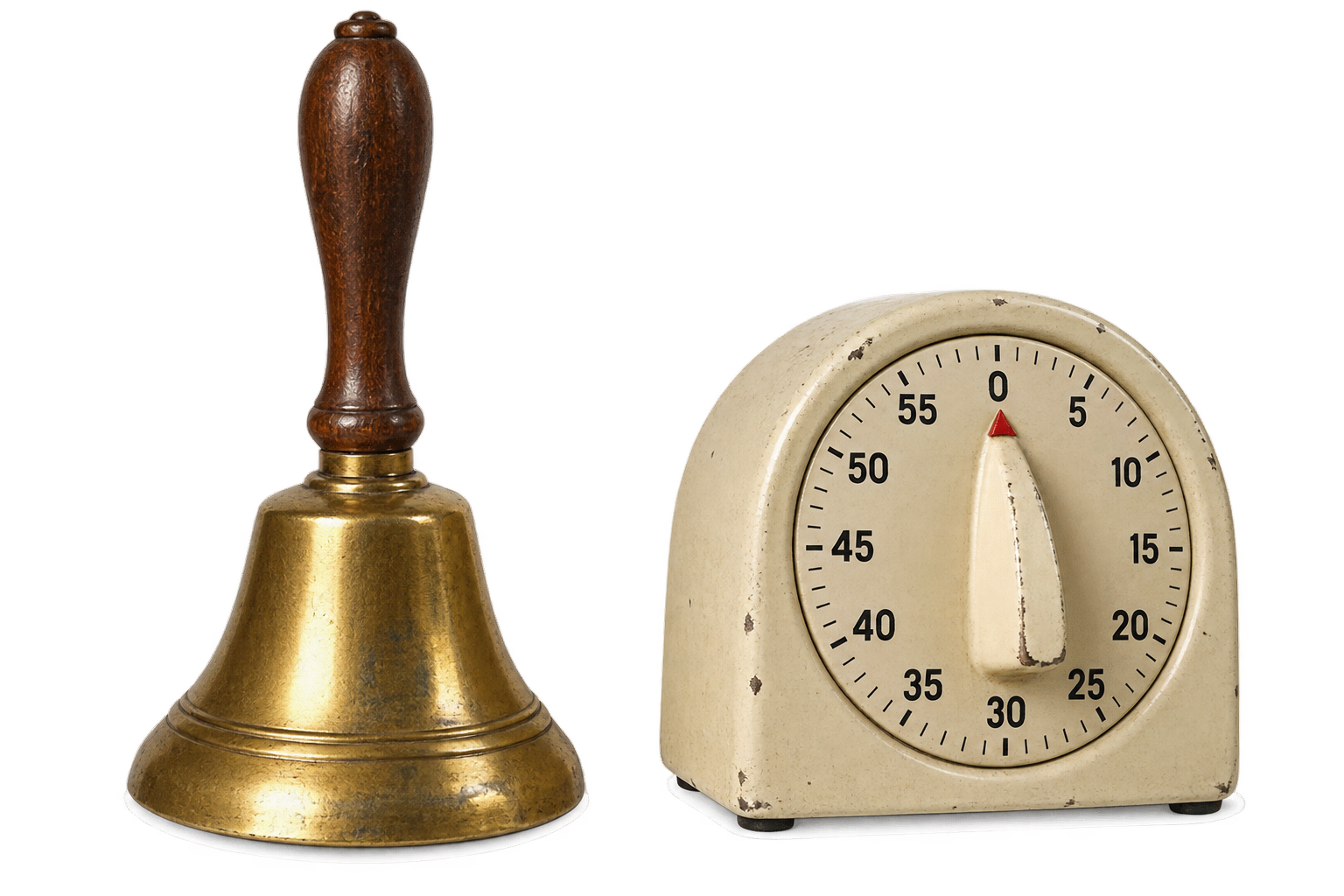
Not every classroom had an intercom or automated bell system that could handle every routine. Teachers sometimes used hand bells, kitchen timers, or mechanical clocks to mark transitions between activities. A timer might mark the end of a reading exercise or limit the time available for a quiz.
15. Paper Lesson Planners
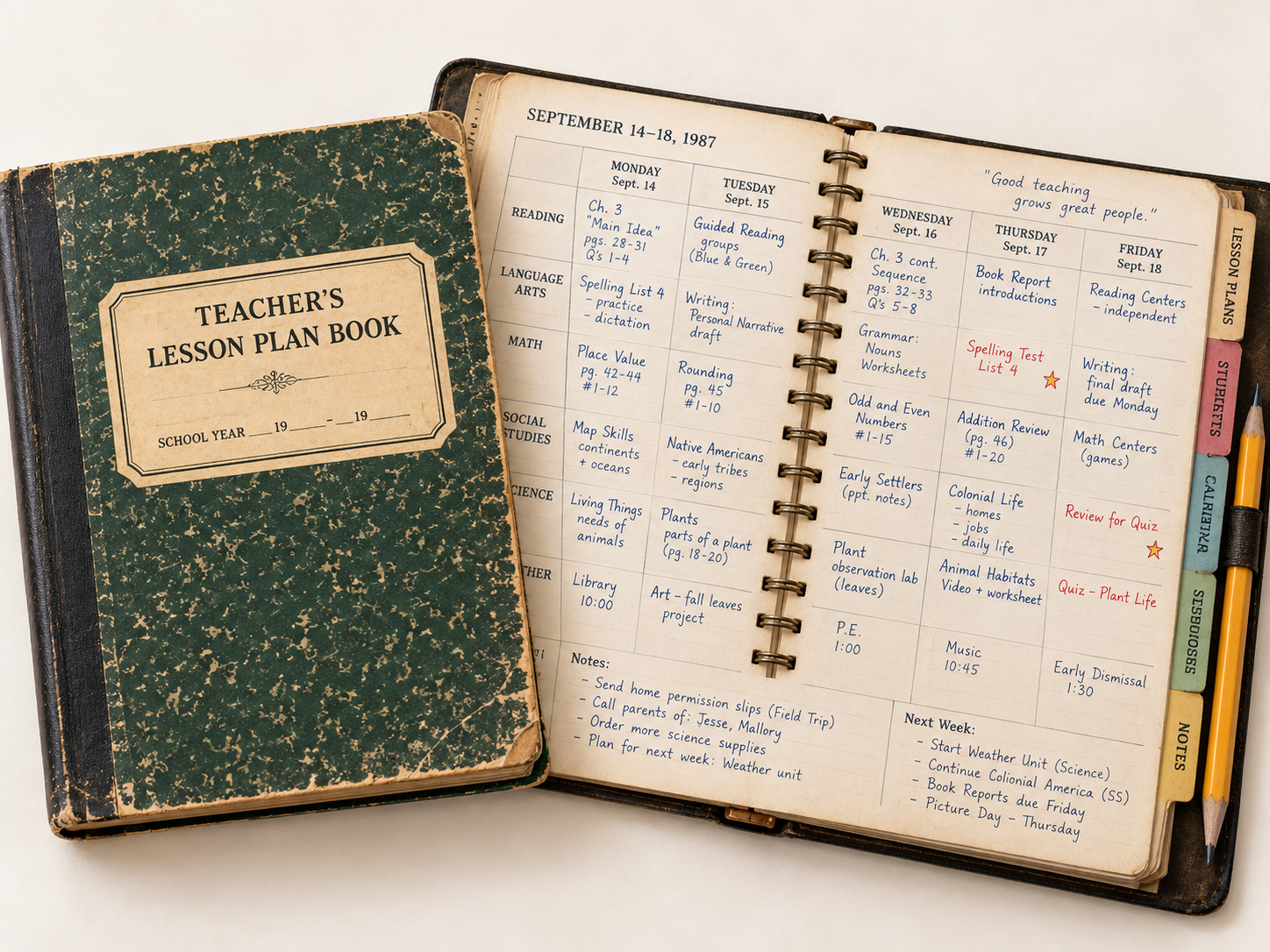
Before digital calendars and teaching apps, educators planned their weeks in paper notebooks, binders, or printed lesson-plan books. They recorded the objectives for each class, listed materials, and made notes about which activities needed to be revisited. A lesson planner was more than a calendar. It helped teachers coordinate different subjects and keep track of upcoming school events.