The 1960s were a decade when American hairstyles seemed to change in the blink of an eye. By the end of the decade, longer hair, natural textures, bangs, and unconventional styles reflected a younger generation that was willing to challenge old ideas about fashion and appearance.
What makes these hairstyles memorable is that they weren´t only limited to Hollywood or fashion magazines. They appeared in high school yearbooks, family photographs, and neighborhood beauty salons. Some required hairspray, teasing, or a large amount of patience, while others looked effortless.
1. Beehive
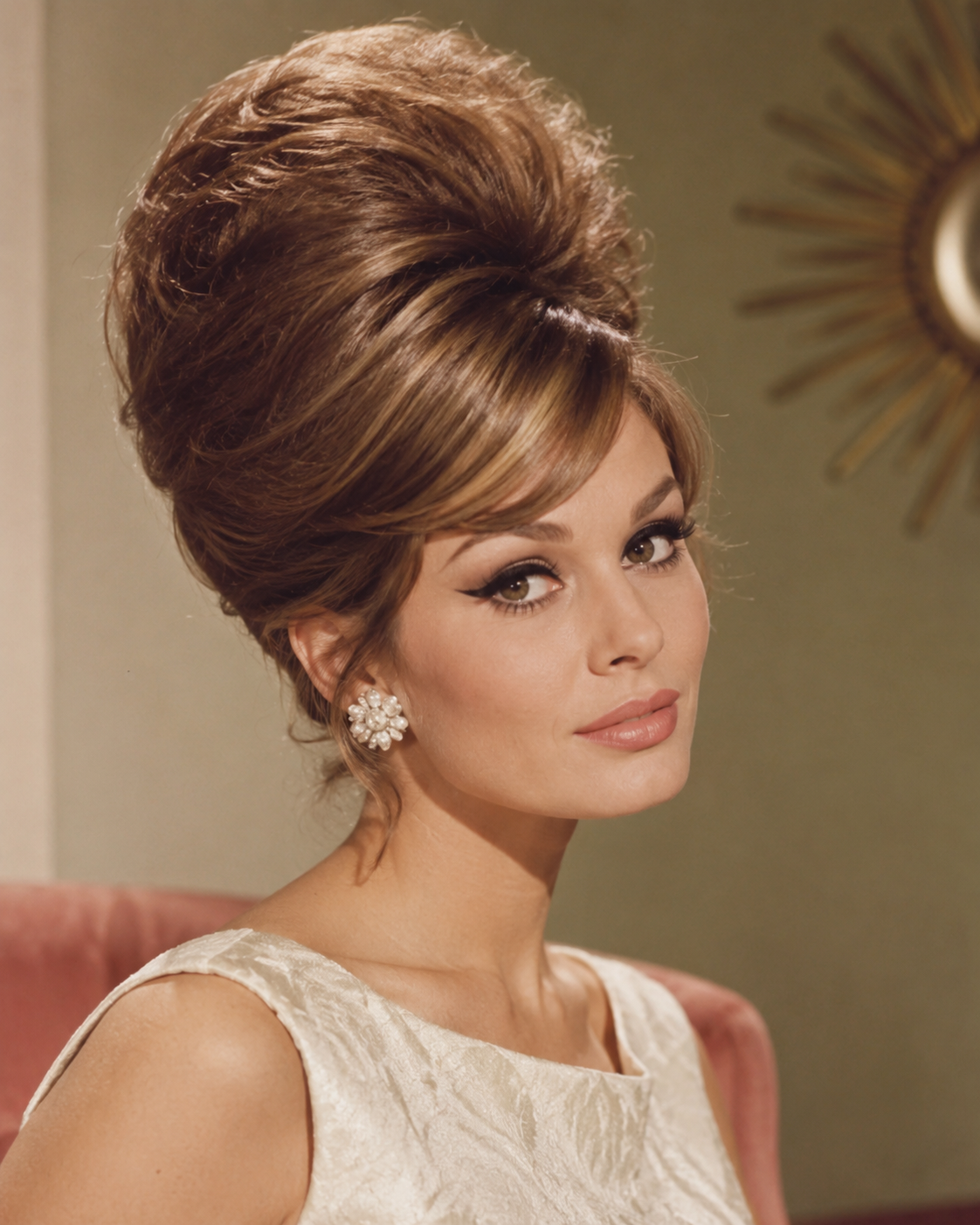
Backcombing, pins, and generous amounts of hairspray were often involved. The beehive became associated with evening events, parties, and women who wanted a dramatic, sophisticated look.
2. Bouffant
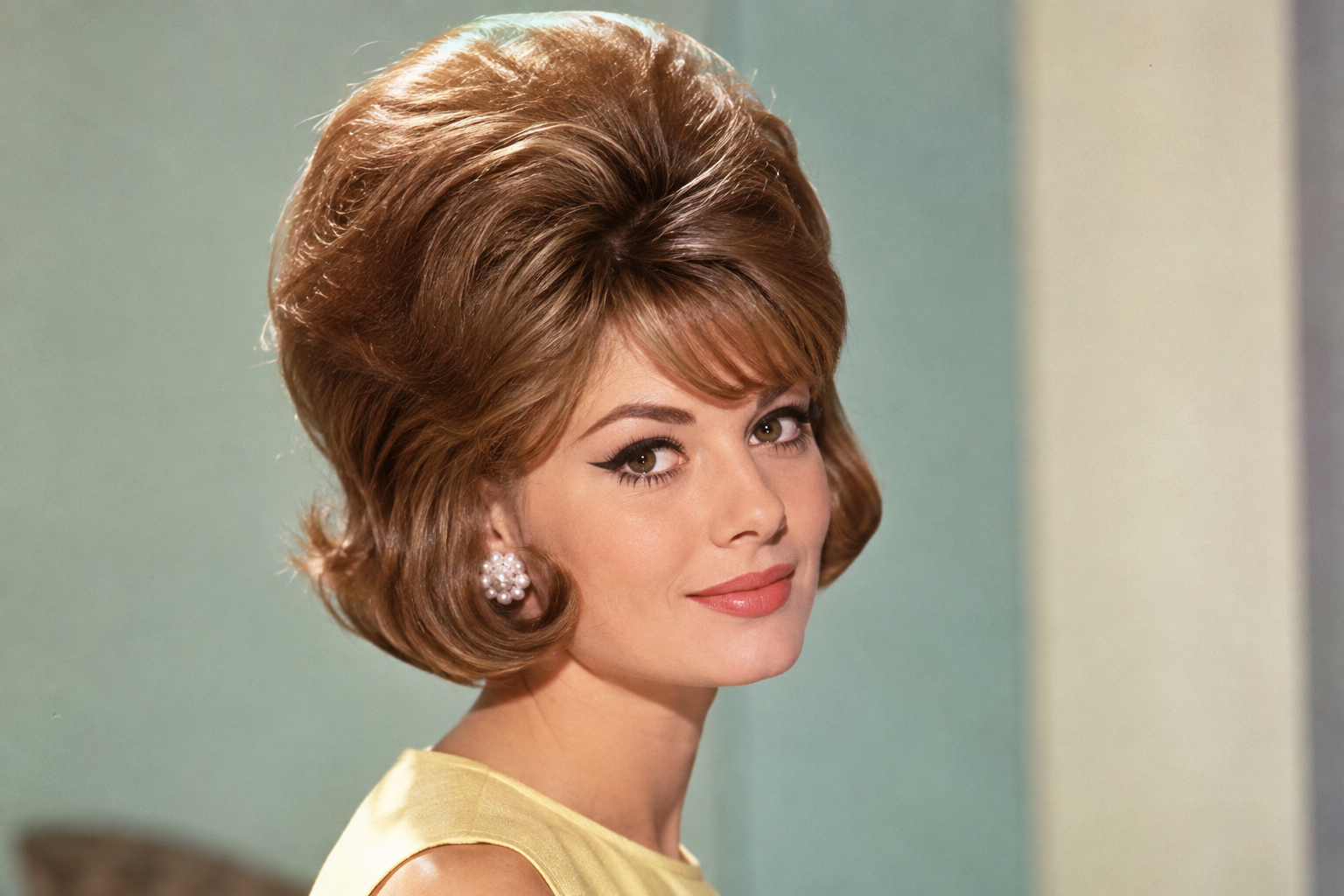
Hair was lifted away from the head and shaped into a rounded silhouette that could be tall without appearing messy. It became a staple of beauty culture, helped by television personalities, actresses, and magazines.
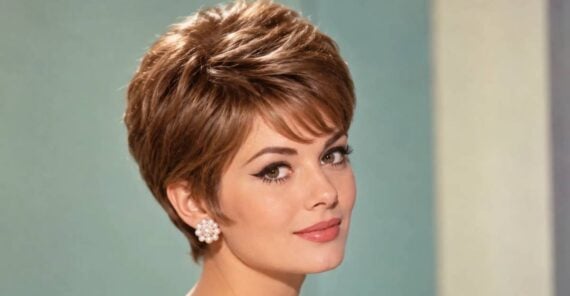
3. Pixie Cut
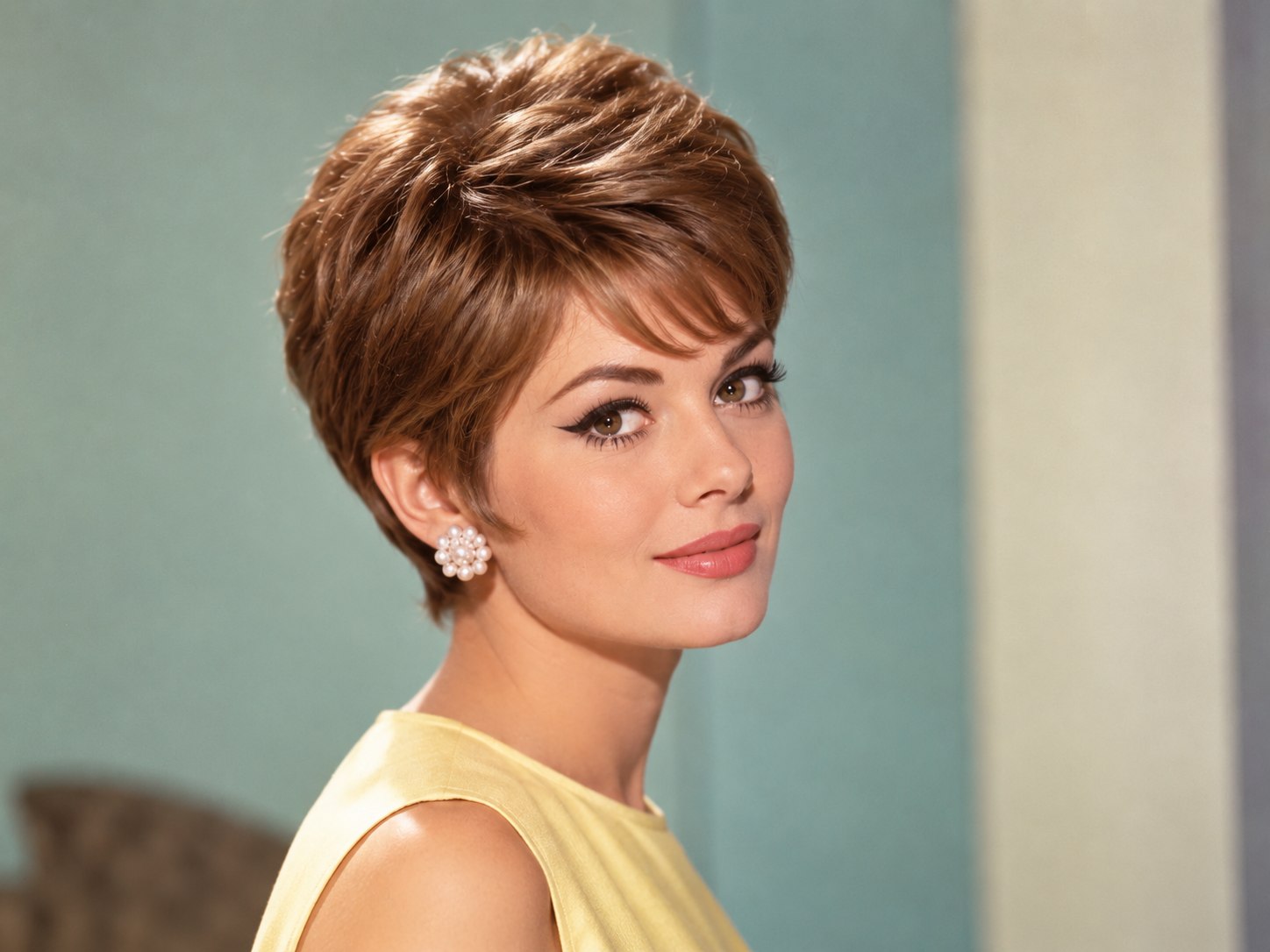
Short hair offered a different kind of statement. The pixie cut was young and modern. It became attractive to women who wanted something simpler.
4. Vidal Sassoon Bob
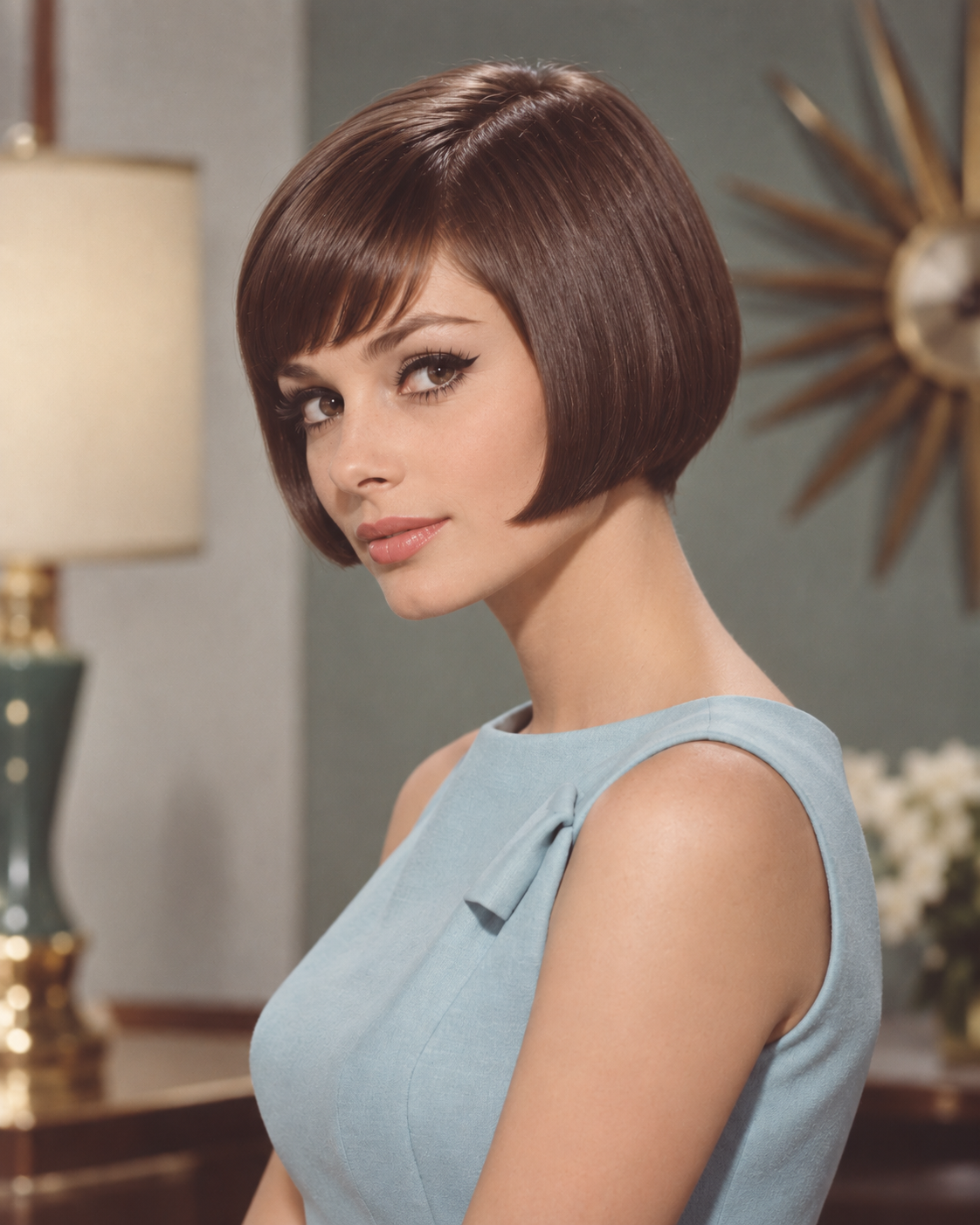
The geometric bob represented the modern side of 1960s fashion. It was known for being geometric, precise, and structured.
5. The Flip
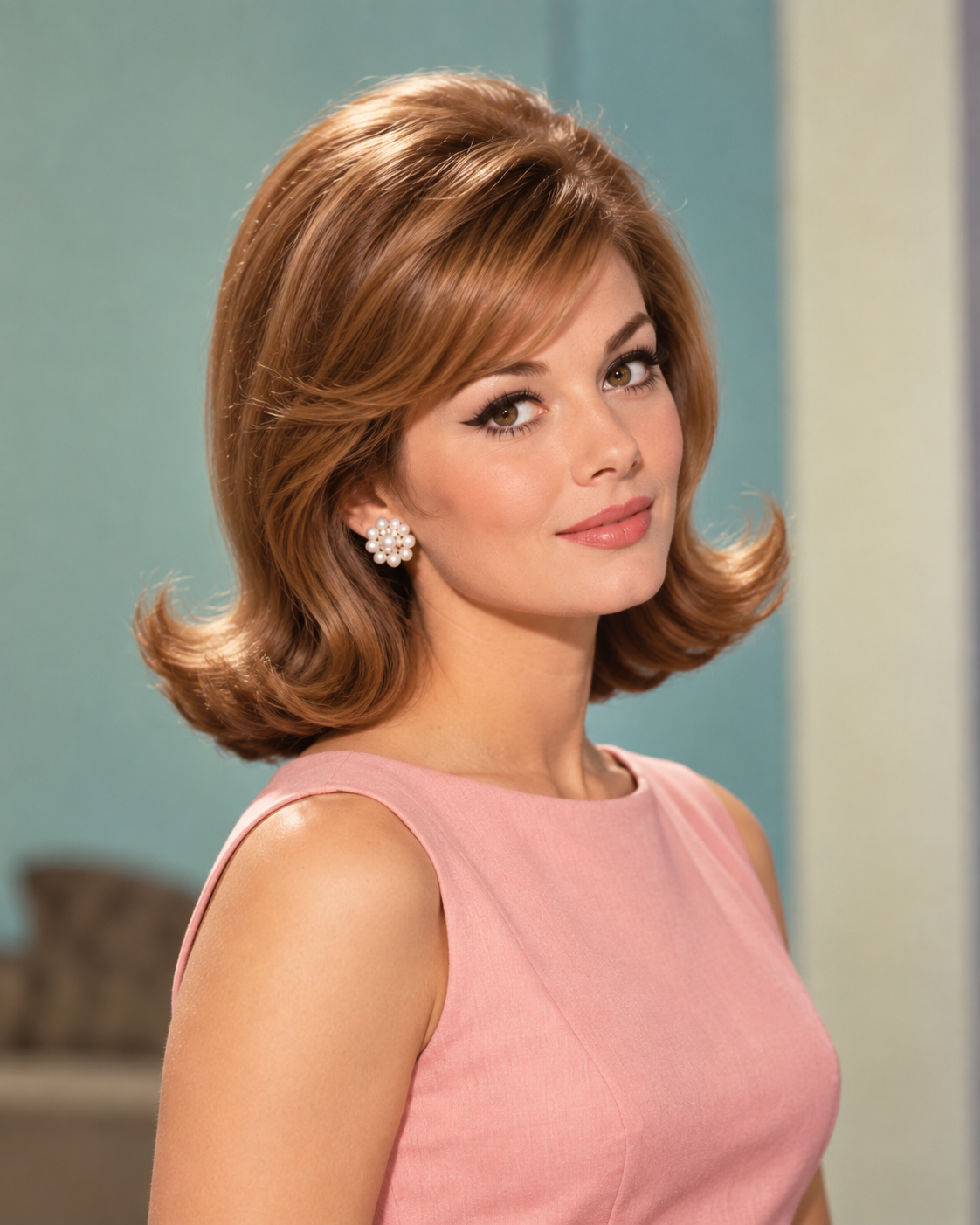
The flip was one of the most recognizable hairstyles of the decade. Hair was cut around shoulder length and curled at the ends. It was practical enough for women and girls to wear it at school, work, or social events.
Trending on Wealth Gang

6. The Pageboy
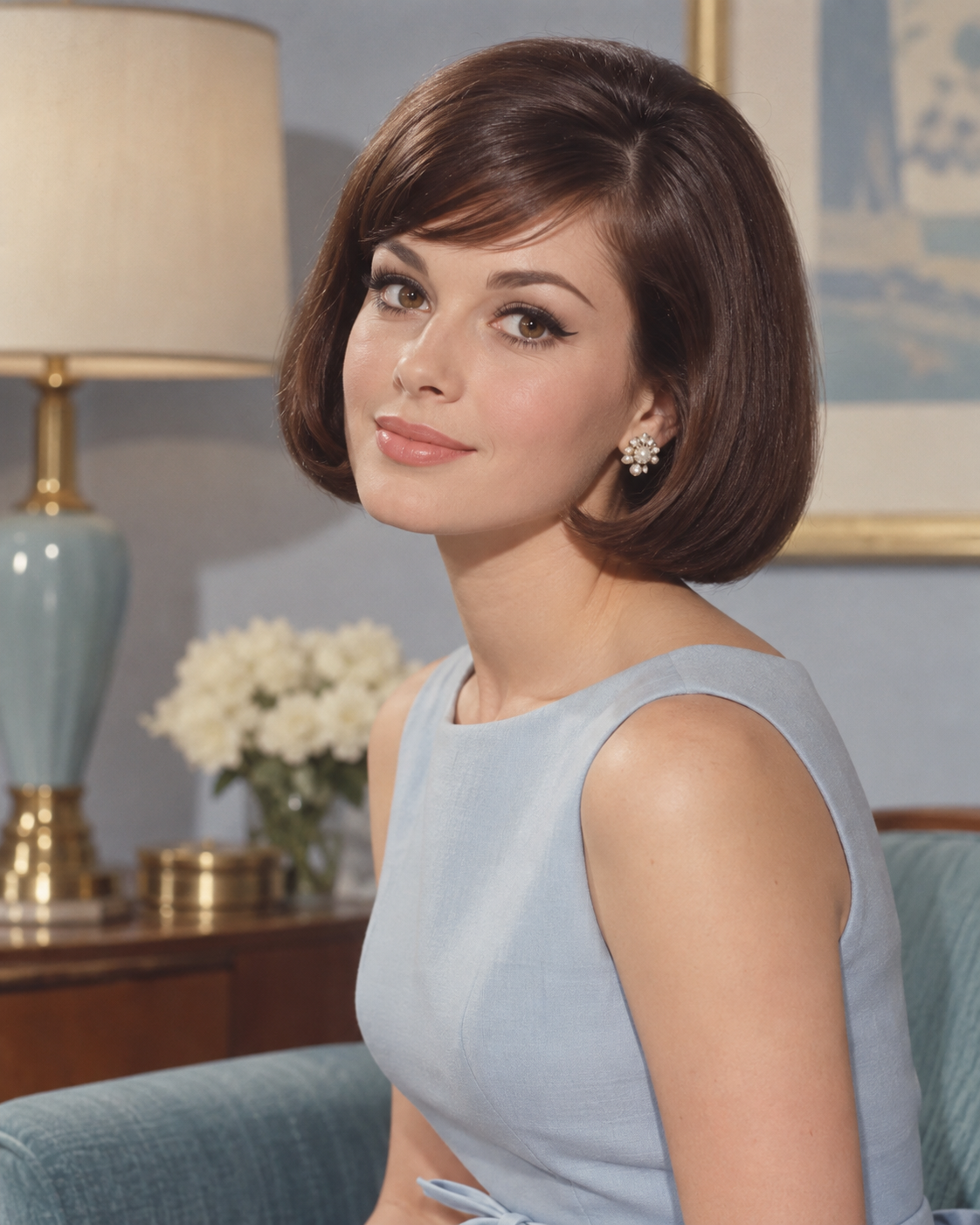
The pageboy featured smooth, straight hair that curved inward around the face and neck. It had a tidy quality while still feeling modern. It was a good alternative for women who wanted a controlled hairstyle without the height of a bouffant.
7. The Shoulder-Length Curl
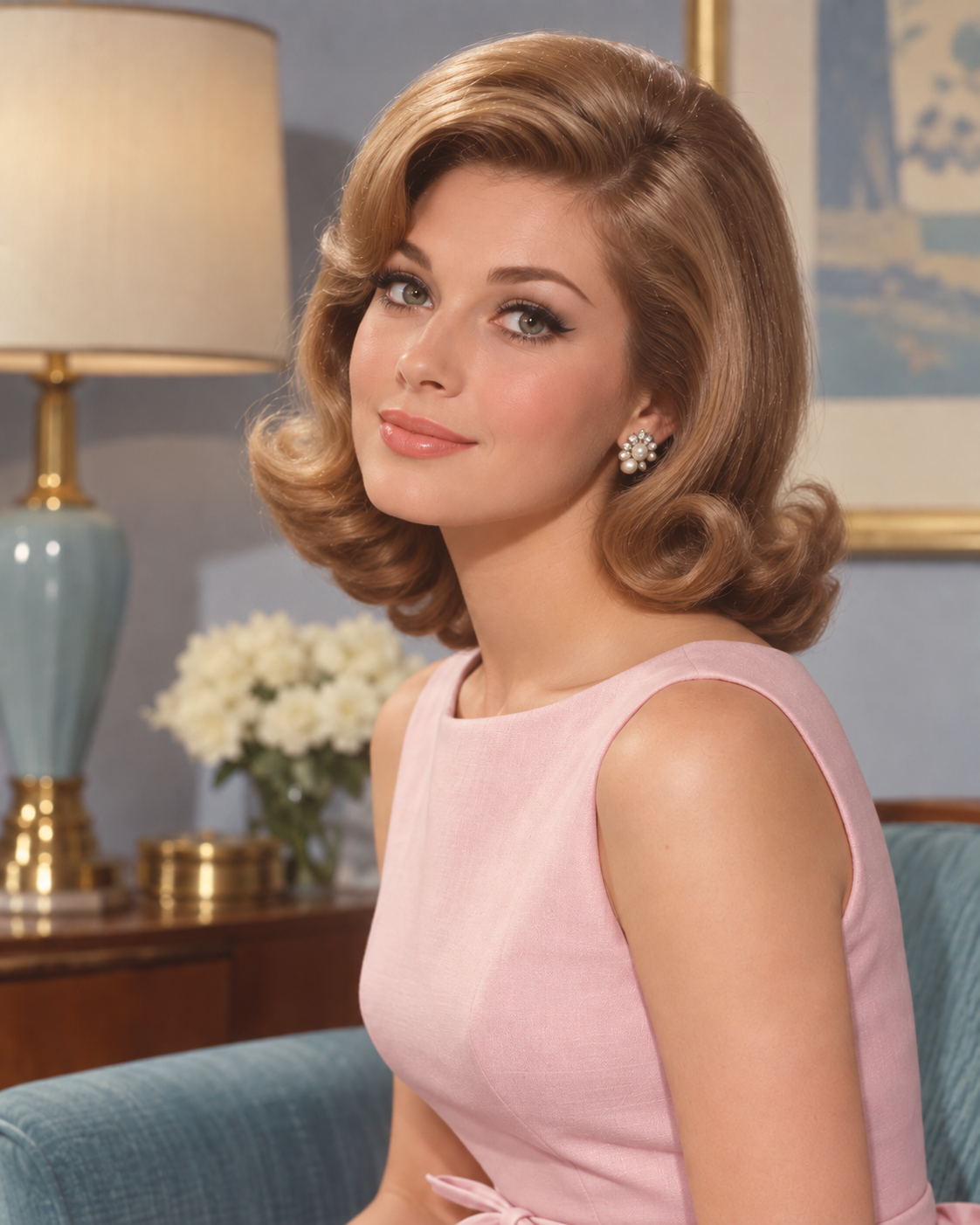
Soft shoulder-length curls remained a familiar choice throughout the 1960s, especially for women attending weddings or any event. These curls could be created with rollers and then brushed into place.
8. The Bubble Cut
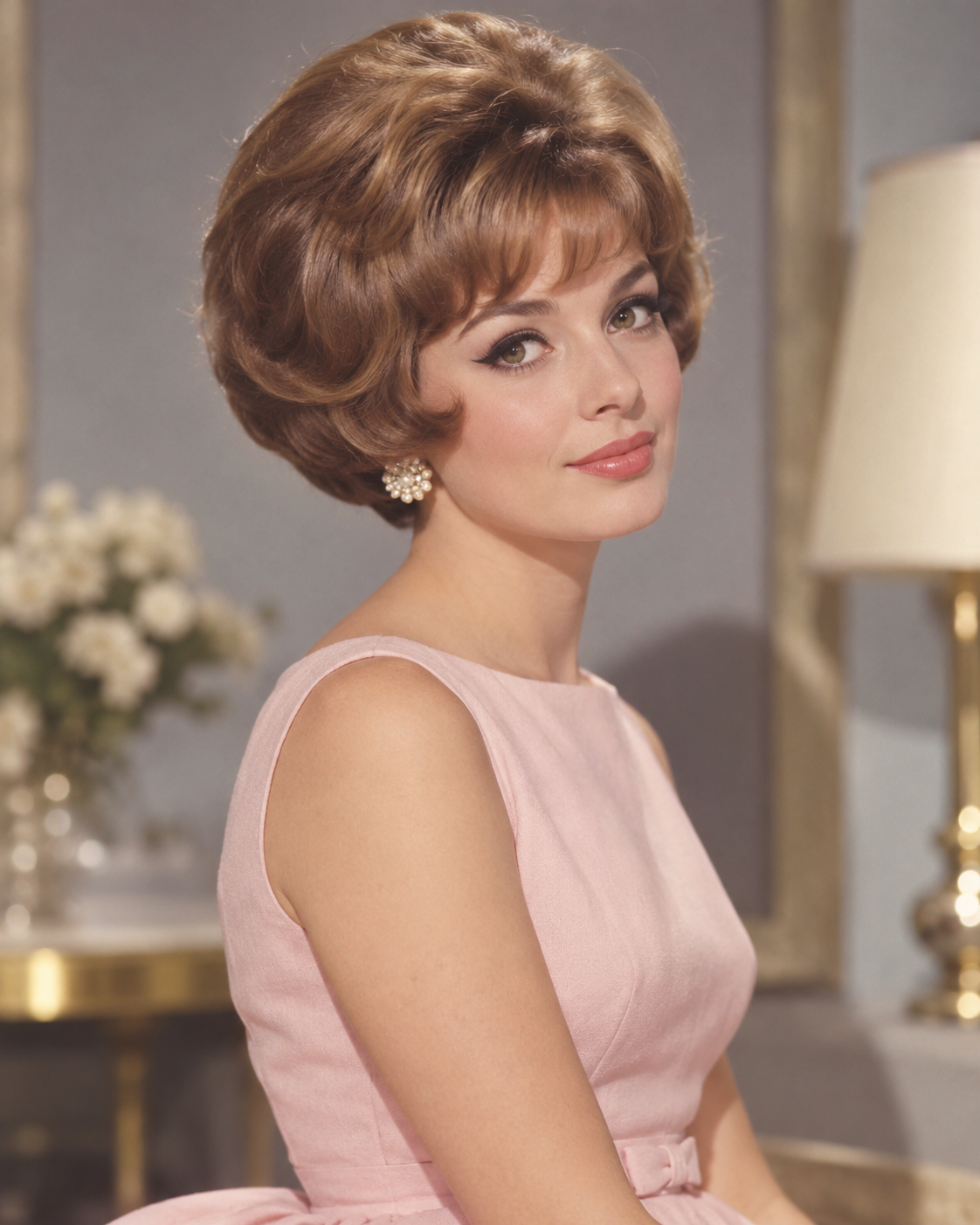
The bubble cut was a short, rounded style that became popular among young women. Hair was shaped close to the head, often with soft volume around the crown.
Sign up for our newsletter
9. The Brushed-Under Bob
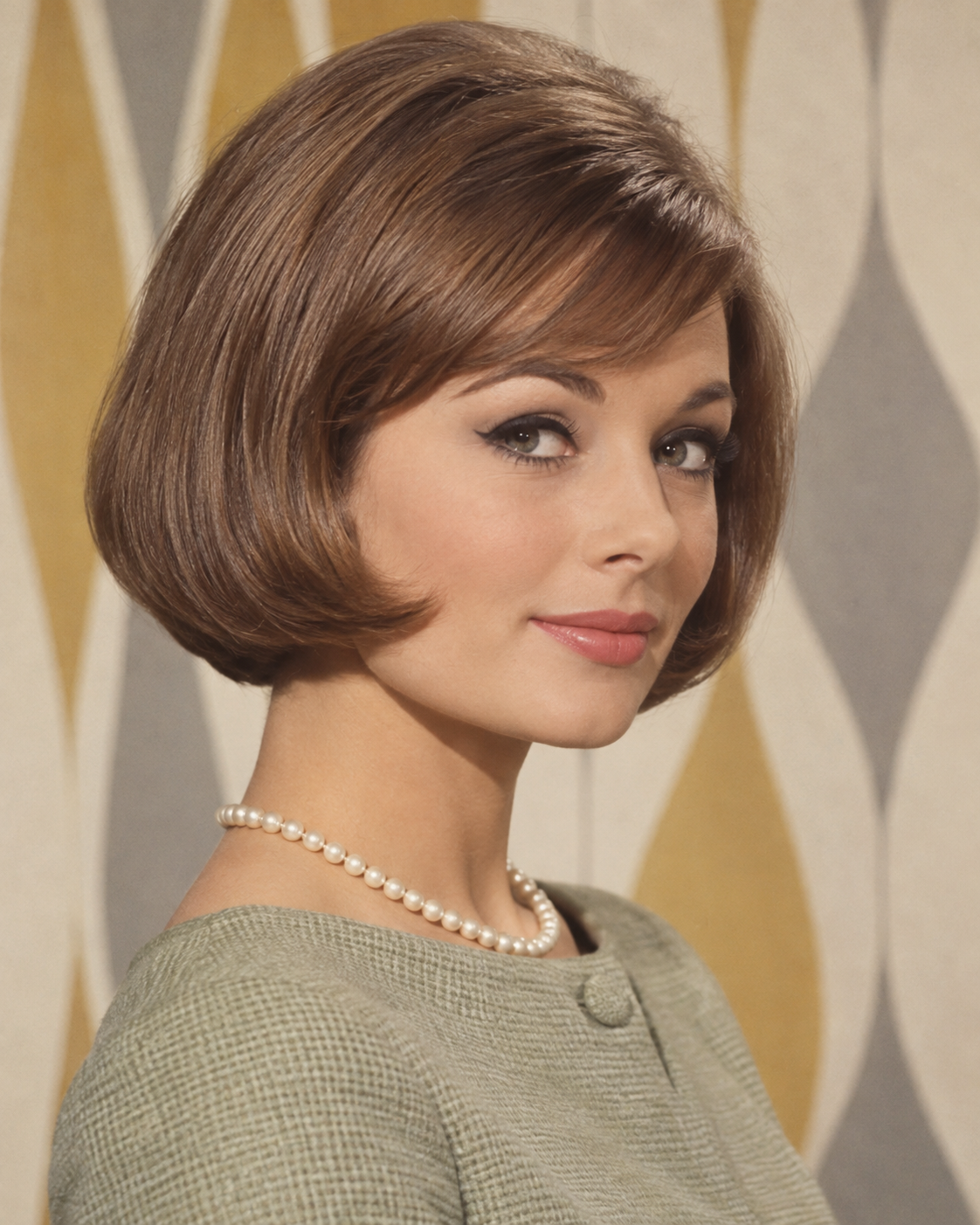
The simple bob remained a choice for women who preferred a neat appearance. Hair was often brushed under at the ends, producing a rounded shape. Its versatility helped it survive.
10. Long Straight Hair
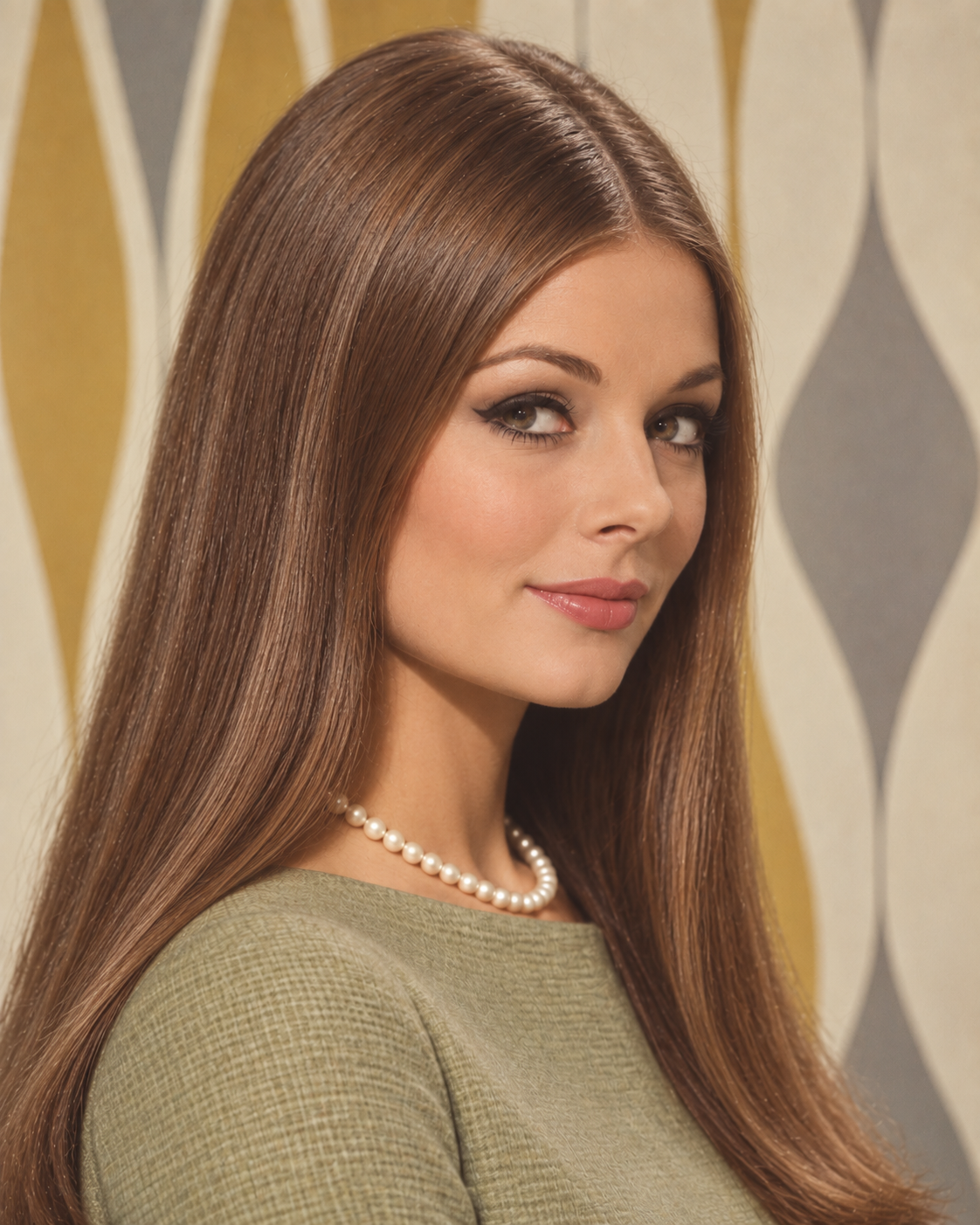
By the end of the decade, long straight hair began to symbolize something different from the carefully styled looks of the early 1960s. Young women began to wear their hair loose, long, and natural.
11. The Headband Look
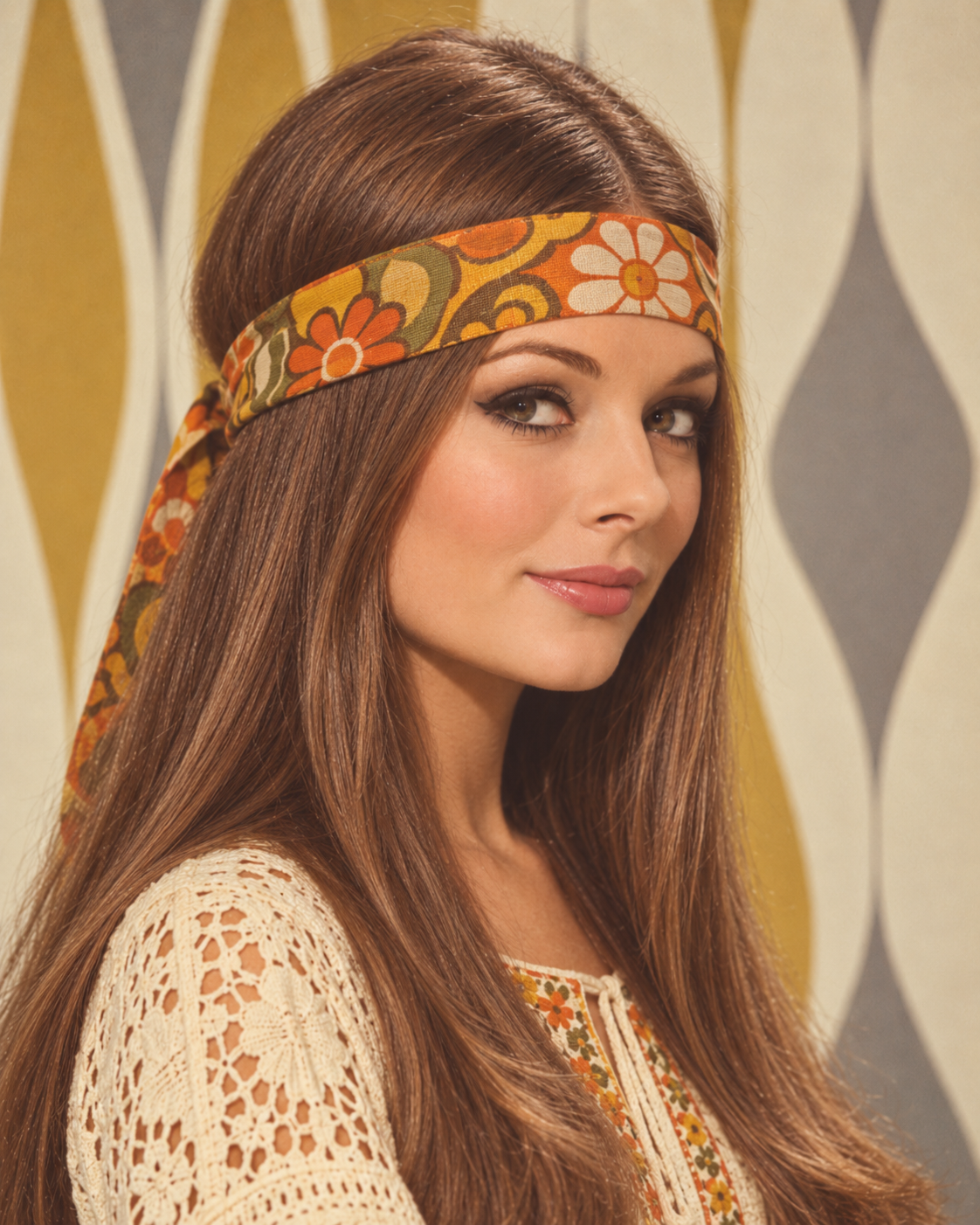
Headbands became an easy way to accessorize hairstyles. They could be worn across the forehead or farther back on the head. They became associated with the increasingly relaxed fashion of the late 1960s.
12. Ponytail
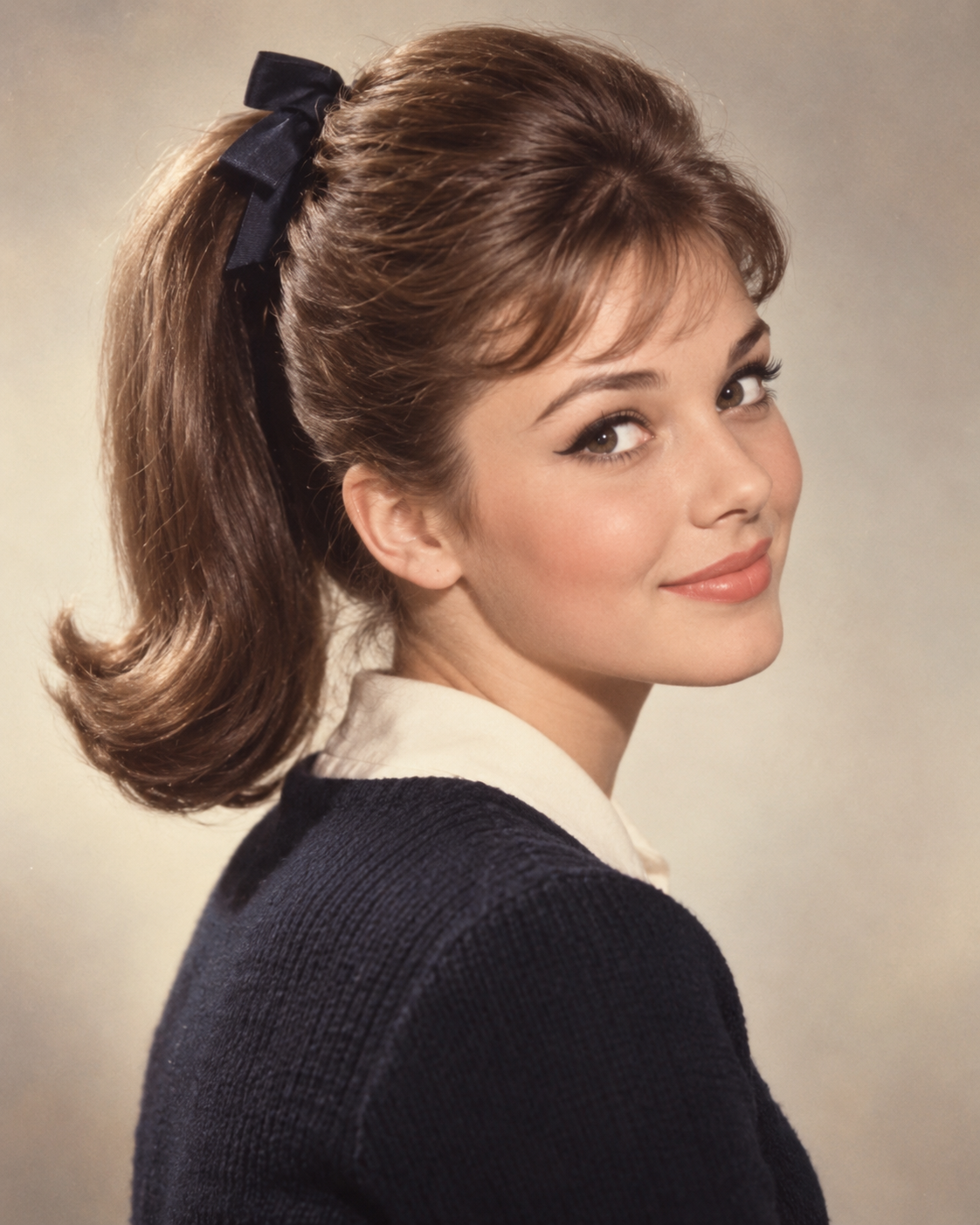
The ponytail never disappeared. Girls and young women used it for school, sports, or casual activities. It was practical, cheap, and easy to recreate at home.
13. The Mod Geometric Cut
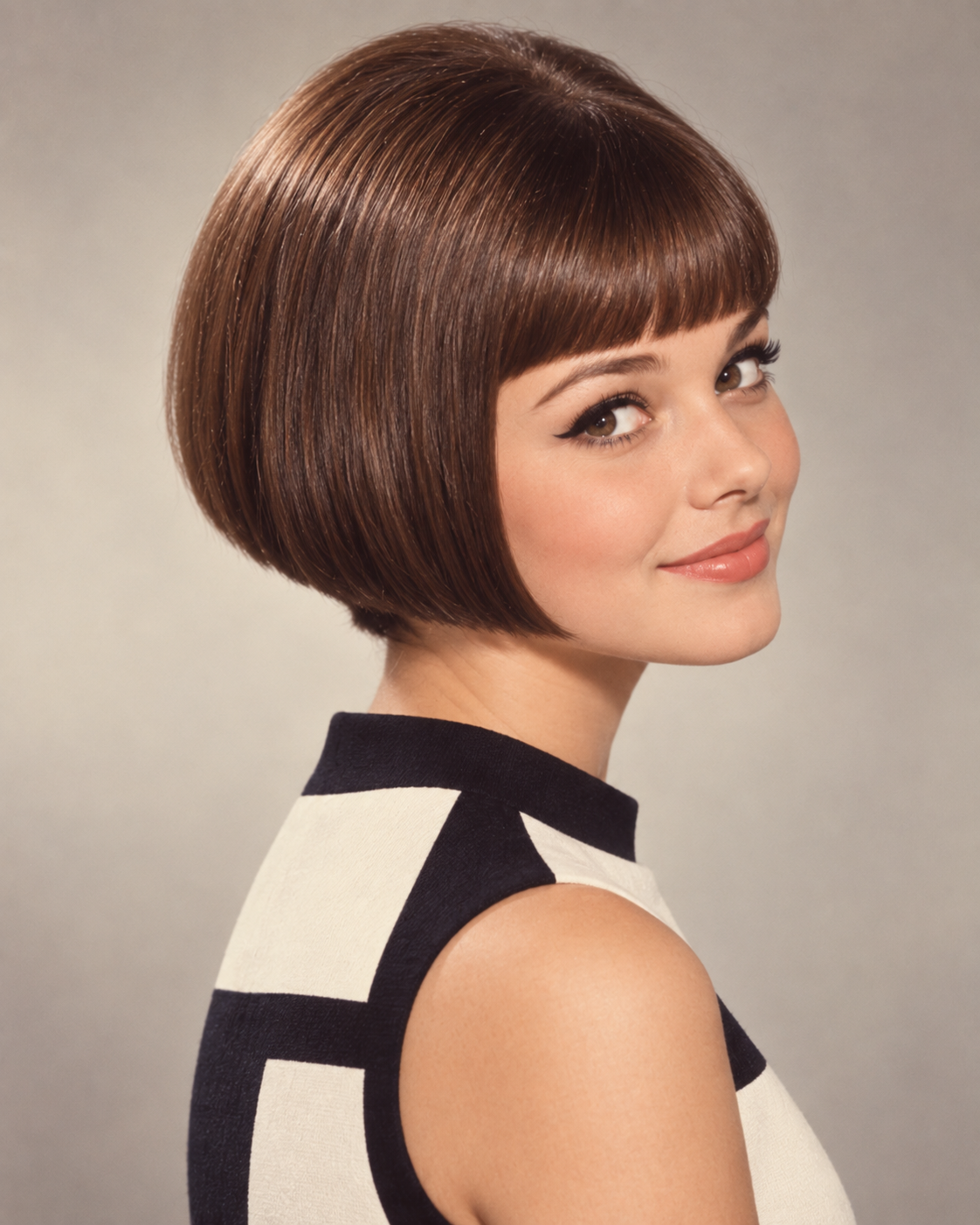
Angular shapes, bangs, and meticulously controlled silhouettes reflected the influence of London’s scene. It was less about traditional femininity and more about modernity.
14. The Curtain Bangs Look
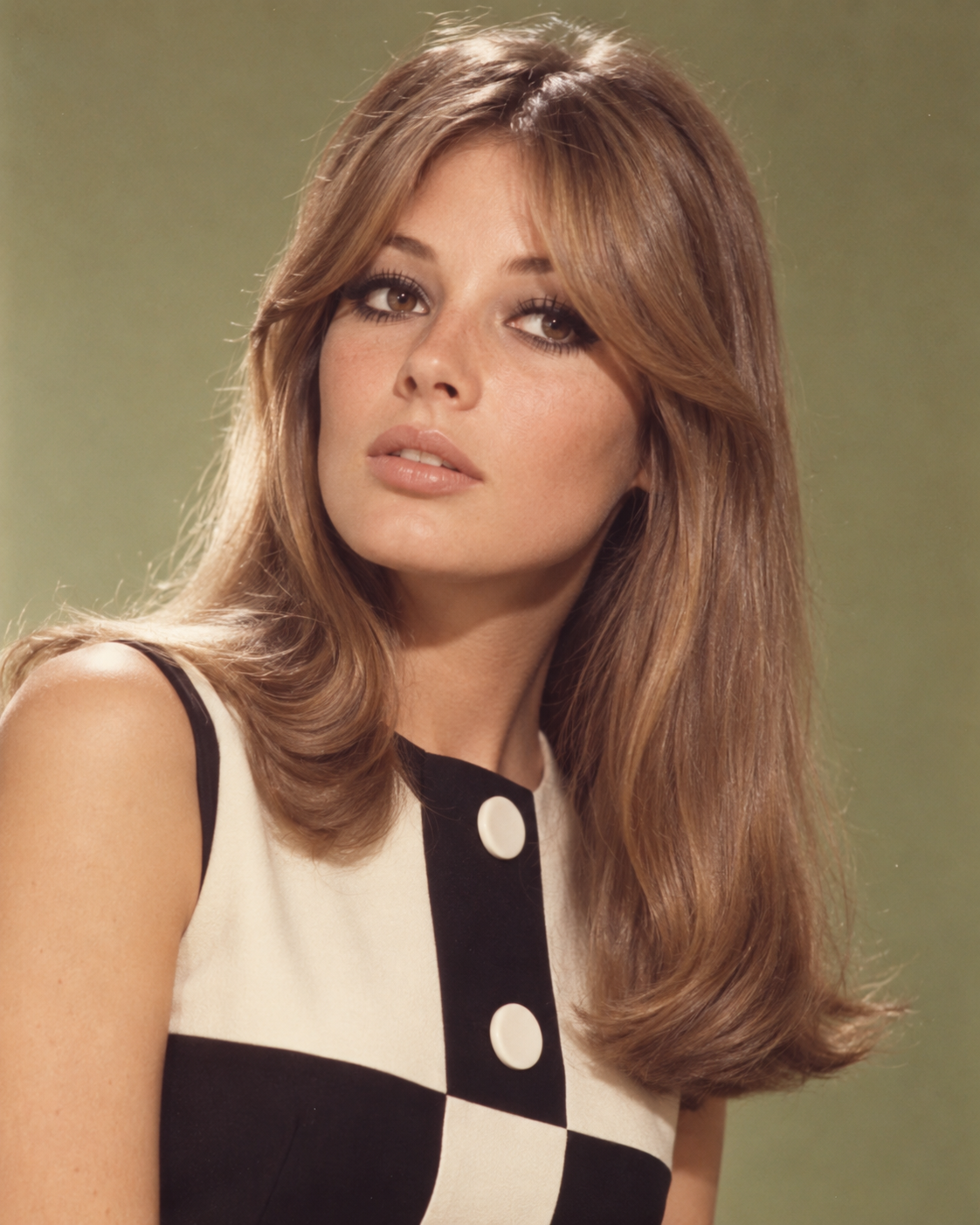
Longer bangs that framed the face became more and more popular, providing a transitional look between the polished early-decade aesthetic and the more relaxed styles of the late 60s.
15. The Teased Crown
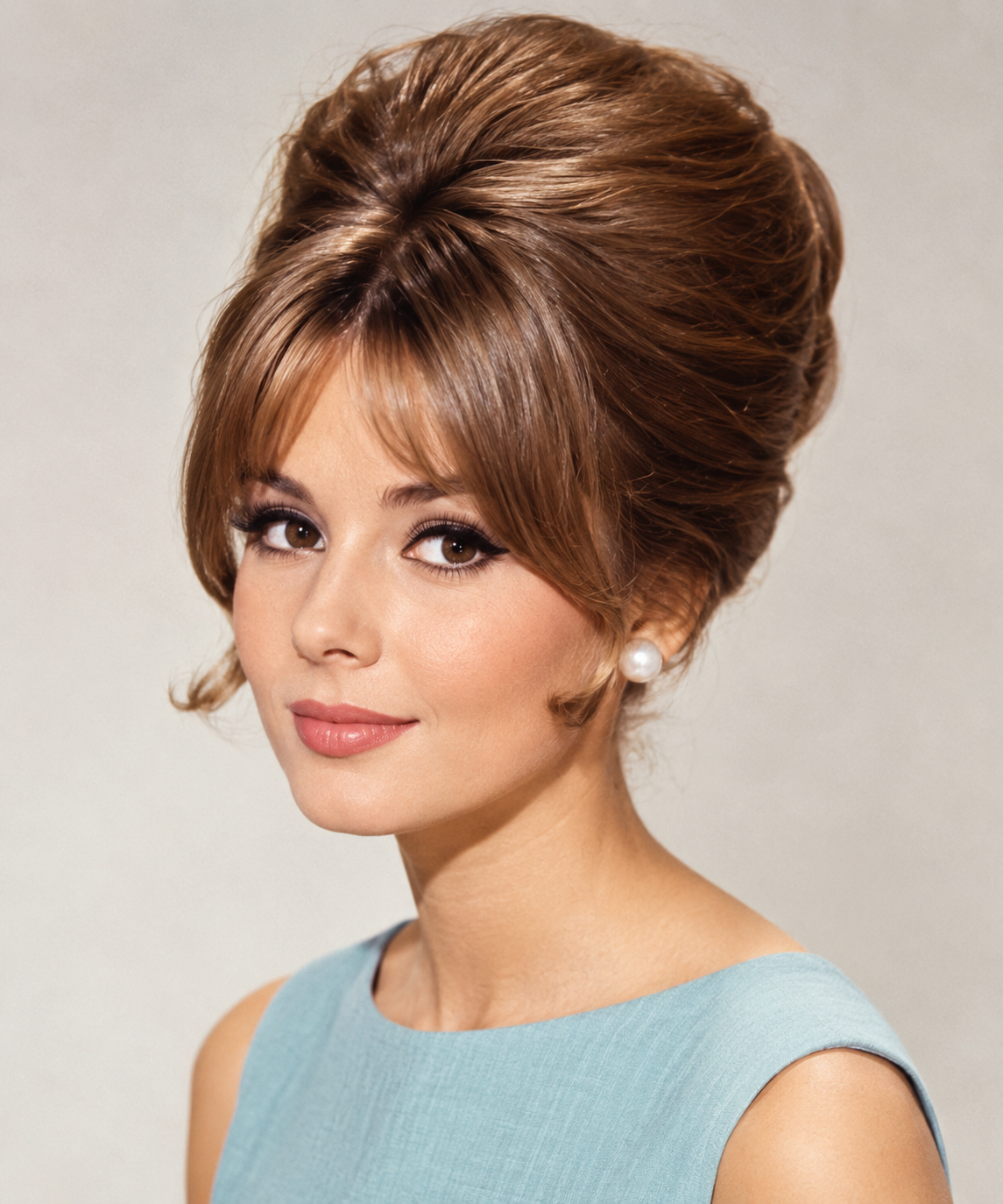
Hair was teased at the roots and carefully smoothed over the top. A few minutes with a comb could transform a simple hairstyle into something distinctly 1960s.
16. The Afro
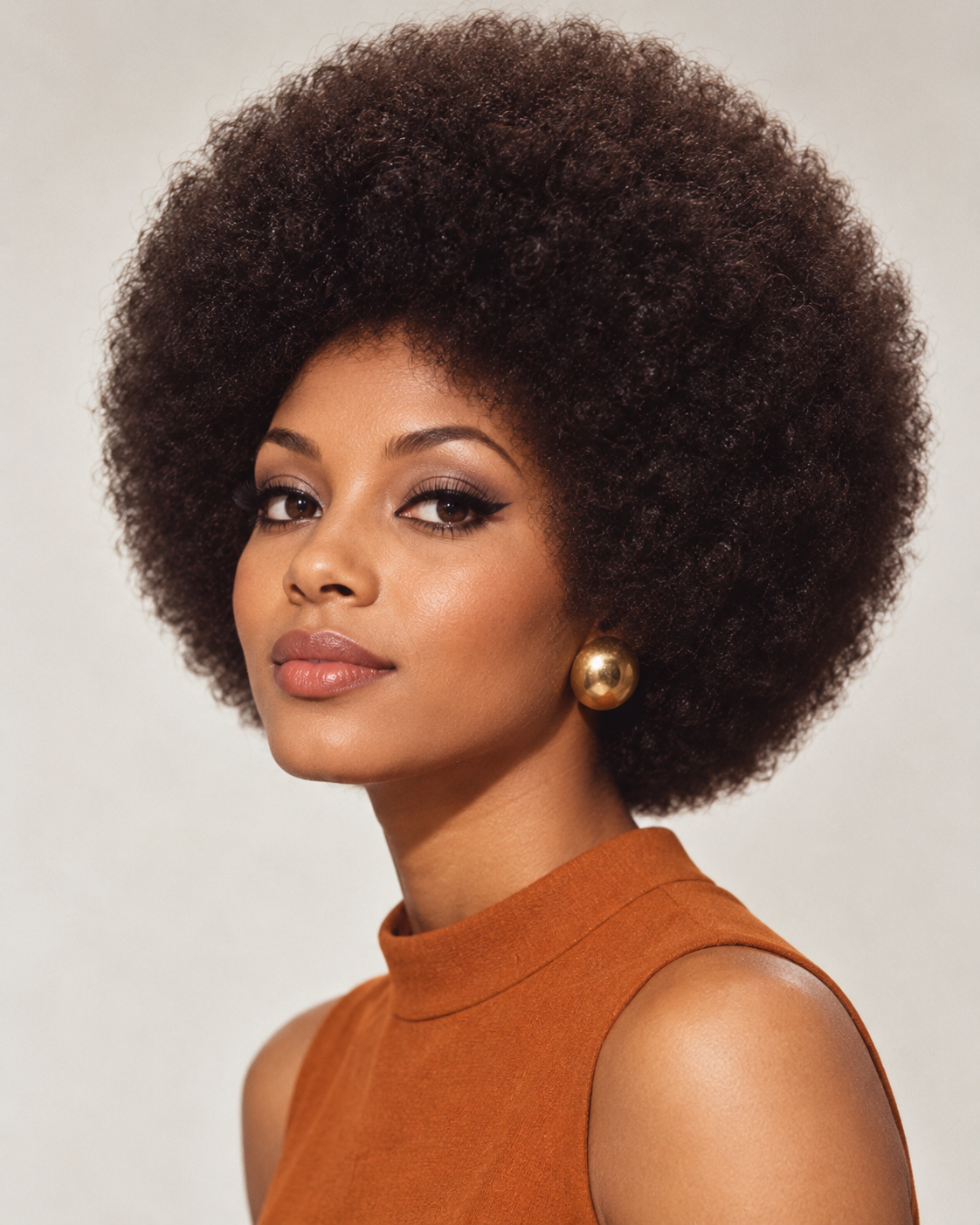
The Afro became an important hairstyle during the late 1960s, particularly within Black communities. It was closely connected with Black identity, cultural pride, and the social changes of the era.
17. Schoolgirl Ribbon Style
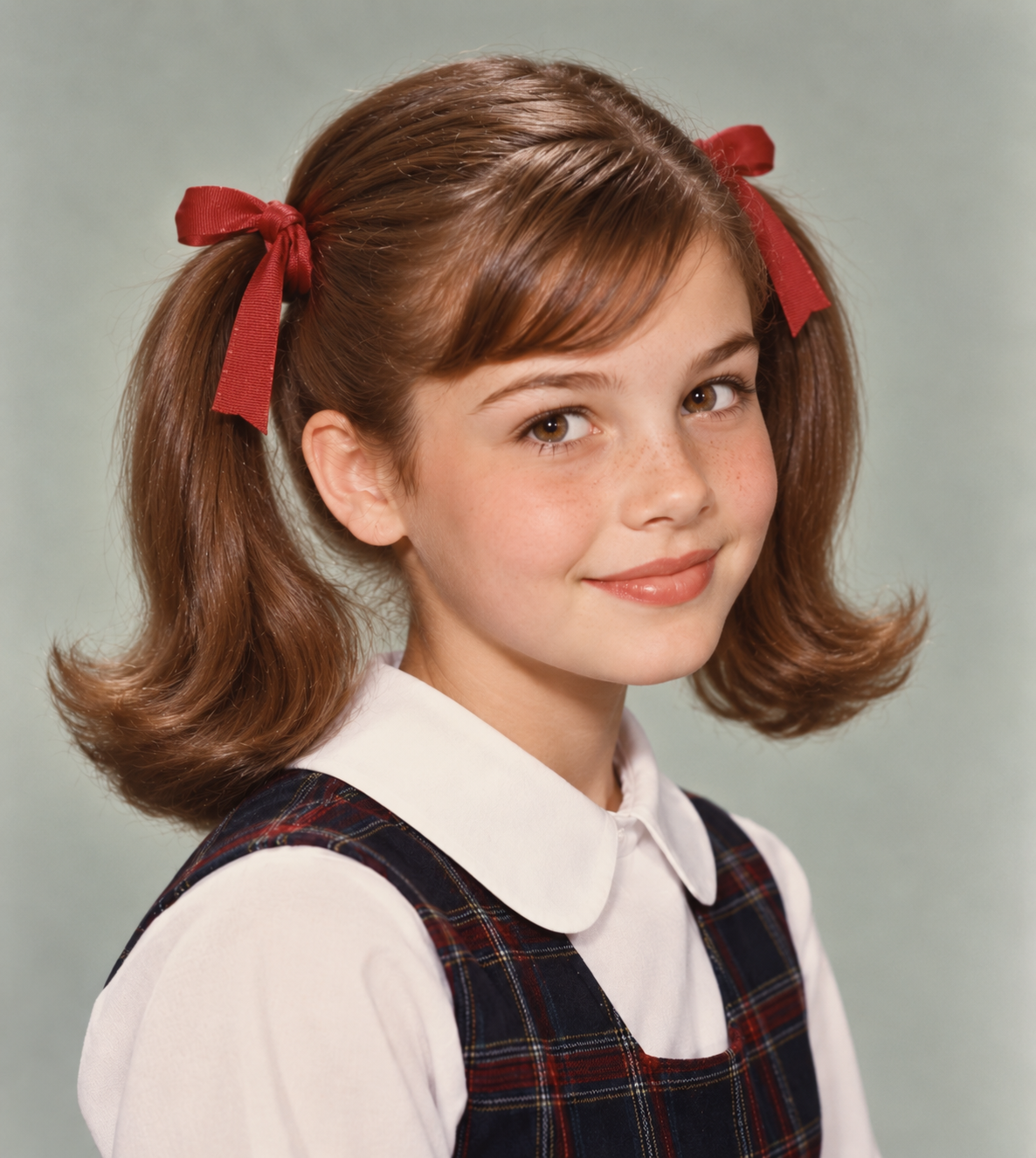
Ribbons and simple hair accessories remained familiar among younger girls. These looks are especially recognizable in school photographs from the era, where brushed hair and accessories were part of the appearance.
18. Hippie Style
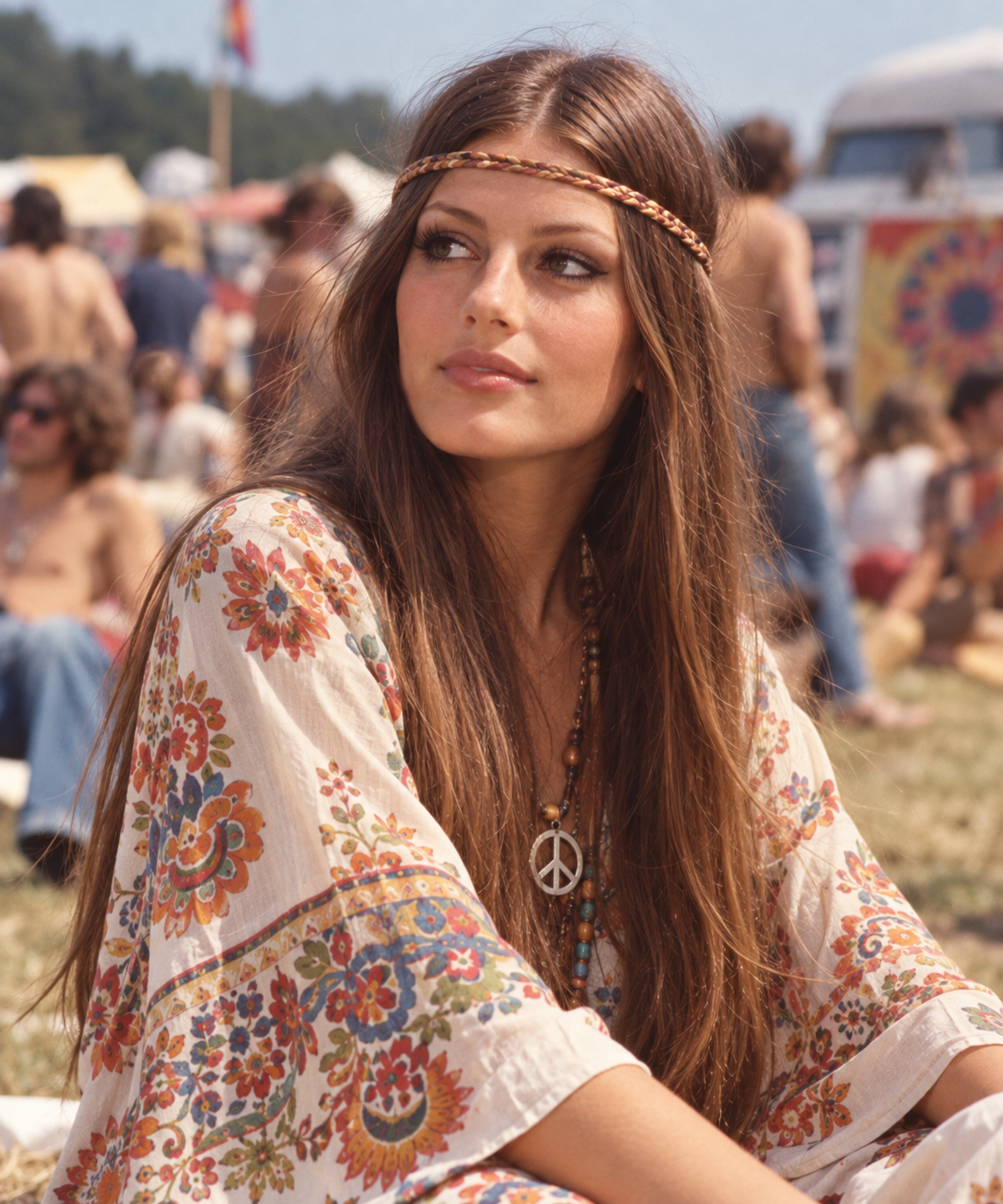
By the end of the 1960s, the clearest symbol of changing attitudes was long, effortless loose hair. The style was closely associated with the hippie movement. It represented a change in what Americans considered fashionable.
Looking for more style content?
15 Fashion Trends Defining 2026 breaks down the boldest looks taking over runways and closets this year. If you’d rather build a look that lasts, 12 Details That Make an Outfit Look Expensive shares the budget-friendly tricks that make any outfit look expensive. And for proof that great style never really goes out of fashion, 20 Pictures of Street Fashion in the 1990s takes you back to the baggy jeans and bucket hats.