Inventions that disappeared long before their time often failed for reasons that had little to do with their usefulness. Some were simply too expensive, while others arrived before the necessary technology or public demand existed to support them.
Years or even decades later, many of their ideas resurfaced in modern products that became enormously successful. Looking back, these forgotten inventions prove that being ahead of your time can sometimes be a disadvantage.
1. The Picturephone (1964)
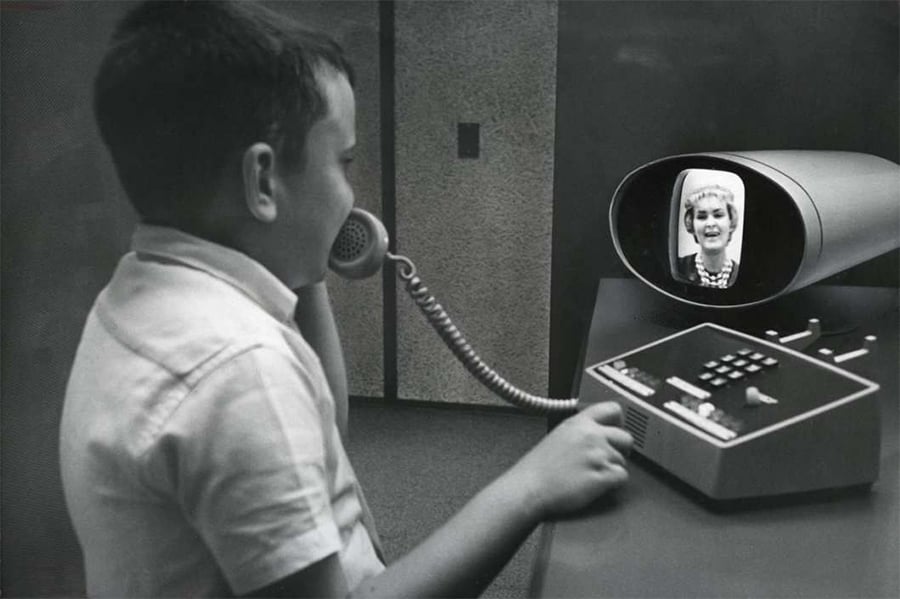
AT&T introduced the Picturephone decades before video calls became common. While the technology worked, high costs and limited demand prevented it from catching on.
2. The Dynabook Concept
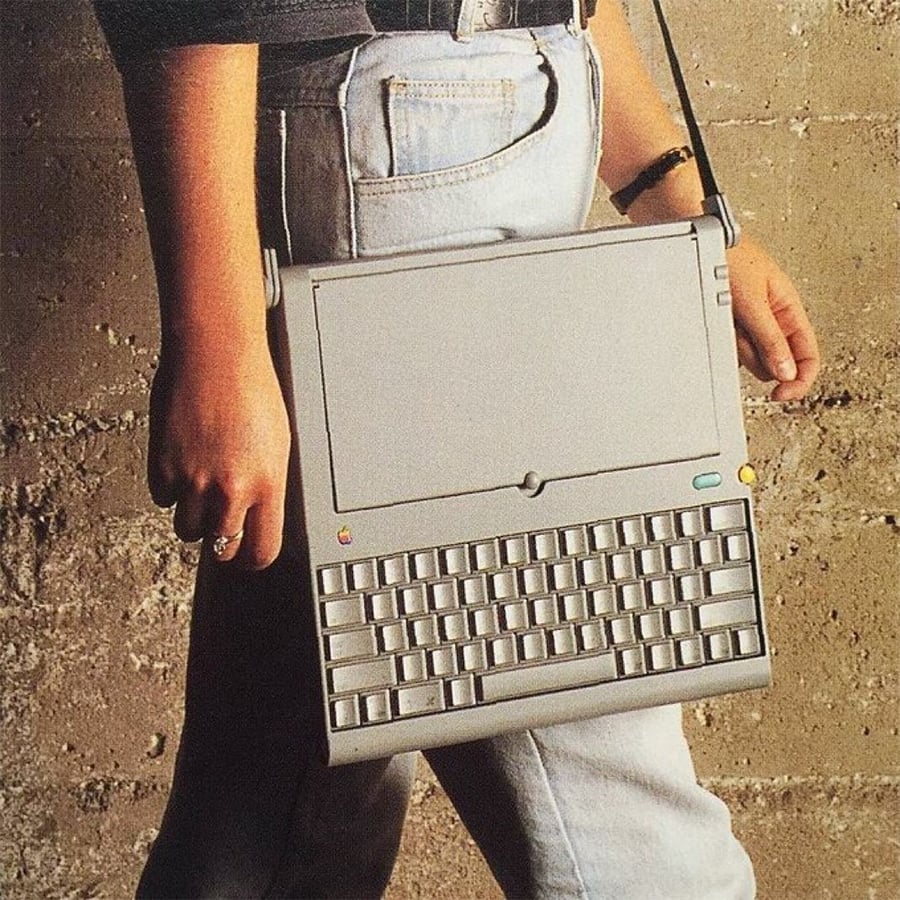
Computer scientist Alan Kay envisioned a lightweight portable computer for personal learning in the 1970s, predicting many features found in today’s tablets and laptops.
3. The Ford Nucleon
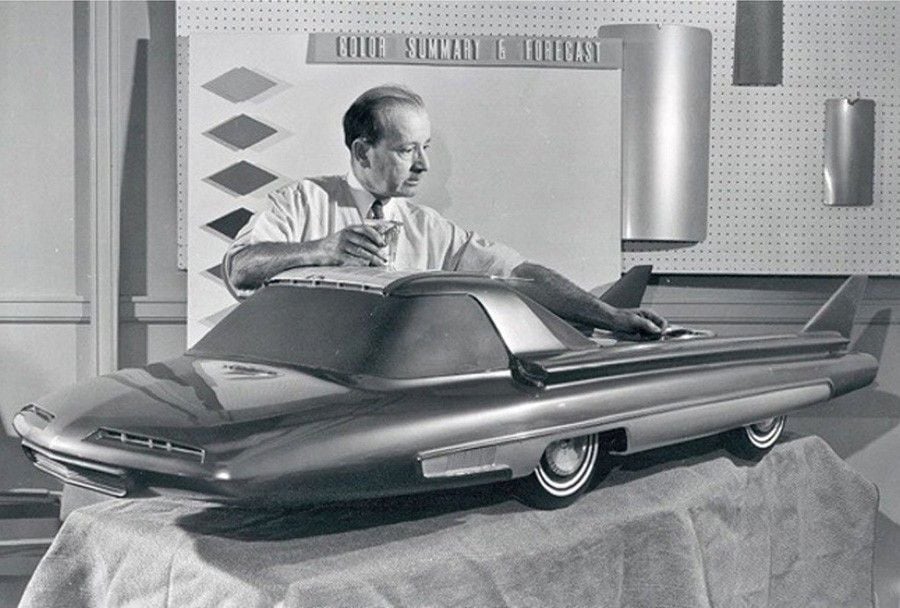
Ford imagined a nuclear-powered car during the 1950s. Although it never moved beyond concept drawings, it reflected the era’s optimism about atomic energy.
4. Sony MiniDisc
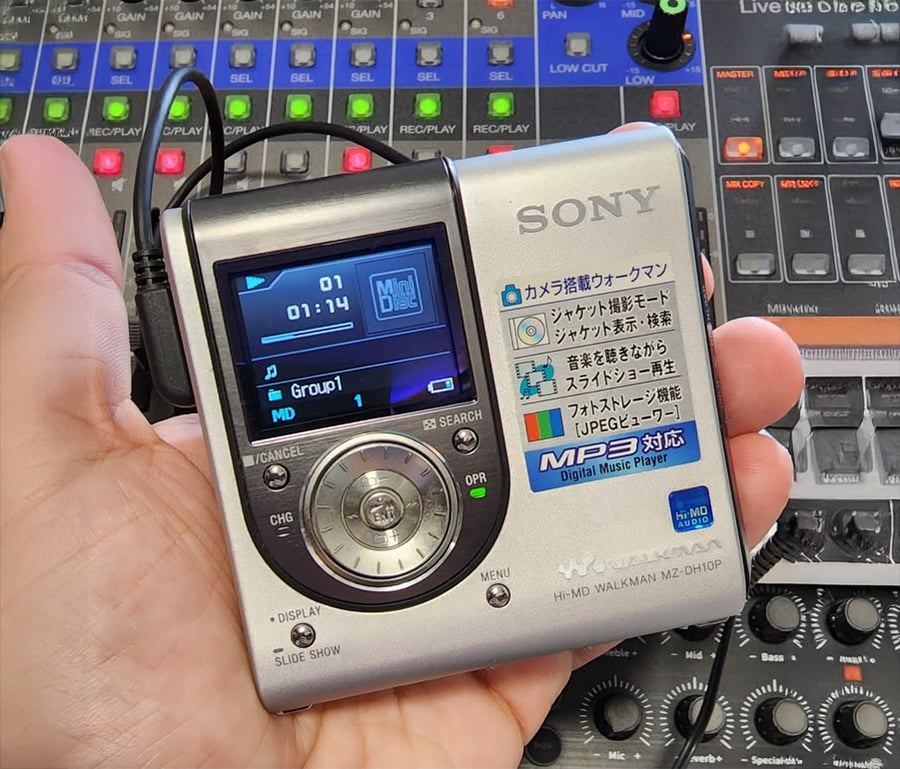
MiniDiscs offered durable, rewritable digital audio years before MP3 players became popular, but they struggled against CDs and later digital downloads.
5. The Apple Newton
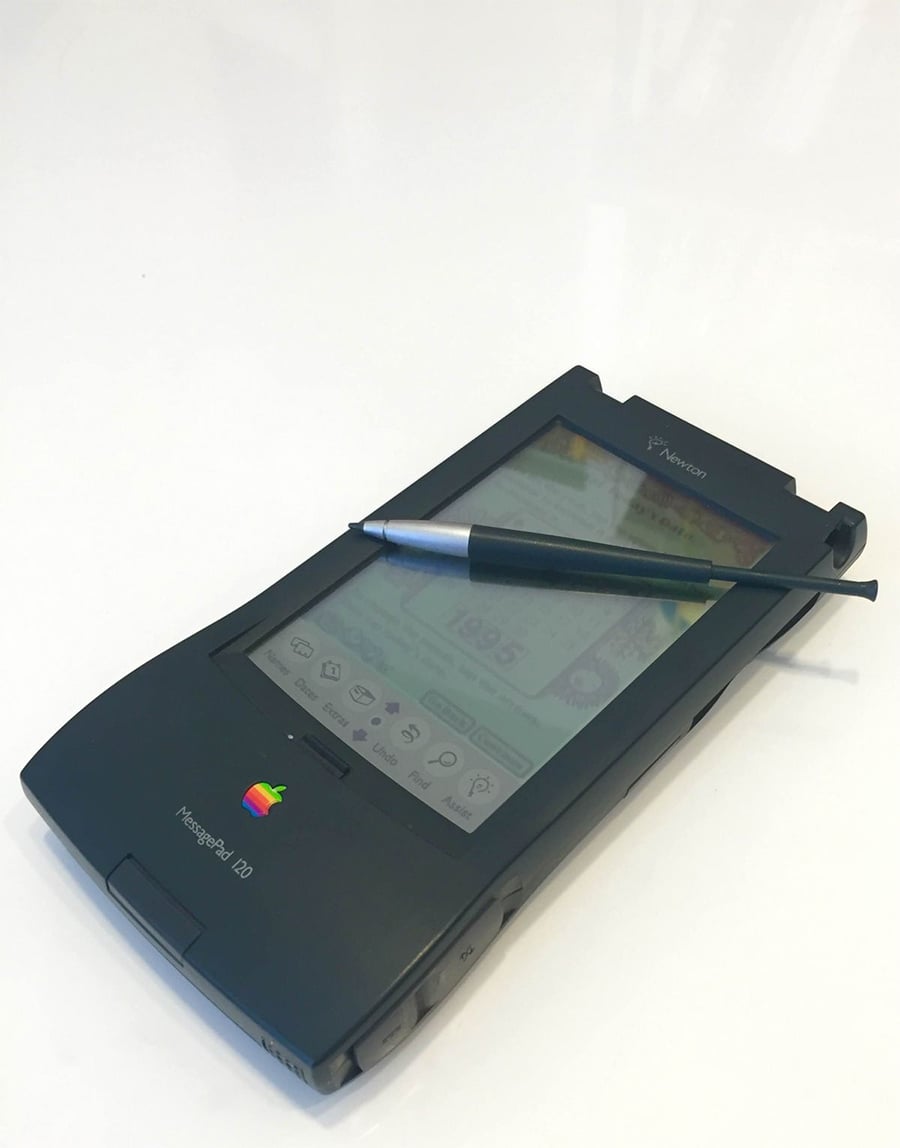
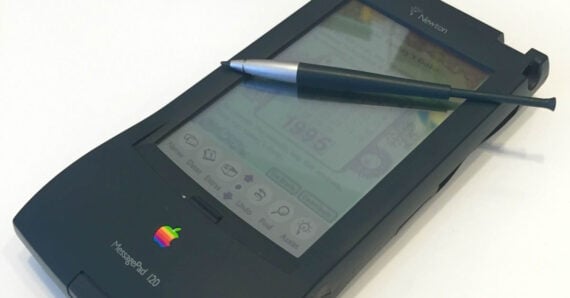
Released in 1993, the Newton introduced handwriting recognition and digital note-taking years before smartphones and tablets made those features mainstream.
Trending on Wealth Gang
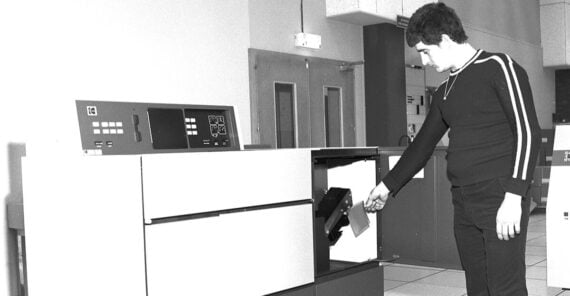

6. The Airboard Hovercraft

During the 1980s, several companies experimented with personal hovercraft for recreation and transportation, but high costs and limited practicality kept them from widespread use.
7. LaserDisc
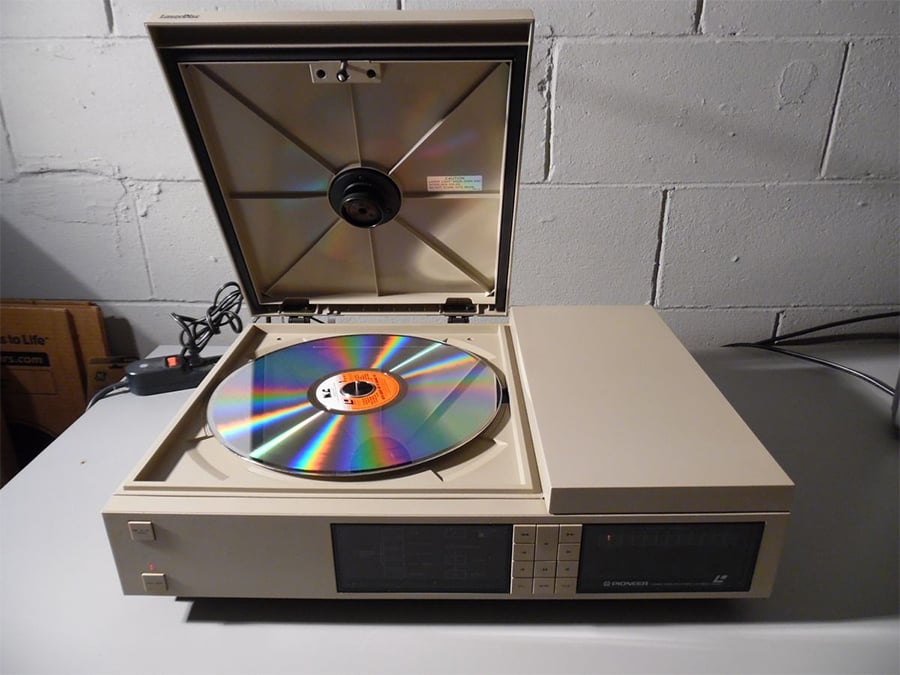
LaserDisc delivered impressive picture quality long before DVDs, but its large size and expensive players prevented widespread adoption.
8. The Segway PT
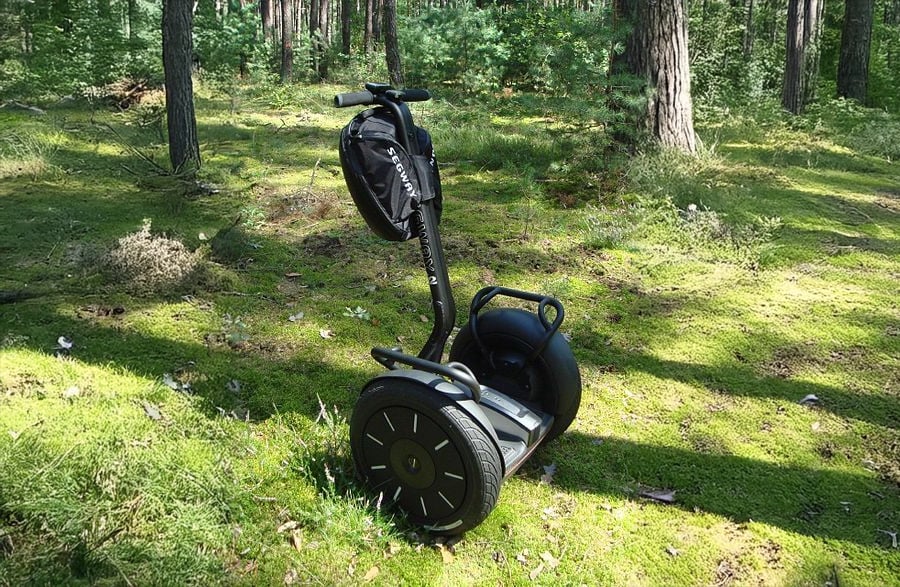
Mike Simone / Pinterest.com
When it debuted in 2001, many predicted the Segway would revolutionize transportation. Instead, it found only limited use in tourism, security, and specialized industries.
Sign up for our newsletter
9. General Magic Communicator
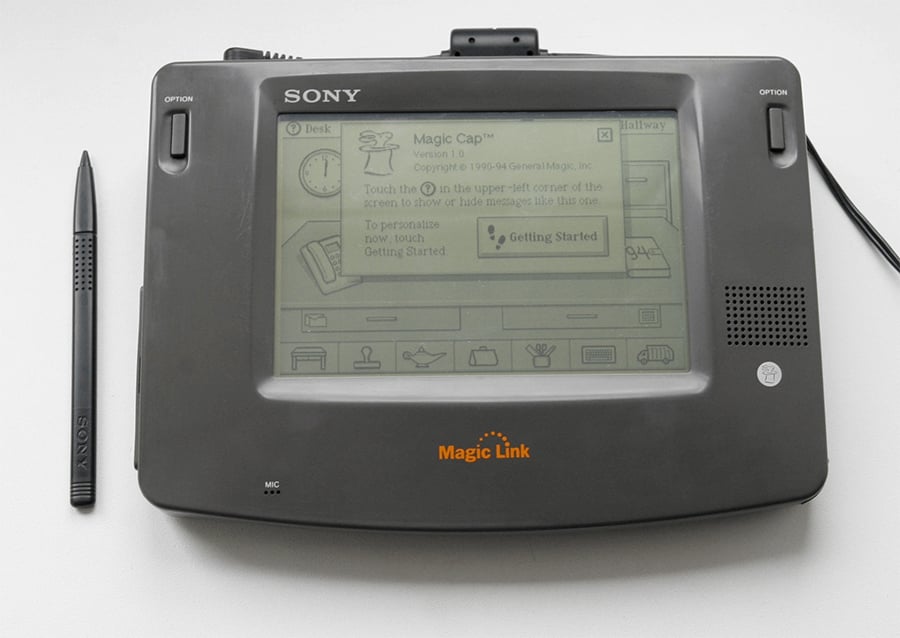
In the early 1990s, General Magic envisioned a handheld smart device capable of messaging, scheduling, and online communication, years before the smartphone era.
10. The Philips CD-i
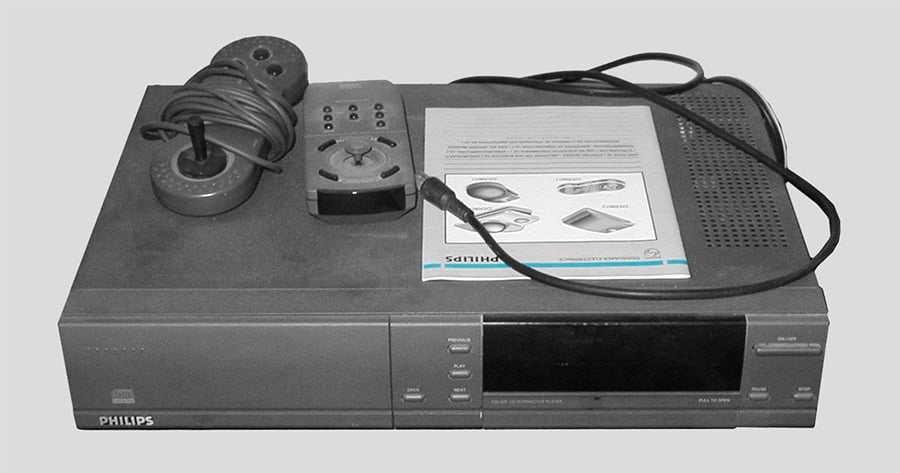
Philips attempted to combine gaming, education, and multimedia into one home entertainment system, but consumers never fully embraced the platform.
11. The Sinclair C5
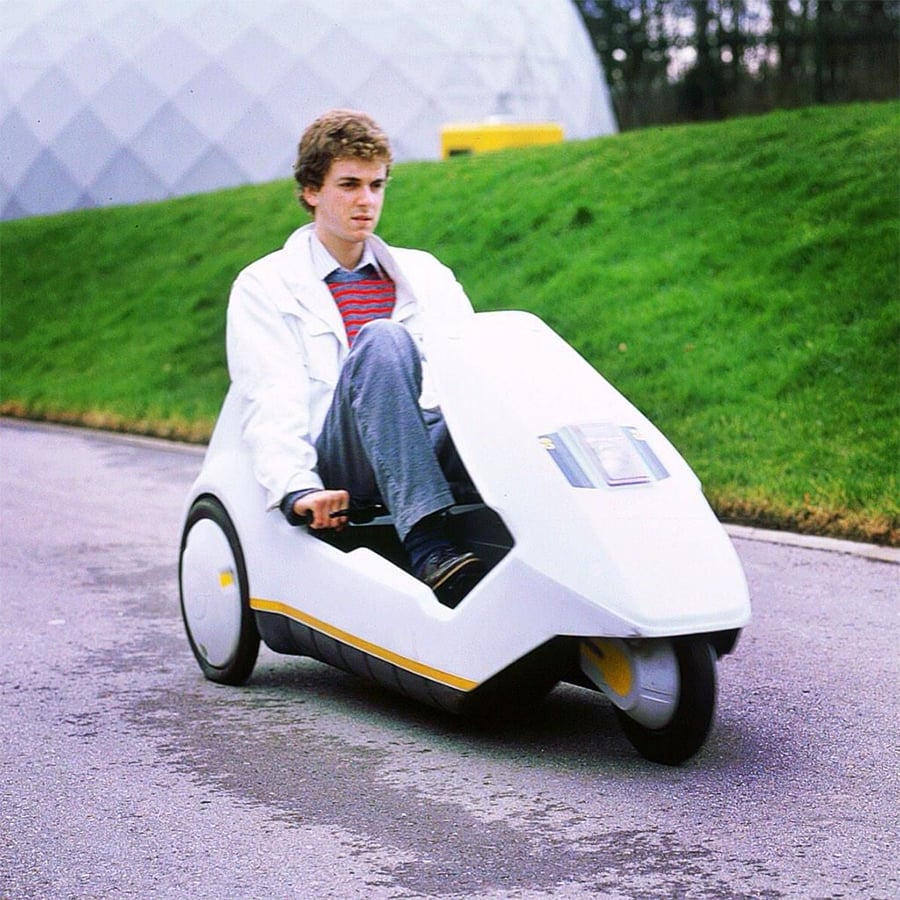
This battery-powered electric vehicle launched in 1985, anticipating today’s electric mobility trend, but poor performance and safety concerns limited its success.
12. IBM Simon Personal Communicator
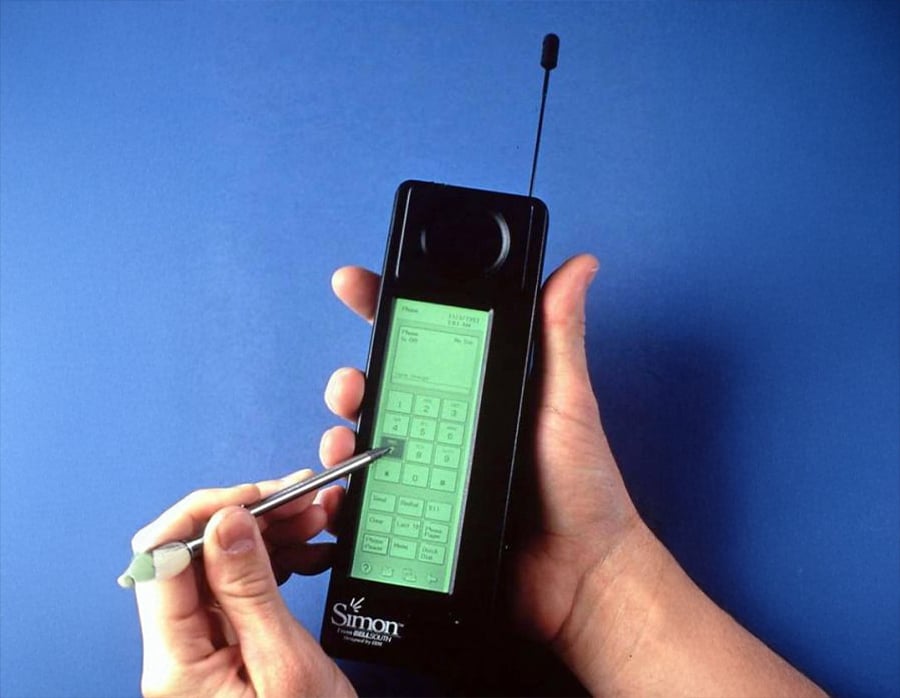
Released in 1994, IBM Simon combined a phone, touchscreen, calendar, email, and note-taking features into a single device, making it one of the earliest smartphones.
More Related Notes
• 10 Technologies That Changed Everyday Life Faster Than Expected.
Discover breakthrough innovations that transformed the way people live, work, and communicate, often far more quickly than anyone expected.
• 11 Things You Use Every Day but Don’t Know How They Work.
Take a closer look at the fascinating technologies behind everyday products, many of which evolved from groundbreaking ideas introduced decades ago.
• 12 Historical Mistakes That Ended Up Changing the World.
Explore unexpected moments in history that reshaped society, proving that overlooked ideas and surprising breakthroughs can leave