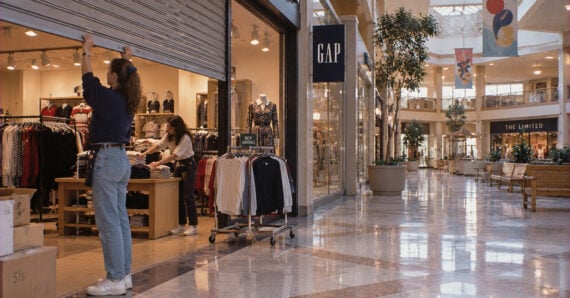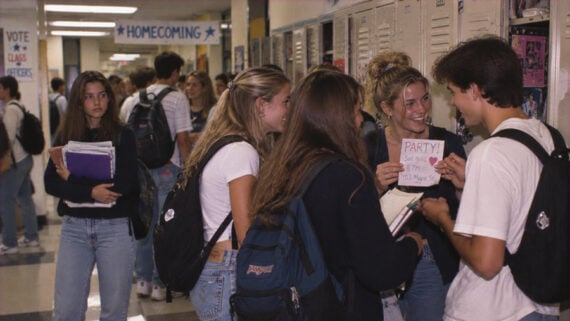

Growing up in the 1990s was a unique time when technology was just starting to change our lives. Back then, life was much more manual. Children spent their free time renting movies on tapes, waiting to record their favorite songs from the radio, and calling friends using a shared family telephone.
Today, the world looks completely different for children. Modern technology gives them instant access to tools and entertainment that people in the 1990s could only dream of. With smartphones, the internet, and computers, routines have transformed, making life much faster and more connected than it was just a few decades ago.
1. Calling a Friend Meant Calling Their Entire Family
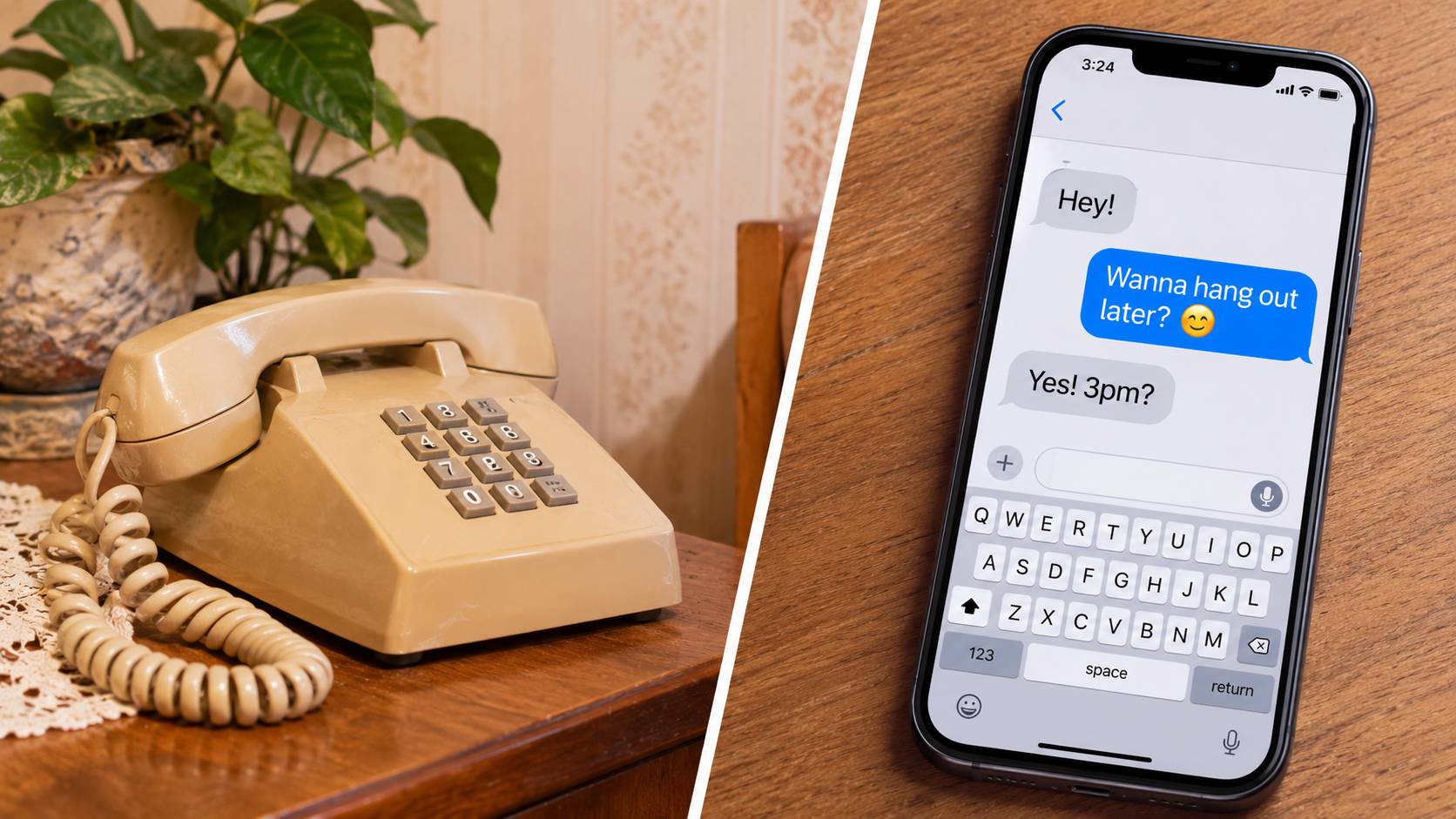
In the 1990s, calling a friend meant dialing their family’s landline and hoping someone would hand them the phone. Today, texting and messaging apps allow teenagers to contact friends directly. According to Pew Research Center, 95% of American teens ages 13 to 17 had access to a smartphone at home in 2024.
2. School Computers Were Shared by an Entire Class
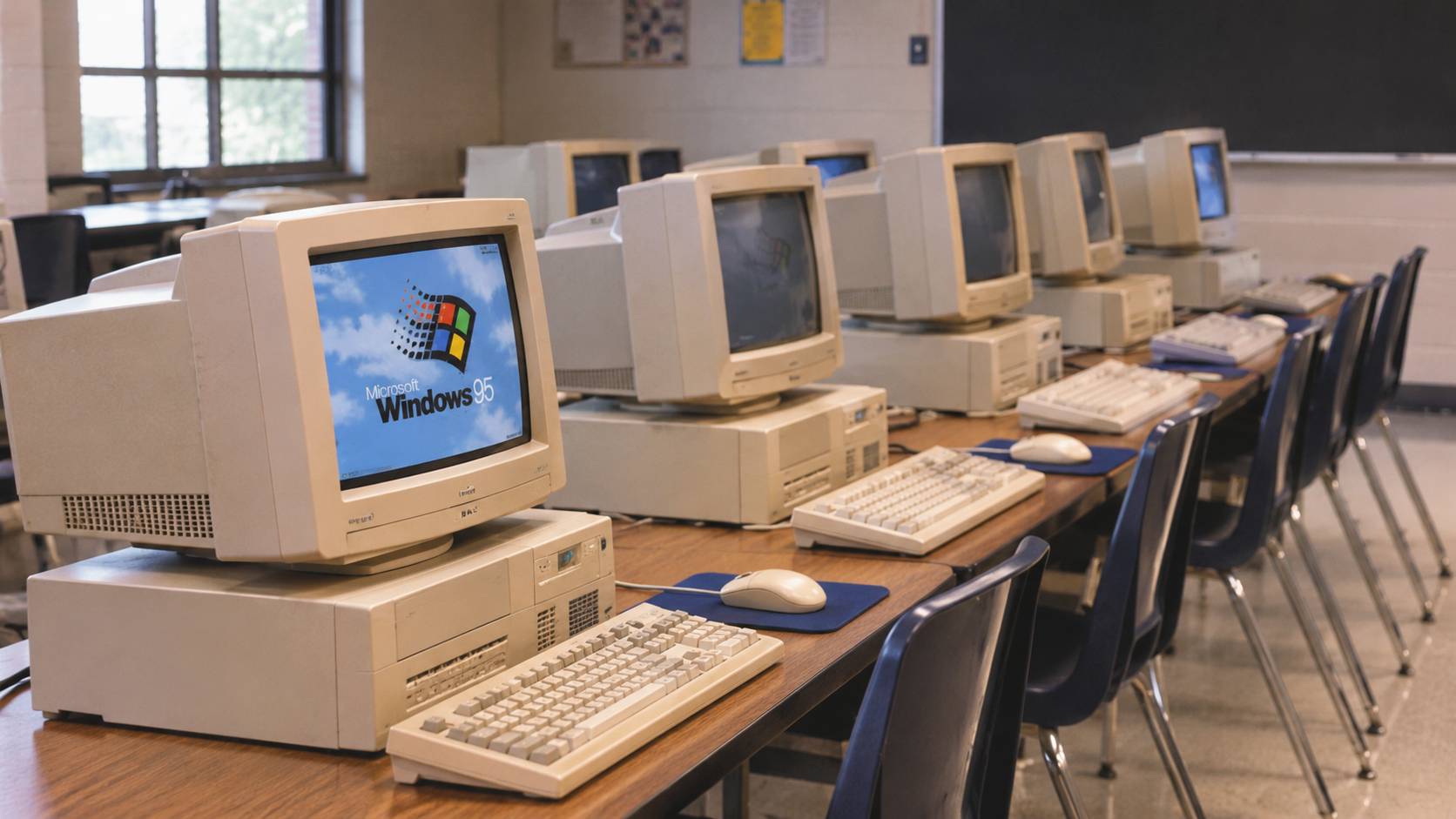
Many children attending school in the 1990s used computers in designated computer labs rather than having regular access to one at their desks. According to the National Center for Education Statistics, 35% of American public schools had internet access in 1994, and only 3% of instructional rooms had connected computers. Today, online assignments, digital learning platforms, and internet-connected classroom devices are usually used in education.
3. Homework Required a Trip to the Library
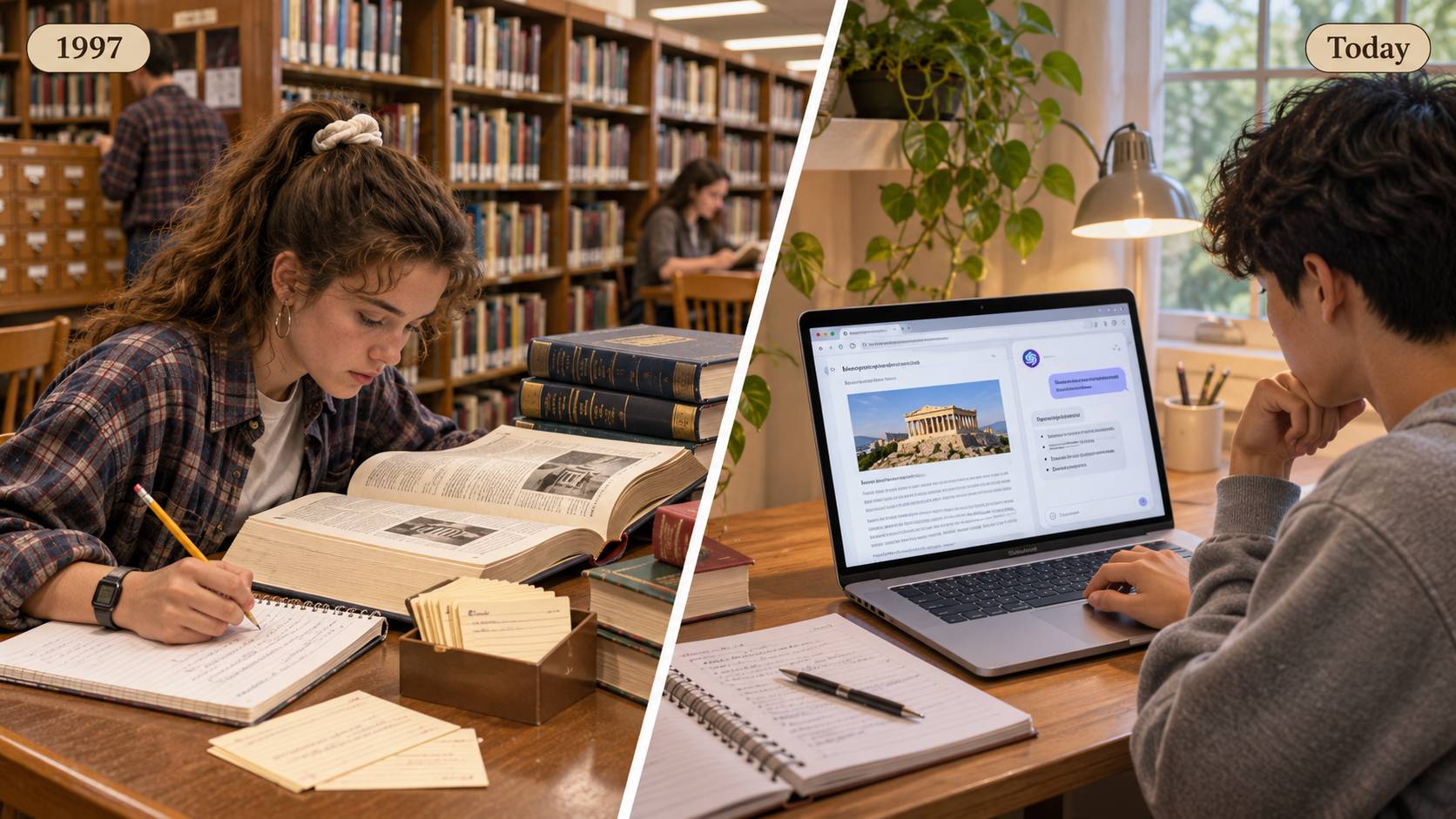
Before home internet access, children researching school assignments often turned to library books, printed encyclopedias, and other physical reference materials. According to the U.S. Census Bureau, only 18% of American houses had internet access at home in 1997. Today, students can find research materials online and use artificial intelligence tools to assist with assignments.
4. Missing a Favorite TV Show Meant Waiting for a Rerun
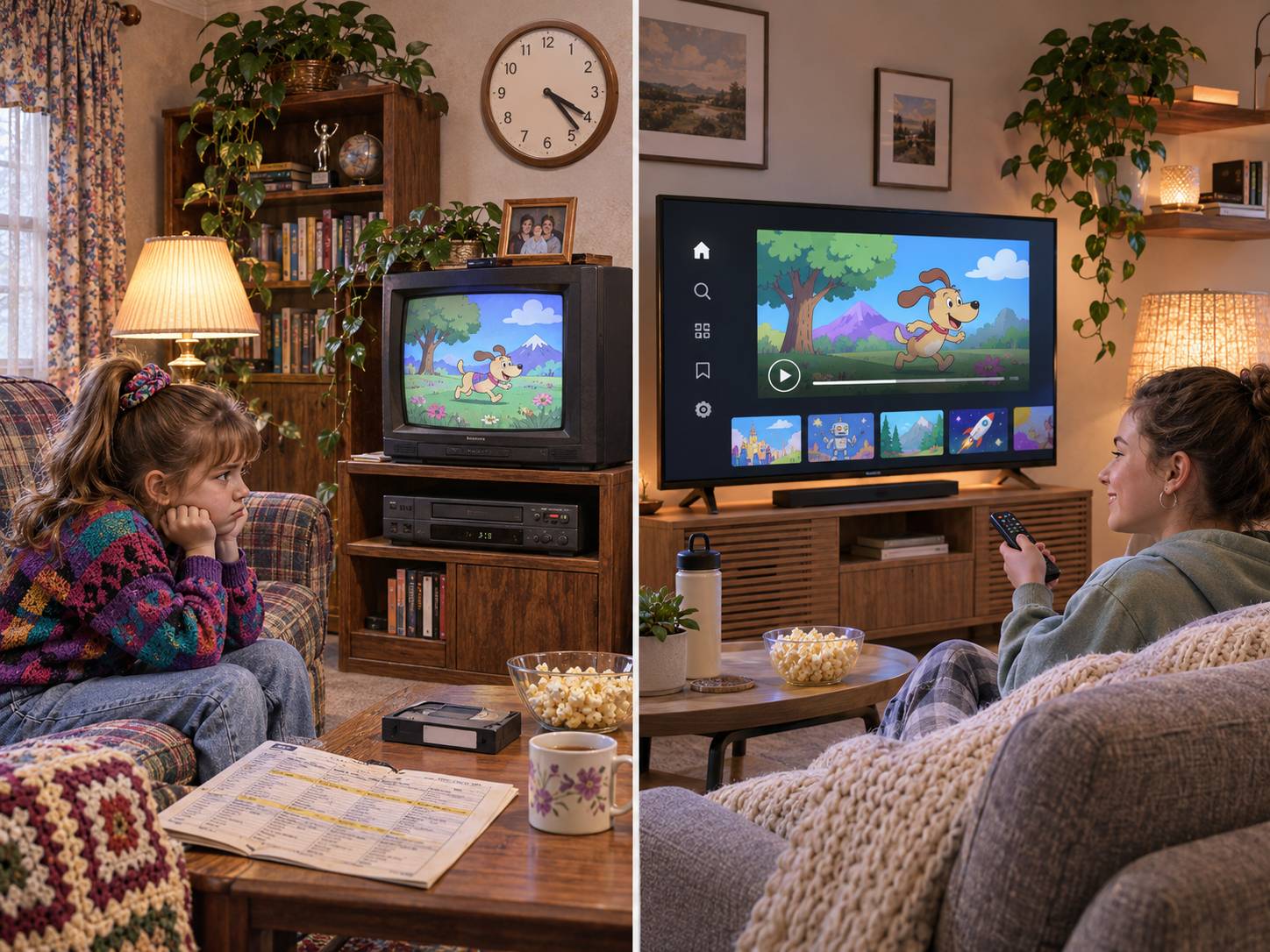
Children growing up in the 1990s often had to watch their favorite cartoons and television programs at scheduled times. VCRs made recording possible, but families had to remember to set the machine or insert a blank tape before the show aired. Today, streaming services allow viewers to watch many programs on demand.
5. Friday Night Movies Meant Visiting a Video Rental Store
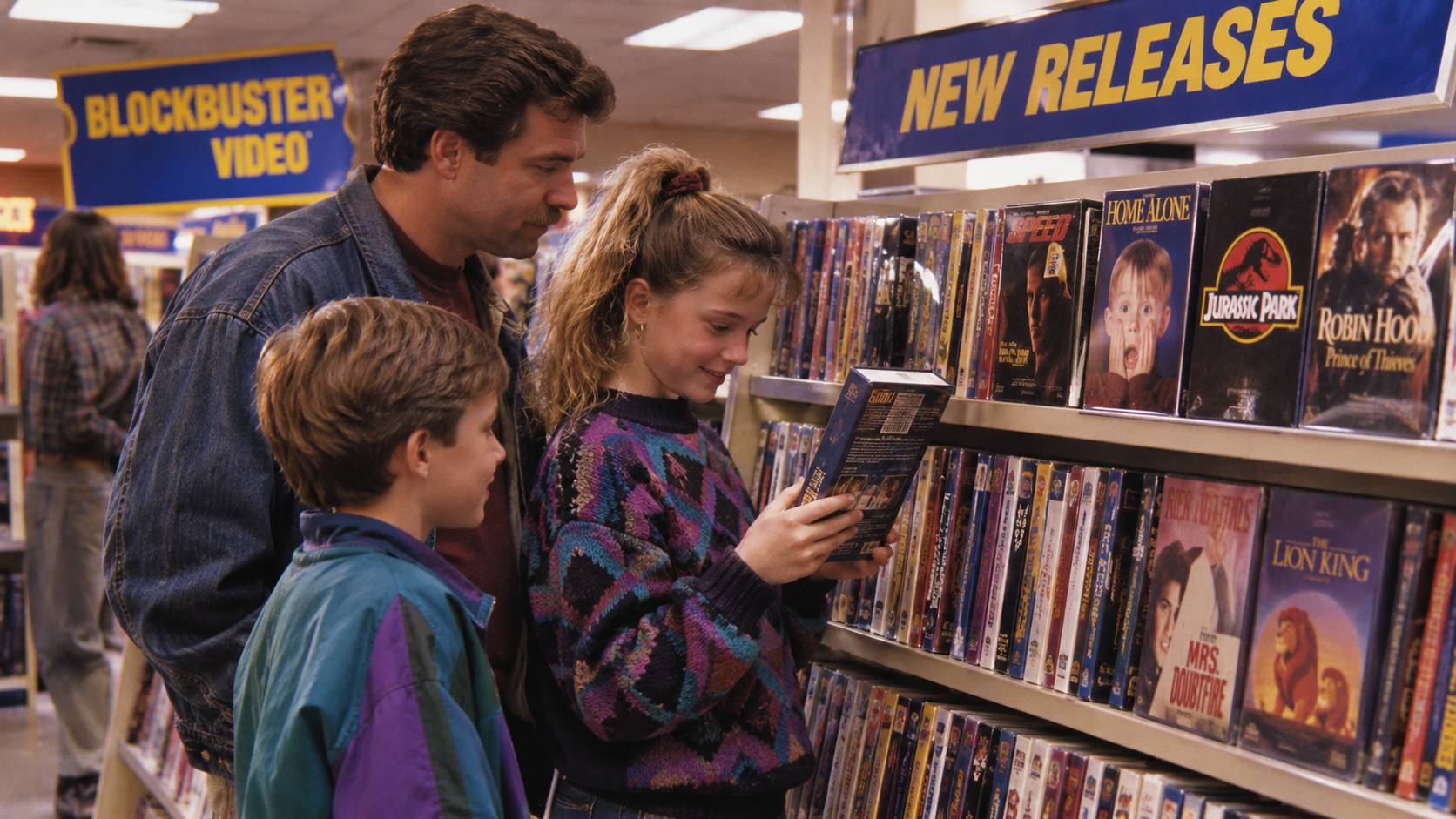
For many families in the 1990s, choosing a movie meant driving to a rental store and browsing shelves of VHS tapes. Popular new releases could already be checked out, and returning a movie late might result in additional charges. Netflix launched its online DVD rental service in 1998, although traditional video stores continued operating for years after.
Trending on Wealth Gang

6. Listening to Favorite Songs Required Buying the Album
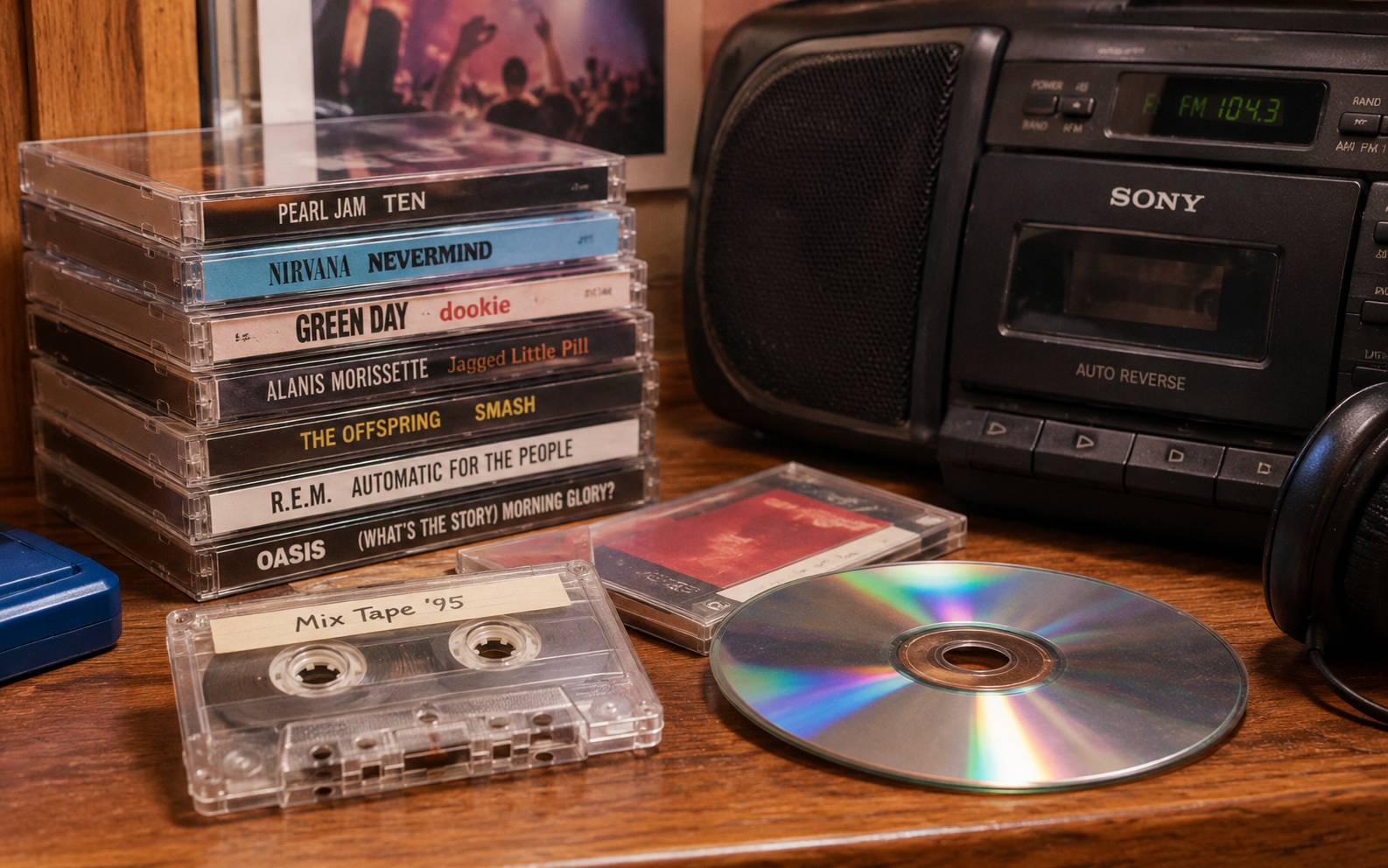
Young music fans in the 1990s purchased cassette tapes or CDs to listen to their favorite artists whenever they wanted. Today, streaming services provide access to music libraries without requiring listeners to purchase individual albums.
7. Playing Video Games With Friends Meant Being in the Same Room
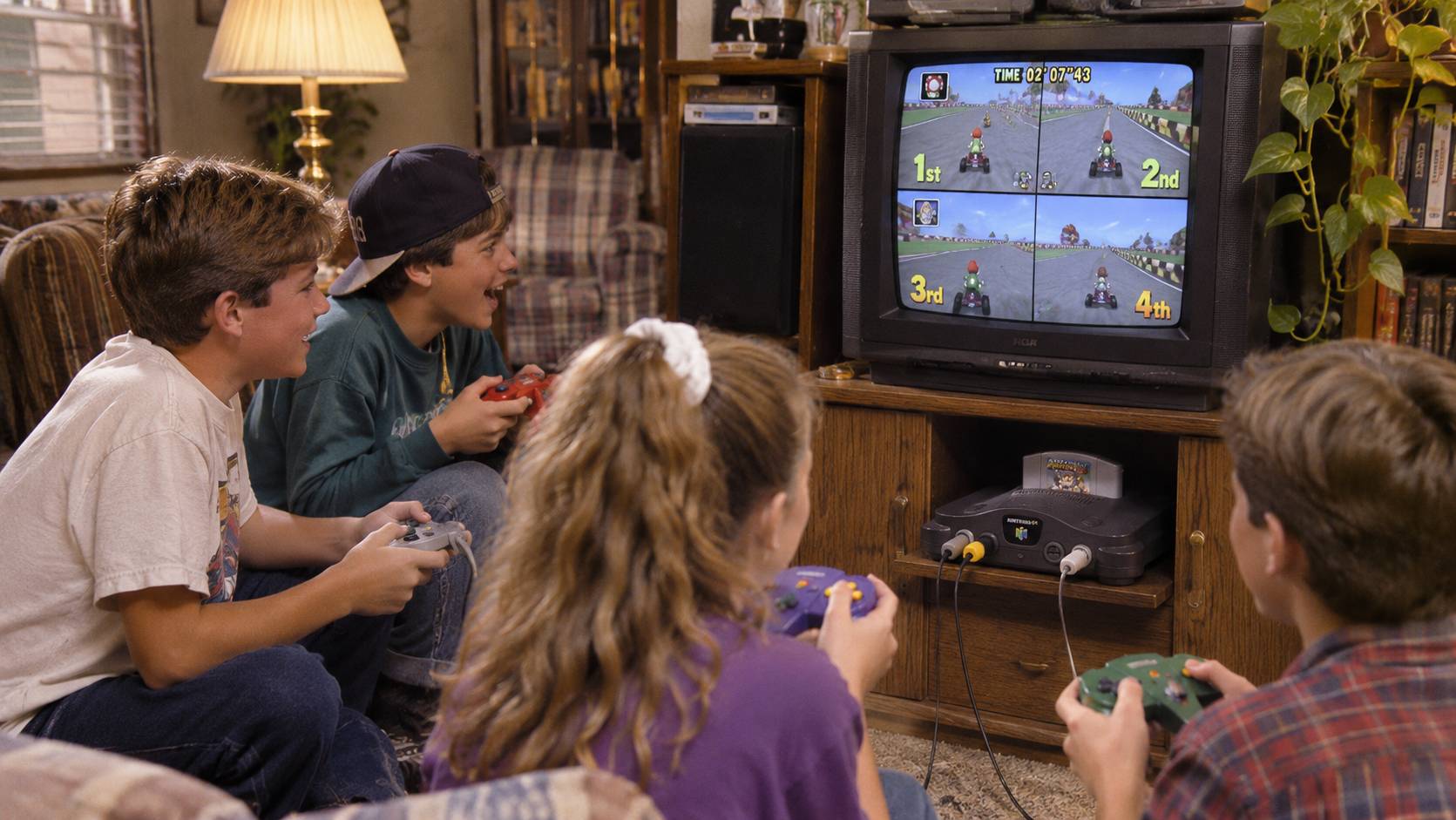
Many popular video games in the 1990s used cartridges or discs, and multiplayer gaming required friends to gather around the same television with separate controllers. Systems such as the Super Nintendo and Nintendo 64 became associated with local multiplayer experiences, although online gaming existed during the decade. Today, internet-connected consoles and computers allow children to play with friends who live miles away.
8. Taking Pictures Meant Waiting Days to See the Results
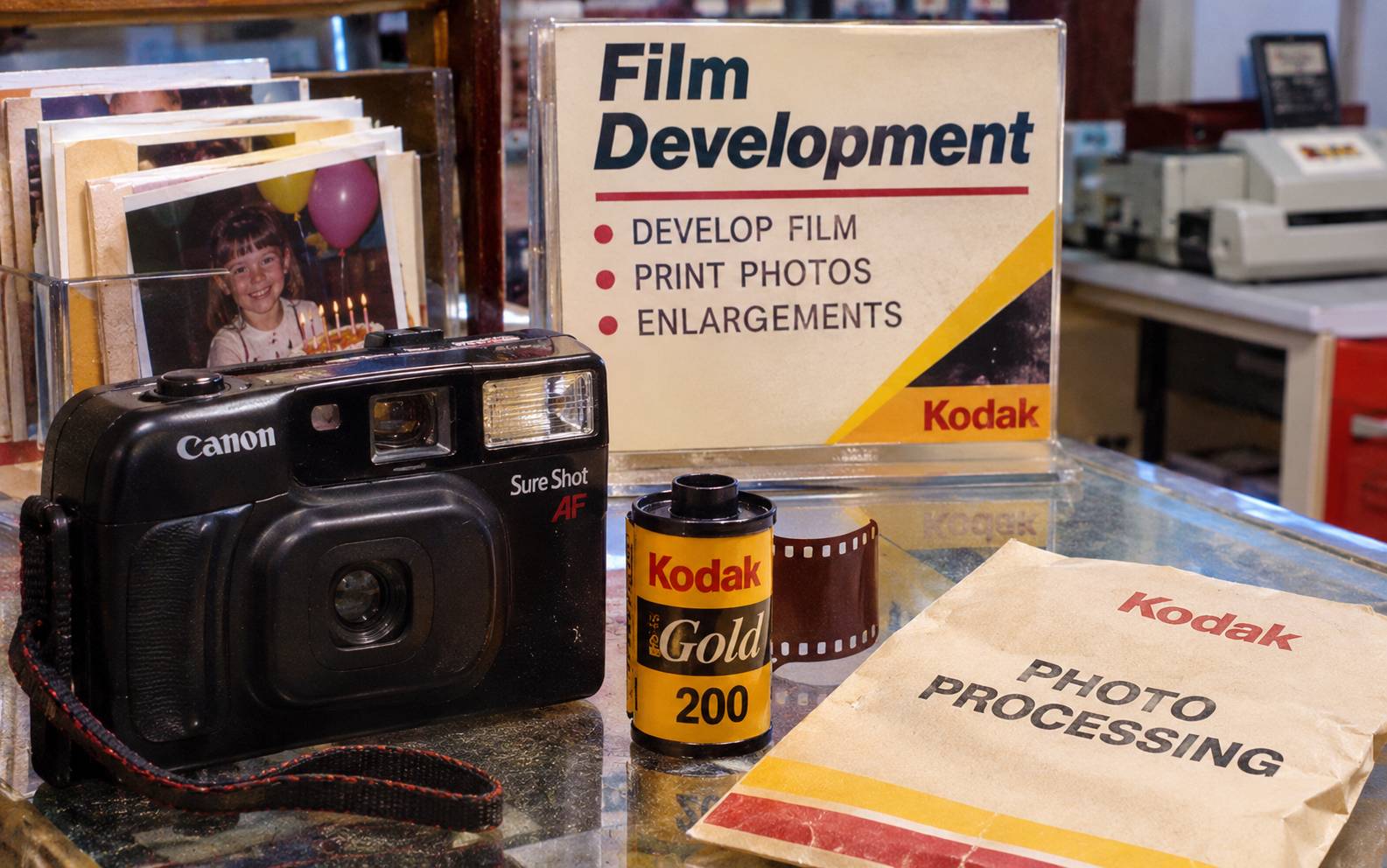
Birthday parties, family vacations, and school events in the 1990s were photographed using cameras loaded with film. Families had to finish a roll and have it processed before seeing whether their pictures turned out well.
Sign up for our newsletter
9. Family Road Trips Involved Paper Maps and Printed Directions
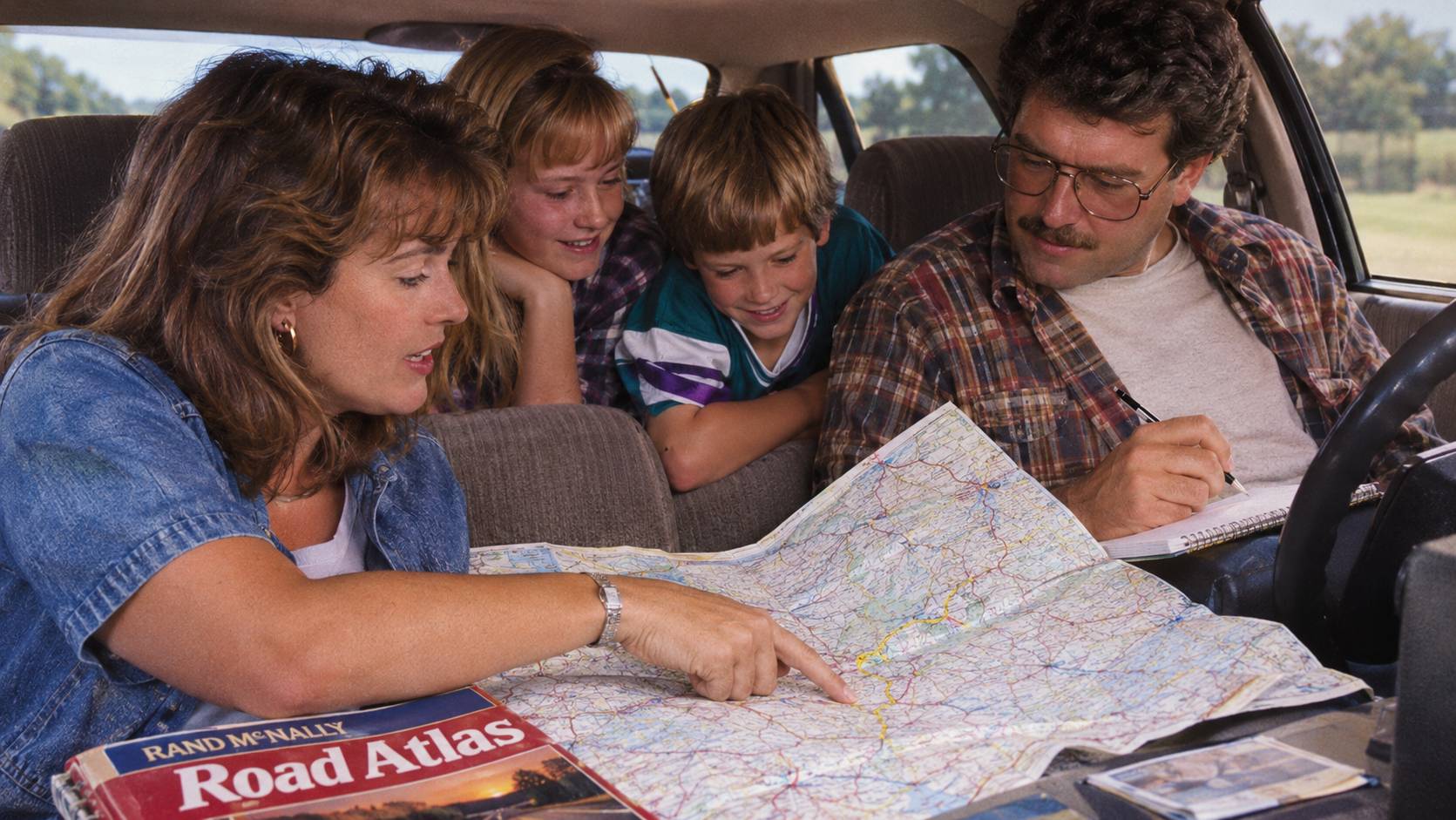
Planning a family road trip in the 1990s meant studying a road atlas, highlighting routes, or writing down directions before leaving home. GPS navigation existed, but consumer navigation devices were not as accessible as today’s smartphone applications. Modern mapping apps now provide estimated arrival times and traffic information during the trip.
10. Friendships Were Not Documented on Social Media
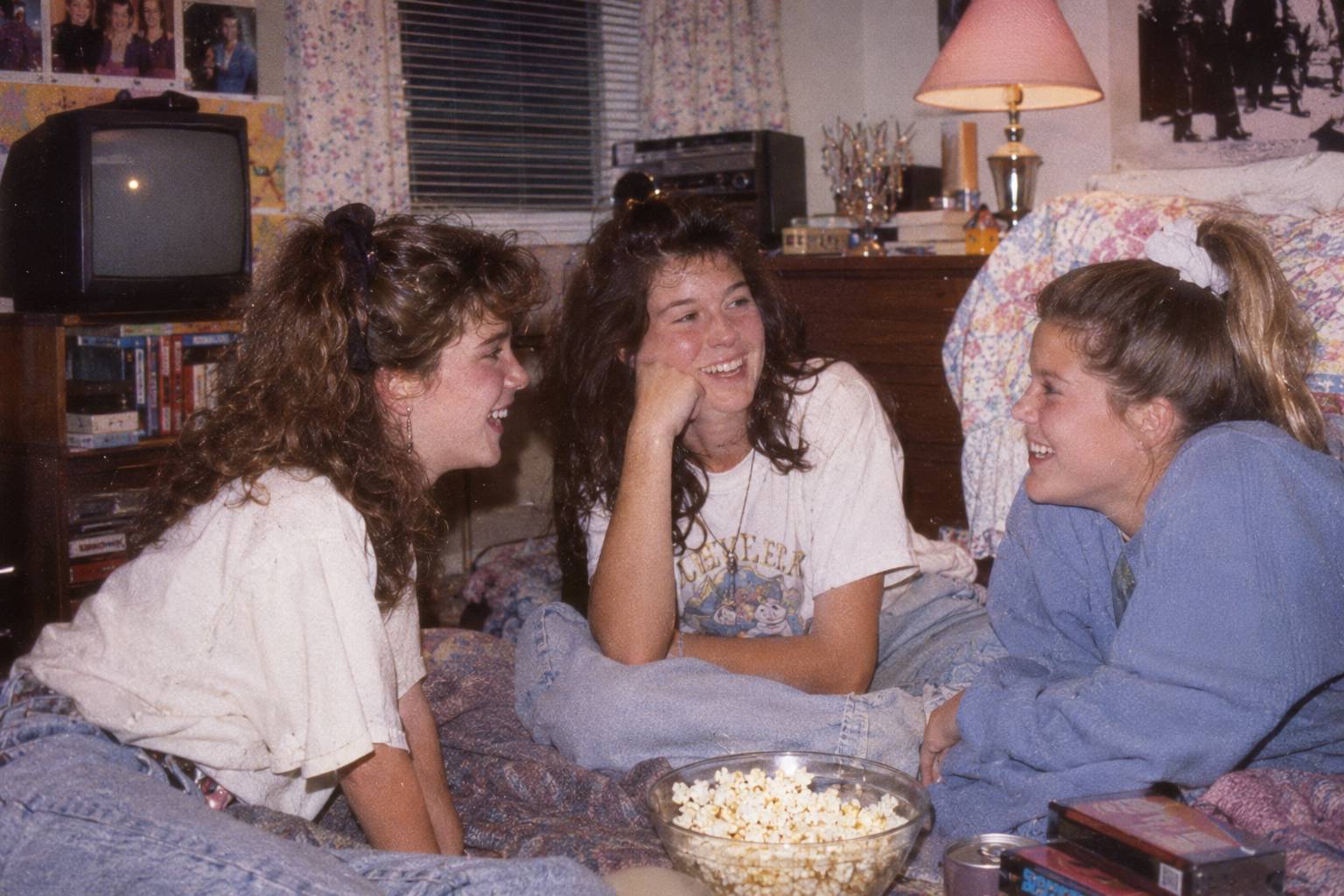
Friendships developed through school, telephone calls, sleepovers, and other activities without photographs and updates being posted to social media. Platforms such as Instagram, Snapchat, and TikTok had not yet launched. In 2024, Pew Research Center found that approximately six in ten American teenagers used TikTok and Instagram.
11. Bullying Didn’t Follow Kids Home
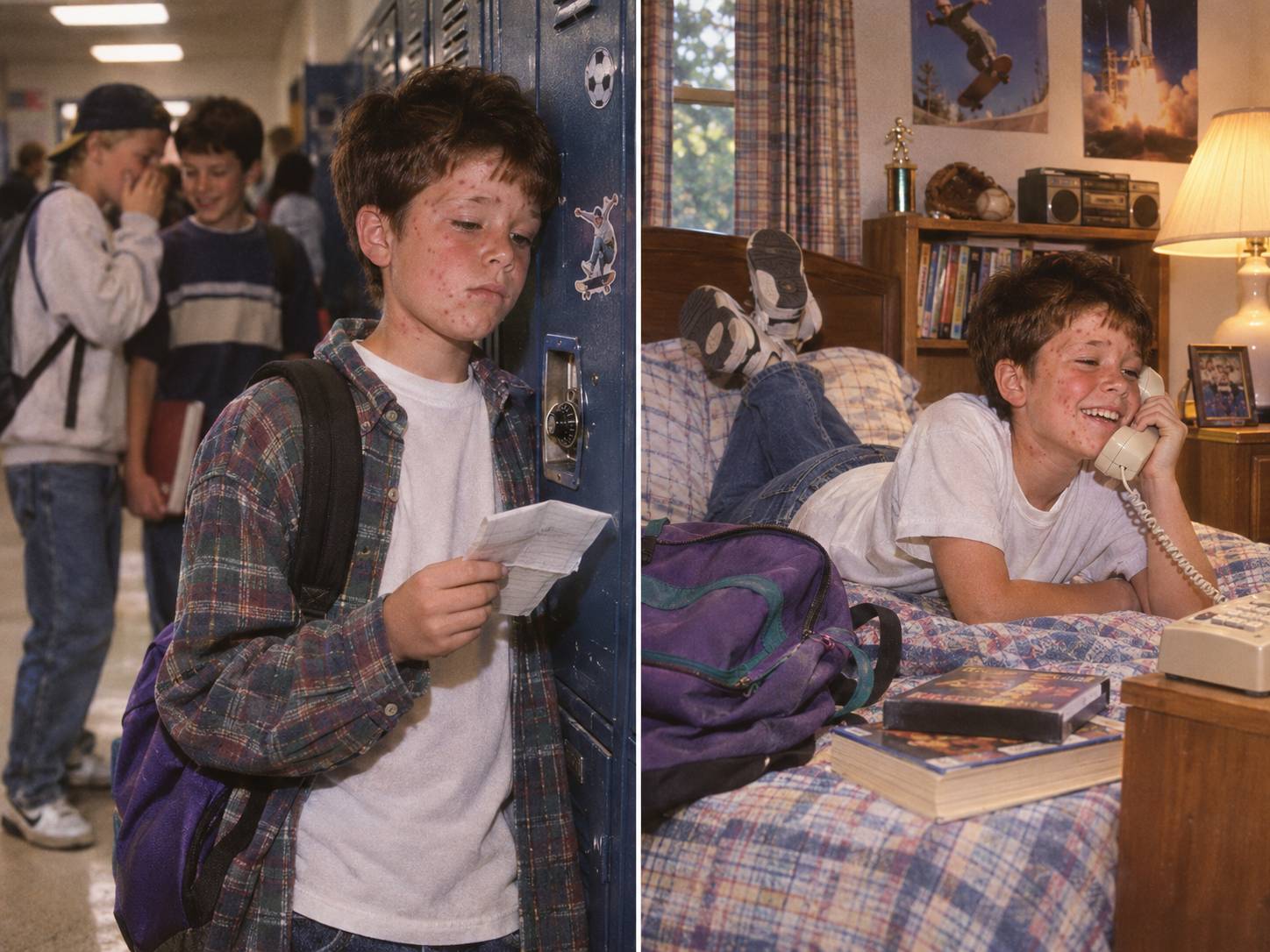
Bullying existed long before the internet, but children in the 1990s generally encountered it through in-person interactions, telephone calls, or written notes. Smartphones and social media have created additional ways for harassment to continue outside school hours. A 2022 Pew Research Center survey found that 46% of American teens had experienced at least one of six forms of cyberbullying included in the study.
12. Chickenpox Was a More Common Illness
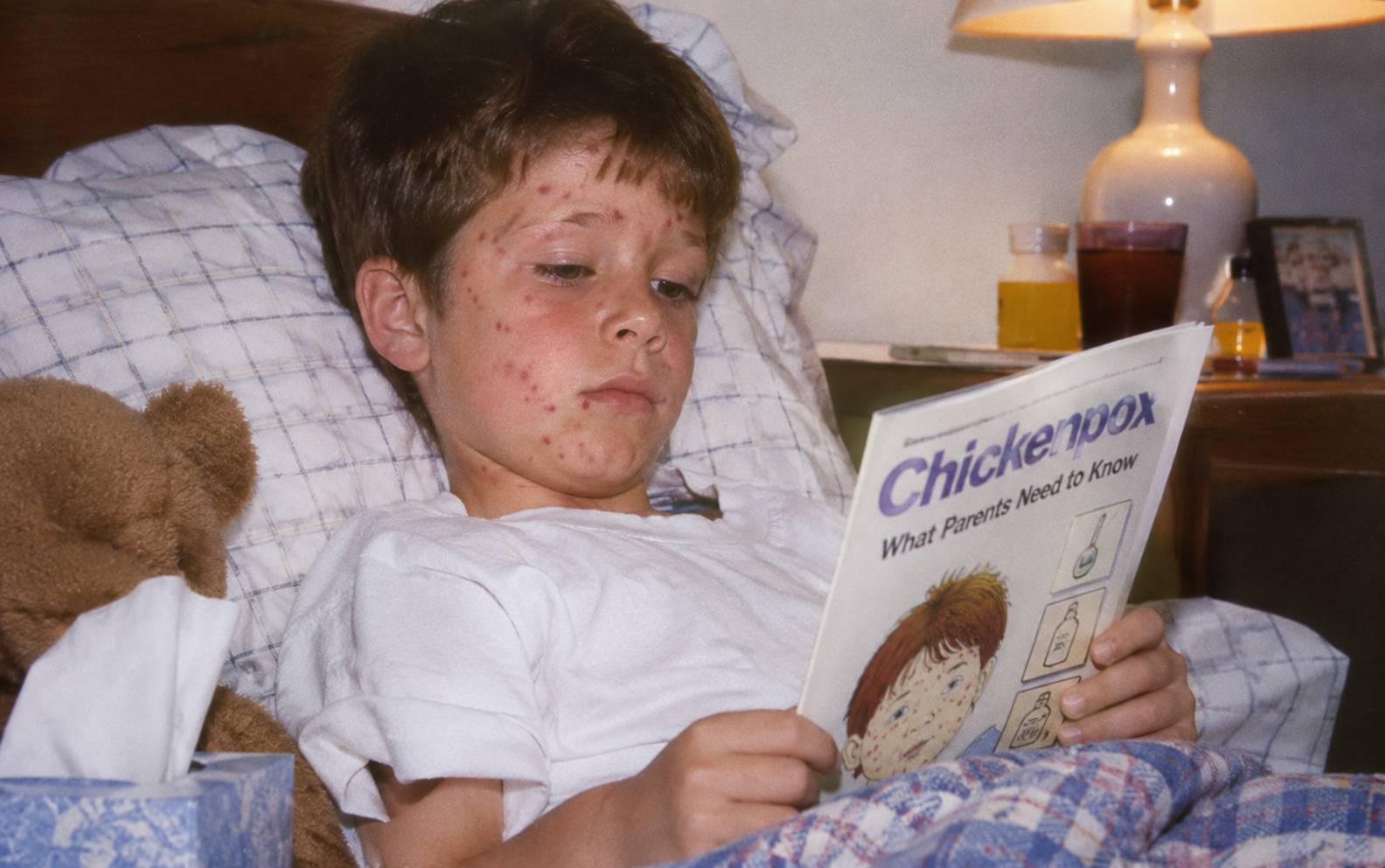
Children growing up during the early 1990s were more likely to contract chickenpox than children today. Before routine vaccination began in 1995, the CDC estimated that more than four million Americans developed chickenpox annually, with thousands requiring hospitalization. Widespread vaccination dramatically changed the disease’s prevalence among children.
13. Bicycle Helmets Were Not Required in as Many Places
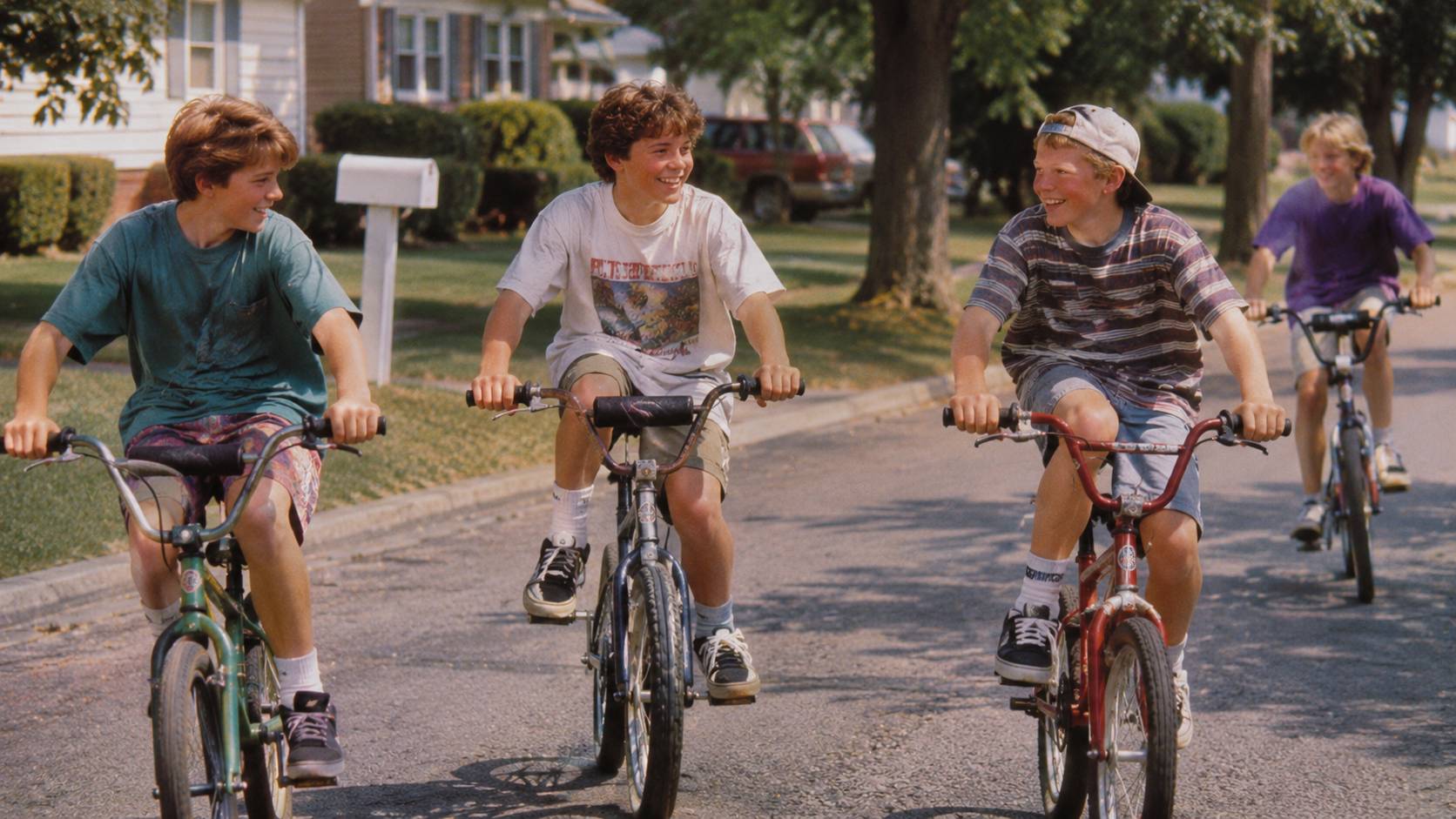
Bicycle helmets were available in the early 1990s, but laws requiring children to wear them were still relatively new. By January 2022, the CDC reported that 21 states and Washington, D.C., had bicycle helmet laws, along with more than 200 local jurisdictions.
14. Choosing Christmas Presents Meant Looking At Toy Catalogs
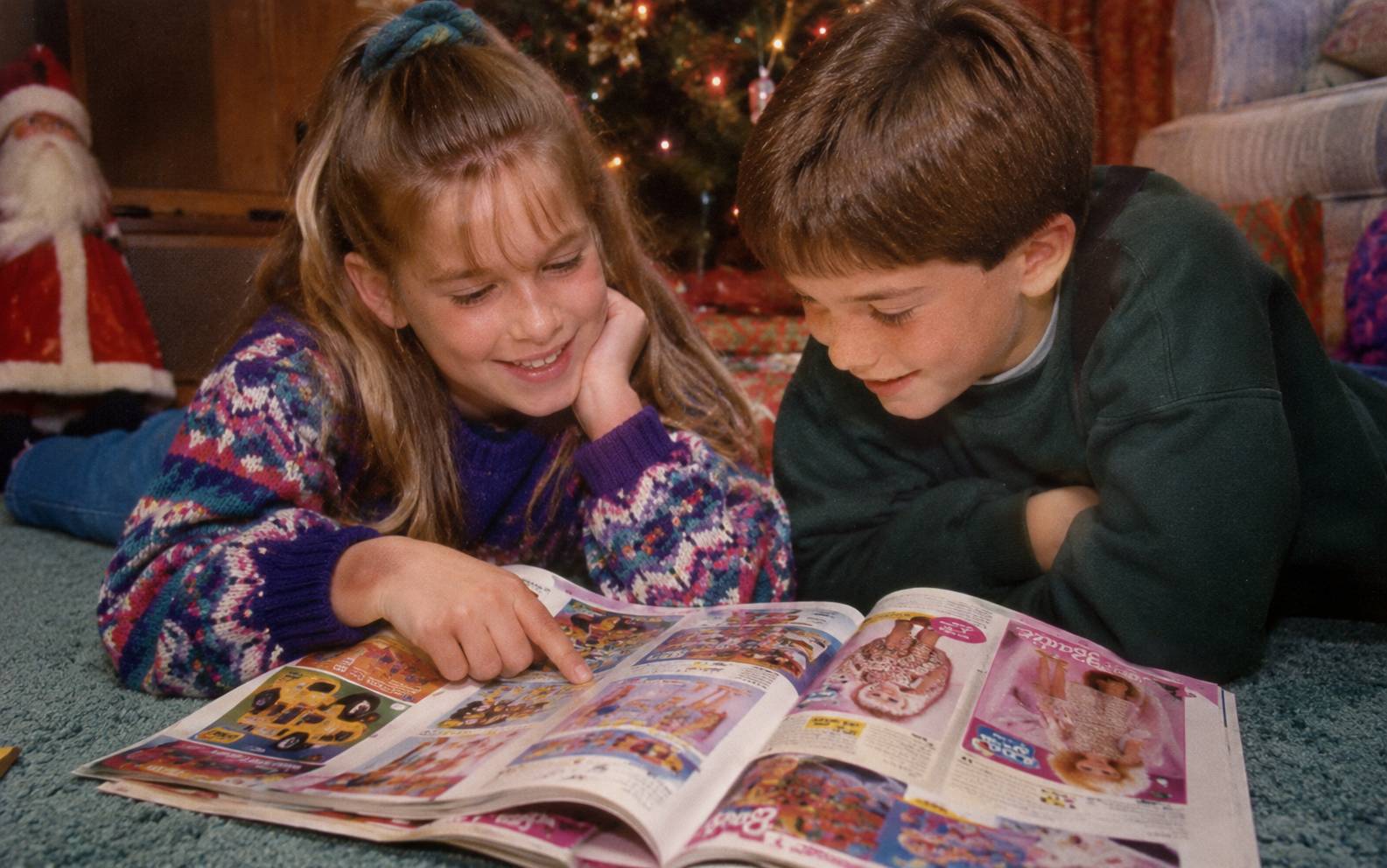
For many children growing up in the 1990s, browsing printed catalogs was part of the excitement of making a birthday or Christmas wish list. The Smithsonian’s National Museum of American History preserves Lillian Vernon catalogs from 1992 through 1997. Printed catalogs still exist, but online shopping has created a different experience for discovering and buying toys.
15. Boredom Meant Finding Something to Do Without a Screen
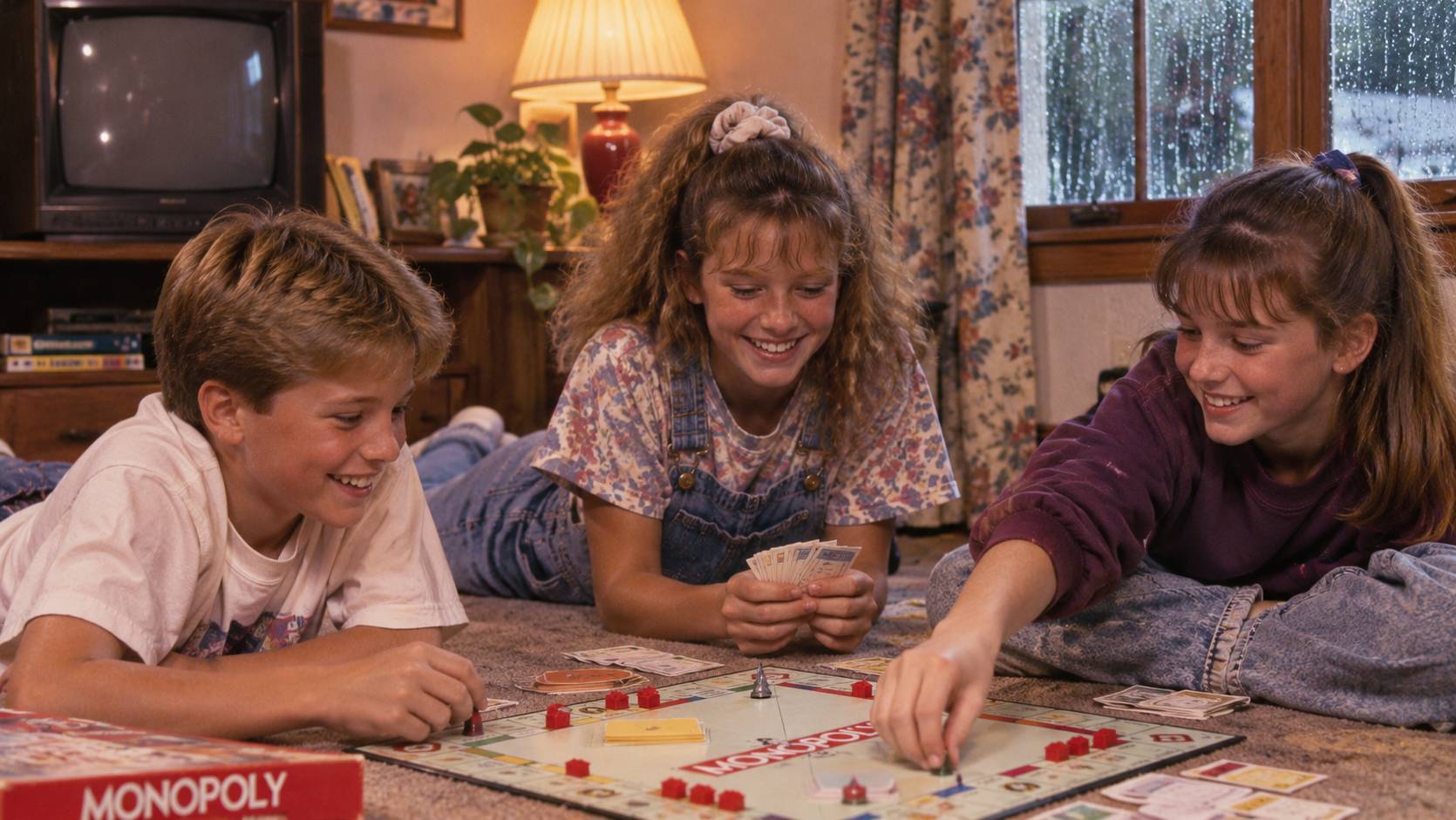
A child stuck at home on a rainy afternoon in the 1990s might have turned to board games, puzzles, books, or calling a friend to come over. Television and video games were available, but streaming platforms, smartphones, and today’s vast collections of online entertainment had not yet become part of everyday life. By 2024, Pew Research Center found that 46% of American teens reported being online almost constantly.
Want more content from the 1990s?
Check out 16 Things Parents Did to Make Halloween Magical in the 1990s. Then take a break from the screens and see how the era looked off the shelf, too, with 20 Pictures of Street Fashion in the 1990s. And if you want the full picture of what people were indulging in, 18 Gadgets From the 1990s That Were Surprisingly Expensive rounds out the decade’s most expensive must-haves.