
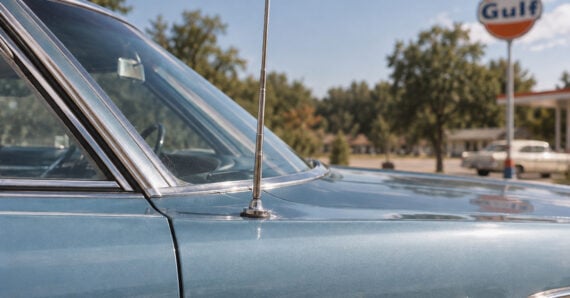
Buying a new car once meant discovering a collection of little features that felt almost as exciting as the car itself. There were shiny metal keys to drop into a pocket, a full-size spare tucked away for emergencies, an owner’s manual thick enough to fill the glove compartment, and an ashtray that seemed to be built into every dashboard whether anyone needed it or not.
Most disappeared so gradually that it was easy not to notice. Technology changed, safety standards evolved, and automakers found new ways to save space and weight. But seeing these once-familiar features again can bring back memories of family road trips, first cars, and a time when opening the door of a brand-new automobile felt very different.
1. A Full-Size Spare Tire
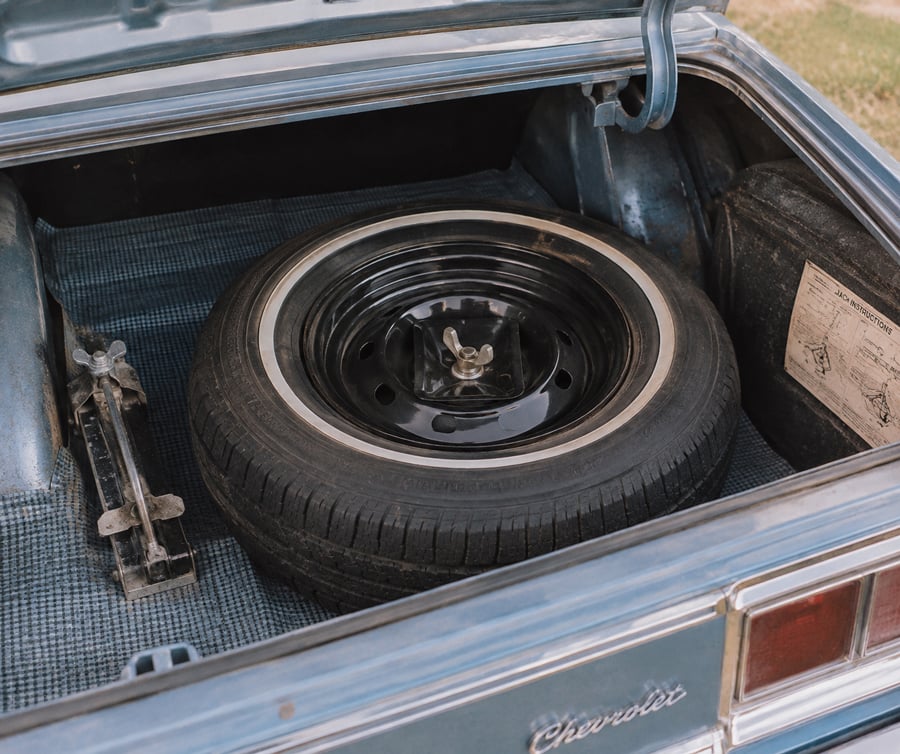
Opening the trunk once revealed something reassuring beneath the floor: another real tire. A full-size spare meant a flat did not necessarily end the trip or require an immediate visit to a tire shop. Today, many new cars make do with a compact spare, repair kit, or no spare tire at all.
2. A Printed Owner’s Manual
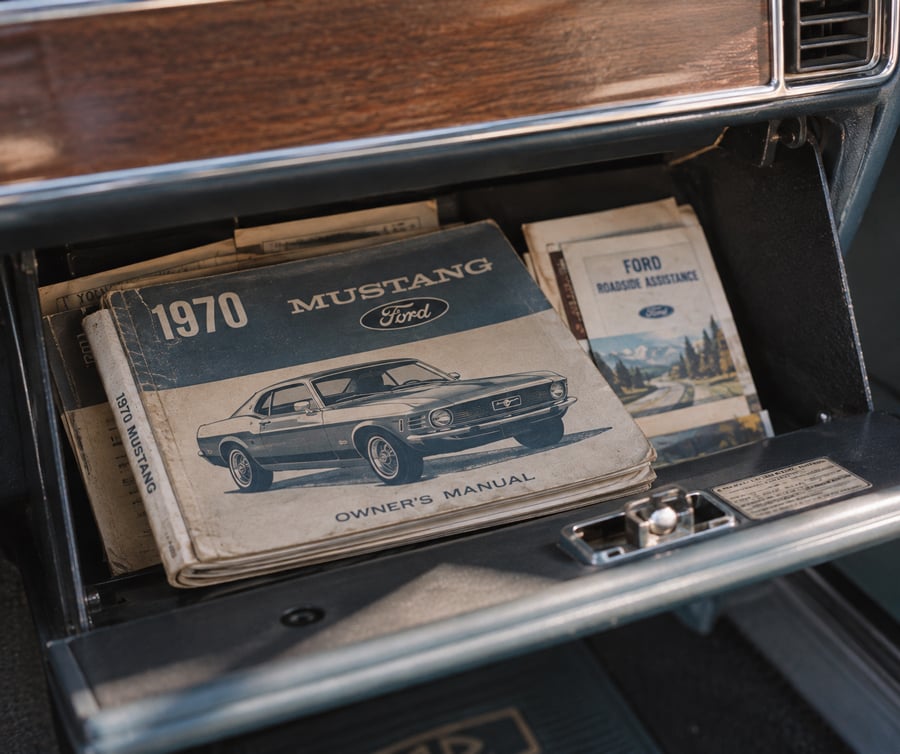
The glove compartment used to hold a thick owner’s manual that eventually became dog-eared, stained, and filled with folded receipts. When a dashboard light appeared or someone needed to know the correct tire pressure, there was no app to open or website to search. The answer was sitting right there in the car.
3. A Cigarette Lighter
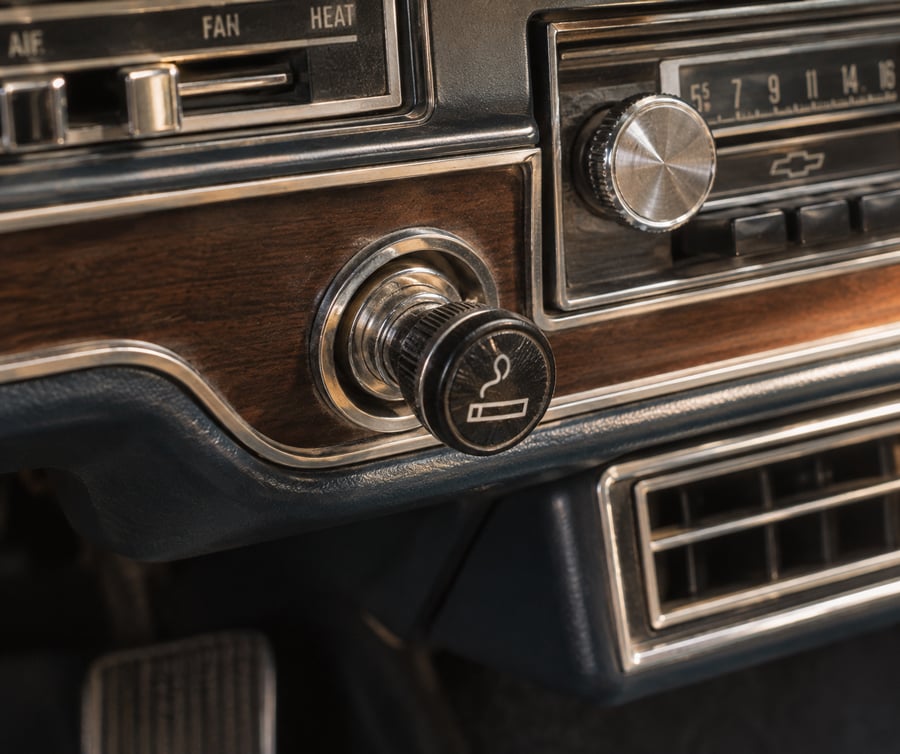
For decades, the small round lighter in the dashboard was so ordinary that even nonsmokers expected to see one. Push it in, wait a few seconds, and it popped back out glowing red. The socket survived longer than the lighter itself, eventually finding a second life powering everything from GPS units to phone chargers.
4. Built-In Ashtrays
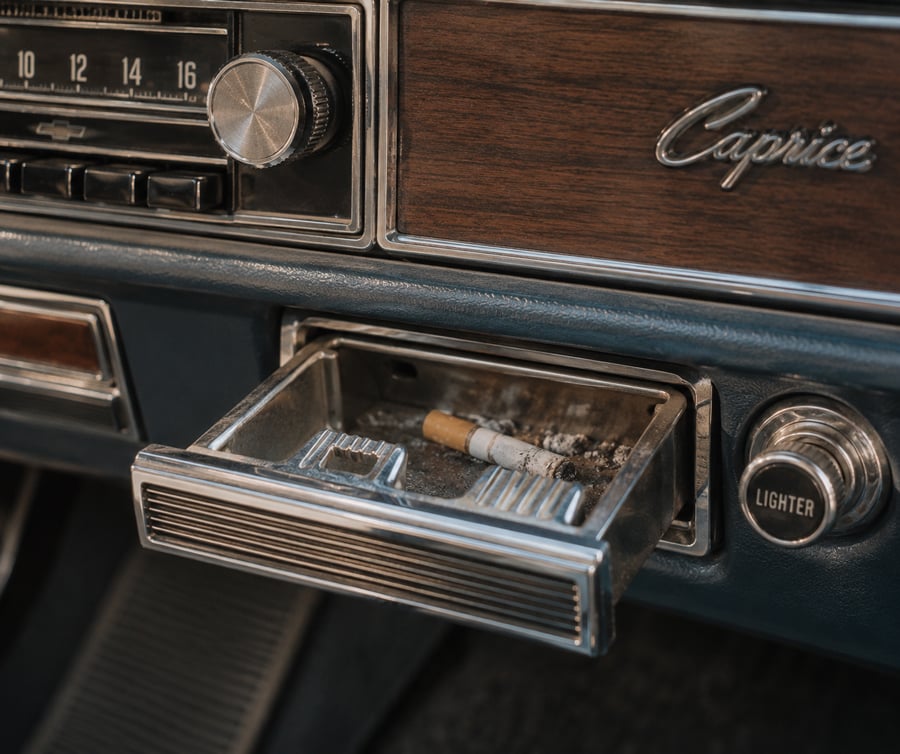
Ashtrays appeared everywhere inside older cars, tucked into dashboards, doors, and the backs of front seats. Even families that did not smoke often used them to hold coins or other tiny objects. As smoking became less common, those little metal compartments quietly vanished from new interiors.
5. Two Simple Metal Keys
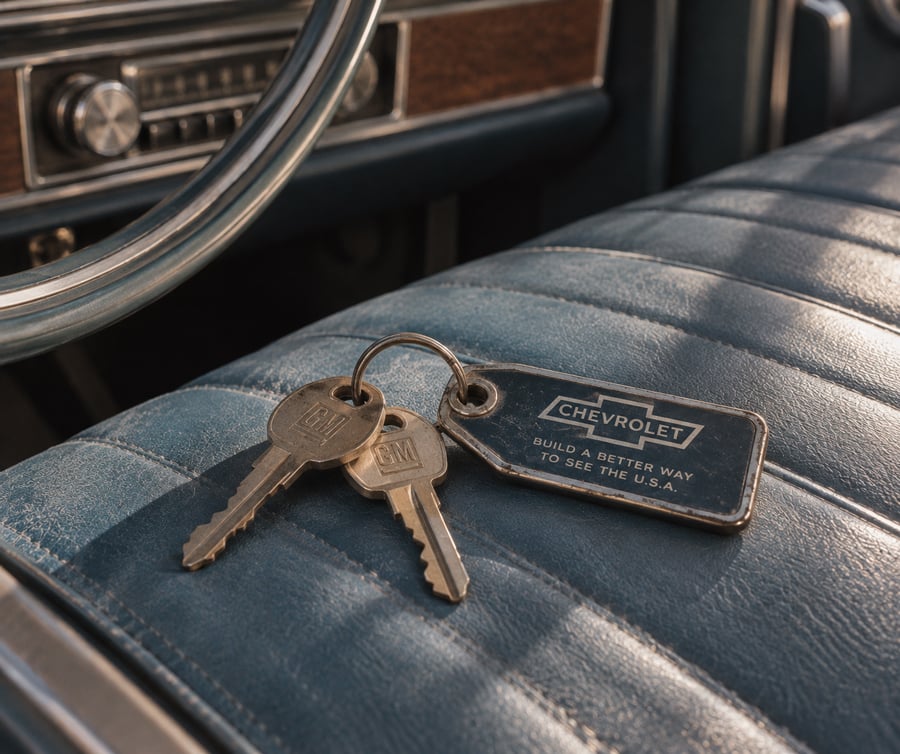
A new car once came with keys that looked exactly like keys. There was often one for the ignition and another for the doors or trunk, attached to a dealer keychain if the buyer was lucky. No screen, battery, proximity sensor, or replacement bill that could run into hundreds of dollars.
Trending on Wealth Gang

6. A Physical Radio Antenna
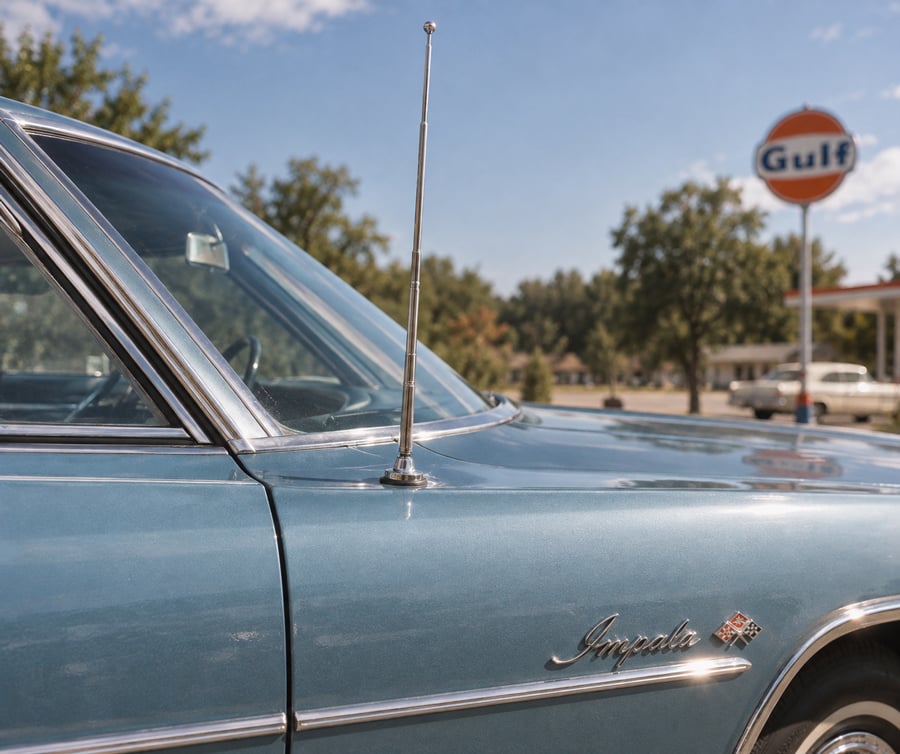
There was something unmistakable about the thin metal antenna rising from a fender. Some had to be pulled up by hand, while more luxurious cars offered power antennas that slowly appeared when the radio switched on. Modern antennas have become smaller, integrated into windows, or replaced by compact roof designs.
7. A Bench Front Seat
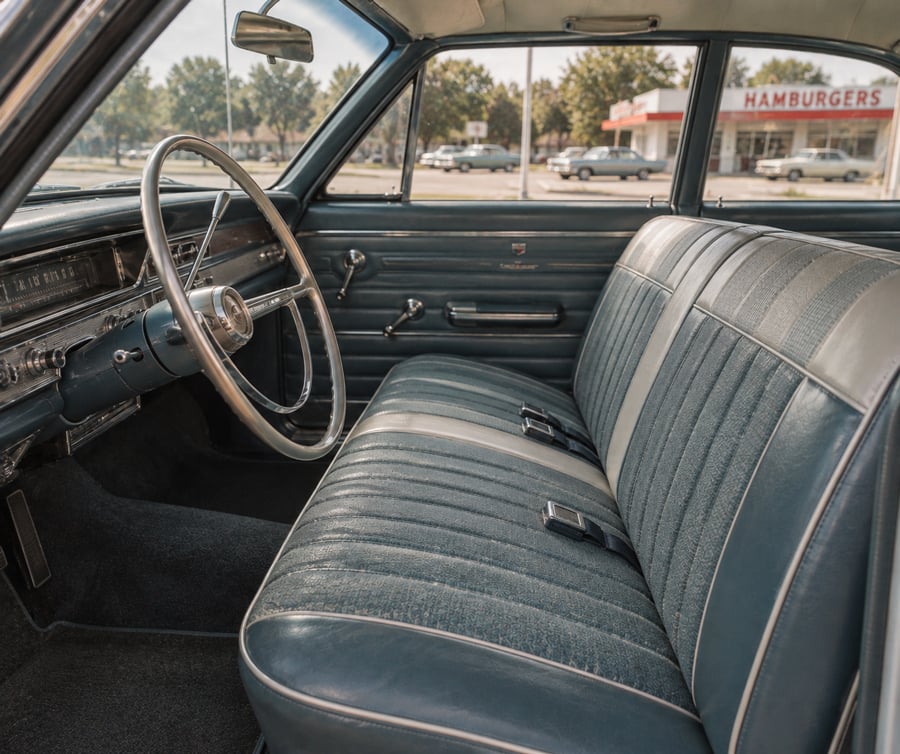
A front bench seat made the cabin feel less like separate assigned spaces and more like one long couch on wheels. Three people could sit across the front, and on quieter drives there was nothing preventing a passenger from sliding closer to the driver. Bucket seats and large center consoles eventually made that arrangement a rarity.
8. Hand-Crank Windows
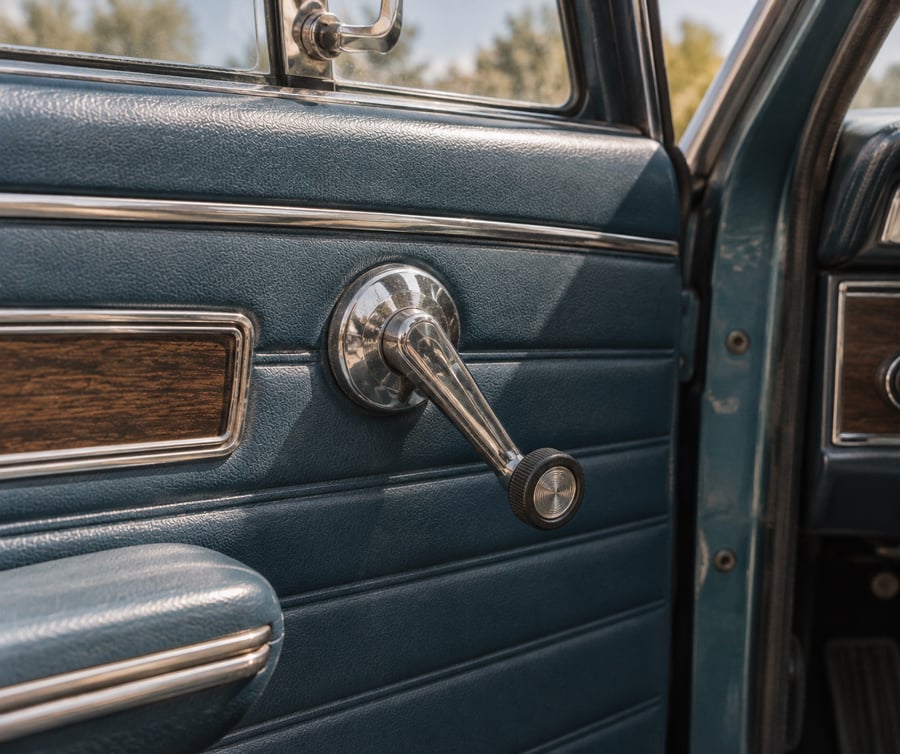
Before every door had its own switch, lowering a window meant grabbing a small handle and turning. Children in the back seat knew exactly how many frantic rotations it took to get fresh air, and rolling all the windows back up before leaving the car was its own little routine.
Sign up for our newsletter
9. Manual Door Locks
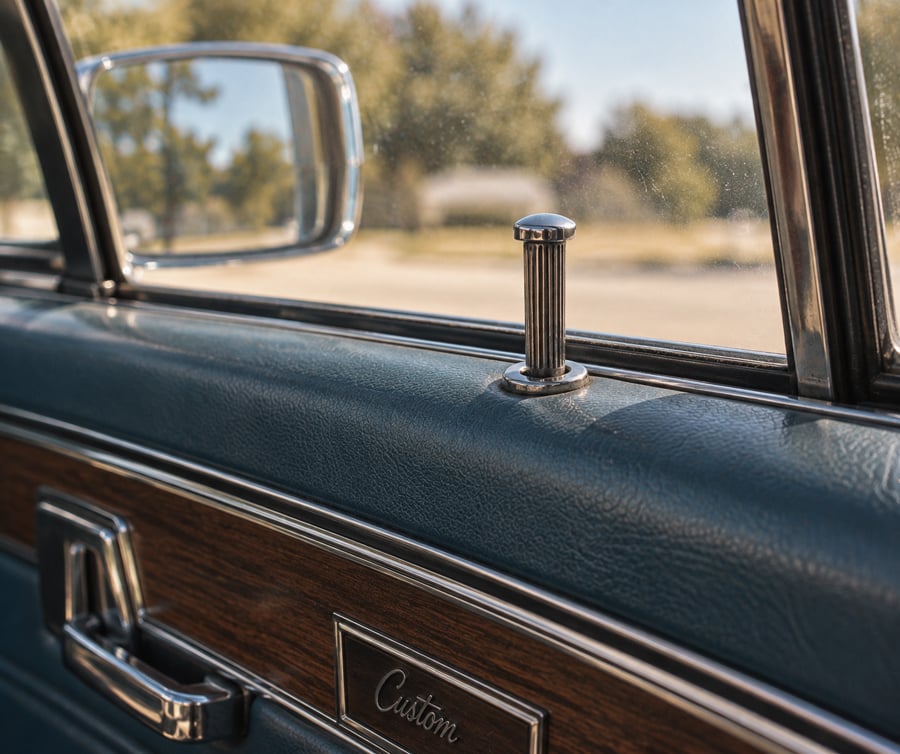
Locking the car once meant physically pushing down each little button by the window. Drivers developed the habit of reaching across the front seat to unlock the passenger door before someone climbed in, a tiny gesture that disappeared as power locks and remote entry became standard.
10. A Cassette Player
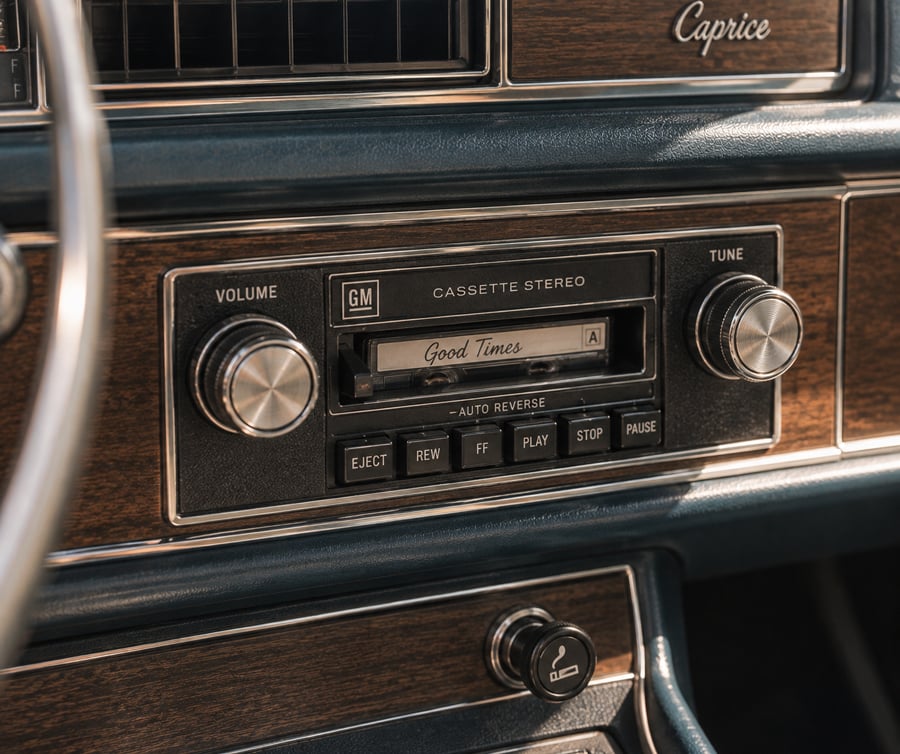
For years, a new car could come ready for a carefully chosen stack of cassette tapes. The glove box filled with plastic cases, favorite albums lived permanently in the car, and making a road-trip playlist meant recording a mixtape before leaving home. Eventually CDs took over, followed by digital music and streaming.
11. A Real Mechanical Handbrake
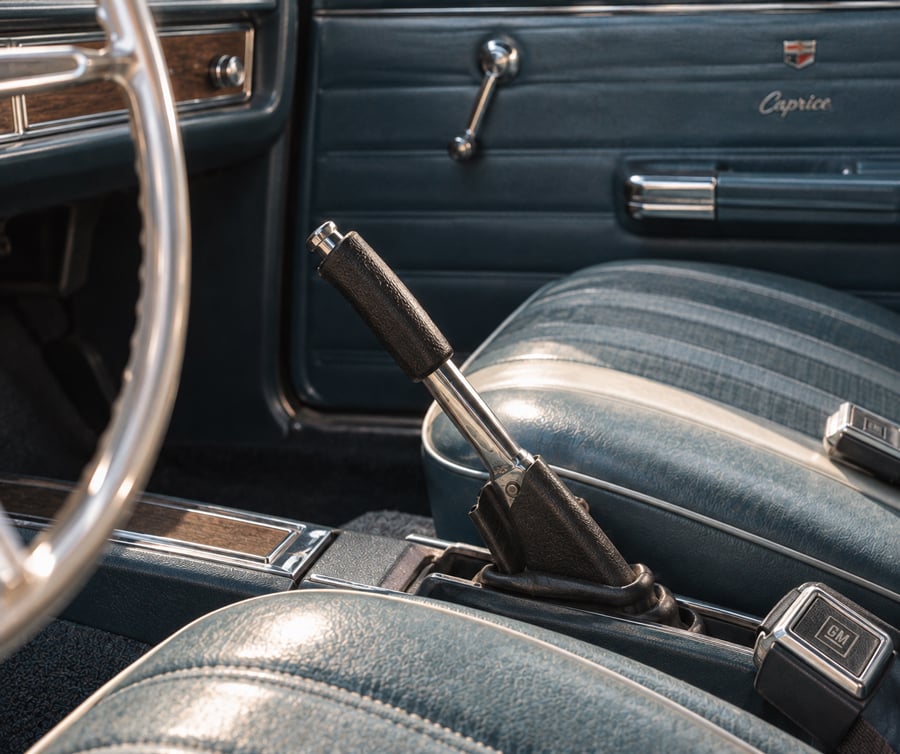
The familiar lever between the seats had a simple ritual: pull it up until it clicked into place, then release it before driving away. Electronic parking brake buttons have replaced the mechanical lever in many newer vehicles, taking away one of the most tactile controls inside the car.
12. A Trunk Tool Kit
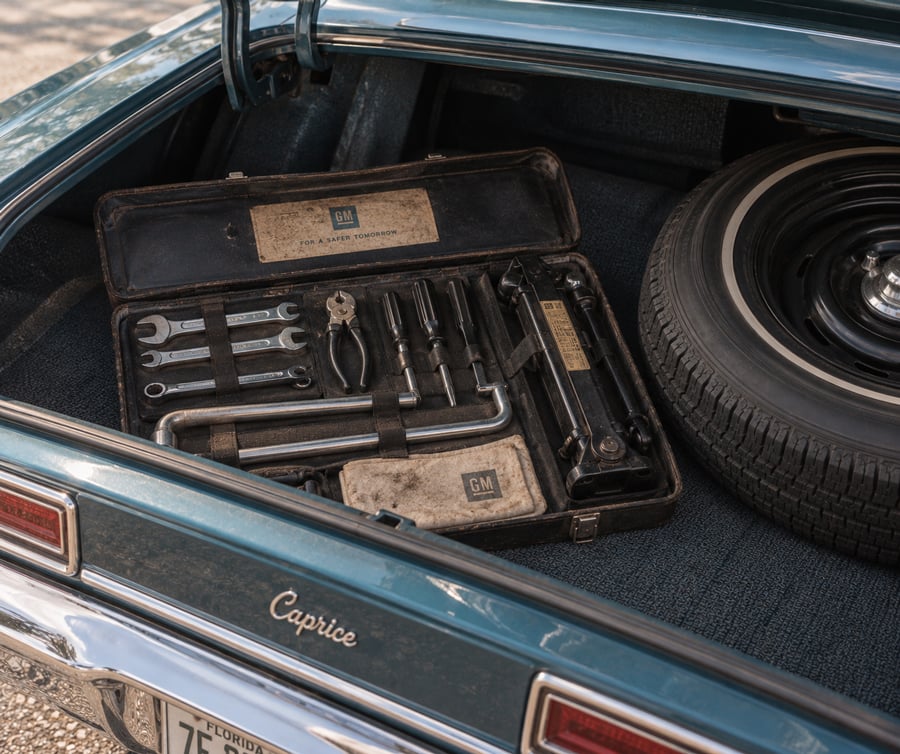
Changing a tire on the side of the road was once considered an ordinary part of driving, so cars commonly carried the basic equipment needed to do it. A jack and lug wrench waited beside the spare, ready for the inevitable moment when someone heard the unmistakable thump of a flat tire.
13. A Physical Radio With Knobs
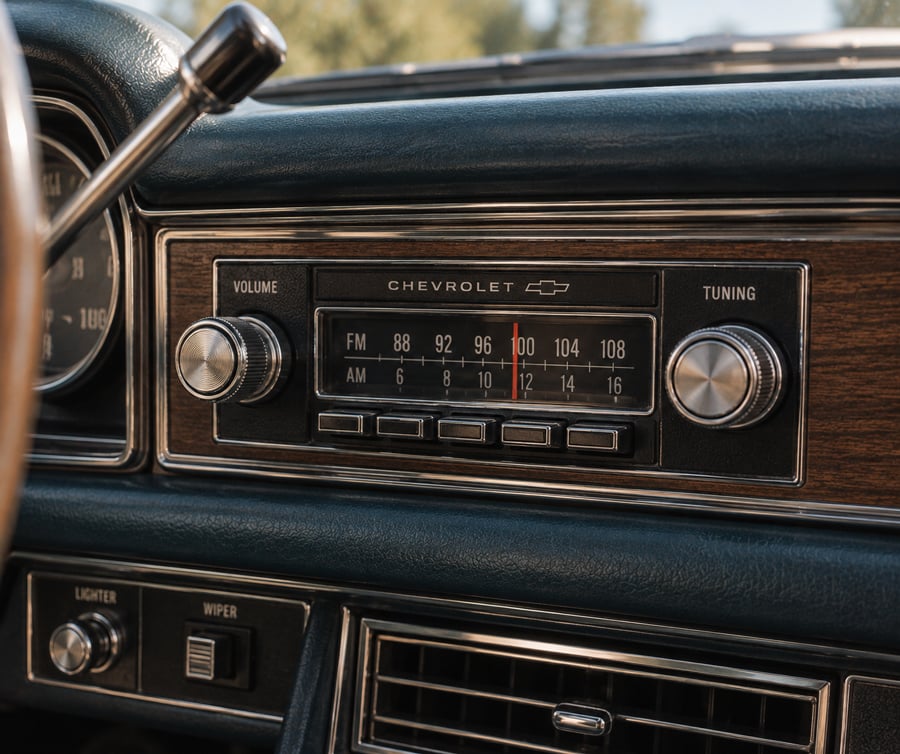
There was no need to take your eyes off the road to find the volume control. A large knob turned the radio on, another moved through the stations, and preset buttons could be pushed with a satisfying mechanical click. Modern touchscreens can do far more, but they do not quite feel the same beneath your fingertips.
14. A Road Map in the Glove Compartment
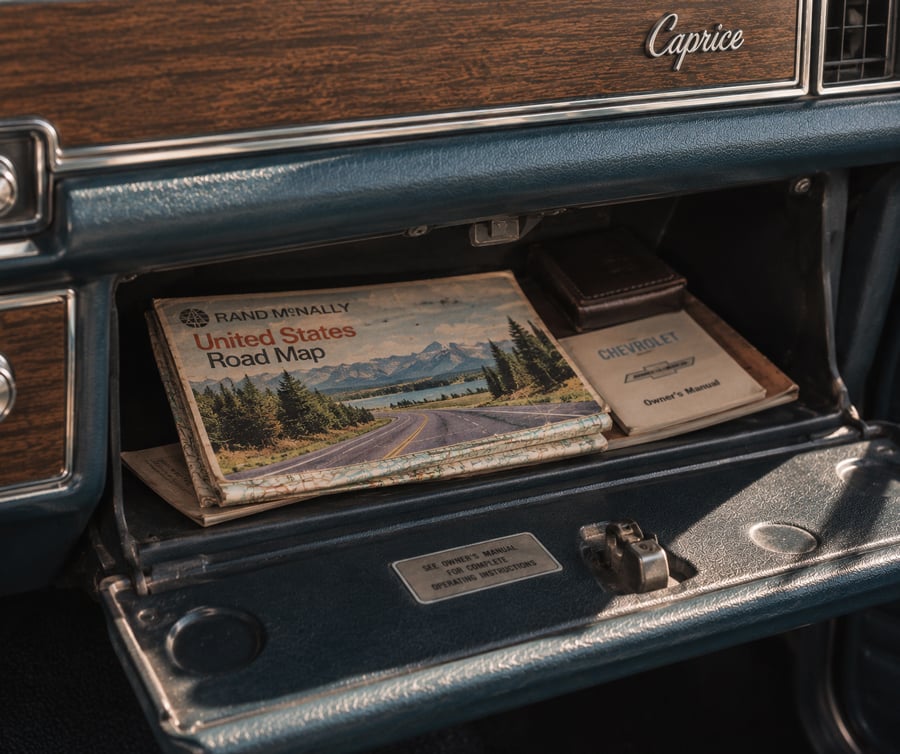
The map may not technically have been part of the automobile, but for generations it felt like standard equipment. Glove compartments filled with folded state maps, highway maps, and free maps picked up at gas stations. Getting lost meant pulling over, unfolding an enormous sheet of paper, and figuring out where the wrong turn happened.
15. Hubcaps
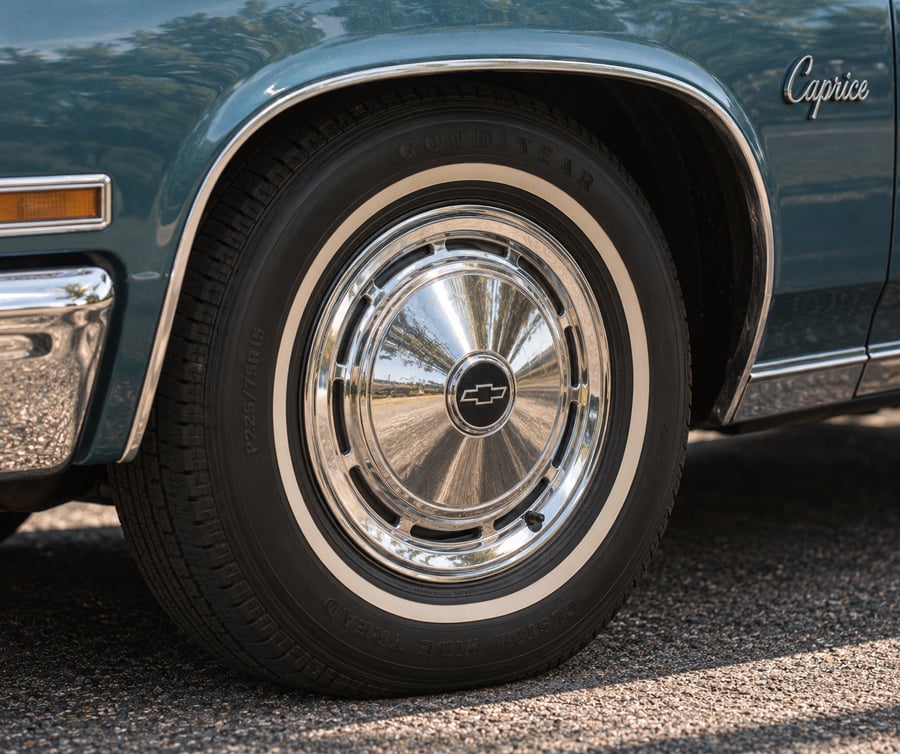
Bright metal hubcaps once gave even an ordinary family sedan a little shine. Losing one to a pothole meant driving around with one bare wheel until a replacement could be found, and roadside hubcap shops were once familiar sights in some places. Modern wheel designs have made the traditional removable hubcap far less prominent.
16. A Dealer Paperwork Folder
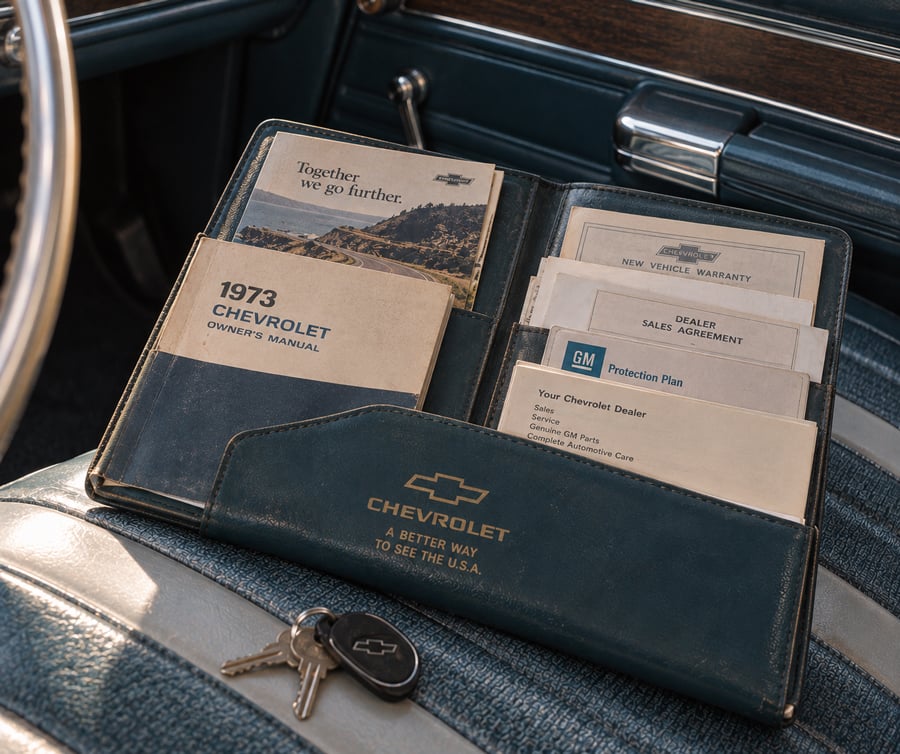
Driving away from the dealership often meant bringing home more than just the keys. Warranty information, maintenance schedules, owner’s documents, and dealer paperwork came together in a folder that might spend the next decade tucked inside the glove compartment, slowly collecting service receipts along the way.
More Related Notes
• 15 Cars From the 1960s That Changed Automotive History.
Explore the influential cars that helped define American driving during the 1960s, from groundbreaking designs to models that became icons of the decade.
• 16 Cars From the 1970s That Would Never Be Built Today.
Take a look at the distinctive vehicles of the following decade and the features, designs, and driving experiences that have largely disappeared from modern roads.
• 18 Vintage Photos That Show What Weekends Looked Like in 1970s America.
Discover how American families spent their weekends in an era when the family car played a central role in road trips, errands, outings, and everyday leisure.