Everyday products have changed so dramatically over the years that some of their earliest versions are almost impossible to recognize. Before sleek smartphones, automatic washing machines, and lightweight laptops, people relied on bulky equipment, exposed mechanical parts, and inventions that often required far more effort than their modern equivalents.
Some of these original designs look surprisingly clever, while others seem almost ridiculous compared to what we use today. Many were expensive, difficult to operate, or too large to fit comfortably inside an ordinary home. From bicycles without pedals to vacuum cleaners pulled by horses, these 18 products show just how far familiar inventions have come.
1. Telephones Once Looked Like Wooden Science Experiments
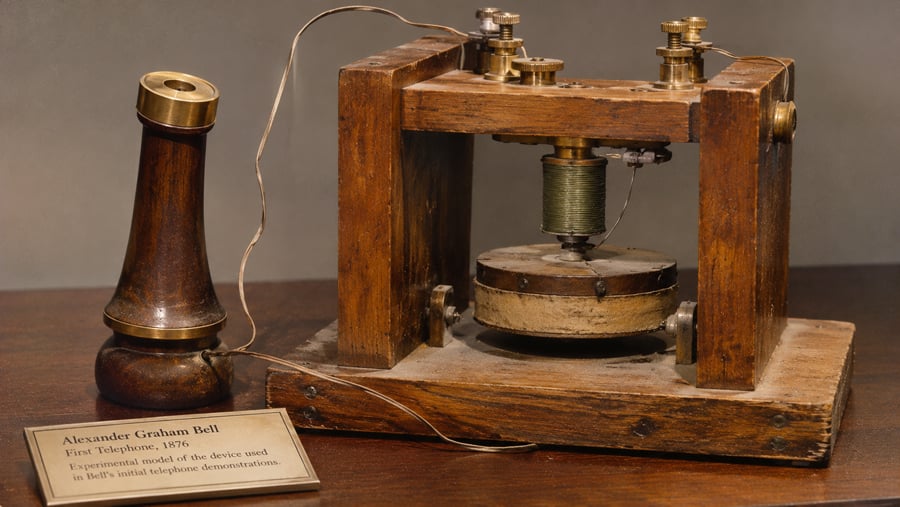
It’s hard to believe that the device we now carry in our pockets began as a collection of wooden boxes, wires, and separate speaking and listening components. When Alexander Graham Bell demonstrated his telephone in 1876, there was no touchscreen, keypad, or even the familiar handset that later generations would recognize. Early users had to work with equipment that looked more like something from a laboratory than a household necessity. Over the following decades, telephones gradually became smaller and easier to use, eventually turning into the multifunctional smartphones we know today.
2. Cameras Used to Be Giant Wooden Boxes
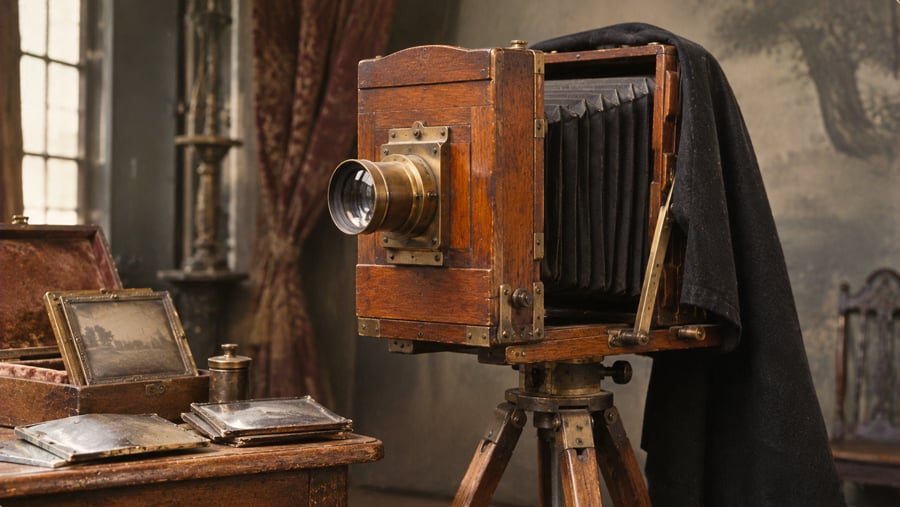
Taking a photograph once required a lot more preparation than pulling out a phone. Early cameras were often large wooden boxes with lenses, separate plate holders, and equipment that photographers had to handle carefully. Daguerreotype cameras from the mid-1800s used specially prepared metal plates, and producing a single image involved chemical processing. Photography became more accessible when Kodak introduced its roll-film camera in 1888, but even that was a world away from today’s digital devices. Looking at those early wooden cameras, it’s amazing that they eventually led to something small enough to fit inside a pocket.
3. The First Bicycles Didn’t Have Pedals
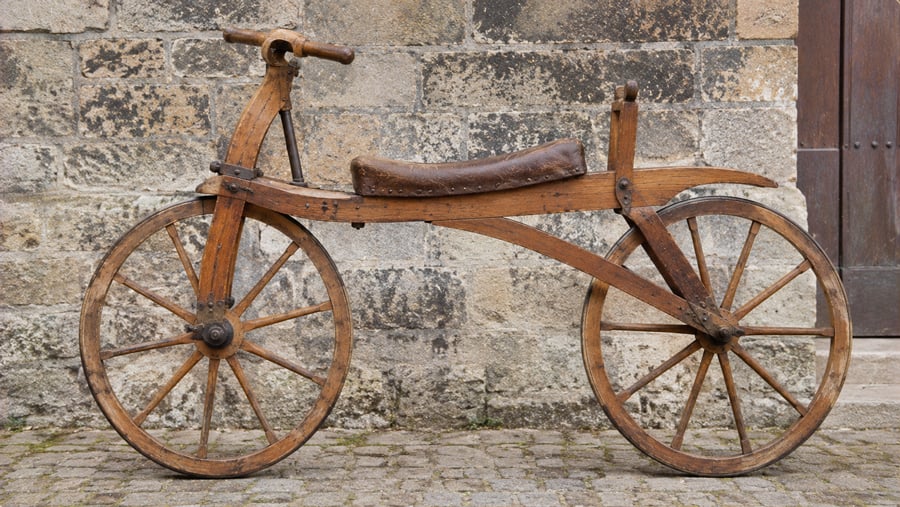
Imagine riding a bicycle that required you to run along the ground to make it move. That’s exactly how one of the earliest bicycle designs worked. In 1817, German inventor Karl Drais created a wooden two-wheeled machine that riders propelled by pushing their feet against the ground. There were no pedals, no chain, and none of the familiar mechanisms found on modern bicycles. The rider sat on a saddle and steered while essentially walking or running. Over time, pedals, improved wheels, and chain drives transformed this unusual wooden invention into a practical form of transportation.
4. The First Benz Automobile Had Only Three Wheels
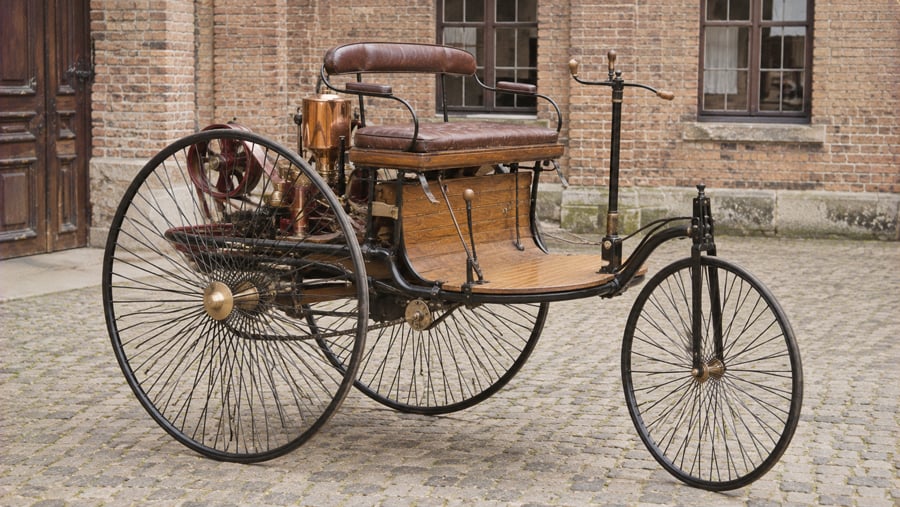
The earliest gasoline-powered automobiles didn’t look much like the cars filling today’s highways. Karl Benz’s Patent Motorwagen, developed in 1885 and patented in 1886, had three thin wheels, an exposed engine, and a carriage-like frame that offered little protection from the weather. There was no enclosed cabin, no dashboard full of controls, and certainly no comfortable back seat. It looked more like a motorized bicycle carriage than a modern car. Still, the strange little vehicle helped establish the foundation for an industry that would completely change transportation.
5. Vacuum Cleaners Were Once Pulled Around by Horses
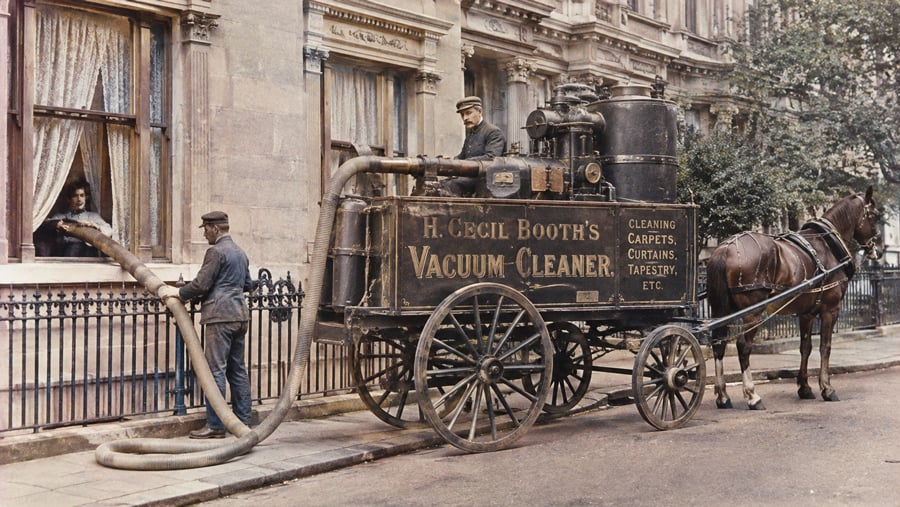
The first powered vacuum cleaners weren’t exactly convenient household appliances. In 1901, British engineer Hubert Cecil Booth developed a cleaning system so large that it had to be transported by horse-drawn carriage. The machine remained outside while long hoses were passed through windows to clean the building’s interior. Instead of buying a vacuum for the house, customers hired a cleaning service that arrived with its own enormous equipment. It’s quite a contrast to today’s cordless vacuum cleaners that can be carried from room to room with one hand.
Trending on Wealth Gang

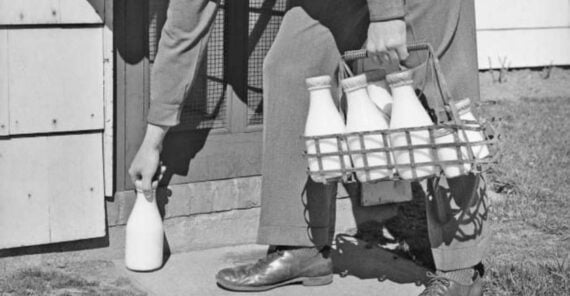
6. Washing Machines Required Turning a Heavy Crank
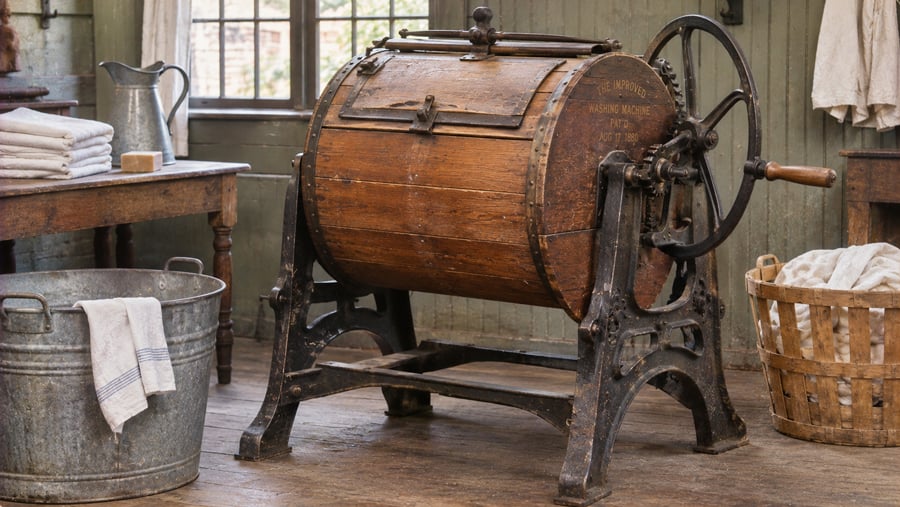
Laundry day was already exhausting before washing machines became common, and some early machines still demanded plenty of physical work. A nineteenth-century model made by Thomas Bradford and Company used a wooden drum supported by cast-iron frames, with a large hand-operated wheel that turned the mechanism. Someone had to provide the power, and filling and emptying the machine was another job entirely. Compared with today’s automatic washers, which handle most of the process after a few button presses, these early machines were only a partial escape from washing clothes by hand.
7. Refrigerators Were Basically Cabinets Filled With Ice
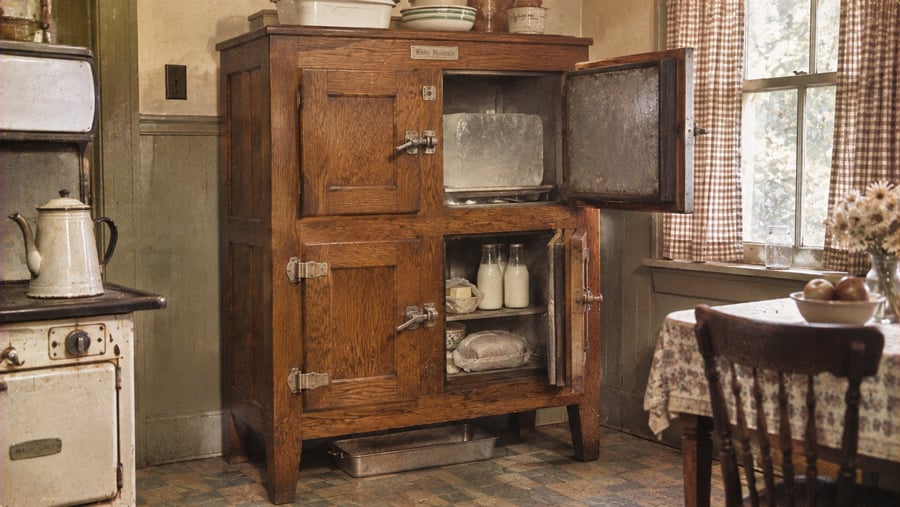
Before electric refrigerators became a standard kitchen appliance, keeping food cold meant relying on an insulated cabinet and a large block of ice. These iceboxes had separate compartments for food and ice, along with a place to collect the water as it melted. Families needed regular ice deliveries, and someone had to remember to empty the drip pan. The cabinets often looked like heavy wooden furniture rather than modern kitchen appliances. Electric refrigeration eventually eliminated the daily inconvenience of replacing melting ice.
8. The First Microwave Ovens Were Almost Six Feet Tall
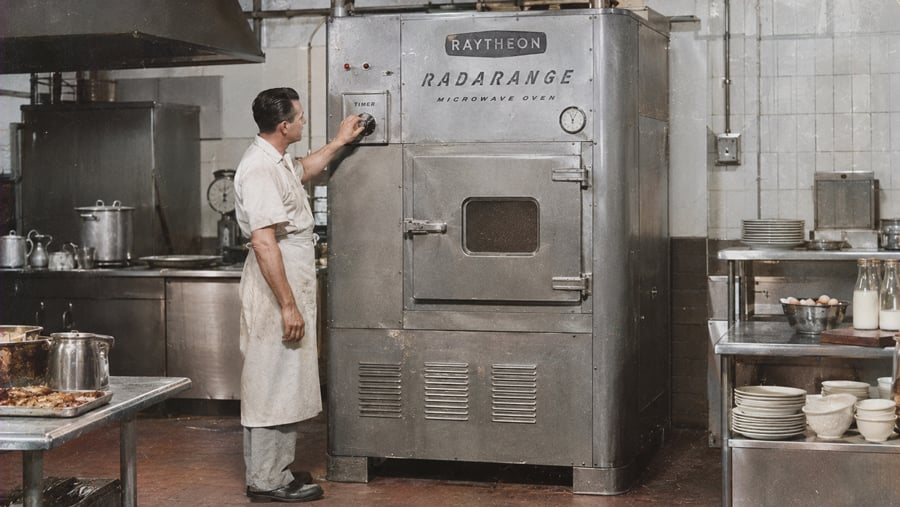
Today’s microwaves fit neatly on kitchen counters, but the first commercial versions were closer in size to industrial refrigerators. Raytheon’s original Radarange, introduced in 1947, stood almost six feet tall and weighed around 750 pounds. It could cost as much as $3,000, putting it far beyond the reach of most households. Even early home models were bulky and expensive. It took years of technological improvements before microwaves became the compact, affordable appliances that now reheat leftovers in kitchens everywhere.
Sign up for our newsletter
9. Early Televisions Used Spinning Mechanical Discs
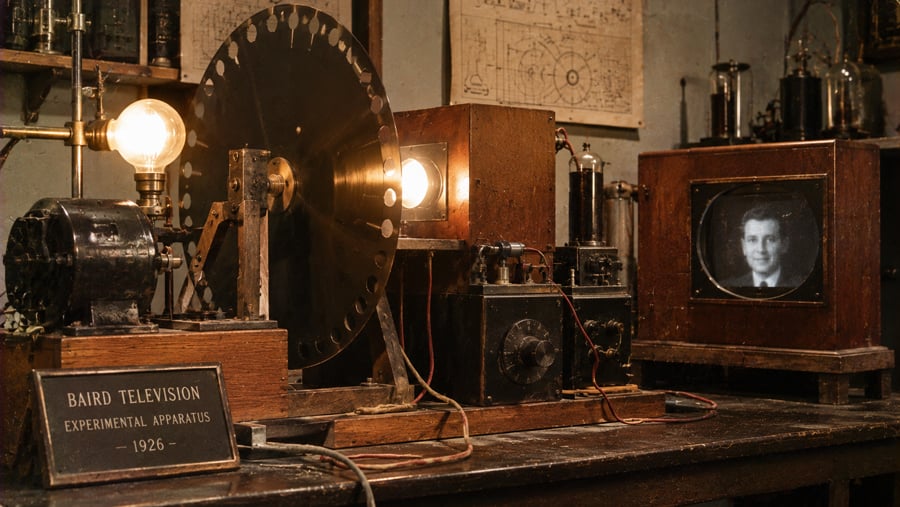
Long before flat-screen televisions, inventors were experimenting with machines that looked more like laboratory equipment than entertainment devices. In 1926, John Logie Baird demonstrated a working television system that used mechanical scanning components, including spinning discs, to create moving images. The picture was extremely limited by modern standards, and the equipment was a complicated arrangement of machinery. Electronic television eventually replaced mechanical systems, leading to the bulky television cabinets of the twentieth century and, much later, the thin screens we recognize today.
10. The First Computer Mouse Was a Wooden Block
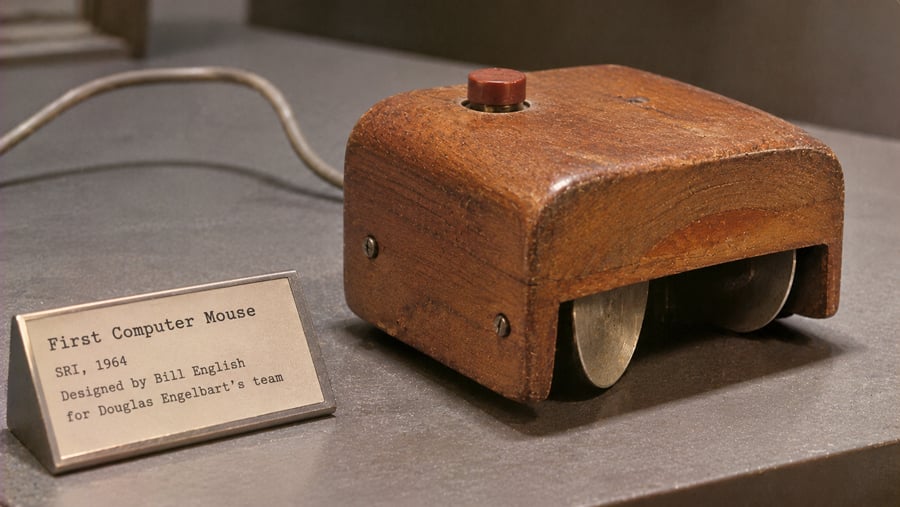
The computer mouse has changed so much that its original version looks almost like a homemade school project. In 1964, engineer Bill English built a prototype for Douglas Engelbart’s research team using a small wooden housing, two metal wheels, and a single button. Instead of an optical sensor, the wheels measured movement in two directions. The device was demonstrated publicly in 1968, years before computer mice became common household accessories. Its appearance was completely different, but the basic idea of moving a pointer across a screen has remained remarkably consistent.
11. Portable Computers Once Weighed as Much as a Small Suitcase
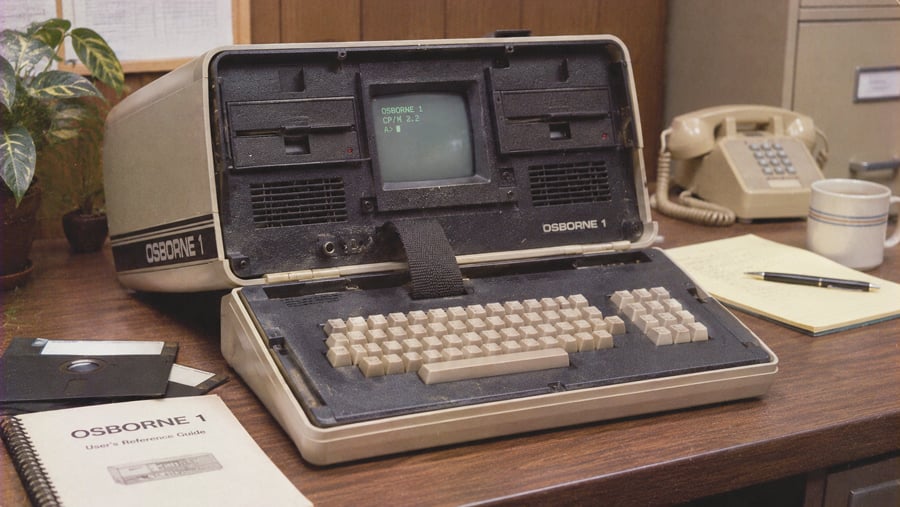
The idea of carrying a computer around sounded revolutionary in 1981, even if the computer itself weighed about 24 pounds. The Osborne 1 was an early mass-produced portable personal computer housed in a bulky case with a tiny five-inch screen, two floppy disk drives, and a full keyboard. It cost $1,795 and needed an external power source, so using it wasn’t nearly as convenient as opening a modern laptop. Still, for business users who needed computing power outside a fixed office, it represented a major step toward portable technology.
12. The First Commercial Typewriters Resembled Sewing Machines
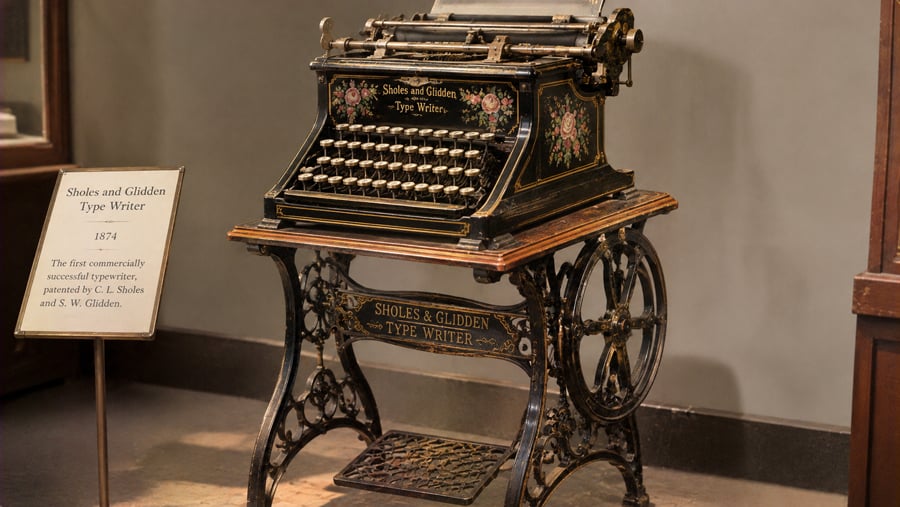
Early typewriters were much stranger-looking than the familiar office machines of the twentieth century. The Sholes and Glidden Typewriter, commercially introduced by Remington in 1874, had a decorative black body and was sometimes mounted on a stand resembling a sewing machine. Some versions even used a foot-operated mechanism to advance the paper and return the carriage. The machine could type only capital letters, although its keyboard already featured the QWERTY arrangement. It’s a fascinating reminder that the layout still used on modern keyboards began with equipment that looked like antique furniture.
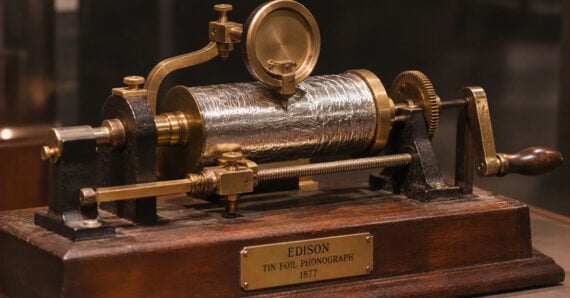
13. The First Music Players Recorded Sound on Tinfoil
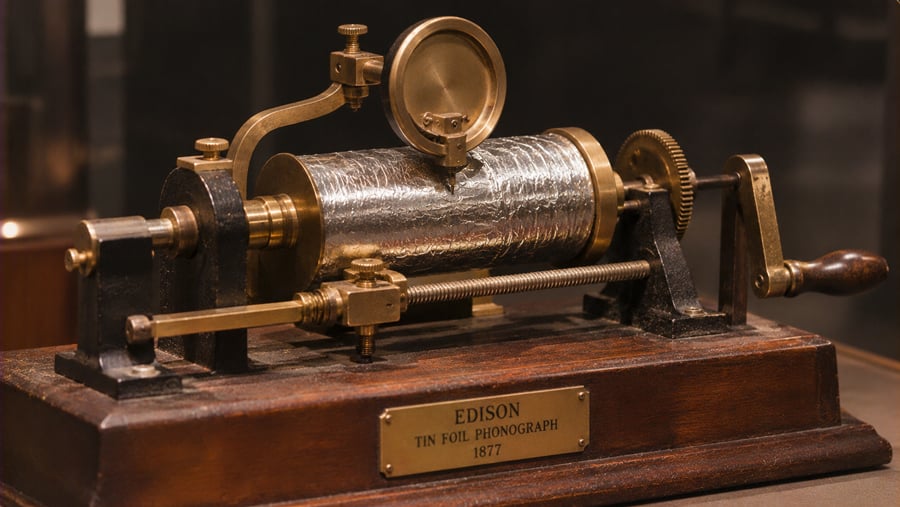
Listening to recorded music once involved equipment that looked more like a scientific experiment than a stereo. When Thomas Edison developed his phonograph in 1877, the machine recorded sound by pressing tiny indentations into tinfoil wrapped around a rotating cylinder. The recording could then be played back by tracing those marks with a stylus. The process was fragile and far from practical for everyday entertainment, but it proved that sound could be captured and reproduced. From wax cylinders to vinyl records, cassette tapes, CDs, and streaming, music players have undergone one of the most dramatic transformations of all.
14. Hearing Aids Once Looked Like Metal Funnels
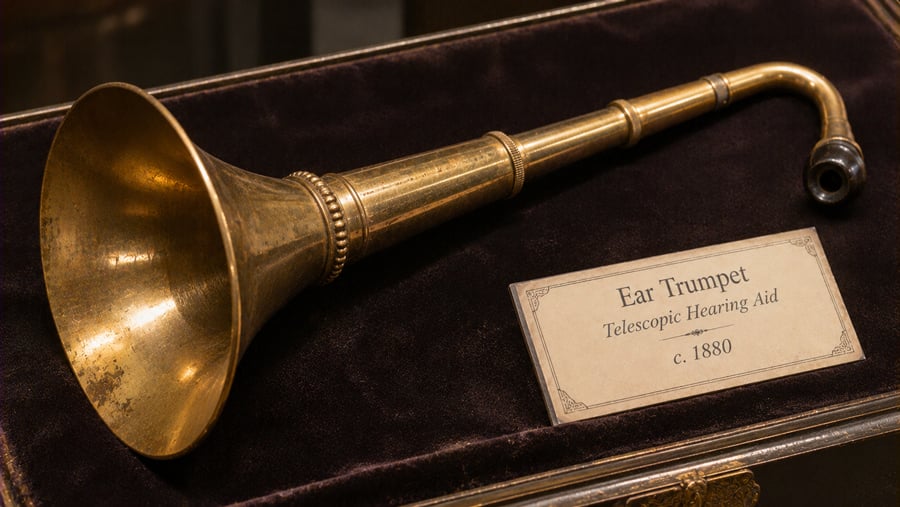
Before tiny electronic hearing aids existed, people with hearing loss sometimes used devices that looked like miniature trumpets or oversized funnels. These nineteenth-century instruments collected sound through a wide opening and directed it toward the ear. Some were made from brass and featured telescoping tubes or decorative shapes. They couldn’t electronically amplify sound, but their design helped concentrate it. Compared with today’s nearly invisible digital hearing aids, these conspicuous metal devices show just how much assistive technology has changed.
15. Dental Drills Were Once Powered by Foot Pedals
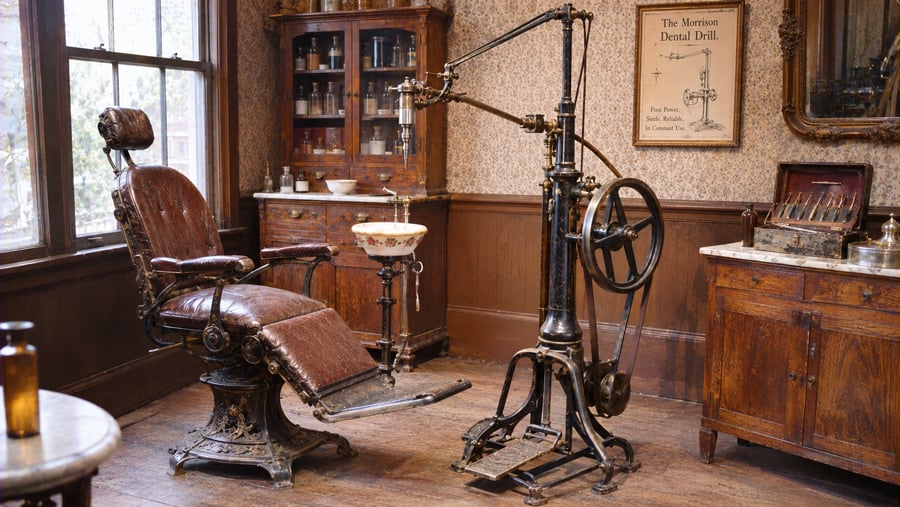
Going to the dentist in the nineteenth century involved equipment that would look pretty intimidating today. In 1871, American dentist James Beall Morrison developed a dental drill powered by a foot-operated treadle, similar to the mechanism used on sewing machines. The dentist had to repeatedly press a pedal to keep the drill turning. The machines featured large metal frames, belts, and mechanical connections, making them look more like workshop equipment than modern dental tools. Electric motors and high-speed drills eventually made dental equipment smaller and easier to operate.
16. Calculators Used to Be Complicated Machines Full of Gears
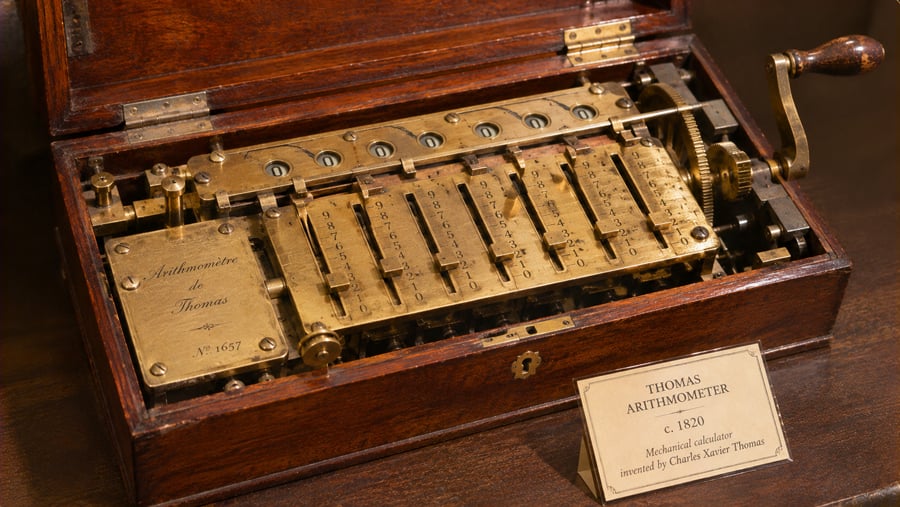
Before pocket calculators and smartphone apps, doing complicated arithmetic could involve a machine filled with gears, levers, and rotating drums. In 1820, French inventor Charles Xavier Thomas patented a mechanical calculator known as the arithmometer. Its internal mechanisms could perform arithmetic operations, but using it required physical adjustments rather than simply pressing a few buttons. Later versions became commercially successful during the nineteenth century. Looking at one today, it’s hard to believe that the elaborate brass machinery eventually evolved into the tiny calculators found on school desks.
17. Early Toasters Left the Heating Wires Exposed
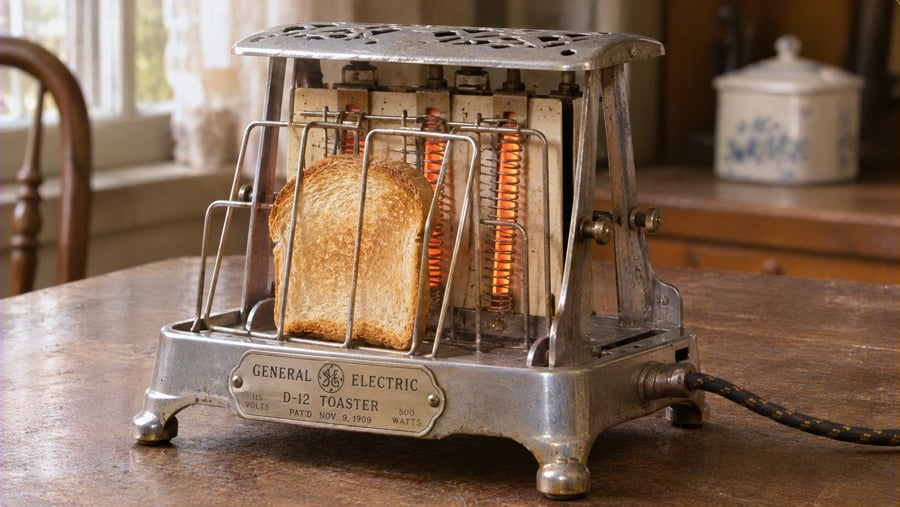
Making toast used to require considerably more attention than pushing down a lever. One of General Electric’s early electric toasters, sold around 1909, featured exposed heating coils and a simple wire frame that held slices of bread close to the heat. There was no automatic pop-up feature, so users had to watch the bread and remove or reposition it themselves. The open design looked surprisingly industrial compared with modern enclosed toasters. Later improvements made toasting more convenient, predictable, and less dependent on someone standing nearby
18. Air Conditioners Began as Enormous Industrial Systems
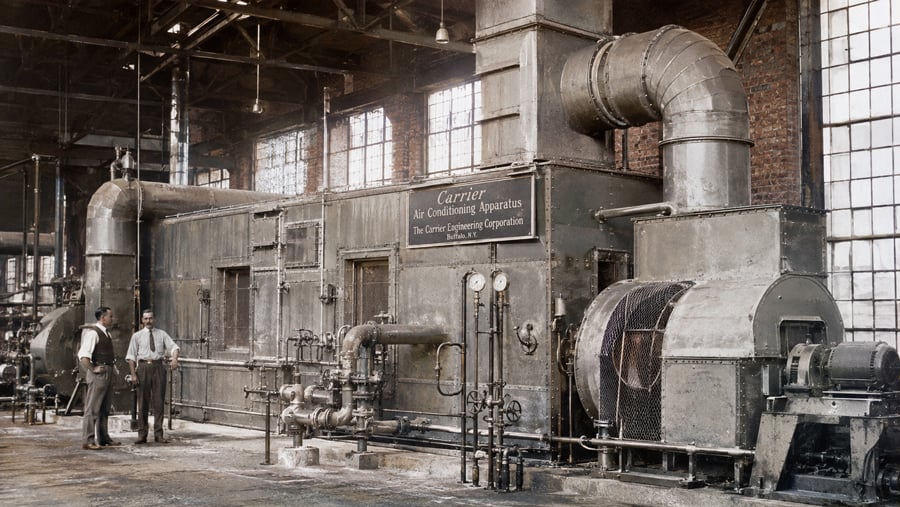
The earliest air-conditioning systems weren’t designed to make living rooms comfortable during summer heat waves. In the early 1900s, engineer Willis Carrier developed equipment to control temperature and humidity in industrial environments, where changing atmospheric conditions could affect manufacturing. These installations required large mechanical systems and occupied far more space than modern window or wall-mounted units. As the technology improved, air conditioning gradually moved into commercial buildings and eventually ordinary homes. What started as a complicated industrial solution became something millions of people now use with the press of a button.
More Related Notes
15 Costco Products That Have Been Around Longer Than We Think
Some familiar Costco products have surprisingly long histories. Discover which everyday favorites have been around for generations.
18 Everyday Products That Lasted Much Longer in the Past
From sturdy household appliances to everyday essentials, these older products were built to last and often outlived their modern replacements.
16 Strange Products Americans Bought in the 1960s
The 1960s introduced plenty of unusual inventions and household gadgets. These once-popular products reveal just how different American shopping habits used to be.