A failed experiment or a mistake sometimes led inventors to discover something far more useful than what they originally intended. From the kitchen to the medicine cabinet, everyday objects we rarely think twice about have atypical origin stories.
Some were created in laboratories, others from manufacturing problems, and a few came from people noticing an unexpected effect and deciding to investigate further. Here are 15 everyday products that owe their existence to happy accidents, proving that sometimes the best ideas happen when things don’t go according to plan.
1. Post-it Notes
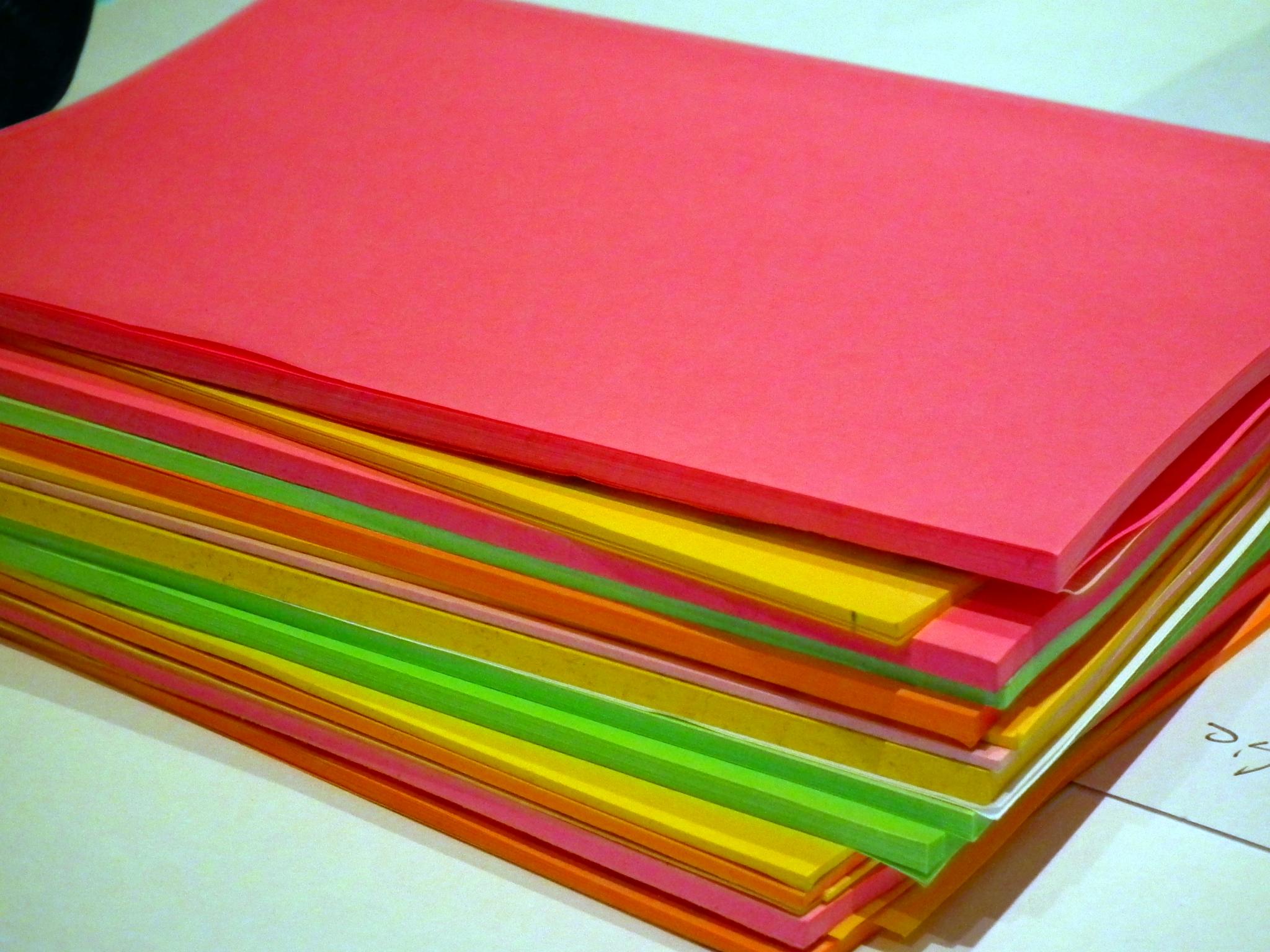
Post-it Notes are a staple of offices, classrooms, and home organization, but their invention began with a glue that did not work as intended. In 1968, scientist Spencer Silver developed an unusual adhesive that could stick to surfaces but could also be removed without leaving much residue. The problem was that it wasn’t strong enough for the permanent bonding applications he had originally hoped to develop. The result was a product that has transformed the way people leave reminders.
2. Microwave Oven
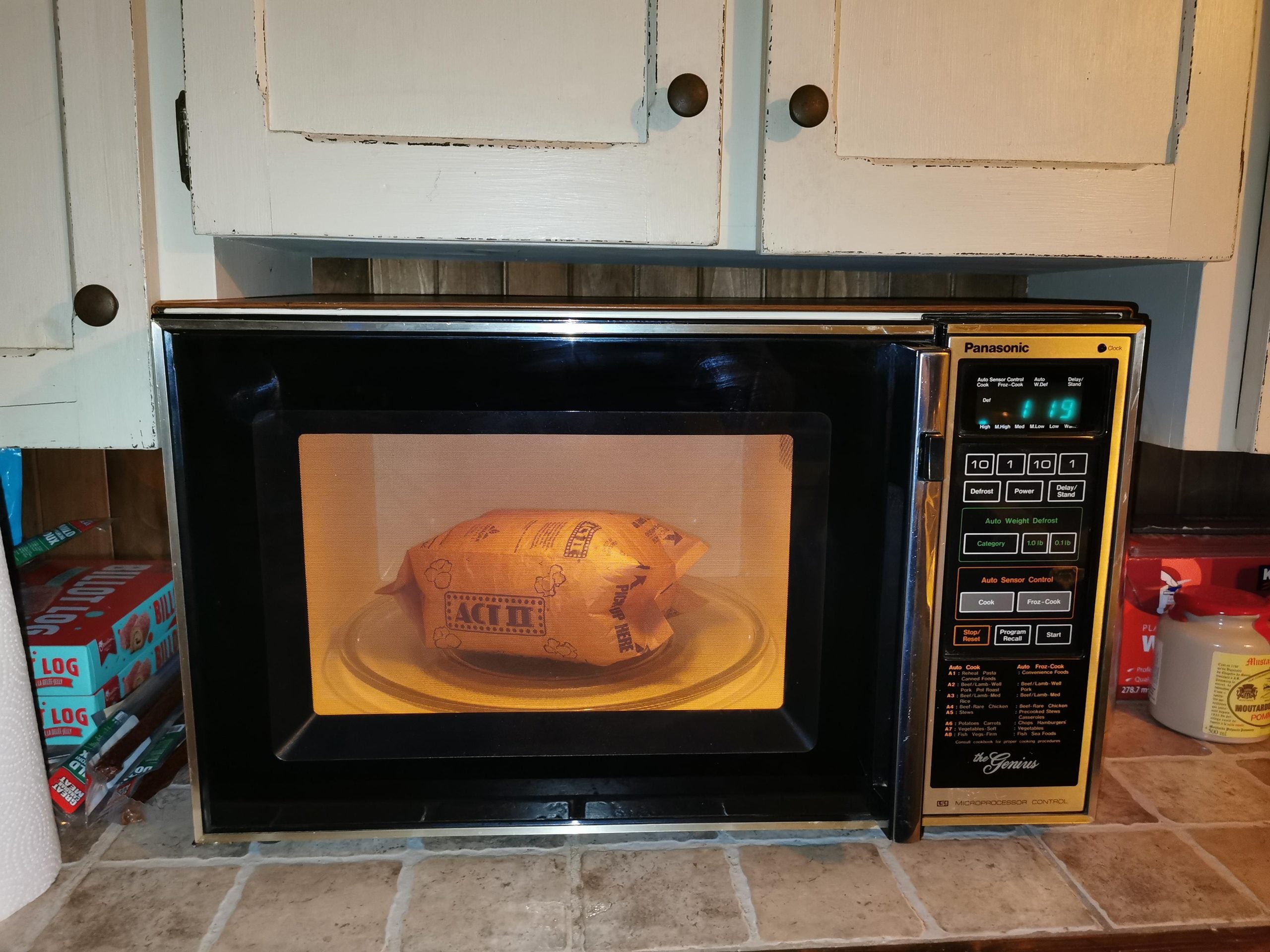
The microwave oven was born from an unexpected observation made by engineer Percy Spencer while working with radar technology during World War II. In 1945, Spencer was testing a magnetron when he noticed that a chocolate bar in his pocket had melted. Consequently, he investigated whether the energy from the equipment could heat food. Early models were big and expensive compared with today’s versions.
3. Saccharin
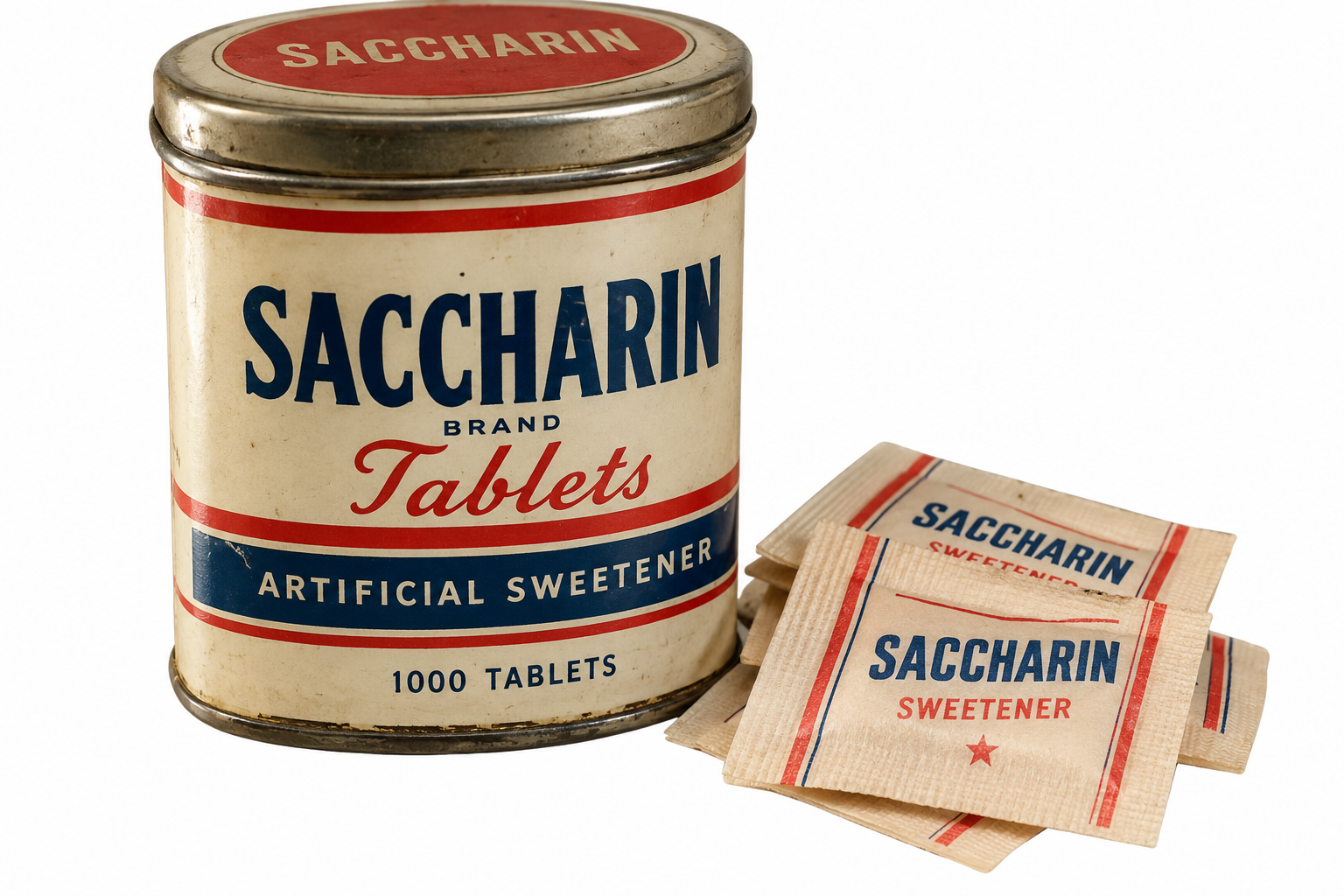
The artificial sweetener saccharin was discovered in 1879 by chemist Constantin Fahlberg while he was researching coal-tar derivatives in a laboratory at Johns Hopkins University. After a day of experiments, he noticed a sweet taste on his fingers while eating. He realized that the sweetness came from a chemical substance he had been handling. Saccharin was developed into a sugar substitute that became useful for people seeking to reduce their sugar consumption. It found its place in diet drinks, sweeteners, and other products.
4. Vulcanized Rubber
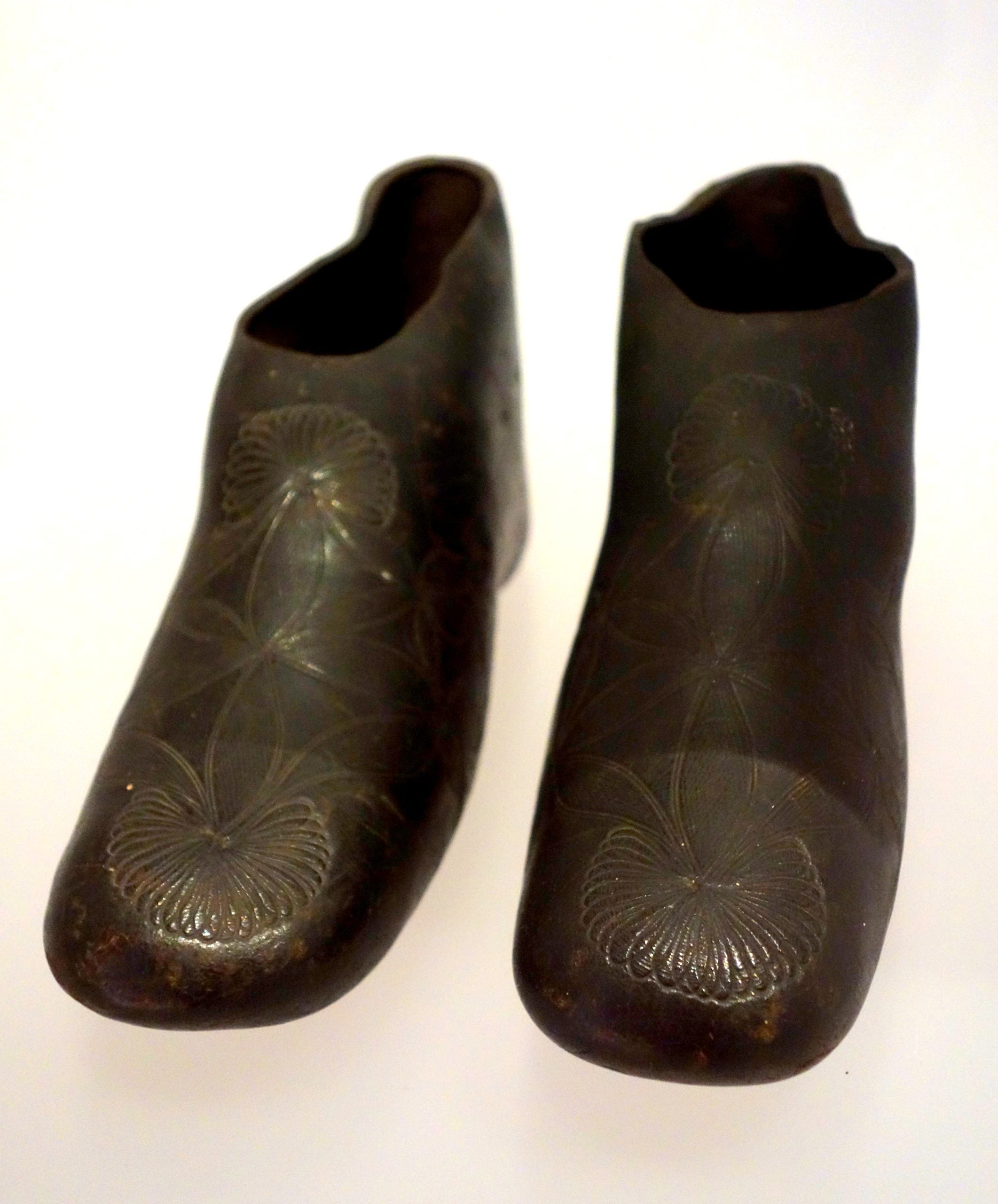
Vulcanized rubber was accidentally discovered in 1839 by American inventor Charles Goodyear. He had spent years trying to improve natural rubber because it became sticky in hot weather and hard in cold weather. According to a popular story, he accidentally exposed a mixture of rubber and sulfur to heat and discovered that it became stronger, more flexible, and resistant to temperature changes. This discovery made rubber much more useful for products like tires and shoes.
5. Penicillin
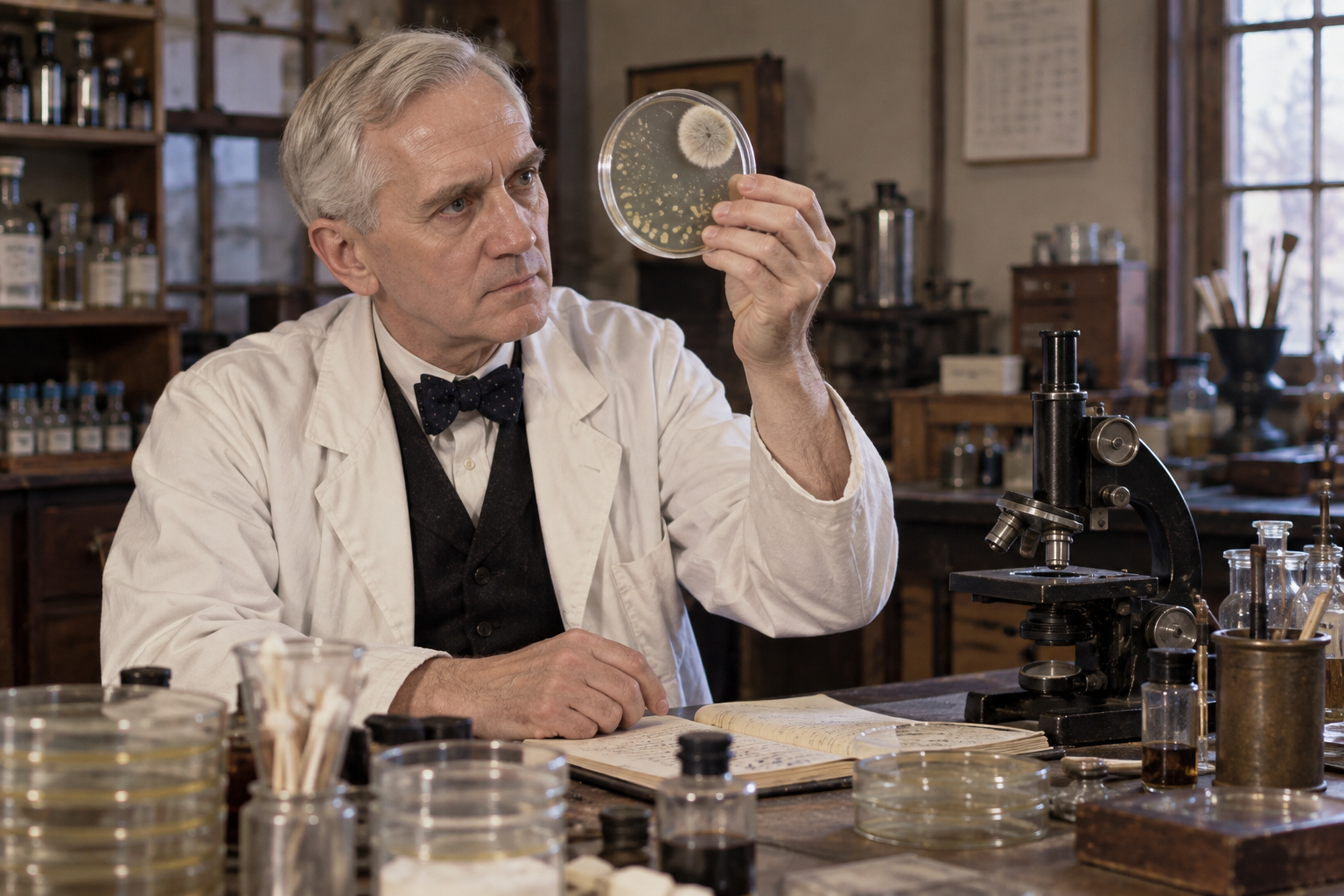
Penicillin was created in 1928, when Scottish Alexander Fleming returned to his laboratory and noticed mold growing on a plate containing bacteria. Around the mold, the bacteria had stopped growing. Fleming recognized that the mold was producing a substance capable of inhibiting bacterial growth. Turning the discovery into a practical medicine required years of work by other scientists. Penicillin later became one of the first globally used antibiotics.
Trending on Wealth Gang


6. Teflon
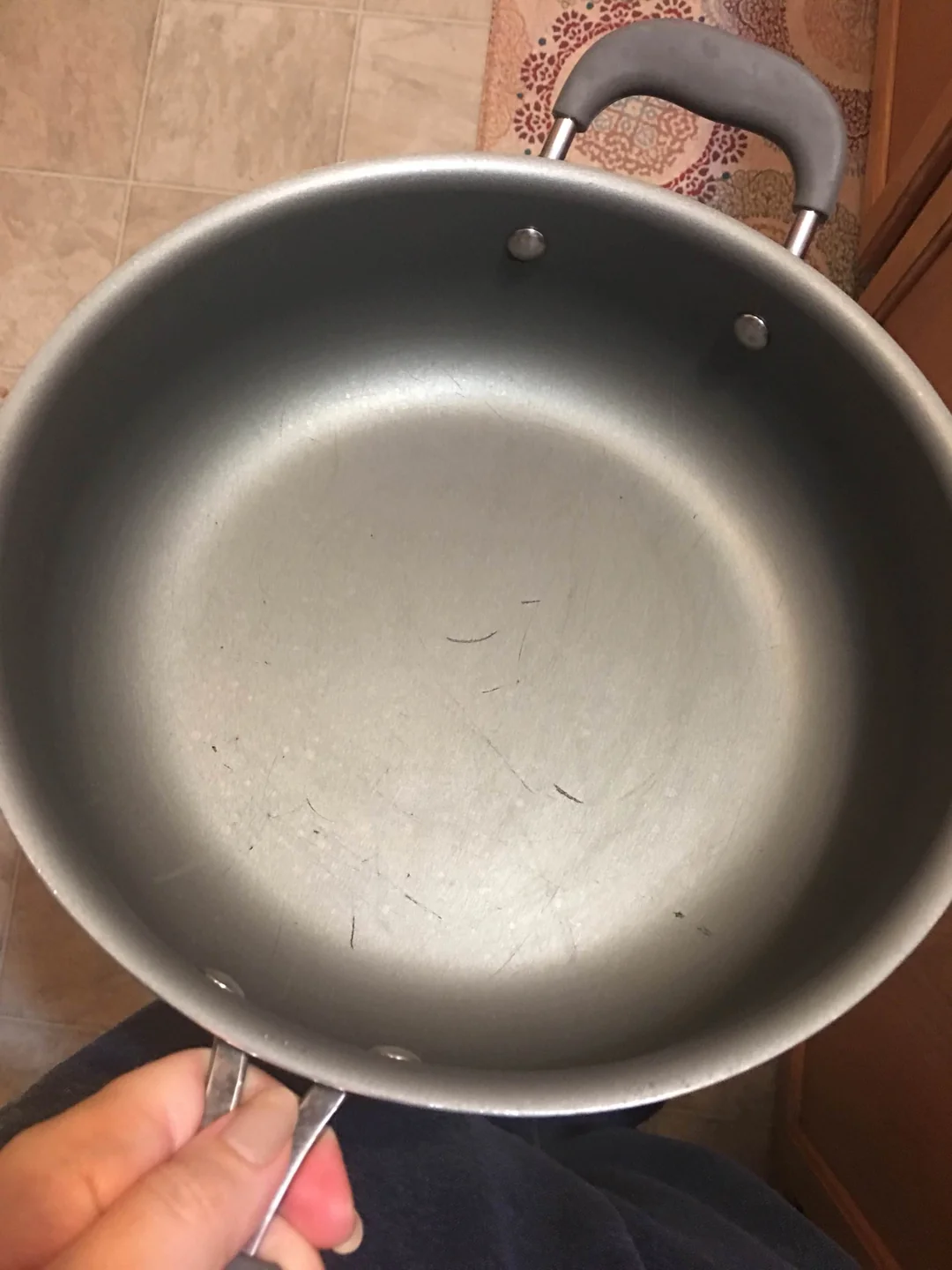
Teflon was accidentally discovered in 1938 by American chemist Roy Plunkett while he was experimenting with gases used in refrigeration. One day, he noticed that a gas cylinder seemed empty, even though it should still have contained gas. When he opened it, he found a strange white, waxy material inside. He discovered that this new material was resistant to heat and chemicals. Years later, Teflon became famous for its use in nonstick frying pans and other products.
7. Super Glue
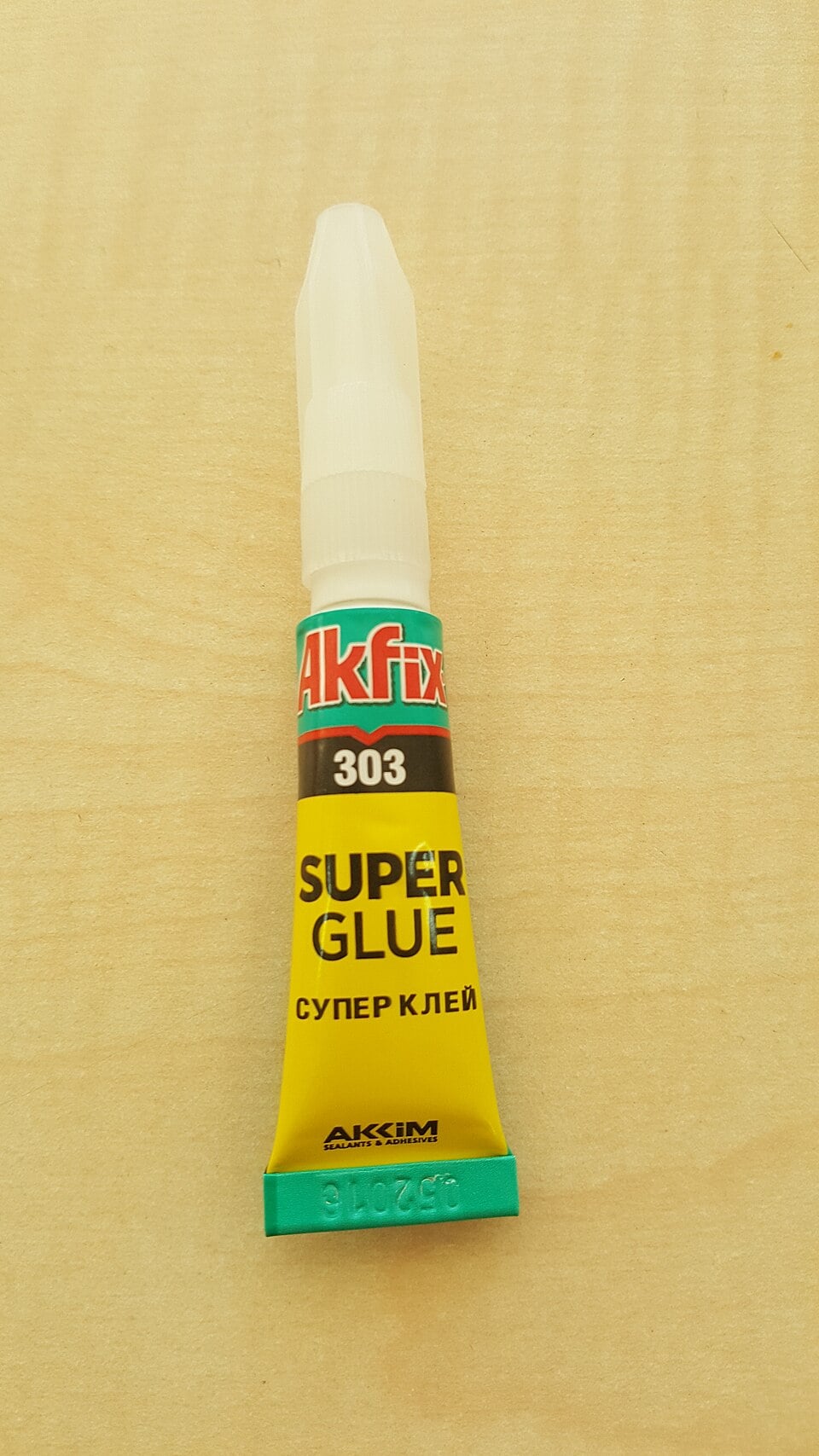
Super Glue was discovered by chemist Harry Coover in 1942 while he was researching materials for clear plastic gun sights during World War II. Years later, Coover and his team revisited the compound while working on heat-resistant materials. The adhesive eventually became commercially available and was marketed as a fast-acting glue.
8. Corn Flakes
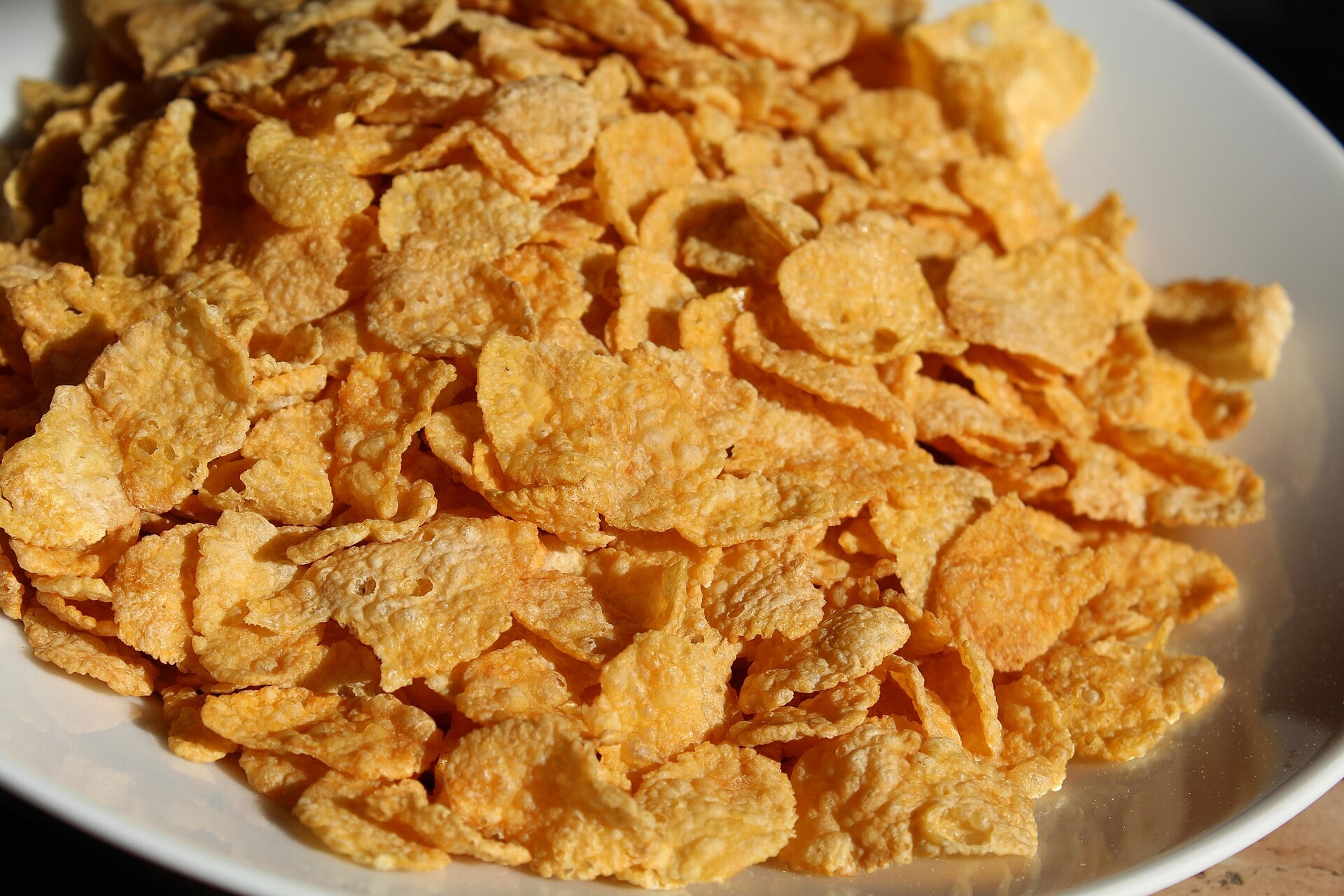
Corn flakes were discovered by accident in 1894 when brothers John Harvey Kellogg and Will Keith Kellogg were experimenting with grains at a sanitarium in Michigan. They left cooked wheat sitting too long, and when they rolled it, it broke into thin flakes. Later, they tried the same idea with corn and created the breakfast cereal we know today.
Sign up for our newsletter
9. Potato Chips
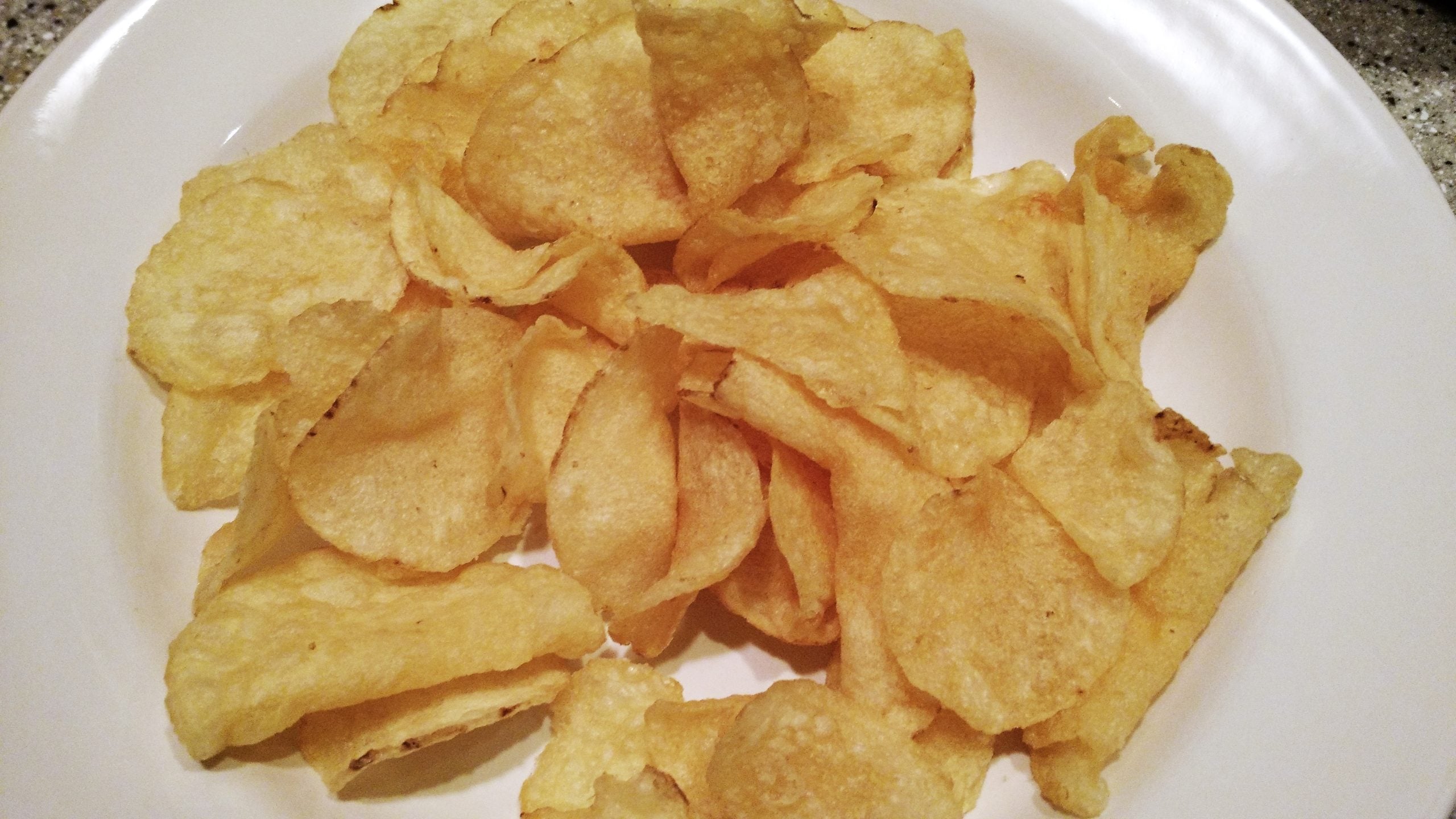
Potato chips were invented in the 1850s by chef George Crum in New York. According to the story, a customer complained that his fried potatoes were too thick, so Crum sliced them very thin, fried them until crispy, and added salt. Surprisingly, the customer loved them.
10. Popsicles
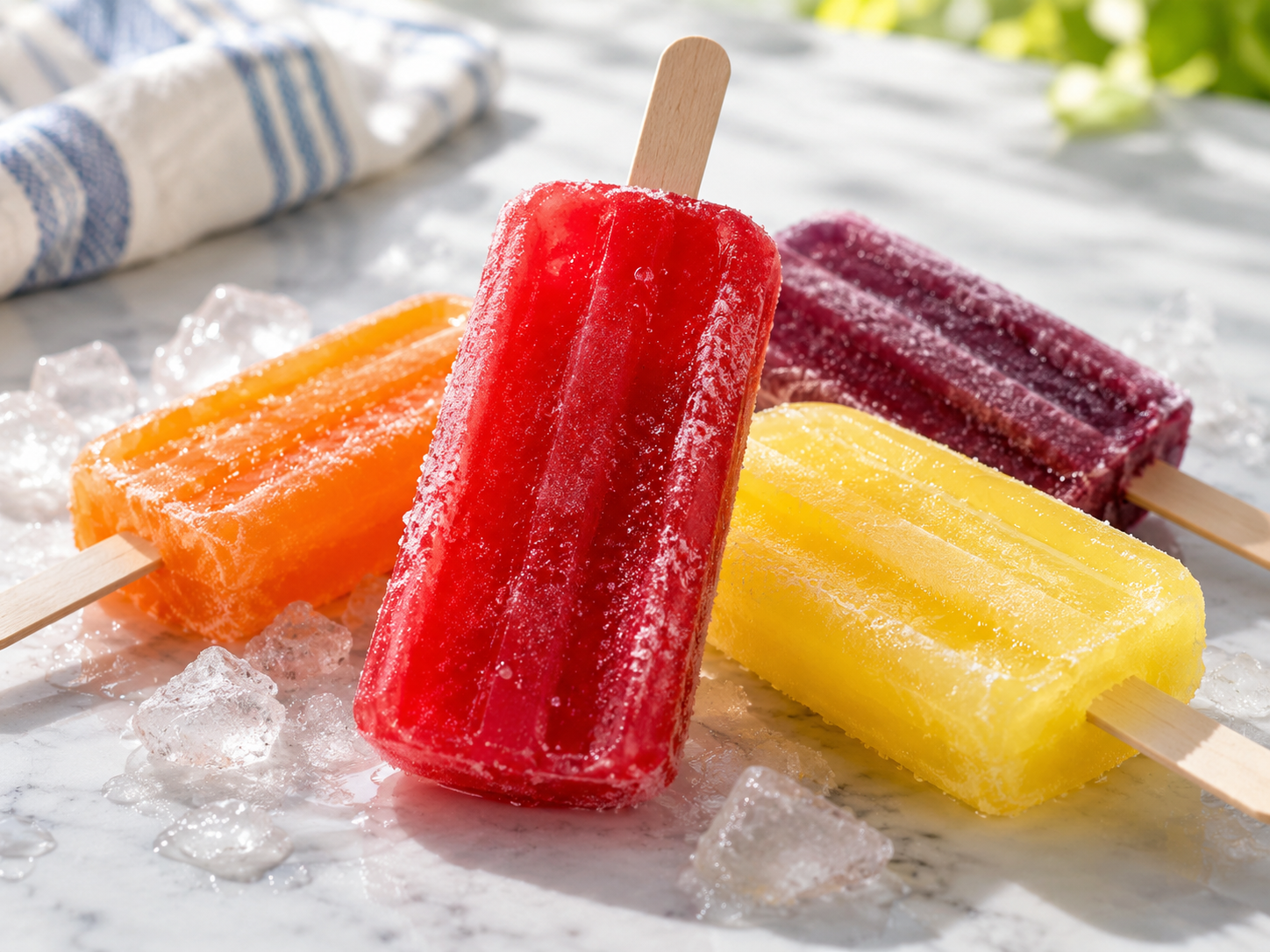
Popsicles were accidentally invented in 1905 by an 11-year-old boy. One cold night, he left a cup of soda mix and water outside with a stirring stick inside. By morning, the drink had frozen around the stick. Years later, he started selling the frozen treats and called them Epsicles. His children helped inspire the name Popsicle, and the treat became a popular summer snack.
11. Safety Glass
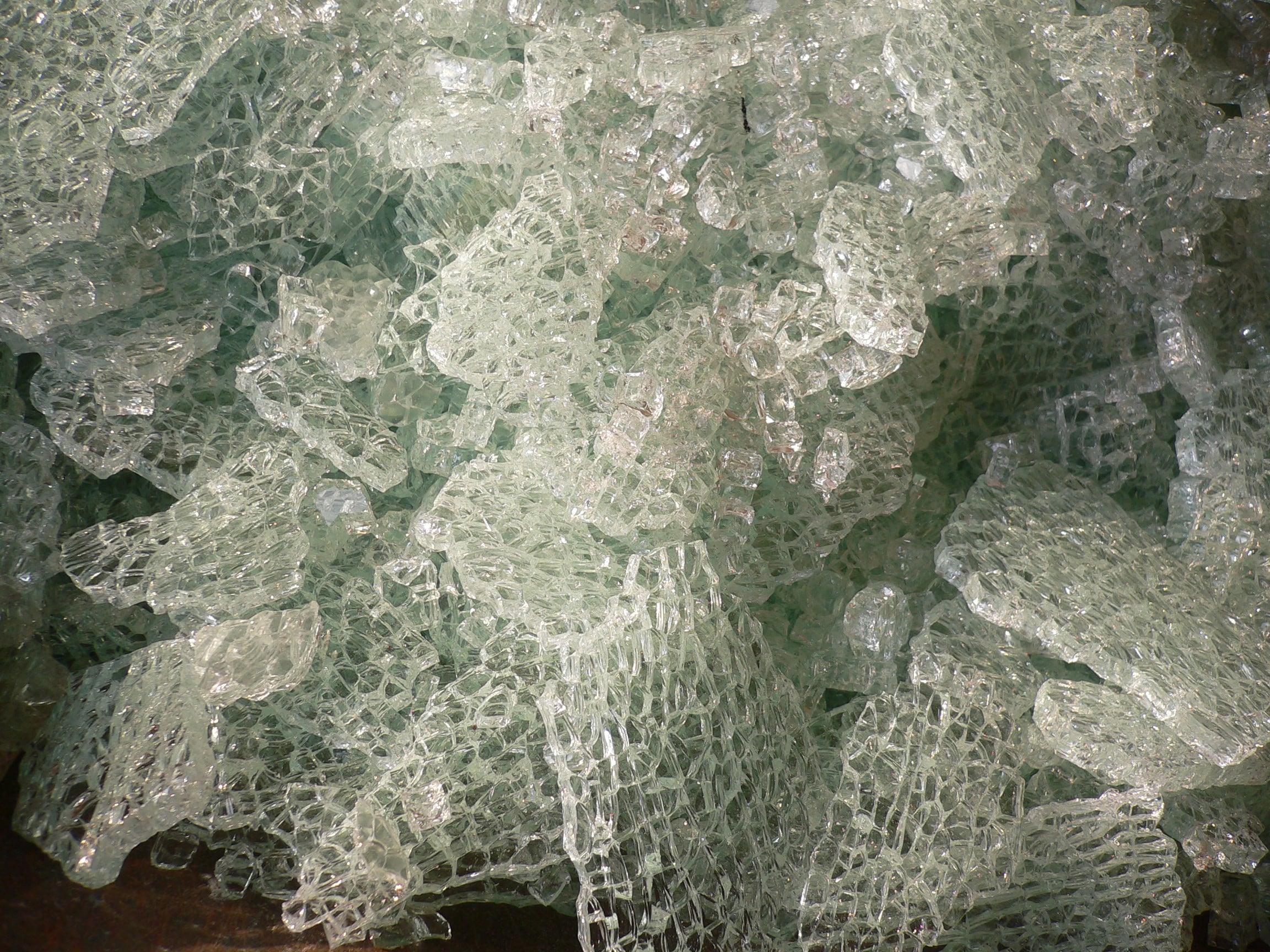
Safety glass was discovered by accident in the early 1900s when French scientist Édouard Bénédictus dropped a glass flask in his laboratory. Instead of breaking into pieces, the glass cracked but stayed together. He realized that a thin coating left inside the flask was holding the broken glass in place. This inspired him to develop laminated safety glass, which later became important for car windshields and buildings.
12. Play-Doh
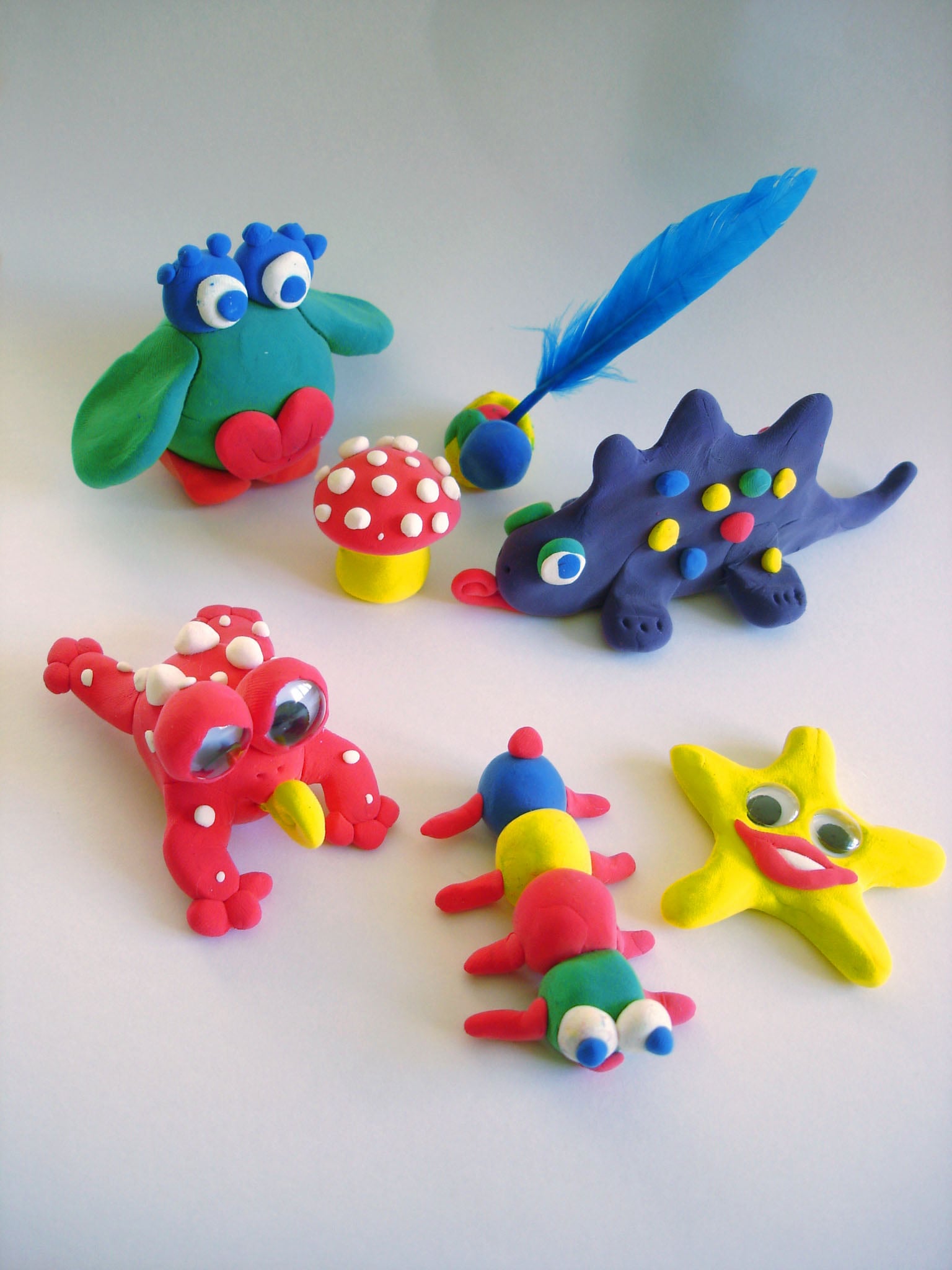
Play-Doh was created in the 1930s as a product for cleaning wallpaper. At that time, many homes used coal for heating, which left dark marks on walls. Years later, as homes became cleaner, fewer people needed the product. A nursery-school teacher discovered that children enjoyed playing with the soft material and making shapes. The company changed the formula and introduced Play-Doh as a children’s toy in the 1950s.
13. Velcro
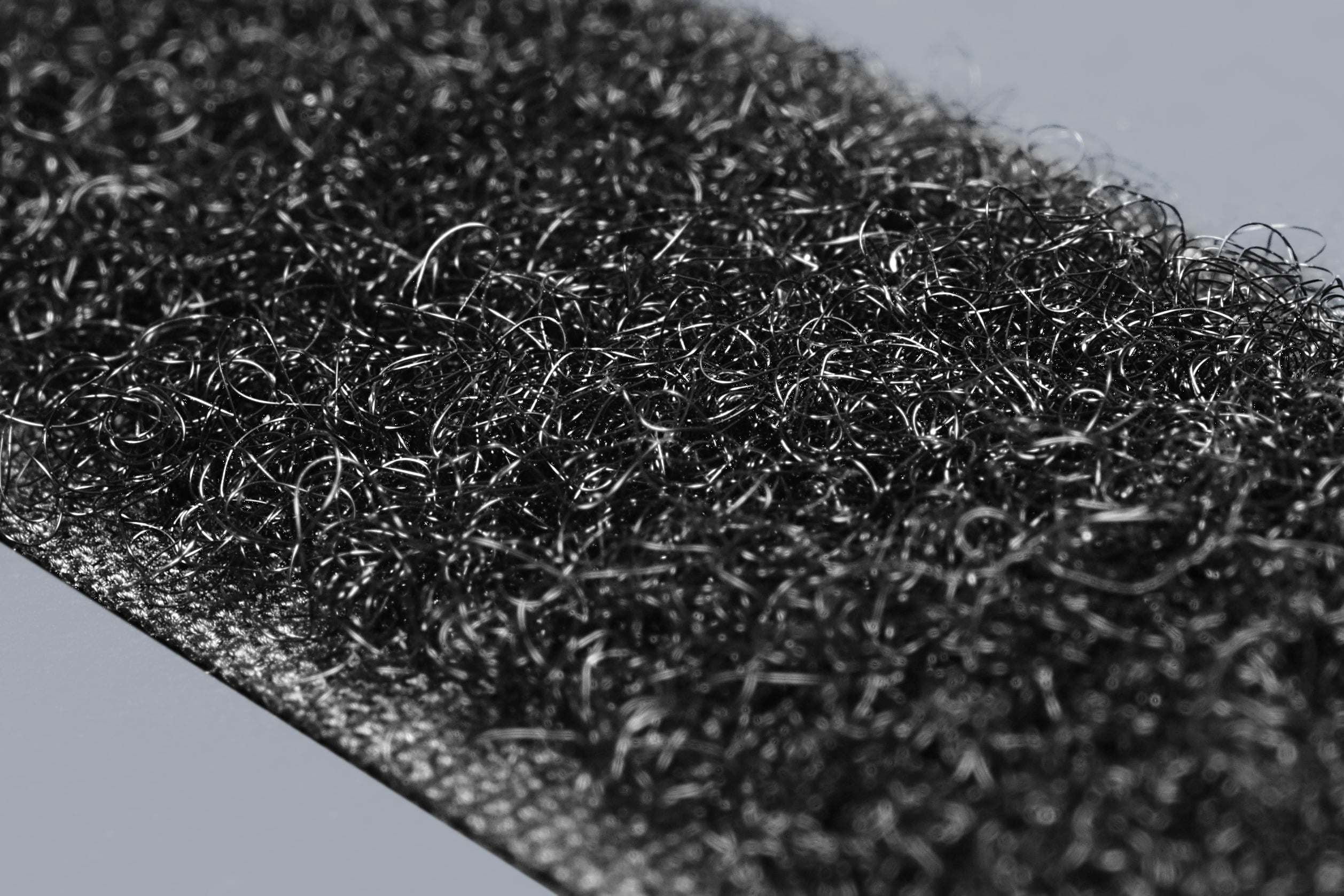
Velcro was inspired by an accident in 1941 when Swiss engineer George de Mestral went for a walk and noticed small burrs sticking to his clothes and his dog’s fur. Curious about why they stuck so well, he looked at them under a microscope and discovered tiny hooks. He used this idea to create a fastening system with hooks and loops. After years of work, Velcro became a popular product used in clothing, bags, and many other things.
14. Brandy
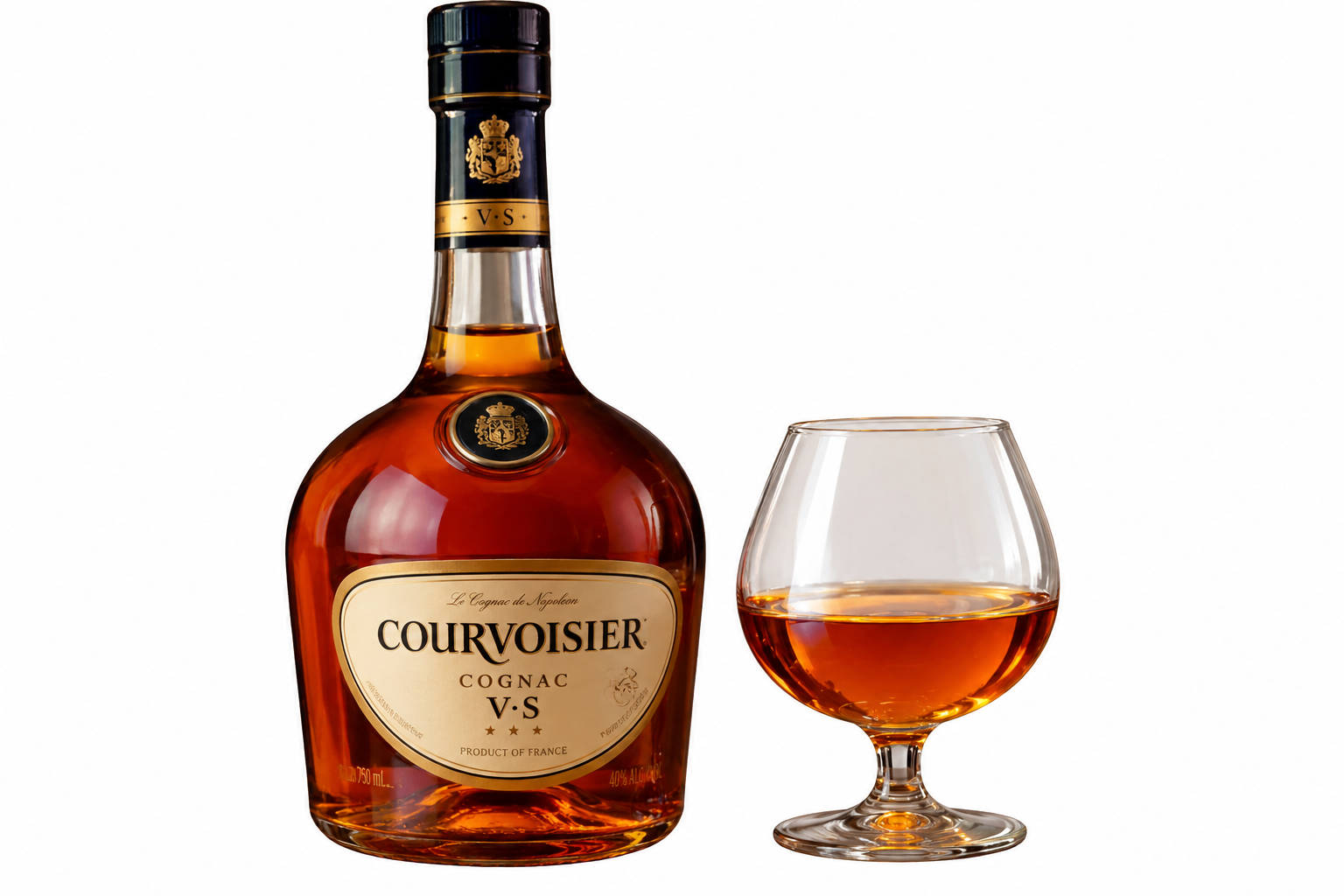
Brandy developed from the practice of distilling wine, which made it stronger and easier to transport. According to one popular story, merchants originally planned to add water back to the concentrated wine but discovered that the stronger drink tasted good on its own. Although brandy developed over many years, it became a popular drink enjoyed around the world.
15. Chocolate Chip Cookies

Chocolate chip cookies were accidentally invented in 1938 by Ruth Wakefield, who ran the Toll House Inn in Massachusetts. While making cookies, she added small pieces of Nestlé chocolate to the dough. According to the popular story, she expected the chocolate to melt and mix into the cookies, but the pieces kept their shape. The result was a delicious cookie with soft chocolate pieces inside. Her recipe became extremely popular and helped make chocolate chip cookies one of America’s favorite desserts.
You might also like:
- 12 Retro Products Making a Comeback in 2026: A nostalgic look at vinyl, cassettes, flip phones, and other vintage products being revived with modern twists.
- 10 Products That Can Turn Your Home Into a Smart Home: A guide to affordable gadgets concerning lighting, security, cleaning, and comfort.
- 15 2000s Gadgets That Defined the Early Tech Scene: A time capsule of iconic devices like the Razr, BlackBerry, PSP, and iPod that shaped early digital culture.