Technology has undergone some remarkable transformations over the past century. Machines that once required dedicated rooms, specialized operators, and enormous amounts of electricity can now perform similar tasks from devices small enough to carry anywhere. What once seemed like futuristic engineering has become part of everyday life.
From early computers and communication systems to scientific instruments and entertainment equipment, miniaturization has changed how people interact with technology. These 17 devices reveal just how dramatically technology has shrunk, often becoming faster, more powerful, and more accessible along the way.
1. Computers Once Required Entire Rooms
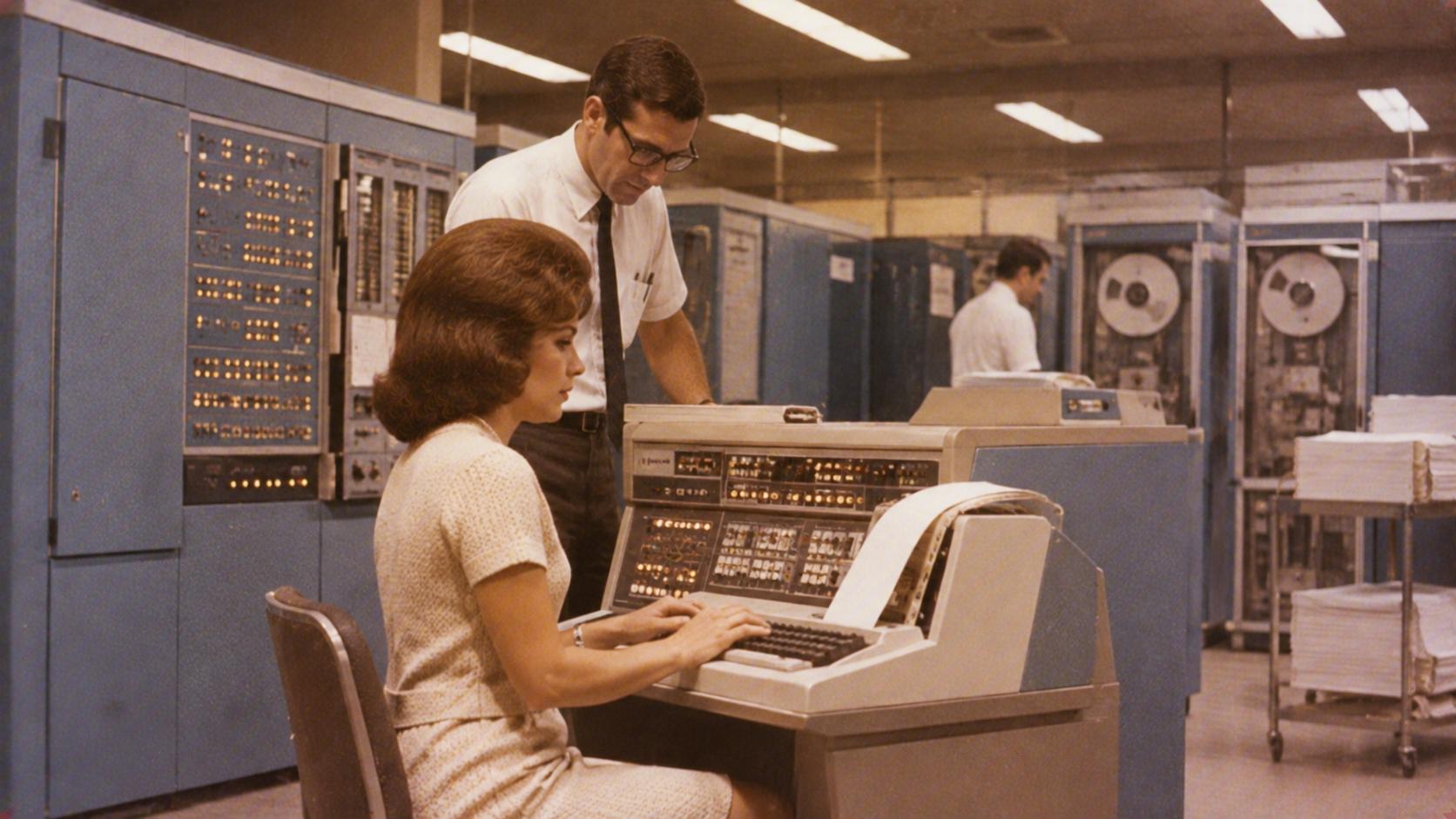
Early electronic computers were enormous machines filled with vacuum tubes, wiring, and electrical components. ENIAC, completed in 1945 and unveiled in 1946, occupied roughly 1,800 square feet and weighed about 30 tons. It required extensive electrical power and teams of operators to perform calculations. Today, smartphones fit comfortably in a pocket while offering vastly greater computing power than those pioneering machines.
2. Telephone Switching Systems Filled Buildings
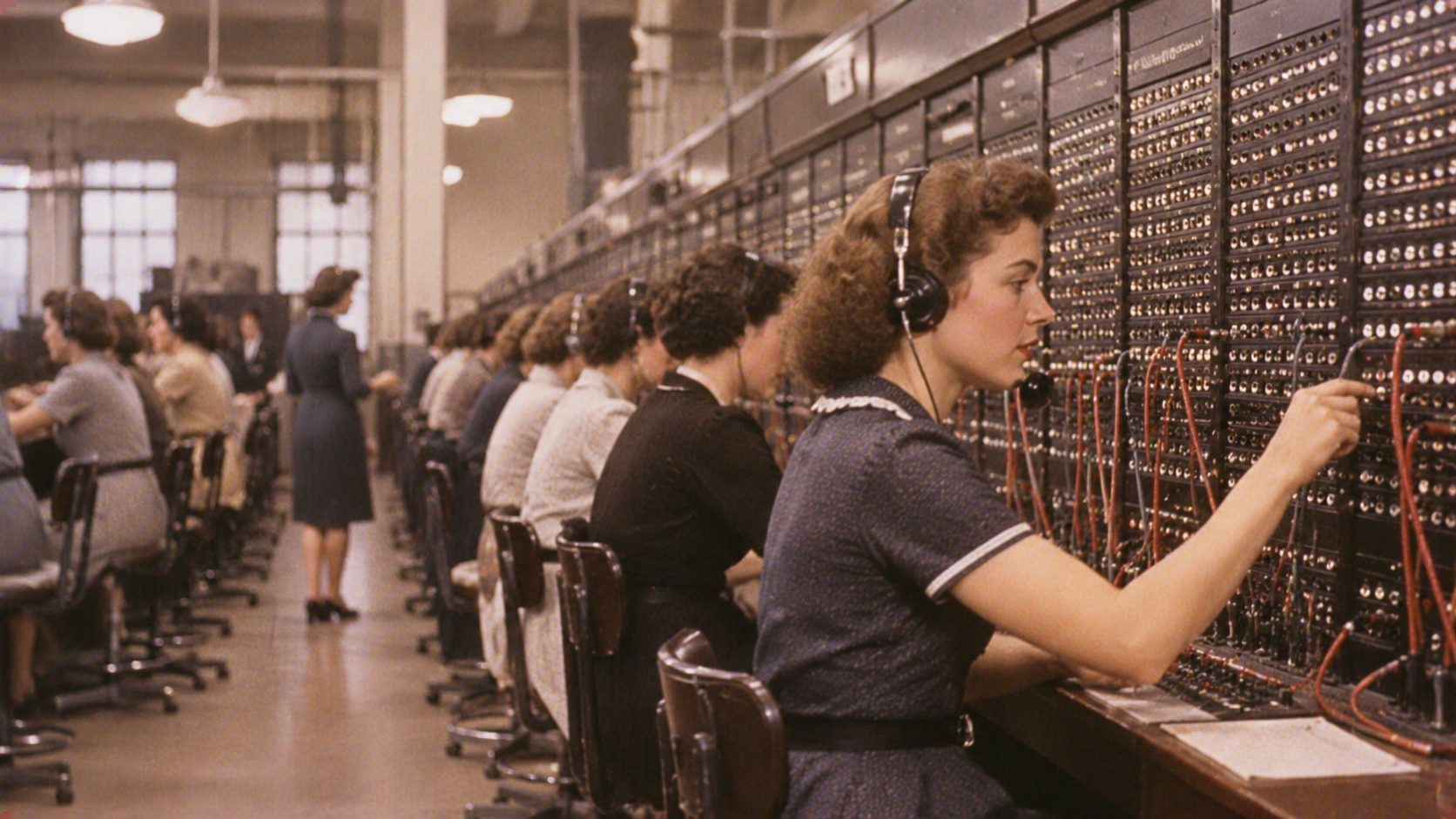
Before digital telecommunications, telephone networks depended on massive switching systems containing thousands of mechanical components. Large exchanges occupied entire rooms and required constant maintenance to connect calls between subscribers. Modern smartphones perform sophisticated communication functions using miniature processors and wireless technology, although the broader telecommunications network still relies on substantial infrastructure.
3. Music Recording Equipment Needed Large Studios
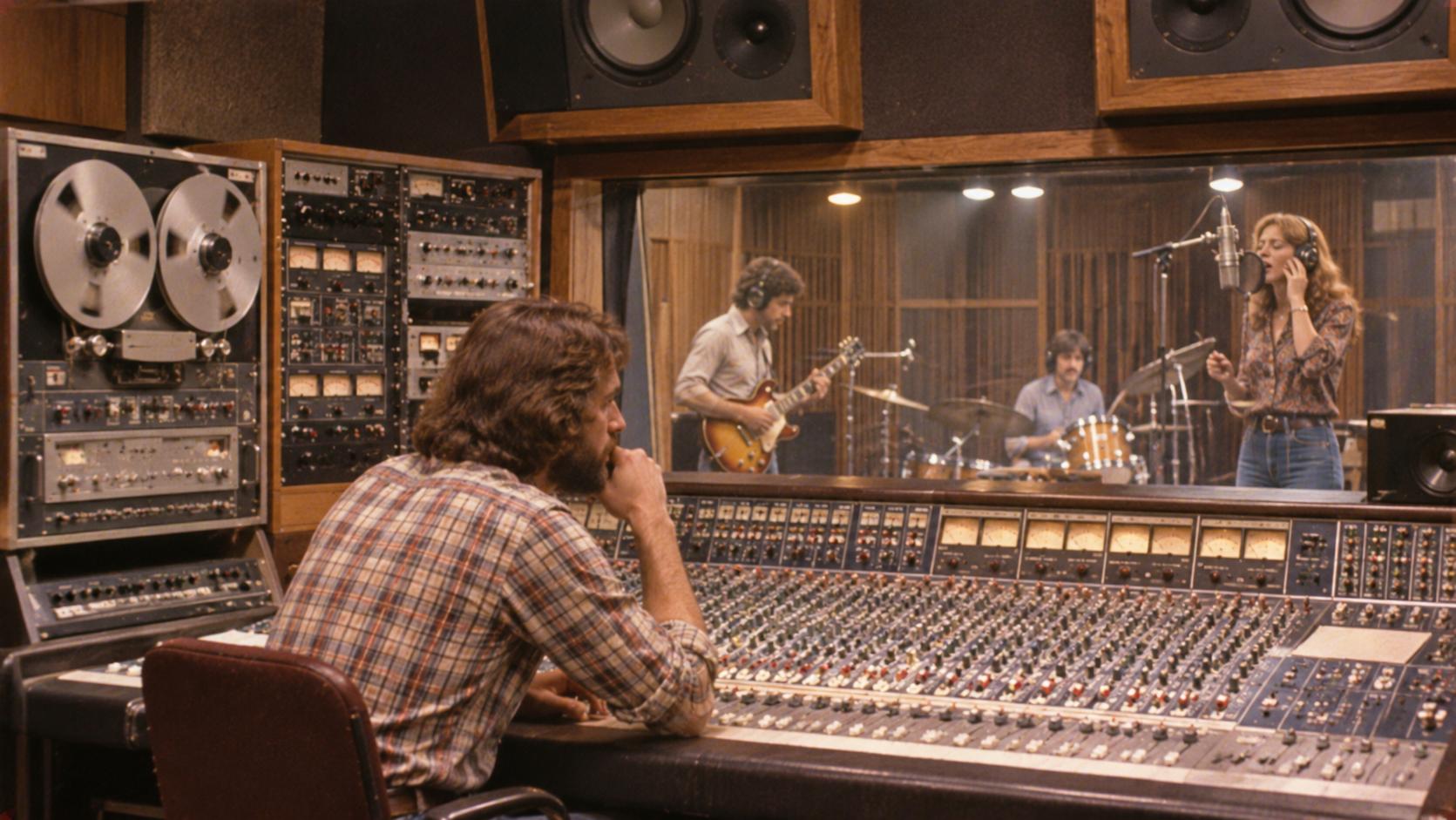
Professional recording studios once relied on enormous mixing consoles, reel-to-reel tape machines, and racks of audio equipment. Recording and editing music required specialized facilities and experienced technicians. Today, smartphones can record multiple audio tracks, edit sound, apply effects, and distribute finished recordings through applications that replicate many traditional studio functions.
4. Radio Transmitters Were Massive Installations
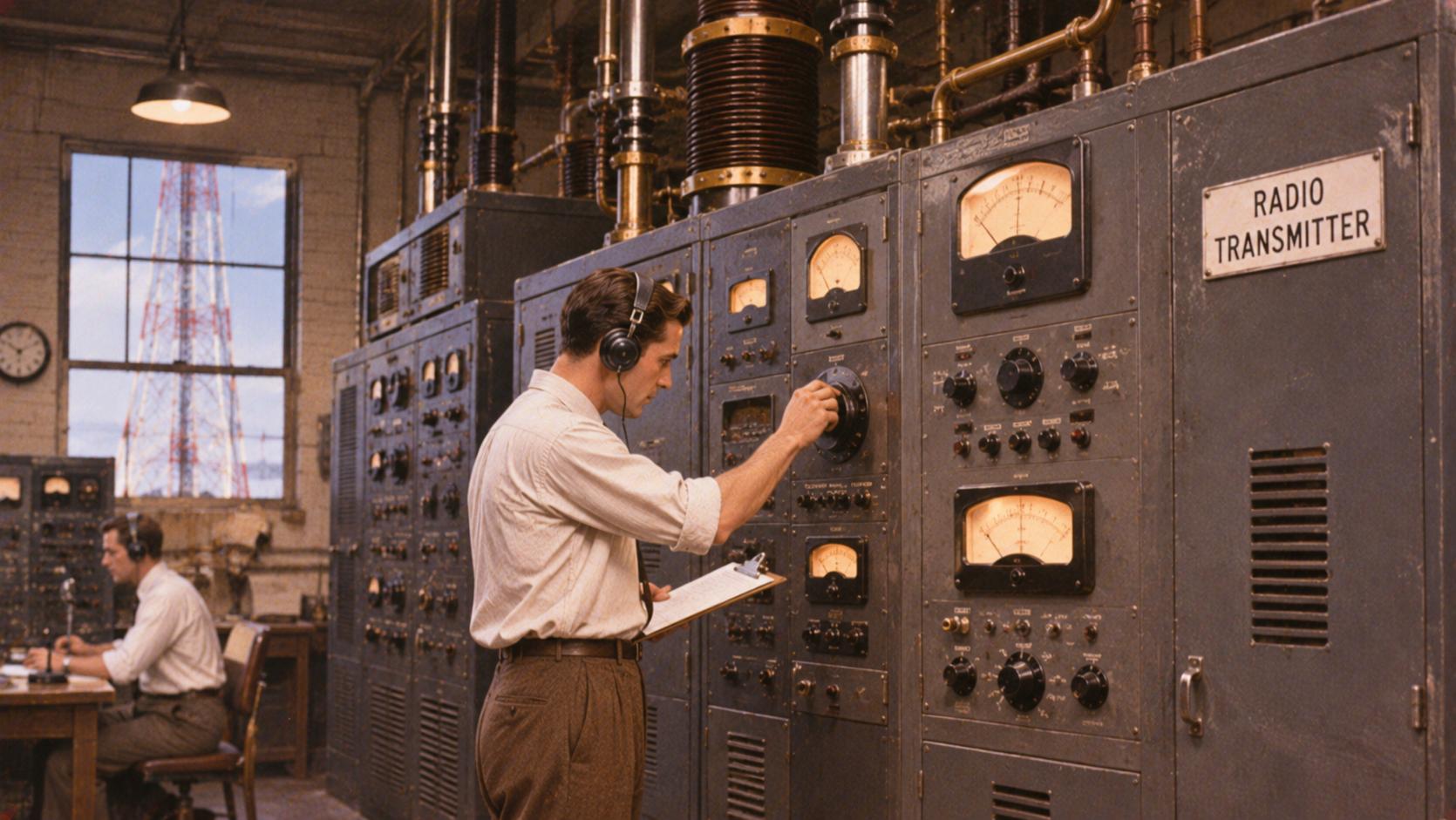
Early radio broadcasting equipment included bulky transmitters, vacuum tubes, and large power supplies that occupied dedicated rooms. Broadcasting required specialized technical facilities and considerable electrical infrastructure. Modern handheld radios and smartphones use compact electronics to transmit and receive signals, making personal wireless communication possible without carrying the enormous equipment associated with early broadcasting.
5. Calculators Were Once Giant Mechanical Machines
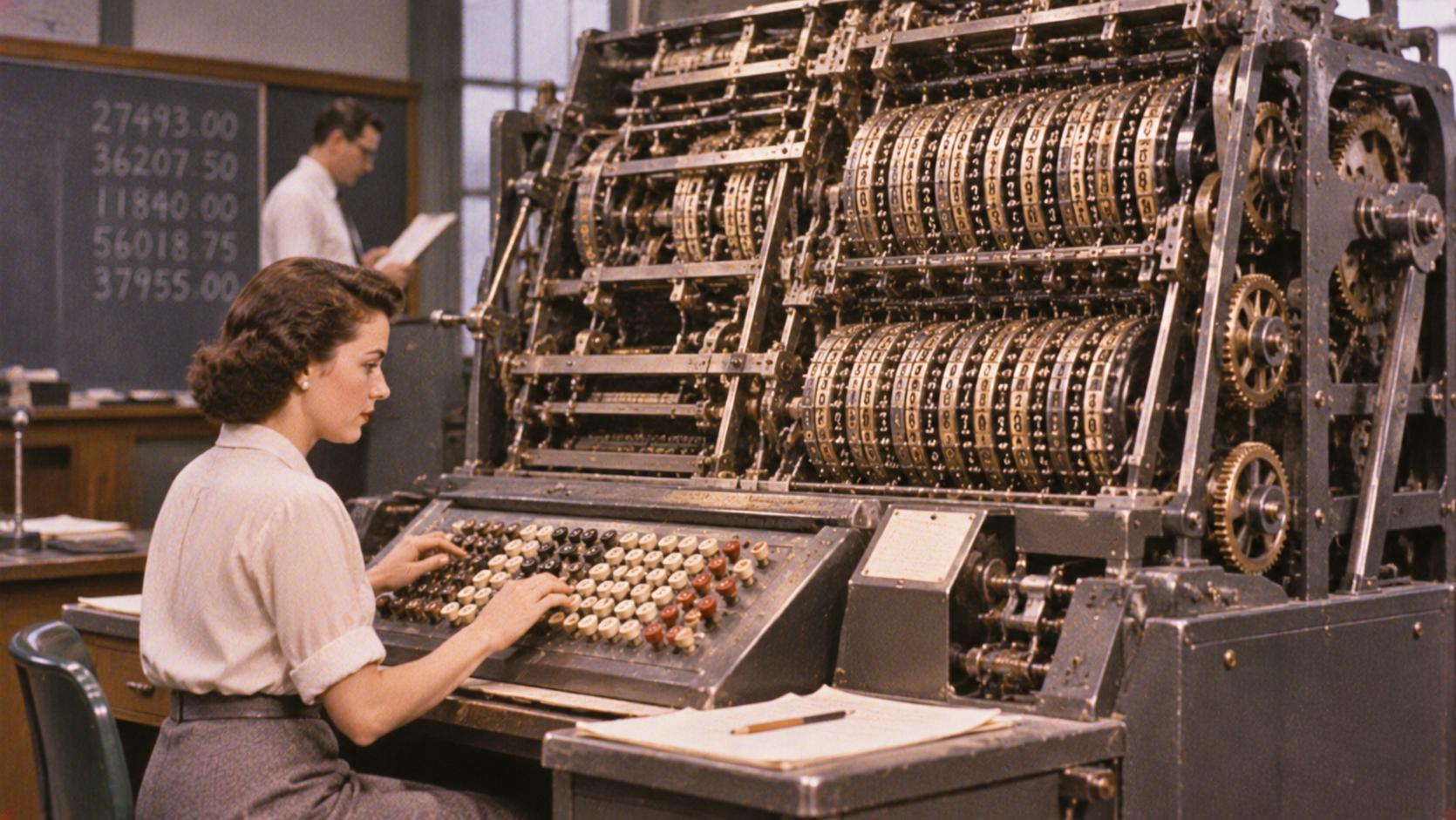
Before electronic calculators became common, complex calculations were performed using large mechanical and electromechanical machines. Some early computing and calculating systems occupied substantial office space and required trained operators. Pocket calculators eventually replaced many of these devices, and smartphones now include advanced mathematical functions capable of handling calculations that once demanded specialized equipment.
Trending on Wealth Gang

6. Television Broadcasting Equipment Filled Control Rooms
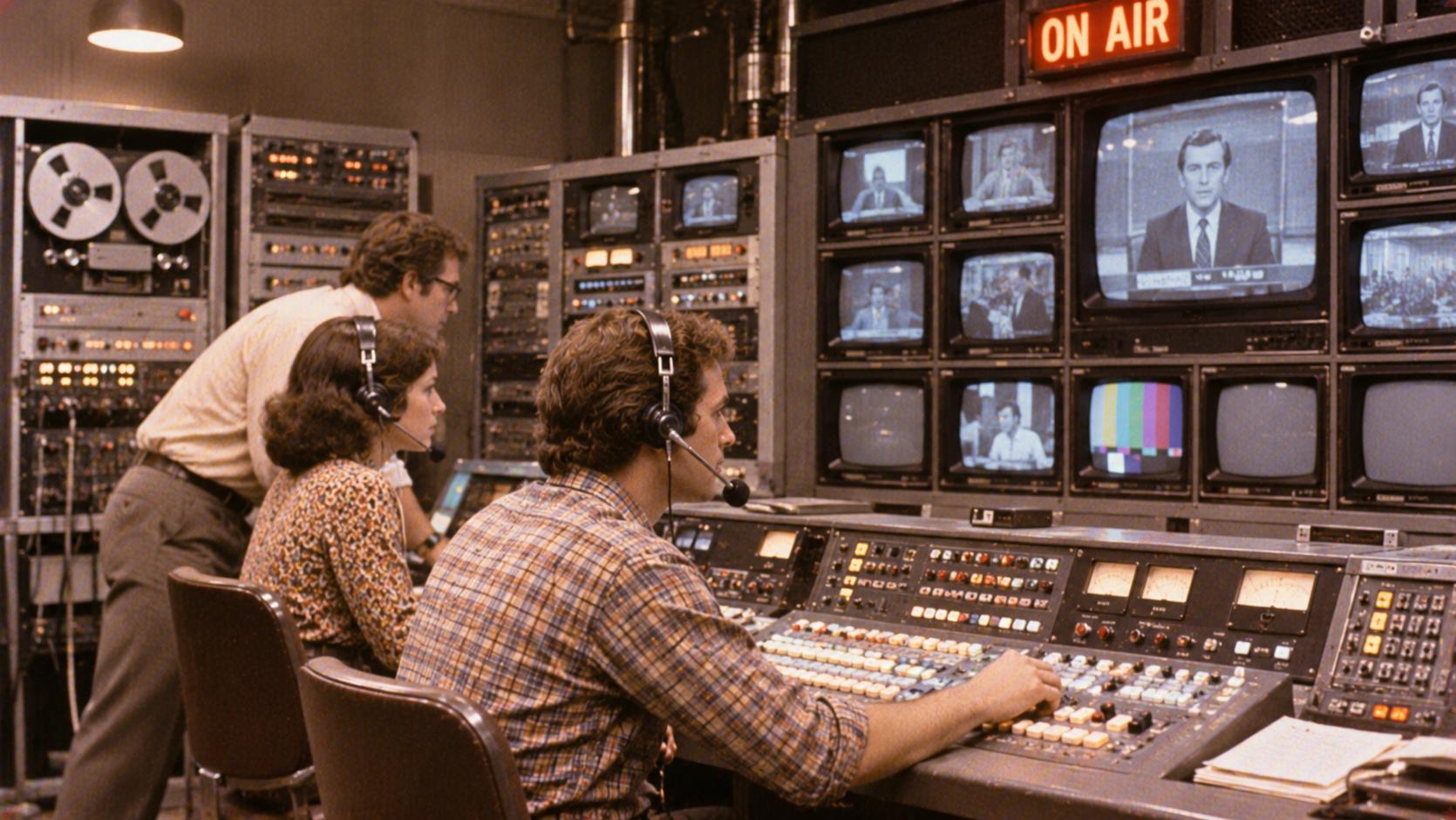
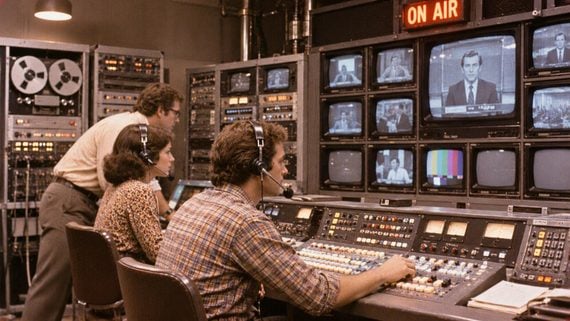
Early television broadcasting required large cameras, bulky electronic components, and extensive control equipment. Studios depended on dedicated rooms filled with machinery to process and transmit video signals. Today, smartphones can record high-definition footage, edit videos, and broadcast live content directly to audiences worldwide, combining several formerly separate production functions into one portable device.
7. Navigation Computers Once Occupied Large Spaces
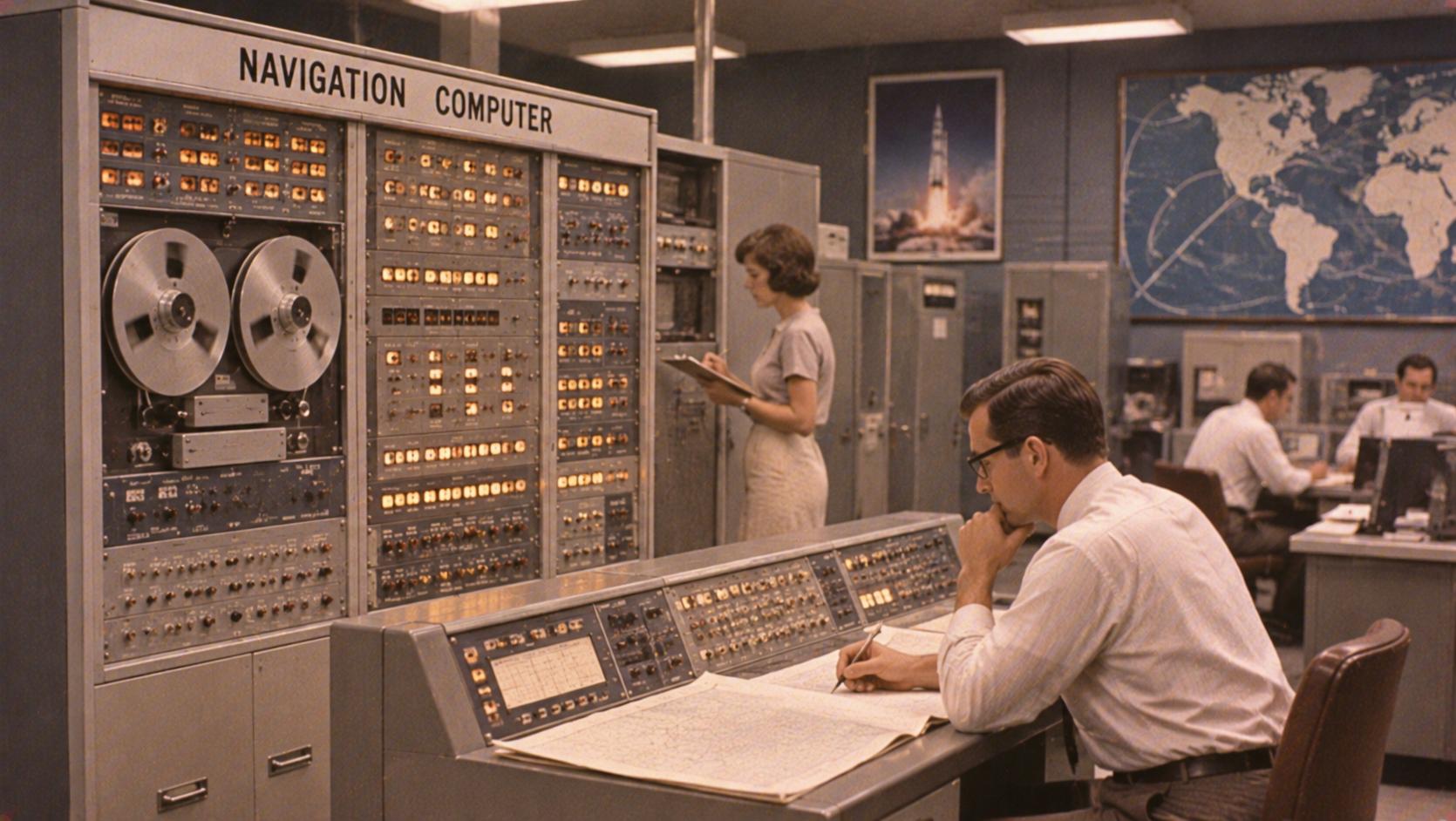
Early electronic navigation systems relied on substantial computing equipment, specialized receivers, and complex supporting infrastructure. Aircraft and maritime navigation could require bulky instruments and dedicated electronic installations. Modern smartphones contain compact GPS receivers and navigation software that provide detailed maps, route guidance, and location information, although the satellite networks supporting them remain enormous systems.
8. Weather Forecasting Computers Required Dedicated Facilities
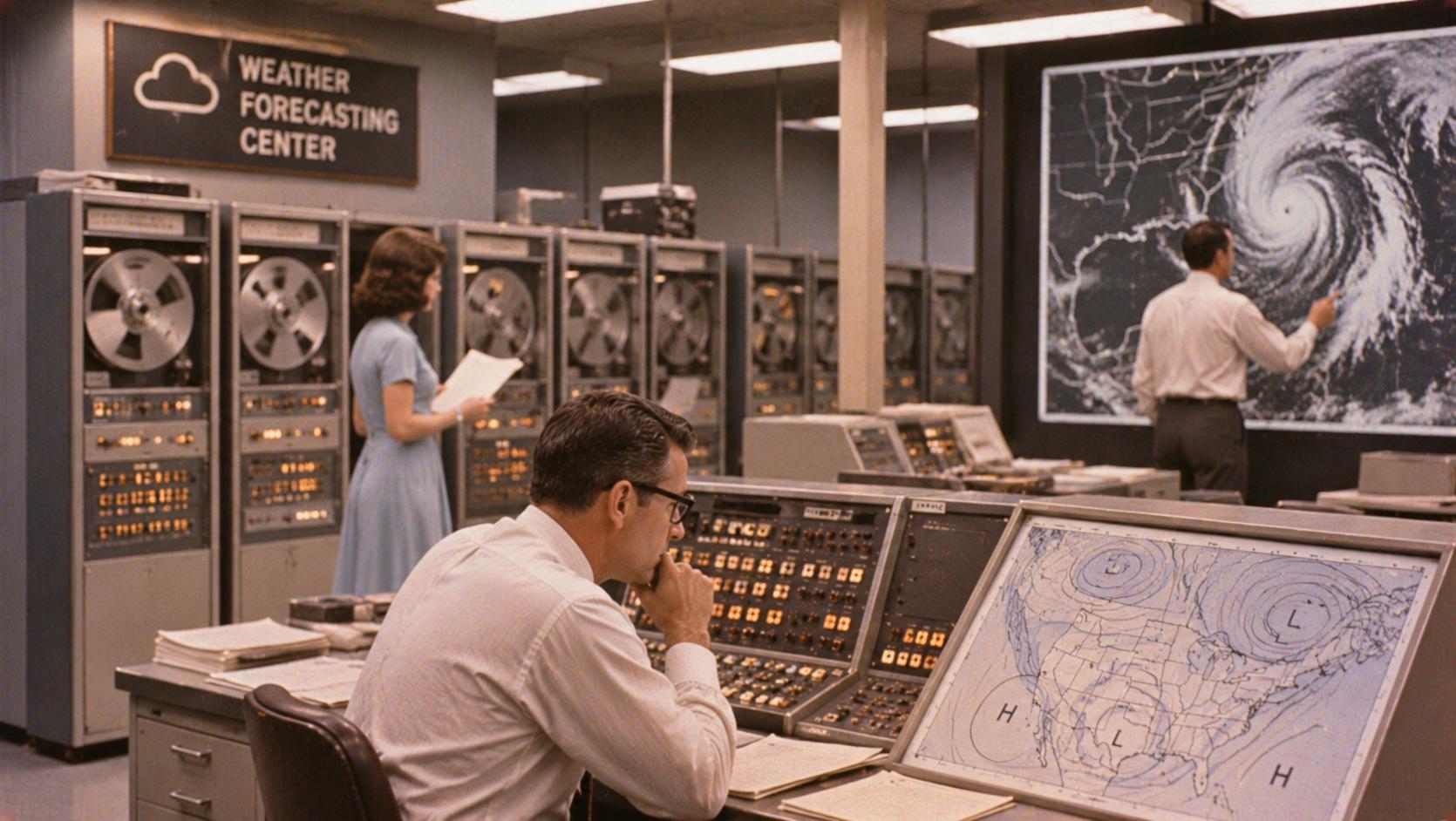
Early numerical weather prediction depended on powerful mainframe computers that occupied large rooms and required substantial resources. These machines processed mathematical models to estimate atmospheric changes. Smartphones now display detailed forecasts, radar images, and weather alerts almost instantly, drawing on information produced by modern forecasting centers and their powerful computing systems.
Sign up for our newsletter
9. Film Editing Equipment Took Up Entire Rooms
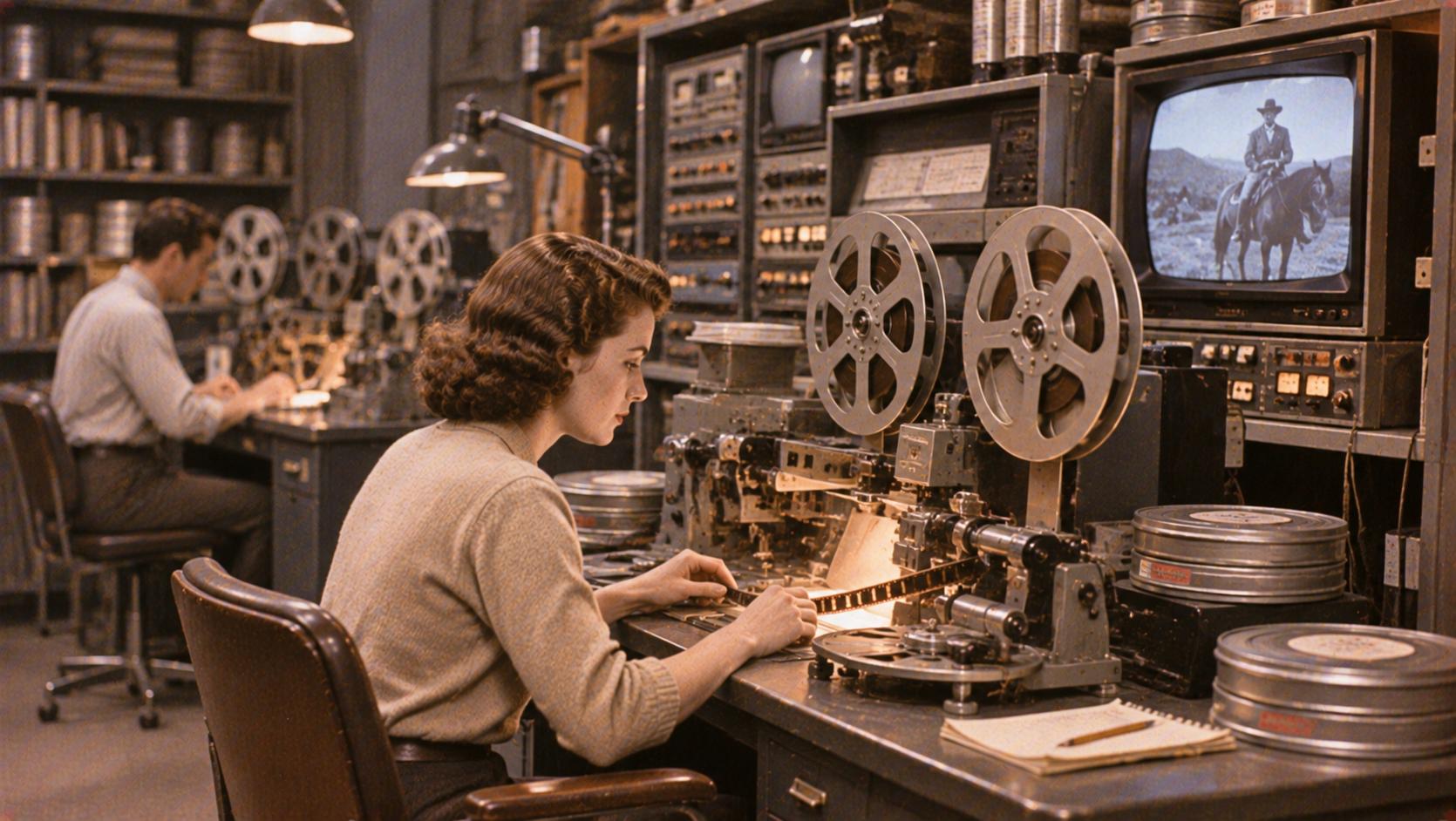
Traditional film editing required large editing tables, film reels, viewers, and specialized cutting equipment. Editors physically handled strips of film, carefully arranging scenes and joining footage together. Modern smartphones allow users to trim clips, arrange sequences, add transitions, and produce finished videos digitally, bringing many editing capabilities into a device that fits in a pocket.
10. Electronic Music Synthesizers Were Once Enormous
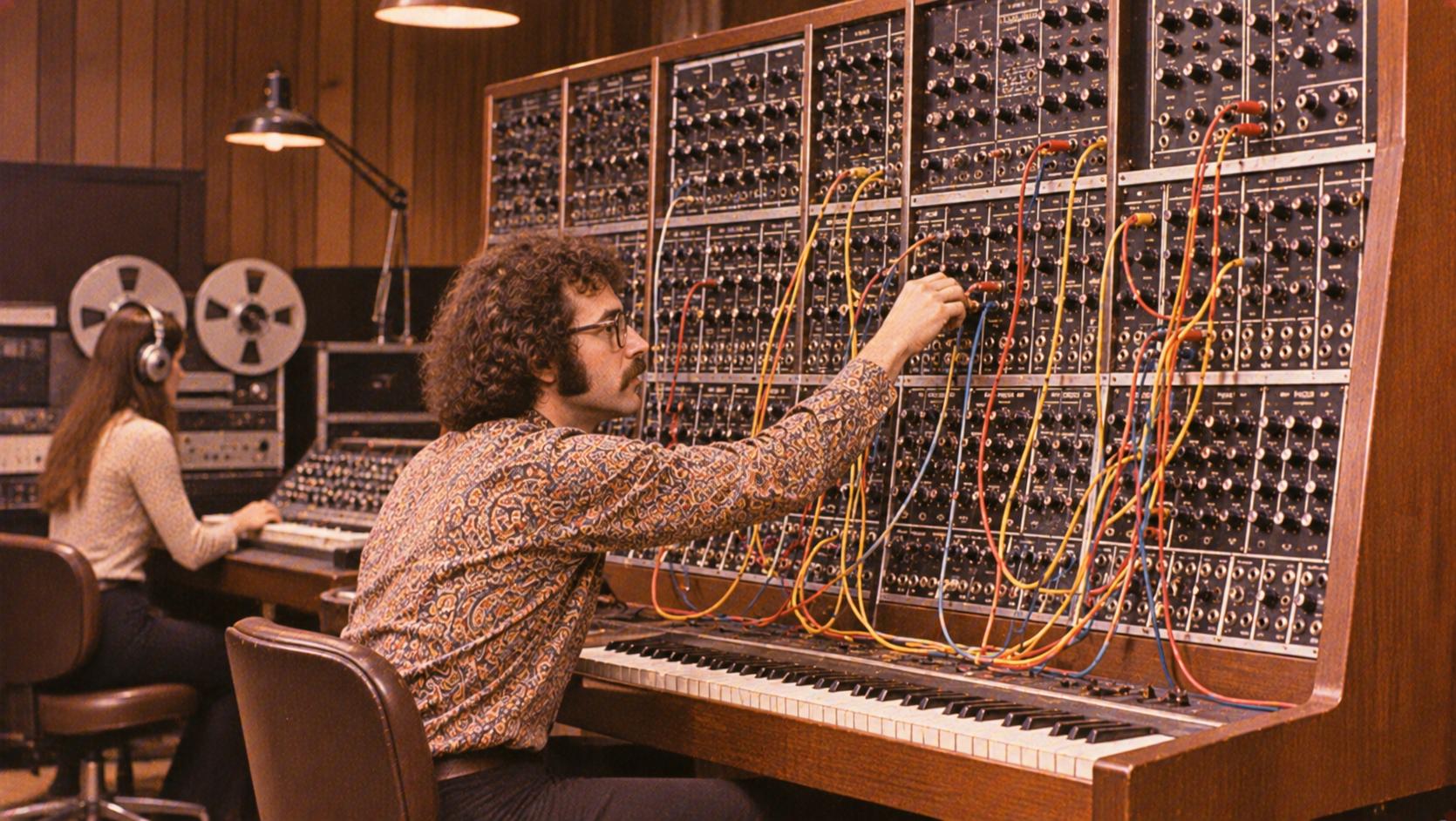
Some pioneering electronic music synthesizers occupied entire rooms and contained extensive wiring, oscillators, and control panels. The RCA Mark II Sound Synthesizer, installed at Columbia-Princeton Electronic Music Center in the 1950s, was a particularly large example. Today, smartphone applications can generate electronic sounds, simulate instruments, and create complex musical arrangements without requiring massive physical equipment.
11. Data Storage Systems Once Needed Dedicated Rooms
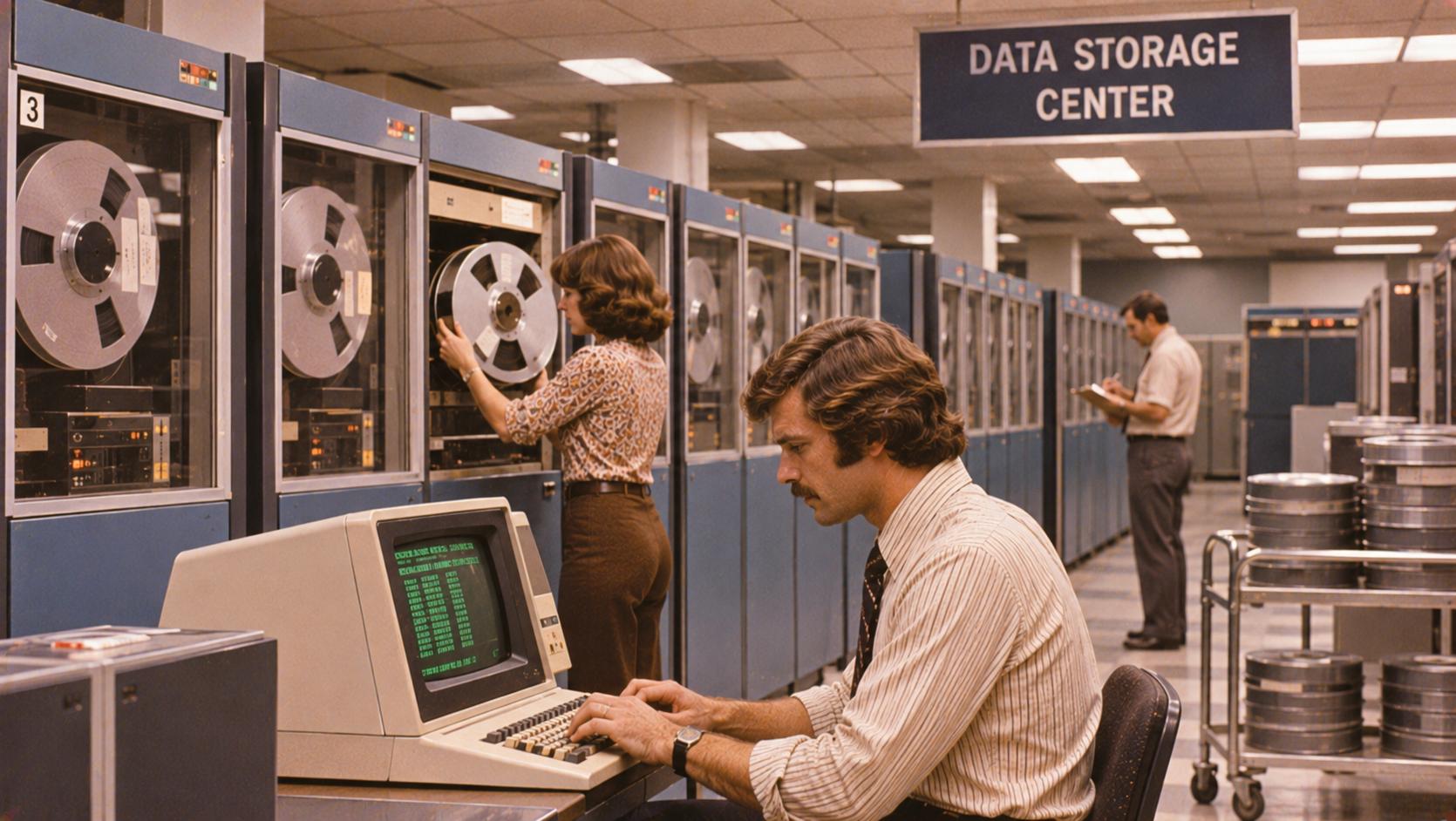
Early computer storage systems relied on large magnetic drums, tape drives, and disk units that occupied considerable space. IBM’s first commercial hard disk storage system, introduced in 1956, used a cabinet-sized assembly to store approximately five million characters. Modern smartphones contain flash storage capable of holding hundreds of gigabytes or more, demonstrating the extraordinary progress in digital storage density.
12. Video Conferencing Systems Required Specialized Rooms
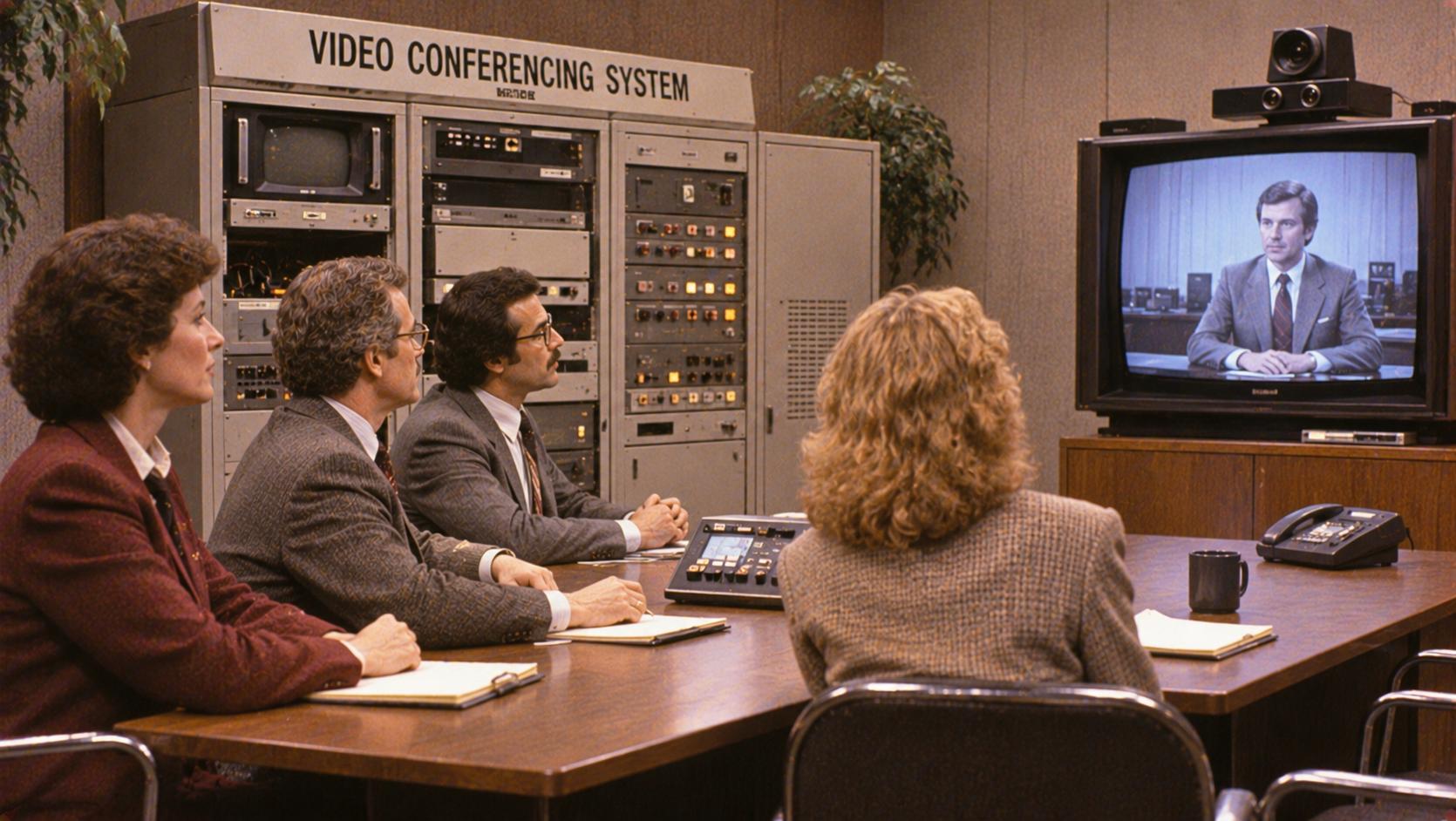
Early video conferencing installations involved large cameras, monitors, transmission equipment, and dedicated communication facilities. Organizations often needed specially equipped rooms to conduct remote visual meetings. Today, smartphones provide video calling through compact cameras, microphones, and internet connections, allowing people to communicate face-to-face from almost anywhere with suitable network coverage.
13. Medical Monitoring Equipment Was Once Extremely Bulky
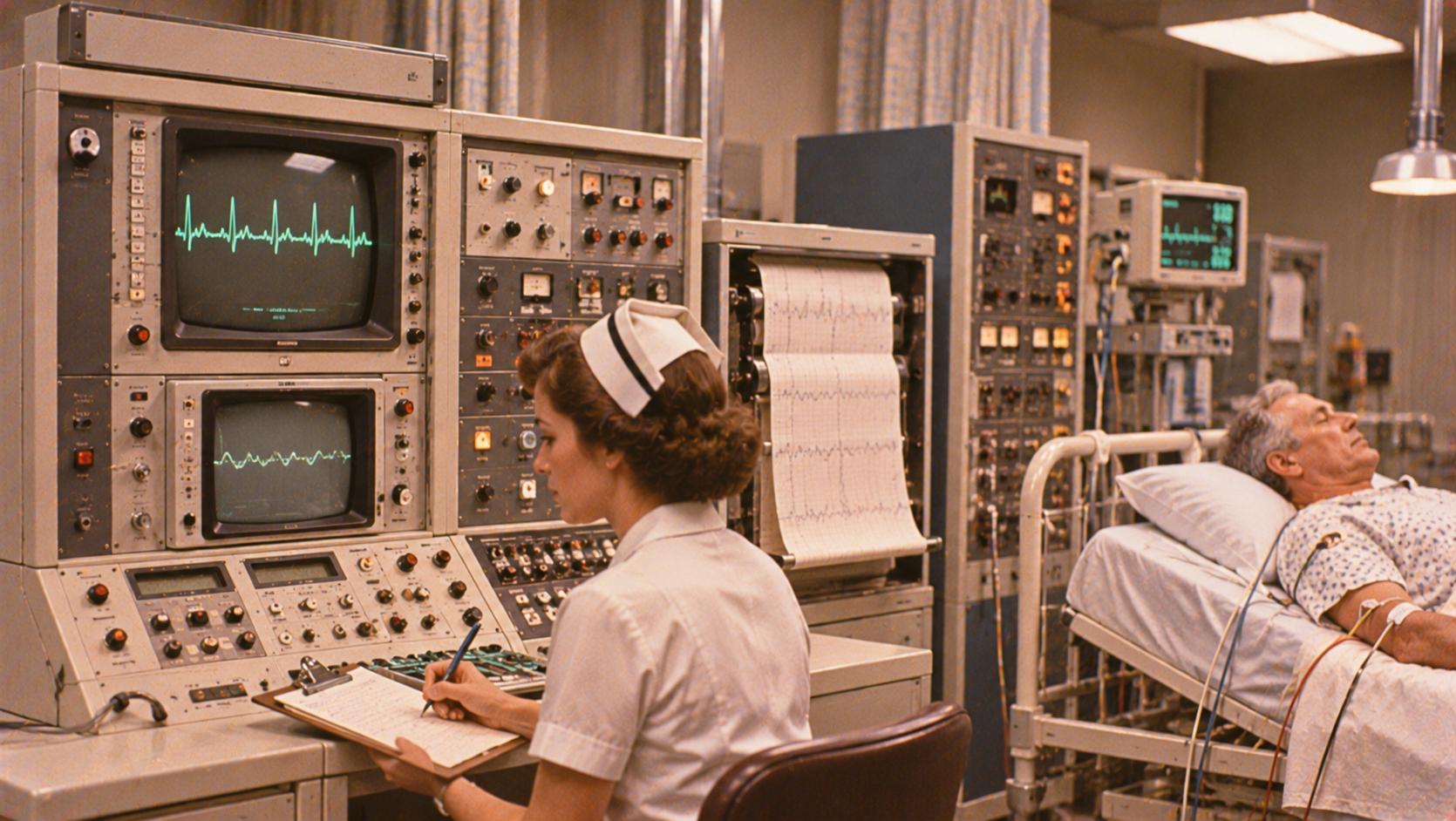
Early electronic medical monitoring systems depended on large consoles, extensive wiring, and specialized hospital equipment. Electrocardiogram machines, for example, were once substantial installations that were difficult to transport. Modern smartphones can connect to miniature medical sensors, and some compatible accessories can record single-lead ECG readings, although these portable tools do not replace comprehensive hospital monitoring systems.
14. Language Translation Systems Needed Powerful Computers
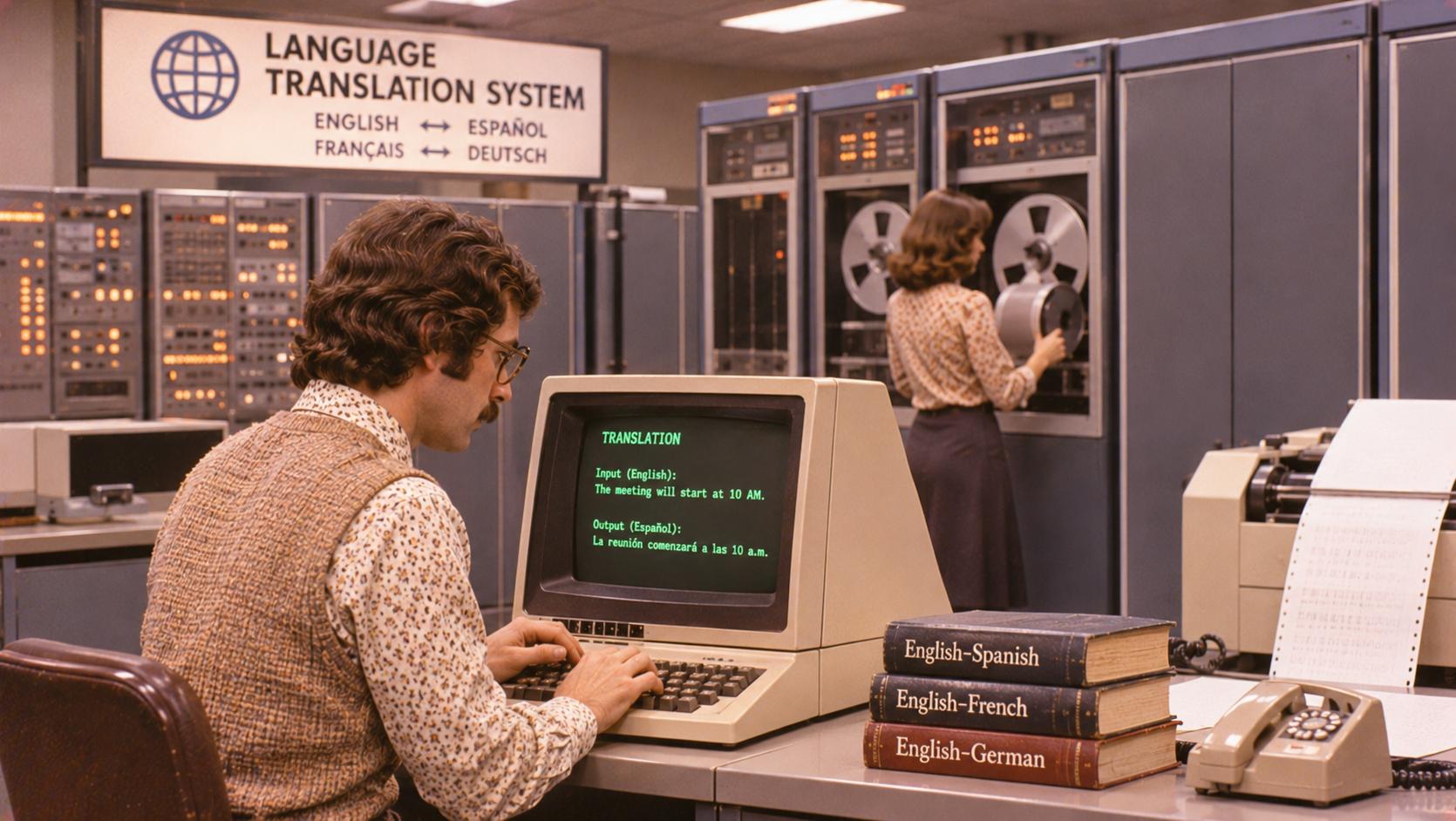
Early machine translation experiments relied on mainframe computers and specialized research facilities. In 1954, the Georgetown-IBM experiment demonstrated automated translation of a limited set of Russian sentences into English using an IBM computer. Today, smartphones offer translation applications capable of processing text, speech, and images in numerous languages, making tools once confined to research laboratories widely accessible.
15. Telephone Answering Systems Used Large Recording Equipment
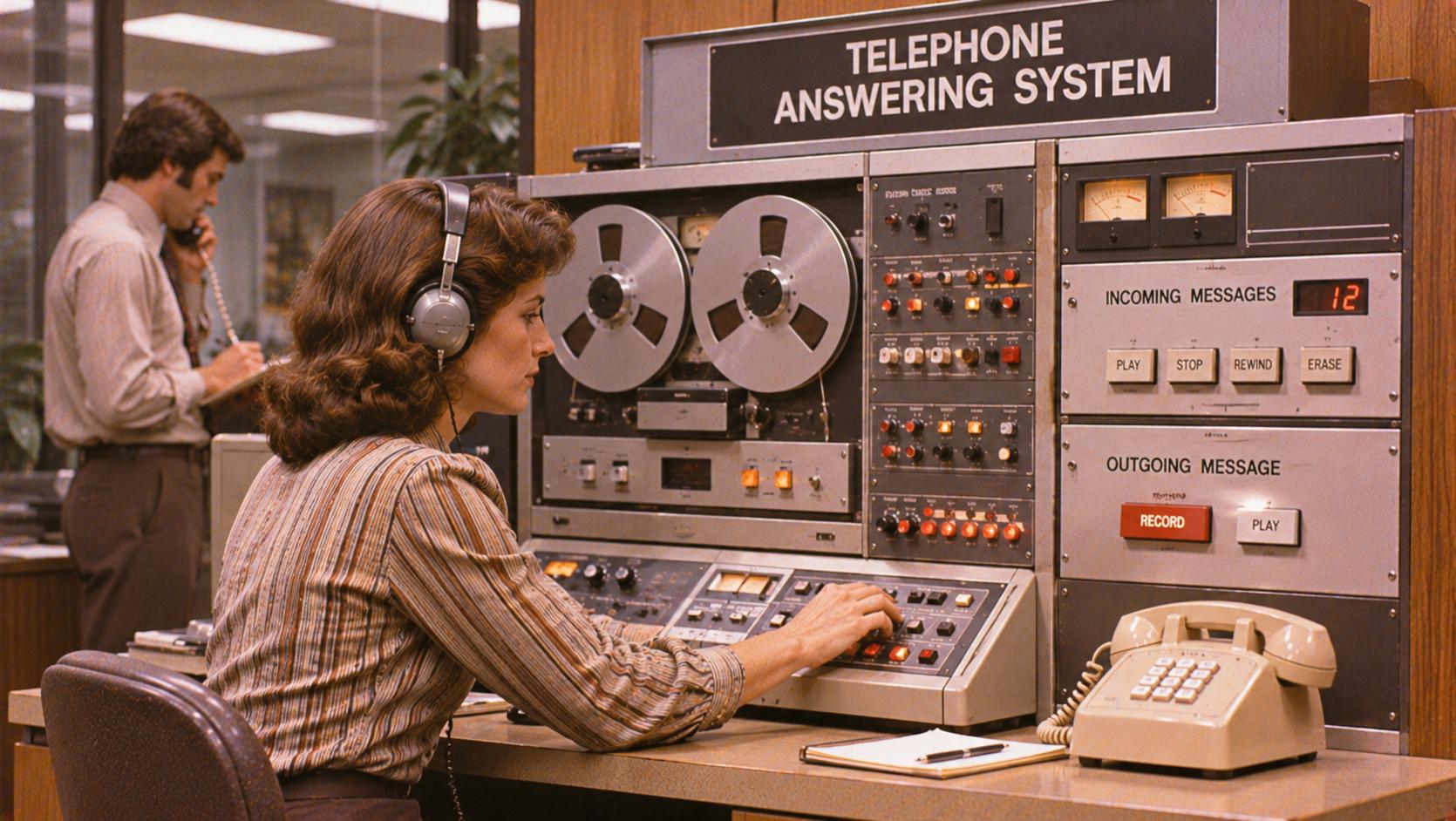
Early automatic telephone answering devices relied on bulky recording mechanisms and complex electromechanical components. Some systems used wire recorders or magnetic tape equipment that required substantial space compared with later consumer answering machines. Today, smartphones provide voicemail, automated responses, and digital message storage through compact software interfaces and network services.
16. Photography Processing Equipment Filled Darkrooms
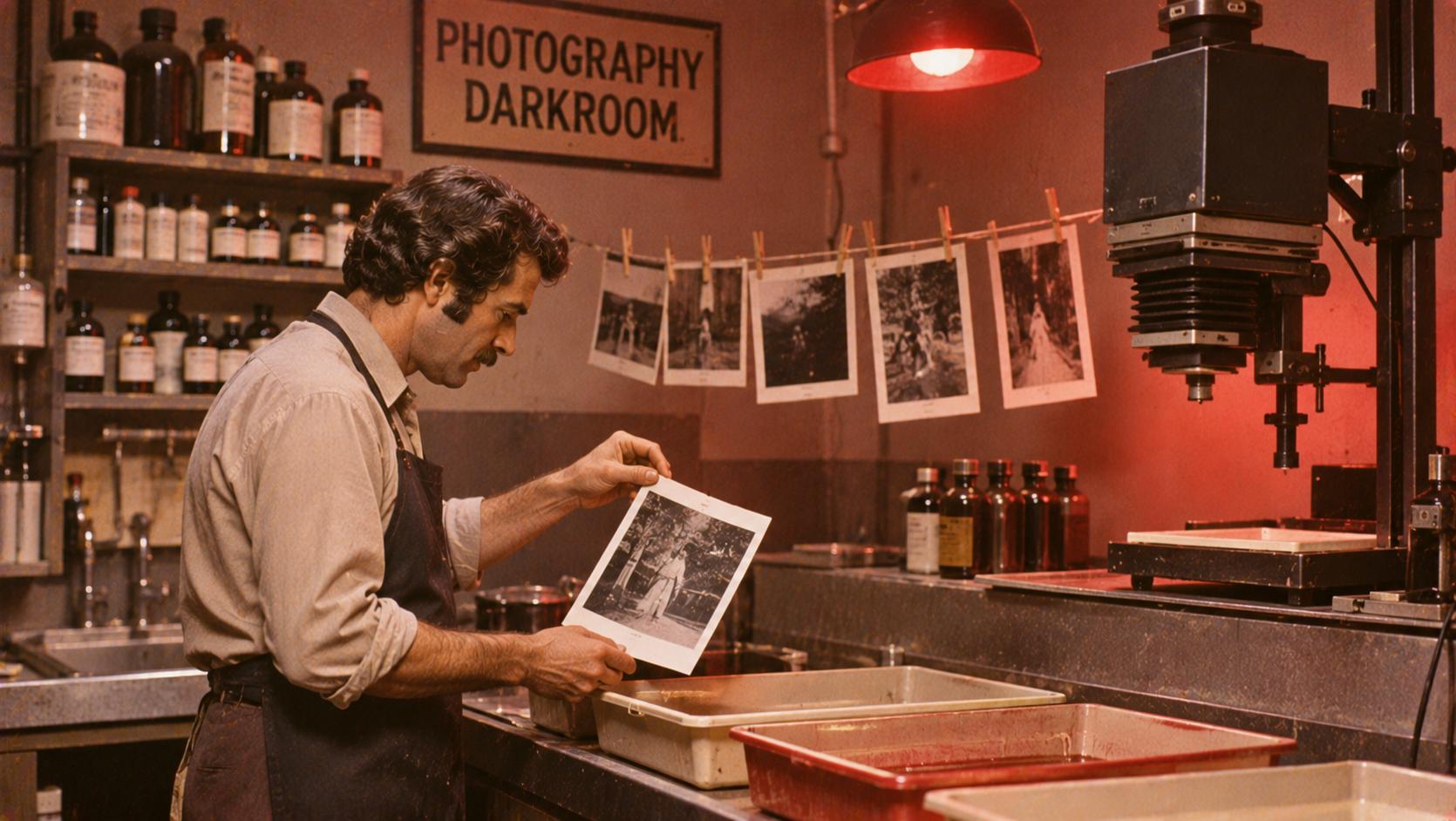
Traditional photographic workflows required enlargers, chemical trays, drying equipment, and carefully controlled darkroom environments. Producing finished photographs involved multiple physical processes and specialized tools. Modern smartphones combine digital cameras with editing software that can adjust exposure, color, contrast, and composition instantly, replacing many functions that previously required a dedicated photographic workspace.
17. Scientific Computing Machines Once Dominated Laboratories
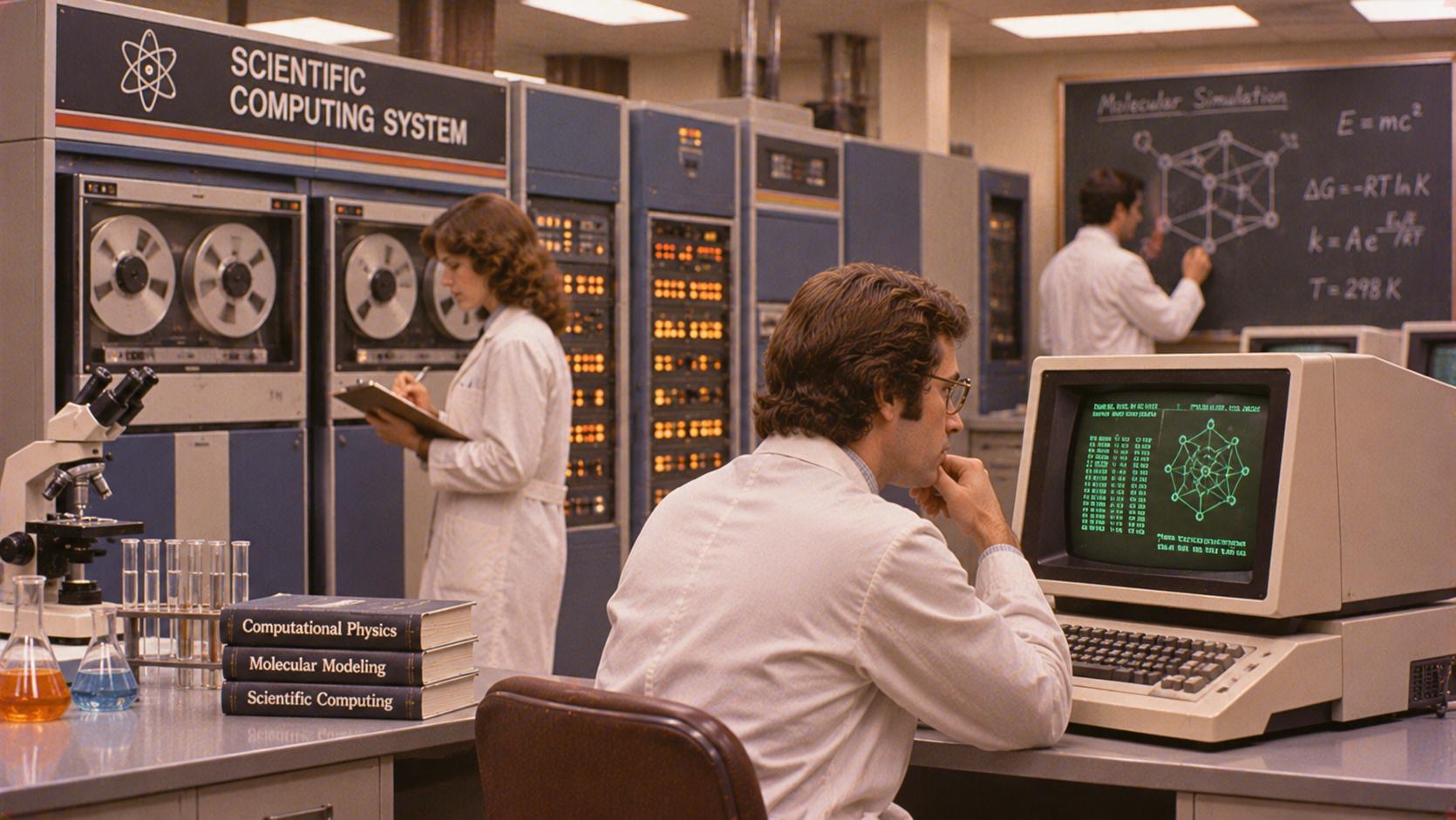
Research laboratories once depended on large analog computers and mainframe systems to analyze scientific data and perform complex calculations. These installations often required specialized rooms, technical personnel, and significant maintenance. Modern smartphones can run scientific applications, process sensor information, and perform sophisticated calculations, giving individuals access to computational capabilities that earlier generations of researchers could only obtain through institutional equipment.
More Related Notes
• 18 Everyday Objects That Smartphones Replaced
Discover how smartphones replaced dozens of once-essential devices, from bulky cameras and alarm clocks to GPS units and music players. What once required several separate machines can now fit inside a single pocket.
• 18 Products That Look Almost Nothing Like Their Earliest Versions
Explore the remarkable evolution of everyday technology, from enormous early cameras and mechanical calculators to portable computers. These inventions reveal how decades of innovation transformed bulky equipment into compact modern devices.
• 18 Forgotten Gadgets That Once Seemed Incredibly High-Tech
Take a nostalgic look at the electronic organizers, portable televisions, and early digital devices that once represented cutting-edge technology. Many of their functions eventually became standard features of the smartphones people carry today.