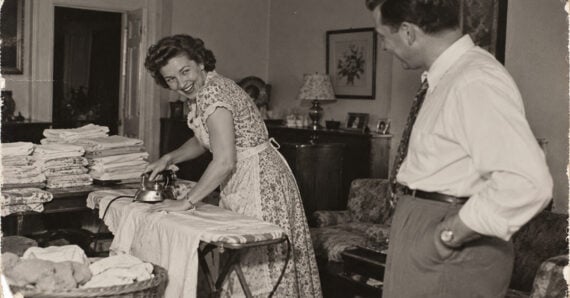
There was a time when a homemaker’s routine began long before dinner was on the table. Beds were opened to the morning air, laundry required several separate steps, floors needed more than a quick pass, and even keeping a shirt presentable could become its own afternoon task.
Much of this work happened quietly and repeatedly, which is why it rarely made the family photo album. Yet the smell of starch, sheets moving on the clothesline, a radio playing from the kitchen, and a pot already simmering before everyone came home were once ordinary parts of keeping a household running.
1. Airing Out the Beds Every Morning
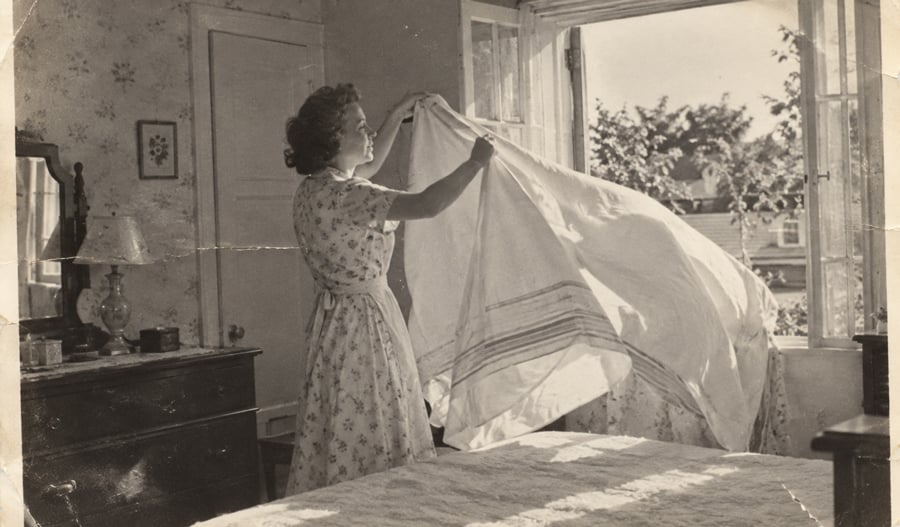
The bed wasn’t always made immediately after someone got up. Sheets and blankets could be pulled back, pillows propped up, and bedroom windows opened so everything had time to air before the bed was neatly remade later in the morning.
2. Shaking Rugs Outside
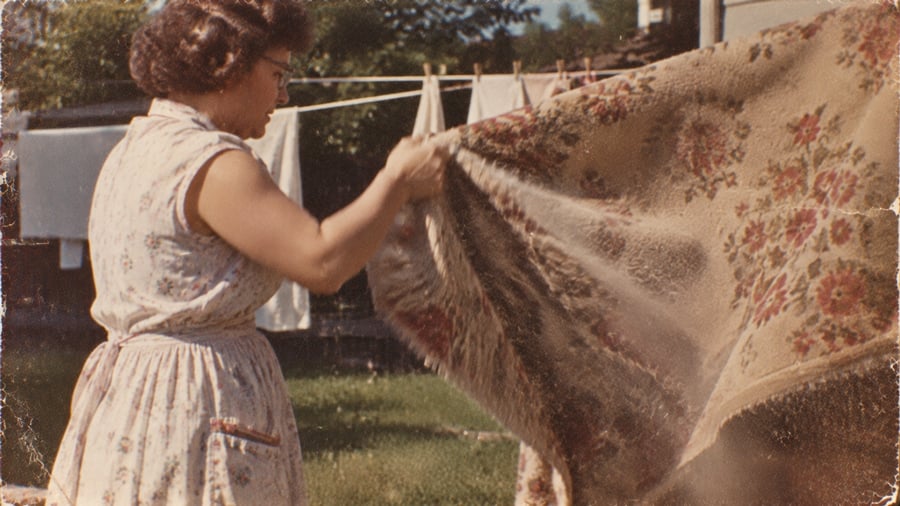
Smaller rugs didn’t always meet a vacuum cleaner. They were carried outside, draped over a railing or line, and shaken or beaten until clouds of dust finally stopped coming out.
3. Washing Clothes in Separate Loads by Hand
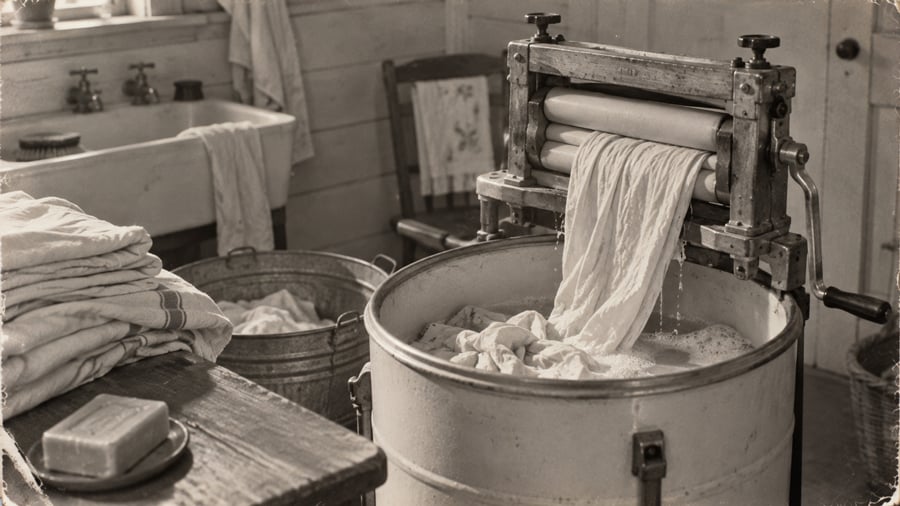
Even with a washing machine, laundry could involve soaking, scrubbing collars, treating stains, rinsing, and moving heavy wet clothing from one place to another. Wash day earned its name because it really could consume much of the day.
4. Hanging the Entire Family’s Laundry Outside
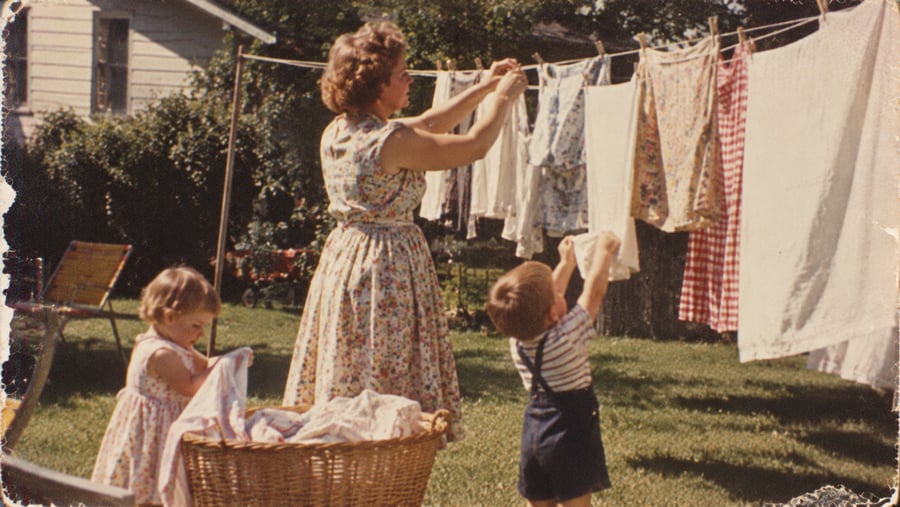
Sheets, towels, shirts, socks, and underwear all traveled outside in a basket. Each piece was pinned individually to the line, left to dry in the sun, then brought back inside before the weather changed.
5. Sprinkling Clothes Before Ironing Them
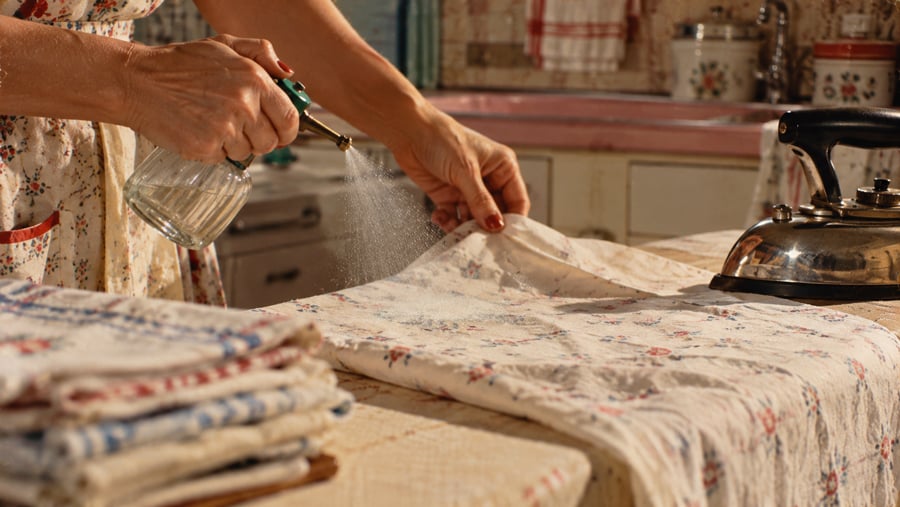
Before steam irons became commonplace, dry clothes were sometimes sprinkled with water and rolled up so the moisture could spread through the fabric. Only then were they ready for the ironing board.
Trending on Wealth Gang


6. Ironing Almost Everything
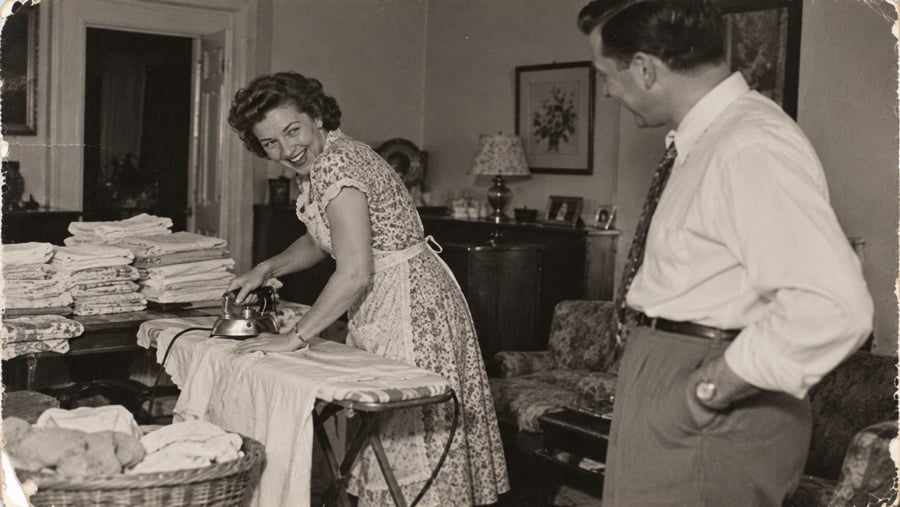
Ironing wasn’t reserved for a dress shirt before a wedding. Men’s shirts, children’s clothes, dresses, tablecloths, pillowcases, and sometimes even sheets could pass across the ironing board before being put away.
7. Polishing the Family’s Shoes
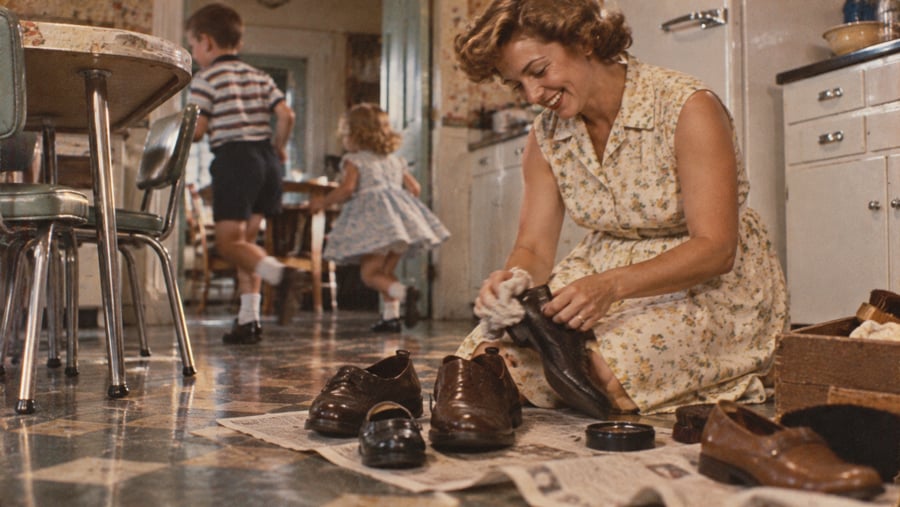
Scuffed shoes weren’t automatically replaced or worn as they were. Polish, brushes, and cloths came out regularly to keep school shoes, work shoes, and Sunday shoes looking respectable.
8. Waxing and Buffing the Floors
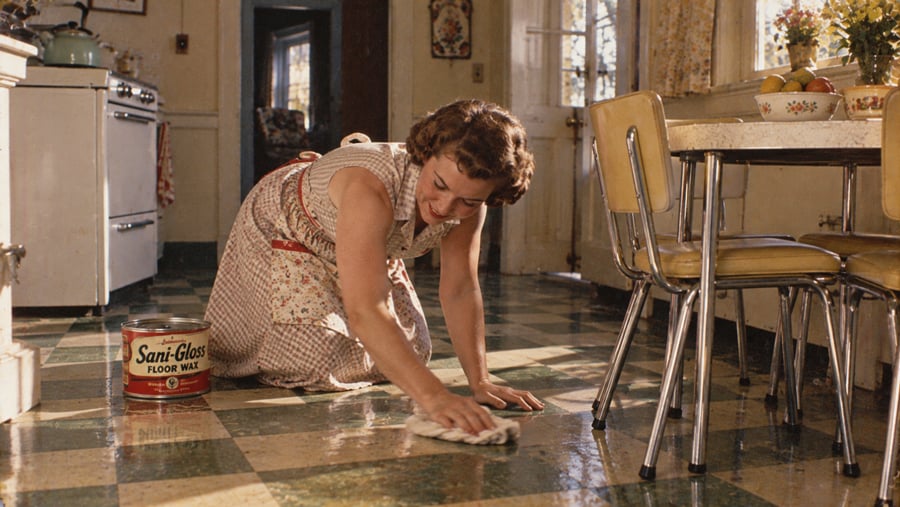
A clean floor wasn’t necessarily a finished floor. Certain surfaces were waxed and then buffed until they developed the shine that made the whole room look freshly cleaned.
Sign up for our newsletter
9. Polishing the Silver Before Company Arrived
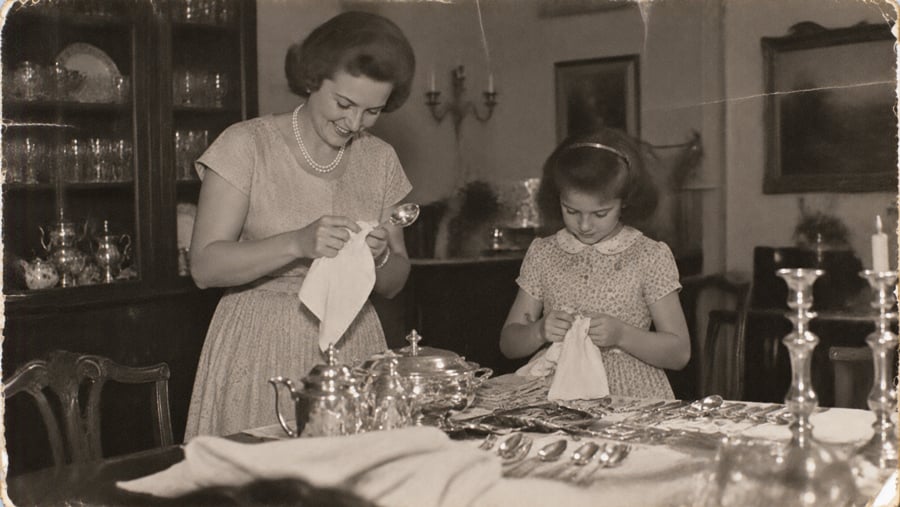
Serving pieces and good flatware could spend most of their time tucked away, but before holidays or Sunday company, tarnish had to be removed by hand. It was one more job hidden behind a table that looked effortlessly elegant by dinnertime.
10. Defrosting the Freezer by Hand
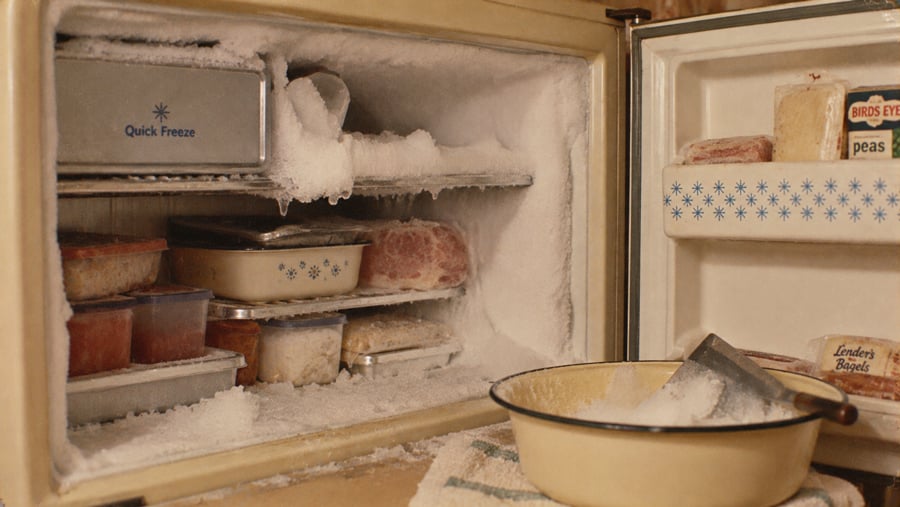
A thick wall of ice inside the freezer meant it was time for an unpleasant job. Food came out, the appliance was turned off, and melting ice was chipped, caught in pans, and wiped away before everything could go back.
11. Washing Windows Inside and Out
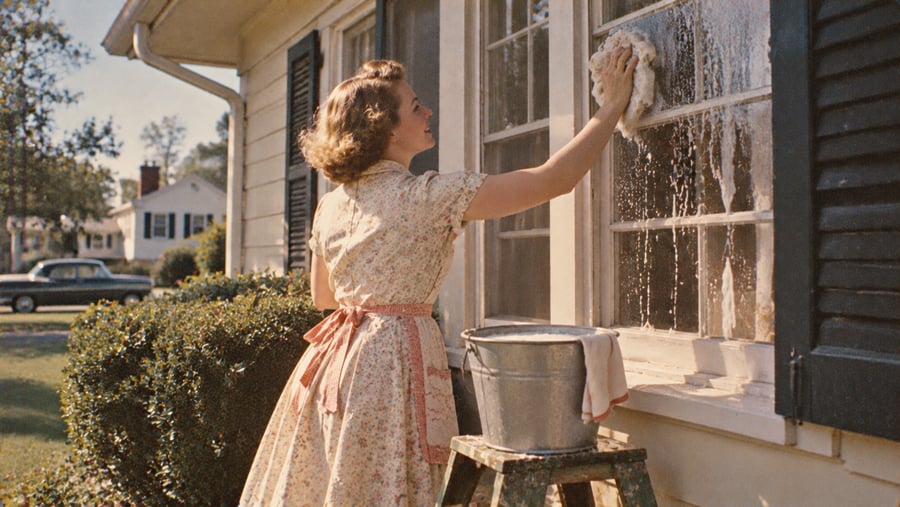
Windows weren’t simply sprayed and forgotten. Glass, frames, and sills were cleaned carefully, sometimes with newspaper used for polishing, while exterior windows could require going outside with a bucket and cloth.
12. Mending Clothes Instead of Replacing Them
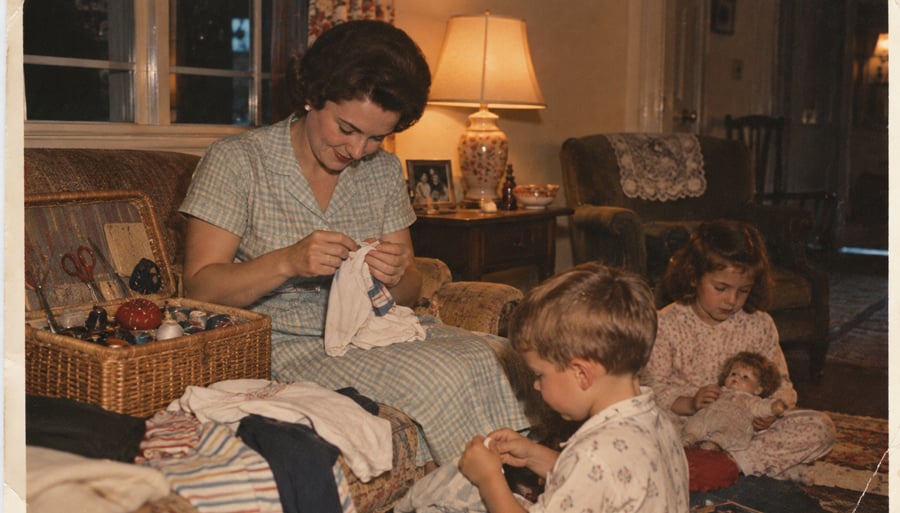
A loose button, torn seam, or small hole rarely meant the garment was finished. A sewing basket stayed nearby because repairing the family’s clothing was simply another part of keeping things in use.
13. Turning Leftovers Into the Next Meal
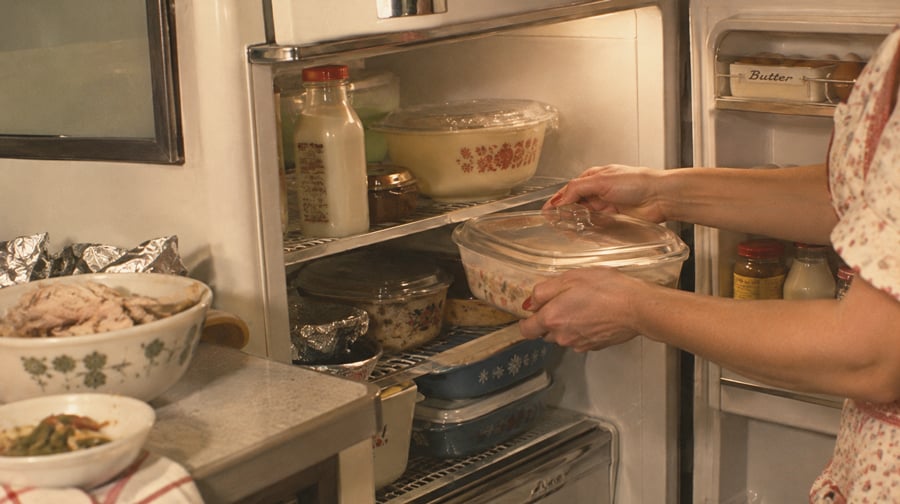
Food wasn’t casually thrown away because nobody felt like eating it again. Sunday’s roast might become Monday’s sandwiches, soup, hash, or casserole, and knowing how to stretch leftovers was part of running the kitchen well.
14. Making School and Work Lunches Every Night
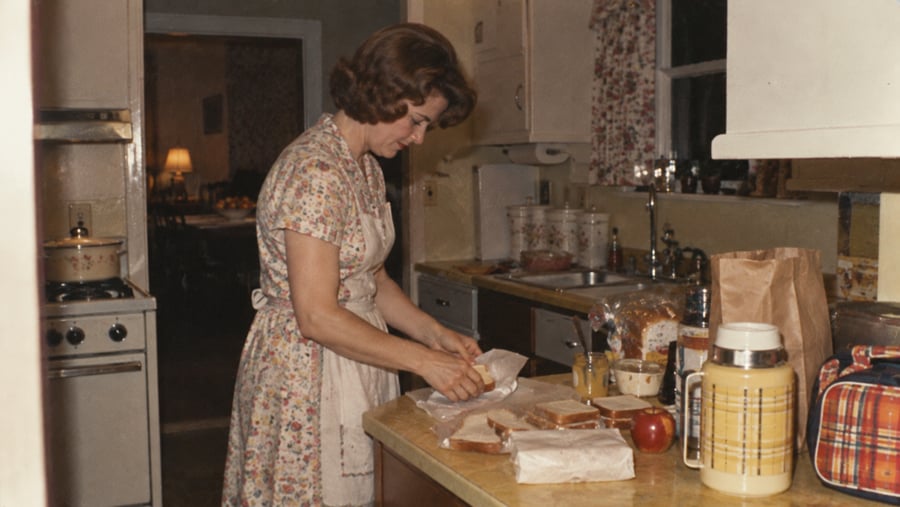
Before everyone could grab a packaged snack or buy lunch on the go, the kitchen often reopened after dinner. Sandwiches were wrapped, fruit was packed, thermoses were prepared, and tomorrow’s lunches waited for morning.
15. Cleaning Ashtrays Around the House
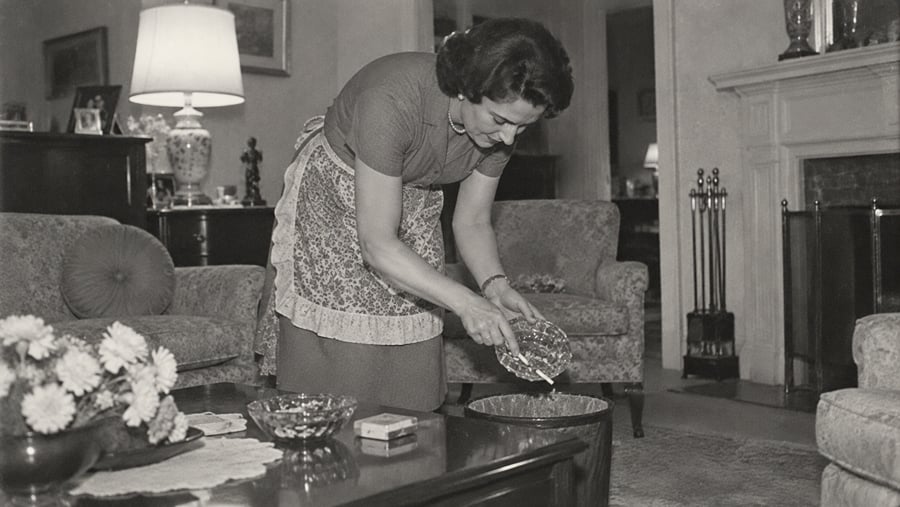
When smoking indoors was ordinary, ashtrays appeared in living rooms, kitchens, bedrooms, and guest areas. Emptying them, washing away the residue, and putting them back was another routine cleaning job that has largely vanished from many homes.
16. Beating and Fluffing Sofa Cushions
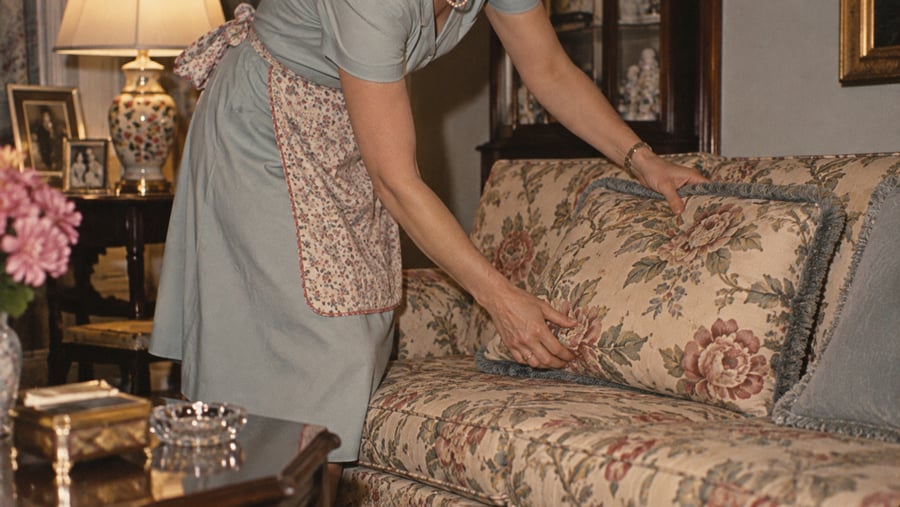
Living-room furniture was expected to look orderly again after everyone used it. Cushions were turned, beaten, reshaped, and placed back exactly where they belonged, especially before visitors arrived.
17. Preparing Dinner Long Before Anyone Came Home
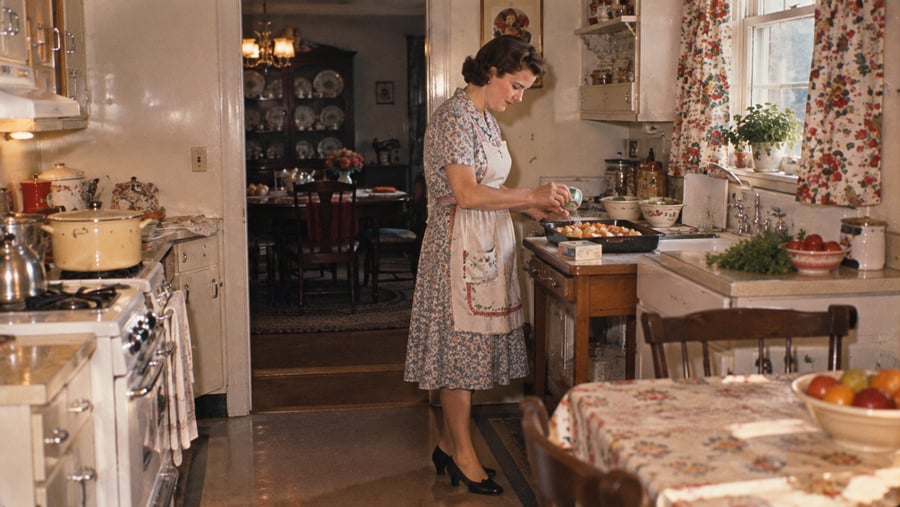
Dinner often began hours before it was eaten. Meat needed thawing, vegetables were peeled, dough might need time to rise, and casseroles or roasts went into the oven early enough for the house to smell like dinner before the family walked through the door.
18. Resetting the House at the End of the Day
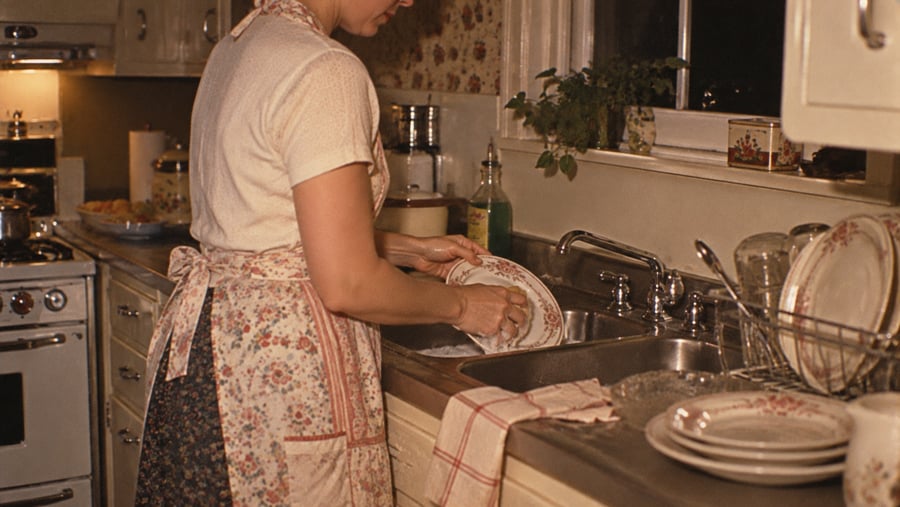
After dinner came another round: dishes washed and dried, leftovers put away, the table wiped down, chairs pushed in, kitchen counters cleared, and things returned to their places. By bedtime, the house was ready for the whole routine to begin the next morning again.
More Related Notes
14 Snacks From the ’80s We Wish Still Existed
From colorful treats to discontinued favorites, these nostalgic snacks bring back the flavors and food trends that defined growing up in the 1980s.
17 Photos of Hollywood Celebs That Have Lived Loud
These throwback photos capture famous Hollywood personalities whose bold lifestyles, memorable careers, and larger-than-life reputations kept them in the spotlight.
14 Ways Public School Changed Since the 1980s
From classroom technology to everyday routines, public schools have transformed in countless ways since the 1980s, making the student experience look very different today.