There was a time when sitting down at an American restaurant came with its own familiar little landscape. Before anyone opened a menu, the table was already crowded with things to touch, read, pour, shake, and occasionally play with while waiting for the waitress to come by.
Some were practical, others were simply part of the atmosphere. A glass sugar dispenser beside the coffee cup, a chrome napkin holder reflecting the overhead lights, or a tabletop jukebox waiting for a coin could make a diner table instantly recognizable. Most disappeared so quietly that it is easy to forget just how familiar these 18 things once were.
1. Glass Sugar Dispensers
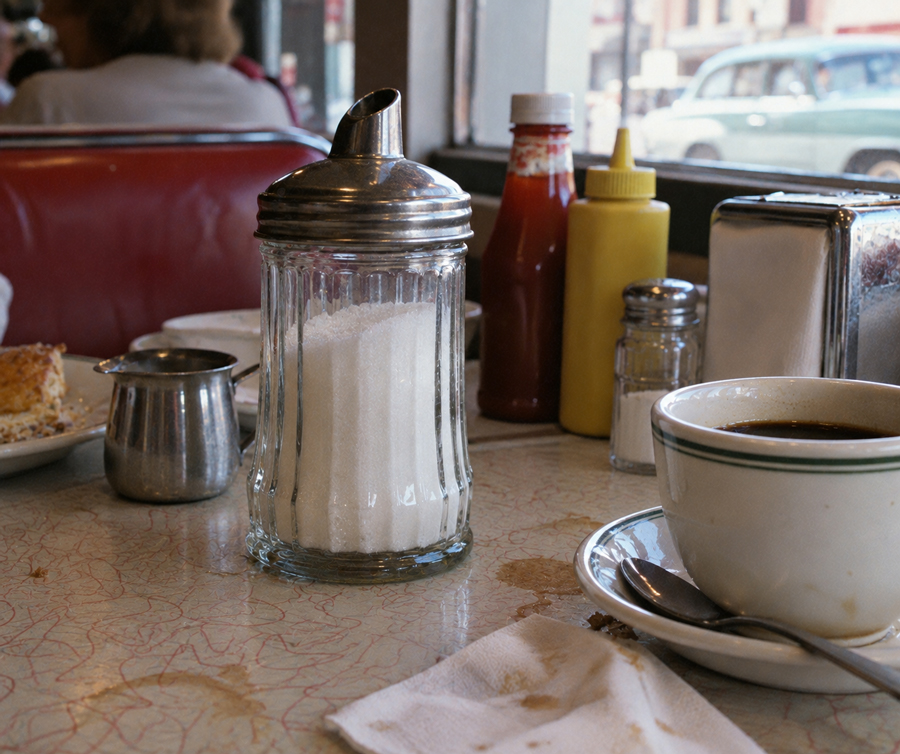
That heavy glass dispenser with the metal spout seemed to be waiting beside every cup of restaurant coffee. A quick tilt sent a stream of sugar into the mug, and regular customers barely had to look while doing it. Long before individual packets took over, it was simply part of the tabletop.
2. Chrome Napkin Holders
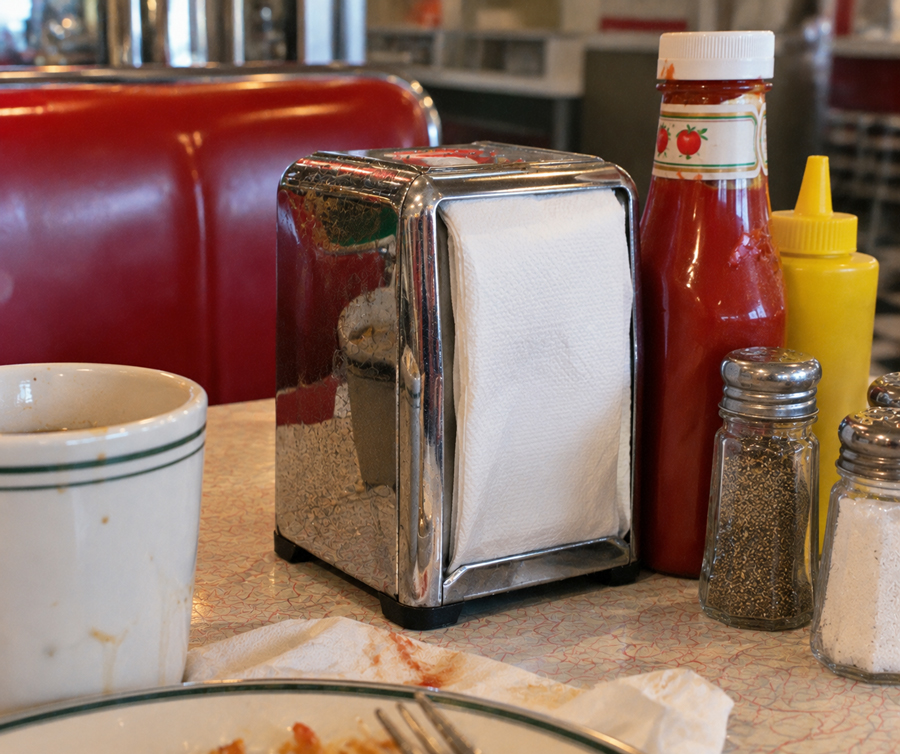
Pulling a paper napkin from a shiny metal holder was such an ordinary part of eating out that no one gave the object much thought. The holders sat permanently on diner counters and restaurant tables, usually stuffed so tightly that the first napkin came out with several others attached.
3. Glass Ketchup Bottles
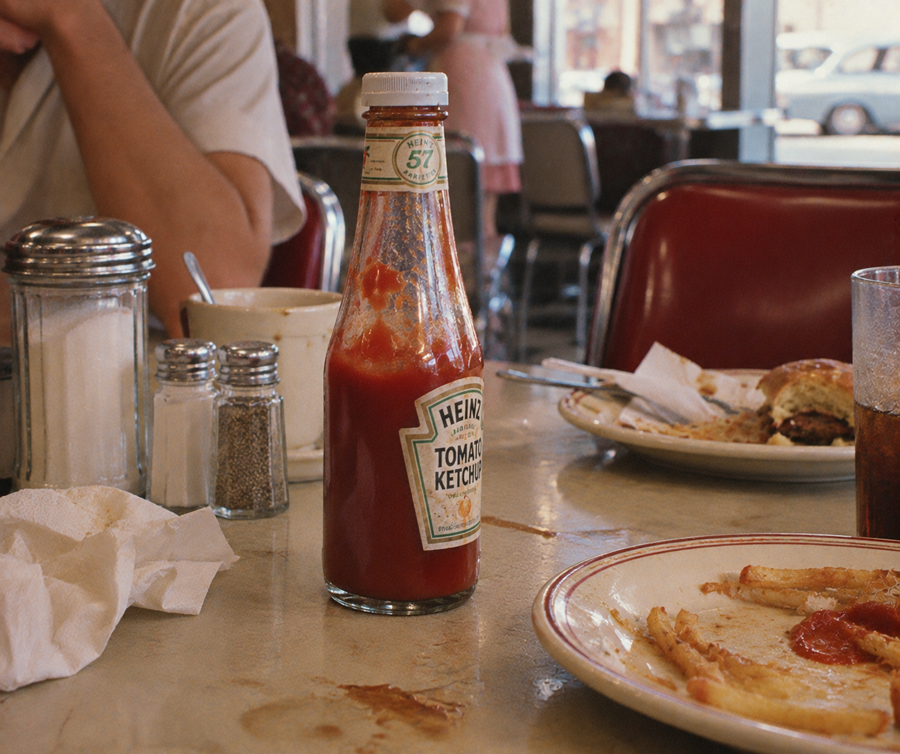
Before squeeze bottles and little plastic cups, ketchup came in a thick glass bottle that required patience. There was tapping, shaking, turning it upside down, and sometimes waiting far too long for
4. Salt and Pepper Shakers With Metal Tops
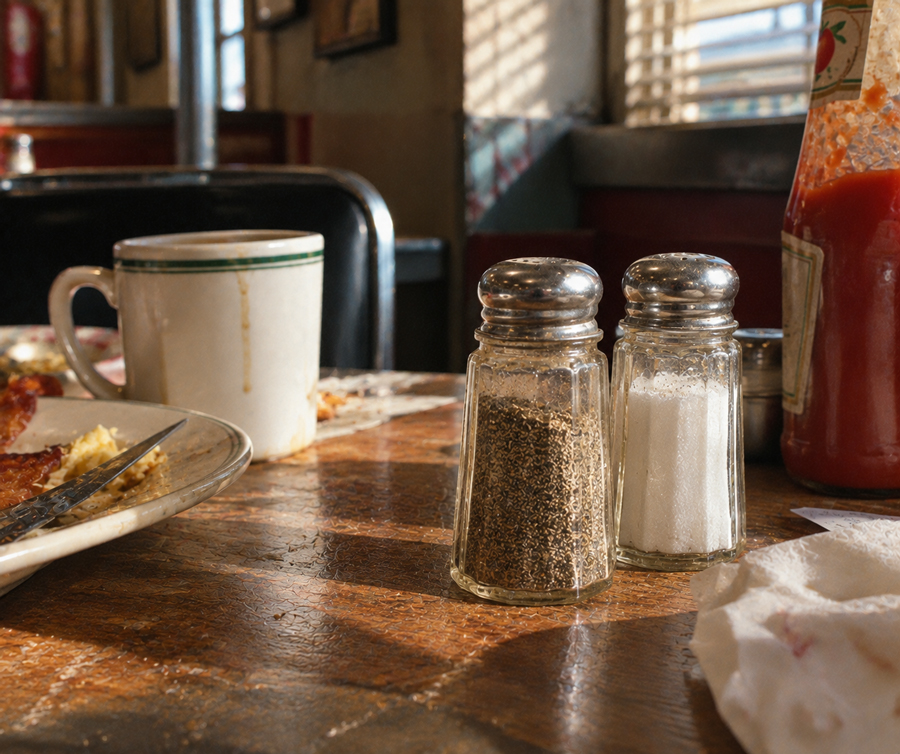
A matching pair of little glass shakers was almost guaranteed to be somewhere within reach. Their metal tops were often slightly worn from years of use, and in busy restaurants the salt occasionally needed a determined shake before anything came out.
5. Tabletop Jukebox Selectors
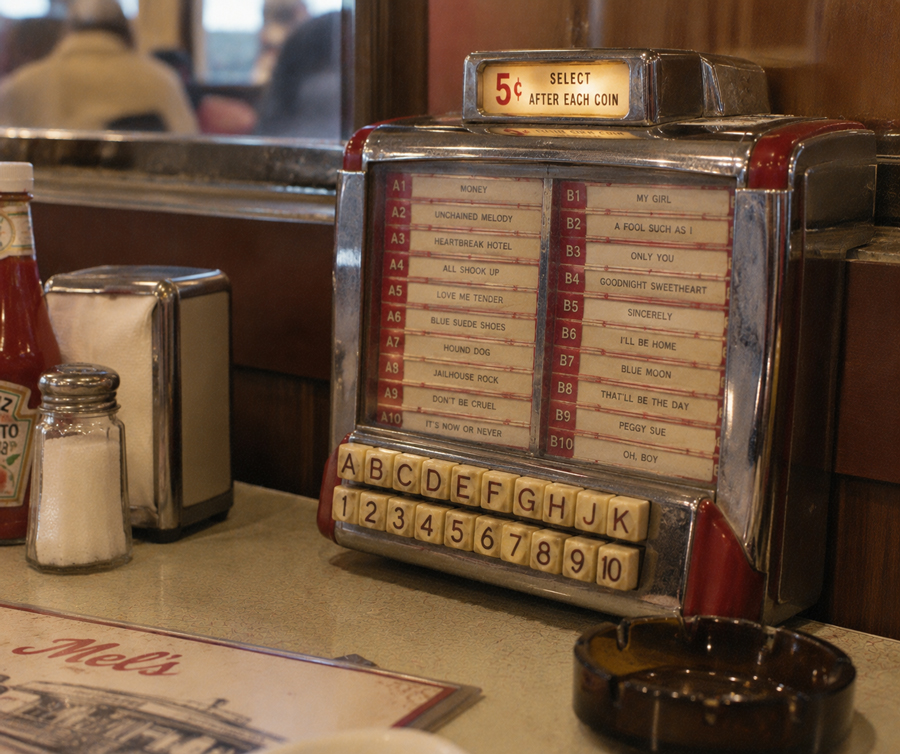
Finding one of these attached to the booth made waiting for dinner much more interesting. A few coins could put a favorite song on the restaurant’s jukebox without anyone leaving the table. Flipping through the little title cards was almost as much fun as choosing the song itself.
Trending on Wealth Gang
6. Paper Placemats
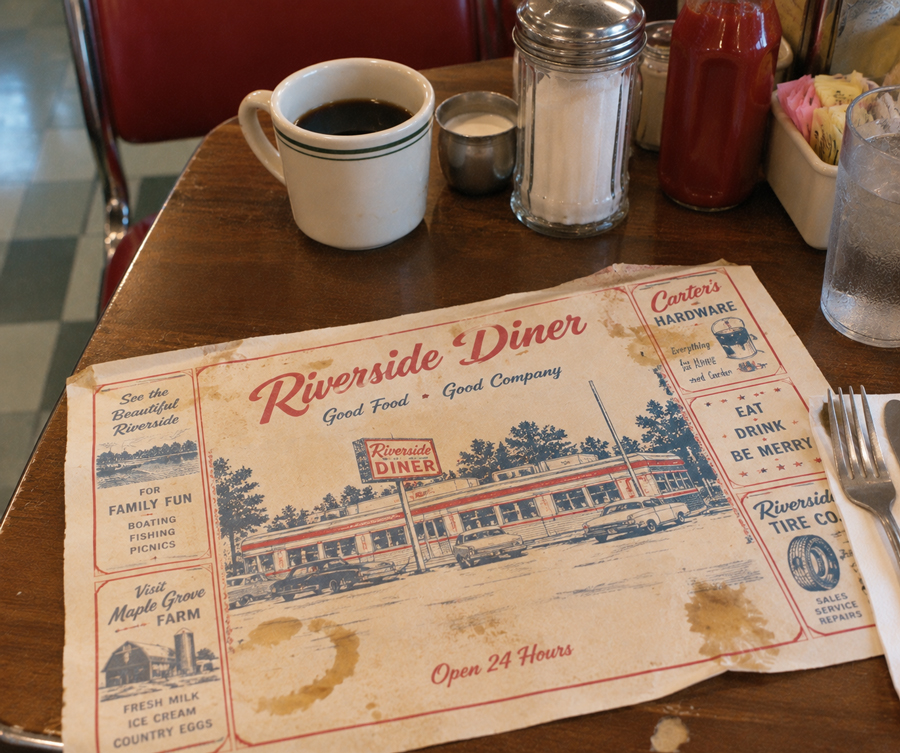
Before the food arrived, the placemat became something to study. Some showed local advertisements, others had maps, trivia, restaurant history, or puzzles for children. By the end of the meal, they were usually covered with coffee rings, crumbs, and absent-minded doodles.
7. A Glass Bottle of Hot Sauce
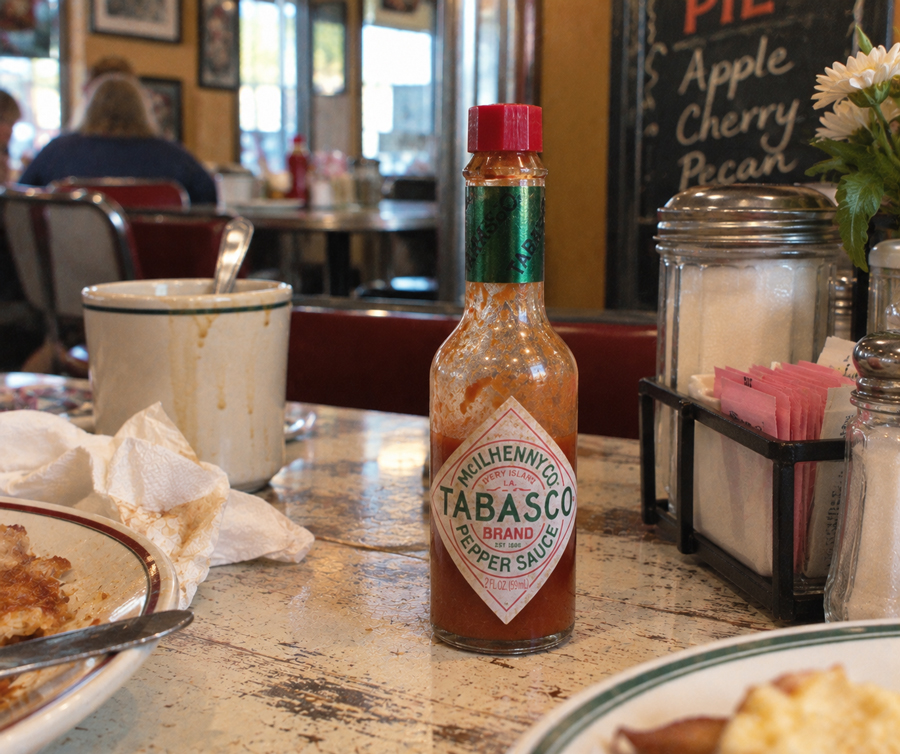
The label might have been stained and the bottle nearly empty, but hot sauce often had a permanent place beside the salt and pepper. In diners, barbecue restaurants, and neighborhood lunch spots, regulars knew exactly which bottle to reach for before the first bite.
8. A Bowl Filled With Sugar Packets
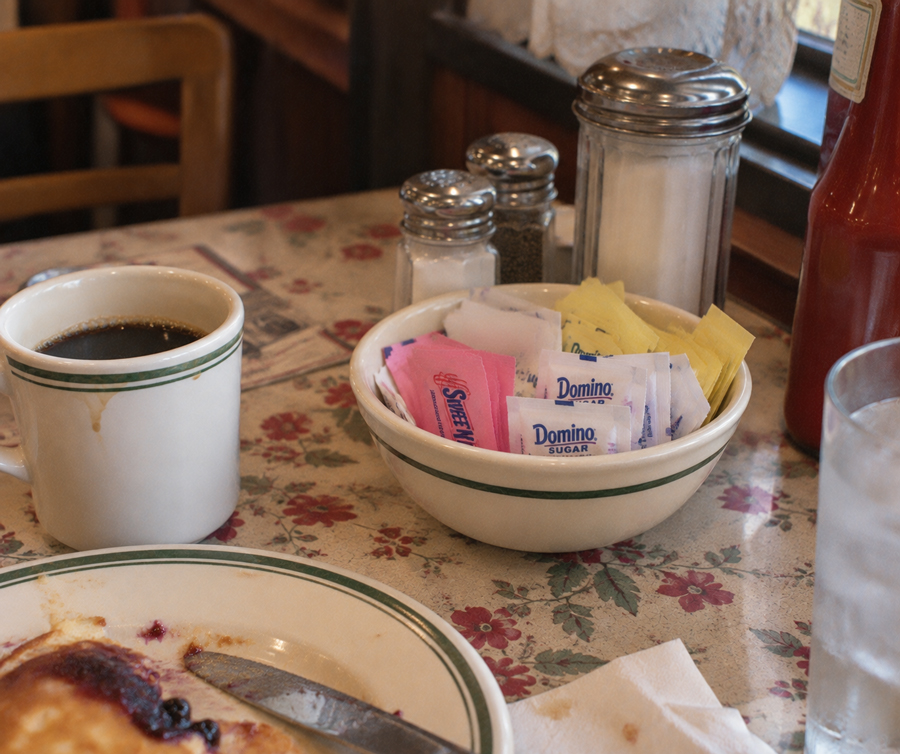
As restaurants moved away from communal sugar dispensers, little paper packets began appearing everywhere. Pink, white, blue, and eventually yellow packets accumulated in bowls and caddies, and sorting through them became part of fixing a cup of coffee just right.
Sign up for our newsletter
9. Plastic Advertising Ashtrays
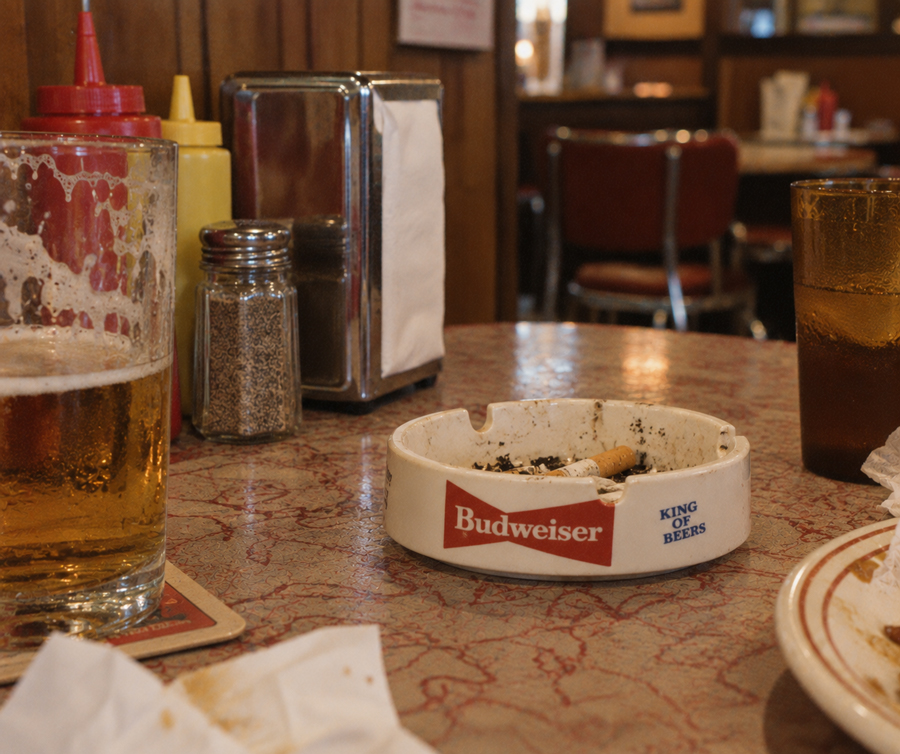
For decades, an ashtray could be as standard as the salt and pepper. Many were cheap plastic versions printed with a beer, cigarette, or local business logo. They sat right in the middle of the table, a reminder of an era when smoking during dinner barely raised an eyebrow.
10. Little Glass Creamers
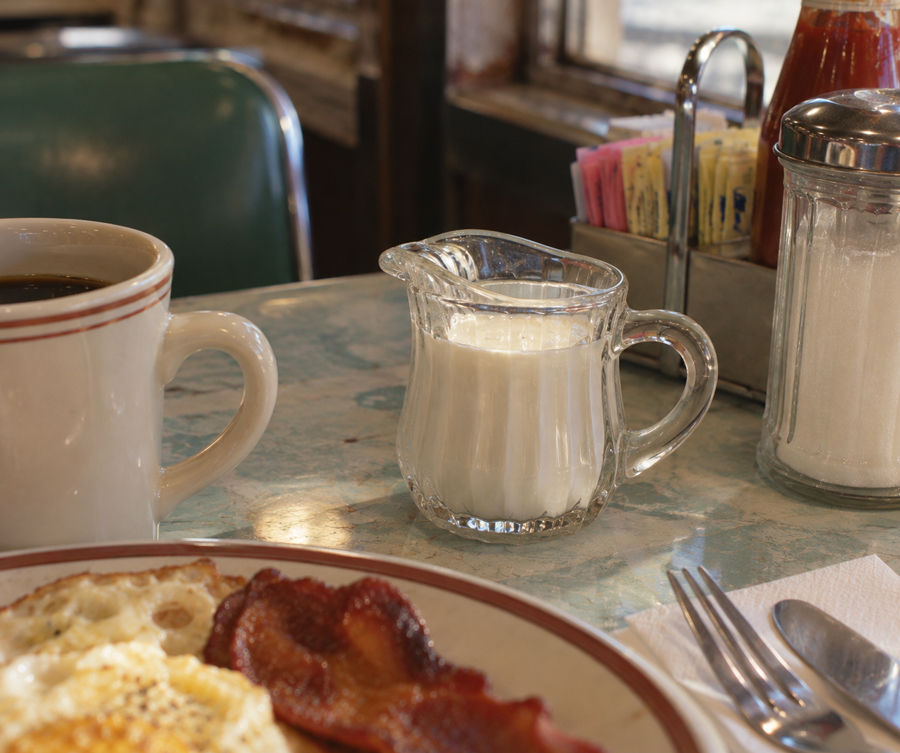
Coffee rarely arrived alone. A tiny glass or ceramic pitcher of cream often followed, just enough for a cup or two. Pouring it into dark diner coffee and watching the pale swirl spread across the surface was one of those small rituals that belonged to breakfast out.
11. Toothpick Dispensers
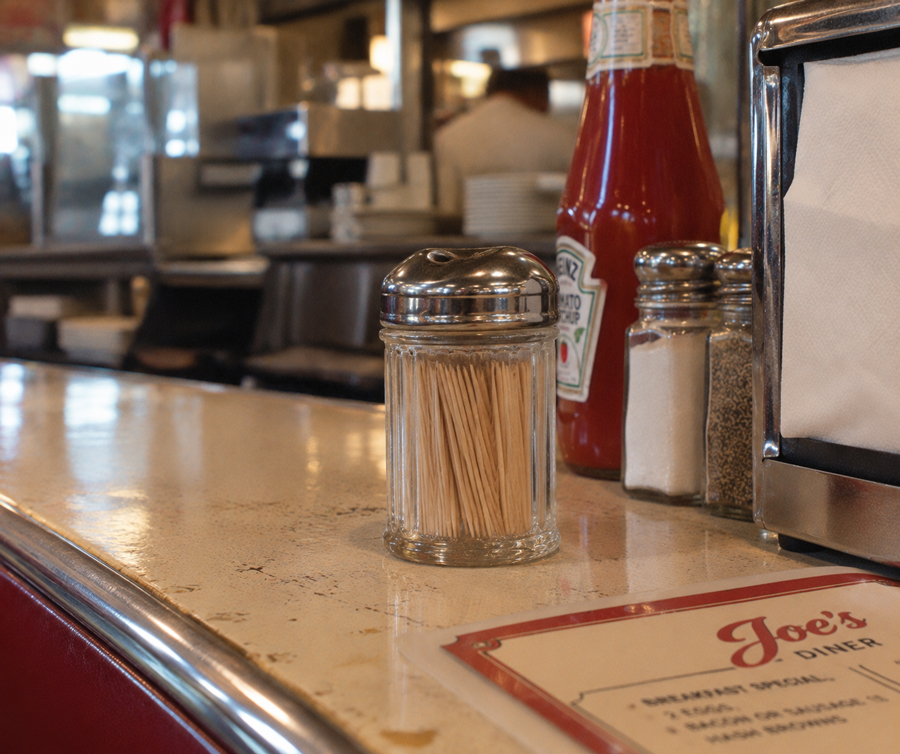
Near the register, on the counter, or sometimes right on the table sat a little dispenser packed with wooden toothpicks. Taking one after a meal was so routine that people often grabbed it on the way out without even thinking about it.
12. Laminated Dessert Cards
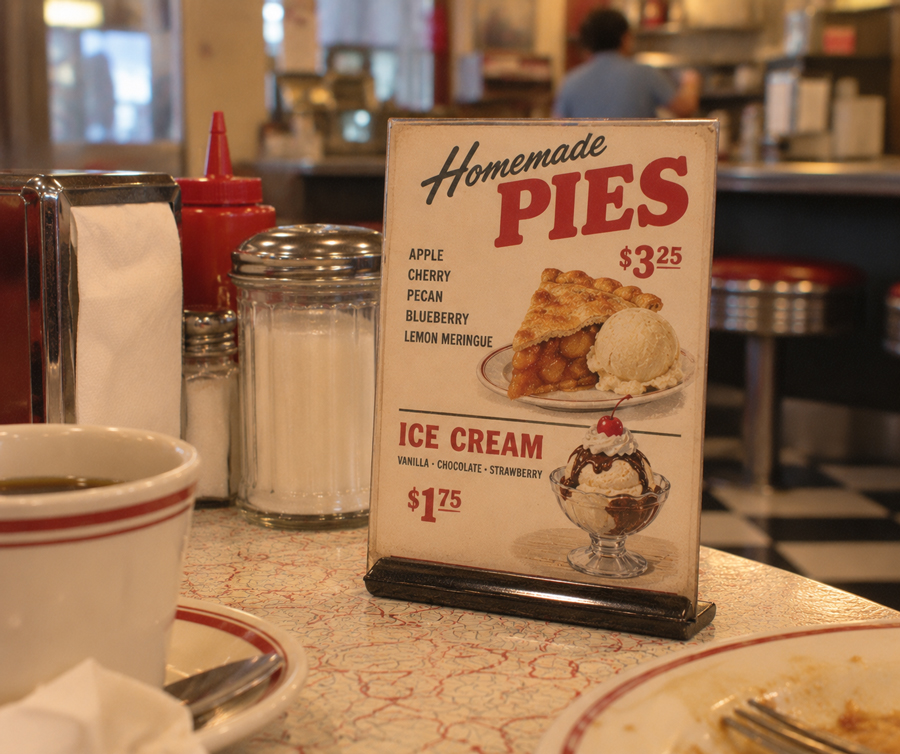
Dessert did not always need its own menu. A small laminated card standing between the condiments could spend the entire meal quietly advertising pie, ice cream, cheesecake, or the restaurant’s special sundae. By the time the plates were cleared, resisting it could be difficult.
13. Jelly Caddies at Breakfast
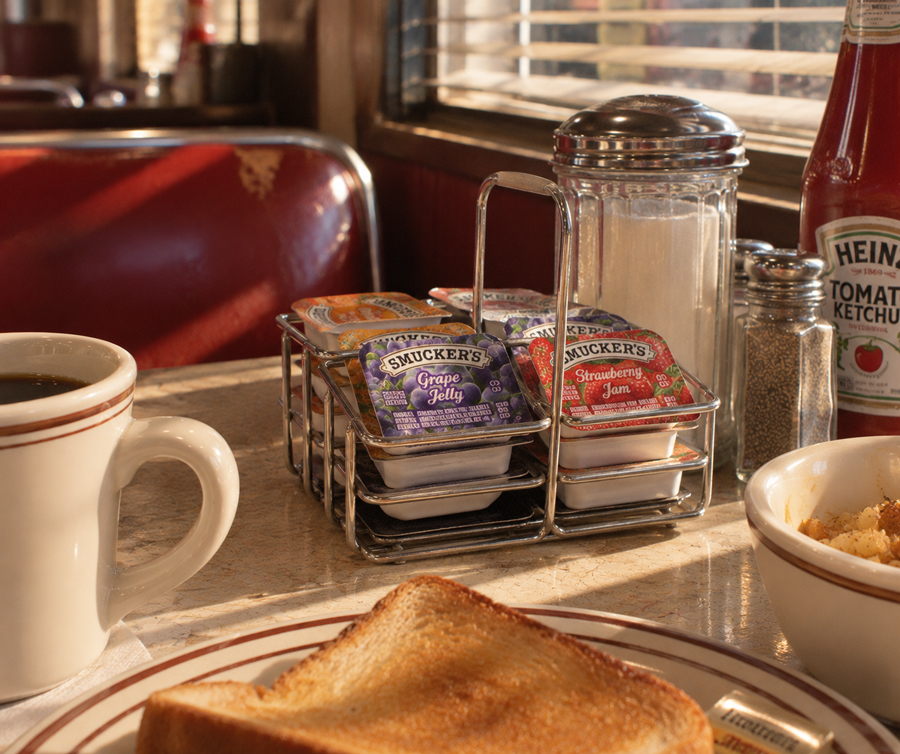
Breakfast tables often came with a little assortment of jelly packets waiting beside the toast. Strawberry, grape, and orange marmalade were shuffled around until everyone found a favorite, while the unwanted flavors seemed to remain in the caddy forever.
14. A Bottle of Steak Sauce
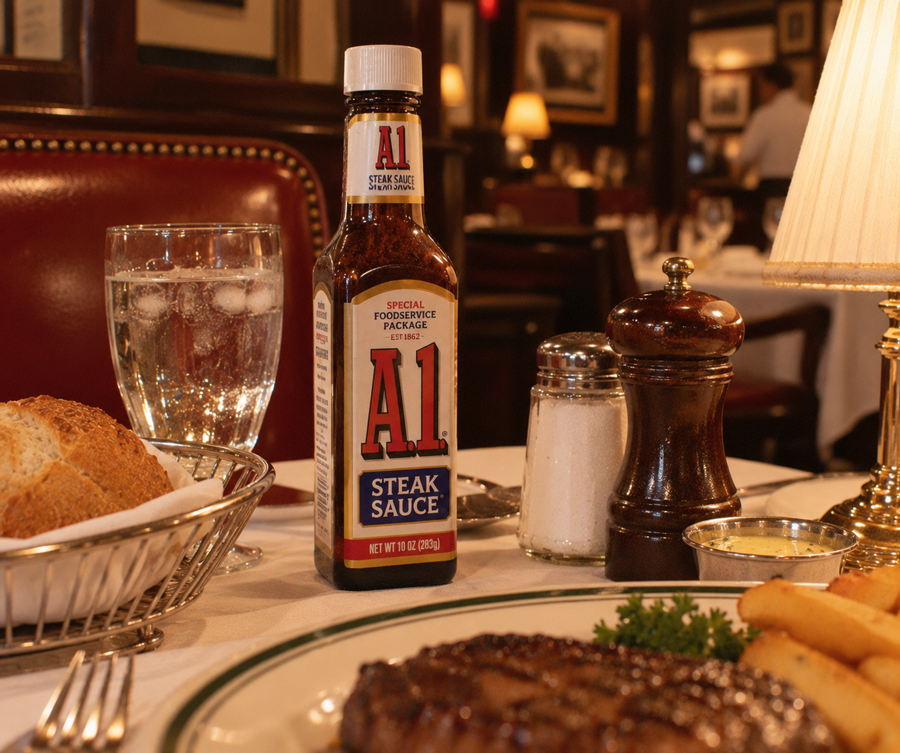
At steakhouses and family restaurants, the dark glass bottle was often already waiting before the meat arrived. Some diners poured it generously; others considered touching a good steak with sauce almost unforgivable, but the bottle remained part of the familiar tabletop lineup.
15. Wire Toast Racks
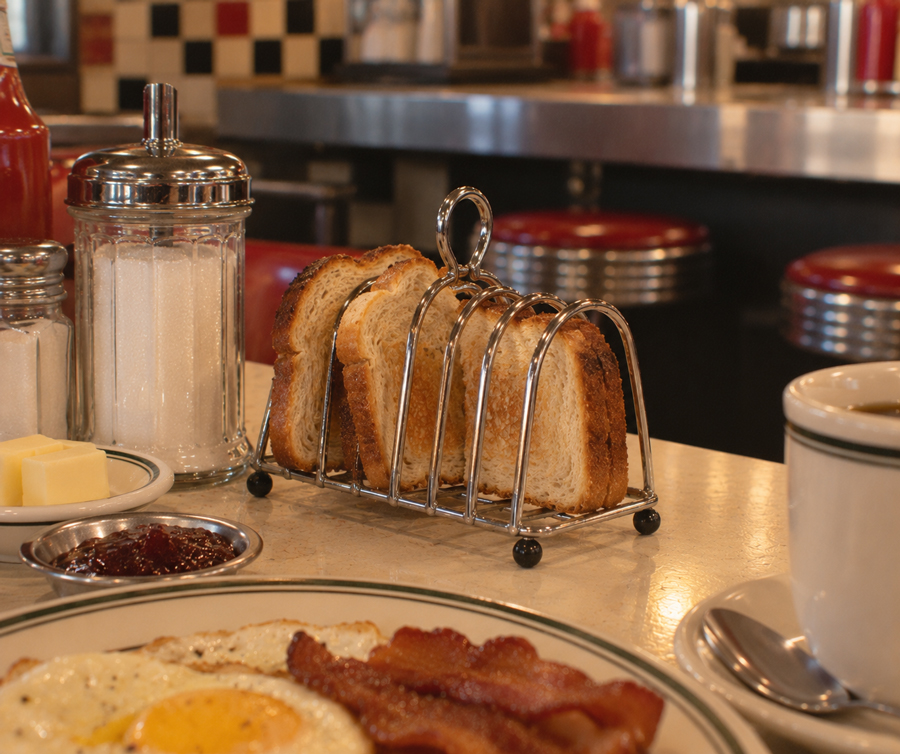
A diner breakfast could arrive with slices of toast standing upright in a little metal rack instead of lying on the plate. It kept the bread separated and gave even an inexpensive breakfast a tiny bit of presentation, especially alongside eggs, bacon, and endless coffee.
16. Paper Matchbooks
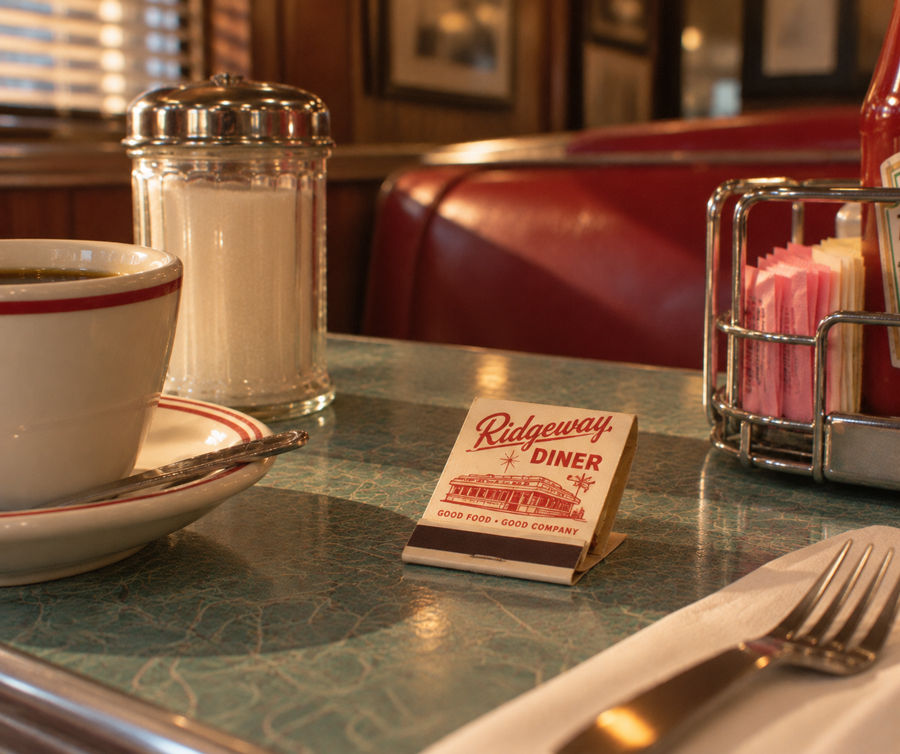
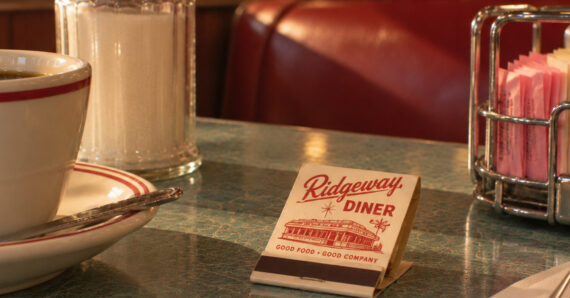
A restaurant’s name once traveled home in people’s pockets on a tiny cardboard matchbook. They were left near ashtrays, handed out at the register, or placed on tables, and many ended up forgotten in kitchen drawers, glove compartments, and coat pockets for years.
17. Table Numbers on Metal Stands
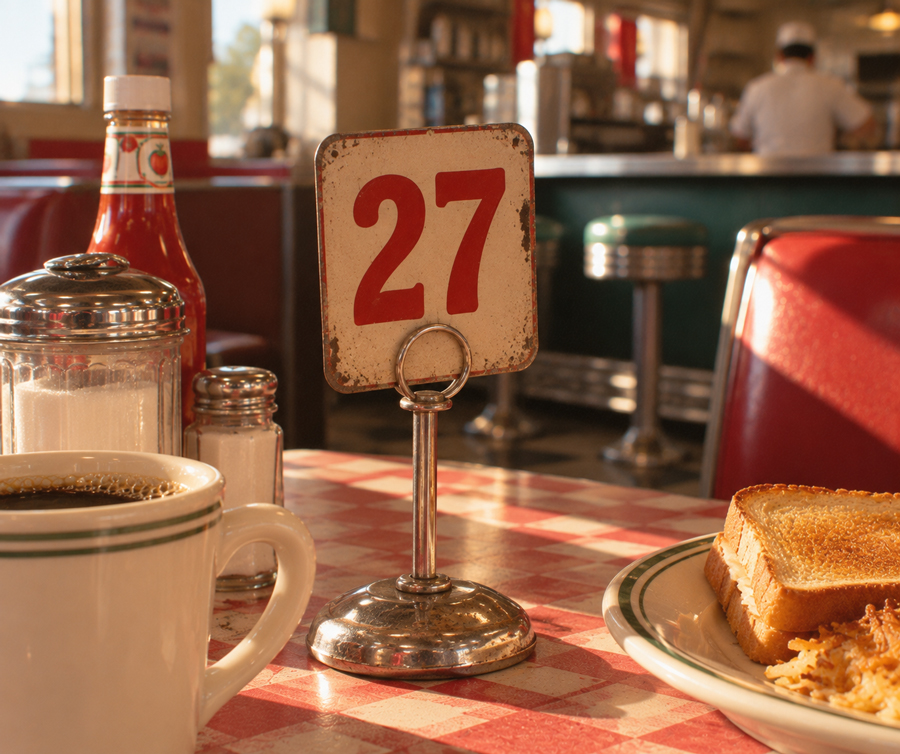
A little numbered sign rising above the condiments helped servers keep track of busy dining rooms. The cards were bent, scratched, and handled countless times, becoming one of those utilitarian restaurant objects that almost disappeared into the background.
18. Postcards From the Restaurant
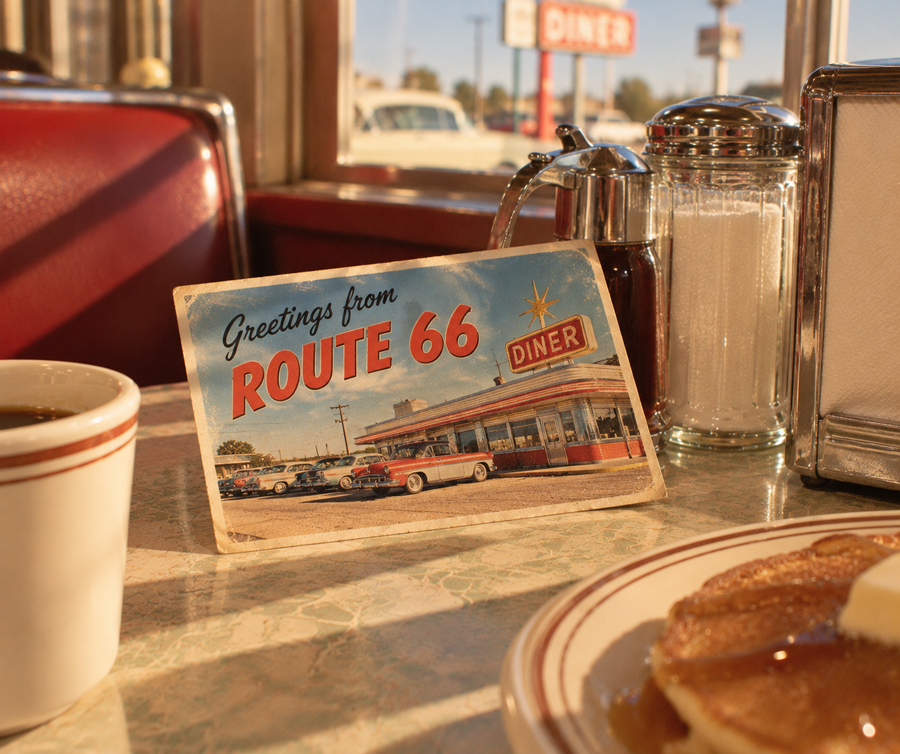
Roadside restaurants, hotel dining rooms, and destination eateries sometimes left postcards where customers could take one home. A glossy picture of the building, dining room, or enormous roadside sign turned an ordinary meal into a small souvenir from the trip.
More Related Notes
• 15 Everyday Products That Were Once Considered Luxuries.
Explore familiar products that were once expensive or difficult to obtain, revealing how manufacturing and consumer habits have transformed over time.
• 17 Childhood Treats That Were Cheap Then and Cost a Lot More Today.
Take a nostalgic look at familiar snacks and treats while seeing how their prices, packaging, and place in everyday life have changed across generations.
• 15 Vintage Ads That Would Never Be Approved Today.
Discover how companies once marketed food and everyday products, highlighting just how dramatically advertising and consumer culture have evolved.