Preparing for emergencies before the internet required a different kind of planning. Without instant weather alerts, online safety guides, or smartphone applications, American families relied on household supplies, printed instructions, local broadcasts, and information they had gathered in advance. Being prepared often meant keeping everything in a specific drawer, cupboard, or corner of the basement.
Many households developed routines that reflected the risks of their particular region, from hurricanes and tornadoes to winter storms and power outages. Parents taught children important telephone numbers, neighbors exchanged information, and emergency equipment was stored where everyone could find it. These 18 practices reveal how Americans prepared for the unexpected long before the internet became part of everyday life.
1. Keeping Emergency Phone Numbers Beside the Telephone
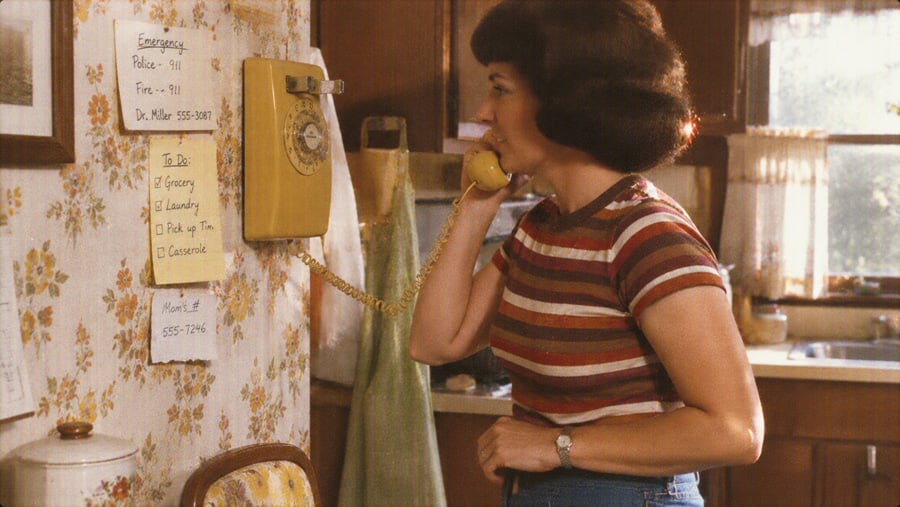
Before smartphones stored important contacts, many families kept a handwritten list of emergency telephone numbers beside the landline. The list might include the local police department, fire station, family doctor, and nearby relatives. In communities where 911 service was not yet available, knowing the correct local number was particularly important. Children were often taught where to find the list and how to explain their address when calling for help. A simple piece of paper could become one of the most important items in the house.
2. Storing Flashlights and Spare Batteries in a Designated Drawer

When the electricity suddenly went out, nobody wanted to search an unfamiliar cupboard in complete darkness. Many households kept flashlights and spare batteries in a designated kitchen drawer or another easily accessible location. Everyone in the family knew where the supplies belonged, and parents occasionally checked whether the batteries still worked. Large metal flashlights were familiar household possessions, especially in areas prone to thunderstorms and winter outages. Having a reliable source of light ready could make a difficult evening considerably more manageable.
3. Keeping a Battery-Powered Radio Ready
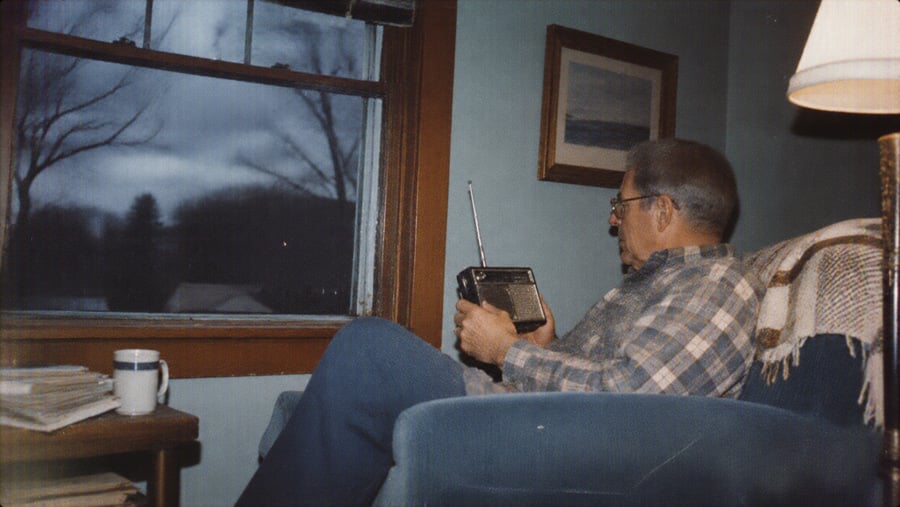
A portable radio provided an important connection to the outside world when electricity or telephone service failed. Families used battery-powered radios to listen for severe weather warnings, school closures, evacuation instructions, and updates from local authorities. NOAA Weather Radio also became a valuable resource as its national broadcasting network expanded during the 1970s. In storm-prone regions, keeping a radio and fresh batteries nearby was a familiar precaution. Unlike many household appliances, it could continue providing information even when the lights went out.
4. Stocking the Basement With Canned Food
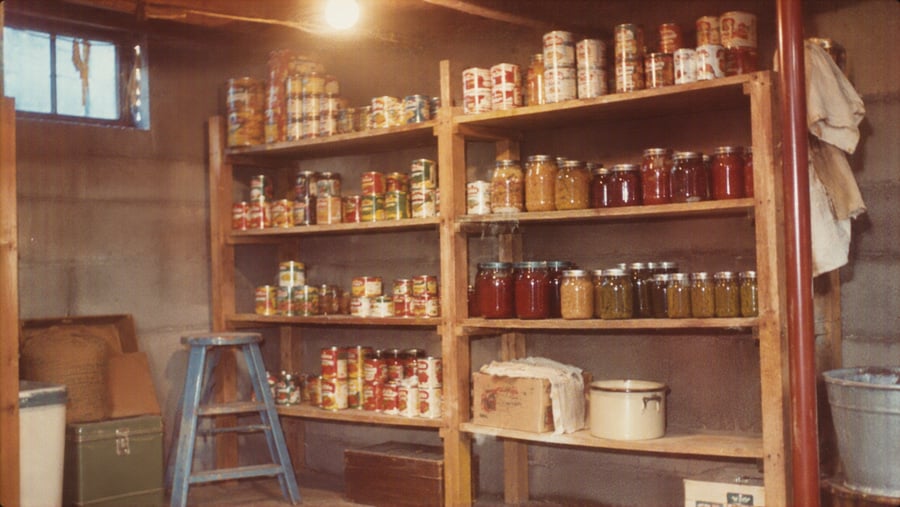
Basement shelves filled with canned vegetables, soup, preserved fruit, and other nonperishable food were a familiar sight in many American homes. Families living in areas with harsh winters or unpredictable weather sometimes purchased extra groceries in case roads became impassable. Home-canned produce also formed part of some households’ supplies. The pantry wasn’t necessarily reserved exclusively for emergencies, but maintaining a generous stock meant families could manage when shopping became difficult. A well-filled cupboard offered reassurance long before grocery delivery services existed.
5. Filling the Bathtub With Water Before a Major Storm

In areas threatened by hurricanes or prolonged power failures, some families filled their bathtubs with water before a storm arrived. The stored water could be used for tasks such as flushing toilets and basic cleaning if the household water supply was interrupted. Families also filled separate clean containers with drinking water. This preparation was particularly useful for households that depended on electrically powered well pumps. What ordinarily served as a place to bathe temporarily became part of the family’s emergency preparations.
Trending on Wealth Gang


6. Practicing Family Fire Escape Plans
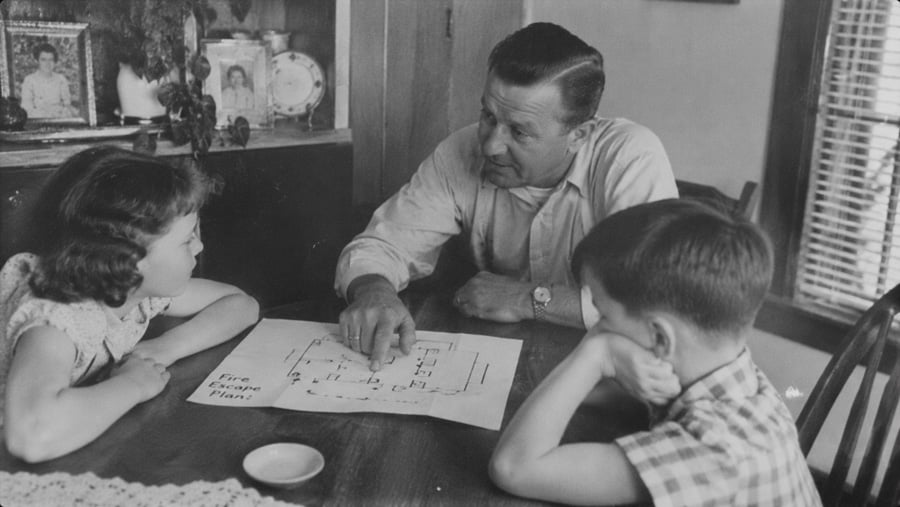
Families were encouraged to discuss how everyone would leave the house if a fire occurred. Parents might draw a simple floor plan, identify possible exits, and establish a meeting place outside. Children learned which routes were available and where they were supposed to reunite with the family. Some households even practiced the plan together. These preparations depended on remembering instructions in advance rather than searching for guidance during a dangerous situation.
7. Keeping a First-Aid Kit in the Medicine Cabinet
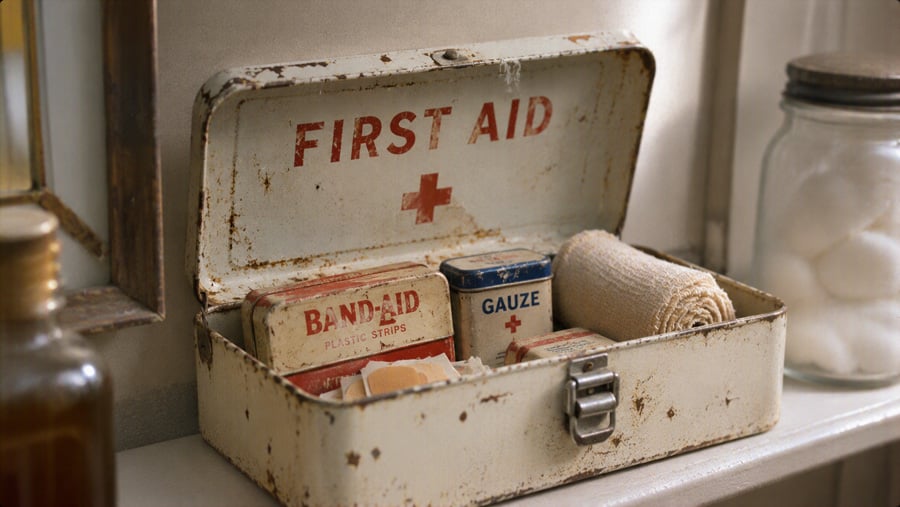
A household first-aid kit was often assembled from supplies purchased at the local pharmacy. Adhesive bandages, gauze, antiseptic products, scissors, and medical tape were kept together in a metal box or medicine cabinet. Families replenished these items as they were used so they would be available when needed. Some households also kept a smaller kit in the family car. Having basic supplies ready helped people deal with minor injuries while arranging professional assistance when necessary.
8. Saving Printed First-Aid Instructions
Before medical information was readily searchable online, households sometimes kept printed first-aid manuals issued by organizations such as the American Red Cross. These booklets explained how to respond to various injuries and medical emergencies using written instructions and illustrations. Copies might be stored near the telephone, inside a first-aid box, or alongside other household reference books. Families could review the information ahead of time without needing access to a computer. Although medical recommendations have evolved, these manuals were important resources in their day.
Sign up for our newsletter
9. Packing an Emergency Kit in the Family Car
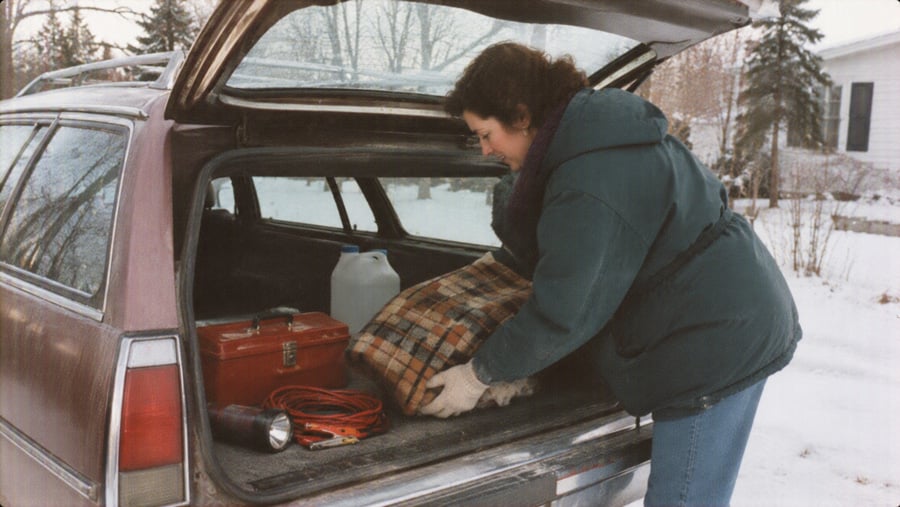
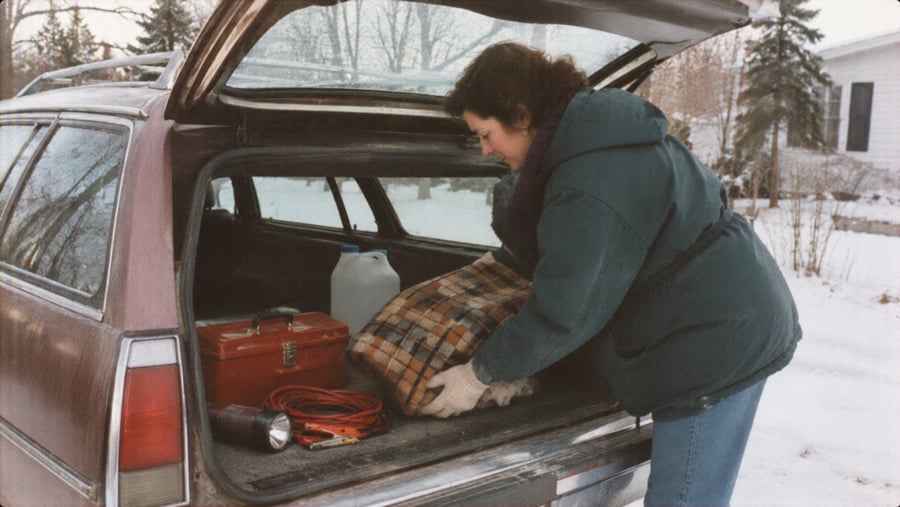
Drivers who regularly traveled through rural areas or regions with severe winters sometimes kept emergency equipment in the trunk. Supplies could include blankets, jumper cables, a flashlight, basic tools, and a small shovel. These items were particularly valuable when roadside assistance was difficult to contact. Parents might add extra supplies before a long family road trip or at the beginning of winter. A carefully stocked trunk offered some protection against the uncertainties of traveling without immediate communication.
10. Keeping Emergency Cash Hidden at Home

Some families maintained a small cash reserve for unexpected expenses or disruptions to normal banking services. The money might be stored in an envelope, a locked box, or another discreet location known to trusted household members. In an emergency, cash could help pay for transportation, groceries, or temporary accommodations. This became especially useful when storms disrupted electricity and electronic payment systems. The reserve wasn’t meant for ordinary spending, but knowing it was available provided an additional sense of security.
11. Studying Paper Maps and Evacuation Routes
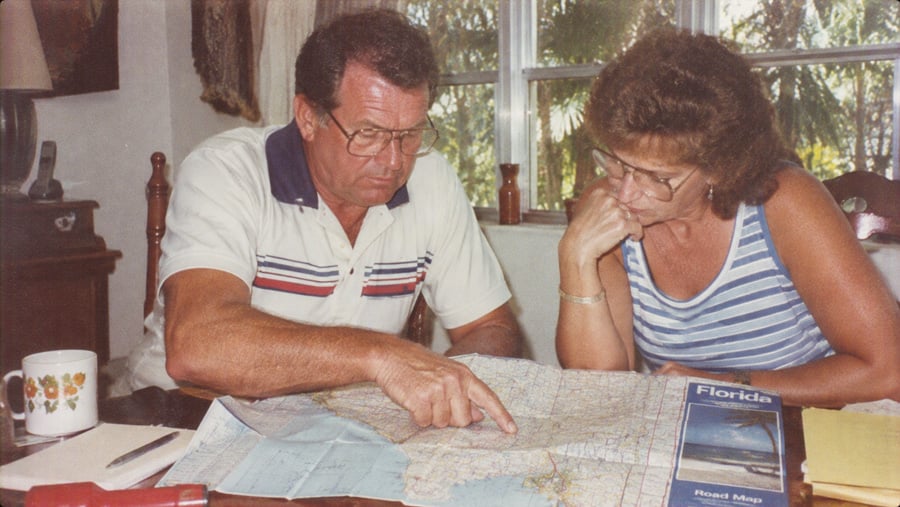
Families living near coastlines, flood-prone rivers, or other vulnerable areas sometimes familiarized themselves with evacuation routes before disaster struck. Printed road maps and brochures distributed by local authorities helped residents identify major highways and potential routes inland. Planning ahead was important because traffic information and navigation updates were limited. Some people marked the recommended routes directly on their maps. Keeping those maps in the car meant the information remained available even when other communication systems failed.
12. Choosing a Tornado Shelter Before Storm Season
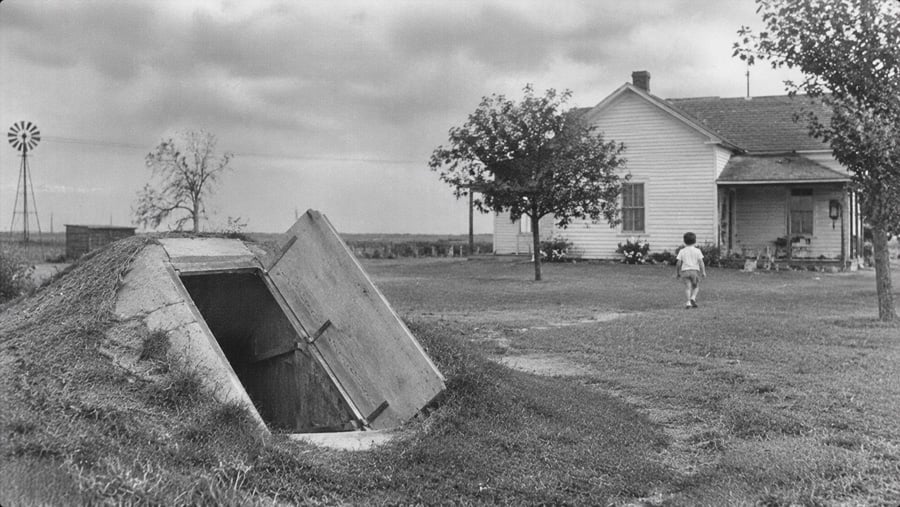
In tornado-prone parts of the United States, families often identified their safest available shelter well before severe weather arrived. Depending on the home, this might be a basement, storm cellar, or suitable interior space. Some rural properties had separate underground storm shelters with heavy doors and simple seating. Families taught children where to go when local warnings sounded. Knowing the shelter location in advance reduced confusion when a storm approached, and there was little time to make decisions.
13. Preparing Firewood Before Winter Arrived
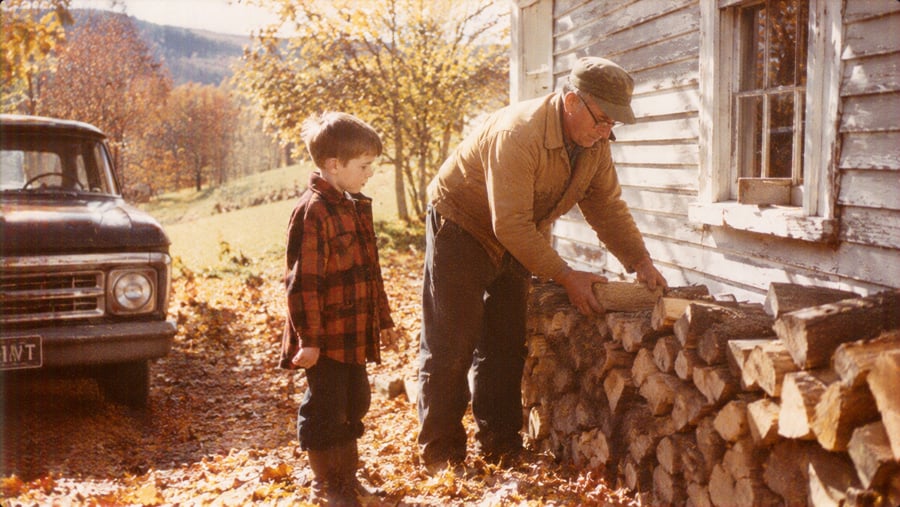
For households with wood-burning stoves or fireplaces, building a supply of firewood was an important seasonal responsibility. Families in colder regions often stacked wood months before winter, especially when snow could make travel difficult. In homes with suitable heating equipment, stored firewood could provide an alternative or supplemental source of warmth. Cutting, splitting, and stacking it required considerable physical effort. The growing woodpile served as a visible reminder that the household was preparing for colder and potentially difficult months.
14. Arranging a Family Meeting Place
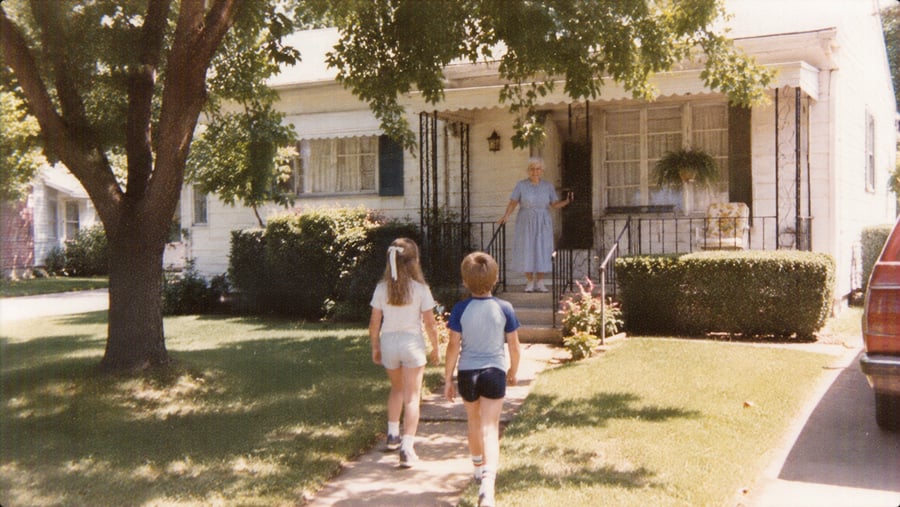
Without mobile phones or location-sharing applications, families sometimes established predetermined meeting places in case they became separated during an emergency. The location might be a relative’s house, a familiar neighborhood landmark, or another place everyone knew how to reach. Parents also encouraged children to memorize important addresses and contact information. These arrangements were especially valuable if returning home became impossible or local telephone service was disrupted. A familiar destination could provide reassurance when family members had no immediate way to contact one another.
15. Boarding Up Windows Before Hurricane Season
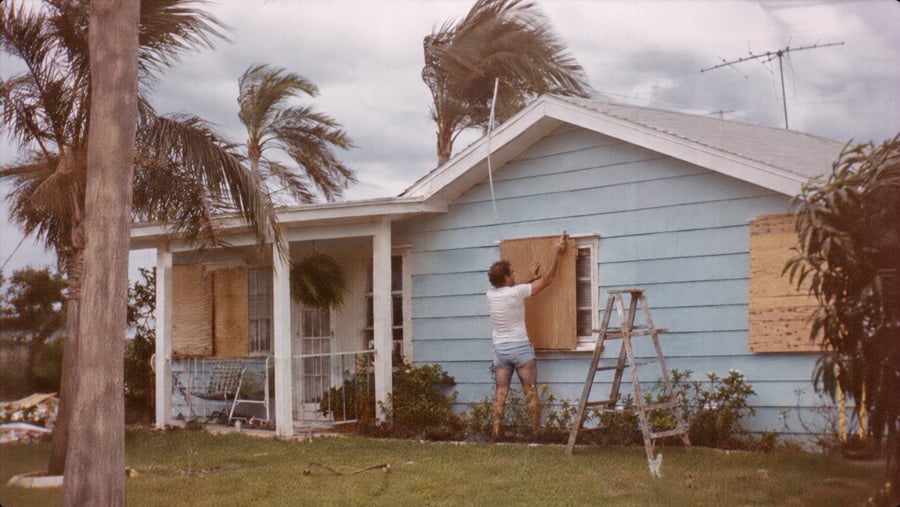
Along the Gulf and Atlantic coasts, preparing for hurricanes sometimes meant bringing plywood out of the garage and covering vulnerable windows. Some homeowners kept protective panels from previous storms so they wouldn’t have to purchase materials at the last minute. Others relied on permanent storm shutters. Families often completed these preparations while following forecasts on television or radio. The sound of neighbors hammering and carrying boards across their yards became a familiar part of life in certain coastal communities whenever a major storm threatened.
16. Keeping Important Documents in a Metal Strongbox
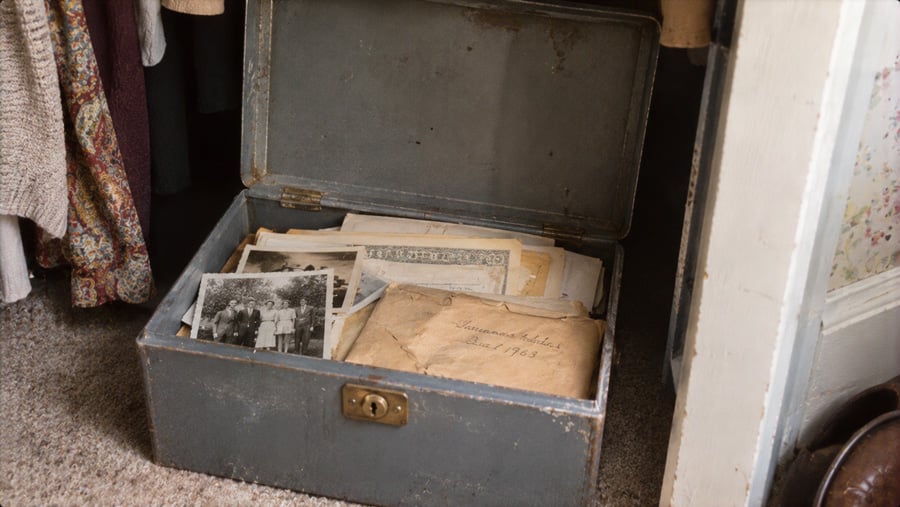
Birth certificates, insurance policies, property records, and other important documents were often gathered in a single household location. Some families purchased metal strongboxes or fire-resistant document containers to help protect paperwork from damage. Others kept copies in bank safe-deposit boxes. Without digital backups or easy access to online records, losing original documents could create serious complications after a disaster. Knowing where the family’s essential paperwork was stored became an important part of household organization.
17. Making Emergency Arrangements With Neighbors
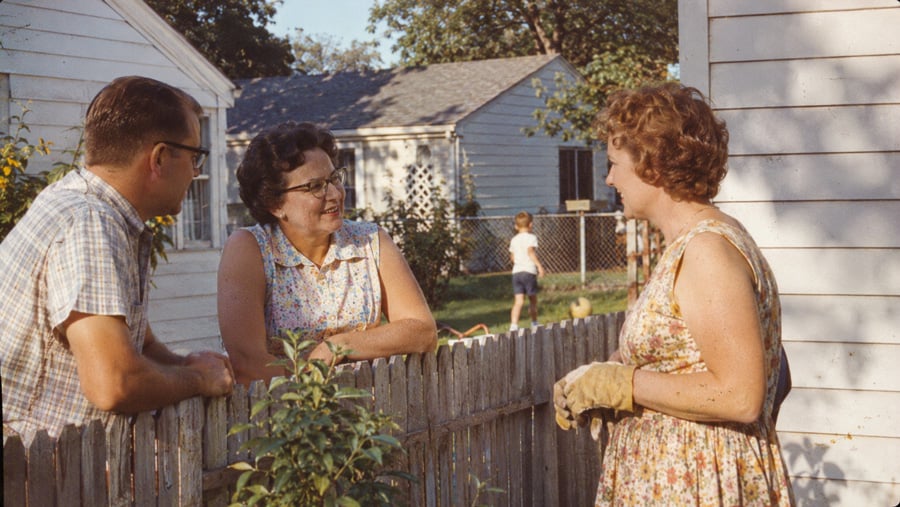
Neighbors could be an important source of assistance before instant communication became widely available. Families sometimes exchanged telephone numbers, discussed who might need help during a storm, or agreed to check on elderly residents during extreme weather. Someone with a working telephone, useful equipment, or a reliable vehicle could become an important resource for nearby households. These informal arrangements weren’t always written down, but familiar relationships helped communities respond when ordinary services were interrupted.
18. Following Civil Defense Preparedness Programs
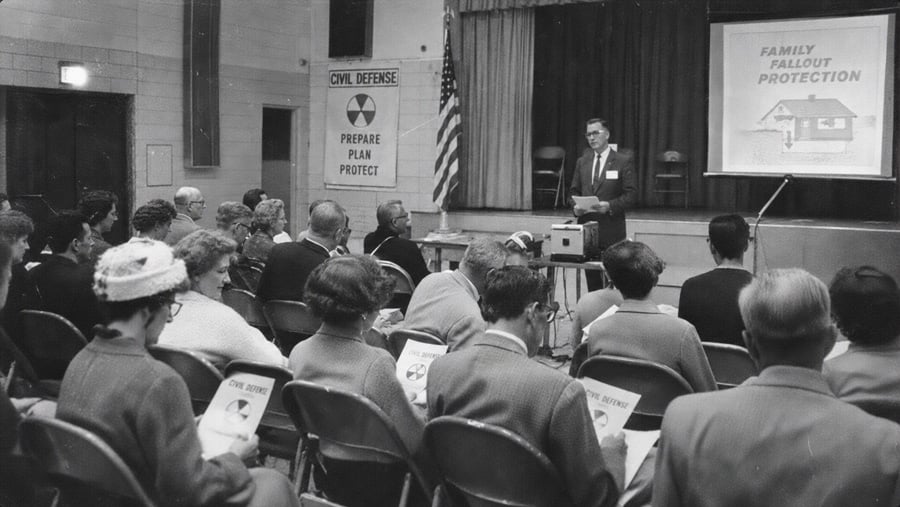
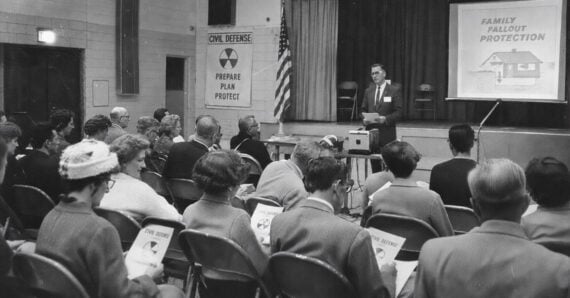
During the Cold War, emergency preparedness extended beyond storms and ordinary household accidents. Civil defense programs distributed instructional pamphlets, promoted emergency supplies, and identified public fallout shelters. Some Americans attended community meetings or learned about civil defense through school programs, television broadcasts, and printed materials. Although many recommendations reflected the particular fears and assumptions of the era, these programs encouraged citizens to think about emergency planning long before government safety information became readily available online.
More Related Notes
12 Things Almost Everyone Had on Their First Flip Phone
From custom ringtones to tiny screens, early flip phones had memorable features that defined mobile communication before smartphones took over.
11 Things You Do Differently Since Using Your Phone All Day
Smartphones have quietly transformed everyday routines, from how we communicate to how we spend our free time. These familiar habits reveal just how much has changed.
16 Ways Teens Connected Before Cell Phones
Before texting and social media, teenagers relied on landline calls, handwritten notes, and face-to-face conversations to stay connected with friends.