The 1970s were a decade of big ideas about health, beauty, and living longer. Americans were jogging through neighborhoods, counting calories, swallowing vitamins, and trying diets that promised to change their lives. Health food stores became popular, exercise equipment appeared in living rooms, and magazine covers offered new ways to lose weight almost every month. Some trends were genuinely helpful, while others were based on little more than convincing advertisements and wishful thinking.
Looking back, it is surprising how many questionable health habits became part of everyday life. People followed celebrity diets, relied on miracle supplements, and experimented with treatments that promised quick results without much scientific evidence. Although modern medicine has a better understanding of these practices, many remain fascinating reminders of a time when enthusiasm for wellness sometimes moved faster than the research behind it.
1. The Grapefruit Diet
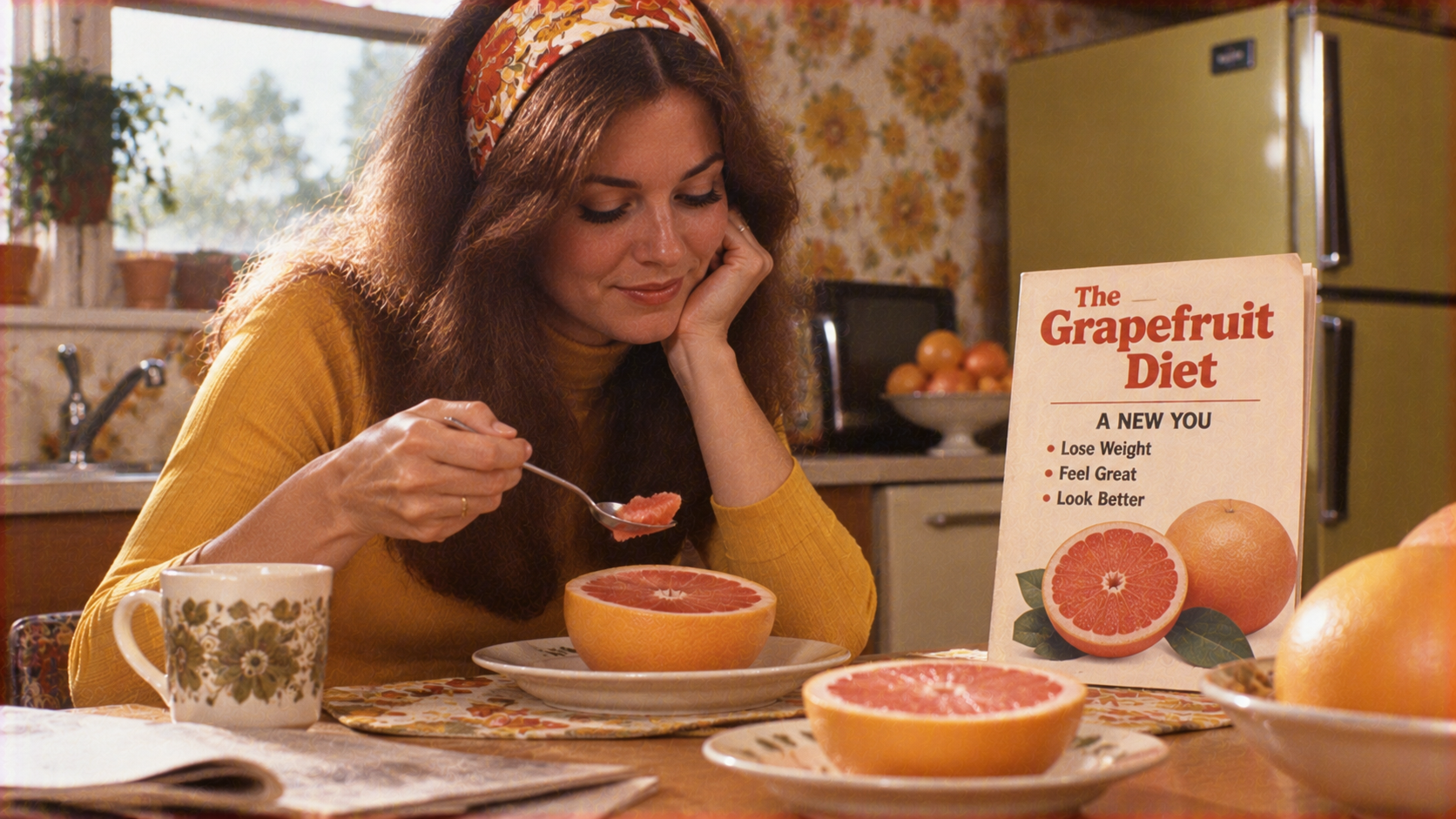
For many Americans trying to lose weight in the 1970s, breakfast started with half a grapefruit and a promise of rapid results. The popular diet claimed that grapefruit contained special enzymes capable of burning fat, especially when paired with strict meal plans. Some versions encouraged eating bacon and eggs while severely limiting other foods. Although grapefruit is nutritious, doctors now recognize that it does not magically melt body fat. Any weight loss generally came from eating fewer calories, not from a mysterious fat-burning ingredient.
2. Taking Massive Doses of Vitamin C
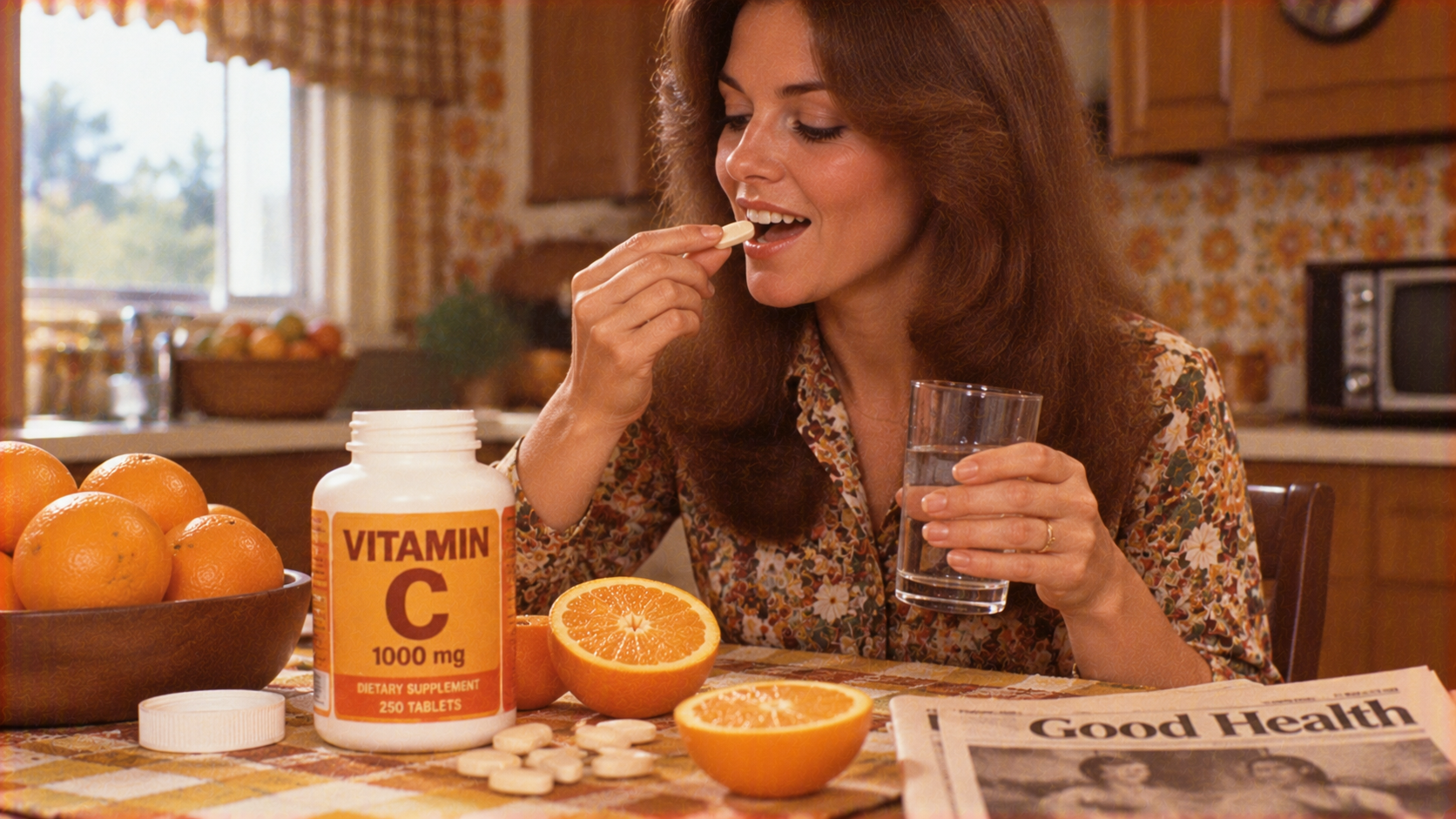
Vitamin C became something of a celebrity in the 1970s, especially after Nobel Prize winner Linus Pauling promoted high doses as a way to fight the common cold. Families stocked their medicine cabinets with bottles of tablets, and some people took several thousand milligrams every day. The idea that more vitamins automatically meant better health sounded convincing. Today, doctors recognize that vitamin C is essential but that large doses do not prevent colds for most people and can cause digestive problems or increase kidney stone risks in susceptible individuals.
3. The Sleeping Beauty Diet
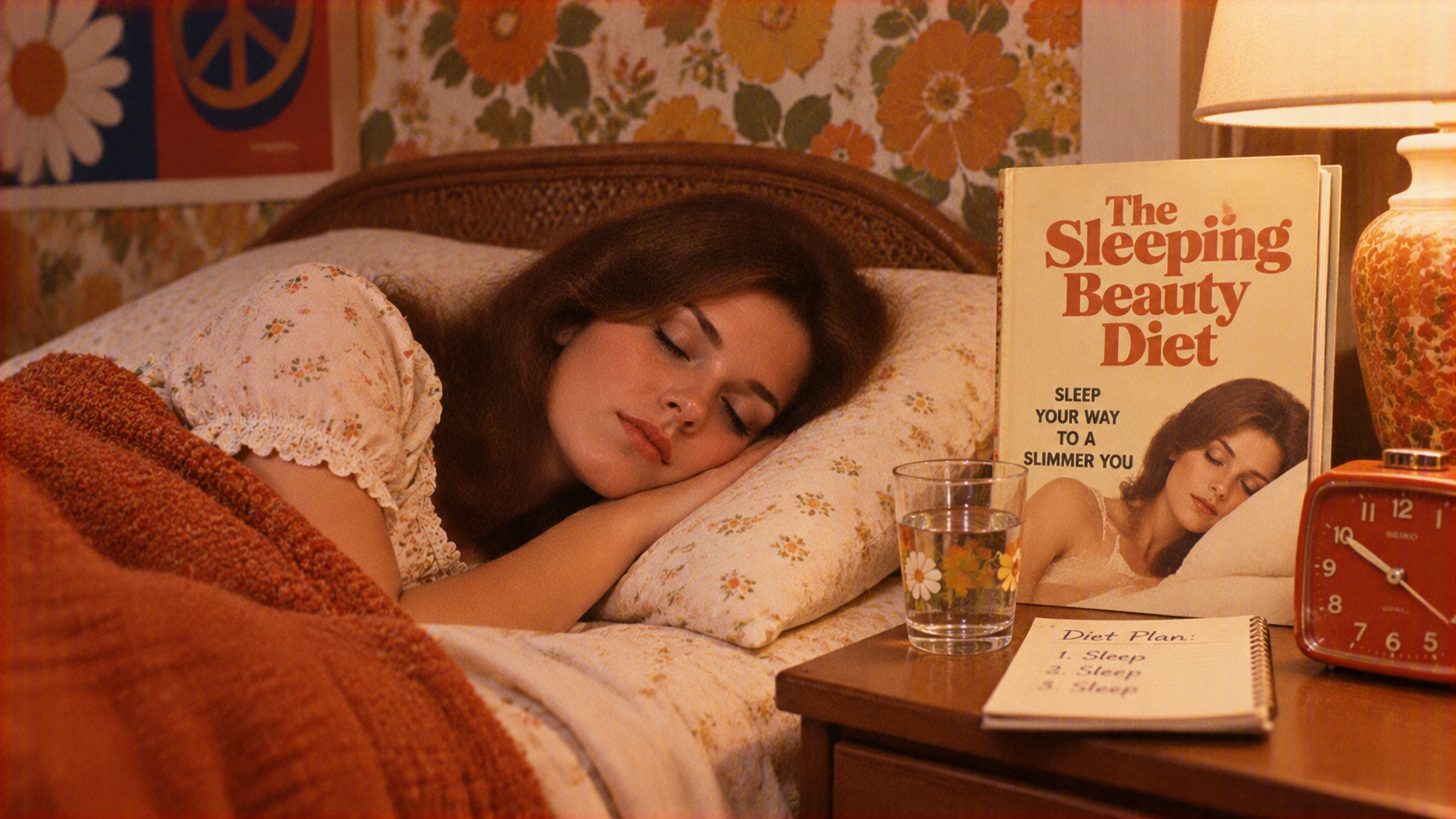
One of the more troubling weight loss ideas circulating during the decade suggested that sleeping for unusually long periods could help people avoid eating. Sometimes called the Sleeping Beauty Diet, the approach reportedly involved using sedatives to remain asleep rather than face hunger. It was an extreme example of the era’s fascination with effortless weight loss. Doctors would strongly discourage this practice today because unnecessary sedation can cause dependence, breathing problems, accidents, and potentially life-threatening complications.
4. Vibrating Exercise Belts
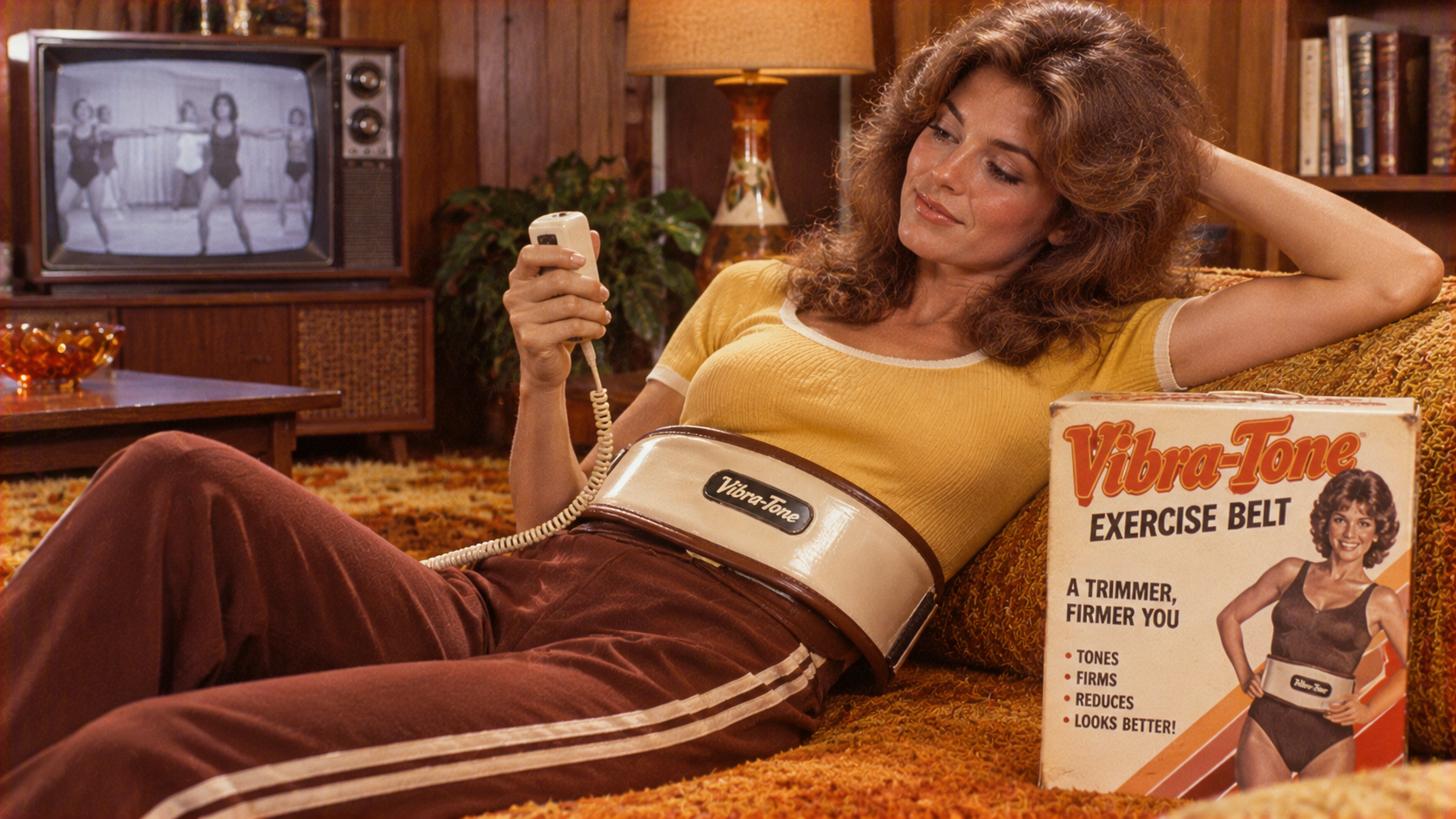
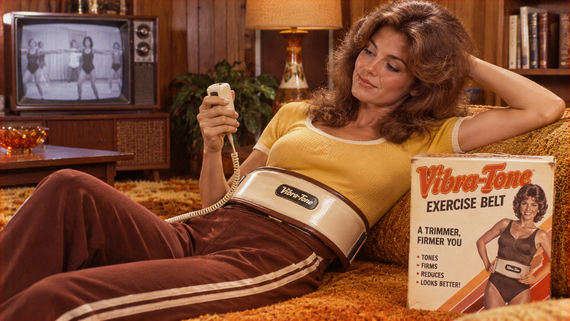
Those large vibrating belts wrapped around people’s waists became memorable fixtures in gyms and home exercise advertisements. Users stood on a platform while a motorized belt shook their stomach, hips, or thighs, supposedly breaking down fat without requiring much movement. The machines offered an appealing alternative to sweating through a workout. Unfortunately, vibrating a particular body part does not make the fat in that area disappear. Doctors and exercise specialists now emphasize that meaningful improvements in fitness require actual physical activity rather than passive shaking.
5. The Last Chance Diet
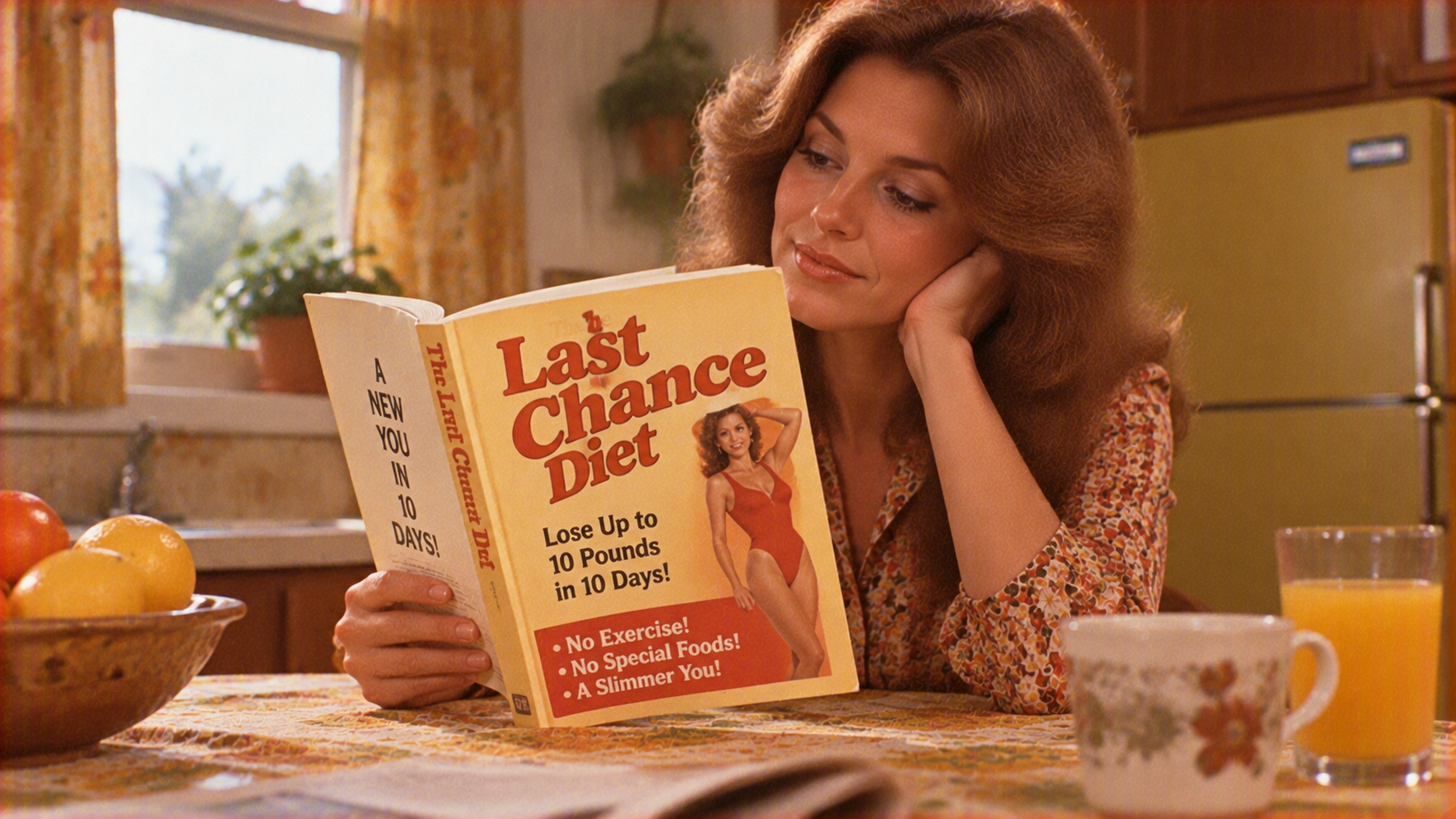
In 1976, Dr. Robert Linn introduced The Last Chance Diet, which encouraged followers to consume a liquid protein formula instead of ordinary meals. The approach attracted people desperate to lose weight quickly, and similar liquid protein diets became a national sensation. However, some formulas were nutritionally inadequate, and serious medical complications, including deaths associated with certain versions, eventually raised alarms. Modern doctors caution against extreme liquid diets without appropriate nutritional planning and medical supervision.
Trending on Wealth Gang


6. The Atkins Diet Craze
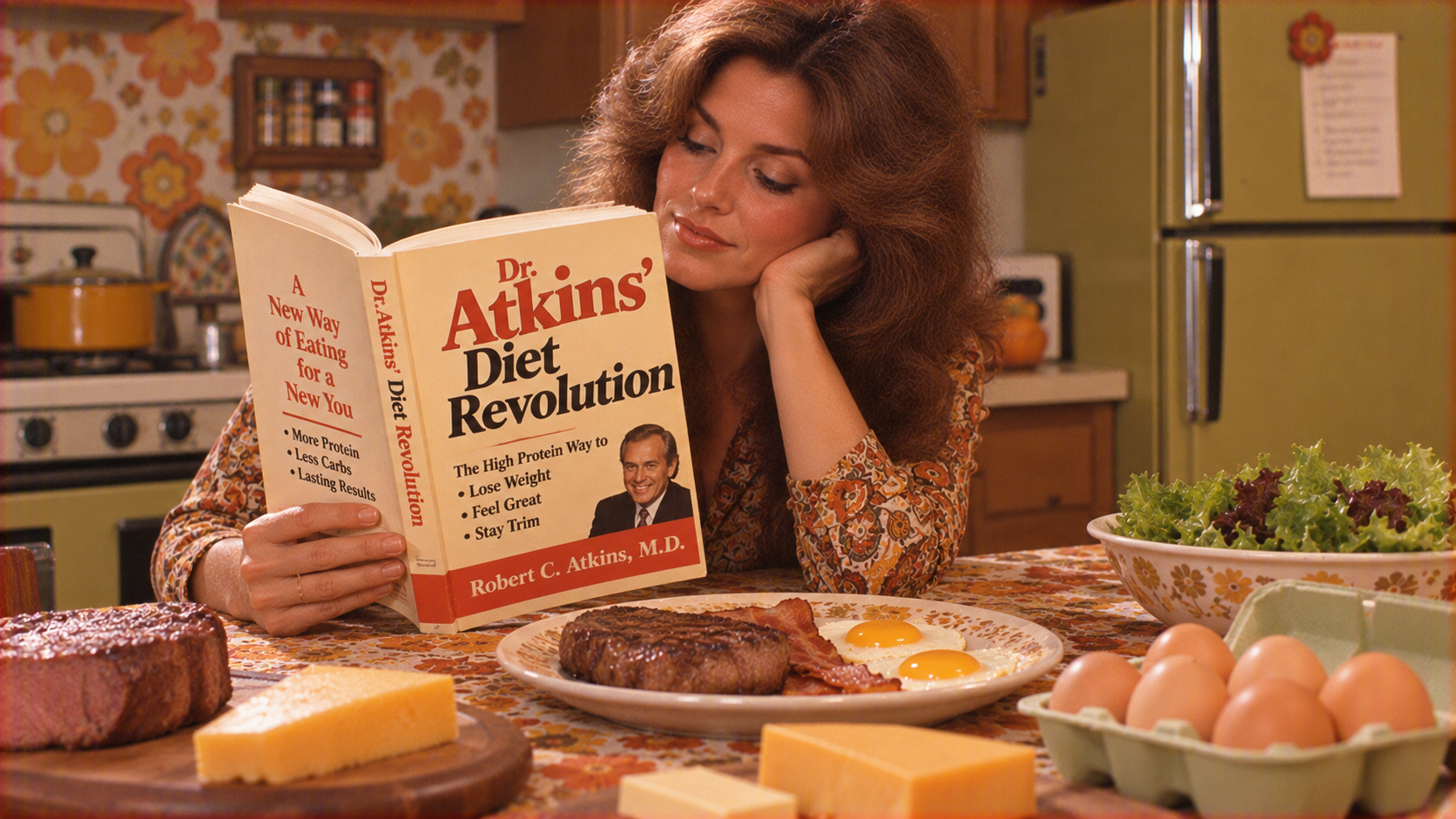
When Dr. Robert Atkins published Dr. Atkins’ Diet Revolution in 1972, Americans discovered a weight loss plan that seemed to turn traditional dieting upside down. Bread, potatoes, and pasta were suddenly the enemies, while bacon, steak, eggs, and butter could stay on the menu. For people tired of counting every calorie, the promise sounded almost too good to be true. Low-carbohydrate diets can help some people manage their weight, but doctors today would question versions that rely heavily on saturated fats and neglect fiber-rich vegetables, fruits, and whole grains.
7. Sweating Away Weight in Sauna Suits
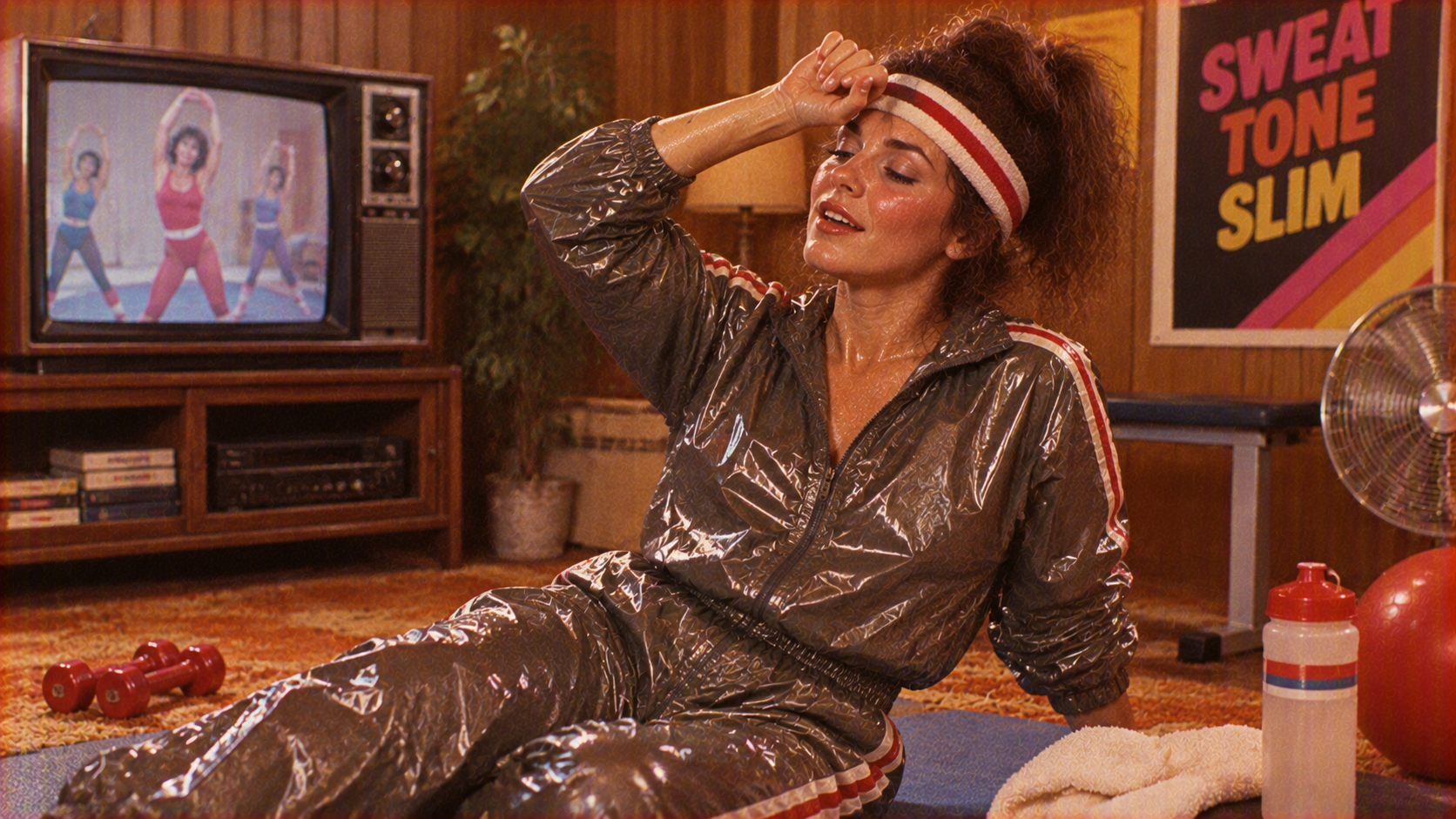
Plastic sauna suits became an attractive shortcut for people hoping to lose several pounds without changing their eating habits. Advertisements suggested that wrapping the body in heat-trapping material during exercise could help melt away unwanted fat. Stepping onto the bathroom scale after a sweaty session sometimes seemed to prove the theory. In reality, most of the immediate weight loss came from water, which returned after rehydration. Doctors now warn that exercising in these suits can increase the risk of dehydration, overheating, and heat-related illness.
8. The Scarsdale Medical Diet
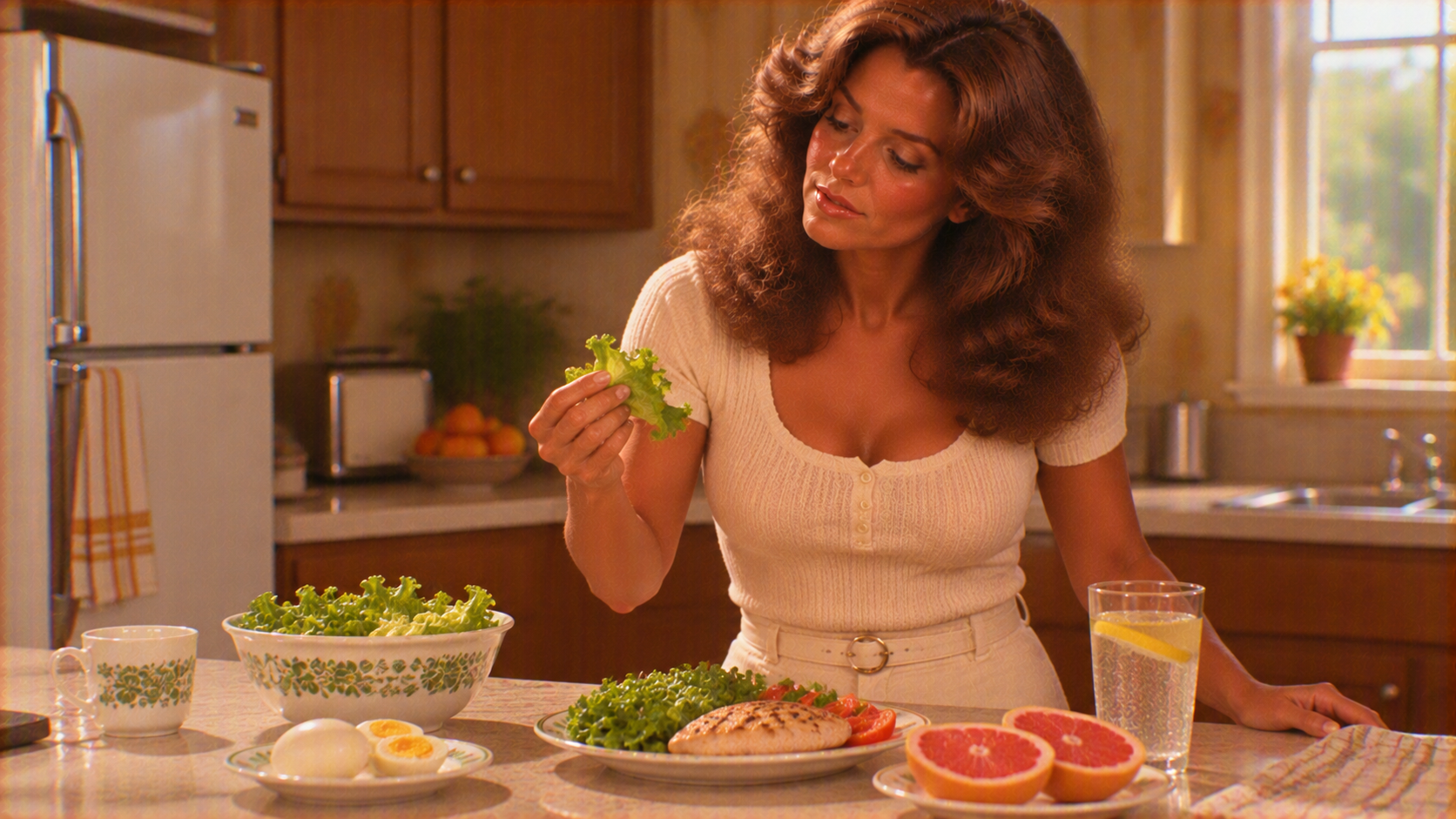
The Scarsdale Medical Diet gained attention in the late 1970s with its strict two-week meal plans and promises of dramatic weight loss. Breakfast might consist of grapefruit and toast, while lunches and dinners followed carefully prescribed combinations of lean meat, vegetables, and fruit. The diet’s rigid structure appealed to people who wanted clear instructions and fast results. However, its very low calorie intake and limited food choices would concern many modern doctors, particularly when followed repeatedly without professional guidance.
Sign up for our newsletter
9. Swallowing Kelp Tablets for Weight Loss
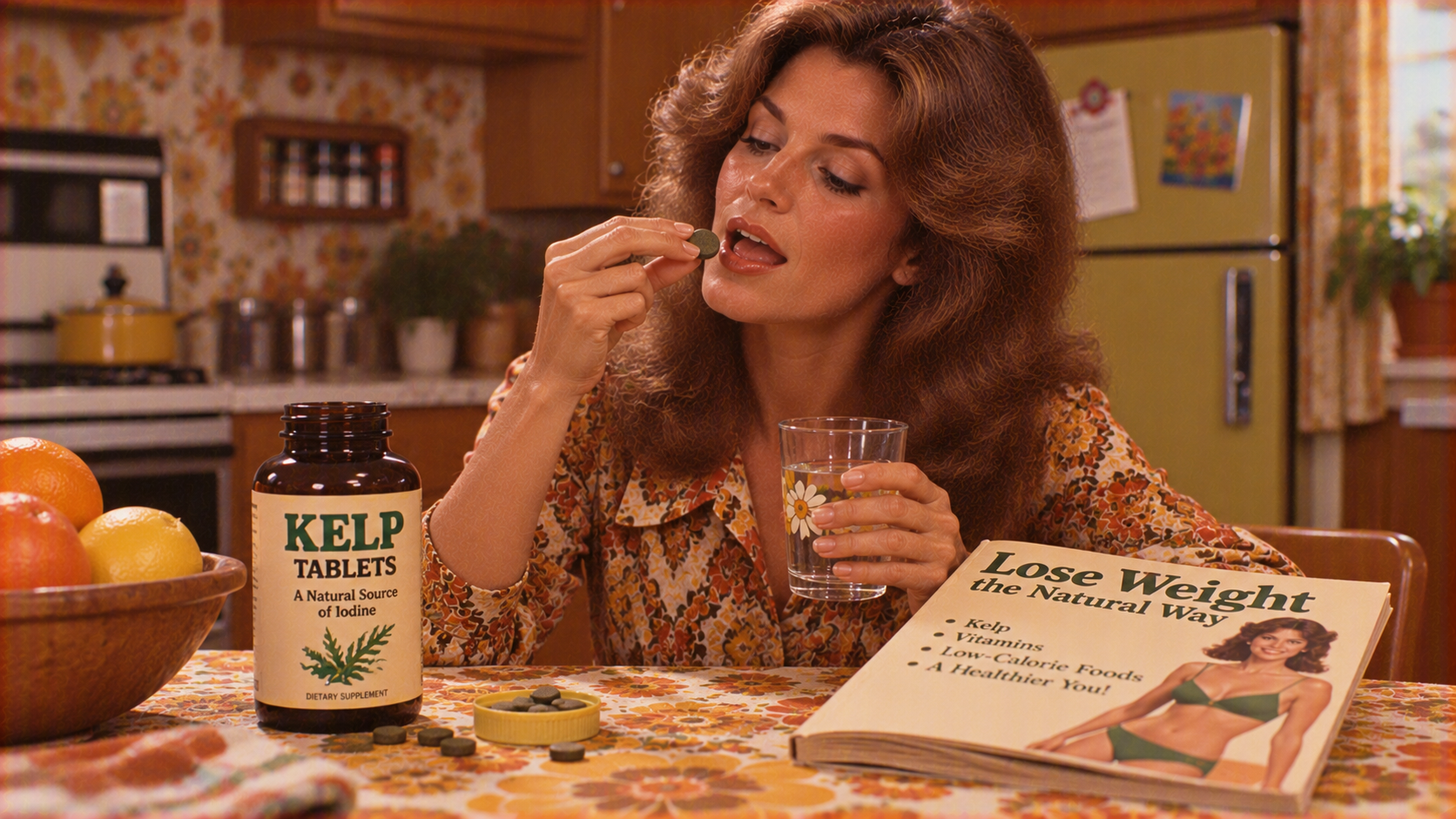
Health food stores in the 1970s offered shelves of supplements that promised to improve metabolism, and kelp tablets became one of the more curious choices. Because seaweed contains iodine, promoters suggested that taking kelp could stimulate the thyroid and encourage weight loss. The explanation sounded scientific enough to attract people searching for a natural solution. Doctors today know that excessive iodine can disrupt thyroid function, and kelp supplements are not a reliable or appropriate weight loss treatment.
10. The Macrobiotic Diet Taken to Extremes
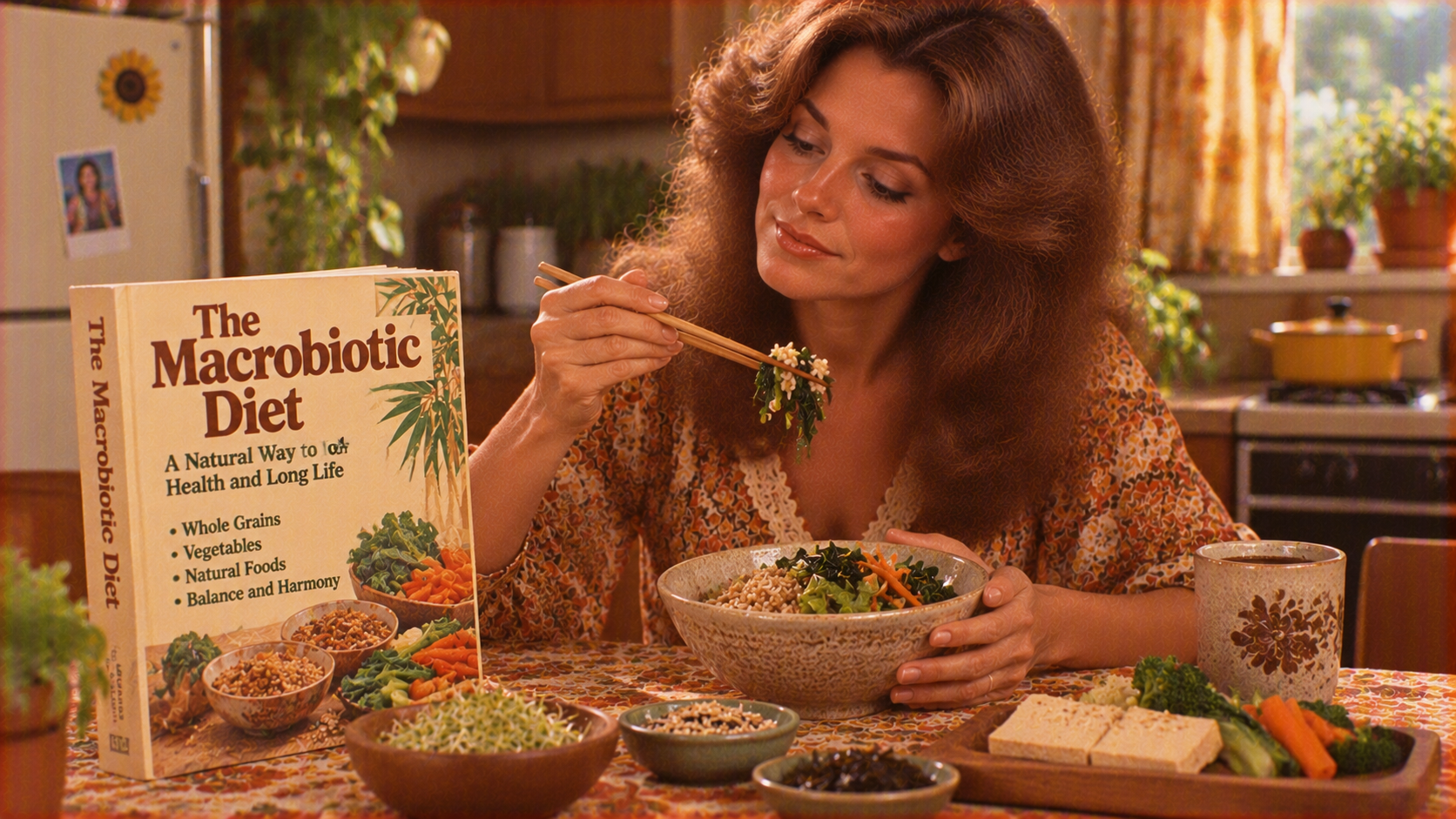
The macrobiotic movement attracted Americans interested in natural foods, Eastern philosophy, and a simpler way of living. Brown rice, whole grains, and vegetables became staples, while processed foods were discouraged. Some followers, however, adopted extremely restrictive versions that relied almost entirely on grains and eliminated important food groups. Although a balanced plant-based diet can be healthy, doctors would question the most severe macrobiotic plans because they can lead to deficiencies in vitamin B12, calcium, iron, and other essential nutrients.
11. Using Laxatives to Control Weight
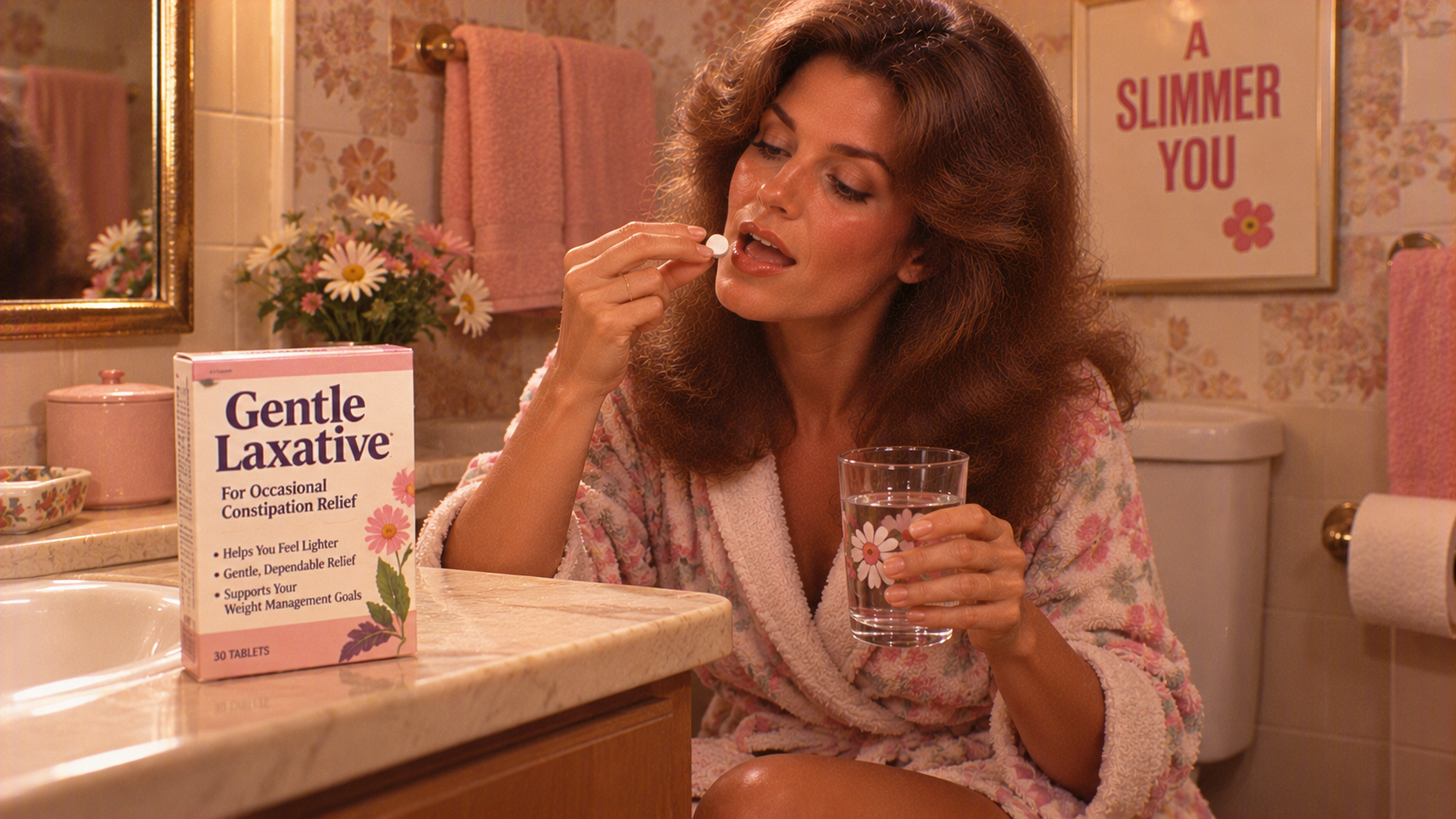
Dieting culture in the 1970s encouraged some people to view laxatives as a shortcut to a flatter stomach. Products designed to treat constipation were sometimes misused in hopes of preventing calories from being absorbed. The temporary change on the scale could create the illusion of progress, even though most calories had already been absorbed before laxatives took effect. Doctors now recognize that laxative misuse can cause dehydration, electrolyte imbalances, and serious digestive complications without producing meaningful fat loss.
12. Taking Vitamin E as an Anti-Aging Miracle

Vitamin E enjoyed a glowing reputation among some health enthusiasts who believed it could slow aging, protect the heart, and preserve youthful skin. Bottles of supplements appeared in medicine cabinets alongside other vitamins promoted as solutions to nearly every health concern. The idea of protecting the body from aging with a daily capsule was especially appealing. While vitamin E plays an important role in normal health, doctors today do not recommend high-dose supplementation for anti-aging, and excessive amounts can increase bleeding risks.
13. The Hollywood Cookie Diet

The late 1970s introduced a particularly memorable approach to weight loss: replacing ordinary meals with specially formulated cookies. The Cookie Diet, developed by Dr. Sanford Siegal, offered dieters a convenient way to control their calorie intake while still enjoying something that resembled a treat. It sounded much more appealing than another plate of plain vegetables. However, doctors today would question relying on cookies as major meal replacements, especially when overall calorie intake becomes too low, or the diet lacks sufficient nutritional variety.
14. The Popularity of Colon Cleansing
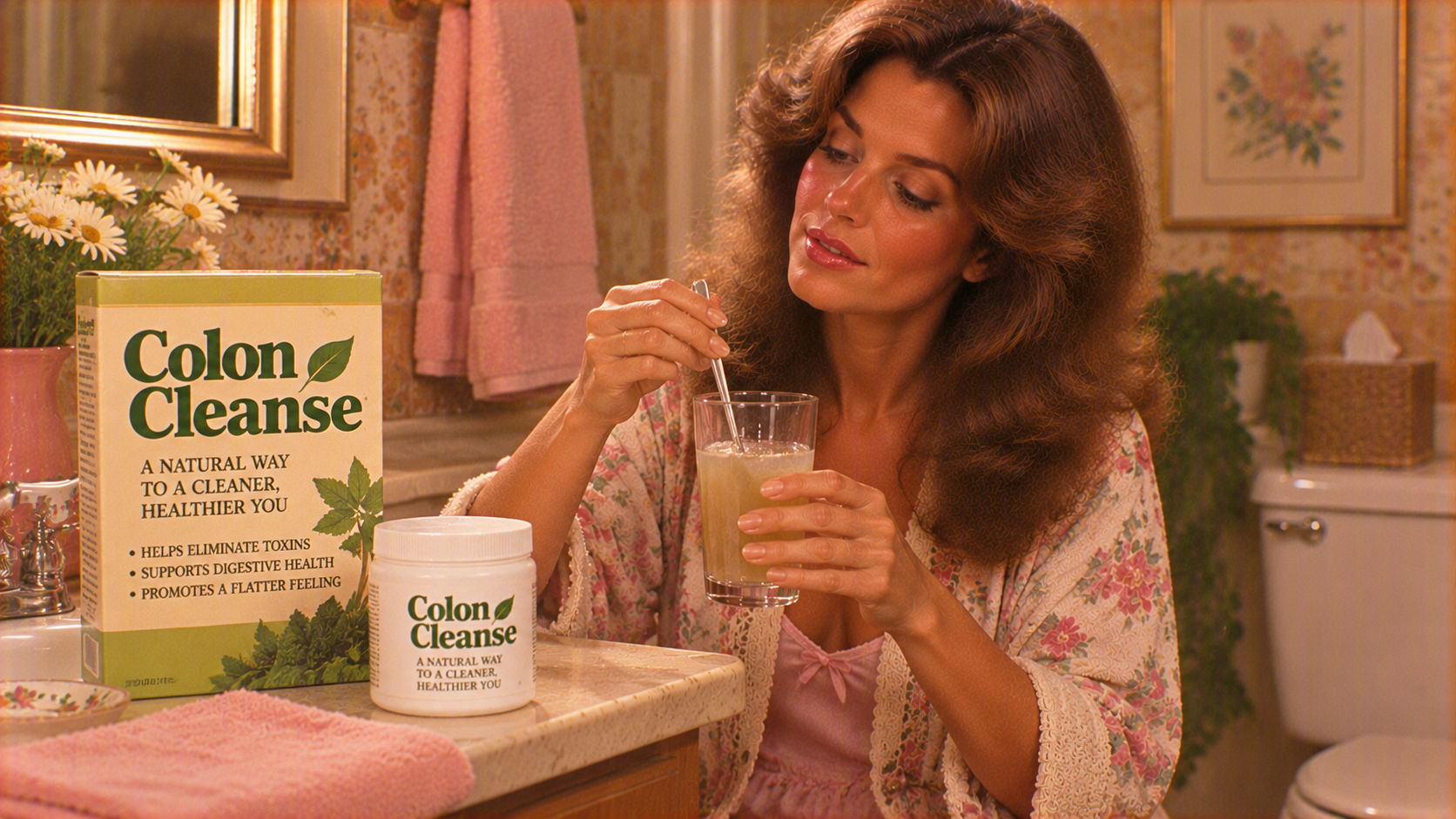
Alternative health enthusiasts promoted intestinal cleansing as a way to remove supposedly harmful waste that had accumulated inside the body. Some treatments involved enemas or colon irrigation, while others relied on special cleansing routines. The promise of feeling lighter, healthier, and more energetic attracted people interested in natural healing. Modern doctors point out that the digestive system already eliminates waste through normal bodily processes. Unnecessary colon cleansing offers no established general health benefit and can sometimes cause dehydration, infections, or bowel injuries.
15. Eating Only Raw Foods for Better Health
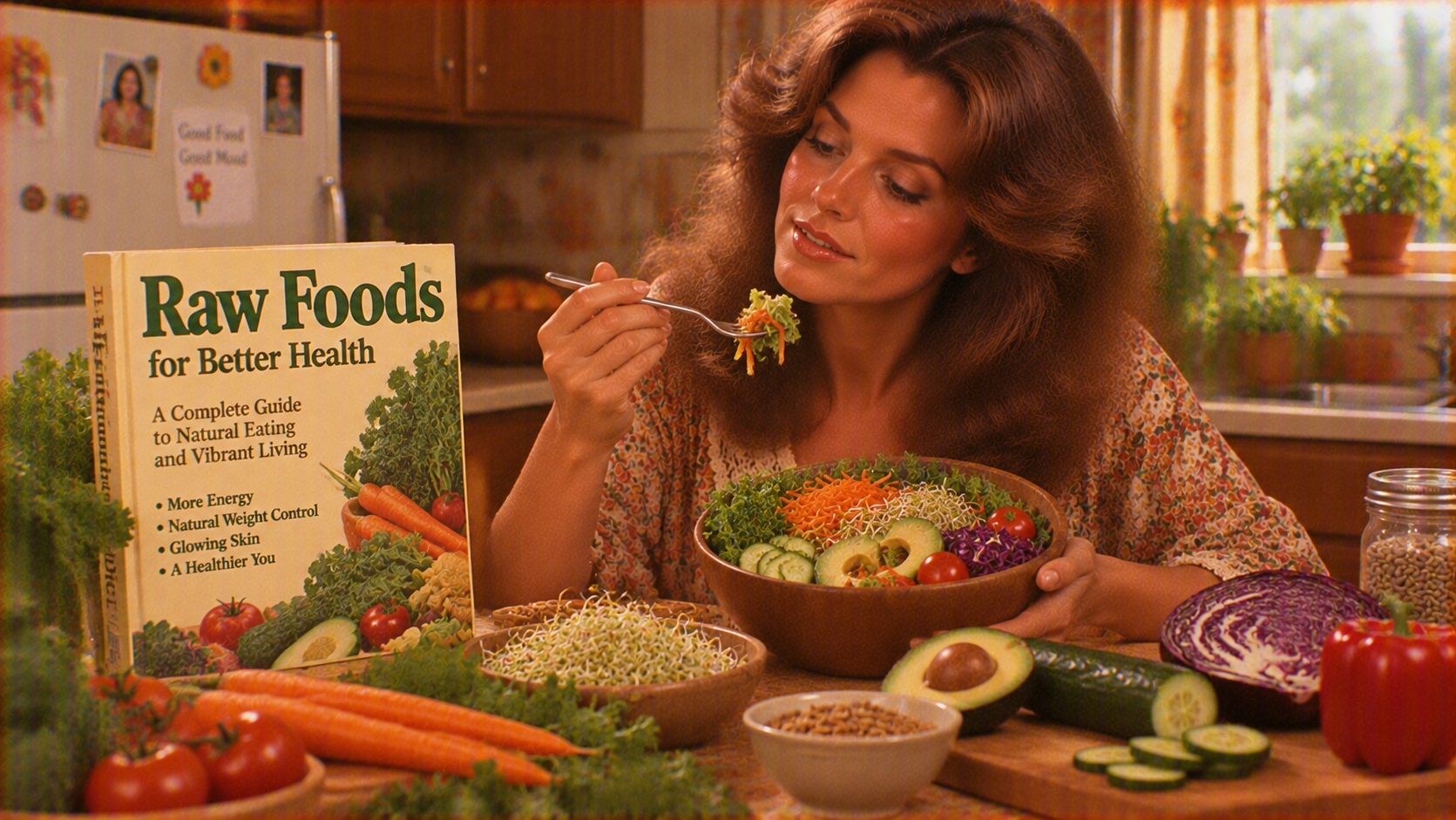
Raw food enthusiasts believed that cooking destroyed the natural vitality of food, leading some followers to avoid nearly anything that had been heated. Plates filled with uncooked vegetables, fruits, nuts, and sprouts became symbols of a return to nature. Although eating fresh produce is beneficial, the belief that all cooked foods are less nutritious does not hold up. Cooking actually improves the availability of certain nutrients and makes some foods safer to eat. Doctors would also question highly restrictive raw diets that fail to provide adequate calories or essential nutrients.
16. The HCG Weight Loss Diet
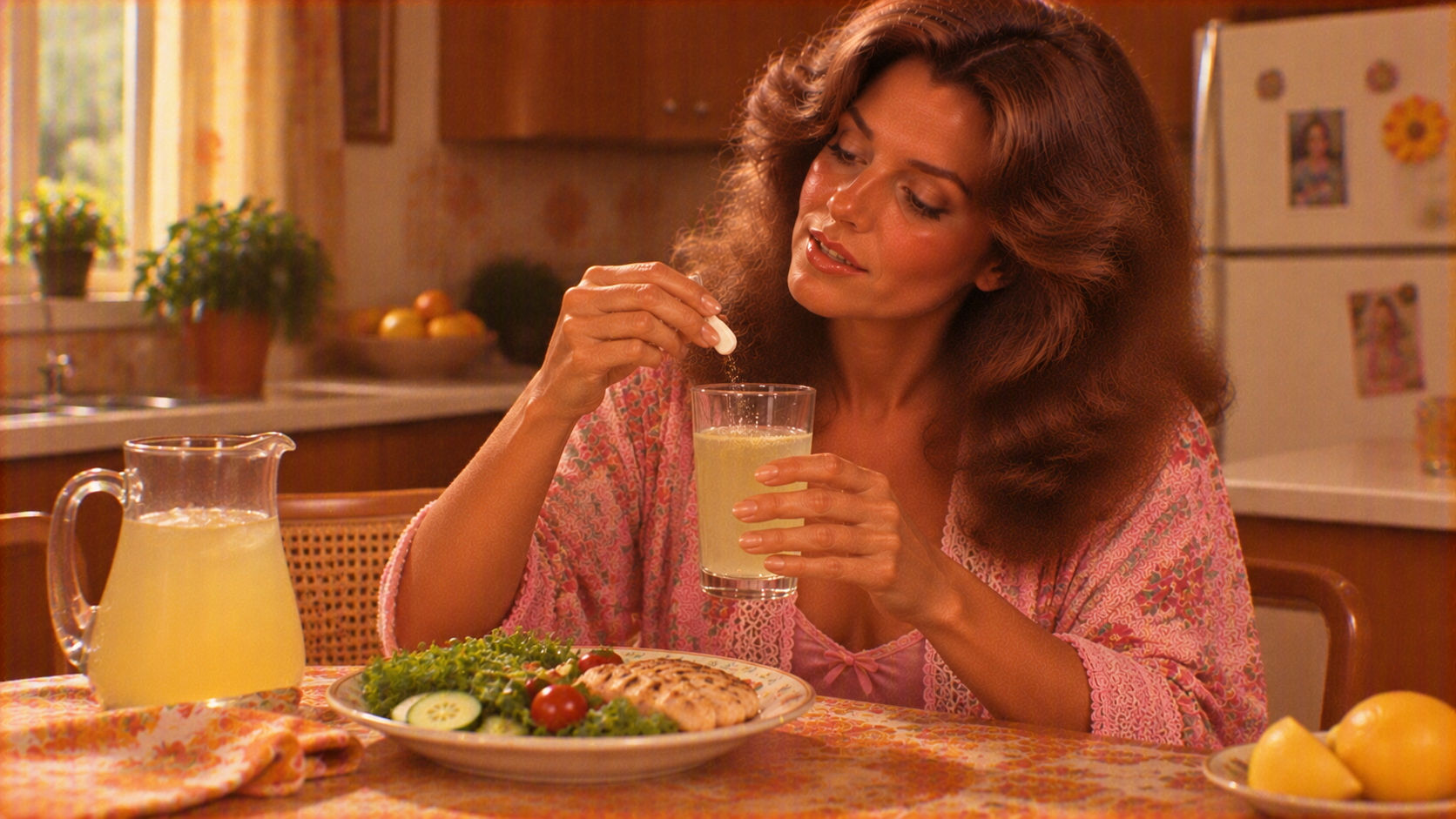
The HCG diet, which had emerged earlier, continued attracting attention among people searching for dramatic weight loss during the 1970s. It combined injections of human chorionic gonadotropin, a hormone associated with pregnancy, with an extremely low-calorie eating plan. Supporters claimed the hormone helped the body burn stored fat while reducing hunger. Scientific evidence has not demonstrated that HCG improves weight loss beyond the effects of calorie restriction. Doctors today warn that these diets can be dangerous, especially when daily food intake drops to extremely low levels.
17. Using Diet Pills for a Quick Fix
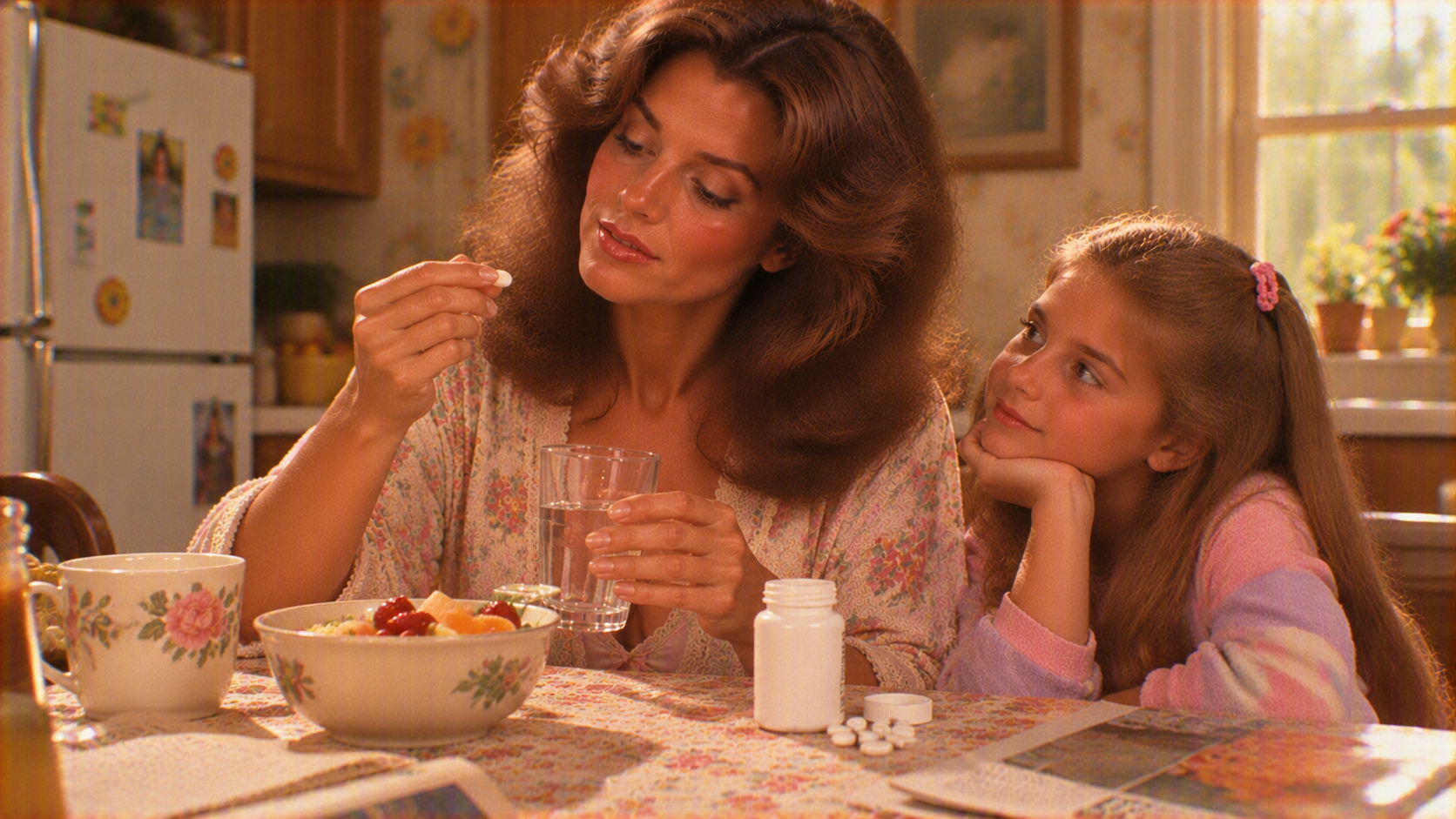
Before wellness influencers filled social media feeds, magazine advertisements and word of mouth helped spread the appeal of diet pills. Some products promised to suppress appetite, increase energy, or make unwanted pounds disappear with little effort. Prescription stimulants and various over-the-counter preparations became part of the broader weight loss culture. Although certain medications have legitimate medical uses, doctors today would question the casual use of stimulants and poorly studied slimming products because of potential heart problems, dependence, sleep disturbances, and other serious side effects.
More Related Notes
• 16 Wellness Habits From the Past That Experts Would Question Today
Revisit the everyday health routines that once seemed like common sense, from strict dieting rules to questionable beauty practices, and discover why modern medical advice has changed.
• 15 Fitness Trends Americans Couldn’t Get Enough of in the 1970s and 1980s
Take a nostalgic look at the fitness crazes that swept across America, from Jazzercise and aerobics classes to home workout videos and exercise machines that promised a healthier lifestyle.
• 15 Things Once Considered Healthy That No Longer Are
Explore the foods, diet trends, and everyday health choices that generations trusted before new research revealed a more complicated picture of what healthy living really means.