In the 1970s, many products that now feel like basic household purchases were expensive enough to signal that a family was doing well financially. New technology, imported goods, and convenience products often carried premium prices, while some appliances were still far from universal.
Decades of mass production, global supply chains, and technological advances changed that equation. Items once associated with affluent households gradually became affordable enough for the average consumer. Here are 15 purchases that felt luxurious in the 1970s but barely raise an eyebrow today.
1. Color Televisions
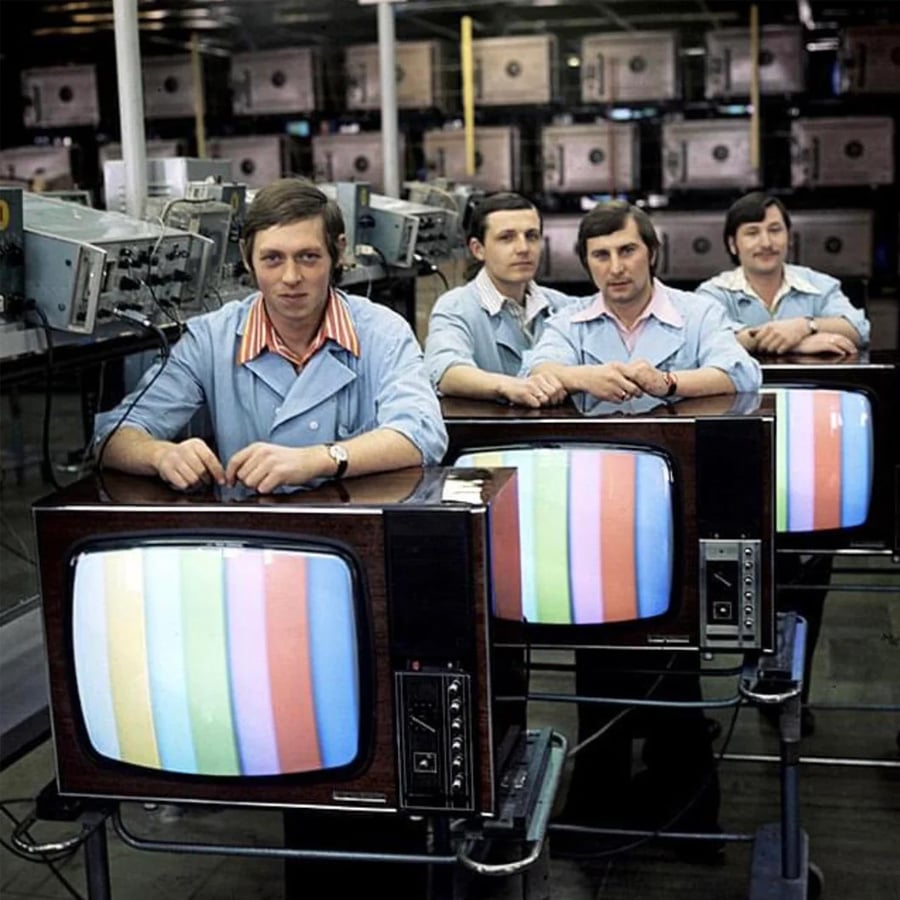
Color TV ownership expanded rapidly during the 1970s, but buying a new set could still represent a significant household expense. Large consoles were often treated almost like furniture and placed prominently in the living room. Today, even enormous high-definition televisions can be relatively affordable compared with what families once spent on a single color set.
2. Air Conditioning
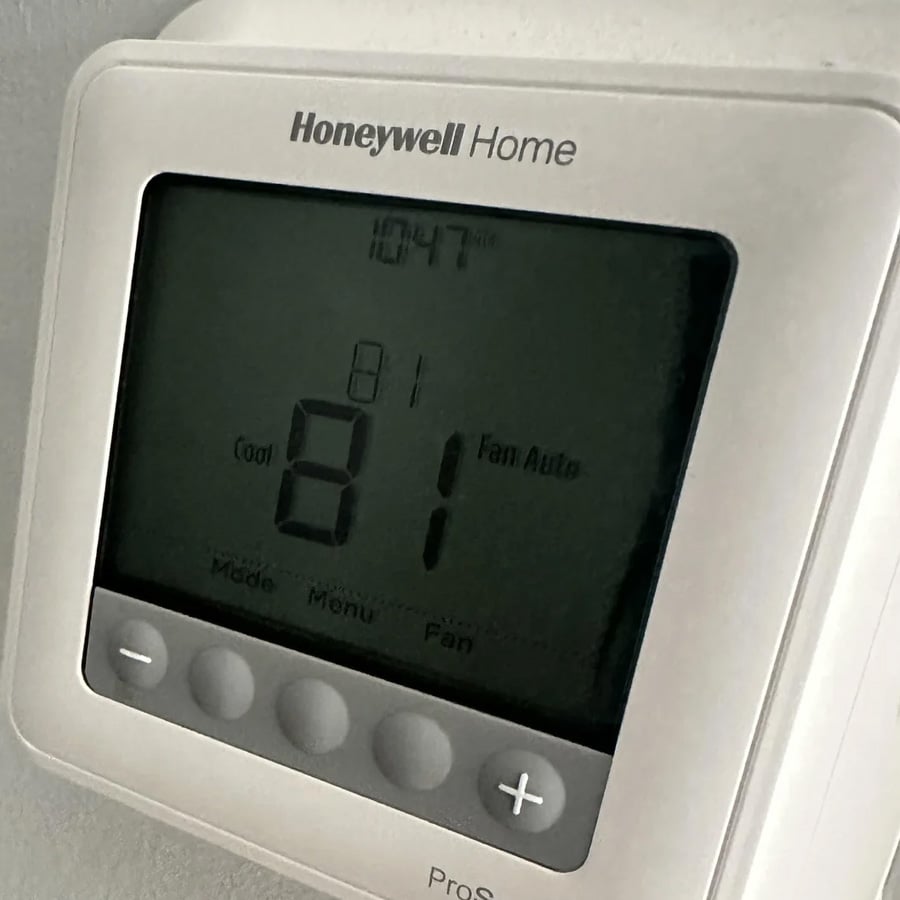
Central air conditioning was far less common in American homes than it is today, particularly outside the hottest parts of the country. Installing a system could be a major upgrade associated with newer or more expensive homes. Today, air conditioning is considered a standard expectation across much of the United States.
3. Automatic Dishwashers
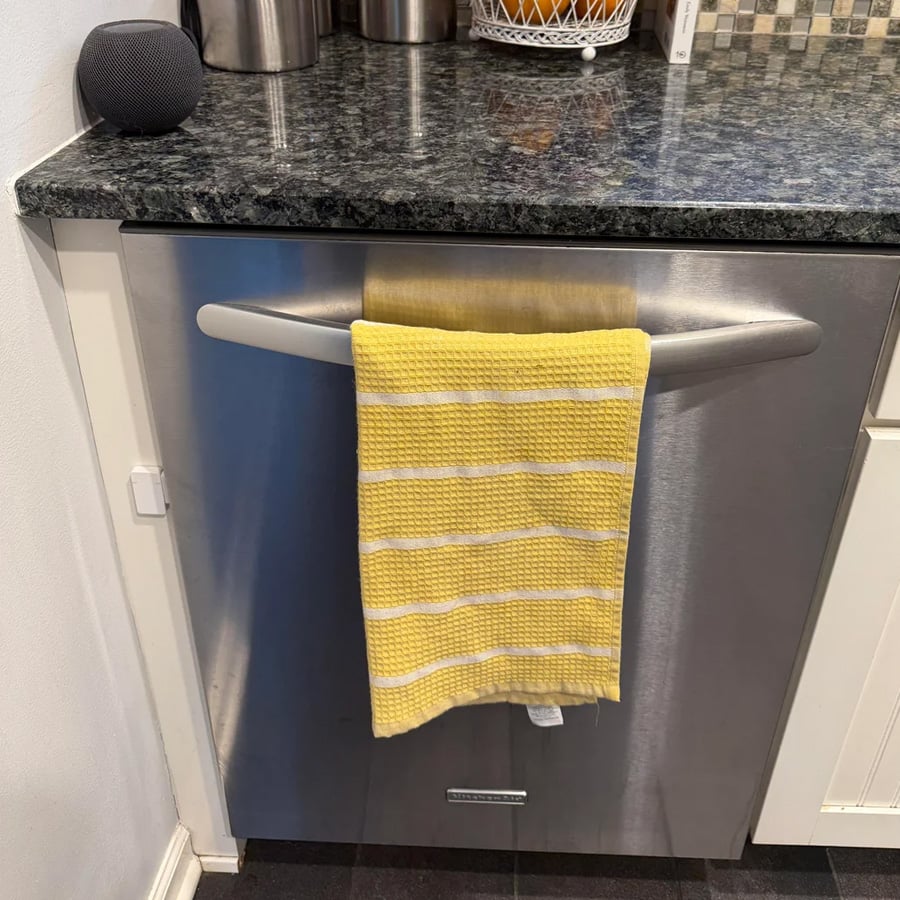
A dishwasher was a convenience many households could live without in the 1970s. Having one meant spending extra on both the appliance and, in some cases, the kitchen modifications needed to accommodate it. Modern dishwashers are now standard equipment in countless apartments and houses.
4. Microwave Ovens
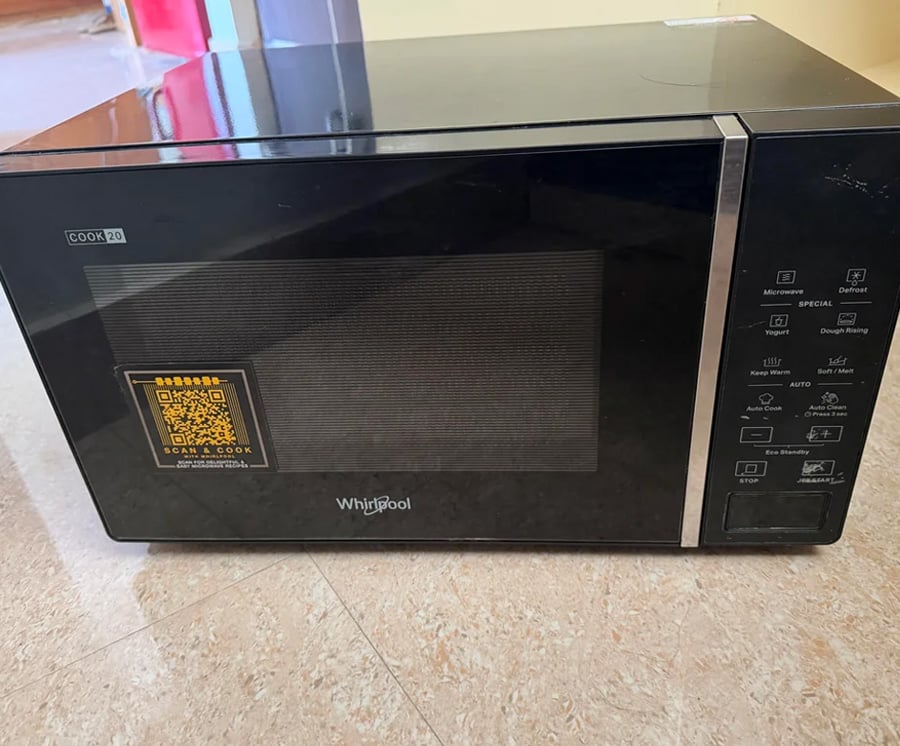
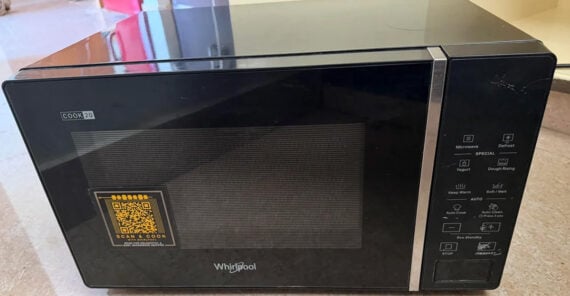
Early countertop microwave ovens were expensive enough to attract attention when they began appearing in kitchens during the 1970s. They promised futuristic convenience but remained beyond the budget of many families. Today, basic microwaves are inexpensive appliances found in homes, offices, dorm rooms, and break rooms.
5. Multiple Televisions
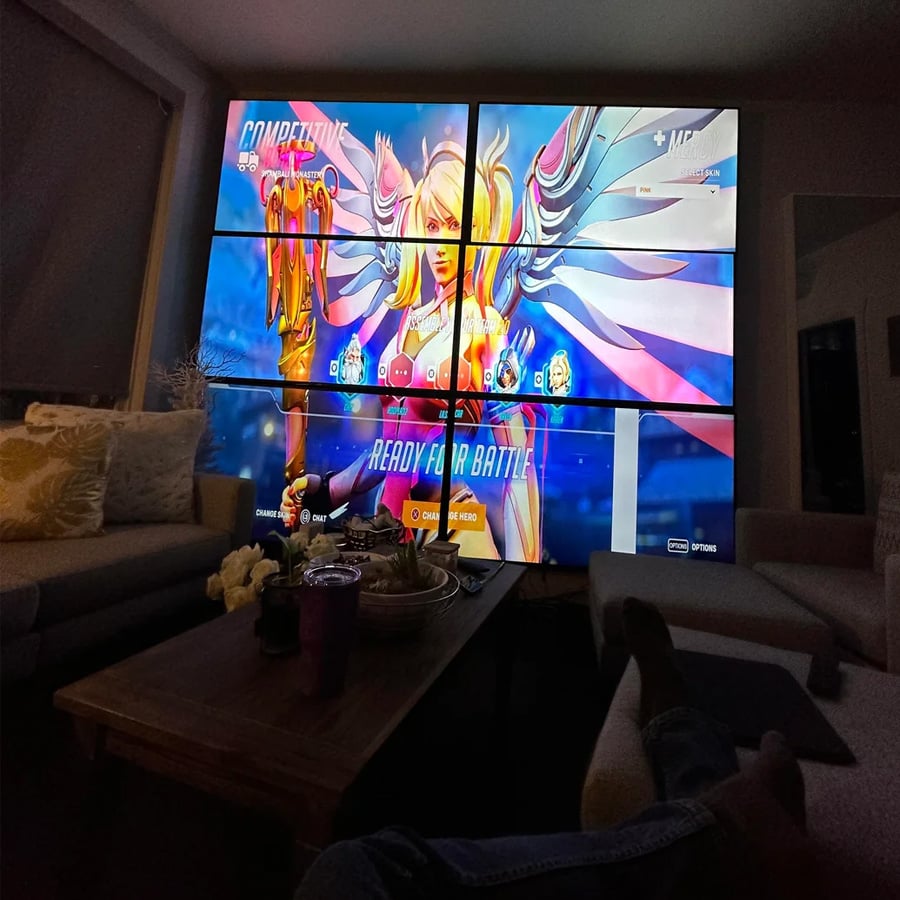
Owning one television was normal, but having several scattered throughout the house was another matter. A second set in the bedroom, kitchen, or basement suggested a household had money to spend on entertainment. Multiple screens are now so ordinary that many homes have more televisions than residents.
Trending on Wealth Gang


6. A Second Car

Two-car households certainly existed in the 1970s, but an additional vehicle could still be viewed as a sign of growing middle-class prosperity. Many families organized their schedules around a single automobile. Today, households with two or more vehicles are common, especially in areas where commuting by car is necessary.
7. Home Stereo Systems
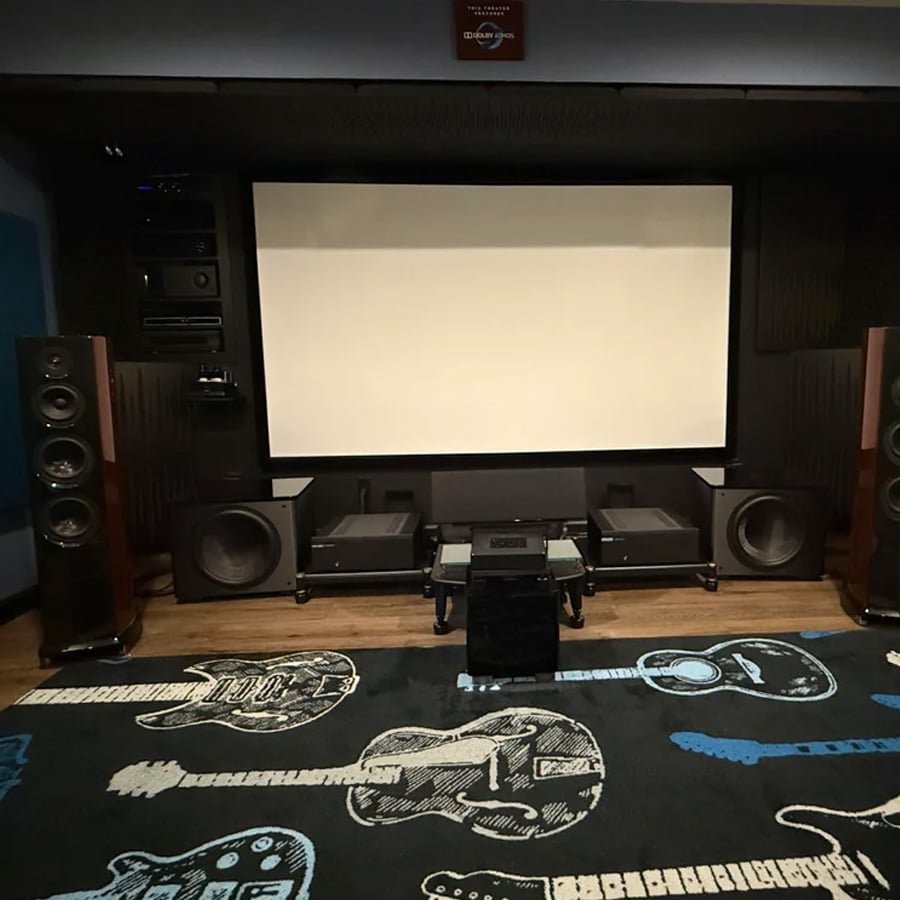
A serious stereo setup with a receiver, turntable, amplifier, and quality speakers could become an expensive hobby. Audiophiles proudly displayed elaborate systems that were as much status symbols as entertainment equipment. Modern consumers can access huge music libraries through inexpensive speakers, headphones, and smartphones.
8. Long-Distance Phone Calls

Calling relatives or friends in another state was something people often planned around because long-distance charges could add up quickly. Families sometimes waited for cheaper evening or weekend rates before making lengthy calls. Unlimited nationwide calling is now routinely included in mobile phone plans.
Sign up for our newsletter
9. Airline Travel

Commercial flying was becoming more accessible by the 1970s, but it still retained much of its upscale reputation. Passengers often dressed for the occasion, and taking a family vacation by plane could represent a substantial expense. Discount airlines and intense competition eventually made flying a much more routine form of transportation.
10. International Vacations

Traveling overseas was an aspirational experience for many middle-class American families. Airfare, accommodations, and the logistics of arranging an international trip made it considerably less casual than a domestic road trip. Today, international travel remains expensive, but affordable flights, online booking, and budget accommodations have made it accessible to a much broader audience.
11. Electronic Calculators
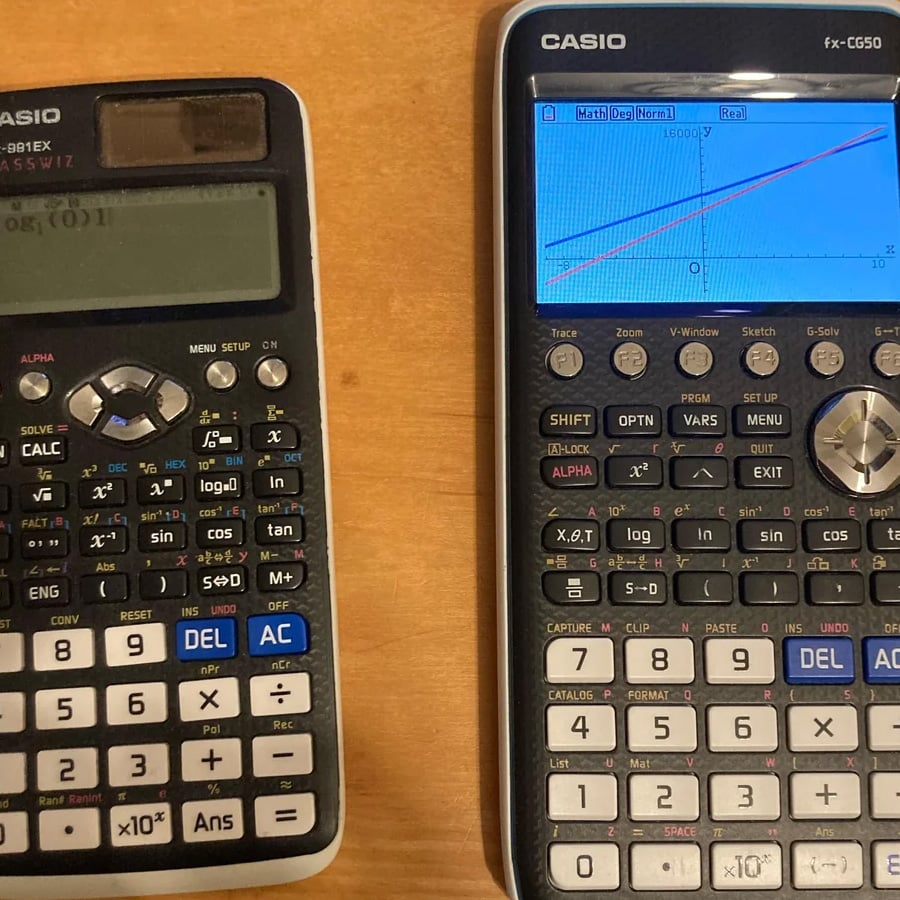
Pocket calculators were impressive pieces of technology in the early 1970s, and some models initially cost enough to make buyers think carefully before purchasing one. Prices fell dramatically as electronics manufacturing improved. Today, basic calculators cost very little, while every smartphone includes one automatically.
12. Automatic Garage Door Openers
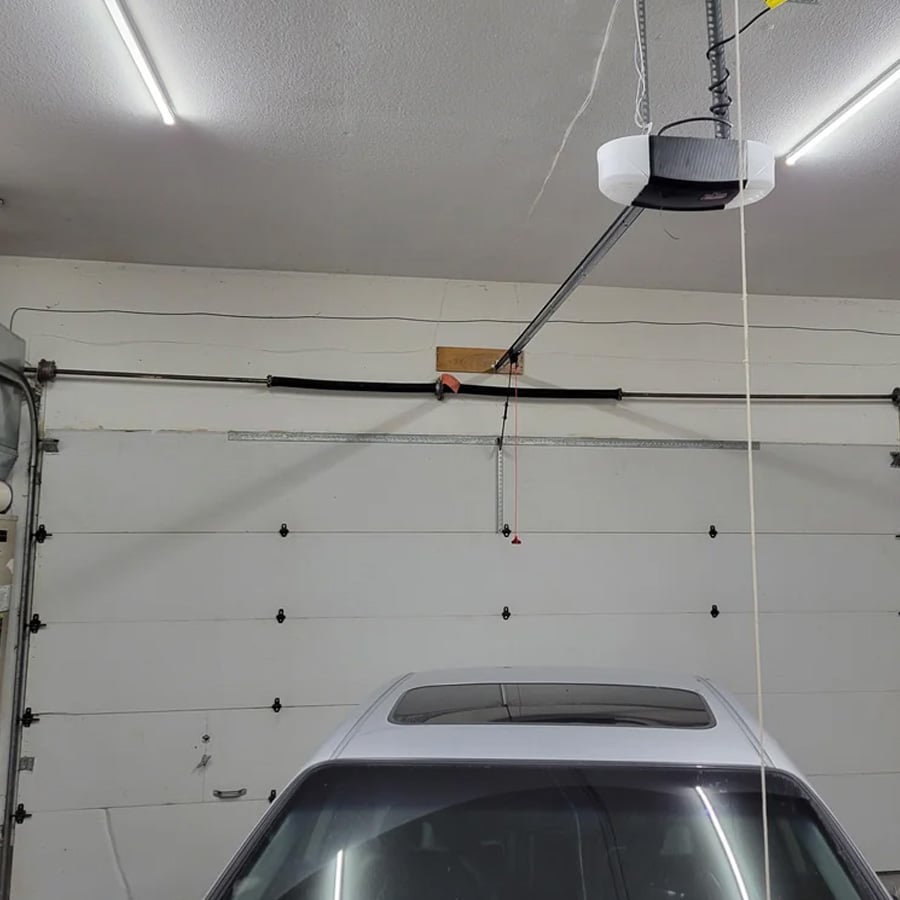
Pressing a button from inside the car and watching the garage door rise once felt like a distinctly upscale convenience. Many homeowners still opened heavy garage doors manually. Automatic openers are now such a routine feature that a home without one can feel unusually old-fashioned.
13. Clothes Dryers
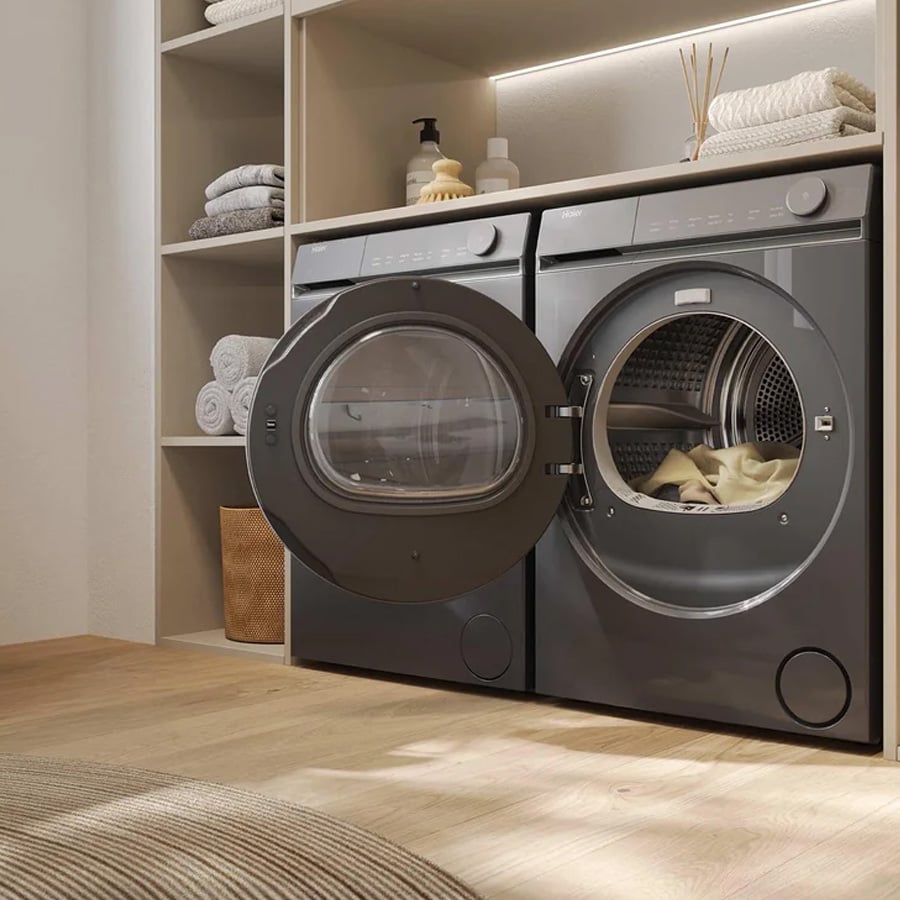
Electric and gas dryers were already well established by the 1970s, but they were not universal, and some households continued relying heavily on clotheslines. Having both a washing machine and a dedicated dryer offered significant convenience. Today, washer-and-dryer setups are expected in many American households and apartment buildings.
14. Imported Foods

Imported cheeses, specialty coffee, European chocolates, olive oils, and other international foods were harder to find in ordinary supermarkets. They were often purchased at specialty stores and carried premium prices. Modern grocery chains now routinely dedicate entire aisles to products from around the world.
15. Remote-Controlled Televisions
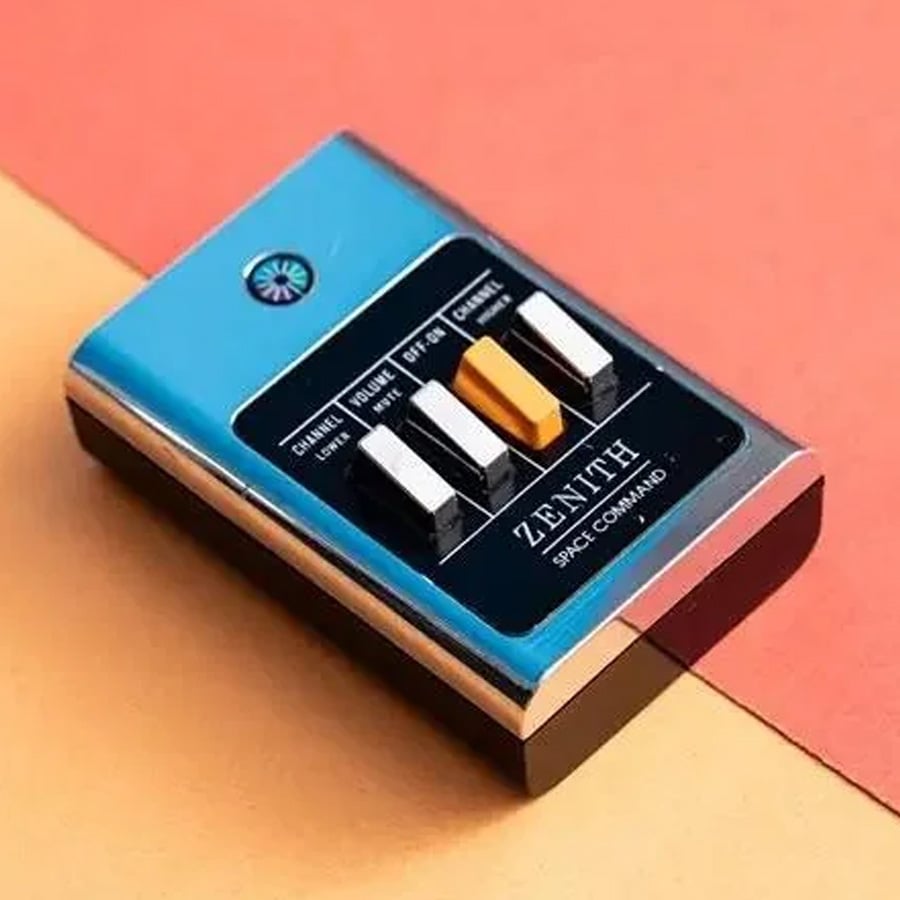
Changing channels without getting off the couch was once a feature worth showing off. Remote controls existed before the 1970s, but they were hardly the universal accessory they would later become. Today, a television without a remote would seem incomplete, and many TVs can even be controlled through phones or voice commands.
More Related Notes
• 15 Everyday Products That Were Once Considered Luxuries.
Explore familiar products that were once expensive status symbols before technology, mass production, and changing lifestyles made them commonplace.
• 16 Household Items That Were Luxury Purchases 100 Years Ago.
Discover household goods that once represented serious investments, showing how dramatically affordability and consumer expectations have changed across generations.
• 15 Photos That Show What Life Was Really Like in the 1970s.
Take a nostalgic look at everyday life during the 1970s, from household technology and consumer habits to the products that defined the decade.