Everyday conveniences have made life so much easier that it’s easy to forget how much effort ordinary tasks once required. A load of laundry, a trip to the bank, or even making a phone call could involve hours of work, careful planning, or help from another person. Things we accomplish with a button or a quick tap today were once considered remarkable technological achievements.
Some of these innovations arrived earlier than most people realize, but it took decades for them to become affordable and widely available. Others completely transformed the way American families cooked, cleaned, traveled, and communicated. These 20 conveniences show just how different daily life looked before the technology we now take for granted.
1. Refrigerators Made Daily Ice Deliveries Unnecessary
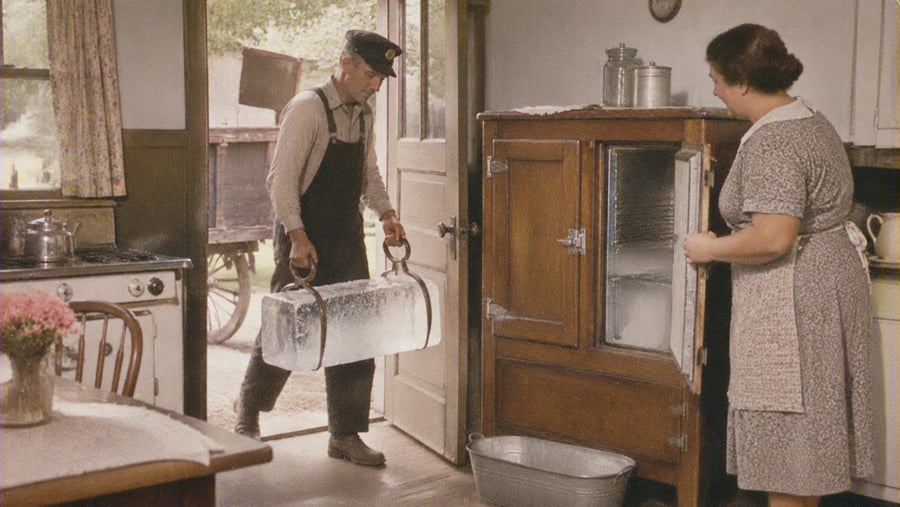
Before electric refrigerators became common, keeping food cold meant depending on a wooden icebox and regular visits from the iceman. Families placed cards in their windows indicating whether they needed 25, 50, 75, or 100 pounds of ice. Someone then had to carry the heavy block inside and fit it into the cabinet, where it slowly melted. By 1960, refrigerators had reached nearly every American household. The idea of keeping milk, meat, and leftovers cold without scheduling an ice delivery would have seemed like an extraordinary luxury to earlier generations.
2. Washing Machines Eliminated Hours of Scrubbing Clothes
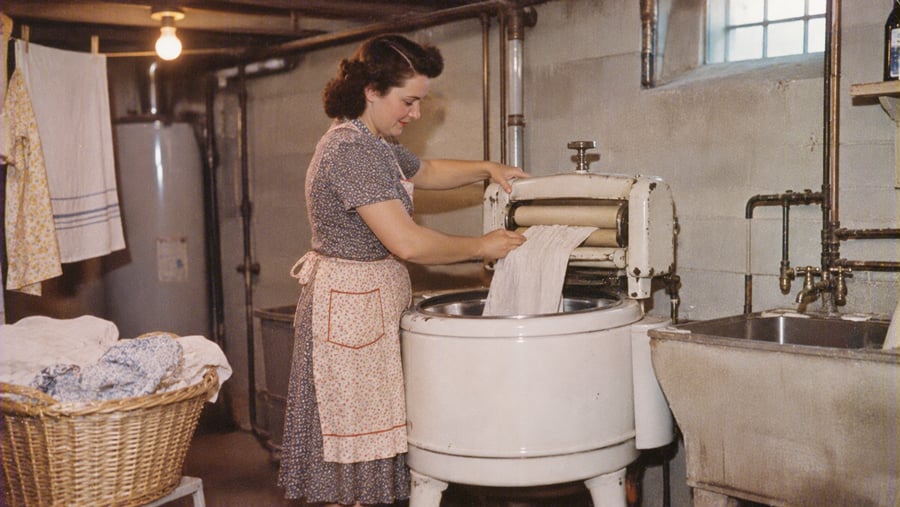
Laundry day once involved soaking clothes in large tubs, scrubbing stubborn stains against washboards, and squeezing water from heavy fabrics by hand. Early motor-driven washing machines, including a Maytag design developed in 1911, could wash a tub of clothes in minutes, although rinsing and wringing still required additional work. Fully automatic machines eventually combined these steps into one cycle. For families accustomed to spending much of the day doing laundry, being able to load a machine and walk away would have sounded almost unbelievable.
3. Dishwashers Saved People From Washing Every Plate by Hand
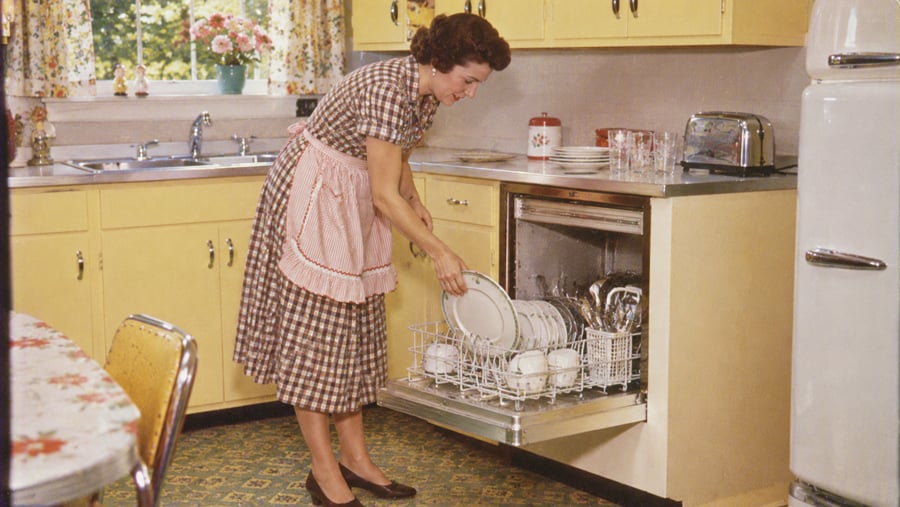
Josephine Cochrane’s dishwasher wasn’t just about saving time. She also wanted to prevent delicate dinnerware from getting chipped during handwashing. Her practical machine, patented in 1886, held dishes in specially designed racks while pressurized water cleaned them. Hotels and restaurants adopted the invention long before it became a common household appliance. Dishwashers only gained widespread popularity in American homes during the mid-twentieth century. For anyone who spent every evening scrubbing pots, plates, and glasses, the idea of a machine doing the job must have seemed wonderfully futuristic.
4. Microwave Ovens Turned Military Technology Into Fast Meals
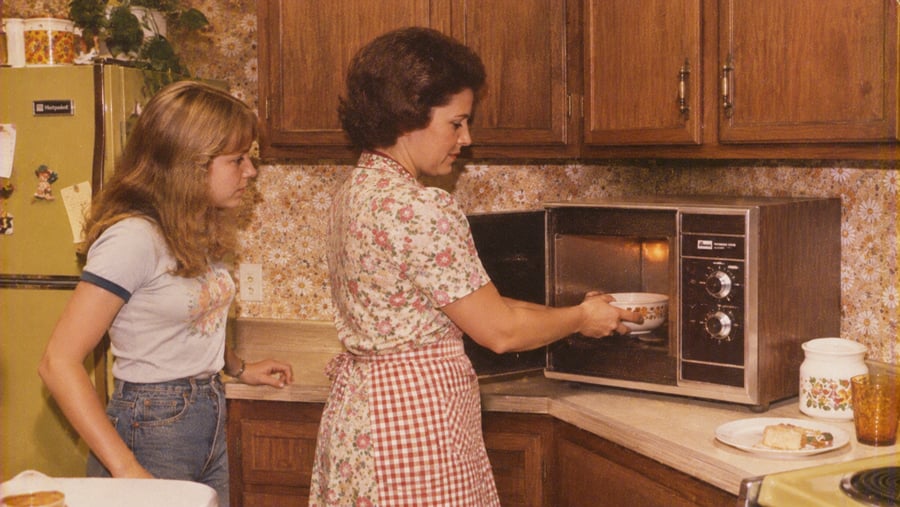
The technology behind the microwave oven emerged from radar research during World War II. In 1945, Raytheon engineer Percy Spencer noticed that microwaves could heat food, eventually leading to commercial ovens that looked more like industrial cabinets than kitchen appliances. Some early models stood around six feet tall, weighed roughly 750 pounds, and cost thousands of dollars. Today, reheating leftovers takes only a minute or two in a compact countertop machine. That kind of convenience would have amazed families who relied entirely on conventional ovens and stovetops.
5. Air Conditioning Started With a Printing Problem
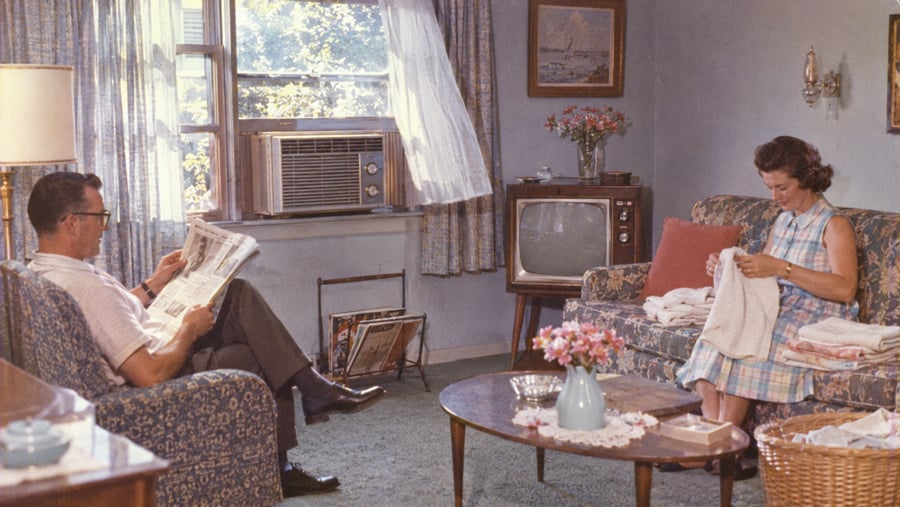
Modern air conditioning owes part of its history to a problem involving paper rather than personal comfort. In 1902, Willis Carrier developed a system to control humidity at a Brooklyn printing company, where moisture was interfering with production. The technology eventually spread to commercial buildings and later private homes, although early residential units were expensive. Generations who endured humid summers with open windows, electric fans, and shaded porches would have been amazed by the ability to cool an entire room with a simple adjustment.
Trending on Wealth Gang


6. Vacuum Cleaners Replaced the Exhausting Job of Beating Rugs
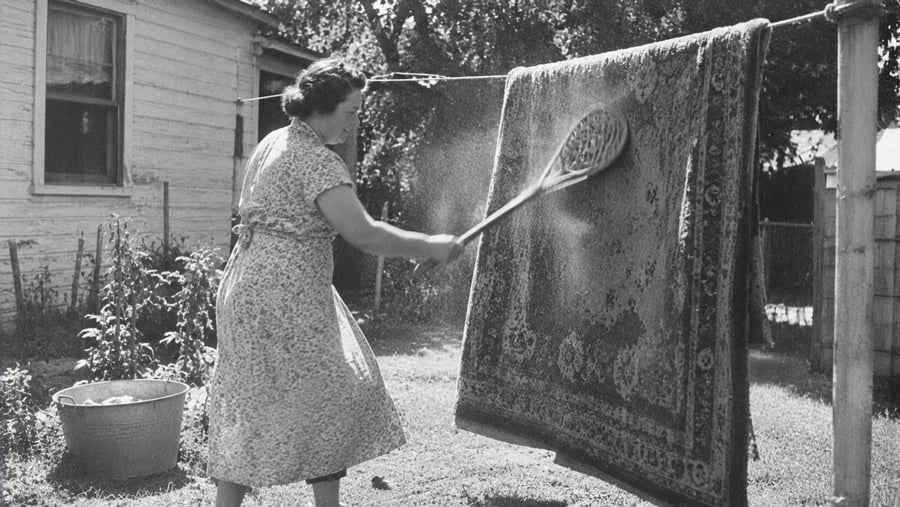
Cleaning a carpet once meant more than running a vacuum across the floor. Families often carried heavy rugs outside, hung them over a railing or clothesline, and beat them to remove accumulated dust. Even early vacuum cleaners required considerable effort, with some models using hand-operated pumps to create suction. Electric vacuums eventually made routine cleaning much easier, although they also encouraged households to expect cleaner floors more often. The convenience of removing dirt without dragging furniture and rugs outdoors would have been a major improvement.
7. ATMs Made Cash Available After Banking Hours
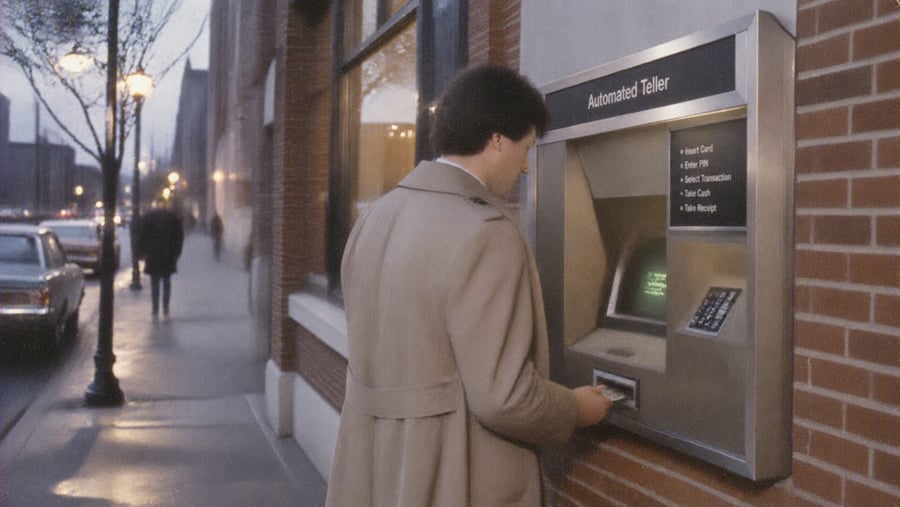
Getting cash used to require planning around the bank’s schedule. If the branch closed before someone finished work, they might have to wait until the next business day to withdraw money. In September 1969, Chemical Bank introduced an automated cash machine in Rockville Centre, New York, marking an important moment in American banking. ATMs became increasingly familiar during the following decades, allowing customers to access cash without standing in line for a teller. Being able to withdraw money late at night or on a weekend was a remarkable change.
8. Barcode Scanners Made Grocery Checkout Much Faster
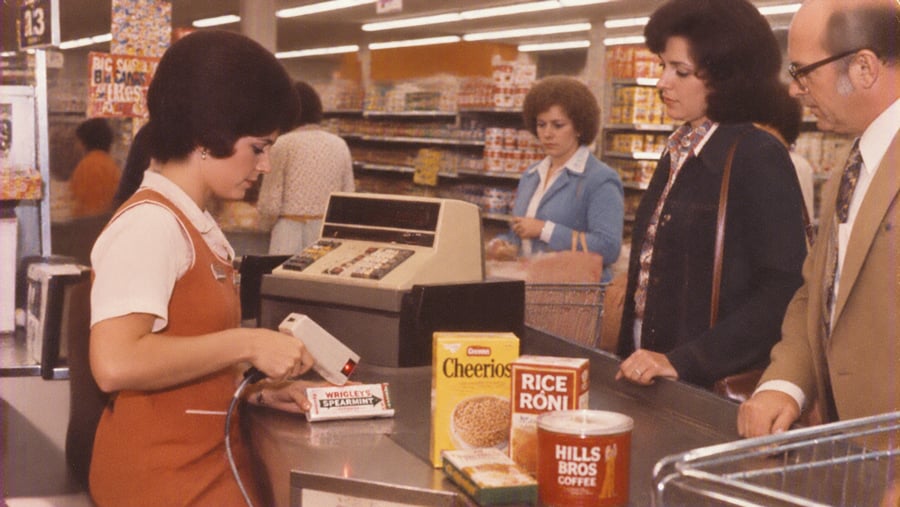
Before barcode scanners, supermarket cashiers often had to enter prices manually, reading labels or memorizing the cost of common items. That began to change on June 26, 1974, when a package of Wrigley’s chewing gum became the first grocery product scanned using a Universal Product Code at a supermarket in Troy, Ohio. The new system helped speed up checkout and made inventory tracking more efficient. Today, customers can scan their own groceries and pay without a cashier, a development that would have seemed extraordinary to shoppers waiting in long checkout lines decades ago.
Sign up for our newsletter
9. GPS Navigation Made Getting Lost Much Less Common
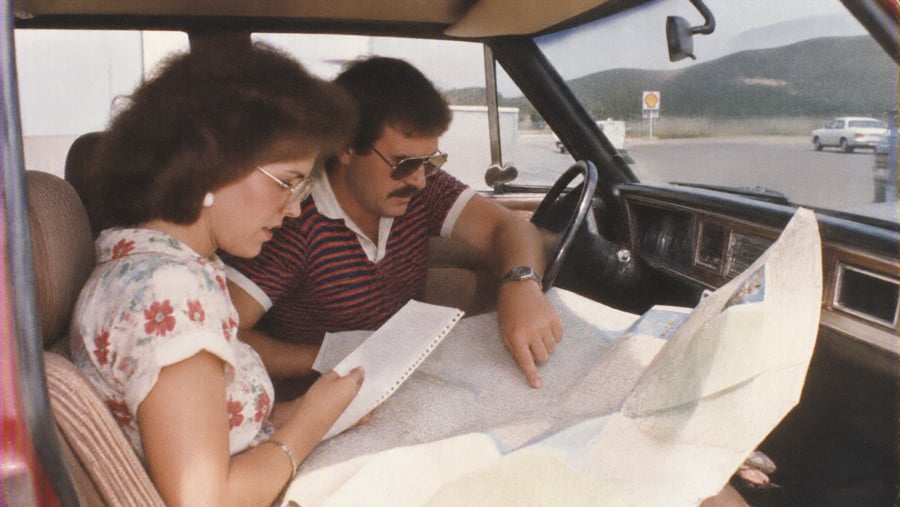
Before GPS became a standard feature of everyday travel, drivers relied on paper road maps, printed directions, and the occasional helpful stranger at a gas station. Early civilian GPS technology wasn’t always especially accurate, partly because the U.S. government intentionally reduced the precision of public signals. That restriction ended in May 2000, significantly improving accuracy and helping make modern navigation services possible. Today, a phone can guide drivers through unfamiliar cities, suggest alternate routes, and announce turns in real time. For earlier generations, that would have sounded like something from science fiction.
10. Home Pregnancy Tests Eliminated Long Laboratory Waits
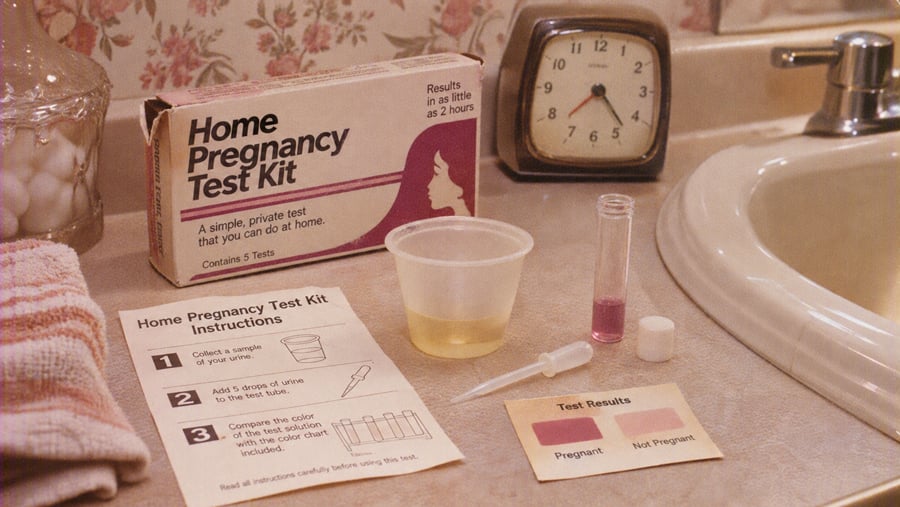
Before home pregnancy tests became available, women often had to collect a urine sample and bring it to a medical laboratory to find out whether they were pregnant. The process could involve waiting days for results and relying on medical staff to perform the testing. Home pregnancy kits reached American drugstores in 1978, although early versions were more complicated than the simple tests sold today and could take around two hours to produce a result. The ability to receive private information at home without scheduling a laboratory visit represented a major change in everyday healthcare.
11. Pre-Sliced Bread Was Once a Remarkable Innovation
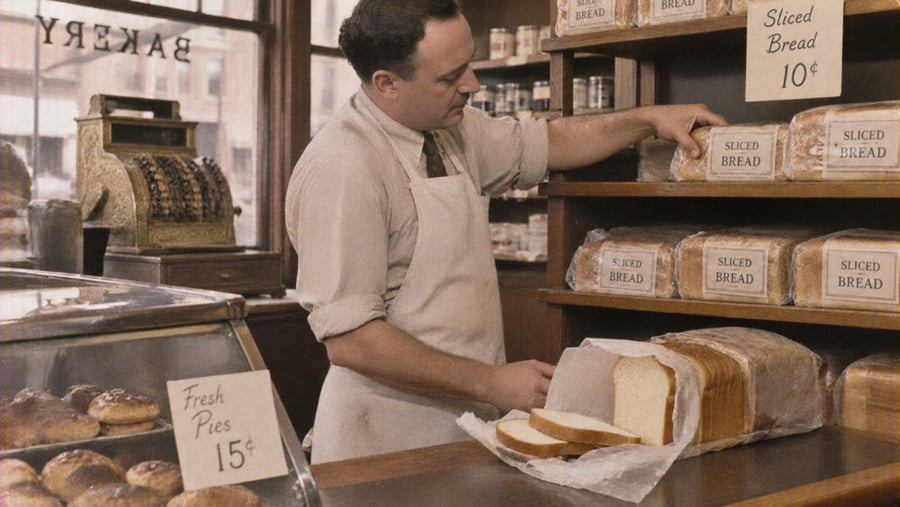
Buying a loaf of bread that’s already cut into even slices seems so ordinary that it’s difficult to imagine it being a major invention. But commercial bread slicing only became practical in 1928, when Otto Frederick Rohwedder’s machine began operating at a bakery in Chillicothe, Missouri. Before that, families usually sliced their own loaves, often ending up with uneven pieces. Pre-sliced bread quickly became popular during the 1930s and eventually inspired the familiar expression about something being the greatest invention since sliced bread.
12. Automatic Toasters Made Breakfast Almost Effortless
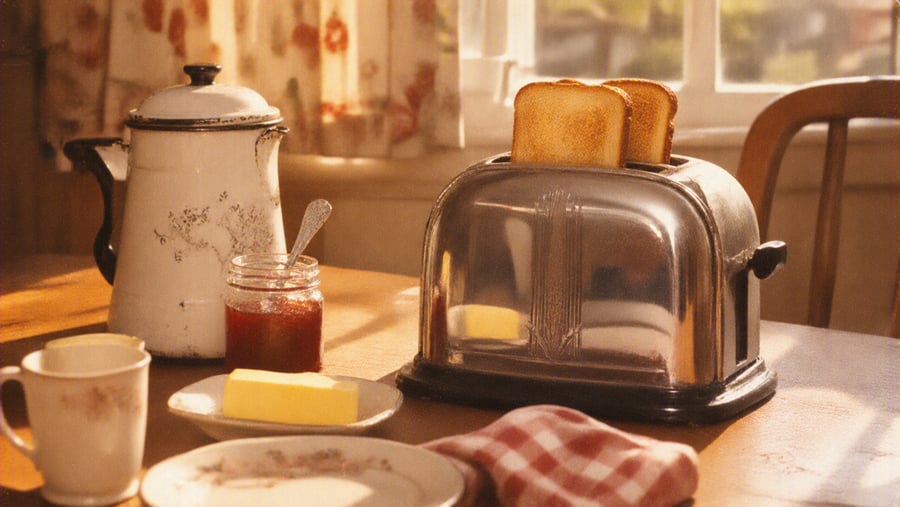
Early electric toasters required constant supervision. Some heated only one side of the bread at a time, meaning someone had to turn each slice manually and watch carefully to prevent burning. The automatic pop-up toaster, introduced in the 1920s, changed the process by allowing bread to toast on both sides and rise when finished. It might seem like a small improvement, but for families preparing breakfast every morning, no longer having to stand beside a hot appliance was a welcome convenience.
13. Adhesive Sanitary Pads Replaced Uncomfortable Belts
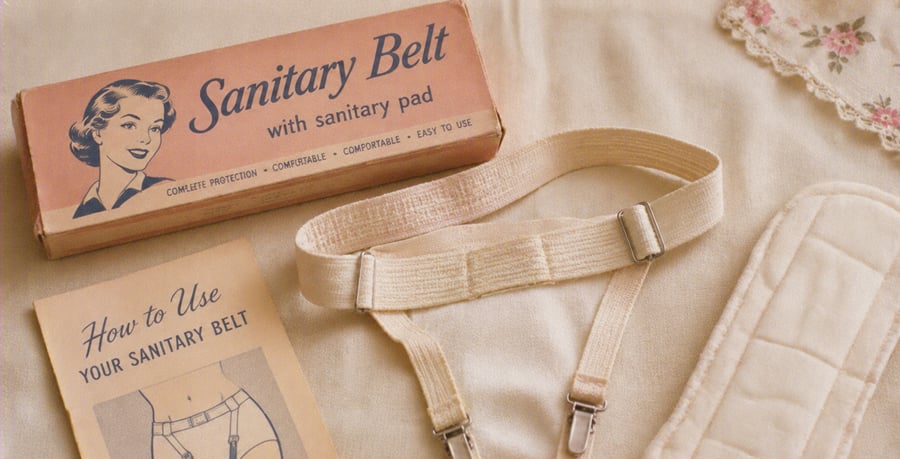
For much of the twentieth century, menstrual pads didn’t have the adhesive strips that make them easy to secure today. Instead, many women used special sanitary belts to hold pads in place, a system that could be awkward beneath certain types of clothing. Adhesive-backed pads became available during the 1970s, eliminating the need for separate belts and offering greater freedom of movement. It was a practical change that made an ordinary personal care product significantly easier to use, even if the innovation rarely receives the attention given to larger household inventions.
14. Replaceable Razor Blades Made Shaving Much Simpler
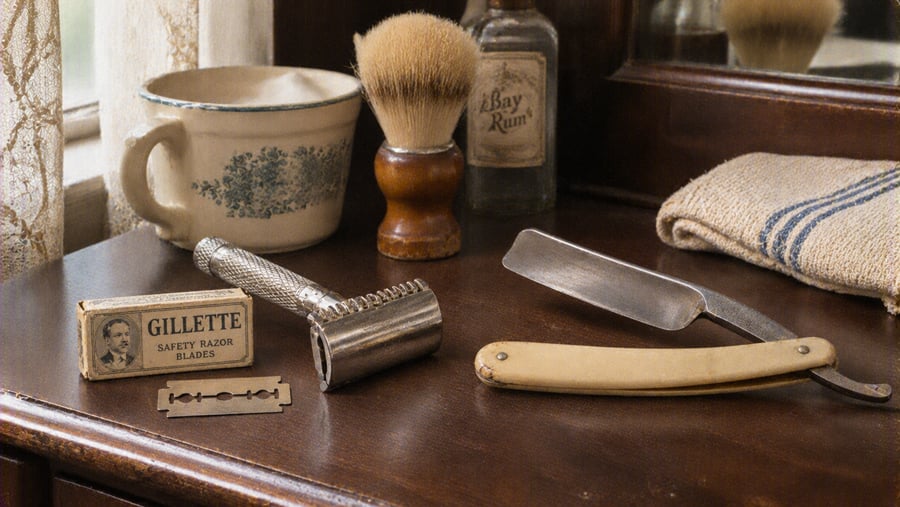
Before disposable and replaceable razor blades became common, shaving often meant using a straight razor that needed regular sharpening and careful handling. King C. Gillette helped change that with a thin, replaceable blade, with commercial production beginning in 1903. Instead of maintaining the same blade indefinitely, people could simply replace it when it became dull. The invention made home shaving more practical and reduced dependence on barbers for routine grooming. What now seems like a basic bathroom item was once a major improvement in personal care.
15. Cell Phones Put an Entire Telephone in Your Hand
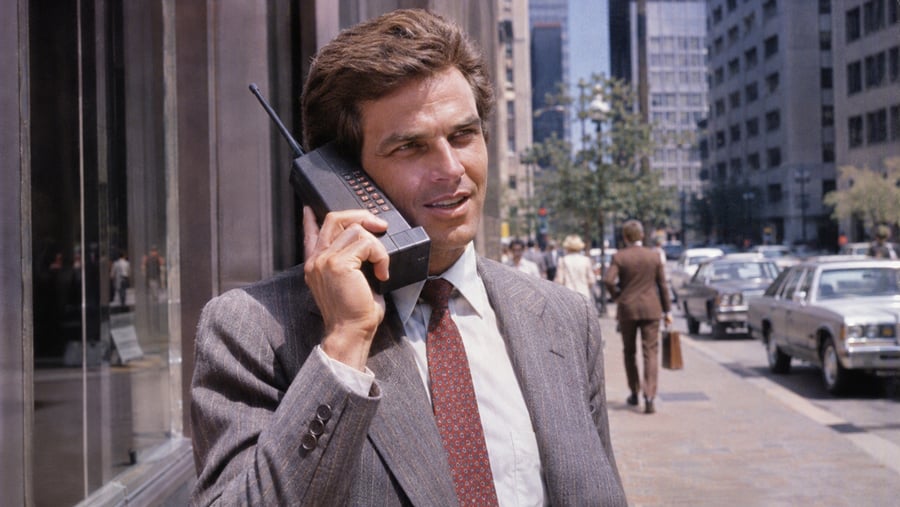
For generations, making a telephone call meant finding a phone connected to the wall or stopping at a public payphone. Even when Motorola introduced its commercially available handheld DynaTAC in 1984, the device was expensive and far from convenient by modern standards. It cost around $4,000, weighed roughly two and a half pounds, and offered only about half an hour of talk time. Today’s smartphones are smaller, last much longer between charges, and can do everything from taking photographs to managing bank accounts. The transformation would have astonished anyone accustomed to rotary telephones.
16. Television Remotes Eliminated Trips Across the Living Room
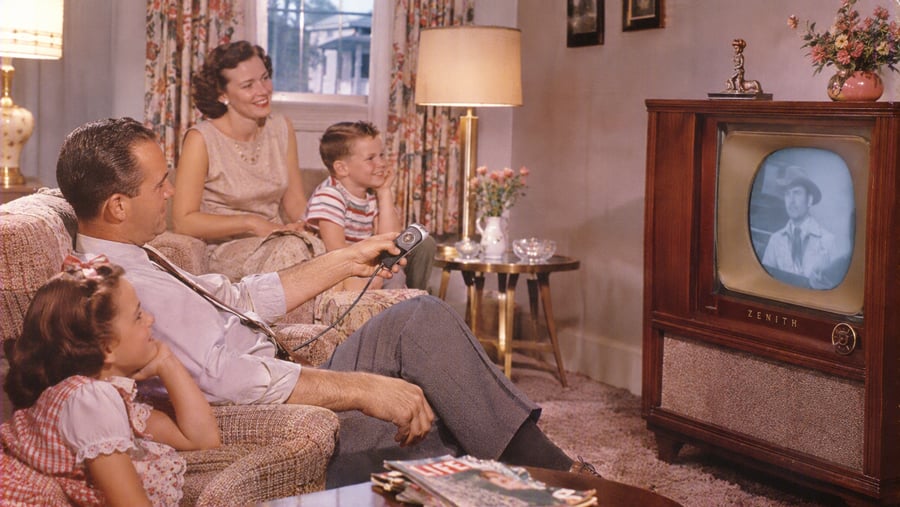
Early television viewers had to get up from the couch every time they wanted to change the channel or adjust the volume. Zenith introduced a wired remote control called Lazy Bones in 1950, followed by wireless versions later in the decade. The technology was initially a novelty, but it eventually became standard equipment in American living rooms. Today, losing the remote between the couch cushions is practically a household tradition. Earlier generations might have been more impressed by the ability to control the television without leaving their seats.
17. Indoor Plumbing Made Everyday Life Dramatically Easier
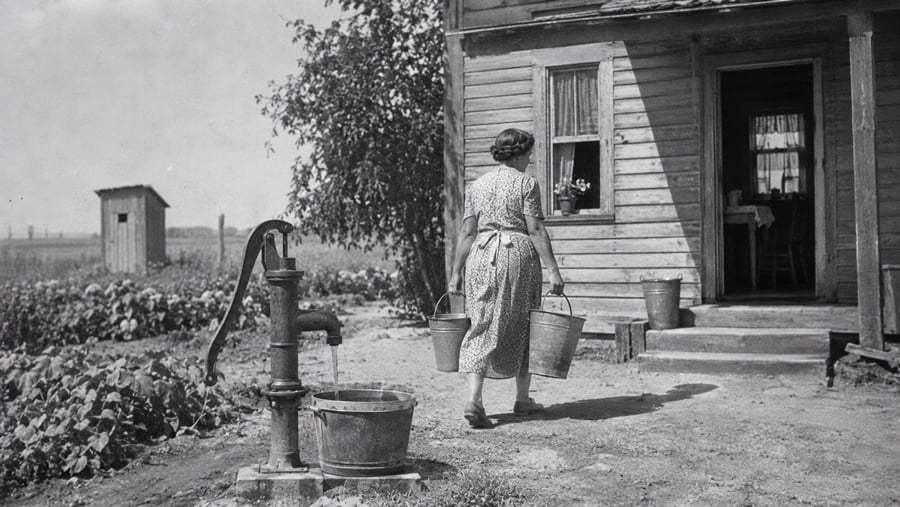
Turning on a faucet or flushing a toilet is so routine today that it’s easy to forget how recently indoor plumbing became widespread. In 1940, nearly half of American homes lacked complete plumbing facilities, according to the U.S. Census Bureau. That meant they were missing at least one essential feature, such as hot and cold piped water, a bathtub or shower, or an indoor flush toilet. By 1990, only about 1% of American homes lacked complete plumbing. For families who once carried water indoors or used outdoor toilets, the convenience was life-changing.
18. LED Bulbs Made Electric Lighting Far More Efficient
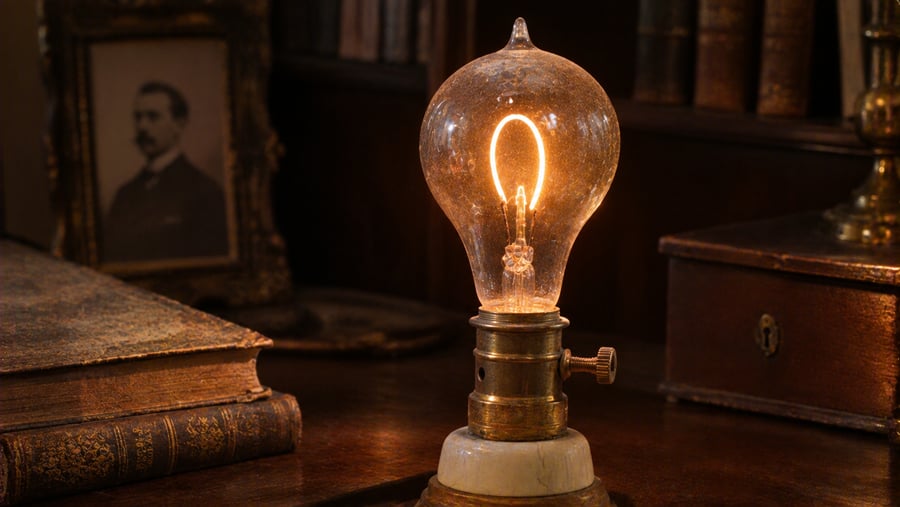
When Thomas Edison’s team developed an improved incandescent light bulb in 1879, one experimental version lasted only 14.5 hours. Later bulbs became more reliable, but traditional incandescent lighting still wasted a substantial amount of electricity as heat. Modern LED bulbs provide similar illumination while using far less energy and generally lasting much longer. For people who once relied on candles, oil lamps, or early electric lighting, the idea of an efficient bulb that could work for years would have seemed extraordinary.
19. Photocopiers Made Duplicating Documents Almost Instant
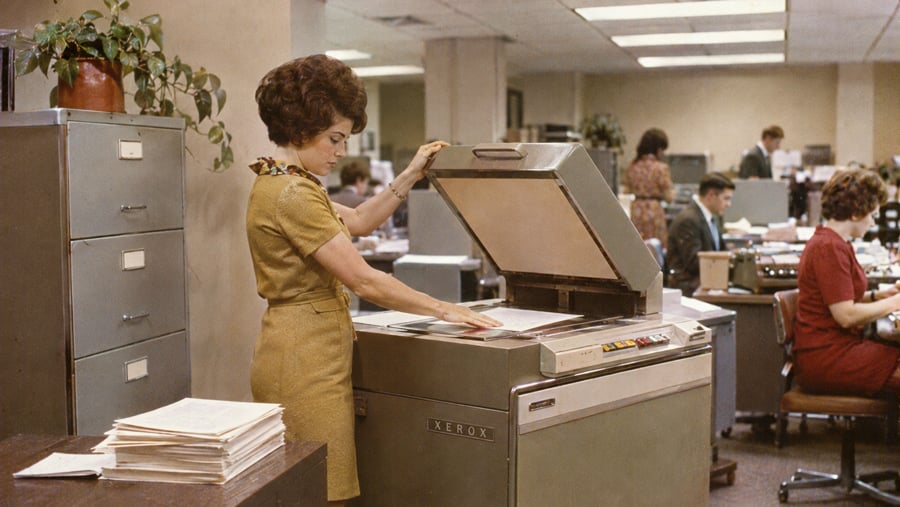
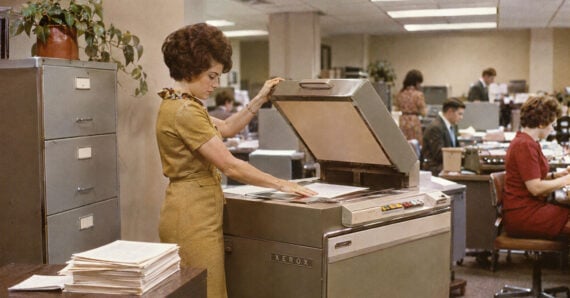
Before modern photocopiers, producing multiple copies of a document could involve carbon paper, stencil machines, specialized printing equipment, or the tedious process of copying information by hand. Chester Carlson developed an electrophotographic copying process in 1937 that eventually became known as xerography. Commercial copying machines later made it possible to reproduce documents quickly and consistently. Offices, schools, and libraries no longer needed elaborate arrangements to duplicate everyday paperwork. The ability to produce dozens of identical pages in minutes would have been a remarkable improvement for earlier office workers.
20. Direct Dialing Removed the Need for Telephone Operators
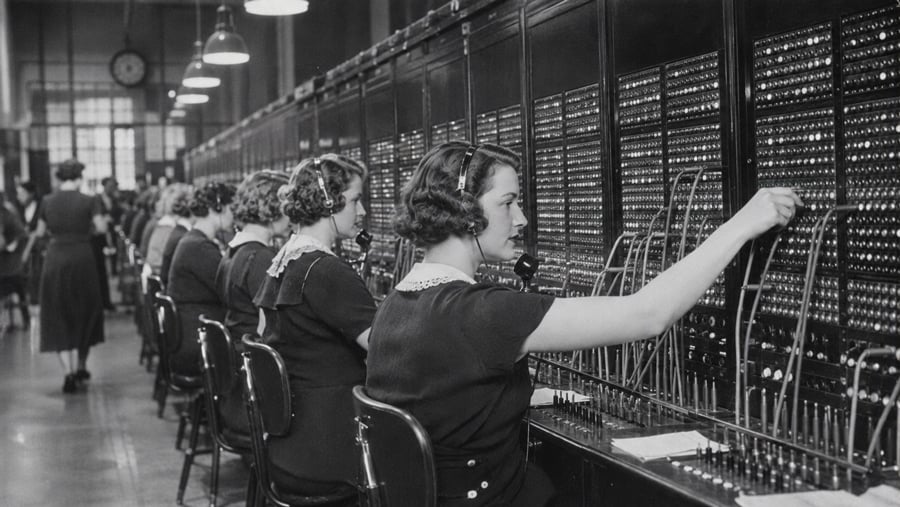
Making a phone call once involved more than picking up a receiver and entering a number. In many telephone systems, callers depended on human operators who connected calls through large switchboards. The U.S. Capitol provides a striking example: in 1926, its switchboard handled approximately 30,000 calls per day. Direct dialing didn’t arrive at the Capitol complex until 1957. Today, people can contact someone across the world almost instantly, often with a single tap. Earlier generations would have been amazed by the disappearance of so much manual coordination behind an ordinary telephone call.
More Related Notes
18 Photos of Everyday Transportation Before Modern Convenience
From crowded streetcars to early automobiles, these vintage photos reveal how much effort everyday travel required before modern transportation.
13 Skills Every Family Used to Have Before Convenience Took Over
Before modern appliances and services made life easier, families relied on practical skills to handle everyday tasks. Many of these abilities have nearly disappeared.
18 Everyday Products That Lasted Much Longer in the Past
From sturdy kitchen appliances to household essentials, these older products were built to last and often remained useful for decades.