
The 1960s and 1970s were decades of cultural upheaval, but they were also marked by practices that today seem shocking or even dangerous. Many practices that seemed ordinary at the time, whether in daily life, workplaces, or public spaces, would shock us today. Over the past fifty years, laws have evolved to protect public health, safety, and human rights, reflecting society’s growing awareness of equality, environmental responsibility, and ethical standards. Looking back at these 19 examples offers a striking reminder of how far we have come in redefining acceptable behavior.
1. Drink & Drive

It was common for passengers, and sometimes even drivers, to drink alcohol in moving vehicles during the 1960s. Road trips often included beer or liquor without fear of legal consequences. Modern open container laws now prohibit alcohol consumption in vehicles, aiming to reduce impaired driving and accidents.
2. Smoking on Airplanes
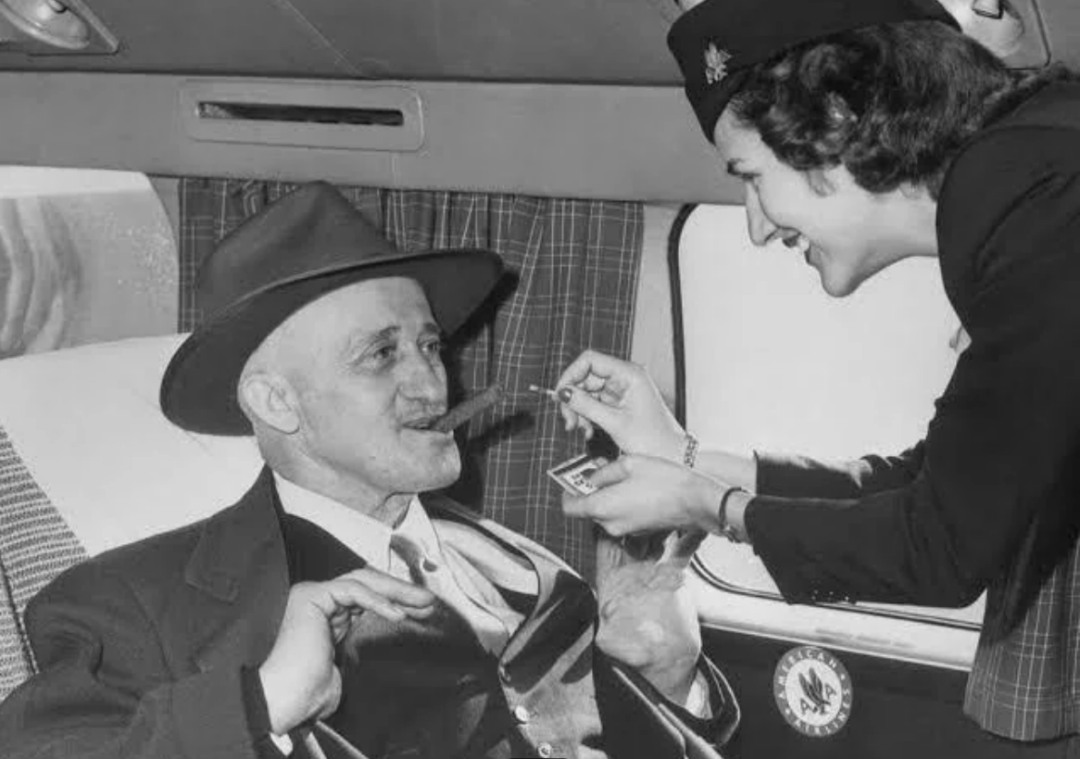
Air travel in the 1960s was glamorous, but it was also filled with cigarette smoke. Passengers lit up freely, and airlines even provided ashtrays in armrests. Flight attendants and non-smokers had no choice but to breathe secondhand smoke in a confined cabin. The ban began gradually in the 1980s, first on short domestic flights, then expanding worldwide.
3. Lead in Gasoline
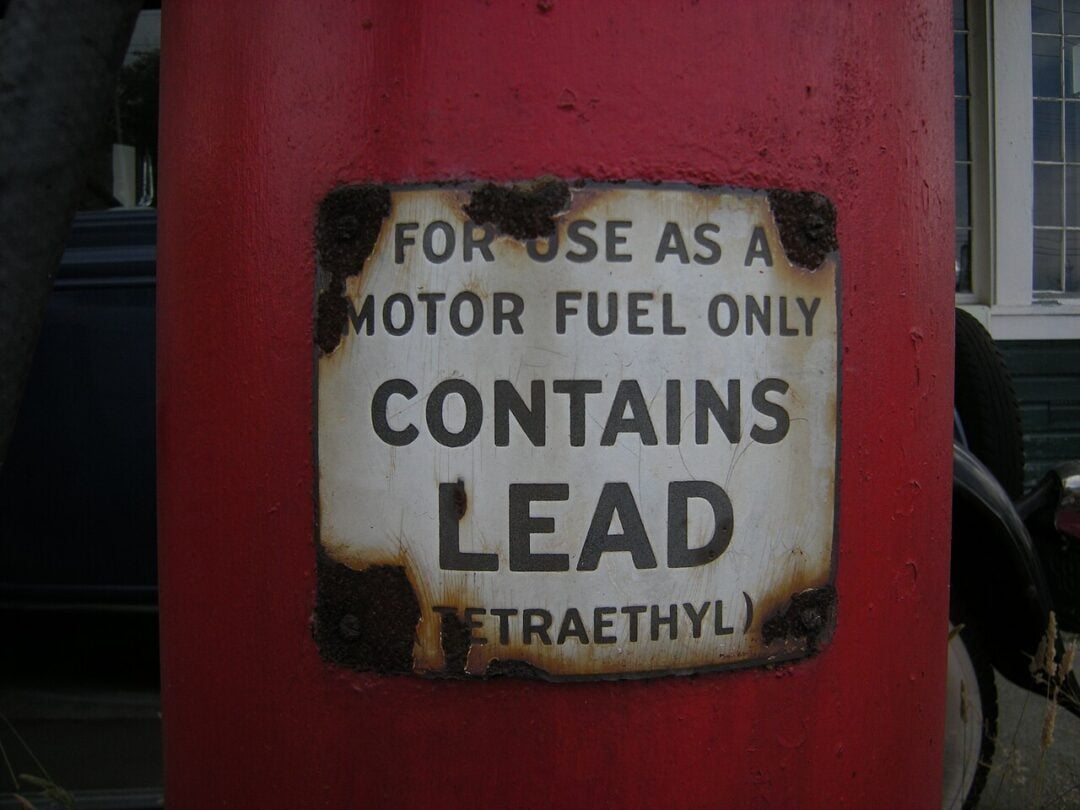
Lead additives were used in gasoline to improve engine performance, and cars in the 1960s and 1970s emitted toxic fumes into the air. Children living near highways often had dangerously high blood lead levels, which we now know can cause brain damage and developmental delays. The Clean Air Act of 1970 and subsequent regulations phased out leaded gasoline, with the U.S. completing the ban in 1996.
4. Asbestos in Construction

Asbestos was considered a miracle material, fireproof, durable, and cheap. It was used in insulation, tiles, and even household appliances. Workers and residents were unaware of the deadly risks, including mesothelioma and lung cancer. By the late 1970s, evidence of its dangers led to bans and strict regulations. Today, asbestos removal is a specialized, highly regulated process, and its use is prohibited in most countries.
5. Segregated Schools
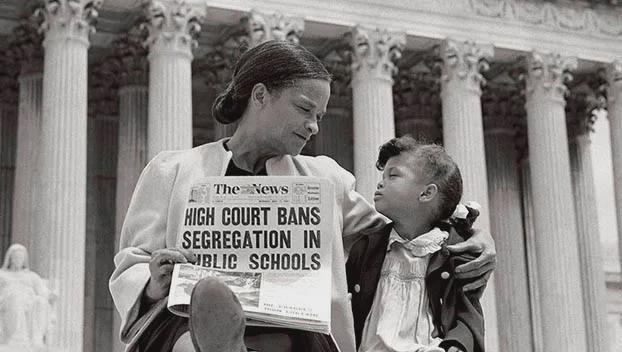
Although the Supreme Court ruled segregation unconstitutional in 1954, many schools in the 1960s still practiced de facto segregation, especially in the South. Black students were often denied equal resources, facilities, and opportunities. Federal enforcement and civil rights activism gradually dismantled these practices, though integration was met with resistance. Today, segregation is illegal, though debates about systemic inequality in education continue.
Trending on Wealth Gang

6. No Seatbelt Requirements
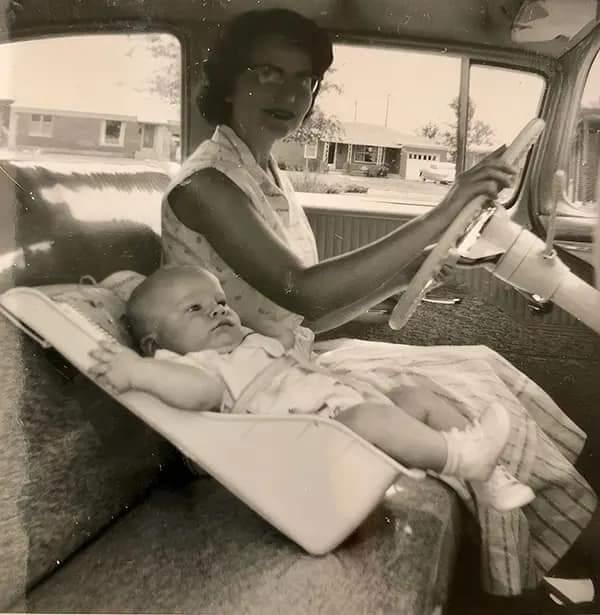
Cars in the 1960s often lacked seatbelts, and even when installed, drivers rarely used them. The idea of buckling up was seen as unnecessary or even restrictive. By the 1980s, seatbelt laws became widespread, and today, failing to wear one can result in fines. The cultural shift reflects how safety innovations became normalized.
7. Child Labor in Hazardous Jobs

Teenagers could legally work in dangerous environments such as factories, farms, or mines with minimal restrictions. Protective labor laws were weaker, and economic necessity often pushed children into unsafe work. Modern child labor laws now strictly regulate the age and conditions under which minors can work, prioritizing education and safety.
8. Smoking in Hospitals and Offices

Doctors, nurses, and office workers smoked freely indoors, even in patient wards. Hospitals had ashtrays in waiting rooms, and workplaces were filled with smoke. Indoor smoking bans introduced in the 1980s and 1990s transformed public spaces, protecting both employees and patients from secondhand smoke.
Sign up for our newsletter
9. Advertising Cigarettes on TV
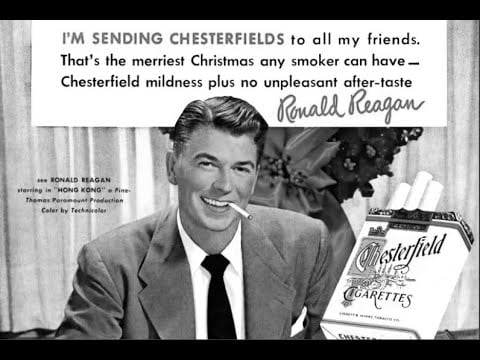
Cigarette commercials were a staple of television, often glamorizing smoking with celebrities and catchy jingles. In 1971, the U.S. banned cigarette ads on TV and radio, marking a turning point in public health policy. Today, tobacco advertising is heavily restricted, and campaigns focus on discouraging smoking.
10. No Age Restrictions on Buying Firearms
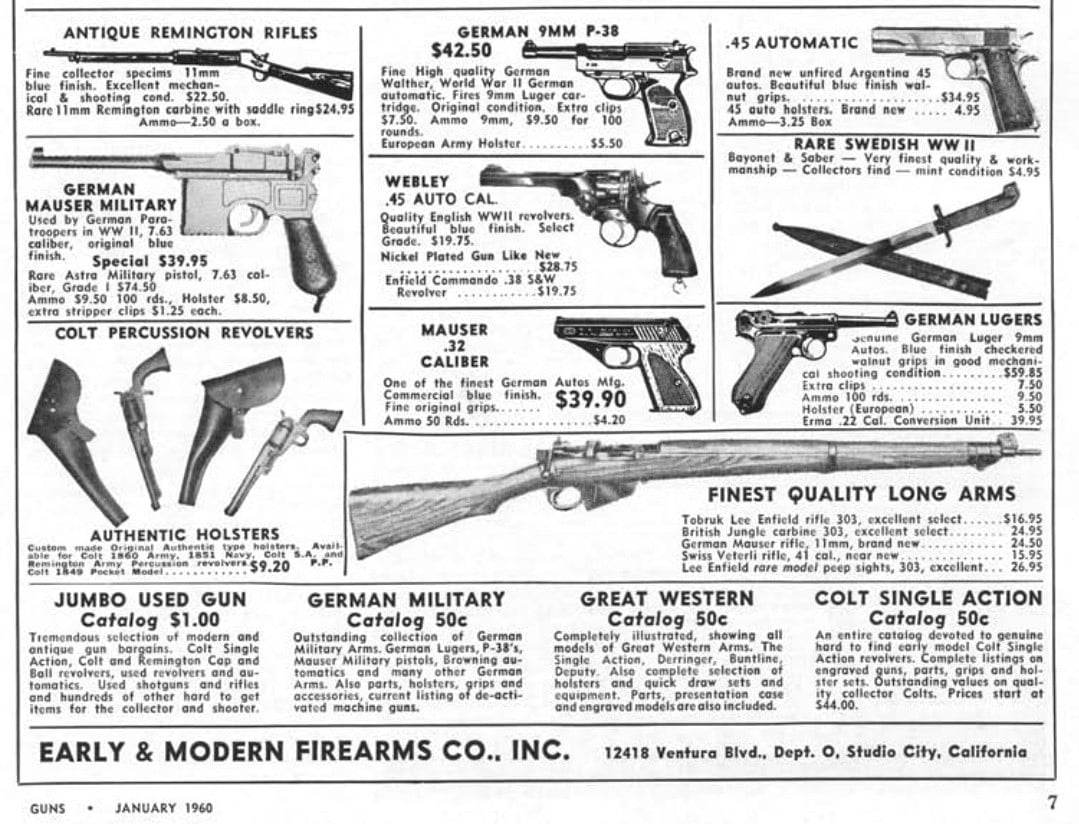
In many states during the 1960s, teenagers could legally purchase rifles or shotguns without background checks. Gun control laws were minimal, and firearms were treated as ordinary consumer goods. Federal laws now impose age restrictions and require background checks, though debates over gun regulation remain heated.
11. Unregulated Pesticides (DDT)

DDT was sprayed liberally on crops, lawns, and even neighborhoods to control insects. It was later discovered to cause environmental damage, including thinning bird eggshells, and posed health risks to humans. The U.S. banned DDT in 1972 and it became a symbol of the environmental movement.
12. No Helmet Laws for Motorcyclists

Motorcyclists often rode without helmets and accidents frequently resulted in severe head injuries. Helmet laws introduced in the 1970s and 1980s significantly reduced fatalities, though debates over personal freedom versus safety continue.
13. Unrestricted Pharmaceutical Advertising
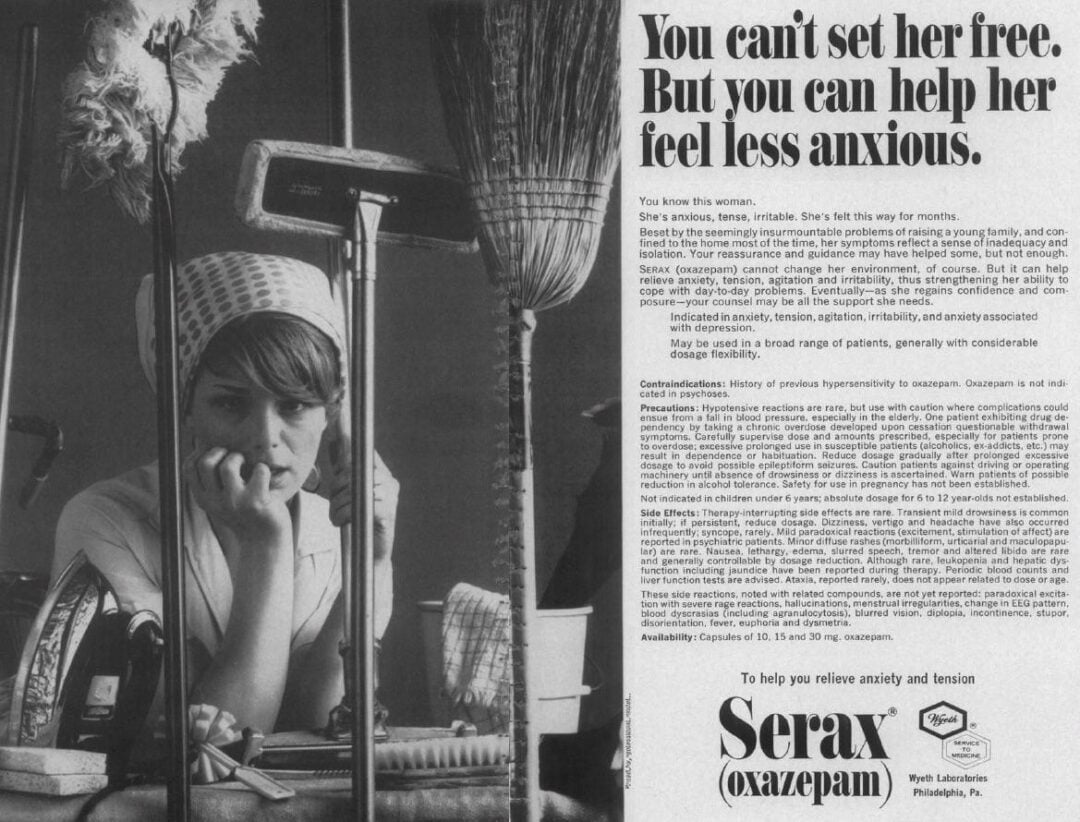
Drug companies promoted medications without listing side effects, often portraying them as miracle cures. Regulations now require full disclosure of risks, and ads must balance benefits with warnings.
14. Smoking in Restaurants

Dining out in the 1960s meant sharing space with cigarette smoke, as smoking sections were rare. Indoor smoking bans now protect patrons and workers, making restaurants healthier environments.
15. Lack of Environmental Protections
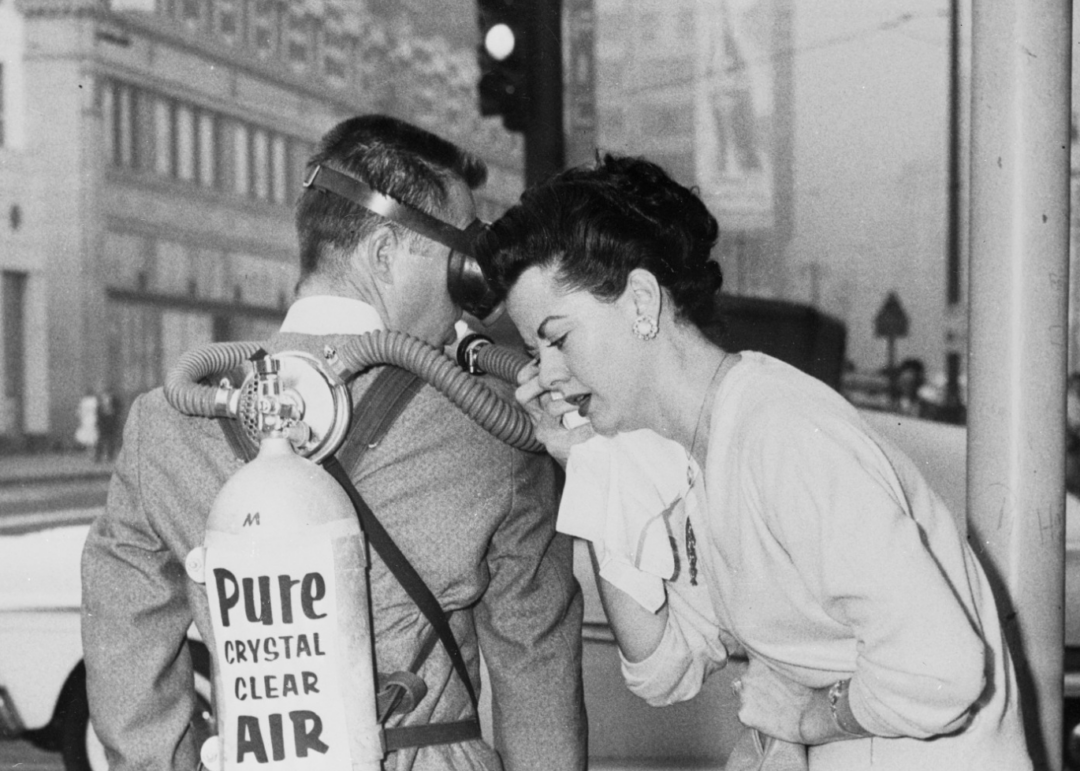
Factories could dump waste into rivers or release pollutants into the air unchecked. The environmental movement of the 1970s led to landmark legislation, including the Clean Air Act (1970) and Clean Water Act (1972), which made such practices illegal.
16. Marital Rape

For much of the 20th century, the law treated marriage as a contract of permanent consent, meaning a husband could not be prosecuted for raping his wife. In the 1960s and 1970s, this was still the norm across the United States and many other countries. It wasn’t until feminist movements pushed for recognition of women’s bodily autonomy that states began criminalizing marital rape, with the final U.S. state doing so in 1993.
17. Lead Paint in Homes
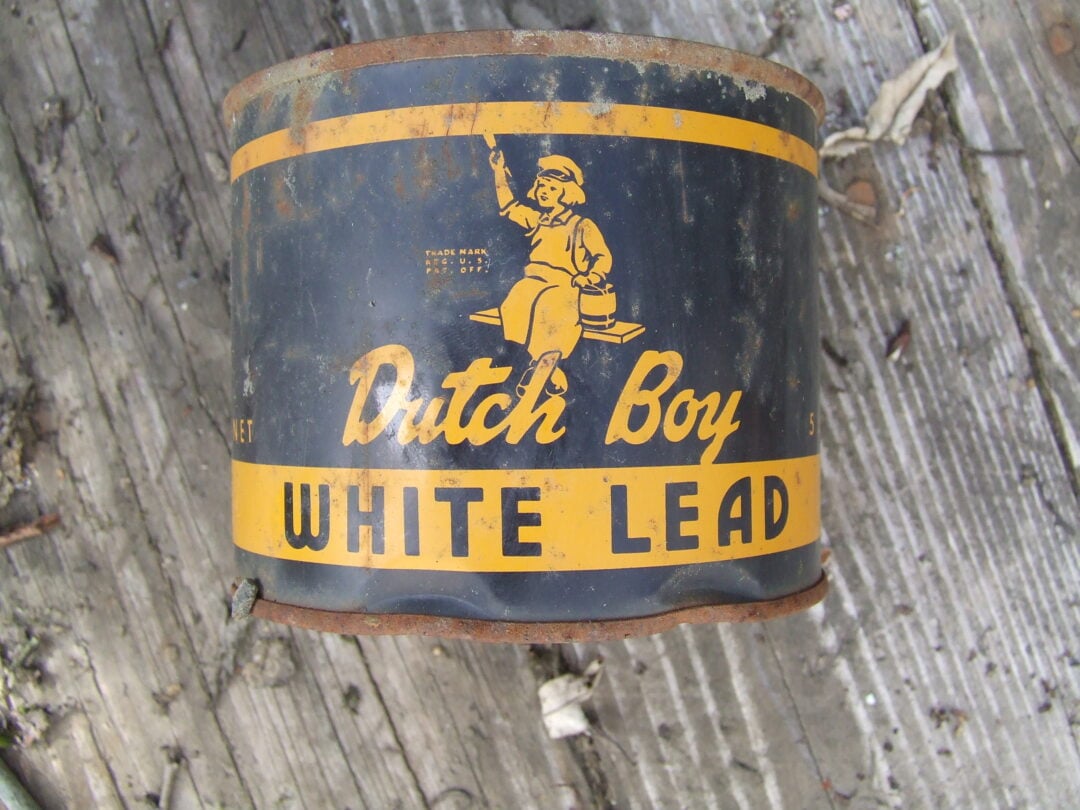
In the 1960s, lead-based paint was widely used in houses, schools, and even children’s toys. Families painted nurseries and kitchens without realizing the toxic effects of lead exposure, which include brain damage, developmental delays, and behavioral problems in children. The U.S. banned residential use of lead paint in 1978.
18. Airline Hijacking Clemency

During the late 1960s and early 1970s, airline hijackings were very common, often treated more as inconveniences than acts of terrorism. Security measures were minimal, passengers could board planes without metal detectors or bag checks. After a surge in hijackings, new laws introduced mandatory screening and harsh penalties, making such acts illegal and heavily prosecuted today.
19. Gender-Based Job Ads
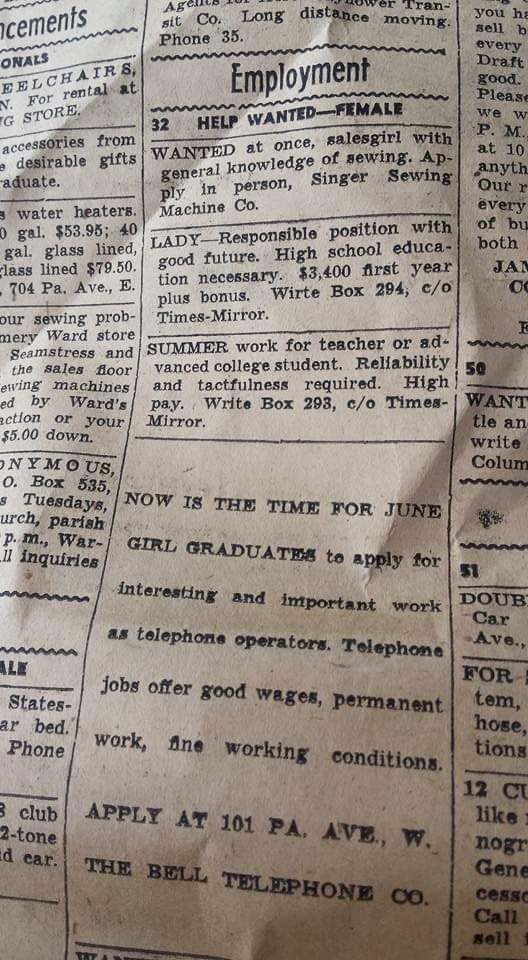
Newspapers in the 1960s regularly ran classified ads separated into “Help Wanted—Male” and “Help Wanted—Female.” Employers openly advertised jobs based on gender, assuming women were suited only for secretarial or domestic roles. This practice was outlawed by the Civil Rights Act of 1964 and reinforced by Equal Employment Opportunity Commission rulings in the 1970s.
The everyday practices of the 1960s and 1970s remind us how much society has transformed in just half a century. These changes did not happen overnight; they were the result of activism, legislation, and a growing collective awareness of public health, safety, equality and environmental responsibility. History shows that cultural norms evolve with knowledge, empathy, and the courage to demand better.