Not long ago, millions of people earned stable incomes doing jobs that have largely disappeared from everyday life. Technological advances, automation, changing consumer habits, and new industries gradually replaced many occupations that were once common and respected.
These jobs may seem unusual today, but for decades they provided reliable careers and helped support countless families.
1. Switchboard Operator
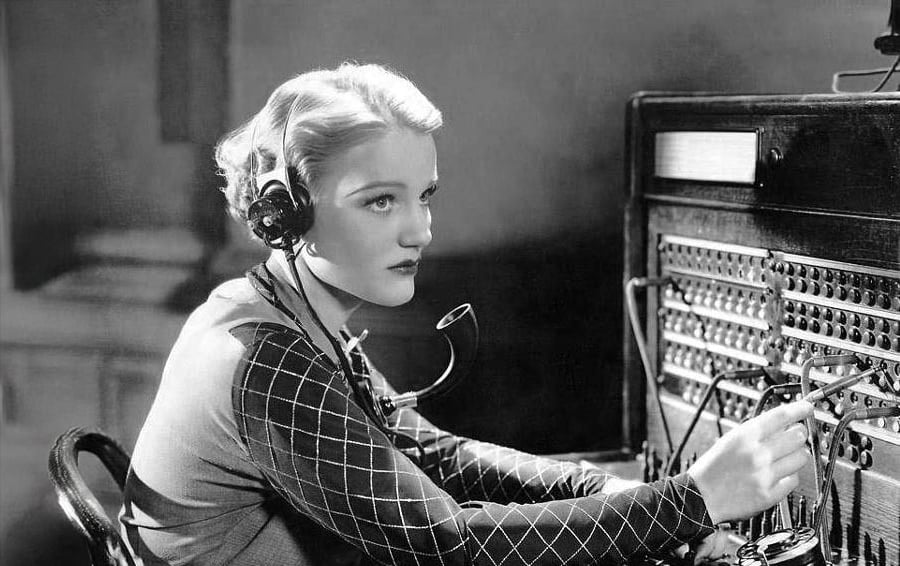
Before direct dialing became standard, telephone calls often depended on switchboard operators who manually connected callers. These workers sat in front of large switchboards filled with plugs and cables, ensuring conversations reached the correct destination. For decades, it was a stable profession that employed thousands of people across the United States.
2. Ice Delivery Worker
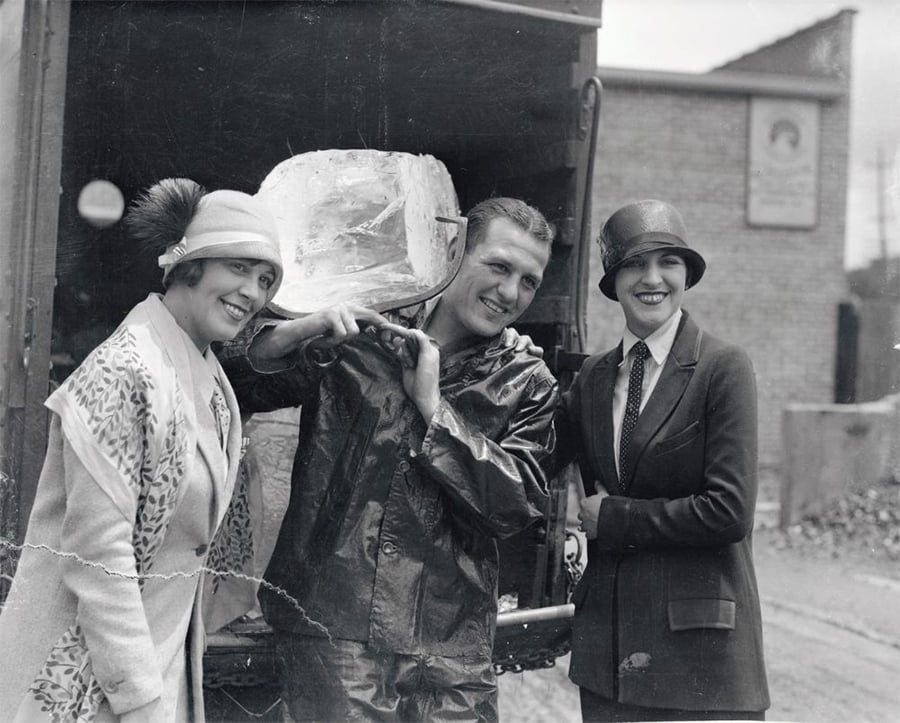
Before refrigerators became common household appliances, families relied on large blocks of ice to keep food fresh. Ice delivery workers traveled through neighborhoods making regular deliveries, often carrying heavy blocks by hand. The job required physical strength and was an essential part of everyday life for many communities.
3. Elevator Operator
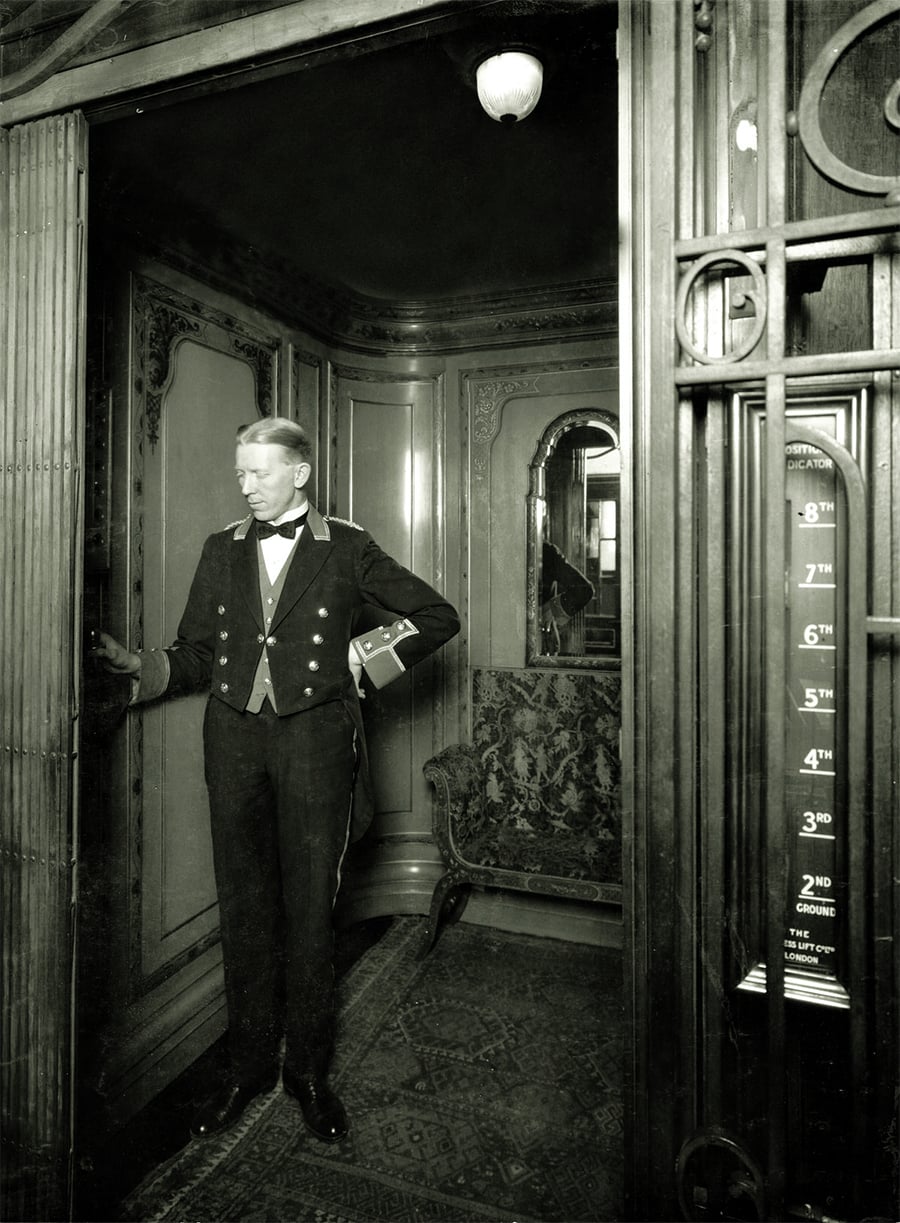
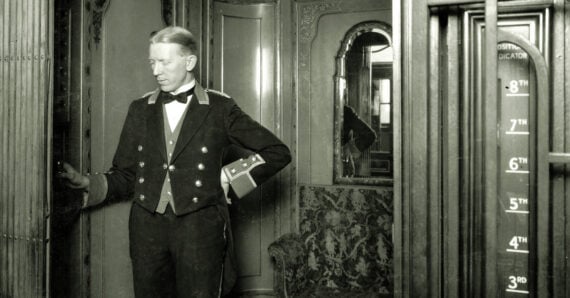
Many early elevators required a trained operator to control the speed, stop at the correct floors, and assist passengers. These employees became familiar faces in office buildings, hotels, and department stores. As automatic elevator technology improved, the occupation gradually disappeared.
4. Lamplighter

Long before electric streetlights illuminated cities, lamplighters walked through towns every evening carrying ladders and lanterns. Their job was to light street lamps at dusk and extinguish them again at sunrise. Although the work has largely vanished, it played an important role in keeping streets visible and safer after dark.
5. Milkman
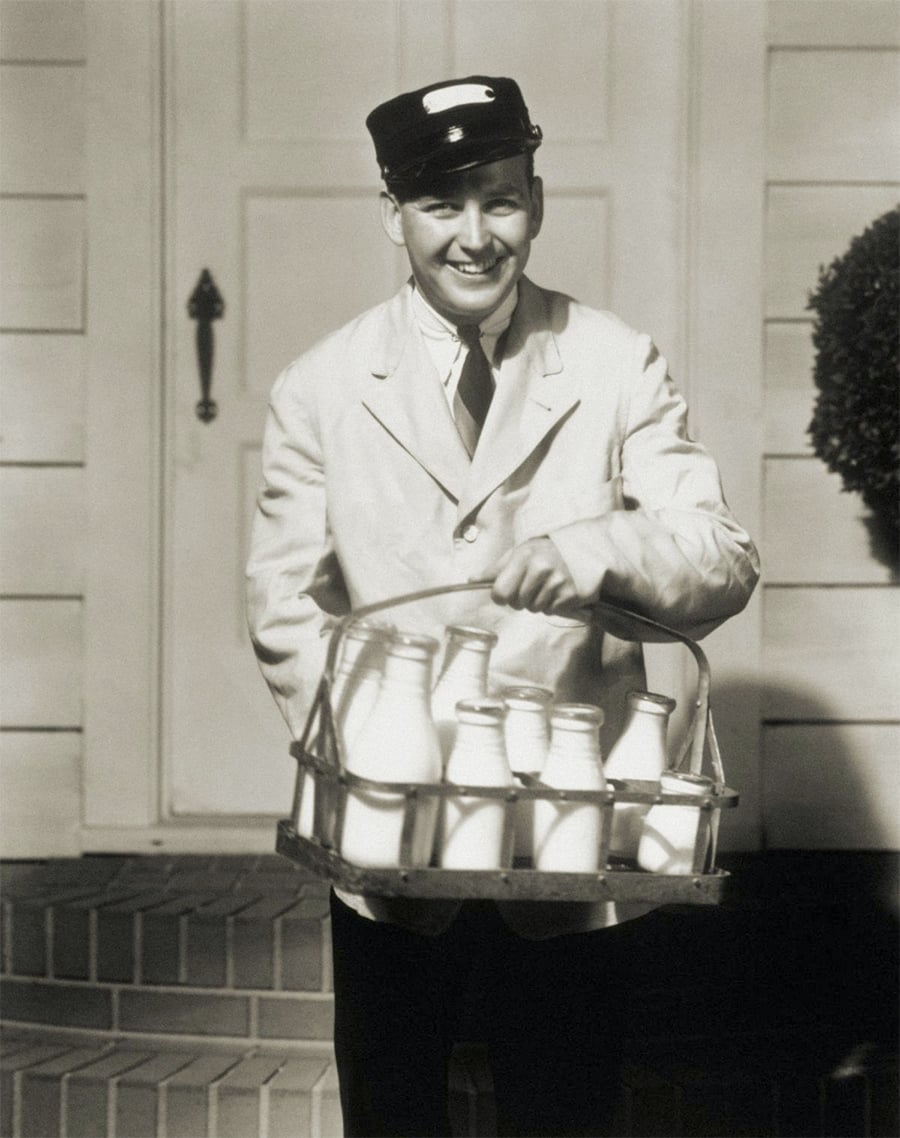
For much of the twentieth century, many families received fresh milk delivered directly to their front doors. Milkmen followed regular routes and often developed strong relationships with the households they served. The rise of supermarkets and refrigeration eventually made daily deliveries far less common.
Trending on Wealth Gang


6. Telegraph Operator
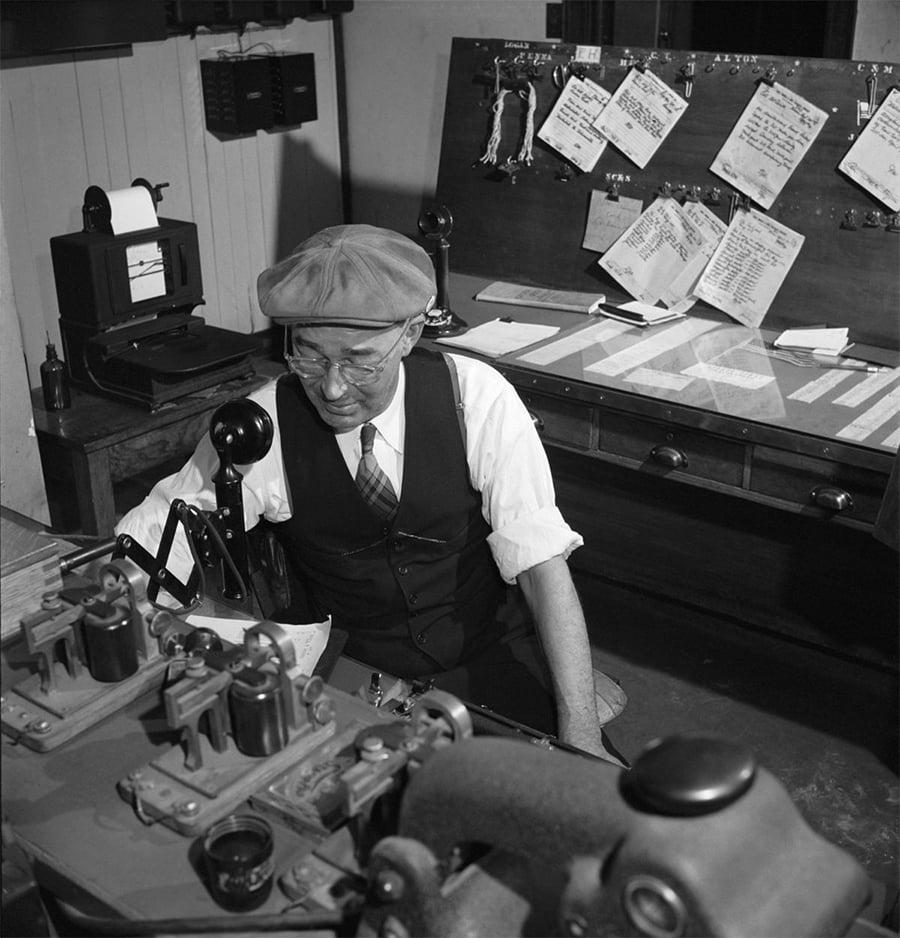
Before telephones became widespread, telegraph operators helped people communicate across long distances using Morse code. Businesses, newspapers, railroads, and government agencies depended on their skills to send important messages quickly. It was considered a respected profession during the height of the telegraph era.
7. Railroad Fireman
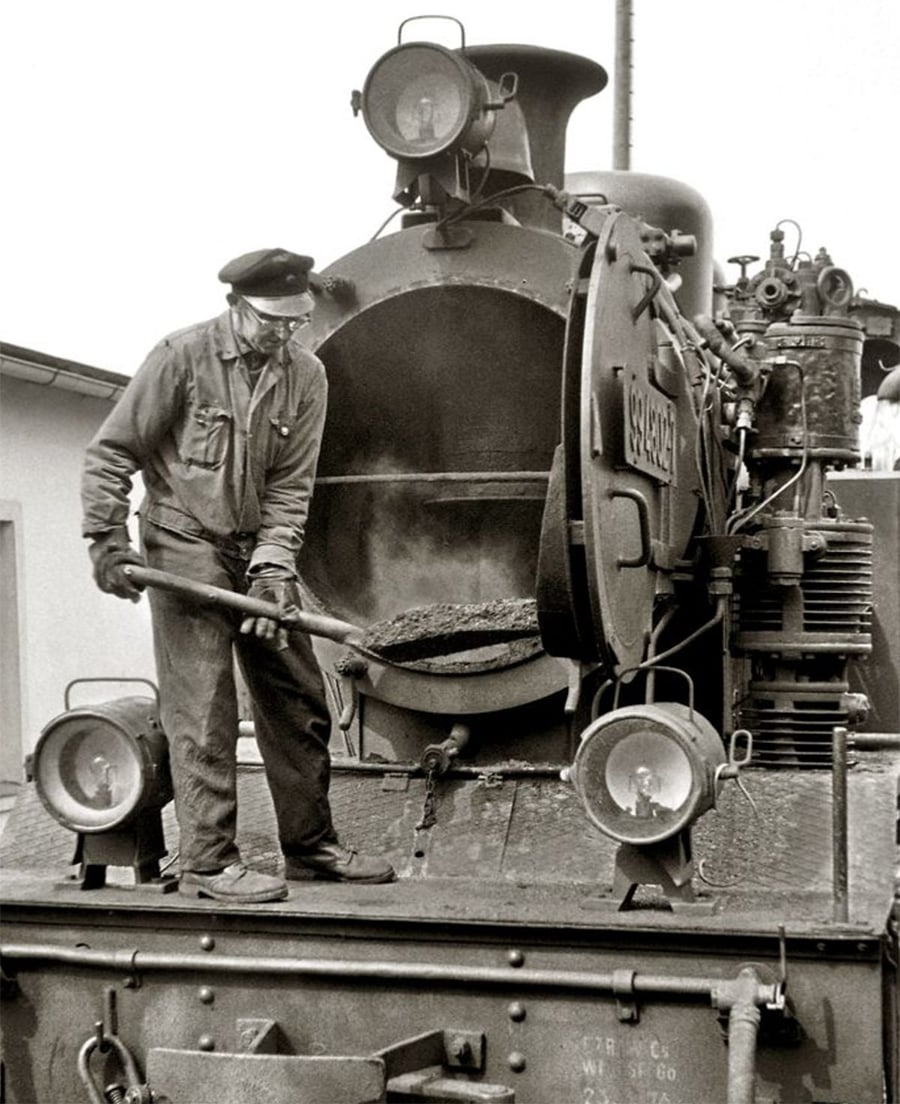
Steam locomotives required railroad firemen to keep engines running by continuously feeding coal into the furnace. The work was physically demanding and often involved long hours under difficult conditions. Despite the challenges, it provided steady employment for many workers during the golden age of rail travel.
8. Pinsetter
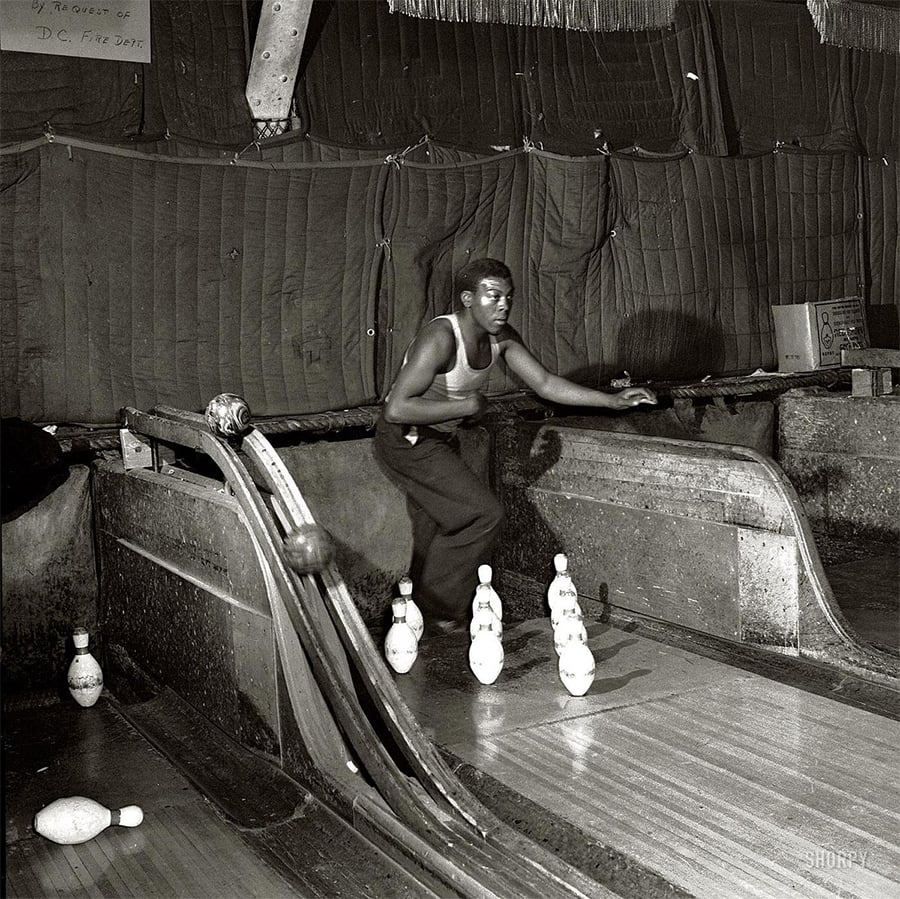
Before automatic bowling machines existed, bowling alleys employed workers to manually reset pins after every frame. Many of these workers were teenagers who spent hours behind the lanes performing repetitive tasks. The introduction of automated equipment largely eliminated the need for the job.
Sign up for our newsletter
9. Typesetter
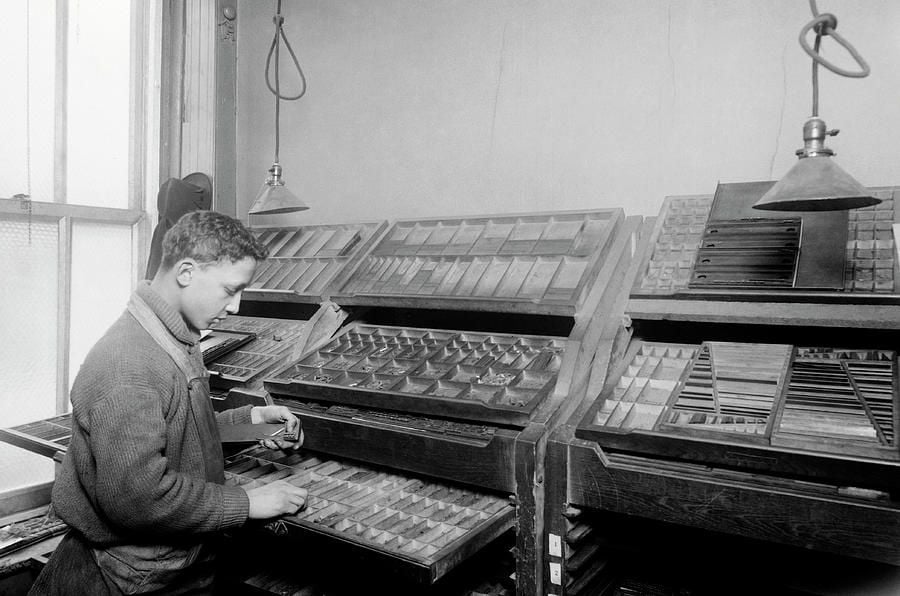
Newspapers, books, and magazines once relied on typesetters to arrange individual letters and characters before printing. The work demanded patience, accuracy, and specialized training. As printing technology evolved, digital systems gradually replaced this highly skilled trade.
10. Linotype Operator
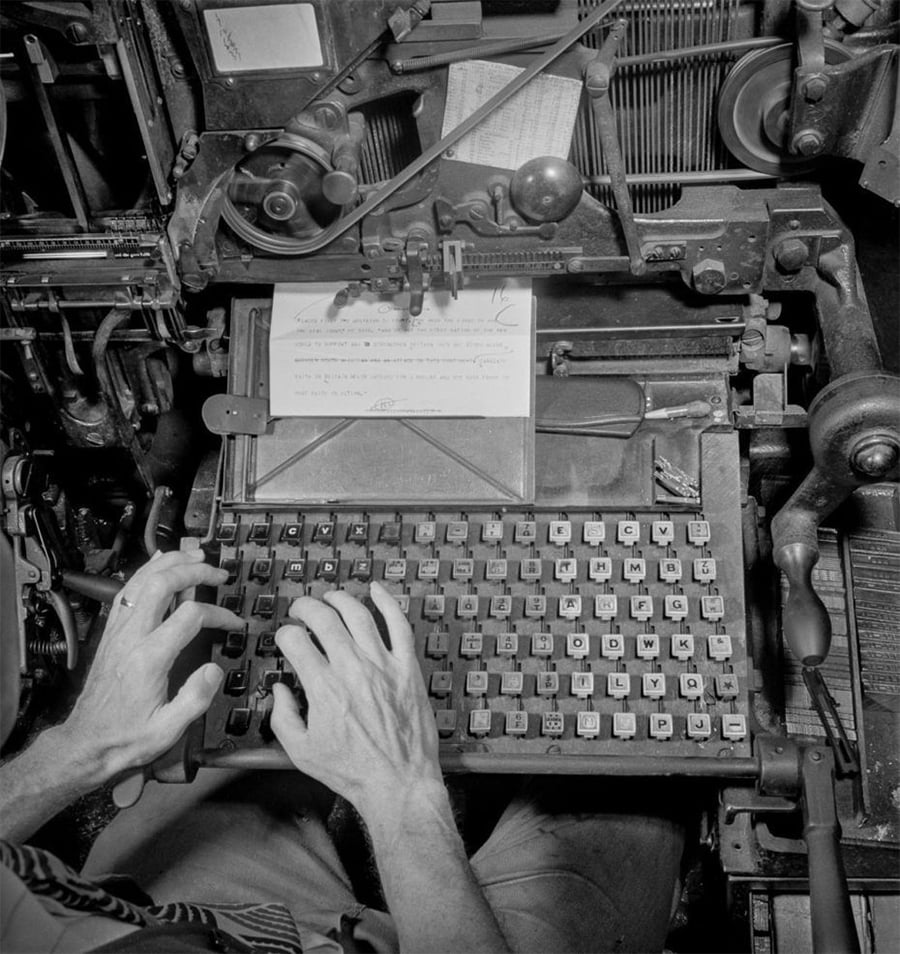
Linotype operators worked with machines that revolutionized newspaper production by allowing entire lines of text to be cast at once. Their expertise helped newspapers print large volumes of content efficiently. For decades, it was one of the most important technical jobs in publishing.
11. Fuller
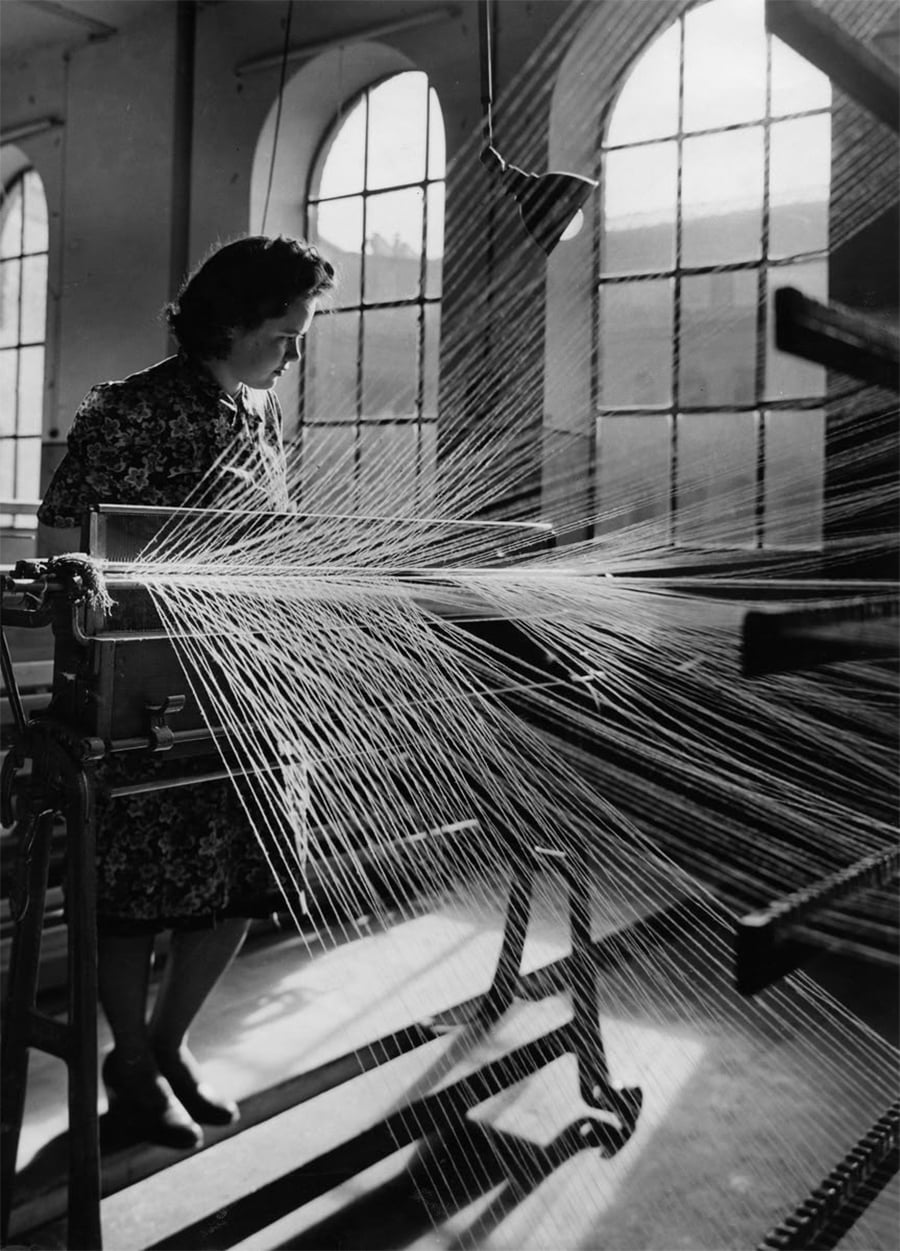
Before modern textile manufacturing, fullers cleaned and thickened wool cloth to improve its quality and durability. The process was labor-intensive and required specialized knowledge. For centuries, it was an important occupation within the textile industry.
12. Movie Projectionist
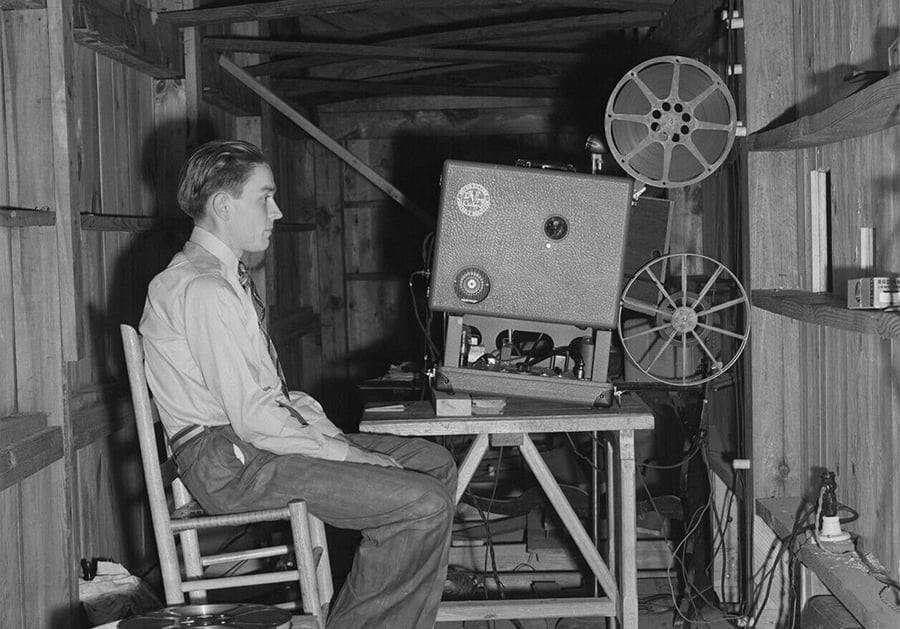
Movie theaters once relied on projectionists to load film reels, operate projectors, and ensure screenings ran smoothly. A mistake could interrupt an entire show, making the role highly important. Digital projection technology eventually reduced the need for these specialized workers.
13. Video Rental Store Clerk
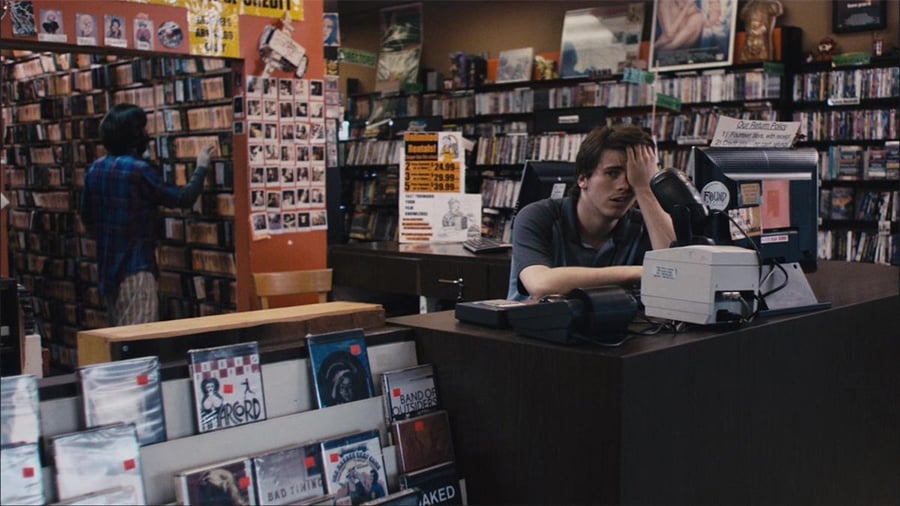
Before streaming services transformed entertainment, video rental stores were a regular weekend destination for many families. Clerks helped customers choose movies, managed inventory, and processed rentals. The rise of online platforms caused most of these stores to disappear.
14. Toll Booth Collector
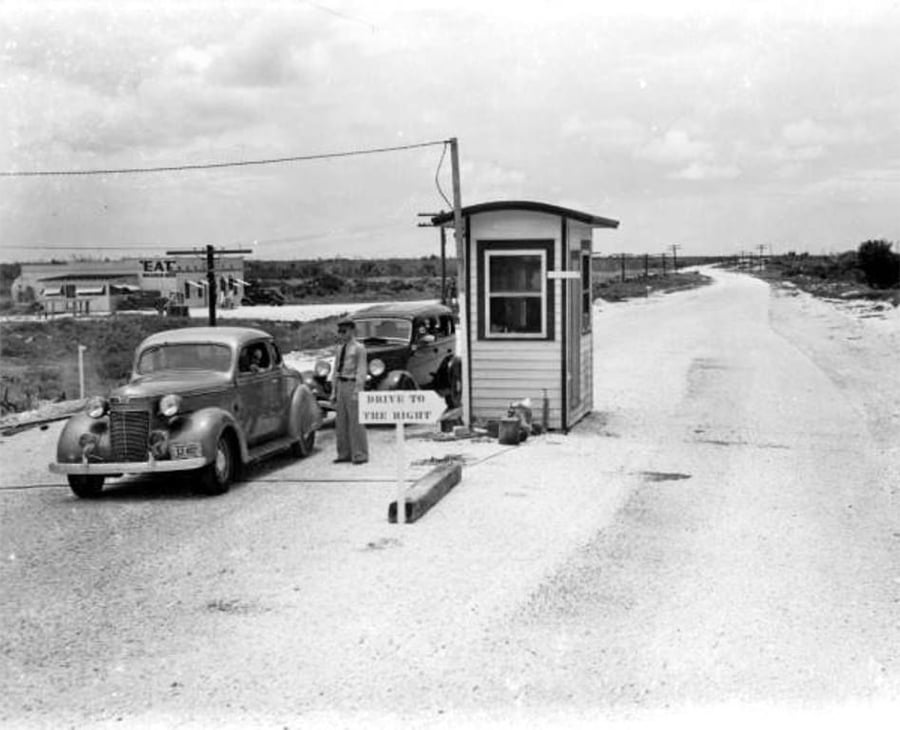
Drivers once stopped at toll booths where attendants collected cash and issued receipts. The job provided steady employment and was common on highways across the country. Electronic payment systems eventually replaced many of these positions.
15. Streetcar Conductor
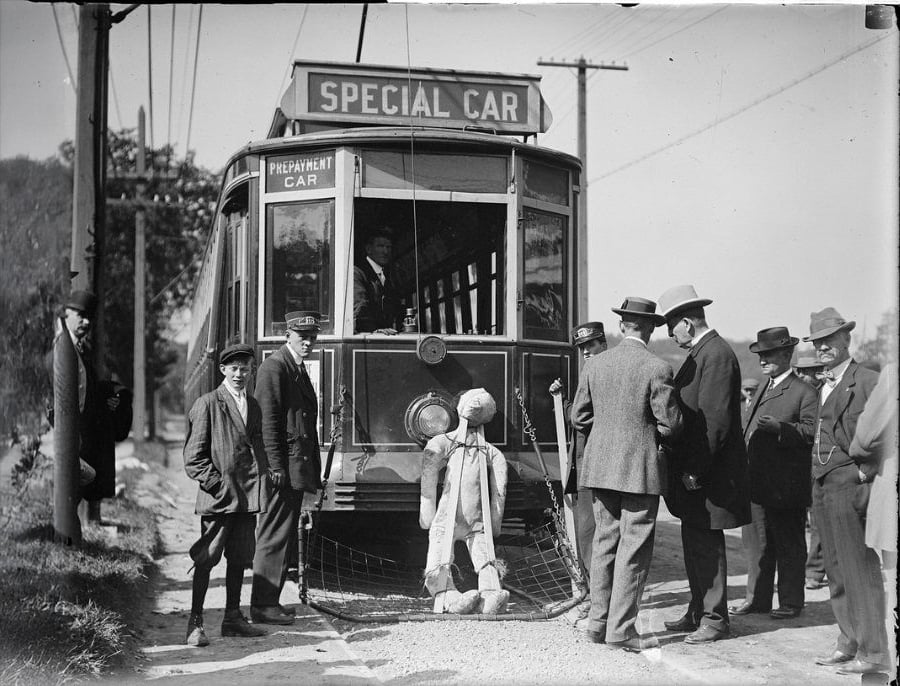
Streetcar conductors collected fares, assisted passengers, and helped manage public transportation systems in growing cities. They were a familiar part of urban life for decades. Changes in transportation infrastructure gradually reduced demand for the role.
16. Radio Repair Technician
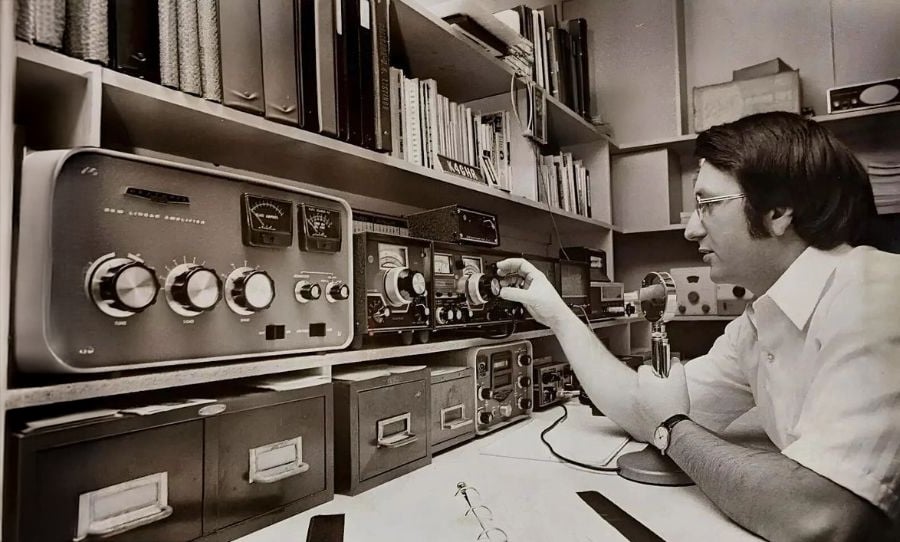
When radios were valuable household items, repair technicians were in constant demand. Instead of replacing broken electronics, families often paid professionals to fix them. The occupation thrived for years before consumer electronics became more disposable.
17. Cobbler
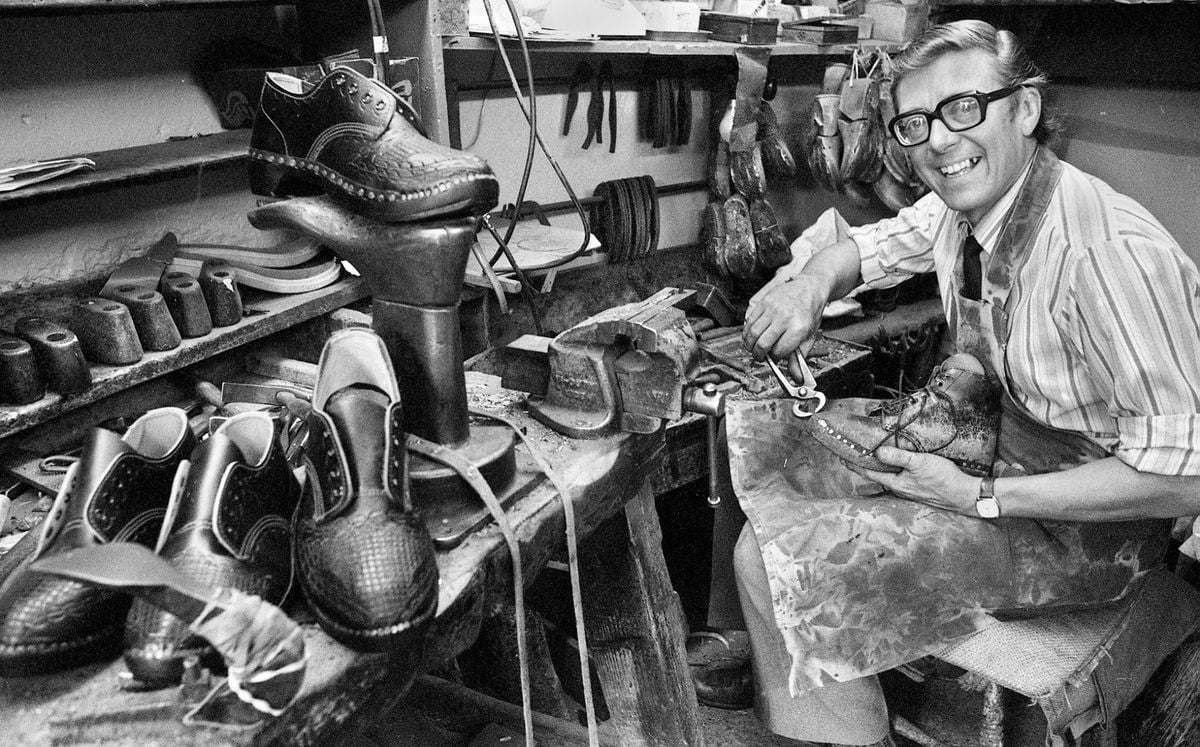
Many families repaired worn shoes rather than buying new pairs. Cobblers specialized in restoring footwear, replacing soles, and extending the life of expensive shoes. The trade declined as mass-produced footwear became more affordable.
18. Film Developer
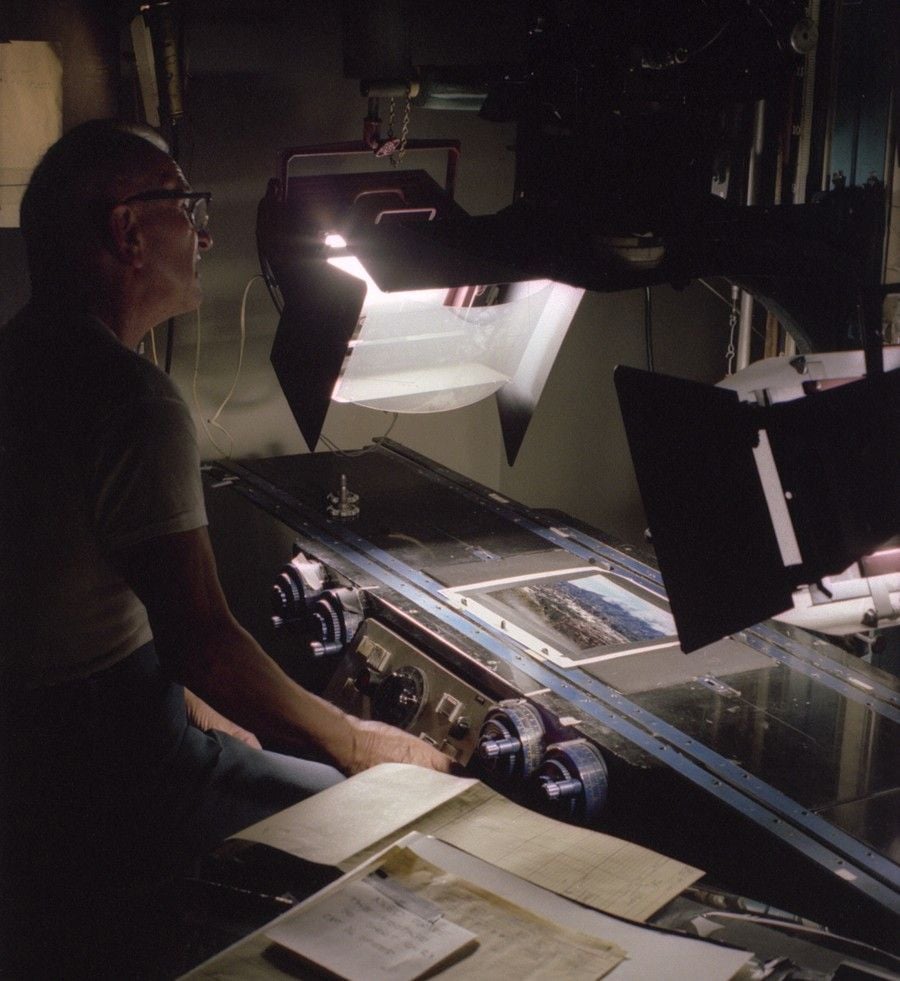
Before digital cameras, photographers depended on film developers to process negatives and produce photographs. These professionals worked in photo labs and handled everything from family snapshots to professional photography. Digital technology dramatically changed the industry.
19. Newspaper Delivery Carrier
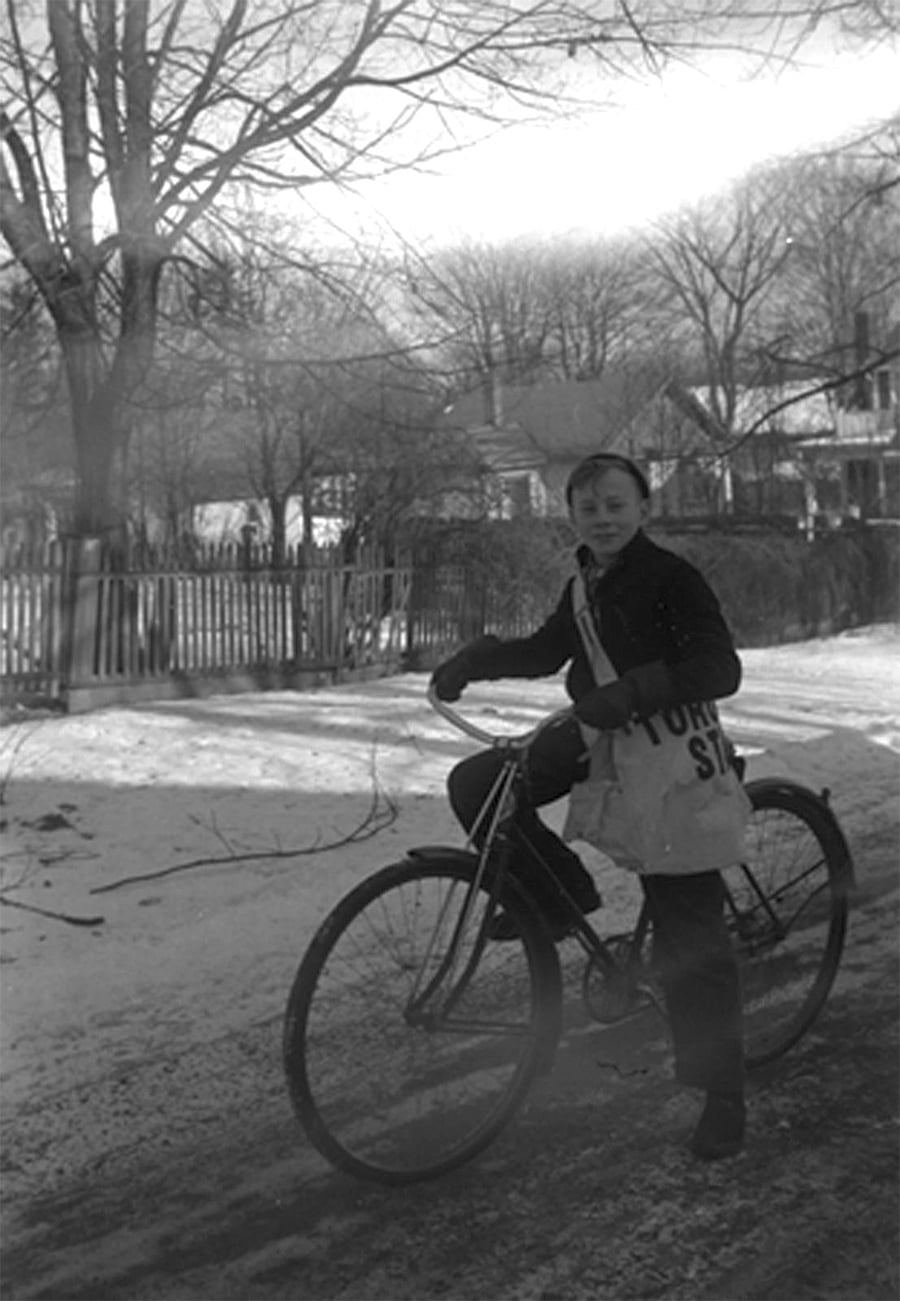
For generations, newspaper carriers delivered daily news directly to homes. Many young people earned their first paychecks through newspaper routes. As print circulation declined, so did the need for large numbers of delivery carriers.
20. Meter Reader
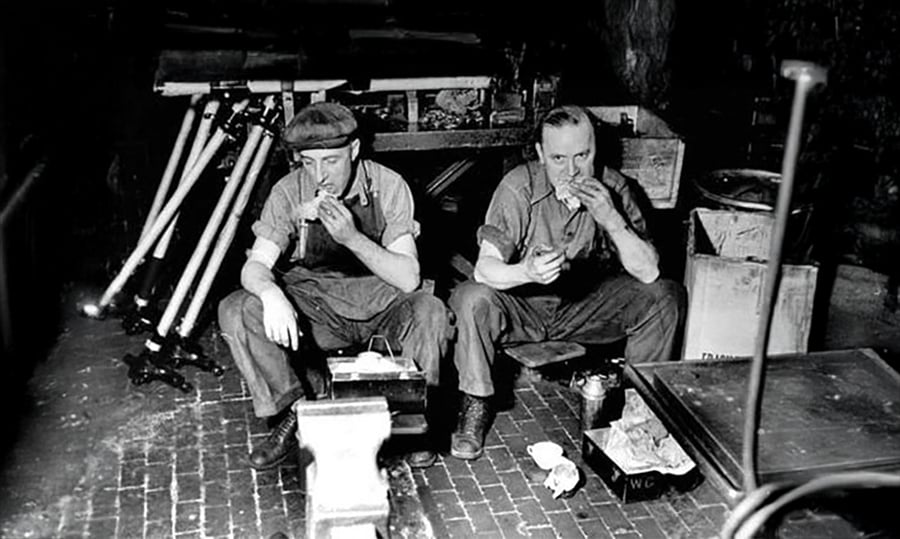
Utility companies once employed workers to visit homes and businesses to record electricity, gas, or water usage. The job required traveling from property to property every month. Automated meters have largely taken over this responsibility.
21. Stenographer
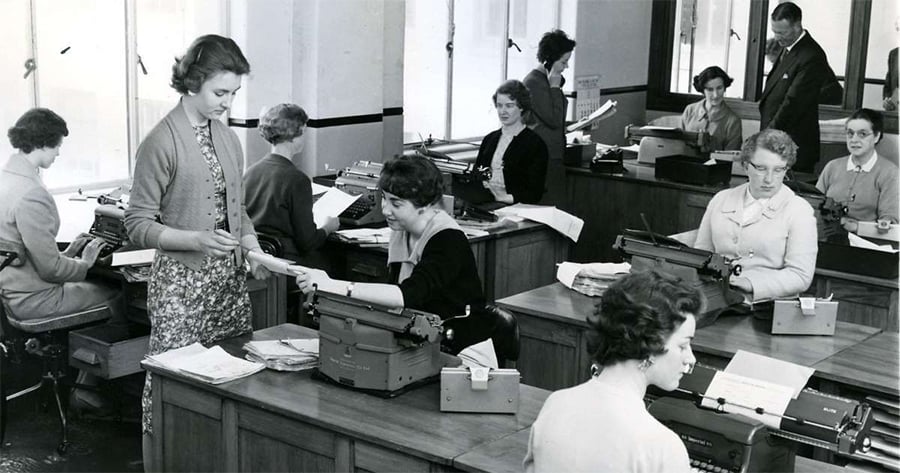
Stenographers used shorthand techniques to quickly transcribe speeches, meetings, and legal proceedings. Their skills were highly valued in offices, courtrooms, and government agencies. Advances in recording technology reduced the demand for many of these positions.
22. Human Computer
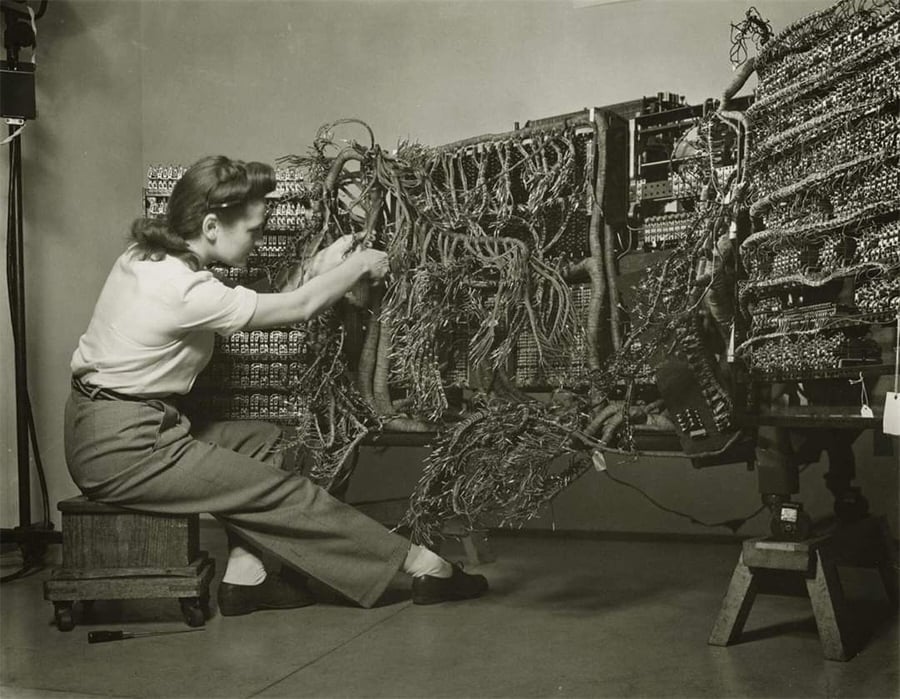
Long before electronic computers existed, people performed complex calculations by hand for businesses, governments, and scientific organizations. Their work supported engineering projects, research programs, and financial operations. The profession disappeared as computers became widely available.
23. Traveling Salesman
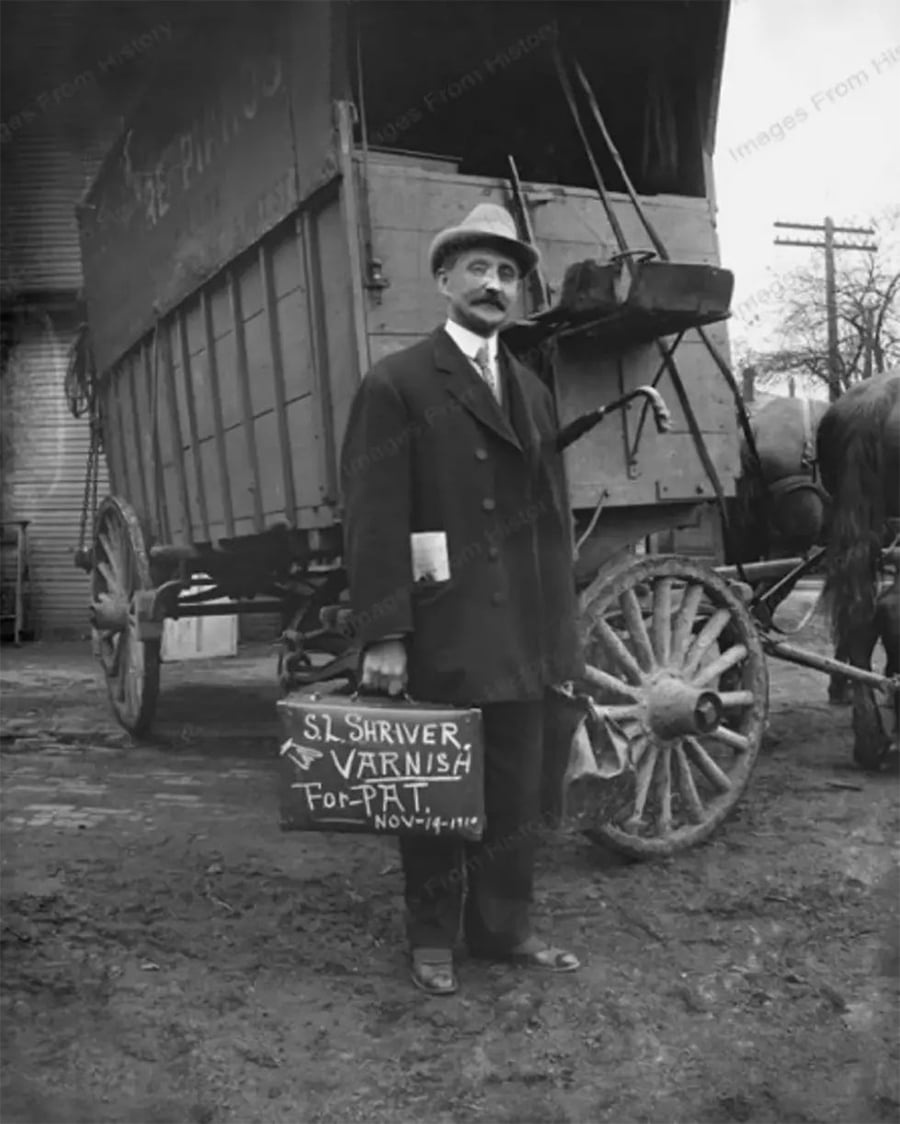
Traveling salesmen spent much of their time on the road introducing products directly to customers and retailers. Personal relationships played a major role in their success. Modern communication and e-commerce transformed the sales landscape.
24. Factory Timekeeper
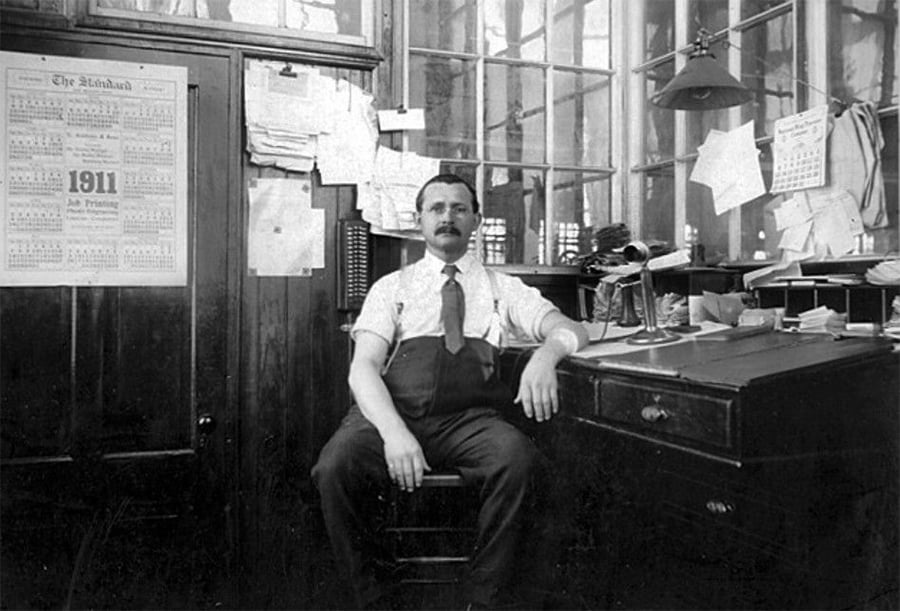
Before computerized attendance systems, factory timekeepers tracked employee schedules, hours worked, and payroll records. Their accuracy was essential for keeping operations running smoothly. Digital systems eventually automated much of the work.
25. Cigarette Girl
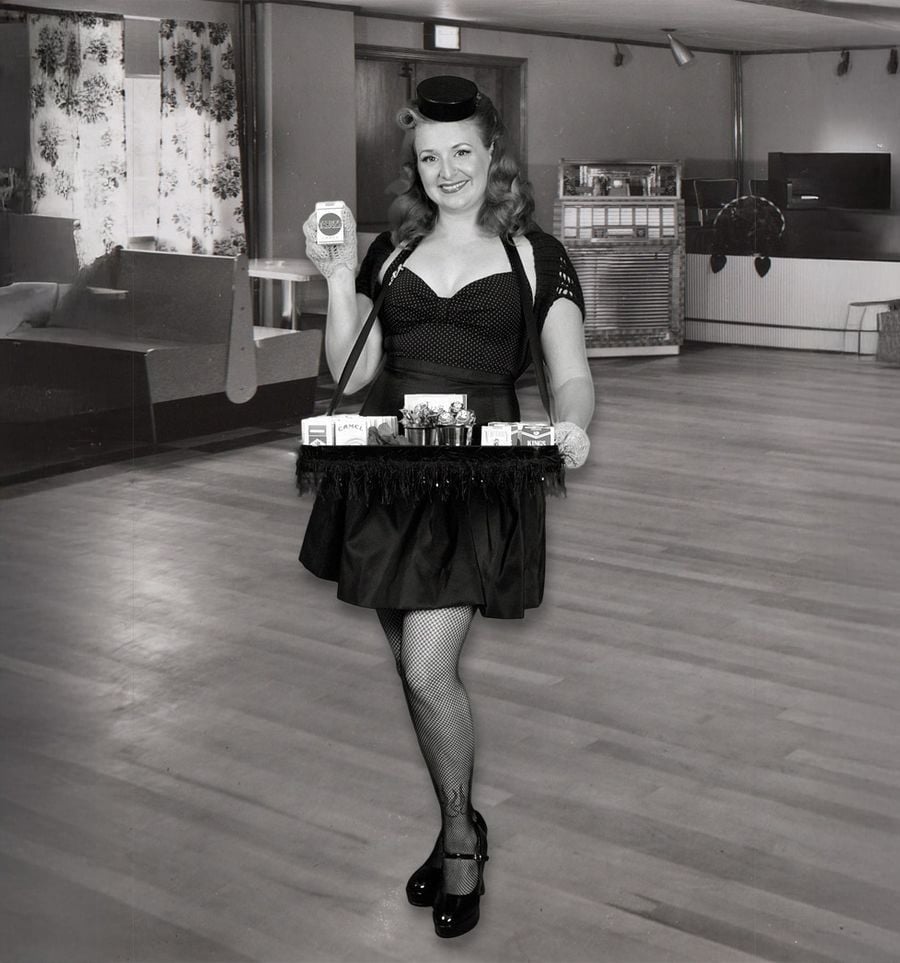
In theaters, hotels, restaurants, and nightclubs, cigarette girls walked through crowds selling cigarettes and small convenience items. The role became an iconic part of nightlife culture during the early and mid-twentieth century. Changing social attitudes and declining smoking rates contributed to its disappearance.
Keep Reading About Jobs and Everyday Life From the Past
- 10 Jobs That Still Offer Strong Pensions
While pensions have become less common in many industries, some careers continue to provide retirement benefits that are difficult to find elsewhere. - 11 Jobs From the 90s That Have Disappeared
Technology and changing consumer habits transformed the workplace, causing many once-common jobs from the 1990s to fade away. - 10 Colorized Photos From the Early 1900s
These restored images offer a vivid look at everyday people, workplaces, and communities from a very different era in American history.