Space exploration sounds like something far away from daily life. Rockets, astronauts, and the moon feel like a different world. But NASA has actually changed how we live right here on Earth. Many things we use every day started as tools built for space missions.
From the phone in your pocket to the shoes on your feet, NASA’s fingerprints are everywhere. Scientists had to solve strange problems, like how to keep astronauts safe, fed, and comfortable in space. Those solutions ended up helping regular people too. Here are 15 everyday inventions we can thank NASA for.
1. Memory Foam
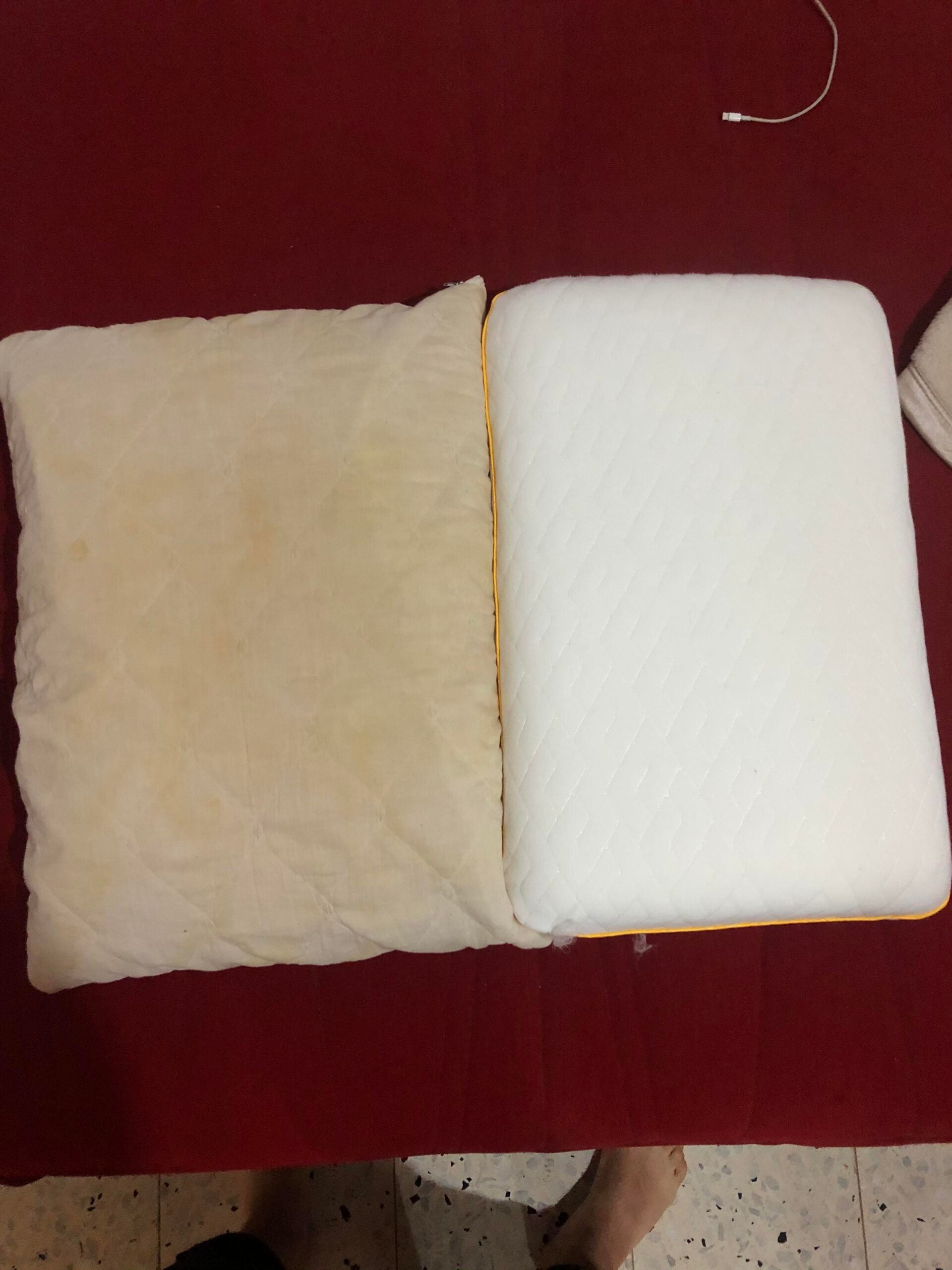
NASA made memory foam in 1966 to keep astronauts safe during rough landings. It was soft but also bounced back to its shape. Today you find it in mattresses, pillows, and even shoes.
2. Scratch-Resistant Glasses
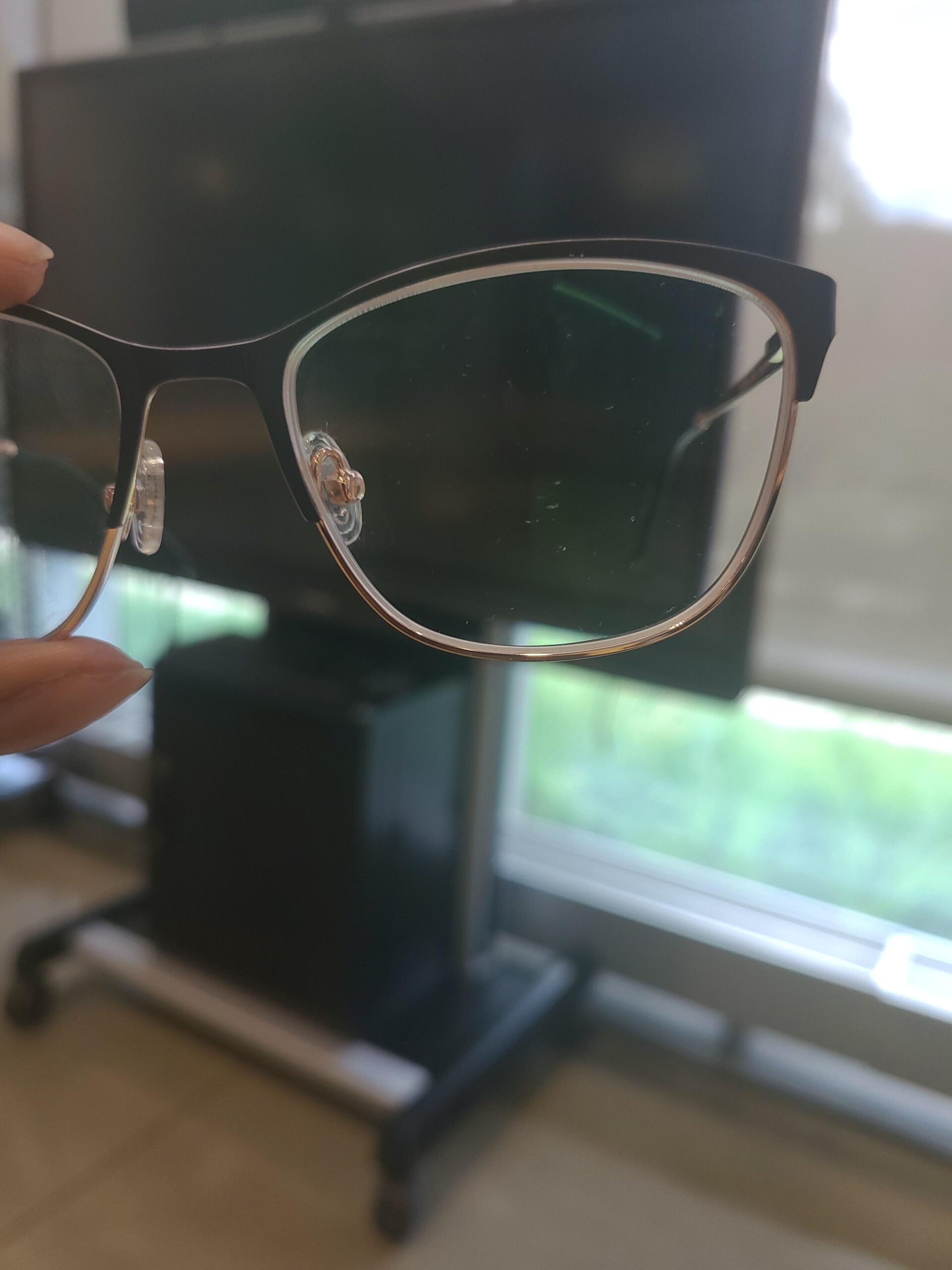
NASA created a special coating to protect astronaut helmets from scratches. Now that same coating is used on most eyeglasses and sunglasses to keep the lenses clear longer.
3. Freeze-Dried Food
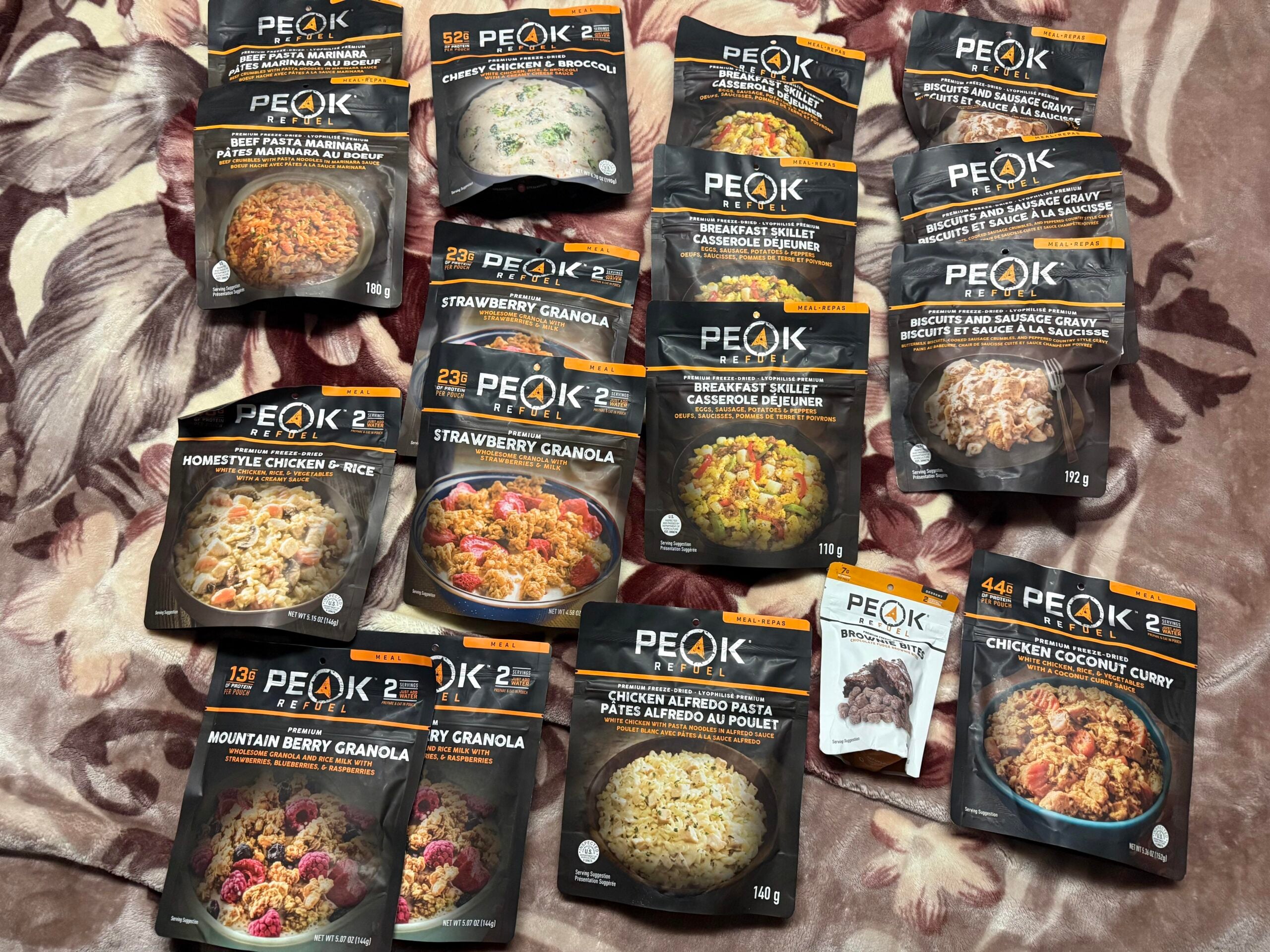
Astronauts needed food that was light and would not spoil in space. NASA helped improve freeze-drying methods. This is why hikers and campers can carry meals that last a long time.
4. Water Filters
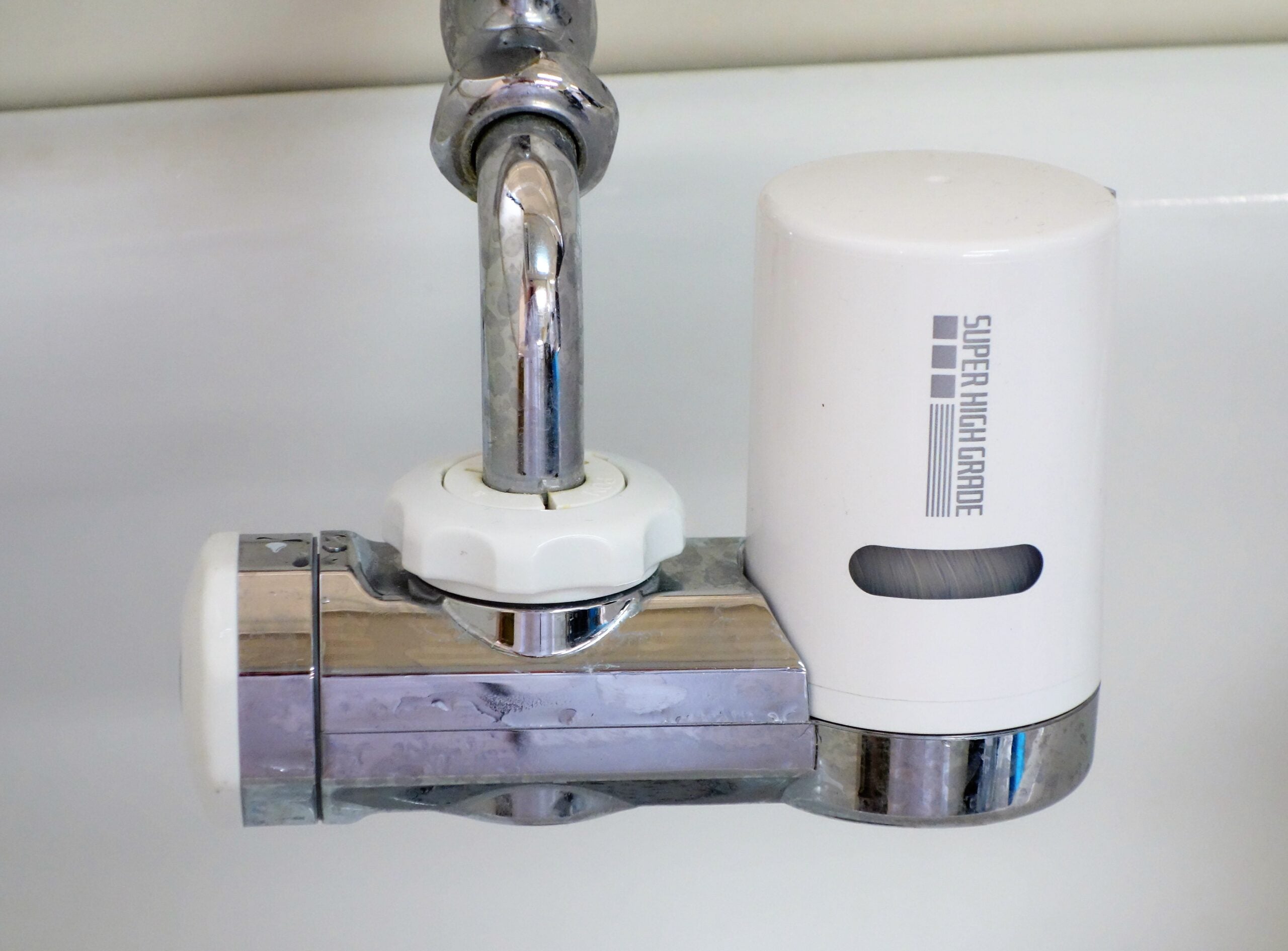
NASA needed a way to make clean drinking water on space missions. Their filter technology now helps clean water in homes, campers, and even in places without clean water access.
5. Wireless Headphones
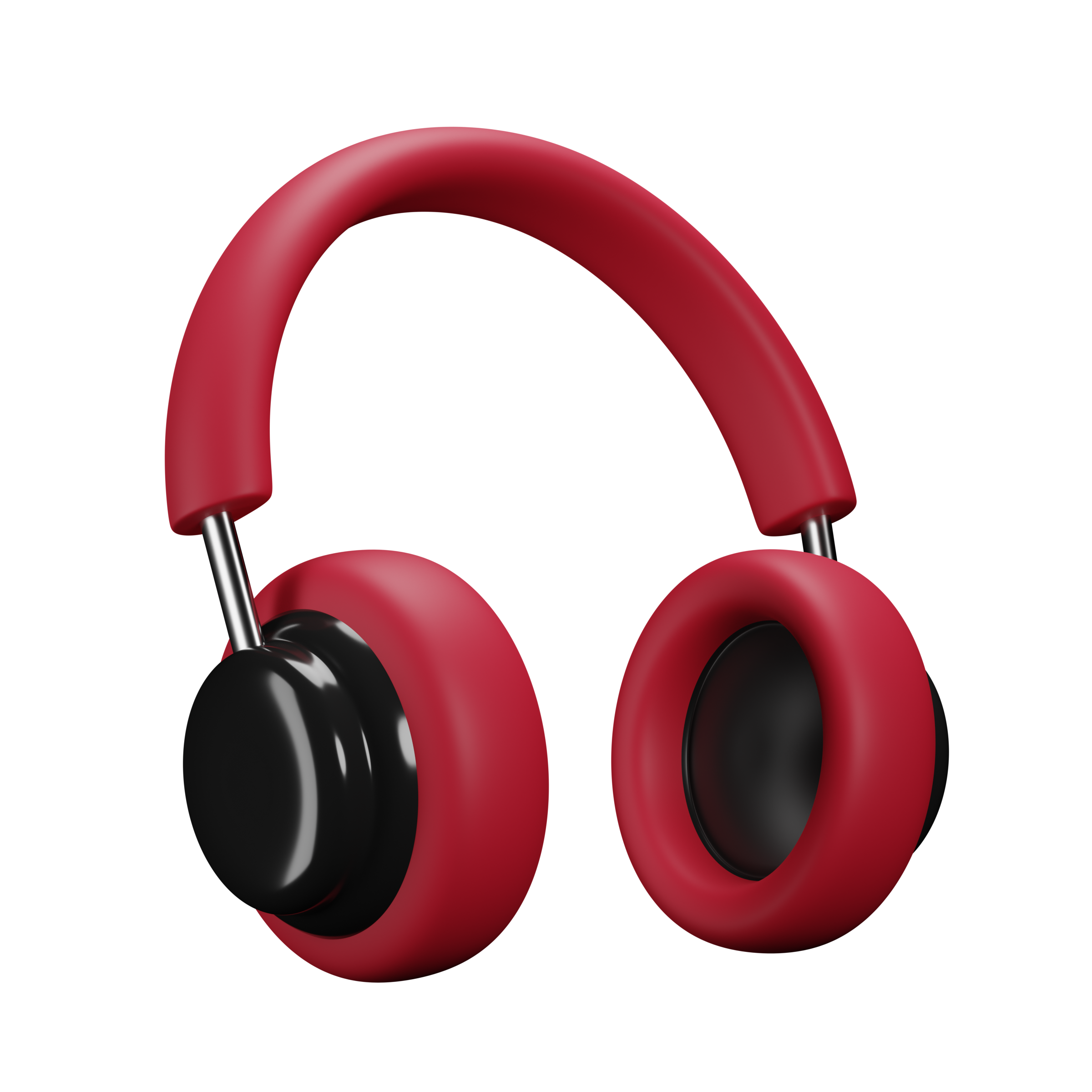
NASA needed astronauts to talk hands-free while wearing space suits. This early wireless audio work helped lead to the wireless headphones we use today.
Trending on Wealth Gang


6. Better Running Shoes
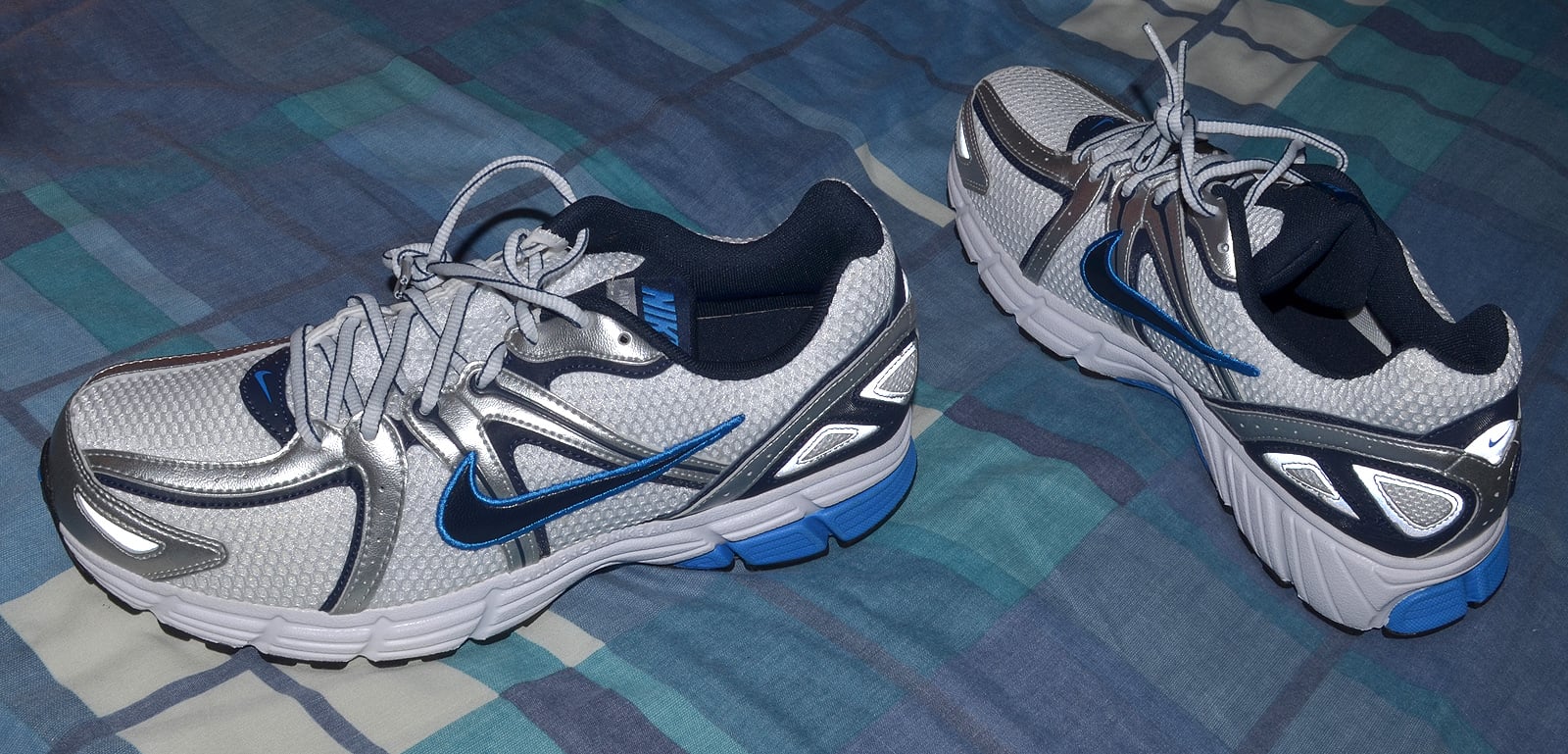
NASA’s space suit design work led to better cushioning methods. Shoe companies later used these ideas to make running shoes with more support and shock absorption.
7. Invisible Braces
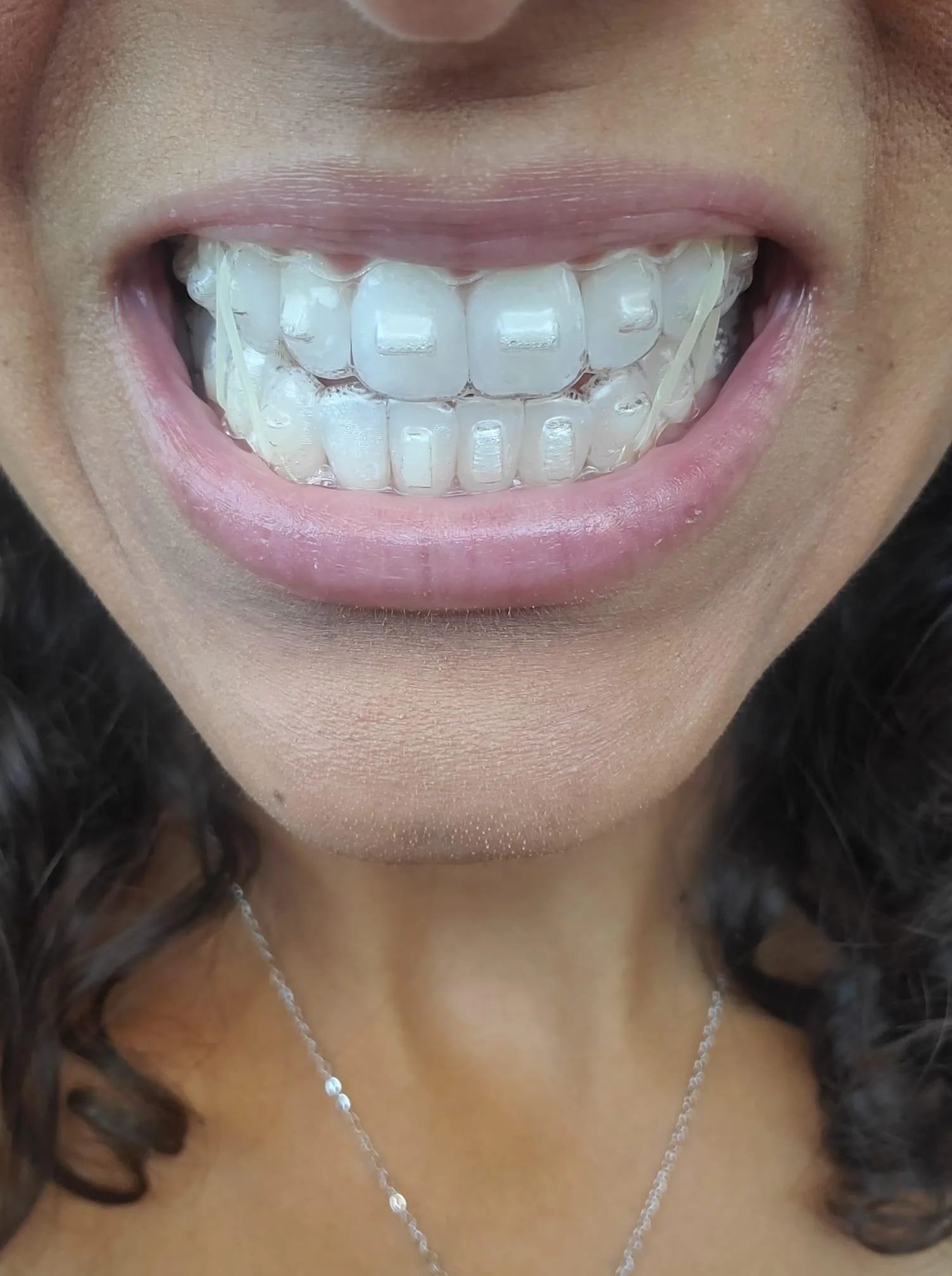
NASA was working on a strong, clear material for tracking heat-seeking missiles. Dentists later used this same clear material to make braces that are hard to see.
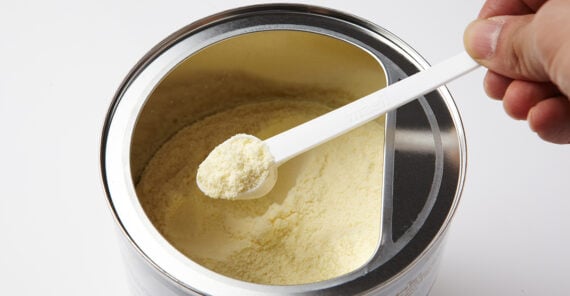
8. Baby Formula
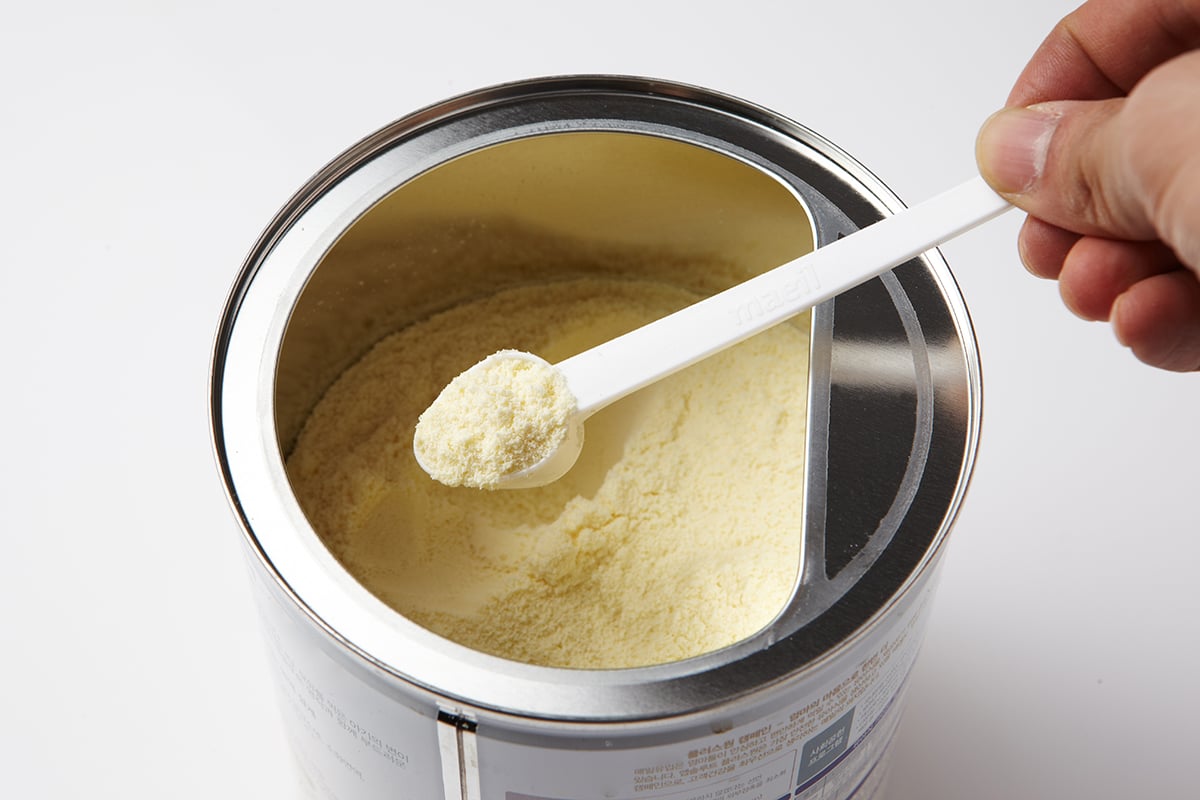
NASA studied algae as a food source for long space trips. They found nutrients in the algae that helped brain and eye growth. Those nutrients are now added to most baby formula.
Sign up for our newsletter
9. CAT Scans & MRI Improvements
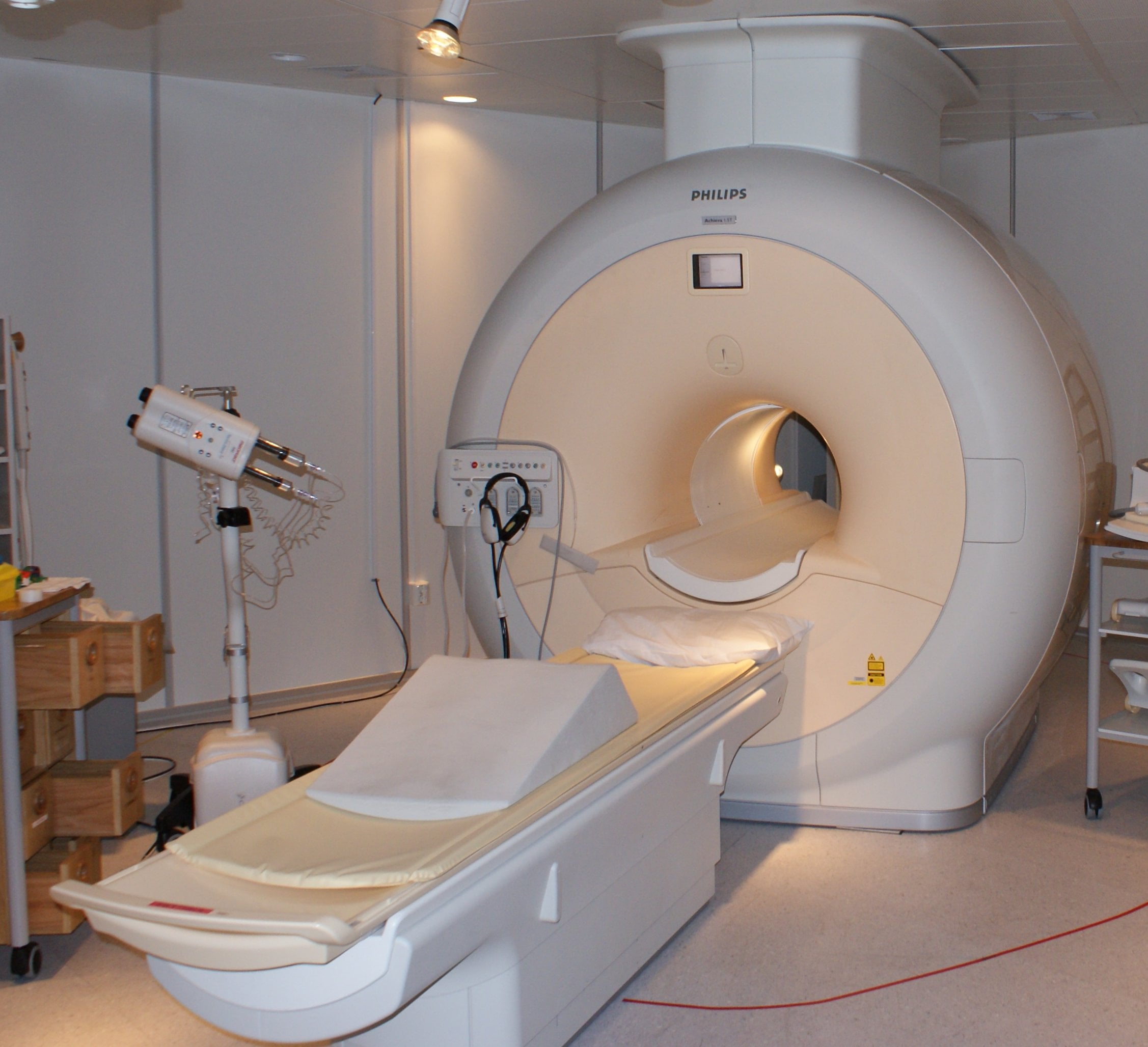
NASA created ways to enhance and clean up images from the moon. This image technology helped doctors build better CAT scan and MRI machines.
10. Smoke Detectors
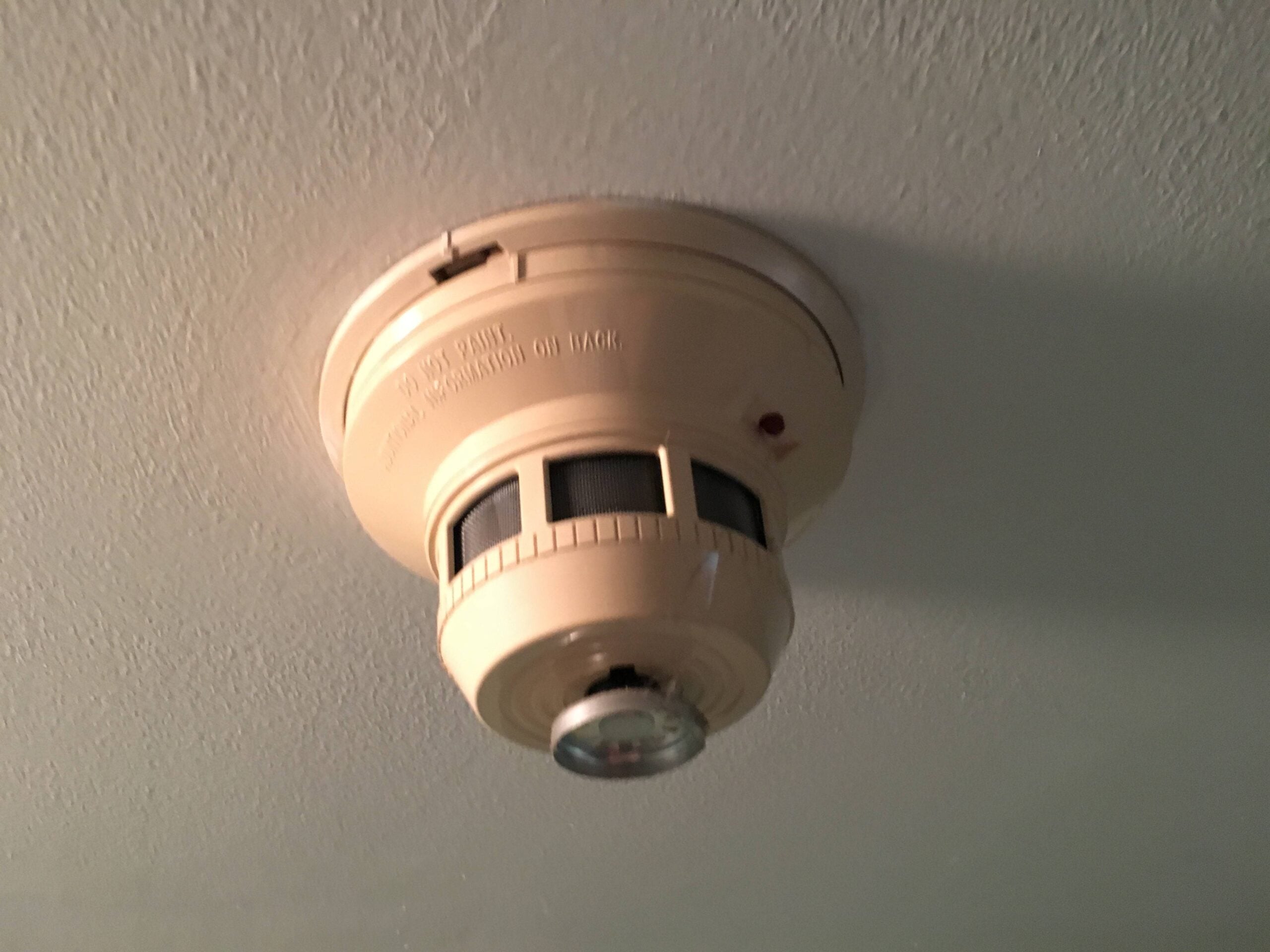
NASA needed a way to sense small amounts of smoke on space stations. Their design became the base for the smoke detectors now found in most homes.
11. Cordless Tools
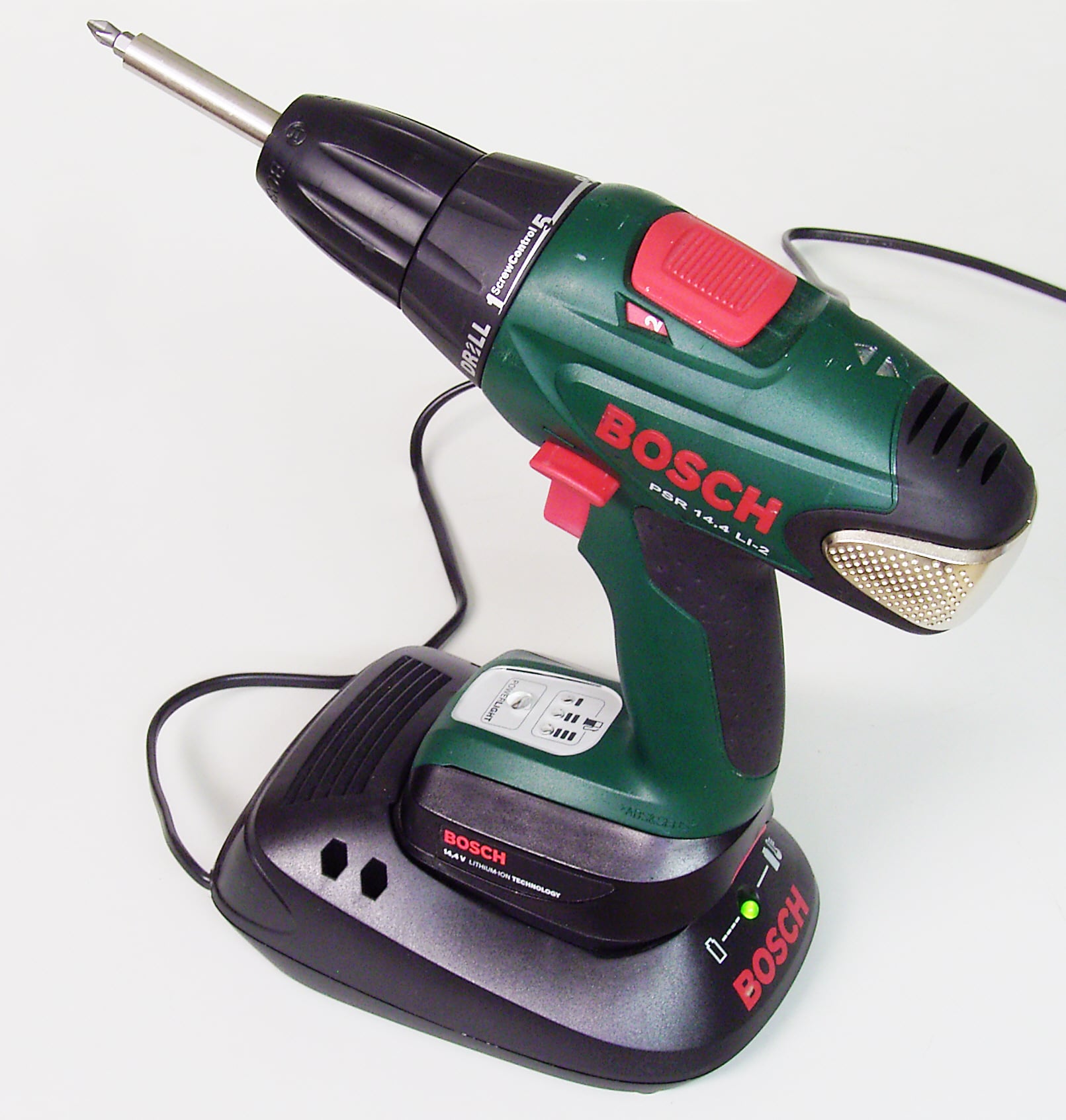
NASA needed astronauts to drill and collect moon rocks without a power cord. This led to the first cordless drill, which later inspired all cordless tools we use now.
12. GPS Technology
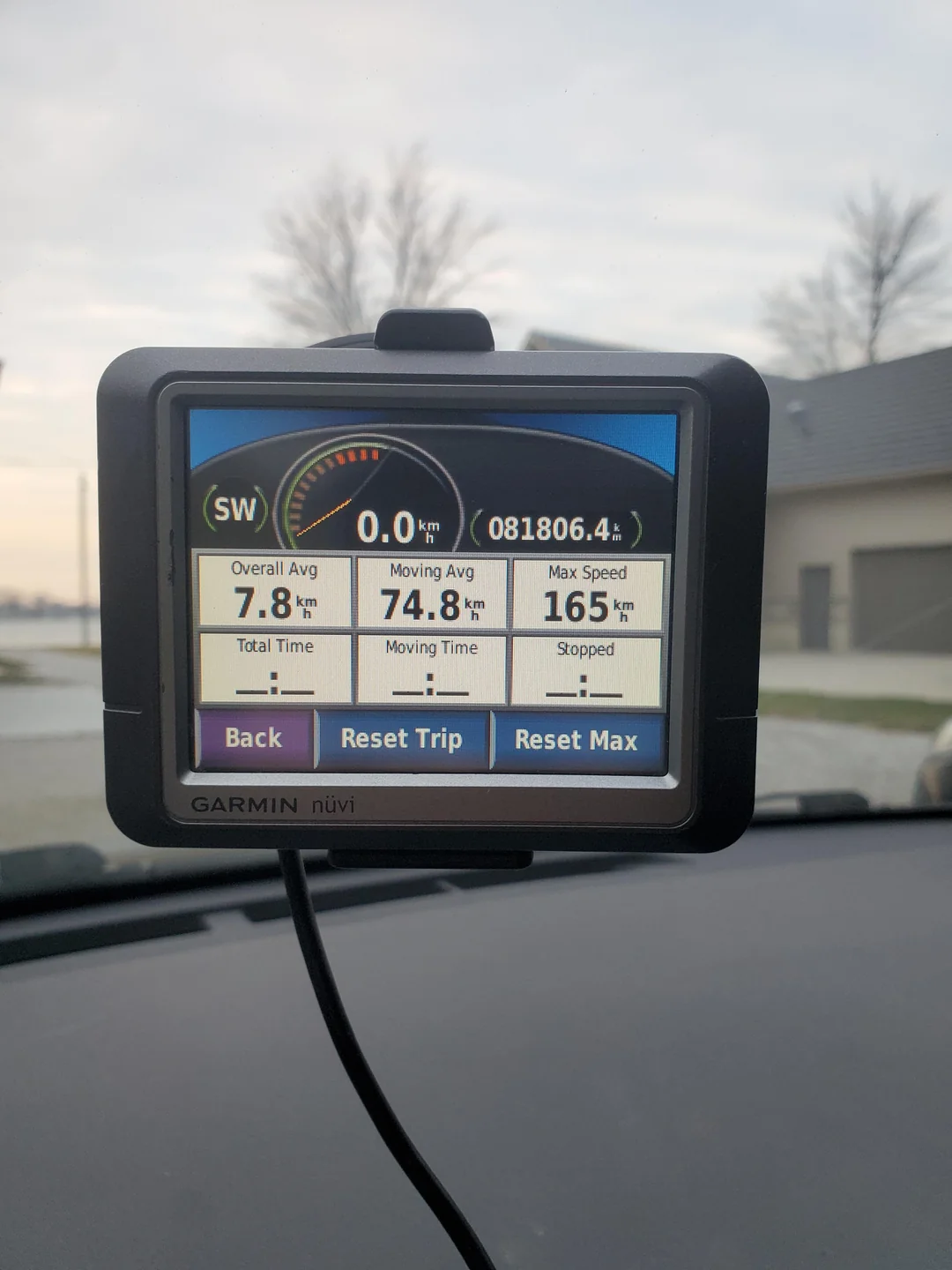
NASA helped build and improve satellite systems for tracking spacecraft. This same satellite work became the base for the GPS we use in cars and phones today.
13. Camera Phone Sensors
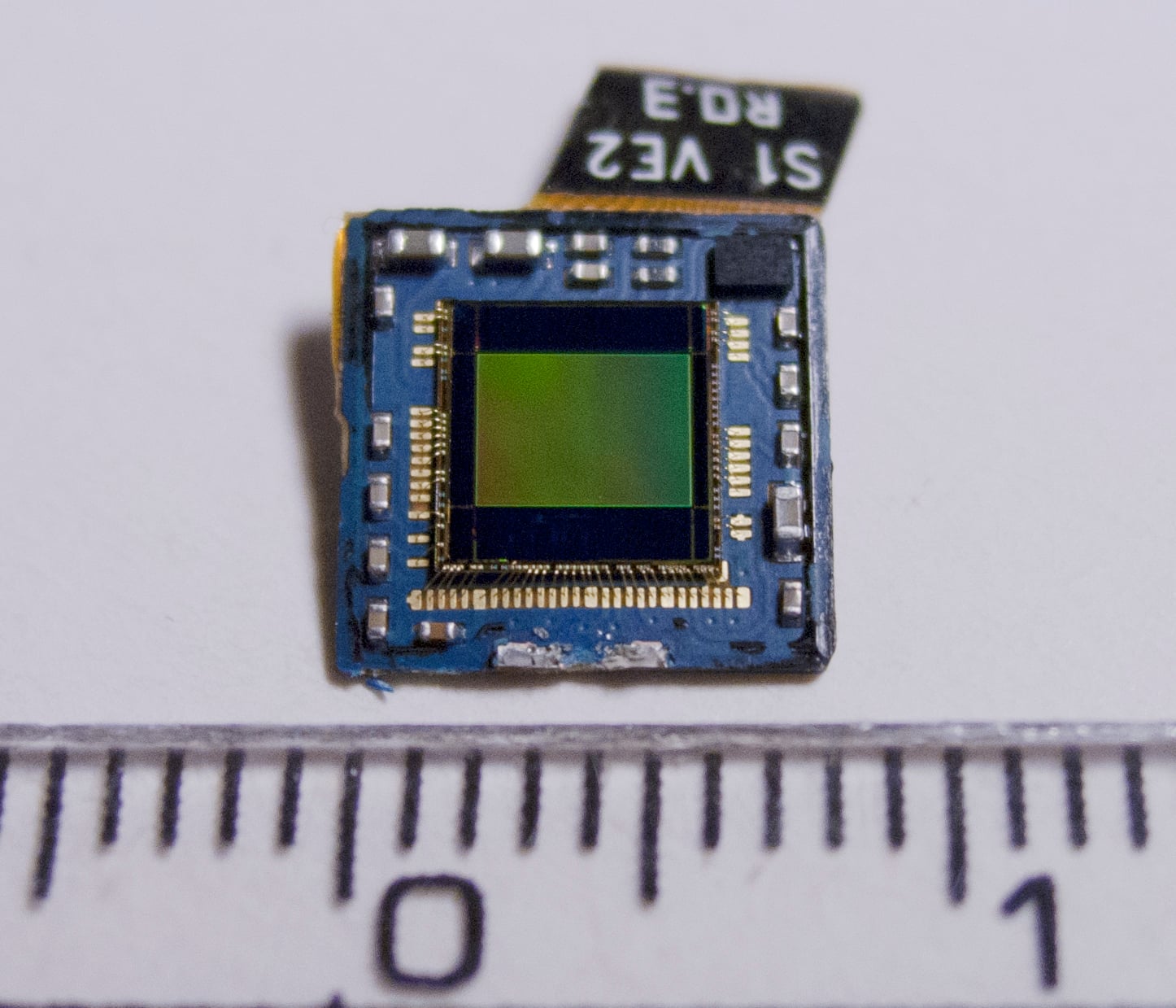
NASA needed small, light cameras that used very little power for space cameras. This sensor design is now used in almost every smartphone camera.
14. Solar Panels
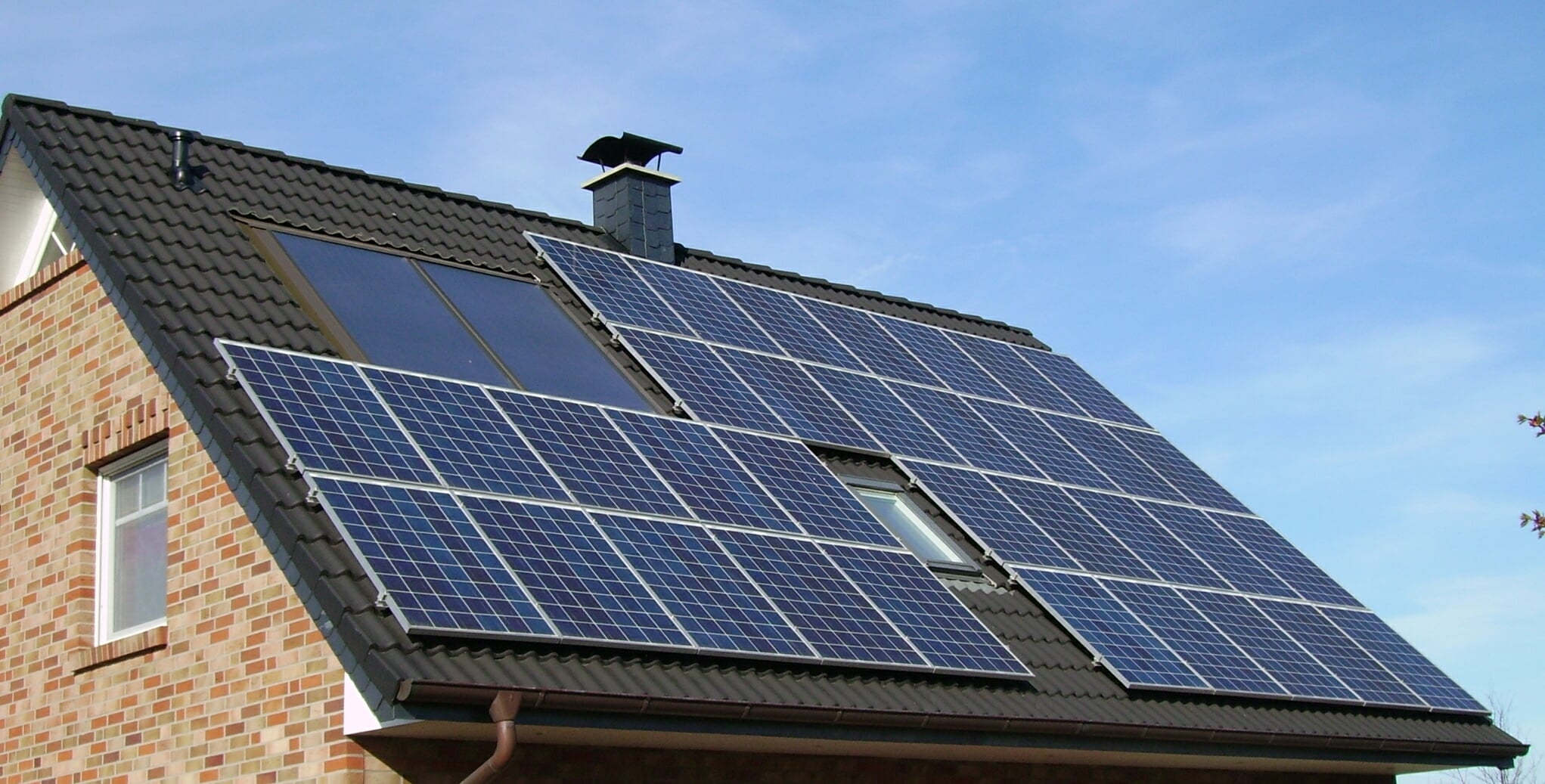
NASA used solar power to run satellites since they could not plug into an outlet in space. This early solar work helped make solar panels cheaper and more common on homes today.
15. Firefighter Gear
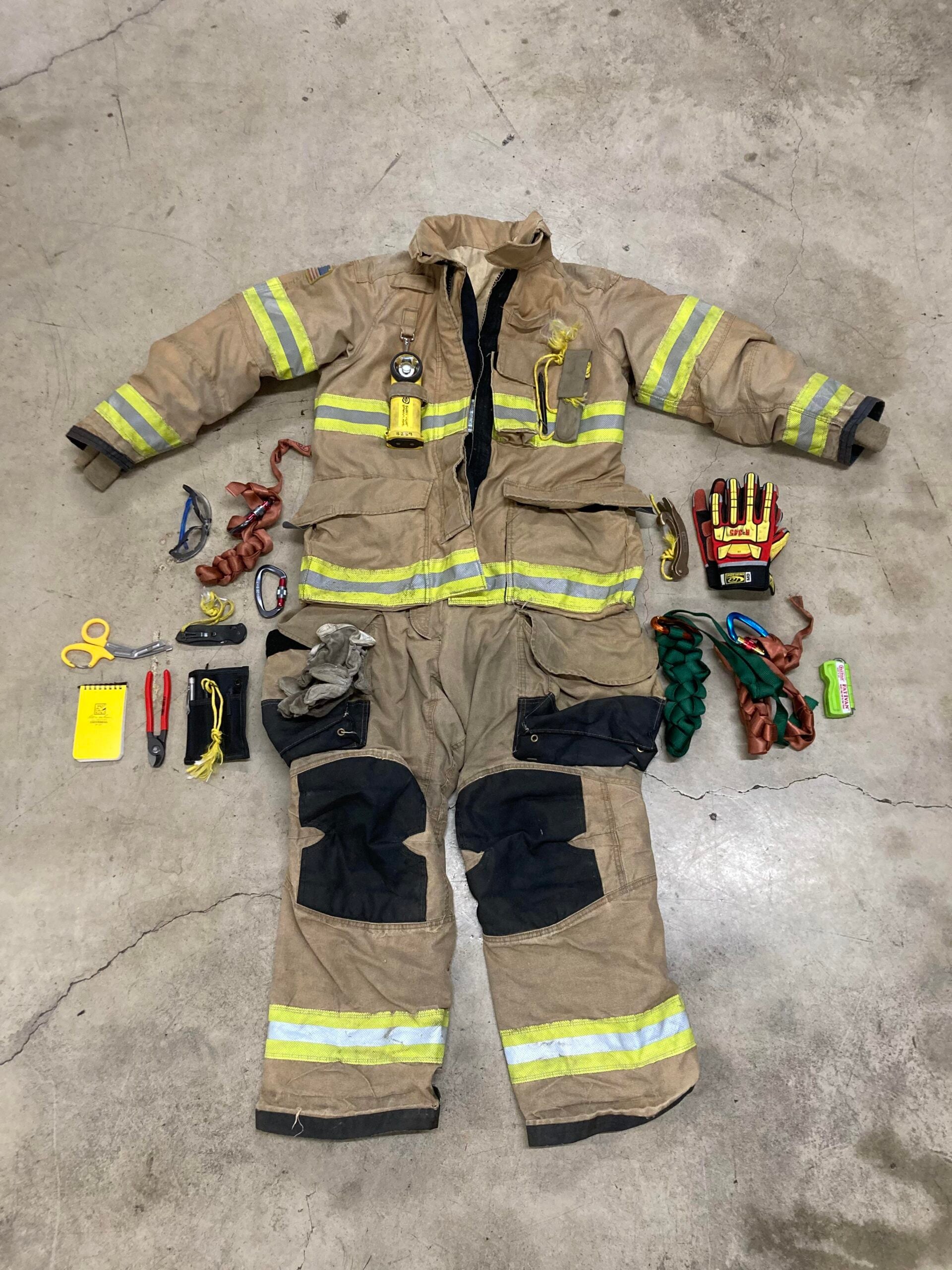
NASA made special materials to protect astronauts from extreme heat. Firefighters now use similar heat-resistant materials in their suits and gear.
Looking for similar content?
12 Forgotten Inventions That Were Ahead of Their Time looks at the ideas that flopped commercially but got the concept right decades early, from video calling to robot vacuums. 12 Inventions From the Past That We Still Can’t Live Without flips that script with everyday objects, like the zipper and the safety pin, that got it right the first time and never needed a redesign. And 14 Everyday Inventions We Didn’t Know Came From the 1960s centers in on one specific decade, tracing the ATM, the computer mouse, and Kevlar back to a ten-year stretch that quietly reshaped daily life.