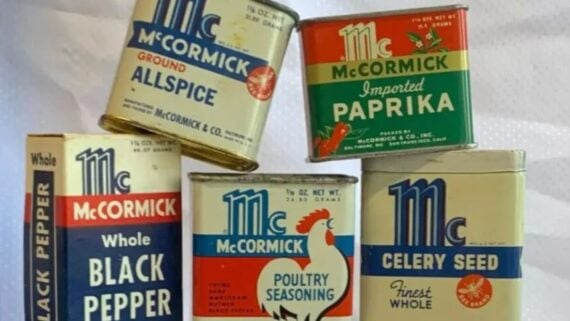

A century ago, everyday life looked very different not just in terms of technology and culture, but also in how much things cost. While many prices seem unbelievably low by today’s standards, wages were also far smaller, making some purchases just as significant for families then as they are now. These historic photos offer a fascinating glimpse into the prices people paid for food, transportation, housing, and other essentials during the 1920s. Looking back at these snapshots helps put modern costs into perspective and reveals how much the economy has changed over the last hundred years.
1. A Loaf of Bread for Around 10 Cents
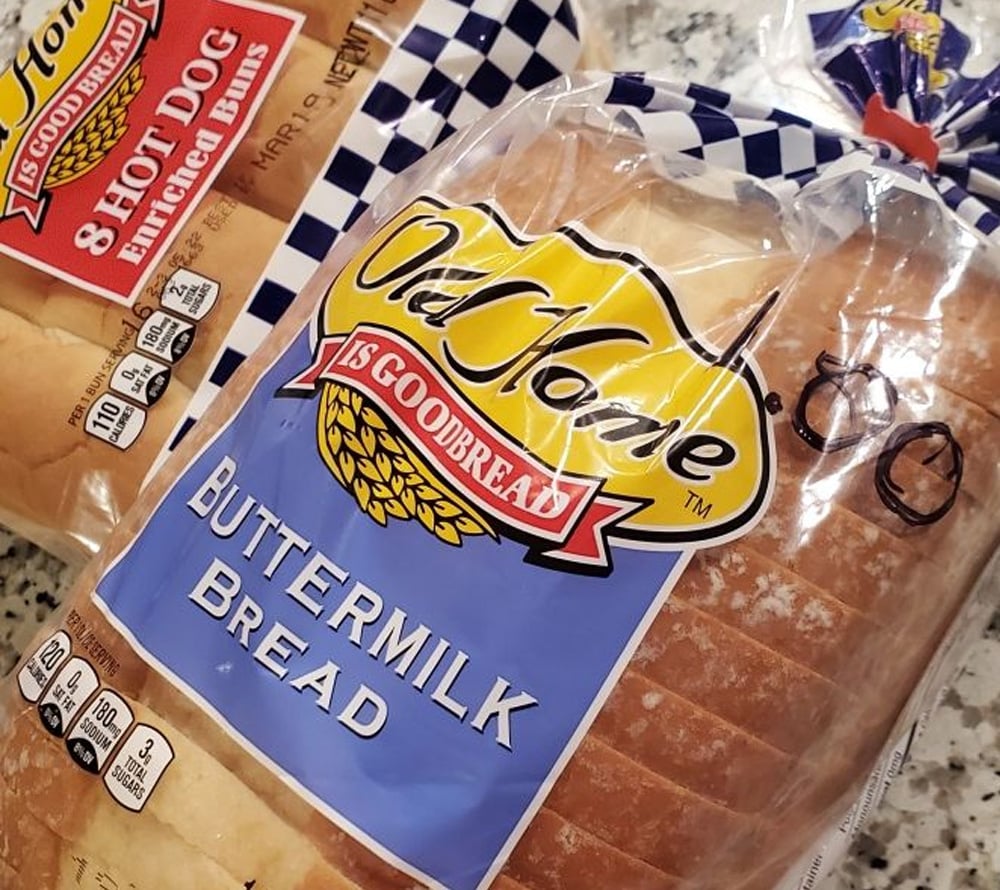
Bread was a staple in nearly every household, and a standard loaf often sold for about 10 cents in the early 1920s. While that sounds inexpensive today, it represented a meaningful purchase when many workers earned only a few dollars per day. Bakeries were common gathering spots in cities and towns alike.
2. Gasoline Cost Less Than 25 Cents Per Gallon
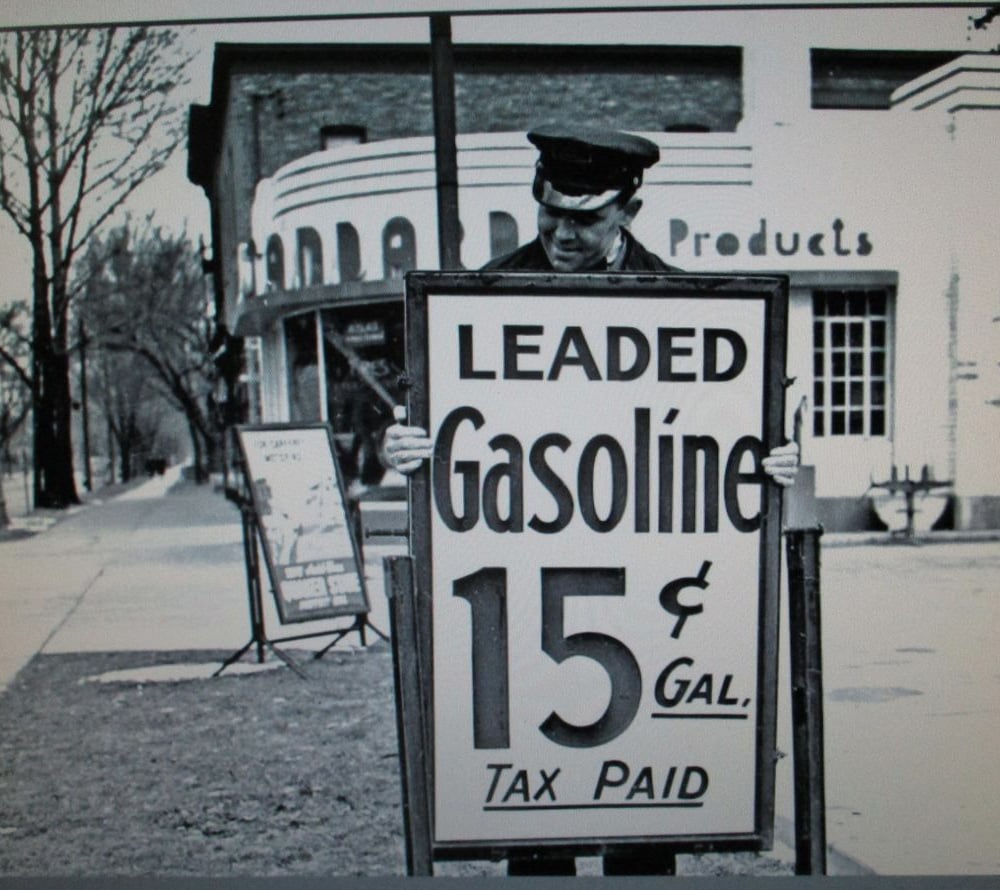
Early motorists enjoyed fuel prices that seem impossible today. Gasoline often sold for between 20 and 25 cents per gallon, helping make automobile ownership increasingly attractive. As cars became more common, fuel stations quickly appeared across the country.
3. Movie Tickets Were Often Just a Quarter
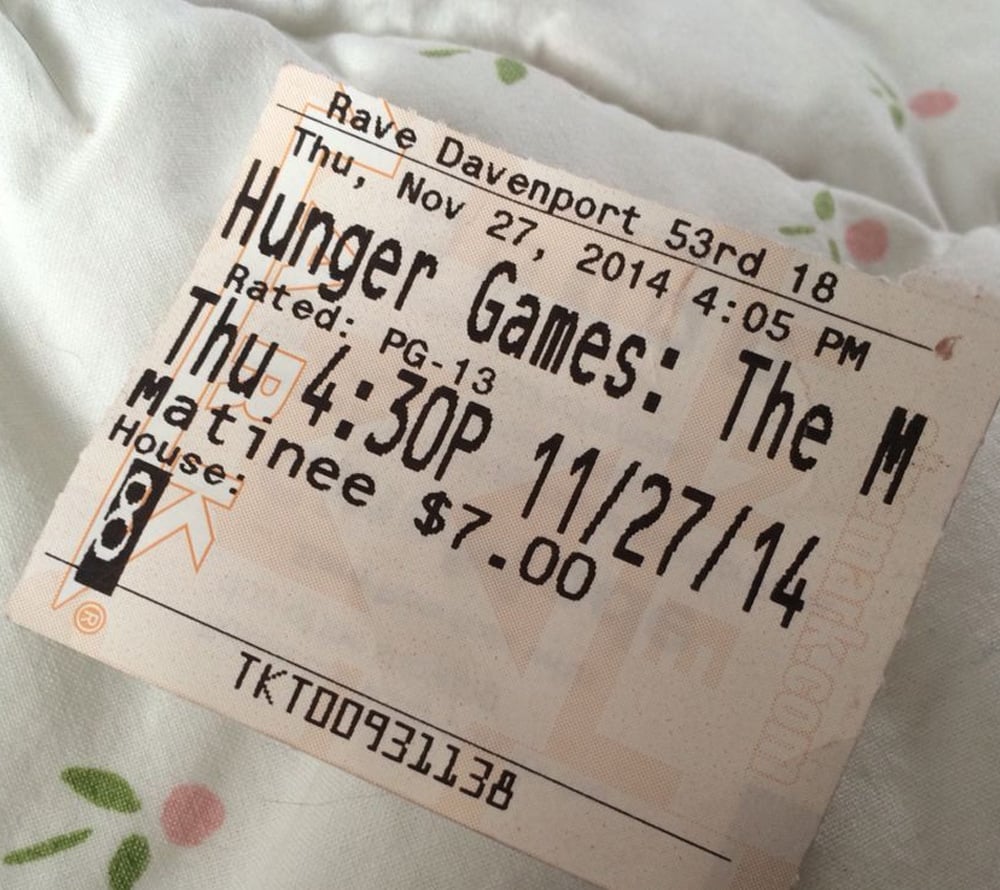
Going to the movies was one of the most popular forms of entertainment. Admission to many theaters cost around 25 cents, allowing families to enjoy an evening out without spending a fortune. Silent films dominated much of the decade before “talkies” changed the industry.
4. A New Car Could Cost Under $500
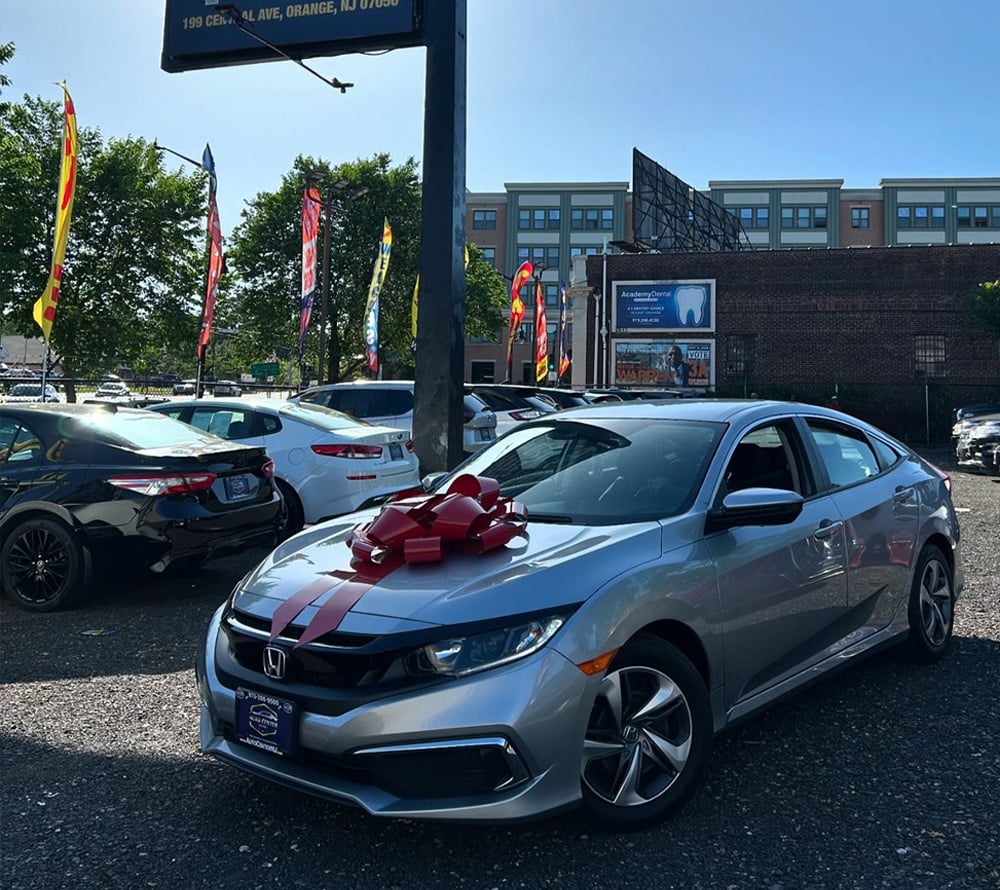
The famous Ford Model T helped make automobile ownership accessible to average Americans. By the 1920s, some models sold for under $500. Mass production techniques dramatically lowered prices and transformed transportation across the country.
5. Coffee Sold for Around 40 Cents Per Pound
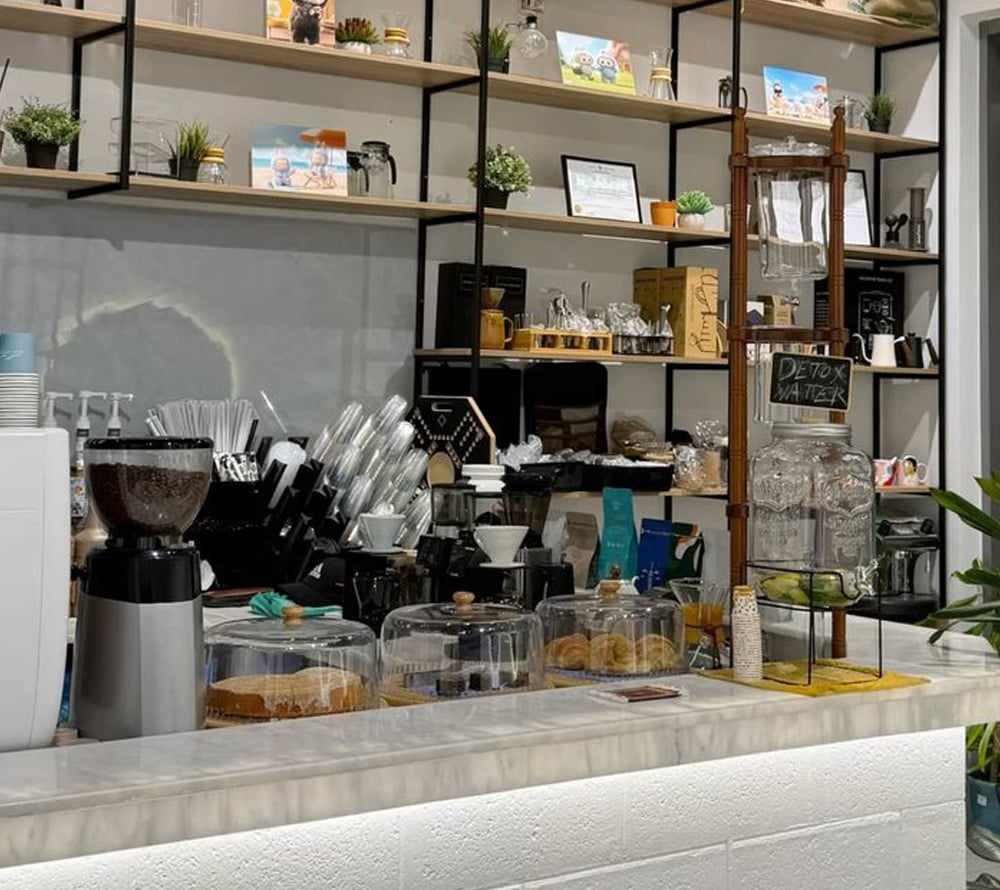
Coffee was already an essential part of daily life. Grocery advertisements from the era often promoted coffee for roughly 35 to 45 cents per pound. Families frequently bought coffee in bulk to save money.
Trending on Wealth Gang


6. A Dozen Eggs Cost About 30 Cents
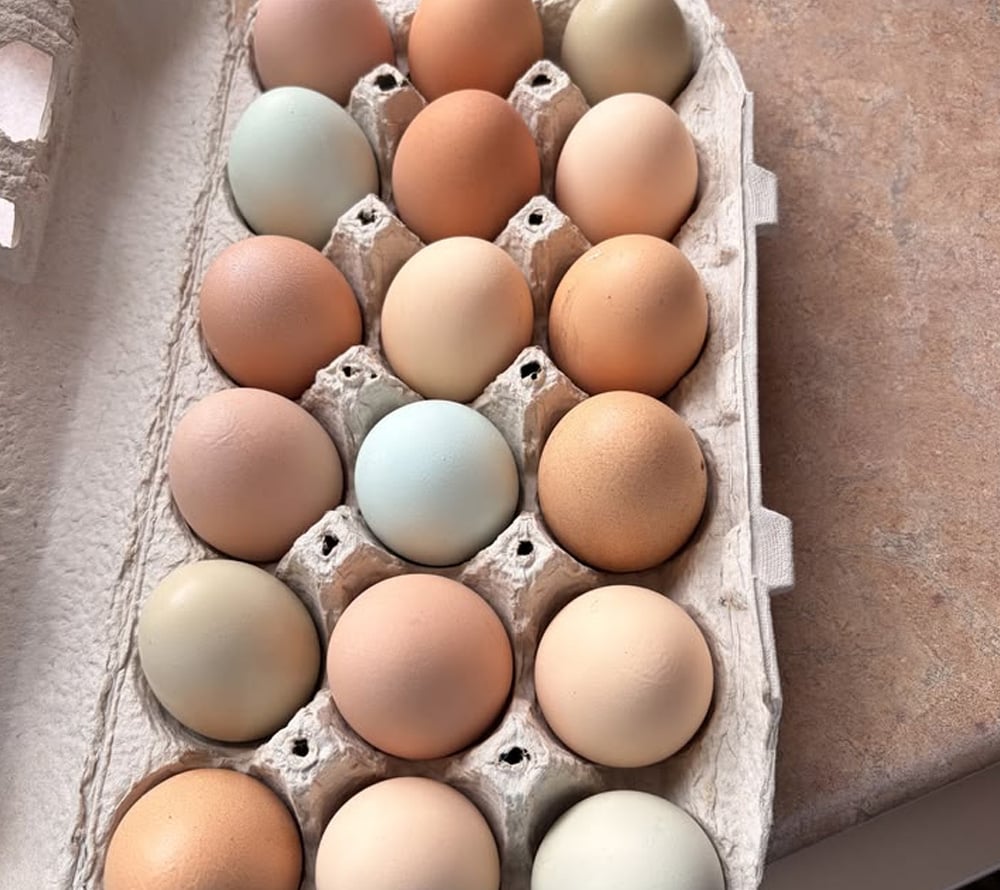
Eggs were a kitchen staple and an affordable source of protein. Prices fluctuated by region and season, but a dozen eggs commonly sold for around 30 cents. Many rural families also raised their own chickens, reducing grocery expenses even further.
7. Rent Could Be Less Than $30 Per Month
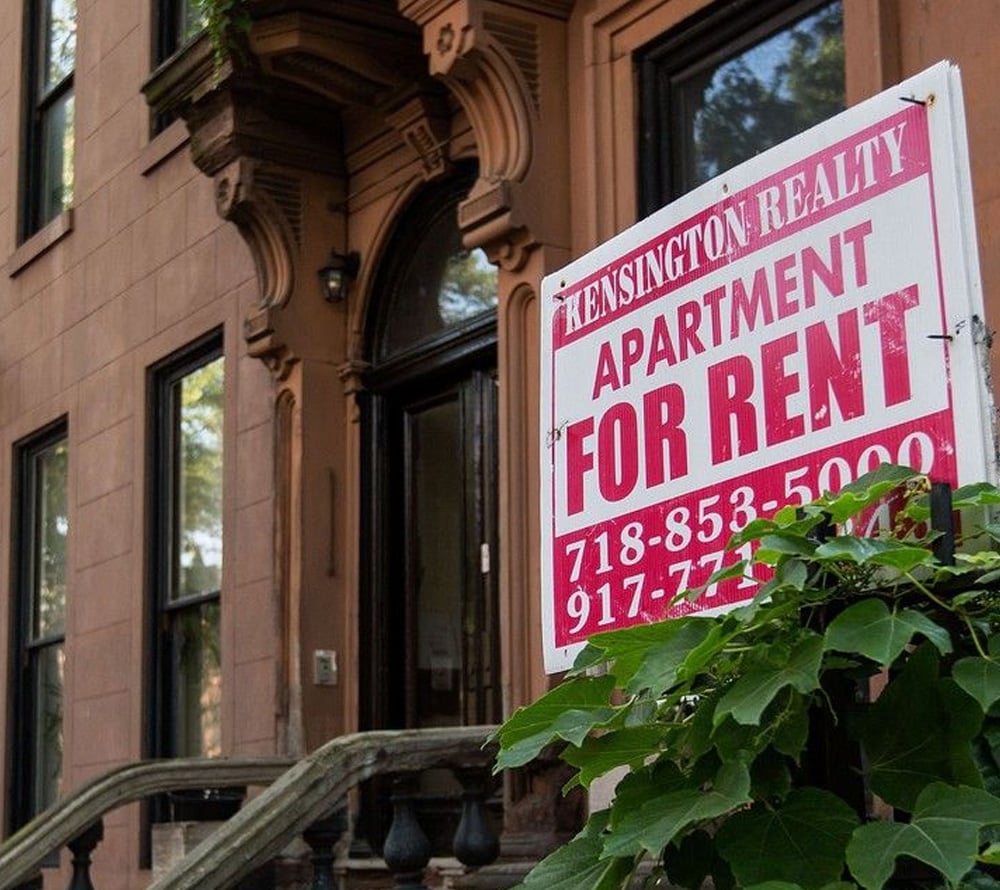
Housing costs varied widely, but many apartments rented for $20 to $30 per month. In smaller towns, rents could be even lower. Despite the seemingly tiny amounts, housing still consumed a substantial portion of many household budgets.
8. A Men’s Suit Cost Around $25

A quality suit was considered an important investment. Department stores frequently advertised men’s suits for $20 to $30. Since clothing was expected to last for years, shoppers often prioritized durability over fashion trends.
Sign up for our newsletter
9. Milk Sold for About 15 Cents Per Quart
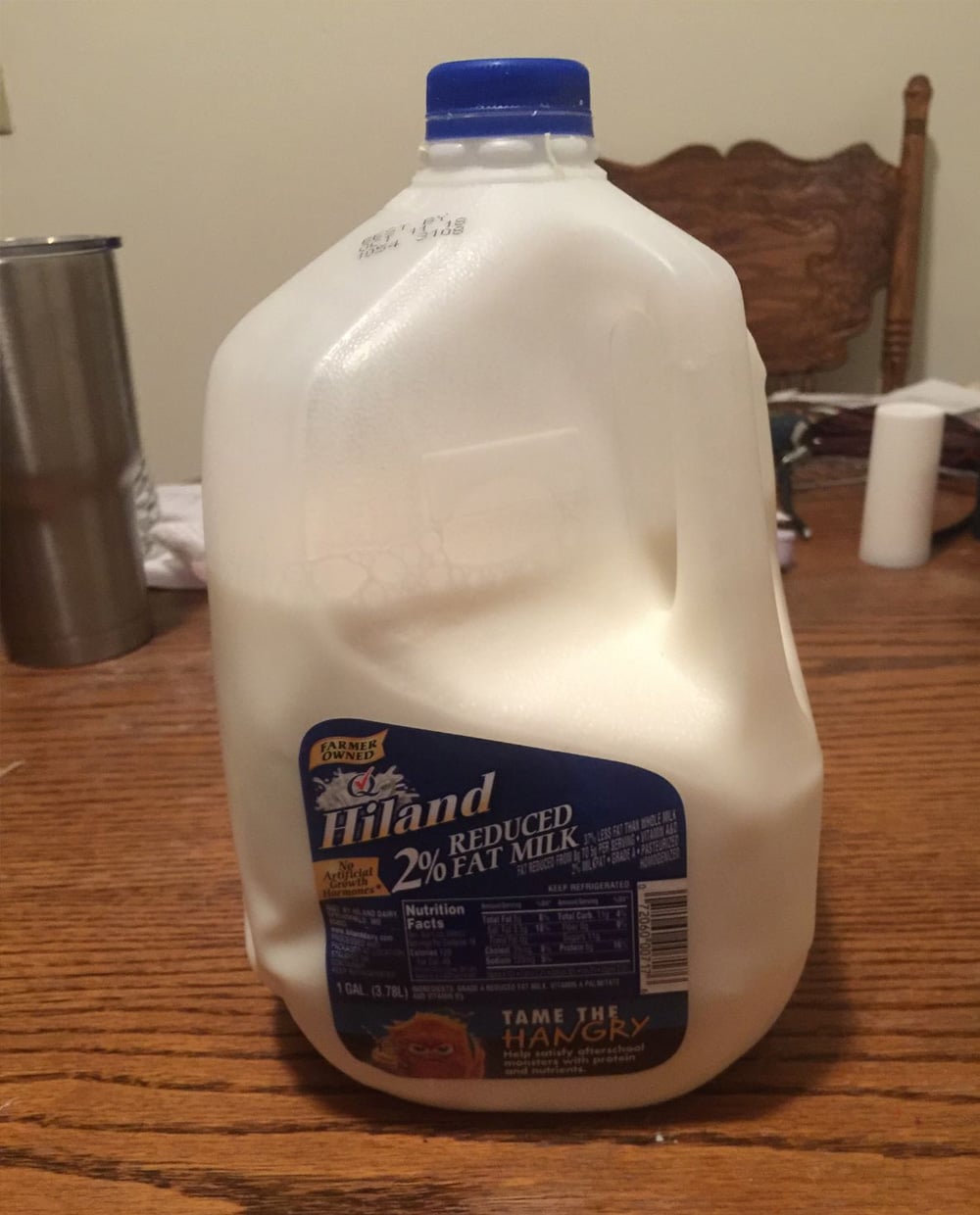
Milk deliveries were common in many neighborhoods. A quart of milk typically cost around 15 cents, making it a regular household expense. Home delivery services helped ensure families had fresh dairy products each day.
10. A Pair of Shoes Cost Around $5

Good shoes were an essential purchase and often represented a meaningful expense. A sturdy pair could cost approximately $5, which required careful budgeting for working families. Many people repaired shoes rather than replacing them.
11. A Haircut Cost About 50 Cents

Barbershops were important community gathering places. A standard haircut often cost around 50 cents, making grooming relatively affordable. Many barbers also offered shaves and other services for a few additional cents.
12. Butter Sold for Around 50 Cents Per Pound
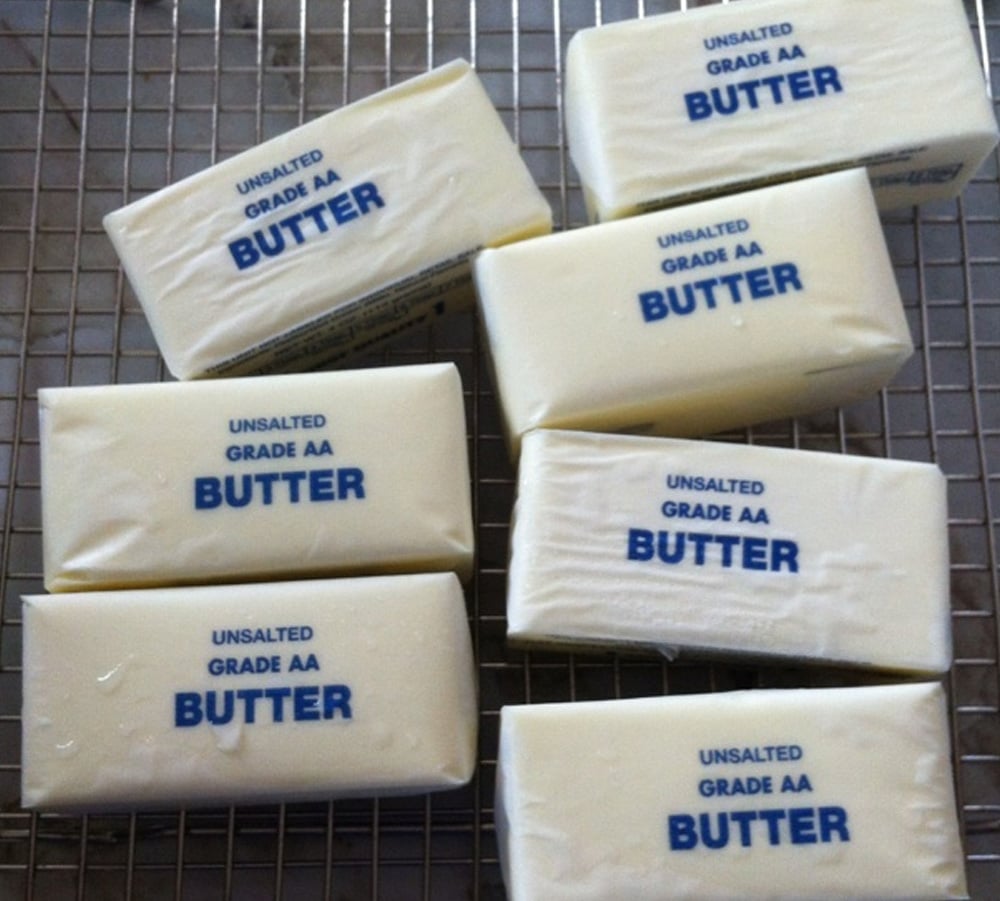
Butter was a common household staple and appeared regularly in grocery advertisements. Prices often hovered near 50 cents per pound, depending on local supply and demand. It remained an important ingredient in home cooking and baking.
13. A Newspaper Cost Just a Few Cents
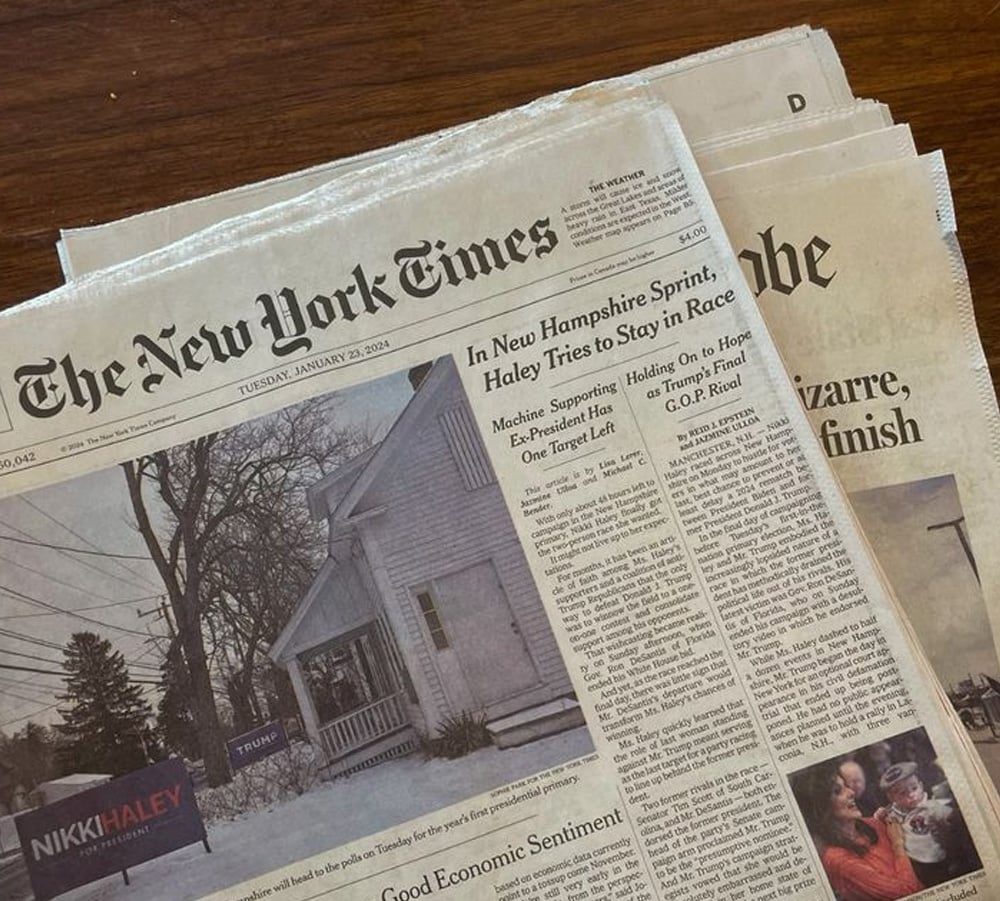
Daily newspapers were the primary source of information for millions of people. Most sold for two to five cents per copy. Readers relied on them for national news, local events, sports scores, and classified advertisements.
14. A Train Ticket Was a Major Purchase
Long-distance train travel remained the dominant way to travel across the country. Depending on the route, tickets could cost several dollars. For many families, train travel represented a significant expense reserved for important trips.
15. Sugar Sold for Around 7 Cents Per Pound

Sugar was a household necessity and a common ingredient in home baking. Prices frequently ranged between 6 and 8 cents per pound. Grocery stores often used sugar as a featured sale item to attract customers.
16. A Refrigerator Was a Luxury Purchase
Mechanical refrigerators were becoming more available but remained expensive. Some units cost several hundred dollars, making them a major investment. Many households still relied on iceboxes and regular ice deliveries.
17. A Restaurant Meal Could Cost Under $1
Eating out was less common than it is today, but affordable diners and lunch counters existed in many cities. A simple meal could often be purchased for well under a dollar. These establishments became popular among workers seeking quick meals.
18. A House Could Cost Around $6,000

The average home price varied by location, but many houses sold for approximately $6,000 in the 1920s. While dramatically lower than modern home prices, purchasing a house still required years of saving and financial planning for most families.
More Related Notes
• 15 Things the Average Family Could Afford in 1980 but Struggles With Today
A fascinating comparison of purchasing power across generations, showing how the cost of everyday life has evolved over time.
• 10 Everyday Costs That Have Changed the Most Since 2000
This article explores modern price changes and highlights how inflation and economic shifts continue to affect household budgets.
• 16 Photos That Show What Middle-Class Life Looked Like in the 1880s
A complementary read offering visual insight into how ordinary families lived, worked, and managed expenses in a very different era.