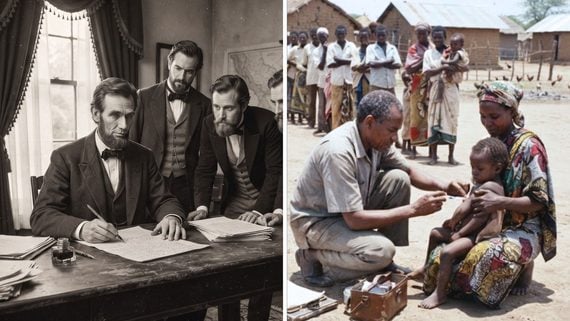
History is full of big moments, but plenty of them come down to one person, one room, and one choice. Some of those decisions pushed human rights and science forward, others set off devastating conflicts, and a few transformed entire civilizations. Here are 15 decisions that changed the course of history, from a general crossing a river to a lab handing the web over to everyone. None of these moments happened in a vacuum, but every one of them was a turning point.
1. Julius Caesar Decided to Cross the Rubicon River in 49 B.C.
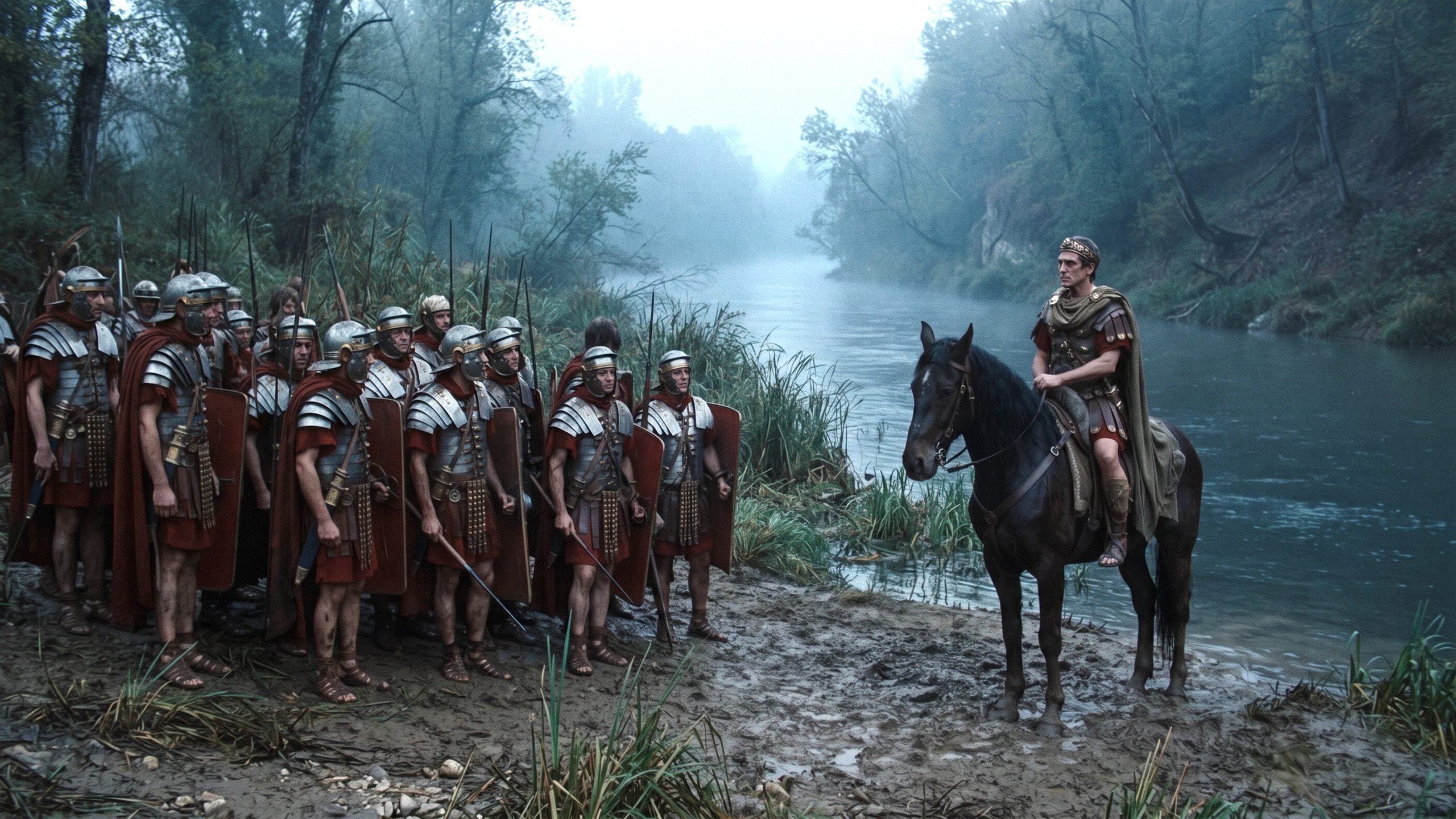
In January 49 B.C., Julius Caesar had a simple choice: hand his army over to the Roman Senate or keep it. He kept it. According to Encyclopaedia Britannica, he marched his troops across the Rubicon River into Italy, which was basically an open challenge to Rome’s leaders. That move set off a civil war against Pompey and eventually made Caesar dictator. It’s one of those decisions with no way back, which is exactly why “crossing the Rubicon” still means taking an irreversible step.
2. King John Agreed to the Magna Carta in 1215
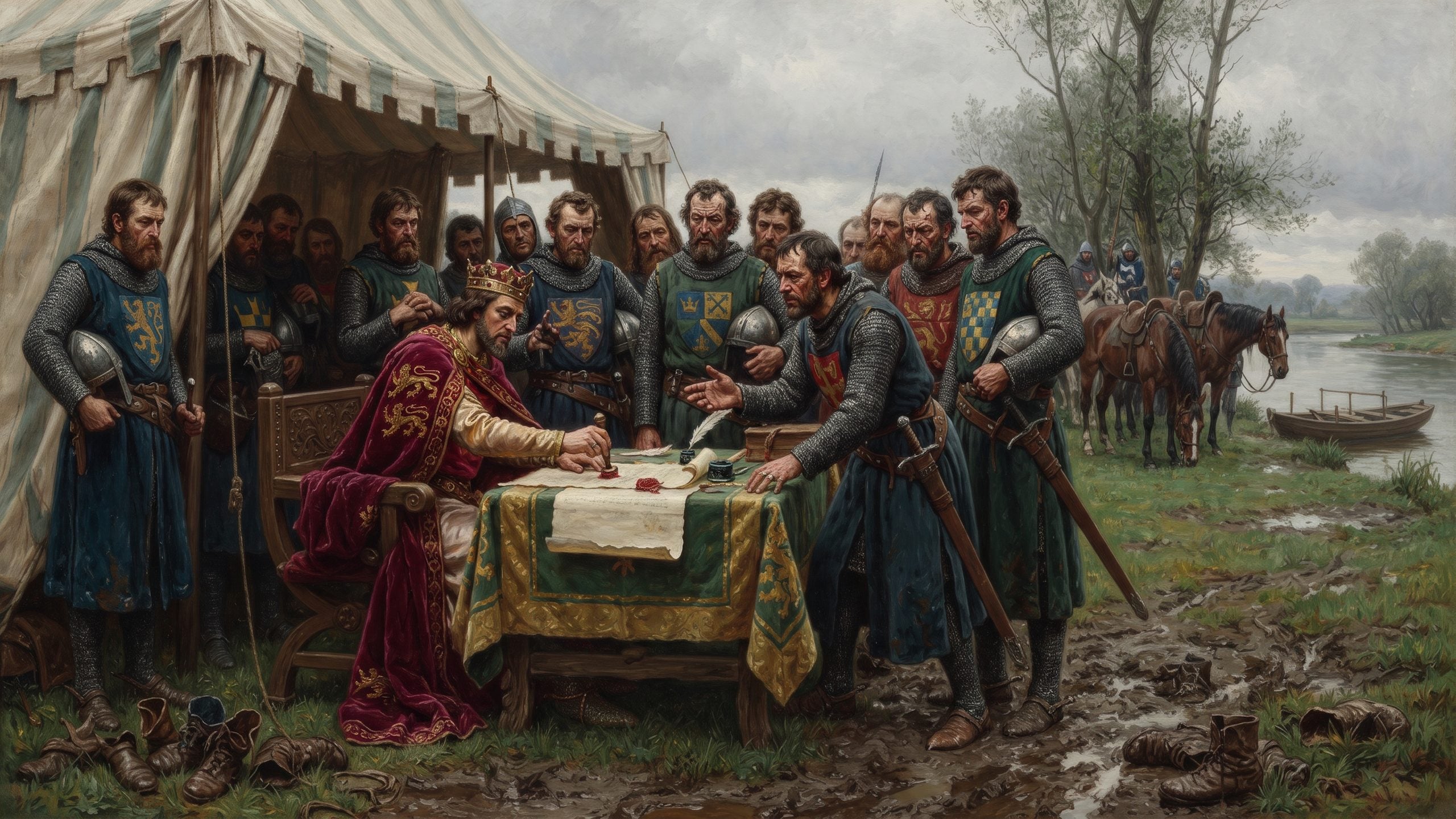
In June 1215, England’s King John was staring down a rebellion from furious barons who accused him of abusing his power. Under pressure, he accepted the Magna Carta, a document that limited royal authority and recognized certain legal protections for free men. It was annulled almost immediately, and it certainly didn’t create modern democracy, but later versions planted a big idea: even kings answer to the law. That idea went on to shape constitutional traditions in Britain, America, and beyond.
3. Spain’s Monarchs Agreed to Finance Columbus’s Voyage in 1492
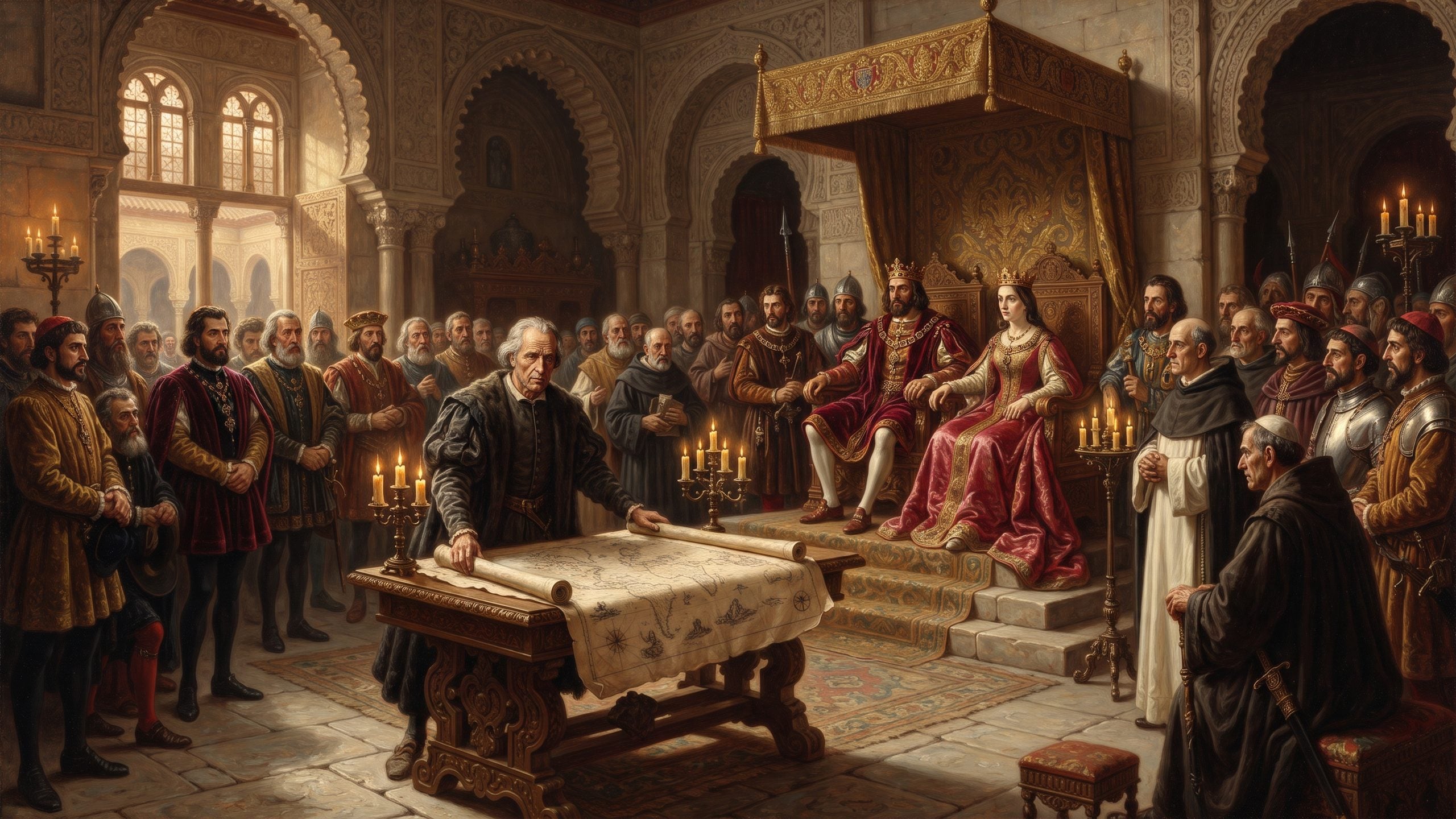
Columbus had a hard time finding anyone to back his plan to sail west, until Ferdinand and Isabella of Spain finally said yes in 1492. He was hoping to reach Asia and landed in the Caribbean instead, where Indigenous civilizations had lived for thousands of years. The voyage kicked off lasting contact between Europe and the Americas, changing trade, migration, and global politics. It also brought colonization, devastating diseases, and the exploitation and displacement of Indigenous peoples, which is why historians still weigh these decisions so carefully.
4. Martin Luther Decided to Challenge Church Practices in 1517

Martin Luther wasn’t trying to split Christianity in two. In 1517, the German theologian circulated his Ninety-Five Theses, criticizing the sale of indulgences and hoping mostly to start a debate. But with Europe’s printing networks humming, his arguments spread like wildfire, as the Library of Congress notes. The result was the Protestant Reformation, which reshaped Christianity, set off major religious and political conflicts, and changed how people thought about education, religious authority, and the relationship between churches and governments.
5. Abraham Lincoln Issued the Emancipation Proclamation in 1863
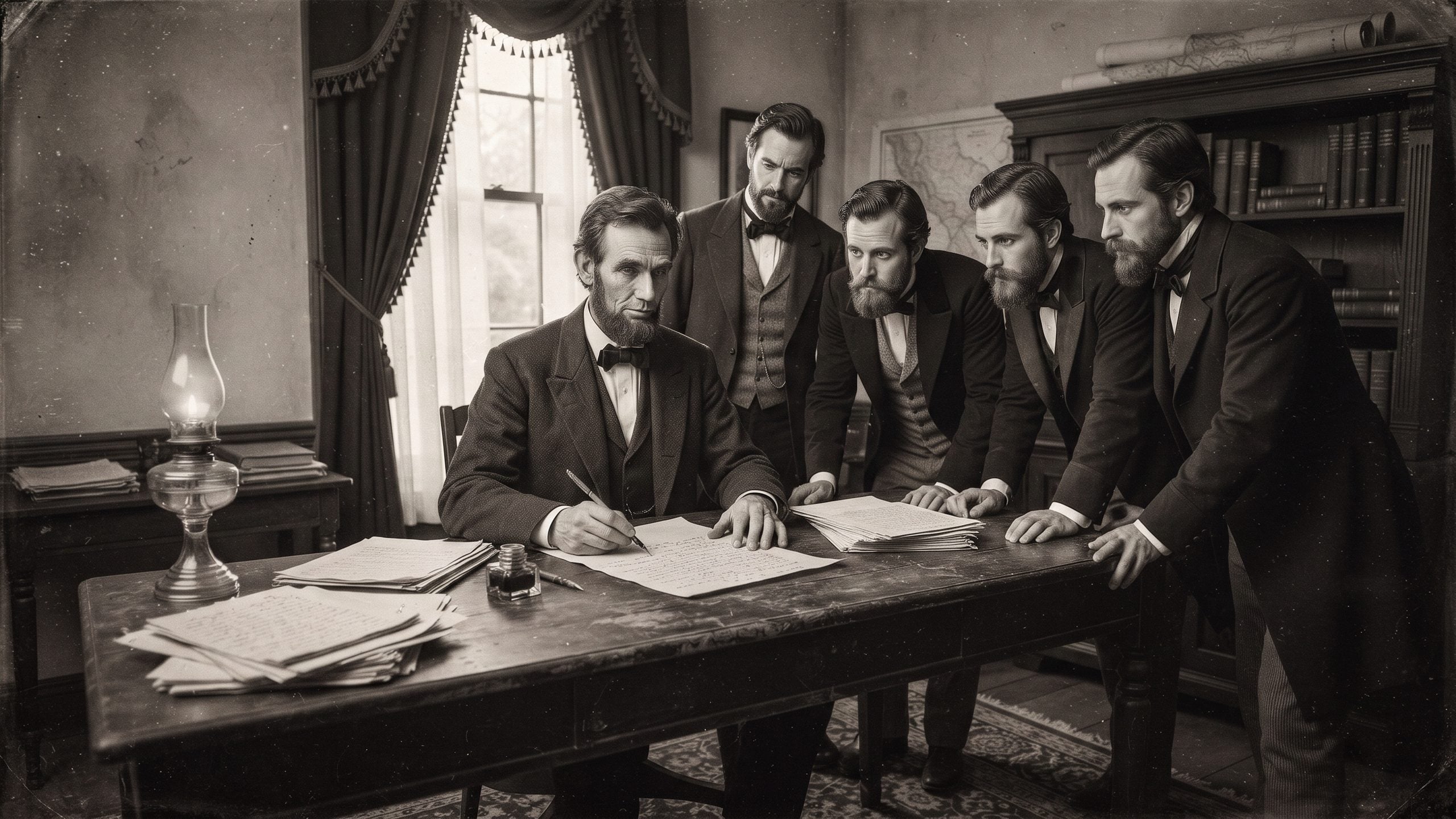
On January 1, 1863, in the middle of the Civil War, Abraham Lincoln issued the Emancipation Proclamation. It declared enslaved people free in Confederate areas still in rebellion, which turned emancipation into an explicit Union goal. It didn’t free everyone right away, but it allowed Black soldiers to join Union forces and strengthened the fight against slavery. It’s one of those decisions that paved the way for the Thirteenth Amendment, which abolished slavery across the United States in 1865.
Trending on Wealth Gang


6. Austria-Hungary Declared War on Serbia in 1914
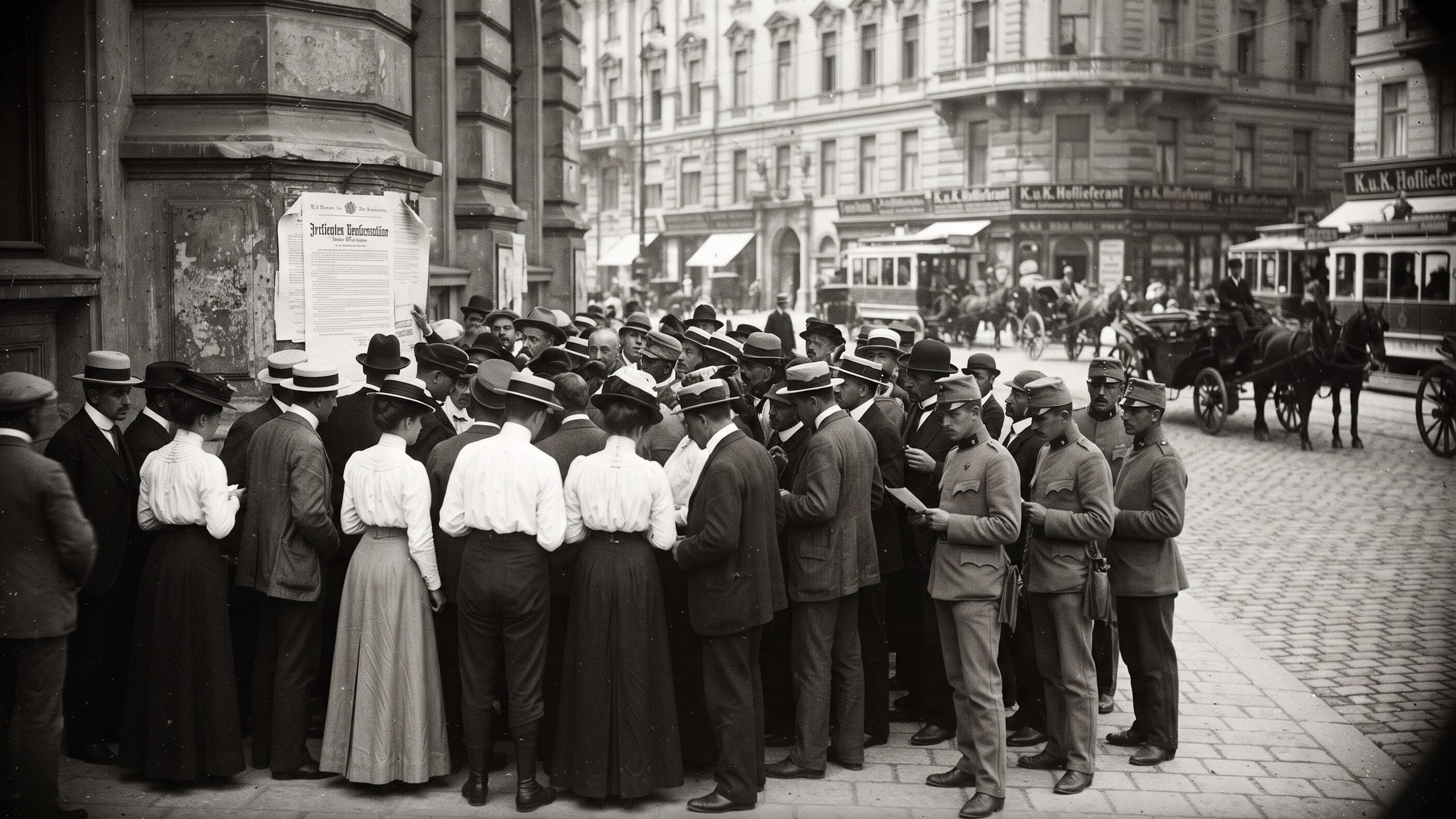
After the assassination of Archduke Franz Ferdinand in June 1914, Austria-Hungary’s leaders chose to confront Serbia militarily and formally declared war on July 28. That triggered a chain reaction of mobilizations and declarations among Europe’s rival alliances, and within weeks several major powers were fighting in what became World War I, a timeline the National WWI Museum and Memorial lays out. It wasn’t the only cause, since nationalism, imperial rivalries, military planning, and alliances had already turned the continent into a powder keg, but it was a crucial step.
7. Tennessee’s Legislature Helped Secure Women’s Suffrage in 1920
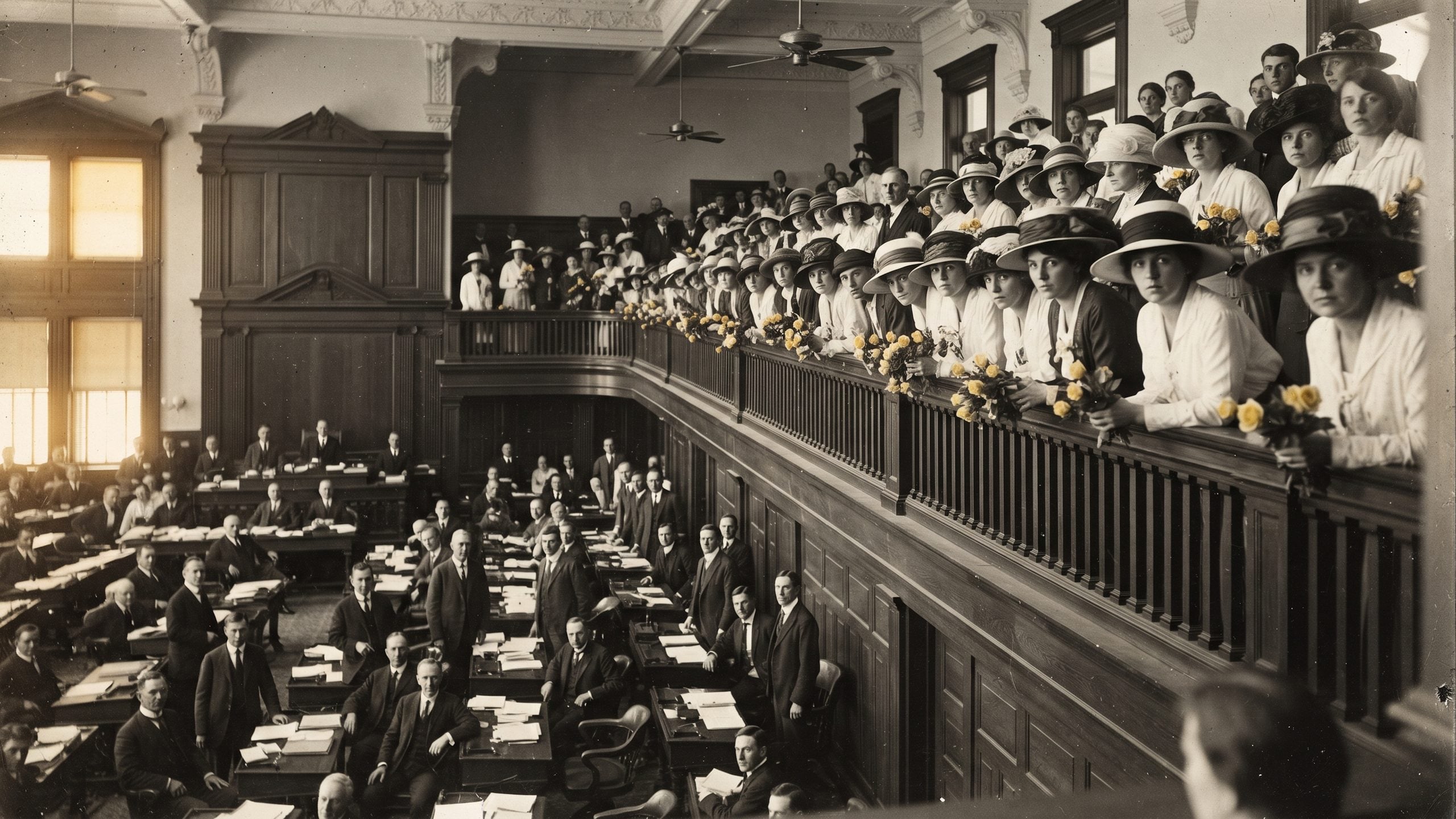
After decades of campaigning for women’s right to vote, the Nineteenth Amendment needed approval from 36 states to join the U.S. Constitution. On August 18, 1920, Tennessee’s legislature voted to ratify it, providing the final state approval required. The amendment prohibited denying voting rights based on sex and transformed the American electorate. Still, discriminatory laws and practices kept many women, particularly women of color, from voting, a reminder that landmark decisions rarely fix everything overnight.
8. Eisenhower Ordered the D-Day Invasion to Proceed in 1944
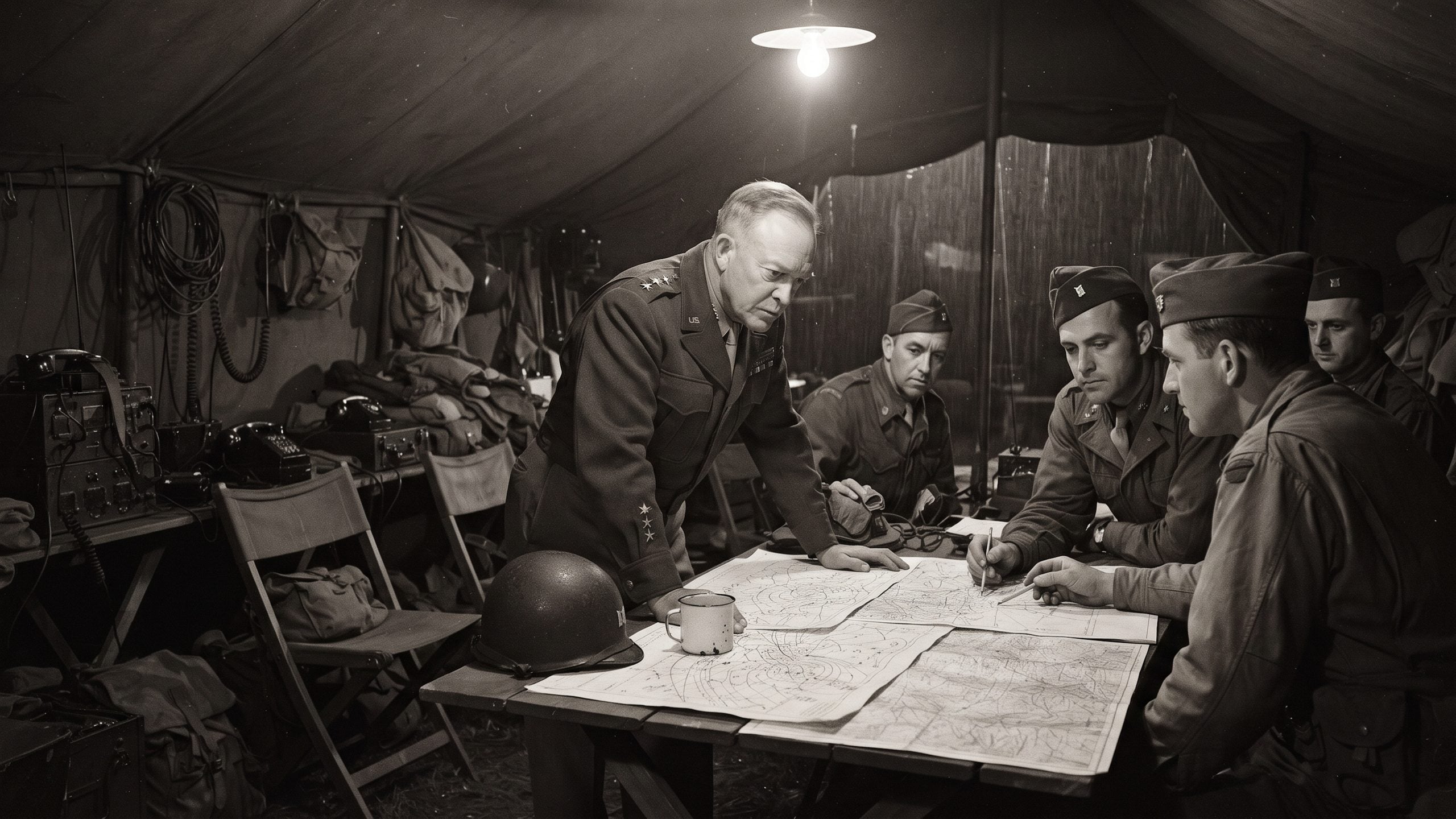
In June 1944, Allied Supreme Commander Dwight D. Eisenhower had to decide whether to launch the invasion of Nazi-occupied France. Poor weather had already forced a one-day delay, and forecasts hinted at a brief window on June 6. According to the National Park Service, he gave the green light anyway. The landings gained a crucial foothold in Western Europe and began the campaign that ultimately liberated France from Nazi occupation.
Sign up for our newsletter
9. President Truman Authorized the Use of Atomic Bombs in 1945
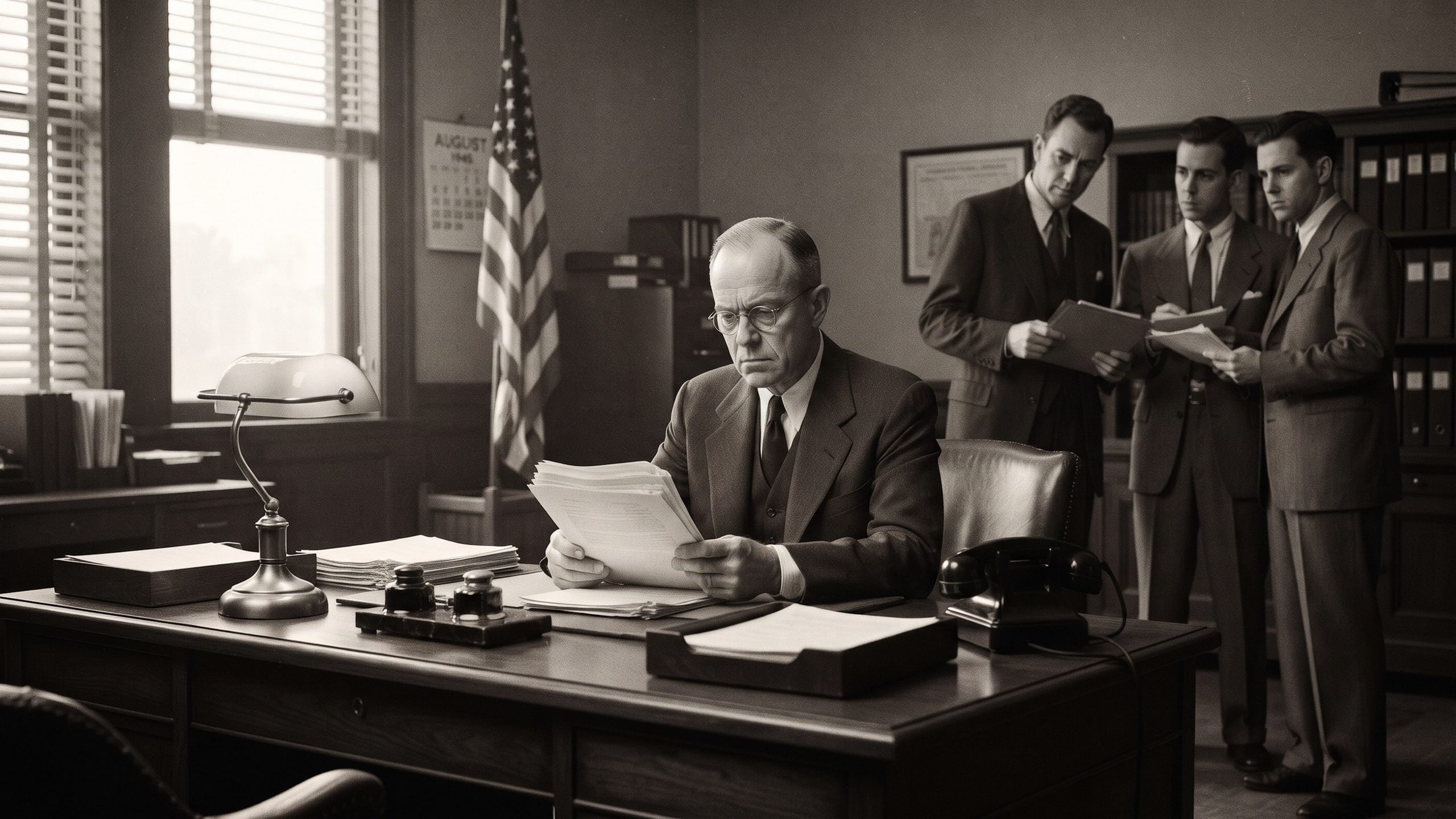
In August 1945, the United States dropped atomic bombs on Hiroshima and Nagasaki during the final weeks of World War II. President Harry Truman’s administration authorized the use of these weapons after considering several ways to end the war with Japan. The bombings killed large numbers of civilians and caused catastrophic destruction, and Japan announced its surrender soon after. Historians still debate how much the bombs, the Soviet entry into the war, and other factors shaped that surrender, which is why this remains one of the most debated decisions in history.
10. The Supreme Court Ruled Against School Segregation in 1954
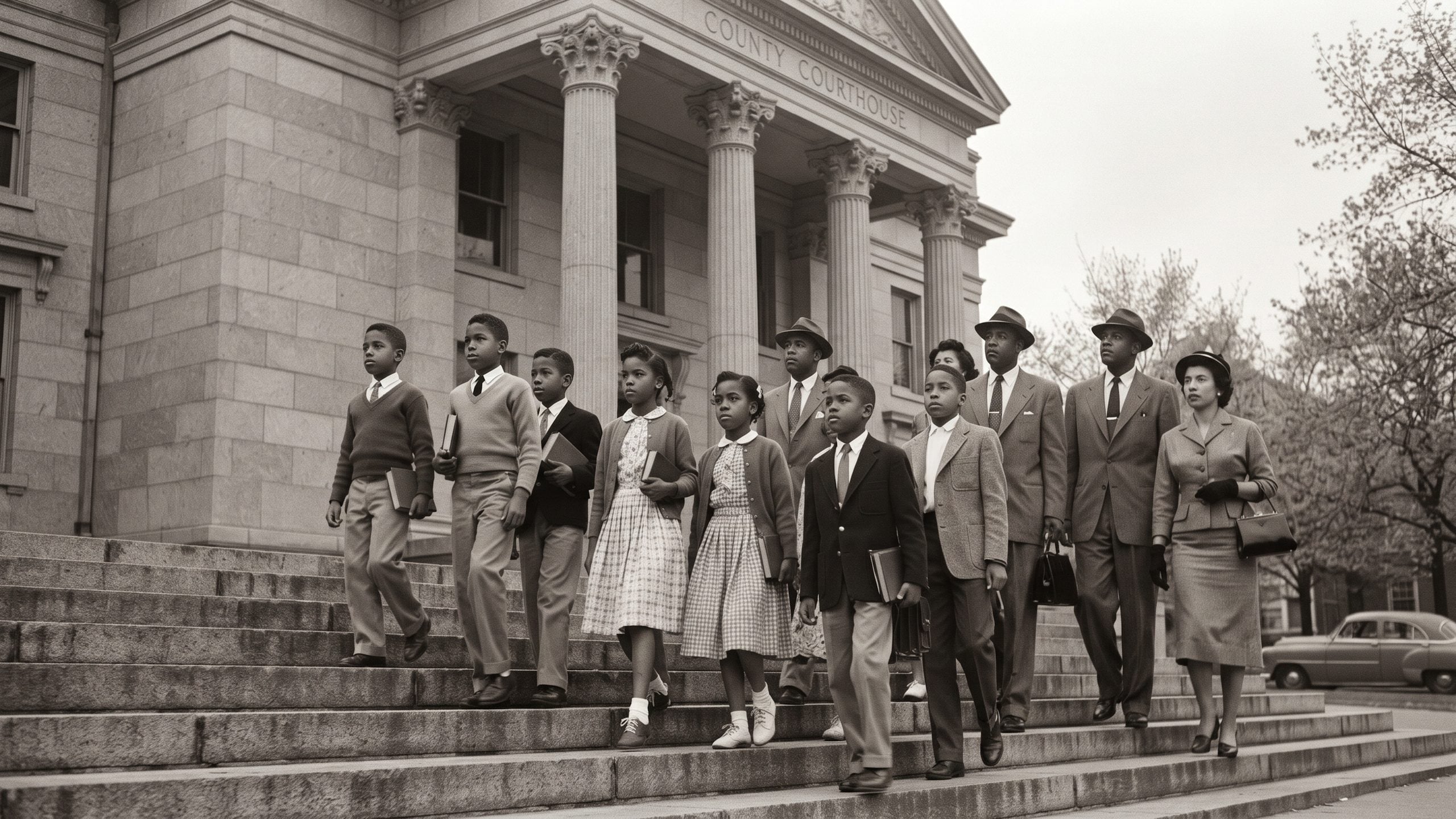
On May 17, 1954, the U.S. Supreme Court unanimously ruled in Brown v. Board of Education that racial segregation in public schools violated the Constitution. The ruling rejected the idea of “separate but equal” in education and became a landmark win for the civil rights movement. Many communities resisted, and integration took years, but the verdict gave a powerful legal foundation for challenging segregation. It remains one of the most consequential rulings in American history.
11. President Kennedy Committed America to Landing on the Moon
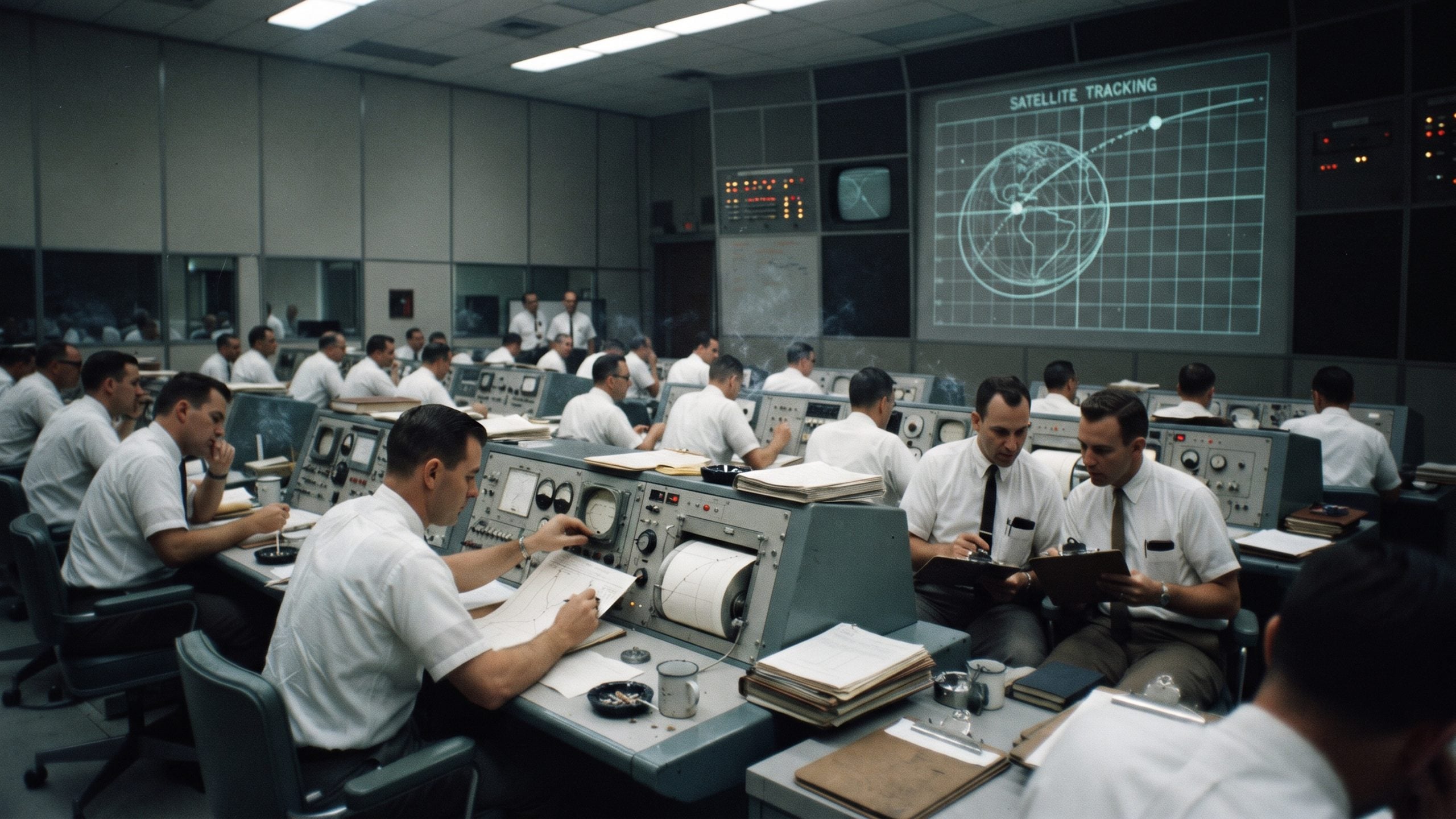
On May 25, 1961, President John F. Kennedy announced an ambitious goal: landing an American on the Moon and bringing that person back safely before the decade was over. NASA’s own account of the plan notes that it came during intense competition with the Soviet Union, which had already scored several space milestones. Kennedy’s push directed enormous money and scientific talent toward the Apollo program, and on July 20, 1969, Apollo 11 landed on the Moon. Few decisions have been this bold, or paid off so spectacularly.
12. Kennedy Chose a Naval Quarantine During the Cuban Missile Crisis
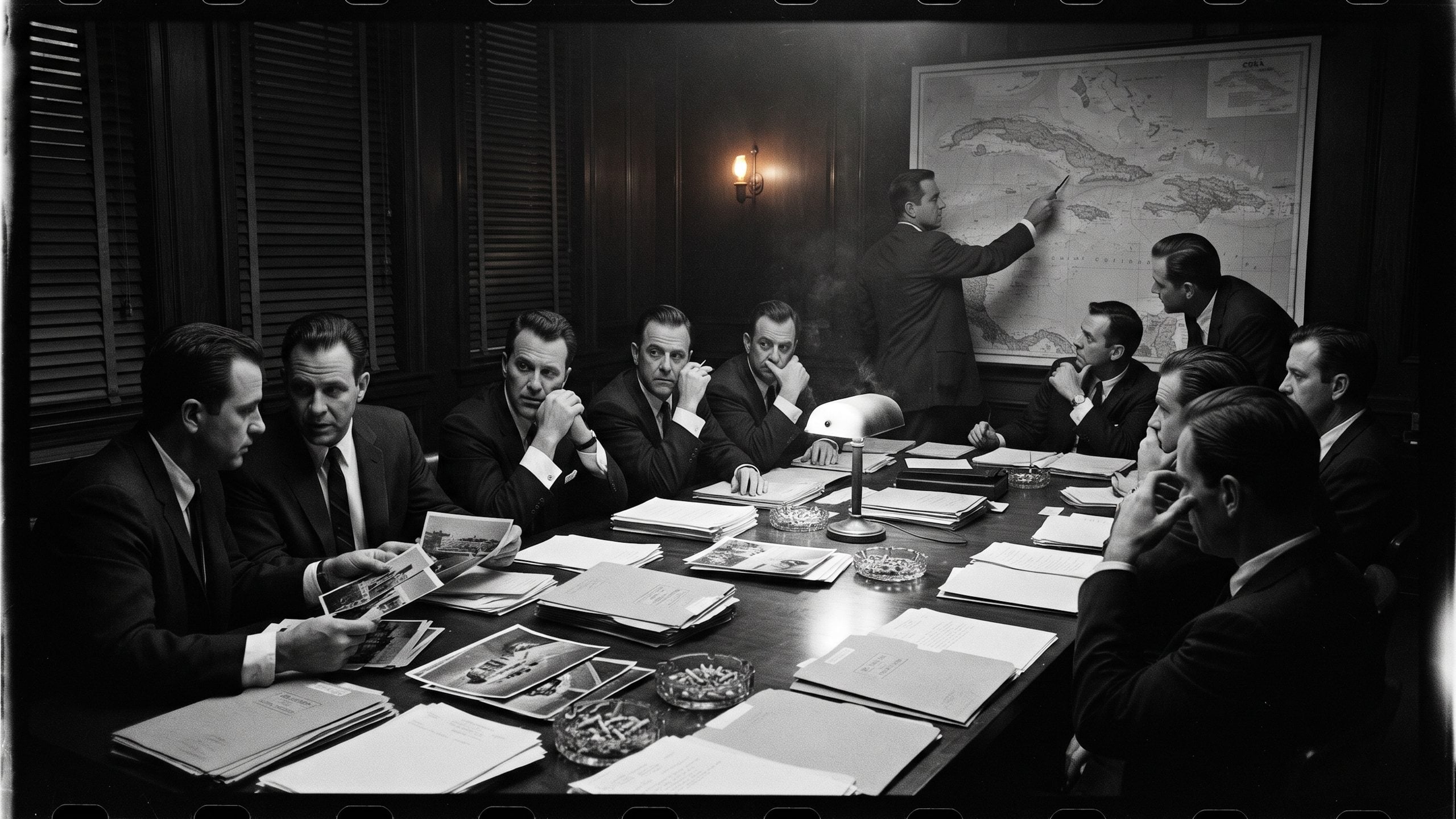
In October 1962, the United States discovered Soviet nuclear missile installations under construction in Cuba, setting off one of the most dangerous standoffs of the Cold War. Instead of immediately launching airstrikes or invading the island, President Kennedy chose a naval quarantine and negotiations. The crisis ended when the Soviet Union agreed to remove its missiles, alongside U.S. assurances about Cuba and a confidential understanding about American missiles in Turkey. The approach helped avoid a military confrontation that could have escalated into nuclear war.
13. World Health Officials Intensified the Campaign to Eradicate Smallpox

In 1967, the World Health Organization launched an intensified international campaign to eliminate smallpox, a disease that had killed millions throughout history. The effort expanded vaccination programs, disease surveillance, and coordinated responses to outbreaks. The last naturally occurring case was recorded in Somalia in 1977, and the World Health Assembly declared smallpox eradicated in 1980, as the WHO explains. Few health decisions have paid off like this one, proving that sustained international cooperation can wipe out a devastating disease.
14. Countries Agreed to Protect the Ozone Layer in 1987
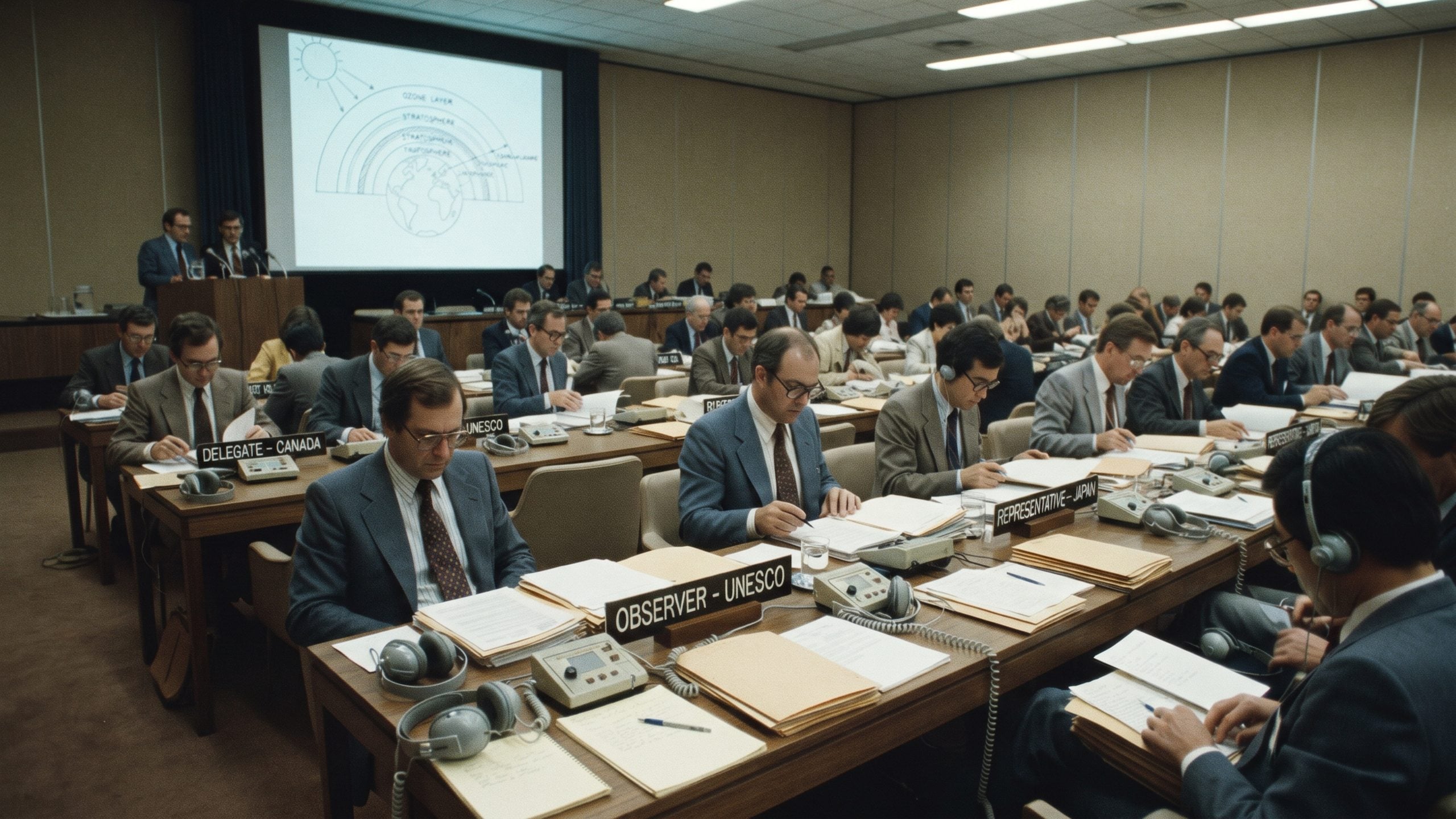
In 1987, governments adopted the Montreal Protocol, an international agreement designed to phase out the chemicals damaging Earth’s protective ozone layer. It targeted substances used in refrigerants, aerosols, and industrial equipment. Over the following decades, countries put restrictions in place that substantially cut the production and consumption of many ozone-depleting substances. The United Nations reports that these efforts have put the ozone layer on a path toward recovery, making it a standout example of successful international environmental cooperation.
15. CERN Made the World Wide Web Freely Available in 1993

In 1989, computer scientist Tim Berners-Lee proposed a system for sharing information across connected computers while working at CERN in Switzerland. That system became the World Wide Web, but its worldwide spread depended partly on making the technology accessible to other developers. On April 30, 1993, CERN placed three foundational Web software components into the public domain, letting anyone use, modify, and distribute them freely. Sometimes the biggest decisions are about letting go, and this one helped transform communication, commerce, education, and access to information.
Looking back, it’s wild how much of history hinged on someone saying yes, no, or not yet. Which of these decisions do you think changed the world the most? Tell us in the comments, and let us know which turning points we should cover next!