Across the U.S., there are towns where empty streets, old homes, and abandoned buildings tell stories of a very different past. Some were once busy mining towns. Others grew around railroads, factories, or farms. When those industries disappeared, many residents packed their belongings and moved away.
Today, these ghost towns offer a look into some of the most interesting chapters of American history. Some were abandoned overnight, while others slowly lost their populations over many years. Here are 15 American ghost towns with impressive stories of sudden wealth, hard times, and communities that time almost forgot.
1. Bodie, California
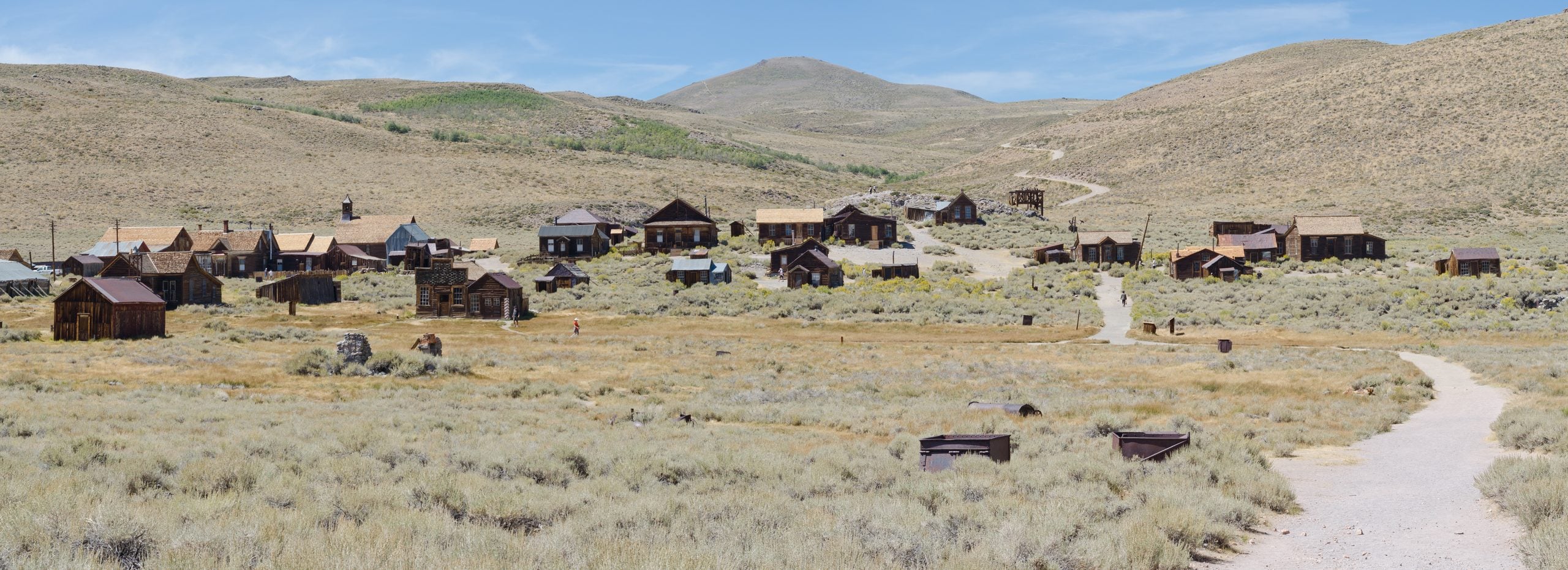
Bodie became a busy mining town after large amounts of gold were found in the 1870s. By 1880, around 10,000 people lived there, and the town had hotels, schools, banks, and saloons. But as the mines became less profitable, people began leaving. Fires damaged the town, and mining finally stopped in 1942. Today, more than 100 historic buildings remain. Bodie gives visitors a rare look at a town that once seemed full of promise but lost almost everyone who called it home.
2. Centralia, Pennsylvania
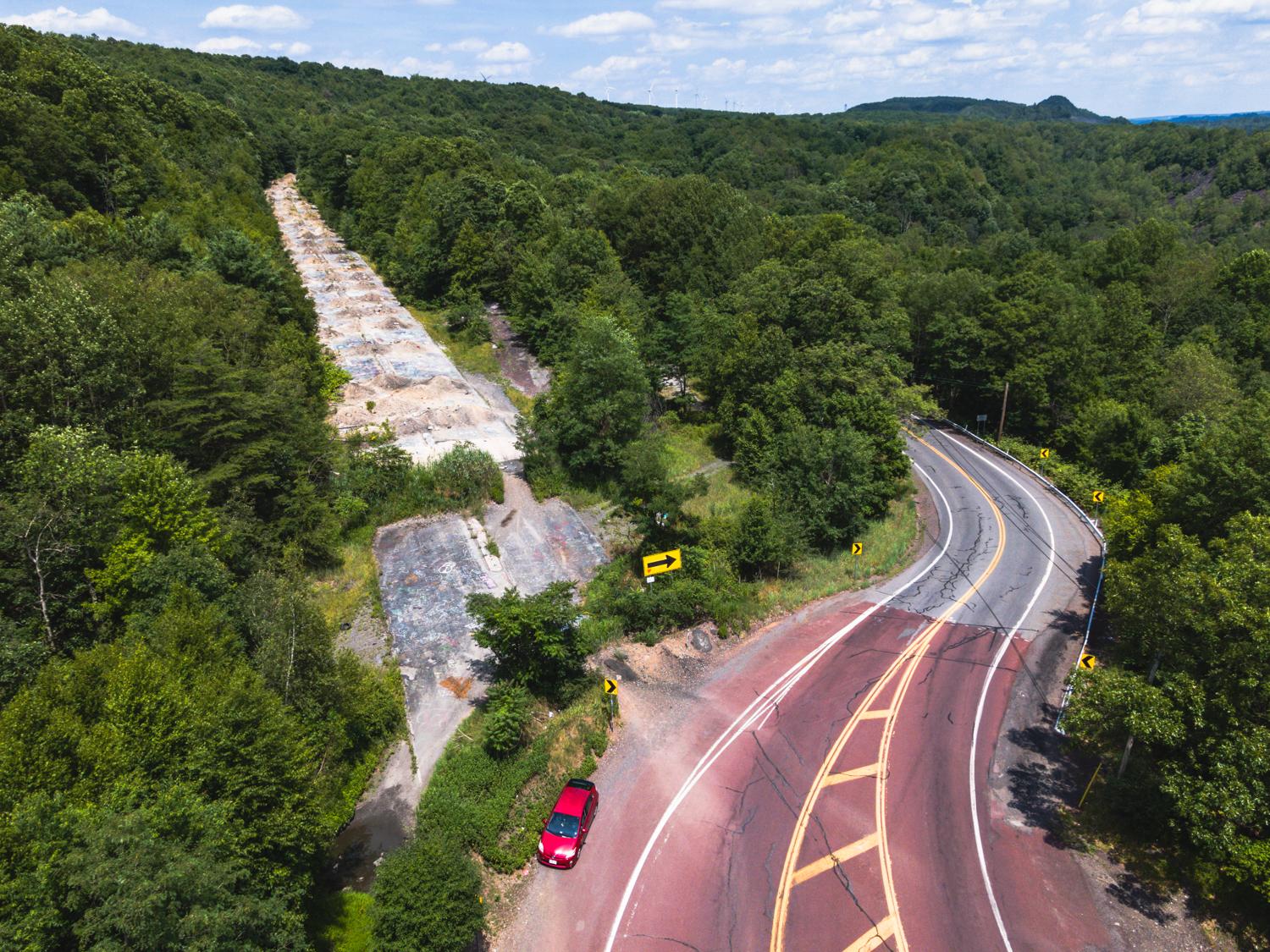
Centralia has one of the strangest stories. In 1962, an underground coal fire began burning under the community. The fire spread through old mine tunnels and continued for decades, sending smoke and dangerous gases into the area. Cracks opened in the ground, and some roads became unsafe. As the danger grew, many residents left, and the government bought out most of the properties. Centralia is now known for its empty streets and the fire that continues to burn underground.
3. Rhyolite, Nevada
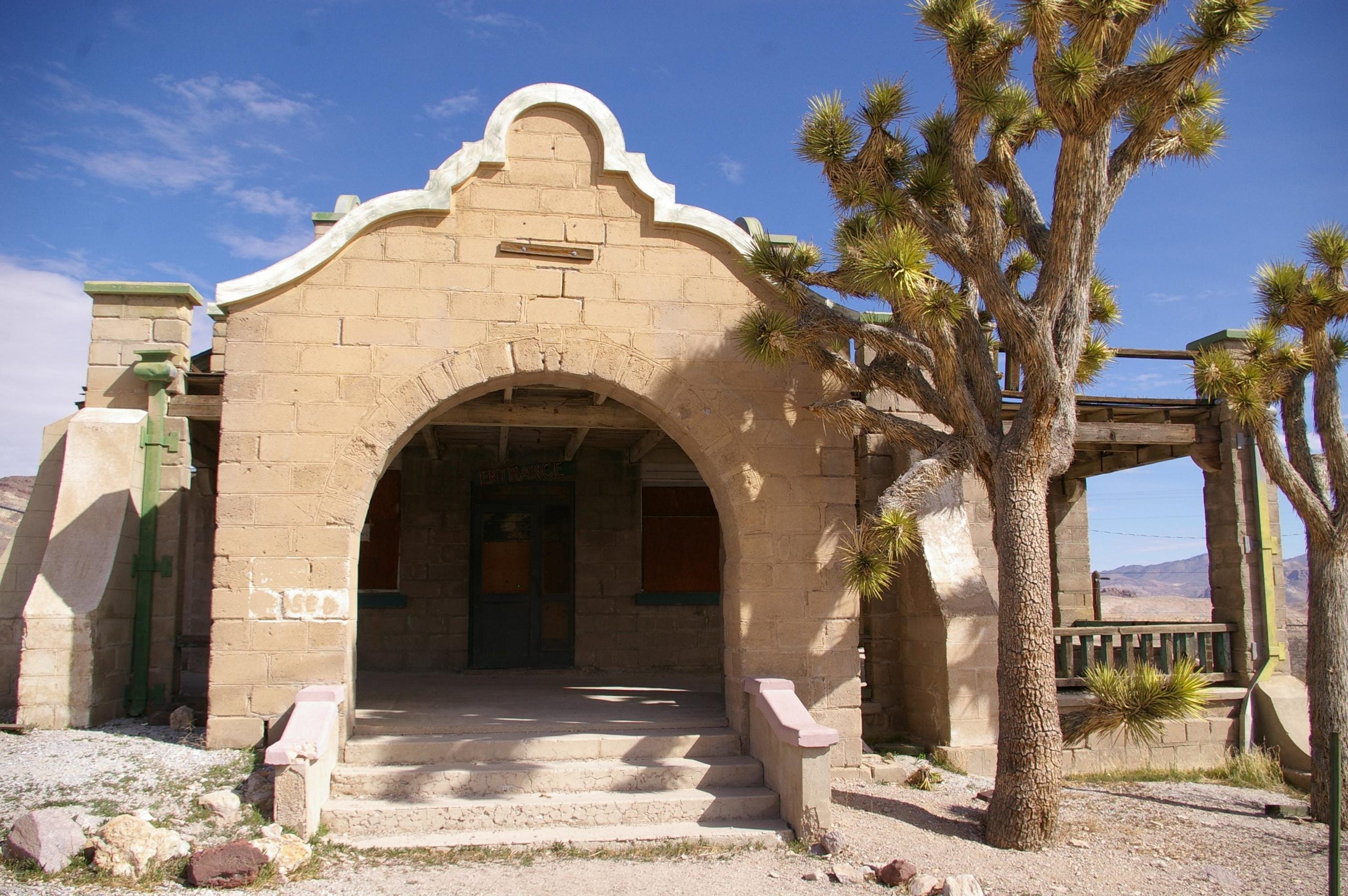
Rhyolite grew quickly after gold was discovered nearby in 1904. Thousands of people arrived, hoping to find work or make money from the mining boom. The town soon had a bank, hotels, shops, and a train station. Mining problems and financial troubles caused businesses to close, and many residents moved away within a few years. Today, visitors can see the remains of buildings standing in the Nevada desert, where the empty structures show how fast a promising town can rise and fall.
4. St. Elmo, Colorado
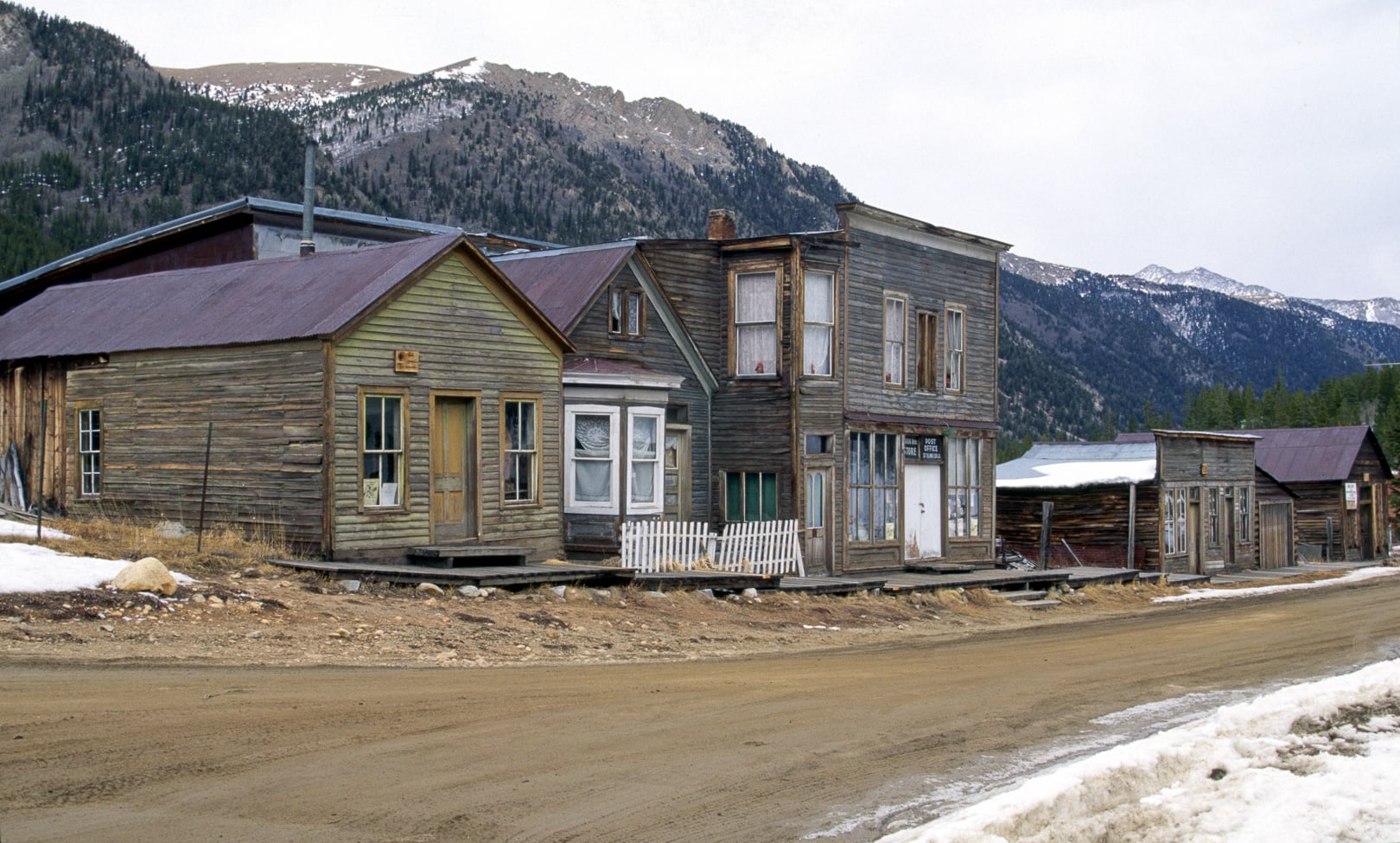
St. Elmo was founded in 1880 during Colorado’s mining boom. Gold and silver brought workers and business owners to the mountain town. At its busiest, St. Elmo had hotels, stores, and a railroad connection. But when mining slowed and railroad service ended, the town lost much of the activity that had kept it alive. Many residents left, while a number of buildings survived because the area was not fully developed again. Today, St. Elmo is known for its old wooden buildings and mountains.
5. Kennecott, Alaska
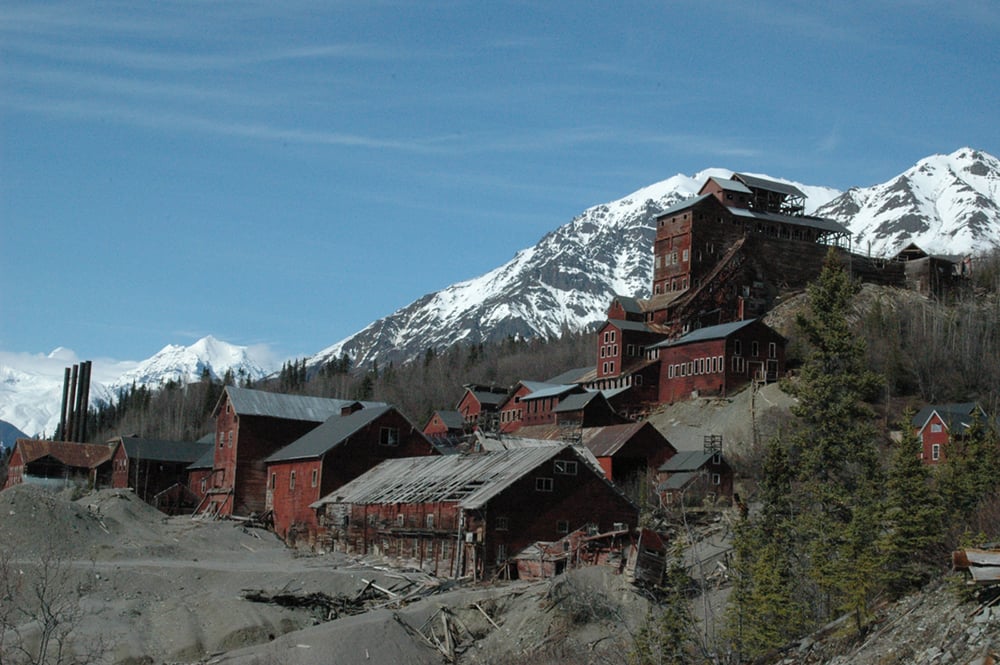
Kennecott was built around a rich copper deposit in Alaska and became an important mining community. The company created a town with homes, a hospital, a school, and places for workers to relax. Copper mining brought in huge amounts of money, but the supply declined, and the mines closed in 1938. The striking red mill buildings still stand today, making Kennecott one of America’s most memorable abandoned mining sites.
Trending on Wealth Gang


6. Bannack, Montana
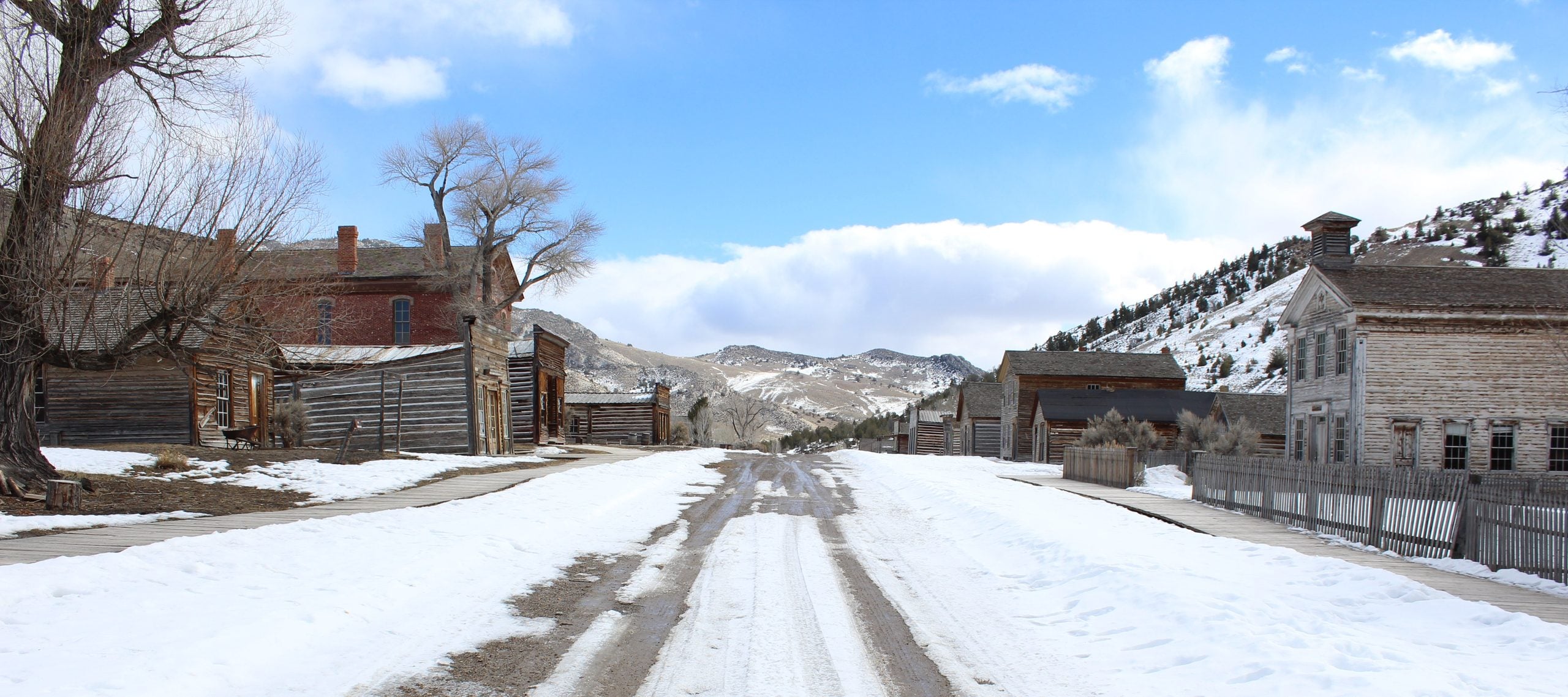
Bannack began in 1862 after gold was discovered in Montana. It became the territory’s first capital. For a time, the town was full of activity, with stores and businesses serving people hoping to strike it rich. As gold discoveries elsewhere attracted miners, Bannack slowly lost residents. Today, the town lets visitors walk along streets where miners once searched for wealth and families tried to build new lives.
7. Calico, California
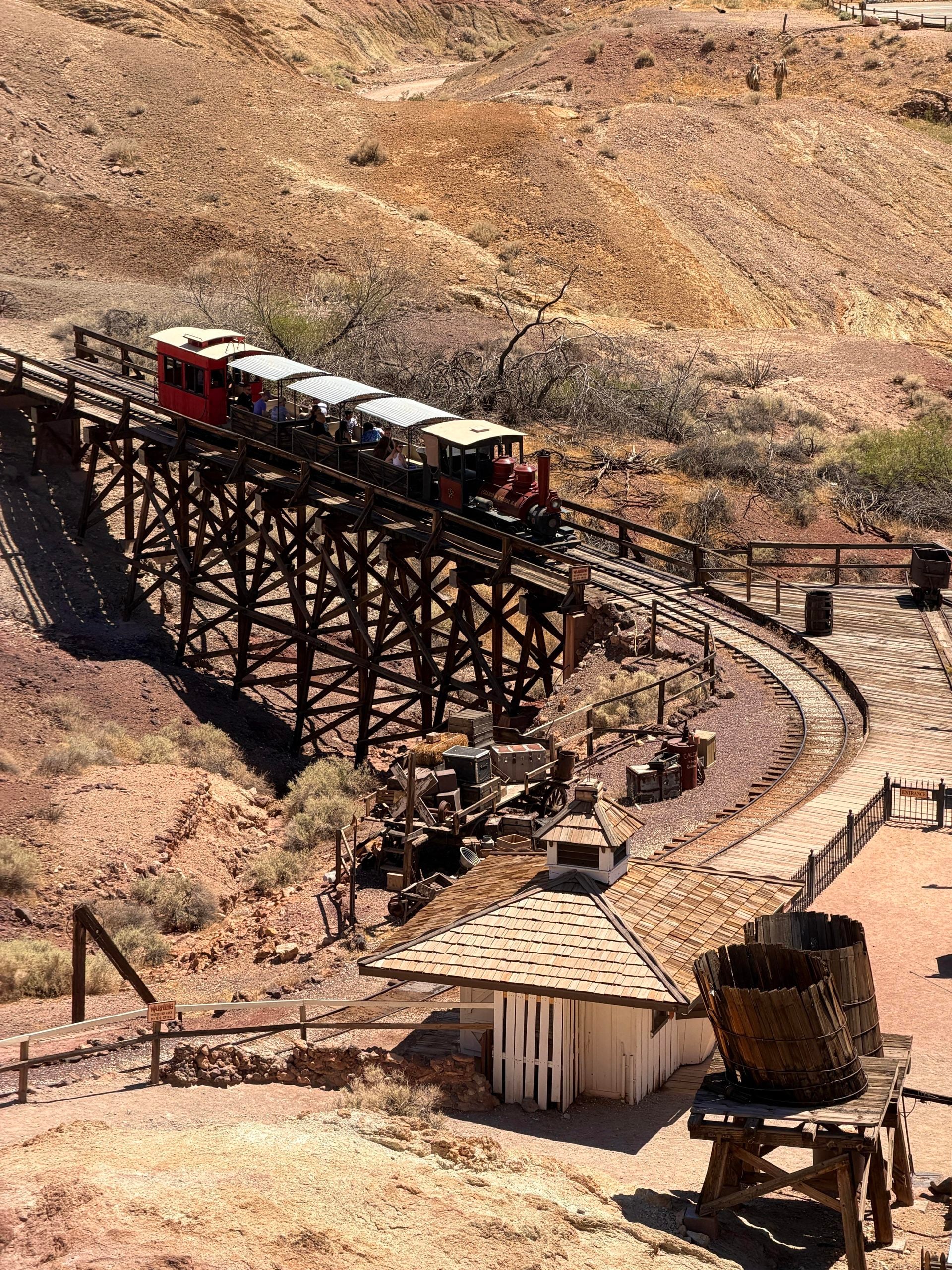
Calico was founded in 1881 after silver was discovered in the hills of Southern California. The discovery brought miners, shopkeepers, and families to the area. When silver prices fell in the 1890s, the mines became less profitable, and people began moving away. Calico slowly lost its population until it was empty. Unlike many ghost towns, it was restored as a historic attraction.
8. Garnet, Montana
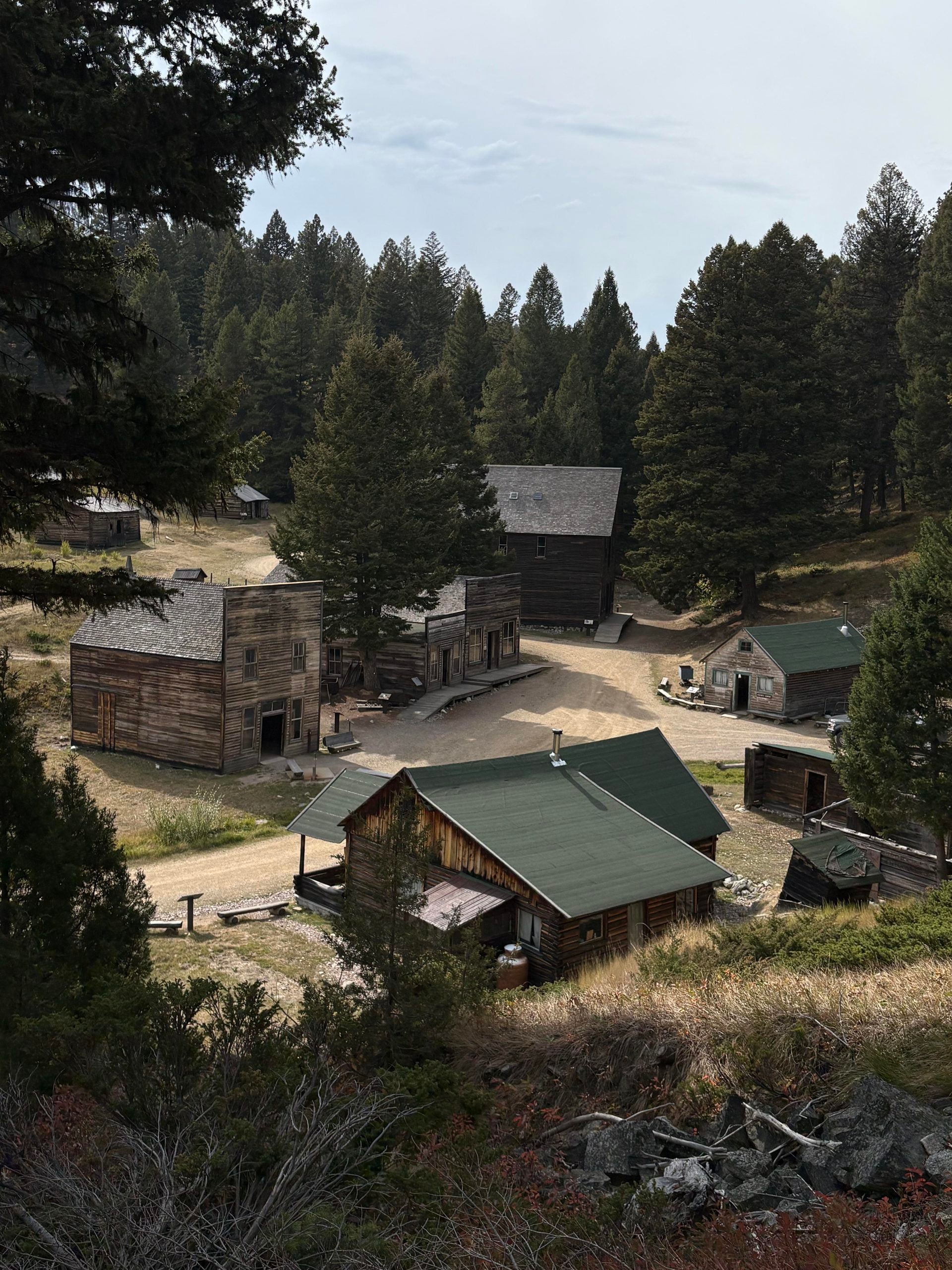
At its busiest, this small mountain town had hotels, shops, a school, and homes for miners and their families. Life there was not easy, especially during the cold winters, but the hope of finding gold kept people coming. When mining became less profitable, many residents left in search of better opportunities. A fire in 1912 destroyed part of the town. Today, Garnet is one of the U.S.’s best-preserved ghost towns.
Sign up for our newsletter
9. Thurmond, West Virginia
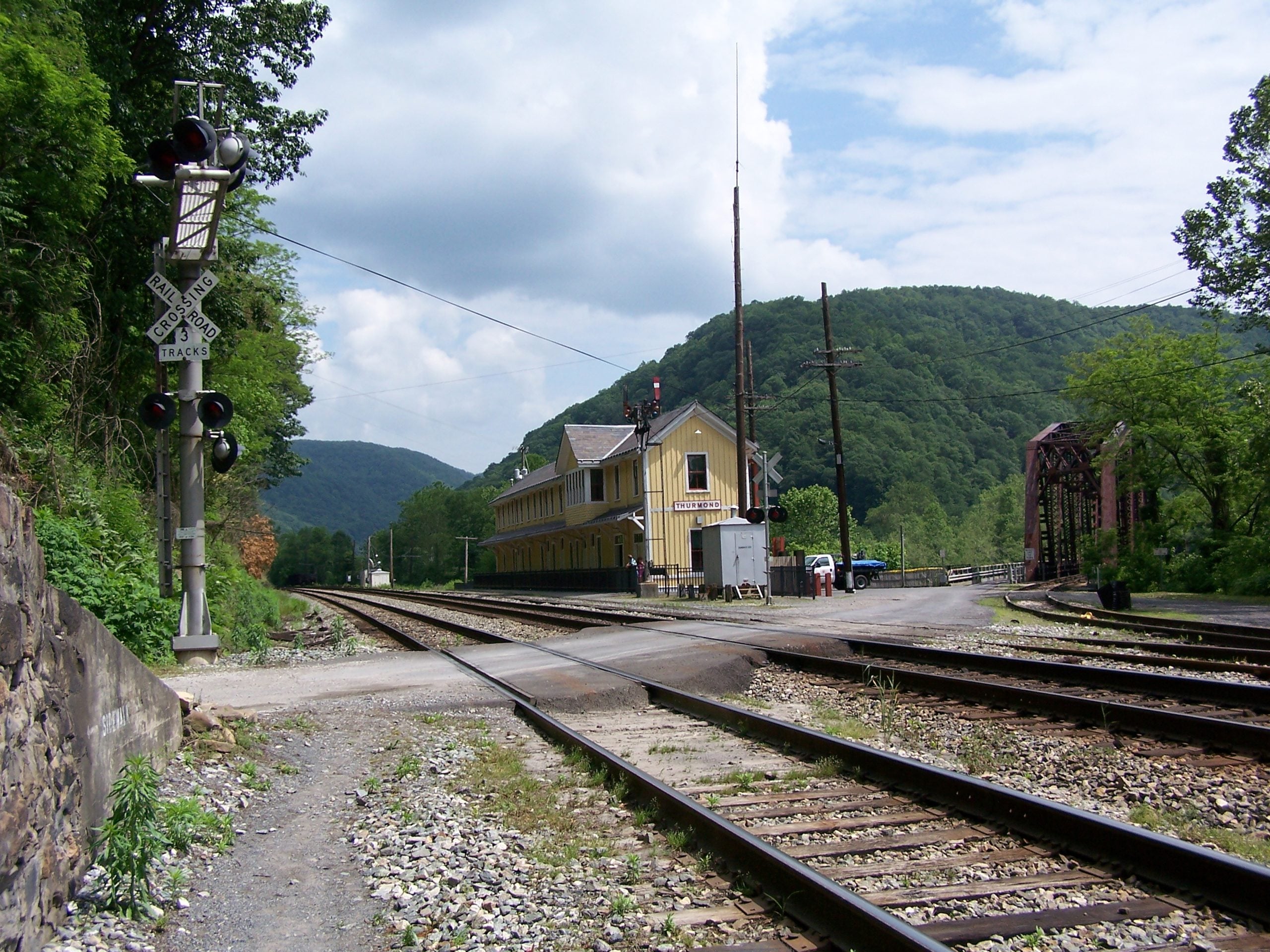
Thurmond became a busy railroad town in West Virginia during the early 1900s. Coal from nearby mines moved through the area, and trains brought workers and supplies. Hotels, stores, and other businesses grew around the railroad. But as railroad travel changed and coal operations declined, Thurmond lost much of its business.
10. Cahawba, Alabama
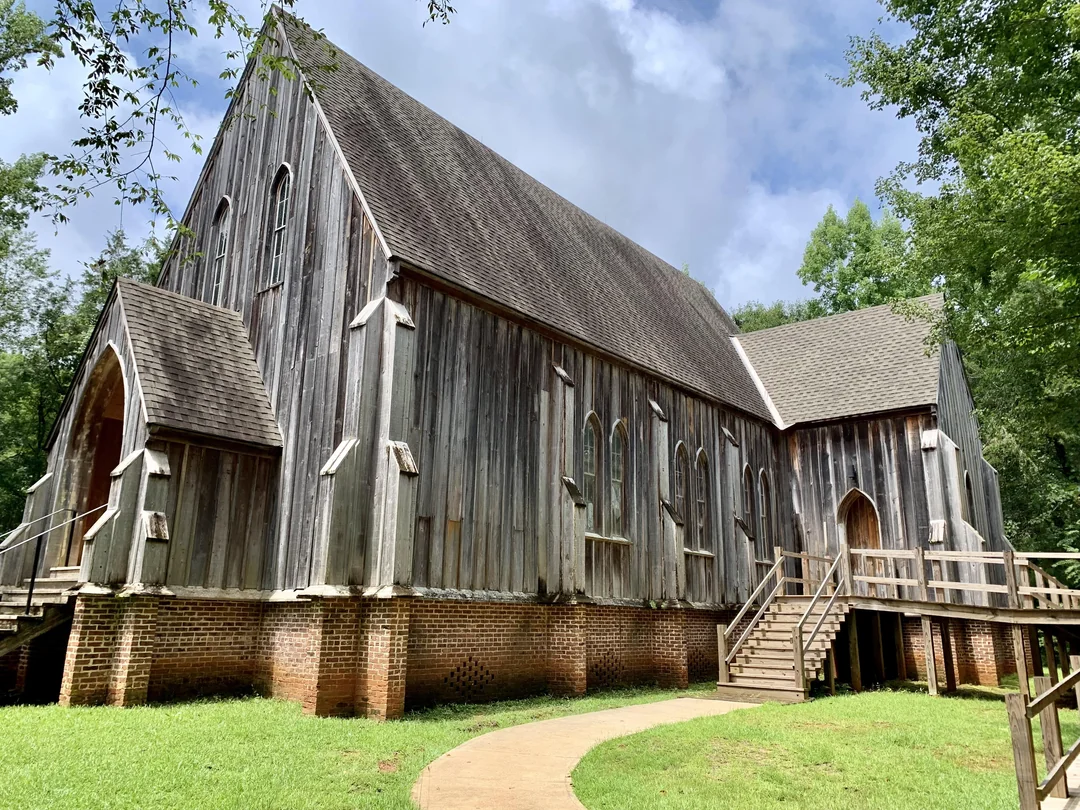
Cahawba was Alabama’s first state capital in the early 1800s. Its location near the meeting of two rivers made it seem like a good place for trade and growth. However, the town suffered from repeated floods, which damaged homes and made life difficult for residents. The state capital moved to another city in 1826, and it gradually lost its importance. After the Civil War, its population continued to fall.
11. Glenrio, Texas and New Mexico
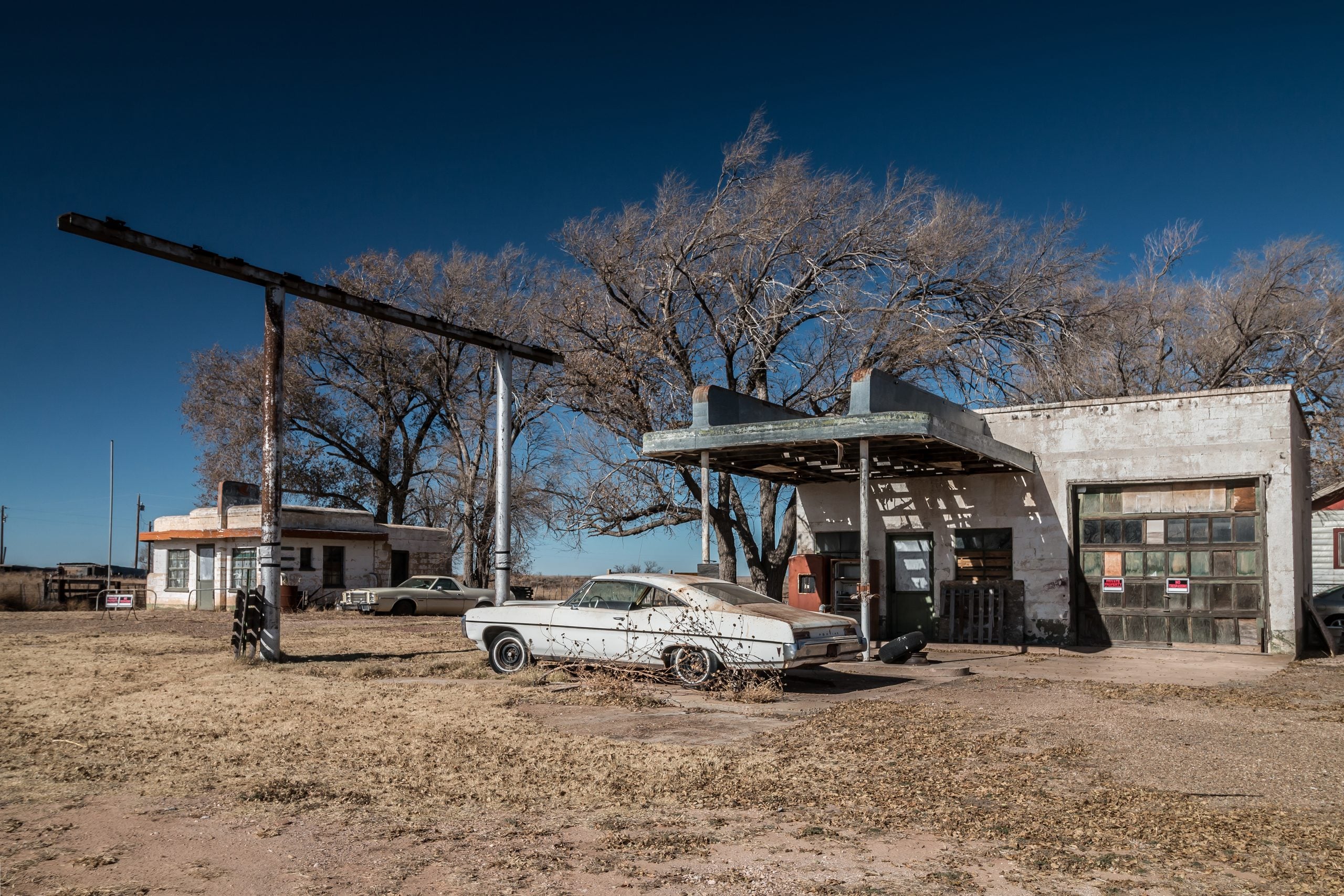
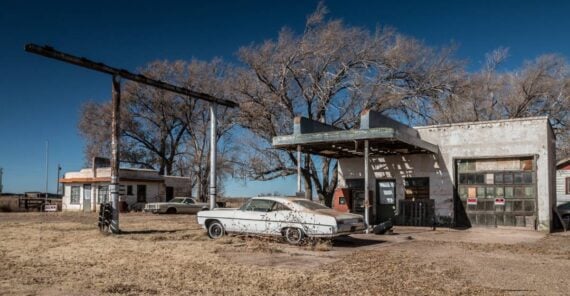
Glenrio sits on the Texas-New Mexico border and once depended on travelers crossing the country along Route 66. Motels, gas stations, and cafés served drivers who needed a place to rest during long road trips. When Interstate 40 opened and offered a faster route that bypassed Glenrio, many travelers stopped going. Businesses closed, and residents moved away.
12. St. Thomas, Nevada
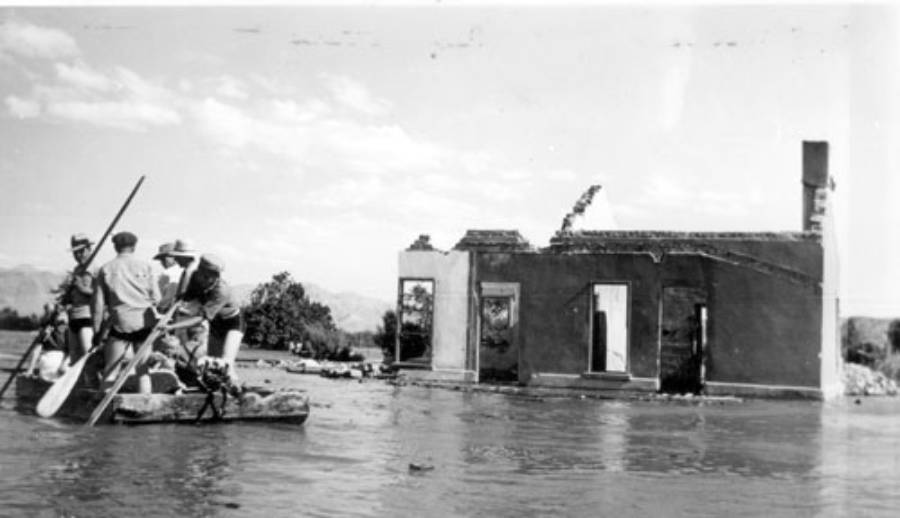
St. Thomas was founded in the 1860s by settlers who built farms and a community in the desert near the Colorado River. The residents grew crops and raised families. Their lives changed when the construction of Hoover Dam created Lake Mead. Residents had to leave as the water rose, and St. Thomas disappeared beneath the lake. Its story is a very unusual one.
13. Cerro Gordo, California
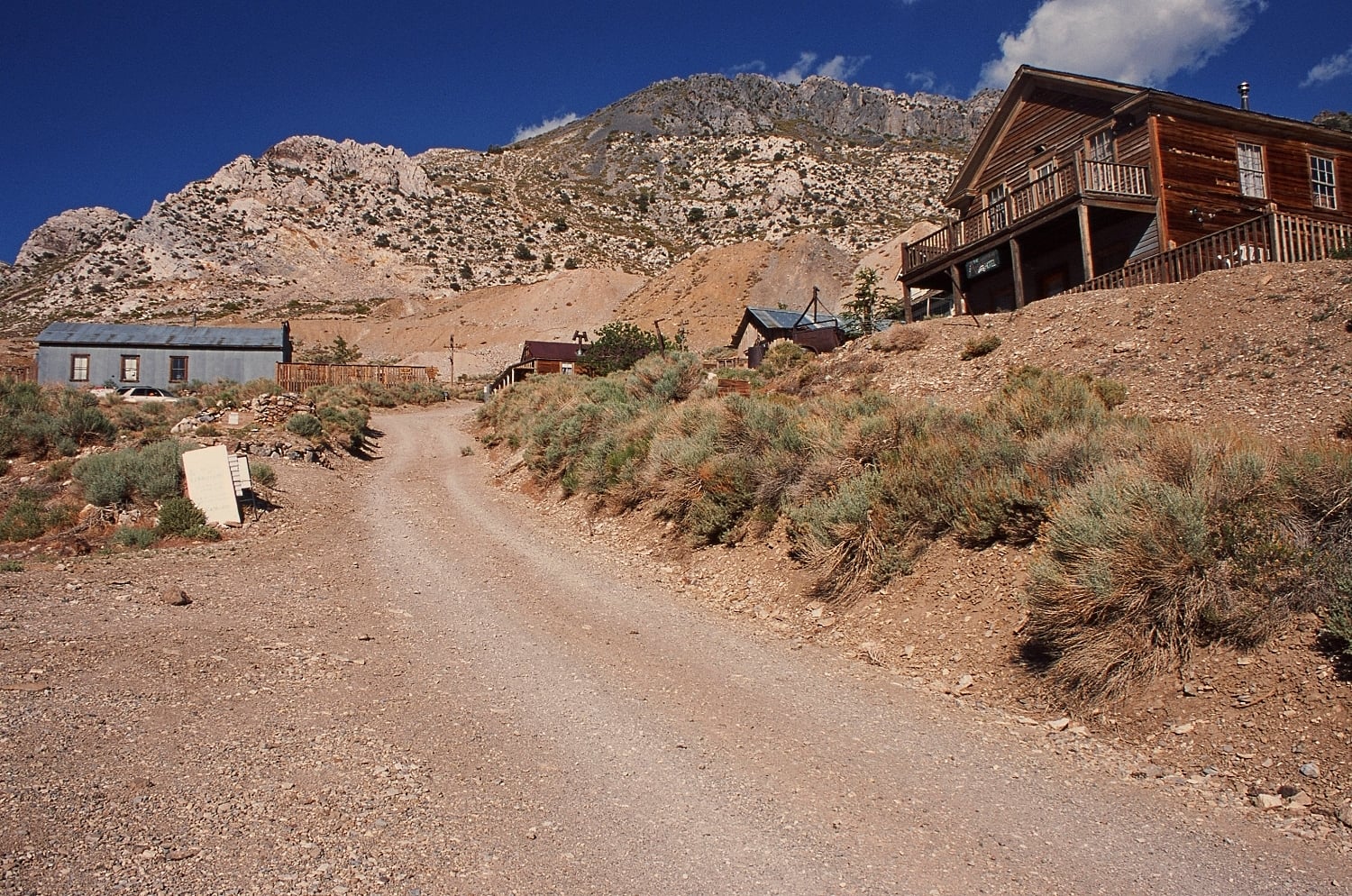
Cerro Gordo became an important mining town in the 1860s after rich silver deposits were found in the mountains of eastern California. Workers lived in a rough setting where supplies were hard to bring in, and life could be dangerous. As the mines became less profitable, the town lost its main source of income, and most residents left. Several old buildings still stand.
14. Ruby, Arizona
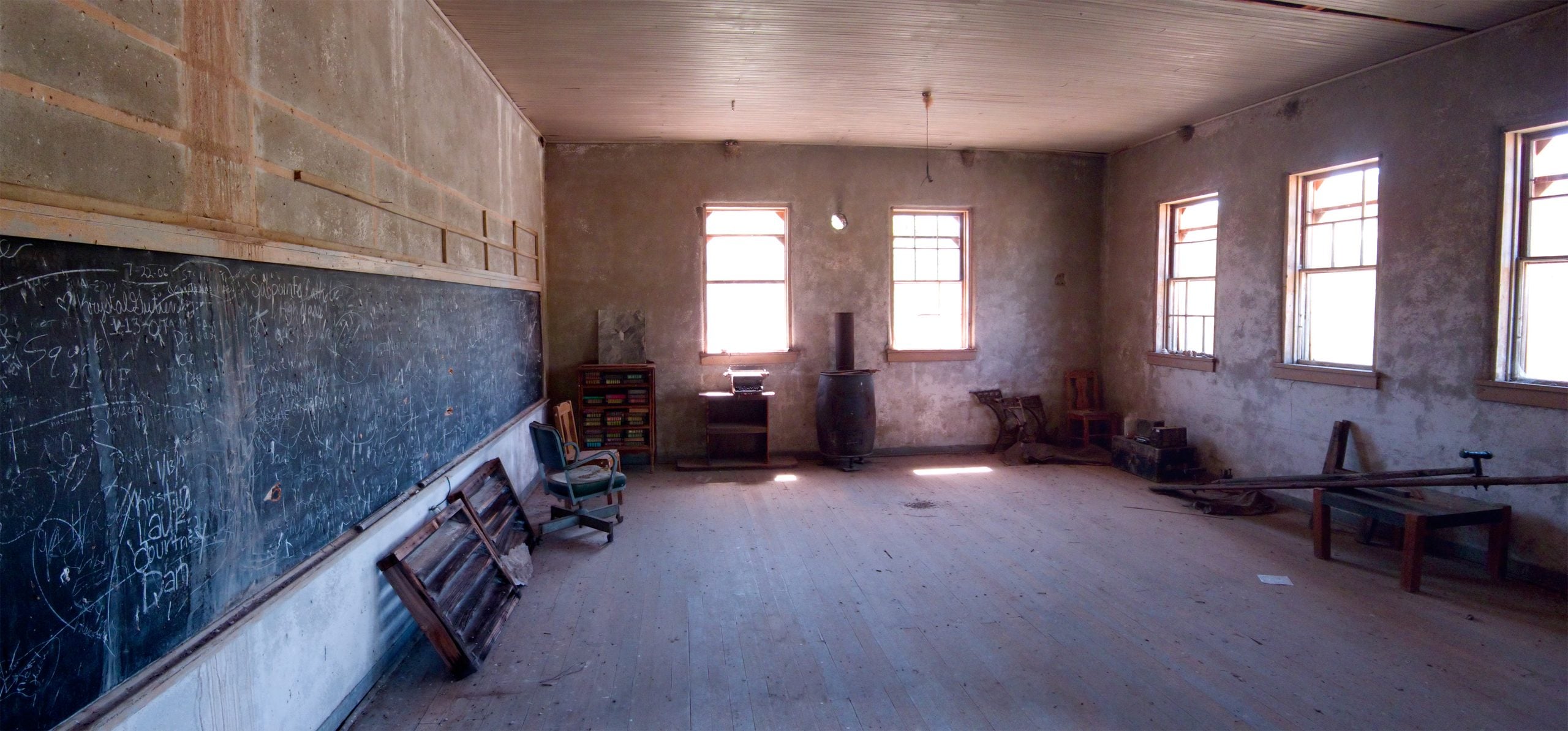
Ruby became a small but busy community in the early 1900s. The town had homes, a school, and a store that served miners and their families. Its remote location made life challenging, and it also became known for violent crimes and robberies during its mining years. Unfortunately, the mines closed in the mid-20th century.
15. Elkhorn, Montana
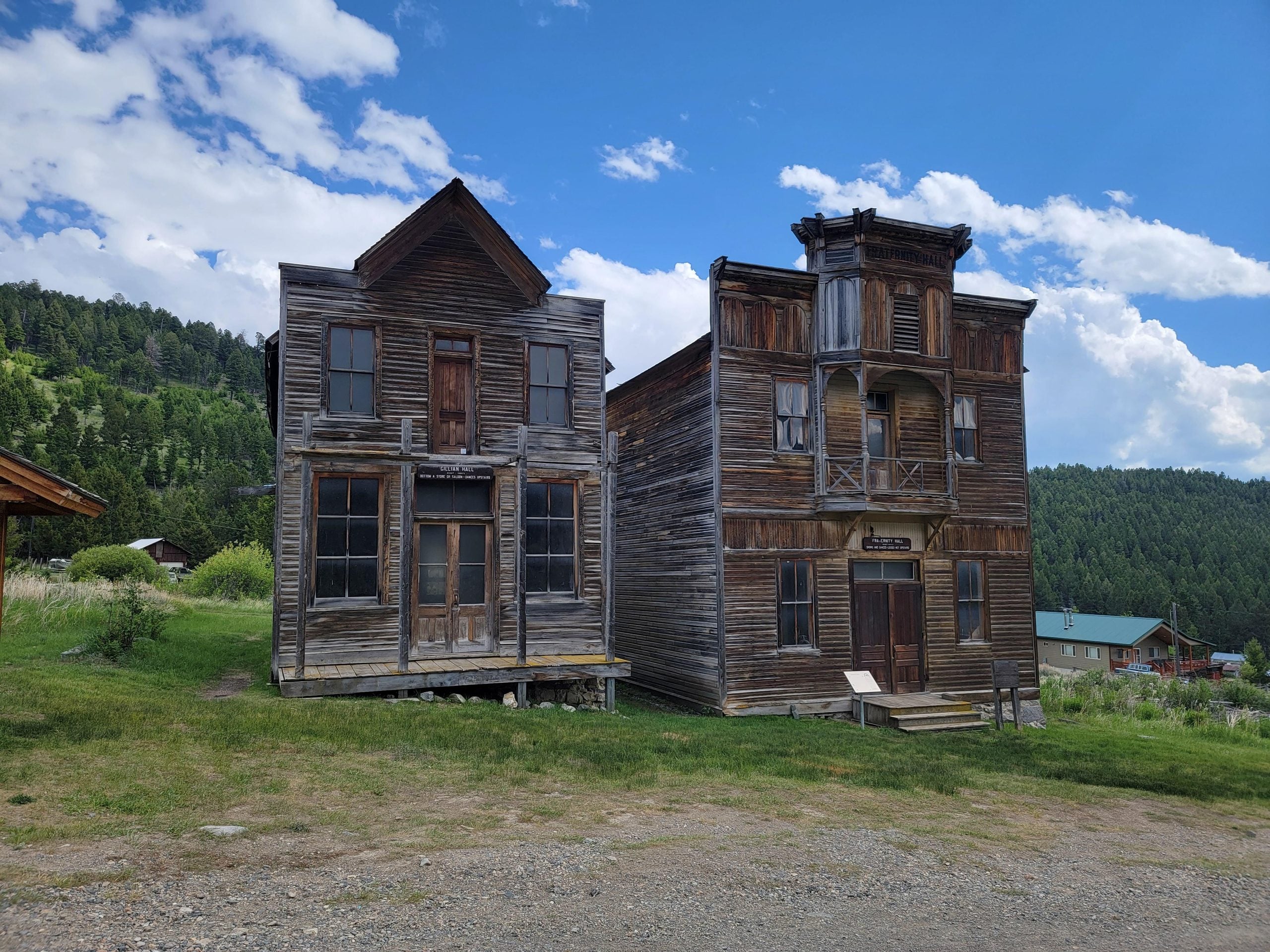
Elkhorn grew in the 1870s after silver was found. One of its best-known buildings was Fraternity Hall, a large wooden structure used for community events and meetings. As silver mining declined, the town lost jobs and residents. It is a reminder of a place where people celebrated, raised families, and built friendships.